

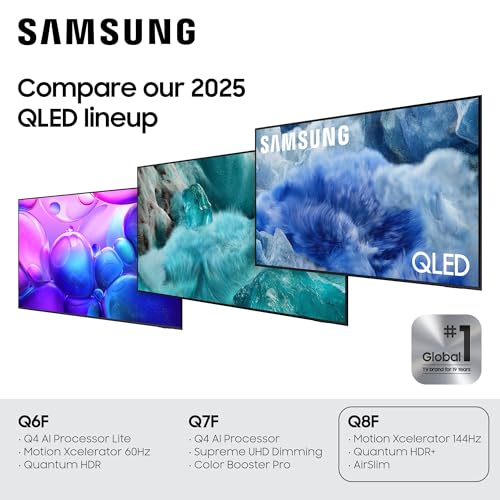
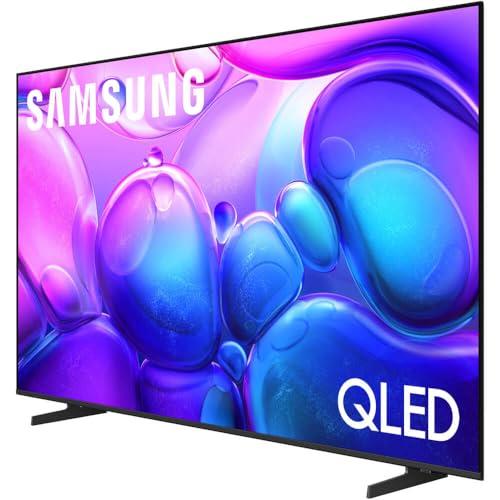
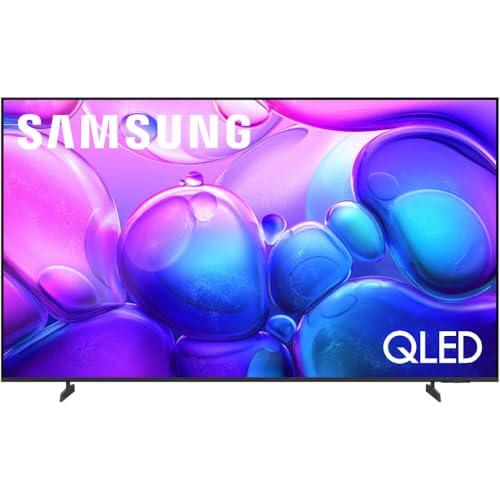
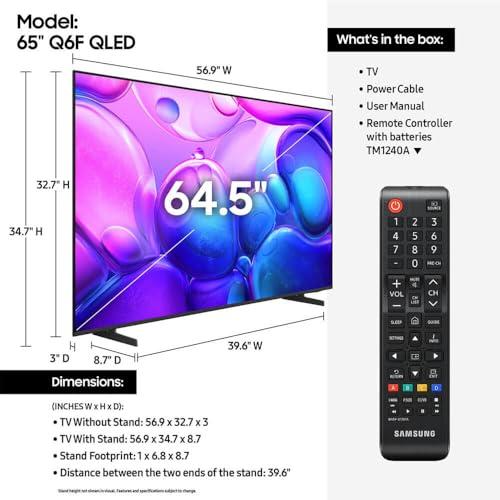
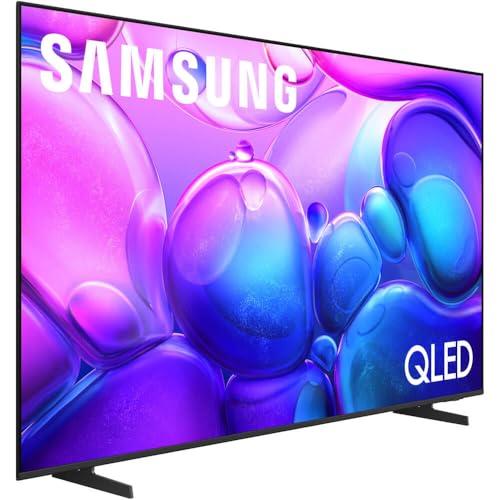
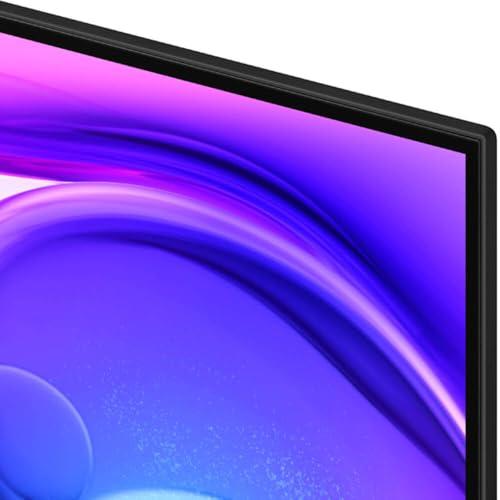
Samsung refreshed their QLED lineup in 2025 with meaningful improvements to both picture processing and smart features. The Q8F and Q6F represent two distinct approaches to the same core technology—quantum dot displays that promise vibrant colors and impressive brightness. At the time of writing, these models sit roughly $400 apart, with the Q8F positioned as Samsung's mid-to-upper tier offering and the Q6F serving as the budget-friendly entry point into QLED territory.
The quantum dot revolution has matured significantly since Samsung introduced the technology in 2015. These 2025 models showcase how far the platform has evolved, particularly in AI-driven processing and gaming integration. But the question remains: does the premium Q8F justify its higher cost, or does the Q6F deliver enough performance for most viewers?
QLED stands for Quantum Dot Light Emitting Diode—essentially a traditional LED-backlit LCD panel enhanced with a layer of quantum dots. These microscopic semiconductor crystals emit specific colors when hit by blue light, allowing QLED TVs to produce more accurate and vibrant colors than standard LED displays. Think of quantum dots as tiny, precise color filters that ensure the red in a sunset looks truly red, not orange-ish.
When evaluating QLED televisions, several performance metrics matter most. Peak brightness determines how well HDR content appears and how the TV performs in bright rooms. Color volume measures how many colors the TV can display at different brightness levels—crucial for lifelike imagery. Motion handling affects how smooth fast-paced content appears, while contrast ratio impacts how deep blacks look next to bright whites. Finally, processing power determines how well the TV can enhance lower-quality content to look sharp and detailed.
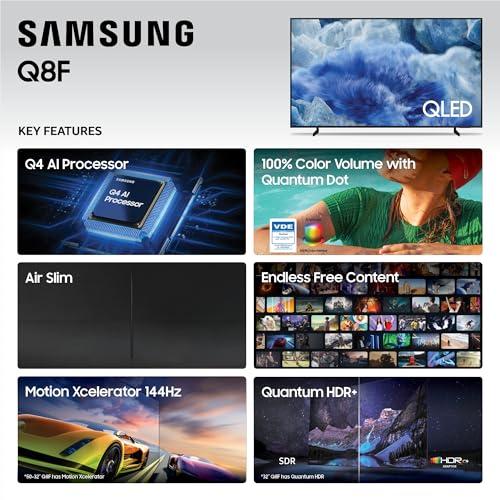
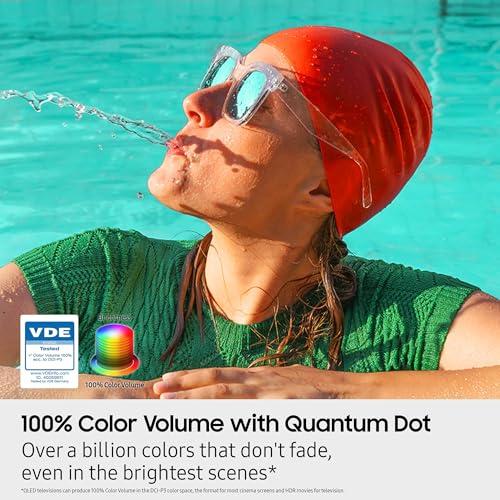
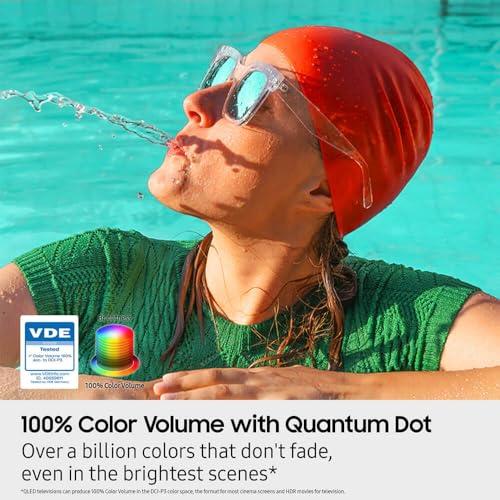
Both the Q8F and Q6F achieve Samsung's "100% Color Volume" certification, meaning they can display over a billion color shades at any brightness level. This represents a significant upgrade from older LED TVs that often lose color accuracy as brightness increases.
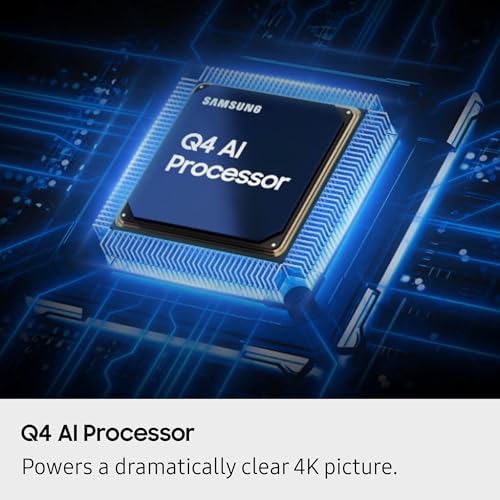
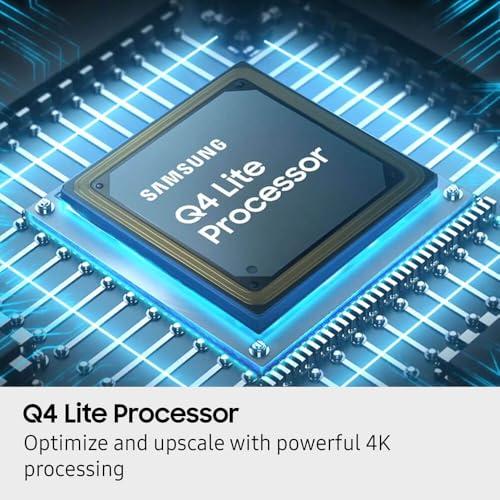
The most significant distinction between these models lies in their processing capabilities. The Q8F features Samsung's Q4 AI Processor, while the Q6F uses the Q4 Lite Processor. This isn't just marketing terminology—the difference in real-world performance is substantial.
The Q4 AI Processor in the Q8F employs machine learning algorithms trained on thousands of hours of content to recognize different types of scenes and optimize them accordingly. When watching a nature documentary, it enhances the greens in forest scenes. During a night-time movie sequence, it preserves shadow detail while maintaining bright highlights. This scene-by-scene analysis happens in real-time, continuously adjusting the picture as content changes.
Perhaps more importantly, the Q8F includes Auto HDR Remastering, which intelligently upgrades standard definition content (SDR) to appear more vibrant by enhancing highlights and expanding the dynamic range. This feature proves invaluable given that most streaming content and cable TV still broadcasts in SDR format. The difference is particularly noticeable when watching older movies or TV shows—they appear more cinematic with enhanced depth and color saturation.
The Q4 Lite Processor in the Q6F handles basic upscaling competently but lacks these advanced AI features. It can make 1080p content look sharper on the 4K screen, but it won't add the sophisticated color and contrast enhancements that make the Q8F feel more premium. For casual viewing, this difference might not be immediately apparent, but side-by-side comparisons reveal the Q8F's superior content enhancement.
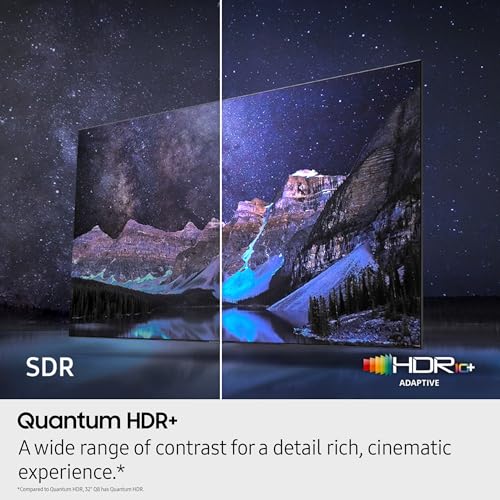
Both models support HDR10 and HDR10+, but their implementation differs significantly. The Q8F features Quantum HDR+ with Supreme UHD Dimming, while the Q6F offers standard Quantum HDR without advanced dimming technology.
Supreme UHD Dimming divides the screen into numerous zones, allowing the Q8F to brighten or dim specific areas independently. During a movie scene with both a bright sky and dark shadows, the Q8F can make the sky brilliantly white while keeping shadow areas deep and detailed. The Q6F, lacking this zone-based control, must compromise—either the sky appears washed out or the shadows lose detail.
The Q8F also incorporates Dual LED backlighting, using two different color temperatures to improve both brightness uniformity and color accuracy. This technology, borrowed from Samsung's higher-end models, helps eliminate the blue-ish tint that sometimes affects edge-lit displays and provides more natural-looking whites.
Peak brightness measurements favor the Q8F, though both models achieve impressive luminance levels that outperform most competing TVs in their respective price ranges. This brightness advantage proves crucial in bright living rooms where ambient light can wash out darker displays.
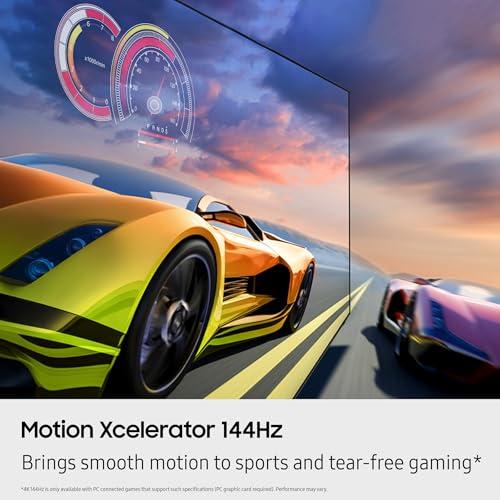
The refresh rate disparity represents perhaps the most immediately noticeable difference between these models. The Q8F operates at 120Hz with Motion Xcelerator 144Hz technology, while the Q6F runs at 60Hz with basic Motion Xcelerator.
For context, refresh rate measures how many times per second the screen updates its image. Higher refresh rates reduce motion blur during fast-paced content like sports broadcasts or action movies. The difference between 60Hz and 120Hz is significant—watching a football game on the Q8F reveals individual players' movements with crisp clarity, while the same content on the Q6F may show slight blurring during rapid camera pans or player movements.
Motion Xcelerator 144Hz on the Q8F uses interpolation technology that estimates and creates intermediate frames between the original ones, further smoothing motion. This feature works particularly well for sports content, though some viewers prefer to disable it for movies to maintain the filmmaker's intended 24fps presentation.
The 60Hz limitation on the Q6F isn't necessarily problematic for standard TV viewing, streaming, or movies. Most content is filmed at 24fps or 30fps, so the 60Hz display handles it without issues. However, the difference becomes apparent during sports broadcasts, which often benefit from the smoother motion rendering of higher refresh rates.
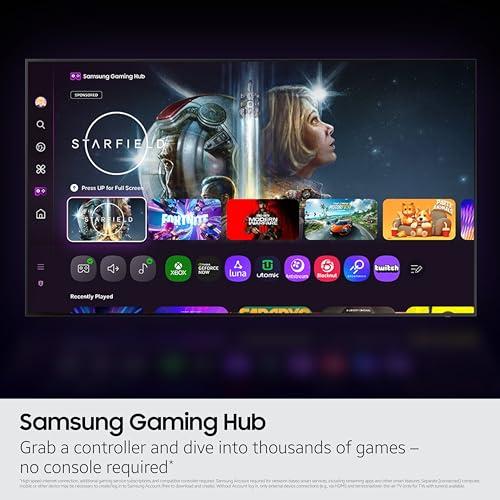
Gaming represents the starkest contrast between these models. The Q8F includes comprehensive gaming features designed for PlayStation 5 and Xbox Series X compatibility, while the Q6F offers only basic gaming support.
The Q8F supports Variable Refresh Rate (VRR), which synchronizes the TV's refresh rate with the gaming console's output frame rate. This eliminates screen tearing—those horizontal lines that appear when the TV and console fall out of sync. Auto Low Latency Mode (ALLM) automatically detects when a gaming console is connected and switches to the lowest input lag setting, reducing the delay between controller input and on-screen action.
Additional gaming features on the Q8F include Super Ultra Wide Game View, which expands the field of view for supported games, and Mini Map Zoom, allowing players to enlarge small interface elements for better visibility. The AI Auto Game Mode analyzes the type of game being played and optimizes display settings accordingly—enhancing contrast for dark exploration games or increasing responsiveness for competitive shooters.
The Q6F includes basic Auto Game Mode but lacks VRR support, advanced gaming modes, and the 120Hz refresh rate that next-generation consoles can utilize. For casual gaming or older consoles, the Q6F performs adequately. However, owners of PS5 or Xbox Series X will miss out on the enhanced gaming experience that modern consoles can provide.
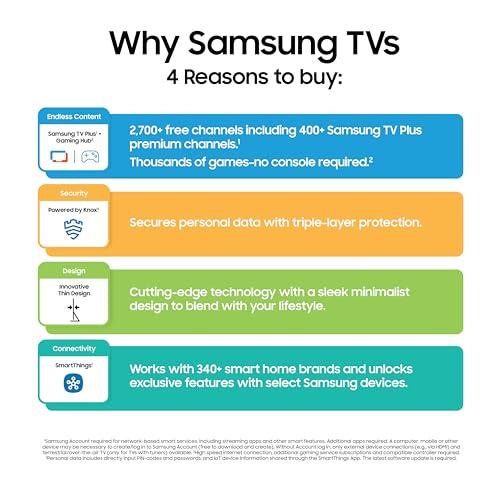
Both models run Samsung's Tizen operating system, which has evolved significantly since its introduction. The 2025 version includes improved app loading speeds, better voice recognition, and more intuitive navigation compared to previous years. Samsung TV Plus provides access to hundreds of free streaming channels, while the built-in streaming apps cover all major services.
The Q8F includes several premium smart features absent from the Q6F. Generative Wallpaper uses AI to create unique background images based on user-selected keywords, transforming the TV into a customizable digital art display when not in use. Multi-View allows simultaneous viewing of two different video sources—perhaps a sports game in one window and news in another.
Far-field voice interaction on the Q8F enables voice commands from across the room without pointing the remote at the TV. This feature proves surprisingly useful for quick volume adjustments or channel changes when the remote isn't readily available.
Both models integrate with Samsung's SmartThings ecosystem, allowing control of compatible smart home devices directly from the TV interface. Apple AirPlay support enables easy content sharing from iPhones and iPads, while Google Assistant and Alexa provide comprehensive voice control options.
Audio represents the most significant limitation for both models, though the Q8F provides notable improvements over the Q6F. The Q8F features Object Tracking Sound Lite (OTS Lite), which creates directional audio that follows on-screen action. During car chase scenes, engine sounds move from left to right as vehicles cross the screen, adding immersion that standard TV speakers can't provide.
Q-Symphony technology allows both models to work in harmony with compatible Samsung soundbars, using both the TV's speakers and the soundbar simultaneously rather than muting the TV's audio. This creates a more expansive soundscape than either component could produce alone.
The Q6F includes basic 20W stereo speakers that provide clear dialogue and adequate volume for most viewing situations. However, like most modern flat-screen TVs, it lacks the physical space necessary for impactful bass response or truly immersive audio.
For serious home theater enthusiasts, both models benefit significantly from soundbar pairing. Samsung's soundbar ecosystem integrates seamlessly with these TVs, though third-party options also work well. The built-in audio serves as a functional starting point but shouldn't be considered the final audio solution for either model.
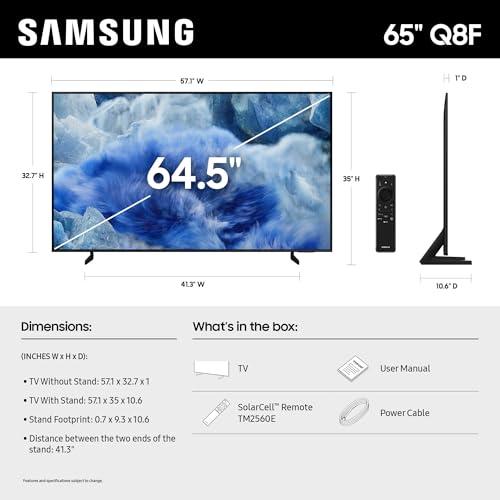
The Q8F showcases Samsung's AirSlim design philosophy, measuring just 25.7mm thick without the stand. This ultra-thin profile creates an elegant aesthetic whether wall-mounted or placed on furniture. The virtually bezel-less design maximizes screen real estate while maintaining structural integrity.
The Q6F features a Metal Stream rear panel design, constructed from a single metal sheet for durability and heat dissipation. While slightly thicker than the Q8F, it maintains a modern appearance suitable for most living spaces.
Both models include Samsung's Clean Cable Solution, routing power and input cables through the stand to minimize visual clutter. The stands themselves provide stable support while maintaining relatively small footprints that fit most entertainment centers.
For dedicated home theater setups, the Q8F offers several advantages that justify its premium positioning. The Superior brightness and contrast control perform better in light-controlled environments where HDR content can truly shine. The 120Hz refresh rate and advanced processing create a more cinematic experience, particularly with high-quality source material.
However, both models share QLED's inherent limitations compared to OLED technology. Black levels, while impressive for LED-based displays, don't achieve the perfect blacks that individual pixel control provides. Viewing angles remain somewhat limited, with color shifting noticeable at extreme angles—important considerations for theater seating arrangements.
The lack of Dolby Vision support on both models may concern some enthusiasts, though HDR10+ provides similar dynamic tone mapping capabilities. Samsung's commitment to HDR10+ over Dolby Vision reflects industry politics rather than technical limitations, and most streaming services support both formats.
The Q8F represents the better television in nearly every measurable way—superior processing, enhanced gaming features, better motion handling, and more advanced smart capabilities. For households with next-generation gaming consoles, sports enthusiasts, or those seeking the most capable QLED experience Samsung offers at this price point, the premium feels justified.
However, the Q6F shouldn't be dismissed as merely a budget alternative. It delivers genuine QLED color performance, comprehensive smart features, and reliable daily operation at a significantly lower cost. For viewers primarily interested in streaming services, general TV watching, and occasional movie nights, the Q6F provides excellent value without obvious compromises.
The decision ultimately depends on your specific usage patterns and budget flexibility. Gaming capabilities alone might justify the Q8F for console owners, while the motion handling improvements prove valuable for sports viewing. Conversely, households focused on streaming and casual viewing will find the Q6F delivers a premium viewing experience without premium pricing.
At the time of writing, the price differential makes this decision relatively straightforward: choose the Q8F if the enhanced features align with your viewing habits and budget allows, or select the Q6F for excellent QLED performance at an accessible price point. Both represent solid entries in Samsung's 2025 QLED lineup, just targeted at different user priorities and budgets.
| Samsung 65" QLED Q8F 4K Smart TV 2025 | Samsung 65" QLED Q6F 4K Smart TV 2025 |
|---|---|
| Picture Processor - Determines upscaling quality and AI features | |
| Q4 AI Processor with Auto HDR Remastering | Q4 Lite Processor (basic upscaling only) |
| Refresh Rate - Critical for sports and gaming smoothness | |
| 120Hz with Motion Xcelerator 144Hz | 60Hz with basic Motion Xcelerator |
| HDR Performance - Affects contrast and brightness control | |
| Quantum HDR+ with Supreme UHD Dimming | Standard Quantum HDR (no advanced dimming) |
| Backlighting Technology - Impacts contrast uniformity | |
| Dual LED with edge-lit design | Direct-lit LED without zone control |
| Gaming Features - Essential for PS5/Xbox Series X owners | |
| Full gaming suite: VRR, ALLM, Game Motion Plus, AI Auto Game Mode, Ultra Wide Game View | Basic Auto Game Mode only (no VRR or 120Hz support) |
| Audio Technology - Built-in sound quality and soundbar integration | |
| Object Tracking Sound Lite (OTS Lite), Q-Symphony, Adaptive Sound+ | Basic 20W 2CH speakers, Q-Symphony support |
| Smart TV Features - Premium conveniences and multi-tasking | |
| Multi-View (2 videos), Generative Wallpaper, Far-field voice interaction | Standard Tizen OS with essential smart features |
| Design Profile - Aesthetic and mounting considerations | |
| AirSlim design (25.7mm thin), 3 bezel-less design | Metal Stream rear panel, standard thickness |
| Connectivity Options - Port availability for devices | |
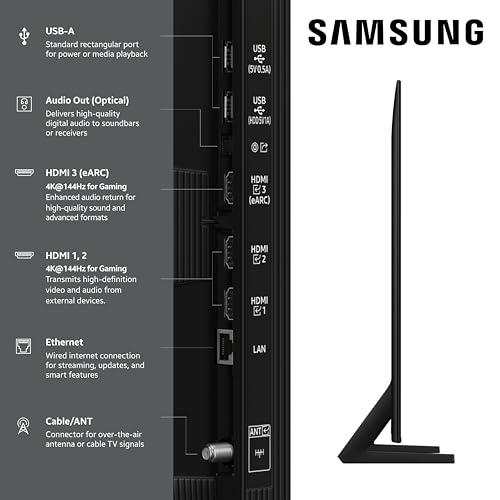
| 3 HDMI, 2 USB-A ports, eARC/ARC support | 3 HDMI, 1 USB-A port, eARC/ARC support |
| Best For - Target buyer profile | |
| Gamers, sports fans, tech enthusiasts wanting premium QLED performance | Budget-conscious buyers seeking solid QLED colors for general viewing |
The primary difference is processing power and refresh rate. The Samsung 65" QLED Q8F features the advanced Q4 AI Processor with 120Hz refresh rate, while the Samsung 65" QLED Q6F uses the Q4 Lite Processor with 60Hz. This means the Q8F delivers superior upscaling, smoother motion, and better gaming performance.
The Samsung Q8F is significantly better for next-gen gaming. It supports Variable Refresh Rate (VRR), Auto Low Latency Mode (ALLM), and 120Hz refresh rate that modern consoles can utilize. The Q6F lacks these gaming features and is limited to 60Hz, making it adequate only for casual gaming.
Both models use Samsung's Quantum Dot technology for vibrant colors, but the Q8F has superior picture processing. It includes Quantum HDR+ with Supreme UHD Dimming for better contrast control, while the Q6F has standard Quantum HDR. The Q8F also features Auto HDR Remastering to enhance standard content.
The Samsung Q8F is better for sports due to its 120Hz refresh rate and Motion Xcelerator 144Hz technology, which reduces motion blur during fast-paced action. The Q6F's 60Hz refresh rate is adequate but may show some motion blur during rapid camera movements or fast plays.
Both run Samsung's Tizen OS with essential smart features, but the Q8F includes premium additions like Multi-View (watching two videos simultaneously), Generative Wallpaper, and far-field voice interaction. The Samsung Q6F has all the core streaming apps and voice assistant support but lacks these advanced features.
The Samsung Q8F has superior audio with Object Tracking Sound Lite (OTS Lite) that follows on-screen action, plus Adaptive Sound+ technology. The Q6F has basic 20W stereo speakers. Both support Q-Symphony for soundbar integration, but either model benefits from adding a dedicated soundbar.
The Samsung Q6F can work in a home theater but has limitations. It lacks advanced dimming technology and 120Hz refresh rate that enhance the cinematic experience. For dedicated home theaters, the Q8F provides better HDR performance and processing that justify the upgrade for serious movie watching.
The Q8F features Samsung's premium AirSlim design at just 25.7mm thick with a nearly bezel-less appearance. The Samsung Q6F has a Metal Stream rear panel design that's slightly thicker but still modern-looking. Both offer clean cable management and sturdy stands.
The Samsung Q6F offers excellent value for buyers seeking QLED color quality without premium features. The Q8F provides better overall performance but costs significantly more. Choose the Q6F for general viewing or the Q8F if you need gaming features and superior processing.
While both display 4K HDR content, the Samsung Q8F handles it better with Quantum HDR+ and Supreme UHD Dimming for superior contrast control. The Q6F supports HDR but lacks advanced zone-based dimming, so bright and dark scenes won't have the same depth and detail as the Q8F.
The main difference is USB ports: the Q8F has two USB-A ports while the Samsung Q6F has one. Both include three HDMI ports with eARC/ARC support, Ethernet, Wi-Fi 5, and Bluetooth 5.3. The Q8F offers slightly more flexibility for connecting external devices.
Choose the Samsung Q8F if you have next-gen gaming consoles, watch lots of sports, or want the best possible picture processing and smart features. Pick the Q6F if you primarily stream content, watch regular TV, and want QLED quality at a lower price point. Both deliver excellent performance for their respective target audiences.
We've done our best to create useful and informative comparisons to help you decide what product to buy. Our research uses advanced automated methods to create this comparison and perfection is not possible - please contact us for corrections or questions. These are the sites we've researched in the creation of this article: bestbuy.com - rtings.com - tomsguide.com - youtube.com - samsung.com - youtube.com - youtube.com - youtube.com - rtings.com - rtings.com - linqcdn.avbportal.com - bestbuy.com - samsung.com - samsung.com - samsung.com - youtube.com - youtube.com - billsmith.com - samsung.com - samsung.com - samsung.com - hometechnologyreview.com - shopjetson.com - certappl.com - samsung.com - theapplianceplug.com - samsung.com - manuals.plus - bestbuy.com - device.report - samsung.com - shopsilica.com - dentonstv.com - tomsguide.com - bestbuy.com - samsung.com - youtube.com - rtings.com - bestbuy.com - samsung.com - samsung.com - samsung.com - manuals.plus - shopjetson.com - samsung.com - samsung.com - samsung.com - samsung.com - bestbuy.com - jefflynch.com

Privacy Policy
Terms and Conditions - Affiliate Policy
Home Security
© Copyright 2008-2026.
11816 Inwood Rd #1211, Dallas, TX 75244