

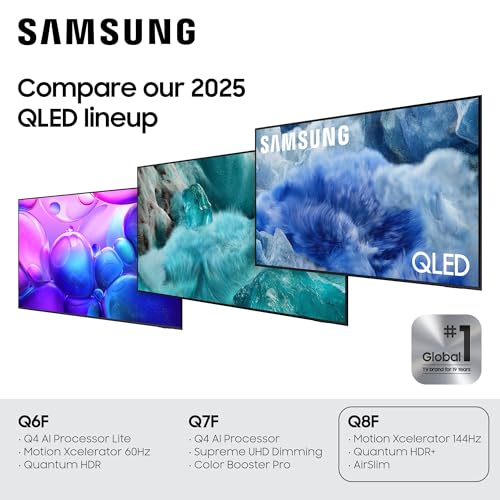
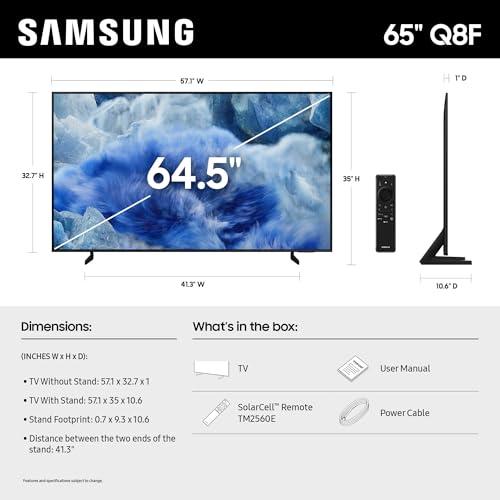
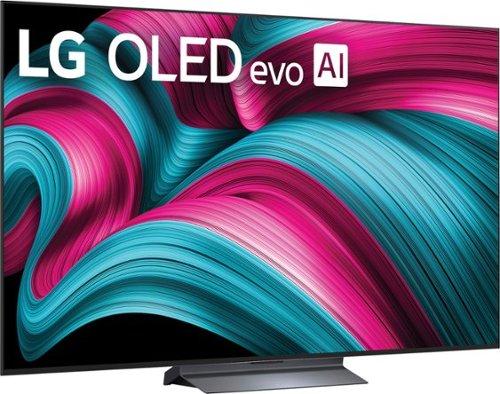
Choosing between the Samsung Q8F and LG C5 represents one of the most fundamental decisions in TV buying today. These two 65" 4K smart TVs launched in 2025 and embody completely different philosophies about how to create the best picture quality. The Samsung uses QLED technology—essentially an enhanced LED TV with quantum dots for better colors—while the LG uses OLED, where each pixel generates its own light.
This isn't just a technical difference; it affects everything from how bright the TV can get to how deep the blacks appear, and ultimately determines which TV will work best in your home. At the time of writing, these TVs sit in different price tiers, with the Samsung Q8F positioned as a premium mid-range option and the LG C5 commanding a significant premium as a high-end OLED display.
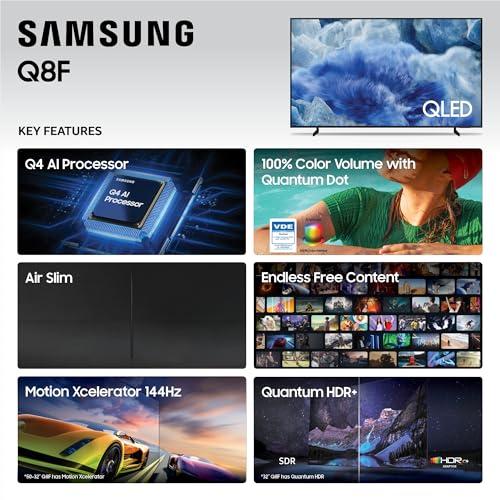
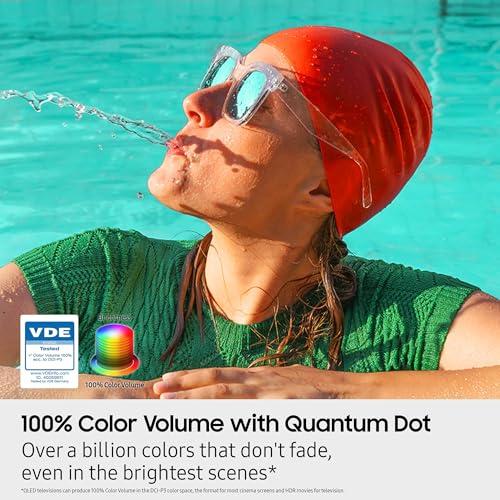
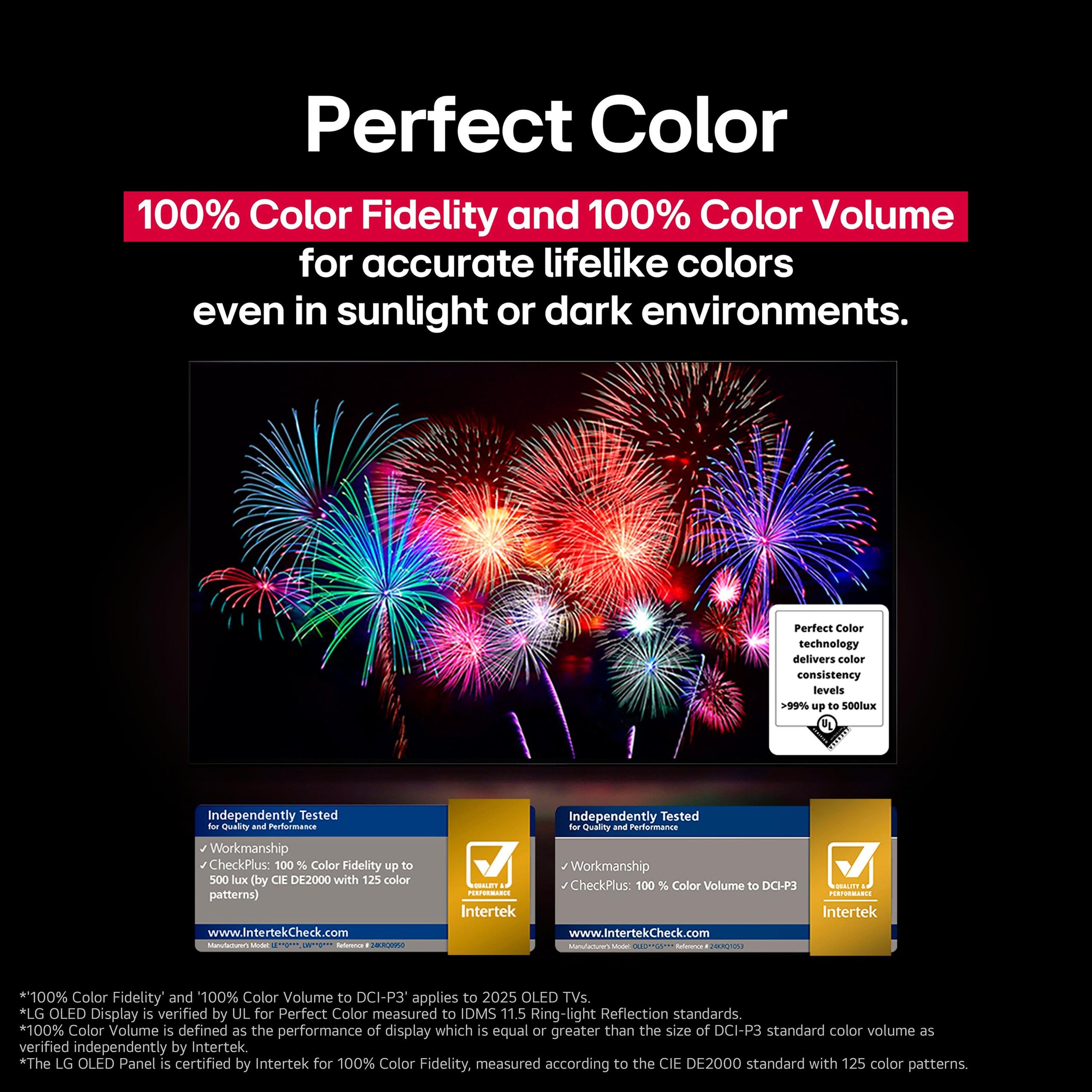
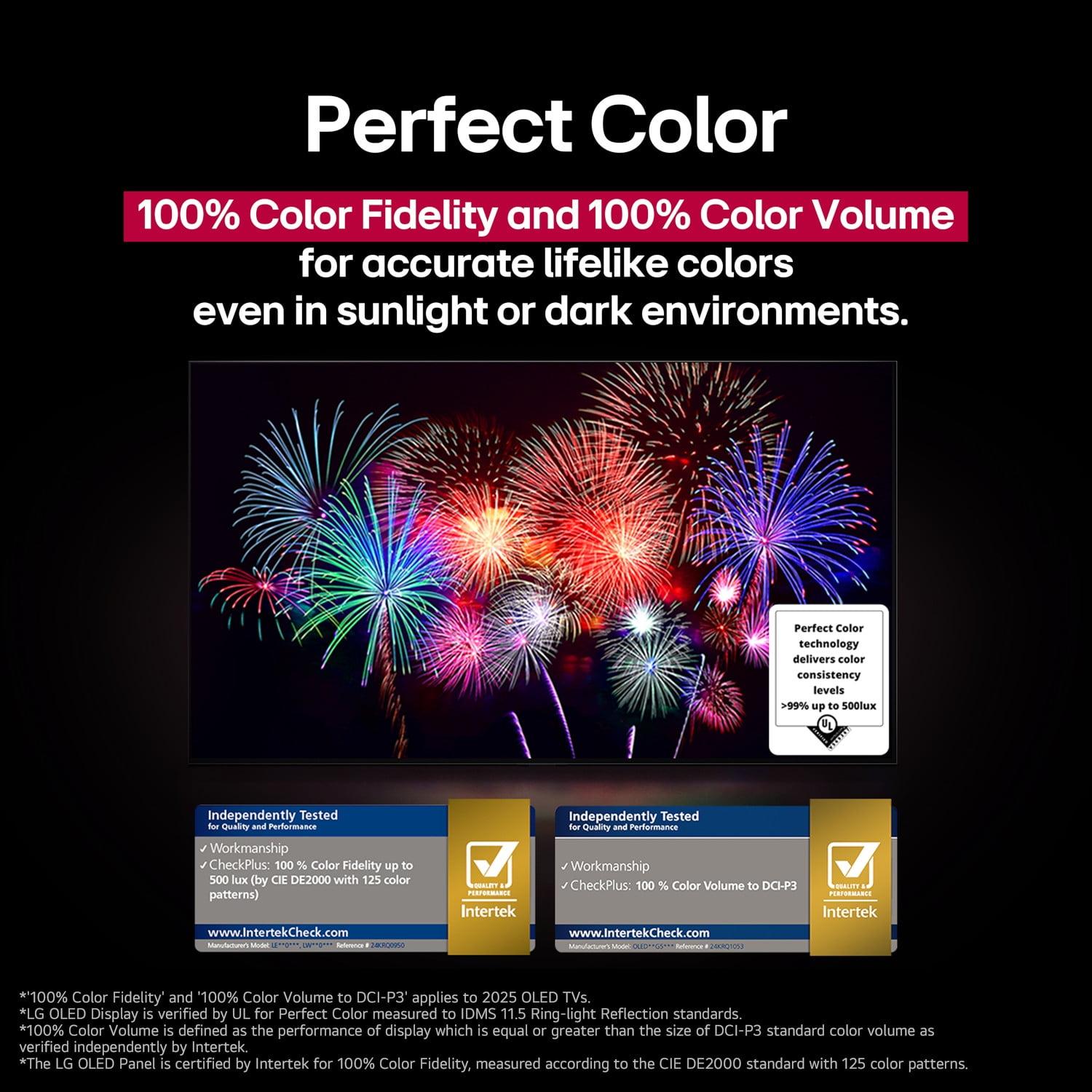
The biggest difference between these TVs lies in how they create light and color. The Samsung Q8F uses what's called edge-lit QLED technology. Think of it like having LED lights around the edges of the screen that shine through a panel enhanced with quantum dots—tiny particles that convert blue LED light into precise red and green wavelengths. This creates more accurate colors than traditional LED TVs, with the quantum dots achieving what Samsung calls "100% Color Volume," meaning they can display vivid colors even at high brightness levels.
The LG C5, on the other hand, uses OLED (Organic Light-Emitting Diode) technology, where each of the 8.3 million pixels creates its own light. When the TV needs to show black, those pixels simply turn off completely. There's no backlight to worry about—each pixel is essentially a tiny light bulb that can display any color or turn completely dark.
These different approaches create distinct advantages. The Samsung Q8F can get much brighter because it has dedicated LED backlights pushing light through the screen. The LG C5 can achieve perfect blacks and infinite contrast because pixels can turn completely off, something no backlit TV can match.
Here's where the Samsung Q8F shows its biggest strength. QLED TVs can push significantly more light output than OLED displays—we're talking about peak brightness levels that can easily overcome glare from windows or overhead lighting. This makes a huge difference if your TV is in a living room with large windows or bright overhead lights.
The quantum dot technology in the Samsung Q8F is particularly impressive because it maintains color accuracy even at these high brightness levels. Many TVs lose color saturation when they get really bright, but quantum dots help preserve that vibrant color even when the TV is pumping out enough light to compete with daylight coming through your windows.
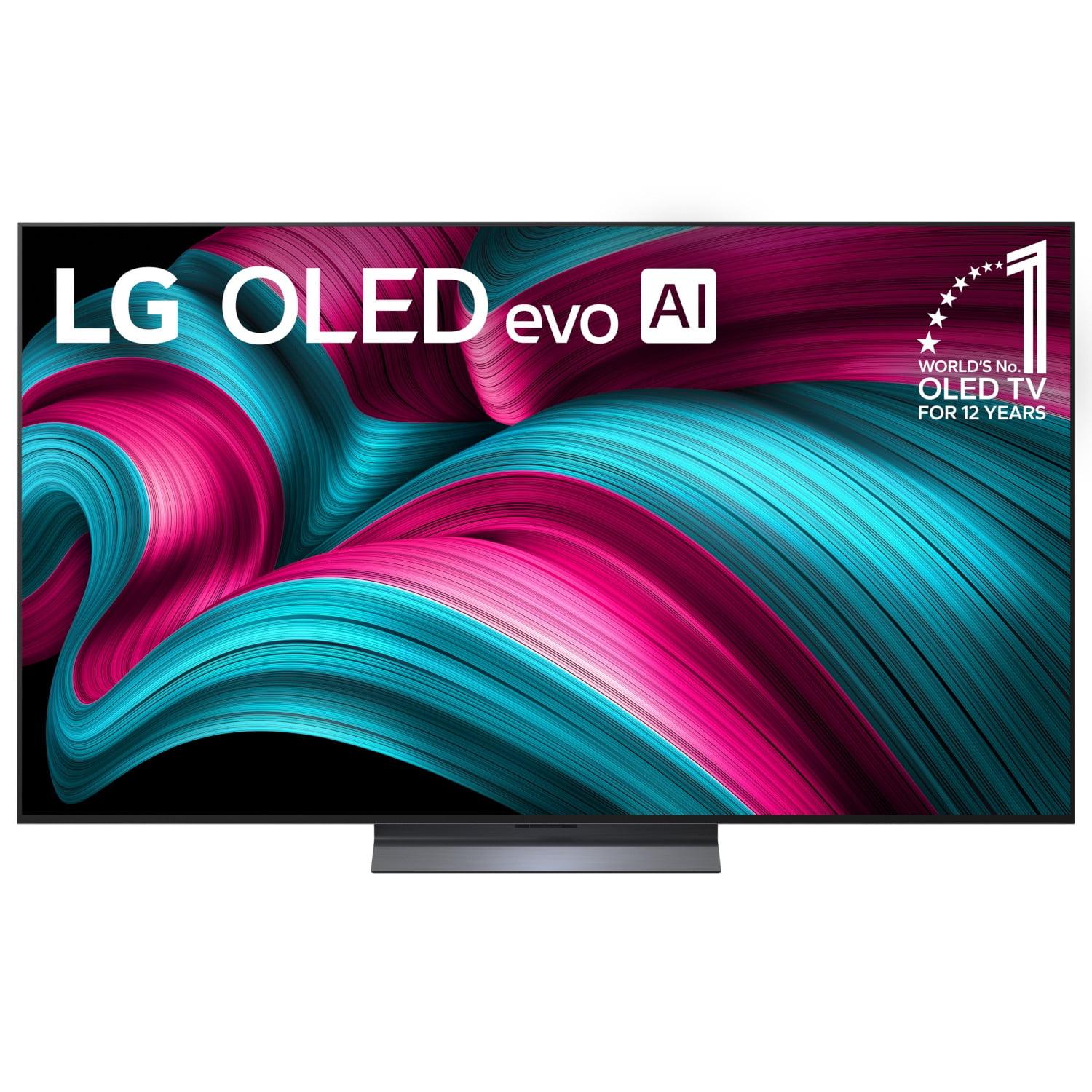
The LG C5 has made significant strides in brightness compared to previous OLED generations. LG's new "Bright Room Ready" technology and what they call Brightness Booster help the C5 perform better in well-lit rooms than older OLEDs. However, it still can't match the raw light output of mini-LED or QLED TVs. This isn't necessarily a weakness—it just means the LG C5 is better suited for controlled lighting environments.
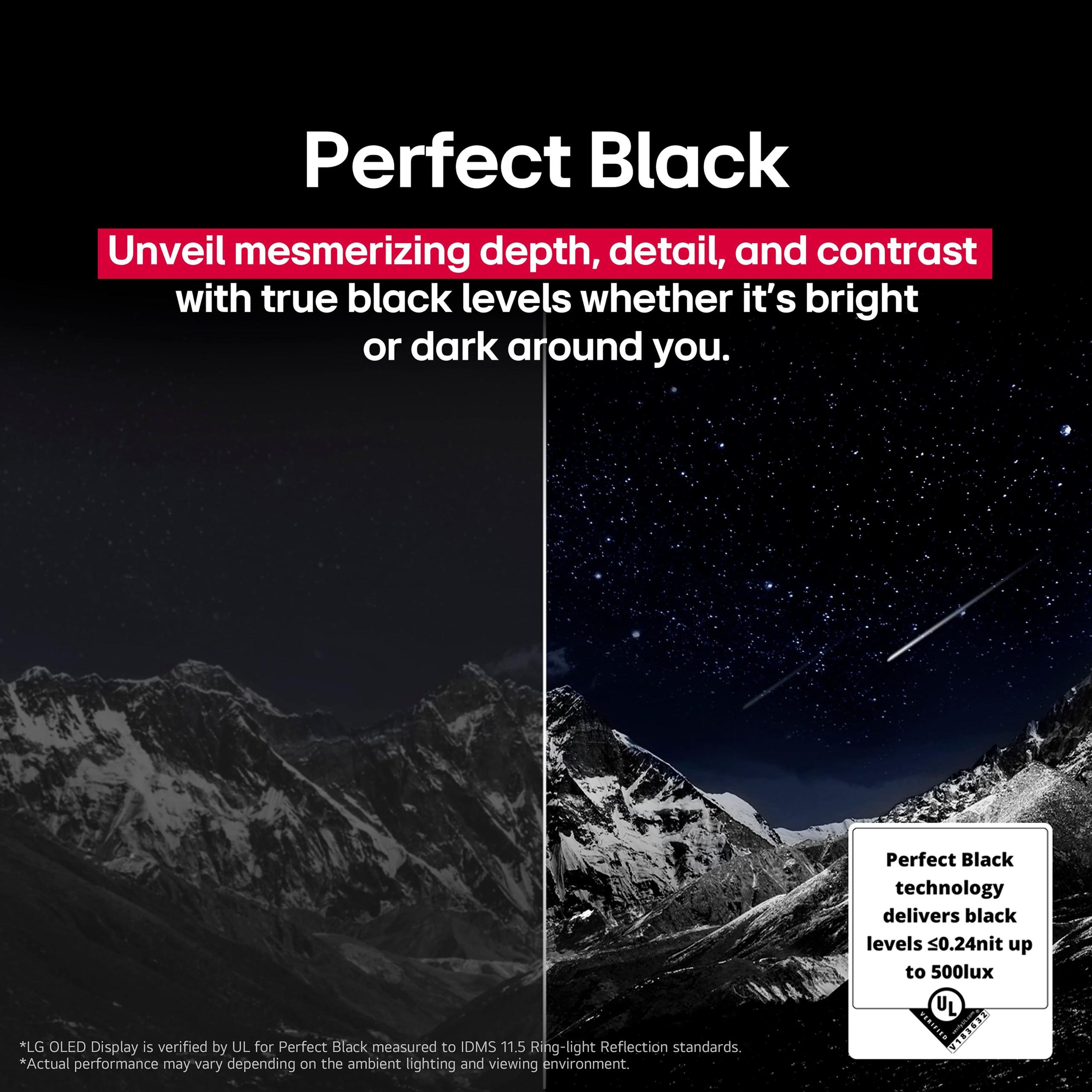
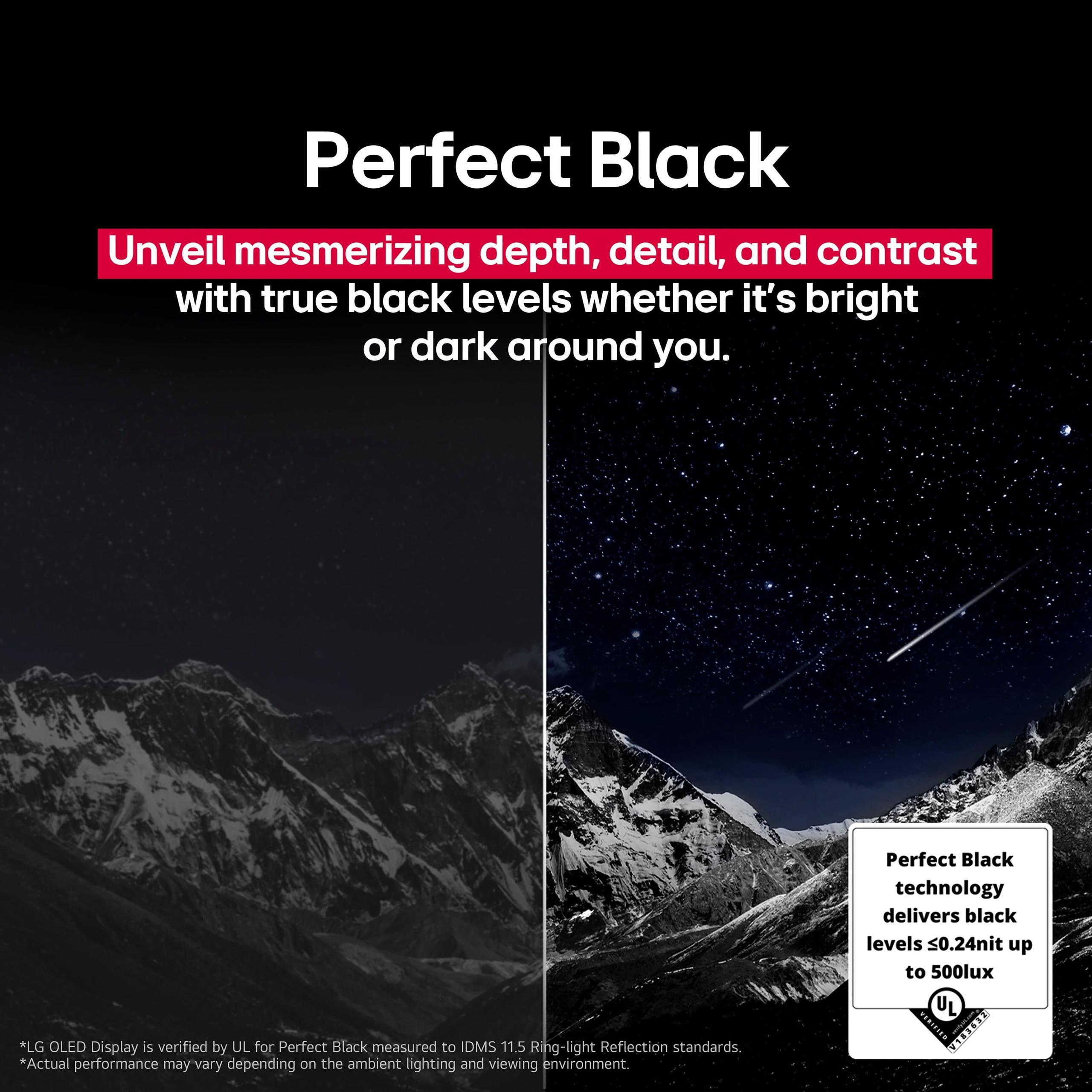
While the Samsung Q8F wins on brightness, the LG C5 dominates when it comes to contrast and black levels. This is where OLED technology truly shines. When you're watching a movie with dark scenes—think of space scenes in sci-fi films or dimly lit interiors in dramas—the LG C5 can display true black by turning pixels completely off.
This creates what's called infinite contrast ratio. The difference between the brightest white and the darkest black is theoretically infinite because true black has no light output at all. In practical terms, this means dark scenes have incredible depth and detail. You can see subtle variations in shadows that might be lost on other display technologies.
The Samsung Q8F, being edge-lit, can't achieve these same black levels. Even in its darkest scenes, there's still some light bleeding through from the edge-mounted LEDs. The blacks appear more like dark gray, which reduces the overall sense of depth and contrast in darker content.
For home theater enthusiasts, this difference is crucial. If you've set up a dedicated movie-watching space with controlled lighting, the LG C5 will give you a more cinematic experience with deeper blacks and more dramatic contrast.
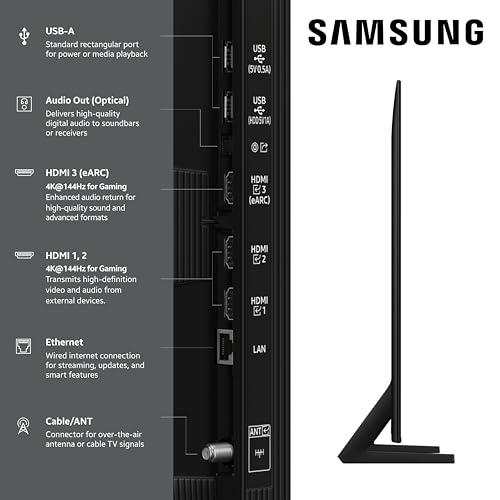
Both TVs cater well to gamers, but they excel in different ways. The LG C5 offers what might be the best gaming experience available in 2025. Its OLED technology provides a 0.1ms response time—essentially instantaneous pixel response that eliminates motion blur even in the fastest games. All four HDMI ports support the full bandwidth of HDMI 2.1, meaning you can connect multiple gaming devices and take advantage of features like 4K at 120Hz or even 144Hz refresh rates.
The C5 also supports Variable Refresh Rate (VRR), which synchronizes the TV's refresh rate with your gaming console or PC to eliminate screen tearing. It's compatible with both NVIDIA G-Sync and AMD FreeSync Premium, making it versatile for different gaming setups.
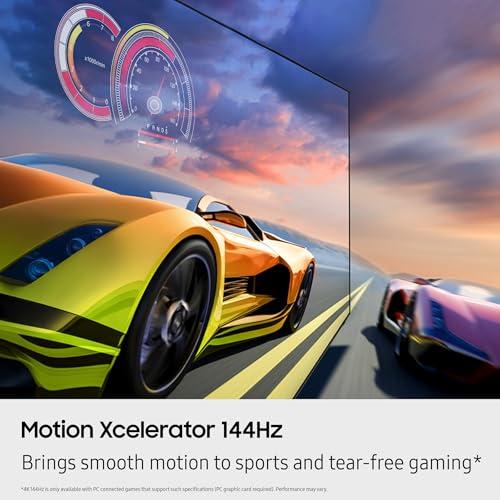
The Samsung Q8F includes solid gaming features too, with its Motion Xcelerator 144Hz technology and Auto Game Mode that automatically switches to low-latency settings when it detects a gaming signal. However, the fundamental physics of LED technology means it can't match OLED's instantaneous pixel response times.
For competitive gaming where every millisecond matters, the LG C5 has a clear advantage. For casual gaming, both TVs will provide an excellent experience.
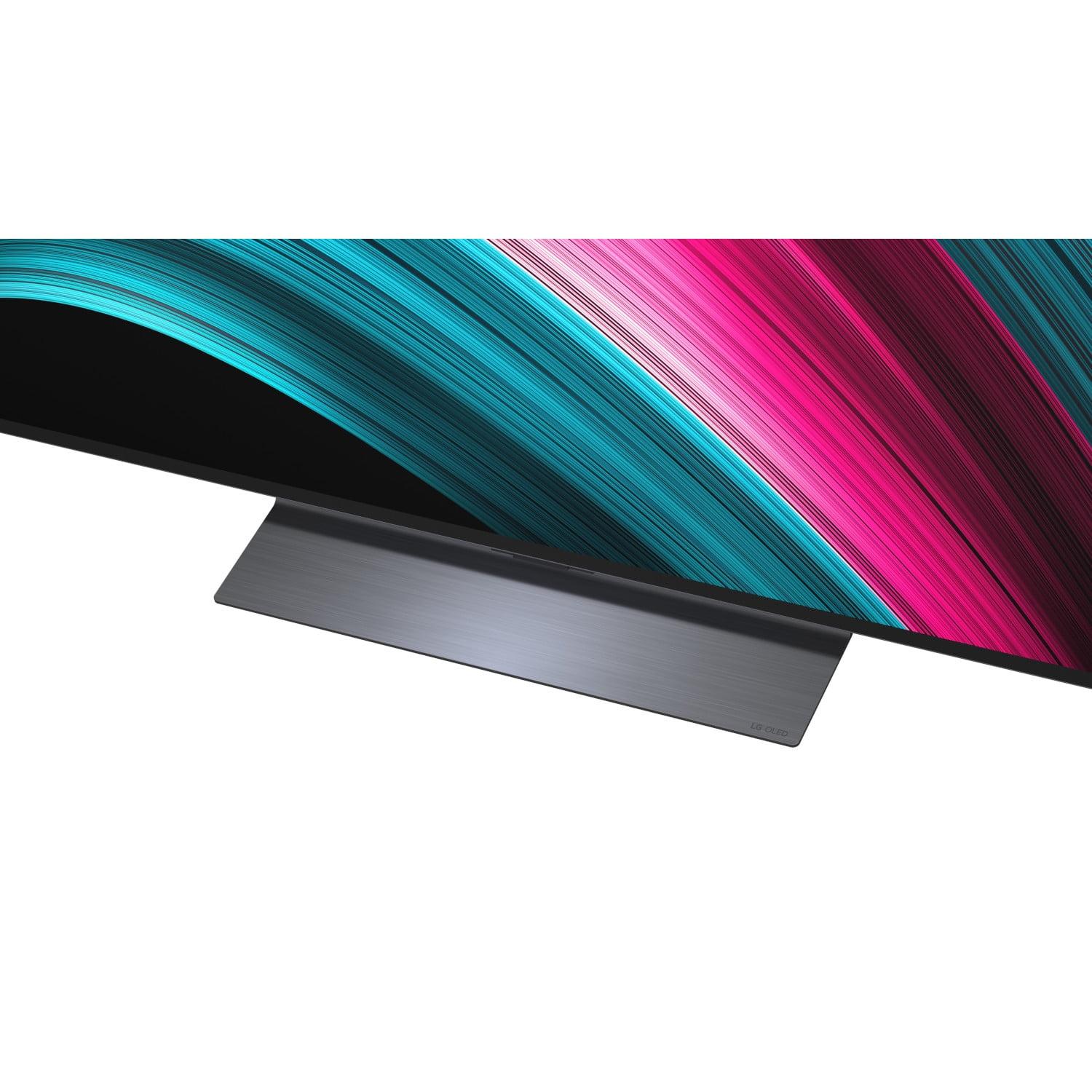
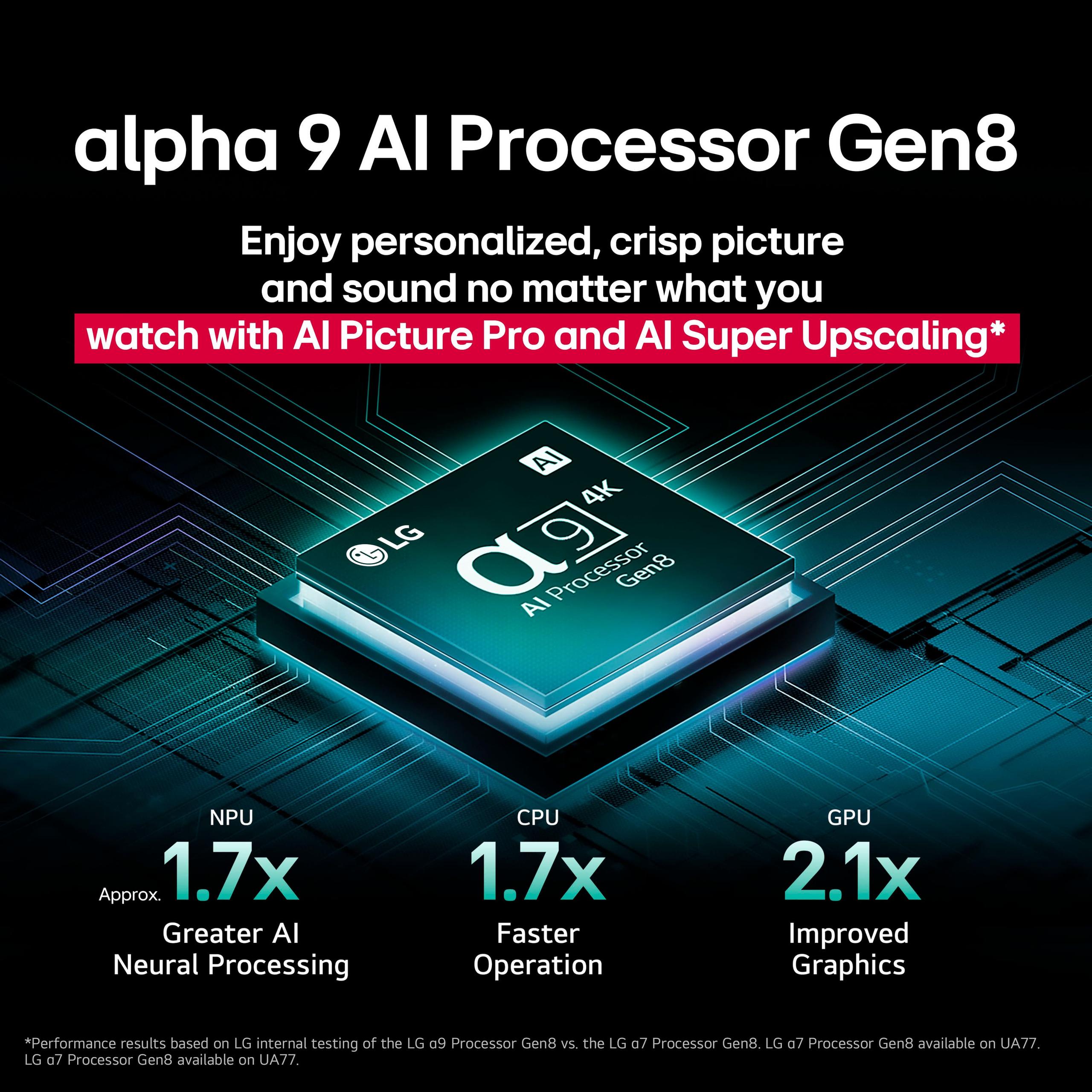
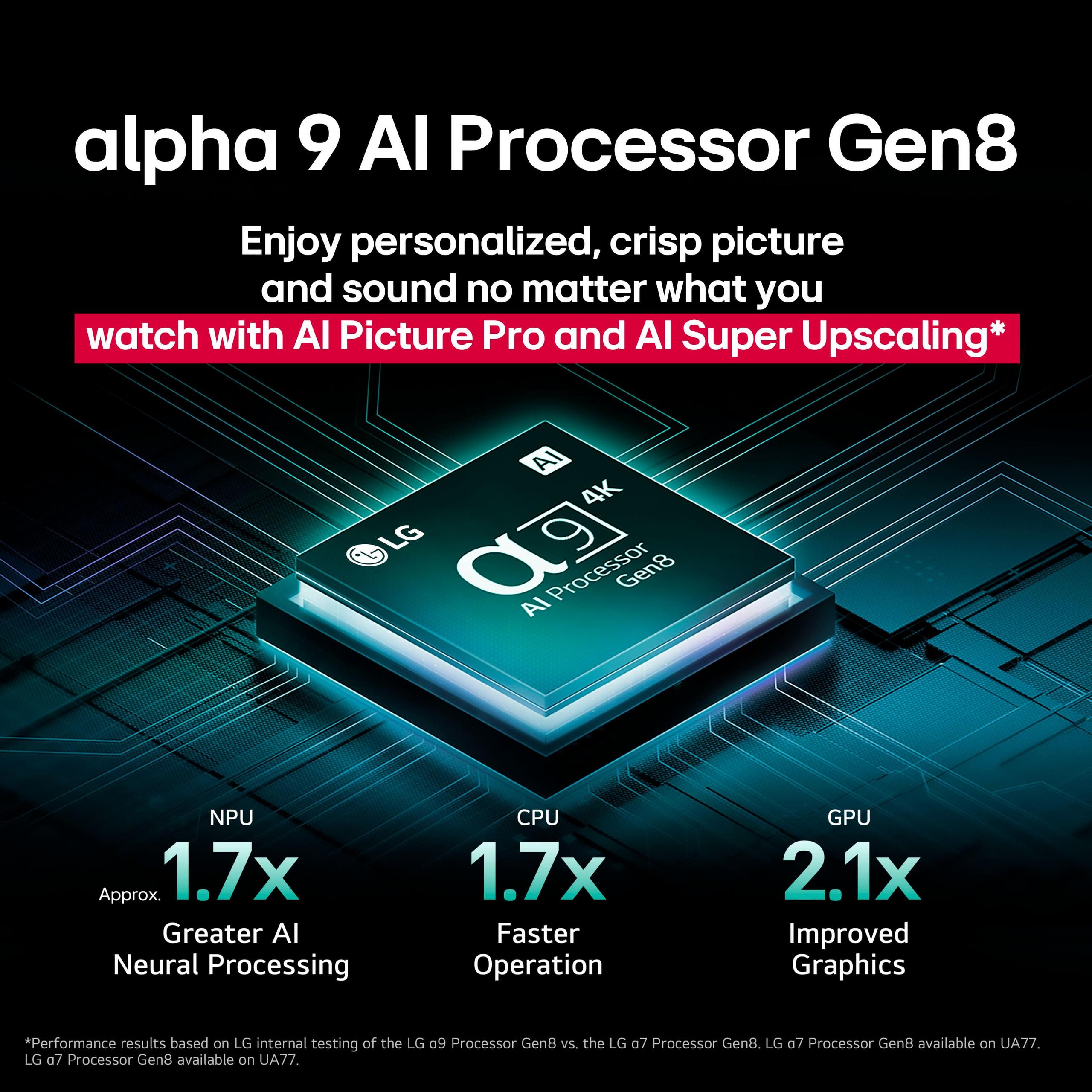
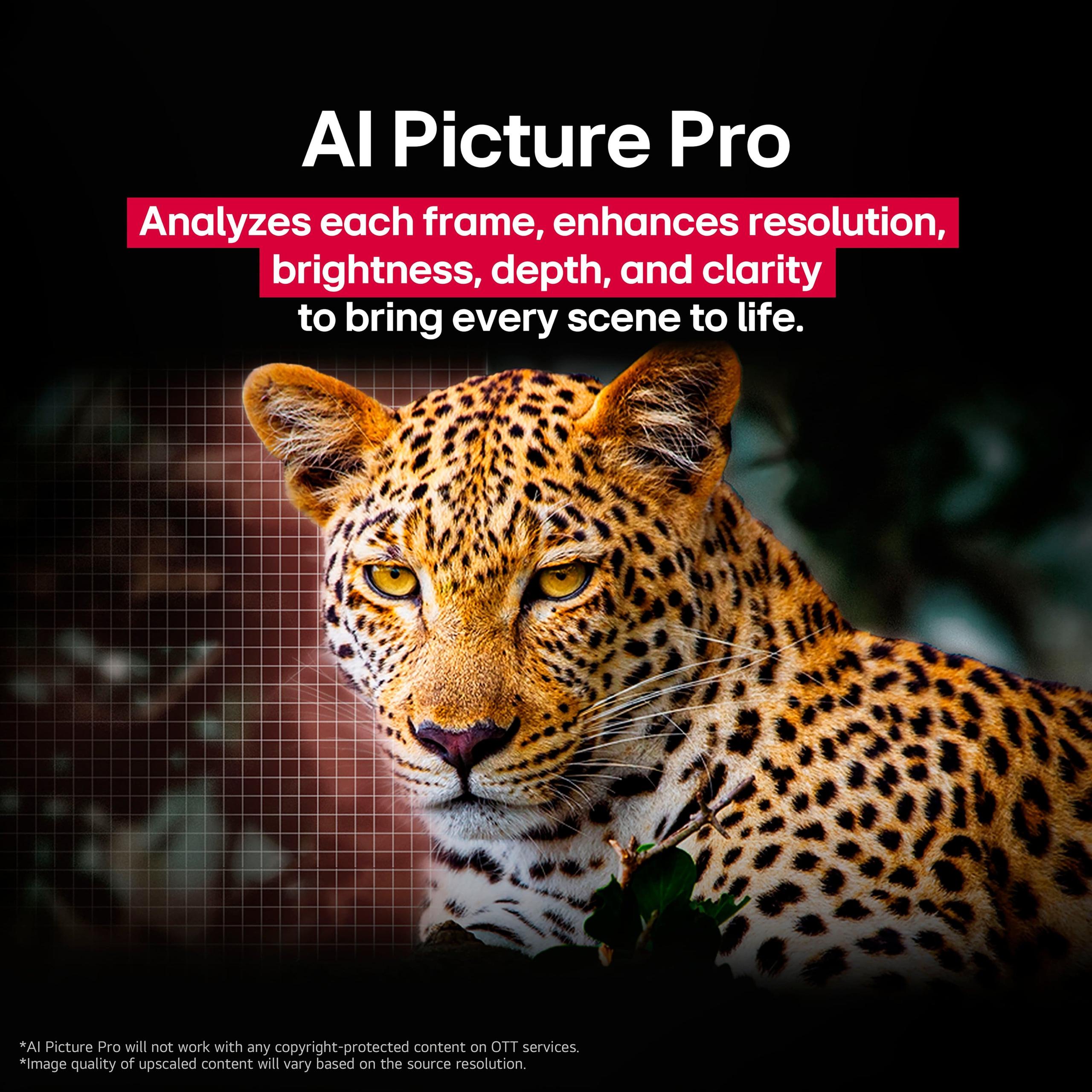
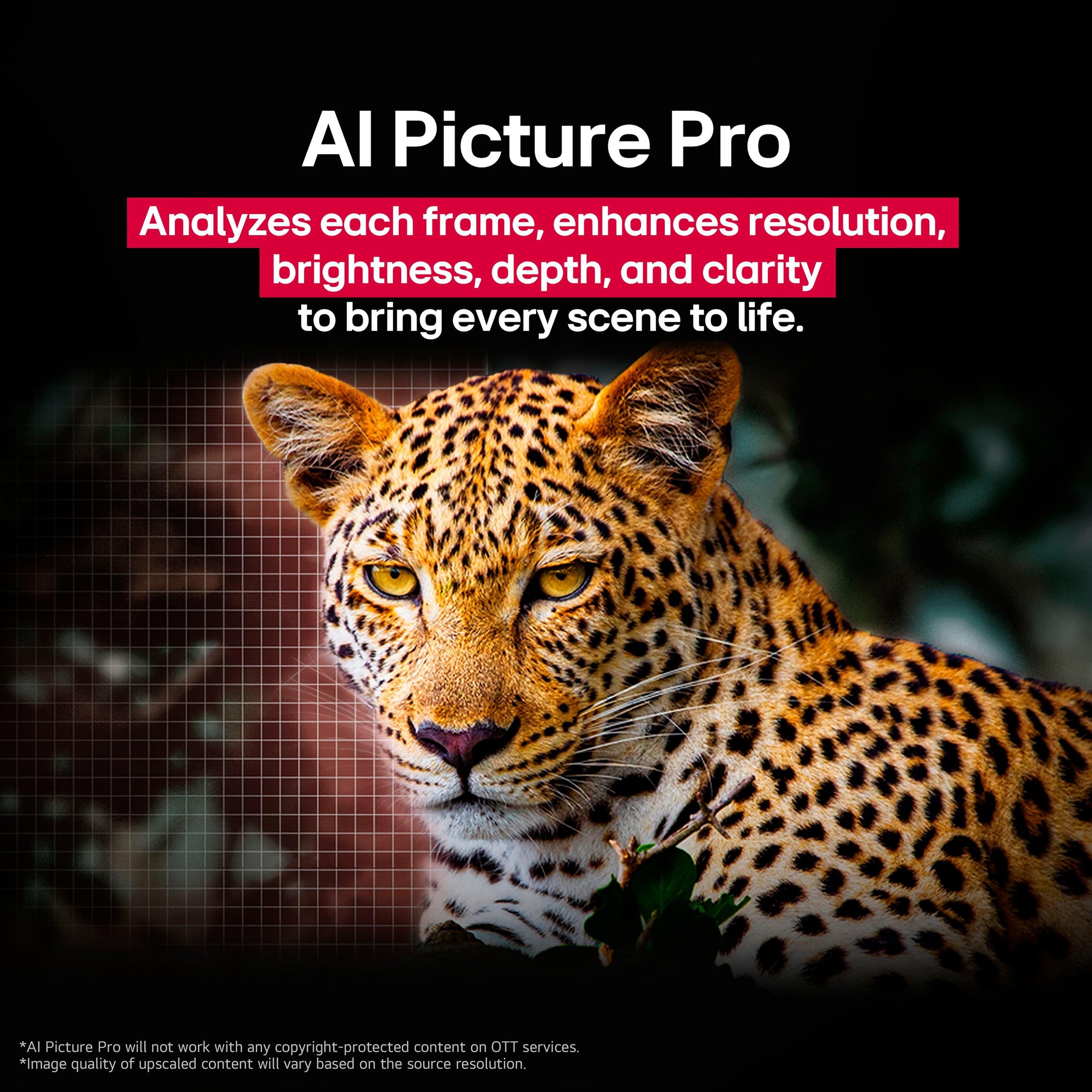
Both TVs launched in 2025 with updated processors and smart TV platforms. The LG C5 features LG's Alpha 9 AI Processor Gen8, which uses machine learning to analyze content and optimize picture and sound settings in real-time. This processor is particularly good at upscaling lower-resolution content—taking 1080p Netflix shows or cable TV and making them look closer to 4K quality.
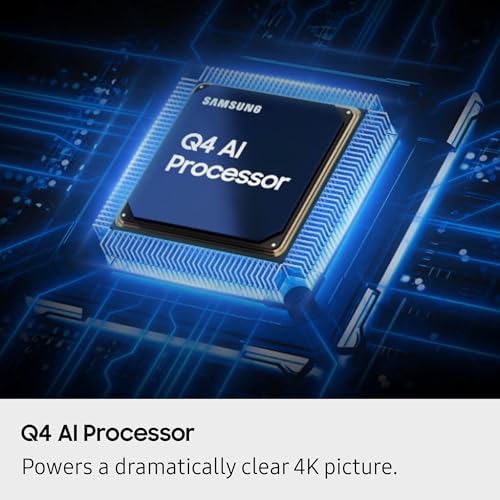
The Samsung Q8F uses Samsung's Q4 AI Processor with what they call Vision AI. This system also upscales content and adjusts settings automatically, though Samsung's implementation tends to produce slightly more vivid, punched-up colors compared to LG's more natural approach.
For smart TV functionality, the LG C5 runs webOS 25, which has earned praise for its intuitive interface and smooth performance. The Magic Remote makes navigation particularly easy with point-and-click functionality and voice control.
The Samsung Q8F uses Samsung's Tizen operating system, which is comprehensive and well-integrated with Samsung's broader ecosystem of devices. If you already use Samsung phones or smart home devices, the integration can be seamless.
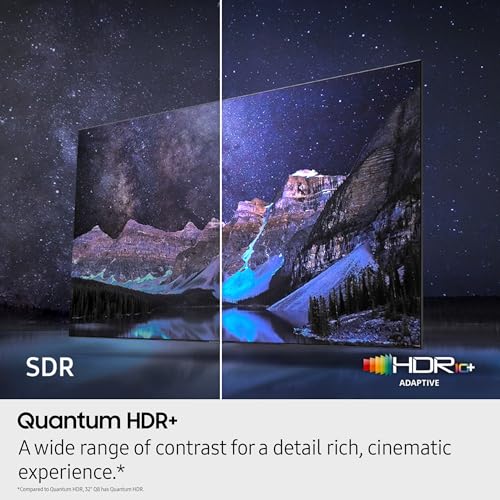
High Dynamic Range (HDR) support differs between these TVs in ways that might influence your decision. The LG C5 supports Dolby Vision, which is considered the premium HDR format. Dolby Vision uses dynamic metadata—essentially scene-by-scene instructions that tell the TV how to display each moment for optimal brightness and color. This results in more accurate and impactful HDR presentation.
The Samsung Q8F supports HDR10+ (Samsung's competitor to Dolby Vision) but notably does not support Dolby Vision due to ongoing format wars between manufacturers. For most content, this won't matter, but if you frequently watch movies from services like Netflix or Disney+ that use Dolby Vision, the LG C5 will display them as intended.
Both TVs handle standard HDR10 content well, and the difference in real-world viewing is often subtle unless you're specifically looking for it.
One important factor to consider is the long-term reliability of these different technologies. OLED displays can suffer from burn-in—permanent image retention that occurs when static elements like news tickers or game UI elements are displayed for extended periods. Modern OLED TVs like the LG C5 include various protections against this, including pixel refresher cycles and logo detection that dims static elements.
For most users with varied viewing habits, burn-in isn't a significant concern. However, if you plan to use your TV primarily for news channels with persistent logos or play the same game for hundreds of hours, the Samsung Q8F eliminates this risk entirely.
QLED technology doesn't suffer from burn-in, and LED backlights typically last for many years of normal use. This makes the Samsung Q8F a more worry-free choice for some users.
The Samsung Q8F makes the most sense if your TV will live in a bright room—a living room with large windows, a kitchen area, or anywhere with significant ambient lighting. Its higher brightness output and quantum dot color technology create vivid, engaging images that hold up well against competing light sources. At the time of writing, it also represents better value for buyers who want premium features without the OLED price premium.
The LG C5 is the better choice for dedicated home theater setups or any situation where you can control the lighting. Its perfect blacks and infinite contrast create a more immersive cinematic experience, especially for movies and dramatic TV shows. If you're a serious gamer, the C5's superior response times and comprehensive gaming features make it worth the extra investment.
Consider your viewing habits too. If you watch a lot of bright, colorful content like sports or daytime TV, the Samsung Q8F might be more engaging. If you prefer movies, especially darker films with dramatic lighting, the LG C5 will provide a more authentic cinematic experience.
Both the Samsung Q8F and LG C5 represent excellent TVs that excel in different scenarios. The Samsung offers exceptional value with bright, vibrant images that work well in most living situations. The LG provides superior picture quality for those who prioritize perfect contrast and the most accurate image reproduction.
Your room setup should heavily influence your decision. In bright rooms, the Samsung Q8F will provide a better viewing experience. In controlled lighting environments, the LG C5 offers the superior picture quality that justifies its premium pricing.
Neither choice is wrong—they're different tools for different viewing environments. Understanding your specific needs and room conditions will point you toward the right TV for your situation. The most expensive TV isn't always the best TV for your particular use case, and both of these displays deliver excellent performance in their intended environments.
| Samsung 65" QLED Q8F 4K Smart TV 2025 | LG OLED evo C5 65" 4K TV 2025 |
|---|---|
| Display Technology - Fundamental difference affecting all performance aspects | |
| QLED with edge-lit LED backlighting and quantum dots | OLED with self-emissive pixels (no backlighting needed) |
| Peak Brightness - Critical for bright room viewing and HDR impact | |
| ~1,000+ nits (excellent for overcoming ambient light) | ~700-800 nits (improved from previous OLEDs but still lower) |
| Black Levels & Contrast - Most important for dark room cinema experience | |
| Good blacks but limited by edge-lit design | Perfect blacks with infinite contrast ratio |
| Processor & AI Features - Affects upscaling and smart optimization | |
| Q4 AI Processor with Vision AI upscaling | Alpha 9 AI Processor Gen8 with advanced deep learning |
| Gaming Performance - Response time and refresh rate capabilities | |
| Motion Xcelerator 144Hz, Auto Game Mode, higher input lag | 0.1ms response time, 144Hz support, 4 full HDMI 2.1 ports |
| HDR Format Support - Determines compatibility with premium streaming content | |
| HDR10, HDR10+ (no Dolby Vision support) | HDR10, Dolby Vision, HLG (most comprehensive support) |
| Smart TV Platform - Interface quality and long-term update support | |
| Tizen OS with Samsung ecosystem integration | webOS 25 with 5-year update commitment |
| Color Performance - Accuracy vs vibrancy for different content types | |
| Vibrant, punchy colors ideal for bright content | Natural, accurate colors with superior depth |
| Burn-in Risk - Long-term reliability consideration | |
| No burn-in risk with LED technology | Minimal burn-in risk with modern protections |
| Best Use Case - Primary scenario where each TV excels | |
| Bright living rooms, daytime viewing, value-focused buyers | Dark rooms, home theaters, gaming enthusiasts, picture quality purists |
| Value Proposition - Performance relative to price point | |
| Excellent brightness and features for mid-range pricing | Premium OLED quality with significant price premium but deep discounts available |
The Samsung 65" QLED Q8F is significantly better for bright rooms due to its higher peak brightness output and quantum dot technology. It can overcome glare from windows and overhead lighting much more effectively than the LG OLED evo C5, which performs best in controlled lighting environments.
The Samsung Q8F uses QLED technology with LED backlighting and quantum dots for enhanced colors, while the LG C5 uses OLED technology where each pixel creates its own light. This means the LG OLED evo C5 can achieve perfect blacks by turning pixels completely off, while the Samsung QLED Q8F offers much higher brightness levels.
The LG OLED evo C5 has dramatically better black levels and contrast because its pixels can turn completely off to create true blacks. The Samsung Q8F cannot achieve the same deep blacks due to its edge-lit LED backlighting, resulting in more grayish blacks in dark scenes.
Both TVs are excellent for gaming, but the LG C5 has superior gaming performance with a 0.1ms response time, four full HDMI 2.1 ports, and support for 144Hz refresh rates. The Samsung Q8F offers solid gaming features but can't match OLED's instantaneous pixel response times.
The LG OLED evo C5 is better for home theater use due to its perfect blacks, infinite contrast ratio, and Dolby Vision support. These features create a more cinematic experience in dark room environments. The Samsung Q8F is better suited for casual movie watching in brighter living spaces.
The Samsung QLED Q8F has no burn-in risk due to its LED technology. The LG C5 has minimal burn-in risk with modern OLED protections, but static images displayed for very long periods could potentially cause permanent retention on OLED displays.
Both TVs offer excellent smart features, with the LG C5 running webOS 25 and the Samsung Q8F using Tizen OS. The LG OLED evo C5 generally receives praise for its more intuitive interface and Magic Remote, while the Samsung QLED Q8F integrates well with Samsung's ecosystem.
The LG C5 supports HDR10, Dolby Vision, and HLG for the most comprehensive HDR compatibility. The Samsung Q8F supports HDR10 and HDR10+ but notably lacks Dolby Vision support, which is used by many streaming services for premium content.
The Samsung QLED Q8F typically offers better value with excellent performance at a lower price point. The LG OLED evo C5 commands a premium but delivers superior picture quality that many consider worth the extra cost, especially when discounted from its original launch pricing.
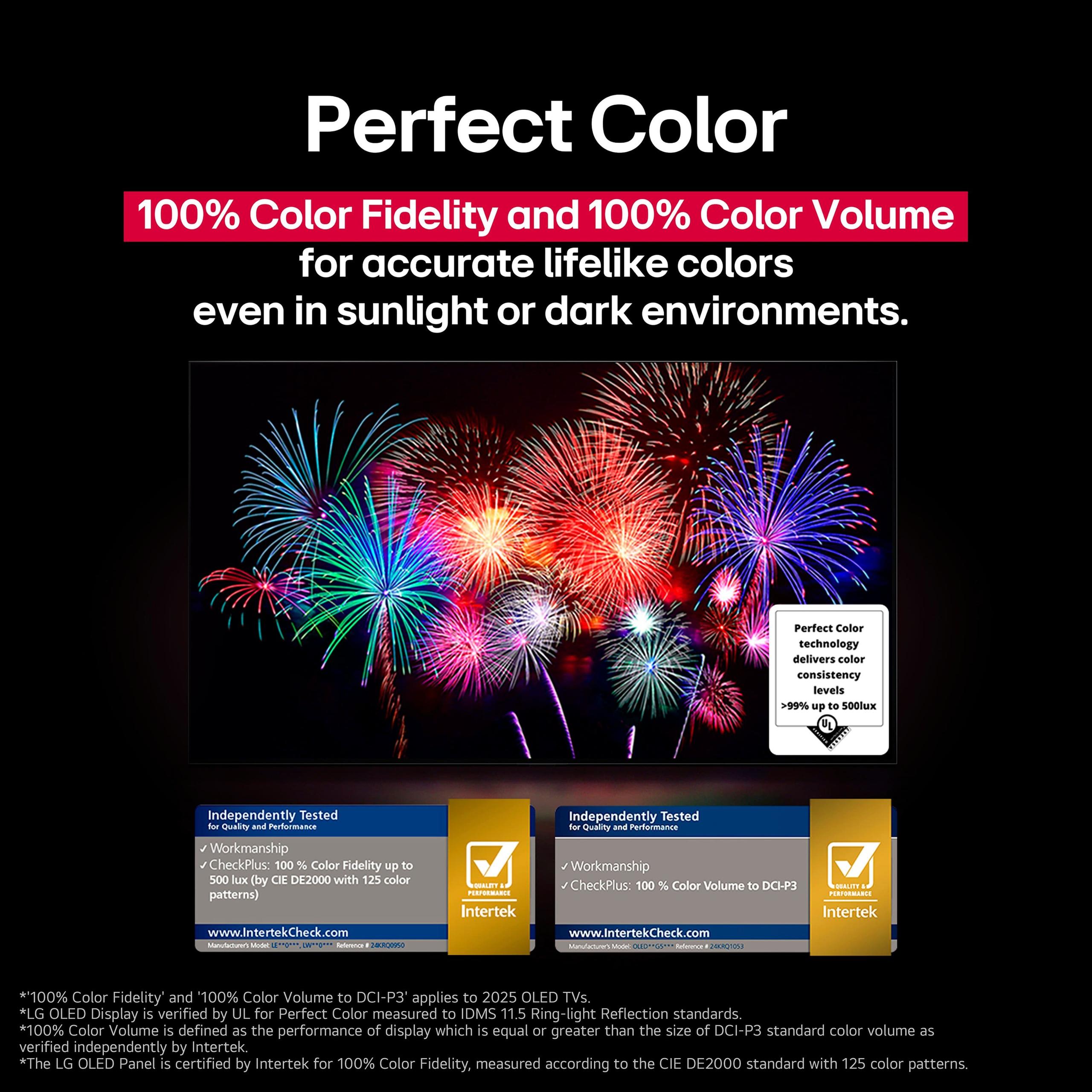
The Samsung Q8F produces more vibrant, punchy colors that appear especially vivid in bright environments, while the LG C5 delivers more natural, accurate colors with superior depth and gradation. The quantum dot technology in the Samsung QLED Q8F maintains color saturation even at high brightness levels.
The Samsung QLED Q8F is generally better for sports viewing due to its higher brightness, which makes it easier to see details in bright stadium lighting, and its vibrant colors that make sports content pop. The LG OLED evo C5 offers superior motion handling but is better suited for sports viewing in darker rooms.
Choose the Samsung Q8F if you have a bright room, want excellent value, prefer vibrant colors, and need worry-free ownership without burn-in concerns. Choose the LG C5 if you prioritize the best possible picture quality, have a dark viewing environment, want superior gaming performance, and can justify the premium for OLED technology.
We've done our best to create useful and informative comparisons to help you decide what product to buy. Our research uses advanced automated methods to create this comparison and perfection is not possible - please contact us for corrections or questions. These are the sites we've researched in the creation of this article: bestbuy.com - rtings.com - tomsguide.com - youtube.com - samsung.com - youtube.com - youtube.com - youtube.com - rtings.com - rtings.com - linqcdn.avbportal.com - bestbuy.com - samsung.com - samsung.com - samsung.com - youtube.com - youtube.com - billsmith.com - samsung.com - samsung.com - samsung.com - hometechnologyreview.com - shopjetson.com - certappl.com - samsung.com - theapplianceplug.com - samsung.com - manuals.plus - bestbuy.com - device.report - samsung.com - shopsilica.com - dentonstv.com - bestbuy.com - rtings.com - youtube.com - businessinsider.com - youtube.com - bestbuy.com - lg.com - files.bbystatic.com - lg.com - flatpanelshd.com - lg.com - blvdhome.com - bhphotovideo.com - flanners.com - videopro.com.au

Privacy Policy
Terms and Conditions - Affiliate Policy
Home Security
© Copyright 2008-2026.
11816 Inwood Rd #1211, Dallas, TX 75244