

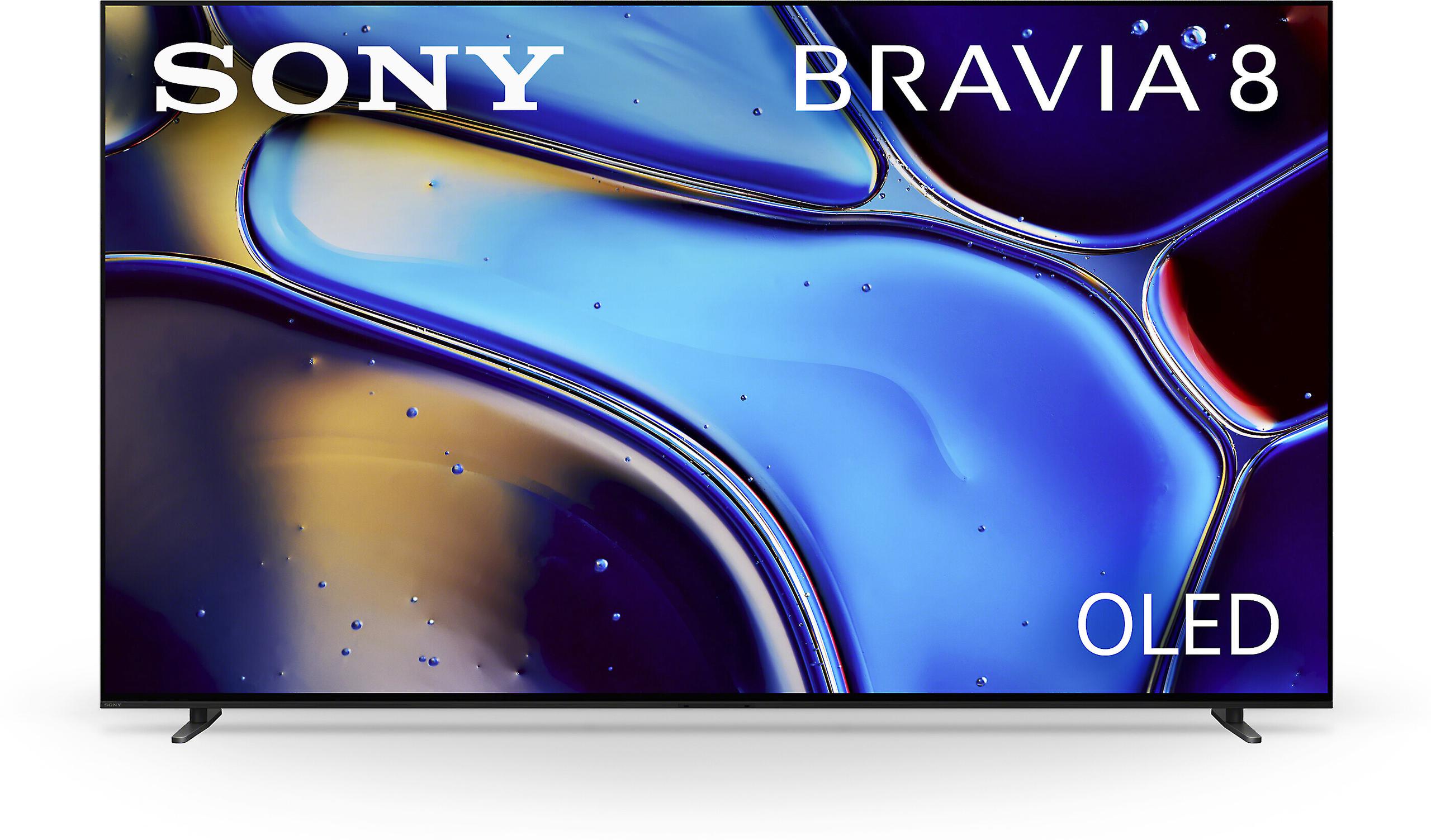
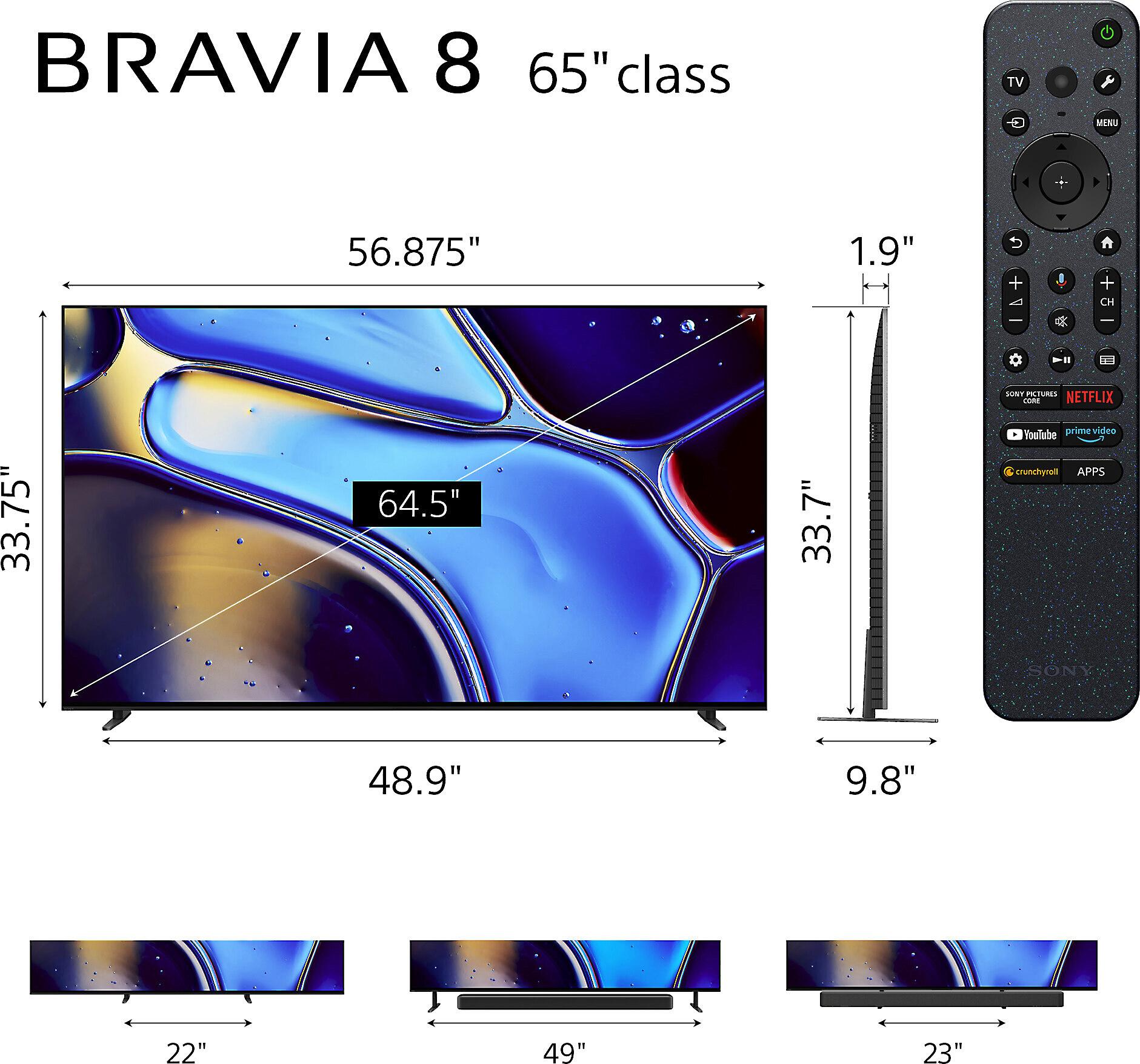
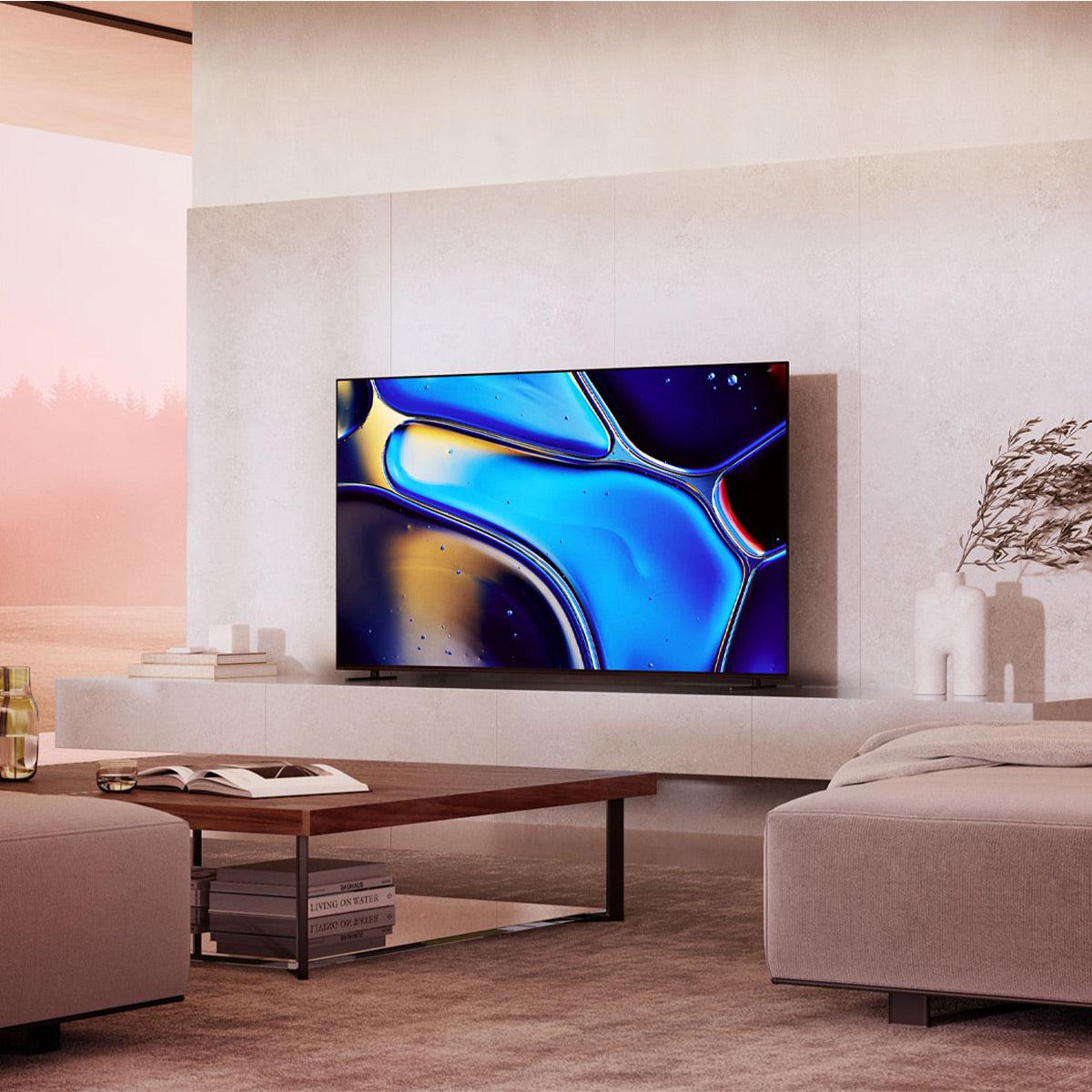
Choosing between the Samsung 65" QLED Q8F and Sony BRAVIA 8 65" OLED isn't just about picking a TV—it's about choosing between two fundamentally different approaches to creating the perfect picture. Released in 2025 and 2024 respectively, these premium 65-inch TVs represent the latest thinking from two industry giants, but they couldn't be more different under the hood.
The 65-inch TV market has become incredibly competitive, with manufacturers pushing the boundaries of what's possible in your living room. Both TVs aim to deliver that cinematic experience we all crave, but they take completely different paths to get there. Understanding these differences will help you make the right choice for your space, viewing habits, and budget.
The biggest decision you'll face when comparing the Samsung Q8F and Sony BRAVIA 8 comes down to display technology: QLED versus OLED. This isn't just marketing jargon—these technologies create fundamentally different viewing experiences.
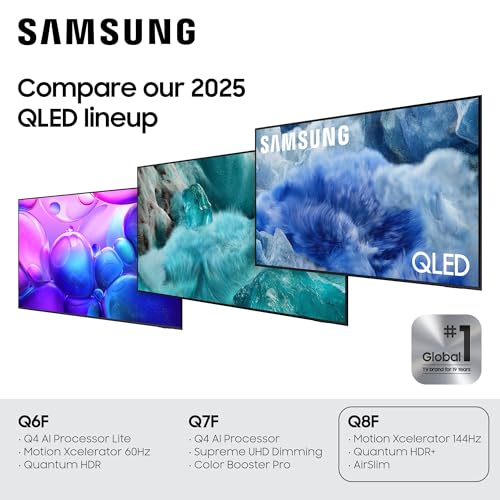
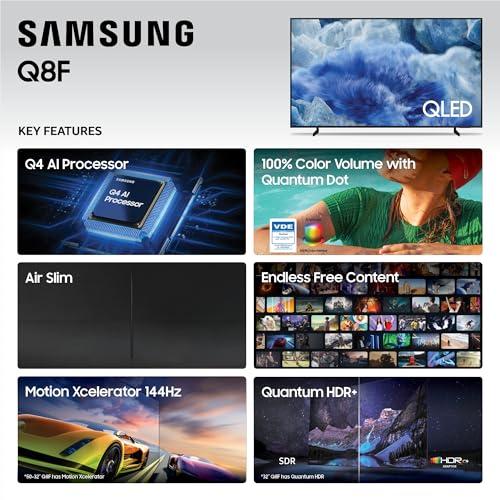
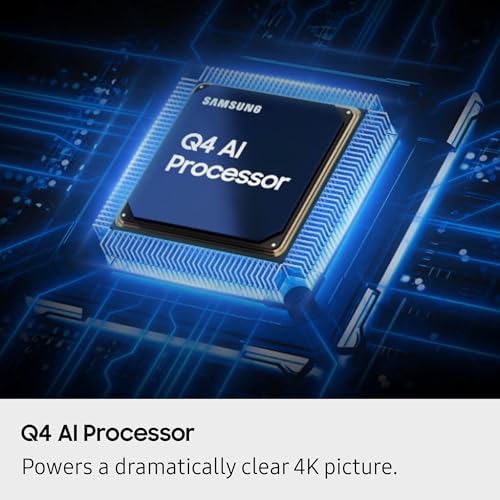
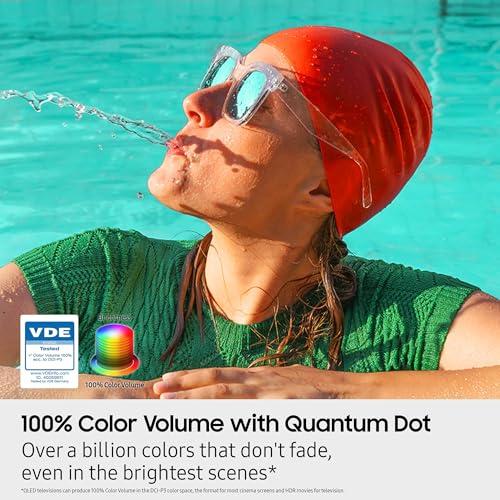
The Samsung Q8F uses QLED technology, which combines quantum dots (microscopic particles that emit specific colors when hit by light) with traditional LED backlighting. Think of quantum dots as incredibly precise color filters that can produce over a billion different shades. Samsung's 2025 model includes their Q4 AI Processor, which represents a significant upgrade in processing power compared to previous years, using machine learning to optimize every frame in real-time.
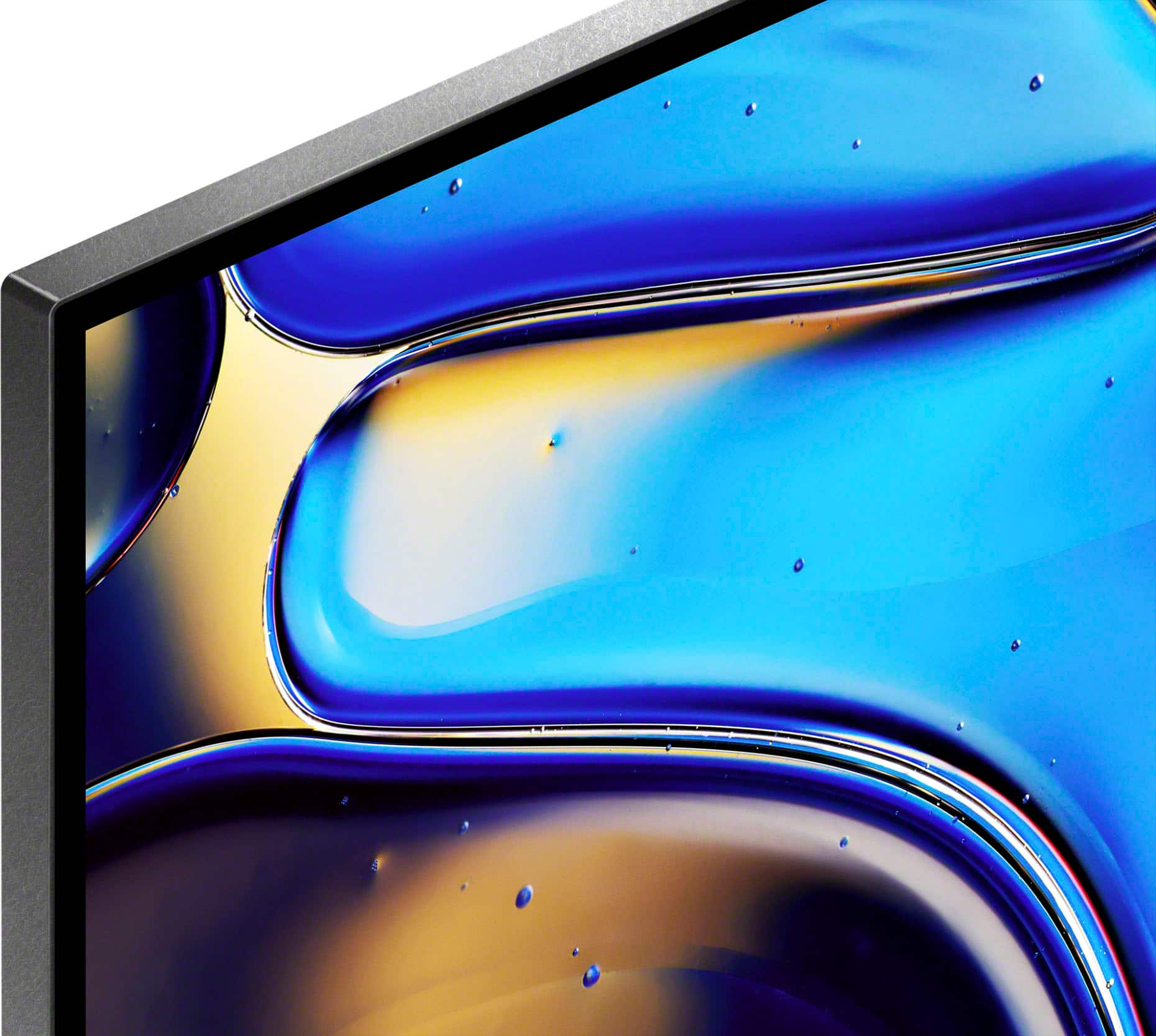
The Sony BRAVIA 8, on the other hand, uses WOLED (White OLED) technology. Here, each of the 8.3 million pixels produces its own light and can turn completely off when displaying black. This is like having 8.3 million tiny light bulbs that can each be controlled individually—no backlighting needed.
This fundamental difference affects everything from how dark scenes look to how bright the TV can get, and even how much power it uses.
When evaluating TV performance, contrast ratio—the difference between the darkest blacks and brightest whites—often matters more than resolution or color accuracy. This is where the technology difference becomes immediately apparent.
The Sony BRAVIA 8 delivers what's called "infinite contrast" because its pixels can turn completely off, creating true blacks with zero light emission. When you're watching a movie with dark scenes, like space sequences or dimly lit interiors, this makes an enormous difference. The stars against black space look genuinely suspended in darkness, not against a slightly gray background.
The Samsung Q8F uses Supreme UHD Dimming, which divides the screen into zones and dims the backlighting in dark areas. While this creates good blacks for an LED TV, it can't match OLED's pixel-perfect control. However, Samsung has made significant improvements in 2025, with better local dimming algorithms that reduce the blooming effect (where bright objects create halos in dark scenes).
For home theater enthusiasts who watch movies in darkened rooms, the Sony BRAVIA 8 provides a noticeably more immersive experience. However, the Samsung Q8F has closed the gap considerably and performs admirably in most viewing scenarios.
Peak brightness tells a different story entirely. The Samsung Q8F can reach approximately 750 nits with its Dual LED backlighting system, which uses warm and cool LEDs to improve both brightness and color accuracy. This matters tremendously if your TV sits in a bright living room with large windows or overhead lighting.
High Dynamic Range (HDR) content—which includes most streaming movies and shows today—relies on bright highlights to create that "wow factor." Think of the sun reflecting off water or explosions in action movies. The Samsung Q8F can make these moments truly pop, while the Sony BRAVIA 8 may not reach the same peak intensity.
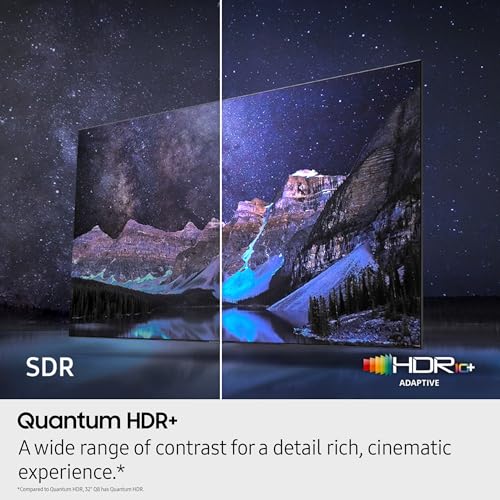
The HDR format support also differs meaningfully. Samsung supports HDR10+ Adaptive, which adjusts the picture settings dynamically as you watch, while Sony supports Dolby Vision, which many consider the superior format. Dolby Vision optimizes every scene individually, often resulting in more nuanced HDR performance even at lower peak brightness levels.
Color reproduction philosophy separates these TVs significantly. The Samsung Q8F uses quantum dot technology to achieve 100% color volume, meaning it can display vivid colors at any brightness level. Samsung's AI Color Booster Pro tends to enhance colors for maximum impact—great for animated movies, sports, and vibrant content.
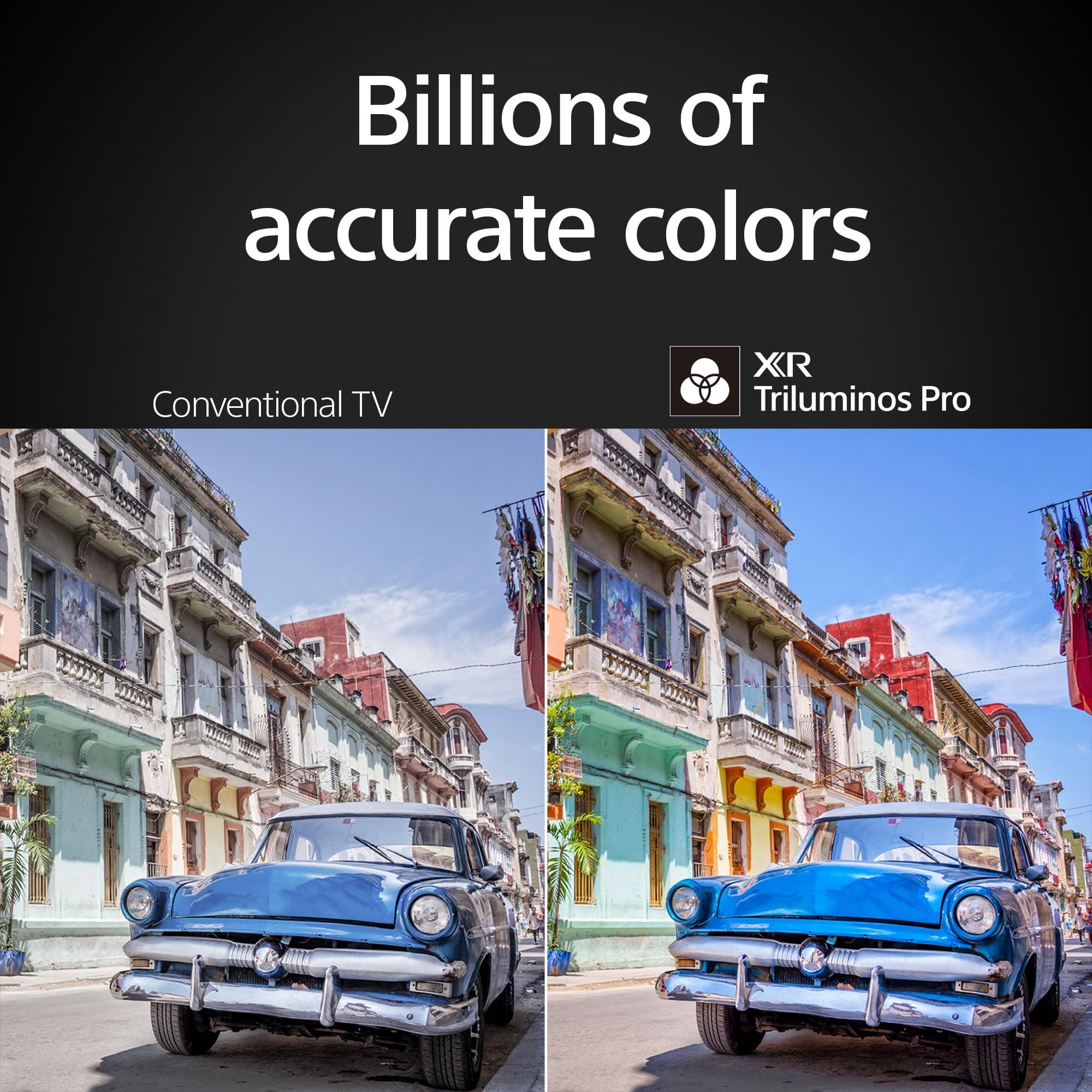
The Sony BRAVIA 8 takes a different approach with XR Triluminos Pro, focusing on natural color reproduction that matches the filmmaker's intent. Sony's color processing has long been respected in the professional video industry, and this translates to more accurate skin tones and realistic environments.
Neither approach is inherently better—it depends on your preferences. If you want colors that pop off the screen and grab attention, the Samsung Q8F delivers. If you prefer colors that look naturally accurate and cinematic, the Sony BRAVIA 8 excels.
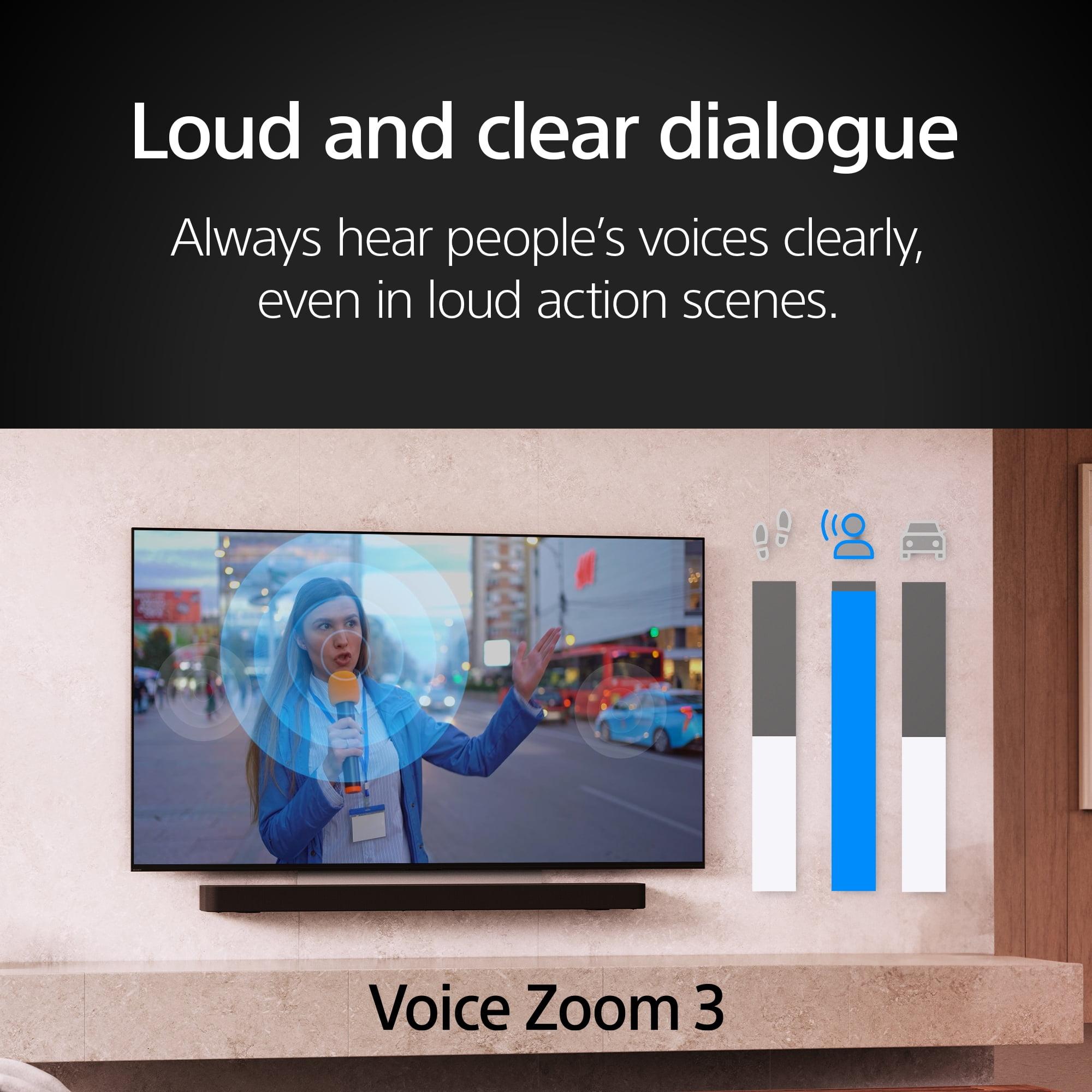
Audio quality represents one of the most significant differences between these TVs, and it's an area where the Sony BRAVIA 8 decisively outperforms the Samsung Q8F.
The Samsung Q8F includes a 20-watt, 2-channel speaker system with Object Tracking Sound Lite, which attempts to move sound around the screen based on what's happening on screen. While the processing is clever, the limited power output means you'll likely want to add a soundbar fairly quickly.
The Sony BRAVIA 8 features something genuinely innovative: Acoustic Surface Audio+. The entire OLED screen acts as a speaker, vibrating to produce sound directly from where the action occurs on screen. Combined with a traditional 2.1-channel system totaling 50 watts, this creates a much more immersive audio experience. When characters speak, their voices literally come from their location on screen rather than from speakers below.
For anyone planning to use the TV's built-in audio initially, the Sony BRAVIA 8 provides a significantly better experience. You might not need to upgrade to external speakers immediately, whereas the Samsung Q8F almost demands additional audio equipment for serious viewing.
Both TVs excel in smart features but take different approaches that appeal to different users.
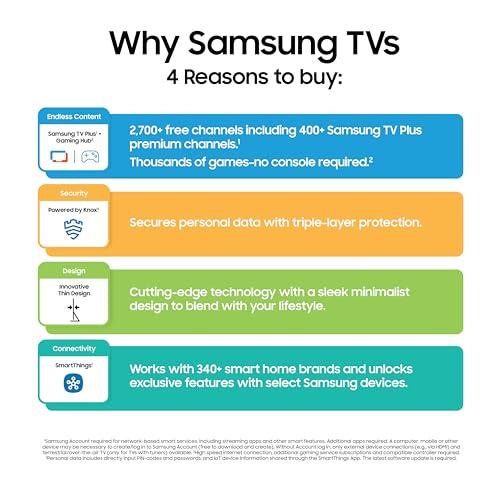
The Samsung Q8F runs Tizen OS and acts as a SmartThings Hub, meaning it can control other smart home devices directly—lights, thermostats, security cameras, and more. This integration works particularly well if you already use Samsung devices or want your TV to be the central command center for your smart home. The 2025 model includes enhanced AI features and support for Matter, the new smart home standard that should improve device compatibility going forward.
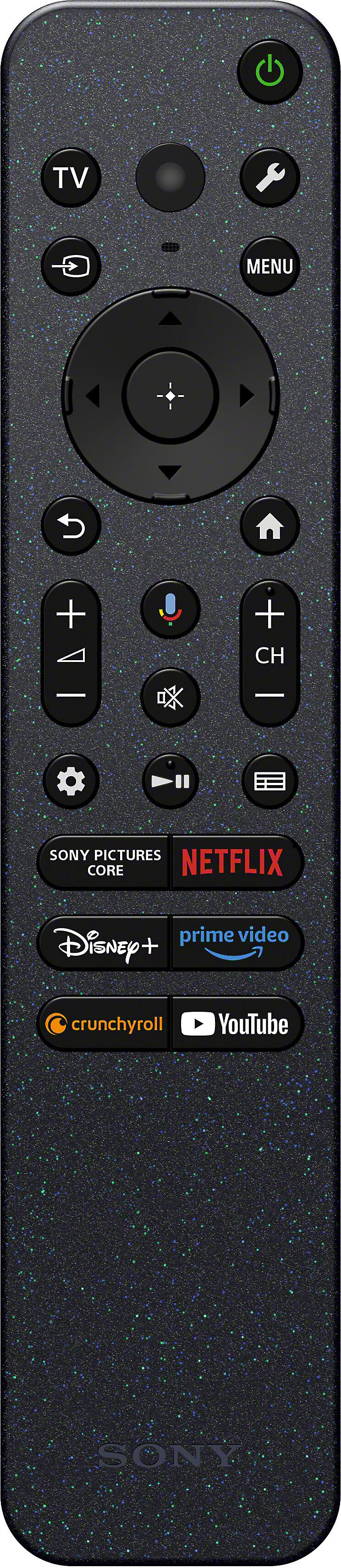
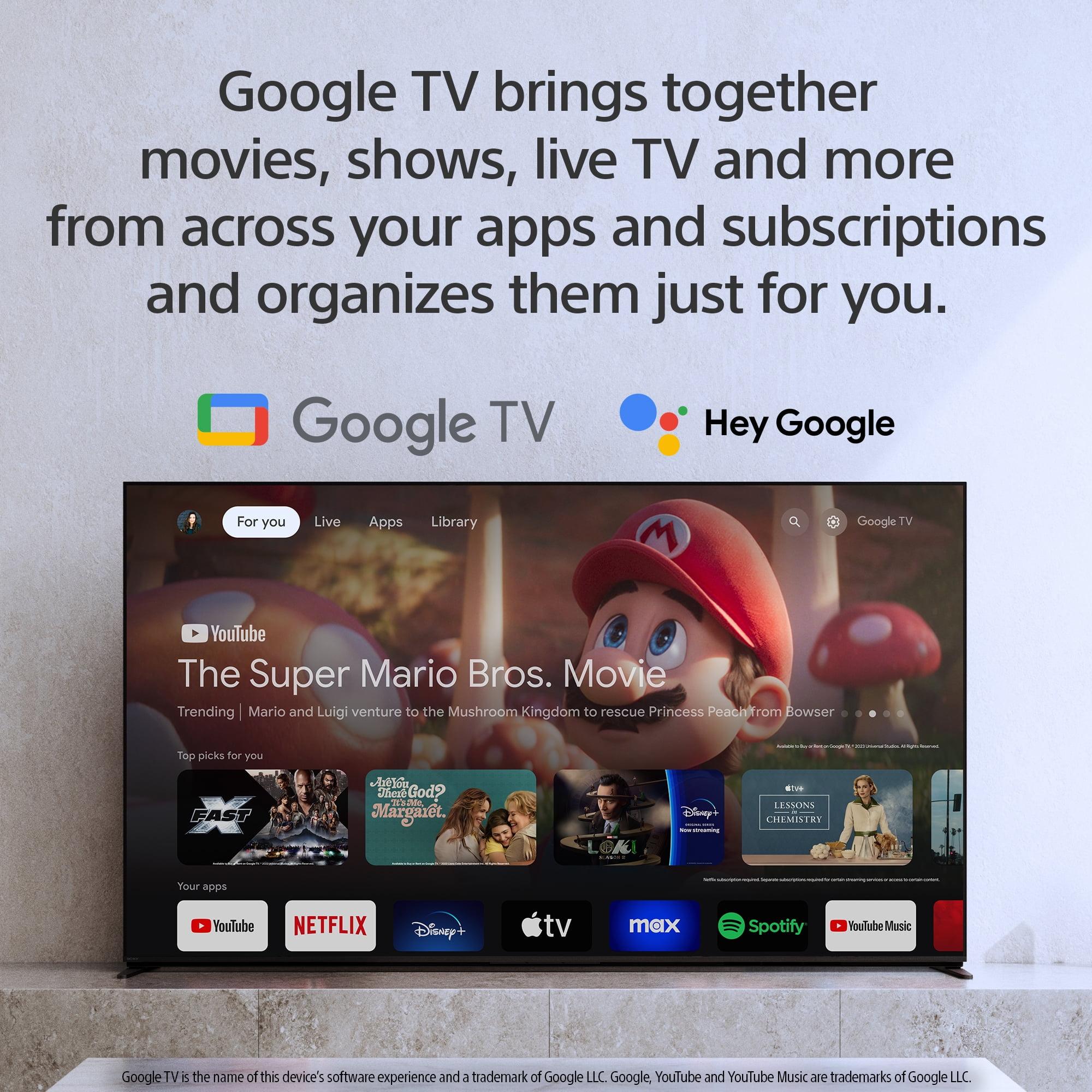
The Sony BRAVIA 8 uses Google TV, which excels at content discovery and recommendation. It aggregates content from multiple streaming services and suggests what to watch based on your viewing history. If you're often stuck scrolling through Netflix wondering what to watch, Google TV's recommendations prove genuinely helpful.
Both systems support major streaming apps and voice control, but Samsung's smart home integration gives it an edge for tech enthusiasts, while Google TV provides superior content organization.
Gaming capabilities have become increasingly important as consoles become more powerful and PC gaming moves to living rooms.
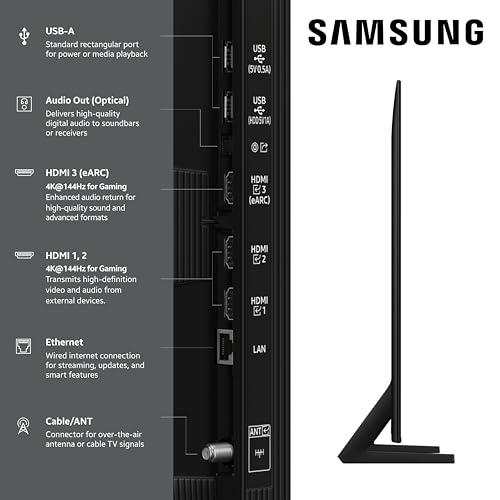
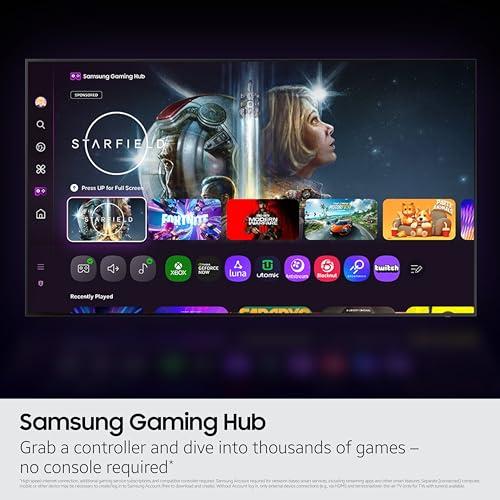
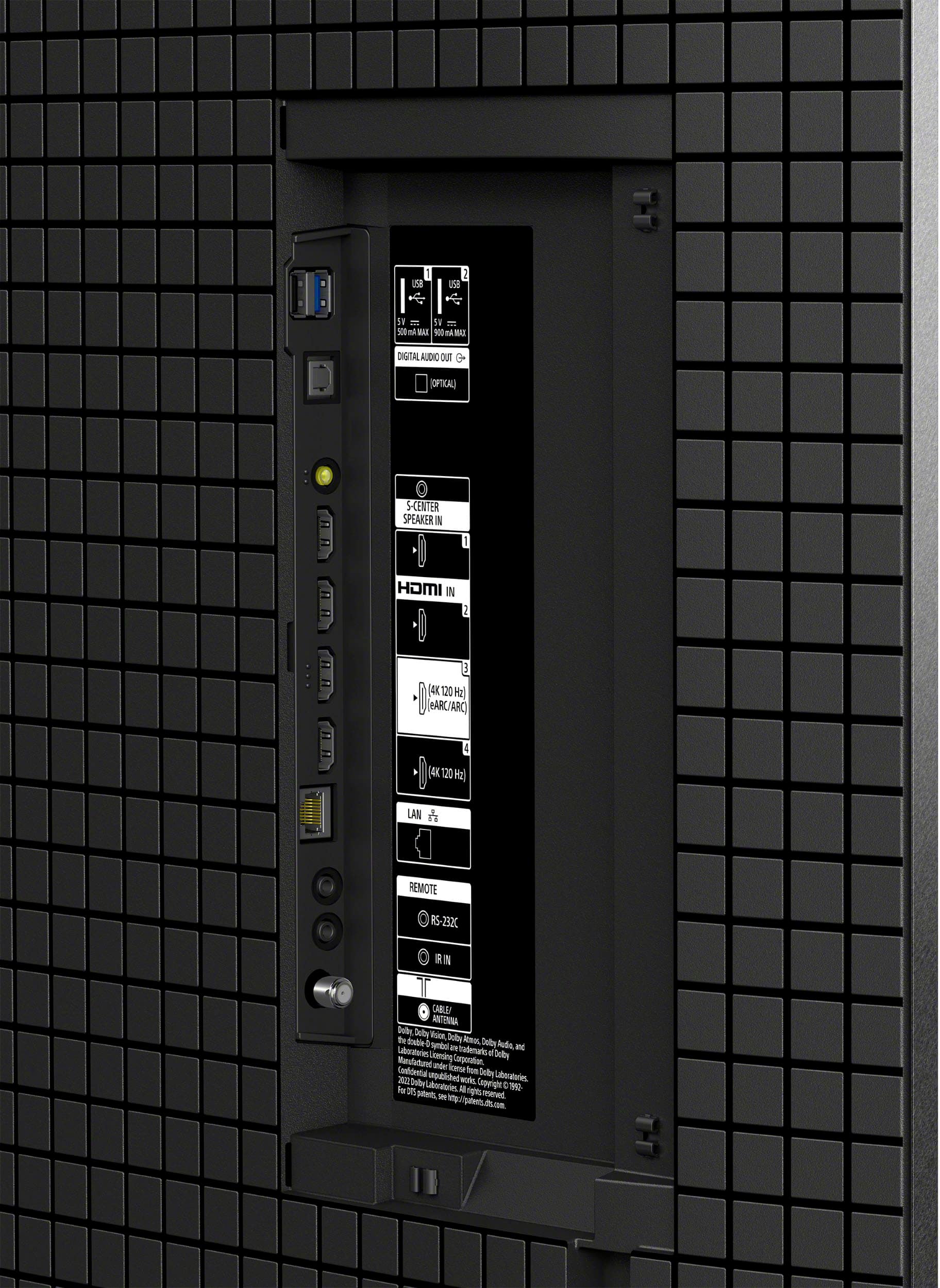
The Samsung Q8F includes four HDMI 2.1 ports, which support 4K gaming at 120Hz with Variable Refresh Rate (VRR) and Auto Low Latency Mode (ALLM). Having four of these high-bandwidth ports means you can connect multiple gaming devices without compromising on features—PlayStation 5, Xbox Series X, gaming PC, and Apple TV 4K all at once.
The Sony BRAVIA 8 provides only two HDMI 2.1 ports but includes specific optimizations for PlayStation 5, including Auto HDR Tone Mapping that works seamlessly with Sony's console. The 120Hz OLED panel delivers excellent motion clarity for fast-paced games.
For serious gamers with multiple consoles or who plan to upgrade devices over time, the Samsung Q8F offers better future-proofing. However, if you primarily game on PlayStation 5, the Sony BRAVIA 8 provides a more optimized experience.
Your room significantly influences which TV will perform better. The Samsung Q8F excels in bright environments thanks to its higher peak brightness and anti-reflection technology. If your TV sits opposite large windows or in a room with lots of ambient lighting, the Samsung will maintain picture quality better throughout the day.
The Sony BRAVIA 8 performs best in controlled lighting environments. While it handles some ambient light well, its strengths really shine in darker rooms where the perfect black levels create that movie theater atmosphere.
For mixed usage—sometimes bright, sometimes dark—both TVs perform well, but the Samsung Q8F adapts better to varying conditions.
At the time of writing, pricing varies significantly based on sales and promotions, but generally, OLED TVs like the Sony BRAVIA 8 command premium pricing for their superior picture quality. However, frequent sales can make OLED competitive with high-end QLED models.
The Samsung Q8F, being the newer 2025 model, incorporates the latest AI processing improvements and typically offers better value for the features provided. The additional HDMI 2.1 ports alone add significant value for users who plan to connect multiple devices.
Both TVs should provide excellent longevity, but OLED panels can experience burn-in over time if static images are displayed for extended periods. Modern OLEDs include protection measures that make this less concerning than in previous generations, but it remains a consideration for users who might leave the TV on news channels or use it as a computer monitor frequently.
For dedicated home theater setups, the Sony BRAVIA 8 generally provides the more cinematic experience. The perfect blacks, accurate colors, and superior built-in audio create that immersive movie-watching experience that OLED is famous for. The Acoustic Surface Audio+ technology particularly shines in this context, creating a more enveloping soundscape.
The Samsung Q8F works well in home theater setups too, especially if you plan to add external audio equipment. Its brightness capabilities mean HDR content really pops, and the AI processing does an excellent job with motion handling in action sequences.
Choose the Samsung 65" QLED Q8F if you have a bright living room, want comprehensive smart home integration, plan to connect multiple gaming devices, or prefer vibrant, eye-catching picture quality. The 2025 model's AI improvements and four HDMI 2.1 ports make it particularly future-ready.
Choose the Sony BRAVIA 8 65" OLED if picture quality is your top priority, you watch movies in darker environments, want excellent built-in audio, or prefer natural color accuracy. The OLED technology simply delivers a more premium viewing experience for most content types.
Both represent excellent choices in the premium TV market, but they serve different priorities. The Samsung offers versatility and value with the latest features, while the Sony provides the superior picture quality and audio experience that OLED technology enables. Consider your room, viewing habits, and what aspects of TV performance matter most to your daily experience.
The technology improvements in both 2024 and 2025 models have been significant—better processing, improved gaming features, and enhanced smart capabilities. Either choice will provide years of excellent viewing, but understanding these differences ensures you pick the TV that best matches your specific needs and preferences.
| Samsung 65" QLED Q8F 4K Smart TV 2025 | Sony BRAVIA 8 65" 4K OLED TV |
|---|---|
| Display Technology - Core difference affecting picture quality | |
| QLED with Q4 AI Processor and quantum dots | WOLED with XR Processor and self-lit pixels |
| Black Levels - Critical for movie watching and contrast | |
| Good blacks with Supreme UHD Dimming zones | Perfect blacks with infinite contrast (pixels turn off) |
| Peak Brightness - Essential for bright rooms and HDR | |
| ~750 nits with anti-glare technology | Lower peak brightness, better for dark rooms |
| Audio Power - Built-in sound quality without soundbar | |
| 20W, 2-channel with Object Tracking Sound Lite | 50W, 2.1-channel with Acoustic Surface Audio+ |
| HDR Formats - Premium streaming and 4K Blu-ray support | |
| HDR10+ Adaptive with dynamic scene optimization | HDR10 and Dolby Vision with superior tone mapping |
| HDMI 2.1 Ports - Future-proofing for gaming devices | |
| 4 ports (excellent for multiple consoles/devices) | 2 ports (sufficient for most users) |
| Refresh Rate - Motion clarity for sports and gaming | |
| 144Hz Motion Xcelerator for smooth motion | 120Hz OLED panel with excellent motion processing |
| Smart Platform - Content discovery and smart home control | |
| Tizen OS with SmartThings/Matter Hub integration | Google TV with superior content recommendations |
| Gaming Features - Console and PC gaming optimization | |
| Game Motion Plus, multiple gaming modes, 4 HDMI 2.1 | PlayStation 5 optimizations, Auto HDR Tone Mapping |
| Color Approach - Visual preference affects daily viewing | |
| Quantum dots with AI Color Booster Pro (vibrant) | XR Triluminos Pro (natural, cinema-accurate) |
| Room Suitability - Where each TV performs best | |
| Excellent for bright rooms with lots of ambient light | Best in controlled lighting/dark room environments |
| Release Timeline - Latest features and technology | |
| 2025 model with newest AI processing improvements | 2024 model with mature OLED technology |
The Sony BRAVIA 8 65" OLED TV delivers superior picture quality overall, especially for contrast and black levels. Its OLED technology provides perfect blacks and infinite contrast ratio, making it ideal for movies and dark scenes. The Samsung 65" QLED Q8F offers brighter peak brightness and more vivid colors, which works better in bright rooms. For home theater setups in controlled lighting, the Sony's picture quality advantage is significant.
QLED in the Samsung Q8F uses quantum dots with LED backlighting to enhance colors and brightness, while OLED in the Sony BRAVIA 8 has self-lit pixels that can turn completely off. This means OLED provides perfect blacks and better contrast, while QLED offers higher peak brightness and better performance in bright rooms. OLED is generally considered superior for picture quality, while QLED excels in bright environments.
The Samsung 65" QLED Q8F is better for gaming versatility with 4 HDMI 2.1 ports supporting 4K at 120Hz, VRR, and ALLM. This allows multiple gaming consoles without switching cables. The Sony BRAVIA 8 has only 2 HDMI 2.1 ports but offers specific PlayStation 5 optimizations. For multi-console gaming or future-proofing, Samsung wins. For dedicated PlayStation 5 gaming, Sony provides a more optimized experience.
The Sony BRAVIA 8 65" OLED TV significantly outperforms the Samsung Q8F in audio quality. Sony's 50W, 2.1-channel system with Acoustic Surface Audio+ turns the screen into a speaker, creating immersive sound. Samsung's 20W, 2-channel system requires external speakers for serious viewing. For home theater use without a soundbar, Sony provides a much better audio experience.
The Samsung 65" QLED Q8F performs much better in bright rooms due to its higher peak brightness (~750 nits) and anti-glare technology. The quantum dot technology maintains color accuracy even in ambient light. The Sony BRAVIA 8 works best in controlled lighting conditions where its perfect blacks can shine. For living rooms with large windows or overhead lighting, Samsung is the clear winner.
The Samsung Q8F runs Tizen OS and acts as a SmartThings/Matter Hub for comprehensive smart home control. The Sony BRAVIA 8 uses Google TV with superior content discovery and recommendations across streaming services. Samsung excels for smart home integration, while Sony provides better content organization and Google ecosystem compatibility.
Both TVs excel at HDR but in different ways. The Sony BRAVIA 8 65" OLED TV supports Dolby Vision, which many consider the superior HDR format for scene-by-scene optimization. The Samsung 65" QLED Q8F supports HDR10+ Adaptive and can display brighter HDR highlights due to its higher peak brightness. Sony provides more nuanced HDR processing, while Samsung delivers more impactful bright scenes.
The Samsung Q8F includes 4 HDMI ports with 4 being HDMI 2.1 capable, while the Sony BRAVIA 8 has 4 HDMI ports with only 2 being HDMI 2.1. This gives Samsung a significant advantage for connecting multiple gaming consoles, streaming devices, and future 4K 120Hz sources without needing an HDMI switcher.
The Sony BRAVIA 8 65" OLED TV is superior for home theater use due to its perfect blacks, infinite contrast, and cinema-accurate colors. The Acoustic Surface Audio+ technology enhances the movie experience without external speakers. The Samsung 65" QLED Q8F works well for movies too, especially with HDR content, but the Sony's OLED technology provides a more immersive cinematic experience in dark viewing environments.
The Samsung Q8F uses quantum dot technology with AI Color Booster Pro to produce vibrant, eye-catching colors that pop off the screen. The Sony BRAVIA 8 employs XR Triluminos Pro for natural, cinema-accurate color reproduction. Samsung's approach favors vivid, enhanced colors for maximum impact, while Sony focuses on realistic colors that match filmmaker intent.
Value depends on your priorities. The Samsung 65" QLED Q8F typically offers better features-per-dollar with 4 HDMI 2.1 ports, smart home integration, and bright room performance. The Sony BRAVIA 8 65" OLED TV provides superior picture quality and audio that may eliminate the need for additional equipment. Consider the Sony if picture quality is paramount, or the Samsung if you want versatile features and bright room performance.
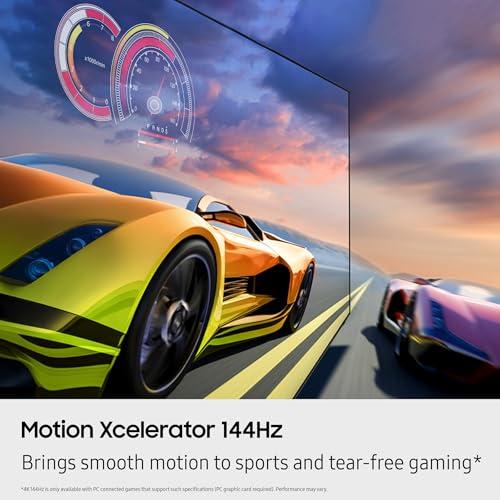
Both TVs handle motion well but differently. The Samsung Q8F features 144Hz Motion Xcelerator technology for smooth motion processing, while the Sony BRAVIA 8 offers 120Hz refresh rate with excellent OLED response times. Samsung's higher refresh rate processing works well for sports, while Sony's near-instantaneous pixel response eliminates motion blur naturally. Both provide excellent motion clarity for fast-paced content.
We've done our best to create useful and informative comparisons to help you decide what product to buy. Our research uses advanced automated methods to create this comparison and perfection is not possible - please contact us for corrections or questions. These are the sites we've researched in the creation of this article: bestbuy.com - rtings.com - tomsguide.com - youtube.com - samsung.com - youtube.com - youtube.com - youtube.com - rtings.com - rtings.com - linqcdn.avbportal.com - bestbuy.com - samsung.com - samsung.com - samsung.com - youtube.com - youtube.com - billsmith.com - samsung.com - samsung.com - samsung.com - hometechnologyreview.com - shopjetson.com - certappl.com - samsung.com - theapplianceplug.com - samsung.com - manuals.plus - bestbuy.com - device.report - samsung.com - shopsilica.com - dentonstv.com - bestbuy.com - bestbuy.com - crutchfield.com - avsforum.com - electronics.sony.com - sony.com - store.sony.co.nz - sony.com - displayspecifications.com

Privacy Policy
Terms and Conditions - Affiliate Policy
Home Security
© Copyright 2008-2026.
11816 Inwood Rd #1211, Dallas, TX 75244