

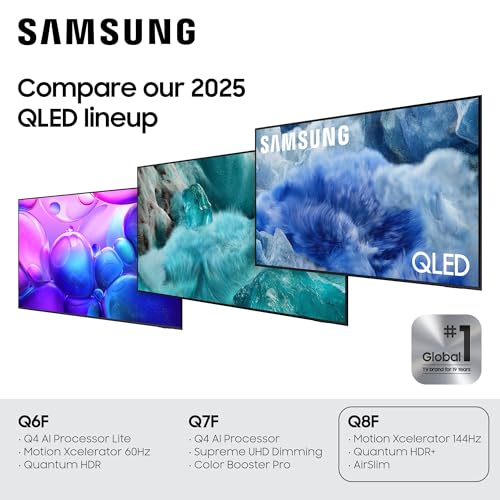
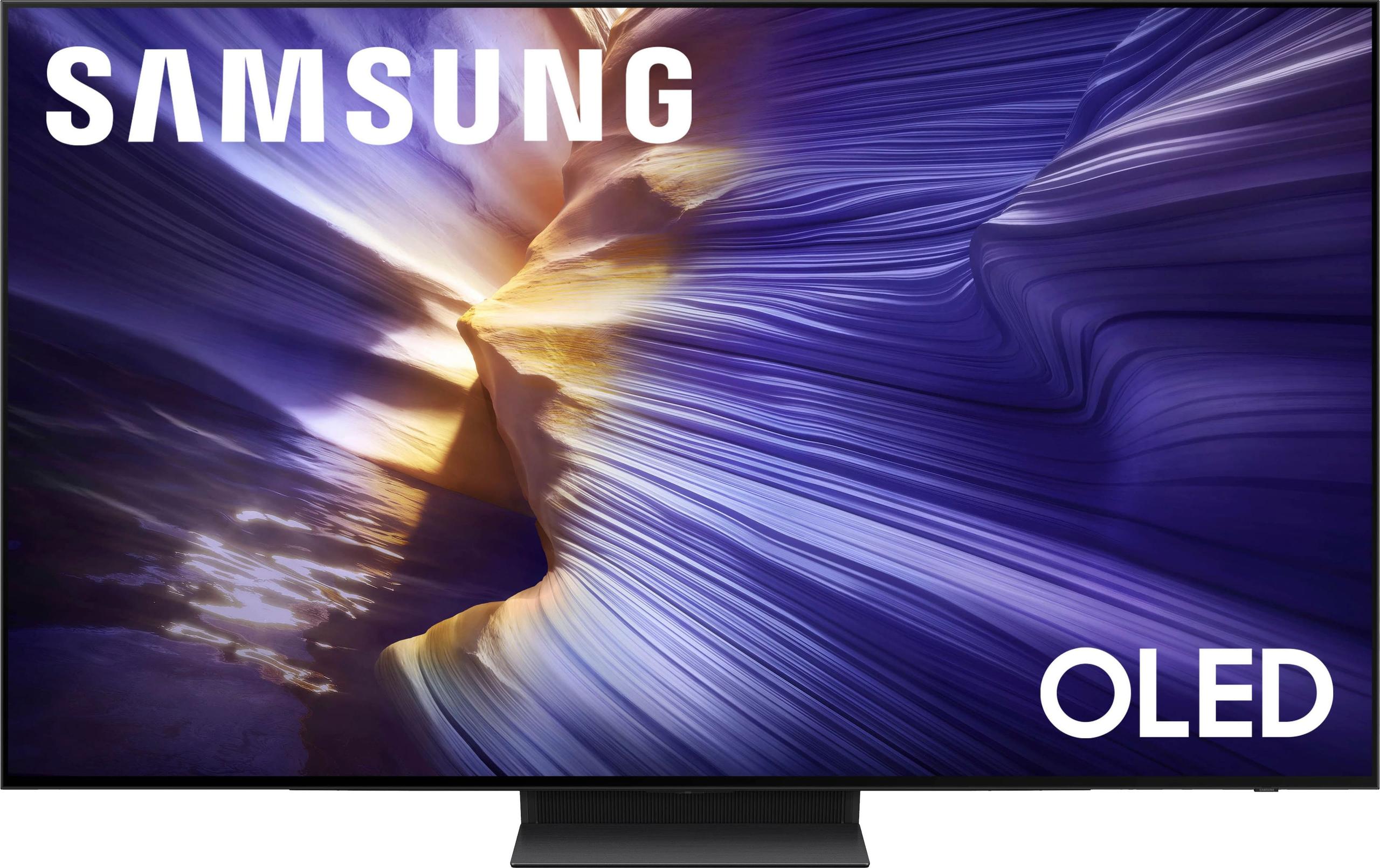
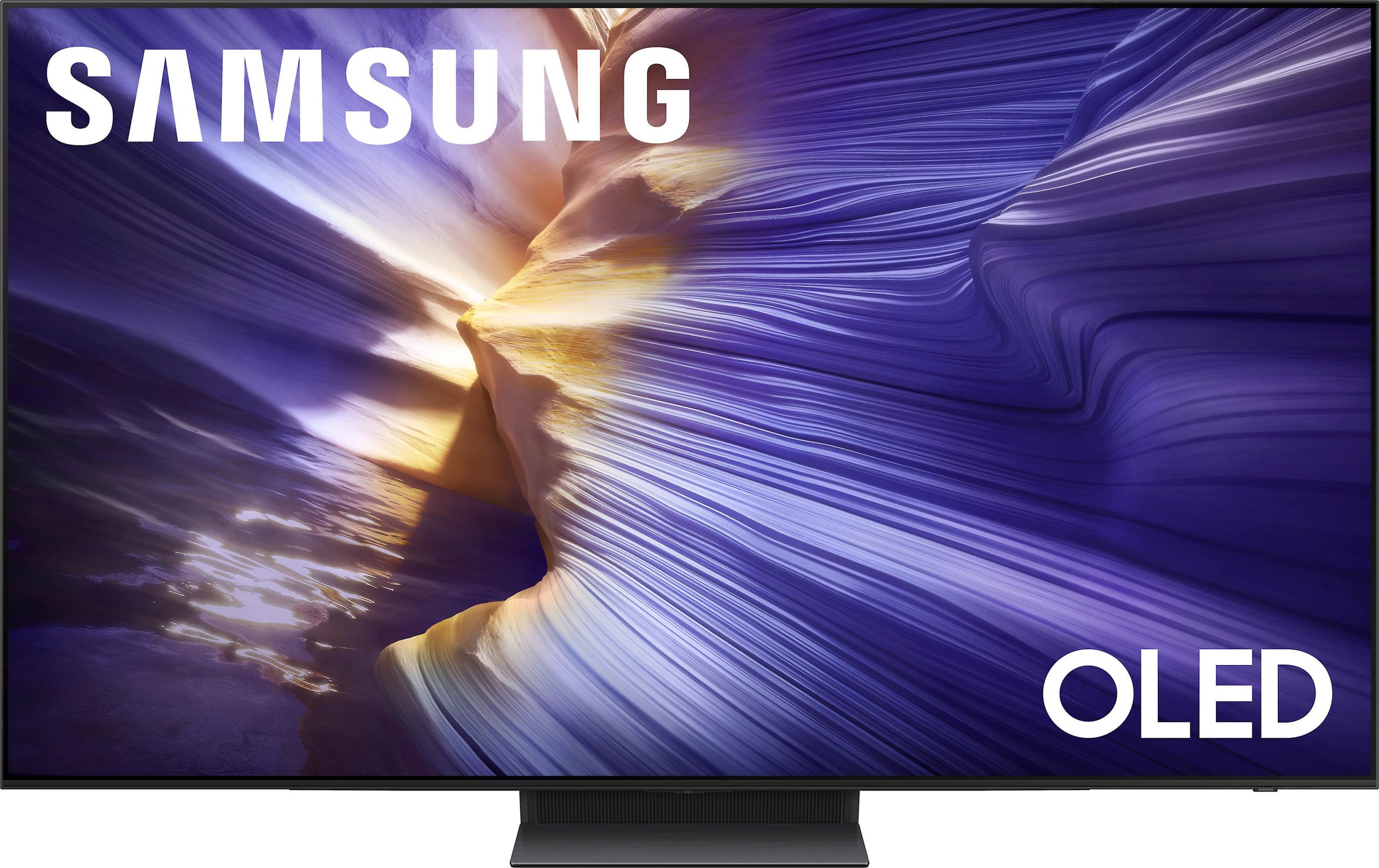
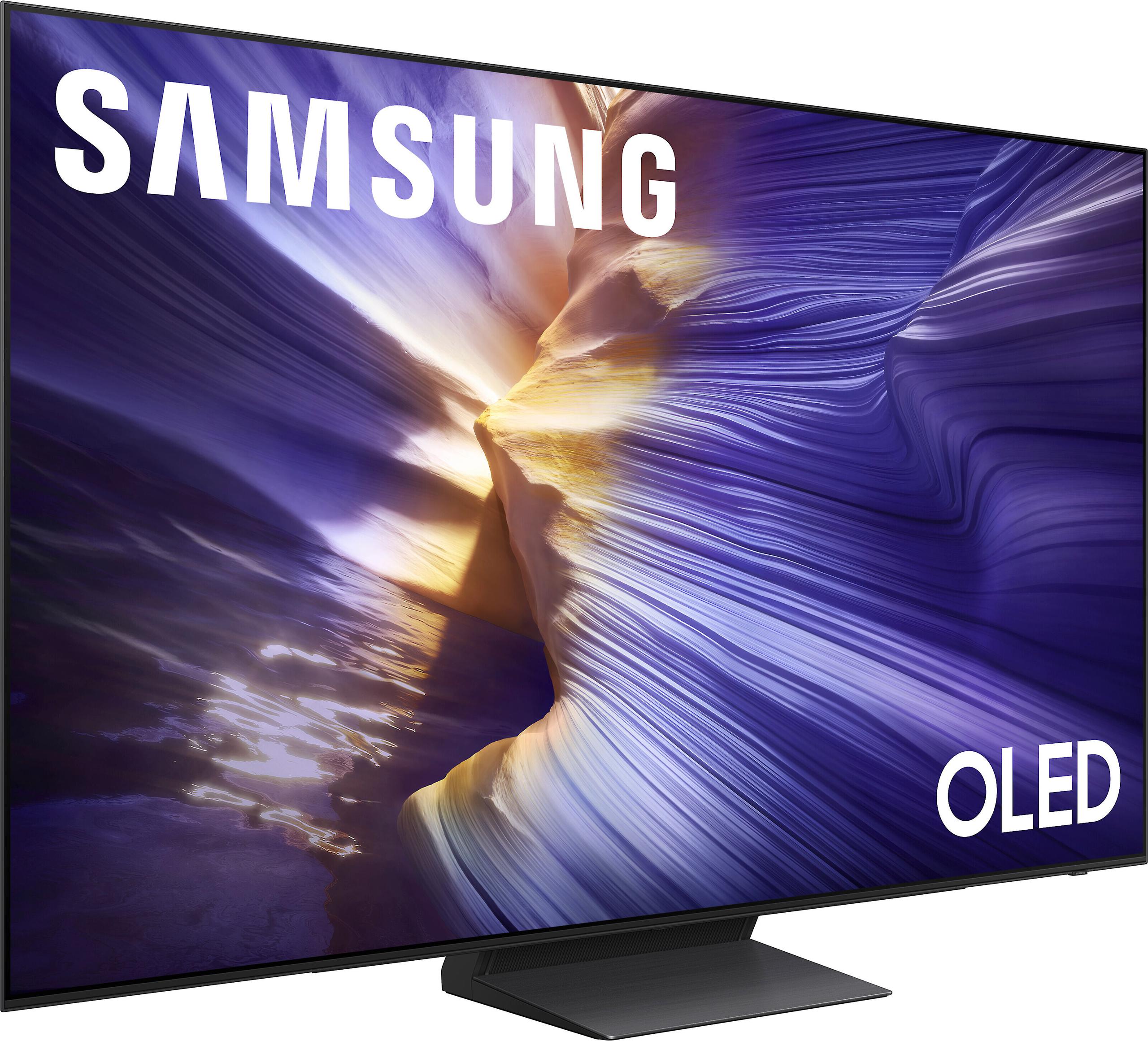

When shopping for a premium 65-inch TV in 2025, you'll likely encounter two fundamentally different display technologies that Samsung has perfected: QLED and OLED. The Samsung 65" QLED Q8F and Samsung 65" S90F OLED represent these competing approaches to achieving stunning picture quality, but they take dramatically different paths to get there.
Released in 2025, both TVs showcase Samsung's latest technological advances, with significant improvements in AI processing, gaming features, and smart capabilities compared to their 2024 predecessors. The biggest leap forward has been in gaming performance, with both models now supporting advanced refresh rates and AI-powered picture optimization that automatically adjusts to different types of content.
The fundamental distinction between these TVs lies in how they create the images you see. The Q8F uses QLED technology, which means it has a traditional LED backlight that shines through quantum dot filters to create colors. Think of it like a flashlight shining through colored glass – the backlight provides the illumination, and the quantum dots enhance and purify the colors.
The S90F, on the other hand, uses QD-OLED technology where each individual pixel generates its own light. It's like having millions of tiny colored light bulbs that can turn completely on or off independently. This self-illuminating property is what gives OLED its signature advantage: when a pixel needs to be black, it simply turns off completely, creating true black levels that QLED cannot match.
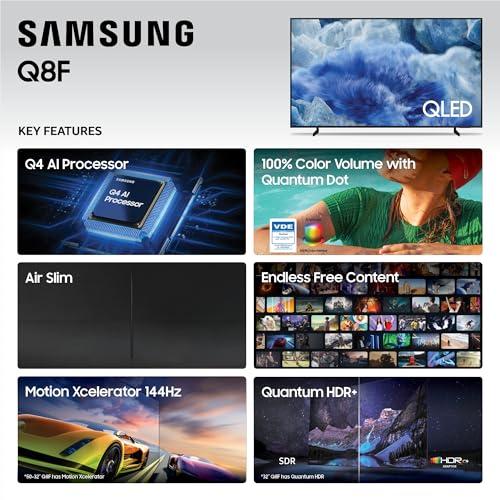
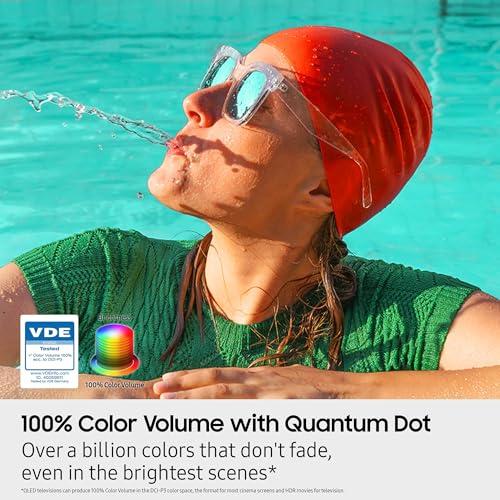
Samsung's quantum dot technology in both TVs deserves special mention. These microscopic particles, certified cadmium-free for environmental safety, can produce over a billion different color shades. The difference is that the Q8F uses them with an external backlight, while the S90F combines them with self-illuminating OLED pixels – essentially getting the best of both worlds.
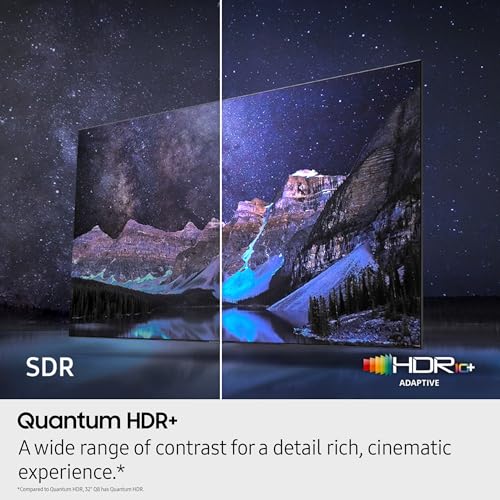
The Q8F absolutely dominates in peak brightness, delivering HDR1500 performance that can punch through even the brightest room lighting. This makes HDR content – think vibrant Netflix movies or stunning nature documentaries – pop with incredible intensity. The Quantum HDR+ processing means bright scenes look more realistic, with better detail in sunny outdoor scenes or explosions in action movies.
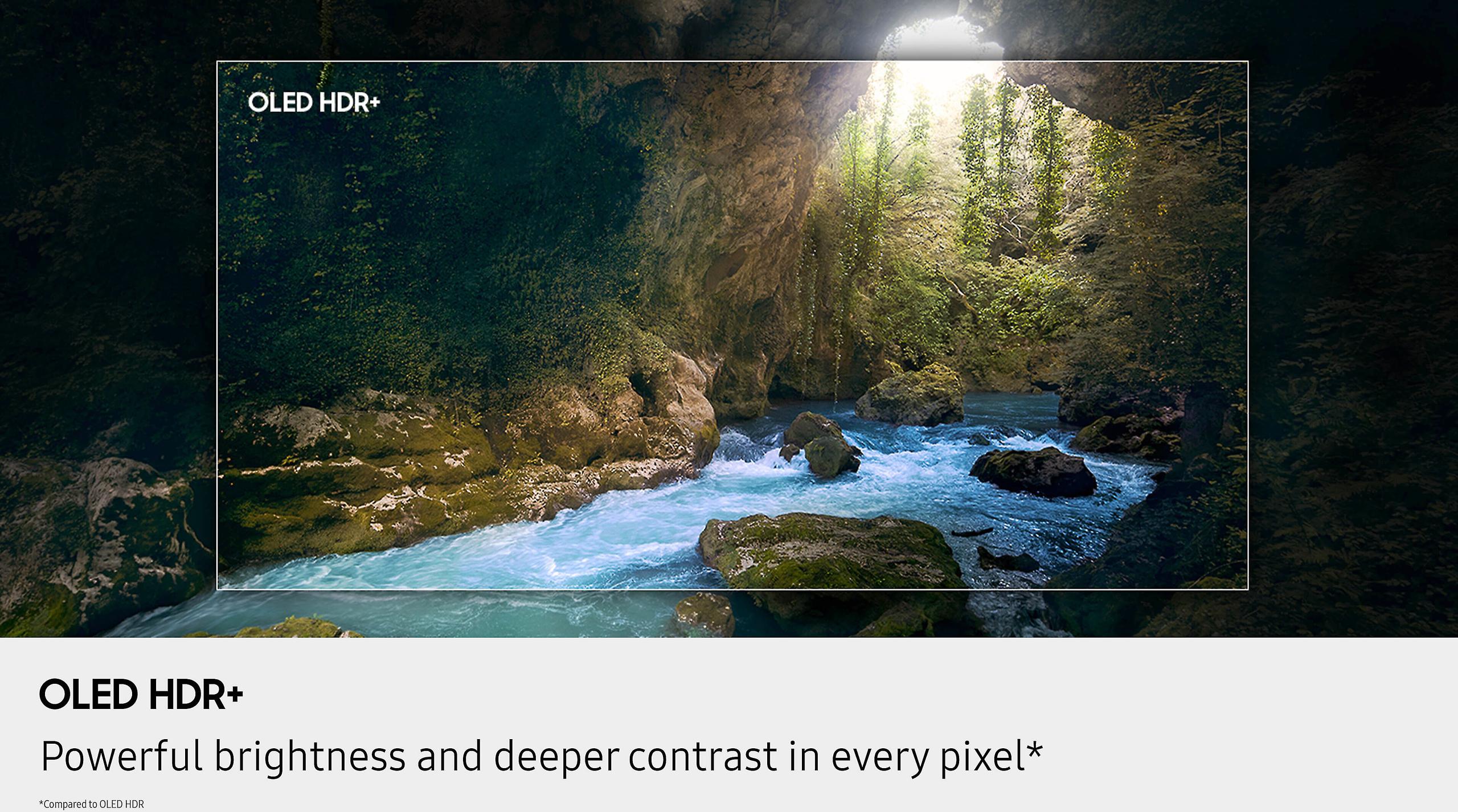
However, the S90F takes a different approach with its OLED HDR+ technology. While it can't match the Q8F's raw brightness numbers, it delivers what many consider more accurate HDR performance right out of the box. The Auto HDR Remastering feature uses deep learning to intelligently upgrade standard content to HDR-like quality, which means your older movies and shows get a visual boost without looking artificial.
This is where the technology differences become most apparent. The Q8F uses Supreme UHD Dimming with Dual LED backlighting to control brightness across different areas of the screen. While this creates good contrast, it can't achieve true blacks because there's always some light bleeding through from the backlight – think of trying to make a shadow with a flashlight behind translucent paper.
The S90F achieves perfect blacks because pixels can turn off completely. This creates what's called "infinite contrast ratio" – the difference between the brightest and darkest parts of the image. In practical terms, this means you'll see more detail in dark movie scenes, better shadow definition, and colors that appear more vivid against truly black backgrounds.
Both TVs excel at color reproduction, but in different ways. The Q8F achieves 100% color volume with its Quantum Dot technology, meaning it can display vibrant colors even at very high brightness levels. This is particularly noticeable in bright, colorful content like animated movies or sports broadcasts.
The S90F combines quantum dot color enhancement with OLED precision. Because each pixel controls its own light output, colors appear more accurate and natural, especially in mixed lighting scenes where you have both bright and dark elements. The QD-OLED panel delivers what reviewers consistently describe as more lifelike skin tones and more accurate color reproduction.
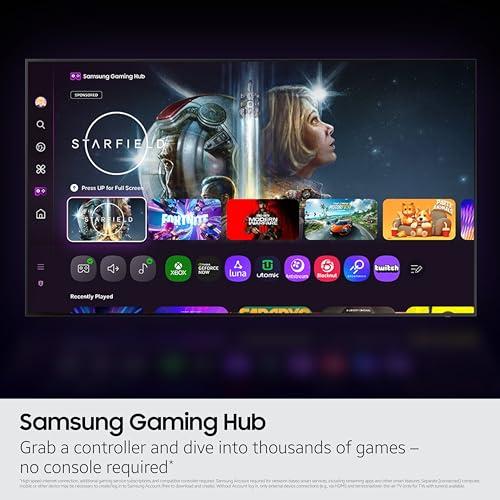
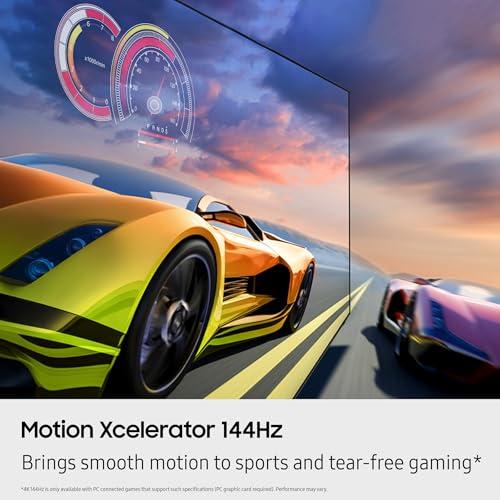
Gaming has become a crucial battleground for premium TVs, and here the differences are significant. The S90F clearly leads with native 144Hz refresh rate support at 4K resolution, thanks to its Motion Xcelerator 144Hz technology. This means if you have a high-end gaming PC or next-generation console, you can actually use those ultra-smooth frame rates that make fast-paced games feel more responsive.
The Q8F supports up to 120Hz with its Motion Xcelerator 144Hz processing, which is still excellent for gaming but doesn't quite match the cutting-edge performance of its OLED sibling. Both TVs include Auto Game Mode that automatically detects when you're gaming and switches to optimized settings for lower input lag – the delay between pressing a button and seeing the action on screen.
Where the S90F really shines is input lag performance. OLED pixels can change states almost instantaneously, which means less blur during fast motion and more responsive gameplay. The TV also supports all three major variable refresh rate (VRR) technologies: NVIDIA G-Sync, AMD FreeSync, and HDMI VRR. This prevents screen tearing – those annoying horizontal lines that can appear during fast motion in games.
For serious gamers, particularly those with high-end PCs or who plan to upgrade their gaming setup in the coming years, the S90F provides better future-proofing. The 144Hz capability isn't just marketing – it makes a noticeable difference in competitive gaming and racing simulations.
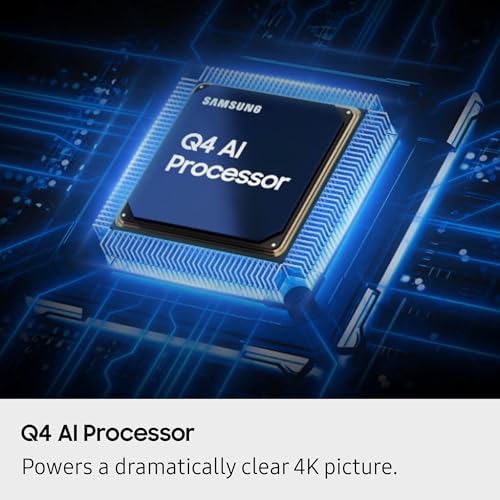
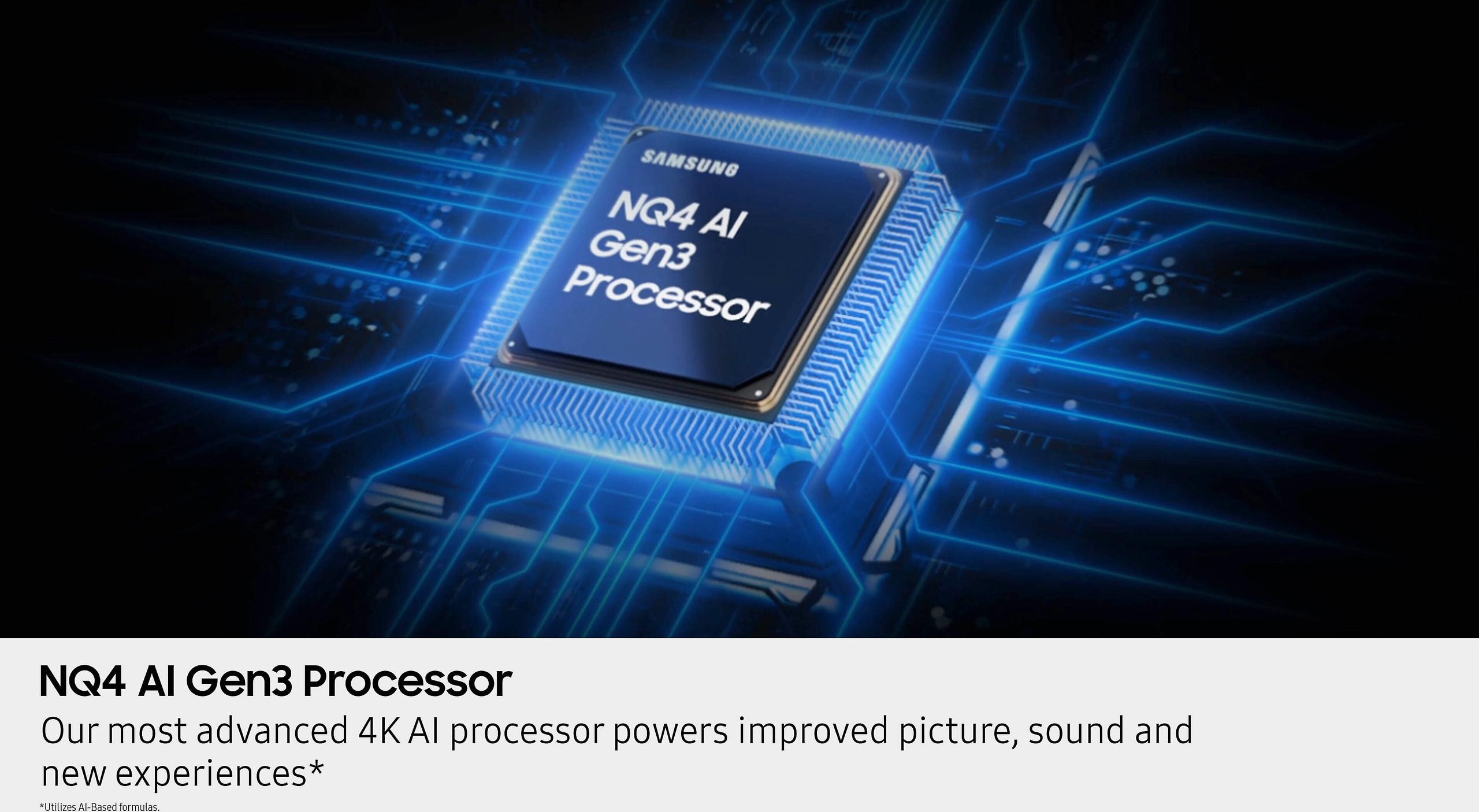
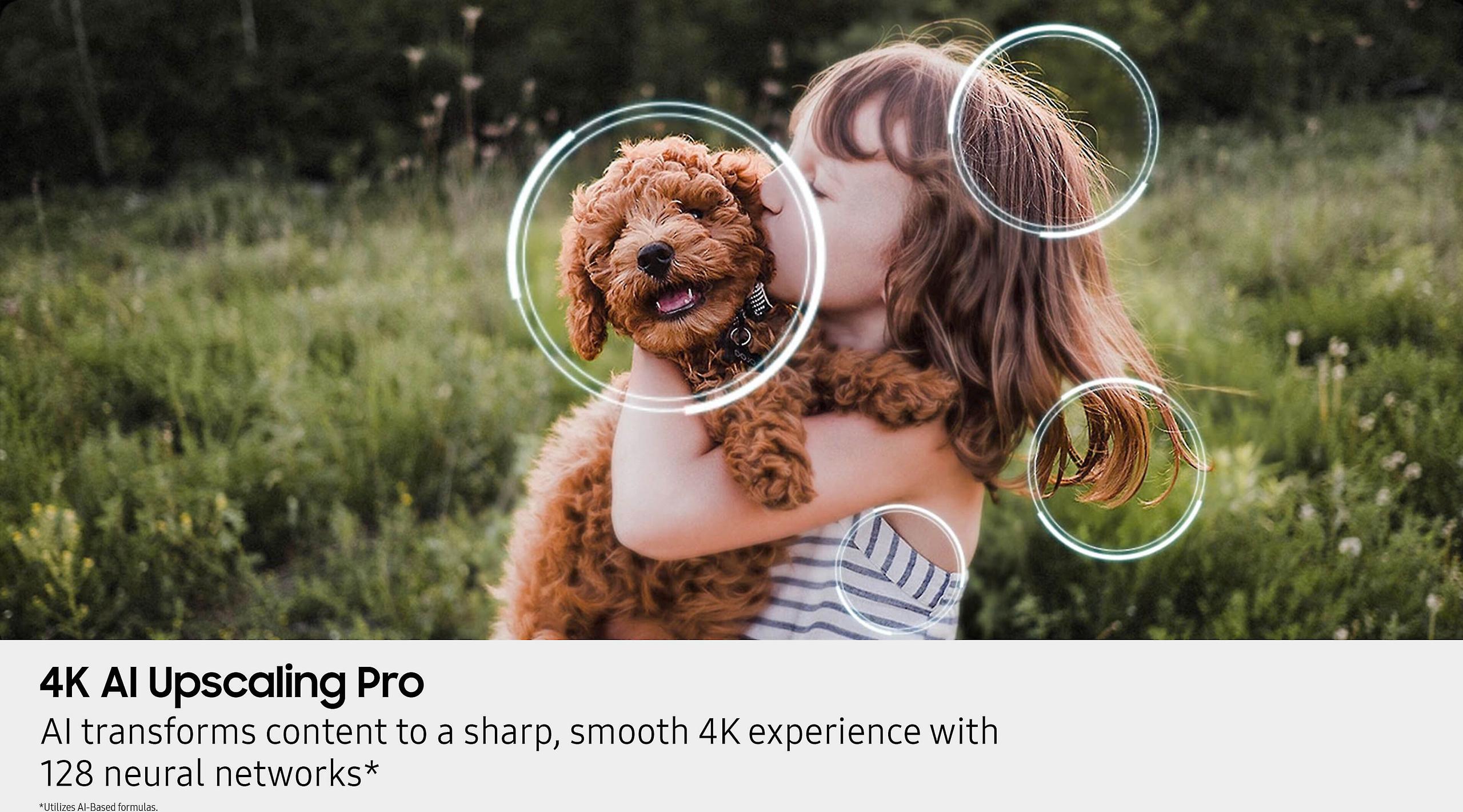
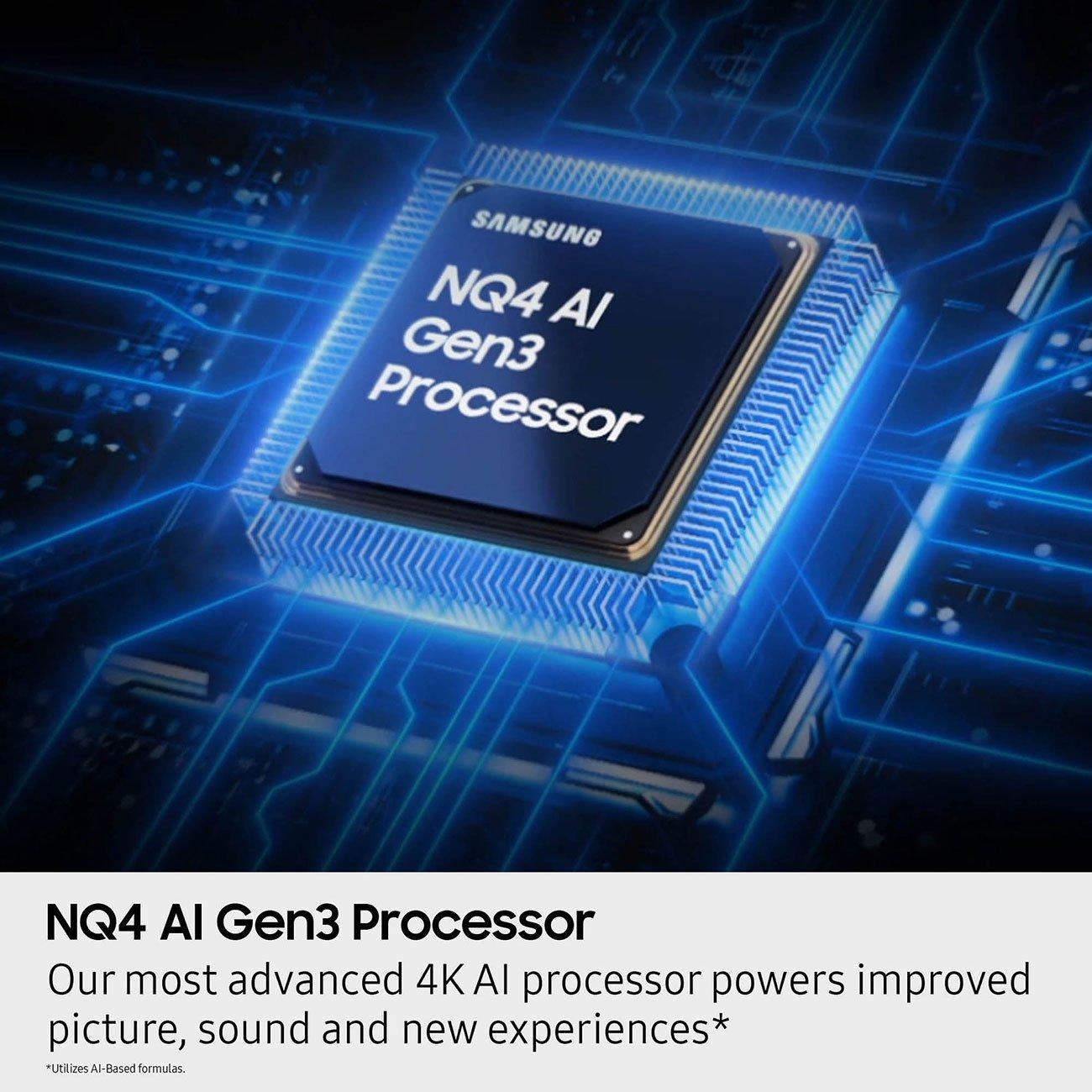
The technological gap becomes evident in processing power. The S90F uses Samsung's NQ4 AI Gen3 Processor, powered by 128 AI neural networks – a significant step up from the Q8F's Q4 AI Processor. This isn't just about bragging rights; the more powerful processor delivers noticeably better 4K AI Upscaling Pro that makes lower-resolution content look sharper and more detailed.
Both TVs run Samsung Vision AI, but the advanced processor in the S90F enables more sophisticated features. The AI Mode provides quick access to adaptive settings that automatically optimize picture and sound based on what you're watching and your room conditions. There's even a unique Pet Care feature that can detect when your dog or cat is making noise and automatically play calming content – a thoughtful touch that shows how advanced the AI processing has become.
The 4K AI upscaling on both models deserves special attention. With so much content still in 1080p or lower resolution, this feature is crucial for daily viewing. Based on user feedback and professional reviews, both TVs excel at upscaling, but the S90F's more advanced processor creates cleaner, more natural-looking results with less artificial sharpening.
Audio is often overlooked when comparing TVs, but there's a clear winner here. The S90F includes a 40W 2.1-channel speaker system with a dedicated subwoofer and Dolby Atmos support. The Q8F features a 20W 2-channel system with Object Tracking Sound Lite, which creates spatial audio by directing sound to follow on-screen action.
While neither TV will replace a dedicated soundbar for serious movie watching, the S90F's audio system provides noticeably better bass response and clearer dialogue. The Adaptive Sound Pro feature analyzes both the content and your room acoustics to optimize audio in real-time – particularly useful for understanding dialogue in action movies with complex soundtracks.
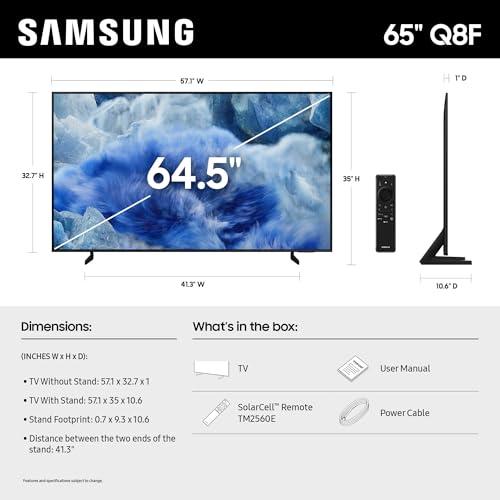
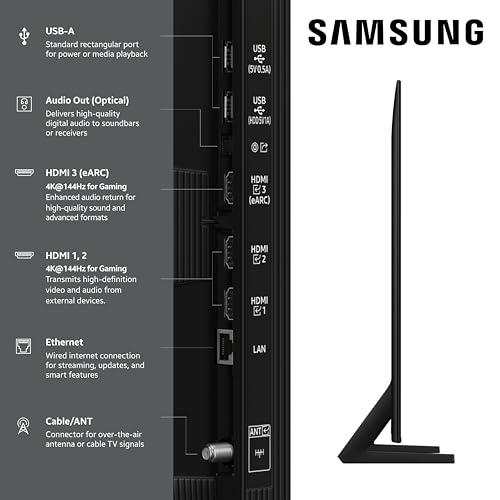
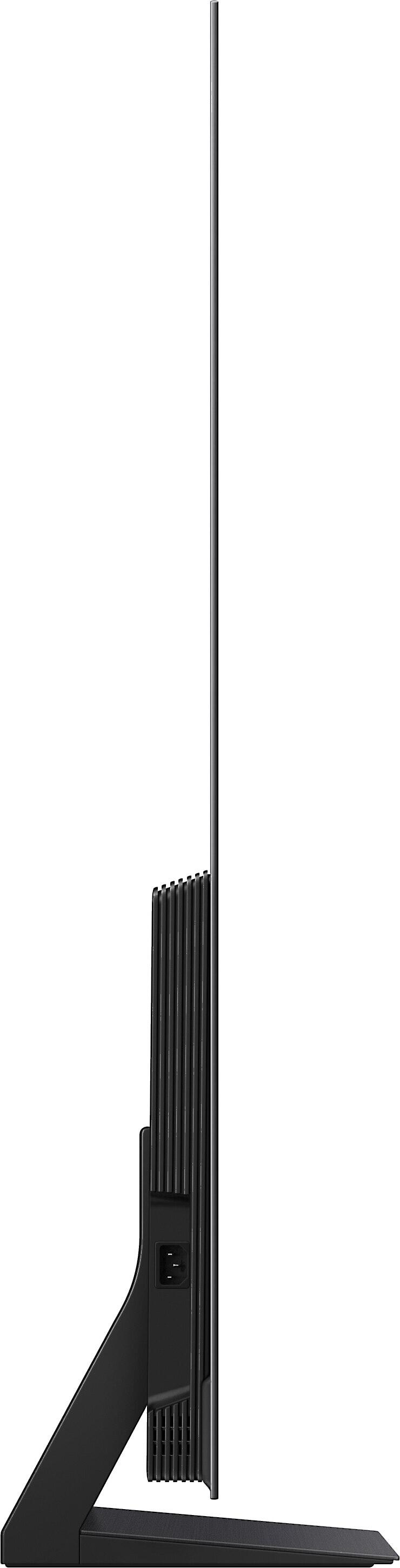
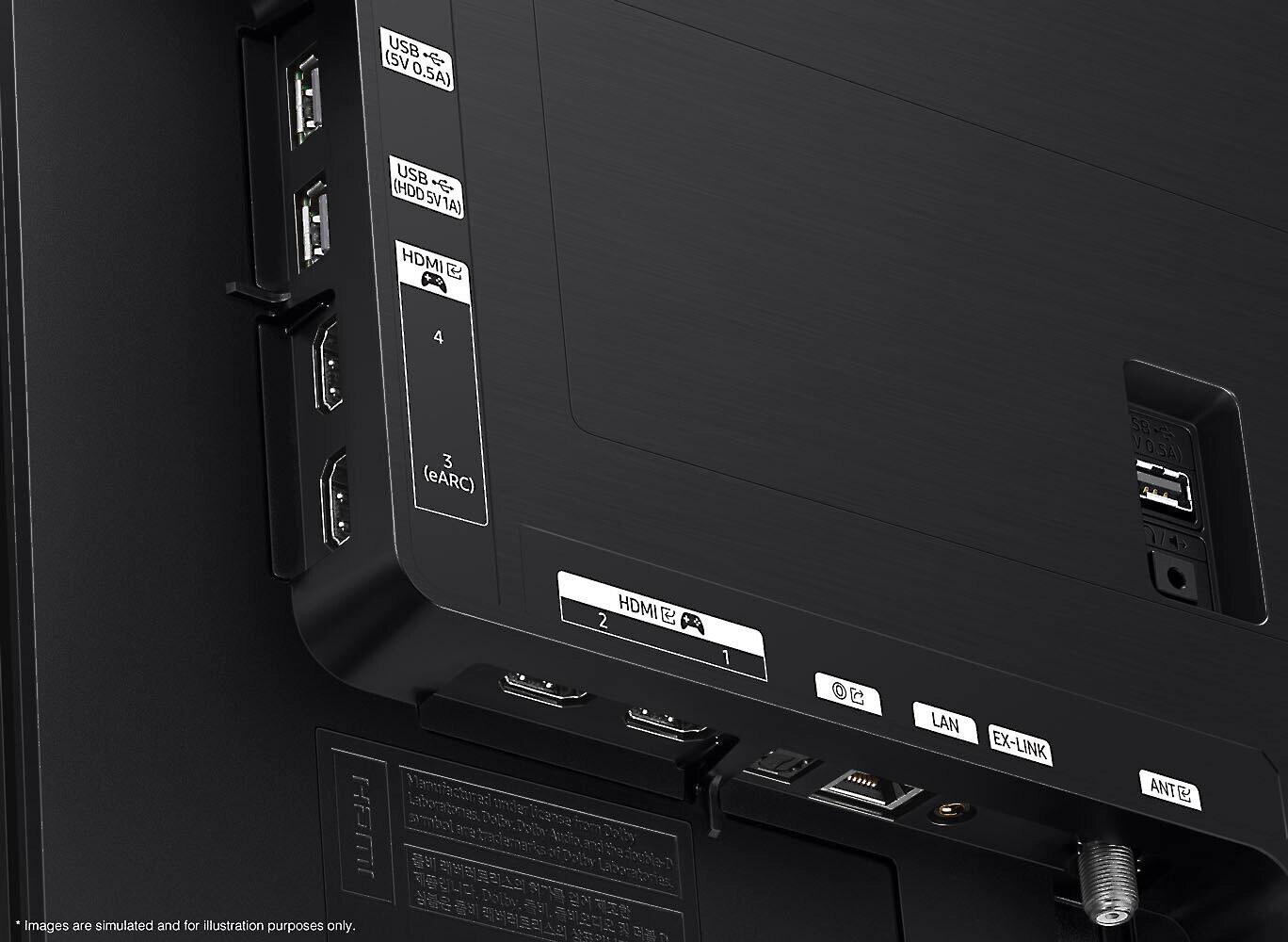
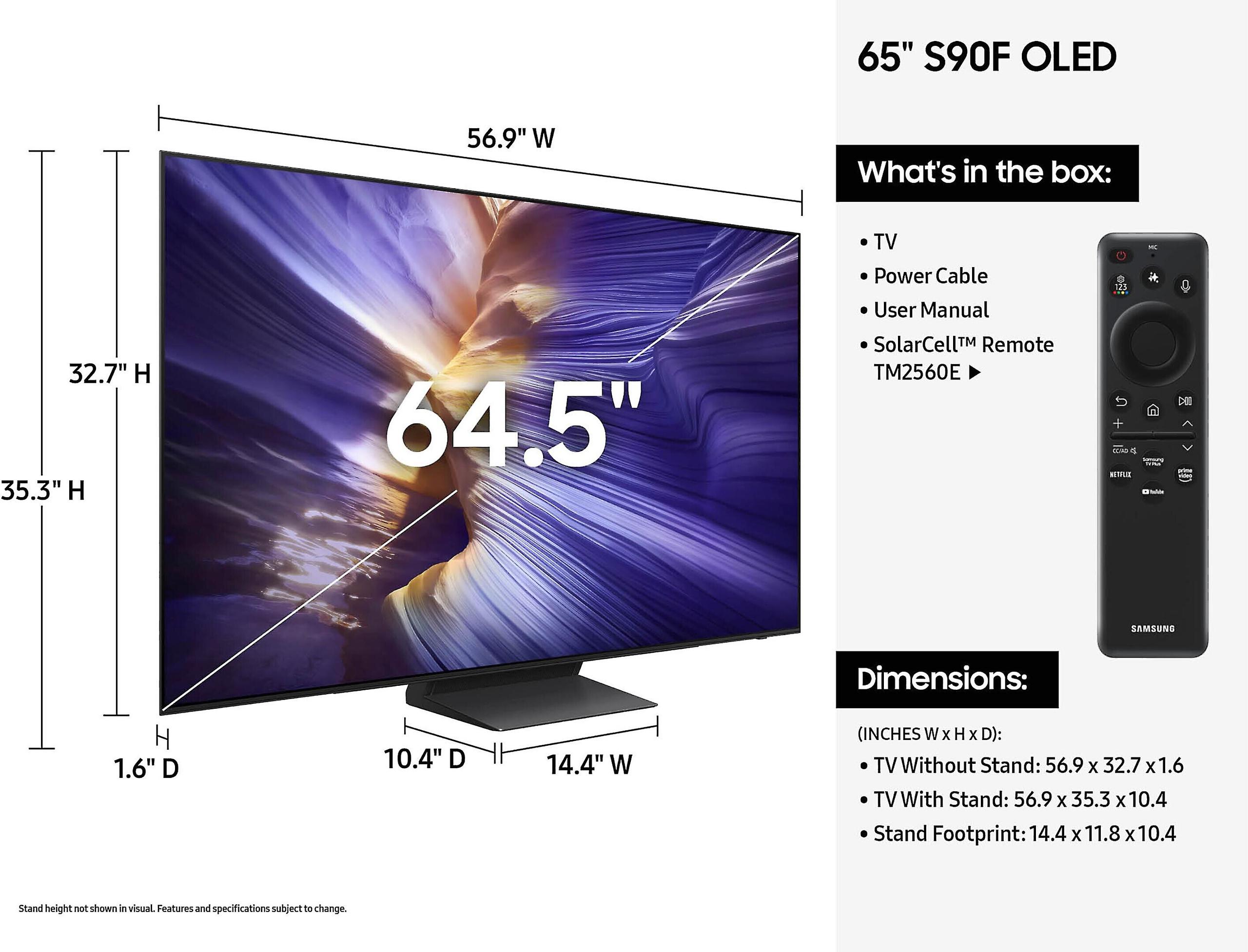
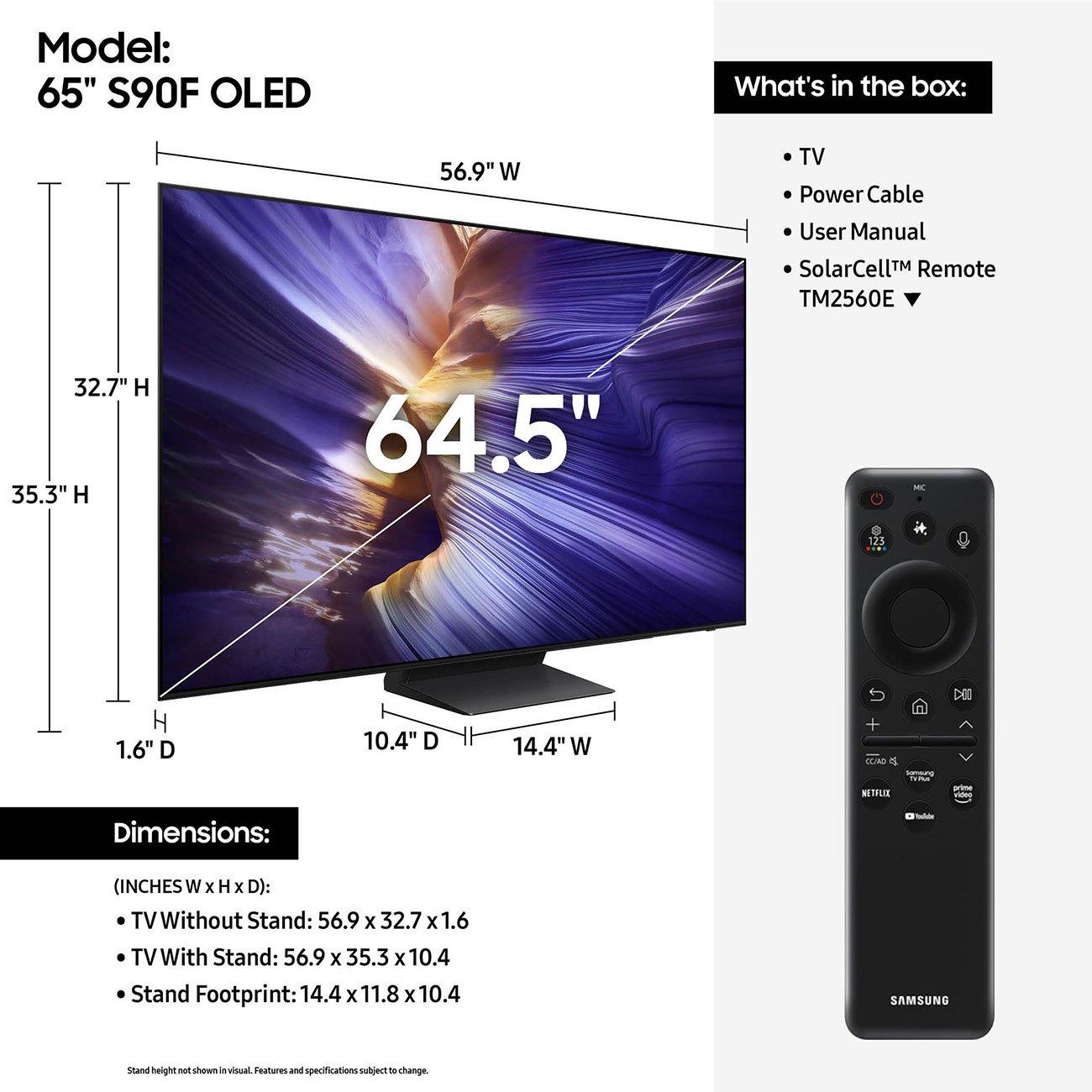
Design-wise, both TVs embrace Samsung's premium aesthetic. The Q8F features an AirSlim design with a One Connect Box that consolidates all your cable connections into a separate unit, creating an extremely clean wall-mounted setup. The S90F maintains a sleek profile without the One Connect Box but still achieves a minimalist look that works well in modern living spaces.
Your room's lighting conditions might be the most important factor in choosing between these TVs. The Q8F excels in bright environments – living rooms with large windows, spaces with overhead lighting, or anywhere you watch TV during the day. Its superior peak brightness means HDR content maintains its impact even when competing with ambient light.
The S90F performs best in controlled lighting environments. While it handles moderate ambient light well, its glossy screen coating can create reflections in very bright rooms. However, for evening viewing, movie nights, or dedicated home theater spaces, the OLED's perfect blacks create a more immersive, cinematic experience.
This isn't to say the S90F is unusable in bright rooms – modern OLEDs are much brighter than earlier generations. But if your primary viewing happens during daytime with lots of natural light, the Q8F's brightness advantage becomes more significant.
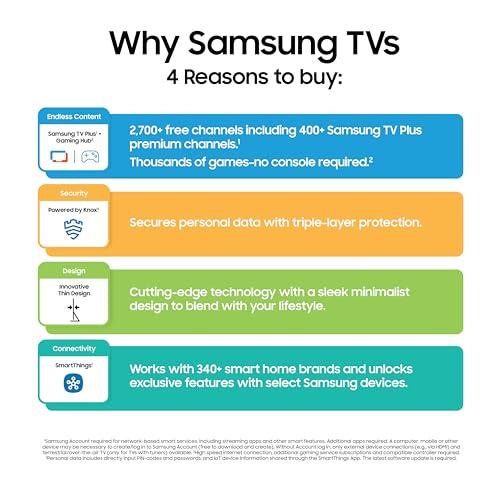
Both TVs run Samsung's 2025 Tizen operating system with comprehensive app support and Samsung TV Plus, which provides access to hundreds of free streaming channels. The updated Bixby voice assistant on both models can now handle multiple commands simultaneously and better understands contextual requests.
The S90F's more advanced processor enables more sophisticated smart features, including enhanced content recognition that can automatically adjust settings based on what type of program you're watching. Both TVs integrate well with smart home ecosystems and support Matter connectivity for controlling other smart devices.
At the time of writing, the pricing creates an interesting value equation. The S90F typically costs several hundred dollars less than the Q8F, while offering what many consider superior display technology and more advanced features. This makes the OLED option particularly compelling for most buyers.
The Q8F justifies its premium pricing primarily through its superior brightness performance and the convenience features like the One Connect Box. For buyers who prioritize peak HDR brightness and have bright viewing environments, this premium can be worthwhile.
Long-term considerations favor different aspects of each technology. LED backlighting in the Q8F theoretically offers longer lifespan and no burn-in concerns, though modern OLED panels have excellent protection against burn-in issues. The S90F offers better future-proofing for gaming and may handle evolving HDR standards more effectively due to its advanced processor.
For dedicated home theater use, the S90F is the clear choice. The combination of perfect blacks, accurate colors, and excellent off-angle viewing creates the cinematic experience most people want from a premium TV. The improved audio system also means you might be able to delay adding a soundbar, though serious movie enthusiasts will eventually want to upgrade the audio regardless of which TV they choose.
The Q8F works well in multi-purpose family rooms where the TV needs to perform well in various lighting conditions throughout the day. Its brightness advantage means it maintains good picture quality even when used casually during bright afternoon hours.
Choose the Q8F if you have a consistently bright viewing environment, prioritize peak HDR brightness over perfect blacks, want the cleanest possible cable management with the One Connect Box, or have specific concerns about OLED technology longevity.
Choose the S90F if you want the best overall picture quality and value combination, do any serious gaming or want future-proof gaming features, watch movies primarily in controlled lighting, or simply want premium OLED technology at an exceptional price point.
For most buyers, the S90F represents the better value proposition. It delivers superior display technology, advanced gaming capabilities, better built-in audio, and more powerful processing at a lower price point. The Q8F serves specific needs well – particularly bright room performance – but for the majority of viewing scenarios and room types, the OLED's advantages outweigh the QLED's brightness edge.
The technology landscape in 2025 has reached a point where both options deliver excellent performance, but they excel in different areas. Understanding your specific viewing habits, room conditions, and priorities will guide you to the right choice for your home entertainment setup.
| Samsung 65" QLED Q8F 4K Smart TV 2025 | Samsung 65" S90F OLED 4K Vision AI Smart TV 2025 |
|---|---|
| Display Technology - Fundamentally different approaches to picture quality | |
| QLED with Quantum Dots + Edge LED backlighting | QD-OLED with self-illuminating pixels |
| Peak Brightness - Critical for HDR performance and bright rooms | |
| HDR1500 with superior peak luminance | Lower peak brightness but more accurate HDR calibration |
| Black Levels - Determines contrast and dark scene detail | |
| Good blacks via Supreme UHD Dimming (some backlight bleed) | Perfect pixel-level blacks (infinite contrast ratio) |
| Gaming Refresh Rate - Essential for next-gen console and PC gaming | |
| 120Hz maximum with Motion Xcelerator 144Hz processing | Native 144Hz at 4K with Motion Xcelerator 144Hz |
| Processor - Powers AI features and upscaling quality | |
| Q4 AI Processor | NQ4 AI Gen3 Processor (128 AI neural networks) |
| Audio System - Built-in sound quality before adding soundbar | |
| 20W 2-channel with Object Tracking Sound Lite | 40W 2.1-channel with Dolby Atmos and dedicated subwoofer |
| Input Lag - Response time for gaming | |
| Good gaming performance with Auto Game Mode | Extremely low input lag, supports all VRR technologies |
| Room Lighting Suitability - Where each TV performs best | |
| Excellent for bright rooms and daytime viewing | Best for controlled lighting and dark room cinema experience |
| Cable Management - Setup and aesthetics | |
| One Connect Box for clean installation | Standard connections, no external box |
| Color Volume - Vibrant color reproduction | |
| 100% color volume with Quantum Dots at high brightness | QD-OLED combines quantum dot color with OLED precision |
| Viewing Angle - Picture quality when viewed from the side | |
| Wide viewing angle with some brightness/color loss | Excellent off-angle viewing with minimal degradation |
| Burn-in Risk - Long-term display durability concerns | |
| No burn-in risk with LED backlighting | Modern OLED with excellent burn-in protection |
| Value Proposition - Performance per dollar at time of writing | |
| Higher price for peak brightness and One Connect convenience | Significantly lower price for premium OLED technology and features |
The Samsung 65" QLED Q8F is significantly better for bright rooms due to its superior peak brightness with HDR1500 performance. It can cut through ambient light and maintain vibrant HDR content even during daytime viewing. The Samsung 65" S90F OLED performs best in controlled lighting environments, as its glossy screen can show reflections in very bright rooms.
The Samsung Q8F uses QLED technology with quantum dots and LED backlighting, delivering exceptional brightness and color volume. The Samsung S90F uses QD-OLED technology where each pixel creates its own light, providing perfect blacks and infinite contrast. QLED excels in brightness, while OLED offers superior contrast and black levels.
The Samsung S90F OLED is superior for gaming with native 144Hz refresh rate at 4K, extremely low input lag, and support for all VRR technologies (G-Sync, FreeSync, HDMI VRR). The Samsung Q8F supports 120Hz gaming with good performance, but the S90F provides better future-proofing for next-generation consoles and high-end PC gaming.
Yes, the difference is dramatic. The Samsung S90F OLED achieves perfect blacks by turning pixels completely off, creating infinite contrast for better shadow detail in dark scenes. The Samsung Q8F produces good blacks through local dimming but cannot eliminate all backlight bleeding, so blacks appear more like dark gray in comparison.
The Samsung S90F has more advanced smart features powered by the NQ4 AI Gen3 Processor with 128 AI neural networks, compared to the Samsung Q8F's Q4 AI Processor. Both run Samsung Vision AI and Tizen OS, but the S90F offers more sophisticated 4K upscaling, enhanced content recognition, and unique features like Pet Care mode.
The Samsung S90F OLED has superior built-in audio with a 40W 2.1-channel system including a dedicated subwoofer and Dolby Atmos support. The Samsung Q8F features a 20W 2-channel system with Object Tracking Sound Lite. While neither replaces a dedicated soundbar, the S90F provides noticeably better bass and dialogue clarity.
The Samsung S90F OLED typically offers better value, providing premium OLED display technology, advanced gaming features, better audio, and more powerful processing at a lower price point than the Samsung Q8F. The Q8F justifies its premium mainly through superior peak brightness for bright room viewing.
The Samsung Q8F has no burn-in risk due to its LED backlighting technology. The Samsung S90F OLED uses modern OLED technology with excellent burn-in protection features, making burn-in extremely rare with normal viewing habits. Samsung includes multiple protective measures in their 2025 OLED models.
The Samsung S90F OLED is superior for home theater and movie watching due to its perfect blacks, infinite contrast ratio, accurate colors, and excellent off-angle viewing. These characteristics create a more cinematic experience, especially in controlled lighting environments where the S90F truly excels.
The Samsung S90F supports native 144Hz at 4K for gaming and high-refresh content, while the Samsung Q8F maxes out at 120Hz. Both handle standard 60Hz content excellently with motion processing. For future-proofing and cutting-edge gaming performance, the S90F has the advantage.
Both TVs excel at colors but differently. The Samsung Q8F achieves 100% color volume with quantum dots, maintaining vibrant colors at high brightness levels. The Samsung S90F combines quantum dot technology with OLED precision for more accurate, natural-looking colors and better skin tone reproduction, especially in mixed lighting scenes.
The Samsung Q8F includes a One Connect Box that consolidates all cable connections for extremely clean wall mounting and cable management. The Samsung S90F uses standard connections without an external box but maintains a sleek, thin profile. Both offer premium aesthetics, with the Q8F providing more installation flexibility through its One Connect system.
We've done our best to create useful and informative comparisons to help you decide what product to buy. Our research uses advanced automated methods to create this comparison and perfection is not possible - please contact us for corrections or questions. These are the sites we've researched in the creation of this article: bestbuy.com - rtings.com - tomsguide.com - youtube.com - samsung.com - youtube.com - youtube.com - youtube.com - rtings.com - rtings.com - linqcdn.avbportal.com - bestbuy.com - samsung.com - samsung.com - samsung.com - youtube.com - youtube.com - billsmith.com - samsung.com - samsung.com - samsung.com - hometechnologyreview.com - shopjetson.com - certappl.com - samsung.com - theapplianceplug.com - samsung.com - manuals.plus - bestbuy.com - device.report - samsung.com - shopsilica.com - dentonstv.com - youtube.com - t3.com - bestbuy.com - stereonet.com - samsung.com - bestbuy.com - flatpanelshd.com - myallsouth.com - pcrichard.com - samsung.com - bestbuy.com - samsung.com - samsung.com - samsung.com

Privacy Policy
Terms and Conditions - Affiliate Policy
Home Security
© Copyright 2008-2026.
11816 Inwood Rd #1211, Dallas, TX 75244