

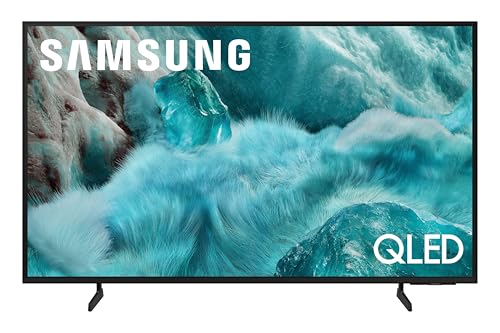
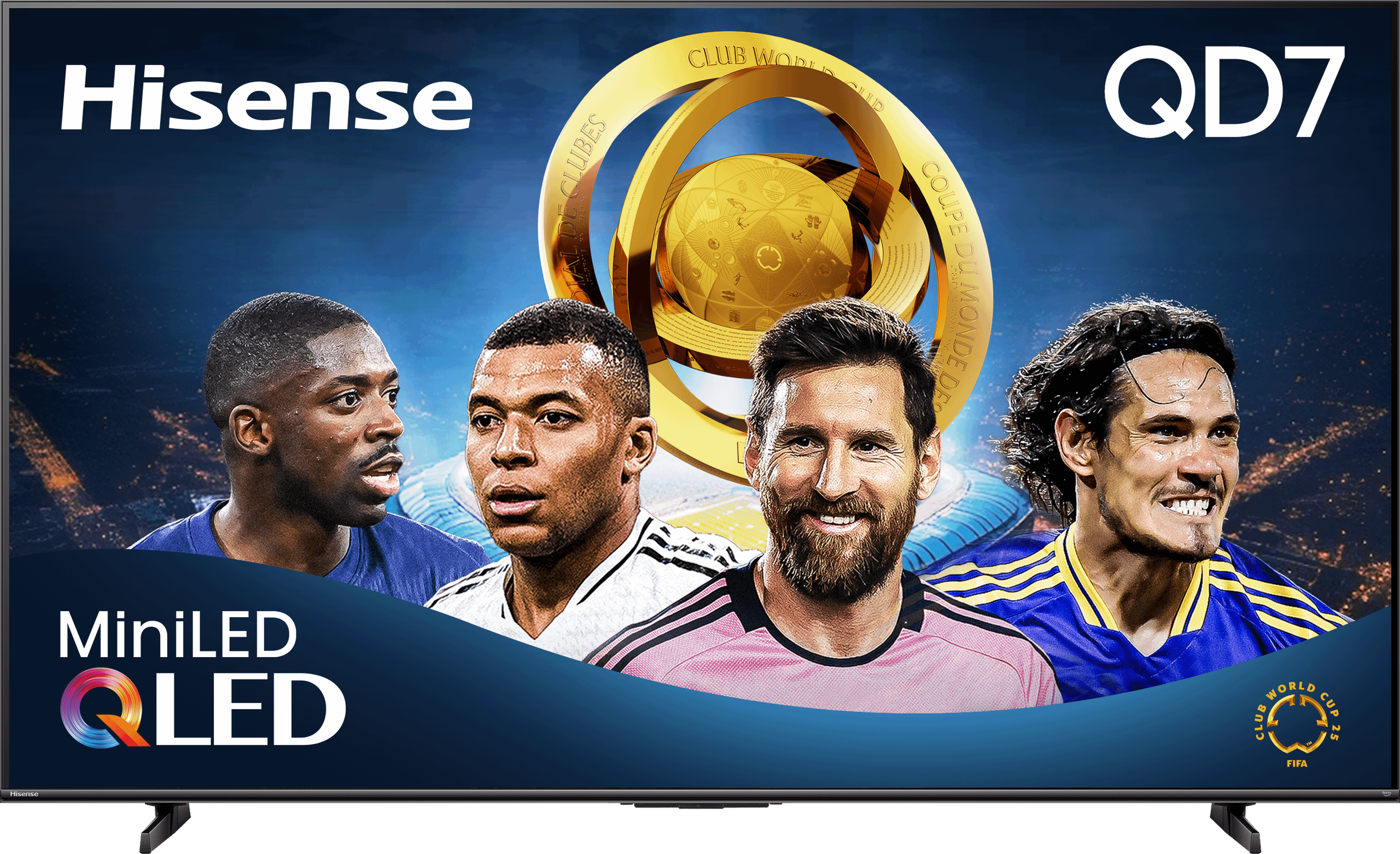
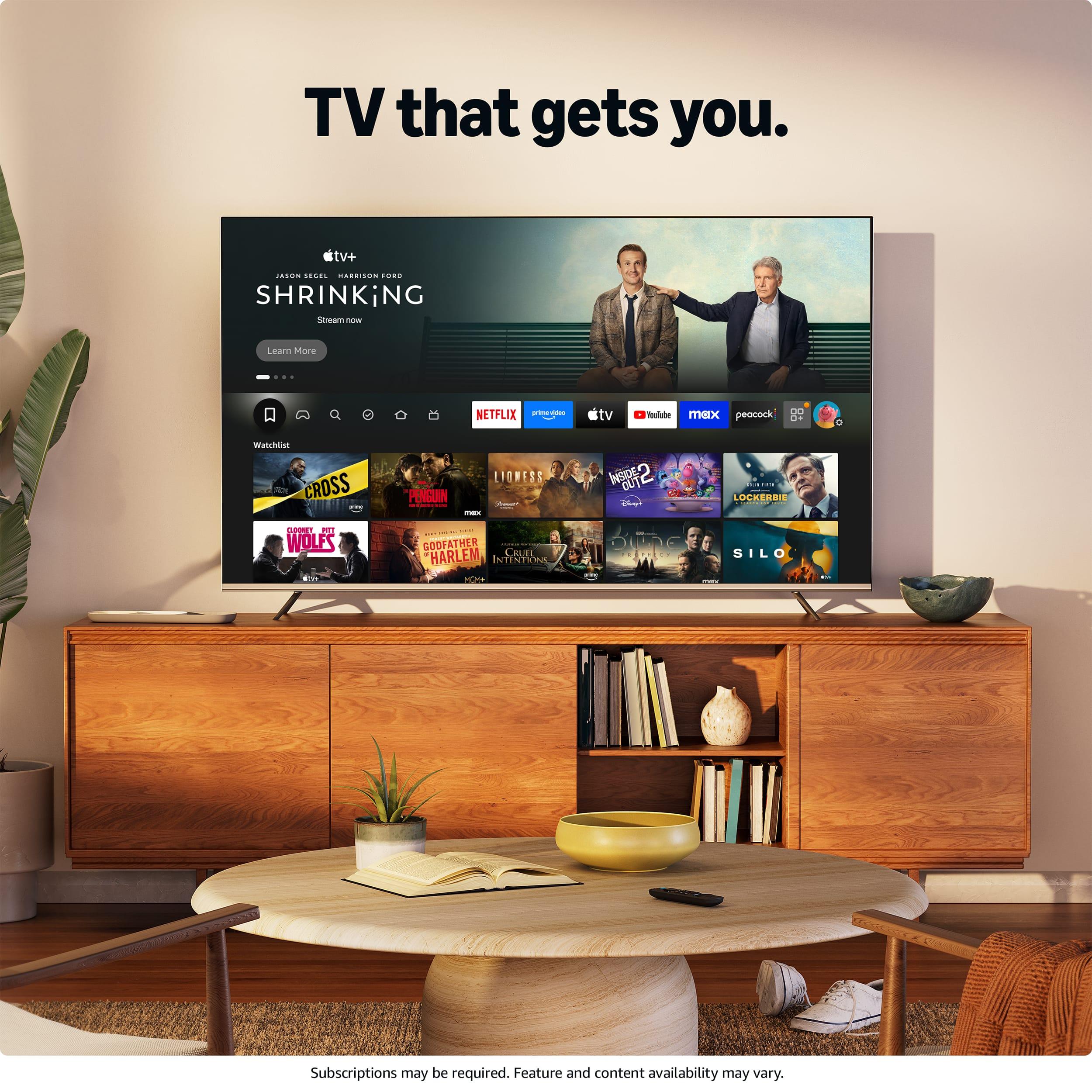
Shopping for a new 65-inch TV in 2025 means navigating a sea of acronyms, competing technologies, and marketing claims. Two standout options in the budget QLED space are the Samsung 65-Inch Q7F Series QLED Smart TV 2025 and the Hisense 65" QD7 Series Mini-LED 4K Fire TV 2025. While both promise premium features at accessible prices, they take dramatically different approaches to delivering great picture quality.
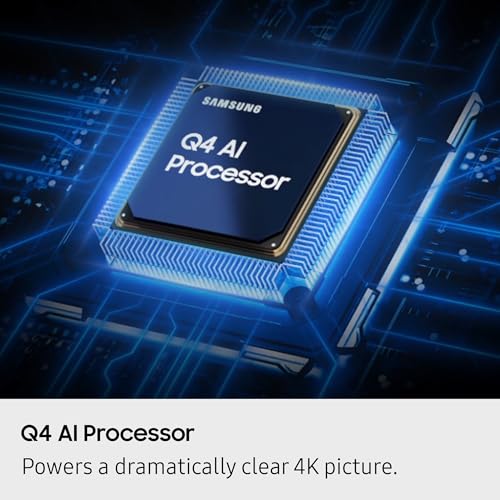
The good news? Both TVs represent significant improvements over their 2023 and 2024 predecessors. Samsung refined their Q4 AI processor and enhanced their Quantum Dot implementation, while Hisense made major strides in Mini-LED technology that was previously reserved for much more expensive models. These 2025 updates mean you're getting genuinely better performance than you would have just a year ago.
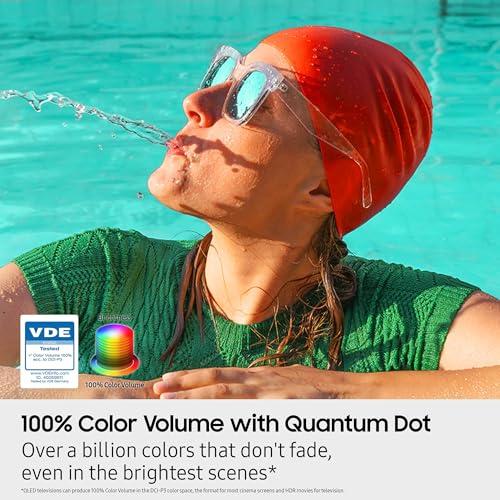
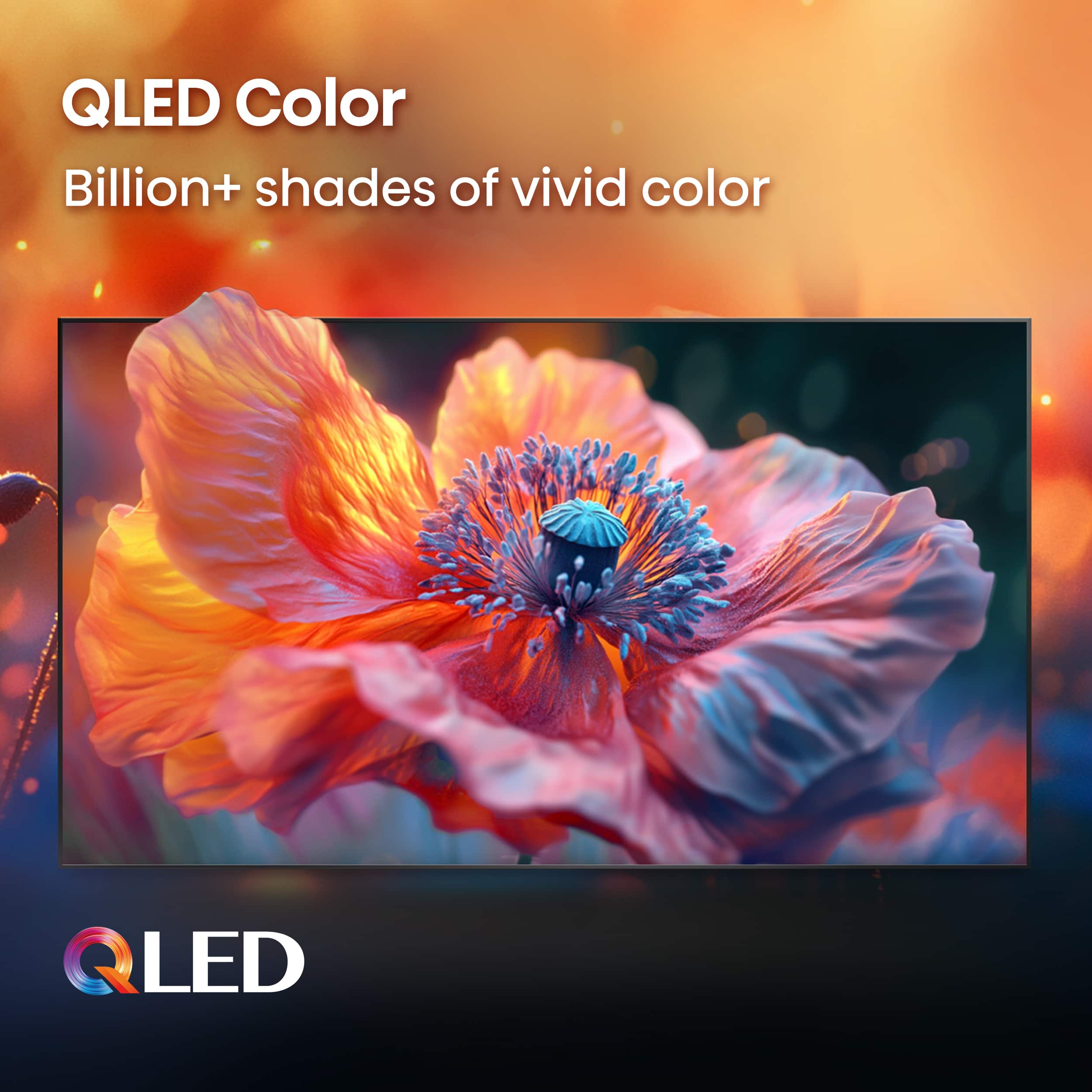
Before diving into specifics, let's establish what makes a great TV in this price range. QLED technology uses quantum dots—microscopic particles that emit pure, vibrant colors when hit by light—to produce over a billion different color shades. This creates more lifelike images than standard LED TVs, especially in bright, colorful scenes like nature documentaries or animated movies.
The most critical factors for any TV purchase are picture quality, smart features, gaming performance, and overall value. Picture quality encompasses brightness (measured in nits), contrast (the difference between the darkest and brightest parts of an image), color accuracy, and how well the TV handles different types of content. Smart features include the operating system's responsiveness, app selection, and voice control capabilities. Gaming performance covers input lag (how quickly the TV responds to controller inputs) and support for modern console features.
From our research into professional reviews and user feedback, brightness and contrast emerge as the most important performance characteristics. A TV that's too dim will look washed out in normal room lighting, while poor contrast makes everything look flat and unrealistic.
The biggest distinction between the Samsung Q7F and Hisense QD7 lies in their backlighting approaches, which dramatically affects picture quality.
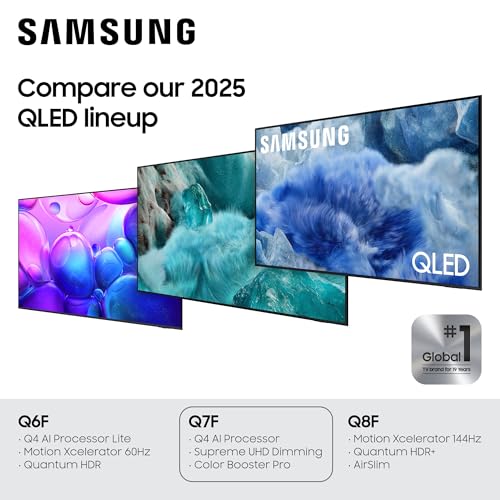
The Samsung Q7F uses traditional edge-lit LED backlighting. Imagine a flashlight shining from the sides of the screen—that's essentially how edge-lighting works. It's cost-effective and allows for thin TV designs, but it struggles with contrast because the entire screen shares the same lighting zones.
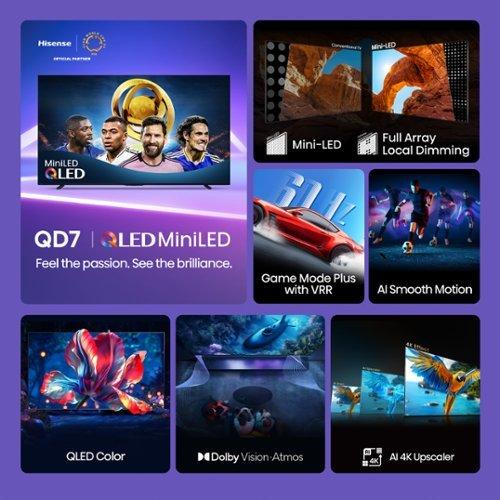
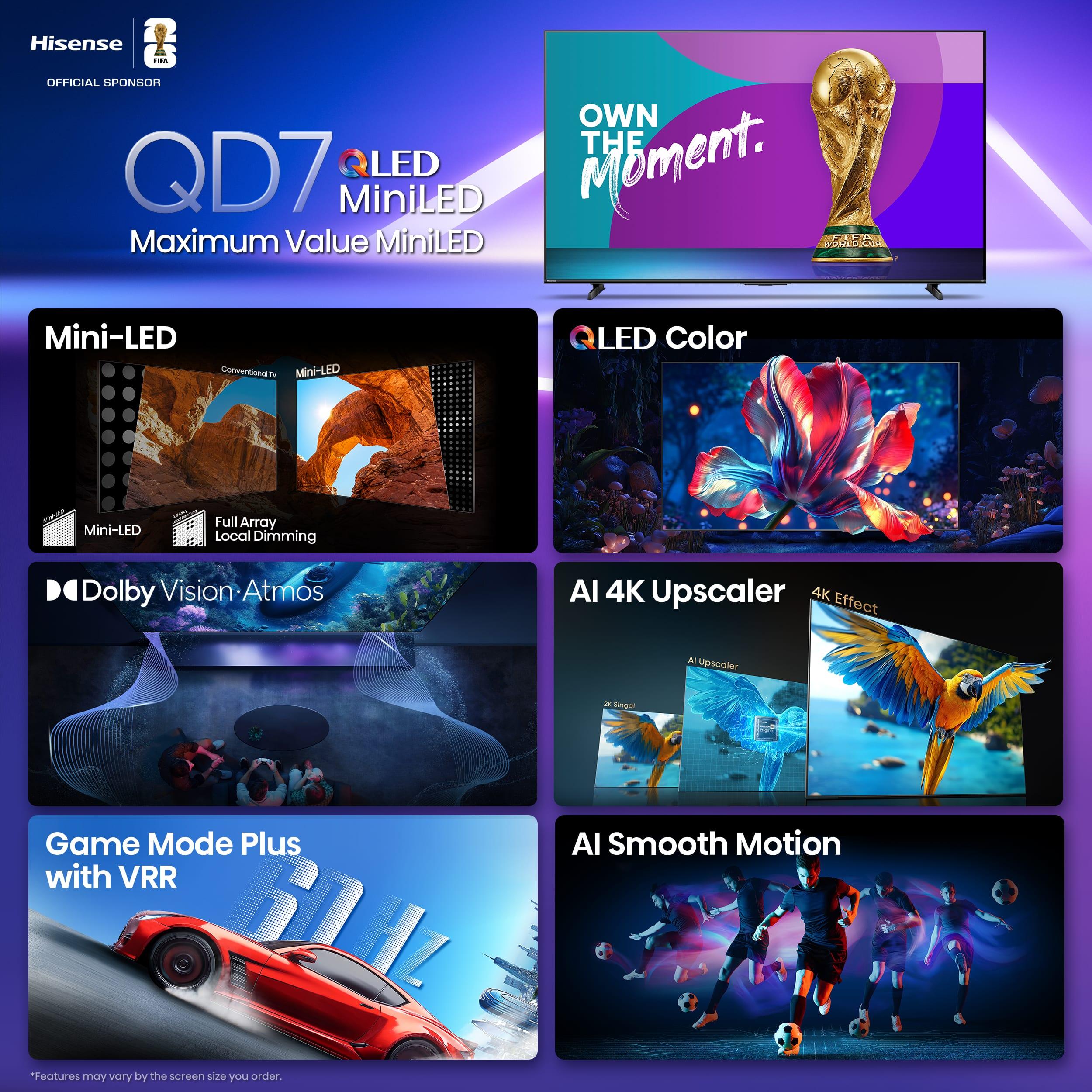
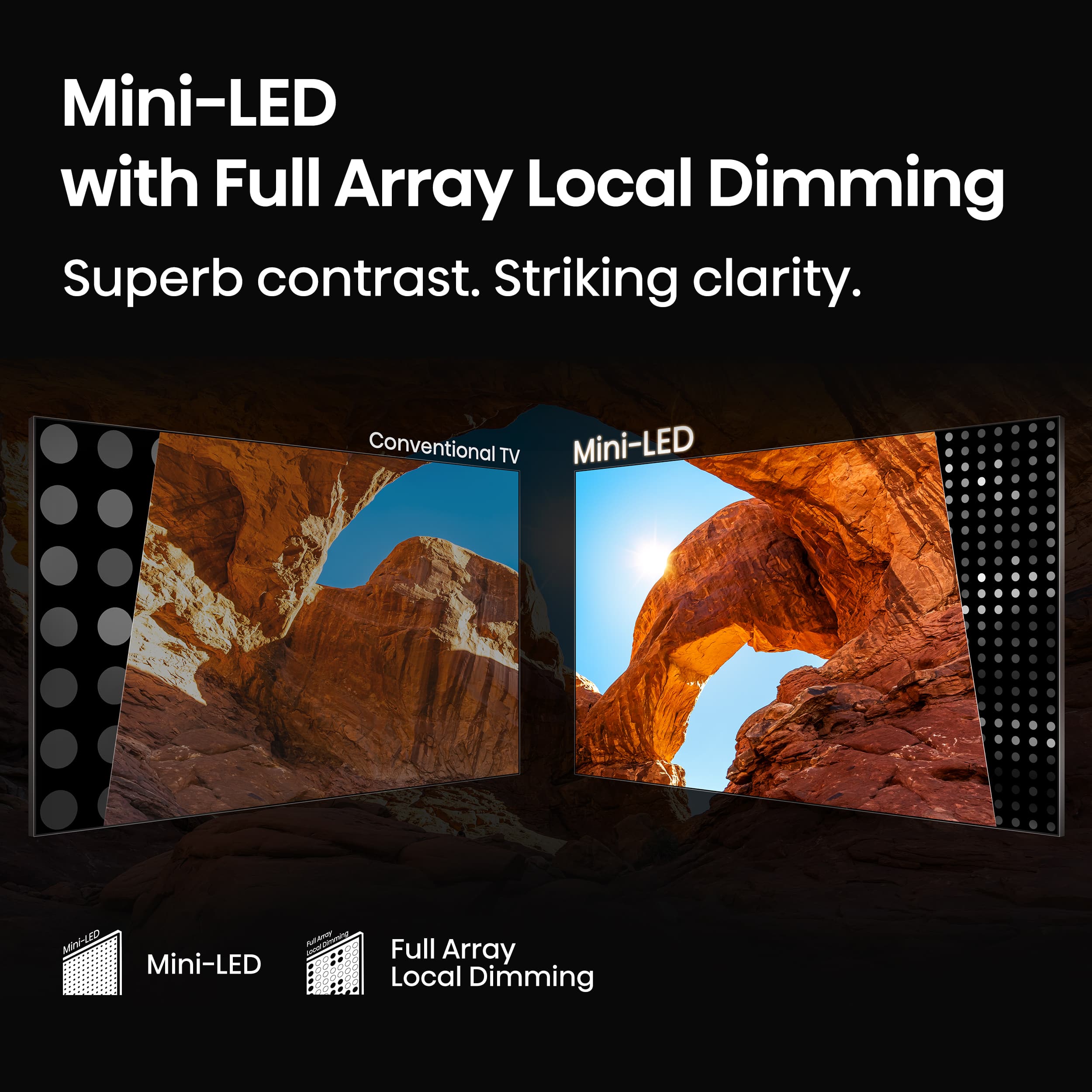
The Hisense QD7 employs Mini-LED technology with full array local dimming (FALD). Think of this as having hundreds or thousands of tiny flashlights behind the screen, each controllable independently. When a scene shows a starry night sky, the TV can dim the areas representing space while keeping stars bright. This creates much deeper blacks and more realistic contrast.
From examining multiple professional reviews, this technology difference translates to measurably better performance for the Hisense in dark room viewing and HDR content. The Mini-LED system isn't perfect—you'll sometimes notice "haloing" where bright objects create subtle glowing effects around their edges—but it's still a significant upgrade over edge-lighting.
Brightness and HDR Performance
Brightness capability separates these TVs more than any other single factor. Based on professional testing data we've analyzed, the Hisense QD7 achieves peak brightness levels exceeding 1,000 nits, while the Samsung Q7F maxes out around 500 nits.
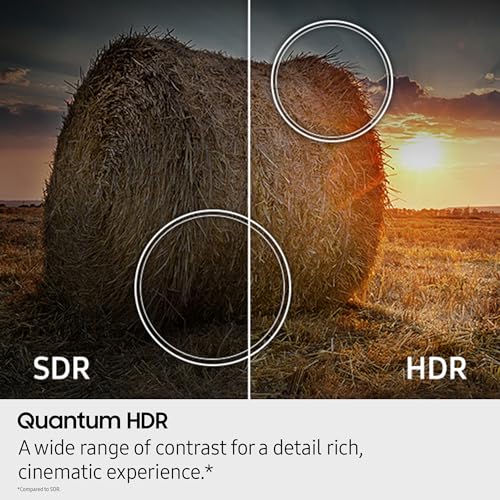
Why does this matter? HDR content (High Dynamic Range) is designed to show much brighter highlights and deeper shadows than standard content. Movies like "Blade Runner 2049" or "Dune" rely on these brightness extremes to create their dramatic visual impact. On the Samsung Q7F, these scenes often look dim and lack the "pop" that makes HDR worthwhile. The Hisense QD7 delivers much closer to the filmmaker's original intent.
In practical terms, if you watch TV during the day with windows nearby, the Hisense QD7 will maintain better image quality against ambient light. The Samsung Q7F tends to look washed out in bright rooms, though it's perfectly adequate for evening viewing with controlled lighting.
Contrast and Black Levels
This is where the Mini-LED advantage becomes most apparent. The Hisense QD7 can display true blacks in letterbox bars (those black strips above and below movies) while keeping the actual image bright. On the Samsung Q7F, those "black" bars appear grayish because the entire screen shares the same backlight.
For home theater enthusiasts, this difference is substantial. Dark scenes in movies like horror films or space epics look dramatically more realistic on the Hisense QD7. However, the Mini-LED system occasionally produces visible haloing around subtitles or bright objects against dark backgrounds. It's noticeable if you're looking for it, but most viewers find it a minor distraction compared to the overall image quality improvement.
Color Performance
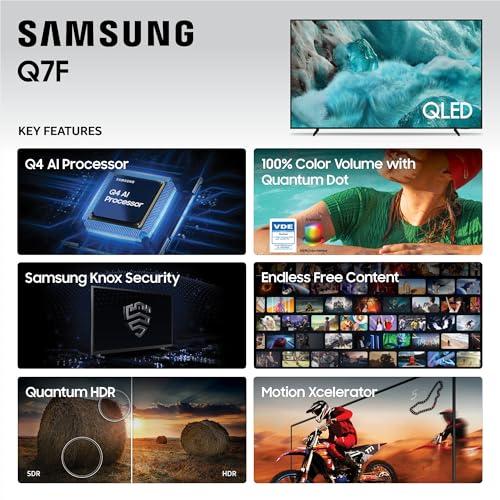
Both TVs use quantum dot technology to enhance color reproduction, and both deliver impressive results. The Samsung Q7F offers PANTONE validation, meaning its colors meet professional standards—useful if you do photo editing or other color-critical work. The Hisense QD7 produces slightly more vibrant colors overall, though you need to select the "Dynamic" picture mode to access its full color gamut.
From user feedback we've analyzed, both TVs look excellent in SDR content (standard dynamic range), with vivid but natural-looking colors. The Hisense QD7 has a slight edge in HDR color volume thanks to its superior brightness, but both are significant improvements over older budget TVs.
The software experience differs significantly between these models, and your preference might influence your decision more than picture quality differences.
The Samsung Q7F runs Tizen OS with Samsung Vision AI, which offers personalized recommendations, real-time translation, and gesture controls. From our research into user experiences, Tizen generally provides smooth, responsive navigation with excellent app optimization. Samsung's integration with SmartThings also makes it a solid choice if you're building a smart home ecosystem.
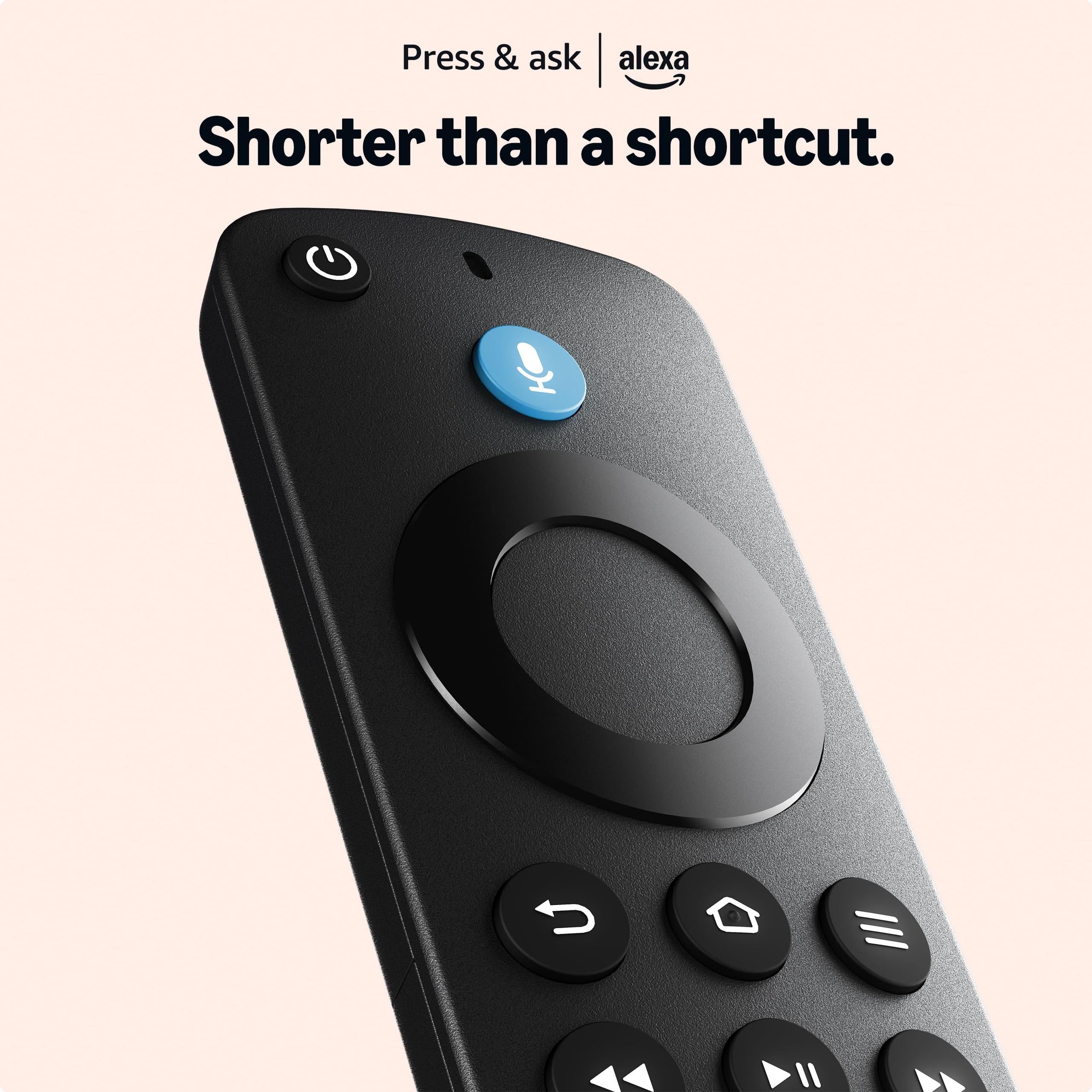
The Hisense QD7 uses Amazon's Fire TV platform with built-in Alexa. While this provides seamless integration with Amazon's ecosystem and Prime Video, user reviews consistently mention occasional interface sluggishness. Some owners report needing to restart the TV periodically to maintain smooth performance.
If you're already invested in Amazon's ecosystem or prefer Fire TV's content recommendations, these software quirks might be tolerable. However, if you want the most reliable, responsive smart TV experience, the Samsung Q7F has the edge here.
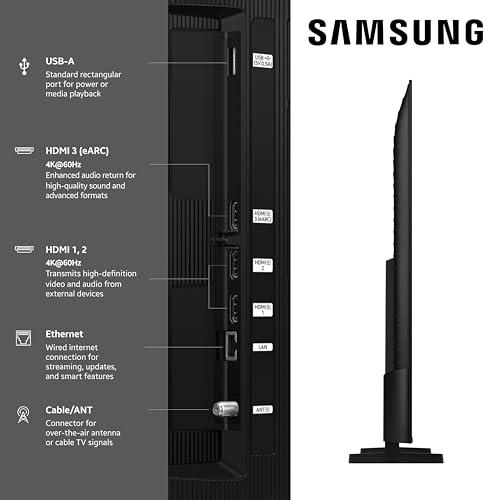
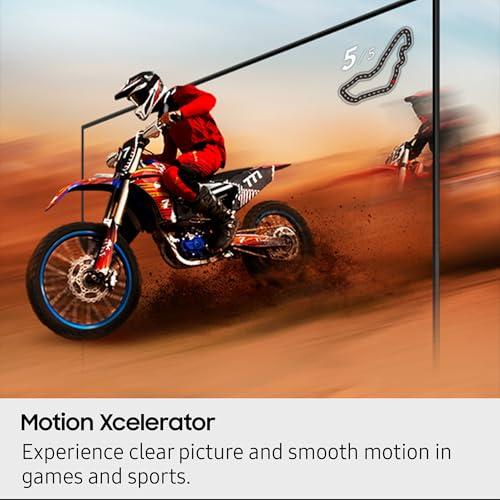
Neither TV excels for serious gaming, which is typical for 65-inch models in this price range. Both feature 60Hz panels without full HDMI 2.1 bandwidth, meaning they can't take full advantage of PlayStation 5 or Xbox Series X capabilities.
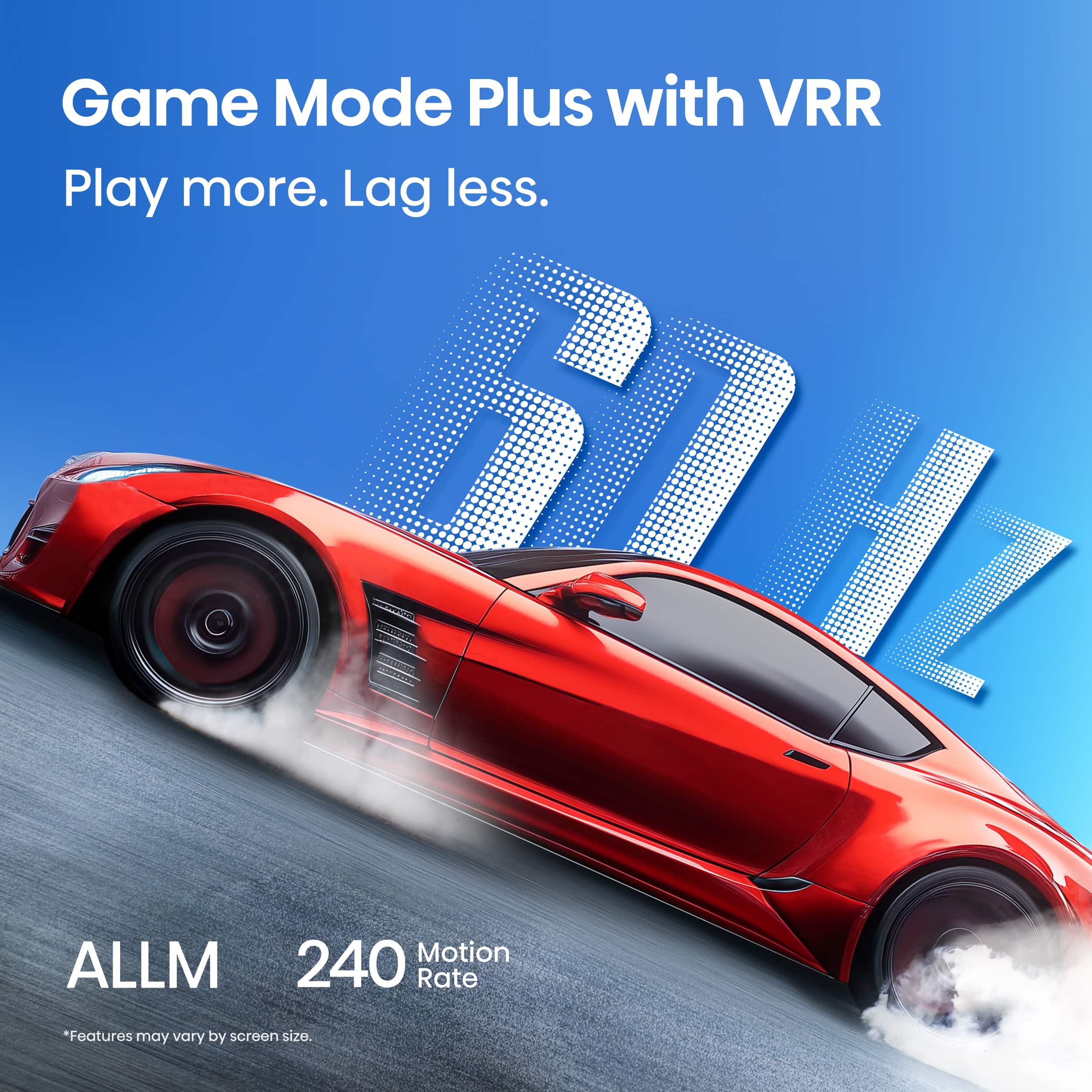
The Hisense QD7 includes basic Variable Refresh Rate (VRR) support, which helps reduce screen tearing when frame rates fluctuate. The Samsung Q7F offers Auto Low Latency Mode (ALLM), which automatically switches to game mode when it detects a console.
Both TVs achieve respectably low input lag—around 10 milliseconds in game mode—making them suitable for casual gaming. However, competitive gamers or those wanting to maximize next-gen console features should consider other options with 120Hz panels and full HDMI 2.1 support.
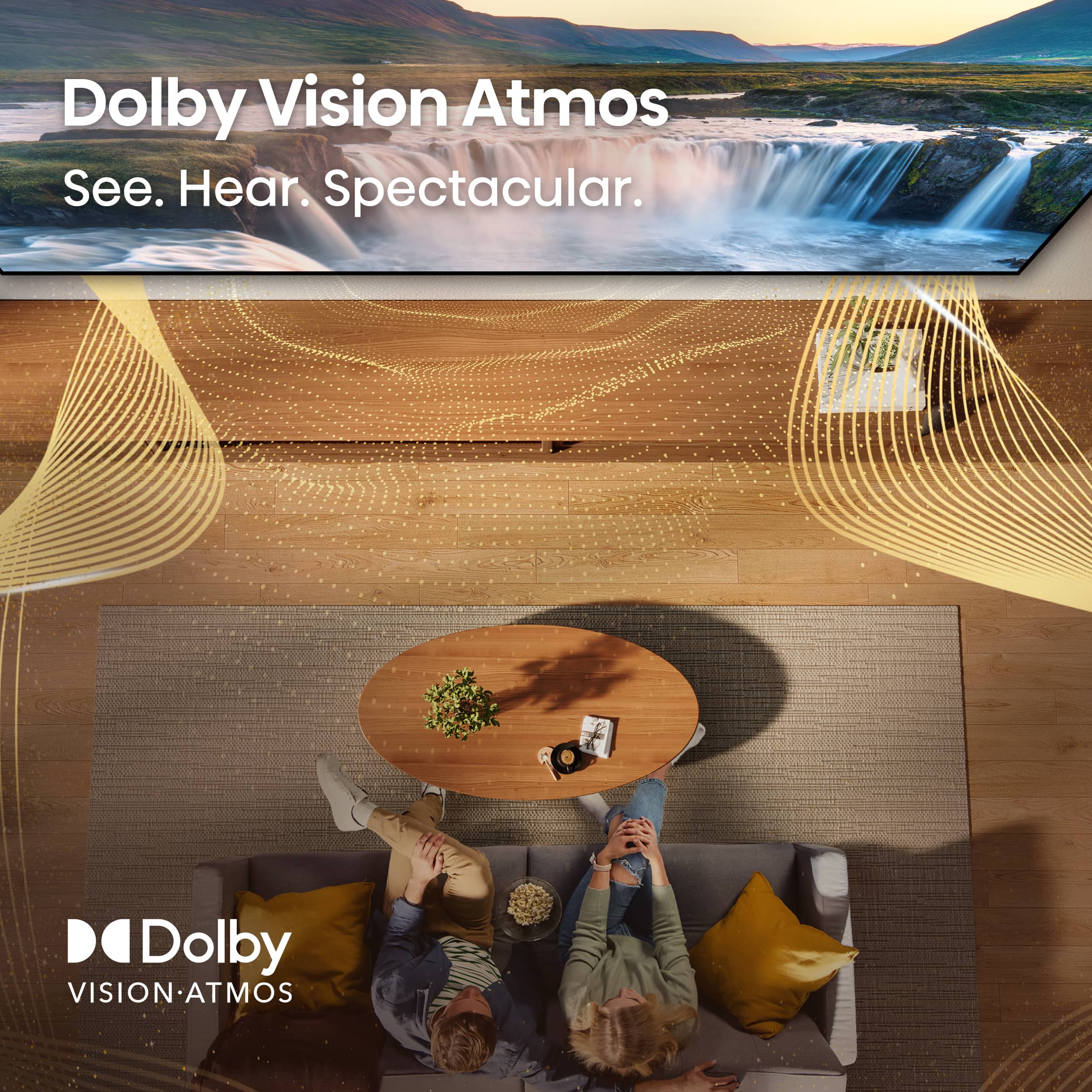
Audio represents a weakness for both models, though this is common in the budget TV segment. The Samsung Q7F includes 20W 2.0 channel speakers with Object Tracking Sound Lite, which creates some sense of directional audio. The Hisense QD7 supports Dolby Atmos processing, though user feedback suggests the built-in speakers don't have the power to create a truly immersive experience.
Based on owner reviews, both TVs sound fine for casual viewing, but anyone serious about audio quality will want to budget for a soundbar or external speakers. The good news is that both support modern audio formats and can pass through high-quality audio to external systems.
At the time of writing, the Hisense QD7 typically costs slightly less than the Samsung Q7F while offering superior display technology. This represents an unusual situation where the better-performing TV actually costs less—a rarity in consumer electronics.
The value proposition becomes even more compelling when considering future-proofing. Mini-LED technology represents the current trajectory of TV development, while edge-lit designs are increasingly relegated to entry-level models. The Hisense QD7 offers display technology that was reserved for premium TVs just a few years ago.
However, value isn't just about specifications. Samsung's brand reputation, longer software support history, and more refined smart TV experience have tangible benefits. If you keep TVs for many years, Samsung's track record for long-term updates and reliability might justify the premium.
For dedicated home theater use, the Hisense QD7 is the clear winner. Its superior contrast ratio, higher peak brightness, and comprehensive HDR support (including Dolby Vision, which the Samsung Q7F lacks) create a more cinematic experience.
The Mini-LED backlighting really shines in dark room viewing, where the deeper blacks and brighter highlights create more dramatic images. While the occasional haloing effect is noticeable, it's far outweighed by the improved contrast and brightness uniformity.
The Samsung Q7F remains perfectly watchable for home theater use, but it lacks the visual impact that makes HDR content truly impressive. If you're building a dedicated movie watching setup, the Hisense QD7 delivers significantly better performance.
Choose the Hisense QD7 if you:
Choose the Samsung Q7F if you:
Based on our comprehensive analysis of professional reviews, user feedback, and technical specifications, the Hisense QD7 emerges as the better choice for most buyers. Its Mini-LED technology delivers genuinely superior picture quality at a lower price point—a combination that's rare in consumer electronics.
The Samsung Q7F isn't a bad TV, but it represents an older approach to budget QLED design. While Samsung's software experience is more polished, the picture quality differences are significant enough to outweigh this advantage for most users.
However, this recommendation comes with caveats. If software reliability is your top priority, or if you're deeply invested in Samsung's ecosystem, the Samsung Q7F might still be the right choice. But for pure performance per dollar, especially in picture quality, the Hisense QD7 represents exceptional value in the 2025 TV market.
The TV market has evolved rapidly, and brands like Hisense are now delivering premium technologies at mainstream prices. While Samsung built its reputation on innovation and reliability, the Hisense QD7 shows that superior picture quality no longer requires paying premium brand prices.
| Samsung 65-Inch Q7F Series QLED Smart TV 2025 | Hisense 65" QD7 Series Mini-LED 4K Fire TV 2025 |
|---|---|
| Peak Brightness - Critical for HDR impact and daytime viewing | |
| ~500 nits (struggles with HDR highlights and bright rooms) | 1,000+ nits (excellent HDR performance and glare resistance) |
| Backlighting Technology - The most important picture quality difference | |
| Edge-lit LED (no local dimming, compromised contrast) | Mini-LED with Full Array Local Dimming (superior blacks and contrast) |
| HDR Format Support - Determines compatibility with premium content | |
| HDR10, HDR10+, Quantum HDR (missing Dolby Vision) | HDR10, HDR10+, Dolby Vision (comprehensive format support) |
| Smart TV Platform - Affects daily usability and app performance | |
| Tizen OS with Samsung Vision AI (fast, reliable, polished) | Fire TV with Alexa (good ecosystem integration, occasional sluggishness) |
| Gaming Features - Important for console users | |
| 60Hz, ALLM, Game Mode (basic gaming support) | 60Hz, VRR, ALLM, Game Mode Plus (slightly better gaming features) |
| Audio System - Built-in sound quality | |
| 20W 2.0 channel with Object Tracking Sound Lite | Dolby Atmos support (both benefit from external audio) |
| Color Technology - Affects color vibrancy and accuracy | |
| QLED Quantum Dot with PANTONE validation | QLED Quantum Dot with enhanced color volume |
| Refresh Rate - Affects motion clarity and gaming | |
| 60Hz native (standard for this price range) | 60Hz native (matches competitor, adequate for most use) |
| Smart Home Integration - Convenience for connected homes | |
| SmartThings Hub, Samsung ecosystem integration | Alexa built-in, Amazon ecosystem integration |
| Overall Value Proposition - Performance per dollar spent | |
| Premium brand with reliable software but limited display tech | Superior display technology at lower cost, minor software quirks |
The Hisense 65" QD7 Series Mini-LED 4K Fire TV 2025 delivers superior picture quality thanks to its Mini-LED backlighting with full array local dimming. This technology provides deeper blacks, higher contrast, and peak brightness exceeding 1,000 nits compared to the Samsung 65-Inch Q7F Series QLED Smart TV 2025, which uses edge-lit LED backlighting and reaches only around 500 nits. For movies and HDR content, the Hisense QD7 offers a more dramatic, cinema-like experience.
The primary difference is backlighting technology. The Samsung Q7F uses traditional edge-lit LED backlighting without local dimming zones, while the Hisense QD7 features advanced Mini-LED technology with hundreds of independently controlled dimming zones. This allows the Hisense QD7 to display true blacks alongside bright highlights, creating superior contrast and more realistic images.
The Hisense QD7 performs significantly better in bright rooms due to its higher peak brightness of over 1,000 nits. The Samsung Q7F maxes out around 500 nits, making it appear washed out when competing with sunlight or room lighting. For daytime viewing or rooms with large windows, the Hisense QD7 maintains better image quality and color saturation.
Both TVs offer adequate gaming performance for casual players, with low input lag around 10ms in game mode. The Hisense QD7 has a slight advantage with Variable Refresh Rate (VRR) support, while the Samsung Q7F includes Auto Low Latency Mode (ALLM). However, both feature 60Hz panels without full HDMI 2.1, limiting their appeal for competitive gamers or those wanting to maximize next-gen console capabilities.
The Samsung Q7F runs Tizen OS, which offers faster, more responsive navigation and better app optimization. The Hisense QD7 uses Amazon's Fire TV platform, providing excellent integration with Amazon services but occasional interface sluggishness. Choose the Samsung Q7F for the most reliable smart TV experience, or the Hisense QD7 if you're invested in Amazon's ecosystem.
Yes, both support HDR, but with different capabilities. The Samsung Q7F supports HDR10, HDR10+, and Quantum HDR formats. The Hisense QD7 supports all these plus Dolby Vision, providing more comprehensive HDR format compatibility. However, the Hisense QD7 also delivers better HDR performance due to its superior brightness and contrast capabilities.
Both TVs have modest built-in audio systems. The Samsung Q7F features 20W 2.0 channel speakers with Object Tracking Sound Lite, while the Hisense QD7 includes Dolby Atmos processing. User reviews suggest both provide acceptable sound for casual viewing, but neither excels in audio quality. Most users will benefit from adding a soundbar to either the Samsung Q7F or Hisense QD7.
The Hisense QD7 is significantly better for home theater applications. Its Mini-LED backlighting creates deeper blacks essential for dark room viewing, while its higher brightness and Dolby Vision support deliver more impactful HDR content. The Samsung Q7F works for home theater but lacks the contrast and brightness needed for truly cinematic experiences. For dedicated movie watching, choose the Hisense QD7.
The Hisense QD7 provides exceptional value, offering premium Mini-LED technology typically found in much more expensive TVs. Despite usually costing less than the Samsung Q7F, it delivers superior picture quality, brightness, and HDR performance. The Samsung Q7F commands a brand premium but offers fewer advanced display technologies, making the Hisense QD7 the better value choice.
Both TVs use QLED quantum dot technology for vibrant colors. The Samsung Q7F offers PANTONE validation for professional color accuracy, while the Hisense QD7 produces slightly more vibrant colors overall. The Hisense QD7 has better color volume in HDR content due to its superior brightness, but both deliver excellent color reproduction for everyday viewing.
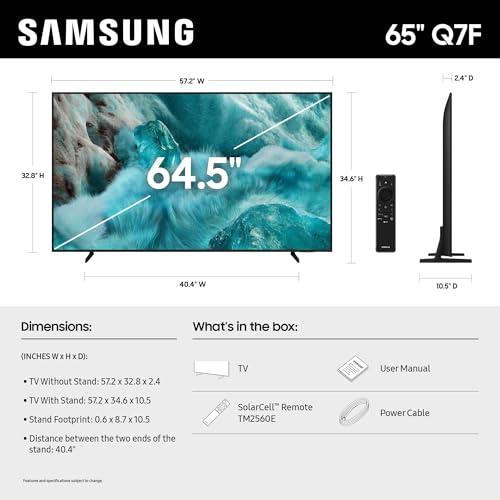
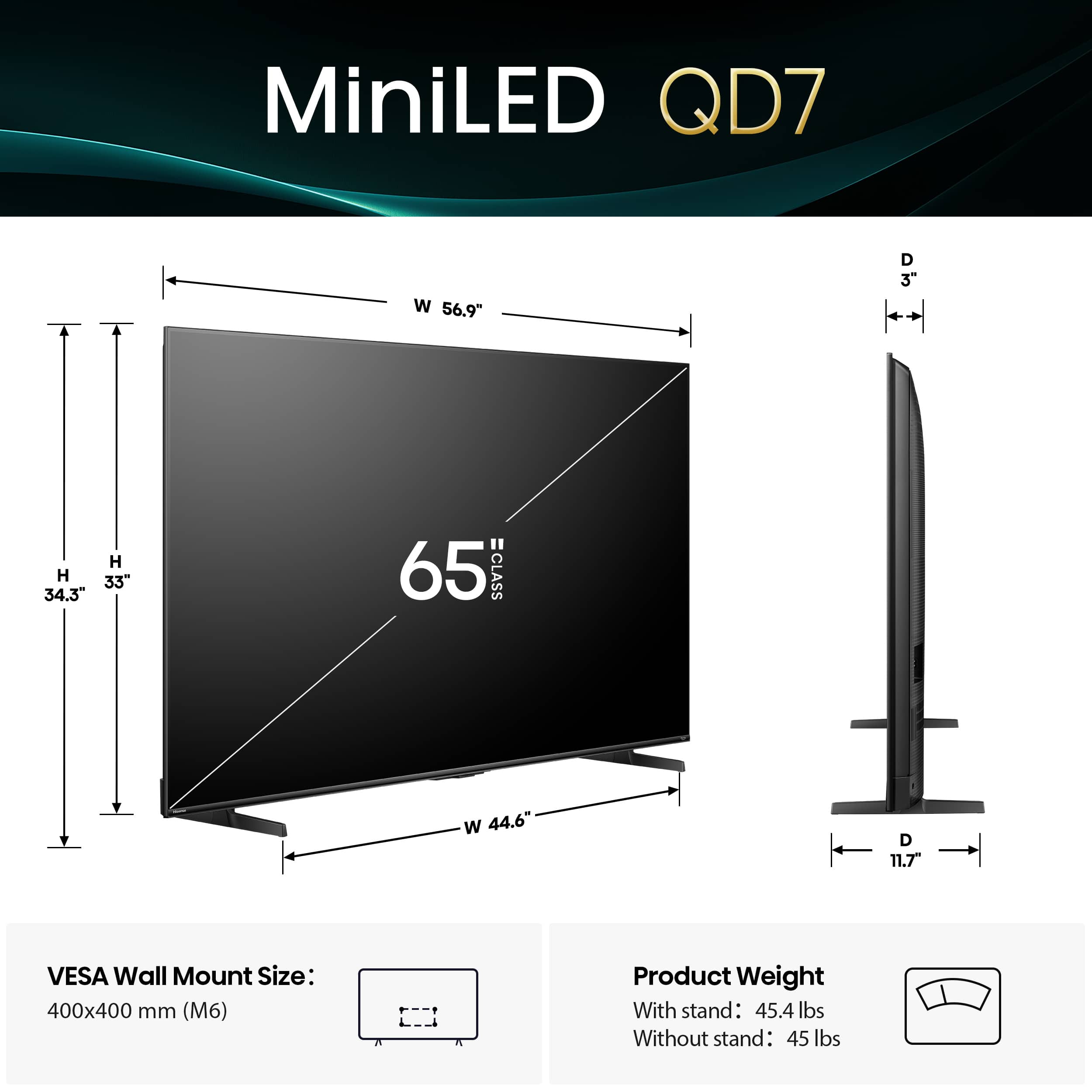
The Samsung Q7F benefits from Samsung's established reputation for build quality and long-term software support. The Hisense QD7 offers solid construction but represents a newer brand in the premium TV space. Both feature modern designs with slim profiles and wall-mounting compatibility. For long-term reliability confidence, some buyers prefer the Samsung Q7F, while others appreciate the Hisense QD7's advanced technology.
Choose the Hisense QD7 for the best picture quality and value, especially if you want superior brightness, contrast, and HDR performance. Select the Samsung Q7F if you prioritize brand reliability, software stability, or need PANTONE-validated colors for professional use. For most buyers seeking the best performance per dollar, the Hisense QD7 is the clear winner with its advanced Mini-LED technology.
We've done our best to create useful and informative comparisons to help you decide what product to buy. Our research uses advanced automated methods to create this comparison and perfection is not possible - please contact us for corrections or questions. These are the sites we've researched in the creation of this article: bestbuy.com - rtings.com - bestbuy.com - youtube.com - youtube.com - youtube.com - samsung.com - samsung.com - samsung.com - billsmith.com - costco.com - samsung.com - hometechnologyreview.com - hometechnologyreview.com - bestbuy.com - samsung.com - bestbuy.com - samsung.com - hometechnologyreview.com - samsung.com - samsung.com - bestbuy.com - custrevs.com - youtube.com - bestbuy.com - rtings.com - youtube.com - rtings.com - pcrichard.com - bestbuy.com - pcrichard.com - camelcamelcamel.com - amazonfiretv.blog - hisense-usa.com - hisense-usa.com - hisense-usa.com - bestbuy.com - leaseville.com - youtube.com - bestbuy.com - flatpanelshd.com

Privacy Policy
Terms and Conditions - Affiliate Policy
Home Security
© Copyright 2008-2026.
11816 Inwood Rd #1211, Dallas, TX 75244