

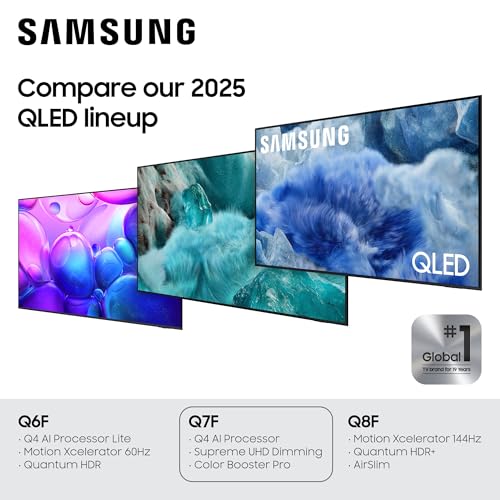
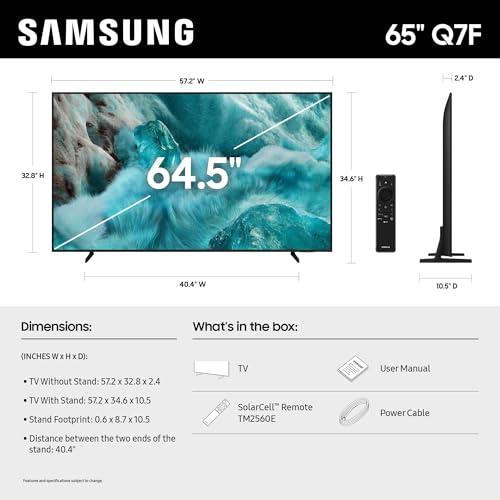
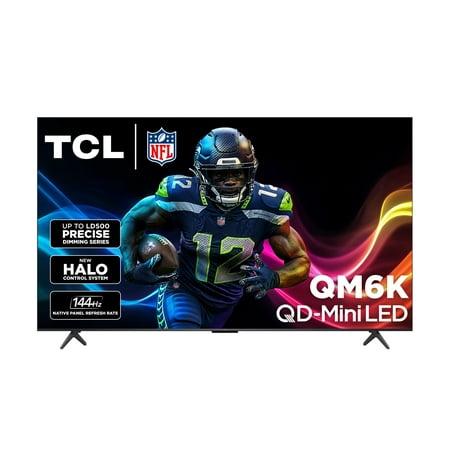
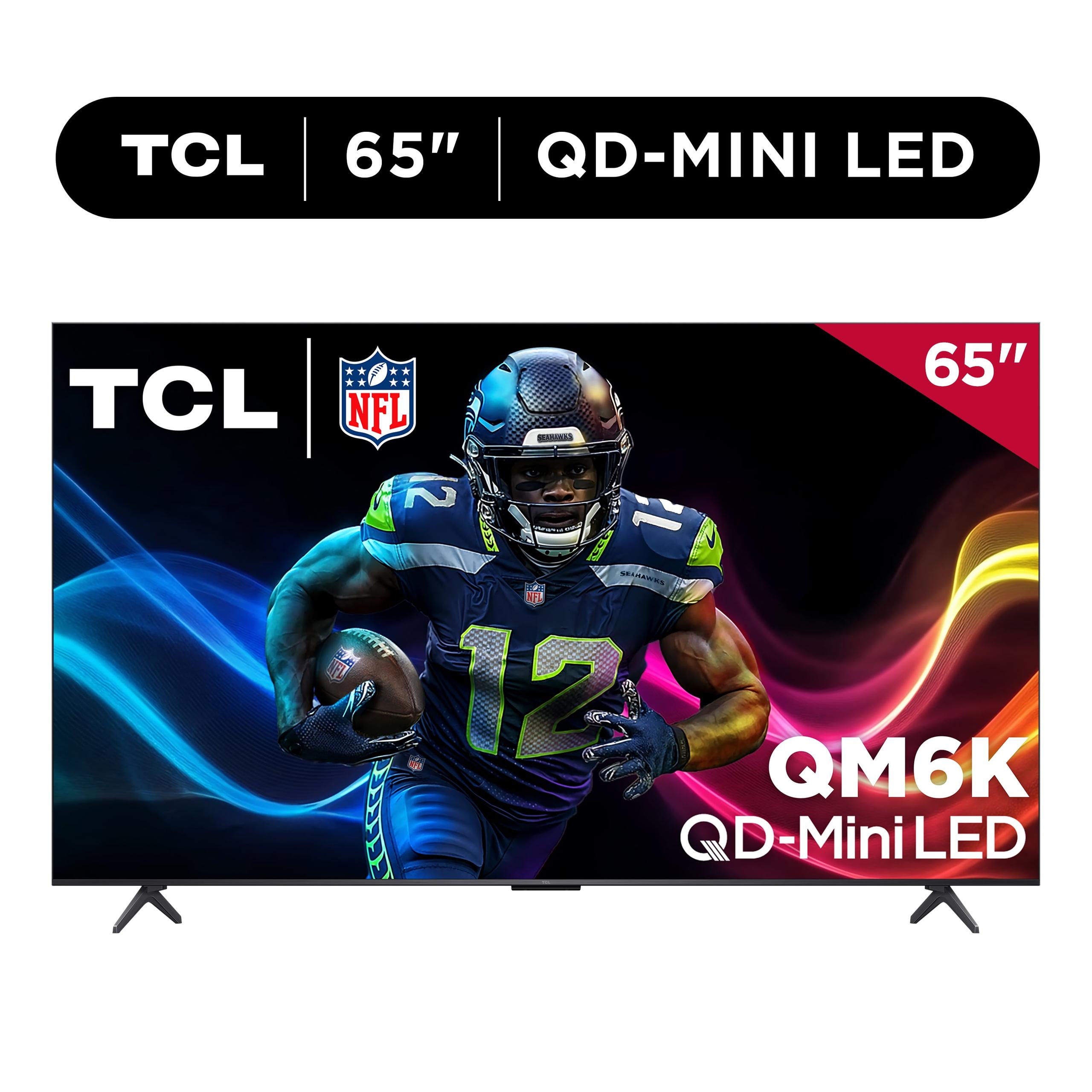
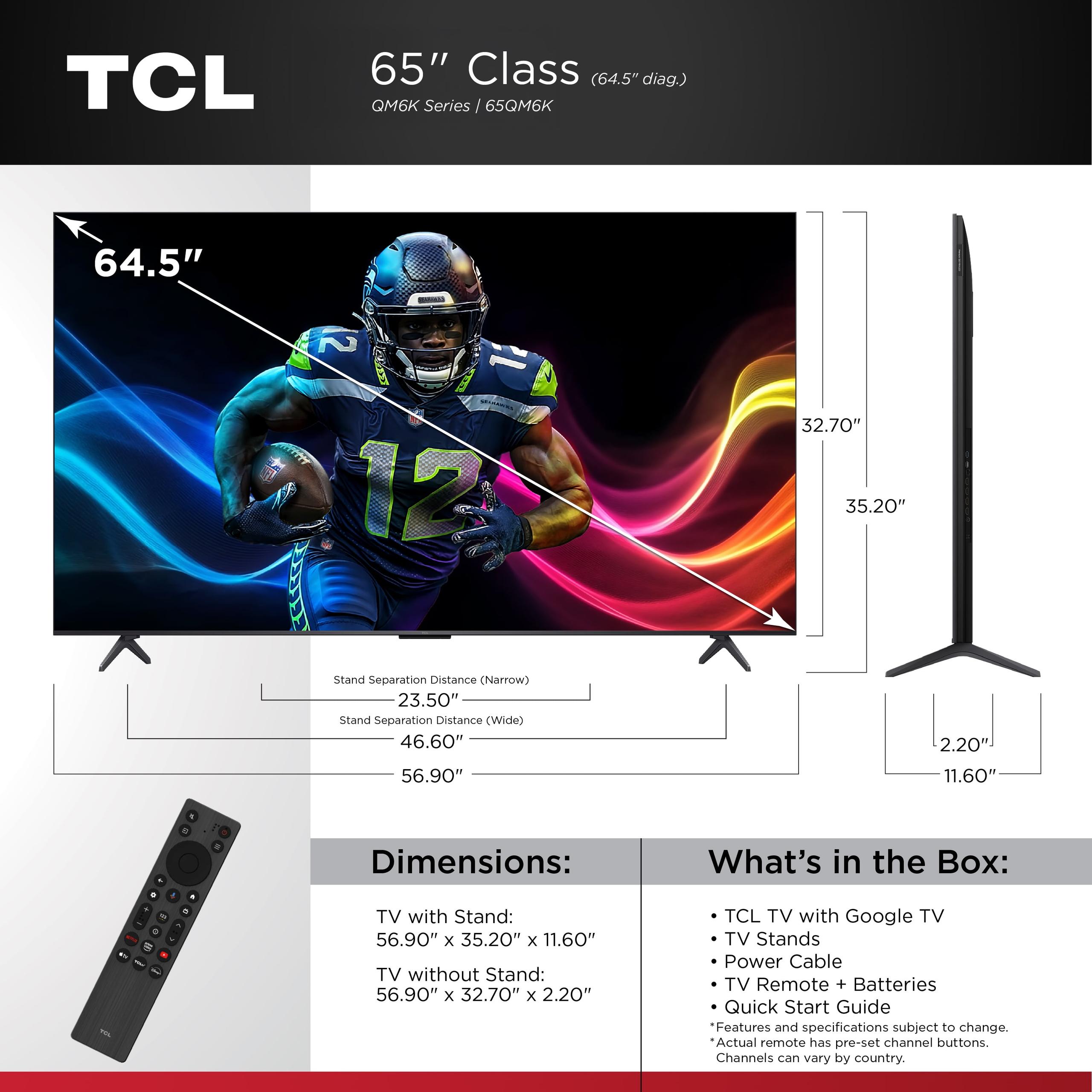
Shopping for a 65-inch 4K TV under $600 has never been more complex—or more rewarding. Two standout options dominate this price range: the Samsung 65-Inch Q7F Series QLED Smart TV 2025 and the TCL 65" QM6K QD-Mini LED 4K TV. At the time of writing, these TVs are priced within $50 of each other, making the choice between them particularly important for budget-conscious buyers seeking maximum value.
Both televisions launched in 2025, representing the latest thinking in affordable 4K display technology. However, they take fundamentally different approaches to delivering picture quality, and those differences matter more than you might expect.
Before diving into specifics, it's worth understanding what separates decent budget TVs from truly impressive ones. The key factors include peak brightness (how bright whites can get, measured in nits), contrast ratio (the difference between the darkest blacks and brightest whites), color accuracy (how true-to-life colors appear), and motion handling (how well the TV displays fast-moving content without blur).
Modern budget TVs also need robust smart TV platforms for streaming, adequate gaming features for console compatibility, and decent built-in audio since many buyers won't immediately add a soundbar. The best budget TVs excel in multiple areas rather than just checking boxes.
The most significant difference between the Samsung Q7F and TCL QM6K lies in their fundamental display technology, and this difference affects nearly every aspect of picture quality.
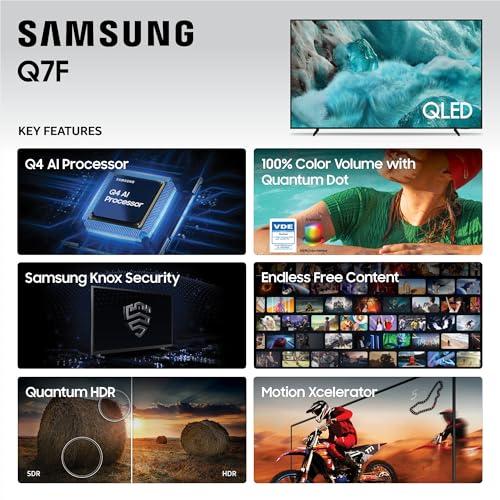
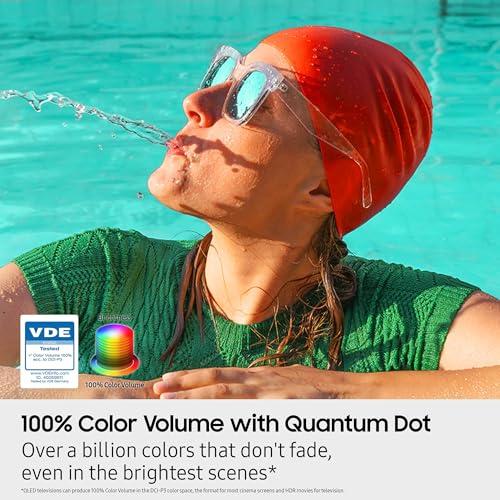
The Samsung Q7F uses traditional QLED technology with direct LED backlighting. QLED (Quantum Dot Light Emitting Diode) enhances color reproduction by using a quantum dot sheet that converts blue LED light into precise red and green wavelengths. However, Samsung's 2025 entry-level model strips away local dimming entirely—meaning the entire backlight operates as one giant zone rather than hundreds of individually controlled sections.
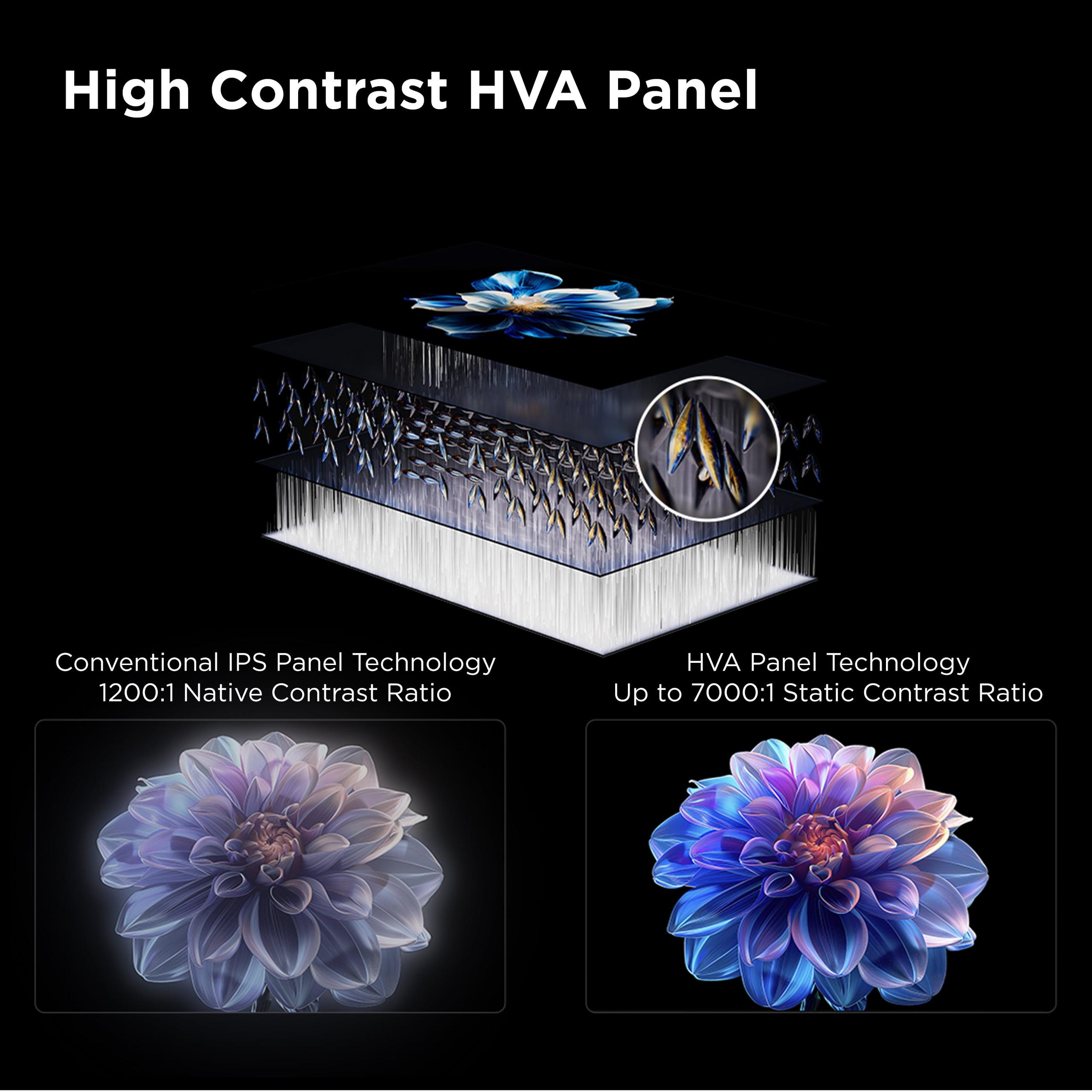
This design choice creates Samsung's biggest weakness: contrast. Without local dimming, the TV cannot darken specific areas of the screen while keeping others bright. When you're watching a movie with a starry night sky, the entire backlight must stay on, making those stars appear against a grayish background rather than true black.
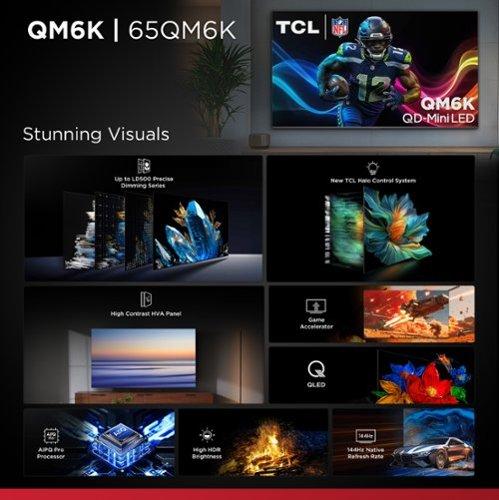
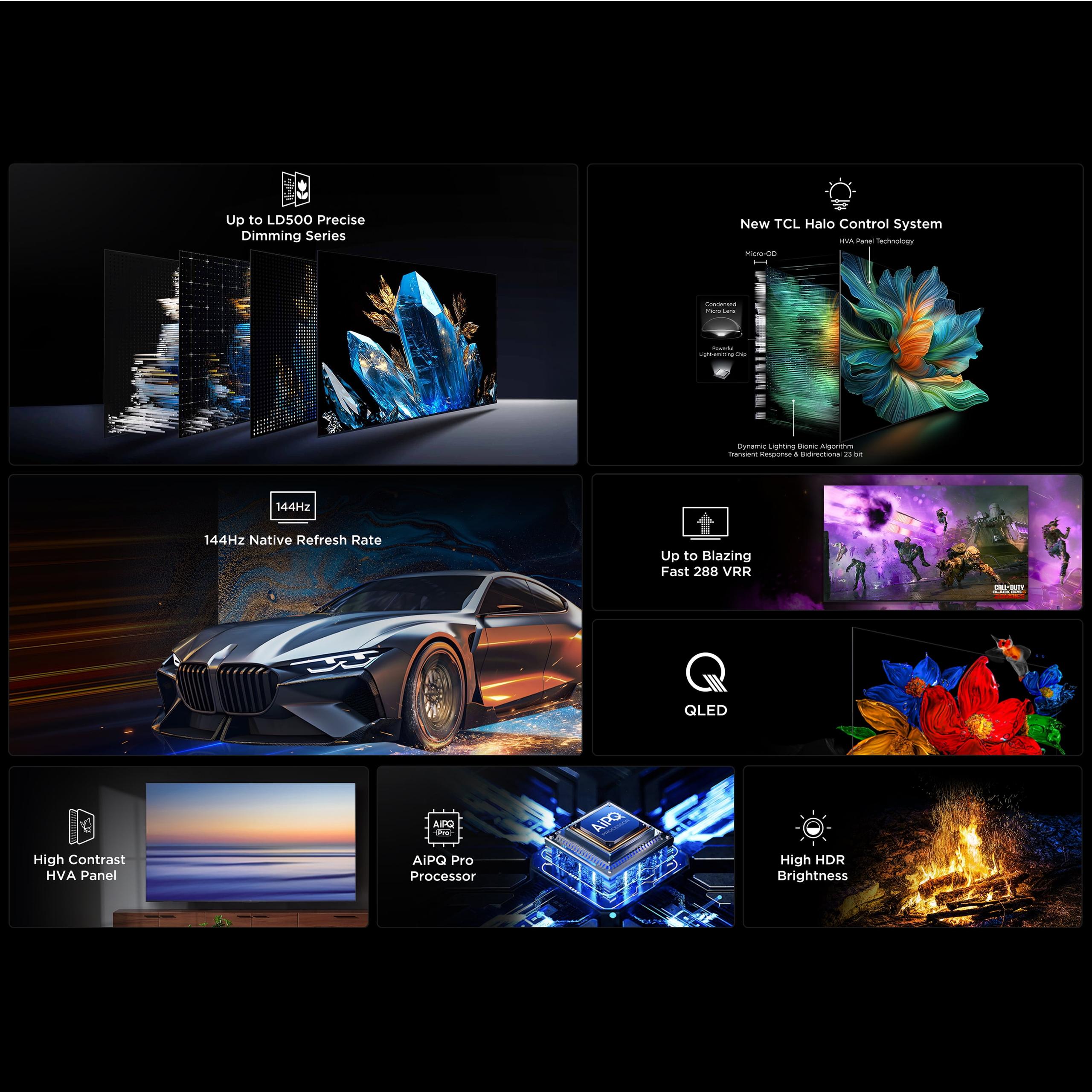
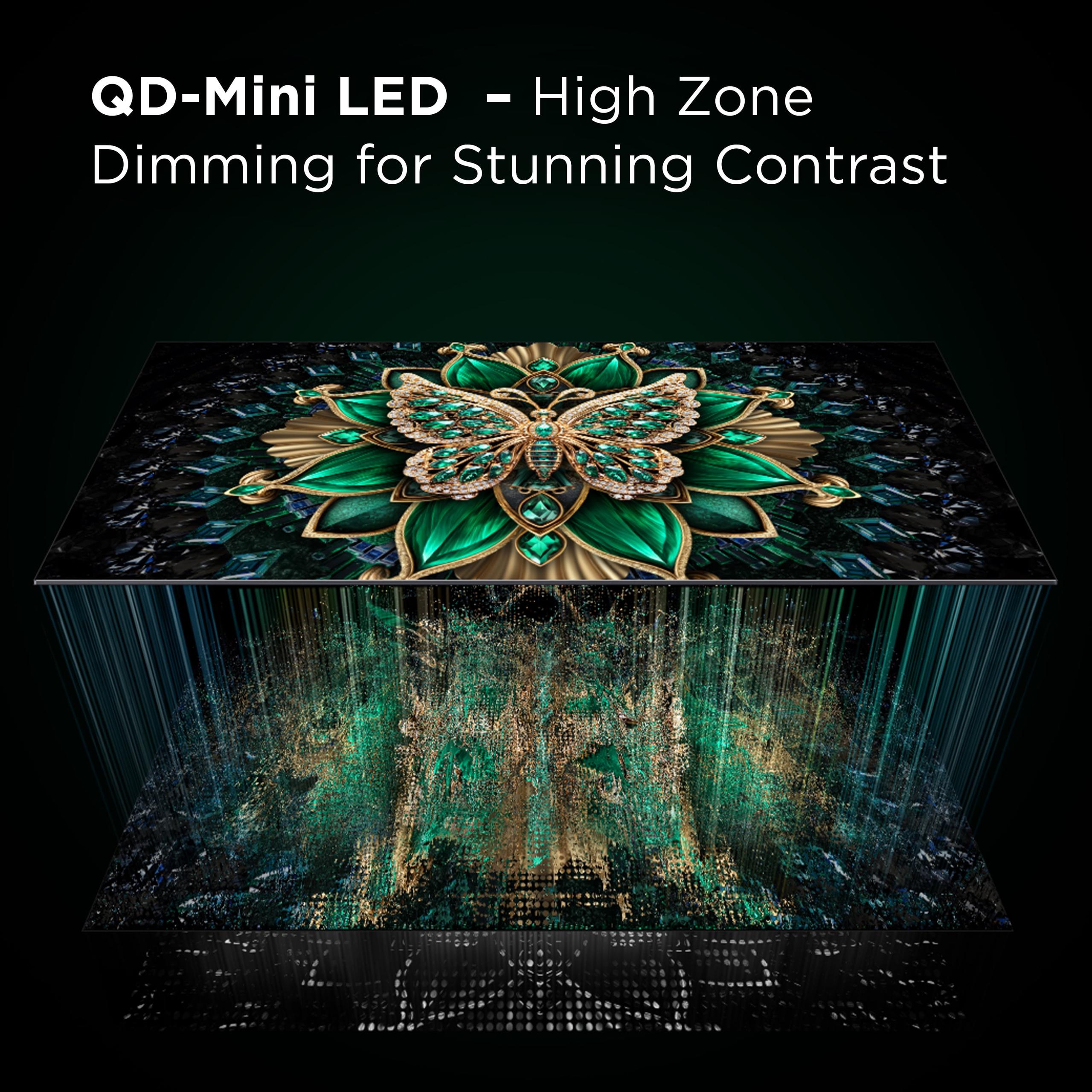
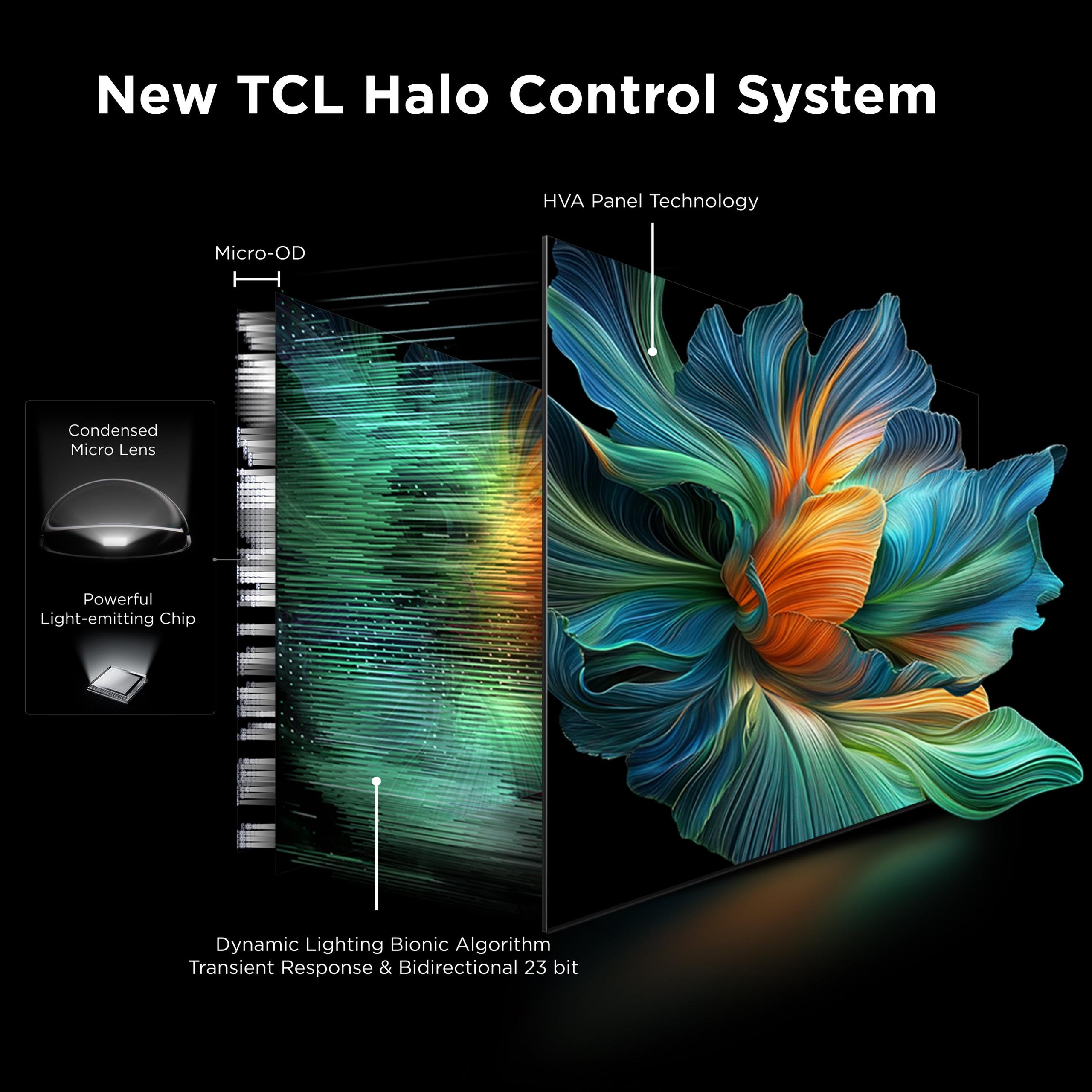
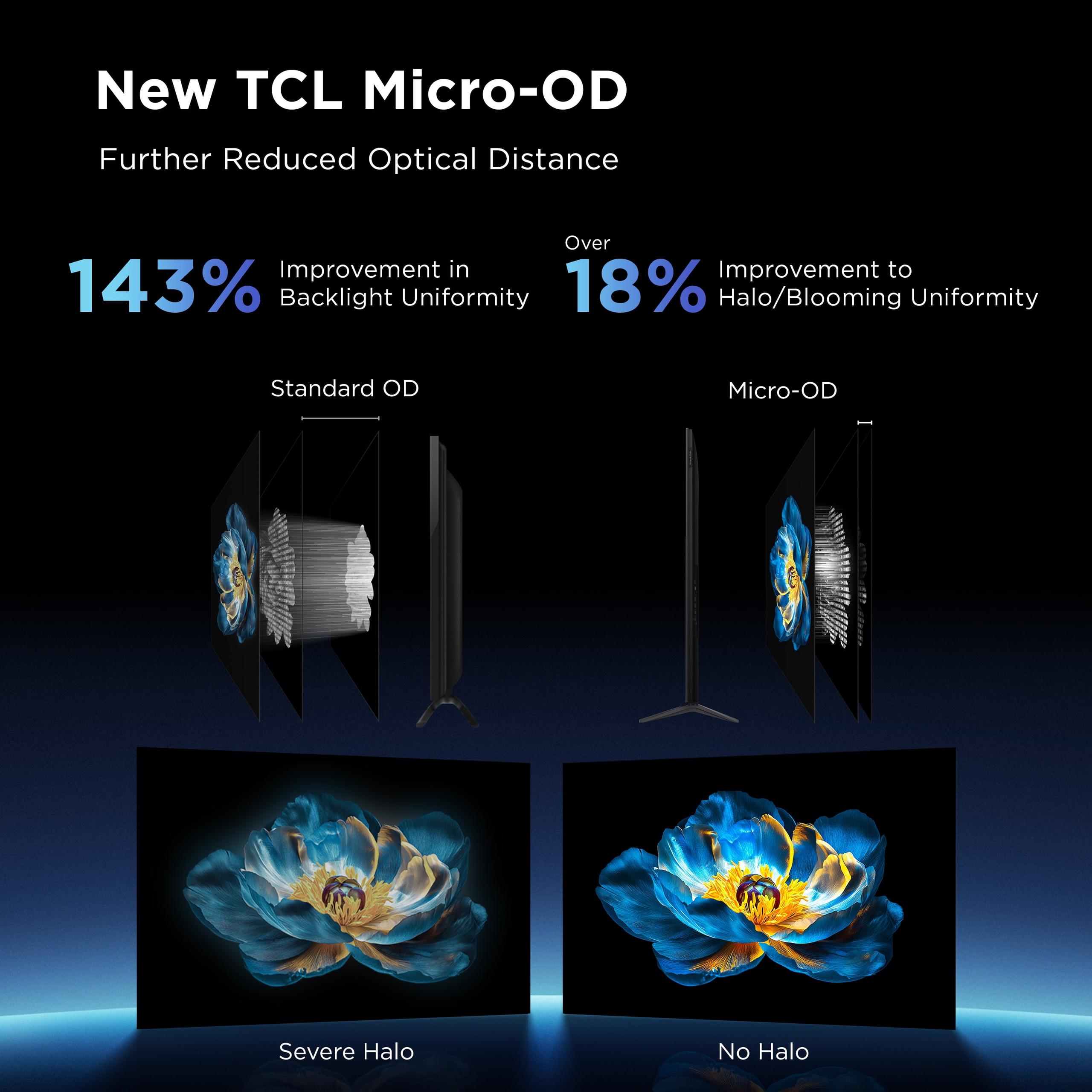
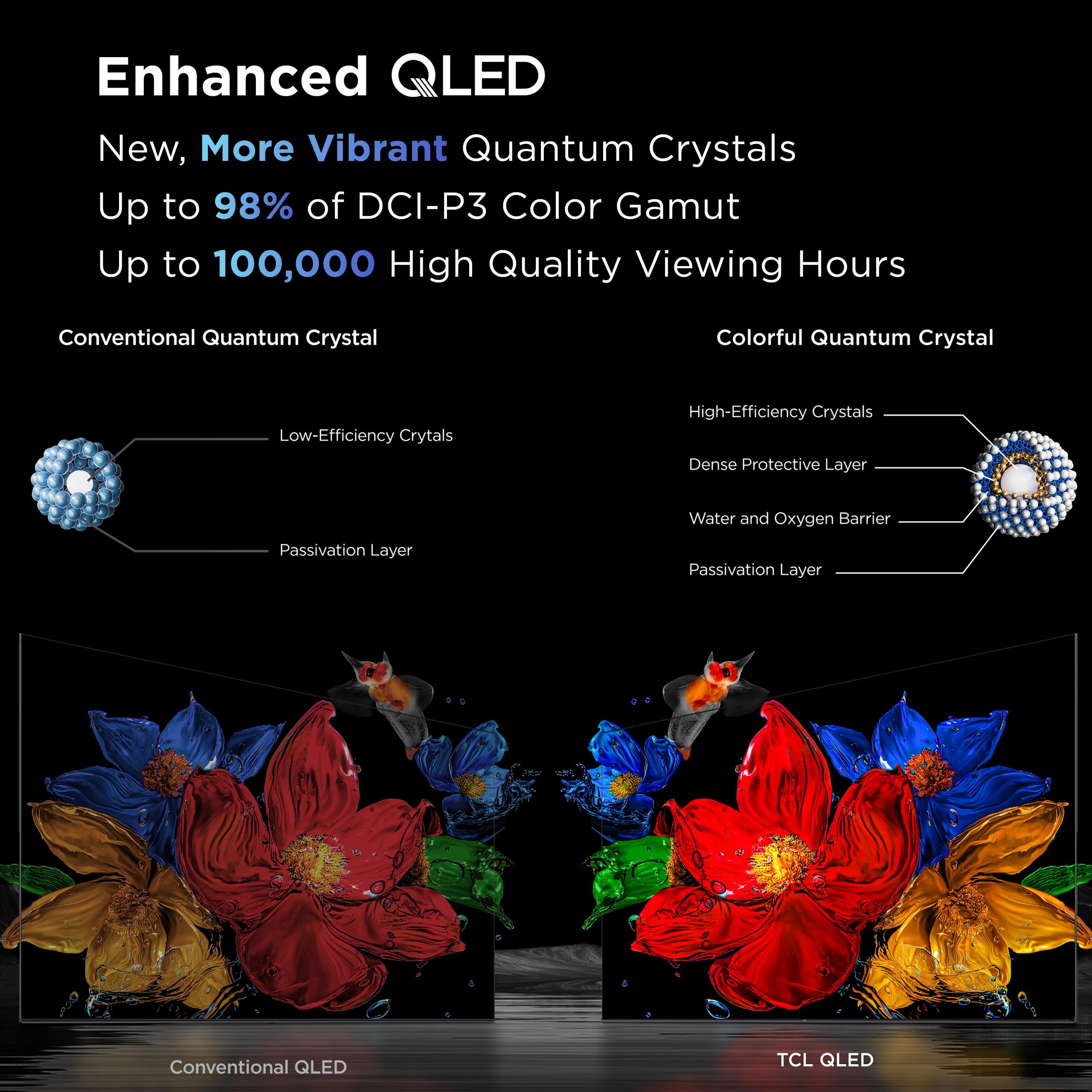
The TCL QM6K employs QD-Mini LED technology, which combines quantum dots with thousands of tiny LEDs arranged behind the screen. More importantly, it includes full-array local dimming with up to 500 zones. This means specific sections of the backlight can dim or brighten independently, allowing for much deeper blacks and more precise contrast control.
Think of it like comparing a room with one giant ceiling light (Samsung) versus a room with 500 individual spotlights you can control separately (TCL). The difference in atmosphere control is dramatic.
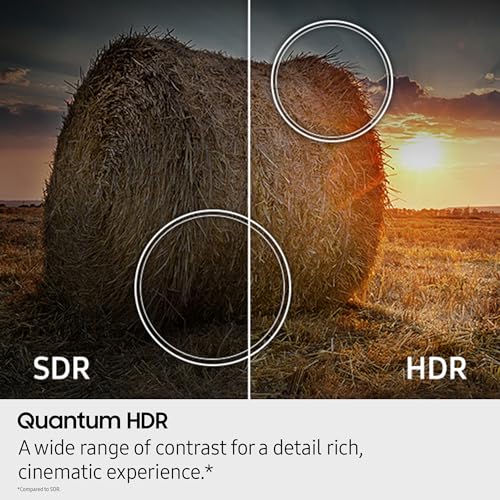
HDR (High Dynamic Range) content contains a wider range of brightness levels than standard video, from deep shadows to brilliant highlights. To display HDR properly, TVs need sufficient peak brightness—ideally over 600 nits for noticeable improvement, and over 1,000 nits for truly impactful HDR.
Based on our research into professional reviews and user experiences, the Samsung Q7F achieves approximately 400 nits peak brightness. This is adequate for standard content in moderately lit rooms but falls short for impressive HDR performance or bright room viewing. The lack of local dimming compounds this limitation—even if Samsung could achieve higher brightness, the inability to selectively dim areas would prevent proper HDR contrast.
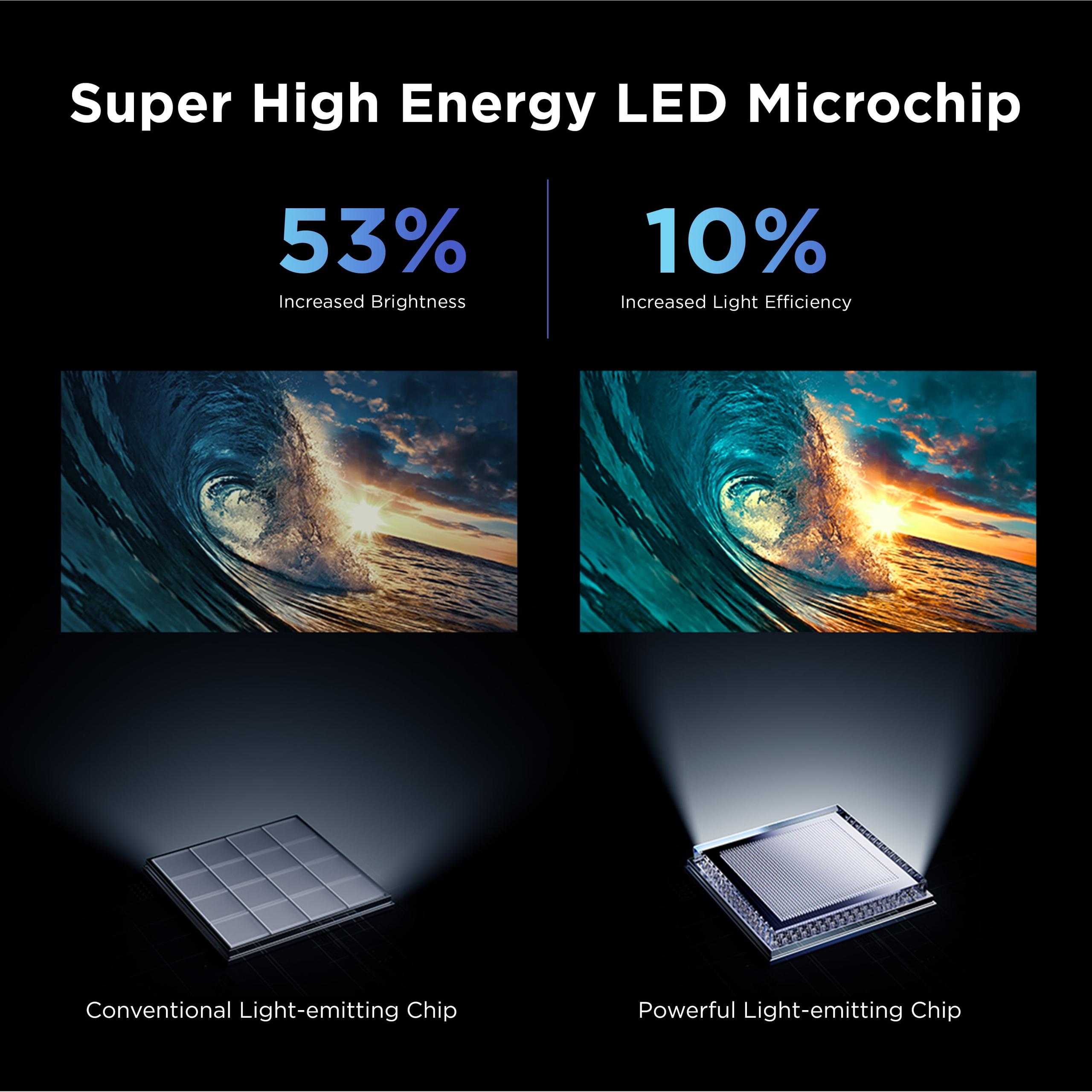
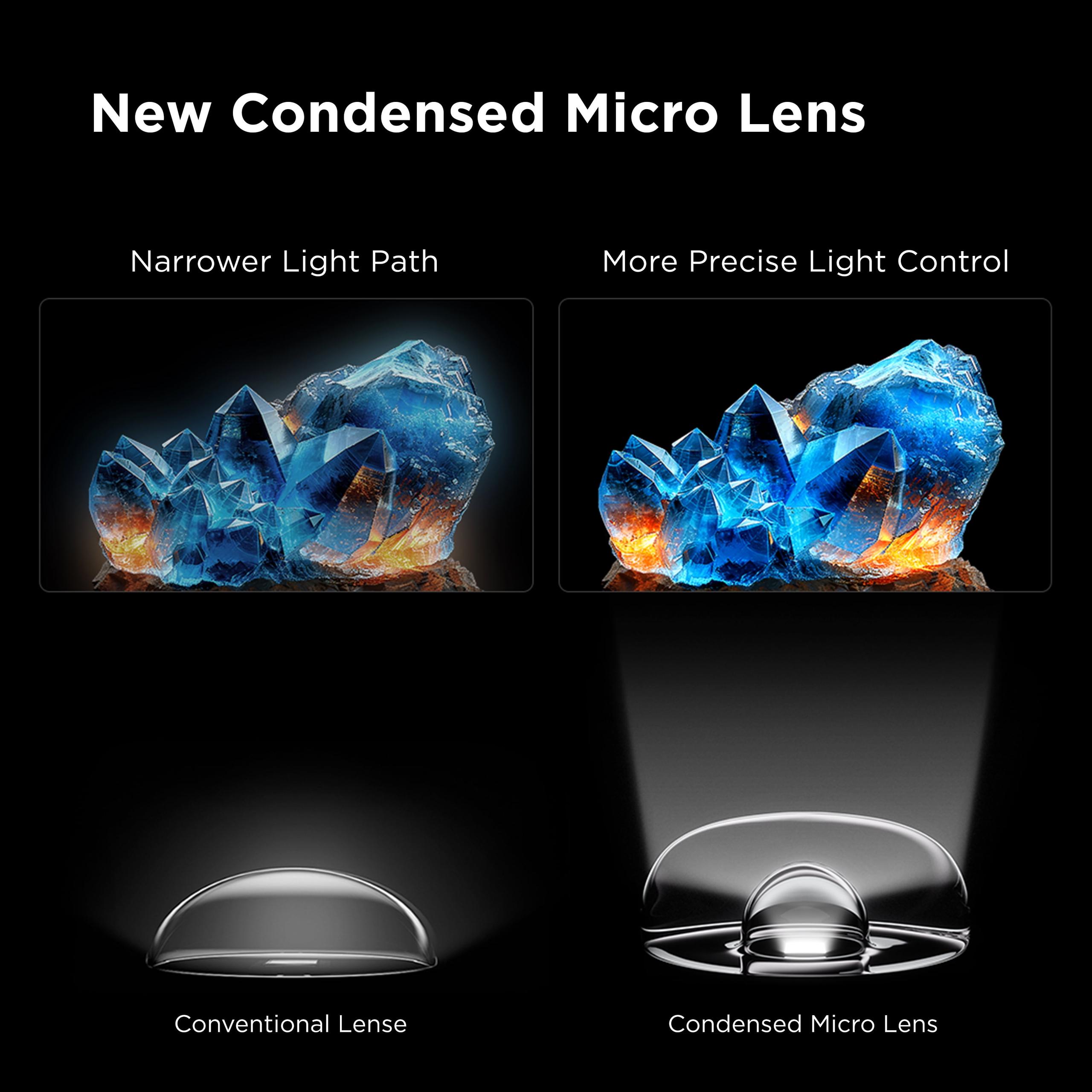
The TCL QM6K delivers significantly higher peak brightness thanks to its Mini LED technology and new Super High Energy LED Chip, which TCL claims provides 53% more brightness than previous generations while improving energy efficiency by 10%. Multiple professional reviews confirm the TCL achieves substantially better HDR performance, with more impactful highlights and better overall dynamic range.
For practical viewing, this means the TCL QM6K will look more vibrant in bright rooms, display HDR content as intended, and provide a more theatrical experience during evening movie watching. The Samsung Q7F works fine for casual daytime viewing but struggles to compete in more demanding scenarios.
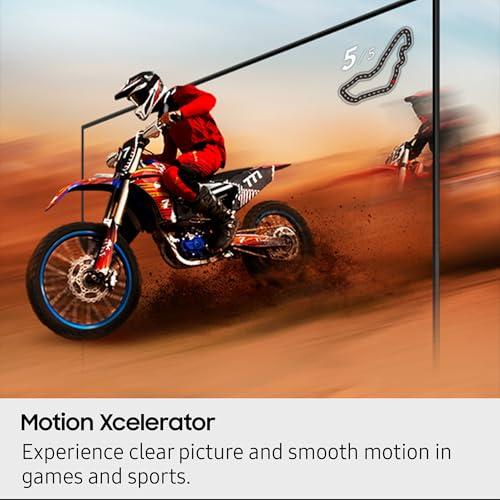
Refresh rate measures how many times per second a TV updates its image, expressed in Hertz (Hz). Traditional TVs operate at 60Hz, updating the image 60 times per second. Higher refresh rates reduce motion blur and provide smoother movement, particularly noticeable during sports or fast-paced action scenes.
The Samsung Q7F operates exclusively at 60Hz, which is perfectly adequate for most movies and TV shows but becomes limiting for sports viewing. Fast camera pans during football games or quick cuts in action movies can appear slightly blurred or juddery.
The TCL QM6K features a native 144Hz refresh rate, more than doubling the Samsung's capability. This higher refresh rate dramatically improves motion clarity, making sports viewing significantly more enjoyable. The difference is immediately apparent when watching basketball games, soccer matches, or any content with frequent camera movement.
Beyond sports, the higher refresh rate benefits movie watching through better motion processing. While 144Hz doesn't eliminate all motion artifacts, it provides the processing headroom to deliver smoother results than 60Hz panels can achieve.
Gaming has become a crucial TV consideration as modern consoles like PlayStation 5 and Xbox Series X push 4K gaming at higher frame rates. The differences between these TVs in gaming capability are stark.
The Samsung Q7F offers basic gaming functionality with low input lag in Game Mode (a setting that reduces processing delays). However, it lacks modern gaming features: no Variable Refresh Rate (VRR) support to eliminate screen tearing, no HDMI 2.1 ports for maximum bandwidth, and the 60Hz limitation prevents smooth high-frame-rate gaming. Samsung even removed HGIG (HDR Gaming Interest Group) support through a firmware update, causing HDR calibration issues particularly problematic for Nintendo Switch gaming.
The TCL QM6K delivers a comprehensive modern gaming experience. Its Game Accelerator 288 technology supports variable refresh rates up to 288Hz, eliminating screen tearing and providing buttery-smooth gameplay. The TV includes proper HDMI 2.1 support and maintains low input lag while offering the full feature set modern consoles expect.
For casual gaming, the Samsung Q7F suffices. For serious gamers or anyone planning to use modern consoles extensively, the TCL QM6K is essential—the gaming experience difference is night and day.
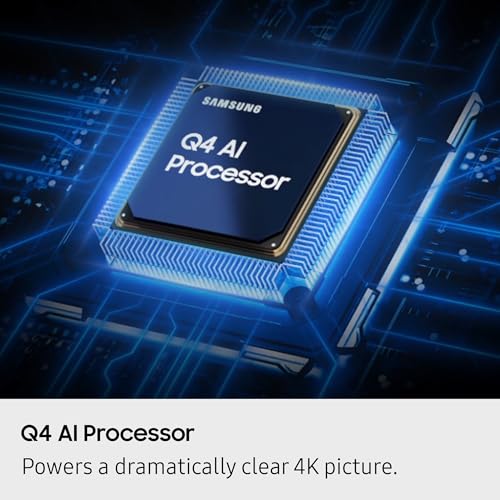
Color performance reveals each TV's priorities. The Samsung Q7F emphasizes accuracy through Pantone certification, ensuring colors match industry standards for professional content creation. Samsung's Color Booster Pro technology enhances vibrancy without excessive distortion, and the Q4 AI Processor provides decent upscaling for lower-resolution content.
Professional reviews consistently praise Samsung's out-of-the-box color calibration, making it immediately enjoyable without adjustment. For viewers sensitive to color accuracy—photographers, designers, or those who simply prefer natural-looking content—Samsung's approach has merit.
The TCL QM6K produces more vibrant, eye-catching colors through its quantum dot implementation, though it may not match Samsung's certification standards. The AIPQ Processor handles content processing and upscaling, with user reviews suggesting better performance with lower-quality streaming content compared to the Samsung.
The choice here depends on preference: Samsung for certified accuracy, TCL for more vibrant presentation. Most viewers will find both acceptable, with personal preference determining the winner.
Smart TV platforms significantly impact daily usability, and these TVs take different approaches.
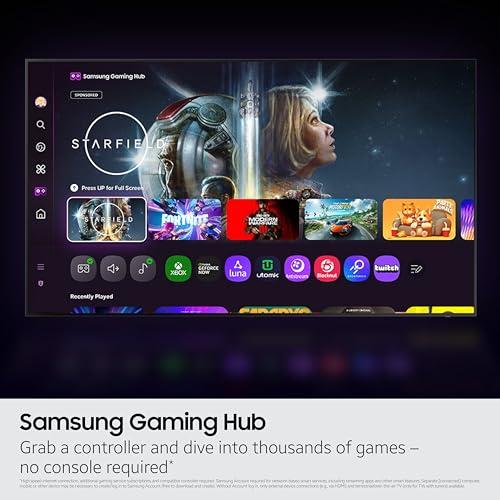
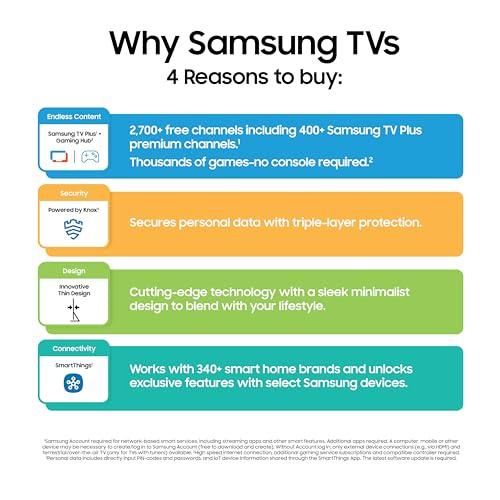
The Samsung Q7F runs Tizen OS, Samsung's proprietary platform. While stripped down compared to higher-end Samsung models, it still includes essential streaming apps, Samsung TV Plus (free streaming service), Multi-View for watching multiple sources simultaneously, and Apple AirPlay support. The standout feature is deep SmartThings integration, allowing the TV to function as a smart home hub controlling lights, thermostats, and security systems.
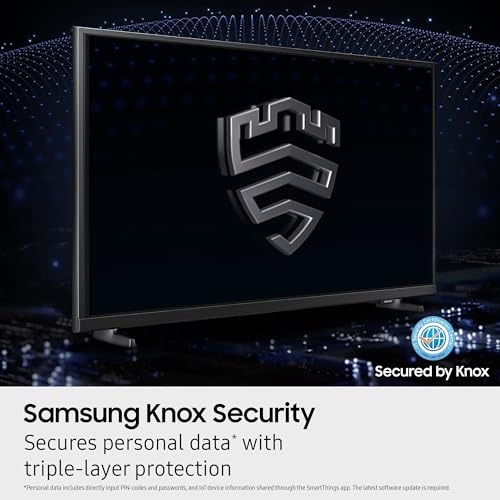
Samsung's Knox Security provides enhanced privacy protection, and the Q-Symphony feature allows coordination with Samsung soundbars for improved audio. For users invested in Samsung's ecosystem—Galaxy phones, Samsung appliances, SmartThings devices—the integration benefits are substantial.
The TCL QM6K uses Google TV, offering excellent app selection, Google Assistant voice control, and straightforward navigation. Google TV excels at content discovery and recommendation, making it easy to find shows across multiple streaming services. However, it lacks Samsung's deep ecosystem integration and smart home capabilities.
The platform choice often depends on existing device preferences. Samsung users will appreciate the ecosystem benefits, while users preferring Google services or wanting simplicity will favor the TCL approach.
Most TV buyers initially rely on built-in speakers before potentially adding soundbars later, making audio quality relevant despite both TVs having modest speaker systems.
The Samsung Q7F includes 20W 2.0 channel speakers with Adaptive Sound (automatically adjusting audio based on content type) and Object Tracking Sound Lite (creating basic spatial audio effects). The Q-Symphony feature allows seamless integration with Samsung soundbars, essentially using the TV speakers as additional channels.
The TCL QM6K features an Onkyo 2.1 channel system with a dedicated subwoofer, providing noticeably better bass response and overall audio quality compared to Samsung's basic stereo setup. The Onkyo branding indicates serious attention to audio engineering, and user reviews consistently praise the TCL's built-in sound quality.
For viewers planning to add soundbars eventually, the difference matters less. For those using built-in speakers long-term, the TCL QM6K provides a superior audio experience.
In dedicated home theater environments, picture quality becomes paramount, and the technical differences between these TVs become more pronounced.
The Samsung Q7F struggles in darker rooms where contrast deficiencies become obvious. Without local dimming, dark movie scenes appear washed out, and the overall cinematic impact suffers. The 60Hz refresh rate also limits the TV's ability to handle 24fps movie content optimally, though this is less noticeable than sports motion issues.
The TCL QM6K excels in home theater applications. The local dimming provides the deep blacks essential for cinematic presentation, while higher peak brightness delivers impactful HDR highlights. Support for both HDR10+ and Dolby Vision IQ (which adjusts HDR based on room lighting) ensures compatibility with the widest range of content.
For dedicated movie watching, especially in darker rooms, the TCL QM6K provides a significantly more immersive and theater-like experience.
At the time of writing, these TVs are priced within $50 of each other, making value comparison straightforward based purely on performance differences.
The Samsung Q7F offers Samsung's brand reliability, certified color accuracy, and ecosystem integration at an entry-level QLED price point. However, it lacks fundamental display technologies—local dimming, high refresh rates, modern gaming features—that are increasingly standard in this price range.
The TCL QM6K delivers substantially superior performance in nearly every measurable category: brightness, contrast, motion handling, gaming features, and built-in audio quality. The small price premium provides dramatic performance improvements.
Based on our research into professional reviews and user experiences, the performance gap favors the TCL QM6K so significantly that it represents exceptional value unless Samsung's specific ecosystem features are essential.
Choose the Samsung Q7F if:
Choose the TCL QM6K if:
While both TVs serve the budget market, they're designed for different users with different priorities. The Samsung Q7F works for Samsung ecosystem users who prioritize brand familiarity and certified accuracy over cutting-edge performance.
However, for most buyers, the TCL QM6K provides dramatically superior value. The performance improvements in brightness, contrast, motion handling, and gaming capabilities are substantial enough to be immediately noticeable, while the modest price difference makes the choice clear.
The 2025 TV market has evolved to the point where budget buyers can access previously premium technologies like Mini LED and high refresh rates. The TCL QM6K represents this evolution perfectly, delivering flagship-level performance at an accessible price point. Unless Samsung's ecosystem integration is essential to your setup, the TCL offers better picture quality, gaming performance, and overall value for money.
| Samsung 65-Inch Q7F Series QLED Smart TV 2025 | TCL 65" QM6K QD-Mini LED 4K TV |
|---|---|
| Display Technology - Determines contrast and black level performance | |
| QLED with direct LED backlighting, no local dimming | QD-Mini LED with full-array local dimming (up to 500 zones) |
| Peak Brightness - Critical for HDR content and bright room viewing | |
| ~400 nits (adequate for moderate lighting) | Significantly higher with Super High Energy LED Chip (excellent HDR performance) |
| Refresh Rate - Essential for sports and smooth motion | |
| 60Hz only (basic motion handling) | 144Hz native (dramatically smoother sports and action content) |
| Gaming Features - Modern console compatibility | |
| Basic: Low input lag, HDMI 2.0 only, no VRR | Advanced: Game Accelerator 288, VRR up to 288Hz, HDMI 2.1 support |
| HDR Format Support - Content compatibility | |
| HDR10+, Quantum HDR (no Dolby Vision) | HDR10+, Dolby Vision IQ (wider format support) |
| Local Dimming - Controls contrast and black levels | |
| None (single backlight zone limits contrast) | Up to 500 zones (deep blacks, excellent contrast) |
| Smart TV Platform - Daily usability and ecosystem integration | |
| Tizen OS with SmartThings Hub, Knox Security, Q-Symphony | Google TV with Google Assistant (simpler, excellent app selection) |
| Built-in Audio - Sound quality without external speakers | |
| 20W 2.0 channel with basic spatial audio | Onkyo 2.1 system with dedicated subwoofer (superior bass) |
| Color Accuracy - Professional content and natural reproduction | |
| Pantone certified with Color Booster Pro (industry standard accuracy) | More vibrant quantum dot colors (eye-catching but less certified) |
| Processor - Content upscaling and AI optimization | |
| Q4 AI Processor (decent 4K upscaling) | AIPQ Processor (better low-quality content smoothing) |
| Connectivity - Port selection and wireless features | |
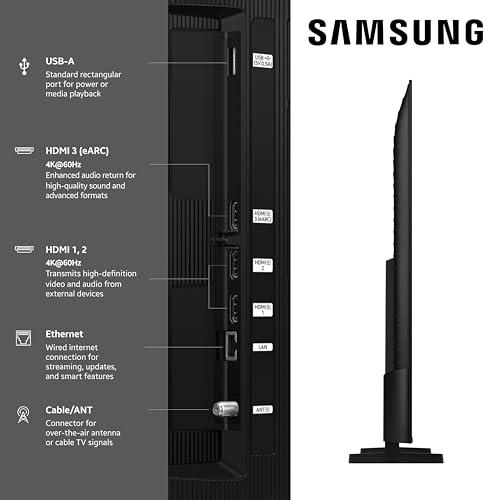
| 3 HDMI 2.0, 1 USB, Wi-Fi, Bluetooth | 4 HDMI (1 eARC), Wi-Fi 6, Bluetooth (more future-proof) |
| Best For - Ideal user scenarios | |
| Samsung ecosystem users prioritizing certified accuracy | Sports fans, gamers, and home theater enthusiasts wanting maximum performance per dollar |
The TCL 65" QM6K QD-Mini LED 4K TV delivers superior picture quality for movies thanks to its Mini LED technology with up to 500 local dimming zones. This allows for much deeper blacks and better contrast compared to the Samsung 65-Inch Q7F Series QLED Smart TV 2025, which lacks local dimming entirely. For home theater viewing, the TCL's higher peak brightness and better HDR performance create a more cinematic experience.
The TCL 65" QM6K QD-Mini LED 4K TV is significantly better for sports due to its 144Hz native refresh rate, which provides much smoother motion handling compared to the Samsung 65-Inch Q7F Series QLED Smart TV 2025's 60Hz limitation. Fast-moving sports action appears clearer and less blurry on the TCL, making it the clear winner for sports enthusiasts.
The TCL 65" QM6K QD-Mini LED 4K TV offers vastly superior gaming performance with its Game Accelerator 288 technology, supporting variable refresh rates up to 288Hz and HDMI 2.1 compatibility. The Samsung 65-Inch Q7F Series QLED Smart TV 2025 only provides basic gaming features with 60Hz and HDMI 2.0 ports, making it inadequate for modern console gaming.
The Samsung 65-Inch Q7F Series QLED Smart TV 2025 offers more accurate colors with Pantone certification and Color Booster Pro technology, ensuring industry-standard color reproduction. While the TCL 65" QM6K QD-Mini LED 4K TV produces more vibrant and eye-catching colors, Samsung's certified accuracy makes it better for viewers who prioritize natural color reproduction.
The TCL 65" QM6K QD-Mini LED 4K TV performs much better in bright rooms due to its significantly higher peak brightness capabilities from its Super High Energy LED Chip technology. The Samsung 65-Inch Q7F Series QLED Smart TV 2025 reaches only about 400 nits, making it struggle with glare and appear washed out in well-lit environments.
The TCL 65" QM6K QD-Mini LED 4K TV has superior built-in audio with its Onkyo 2.1 channel system featuring a dedicated subwoofer for better bass response. The Samsung 65-Inch Q7F Series QLED Smart TV 2025 uses basic 20W 2.0 channel speakers, though it does support Q-Symphony for integration with Samsung soundbars.
The choice depends on your ecosystem preferences. The Samsung 65-Inch Q7F Series QLED Smart TV 2025 runs Tizen OS with deep SmartThings integration and Samsung Knox Security, making it ideal for Samsung device users. The TCL 65" QM6K QD-Mini LED 4K TV uses Google TV, which offers excellent app selection and simpler navigation for most users.
The TCL 65" QM6K QD-Mini LED 4K TV provides significantly better value, offering superior performance in brightness, contrast, motion handling, and gaming features for only a modest price increase over the Samsung 65-Inch Q7F Series QLED Smart TV 2025. The performance improvements justify the small price difference for most buyers.
The TCL 65" QM6K QD-Mini LED 4K TV is much better suited for home theater use due to its local dimming capability, higher peak brightness, and support for both HDR10+ and Dolby Vision IQ. The Samsung 65-Inch Q7F Series QLED Smart TV 2025 lacks the contrast performance needed for optimal dark room movie viewing.
The TCL 65" QM6K QD-Mini LED 4K TV delivers superior HDR performance with higher peak brightness and local dimming zones that allow for proper contrast control. It also supports Dolby Vision IQ, while the Samsung 65-Inch Q7F Series QLED Smart TV 2025 is limited to HDR10+ and lacks the brightness needed for impactful HDR content.
The Samsung 65-Inch Q7F Series QLED Smart TV 2025 comes from Samsung's established track record in TV manufacturing with comprehensive warranty support. While the TCL 65" QM6K QD-Mini LED 4K TV offers newer technology, Samsung generally has a longer history of reliability and customer service, though TCL has significantly improved its quality in recent years.
Choose the TCL 65" QM6K QD-Mini LED 4K TV if you want the best overall performance, watch sports regularly, game on modern consoles, or prioritize picture quality. Choose the Samsung 65-Inch Q7F Series QLED Smart TV 2025 if you're invested in Samsung's ecosystem, need certified color accuracy, or prefer brand familiarity over cutting-edge features.
We've done our best to create useful and informative comparisons to help you decide what product to buy. Our research uses advanced automated methods to create this comparison and perfection is not possible - please contact us for corrections or questions. These are the sites we've researched in the creation of this article: bestbuy.com - rtings.com - bestbuy.com - youtube.com - youtube.com - youtube.com - samsung.com - samsung.com - samsung.com - billsmith.com - costco.com - samsung.com - hometechnologyreview.com - hometechnologyreview.com - bestbuy.com - samsung.com - bestbuy.com - samsung.com - hometechnologyreview.com - samsung.com - samsung.com - youtube.com - tomsguide.com - youtube.com - tcl.com - tomsguide.com - youtube.com - youtube.com - hometechnologyreview.com - rtings.com - bestbuy.com - tcl.com - youtube.com - youtube.com - bestbuy.com - youtube.com - youtube.com - youtube.com - tcl.com - youtube.com - walmart.com - tcl.com - displayspecifications.com - kitele.com - displayspecifications.com - flatpanelshd.com - woodruffappliance.com - displayspecifications.com - prnewswire.com - tcl.com - youtube.com - abt.com - youtube.com - tclkenya.co.ke - budgethomefurn.com

Privacy Policy
Terms and Conditions - Affiliate Policy
Home Security
© Copyright 2008-2026.
11816 Inwood Rd #1211, Dallas, TX 75244