

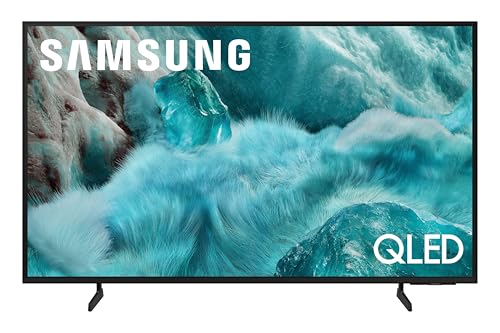
Shopping for a 65-inch TV can feel overwhelming, especially when you're comparing products that seem similar on paper but deliver vastly different experiences in your living room. The Samsung Q7F QLED 2025 and LG G4 OLED evo 2024 represent two fundamentally different approaches to large-screen entertainment, and understanding these differences is crucial for making the right choice for your home.
At the time of writing, these TVs occupy completely different price tiers—the Samsung Q7F sits in the budget-friendly range while the LG G4 commands a significant premium. But price alone doesn't tell the whole story. The technology gap between these models is so substantial that they're really serving different audiences entirely.
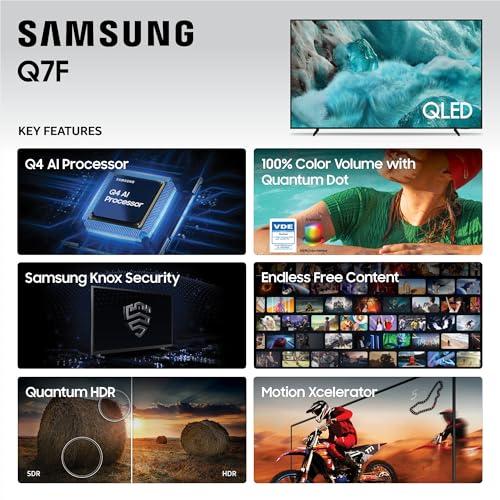
Before diving into specifics, let's break down what makes these TVs tick. The Samsung Q7F uses QLED technology, which stands for Quantum Dot Light Emitting Diode. Despite the fancy name, this is essentially an LED TV with a special color-enhancing layer called quantum dots. These microscopic particles help produce more vibrant colors, but the TV still relies on a traditional LED backlight behind the entire screen.
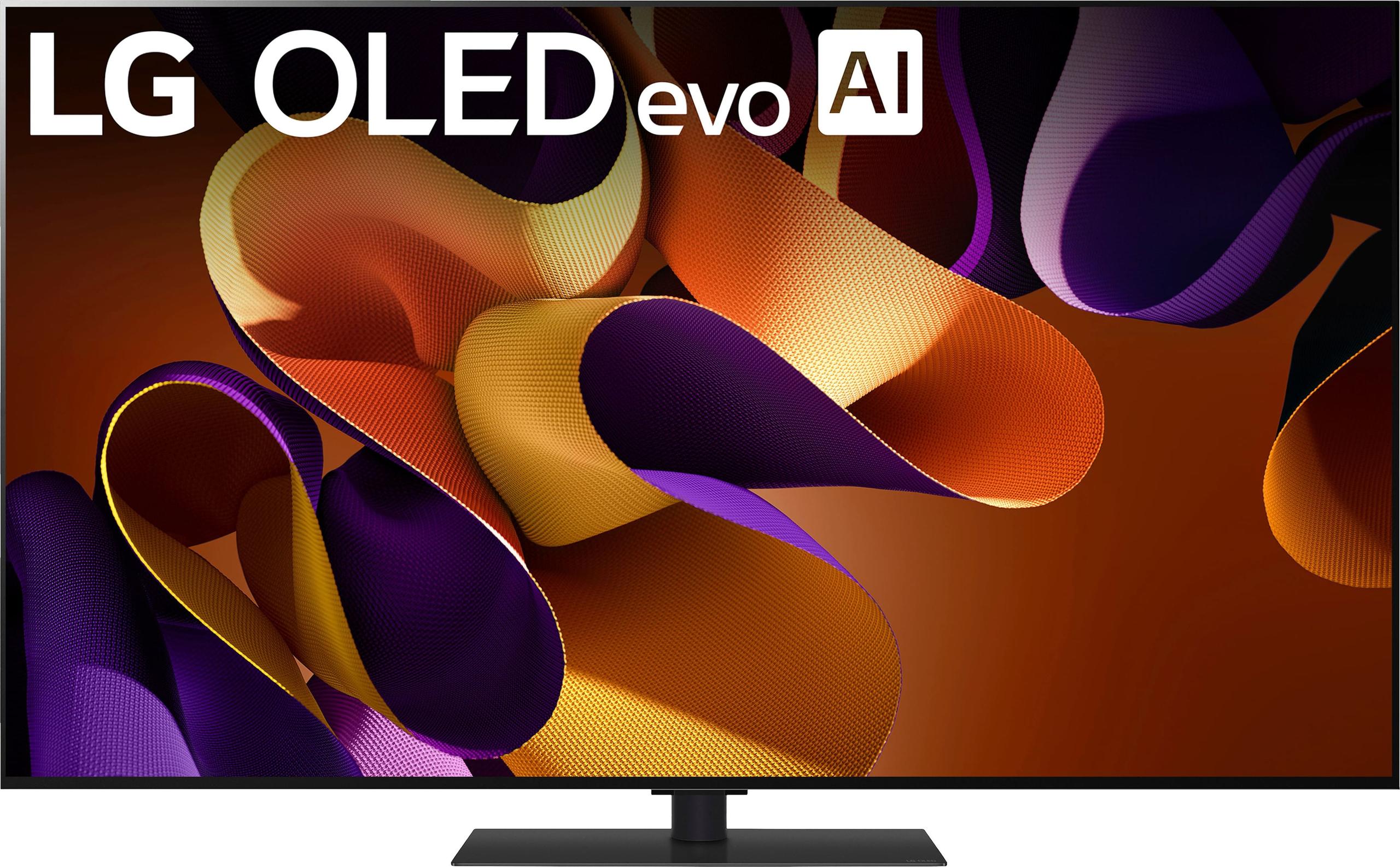
The LG G4, on the other hand, uses OLED technology—Organic Light Emitting Diode. Here's where things get interesting: each pixel produces its own light and can turn completely off. This fundamental difference affects everything from contrast to energy efficiency, and it's why OLED TVs have dominated the premium market in recent years.
Think of it this way: the Samsung Q7F is like having one big flashlight behind a detailed painting, while the LG G4 is like having millions of tiny, individually controllable lights that can create the image directly.
This is where the technology gap becomes most apparent. The LG G4's OLED panel can produce perfect blacks because pixels simply turn off when displaying black content. When you're watching a space scene or a dark movie, those black areas are truly black—not the grayish "black" you might notice on cheaper TVs.
The Samsung Q7F struggles here because it lacks local dimming—a feature that allows different areas of the LED backlight to dim independently. Without this, the entire backlight stays on even when parts of the screen should be black, resulting in what's often called "black crush" or elevated black levels. In practical terms, this means less dramatic contrast in dark scenes and a less immersive viewing experience.
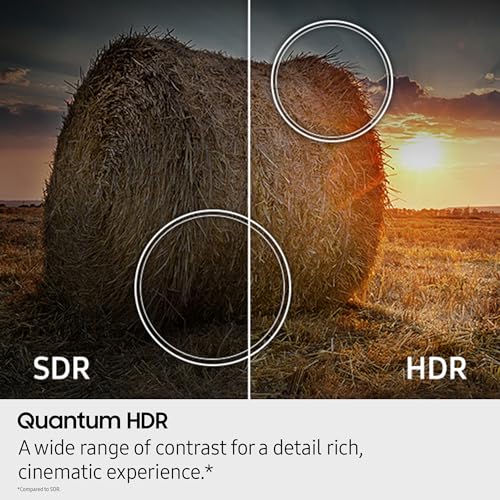
HDR, or High Dynamic Range, is supposed to deliver more realistic brightness levels—from the darkest shadows to the brightest highlights. The LG G4 excels here thanks to its second-generation MLA (Micro Lens Array) technology, which can push brightness levels significantly higher than previous OLED generations while maintaining perfect blacks.
The Samsung Q7F faces a double challenge: it's not particularly bright compared to other LED TVs in its class, and without local dimming, it can't create the dramatic contrast that makes HDR content impressive. HDR10+ support is included, but the hardware limitations mean you won't experience the full impact of HDR content.
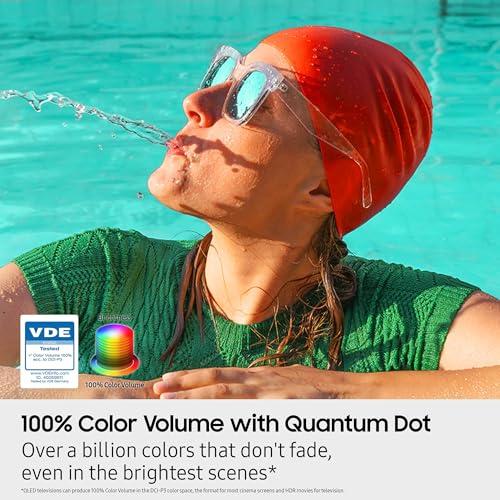
Both TVs claim impressive color performance, but they achieve it differently. The LG G4 maintains accurate, vibrant colors across all brightness levels—a significant advantage of OLED technology. The quantum dots in the Samsung Q7F do help with color reproduction compared to basic LED TVs, but the overall color volume and accuracy are limited by the entry-level processing and display hardware.
For movie enthusiasts, the LG G4 includes Filmmaker Mode, which preserves the director's original color grading and motion processing. This might seem like a minor feature, but it makes a noticeable difference when watching high-quality content.
Modern gaming has evolved dramatically, with consoles like the PlayStation 5 and Xbox Series X pushing 4K gaming at 120 frames per second. This is where the technology gap between these TVs becomes a chasm.
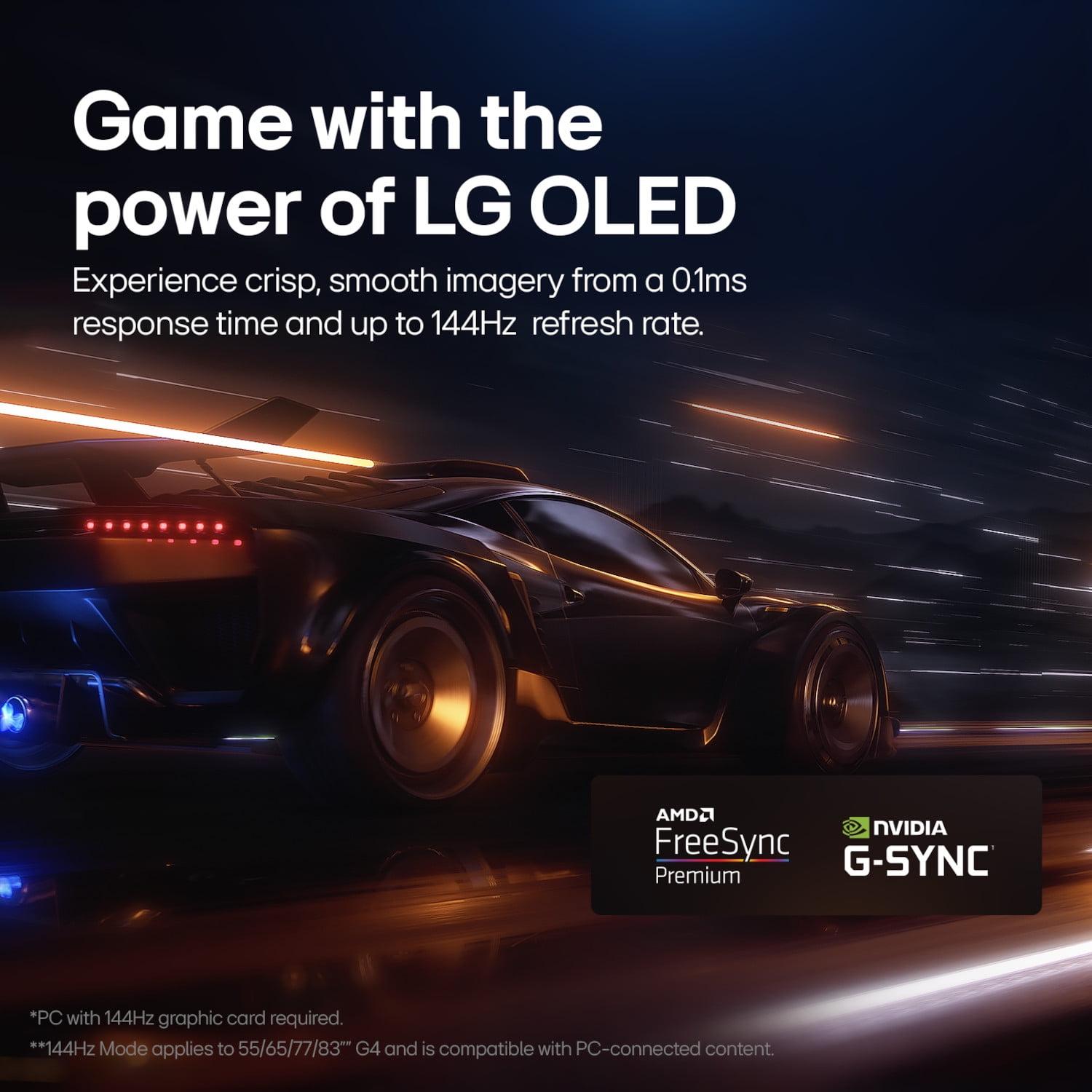
The LG G4 offers everything serious gamers want: native 120Hz refresh rate (with support up to 144Hz), four HDMI 2.1 ports, Variable Refresh Rate (VRR), and support for both NVIDIA G-Sync and AMD FreeSync Premium. VRR eliminates screen tearing by synchronizing the TV's refresh rate with your console or PC's frame rate, while the ultra-low input lag (as low as 0.1 milliseconds) ensures your controller inputs register almost instantly.
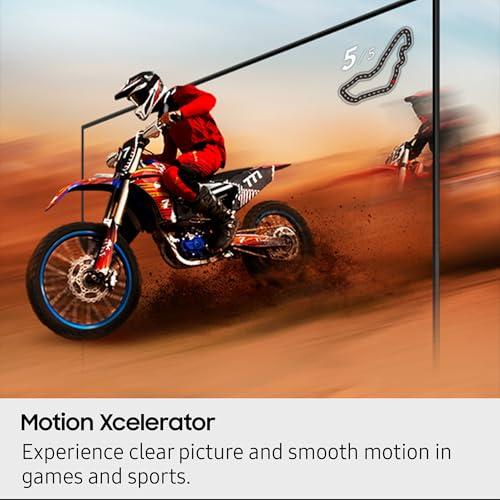
The Samsung Q7F is stuck in the past with its 60Hz maximum refresh rate and lack of HDMI 2.1 support. This means no high-frame-rate gaming, no VRR support, and limited future-proofing for gaming hardware. While it includes Auto Game Mode to reduce input lag, the overall gaming experience falls short of modern expectations.
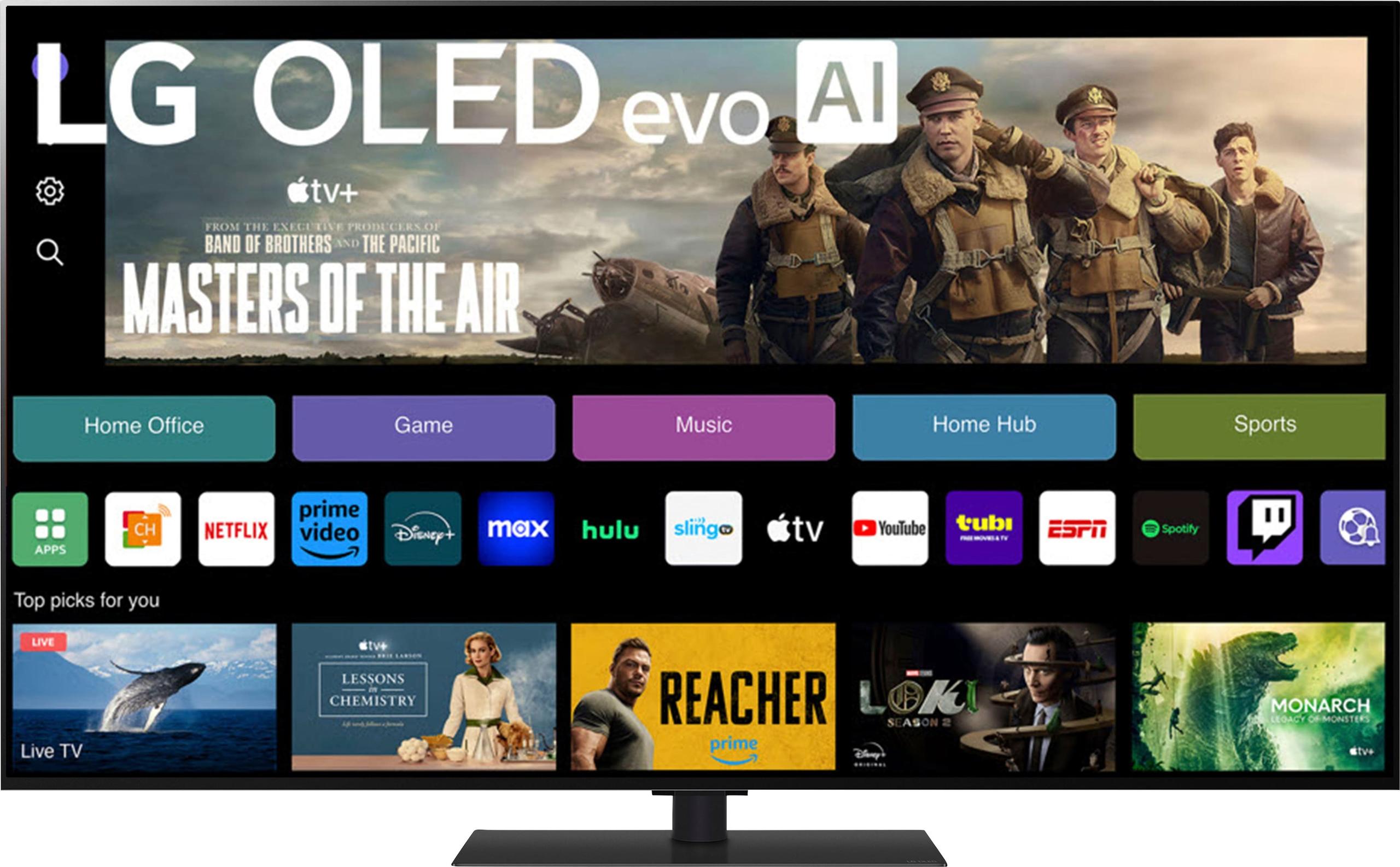
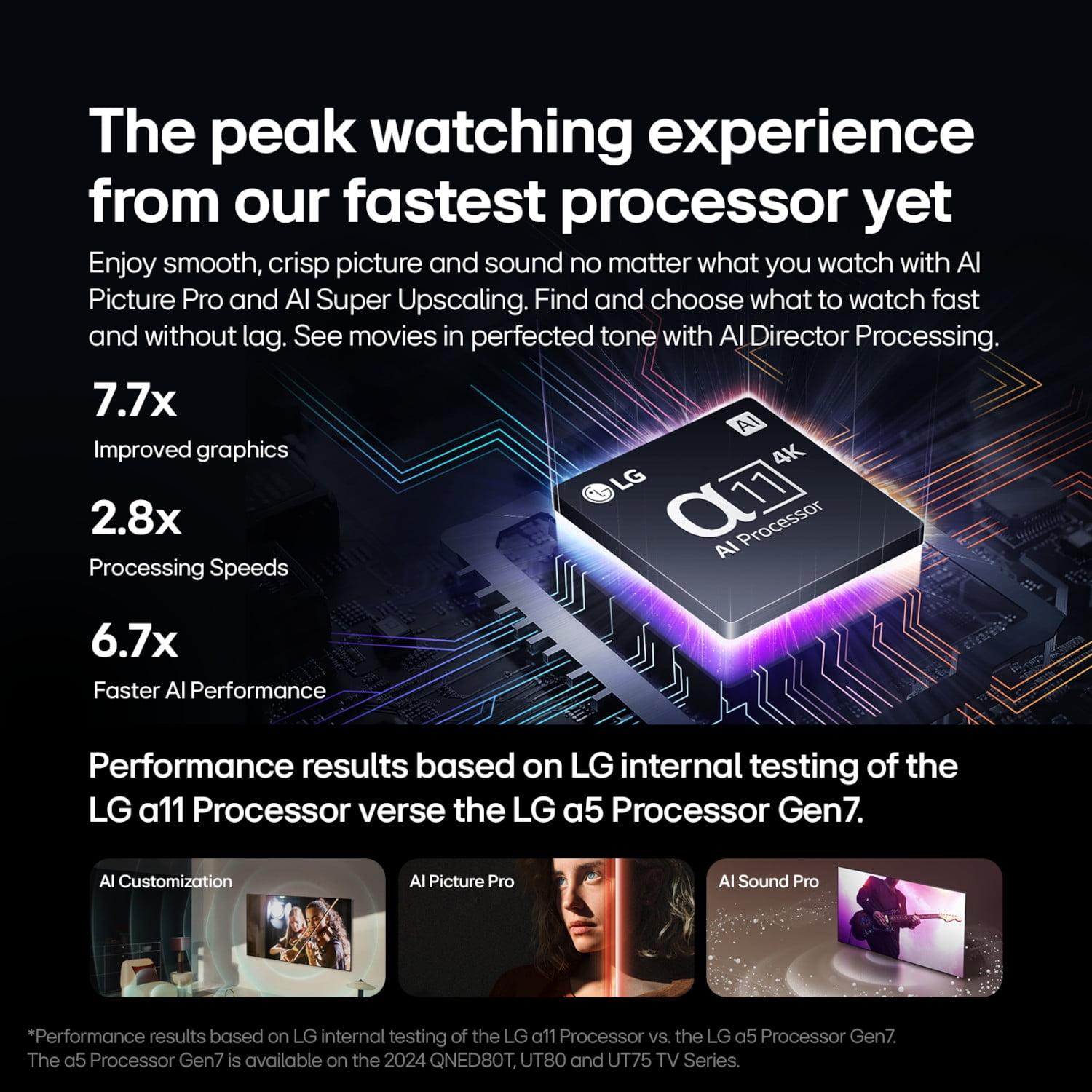
Both TVs run capable smart TV platforms, but the underlying processing power tells a different story. The LG G4 features the α11 (Alpha 11) AI Processor, which delivers significantly faster performance for everything from app switching to AI-powered upscaling. This processor enables features like AI Picture Pro, which analyzes content in real-time to optimize picture settings automatically.
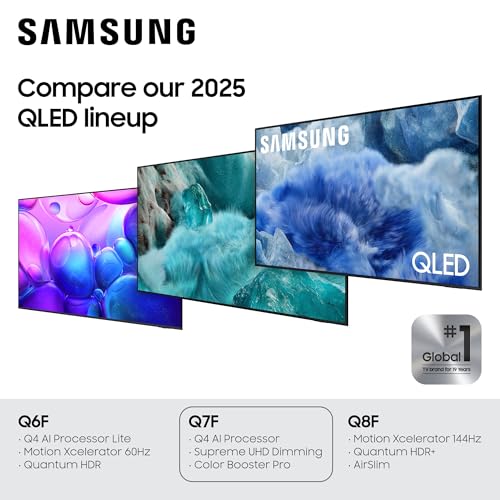
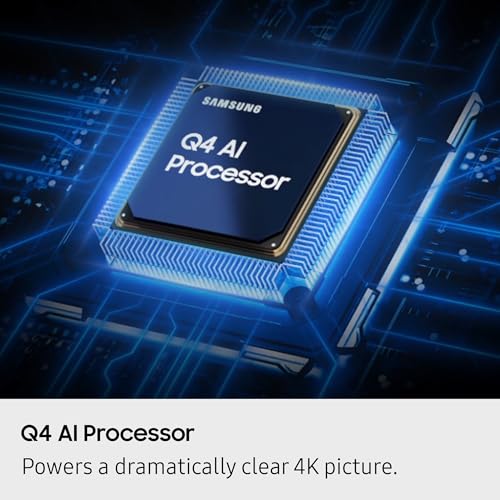
The Samsung Q7F uses the more basic Q4 AI Processor, which handles essential functions adequately but lacks the advanced processing capabilities for sophisticated image enhancement or rapid multitasking.
webOS on the LG G4 feels more responsive and offers more advanced features like Multi View (displaying up to four different sources simultaneously), while the Samsung Q7F's Tizen platform, though functional, feels more basic in comparison.
Neither TV delivers audiophile-quality sound, but there's still a significant difference. The LG G4 includes a 4.2 channel, 60W speaker system with Dolby Atmos support and AI-powered sound processing that can simulate up to 11.1.2 channel surround sound. It's still not a replacement for a dedicated sound system, but it's respectable for built-in speakers.
The Samsung Q7F offers basic 20W, 2.0 channel speakers that are adequate for casual viewing but lack the power and clarity for an engaging audio experience. For both TVs, investing in a soundbar or external speakers will dramatically improve your experience, but this consideration is more critical for the Samsung model.
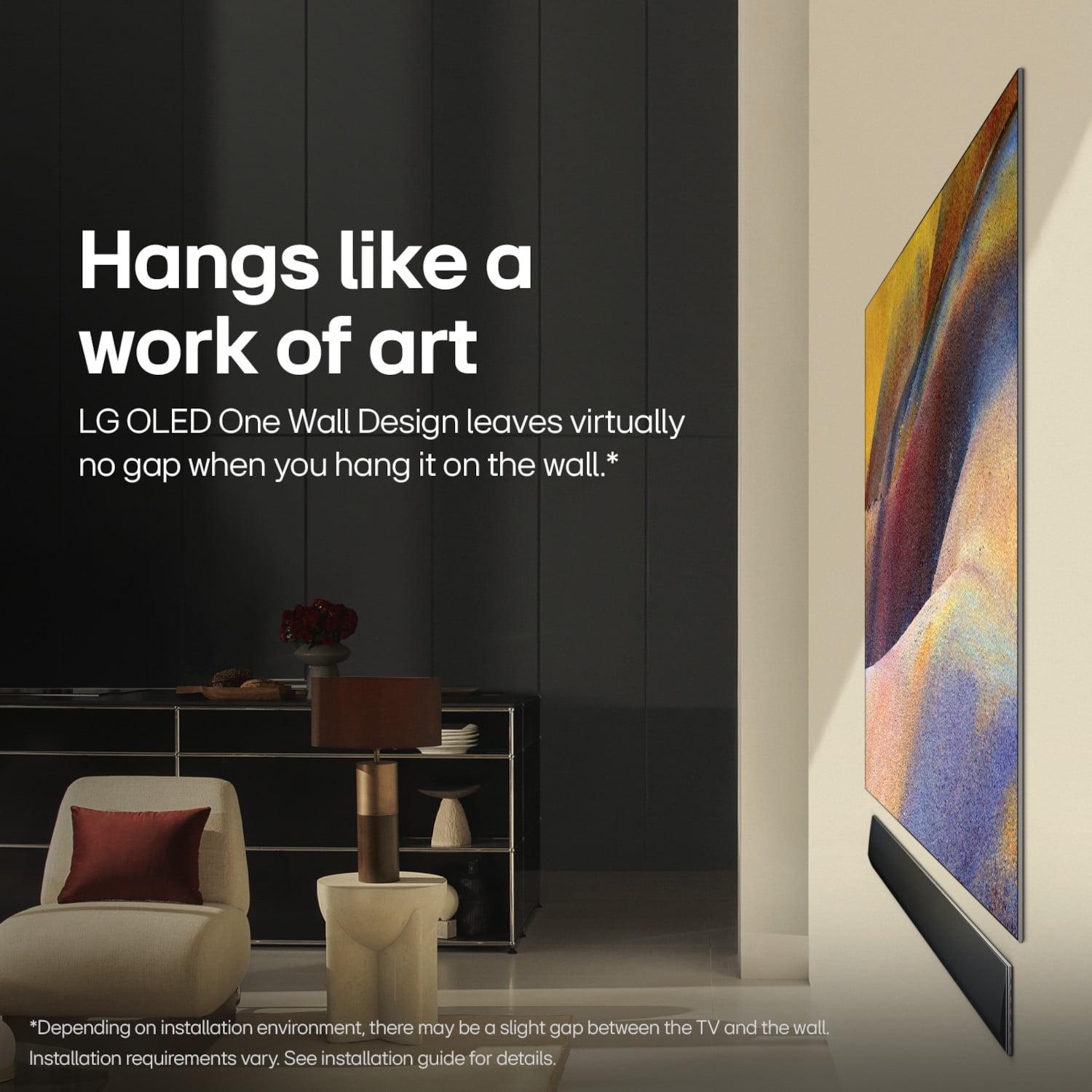
The LG G4 embraces premium design with its Gallery concept—it's meant to look like a piece of art when wall-mounted flush against your wall. The build quality reflects its flagship positioning, with premium materials and attention to detail throughout.
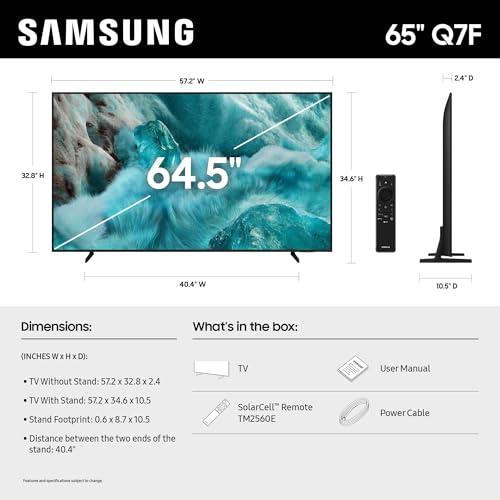
The Samsung Q7F takes a more conventional approach with a standard plastic construction and adjustable feet that allow for different positioning options. While the build quality is appropriate for its price point, it clearly represents a more budget-oriented design philosophy.
At the time of writing, the price difference between these TVs is substantial—the Samsung Q7F costs significantly less than the LG G4. But this isn't a simple "more expensive equals better" scenario; these products target entirely different users with different priorities and budgets.
The Samsung Q7F makes sense if you need a large 4K display primarily for casual viewing, streaming, and basic entertainment. It's a functional TV that delivers adequate performance for non-demanding applications. However, it's important to understand what you're giving up: the lack of local dimming means poor contrast performance, the 60Hz limit eliminates modern gaming features, and the overall picture quality won't satisfy users accustomed to premium displays.
The LG G4 justifies its premium pricing through transformative picture quality, advanced gaming features, and future-proof connectivity. For home theater enthusiasts, serious gamers, or anyone who values the best possible viewing experience, the price difference often represents worthwhile value rather than unnecessary expense.
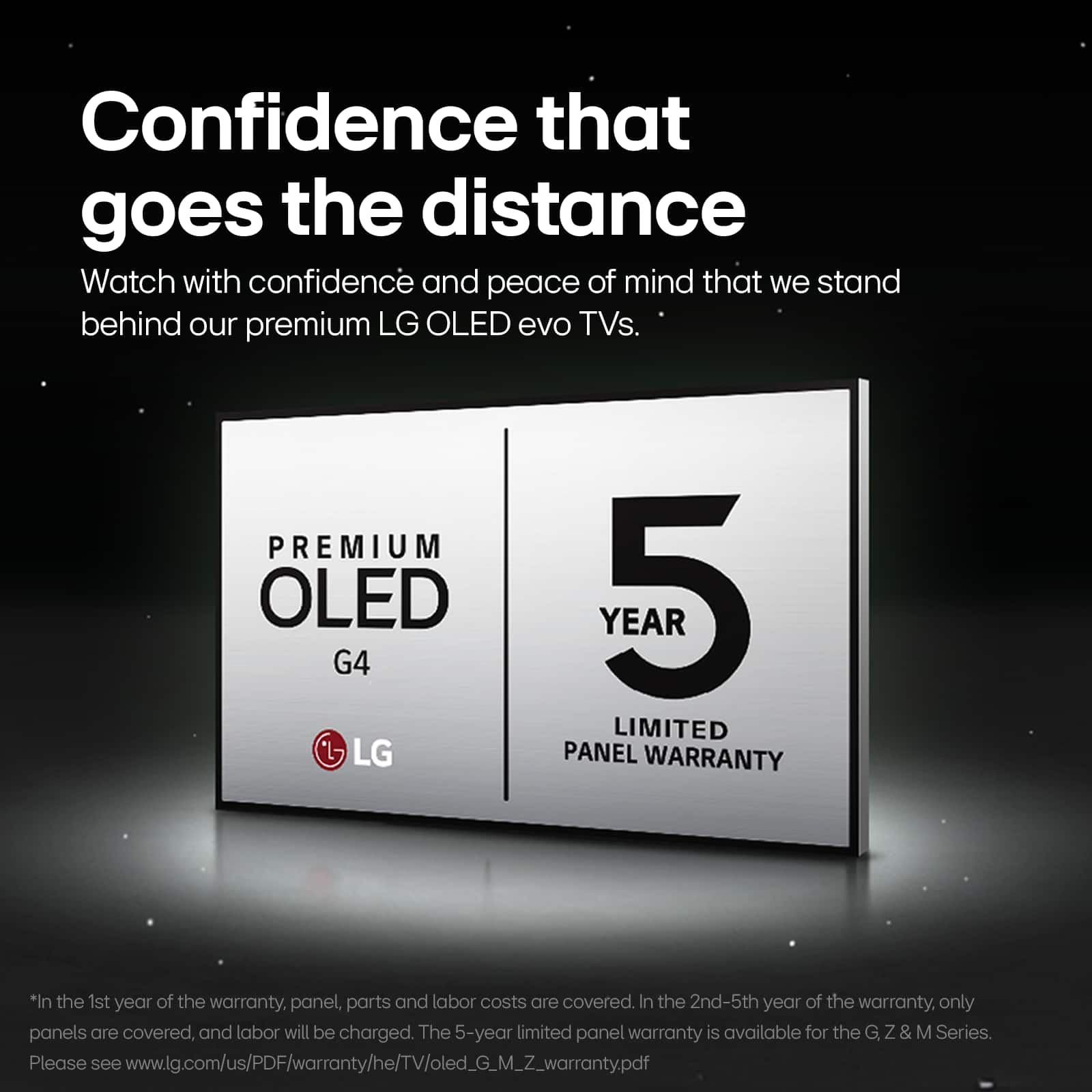
The 2024 LG G4 represents the culmination of several years of OLED development, incorporating second-generation MLA technology that addresses traditional OLED brightness limitations while maintaining the format's contrast advantages. LG has also improved burn-in resistance and offers a five-year panel warranty, addressing long-term durability concerns.
The 2025 Samsung Q7F, despite being newer, represents entry-level technology that prioritizes cost reduction over innovation. While it includes basic modern features like 4K resolution and HDR support, it lacks the advanced technologies that define contemporary premium viewing experiences.
For dedicated home theater setups, the choice becomes even clearer. The LG G4's perfect blacks, excellent HDR performance, and accurate color reproduction create the immersive experience that home theater enthusiasts seek. The wide viewing angles mean everyone in the room gets a great picture, not just those sitting directly in front of the screen.
The Samsung Q7F struggles in home theater applications due to its limited contrast, narrow viewing angles, and insufficient brightness for impactful HDR content. While it can display 4K content, it won't deliver the cinematic experience that justifies a dedicated theater room setup.
The Samsung Q7F makes sense for a specific, limited audience: buyers who primarily need a large screen for casual viewing, have strict budget constraints, and don't prioritize advanced features like gaming performance or premium picture quality. It's functional for basic streaming and everyday viewing in controlled lighting conditions.
The LG G4 suits anyone serious about their viewing experience. Whether you're a movie enthusiast who wants to see films as directors intended, a gamer who needs cutting-edge performance, or someone who simply appreciates superior picture quality, the G4 delivers experiences that justify its premium positioning.
The reality is that these TVs serve fundamentally different purposes. The Samsung Q7F prioritizes affordability and basic functionality, while the LG G4 focuses on delivering the best possible viewing experience regardless of cost. Understanding your priorities—and being honest about your budget—will guide you to the right choice.
For most buyers seeking genuine premium performance, the gap between these specific models is so large that exploring middle-ground options might make more sense than choosing either extreme. But if you're set on one of these approaches, the decision ultimately comes down to whether you value the lowest possible price or the best possible performance in your living room.
| Samsung 65-Inch Q7F Series QLED Smart TV 2025 | LG 65" G4 Series OLED evo 4K UHD Smart TV 2024 |
|---|---|
| Display Technology - Determines contrast, black levels, and overall picture quality | |
| QLED with direct-lit LED backlight (no local dimming) | OLED evo with self-lit pixels and MLA technology |
| Black Levels - Critical for movie viewing and contrast | |
| Elevated blacks (grayish in dark scenes) | Perfect blacks (pixels turn completely off) |
| Peak Brightness - Important for HDR content and bright room viewing | |
| Limited brightness, struggles in bright rooms | Up to 2,268 nits with Brightness Booster Max |
| Refresh Rate - Essential for gaming and smooth motion | |
| 60Hz maximum (basic performance) | 120Hz native, up to 144Hz with VRR |
| HDMI Ports - Connectivity for gaming consoles and devices | |
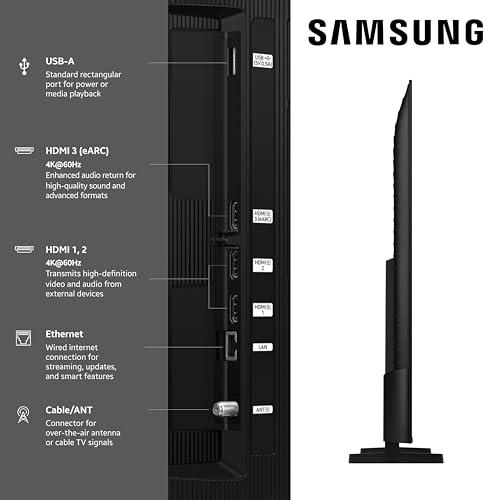
| 3 HDMI ports (no HDMI 2.1) | 4 HDMI 2.1 ports supporting 4K@120Hz |
| Gaming Features - Critical for next-gen console compatibility | |
| No VRR, G-Sync, or FreeSync support | VRR, G-Sync, FreeSync Premium, 0.1ms response time |
| HDR Support - Affects color and contrast in premium content | |
| HDR10+ (no Dolby Vision) | HDR10, Dolby Vision, HLG |
| Processor - Powers smart features and picture processing | |
| Q4 AI Processor (basic performance) | α11 AI Processor 4K (6.7x faster AI performance) |
| Viewing Angles - Important for family viewing and room layout | |
| Narrow (VA panel degrades from sides) | Wide (consistent picture quality from any angle) |
| Audio System - Built-in sound quality | |
| 20W 2.0 channel speakers (basic) | 60W 4.2 channel with Dolby Atmos |
| Smart Platform - User interface and app ecosystem | |
| Tizen Smart TV (functional but basic) | webOS 24 with advanced AI features |
| Design Approach - Aesthetic and mounting options | |
| Conventional TV design with plastic construction | Gallery Design for flush wall mounting, premium build |
| Panel Warranty - Long-term reliability assurance | |
| Standard 1-year warranty | 5-year panel warranty (covers burn-in) |
The LG G4 OLED delivers significantly better picture quality with perfect black levels, superior contrast, and more accurate colors. The Samsung Q7F QLED lacks local dimming, resulting in grayish blacks and limited contrast that reduces the cinematic experience.
QLED TVs like the Samsung Q7F use LED backlights with quantum dot color enhancement, while OLED TVs like the LG G4 have self-lit pixels that can turn completely off. This gives OLED perfect blacks and infinite contrast, while QLED typically offers higher peak brightness in premium models.
The LG G4 OLED is far superior for next-gen gaming, offering 120Hz refresh rate, four HDMI 2.1 ports, VRR support, and 0.1ms response time. The Samsung Q7F is limited to 60Hz with no HDMI 2.1, making it unsuitable for modern high-frame-rate gaming.
The LG G4 OLED handles bright rooms better thanks to its higher peak brightness and anti-reflective properties. The Samsung Q7F QLED struggles with brightness and reflection handling, making it less suitable for well-lit environments.
Both TVs offer good smart platforms, but the LG G4 has more advanced features with webOS 24, faster processing, and AI-powered recommendations. The Samsung Q7F uses Tizen OS with basic functionality that's adequate for streaming but lacks advanced smart features.
OLED TVs like the LG G4 can potentially experience burn-in with static images over time, though modern models have extensive protection. They're also more expensive than LED alternatives like the Samsung Q7F, but LG offers a 5-year panel warranty for peace of mind.
The LG G4 OLED is ideal for home theater use with its perfect blacks, accurate colors, wide viewing angles, and excellent HDR performance. The Samsung Q7F lacks the contrast and picture quality needed for an immersive theater experience.
The LG G4 has superior audio with 60W 4.2 channel speakers and Dolby Atmos support compared to the Samsung Q7F's basic 20W 2.0 channel system. However, both benefit significantly from external sound systems for optimal audio quality.
This depends on your priorities. The Samsung Q7F offers basic 4K functionality at an entry-level price point, while the LG G4 OLED commands a premium but delivers flagship performance that justifies the cost for serious viewers and gamers.
No - the LG G4 OLED supports HDR10, Dolby Vision, and HLG for maximum compatibility, while the Samsung Q7F only supports HDR10+ and lacks Dolby Vision, which is the premium HDR standard used by Netflix and other services.
The LG G4 comes with a 5-year panel warranty that even covers burn-in, showing LG's confidence in their OLED technology. The Samsung Q7F has standard 1-year warranty coverage, typical for entry-level models.
Choose the Samsung Q7F QLED only if budget is your primary concern and you need basic 4K viewing. Select the LG G4 OLED if you want superior picture quality, gaming performance, and premium features that will provide long-term satisfaction.
We've done our best to create useful and informative comparisons to help you decide what product to buy. Our research uses advanced automated methods to create this comparison and perfection is not possible - please contact us for corrections or questions. These are the sites we've researched in the creation of this article: bestbuy.com - rtings.com - bestbuy.com - youtube.com - youtube.com - youtube.com - samsung.com - samsung.com - samsung.com - billsmith.com - <a href="https://www.costco.com/samsung-65%22-class---q7-qled-series---4k-vision-ai-smart-tv---allstate-3-year-protection-plan-bundle-included-for-5-years-of-total-coverage.product.4000359633.html">costco.com - samsung.com - hometechnologyreview.com - hometechnologyreview.com - bestbuy.com - samsung.com - bestbuy.com - samsung.com - hometechnologyreview.com - samsung.com - samsung.com - hometechnologyreview.com - hometechnologyreview.com - whathifi.com - hometechnologyreview.com - youtube.com - tomsguide.com - tomsguide.com - smarthomesounds.co.uk - rtings.com - rtings.com - bhphotovideo.com - youtube.com - schaeferstv.com - bestbuy.com - <a href="https://www.costco.com/lg-65%22-class---oled-evo-g4-series---4k-uhd-oled-tv---allstate-3-year-protection-plan-bundle-included-for-5-years-of-total-coverage.product.4000270676.html">costco.com - lg.com - lg.com - shopsilica.com - bestbuy.com - techradar.com - bestbuy.com - bestbuy.com - lg.com - lgnewsroom.com

Privacy Policy
Terms and Conditions - Affiliate Policy
Home Security
© Copyright 2008-2026.
11816 Inwood Rd #1211, Dallas, TX 75244