

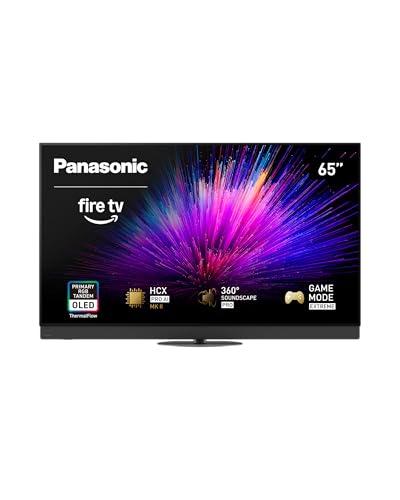

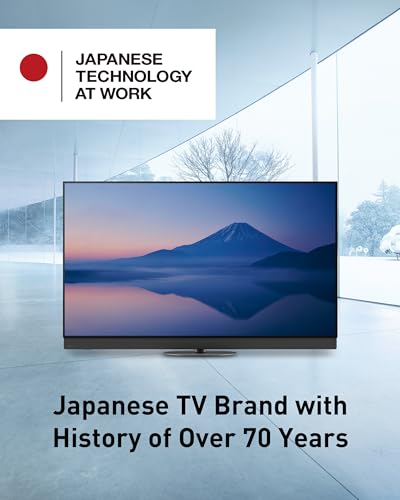
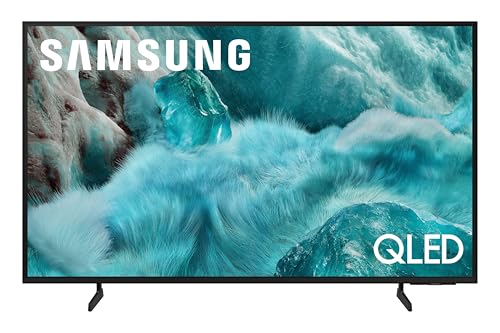
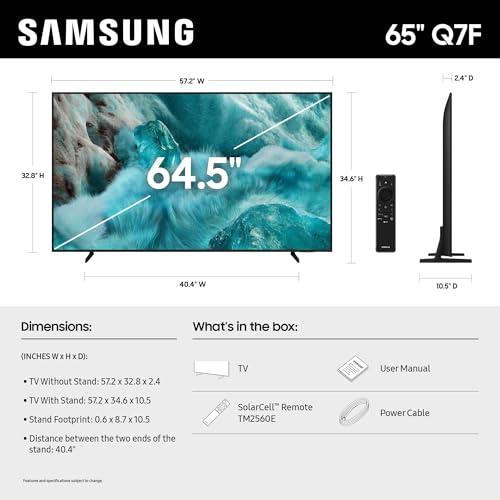
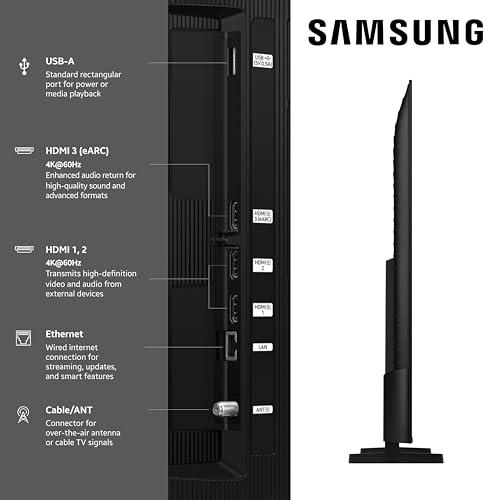
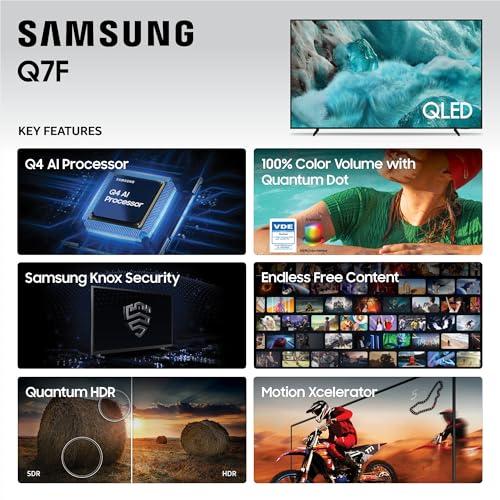

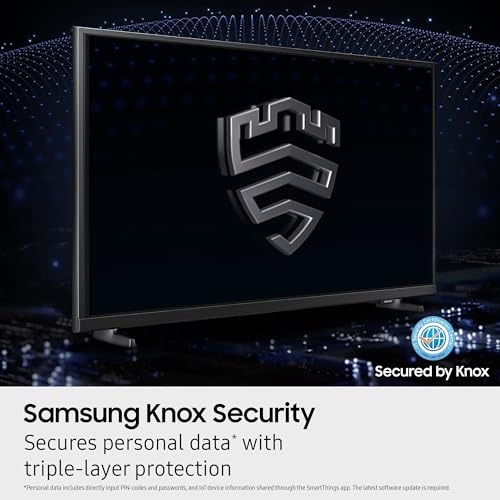

When shopping for a new TV, you'll quickly encounter two acronyms that sound similar but represent very different technologies: OLED and QLED. The Panasonic Z95B Series 65" OLED and Samsung Q7F Series 65" QLED perfectly illustrate this divide, sitting at opposite ends of the performance and price spectrum. Understanding these differences will help you make the right choice for your home and budget.
Think of OLED and QLED as two completely different approaches to creating the same end result: a bright, colorful picture on your wall. OLED (Organic Light-Emitting Diode) panels work like millions of tiny light bulbs that can turn on and off independently. When a pixel needs to show black, it simply turns off completely, creating perfect darkness. QLED (Quantum Dot LED) displays take a more traditional approach, using a backlight that shines through layers of material, including quantum dots (microscopic particles that enhance color) to reach your eyes.
This fundamental difference affects everything about how these TVs perform. The Panasonic Z95B can create true blacks that rival what you'd see in a movie theater, while the Samsung Q7F relies on its LED backlight system to approximate darkness by dimming but never fully turning off.
The television market in 2025 has become increasingly polarized between flagship models pushing technological boundaries and budget options focusing on core functionality. This creates a challenging decision: invest heavily in cutting-edge display technology or accept some compromises for significant savings.
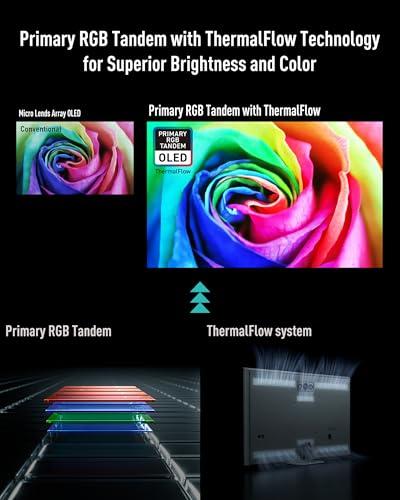
Released in 2025, the Panasonic Z95B represents a significant evolution in OLED technology. Panasonic switched from their previous MLA (Micro Lens Array) approach to what's called a Primary RGB Tandem panel - essentially a four-layer OLED structure that dramatically improves brightness and color purity. Think of it as stacking four transparent sheets of light-emitting material to create a brighter, more vibrant image.
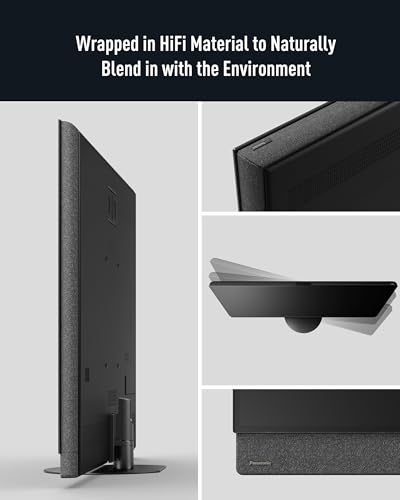
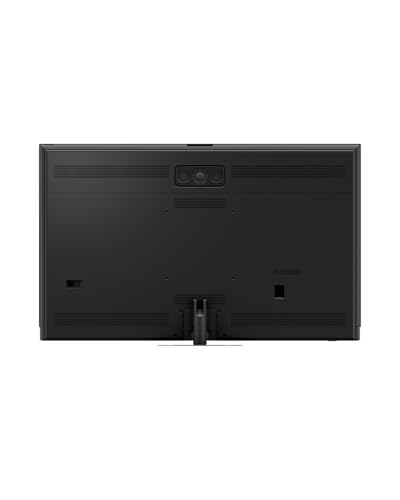
This Tandem OLED technology addresses one of the historical weaknesses of OLED displays: peak brightness. Where older OLED TVs might struggle to get bright enough for well-lit rooms, the Z95B can hit approximately 2,100 nits in small highlights - bright enough to make HDR content really pop. The ThermalFlow cooling system uses aerodynamic principles to manage heat, allowing the TV to maintain this brightness without dimming over time.
What sets Panasonic apart is their focus on color accuracy. The Z95B includes Filmmaker Mode, which displays content exactly as directors intended, and supports professional calibration standards like ISFccc certification and Calman calibration. For videophiles who care about seeing every movie and show as the creators envisioned, these features are invaluable.
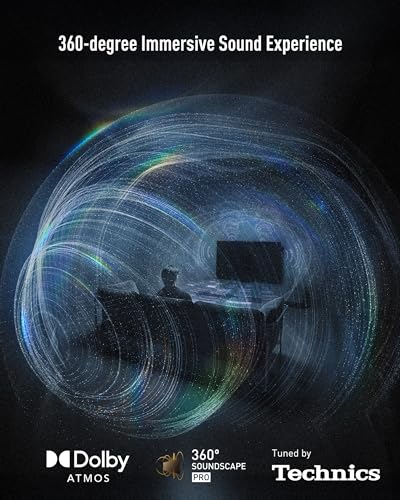
The audio system deserves special mention. Panasonic completely redesigned their speaker array for 2025, creating what they call 360° Soundscape Pro - a 5.1.2 channel system with 170 watts of power that's been tuned by Technics, their premium audio brand. This isn't just marketing speak; the built-in speakers genuinely compete with many soundbars, potentially saving you hundreds of dollars in additional audio equipment.
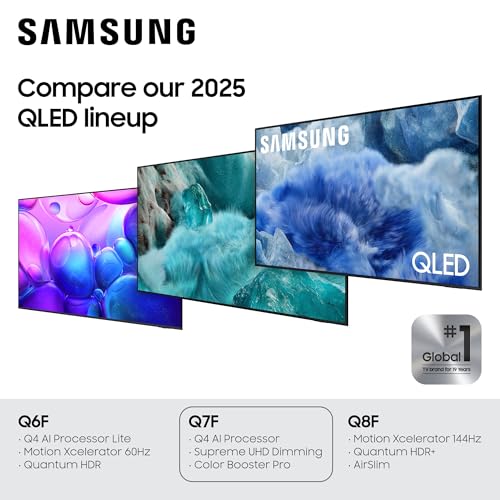
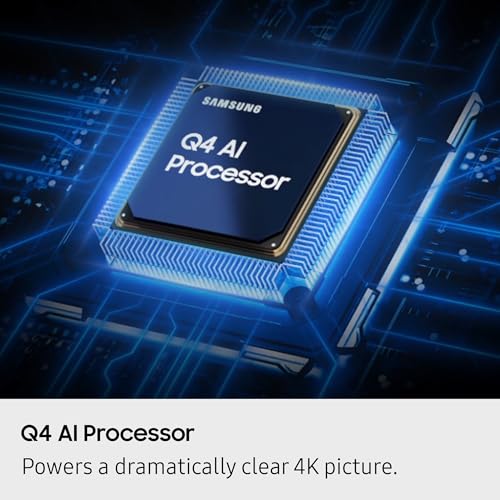
The Samsung Q7F, also released in 2025, takes a more practical approach as Samsung's entry-level QLED model. It uses Quantum Dot technology - microscopic particles that convert backlight into purer colors - combined with Samsung's Q4 AI Processor for content optimization.
At its core, this is still an LED TV with a VA panel (Vertical Alignment, which provides better contrast than IPS panels but narrower viewing angles) and Direct LED backlighting. The quantum dots help create more vibrant colors than standard LED TVs, particularly in brighter scenes, while the Supreme UHD Dimming attempts to improve contrast by adjusting backlight zones, though without true local dimming.
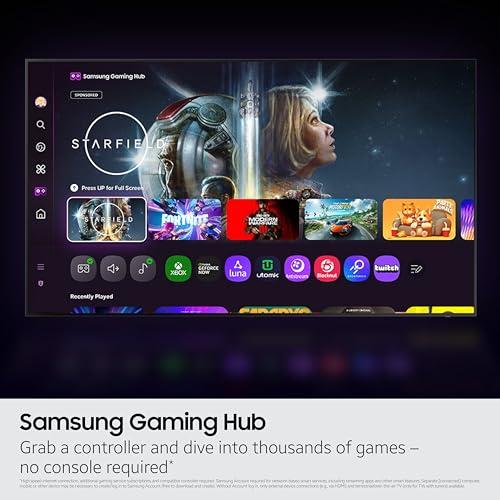
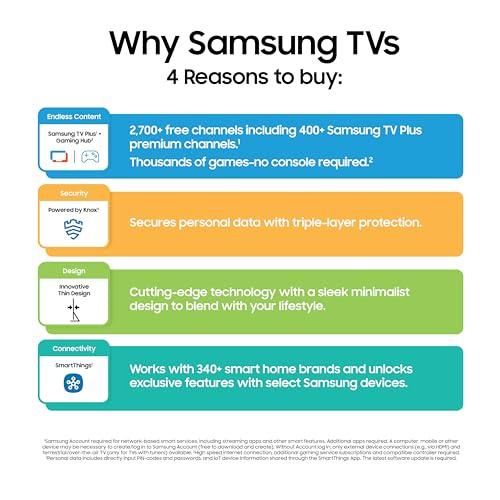
The Samsung Q7F's strength lies in its smart platform. Tizen OS has matured into one of the most comprehensive smart TV experiences, with excellent app support, Samsung TV Plus (free streaming channels), and integration with Samsung's ecosystem through SmartThings. The interface feels responsive and intuitive, making daily use pleasant.
Samsung includes Object Tracking Sound Lite (OTS Lite), which tries to match audio movement to what's happening on screen, though with only 20 watts of 2.0 channel audio, the implementation is more modest than Panasonic's approach.
The picture quality difference between these TVs is substantial and immediately noticeable. The Panasonic Z95B's OLED panel delivers infinite contrast ratio - when something should be black, it's truly black, not the dark gray you get from LED backlights. This creates a sense of depth and realism that's particularly striking in dark scenes or movies with lots of shadow detail.
Color reproduction on the Z95B excels across all brightness levels. The Primary RGB Tandem structure means colors stay accurate whether they're dim or bright, something that's crucial for proper HDR (High Dynamic Range) performance. When watching content mastered in Dolby Vision IQ or HDR10+ Adaptive, the difference is dramatic - highlights genuinely sparkle while maintaining detail in shadows.
The Samsung Q7F handles color well in standard dynamic range content, with quantum dots providing more saturated colors than basic LED TVs. However, without local dimming (the ability to darken specific screen areas), black levels appear grayish, and contrast suffers. In bright rooms, this matters less, but for movie watching in darker environments, the limitation becomes apparent.
Viewing angles represent another significant difference. The Z95B's OLED panel maintains color accuracy and contrast from virtually any seating position, while the Q7F's VA panel shows color shifting and brightness reduction when viewed from the sides. For families with wide seating arrangements, this could influence daily enjoyment.
Both TVs handle 4K upscaling (converting lower-resolution content to match the 4K screen) competently, though the Z95B's HCX Pro AI Processor MK II does more sophisticated processing, particularly for streaming content that often suffers from compression artifacts.
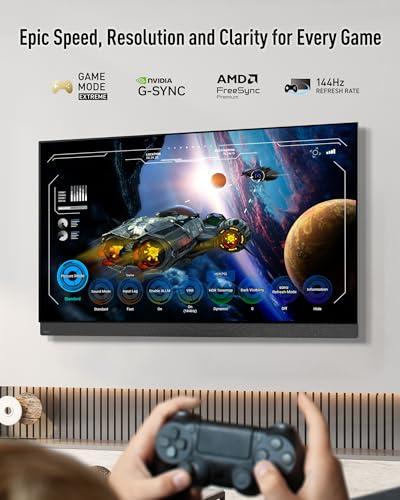
Gaming capabilities reveal perhaps the starkest difference between these TVs. The Panasonic Z95B embraces modern gaming standards with two HDMI 2.1 ports supporting 4K @ 144Hz, Variable Refresh Rate (VRR), and compatibility with both AMD FreeSync Premium and NVIDIA G-SYNC. These features eliminate screen tearing (visual artifacts from mismatched frame rates) and provide smoother gameplay, particularly important for competitive gaming or enjoying the full capabilities of PlayStation 5 and Xbox Series X consoles.
Input lag (the delay between controller input and screen response) measures around 12ms on the Z95B in Game Mode Extreme, which is excellent for responsive gaming. The OLED panel's near-instantaneous pixel response time means fast-moving objects appear sharp without motion blur.
The Samsung Q7F offers basic gaming functionality with approximately 10ms input lag and Auto Low Latency Mode (ALLM), which automatically switches to game mode when detecting console input. However, it's limited to 4K @ 60Hz and lacks VRR or advanced gaming features. For casual gaming, this works fine, but serious gamers will feel the limitations.
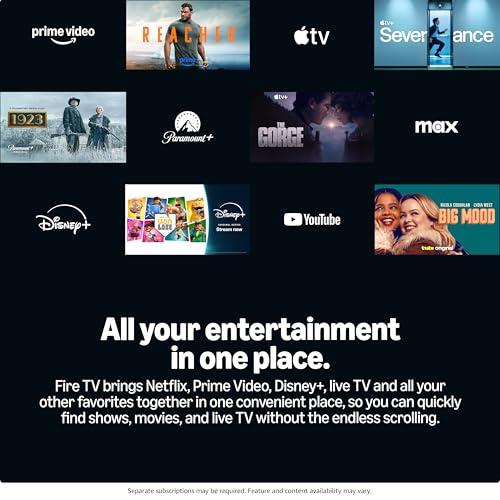
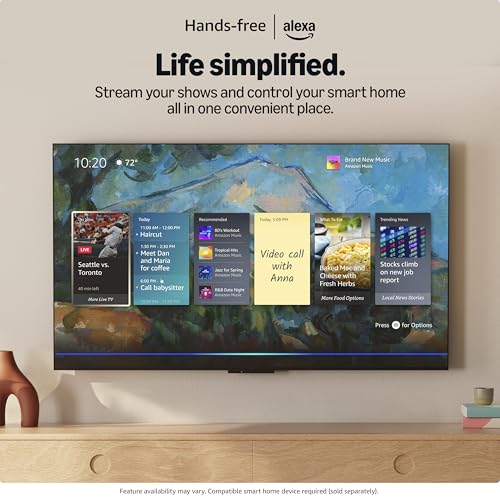
Both TVs run mature smart platforms, though with different philosophies. The Z95B's Fire TV integration provides deep Amazon ecosystem connectivity with hands-free Alexa voice control and personalized content recommendations that blend streaming services with your viewing habits. The interface prioritizes content discovery over app organization, which some users love for its simplicity while others find cluttered.
Samsung's Tizen OS on the Q7F takes a more traditional approach with clear app organization, excellent Multi-View capabilities (watching two sources simultaneously), and broad compatibility with streaming services. The platform feels responsive and includes Samsung's free TV Plus streaming service with hundreds of channels.
Both platforms support major streaming apps, though Fire TV sometimes gets Amazon's services (like Prime Video features) first, while Tizen occasionally has broader app compatibility. For most users, either platform will handle daily streaming needs effectively.
Audio represents one area where the price difference becomes most apparent. The Panasonic Z95B's 360° Soundscape Pro system genuinely delivers room-filling sound that competes with dedicated soundbars. The 5.1.2 channel Dolby Atmos implementation with 170 watts creates height effects and spatial audio that enhances both movies and gaming. For many users, this eliminates the need for additional audio equipment.
The Samsung Q7F's 20-watt speakers provide clear dialogue and adequate volume for most viewing but lack bass depth and maximum loudness needed for immersive experiences. The Q-Symphony feature allows pairing with Samsung soundbars for improved performance, but this represents additional cost.
Room lighting significantly affects TV choice. The Samsung Q7F can achieve higher overall screen brightness, making it potentially better for very bright rooms where glare might overpower dimmer displays. However, the Z95B's ThermalFlow cooling allows sustained brightness that many OLED TVs can't maintain, and its superior reflection handling often provides better real-world visibility.
For dedicated home theater environments, the Z95B's perfect blacks create the cinematic experience that LED TVs cannot match. The ability to display true darkness makes every other color appear more vibrant and realistic.
At the time of writing, these TVs represent dramatically different value propositions. The Panasonic Z95B costs several times more than the Samsung Q7F, making it a significant investment that needs to align with viewing priorities and budget.
The Z95B justifies its premium through superior display technology, professional-grade features, premium audio, and future-proof connectivity. For enthusiasts who prioritize picture quality above all else, or those planning to use the TV heavily for gaming or home theater, the investment makes sense.
The Samsung Q7F delivers solid 4K performance at an accessible price point. While it lacks premium features, it handles everyday viewing tasks well and includes quantum dot enhancement that improves colors over basic LED TVs. The savings could fund a separate soundbar or other home entertainment equipment.
For dedicated home theater setups, the Panasonic Z95B offers several advantages that matter in darkened viewing environments. The perfect black levels create the contrast ratio that makes movies look truly cinematic, while the professional calibration features ensure accurate color reproduction that matches the filmmaker's intent.
The Filmmaker Mode automatically adjusts settings when detecting compatible content, eliminating the over-processed "soap opera effect" that many TVs introduce. Combined with support for all major HDR formats including Dolby Vision IQ, the viewing experience closely matches professional cinema standards.
The built-in audio system's Dolby Atmos implementation provides height effects that create immersion without the complexity of a multi-speaker setup. For apartment dwellers or those who can't install ceiling speakers, this integrated approach delivers much of the surround sound experience.
The decision between these TVs depends on your priorities, viewing habits, and budget. Choose the Panasonic Z95B if picture quality matters most, if you're a serious gamer wanting modern features, if you plan to use the TV for home theater viewing, or if you prefer integrated premium audio over external solutions.
The Samsung Q7F makes sense for budget-conscious buyers who want 4K smart TV functionality, families needing a reliable TV for general entertainment, those viewing primarily in bright rooms, or buyers who plan to invest savings in external audio equipment.
Both represent solid choices within their categories, but they serve fundamentally different needs. The technology gap is significant and immediately noticeable in side-by-side comparisons, but the Q7F still delivers a satisfying viewing experience for its intended market.
Consider your viewing environment, content preferences, and long-term satisfaction when making this investment. A TV typically serves households for 7-10 years, making the decision an important one that should align with how you'll actually use the display day-to-day.
| Panasonic Z95B Series 65" OLED 4K Smart Fire TV | Samsung 65-Inch Q7F Series QLED Smart TV 2025 Display |
|---|---|
| Display Technology - The foundation that determines picture quality | |
| Primary RGB Tandem OLED (4-layer panel with perfect blacks) | QLED with Quantum Dots (LED backlight with color enhancement) |
| Peak Brightness - Critical for HDR impact and bright room viewing | |
| ~2,100 nits in highlights (excellent for most rooms) | Lower peak brightness but higher overall screen brightness |
| Contrast Ratio - Most important factor for picture depth and realism | |
| Infinite contrast (true blacks, no backlight bleed) | Limited contrast due to LED backlight (blacks appear gray) |
| Gaming Features - Essential for modern console compatibility | |
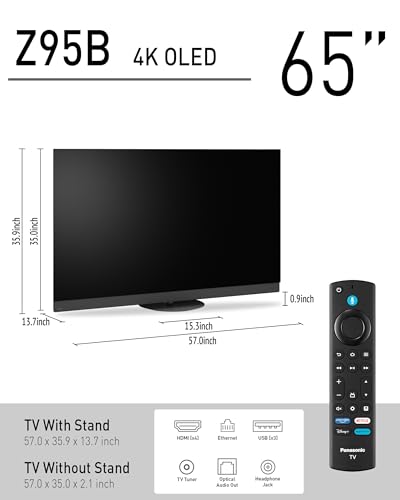
| 2x HDMI 2.1, 4K @ 144Hz, VRR, FreeSync Premium, G-SYNC | Basic gaming: 4K @ 60Hz, ALLM, no VRR or HDMI 2.1 |
| Input Lag - Lower is better for responsive gaming | |
| ~12ms (excellent for competitive gaming) | ~10ms (good for casual gaming) |
| HDR Format Support - Determines compatibility with premium content | |
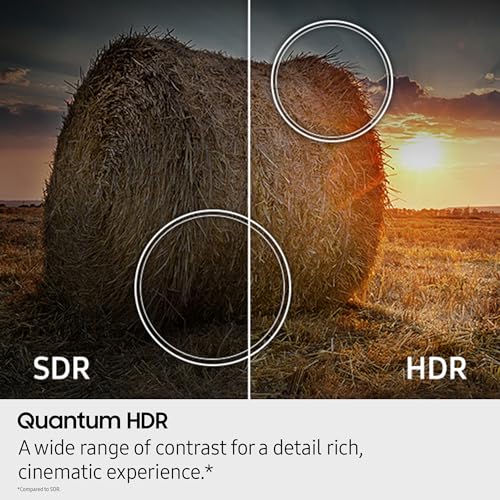
| Dolby Vision IQ, HDR10+ Adaptive, HDR10, HLG | Quantum HDR, HDR10+ (no Dolby Vision support) |
| Audio System - Built-in sound quality affects need for soundbar | |
| 360° Soundscape Pro: 5.1.2 channels, 170W, Dolby Atmos | Basic 2.0 channels, 20W (soundbar recommended) |
| Smart TV Platform - Daily interface and app experience | |
| Fire TV with hands-free Alexa integration | Tizen OS with Samsung TV Plus and SmartThings |
| Viewing Angles - Important for wide seating arrangements | |
| Excellent (OLED maintains quality from any angle) | Limited (VA panel shows color shift from sides) |
| Professional Calibration - Matters for videophiles and color accuracy | |
| Filmmaker Mode, ISFccc certified, Calman support | Basic Smart Calibration only |
| Local Dimming - Affects contrast and backlight control | |
| Per-pixel control (each pixel dims independently) | No local dimming (entire backlight dims together) |
| Burn-in Risk - Long-term durability consideration | |
| Potential risk with static content (modern panels very resistant) | No burn-in risk with LED technology |
| Refresh Rate - Smooth motion for sports and gaming | |
| Up to 144Hz (excellent for high-end gaming) | 60Hz (adequate for most content) |
| Processor - Affects upscaling and AI picture enhancement | |
| HCX Pro AI Processor MK II (advanced processing) | Q4 AI Processor (basic AI enhancement) |
| Color Accuracy - Professional content creation and reference viewing | |
| PANTONE Validated, cinema-grade calibration | Good consumer-level color reproduction |
The Panasonic Z95B Series 65" OLED uses self-emitting pixels that can turn completely off for perfect blacks, while the Samsung Q7F Series QLED uses LED backlighting with quantum dot enhancement. This means the Panasonic delivers superior contrast and deeper blacks, while the Samsung offers higher overall brightness at a more budget-friendly price point.
The Panasonic Z95B OLED is significantly better for dark room viewing and home theater setups. Its OLED technology produces true blacks without any backlight bleed, creating the cinematic contrast that makes movies look more realistic. The Samsung Q7F's LED backlight can't achieve the same level of darkness, making blacks appear grayish in comparison.
The Panasonic Z95B offers full next-gen gaming support with two HDMI 2.1 ports, 4K @ 144Hz, Variable Refresh Rate (VRR), and ultra-low input lag. The Samsung Q7F provides basic gaming functionality with low input lag but is limited to 4K @ 60Hz and lacks VRR or HDMI 2.1 features that maximize modern console performance.
The Samsung Q7F QLED achieves higher overall screen brightness, making it potentially better for very bright rooms with lots of windows. However, the Panasonic Z95B reaches impressive peak brightness levels (around 2,100 nits) in highlights and handles reflections well, making it suitable for most lighting conditions.
Both TVs offer excellent smart features. The Panasonic Z95B runs Fire TV with hands-free Alexa integration and deep Amazon ecosystem connectivity. The Samsung Q7F uses Tizen OS with Samsung TV Plus free channels, Multi-View capability, and SmartThings smart home integration. Both platforms support all major streaming apps effectively.
The Panasonic Z95B OLED has dramatically superior audio with its 360° Soundscape Pro system featuring 5.1.2 channels, 170W output, and Dolby Atmos support. This often eliminates the need for a separate soundbar. The Samsung Q7F has basic 20W speakers that provide clear dialogue but will likely require a soundbar for immersive audio experiences.
The Panasonic Z95B's OLED technology delivers perfect blacks, infinite contrast, and accurate colors at all brightness levels, creating more realistic and immersive images. The Samsung Q7F's QLED provides vibrant colors and good brightness but can't match OLED's contrast performance, with blacks appearing gray rather than true black.
OLED panels like the Panasonic Z95B have potential burn-in risk with static content, though modern panels are highly resistant. The Samsung Q7F QLED has no burn-in concerns due to its LED technology. Both TVs should provide many years of reliable service with normal viewing habits.
This depends on your priorities and budget. The Samsung Q7F offers excellent value for budget-conscious buyers wanting solid 4K performance and smart features. The Panasonic Z95B justifies its premium pricing through superior picture quality, advanced gaming features, and premium audio that may eliminate additional equipment costs.
The Panasonic Z95B OLED maintains excellent picture quality from any viewing angle, making it ideal for wide seating arrangements. The Samsung Q7F's VA panel shows color shifting and brightness reduction when viewed from the sides, which may affect enjoyment for viewers not seated directly in front of the screen.
The Panasonic Z95B provides superior HDR performance with support for Dolby Vision IQ, HDR10+ Adaptive, and professional calibration features that ensure content appears as filmmakers intended. The Samsung Q7F supports HDR10+ but lacks Dolby Vision and doesn't have the contrast capability to fully showcase HDR's dynamic range benefits.
Choose the Panasonic Z95B OLED if you prioritize picture quality, have a dedicated home theater space, are a serious gamer, or want premium built-in audio. Select the Samsung Q7F QLED if you need a reliable 4K TV at a budget-friendly price, view primarily in bright rooms, or prefer to invest savings in external audio equipment.
We've done our best to create useful and informative comparisons to help you decide what product to buy. Our research uses advanced automated methods to create this comparison and perfection is not possible - please contact us for corrections or questions. These are the sites we've researched in the creation of this article: rtings.com - whathifi.com - techradar.com - tomsguide.com - youtube.com - youtube.com - youtube.com - avsforum.com - bestbuy.com - manuals.plus - na.panasonic.com - panasonic.com - displayspecifications.com - valueelectronics.com - flatpanelshd.com - valueelectronics.com - displayspecifications.com - flatpanelshd.com - bestbuy.com - rtings.com - bestbuy.com - youtube.com - youtube.com - youtube.com - samsung.com - samsung.com - samsung.com - billsmith.com - costco.com - samsung.com - hometechnologyreview.com - hometechnologyreview.com - bestbuy.com - samsung.com - bestbuy.com - samsung.com - hometechnologyreview.com - samsung.com - samsung.com

Privacy Policy
Terms and Conditions - Affiliate Policy
Home Security
© Copyright 2008-2026.
11816 Inwood Rd #1211, Dallas, TX 75244