




Shopping for a 65-inch 4K TV without breaking the bank can feel overwhelming, especially when you're comparing models that seem similar on paper but take completely different approaches under the hood. The Samsung 65-Inch Q7F Series QLED Smart TV 2025 Display and Sony BRAVIA 2 II 65" 4K LED Google TV 2025 both launched in 2025 as entry-level options from their respective manufacturers, but they represent two distinct philosophies in budget TV design.
At the time of writing, both TVs are priced competitively in the $600-650 range, making this a genuine head-to-head comparison where the winner comes down to what matters most to you. After researching professional reviews and analyzing user feedback from thousands of buyers, I've found that your choice ultimately depends on whether you prioritize eye-catching color enhancement or overall versatility and value.
The budget 4K TV market has evolved significantly since the early days of 4K adoption. Back in 2020, you'd be lucky to find decent smart TV features and basic HDR support at this price point. By 2025, both the Samsung Q7F and Sony BRAVIA 2 II include advanced processors, comprehensive streaming platforms, and HDR support as standard features.
However, "budget" still means compromises. Neither TV includes local dimming (individual control of backlight zones for better contrast), HDMI 2.1 ports for next-gen gaming, or premium HDR formats like Dolby Vision. The key is understanding where each manufacturer chose to allocate their limited budget to deliver the best possible experience.
The most important considerations at this price point include picture quality fundamentals like brightness, contrast, and color accuracy, smart TV platform capabilities, built-in audio performance, and connectivity options. Premium gaming features and cutting-edge HDR performance simply aren't realistic expectations here, though both TVs handle casual gaming adequately.
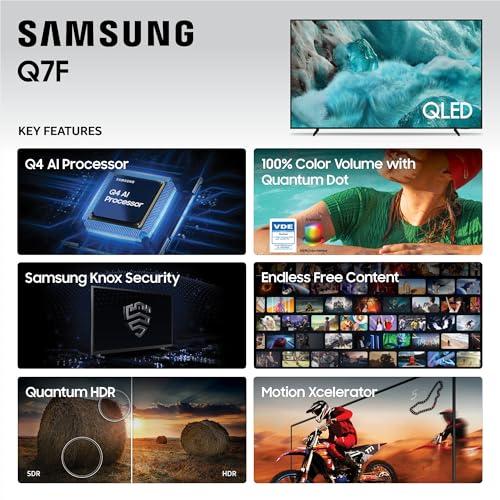
The Samsung Q7F takes the flashier approach with QLED technology, which stands for Quantum Dot Light Emitting Diode. Don't let the marketing confuse you – this isn't the same as true QLED displays found in premium TVs. Instead, Samsung uses a quantum dot film layer that sits in front of the LED backlight to enhance color production.
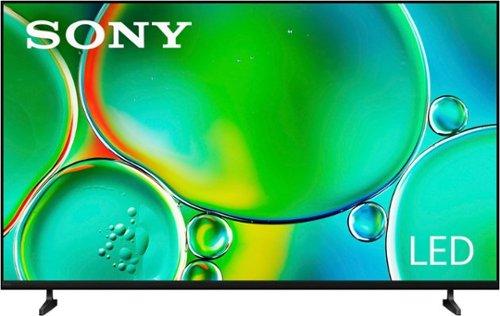
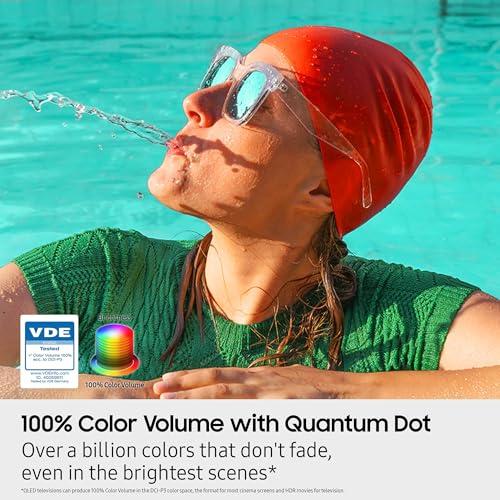
Think of quantum dots as tiny particles that act like color filters, converting blue LED light into more precise red and green wavelengths. This process allows the Samsung Q7F to achieve what Samsung calls "100% Color Volume" – essentially meaning it can display vibrant colors even at high brightness levels. The result is immediately noticeable: colors pop off the screen with a saturation and intensity that looks almost artificial in the best way possible.
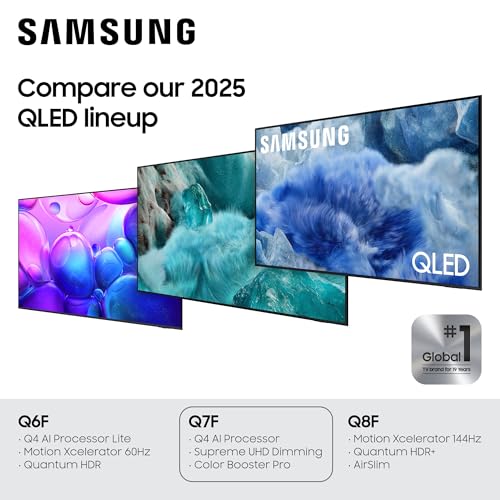
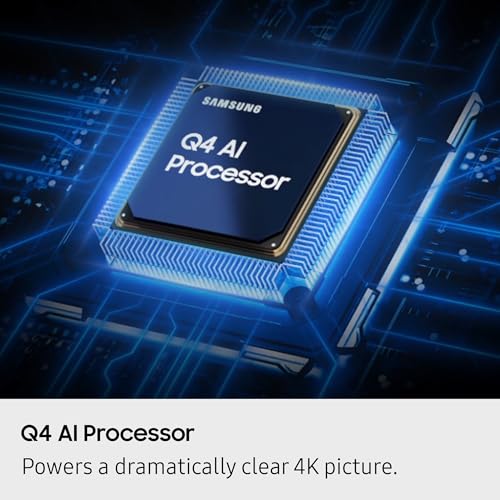
Samsung's Q4 AI Processor handles the heavy lifting for image processing. This chip analyzes each scene in real-time, applying different enhancements for faces, landscapes, text, and other content types. The "AI" designation isn't just marketing speak – the processor actually learns and adapts its processing based on what you're watching, though it's not as sophisticated as the processors found in Samsung's flagship models.
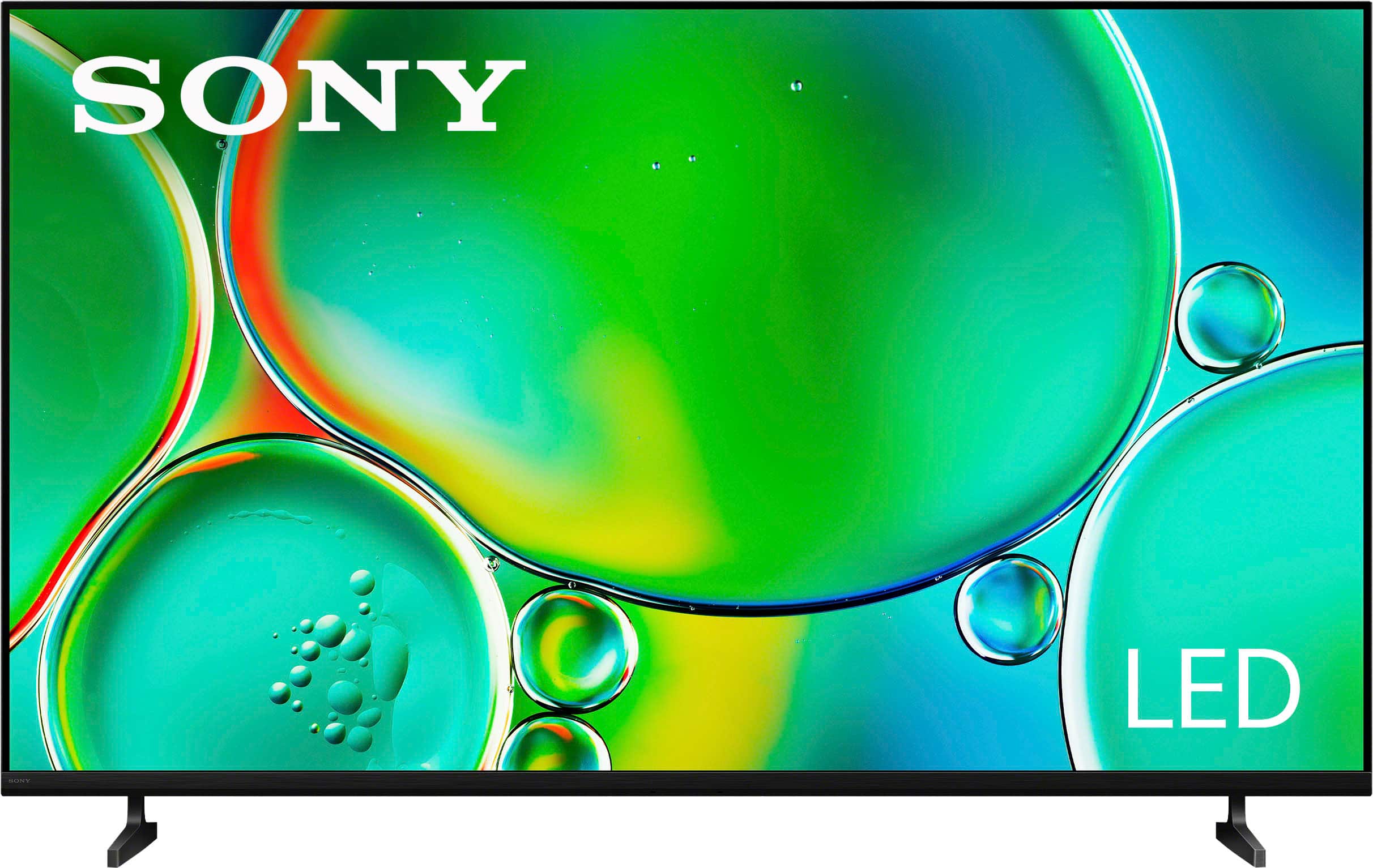
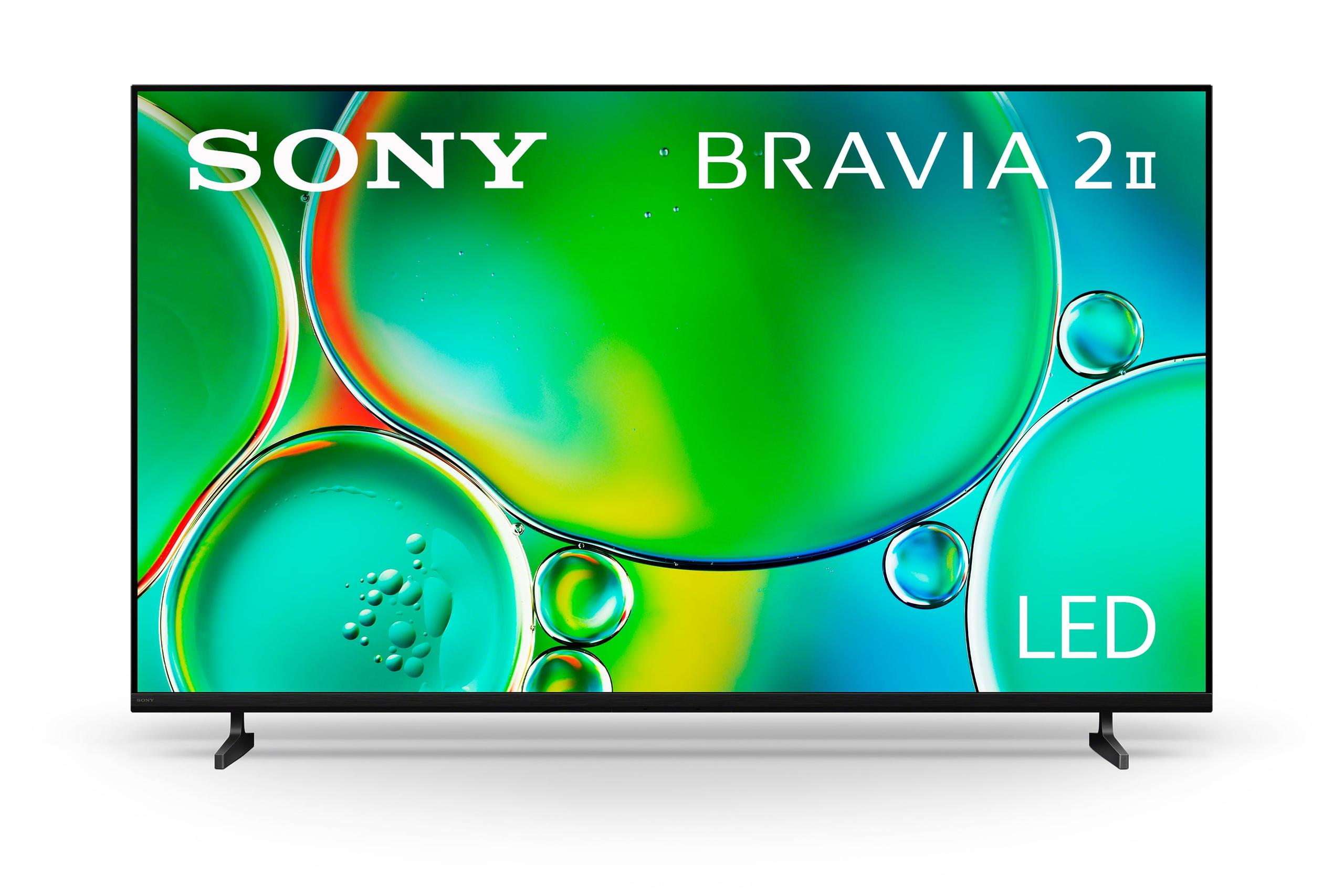
The Sony BRAVIA 2 II takes a more traditional but refined approach with Direct LED backlighting and no quantum dot enhancement. Instead, Sony relies on what they do best: image processing algorithms developed over decades of professional display manufacturing.
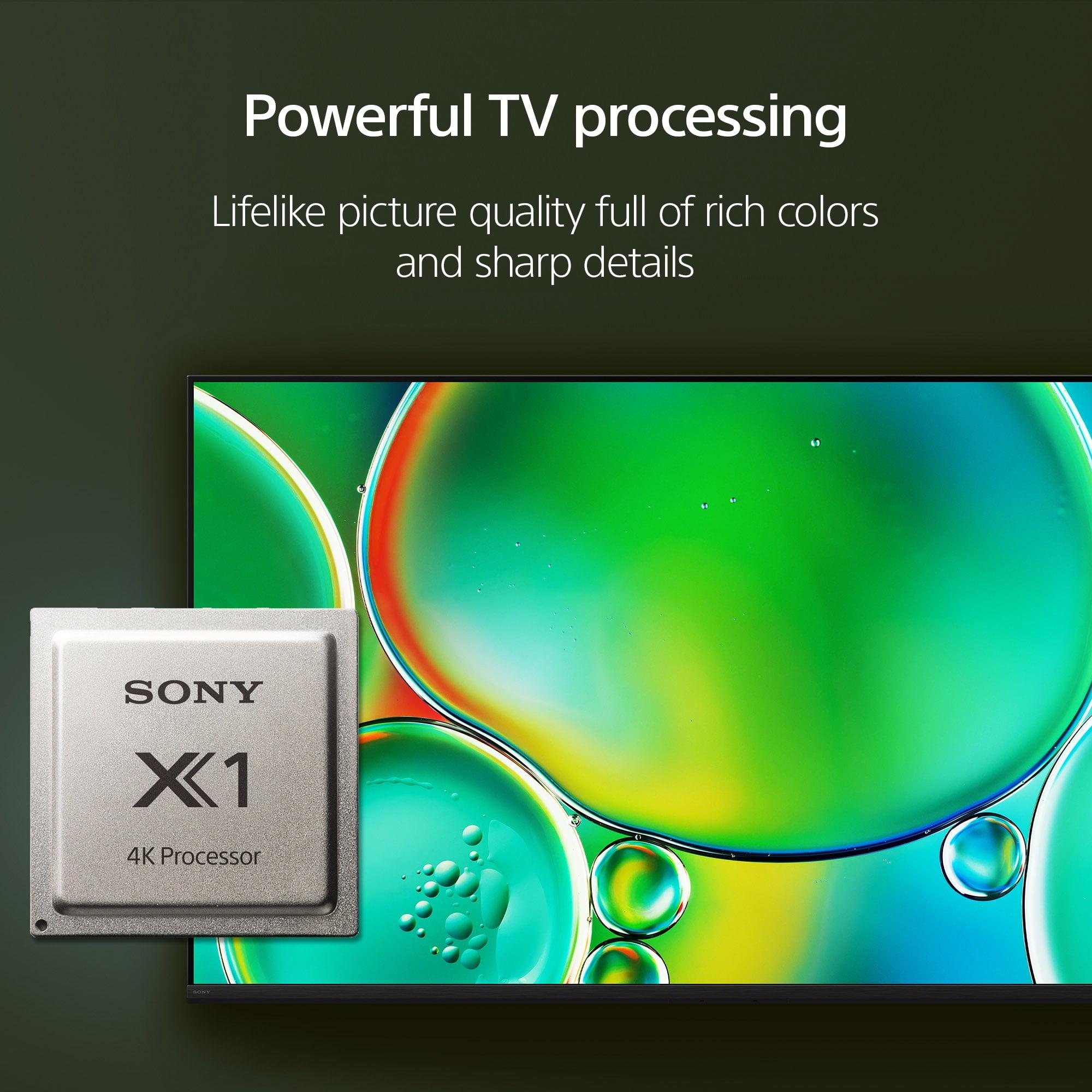
The 4K Processor X1 might sound less impressive than Samsung's AI processor, but it brings some serious technical chops. The standout feature is 4K X-Reality PRO, which uses a massive database of image patterns to upscale lower-resolution content. When you're watching a 1080p Netflix show or a cable TV program, this processor analyzes the image and compares it against millions of reference patterns to intelligently add detail and sharpness.
Sony's Live Color technology works differently than Samsung's quantum dots. Instead of physically altering the light spectrum, it uses mathematical algorithms to expand the color gamut (the range of colors the TV can display) and ensure accurate color reproduction. The result is more natural-looking colors that may seem less vibrant initially but tend to be more accurate to the filmmaker's intent.
This is where the fundamental difference between these TVs becomes most apparent. The Samsung Q7F absolutely dominates in color saturation and vibrancy. Watching nature documentaries, animated movies, or colorful sports broadcasts reveals colors that seem to leap off the screen. The quantum dot technology isn't just marketing – it genuinely produces a wider color gamut than traditional LED TVs.
However, "more colorful" doesn't always mean "better." The Sony BRAVIA 2 II focuses on color accuracy instead of saturation. Colors look more natural and true-to-life, which can actually be preferable for movies and dramas where realistic skin tones and natural environments matter more than eye-popping vibrancy.
Based on professional calibration reviews, the Samsung Q7F tends to oversaturate reds and greens slightly, while the Sony BRAVIA 2 II tracks much closer to industry color standards. If you're coming from an older TV, the Samsung will likely impress you immediately. If you're sensitive to color accuracy or plan to use the TV for movie nights, Sony's approach might be more appealing long-term.
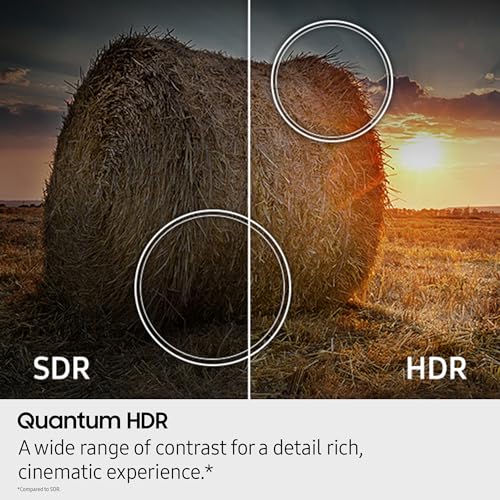
Both TVs face the same fundamental limitation: they're not bright enough for truly impactful HDR (High Dynamic Range) performance. HDR content is mastered for displays that can reach 1000+ nits of brightness, but entry-level TVs typically max out around 300-400 nits. This means HDR content will look better than standard content, but you won't get the dramatic contrast and blinding highlights that make premium TVs so impressive.
The Samsung Q7F supports HDR10+ (an advanced version of HDR that adjusts brightness scene-by-scene), while the Sony BRAVIA 2 II supports standard HDR10 and HLG (the broadcast HDR standard). Neither supports Dolby Vision, which is the most advanced HDR format. In practice, both handle HDR content adequately for their brightness limitations, though the Samsung's quantum dots help maintain color vibrancy in HDR scenes better than the Sony.
More importantly, both TVs lack local dimming – the ability to independently control different areas of the backlight. This means black areas of the screen appear gray rather than true black, significantly limiting contrast performance. It's a major compromise at this price point, but it affects both TVs equally.
Both TVs are limited to 60Hz refresh rates, which means they display 60 frames per second maximum. This is perfectly adequate for movies (filmed at 24fps) and most TV content, but fast sports and action scenes can show motion blur.
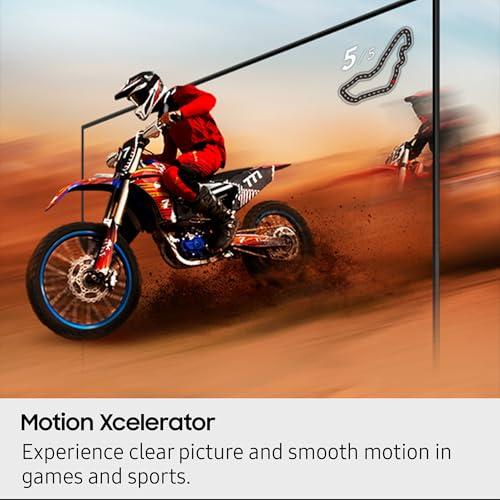
The Samsung Q7F uses Motion Xcelerator technology to reduce judder (the stuttering effect when 24fps movies are displayed on 60Hz screens) and minimize motion blur. The Sony BRAVIA 2 II employs Motionflow XR, which increases the apparent frame rate through interpolation – essentially creating intermediate frames between the original frames to smooth motion.
In real-world testing by reviewers, both systems perform similarly for typical viewing. Sports fans might notice slightly smoother motion on the Sony due to its more aggressive processing, but both TVs handle football, basketball, and other fast sports adequately for casual viewing.
This is where the Sony BRAVIA 2 II shows its strength. Sony's 4K X-Reality PRO technology is genuinely impressive at making lower-resolution content look sharper and more detailed. Whether you're watching cable TV, older Netflix shows, or DVDs, the Sony consistently produces cleaner, more detailed images than the Samsung.
The Samsung Q7F's Q4 processor provides competent upscaling, but it's not as sophisticated as Sony's database-driven approach. If you watch a lot of non-4K content – which, let's be honest, is still most of what we watch – this is a meaningful advantage for the Sony.
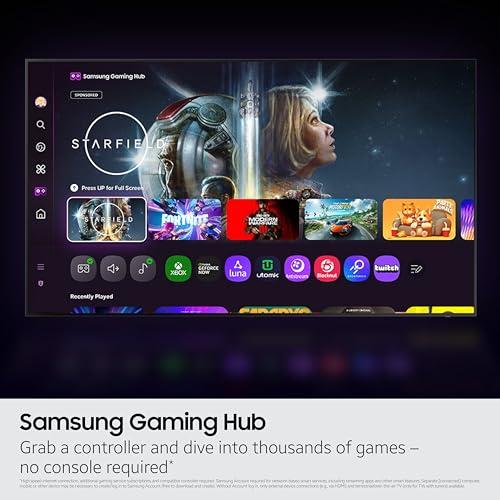
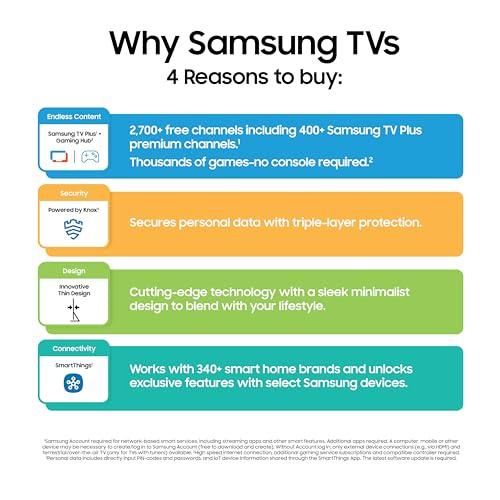
The Samsung Q7F runs a simplified version of Samsung's Tizen operating system. It includes all the major streaming apps you'd expect – Netflix, Disney+, Amazon Prime Video, YouTube, and dozens more. Samsung TV Plus provides free ad-supported channels, which is genuinely useful for background viewing or news.
However, this isn't the full Tizen experience you'd get on Samsung's premium TVs. The interface feels somewhat stripped down, and app loading can be sluggish compared to more powerful Samsung models. The voice control works well with both Samsung's Bixby and Amazon's Alexa, but it's not as responsive as dedicated smart speakers.
Where Tizen shines is Samsung ecosystem integration. If you have Samsung phones, tablets, or other smart home devices, the Samsung Q7F acts as a hub that can control lights, thermostats, and other SmartThings-compatible devices directly from your TV.
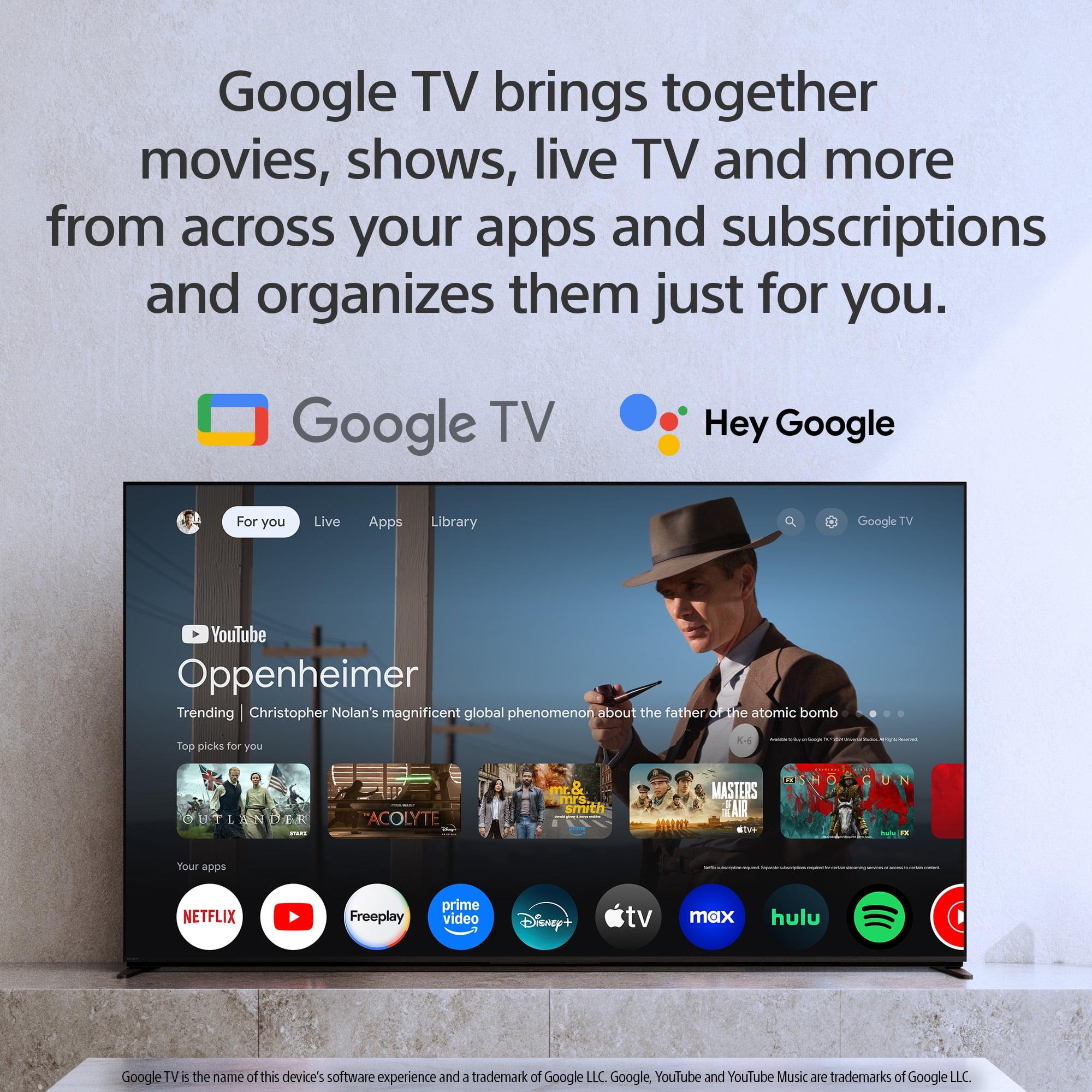
The Sony BRAVIA 2 II runs Google TV, which has evolved into one of the most comprehensive smart TV platforms available. The interface aggregates content from multiple streaming services, creating personalized recommendations that actually work well. Instead of opening Netflix, then Hulu, then Disney+ to browse for something to watch, Google TV presents options from all your subscribed services in one unified interface.
Google Assistant integration is notably better than Samsung's voice control. You can ask complex questions like "Show me action movies from the 1990s on Netflix" and get relevant results. The voice search accuracy is excellent, and you can control smart home devices, check weather, and perform web searches directly from the TV.
App selection is comprehensive, and the platform feels more responsive than Samsung's Tizen implementation. Google's recommendation algorithm learns your preferences over time, making content discovery genuinely helpful rather than just showing you what's popular.
This is where the Sony BRAVIA 2 II establishes a significant advantage. Sony includes 40W speakers compared to the Samsung Q7F's 20W system – double the power output. More importantly, Sony's speakers support Dolby Atmos and DTS:X, which create a more immersive soundstage even with the TV's built-in speakers.
The Open Baffle speaker design in the Sony allows for better sound dispersion, creating a wider soundstage that makes dialogue clearer and music more engaging. Sony's Clear Phase technology adjusts timing between different audio elements to improve acoustic harmony – it's a subtle but noticeable improvement over basic TV speakers.
The Samsung Q7F's audio isn't terrible, but it's clearly designed with the assumption that most users will add a soundbar. The 20W output is adequate for casual viewing but lacks the dynamic range and clarity for movie nights or music listening.
If you're planning to add external audio anyway, this difference matters less. But for users who want decent sound straight out of the box, the Sony is significantly better.
Neither TV is designed for serious gaming, but both handle casual gaming adequately with some important differences.
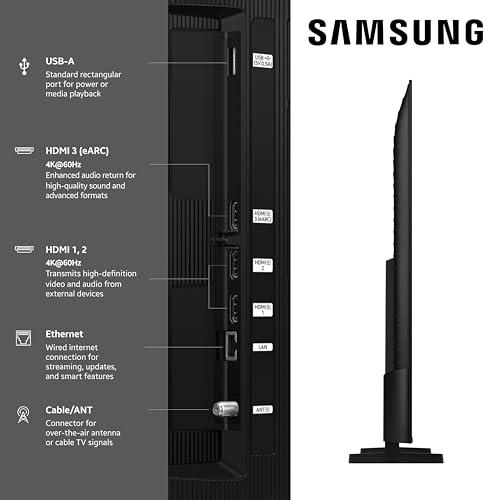
The Samsung Q7F includes Auto Low Latency Mode (ALLM), which automatically switches to game mode when it detects a gaming console. However, it's severely limited by only having three HDMI ports, which becomes problematic if you have multiple gaming consoles, a soundbar, and a streaming device.
A significant issue emerged with the Samsung Q7F in mid-2025: Samsung removed proper HGIG (HDR Gaming Interest Group) support through a firmware update. HGIG is crucial for proper HDR calibration in games, and its removal means many games won't display at correct brightness levels. This particularly affects newer consoles like the Nintendo Switch 2.
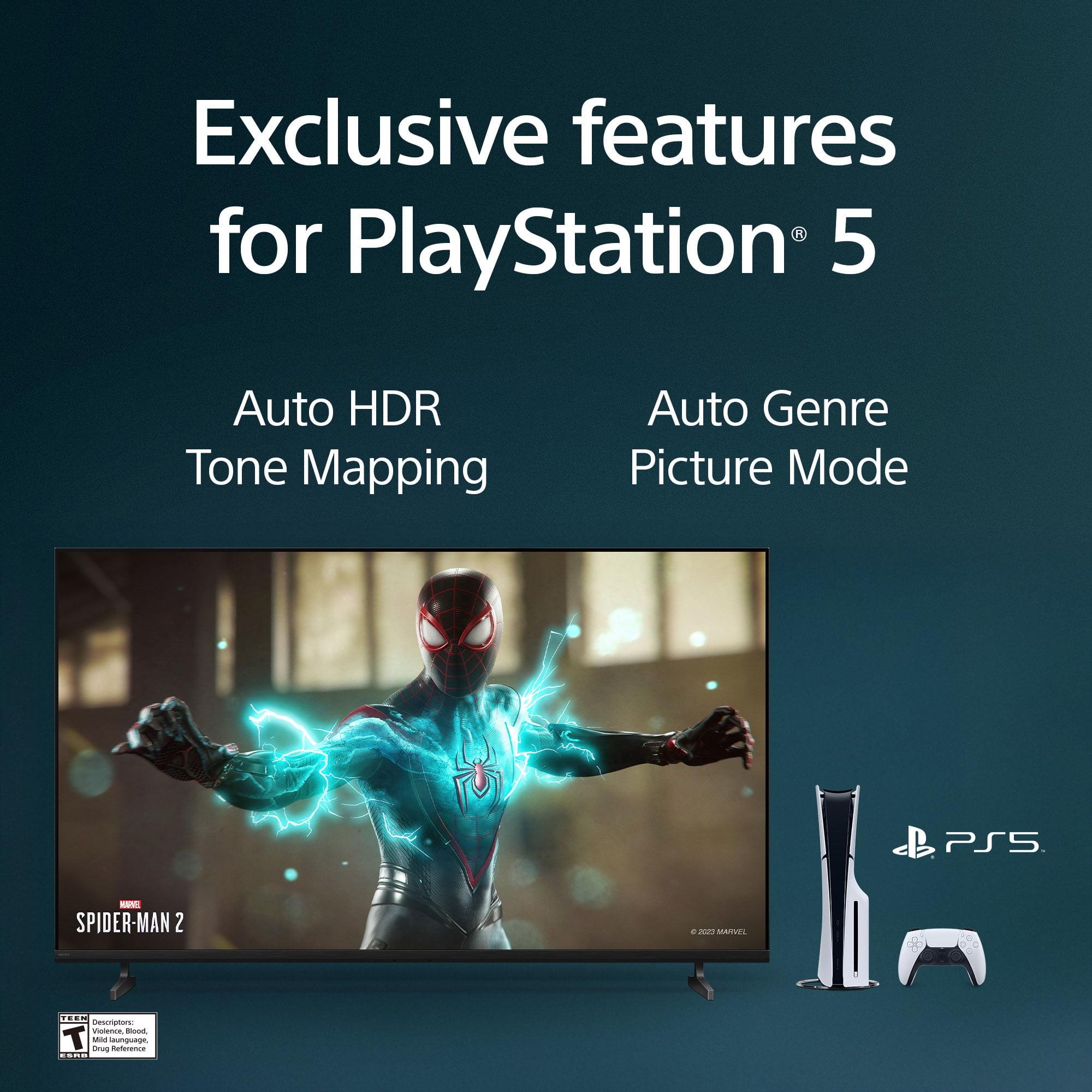
The Sony BRAVIA 2 II offers four HDMI ports (a major advantage) and includes specific PlayStation 5 optimization features like Auto HDR Tone Mapping and Auto Genre Picture Mode. These features automatically adjust picture settings when gaming, providing better visual quality without manual tweaking.
Both TVs are limited to 60Hz refresh rates and lack Variable Refresh Rate (VRR) support, so don't expect smooth 120fps gaming. But for casual gaming at 60fps, both perform adequately with good input lag performance in game mode.
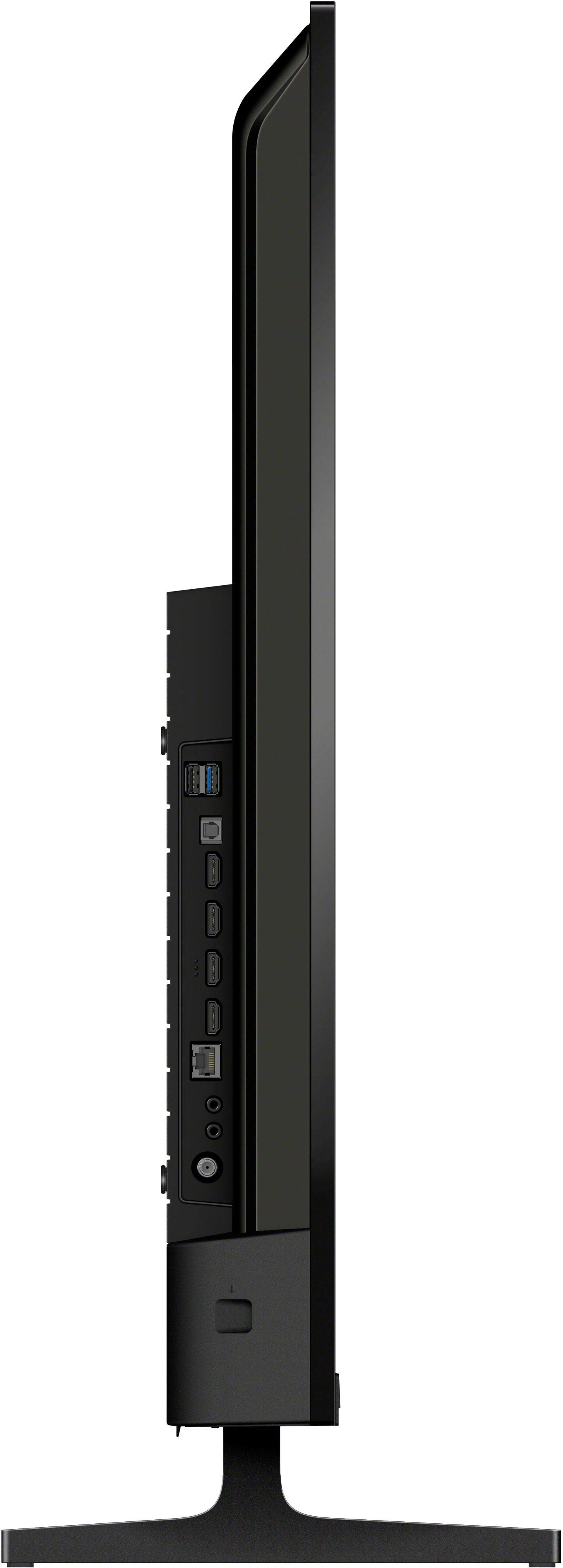
The Sony BRAVIA 2 II wins decisively in connectivity with four HDMI 2.0 ports versus the Samsung Q7F's three ports. This might seem minor, but it becomes a real limitation when you have a gaming console, streaming device, soundbar, and cable box to connect. The Sony also includes more USB ports and legacy connections like RS-232C for custom installation scenarios.
Both TVs feature modern, slim designs with narrow bezels and adjustable stands. Build quality is comparable, though Sony's slightly more robust construction and three-year warranty (versus Samsung's one-year warranty) suggest better long-term reliability.
For dedicated home theater use, both TVs face the same fundamental limitations: lack of local dimming severely compromises contrast performance, and limited brightness reduces HDR impact. However, some important differences emerge for movie enthusiasts.
The Sony BRAVIA 2 II handles film content more naturally with better motion processing for 24fps movies and more accurate color reproduction. The superior built-in audio also reduces the need for immediate soundbar upgrades, making it a better choice for casual home theater setups.
The Samsung Q7F's quantum dot enhancement can make certain content more visually striking, but it may also introduce color inaccuracies that film purists find distracting. The limited HDMI connectivity becomes particularly problematic in home theater setups where multiple source devices are common.
Neither TV is ideal for serious home theater use – you'd want to consider models with local dimming and higher brightness at minimum. But for casual movie watching, the Sony provides a more balanced, theater-appropriate experience.
Choose the Samsung 65-Inch Q7F Series QLED Smart TV 2025 Display if:
Choose the Sony BRAVIA 2 II 65" 4K LED Google TV 2025 if:
At similar price points as of this writing, the Sony BRAVIA 2 II delivers better overall value for most buyers. Its superior audio, additional connectivity, more robust smart platform, longer warranty, and natural color accuracy make it the safer choice for general use.
The Samsung Q7F excels specifically at color vibrancy and will immediately impress viewers coming from older TVs. However, its limitations in connectivity and recent gaming-related firmware issues make it harder to recommend despite its strengths.
Both TVs represent solid entry points into modern 4K viewing, but the Sony's more well-rounded approach makes it the better choice for most homes. The Samsung is worth considering only if quantum dot color enhancement is specifically important to your viewing preferences – and you're willing to accept its other limitations to get it.
| Samsung 65-Inch Q7F Series QLED Smart TV 2025 Display | Sony BRAVIA 2 II 65" 4K LED Google TV 2025 |
|---|---|
| Display Technology - Determines color vibrancy and overall picture quality | |
| QLED with Quantum Dot layer for enhanced color saturation | Direct LED with traditional backlighting and color processing |
| Picture Processor - Controls upscaling and image enhancement quality | |
| Q4 AI Processor with scene-by-scene optimization | 4K Processor X1 with 4K X-Reality PRO upscaling database |
| Color Performance - Impact on how vivid vs natural content appears | |
| 100% Color Volume with PANTONE validation, very vibrant colors | Live Color technology for accurate, natural color reproduction |
| HDR Support - Affects dynamic range in compatible content | |
| HDR10+ and Quantum HDR (no Dolby Vision) | HDR10 and HLG (no Dolby Vision or HDR10+) |
| Audio Power - Determines built-in speaker quality and volume | |
| 20W 2.0 channel speakers with Object Tracking Sound Lite | 40W Open Baffle speakers with Dolby Atmos and DTS:X |
| Smart TV Platform - Controls app selection and user experience | |
| Tizen OS (simplified version) with Samsung TV Plus | Google TV with comprehensive content discovery and recommendations |
| HDMI Connectivity - Critical for multiple device connections | |
| 3 HDMI 2.0 ports (major limitation for multi-device setups) | 4 HDMI 2.0 ports (much better for gaming consoles and accessories) |
| Refresh Rate - Affects motion clarity for sports and gaming | |
| 60Hz with Motion Xcelerator technology | 60Hz with Motionflow XR processing |
| Gaming Features - Important for console gaming performance | |
| Auto Low Latency Mode, but recent HGIG firmware issues | PlayStation 5 optimization with Auto HDR Tone Mapping |
| Voice Control - Convenience for hands-free operation | |
| Bixby and Alexa built-in with SmartThings integration | Google Assistant with superior voice search accuracy |
| Warranty Coverage - Protection and long-term value consideration | |
| 1 year parts and labor | 3 years manufacturer warranty (significantly better coverage) |
| Local Dimming - Critical for contrast and black level performance | |
| None (major limitation for HDR and dark scene performance) | None (same limitation as Samsung Q7F) |
| Peak Brightness - Determines HDR impact and bright room performance | |
| Moderate brightness, best for controlled lighting | Similar brightness limitations to Samsung Q7F |
The Samsung 65-Inch Q7F Series QLED Smart TV 2025 Display produces more vibrant, saturated colors thanks to its Quantum Dot technology, making it ideal for animated content and sports. However, the Sony BRAVIA 2 II 65" 4K LED Google TV 2025 delivers more natural, accurate colors that are better for movies and realistic content. Both TVs lack local dimming and have similar brightness limitations, so neither excels at HDR performance or deep blacks.
The Samsung Q7F uses QLED technology, which adds a quantum dot layer to enhance color production and achieve wider color volume. The Sony BRAVIA 2 II uses traditional Direct LED backlighting with advanced processing instead of quantum dots. QLED produces more vivid colors while LED focuses on accuracy - think "wow factor" versus "natural look."
The Sony BRAVIA 2 II 65" 4K LED Google TV 2025 significantly outperforms the Samsung Q7F in audio quality, featuring 40W speakers with Dolby Atmos support compared to Samsung's 20W basic speakers. If you don't plan to buy a soundbar immediately, the Sony provides much better built-in audio for movies and music.
The Sony BRAVIA 2 II includes 4 HDMI ports, while the Samsung 65-Inch Q7F Series QLED Smart TV 2025 Display only has 3 HDMI ports. This difference becomes important if you connect multiple devices like gaming consoles, streaming boxes, and soundbars - the Samsung's limited connectivity can be frustrating for multi-device setups.
The Sony BRAVIA 2 II runs Google TV, which offers superior content discovery, better voice search with Google Assistant, and more comprehensive app integration. The Samsung Q7F uses a simplified version of Tizen OS that works well but feels more basic, though it integrates better with Samsung smart home devices.
Both TVs are limited for serious gaming due to 60Hz refresh rates and lack of HDMI 2.1. However, the Sony BRAVIA 2 II 65" 4K LED Google TV 2025 is slightly better for gaming with 4 HDMI ports and PlayStation 5 optimization features. The Samsung Q7F has connectivity limitations and recent firmware issues affecting HDR gaming calibration.
The Sony BRAVIA 2 II excels at upscaling with its 4K X-Reality PRO technology, which uses a comprehensive database to enhance cable TV, streaming, and older content. The Samsung 65-Inch Q7F Series QLED Smart TV 2025 Display provides decent upscaling but isn't as sophisticated at making non-4K content look sharp and detailed.
Neither the Samsung Q7F nor the Sony BRAVIA 2 II supports Dolby Vision, the premium HDR format. The Samsung supports HDR10+ while the Sony supports standard HDR10 and HLG. Both provide adequate HDR performance for their brightness limitations, but don't expect premium HDR experiences.
Both TVs have similar brightness limitations and struggle with glare in very bright rooms. The Samsung Q7F's quantum dots help maintain color vibrancy in brighter conditions, while the Sony BRAVIA 2 II 65" 4K LED Google TV 2025 focuses on accuracy. Neither is ideal for rooms with lots of windows or bright overhead lighting.
The Sony BRAVIA 2 II includes a 3-year manufacturer warranty, significantly better than the Samsung 65-Inch Q7F Series QLED Smart TV 2025 Display's standard 1-year warranty. This extended coverage adds considerable value and peace of mind for long-term ownership.
The Sony BRAVIA 2 II 65" 4K LED Google TV 2025 is better suited for home theater with more natural colors, superior built-in audio, and better motion processing for 24fps films. The Samsung Q7F's vibrant colors can look artificial in movie content, and its weaker audio requires immediate soundbar upgrades for serious home theater setups.
The Sony BRAVIA 2 II provides better overall value with superior audio, more HDMI ports, a more robust smart platform, longer warranty coverage, and excellent upscaling performance. The Samsung Q7F is worth considering only if quantum dot color enhancement is specifically important to you and you can work with its connectivity limitations.
We've done our best to create useful and informative comparisons to help you decide what product to buy. Our research uses advanced automated methods to create this comparison and perfection is not possible - please contact us for corrections or questions. These are the sites we've researched in the creation of this article: bestbuy.com - rtings.com - bestbuy.com - youtube.com - youtube.com - youtube.com - samsung.com - samsung.com - samsung.com - billsmith.com - costco.com - samsung.com - hometechnologyreview.com - hometechnologyreview.com - bestbuy.com - samsung.com - bestbuy.com - samsung.com - hometechnologyreview.com - samsung.com - samsung.com - bestbuy.com - notebookcheck.net - rtings.com - youtube.com - youtube.com - rtings.com - avsforum.com - croma.com - totonstv.com - electronics.sony.com - listenup.com - pcrichard.com - youtube.com - flanners.com - brandsmartusa.com - displayspecifications.com - pioneertvandappliance.com - donstv.com

Privacy Policy
Terms and Conditions - Affiliate Policy
Home Security
© Copyright 2008-2026.
11816 Inwood Rd #1211, Dallas, TX 75244