

Shopping for a 65-inch TV in 2025 means navigating a landscape where the gap between budget and premium models has never been wider. Two standout options represent completely different philosophies: Samsung's Q7F Series QLED takes the accessible route with essential features at a reasonable price, while LG's QNED92A pushes the boundaries of what LED technology can achieve.
Both TVs launched in 2025, but they couldn't be more different in their approach to delivering your favorite movies, shows, and games. After researching extensive user feedback and professional reviews, it's clear these models serve distinct audiences with very different needs and budgets.
The 65-inch TV market represents the sweet spot for most living rooms—big enough for an immersive experience without overwhelming your space. But not all 65-inch displays are created equal. The core differences lie in how they create light and manage contrast, which ultimately determines everything from how dark your favorite thriller looks to how smooth your gaming sessions feel.
When evaluating premium LED TVs, the most critical factor is backlighting technology. Traditional edge-lit displays illuminate the screen from the sides, while full-array systems use LEDs positioned directly behind the panel. Think of it like the difference between lighting a room with a few lamps in the corners versus having ceiling lights distributed evenly throughout—the coverage and control are dramatically different.
Local dimming zones add another layer of sophistication. These allow specific areas of the screen to get darker or brighter independently, creating better contrast between bright explosions and dark spaceship corridors in your favorite sci-fi movies. The number of zones matters significantly: more zones mean more precise control over light and shadow.
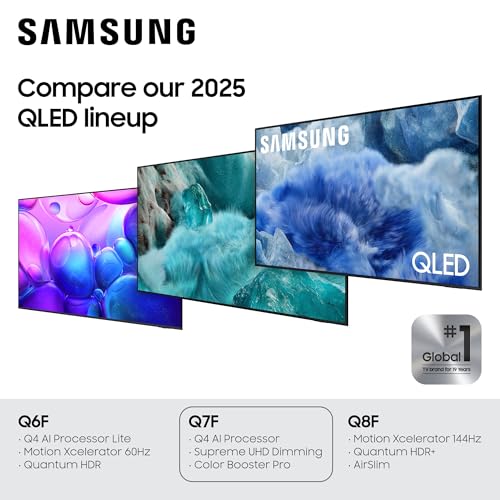
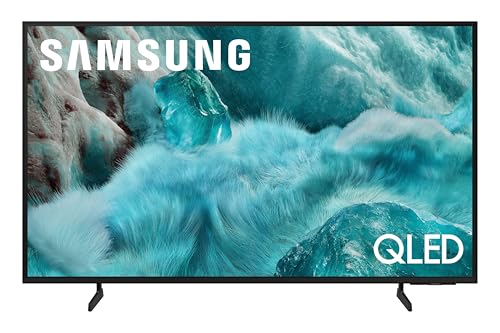
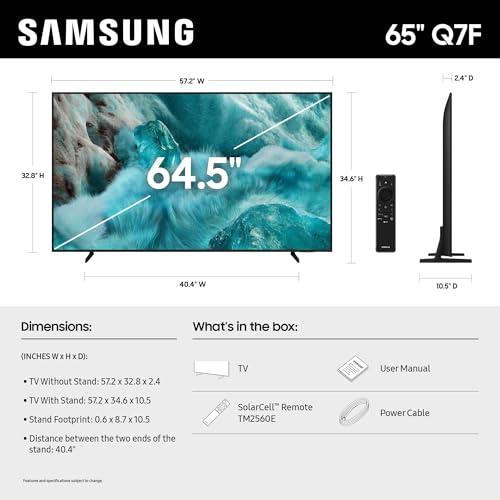
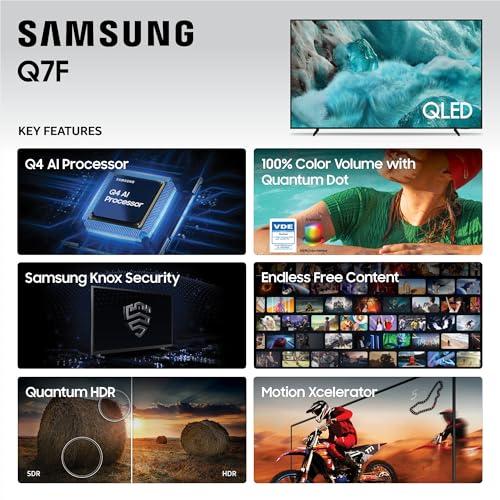
The Samsung Q7F Series QLED represents Samsung's entry point into their QLED lineup for 2025. Samsung has positioned this model as their most affordable quantum dot display, targeting viewers who want reliable performance and smart features without paying flagship prices.
At its core, the Q7F uses edge-lit LED backlighting—a cost-effective approach where LEDs around the screen's perimeter illuminate the entire display. This design keeps manufacturing costs down but comes with inherent limitations. Without local dimming zones, the entire screen brightness adjusts together, meaning dark movie scenes will appear more gray than truly black.
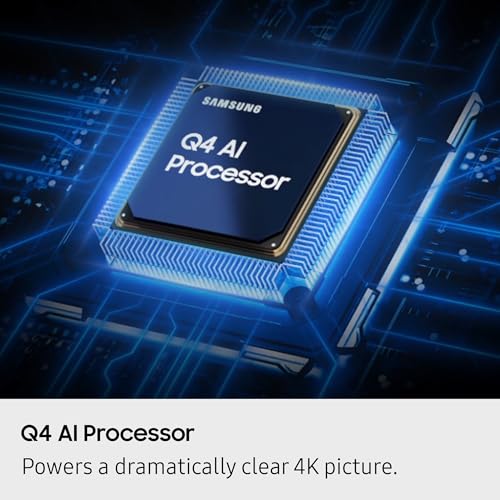
The Q4 AI Processor handles picture processing duties, though it's Samsung's entry-level chip. It performs adequate upscaling of lower-resolution content (making your HD shows look decent on the 4K screen) and provides basic scene optimization, but don't expect the sophisticated AI-driven enhancements found in pricier models.
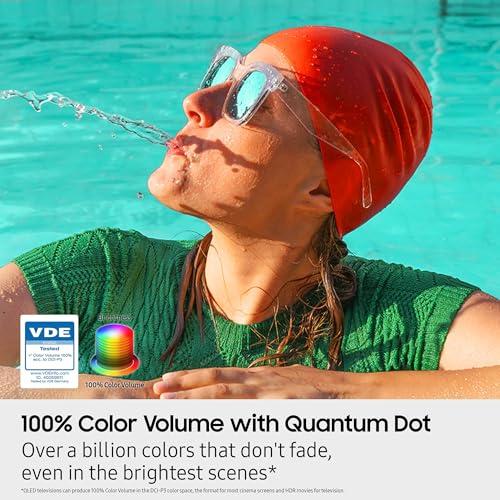
Samsung's Quantum Dot technology deserves credit for delivering impressive color vibrancy at this price point. Quantum dots are microscopic particles that convert blue LED light into pure red and green wavelengths, creating a wider color palette than traditional LCD displays. The result is noticeably more vibrant colors, especially in bright, colorful content like animated movies or nature documentaries.
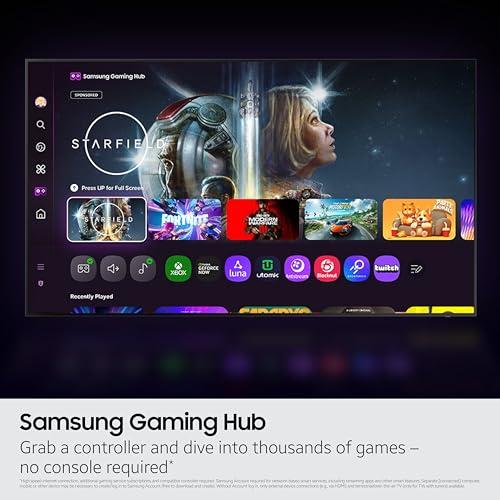
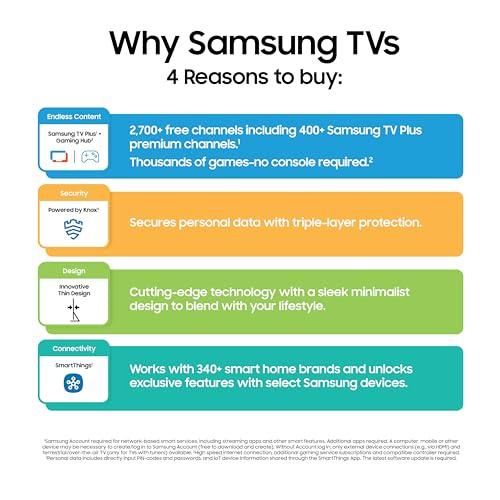
The smart platform runs on Tizen OS, Samsung's proprietary system. While it includes all major streaming apps and features like Samsung TV Plus (free ad-supported channels), it's a more stripped-down version compared to what you'll find on Samsung's flagship models. The interface remains intuitive, and setup is straightforward, but power users might notice the limitations in advanced customization options.
For audio, the Q7F includes 20W speakers with Samsung's Adaptive Sound technology, which analyzes content in real-time to optimize audio output. Object Tracking Sound Lite attempts to make audio feel more directional, following action across the screen, though the effect is subtle with the basic speaker setup.
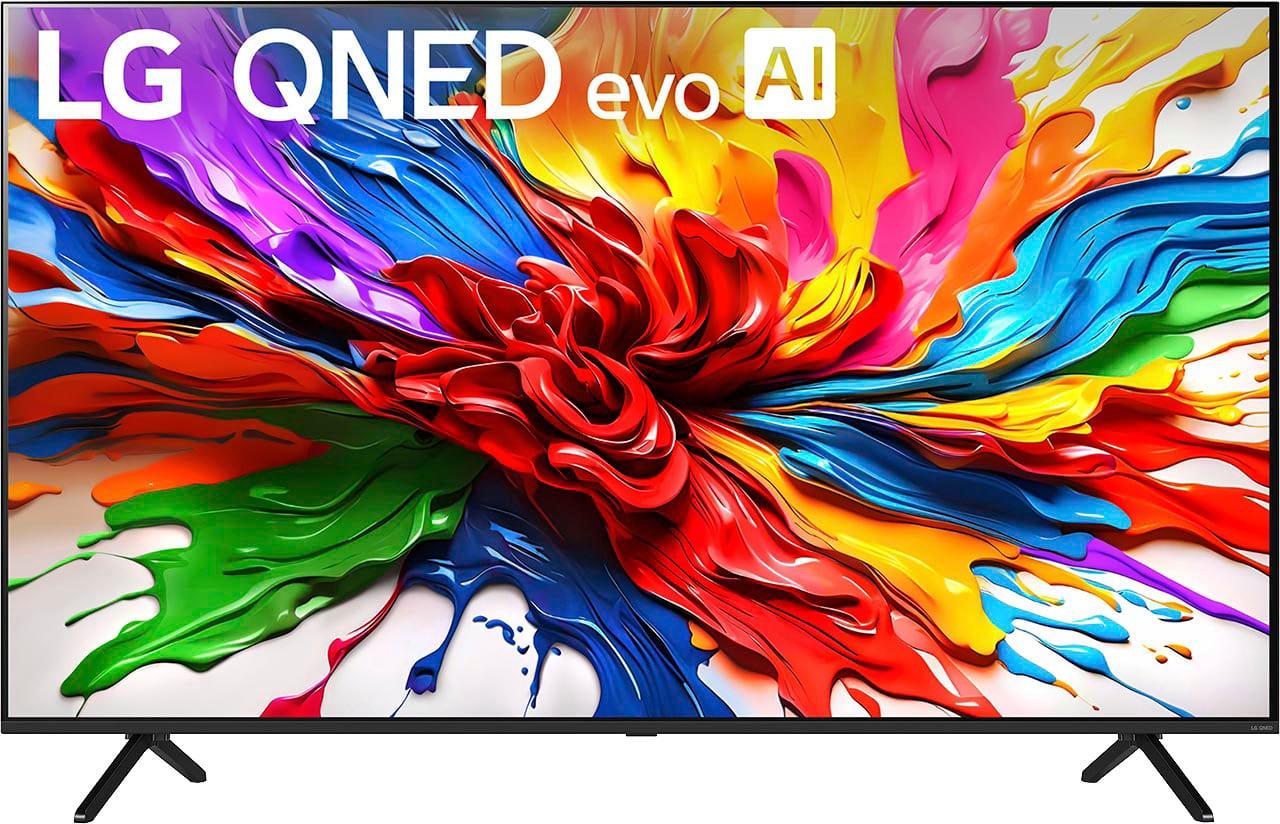
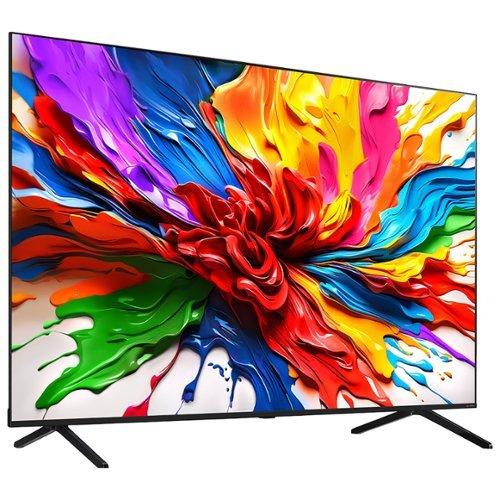
The LG QNED92A takes an entirely different approach, showcasing what happens when manufacturers push LED technology to its limits. Released in 2025 as part of LG's premium Mini LED lineup, this TV represents a significant evolution in LCD display technology.
Mini LED backlighting is the star here. Instead of traditional LEDs about the size of a pencil eraser, Mini LEDs are roughly the size of a grain of rice. This allows LG to pack hundreds of them behind the 65-inch screen, each controllable independently through Precision Dimming Pro. The result is dramatically better contrast control—bright explosions can appear next to dark shadows with minimal light bleed between zones.
The QNED92A combines three display technologies in one panel: quantum dots for color enhancement, NanoCell particles to filter out unwanted wavelengths for purer colors, and the Mini LED backlight for contrast control. LG calls this combination "QNED evo," and the marketing isn't just hype—the synergy between these technologies creates notably better picture quality than any single approach alone.
Peak brightness reaches an impressive 1,520 nits in optimal conditions. To put that in perspective, most budget TVs manage around 300-400 nits, while even many mid-range models struggle to exceed 600 nits. This high brightness capability makes HDR content look spectacular and ensures the TV remains visible even in bright, sunny rooms.
The α8 AI Gen 2 Processor powers the experience with significantly more processing capability than Samsung's Q4 chip. LG claims a 70% performance improvement over previous generations, enabling more sophisticated upscaling, better noise reduction, and smarter real-time picture optimization. The AI analyzes each scene to adjust brightness, contrast, and color temperature dynamically.
LG's webOS 25 platform feels more mature and feature-rich than Samsung's entry-level Tizen implementation. The interface is snappy, app selection is comprehensive, and LG's Re:New program guarantees software updates for up to five years—a significant advantage for long-term ownership.
The picture quality gap between these models is substantial and immediately apparent in side-by-side viewing. The Samsung Q7F delivers respectable image quality for its price tier, with good color vibrancy and adequate sharpness for most content. However, the lack of local dimming means contrast suffers significantly. Dark scenes in movies appear washed out, with blacks looking more like dark gray. Light bleed around bright objects against dark backgrounds is noticeable and distracting during cinematic content.
The LG QNED92A excels in contrast performance thanks to its hundreds of dimming zones. Dark movie theaters actually look dark, while bright highlights maintain their impact. This makes a tremendous difference when watching content with mixed lighting—think of a character walking from a dark hallway into bright sunlight. The LG can make that transition look natural, while the Samsung will compress the entire scene to a narrower brightness range.
Color accuracy favors the LG significantly. While both use quantum dot technology, the QNED92A achieves 97% coverage of the DCI-P3 color space (the standard used by movie studios), compared to the Q7F's more modest color gamut. In practical terms, this means skin tones look more natural, landscapes appear more vivid, and animated content pops with the colors the creators intended.
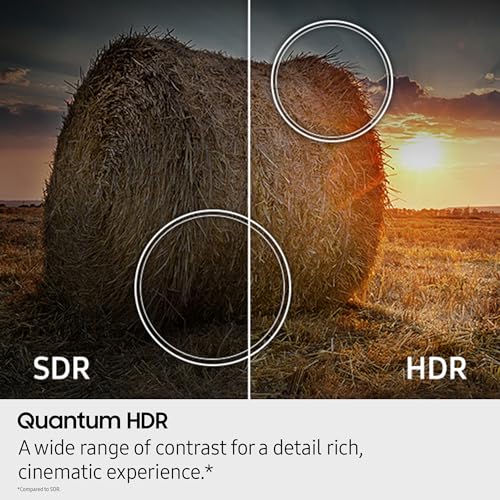
HDR (High Dynamic Range) performance reveals the biggest gap between these models. HDR content is designed to display brighter highlights and darker shadows than standard video, creating more lifelike images. The Samsung Q7F supports HDR10+, but its limited peak brightness and lack of local dimming mean HDR content doesn't look dramatically different from standard dynamic range material.
The LG QNED92A supports Dolby Vision, the premium HDR format used by Netflix, Disney+, and most major streaming services. Combined with its high peak brightness and precise dimming control, HDR content looks spectacular—exactly as cinematographers intended. The difference is most apparent in challenging scenes like campfire conversations under starry skies or sun-drenched desert landscapes.
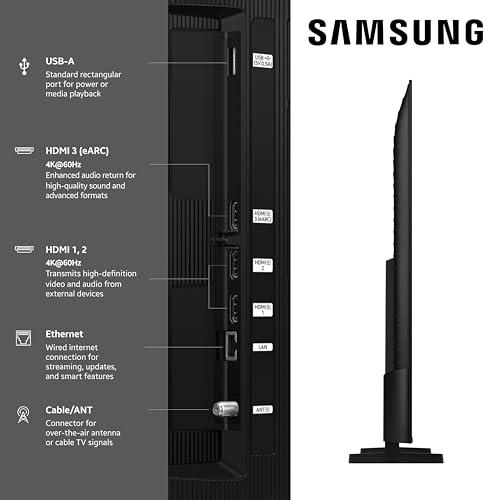
Gaming capabilities show perhaps the starkest difference between these models. The Samsung Q7F provides a basic gaming experience suitable for casual players. It supports 4K resolution at 60 frames per second with reasonably low input lag in Game Mode, making it adequate for most PlayStation 5 or Xbox Series X games. However, it lacks Variable Refresh Rate (VRR) support, meaning games with inconsistent frame rates may exhibit screen tearing—visible horizontal lines that appear when the display and graphics card fall out of sync.
The LG QNED92A transforms into a gaming powerhouse with its advanced feature set. Four HDMI 2.1 ports support 4K gaming at up to 120 frames per second, which many newer games utilize for incredibly smooth motion. VRR support up to 144Hz ensures tear-free gameplay even when frame rates fluctuate. Auto Low Latency Mode (ALLM) automatically switches to Game Mode when it detects a gaming console, reducing input lag to just 9.6 milliseconds.
For competitive gamers or anyone with a PlayStation 5, Xbox Series X, or gaming PC, the LG's advantages are game-changing. Racing games feel more responsive, first-person shooters appear smoother, and even single-player adventures benefit from the fluid motion and reduced input delay.
Both TVs offer comprehensive smart platforms, but with different strengths. The Samsung Q7F runs a streamlined version of Tizen OS that covers the basics well. All major streaming apps are available, voice control through Bixby and Alexa works reliably, and Samsung TV Plus provides hundreds of free channels. The interface is intuitive, though customization options are limited compared to higher-end Samsung models.
The LG QNED92A provides a more sophisticated smart experience through webOS 25. The interface feels more responsive thanks to the more powerful processor, and features like Quick Cards help organize your favorite content. More importantly, LG's Re:New program guarantees software updates for five years, ensuring your TV stays current with new apps and features long after purchase.
This update commitment represents significant value for long-term ownership. Many budget TVs receive limited software support, becoming obsolete as streaming services evolve their apps. LG's guarantee provides peace of mind that your investment will remain relevant.
Neither TV excels in built-in audio, though the LG QNED92A has a slight edge with native Dolby Atmos processing through its speakers. The Samsung Q7F includes basic 2.0 channel audio with some processing enhancements, but like most modern TVs, it benefits significantly from a soundbar or surround sound system.
For home theater enthusiasts, both TVs can pass through high-quality audio to external systems, though format support differs slightly. The LG supports more audio formats natively, while the Samsung handles most common formats but lacks DTS support—potentially problematic for some Blu-ray discs.
The decision between these models depends heavily on your priorities and budget. At the time of writing, these TVs exist in completely different price tiers, with the LG QNED92A costing significantly more than the Samsung Q7F. This price gap reflects fundamental differences in technology and performance.
Choose the Samsung Q7F if you're working with a limited budget but still want a respectable 4K experience. It's ideal for casual viewing in well-lit rooms where the contrast limitations are less noticeable. The Quantum Dot technology provides pleasing colors for everyday content, and Samsung's smart platform covers all the essential apps reliably. It's also worth considering if you need a smaller size, as Samsung offers the Q7F in 43" and 50" models that LG doesn't match in their QNED lineup.
The Samsung Q7F makes particular sense for secondary TVs—perhaps in a bedroom, kitchen, or den where you're not doing critical viewing. It's also suitable for viewers who primarily watch bright, colorful content like sports, news, or daytime television where the contrast limitations matter less.
However, choose the LG QNED92A if picture quality is your priority and you can justify the higher cost. The Mini LED backlighting creates a dramatically superior viewing experience, especially for movie watching in darker environments. The extensive gaming features make it essential for anyone serious about console or PC gaming.
For home theater setups, the QNED92A is the clear choice. Its superior contrast control, wider color gamut, and Dolby Vision support create the cinematic experience that makes movie nights special. The difference is particularly apparent with darker content—horror movies, noir films, and sci-fi epics all benefit tremendously from proper black levels and contrast.
The LG also represents better long-term value despite its higher upfront cost. The guaranteed software updates, advanced processing capabilities, and comprehensive gaming features provide better future-proofing. As streaming services continue evolving their HDR implementations and gaming consoles push higher frame rates, the QNED92A will remain relevant longer.
Based on our research into user experiences and professional reviews, the LG QNED92A offers substantially better performance across nearly every metric that matters for picture quality and modern features. However, the Samsung Q7F serves its intended market well as an affordable entry into 4K QLED viewing.
If your budget allows for the premium option, the LG's Mini LED technology, comprehensive gaming features, and long-term software support make it the more compelling choice for most buyers. The picture quality improvements alone justify the price difference for anyone who watches movies regularly or games on modern consoles.
For budget-conscious buyers who primarily stream casual content and don't need cutting-edge features, the Samsung provides adequate performance at a much more accessible price point. Just understand the limitations going in, particularly regarding contrast performance and gaming capabilities.
The key is matching the TV to your actual usage patterns and budget constraints. Neither choice is wrong—they're simply designed for different audiences with different priorities and expectations.
| Samsung 65-Inch Q7F Series QLED Smart TV 2025 Display | LG 65" QNED92A QNED evo AI Mini LED 4K TV 2025 |
|---|---|
| Display Technology - Core difference that determines picture quality | |
| Edge-lit QLED with no local dimming | Mini LED with hundreds of dimming zones |
| Peak Brightness - Critical for HDR impact and bright room viewing | |
| Entry-level brightness (adequate for moderate lighting) | 1,520 nits (excellent for bright rooms and HDR) |
| Gaming Performance - Essential for PlayStation 5, Xbox Series X, and PC gaming | |
| 60Hz max, no VRR, HDMI 2.0 only | 144Hz with VRR, four HDMI 2.1 ports, 4K@120Hz |
| HDR Format Support - Affects compatibility with premium streaming content | |
| HDR10+ only (no Dolby Vision) | Dolby Vision, HDR10, HLG (full compatibility) |
| Smart Platform & Updates - Long-term software support matters | |
| Basic Tizen OS with Q4 AI Processor | webOS 25 with α8 Gen 2 AI, 5-year update guarantee |
| Audio Features - Built-in sound quality without external speakers | |
| 20W 2.0 channel with Adaptive Sound | Native Dolby Atmos processing |
| Color Performance - Accuracy and vibrancy for movies and shows | |
| Basic Quantum Dot with Color Booster Pro | 97% DCI-P3 coverage, 100% color volume certified |
| Input Lag - Response time critical for competitive gaming | |
| Low lag in Game Mode at 60Hz | 9.6ms with advanced Game Optimizer |
| Contrast Control - Most important for movie watching in dark rooms | |
| No local dimming (blacks appear gray) | Precision Dimming Pro (deep blacks next to bright highlights) |
| Value Proposition - Who should consider each option | |
| Budget-friendly QLED entry for casual viewing | Premium Mini LED for enthusiasts and serious gamers |
The LG QNED92A delivers significantly better picture quality thanks to its Mini LED backlighting with hundreds of dimming zones. This allows for true black levels and bright highlights in the same scene, making it ideal for home theater use. The Samsung Q7F uses edge-lit backlighting without local dimming, resulting in grayish blacks that diminish the cinematic experience.
The core difference lies in backlighting technology. The Samsung Q7F uses traditional edge-lit LED backlighting, while the LG QNED92A features advanced Mini LED technology with full-array local dimming. This fundamental difference affects contrast, brightness, and overall picture quality significantly.
The LG QNED92A is substantially better for next-gen gaming, offering 4K at 120Hz, Variable Refresh Rate (VRR), and four HDMI 2.1 ports. The Samsung Q7F is limited to 60Hz with no VRR support, making it suitable only for casual gaming at lower frame rates.
No, only the LG QNED92A supports Dolby Vision, which is used by Netflix, Disney+, and other premium streaming services. The Samsung Q7F only supports HDR10+, limiting its compatibility with high-quality HDR content.
The LG QNED92A achieves much higher peak brightness at 1,520 nits, making it excellent for bright rooms and sunny conditions. The Samsung Q7F offers moderate brightness suitable for most lighting conditions but may struggle in very bright environments.
Both TVs offer comprehensive smart features, but the LG QNED92A runs the more advanced webOS 25 with a more powerful α8 Gen 2 processor. The Samsung Q7F uses a basic version of Tizen OS with the entry-level Q4 processor. LG also guarantees software updates for five years through their Re:New program.
The LG QNED92A has a slight audio advantage with native Dolby Atmos processing through its built-in speakers. The Samsung Q7F offers basic 2.0 channel audio with Adaptive Sound technology. Both TVs benefit significantly from external sound systems for optimal audio quality.
The Samsung Q7F is available in more size options, including 43", 50", 55", 65", 75", and 85" models. The LG QNED92A is only available in 65", 75", and 85" sizes, focusing on larger screen sizes for premium viewing experiences.
This depends on your budget and priorities. The Samsung Q7F provides good value for budget-conscious buyers who want basic 4K QLED features. The LG QNED92A offers better long-term value for enthusiasts who prioritize picture quality, gaming features, and future-proofing, despite its higher upfront cost.
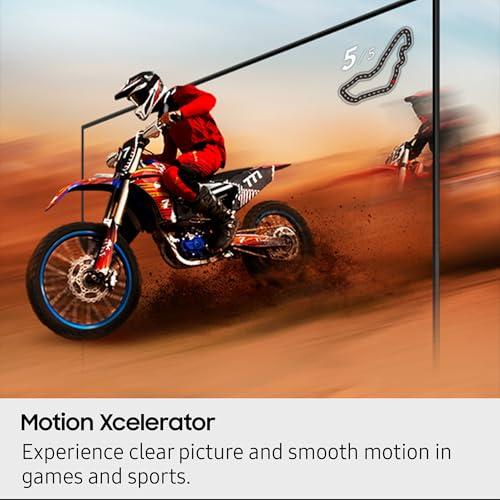
The LG QNED92A handles motion better with its 144Hz refresh rate capability, though some reviews note motion handling isn't perfect. The Samsung Q7F is limited to 60Hz, which can result in more motion blur during fast-paced sports or action scenes.
The LG QNED92A is significantly better for home theater use in dark rooms due to its superior contrast control and local dimming capabilities. The Samsung Q7F lacks local dimming, so dark scenes appear washed out rather than truly black, which compromises the cinematic experience.
The LG QNED92A comes with LG's Re:New program guarantee, ensuring software updates and new features for up to five years. The Samsung Q7F will receive updates, but Samsung doesn't provide the same long-term commitment, making the LG a better choice for future-proofing your investment.
We've done our best to create useful and informative comparisons to help you decide what product to buy. Our research uses advanced automated methods to create this comparison and perfection is not possible - please contact us for corrections or questions. These are the sites we've researched in the creation of this article: bestbuy.com - rtings.com - bestbuy.com - youtube.com - youtube.com - youtube.com - samsung.com - samsung.com - samsung.com - billsmith.com - costco.com - samsung.com - hometechnologyreview.com - hometechnologyreview.com - bestbuy.com - samsung.com - bestbuy.com - samsung.com - hometechnologyreview.com - samsung.com - samsung.com - stereoindex.com - youtube.com - youtube.com - digitaltrends.com - abt.com - lg.com - youtube.com - ecoustics.com - hometheaterforum.com - lg.com - valueelectronics.com - listenup.com - pcrichard.com - furnitureconnectionnd.com - avnirvana.com - files.bbystatic.com - lg.com - lgnewsroom.com - techradar.com - bestbuy.com - bestbuy.com - youtube.com - youtube.com

Privacy Policy
Terms and Conditions - Affiliate Policy
Home Security
© Copyright 2008-2026.
11816 Inwood Rd #1211, Dallas, TX 75244