

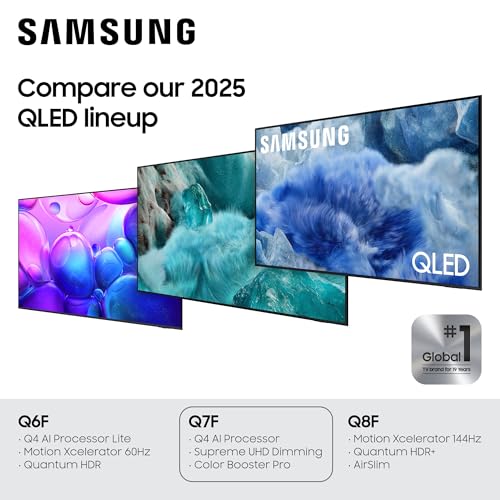
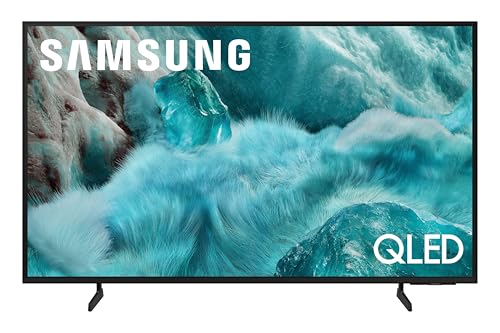
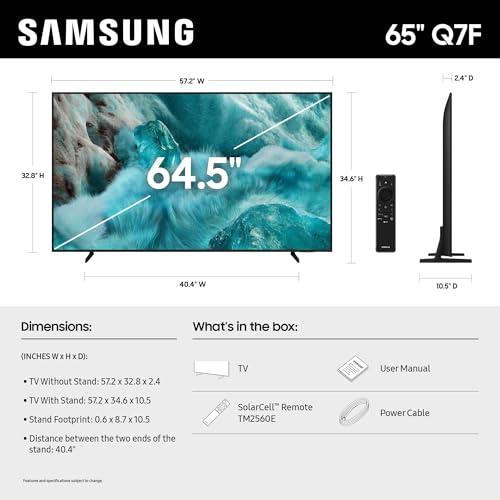
When I first started researching large screen TVs seriously, I didn't fully grasp how fundamentally different QLED and OLED technologies could be. The Samsung Q7F and LG C5, both released in 2025, represent this divide perfectly—and choosing between them isn't just about budget, it's about understanding which technology serves your viewing habits better.
Large screen TVs have become the centerpiece of modern living rooms, but the technology inside them varies dramatically. The 65-inch Samsung Q7F uses QLED technology—essentially a traditional LED-backlit LCD display enhanced with quantum dots (microscopic particles that emit pure colors when hit with light). Think of it as an evolution of the LCD TVs you've known for years, but with significantly better color reproduction.
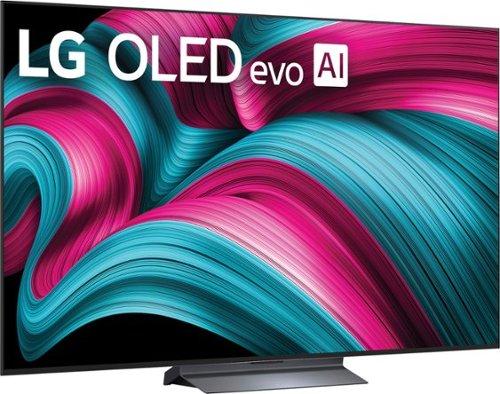
The LG C5, meanwhile, uses OLED technology where each of the 8.3 million pixels generates its own light. When a pixel needs to be black, it simply turns off completely. This fundamental difference shapes everything about how these TVs perform, and at the time of writing, it also explains why the C5 commands roughly three times the price of the Q7F.
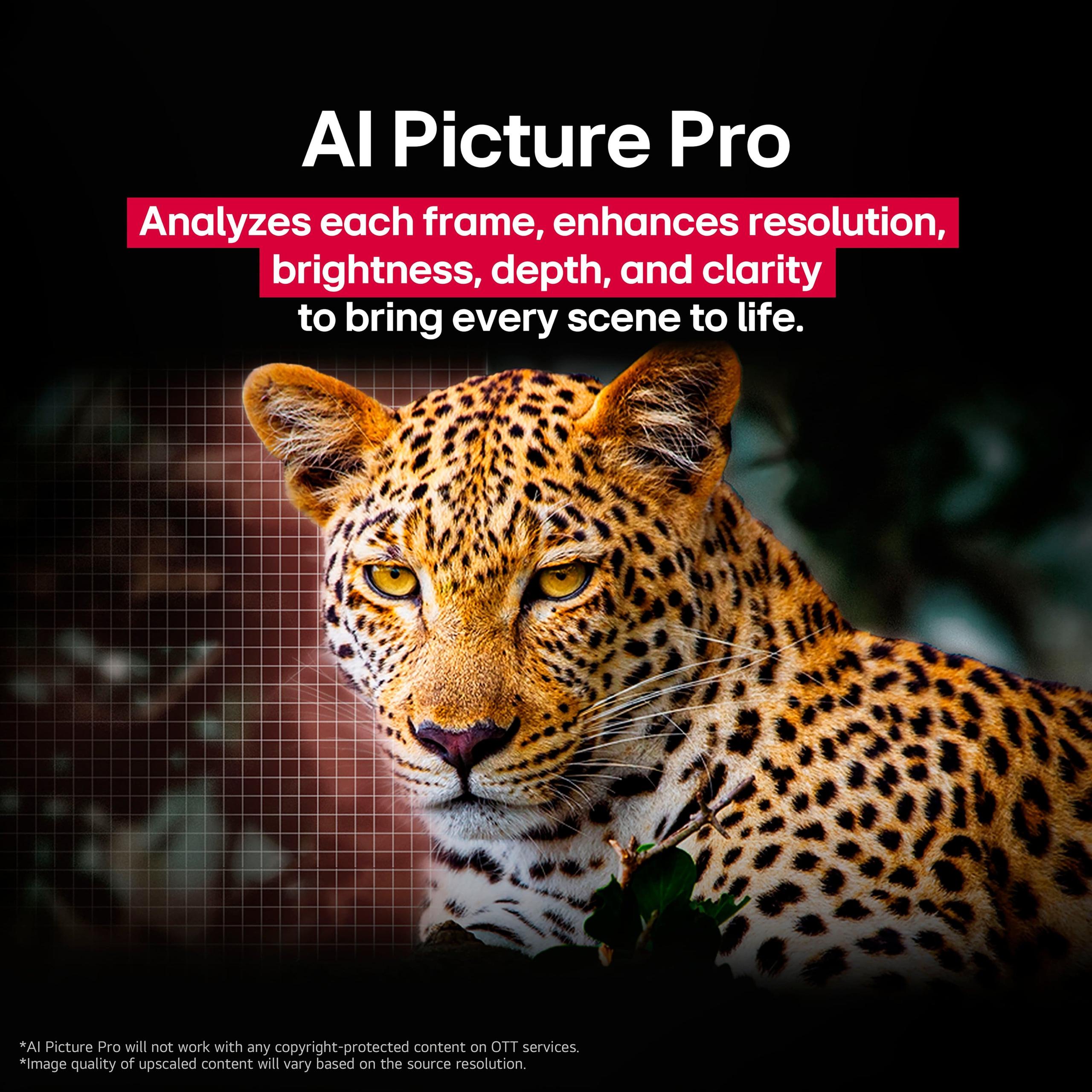
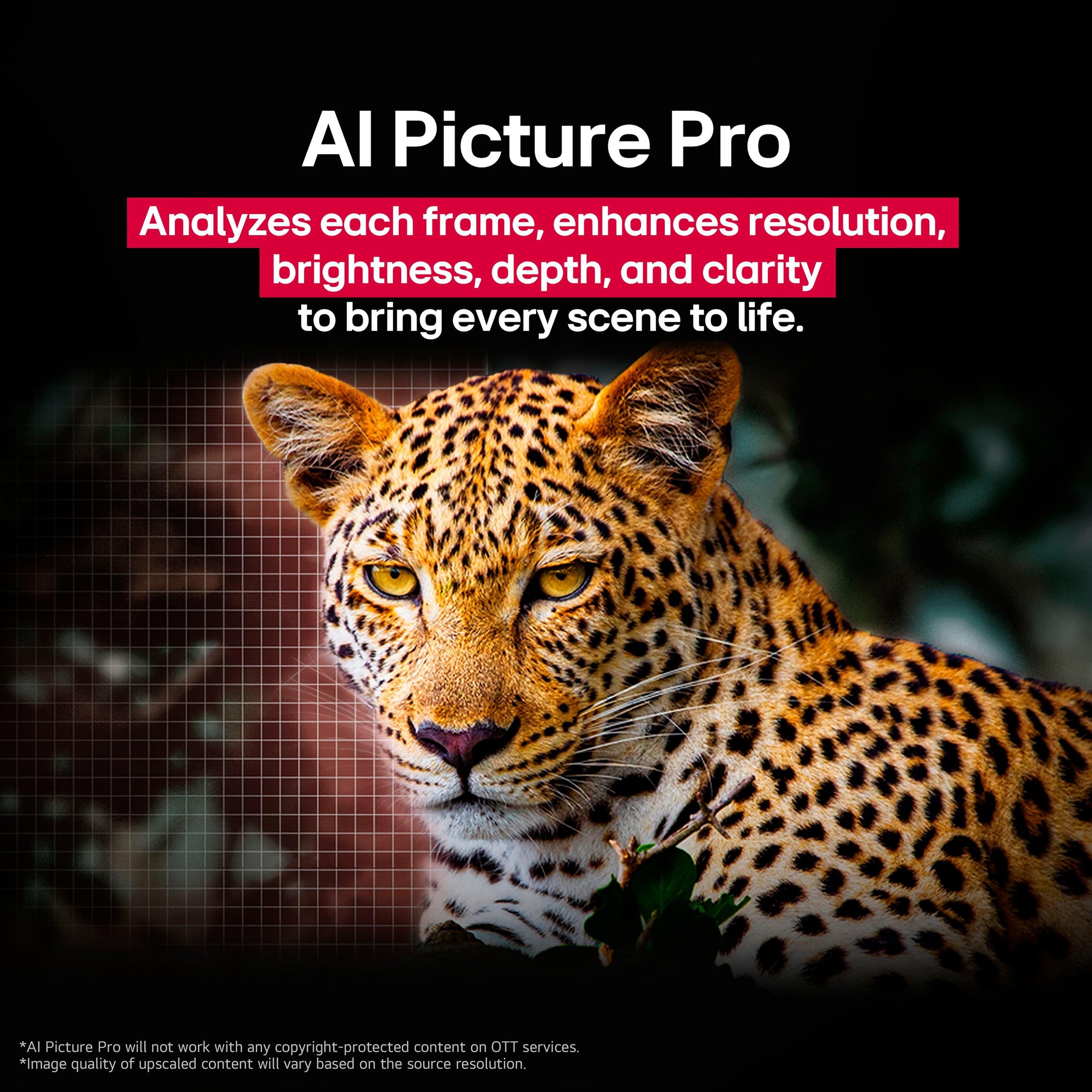
Both TVs benefited from 2025's focus on improved brightness and AI-powered picture processing, but they've approached these upgrades very differently.
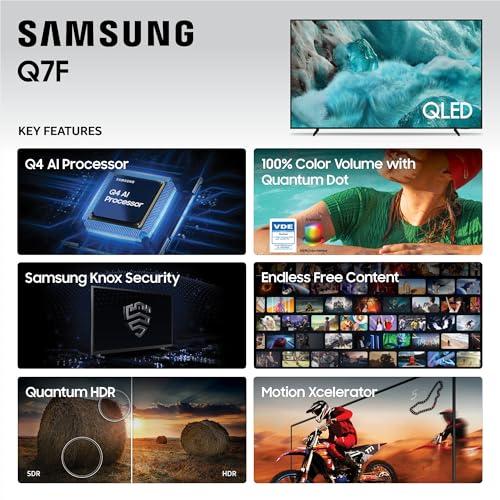
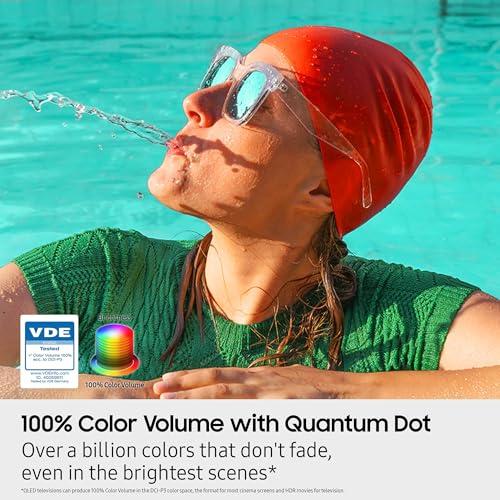
The Samsung Q7F represents Samsung's entry-level QLED approach. Quantum dots are nanoscopic crystals that, when excited by blue LED light, emit precise wavelengths of red and green light. This creates more accurate colors than traditional LED TVs, achieving what Samsung calls "100% Color Volume"—meaning the TV can reproduce vibrant colors even at high brightness levels.
However, the Q7F lacks local dimming zones, which means the entire backlight system brightens or dims together rather than controlling specific areas independently. This limitation becomes apparent when watching content with bright and dark elements in the same scene—bright stars against a dark sky, for example, might cause the entire sky to look grayish rather than truly black.
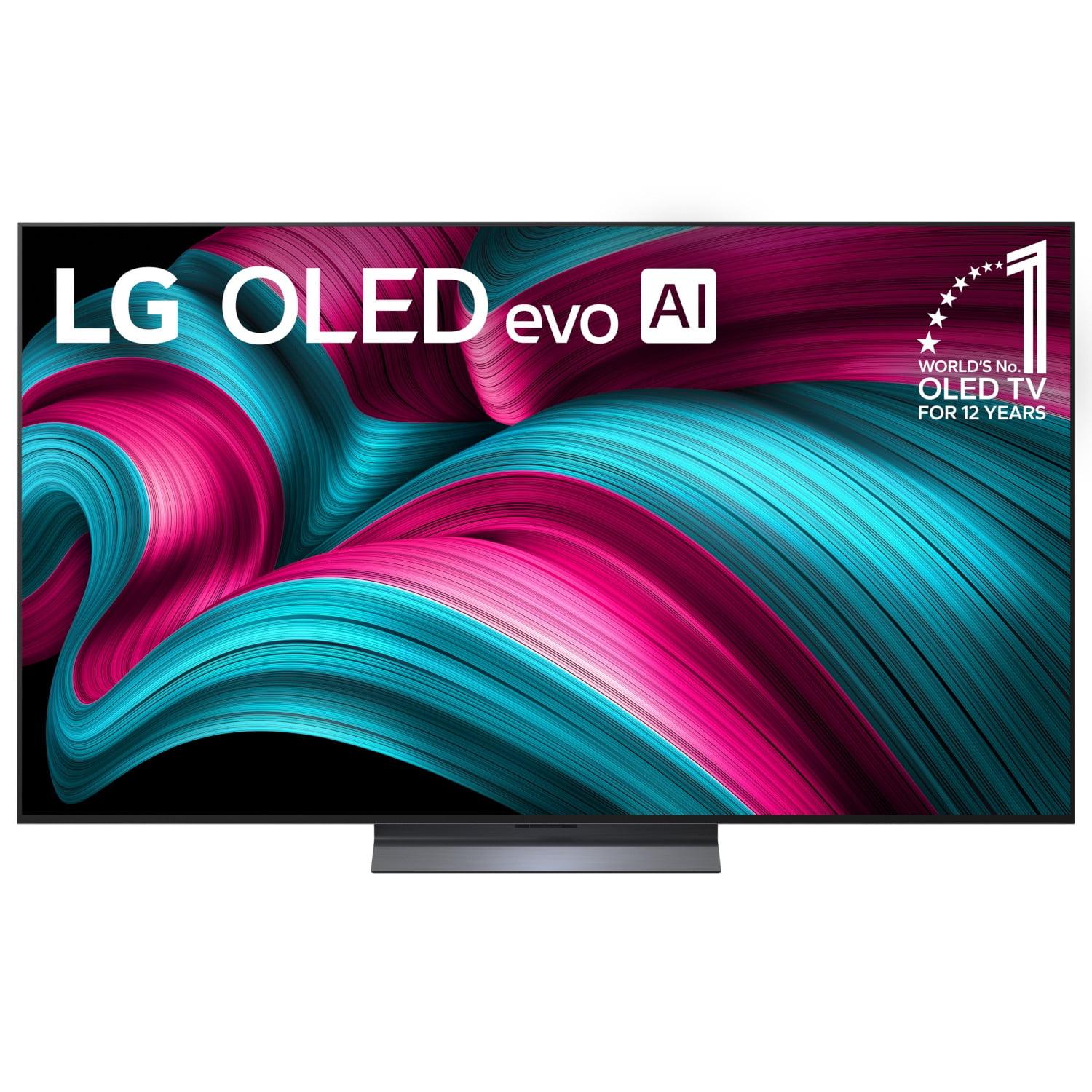
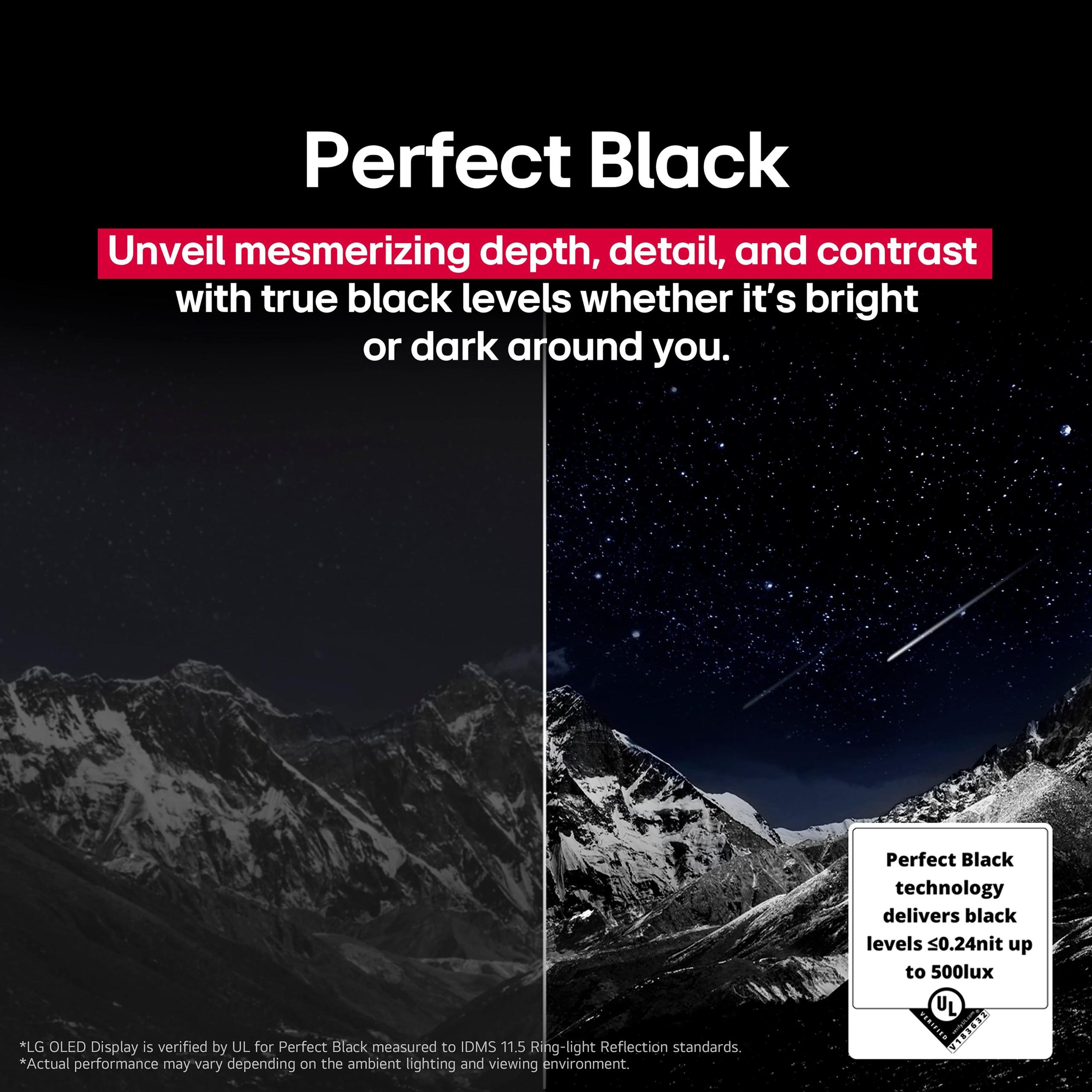
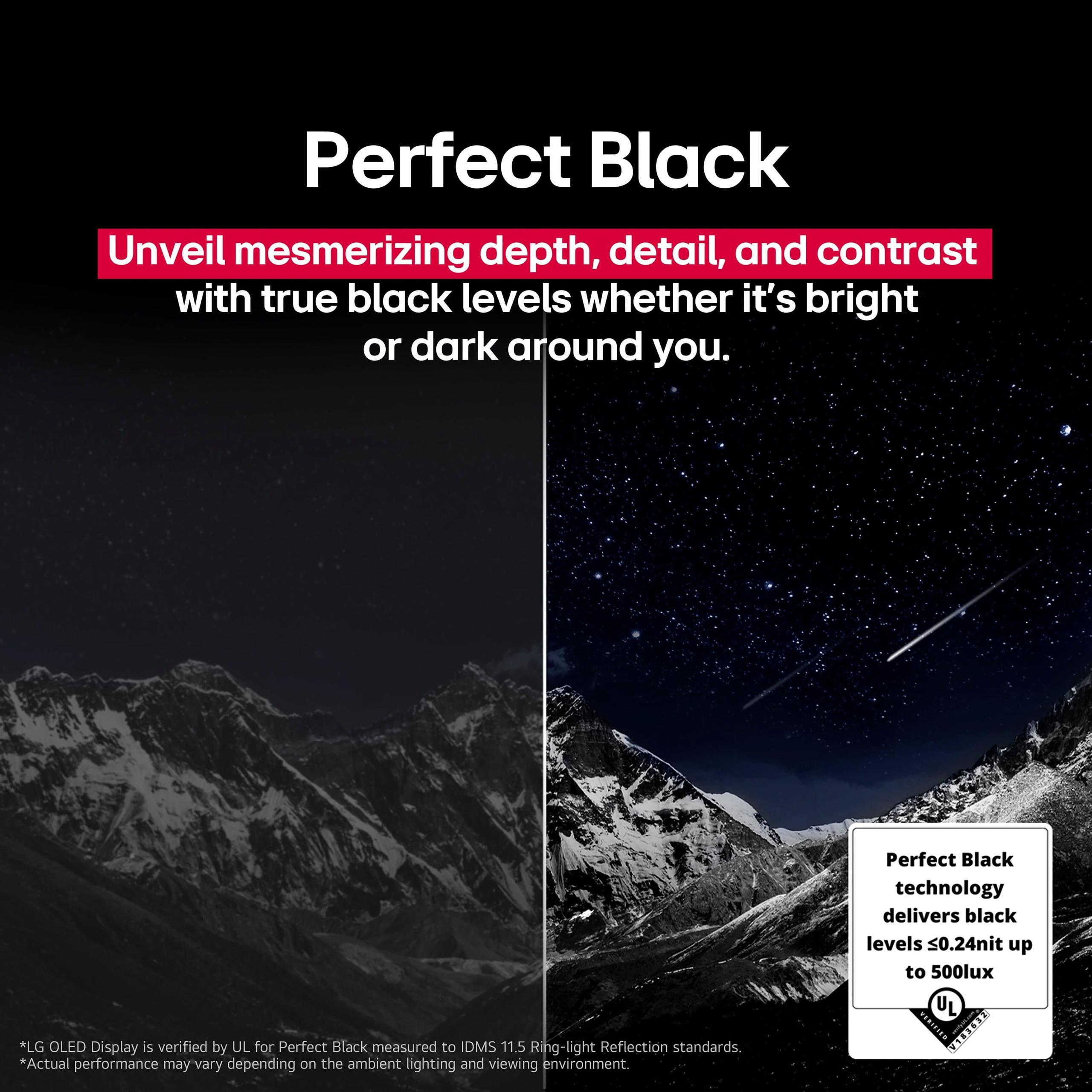
The LG C5 takes a radically different approach. Each pixel contains organic compounds that emit light when electricity passes through them. When the TV needs to display black, those pixels simply turn off—no backlight bleeding, no compromises. This creates what's called "infinite contrast ratio" because the difference between the brightest white and darkest black is theoretically unlimited.
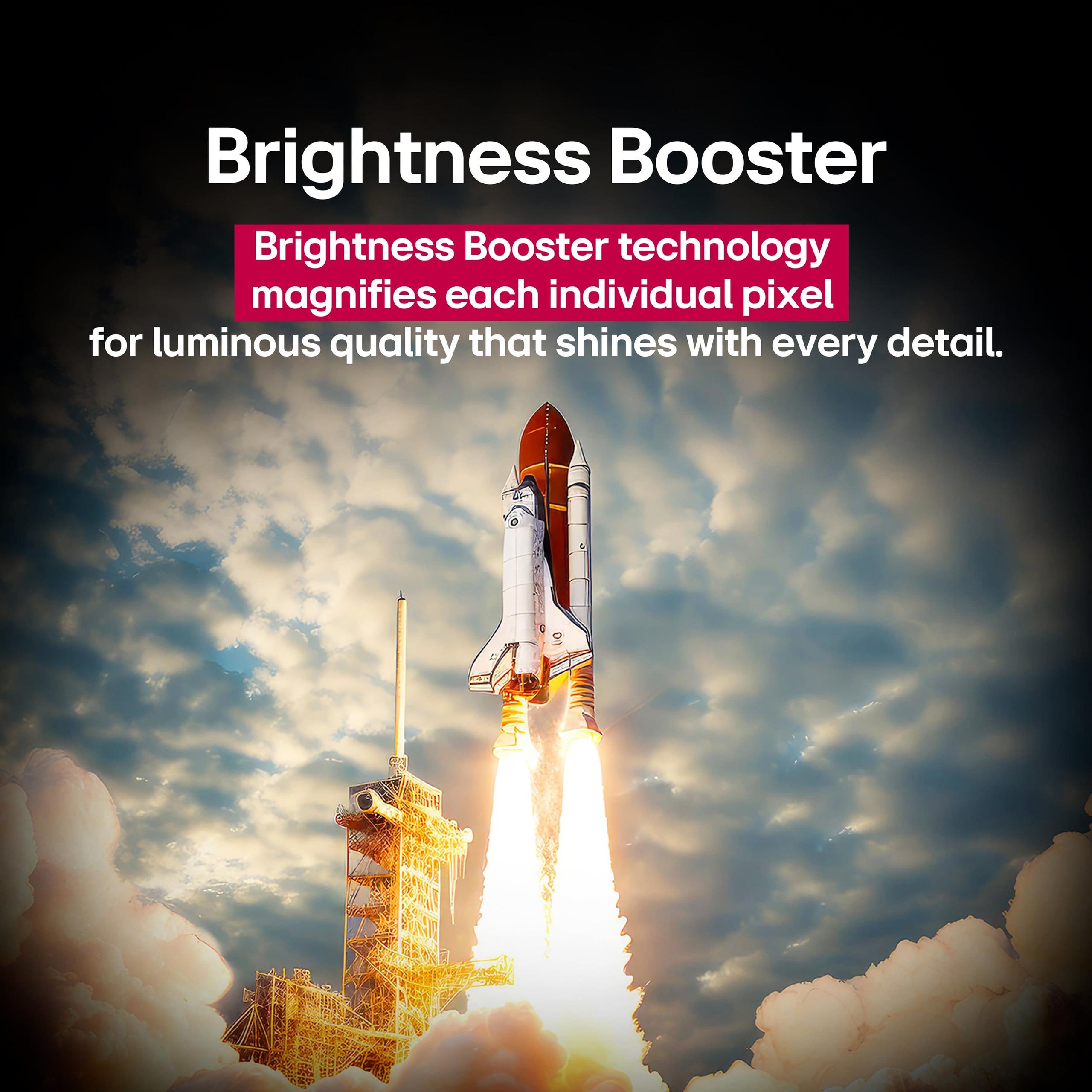
The "evo" designation indicates LG's enhanced OLED panel technology introduced in recent years, which delivers higher peak brightness than earlier OLED generations. This addresses OLED's traditional weakness in very bright rooms while maintaining perfect black levels.
This is where the technology difference becomes immediately apparent. The Samsung Q7F can't produce true blacks—what appears black is actually a very dark gray because the backlight remains on. In a darkened room, you'll notice this limitation during movie scenes with letterbox bars or when watching content with lots of dark scenes.
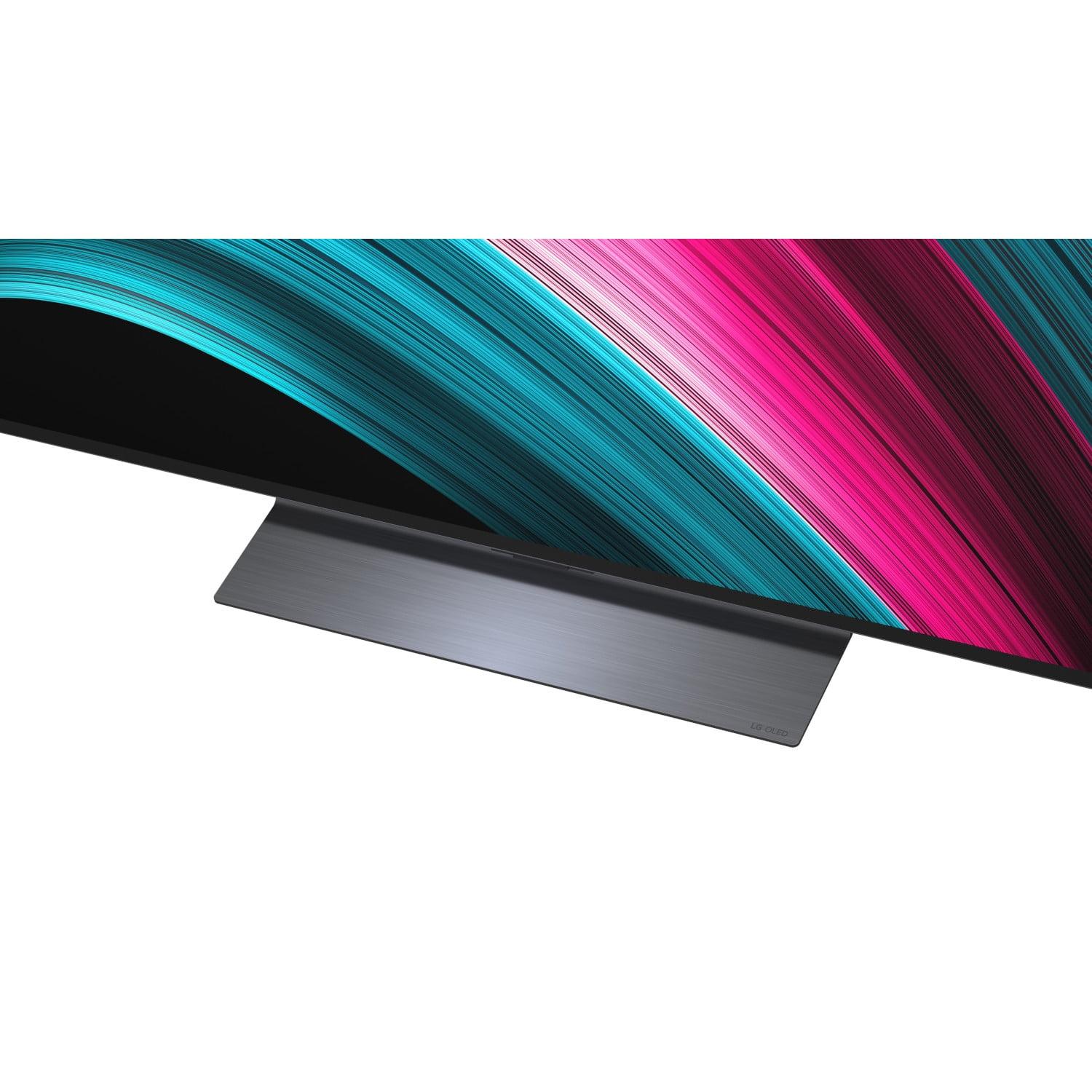
The LG C5 produces perfect blacks that look genuinely black even in a completely dark room. This isn't just about aesthetics—it fundamentally changes how you perceive depth and dimension in images. Dark scenes in movies like those in space or underground settings look dramatically more realistic because the darkness is actually dark.
From our research into user experiences and professional reviews, this difference is the most commonly cited reason people notice OLED superiority, especially for movie watching and gaming in darker environments.
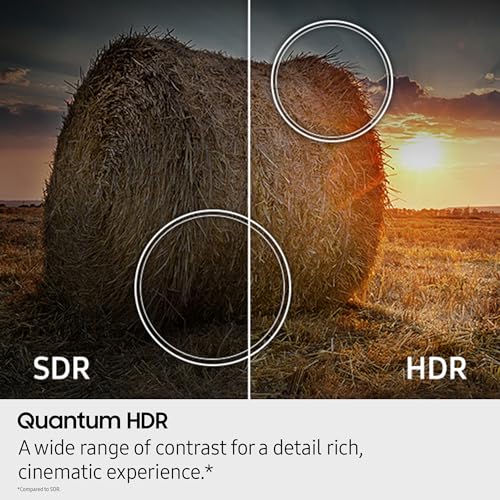
Here's where things get more nuanced. The Samsung Q7F can achieve decent peak brightness for its price range, but without local dimming, bright HDR highlights don't pop against darker backgrounds the way they should. HDR (High Dynamic Range) content is designed to showcase extreme differences between bright and dark areas, and the Q7F's uniform backlighting limits this effect.
The LG C5 can make individual pixels extremely bright while keeping adjacent pixels completely off. This means HDR highlights—like sunlight streaming through windows or bright explosions in action movies—appear dramatically more realistic. The 2025 improvements to OLED evo brightness make the C5 suitable for well-lit rooms, addressing OLED's traditional limitation in bright viewing environments.
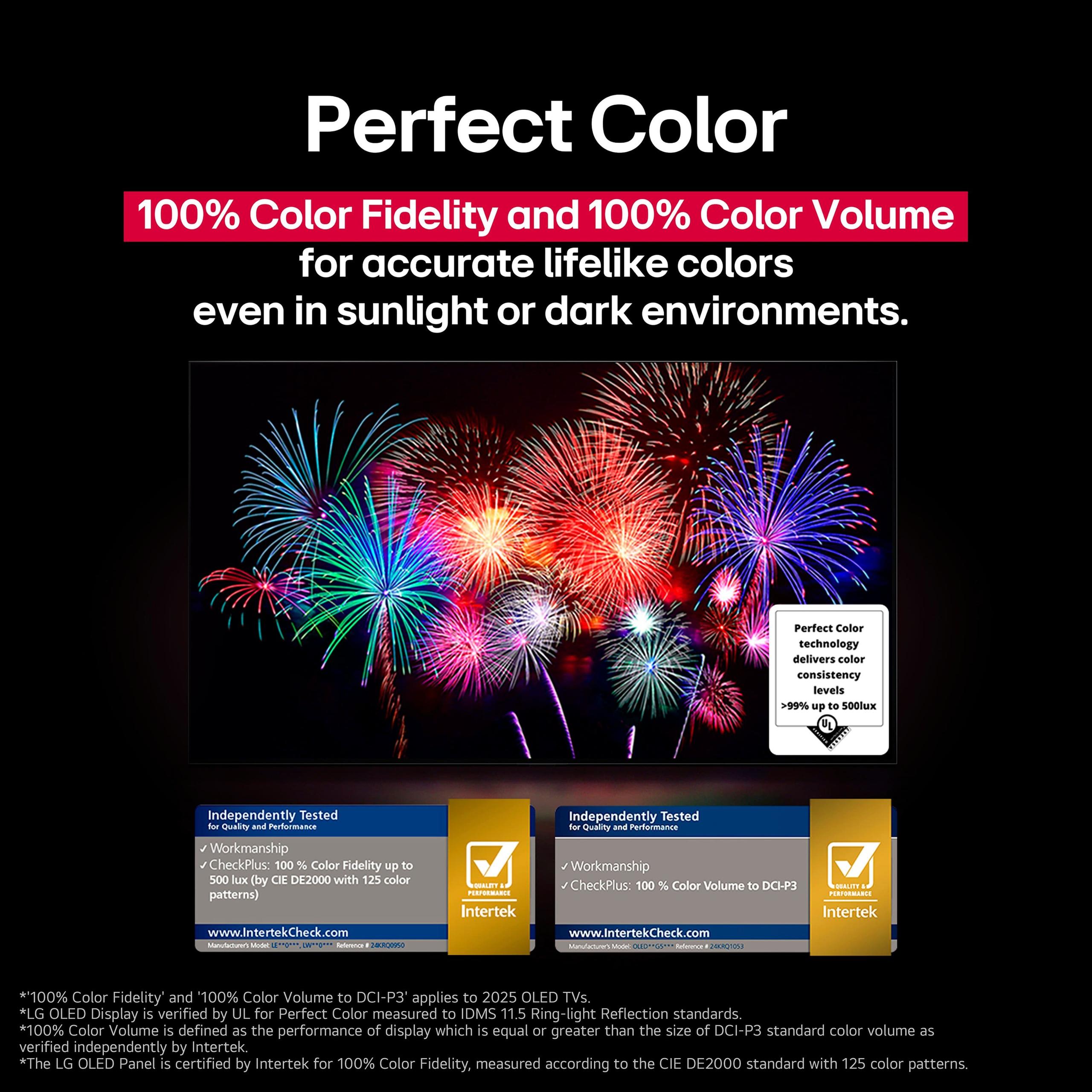
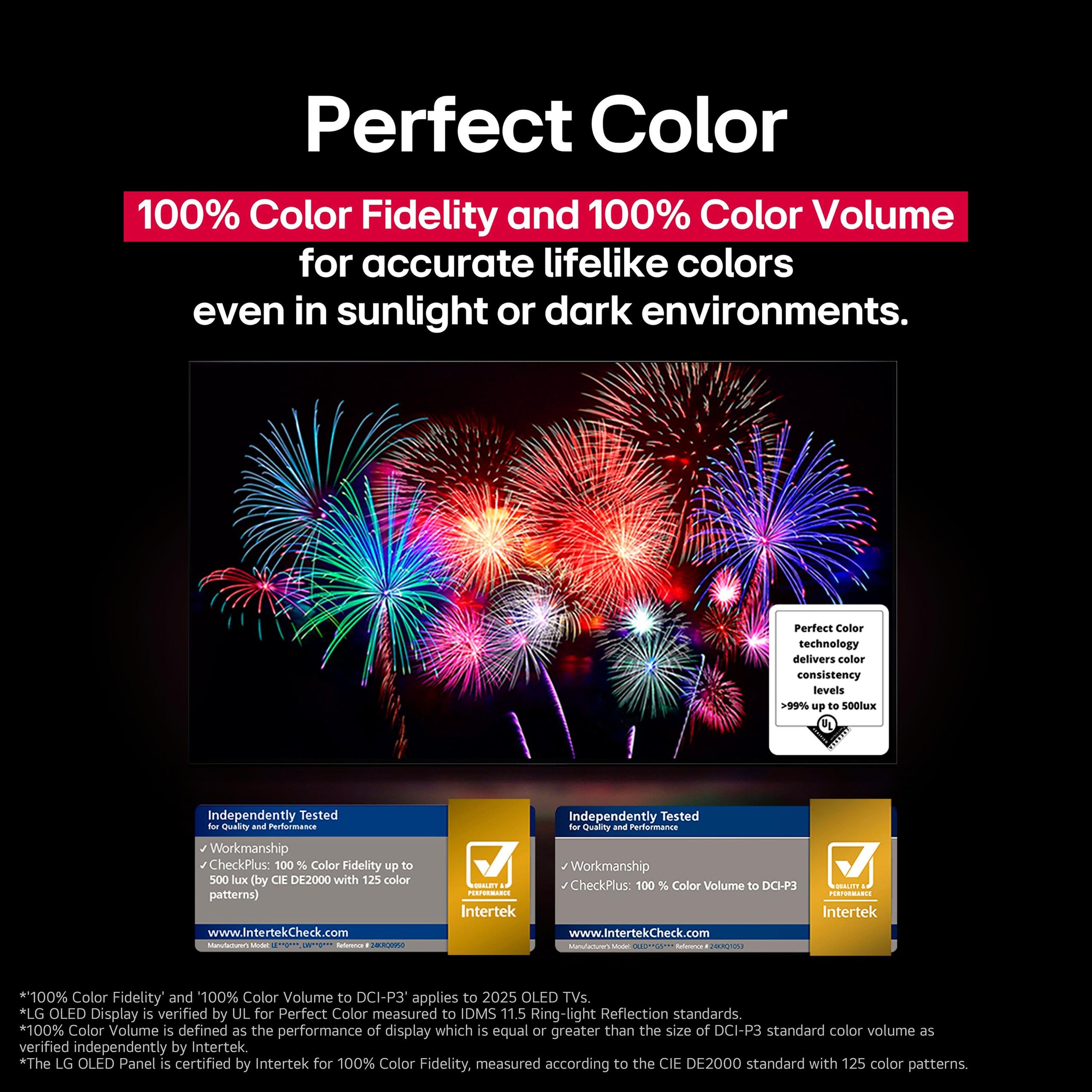
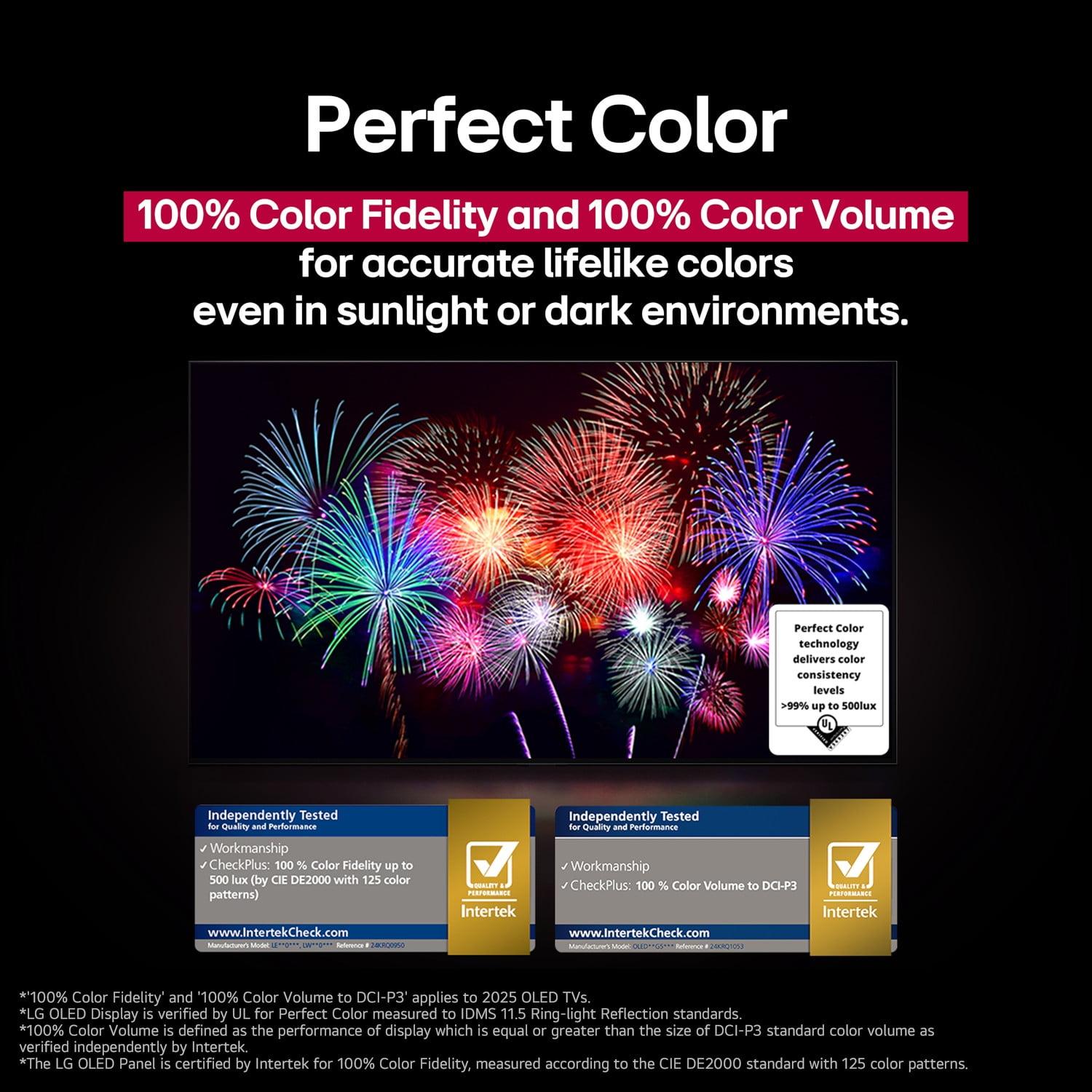
Both TVs excel at color reproduction, but in different ways. The Samsung Q7F uses quantum dots to achieve what Samsung calls "100% Color Volume," meaning it can display vibrant colors even at high brightness levels. The TV is PANTONE validated, ensuring accurate color reproduction for professional content.
The LG C5 delivers exceptional out-of-the-box color accuracy that often surpasses even premium Sony models in testing. However, OLED's color volume—the total range of colors it can display at various brightness levels—isn't quite as wide as the latest quantum dot displays, though this difference is rarely noticeable in real-world viewing.
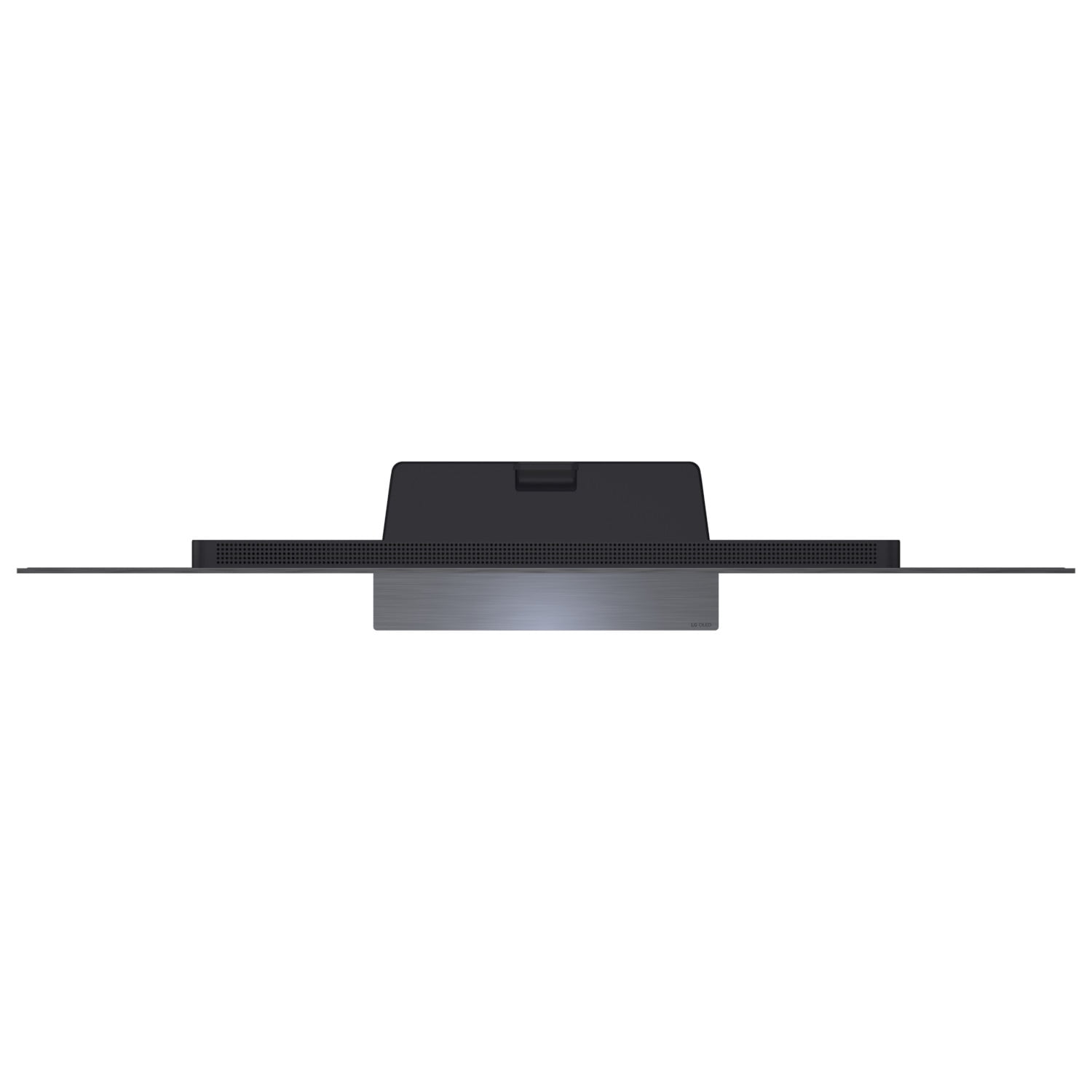
The Samsung Q7F uses a VA (Vertical Alignment) LCD panel, which means colors and brightness degrade noticeably when viewed from the side. If your family spreads across a wide couch or you have seating at angles to the TV, people not sitting directly in front will see a dimmer, less colorful image.
The LG C5 maintains consistent picture quality from virtually any angle, making it ideal for group viewing or rooms where the seating arrangement isn't perfectly centered.
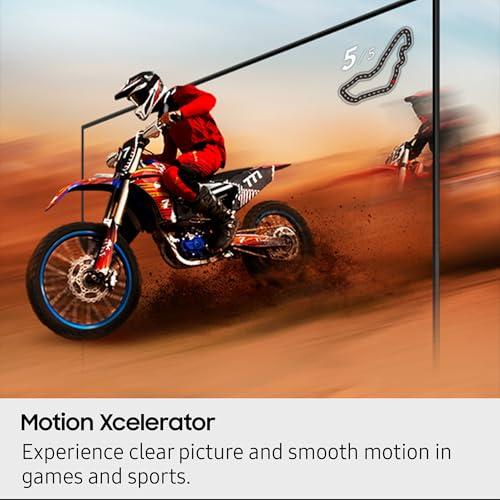
Gaming has become a crucial TV consideration, and here the differences are stark. The Samsung Q7F offers a 60Hz refresh rate, which is adequate for most content but limiting for serious gaming. Many modern games can run at higher frame rates, and gaming PCs can easily exceed 60 frames per second at 4K resolution.
The LG C5 provides native 120Hz refresh rate with support up to 144Hz for PC gaming. More importantly, it offers a 0.1ms response time—essentially instantaneous. This means no noticeable delay between pressing a controller button and seeing the action on screen, crucial for competitive gaming.
The Samsung Q7F includes basic Auto Game Mode (which reduces input lag) but lacks Variable Refresh Rate (VRR) support. VRR synchronizes the TV's refresh rate with your gaming device's frame rate, eliminating screen tearing and stuttering when frame rates fluctuate.
The LG C5 supports the full suite of modern gaming features: VRR, Auto Low Latency Mode, and compatibility with both NVIDIA G-Sync and AMD FreeSync technologies. For PlayStation 5 and Xbox Series X owners, these features unlock the consoles' full potential.
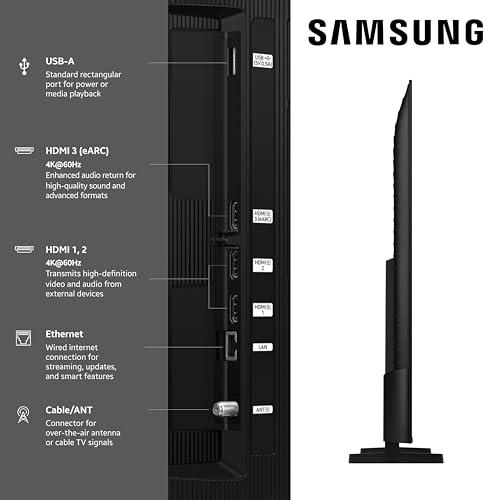
The connectivity difference is significant for future-proofing. The Samsung Q7F includes only three HDMI 2.0 ports, limiting you to 4K at 60Hz and creating potential bottlenecks if you have multiple high-bandwidth devices.
The LG C5 provides four HDMI 2.1 ports, each capable of handling 4K at 120Hz with full bandwidth for advanced gaming features. This future-proofs your setup for years as more devices adopt these standards.
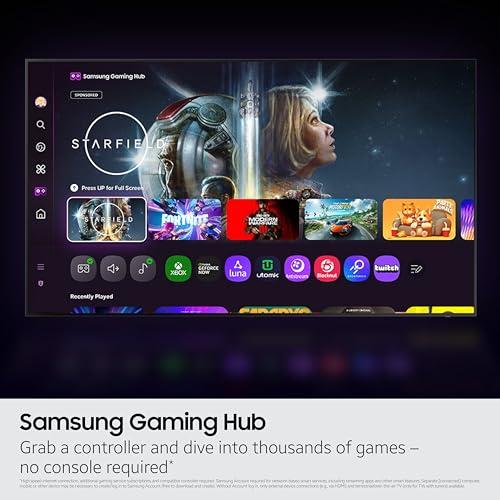
Both TVs received 2025 updates to their smart platforms. The Samsung Q7F runs a streamlined version of Tizen OS with Samsung Vision AI, which provides personalized recommendations and content search. The interface is clean and responsive, though not as feature-rich as Samsung's premium models.
The LG C5 features webOS 25, which includes more advanced AI-powered personalization and easier navigation. The Magic Remote enhances the experience with point-and-click functionality that feels more intuitive than traditional directional pad navigation.
Both TVs feature 20W speaker systems, which is modest for 65-inch displays. The Samsung Q7F includes Object Tracking Sound Lite, which attempts to match audio positioning with on-screen action, and Q-Symphony compatibility with Samsung soundbars.
The LG C5 supports Dolby Atmos, which creates three-dimensional soundscapes when playing compatible content. It also includes Auracast, a new Bluetooth technology that allows multiple wireless headphones to connect simultaneously—useful for late-night viewing without disturbing others.
At the time of writing, the price difference between these TVs represents more than just features—it reflects fundamentally different manufacturing approaches and target markets.
The Samsung Q7F delivers solid performance for budget-conscious buyers who want a large 4K screen with quantum dot color enhancement. Its limitations—lack of local dimming, basic gaming features, limited HDMI ports—are reasonable compromises for its entry-level pricing.
The LG C5 commands premium pricing because OLED manufacturing is inherently more complex and expensive. However, you're paying for technology that delivers reference-quality picture performance, advanced gaming capabilities, and future-proof connectivity.
The Samsung Q7F performs best in dim to moderately lit rooms. Its lack of local dimming and modest peak brightness mean it struggles to overcome glare from windows or bright overhead lighting. For evening TV watching or basement setups, these limitations are less problematic.
The LG C5 earned LG's "Bright Room Ready" designation for 2025, meaning its enhanced brightness makes it suitable for well-lit living rooms. The perfect blacks also prevent the washed-out look that LCD TVs can exhibit in bright environments.
For general TV watching—news, sitcoms, reality shows—both TVs perform adequately, though the LG C5 provides noticeably better picture quality. The difference becomes dramatic with premium content: movies with dark scenes, HDR nature documentaries, or cinematic TV shows showcase OLED's advantages clearly.
Gaming enthusiasts will find the Samsung Q7F adequate for casual gaming but limiting for serious use. The LG C5 provides a professional-grade gaming experience that maximizes the potential of modern consoles and gaming PCs.
If you're building a dedicated home theater, the choice becomes clearer. The LG C5 delivers the black levels and contrast that make movie watching truly cinematic. Its Dolby Vision support ensures you're seeing HDR content as filmmakers intended, while the wide viewing angles accommodate theater-style seating arrangements.
The Samsung Q7F can serve in a home theater setup, but its limitations become more apparent in the controlled lighting environment where OLED's advantages shine brightest.
The Samsung Q7F succeeds as an entry-level large screen TV that delivers quantum dot benefits at an accessible price point. It's not trying to be a flagship model, and for viewers with modest expectations, it provides good value.
The LG C5 represents what OLED technology can achieve at a mid-tier price point within the premium category. It delivers performance that justifies its cost for viewers who prioritize picture quality and modern features.
The fundamental question isn't whether the LG C5 is better than the Samsung Q7F—in most measurable ways, it clearly is. The question is whether that performance advantage justifies the significantly higher cost for your specific situation.
If you're upgrading from an older TV and primarily watch standard content in moderate lighting, the Samsung Q7F provides a meaningful improvement at an accessible price. If you're passionate about picture quality, gaming, or building a proper home theater, the LG C5 delivers technology that will remain impressive for years.
Both represent solid choices within their respective market segments, but they serve fundamentally different needs and expectations. Understanding these differences—and honestly assessing your viewing priorities—will guide you to the right decision for your home entertainment setup.
| Samsung Q7F QLED 65" 2025 | LG OLED evo C5 65" 2025 |
|---|---|
| Display Technology - Fundamental difference affecting all picture quality aspects | |
| QLED (LED-backlit LCD with quantum dots) | OLED evo (Self-lit pixels with enhanced brightness) |
| Black Levels - Critical for movie watching and dark scene detail | |
| Grayish blacks due to always-on backlight | Perfect blacks (pixels turn completely off) |
| Peak Brightness - Important for HDR content and bright room viewing | |
| Moderate brightness, struggles in bright rooms | Enhanced OLED evo brightness, "Bright Room Ready" |
| Refresh Rate - Essential for gaming and smooth motion | |
| 60Hz maximum | Native 120Hz (up to 144Hz for PC gaming) |
| Response Time - Critical for competitive gaming | |
| Standard LCD response time | 0.1ms (virtually instantaneous) |
| Local Dimming - Controls contrast by dimming specific screen areas | |
| None (entire backlight dims together) | Pixel-level (8.3 million independent zones) |
| HDR Support - Determines quality of high dynamic range content | |
| HDR10+ and Quantum HDR | Dolby Vision, HDR10+, and advanced HDR processing |
| HDMI Ports - Affects future compatibility and device connections | |
| 3x HDMI 2.0 (limits 4K to 60Hz) | 4x HDMI 2.1 (full 4K 120Hz bandwidth) |
| Gaming Features - Modern console and PC compatibility | |
| Auto Game Mode only | VRR, G-Sync, FreeSync, Auto Low Latency Mode |
| Viewing Angles - Important for group viewing and room layout | |
| Narrow angles (VA panel degrades from sides) | Wide angles maintain quality from any position |
| Processor - Affects picture optimization and smart features | |
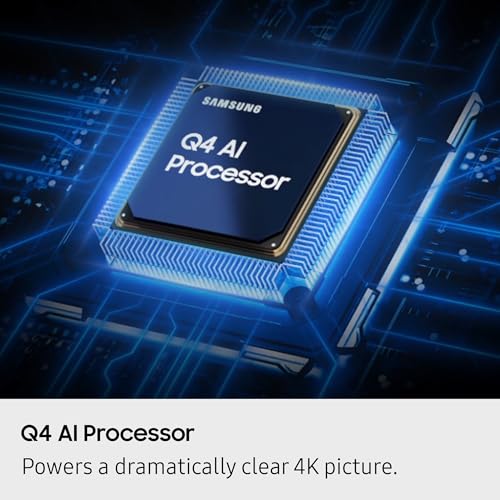
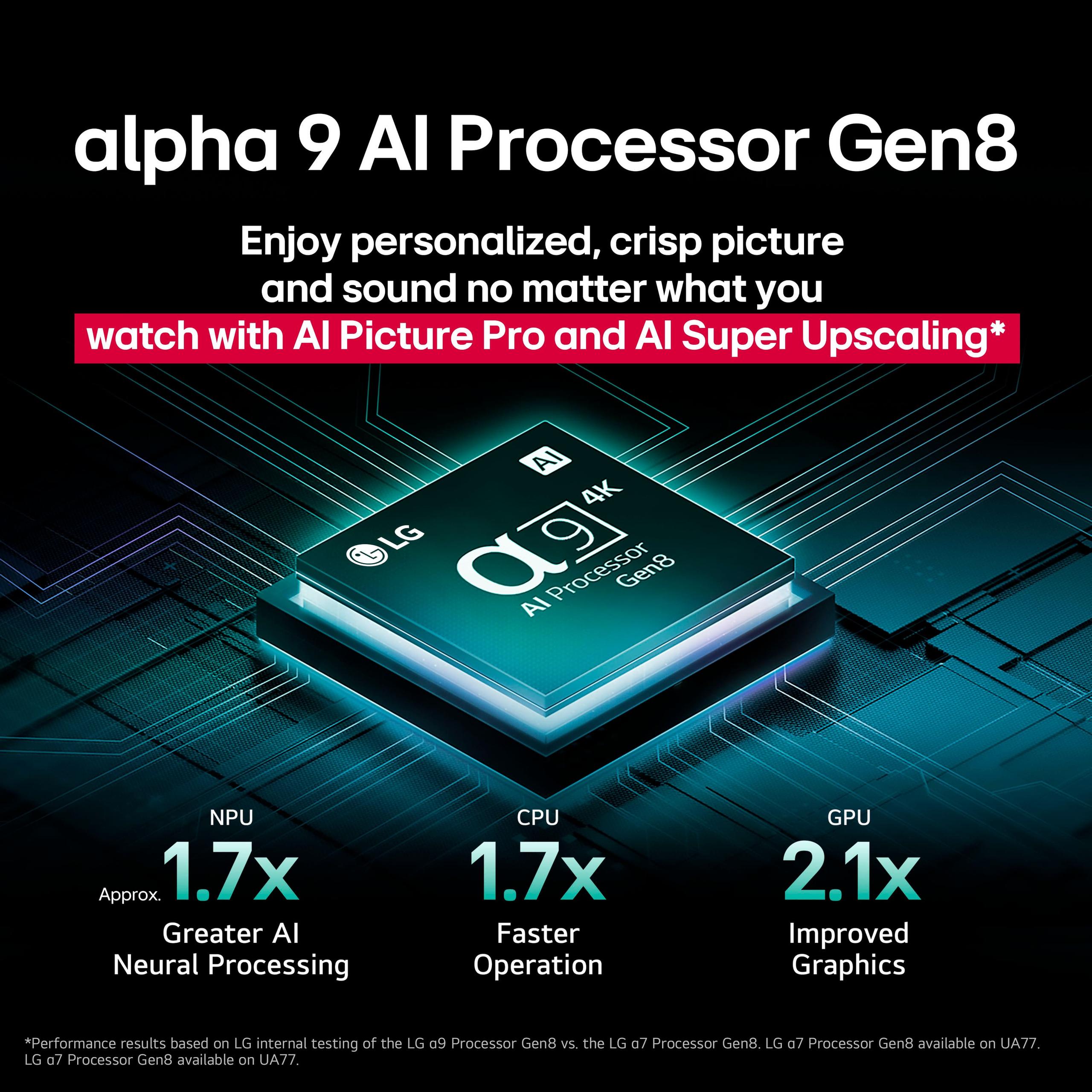
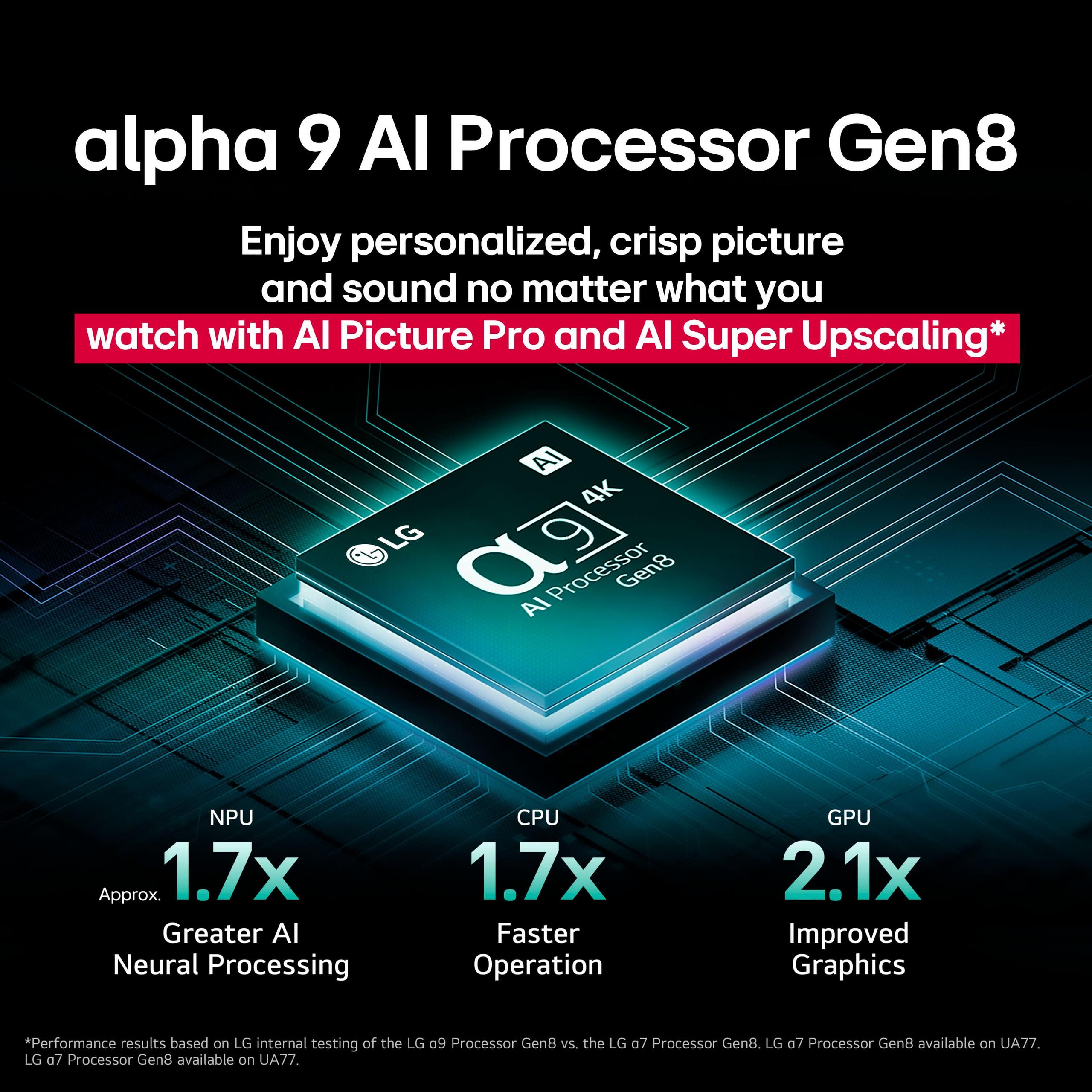
| Q4 AI Processor (basic optimization) | Alpha 9 Gen8 AI Processor (advanced OLED-specific) |
| Smart Platform - User experience and app performance | |
| Streamlined Tizen OS with basic AI features | Advanced webOS 25 with enhanced personalization |
| Audio Support - Home theater and soundbar compatibility | |
| Object Tracking Sound Lite, Q-Symphony | Dolby Atmos, Auracast Bluetooth audio sharing |
| Price Positioning - Value proposition and target market | |
| Entry-level QLED for budget-conscious buyers | Mid-tier OLED for quality-focused enthusiasts |
| Best Use Cases - Ideal scenarios for each TV | |
| Moderate lighting, casual viewing, budget setups | Any lighting, serious gaming, home theater |
The Samsung Q7F uses QLED technology (LED-backlit LCD with quantum dots) while the LG C5 uses OLED technology where each pixel creates its own light. This means the LG C5 can produce perfect blacks by turning pixels completely off, while the Samsung Q7F has a backlight that's always on, resulting in grayish blacks.
The LG C5 is significantly better for gaming with its 120Hz refresh rate (up to 144Hz), 0.1ms response time, VRR support, and four HDMI 2.1 ports. The Samsung Q7F only offers 60Hz refresh rate, basic Auto Game Mode, and three HDMI 2.0 ports, making it suitable for casual gaming but limiting for serious gamers.
The LG C5 performs better in bright rooms thanks to its "Bright Room Ready" enhanced OLED evo brightness technology. The Samsung Q7F struggles with glare in bright environments and is best suited for moderate lighting conditions.
The LG C5 offers dramatically superior picture quality with perfect blacks, infinite contrast, better HDR performance, and wider viewing angles. Whether this justifies the significantly higher cost depends on your priorities - the Samsung Q7F provides good value for budget-conscious buyers who don't need premium features.
The LG C5 is much better for movies, especially in darker viewing environments. Its perfect black levels, Dolby Vision support, and superior contrast make cinematic content look dramatically more realistic. The Samsung Q7F can display movies adequately but lacks the depth and impact of OLED technology.
Yes, both the Samsung Q7F and LG C5 support all major streaming services through their smart platforms. The Samsung Q7F runs Tizen OS while the LG C5 uses webOS 25, both offering access to Netflix, Disney+, Amazon Prime Video, and other popular apps.
The LG C5 has more advanced smart features with webOS 25, offering superior AI-powered personalization, enhanced navigation, and the intuitive Magic Remote. The Samsung Q7F uses a streamlined version of Tizen OS with basic Samsung Vision AI features.
The LG C5 maintains excellent picture quality from any viewing angle, making it ideal for group viewing. The Samsung Q7F uses a VA panel that shows noticeable color and brightness degradation when viewed from the sides, so it works best when sitting directly in front.
The LG C5 is superior for home theater use with its perfect black levels, Dolby Vision support, Dolby Atmos audio, and wide viewing angles that accommodate theater-style seating. The Samsung Q7F can work in a home theater but its limitations become more apparent in controlled lighting environments.
The LG C5 fully supports PlayStation 5 and Xbox Series X at their maximum capabilities (4K 120Hz with VRR). The Samsung Q7F works with these consoles but limits them to 4K 60Hz without advanced gaming features like Variable Refresh Rate.
The Samsung Q7F has three HDMI 2.0 ports, while the LG C5 offers four HDMI 2.1 ports. The LG C5 provides better connectivity and future-proofing with higher bandwidth support for 4K 120Hz gaming and advanced features.
Choose the Samsung Q7F if you're budget-conscious, watch in moderate lighting, and don't prioritize advanced gaming features. Choose the LG C5 if you want the best picture quality, serious gaming capabilities, and can accommodate the higher investment for premium OLED technology.
We've done our best to create useful and informative comparisons to help you decide what product to buy. Our research uses advanced automated methods to create this comparison and perfection is not possible - please contact us for corrections or questions. These are the sites we've researched in the creation of this article: bestbuy.com - rtings.com - bestbuy.com - youtube.com - youtube.com - youtube.com - samsung.com - samsung.com - samsung.com - billsmith.com - costco.com - samsung.com - hometechnologyreview.com - hometechnologyreview.com - bestbuy.com - samsung.com - bestbuy.com - samsung.com - hometechnologyreview.com - samsung.com - samsung.com - bestbuy.com - rtings.com - youtube.com - businessinsider.com - youtube.com - bestbuy.com - lg.com - files.bbystatic.com - lg.com - flatpanelshd.com - lg.com - blvdhome.com - bhphotovideo.com - flanners.com - videopro.com.au

Privacy Policy
Terms and Conditions - Affiliate Policy
Home Security
© Copyright 2008-2026.
11816 Inwood Rd #1211, Dallas, TX 75244