

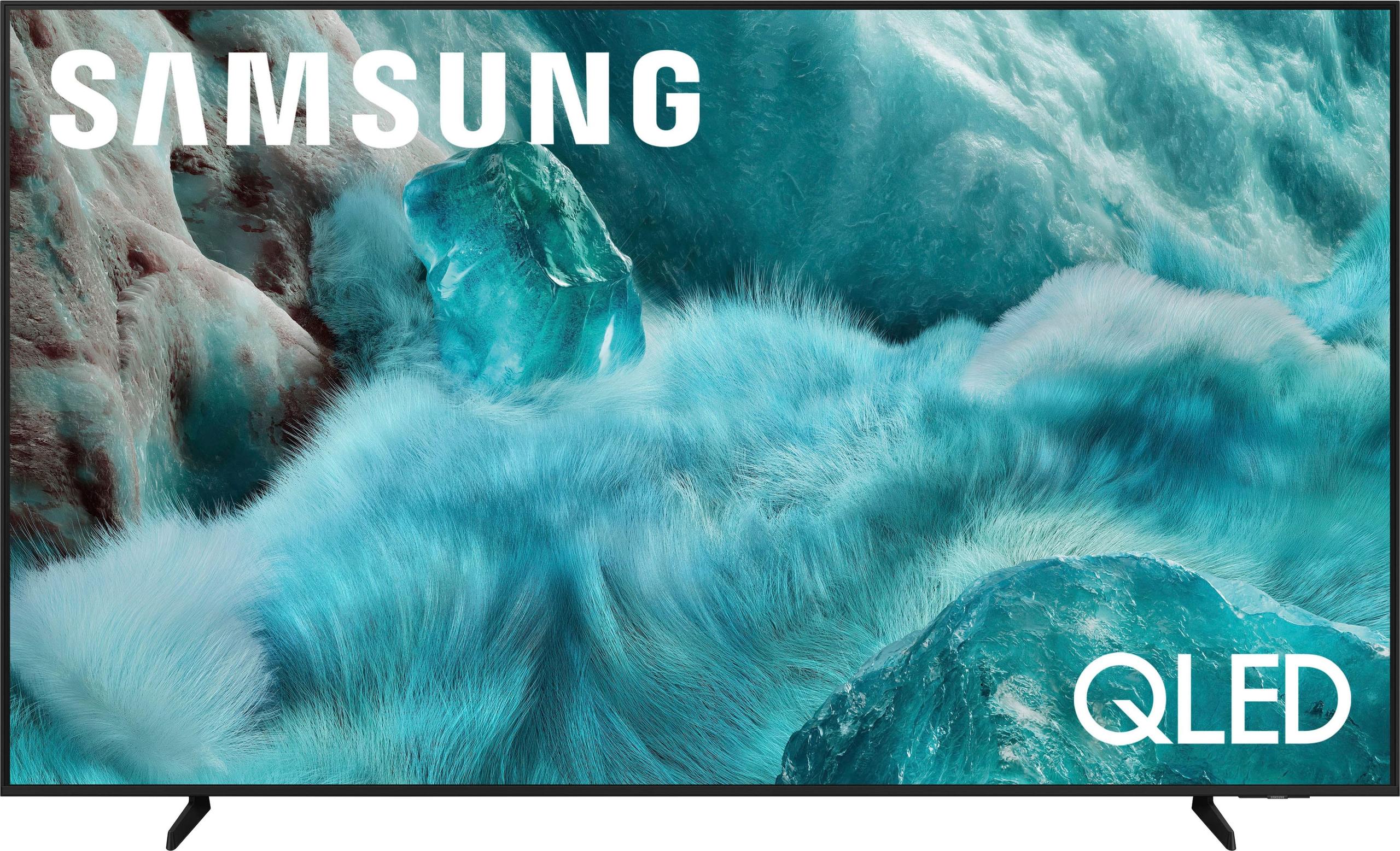
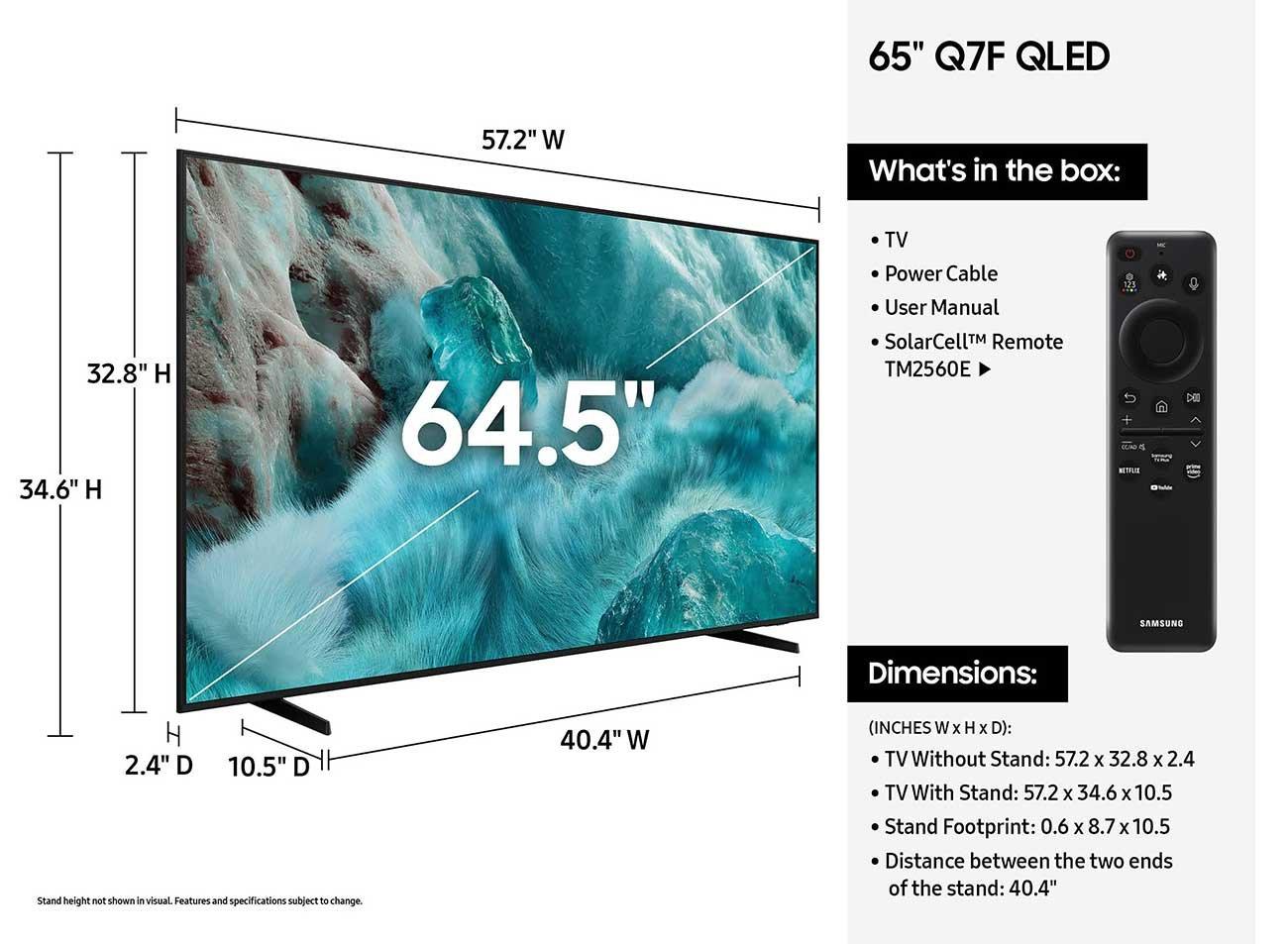

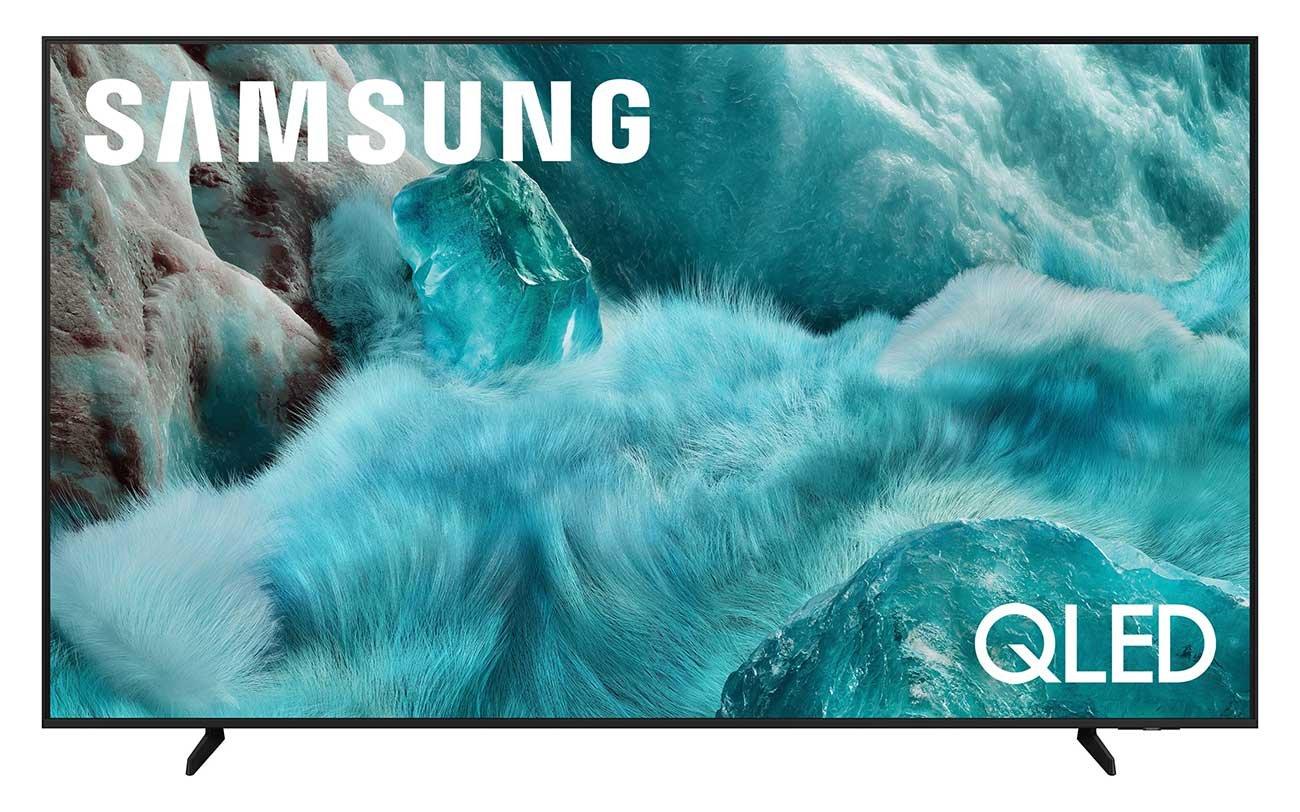
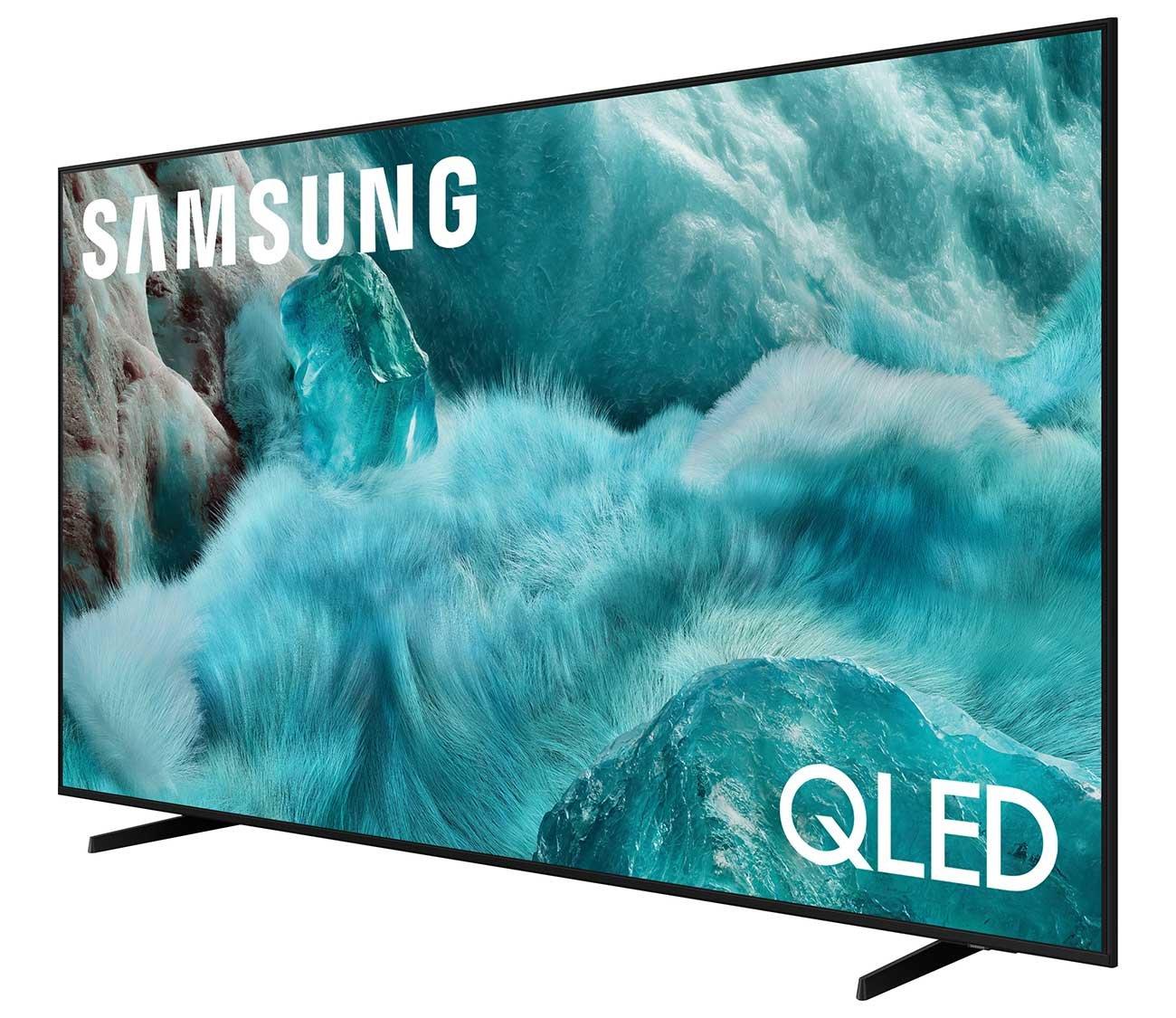
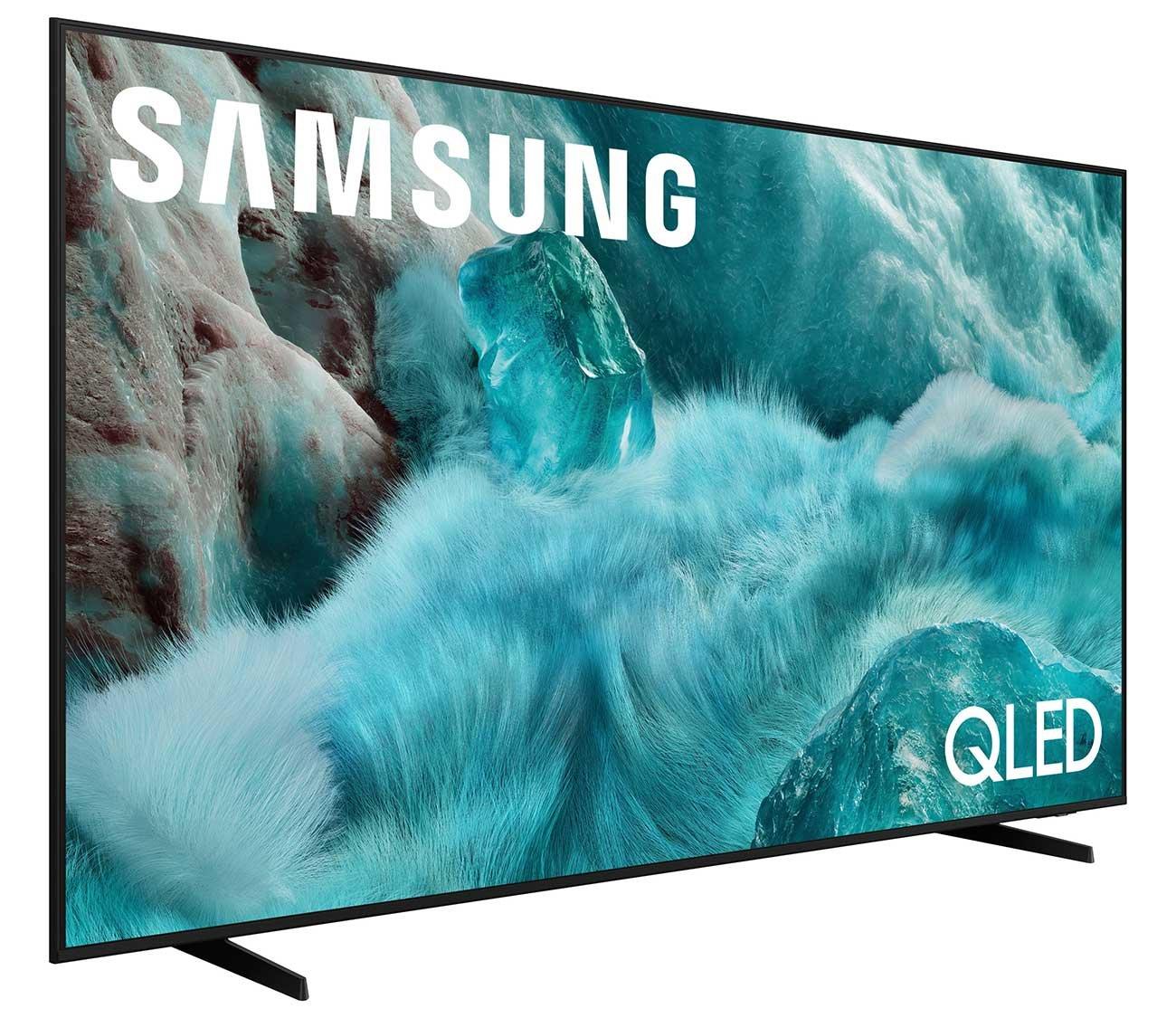

When you're shopping for a premium 65-inch TV, you're entering a fascinating world where two fundamentally different technologies compete for your living room. The Samsung 65" Q7F QLED 4K Vision AI Smart TV 2025 represents the quantum dot approach to picture quality, while the LG 65" G4 Series OLED evo 4K UHD Smart TV 2024 showcases what self-illuminating pixels can achieve. At the time of writing, these TVs sit at very different price points, but both promise an exceptional viewing experience through completely different methods.
The television landscape has evolved dramatically over the past few years. OLED technology, which emerged as a premium option around 2017, has become increasingly bright and affordable, while QLED has pushed deeper into both budget and premium segments. The Samsung Q7F, released in 2025, reflects Samsung's strategy to bring quantum dot technology to more accessible price points. Meanwhile, the LG G4, launched in 2024, represents the cutting edge of OLED evolution with significant brightness improvements that address the technology's traditional weakness in bright rooms.
The core difference between these TVs lies in how they create light and color. The Samsung Q7F uses a traditional LED backlight system enhanced with quantum dots—tiny semiconductor particles that emit specific colors when hit by light. This creates a QLED (Quantum Dot Light Emitting Diode) display that can produce vibrant colors while maintaining high brightness levels. Think of it like having a powerful flashlight behind a sophisticated color filter system.
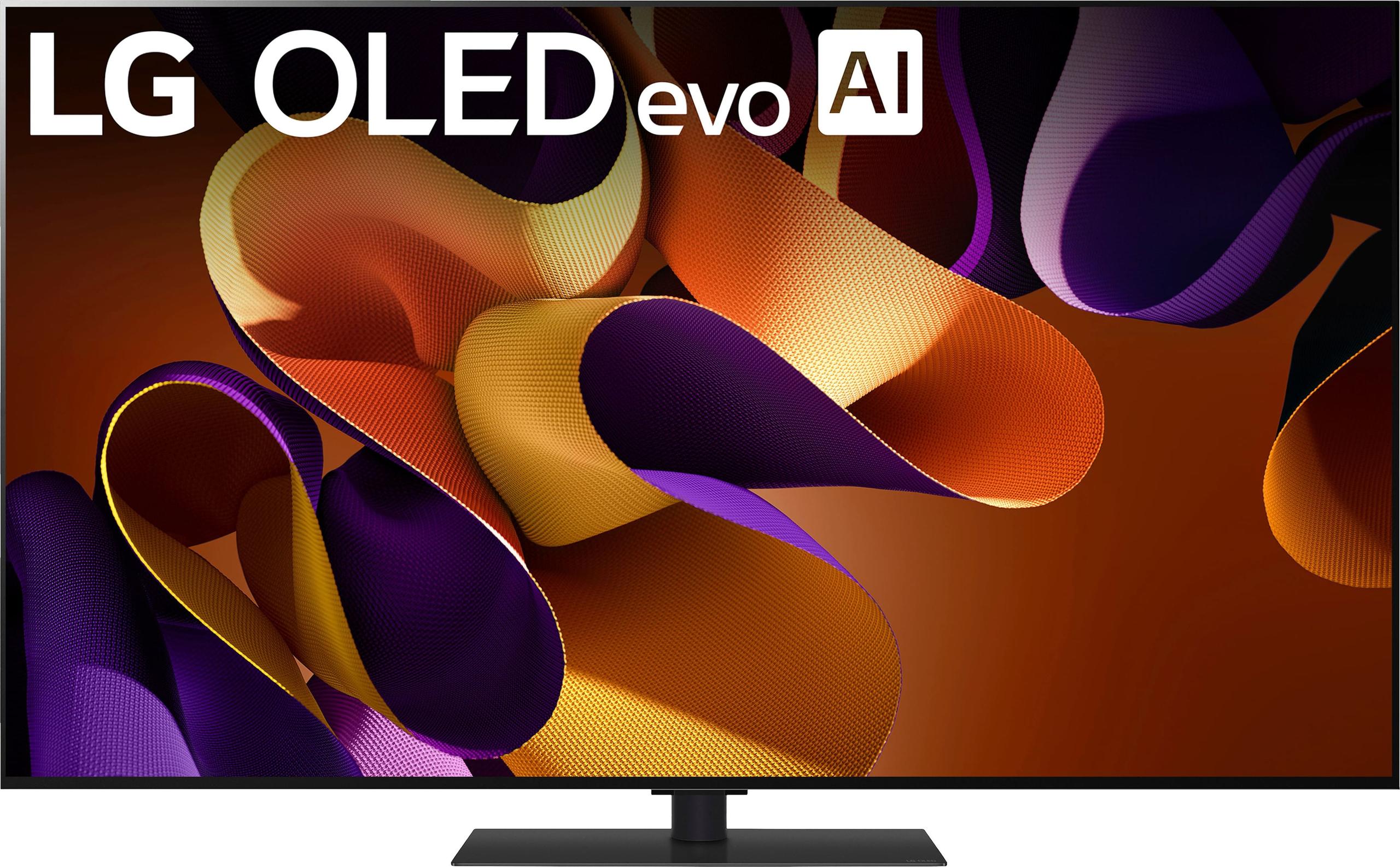
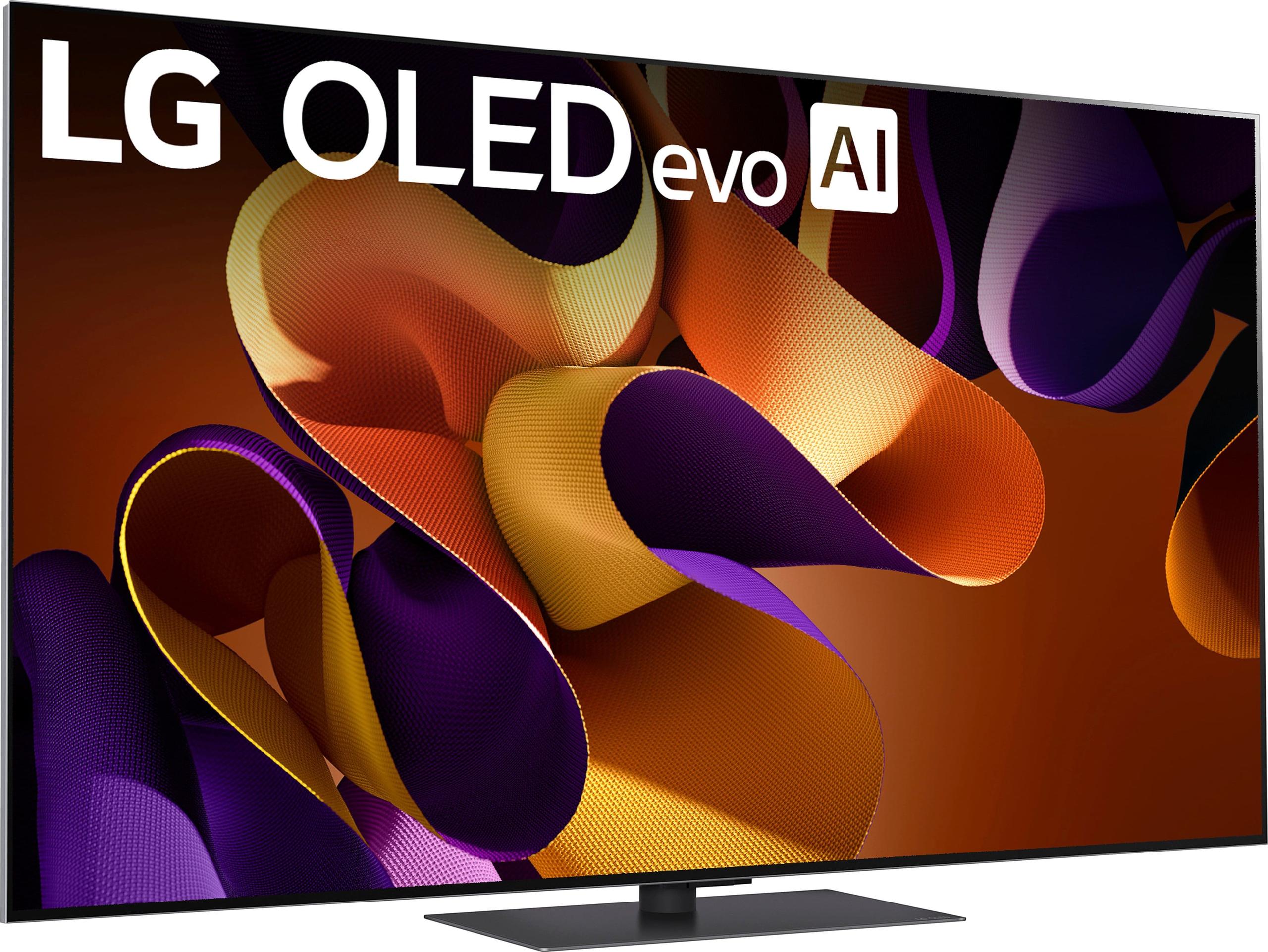
The LG G4 takes a completely different approach with OLED (Organic Light Emitting Diode) technology, where each pixel generates its own light. When a pixel needs to be black, it simply turns off completely, creating perfect blacks that no backlit display can match. LG's 2024 implementation includes their second-generation Micro Lens Array technology, which focuses more light toward the viewer, making the display up to 150% brighter than previous OLED generations.
This fundamental difference shapes everything about how these TVs perform, from their contrast capabilities to their suitability for different room conditions.
Contrast ratio—the difference between the brightest whites and darkest blacks—is arguably the most important factor in perceived picture quality. Here, the LG G4 has a theoretical advantage that's nearly impossible to overcome. Because OLED pixels can turn completely off, the G4 achieves what we call "infinite contrast." When you're watching a movie with a night scene, those dark areas are truly black, not the dark gray you get with most TVs.
The Samsung Q7F, with its LED backlighting, faces the inherent limitation that its backlight is always on to some degree. Even with Supreme UHD Dimming technology, which attempts to darken areas of the screen, you'll still see some light bleeding through in dark scenes. Samsung rates the Q7F at a 4500:1 static contrast ratio, which is respectable but nowhere near OLED's infinite contrast.
In practical terms, this means the LG G4 excels when watching movies, especially in darker environments. The difference is immediately noticeable in content like space scenes, night shots, or films with heavy shadow detail. However, the Samsung's approach isn't without merit—that always-on backlight means it can maintain detail in dark scenes that might get crushed to pure black on an OLED.
HDR (High Dynamic Range) content has become the standard for premium viewing experiences, and here the comparison gets more interesting. HDR10+ and Dolby Vision are the two main HDR formats, and they work by encoding additional brightness and color information that allows compatible TVs to display more lifelike images with better highlight detail.
The LG G4 supports the full HDR suite including HDR10, Dolby Vision, and HLG, with peak brightness measurements reaching up to 2,268 nits in small highlight areas. That's bright enough to make HDR content truly pop, even in moderately lit rooms. The Brightness Booster Max technology represents a significant leap forward for OLED, addressing the long-standing criticism that OLEDs weren't bright enough for daytime viewing.
The Samsung Q7F, rated at 500 cd/m² average brightness, focuses on HDR10+ support but notably lacks Dolby Vision compatibility. This is a significant limitation since many streaming services and Blu-ray releases use Dolby Vision as their premium HDR format. While 500 cd/m² is adequate for most content, it's not the brightest QLED on the market by a substantial margin.
Color performance involves both the range of colors a TV can display and how accurately it reproduces them. The LG G4 achieves 100% color volume certification and has been validated for perfect color fidelity by independent testing organizations. This means it can display the full range of colors in popular color spaces while maintaining accuracy across different brightness levels.
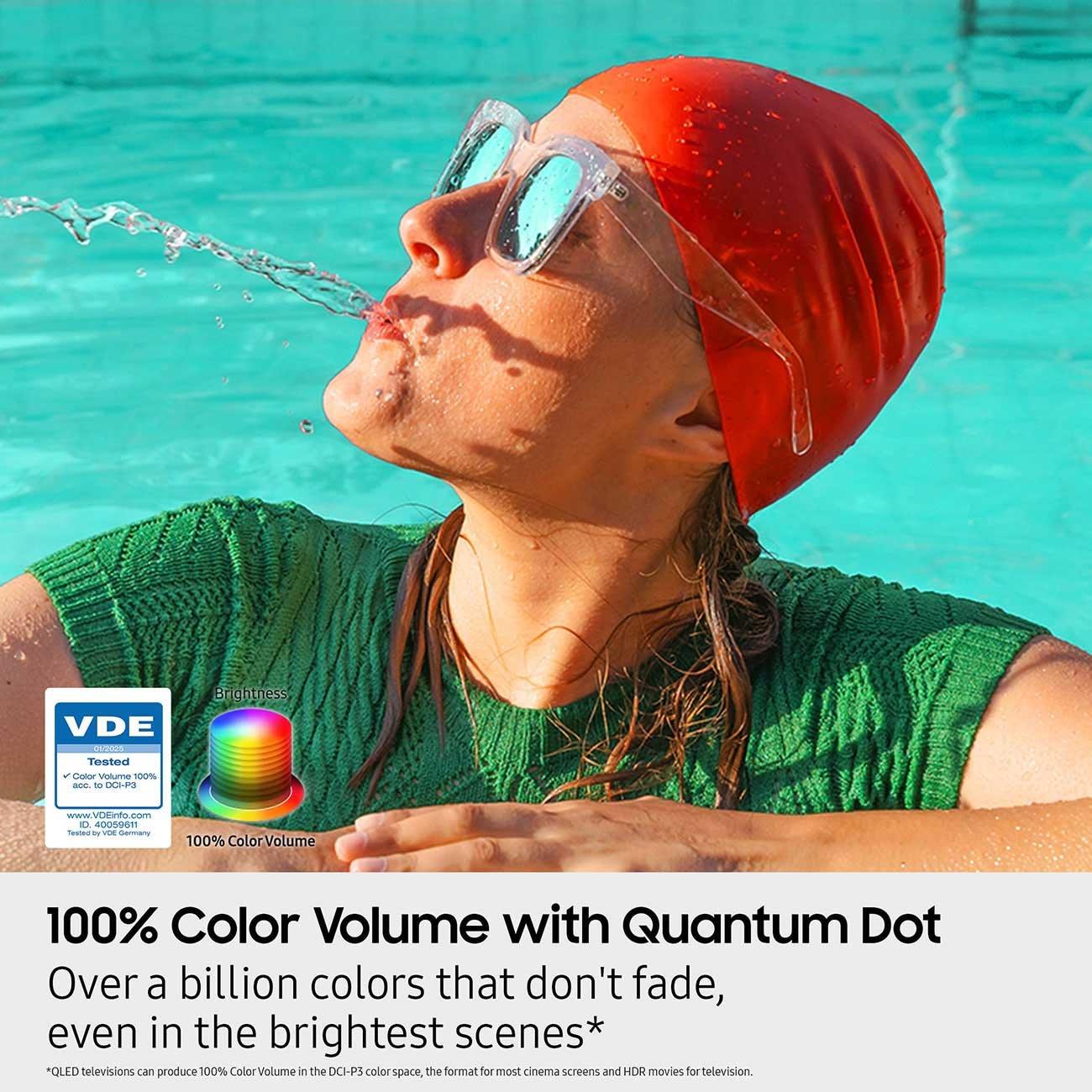
The Samsung Q7F brings quantum dot technology to bear on color reproduction, with PANTONE validation covering 2,140 PANTONE colors and 110 skin tone shades. Quantum dots excel at producing pure, saturated colors, particularly reds and greens that can look somewhat muted on other display technologies. However, the Q7F represents Samsung's entry-level QLED implementation, so while the colors are vibrant, they may not match the accuracy of premium models.
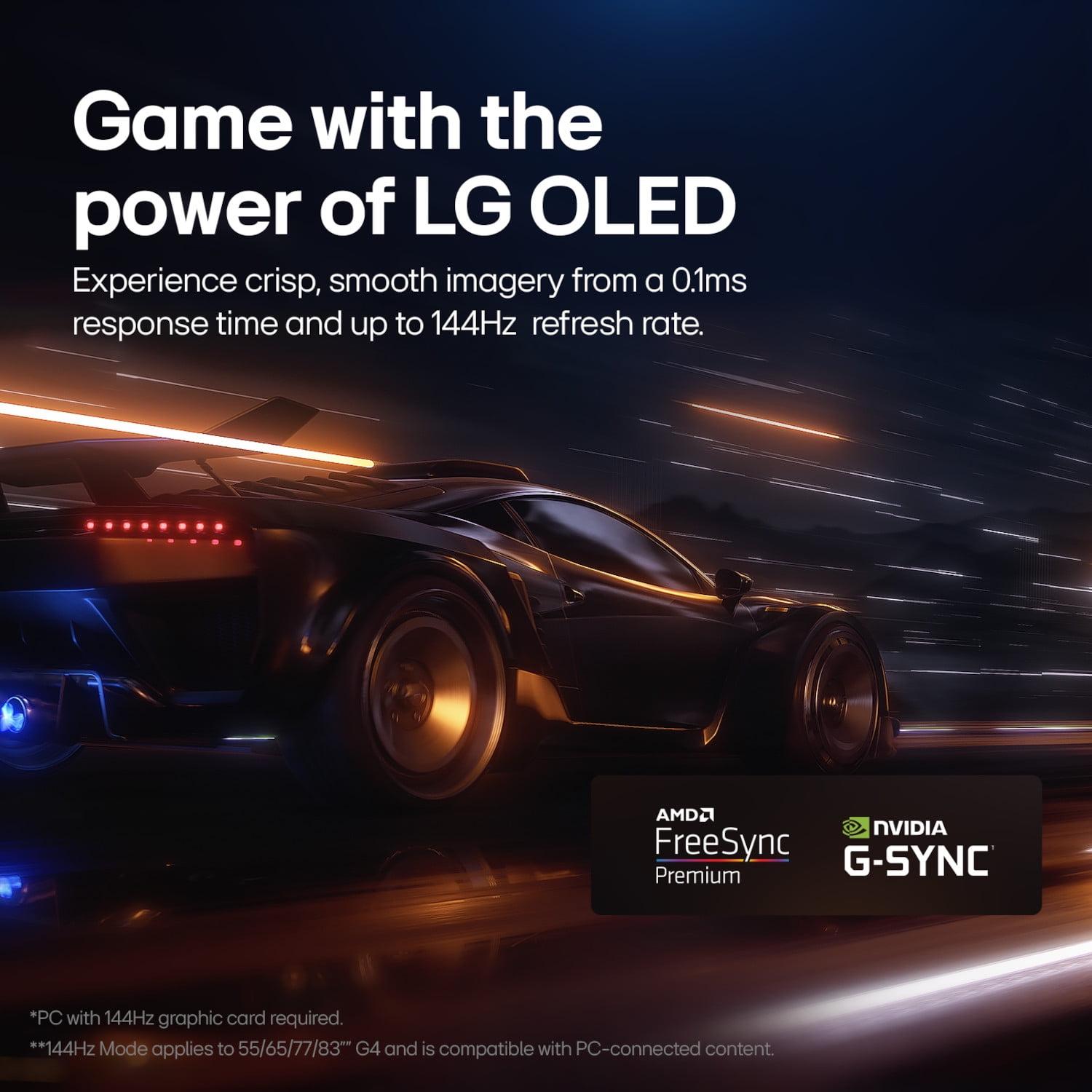
For gaming enthusiasts, these TVs represent vastly different experiences. The LG G4 is built for the current generation of gaming, with four HDMI 2.1 ports supporting 4K at up to 144Hz with variable refresh rate (VRR) technology. VRR synchronizes the TV's refresh rate with your gaming console or PC's output, eliminating screen tearing and stuttering for smoother gameplay.
The response time—how quickly pixels can change from one color to another—measures just 0.1ms on the LG G4, which is among the fastest available. Combined with extremely low input lag (the delay between when you press a button and see the result on screen), this makes the G4 exceptional for competitive gaming where every millisecond matters.
The Samsung Q7F takes a much more basic approach to gaming. With only 60Hz refresh rate support and no VRR capabilities, it's designed for casual gaming rather than serious enthusiasts. The three HDMI ports are all HDMI 2.0 specification, which limits bandwidth for high-resolution, high-refresh-rate gaming. If you own a PlayStation 5, Xbox Series X, or gaming PC capable of 120Hz output, the Q7F simply can't take advantage of those capabilities.
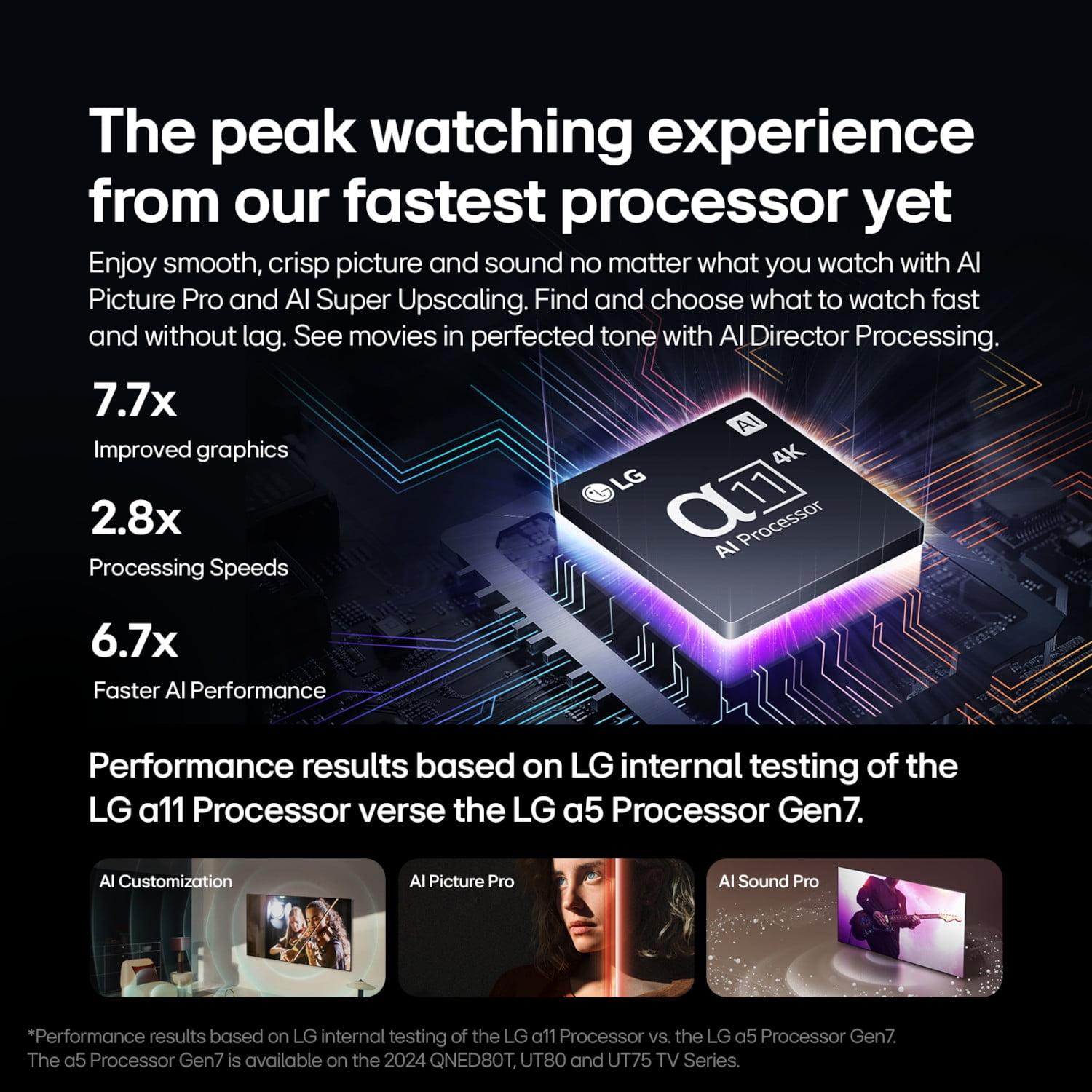
The intelligence behind these TVs differs significantly in both processing power and feature completeness. The LG G4 runs on the α11 (Alpha 11) AI Processor, which LG claims delivers 6.7 times faster AI performance than previous generations. This processor handles real-time upscaling of lower-resolution content, noise reduction, and AI-based picture optimization that analyzes content type to apply appropriate processing.
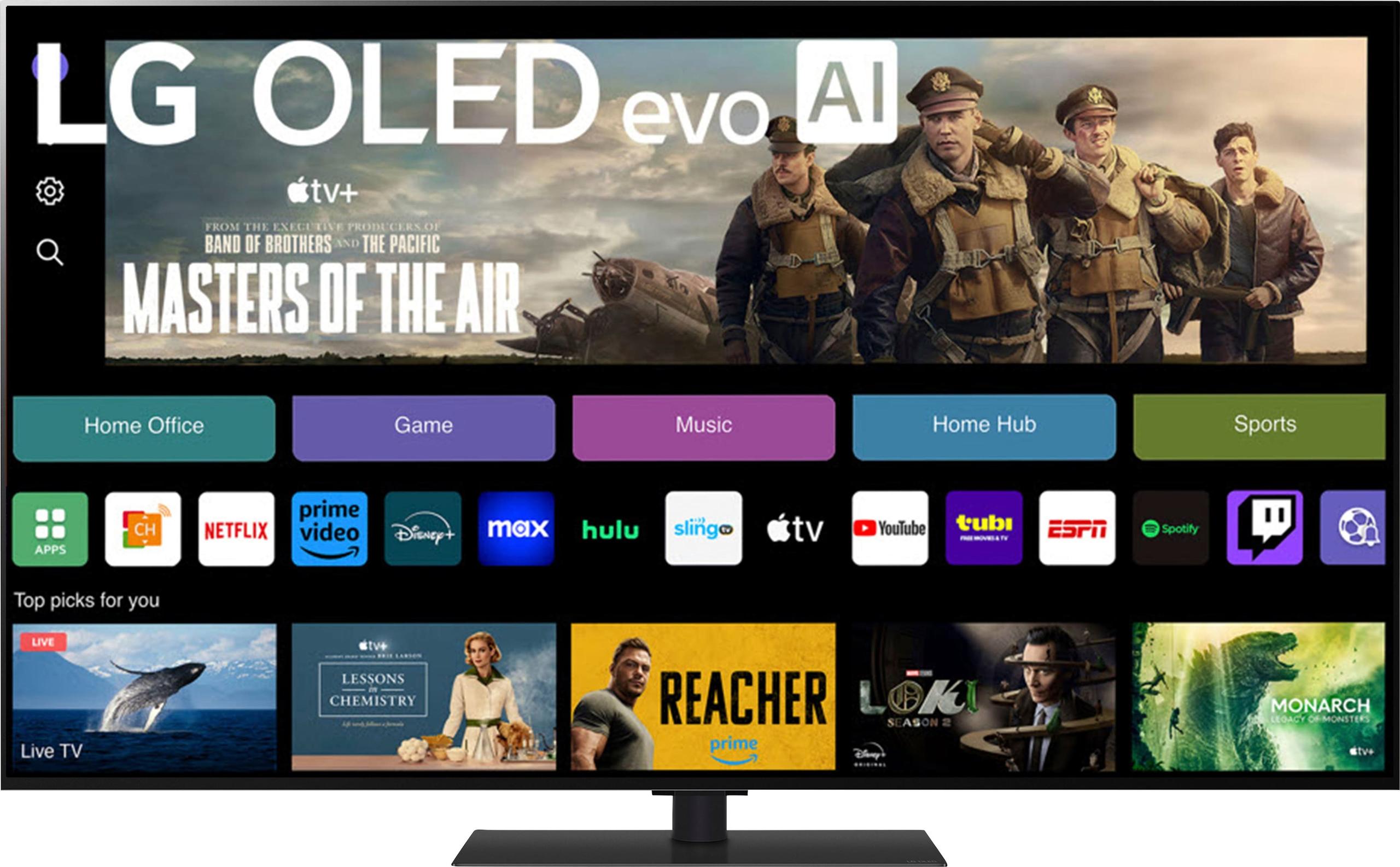
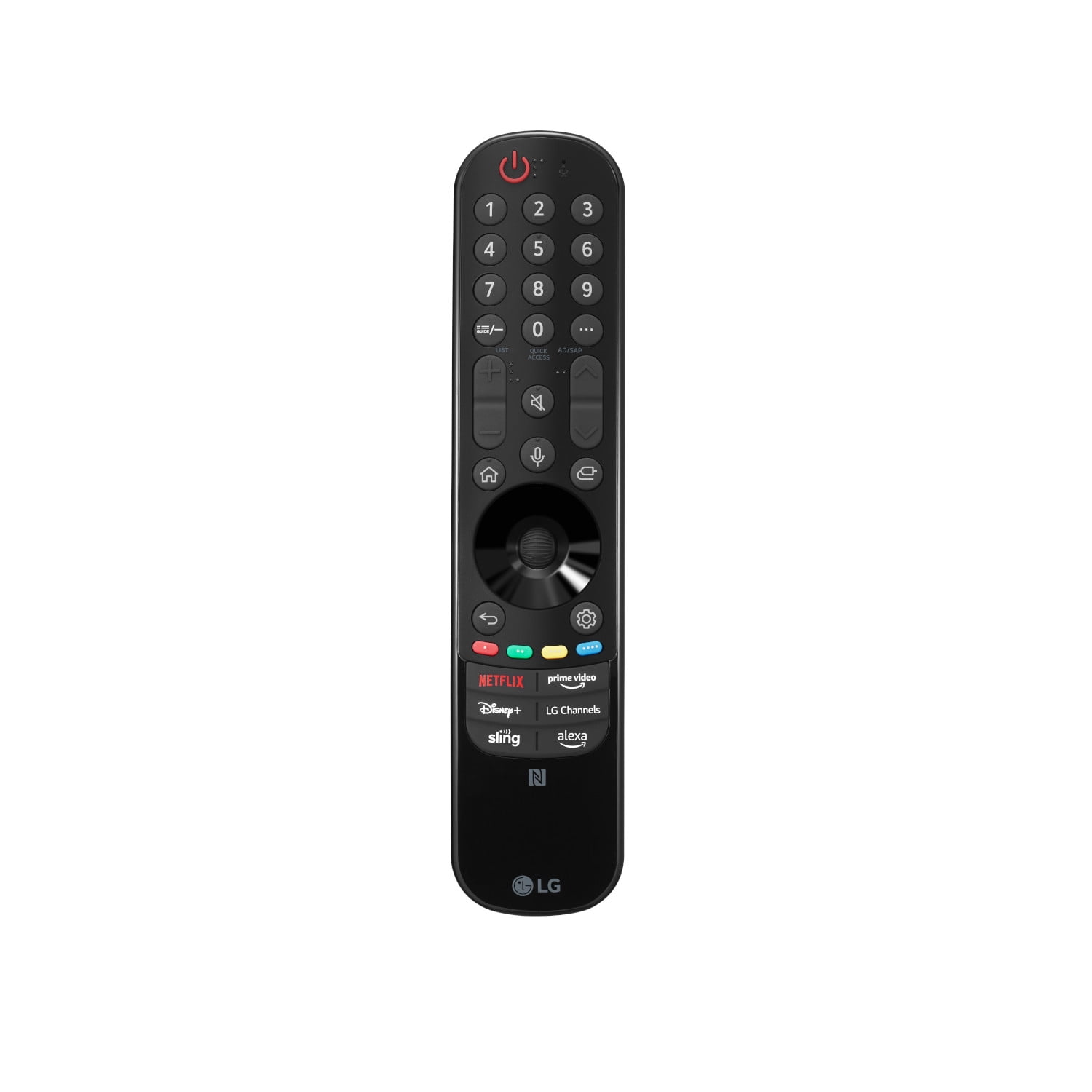
WebOS 24, LG's smart TV platform, offers a mature ecosystem with comprehensive app support, including cloud gaming services like GeForce NOW and Amazon Luna. The AI Concierge provides personalized content recommendations, while Quick Cards help organize your favorite streaming services for faster access.
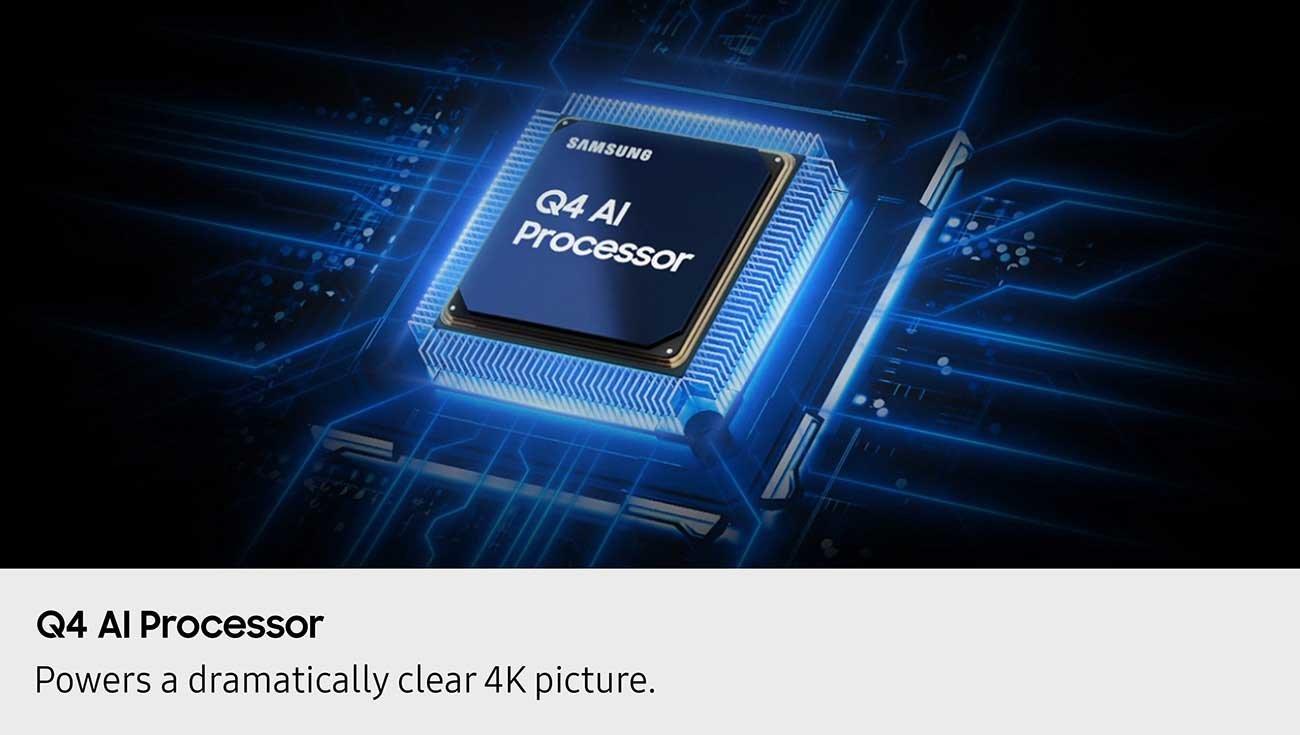
The Samsung Q7F features the Q4 AI Processor, which represents Samsung's entry-level processing tier for 2025. While it handles basic 4K upscaling and Samsung Vision AI features like generative wallpapers, it lacks the advanced processing capabilities of higher-end Samsung models. The Tizen smart platform is solid but comes with a reduced feature set compared to Samsung's premium offerings.
One area where Samsung innovates is with their 2025 Vision AI integration, which can generate custom wallpapers based on text descriptions and provides enhanced voice control through improved Bixby functionality. However, these features feel more like novel additions rather than core improvements to the viewing experience.
Television audio has become increasingly important as content creators embrace immersive soundtracks, and here we see another significant divide. The LG G4 includes a 4.2 channel, 60W speaker system with Dolby Atmos support. The AI Sound Pro feature can virtually process stereo content to simulate 11.1.2 surround sound, creating a more immersive experience without additional speakers.
The Samsung Q7F includes basic 2-channel, 20W speakers that lack advanced audio processing. More concerning for home theater enthusiasts is the absence of DTS audio passthrough support, which means some Blu-ray discs won't play their audio tracks correctly. This is particularly disappointing given that DTS support is considered standard on most modern TVs.
For serious home theater setups, both TVs will likely be paired with external sound systems. However, the LG G4's superior built-in audio means it performs better as a standalone entertainment center.
At the time of writing, these TVs occupy very different price segments, which shapes their value propositions significantly. The Samsung Q7F positions itself as an entry point into QLED technology, offering quantum dot color enhancement and basic smart features at a price point that undercuts most premium displays.
The LG G4 commands a premium price that reflects its flagship positioning. However, considering the comprehensive feature set, gaming capabilities, and superior display technology, it represents strong value for buyers who want a premium experience without compromise.
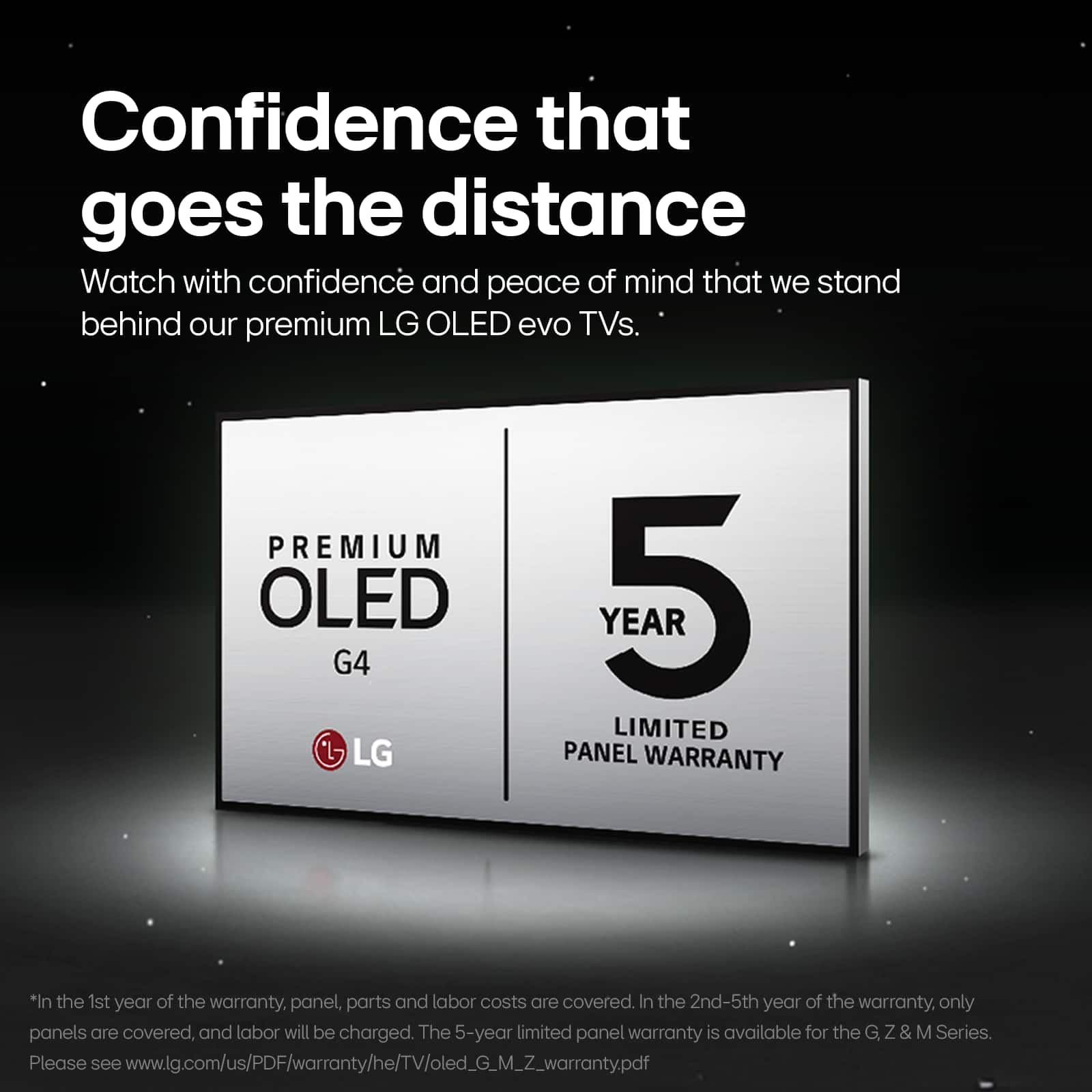
The warranty situation also factors into long-term value. LG backs the G4 with a five-year panel warranty that includes burn-in coverage, demonstrating confidence in OLED longevity. Samsung provides a standard one-year warranty on the Q7F, which is typical for entry-level models.
Your room's lighting conditions play a crucial role in determining which TV will work better. The Samsung Q7F performs better in bright environments thanks to its LED backlighting and anti-glare properties. If your TV room has large windows or you primarily watch during daytime hours, the Samsung's approach may be more practical.
The LG G4, despite its improved brightness over previous OLED generations, still excels in controlled lighting environments. The perfect blacks and infinite contrast create an incredibly immersive experience in darker rooms, making it ideal for dedicated home theater spaces or evening viewing.
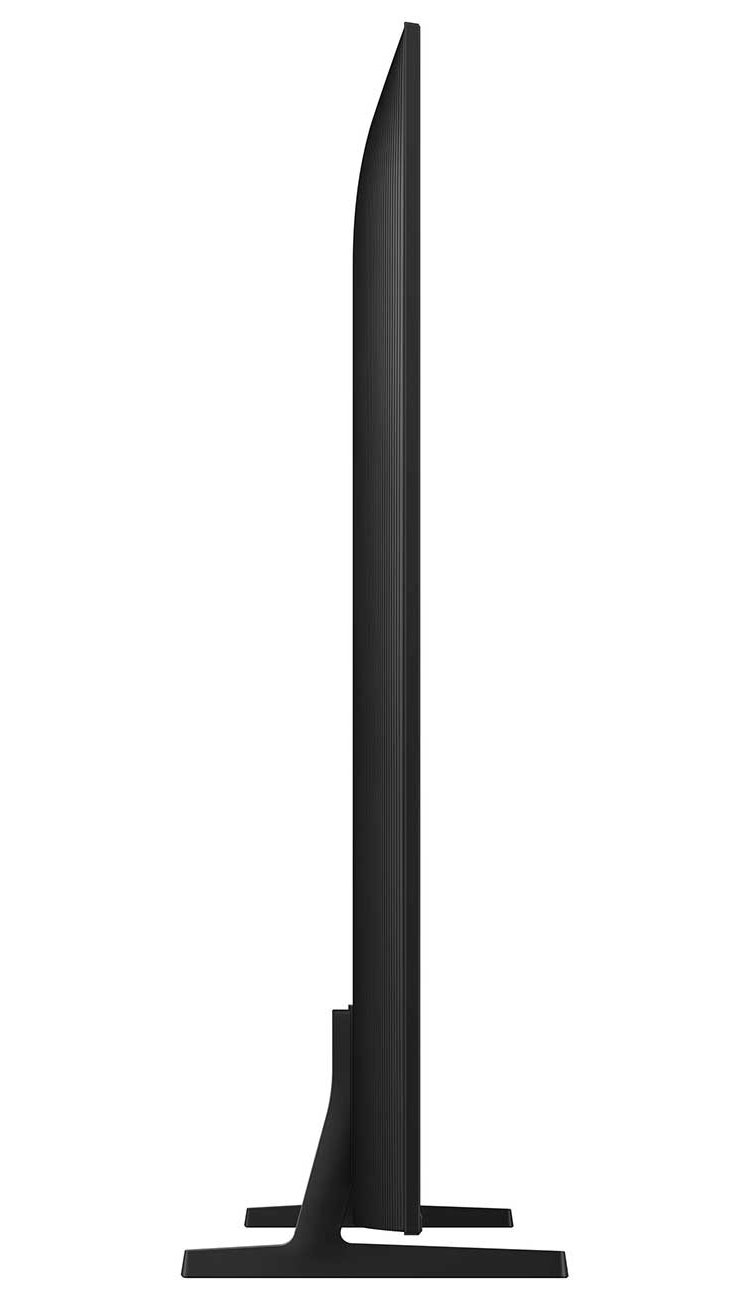
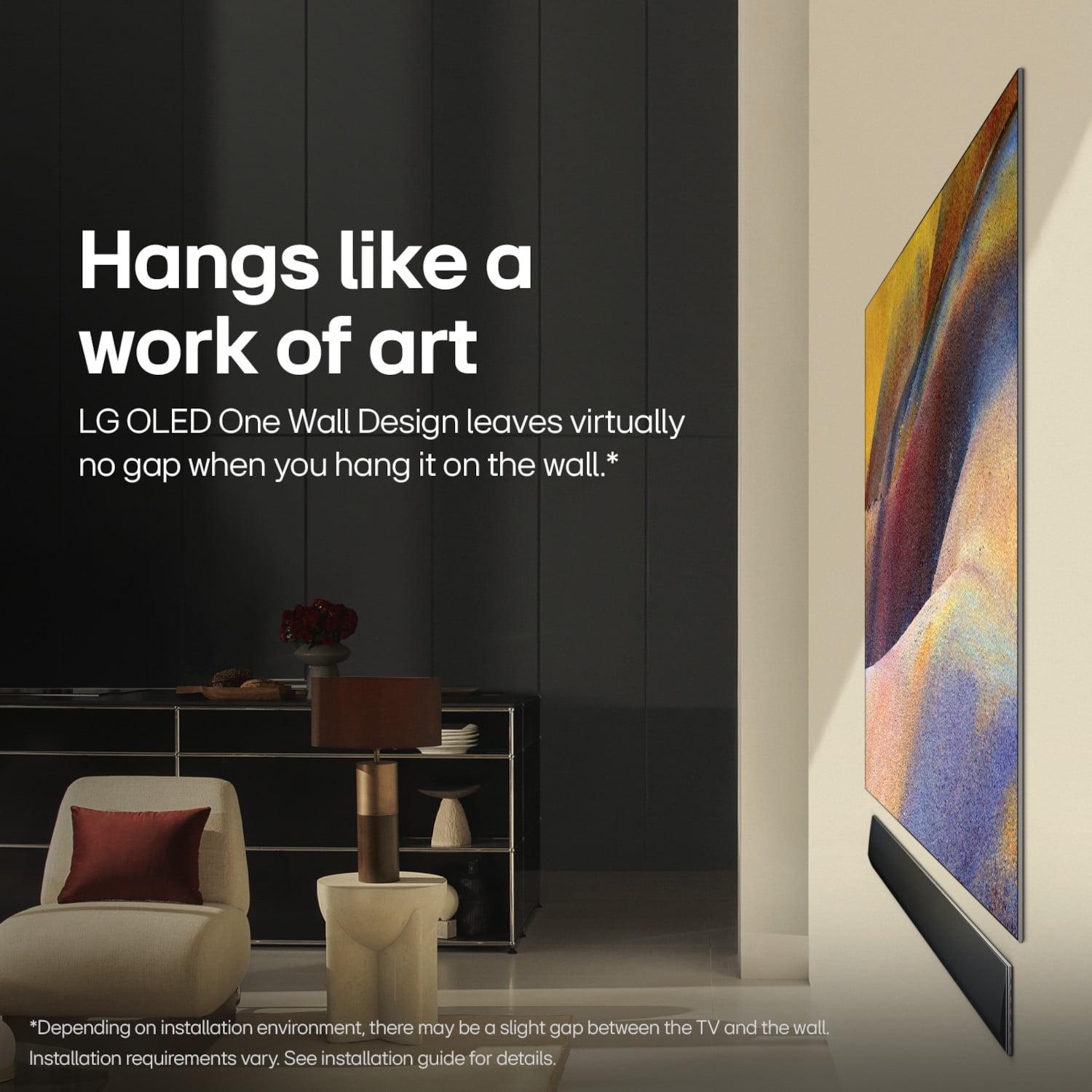
For wall mounting, the LG G4 includes a flush wall-mount bracket that allows gallery-style installation, while the Samsung Q7F uses a more traditional center stand design.
The Samsung Q7F makes sense for buyers who want QLED technology on a budget, primarily watch TV in bright rooms, and don't prioritize advanced gaming features. It's a solid choice for casual viewing where the quantum dot color enhancement provides a noticeable upgrade over standard LED TVs without the premium price.
However, for most buyers seeking a 65-inch premium TV, the LG G4 represents the better long-term investment. The superior picture quality, comprehensive gaming features, advanced processing, and extensive warranty make it worth the price premium for serious enthusiasts.
The LG G4 is particularly compelling for home theater setups, where the perfect blacks and accurate colors create a cinematic experience that rivals commercial theaters. Gaming enthusiasts will find the 144Hz support, multiple HDMI 2.1 ports, and ultra-low latency essential for modern gaming systems.
While both TVs serve the 65-inch premium market, they target different priorities and budgets. The Samsung Q7F succeeds as an affordable entry into quantum dot technology but makes significant compromises in gaming capability, connectivity, and overall feature completeness.
The LG G4 represents what a premium TV should deliver in 2024: exceptional picture quality, comprehensive gaming support, intelligent processing, and future-proof connectivity. Unless budget constraints are paramount, the G4 offers substantially better value for most users seeking a premium viewing experience.
For the investment you're making in a 65-inch TV that you'll likely keep for many years, the LG G4's superior technology, extensive features, and comprehensive warranty make it the clear choice for buyers who want the best available experience.
| Samsung 65" Q7F QLED 4K Vision AI Smart TV 2025 | LG 65" G4 Series OLED evo 4K UHD Smart TV 2024 |
|---|---|
| Display Technology - Fundamentally different approaches to picture quality | |
| QLED with LED backlighting and quantum dots | OLED evo with self-illuminating pixels and Micro Lens Array |
| Peak Brightness - Critical for HDR performance and bright room viewing | |
| 500 cd/m² (adequate for most content) | Up to 2,268 nits (exceptional HDR highlights) |
| Contrast Ratio - Most important factor for cinematic picture quality | |
| 4500:1 static contrast (good but limited by backlighting) | Infinite contrast (perfect blacks when pixels turn off) |
| Refresh Rate & Gaming - Essential for modern gaming consoles | |
| 60Hz only, no VRR support (basic gaming only) | Native 120Hz, up to 144Hz with VRR (premium gaming experience) |
| HDMI Ports - Determines future compatibility with devices | |
| 3x HDMI 2.0 (limited bandwidth for high-end gaming) | 4x HDMI 2.1 (full next-gen console support) |
| HDR Format Support - Affects compatibility with premium content | |
| HDR10+ only (missing Dolby Vision from many streaming services) | HDR10, Dolby Vision, HLG (complete HDR ecosystem support) |
| Response Time - Critical for competitive gaming and fast motion | |
| Not specified (likely 8-20ms, adequate for casual use) | 0.1ms (among the fastest available, ideal for gaming) |
| Processor - Determines smart features and picture processing quality | |
| Q4 AI Processor (entry-level, basic upscaling) | α11 AI Processor (6.7x faster AI performance, advanced processing) |
| Audio System - Important for users without external sound systems | |
| 20W 2-channel, no DTS support (requires external audio for quality) | 60W 4.2-channel with Dolby Atmos (impressive built-in sound) |
| Smart Platform - Affects app selection and user experience | |
| Tizen with reduced feature set (basic smart TV functions) | webOS 24 with full features (comprehensive smart platform) |
| Warranty Coverage - Protection for your investment | |
| 1 year standard (typical entry-level coverage) | 5 year panel warranty including burn-in protection (premium support) |
| Best Use Case - Who should choose each TV | |
| Budget-conscious buyers, bright rooms, casual viewing | Home theater enthusiasts, gamers, premium viewing experience |
The LG G4 delivers superior picture quality with perfect blacks and infinite contrast thanks to its OLED technology. Each pixel can turn completely off, creating true blacks that make movies look more cinematic. The Samsung Q7F offers good color reproduction with quantum dots but can't match OLED's contrast performance due to its LED backlighting.
The LG G4 is significantly better for gaming with 120Hz refresh rate, four HDMI 2.1 ports, and 0.1ms response time. It supports modern gaming features like variable refresh rate (VRR) for smooth gameplay. The Samsung Q7F only offers 60Hz with basic HDMI 2.0 ports, making it suitable only for casual gaming.
The Samsung Q7F performs better in bright, well-lit rooms due to its LED backlighting system and anti-glare properties. While the LG G4 has improved brightness compared to older OLEDs, it still excels more in controlled lighting environments where its perfect blacks can truly shine.
QLED TVs like the Samsung Q7F use LED backlighting with quantum dot filters to enhance colors, while OLED displays like the LG G4 have pixels that create their own light. OLED offers perfect blacks and infinite contrast, while QLED typically provides higher peak brightness and better performance in bright rooms.
The LG G4 offers more comprehensive smart features with webOS 24, including advanced AI processing, cloud gaming support, and extensive app selection. The Samsung Q7F runs Tizen with a reduced feature set compared to Samsung's premium models, though it includes some Vision AI capabilities like generative wallpapers.
The LG G4 has superior built-in audio with a 60W 4.2-channel system and Dolby Atmos support that can simulate surround sound. The Samsung Q7F includes basic 20W stereo speakers without advanced audio processing or DTS support, making external speakers more necessary for quality sound.
The LG G4 is ideal for home theater setups with its perfect blacks, accurate colors, and support for all HDR formats including Dolby Vision. It creates a truly cinematic experience in darker environments. The Samsung Q7F lacks the contrast performance and premium features needed for serious home theater use.
The LG G4 provides four HDMI 2.1 ports with full bandwidth for next-generation gaming and devices. The Samsung Q7F has only three HDMI 2.0 ports, which limits its compatibility with high-end gaming systems and future devices requiring more bandwidth.
The LG G4 comes with an impressive 5-year panel warranty that includes burn-in protection, showing LG's confidence in OLED durability. The Samsung Q7F includes a standard 1-year warranty typical of entry-level TV models, providing less long-term protection for your investment.
The LG G4 excels at HDR with support for HDR10, Dolby Vision, and HLG formats, plus peak brightness up to 2,268 nits in highlights. The Samsung Q7F supports HDR10+ but notably lacks Dolby Vision compatibility, which is used by many streaming services and premium content.
The main trade-off is price versus performance. The Samsung Q7F offers QLED technology at a budget-friendly price but with significant compromises in gaming features, connectivity, and overall performance. The LG G4 costs more but delivers premium OLED picture quality, advanced gaming capabilities, and comprehensive features.
Choose the Samsung Q7F if you need QLED technology on a tight budget, watch mainly in bright rooms, and don't need advanced gaming features. Pick the LG G4 if you want the best picture quality, plan to use modern gaming consoles, prefer watching in darker environments, or want a premium home theater experience that will remain relevant for years.
We've done our best to create useful and informative comparisons to help you decide what product to buy. Our research uses advanced automated methods to create this comparison and perfection is not possible - please contact us for corrections or questions. These are the sites we've researched in the creation of this article: bestbuy.com - youtube.com - samsung.com - samsung.com - pcrichard.com - samsung.com - samsung.com - videoandaudiocenter.com - displayspecifications.com - bestbuy.com - samsung.com - samsung.com - samsung.com - samsung.com - news.samsung.com - hometechnologyreview.com - hometechnologyreview.com - whathifi.com - hometechnologyreview.com - youtube.com - tomsguide.com - tomsguide.com - smarthomesounds.co.uk - rtings.com - rtings.com - bhphotovideo.com - youtube.com - schaeferstv.com - bestbuy.com - costco.com - lg.com - lg.com - shopsilica.com - bestbuy.com - techradar.com - bestbuy.com - bestbuy.com - lg.com - lgnewsroom.com

Privacy Policy
Terms and Conditions - Affiliate Policy
Home Security
© Copyright 2008-2026.
11816 Inwood Rd #1211, Dallas, TX 75244