

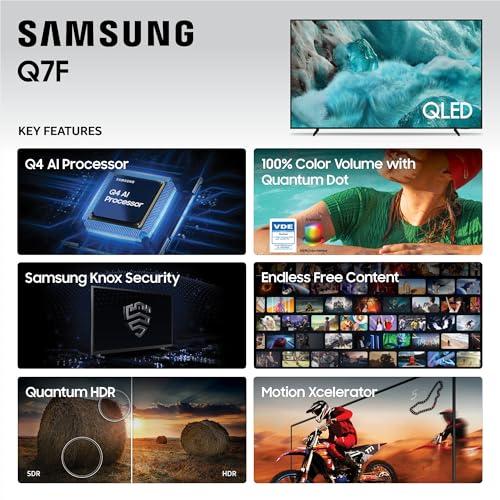





When shopping for a 65-inch QLED television, you'll quickly discover that not all TVs are created equal—even when they share the same basic display technology. The Samsung Q7F 2025 and Hisense S7N CanvasTV both use quantum dot LED panels to create vibrant 4K images, but they represent completely different philosophies about what a modern television should be.
The Samsung Q7F follows the traditional path: it's designed to be an excellent, affordable TV that delivers solid performance for movies, streaming, and casual gaming. The Hisense CanvasTV, on the other hand, asks a different question entirely—what if your TV could disappear into your home's décor when you're not watching it, transforming into a piece of wall art?
Understanding these fundamental differences is crucial because choosing between them isn't just about comparing specs on paper. It's about deciding whether you want a straightforward TV experience or you're willing to pay significantly more for a device that serves dual purposes in your living space.
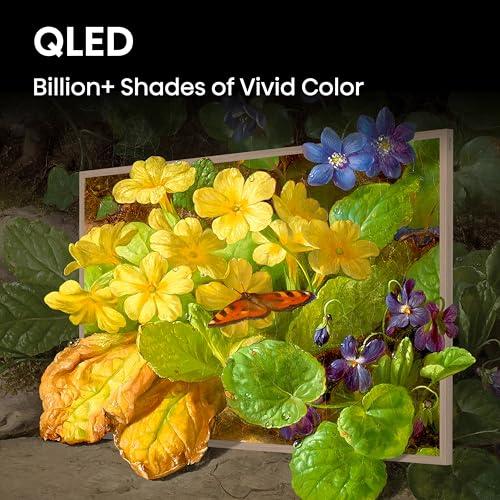
Before diving into comparisons, it's worth understanding what QLED actually means. QLED stands for Quantum Dot Light Emitting Diode—essentially, these displays use tiny semiconductor particles called quantum dots that emit specific colors when hit with light. This technology sits between standard LED TVs and premium OLED displays, offering better color accuracy and brightness than basic LED panels while remaining more affordable than OLED.
Both the Samsung Q7F and Hisense CanvasTV use this quantum dot technology, but they implement it very differently. The Samsung focuses on maximizing color volume and brightness for traditional viewing, while the Hisense prioritizes how the display looks in your room when it's showing art rather than entertainment content.
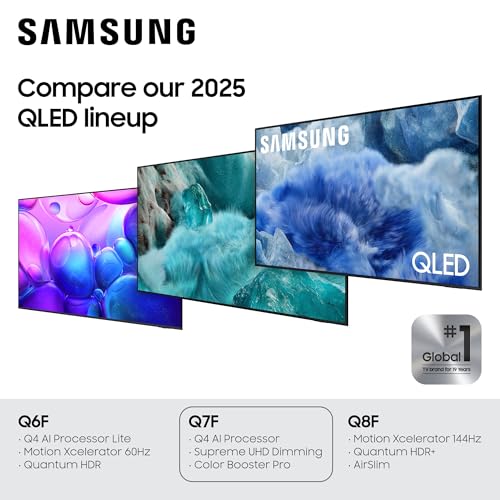
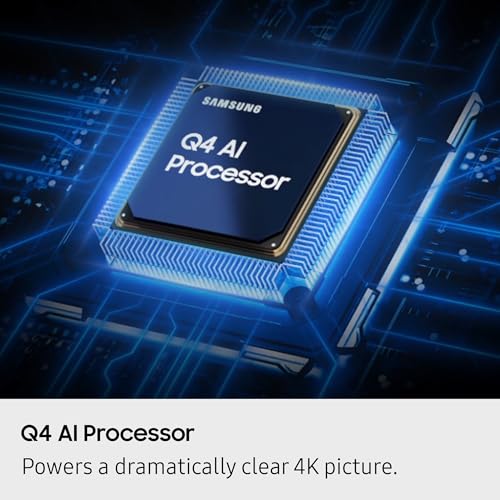
The Samsung Q7F represents Samsung's entry-level QLED offering for 2025, positioned as an affordable way to get quantum dot color technology without premium features like local dimming (where different zones of the backlight can dim independently for better contrast). The Hisense CanvasTV launched in 2024 as a direct competitor to Samsung's more expensive Frame TV, focusing on lifestyle features that let it function as a digital art gallery.
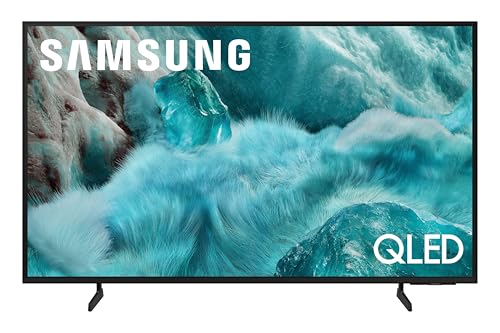
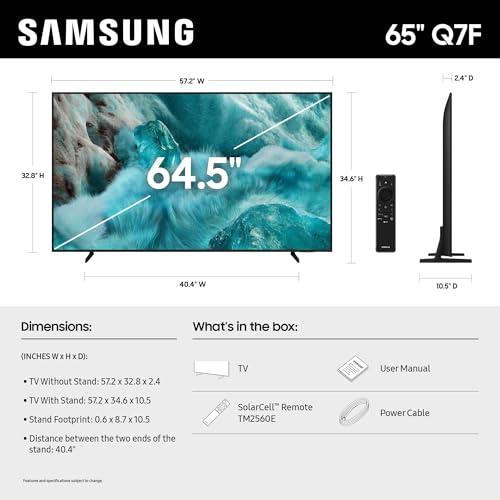
The most obvious difference between these TVs becomes apparent the moment you see them. The Samsung Q7F looks exactly like what you'd expect from a modern television—sleek black bezels, adjustable plastic feet, and a thin profile that's attractive but clearly identifiable as a TV. It's designed to blend into your entertainment center without calling attention to itself.
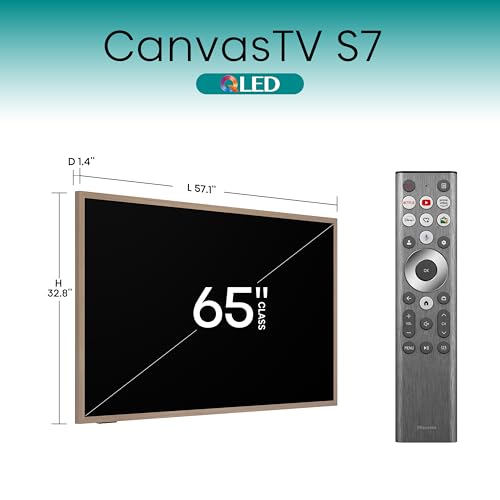
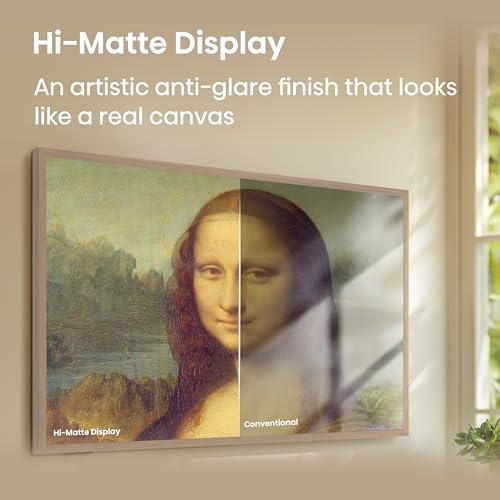
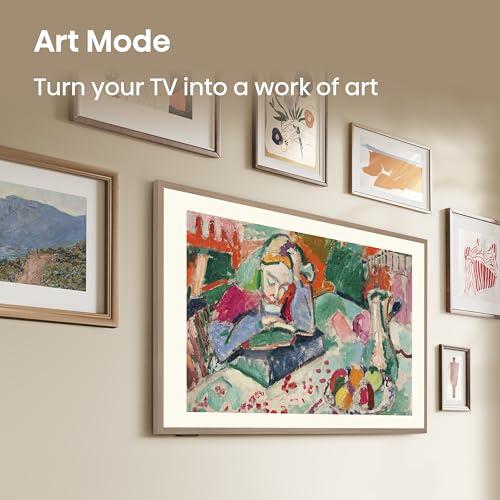
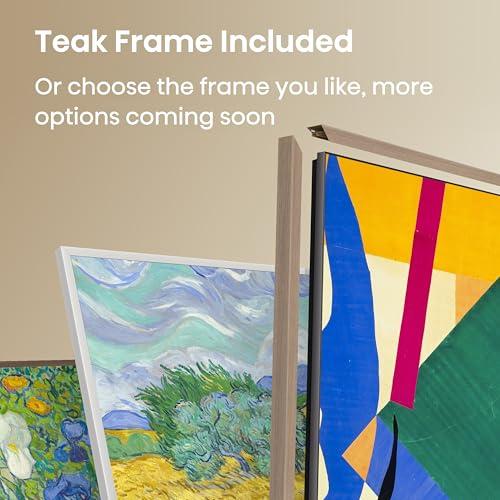
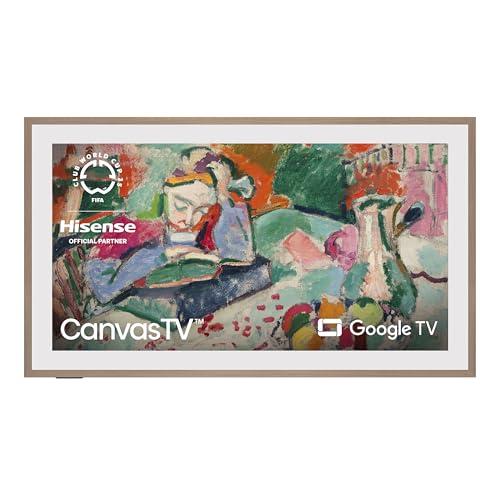
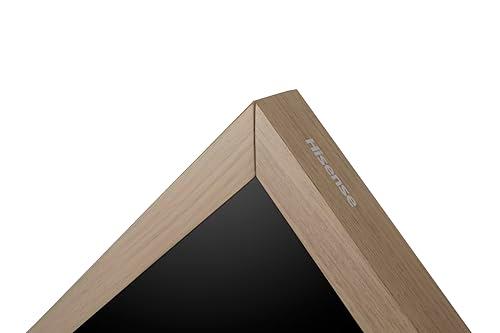
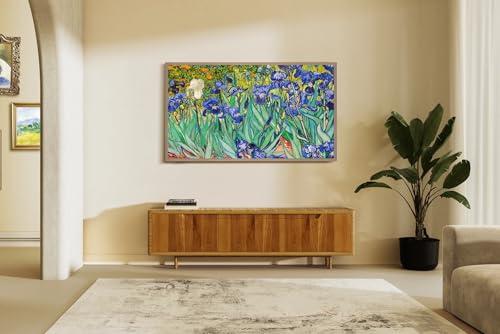
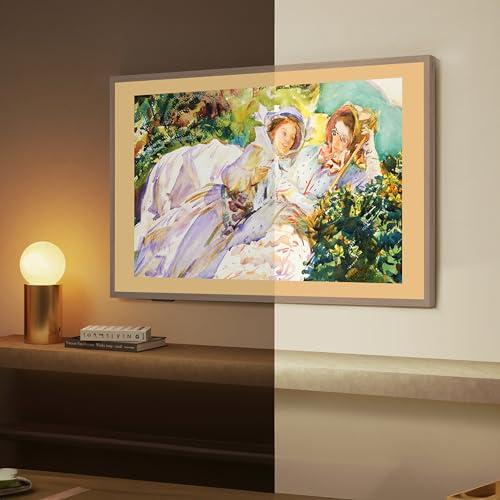
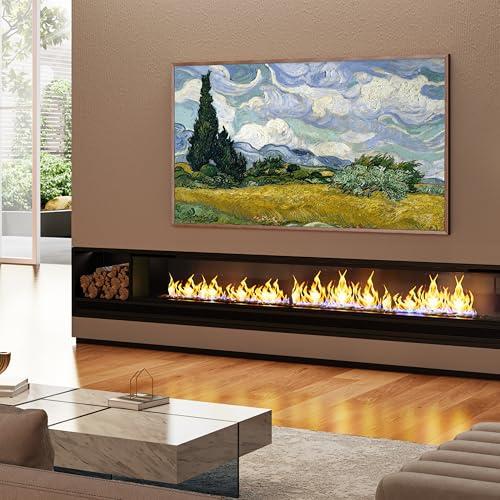
The Hisense CanvasTV takes a radically different approach. It comes with magnetic wooden frames that you can swap between different finishes—teak comes standard, with white and walnut options available separately. More importantly, it uses what Hisense calls a "Hi-Matte" anti-glare panel that mimics the texture and depth of actual painted canvases.
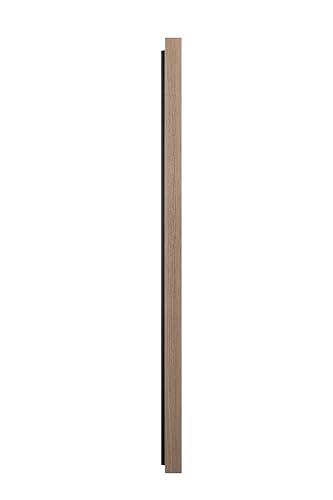
When the CanvasTV isn't displaying regular TV content, motion sensors detect when someone enters the room and automatically switch to art mode, displaying one of over 1,000 included artworks. Unlike Samsung's Frame TV, which requires a monthly subscription for its art library, Hisense includes all artwork for free. The ultra-slim wall mount positions the TV just 3mm from your wall, creating the illusion of a framed painting hanging in your room.
This design difference matters more than you might initially think. If you've ever tried watching TV in a bright room with lots of windows, you know how distracting reflections can be. The CanvasTV's matte finish dramatically reduces these reflections—down to about 5% according to Hisense—making it much more viewable in challenging lighting conditions.
However, this anti-glare coating comes with trade-offs. Matte displays typically appear less bright and "punchy" than glossy panels because they scatter light in all directions rather than directing it toward your eyes. This becomes particularly noticeable with HDR (High Dynamic Range) content, which relies on bright highlights to create dramatic contrast.
Here's where things get really interesting, and frankly, surprising. You'd expect the traditional TV to outperform the lifestyle-focused model in gaming, but the opposite is true. The Hisense CanvasTV absolutely demolishes the Samsung Q7F in gaming capabilities.
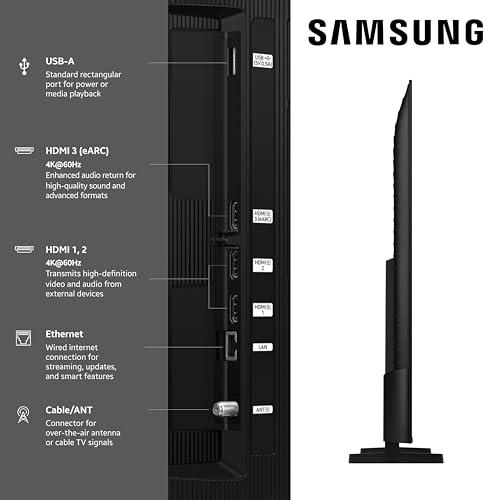
The Samsung Q7F is stuck in the past with a 60Hz refresh rate and only HDMI 2.0 ports. This means it can only display 4K content at 60 frames per second maximum, with no support for Variable Refresh Rate (VRR)—a technology that synchronizes the TV's refresh rate with your gaming device to eliminate screen tearing and stuttering. For context, most modern gaming consoles and PCs can output much higher frame rates, and competitive gamers often prefer 120Hz or higher refresh rates for smoother, more responsive gameplay.
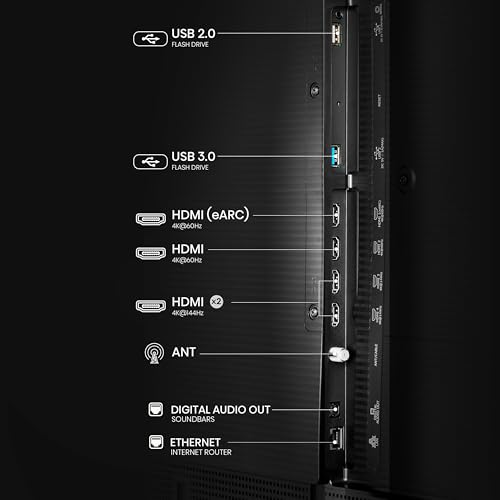
The CanvasTV, meanwhile, features a native 144Hz panel with full VRR support and FreeSync Premium certification. It can display 4K content at up to 144 frames per second and 1080p content at an incredible 240 frames per second. Two of its HDMI ports support HDMI 2.1, the latest standard that provides enough bandwidth for these high refresh rates.
This difference is massive for gaming. If you're playing fast-paced games like first-person shooters, racing games, or competitive online titles, the CanvasTV will provide noticeably smoother motion and more responsive controls. Even if you're not a serious gamer, you'll appreciate the smoother motion when watching sports or action movies.
The irony isn't lost on us—a TV designed to display Renaissance paintings when idle is significantly more capable for modern gaming than Samsung's traditional gaming-focused model. This highlights how the Samsung Q7F represents Samsung's budget-conscious approach, sacrificing modern gaming features to hit a lower price point.
Picture quality comparison between these TVs reveals the fundamental trade-offs each manufacturer prioritized. Both use quantum dot technology to achieve wide color gamuts—essentially, they can display a broader range of colors than standard LED TVs, making everything from animated movies to nature documentaries appear more vibrant and lifelike.
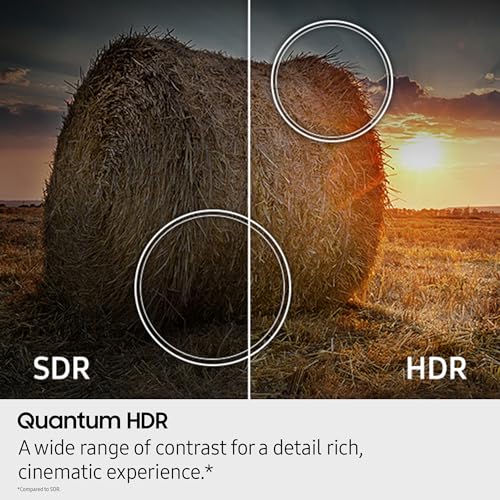
The Samsung Q7F focuses on traditional picture quality metrics. It can achieve higher peak brightness levels, which makes HDR content more impactful when viewed in controlled lighting conditions. Samsung's Color Booster Pro technology and PANTONE validation ensure accurate color reproduction that meets professional standards. The company's Quantum HDR processing with HDR10+ support adapts the picture dynamically based on scene content.
However, the Samsung Q7F has a critical limitation: no local dimming. Local dimming allows different zones of the backlight to dim independently, creating better contrast by making dark areas truly dark while keeping bright areas bright. Without this feature, dark movie scenes tend to look grayish rather than deep black, reducing the dramatic impact of HDR content.
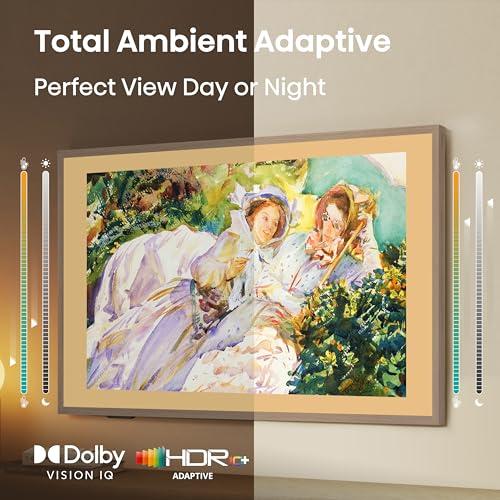
The Hisense CanvasTV also lacks local dimming, but it compensates with superior HDR format support, including Dolby Vision—arguably the most advanced HDR standard available. Dolby Vision uses dynamic metadata to optimize each scene individually, often providing better results than the HDR10+ format supported by Samsung.
Where the CanvasTV truly shines is in bright room viewing. That Hi-Matte anti-glare coating isn't just about aesthetics—it solves one of the biggest problems with modern TVs. If your living room has large windows or bright lighting, most TVs become nearly unwatchable during daytime due to reflections. The CanvasTV's matte finish maintains image clarity and color accuracy even in challenging lighting conditions.
The trade-off is reduced peak brightness—around 420 nits compared to brighter QLED displays. This means HDR highlights won't "pop" as dramatically as they would on brighter displays, but the improved visibility in bright rooms often more than compensates for this limitation.
Both TVs offer comprehensive smart TV platforms, but with different strengths and approaches. The Samsung Q7F runs Samsung's Tizen operating system, which received a significant redesign for 2025. The interface now positions menus on the left side of the screen to avoid covering your content, and navigation feels noticeably faster than previous versions.
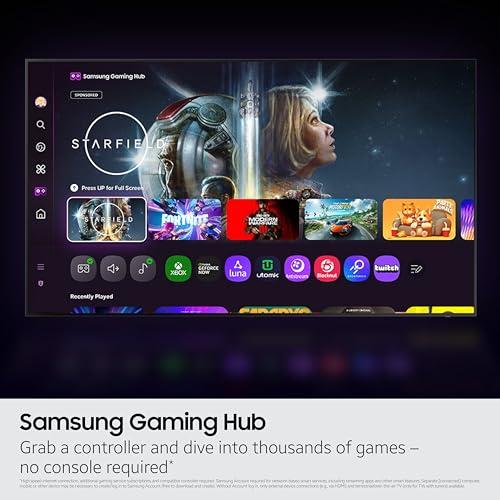
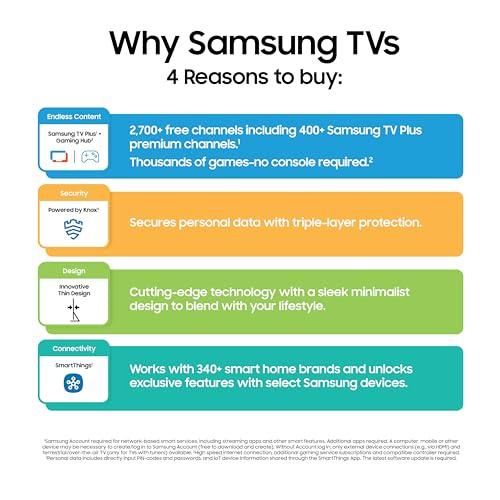
Samsung's ecosystem integration is a real strength here. If you own Samsung phones, tablets, or other smart home devices, the Q7F serves as a SmartThings hub, controlling everything from smart lights to security cameras. The TV includes both Bixby and Alexa voice assistants built-in, and Samsung's Game Hub provides access to cloud gaming services without needing a separate console.
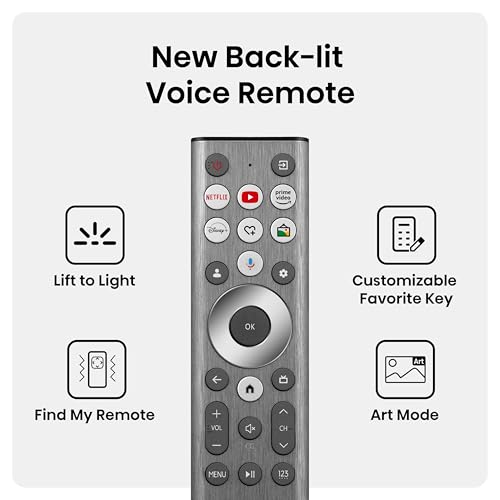
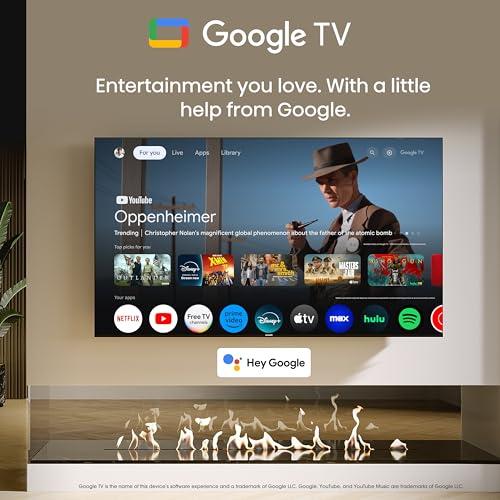
The Hisense CanvasTV uses Google TV, which offers broader app compatibility and typically receives faster updates than manufacturer-specific platforms. Google TV's universal search and recommendation engine works across multiple streaming services, making it easier to find content regardless of which app it's on.
But the CanvasTV's real software advantage is its art mode implementation. The motion sensors intelligently activate art display only when someone is in the room, conserving energy when the space is empty. You can upload your own photos via mobile app or USB drive, adjust frame colors digitally, and set rotation schedules for different artworks. The fact that all artwork is included free, compared to Samsung's Frame TV which charges monthly subscription fees, adds significant long-term value.
Neither TV will replace a dedicated sound system, but their built-in audio capabilities differ meaningfully. The Samsung Q7F includes 20W of total power through 2.0 channel speakers with Object Tracking Sound Lite—a technology that tries to make dialogue and sound effects appear to come from their location on screen rather than just from the TV's speaker locations.
More importantly for Samsung ecosystem users, the Q7F supports Q-Symphony, which allows it to work in tandem with compatible Samsung soundbars. Instead of disabling the TV's speakers when you connect a soundbar, Q-Symphony uses both the TV and soundbar speakers together for a more immersive audio experience.
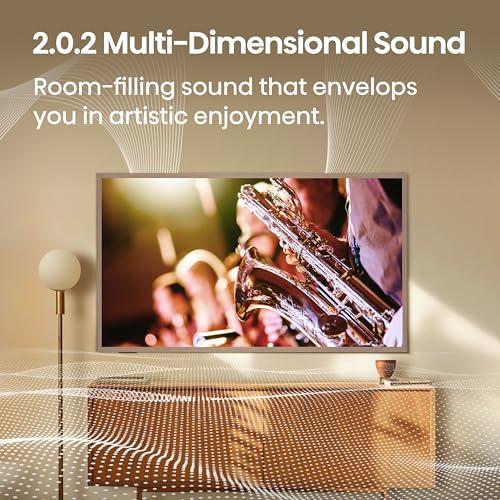
The CanvasTV features a 2.0.2 channel system with upward-firing speakers and DTS Virtual:X processing. This configuration attempts to create a more three-dimensional soundscape by bouncing audio off your ceiling, providing a more immersive experience for movies and games. Based on user feedback, the CanvasTV generally delivers fuller, more satisfying audio straight out of the box.
For dedicated home theater use, both TVs present limitations that serious enthusiasts should consider carefully. Neither offers local dimming, which significantly impacts contrast performance in dark room viewing—the preferred environment for home theater setups. Both also use VA (Vertical Alignment) panels, which provide good contrast but suffer from narrow viewing angles. If you have stadium seating or a wide sectional sofa, people sitting off to the sides will experience degraded color and brightness.
The Samsung Q7F's 60Hz limitation becomes particularly problematic for home theater use. Many streaming services and Blu-ray discs now offer 120Hz content, and the TV's inability to display this properly means you're not getting the full experience the content creators intended.
The CanvasTV's matte coating, while excellent for bright room viewing, reduces the "pop" and drama that home theater enthusiasts typically seek from HDR content. The coating diffuses light to reduce reflections, but this also makes bright highlights appear less intense.
For serious home theater use, neither TV represents the best choice available. Higher-end models with local dimming, brighter panels, and better motion handling would serve dedicated theater rooms better. However, if you're setting up a theater in a multipurpose family room that gets used during the day, the CanvasTV's anti-glare properties might prove more valuable than maximum contrast performance.
At the time of writing, these TVs sit in very different price tiers, with the Samsung Q7F typically priced around 40-50% less than the Hisense CanvasTV. This price difference is crucial to understanding their value propositions.
Choose the Samsung Q7F if you want straightforward TV functionality at an accessible price point. It's ideal for casual viewers who primarily stream content, watch cable or broadcast TV, and occasionally play games. The Samsung ecosystem integration adds value if you're already invested in Samsung devices, and the traditional glossy display provides the "pop" and brightness that many people associate with premium picture quality.
The Samsung Q7F makes particular sense for buyers who prioritize value over cutting-edge features, prefer maximum brightness over anti-glare properties, and don't need advanced gaming capabilities. It's also the better choice if you're planning to add a separate sound system, as the Q-Symphony compatibility with Samsung soundbars provides genuine added value.
Choose the Hisense CanvasTV if the prospect of transforming your TV into wall art appeals to you, or if you need modern gaming capabilities. The 144Hz refresh rate and HDMI 2.1 support future-proof your investment for next-generation gaming consoles and high-frame-rate content. The anti-glare coating solves real-world viewing problems that many TV buyers don't consider until after they've mounted their TV in a bright room.
The CanvasTV is particularly compelling for design-conscious buyers who view their TV as part of their room's aesthetic rather than just an entertainment device. If you're the type of person who worries about a big black rectangle dominating your living space when not in use, the art mode functionality provides genuine practical value beyond its novelty appeal.
The higher price is justified if you value the unique lifestyle features, need the superior gaming performance, or struggle with glare in your viewing environment. However, if you're primarily concerned with getting the best possible picture quality for traditional TV and movie viewing, that price premium might be better invested in a higher-tier traditional TV with local dimming and brighter peak output.
Both TVs represent solid choices within their respective philosophies, but understanding which philosophy aligns with your needs and budget will determine which delivers better value for your specific situation.
| Samsung 65-Inch Q7F Series QLED Smart TV 2025 | Hisense 65" S7N CanvasTV QLED 4K Smart Display |
|---|---|
| Display Technology - Both use quantum dots for vibrant colors | |
| QLED with Quantum Dot, glossy panel | QLED with Hi-Matte anti-glare coating |
| Refresh Rate - Critical for gaming and smooth motion | |
| 60Hz (basic gaming, limited future-proofing) | 144Hz native (excellent for PC gaming and sports) |
| Gaming Features - Modern consoles need HDMI 2.1 and VRR | |
| HDMI 2.0 only, no VRR, ALLM support | HDMI 2.1 on 2 ports, full VRR, FreeSync Premium |
| HDR Support - Determines color and contrast quality | |
| HDR10, HDR10+, no Dolby Vision | HDR10, HDR10+, Dolby Vision supported |
| Brightness Performance - Affects HDR impact and daytime viewing | |
| Higher peak brightness, better HDR highlights | Lower brightness (~420 nits) due to matte coating |
| Glare Handling - Crucial for bright rooms with windows | |
| Standard glossy panel with reflections | Hi-Matte reduces reflections to 5% |
| Art Mode Features - Transforms TV into wall decoration | |
| None (standard black screen when off) | Motion-activated art display with 1,000+ free artworks |
| Design and Mounting - How it fits in your room | |
| Traditional TV with adjustable plastic feet | Magnetic wooden frames, ultra-slim 3mm wall mount |
| Smart Platform - App selection and user interface | |
| Tizen OS with Samsung ecosystem integration | Google TV with universal compatibility |
| Audio System - Built-in sound quality | |
| 20W 2.0 channel with Q-Symphony soundbar support | 2.0.2 channel with upward-firing speakers, DTS Virtual:X |
| Local Dimming - Controls contrast in dark scenes | |
| None (elevated blacks in dark content) | None (elevated blacks in dark content) |
| Connectivity - Future-proofing for new devices | |
| 3x HDMI 2.0, 1x USB, basic port selection | 4x HDMI (2x HDMI 2.1), better connectivity options |
| Viewing Angles - Important for wide seating arrangements | |
| VA panel with narrow viewing angles | VA panel with narrow viewing angles |
| Target Use Case - Best suited for specific needs | |
| Budget-conscious traditional TV viewing | Design-focused buyers wanting dual TV/art functionality |
The Hisense CanvasTV is significantly better for gaming. It features a 144Hz refresh rate, HDMI 2.1 support, and full VRR (Variable Refresh Rate) compatibility, allowing for smooth 4K gaming at up to 144fps. The Samsung Q7F is limited to 60Hz with only HDMI 2.0 ports, making it less suitable for modern gaming consoles and PC gaming.
No, there's an important difference. The Hisense CanvasTV supports Dolby Vision, HDR10, and HDR10+, giving you the broadest HDR compatibility. The Samsung Q7F supports HDR10 and HDR10+ but lacks Dolby Vision support, which is commonly used by Netflix and other streaming services for premium content.
The Hisense CanvasTV performs much better in bright rooms thanks to its Hi-Matte anti-glare coating that reduces reflections to just 5%. The Samsung Q7F has a standard glossy panel that can become difficult to watch in bright lighting conditions due to reflections and glare.
Yes, the Hisense CanvasTV includes motion sensors that automatically display artwork from its library of over 1,000 free images when you're not actively watching TV. It comes with magnetic wooden frames and mounts flush against the wall to create a painting-like appearance. The Samsung Q7F doesn't have this feature and displays a black screen when off.
The Hisense CanvasTV generally offers better built-in audio with its 2.0.2 channel system that includes upward-firing speakers and DTS Virtual:X processing for more immersive sound. The Samsung Q7F has a basic 20W 2.0 channel system, though it does support Q-Symphony for enhanced audio when paired with compatible Samsung soundbars.
Neither TV is ideal for dedicated home theater setups since both lack local dimming, which is important for deep blacks and high contrast in dark rooms. However, the Samsung Q7F may be slightly better for traditional home theater use due to its higher peak brightness, while the Hisense CanvasTV is better suited for multi-purpose family rooms that get daytime use.
Both offer excellent smart platforms but with different strengths. The Samsung Q7F uses Tizen OS with strong Samsung ecosystem integration and SmartThings hub functionality. The Hisense CanvasTV runs Google TV, which typically offers broader app compatibility and faster updates. Your preference may depend on whether you use Samsung devices or prefer Google services.
Both use QLED technology with quantum dots for vibrant colors, but they prioritize different aspects. The Samsung Q7F focuses on maximum brightness and color volume for traditional viewing. The Hisense CanvasTV trades some peak brightness for anti-glare properties, making it more suitable for challenging lighting conditions.
This depends on your priorities. The Samsung Q7F typically offers better value for basic TV viewing at a lower price point. The Hisense CanvasTV costs significantly more but includes unique art display features, superior gaming capabilities, and anti-glare technology that may justify the premium for the right buyer.
Yes, both support wall mounting, but differently. The Samsung Q7F uses standard wall mounts with a traditional appearance. The Hisense CanvasTV includes a specialized ultra-slim mount that positions the TV just 3mm from the wall, creating a flush, painting-like installation that's essential for its art display functionality.
The Hisense CanvasTV is better for sports viewing due to its 144Hz refresh rate, which provides smoother motion during fast-paced action. The Samsung Q7F is limited to 60Hz, which can result in motion blur during quick camera movements or fast plays, though it's still adequate for casual sports viewing.
Yes, but with different options. The Samsung Q7F includes built-in Bixby and Alexa voice assistants with Samsung ecosystem integration. The Hisense CanvasTV supports Google Assistant and works with other voice assistants through its Google TV platform, offering broader compatibility with various smart home systems.
We've done our best to create useful and informative comparisons to help you decide what product to buy. Our research uses advanced automated methods to create this comparison and perfection is not possible - please contact us for corrections or questions. These are the sites we've researched in the creation of this article: bestbuy.com - rtings.com - bestbuy.com - youtube.com - youtube.com - youtube.com - samsung.com - samsung.com - samsung.com - billsmith.com - costco.com - samsung.com - hometechnologyreview.com - hometechnologyreview.com - bestbuy.com - samsung.com - bestbuy.com - samsung.com - hometechnologyreview.com - samsung.com - samsung.com - bestbuy.com - hisense.sg - tomsguide.com - content.syndigo.com - rtings.com - hisense-usa.com - youtube.com - bestbuy.com - youtube.com - displayspecifications.com - displayspecifications.com - manuals.plus - displayspecifications.com - bestbuy.com - hisense-canada.com - manuals.plus - bargainoutletandmore.com - bestbuy.com - device.report

Privacy Policy
Terms and Conditions - Affiliate Policy
Home Security
© Copyright 2008-2026.
11816 Inwood Rd #1211, Dallas, TX 75244