

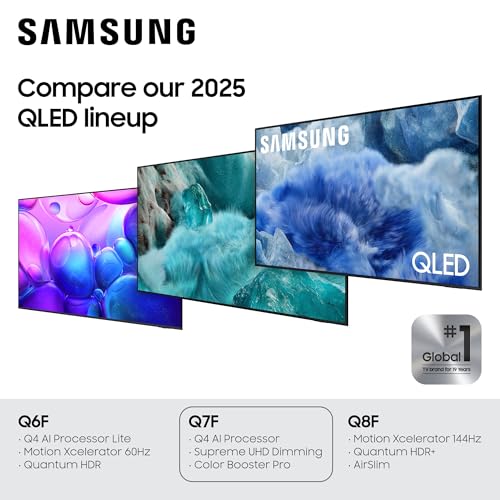
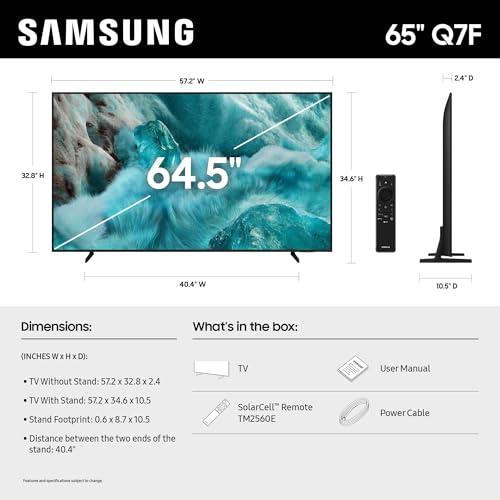
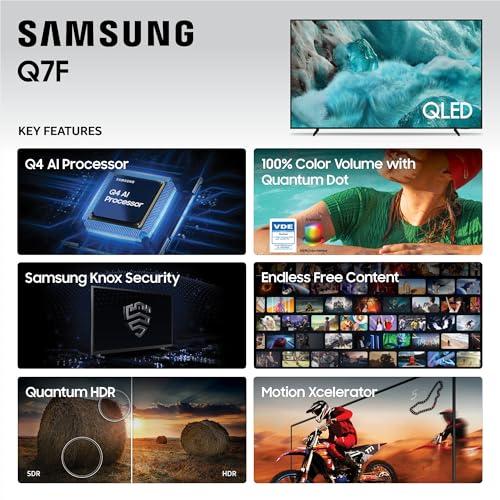

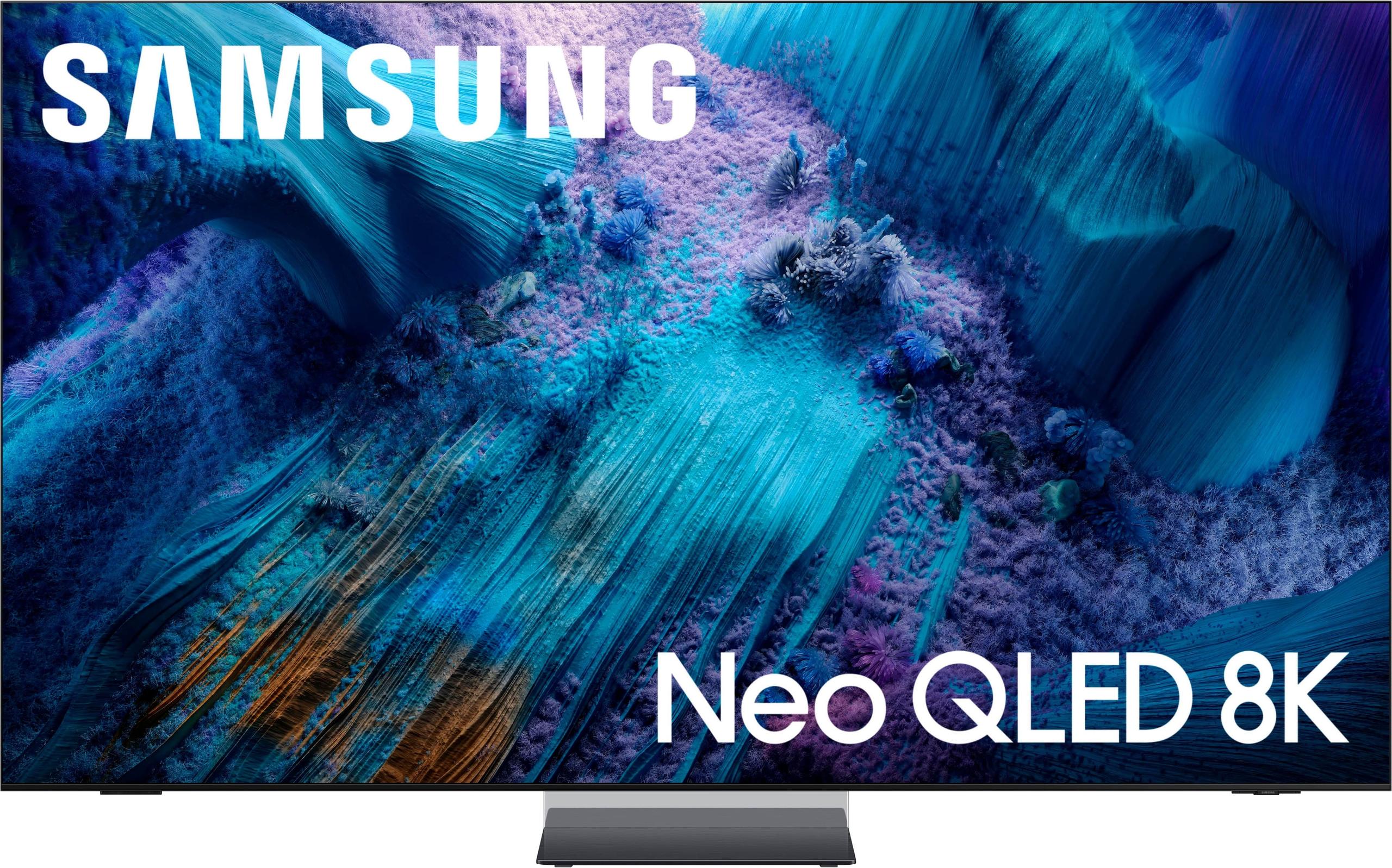
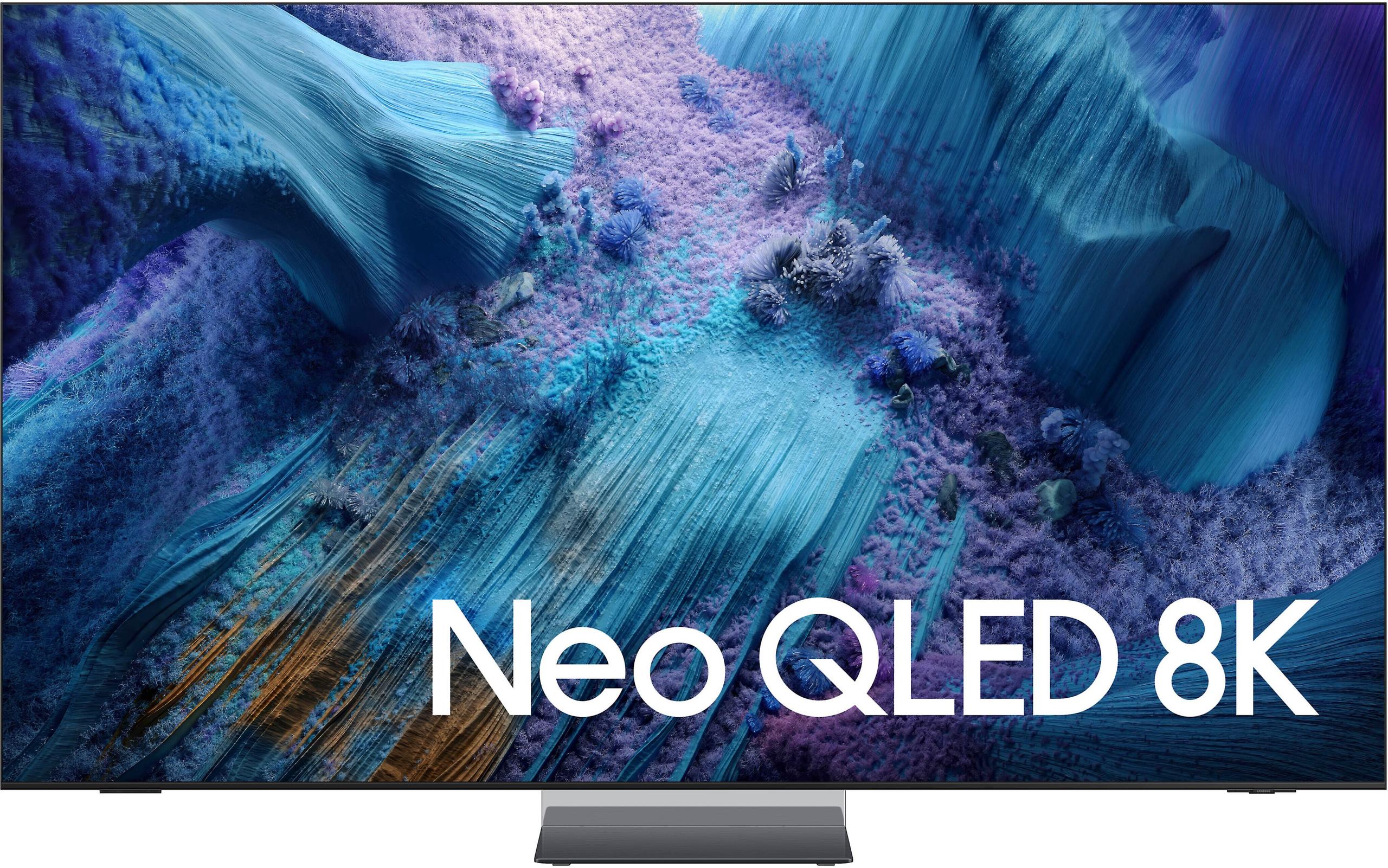
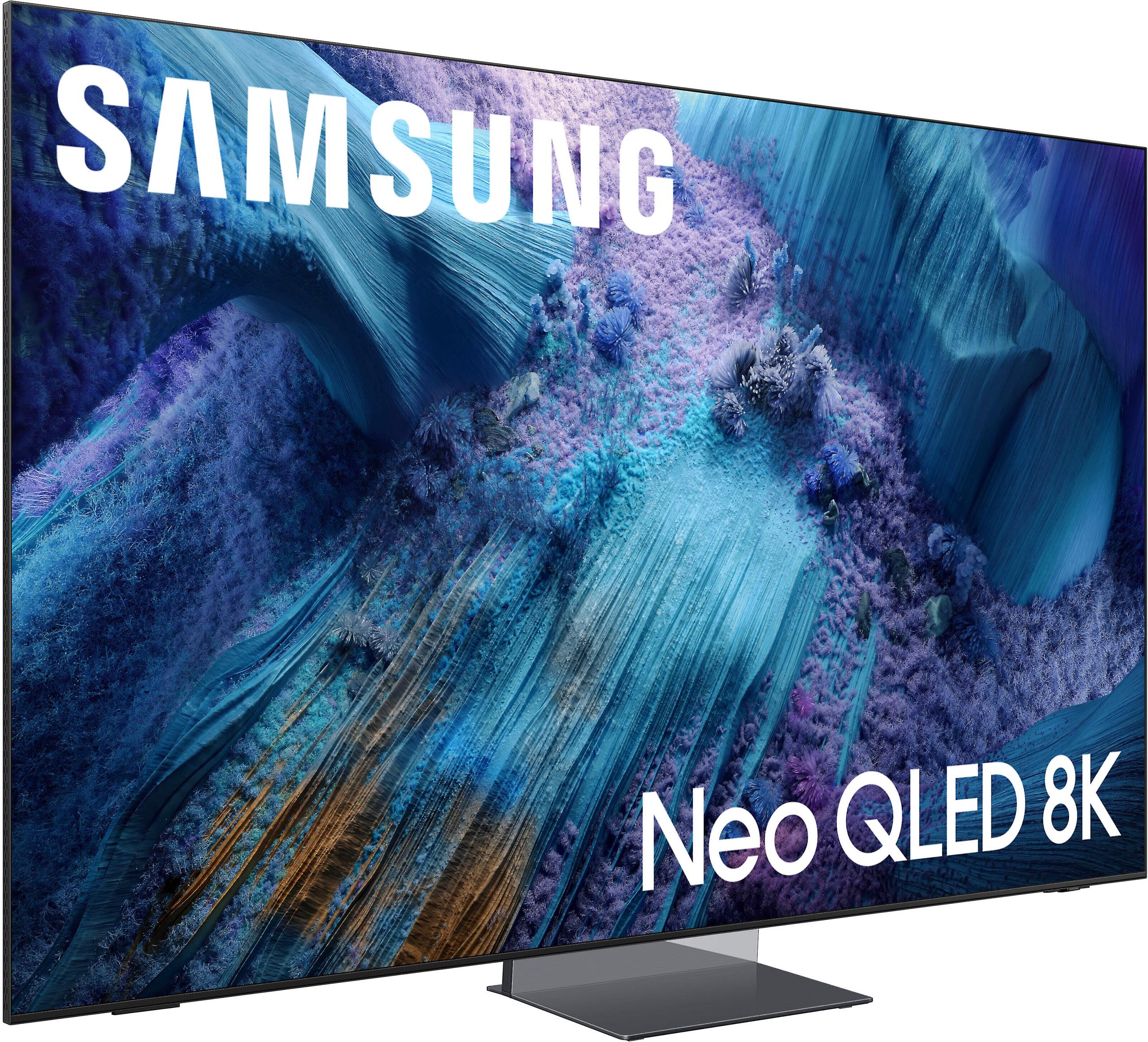
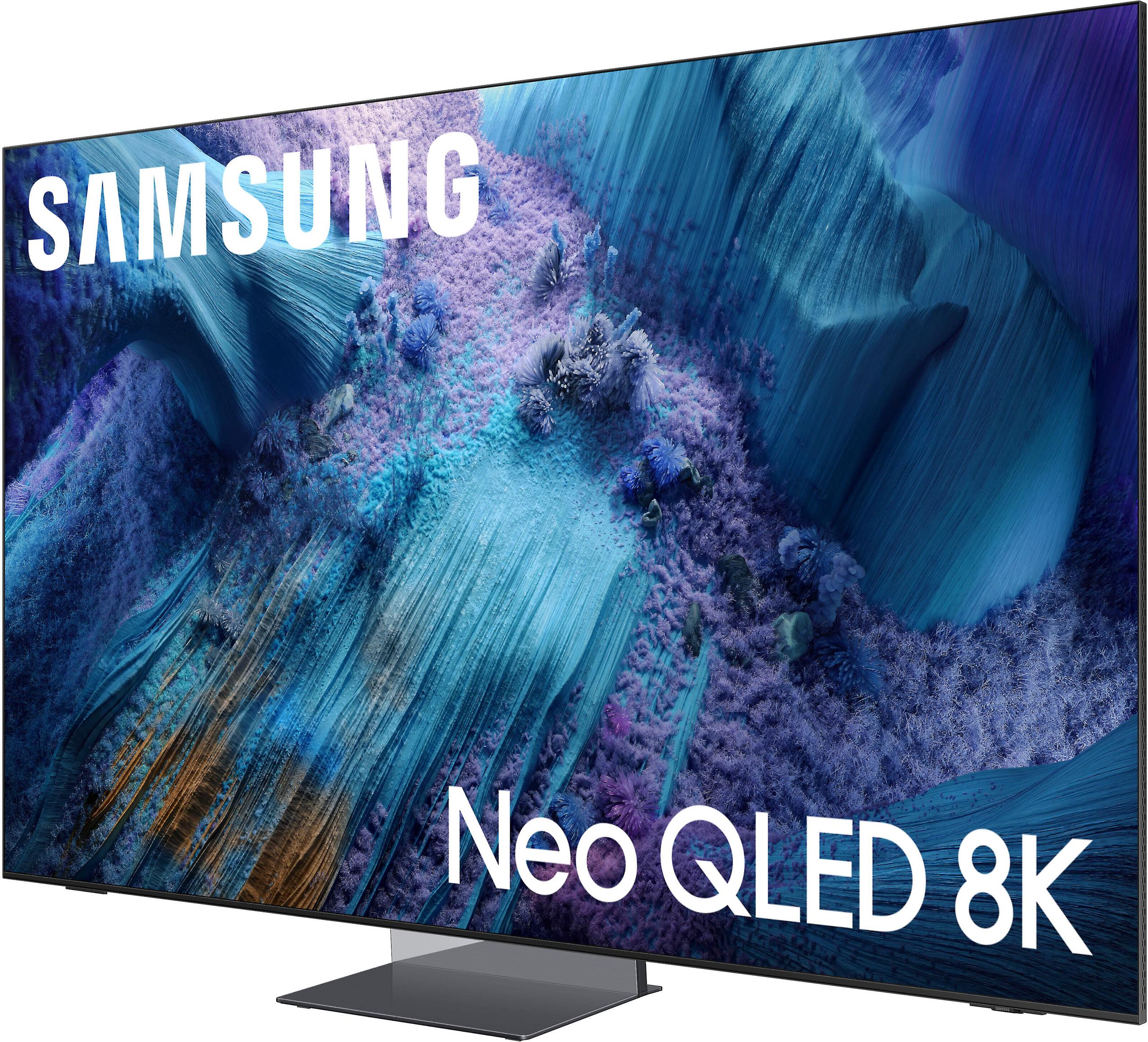
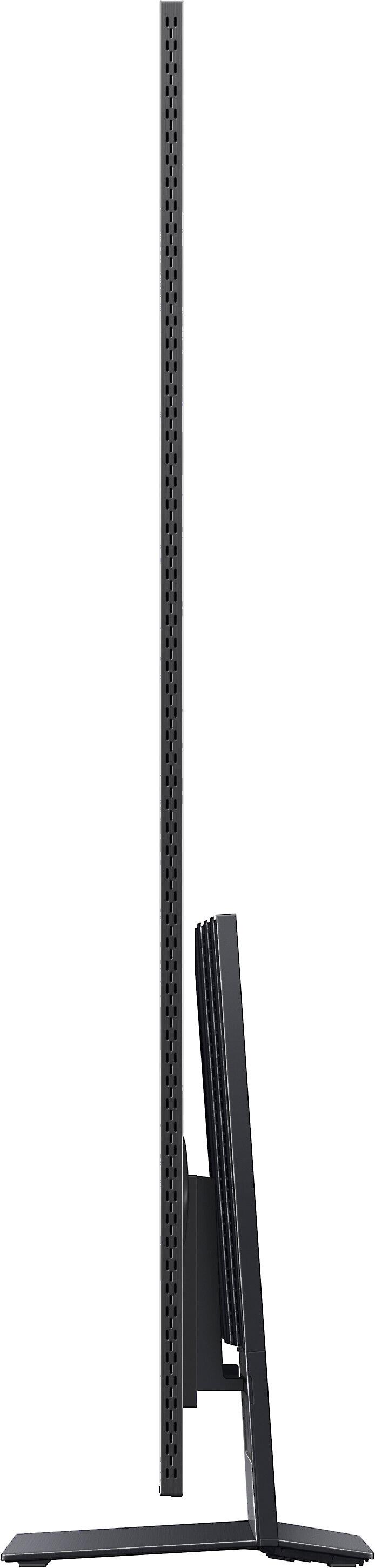


When you're shopping for a premium TV in 2025, Samsung's QLED lineup offers some compelling choices—but the gap between their entry-level and flagship models has never been wider. The Samsung 65-Inch Q7F Series QLED Smart TV 2025 Display represents Samsung's most affordable path into QLED technology, while the Samsung 65" Neo QLED QN990F 8K Smart TV 2025 sits at the absolute pinnacle of their lineup. Both launched in 2025 as part of Samsung's spring refresh, but they target completely different audiences despite sharing the same screen size.
Understanding which TV makes sense for your setup requires diving into what makes modern QLED technology tick—and why Samsung's approach creates such dramatic performance differences between price tiers.
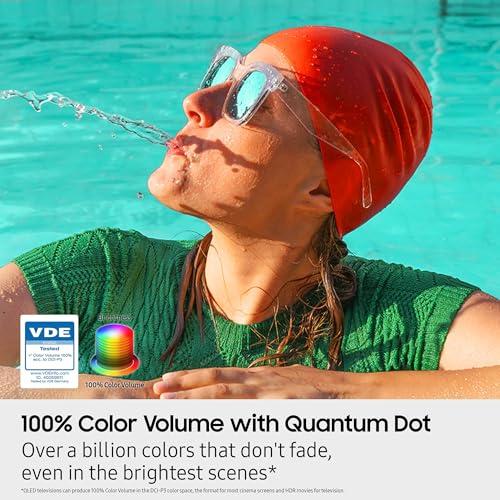
QLED stands for Quantum Dot Light Emitting Diode, which sounds complex but boils down to a layer of microscopic particles that enhance color reproduction. Think of quantum dots as tiny color filters that can produce more accurate reds, greens, and blues than traditional LED TVs. Samsung has built their premium TV strategy around this technology since 2017, continuously refining it with each generation.
The key factors that separate good QLED TVs from great ones include the backlighting system (how the TV controls brightness across different screen areas), peak brightness capabilities (how bright the TV can get for HDR content), processing power (how well the TV enhances lower-quality content), and gaming features (refresh rates and input lag for console gaming).
What's particularly interesting about Samsung's 2025 lineup is how they've pushed these technologies in different directions. The Q7F focuses on delivering core QLED benefits at an accessible price point, while the QN990F showcases every cutting-edge feature Samsung has developed, regardless of cost.
The most fundamental difference between these TVs lies in their backlighting systems, and this single factor shapes almost everything else about their performance. The Q7F uses direct LED backlighting, which means LEDs are positioned directly behind the screen in a grid pattern. However, it lacks local dimming zones—the ability to independently control different areas of the backlight. This means the entire screen brightens or dims together, making it impossible to show truly deep blacks alongside bright highlights in the same scene.
The QN990F, on the other hand, employs Mini LED technology with over 1,900 individual dimming zones. Mini LEDs are significantly smaller than traditional LEDs—about the size of a grain of rice—allowing Samsung to pack many more of them behind the screen. Each zone can be independently controlled, so a starry night scene can display deep black sky with brilliant white stars without the black areas looking gray.
This difference becomes immediately apparent in real-world viewing. The Q7F delivers pleasant, vibrant images in moderately lit rooms, but blacks appear grayish and HDR content lacks the dramatic contrast that makes modern movies and shows pop. Our research into user experiences consistently shows satisfaction with the Q7F's picture quality for everyday viewing, but disappointment when trying to create a cinematic experience.
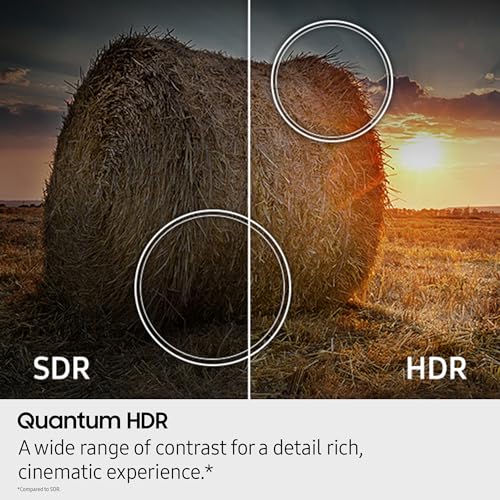
The QN990F tells a completely different story. Professional reviews and user feedback highlight its ability to deliver reference-quality HDR with deep blacks and blazing highlights. The Mini LED system produces peak brightness levels around 2,000 nits—five times brighter than the Q7F's approximate 400 nits. This massive brightness advantage means HDR content actually looks high dynamic range instead of just slightly brighter than normal TV.
Here's where things get interesting from a value perspective. The Q7F offers standard 4K resolution (3840 x 2160 pixels), which perfectly matches virtually all current content from Netflix, Disney+, Blu-ray discs, and gaming consoles. The QN990F jumps to 8K resolution (7680 x 4320 pixels)—four times the detail of 4K.
But here's the catch: there's essentially no native 8K content available to consumers. No streaming service offers 8K shows or movies, and 8K Blu-ray discs don't exist. This means the QN990F's 8K display is almost always showing upscaled content, where the TV's processor takes lower-resolution material and intelligently guesses what the extra pixels should look like.
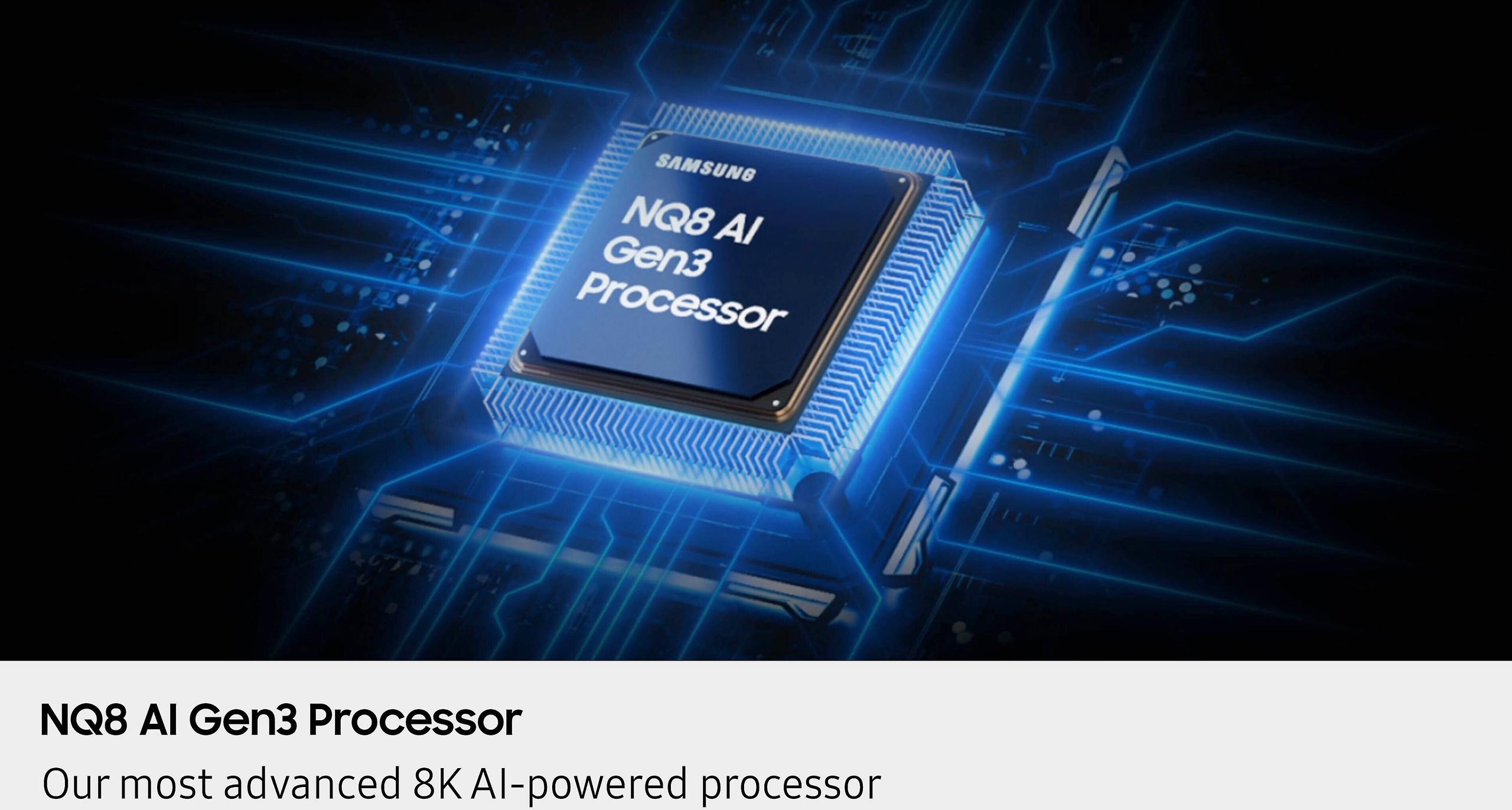
Samsung's NQ8 AI Gen3 processor in the QN990F does this upscaling exceptionally well, using 768 neural networks to analyze textures, edges, and patterns in real-time. The result is noticeably sharper 4K content compared to native 4K displays, though the improvement is subtle rather than transformative. Think of it as getting the sharpest possible version of your existing content rather than accessing entirely new levels of detail.
The more practical advantage of the QN990F's processing power shows up in handling lower-quality content. Streaming compression, older movies, and broadcast TV all look cleaner and more detailed thanks to the advanced upscaling algorithms. If you frequently watch content with visible compression artifacts or older material, this processing advantage becomes quite valuable.
Gaming has become a critical differentiator for premium TVs, especially with PlayStation 5 and Xbox Series X pushing high refresh rates and advanced graphics features. The performance gap between our two Samsung models is enormous here.
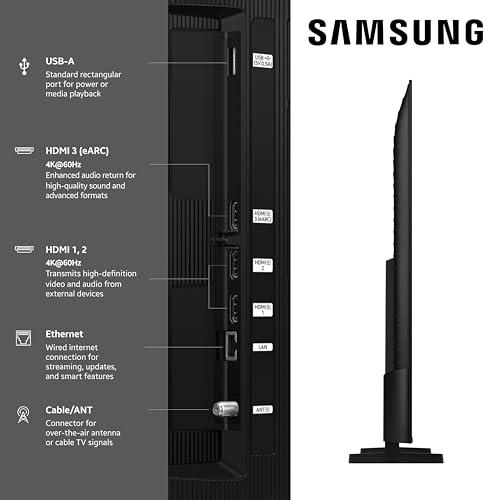
The Q7F maxes out at 60Hz refresh rate, which matches older gaming consoles and most TV content but misses modern gaming's capabilities entirely. Input lag (the delay between pressing a button and seeing the result on screen) measures around 10 milliseconds, which is perfectly acceptable for casual gaming. However, there's no support for Variable Refresh Rate (VRR), which eliminates screen tearing, or any HDMI 2.1 features that modern consoles rely on for their best performance.
The QN990F represents the opposite extreme. It supports refresh rates up to 240Hz and can handle 4K gaming at 240 frames per second—assuming you have hardware capable of pushing that many frames. More realistically, it excels at 4K 120Hz gaming with full VRR support, making PlayStation 5 and Xbox Series X games look their absolute smoothest.
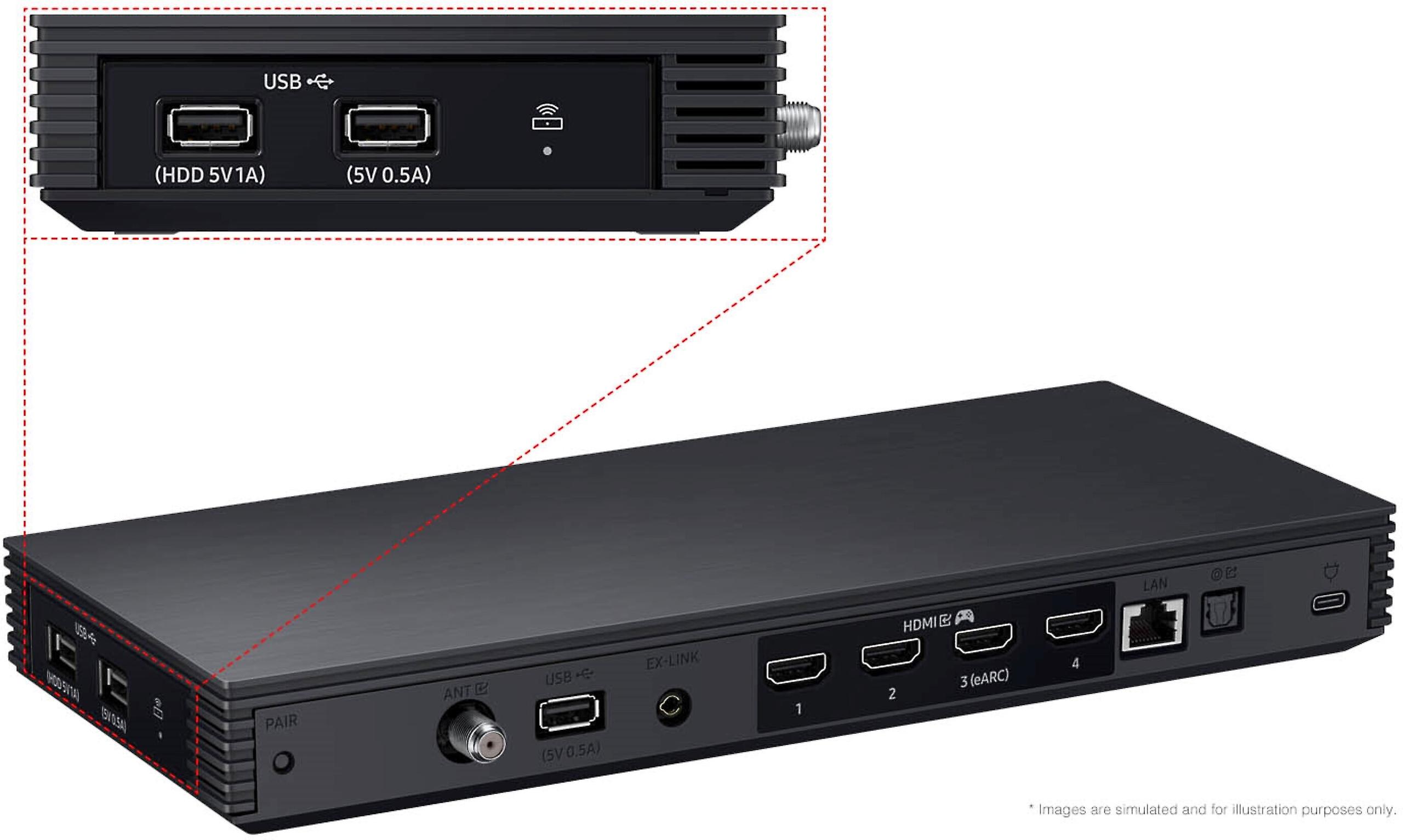
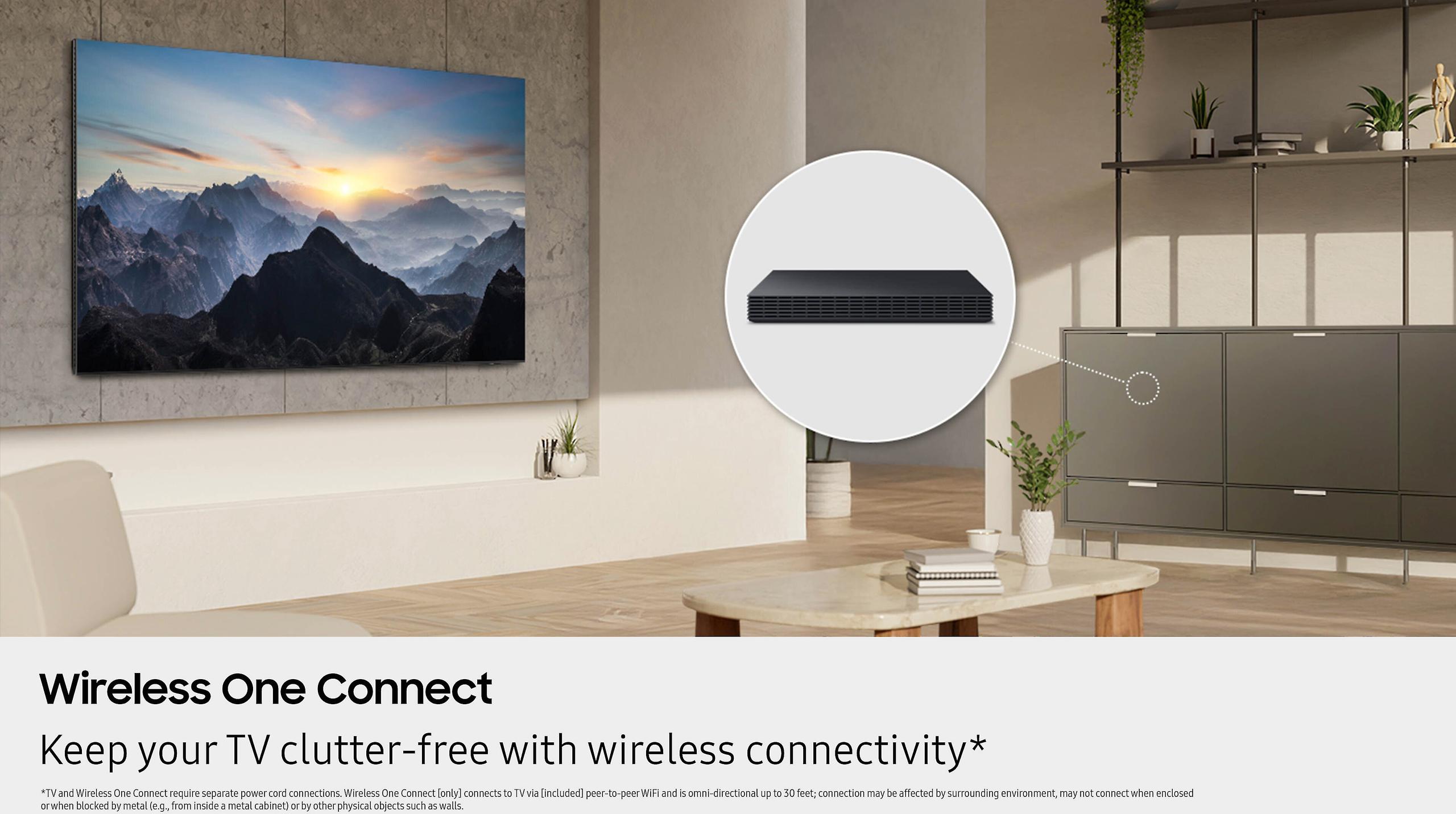
However, there's a significant caveat with the QN990F that affects gaming performance. Samsung's Wireless One Connect feature—which lets you connect all your devices to a separate box that wirelessly transmits to the TV—adds considerable input lag. Our research shows latency jumping to over 50 milliseconds when using the wireless connection, which is problematic for competitive gaming. Fortunately, Samsung includes a direct HDMI port on the TV itself that bypasses this issue, delivering excellent 4-millisecond input lag for serious gamers.
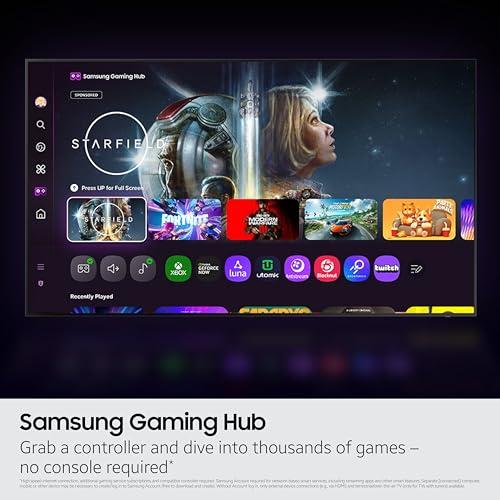
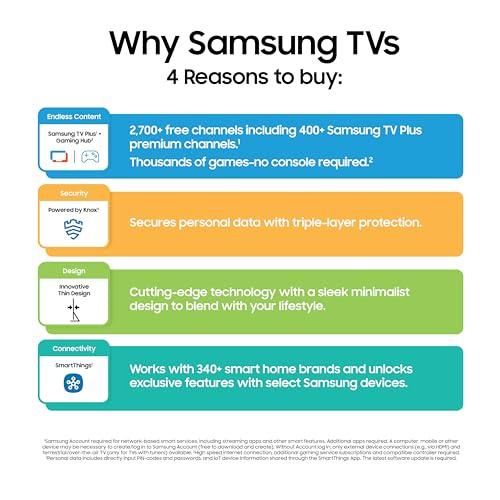
Both TVs run Samsung's 2025 version of Tizen OS with Samsung Vision AI, but the processing power difference creates noticeably different experiences. The Q7F handles basic smart TV functions smoothly—streaming apps load quickly, the interface responds promptly, and voice commands through Bixby work reliably. Samsung's implementation feels polished and includes thoughtful touches like automatic brightness adjustment based on room lighting and content type.
The QN990F takes smart features further with more advanced AI capabilities. The NQ8 AI Gen3 processor enables real-time scene recognition that automatically adjusts picture settings for different content types. Watching a nature documentary triggers different color and sharpness settings than a dark thriller movie, all happening seamlessly in the background.
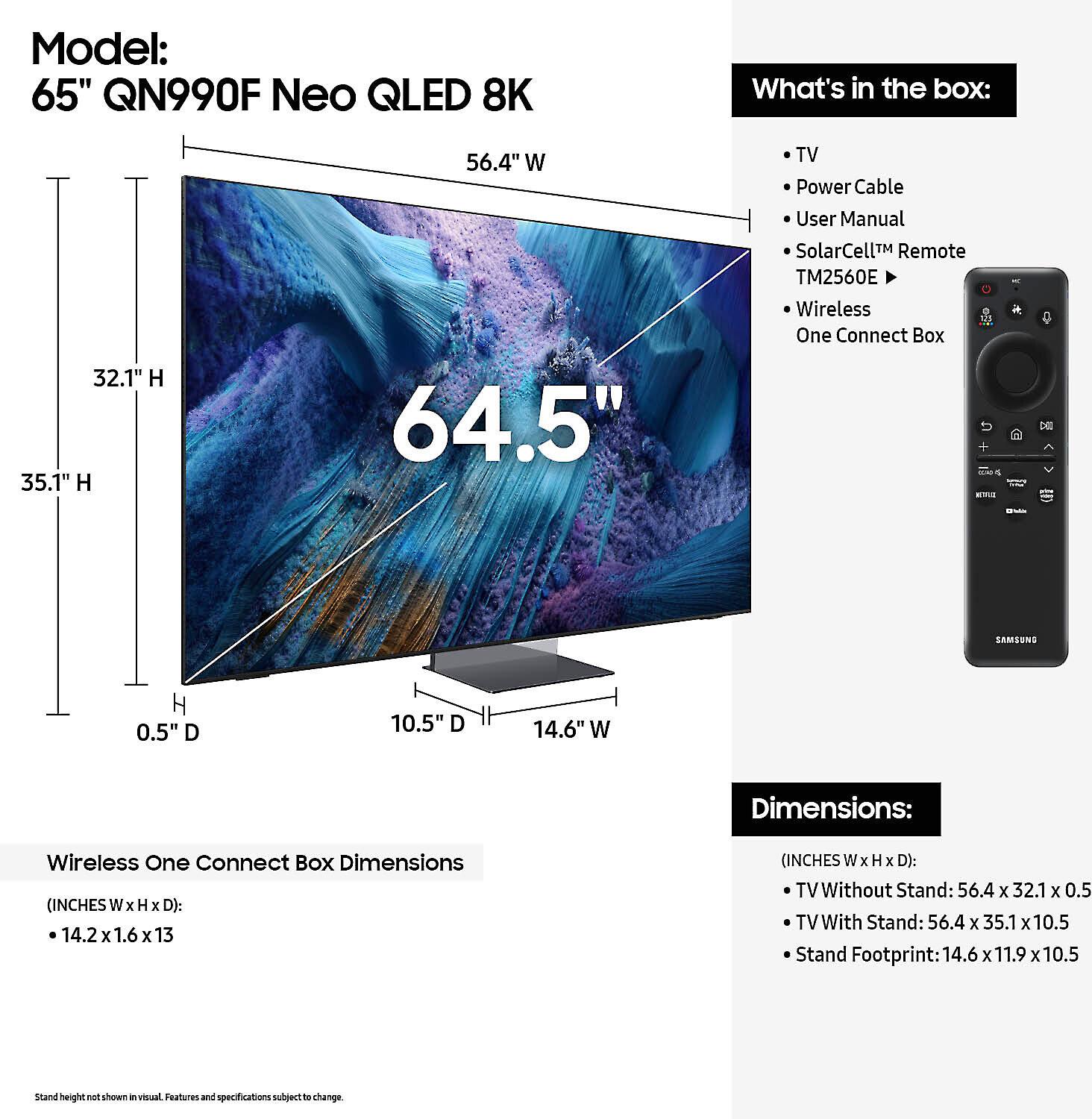
One standout feature of the QN990F is the Wireless One Connect system mentioned earlier. While it creates gaming latency issues, for regular TV viewing it's genuinely revolutionary. All your cable boxes, streaming devices, and gaming consoles connect to a small box that can sit up to 30 feet away from the TV, with everything transmitted wirelessly. This eliminates the nest of cables typically running to wall-mounted TVs, creating an incredibly clean installation.
TV audio capabilities vary dramatically between these models, and it's an area where the price difference becomes immediately apparent. The Q7F includes basic 20-watt speakers in a 2.0 configuration—meaning left and right channels without a center channel or surround effects. For casual viewing at moderate volumes, these speakers deliver clear dialogue and acceptable overall sound. However, they lack bass response and can't get particularly loud without distortion.
The QN990F features a sophisticated 90-watt, 6.2.2-channel audio system. That cryptic numbering means six main speakers, two subwoofers, and two upward-firing speakers for Dolby Atmos height effects. Object Tracking Sound Pro technology moves audio effects across the speakers to match on-screen action—so a car driving from left to right actually sounds like it's moving across your room.
For many buyers, the QN990F's audio system eliminates the immediate need for a separate soundbar, while Q7F owners often find themselves shopping for audio upgrades shortly after purchase.
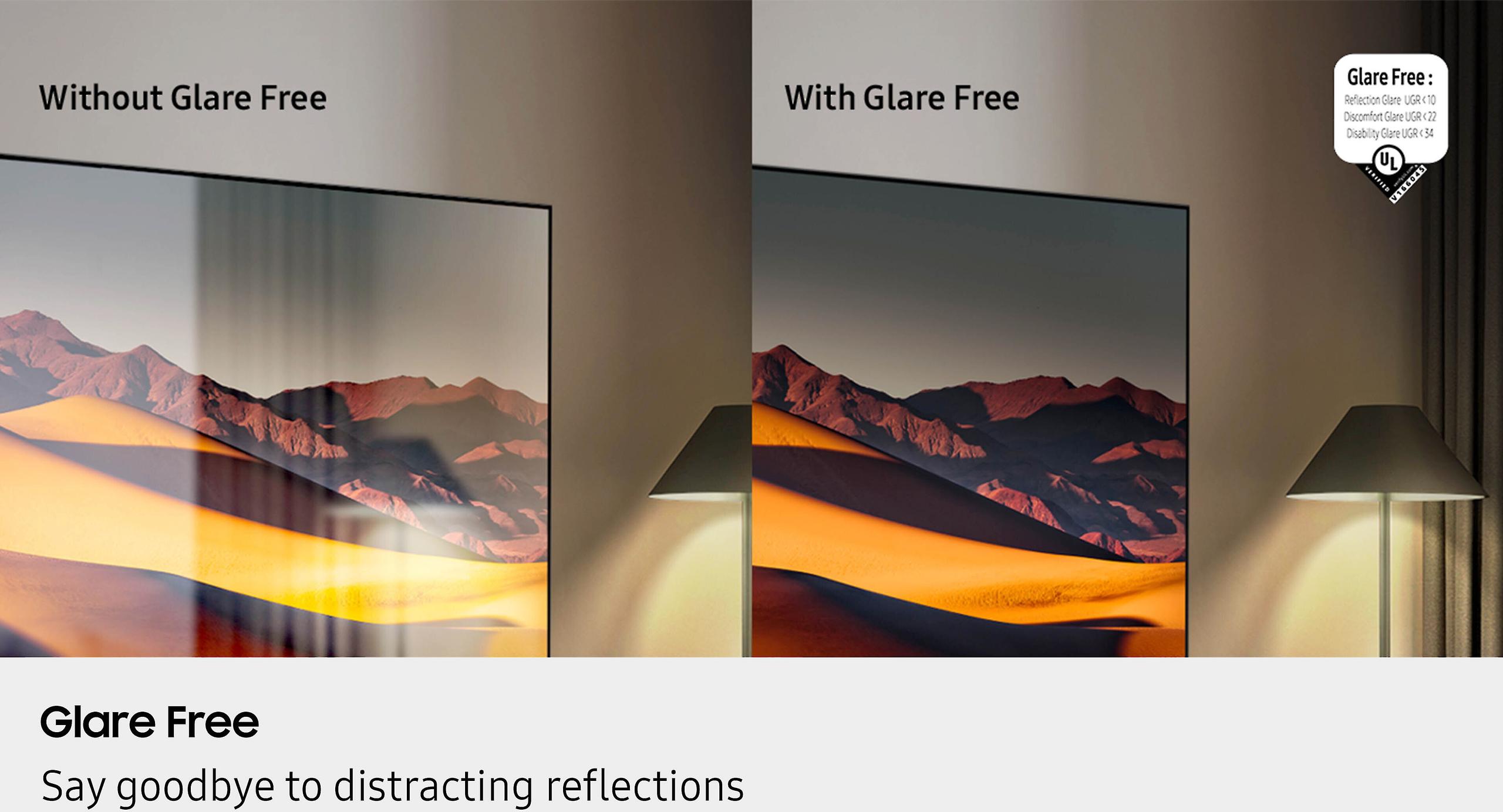
Here's where our two TVs diverge most dramatically, and it's often the deciding factor for real-world installations. The Q7F struggles in bright rooms due to its limited peak brightness and reflective screen surface. Windows, lamps, and overhead lighting create noticeable reflections that wash out image contrast and color saturation. This relegates the Q7F to basement home theaters, bedrooms, or living rooms with excellent light control.
The QN990F excels in challenging lighting conditions thanks to two key advantages. First, its massive brightness output can overpower most ambient light, maintaining vibrant colors and strong contrast even with windows open during daylight. Second, Samsung's anti-reflective coating virtually eliminates direct reflections from light sources. Professional reviews consistently praise this coating as industry-leading, allowing comfortable viewing even with lights positioned behind the viewer.
Based on extensive user feedback analysis, bright room performance often determines long-term satisfaction more than any other single factor. A TV that looks great in the store's controlled lighting might disappoint in your actual living space if it can't handle your room's lighting conditions.
At the time of writing, these TVs occupy completely different value territories, and understanding which offers better value requires considering your specific needs and viewing environment.
The Q7F targets buyers who want QLED color enhancement and Samsung's smart platform without paying flagship prices. It excels for viewers who primarily watch streaming content in moderately lit rooms and don't need cutting-edge gaming features. The picture quality genuinely impresses for the price point, and Samsung's software experience remains top-tier across their entire lineup.
However, the Q7F's limitations become apparent quickly if your viewing demands exceed its capabilities. Bright rooms, serious gaming, or home theater aspirations all push beyond what this entry-level model can deliver effectively.
The QN990F represents Samsung's flagship experience with all the associated benefits and complications. It delivers reference-quality picture performance, exceptional gaming capabilities, and premium features like wireless connectivity. The Mini LED backlighting and massive brightness output create genuinely impressive HDR that rivals much more expensive projection systems.
The flagship model's downsides include complexity (the wireless connection creates gaming trade-offs), the need for calibration to achieve optimal picture accuracy, and limited benefit from the 8K resolution given current content availability.
For dedicated home theater setups, the performance gap becomes even more pronounced. The Q7F works best as a large, bright TV for casual movie watching rather than a serious home theater centerpiece. Its limited contrast and brightness capabilities mean you won't get the dramatic impact that makes HDR movies genuinely impressive.
The QN990F can serve as the cornerstone of a high-end home theater system. The Mini LED backlighting creates the deep blacks and bright highlights that make movies feel cinematic, while the advanced audio system provides immersive sound for viewers who haven't invested in separate audio equipment. The anti-reflective coating also means you can enjoy movies without completely blacking out the room.
Your decision between these TVs should center on matching capabilities to your actual viewing habits and environment.
Choose the Samsung 65-Inch Q7F Series QLED Smart TV 2025 Display if you have moderate lighting conditions, watch primarily streaming content, don't need advanced gaming features, and want reliable Samsung quality at an accessible price point. This TV delivers on its core promises without pretending to be something it isn't.
Choose the Samsung 65" Neo QLED QN990F 8K Smart TV 2025 if you have bright viewing environments, want flagship gaming capabilities, plan to use it as a home theater centerpiece, or simply want the best possible picture quality regardless of cost. Just be prepared to learn about its wireless connectivity trade-offs and invest time in proper calibration.
The performance gap between these models is substantial enough that they really serve different audiences rather than representing simple good/better/best progression. Understanding which audience you belong to will lead you to the right choice for years of viewing satisfaction.
| Samsung 65-Inch Q7F Series QLED Smart TV 2025 Display | Samsung 65" Neo QLED QN990F 8K Smart TV 2025 |
|---|---|
| Display Technology - Determines picture quality and contrast performance | |
| Direct LED backlighting, no local dimming zones | Mini LED with 1,920+ dimming zones for precise brightness control |
| Resolution - Higher resolution provides sharper detail but limited content available | |
| 4K (3840 x 2160) - matches all current streaming and gaming content | 8K (7680 x 4320) - requires AI upscaling for all content |
| Peak Brightness - Critical for HDR impact and bright room viewing | |
| ~400 nits (struggles in bright rooms, limited HDR impact) | ~2,000 nits (excellent bright room performance, dramatic HDR) |
| Refresh Rate - Important for gaming and smooth motion | |
| 60Hz maximum (basic gaming, no modern console features) | Up to 240Hz (supports 4K@240Hz gaming, VRR, HDMI 2.1) |
| Processor - Affects upscaling quality and smart features | |
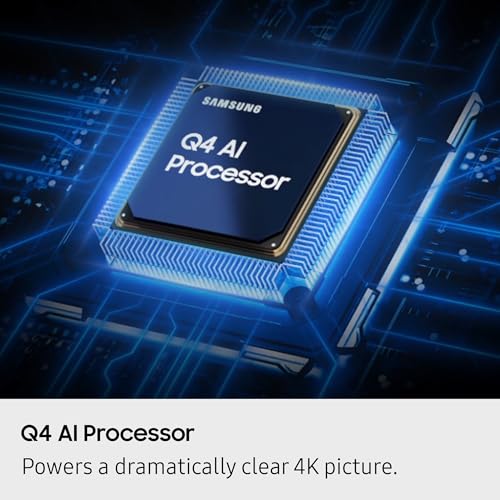
| Q4 AI Processor (basic 4K upscaling and optimization) | NQ8 AI Gen3 with 768 neural networks (advanced 8K upscaling) |
| Gaming Features - Essential for PlayStation 5 and Xbox Series X | |
| 10ms input lag, no VRR or HDMI 2.1 support | 4ms input lag (direct connection), full VRR and HDMI 2.1 suite |
| Audio System - Determines if you need a separate soundbar | |
| 20W 2.0 channel speakers (basic audio, likely needs soundbar) | 90W 6.2.2CH with Dolby Atmos and Object Tracking Sound Pro |
| Smart Features - Advanced AI capabilities and connectivity | |
| Samsung Vision AI (basic), standard connectivity | Samsung Vision AI (advanced), Wireless One Connect box |
| Bright Room Performance - How well it handles reflections and ambient light | |
| Poor reflection handling, washes out in bright conditions | Anti-reflective coating eliminates glare, excellent bright room viewing |
| Best Use Cases - Who should consider each model | |
| Budget-conscious buyers, moderate lighting, casual viewing | Home theater enthusiasts, bright rooms, serious gamers, premium experience |
The Samsung 65-Inch Q7F Series QLED Smart TV 2025 Display is an entry-level QLED with direct LED backlighting and 4K resolution, while the Samsung 65" Neo QLED QN990F 8K Smart TV 2025 is Samsung's flagship model featuring Mini LED technology with over 1,900 dimming zones and 8K resolution. The QN990F delivers dramatically better picture quality, brightness, and gaming features.
The QN990F excels in bright rooms with its anti-reflective coating that virtually eliminates glare and peak brightness of around 2,000 nits. The Q7F struggles in bright environments due to its limited 400-nit brightness and reflective screen surface, making it better suited for controlled lighting conditions.
Currently, there's virtually no native 8K content available from streaming services or Blu-ray. However, the Samsung 65" Neo QLED QN990F 8K Smart TV 2025 uses advanced AI upscaling with 768 neural networks to make 4K and lower-resolution content look sharper than it would on the Q7F. The benefit is noticeable but not transformative.
The Samsung 65" Neo QLED QN990F 8K Smart TV 2025 reaches approximately 2,000 nits peak brightness, which is about five times brighter than the Samsung 65-Inch Q7F Series QLED Smart TV 2025 Display at around 400 nits. This massive difference affects HDR performance and bright room viewing capability.
The Samsung 65" Neo QLED QN990F 8K Smart TV 2025 excels as a home theater centerpiece with its Mini LED backlighting creating deep blacks and bright highlights for cinematic HDR. The Q7F works better as a large TV for casual movie watching rather than serious home theater applications due to its limited contrast capabilities.
The QN990F includes a Wireless One Connect box that allows you to connect all devices wirelessly from up to 30 feet away, eliminating cable clutter for wall-mounted installations. However, this wireless connection adds significant input lag for gaming, so serious gamers should use the direct HDMI port on the TV instead.
Value depends on your needs and budget. The Samsung 65-Inch Q7F Series QLED Smart TV 2025 Display offers excellent value for buyers wanting QLED technology at an accessible price point. The QN990F provides flagship performance that justifies its premium positioning if you need its advanced capabilities.
The Samsung 65" Neo QLED QN990F 8K Smart TV 2025 handles fast motion significantly better with its higher refresh rates and advanced motion processing. The Q7F provides decent motion clarity for most sports viewing but can show blur during very fast action sequences due to its 60Hz limitation.
Choose the Samsung 65-Inch Q7F Series QLED Smart TV 2025 Display if you have moderate lighting, watch mainly streaming content, don't need advanced gaming features, and want reliable Samsung quality at a lower cost. Choose the Samsung 65" Neo QLED QN990F 8K Smart TV 2025 if you have bright rooms, want flagship gaming performance, plan serious home theater use, or simply want the best possible picture quality.
We've done our best to create useful and informative comparisons to help you decide what product to buy. Our research uses advanced automated methods to create this comparison and perfection is not possible - please contact us for corrections or questions. These are the sites we've researched in the creation of this article: bestbuy.com - rtings.com - bestbuy.com - youtube.com - youtube.com - youtube.com - samsung.com - samsung.com - samsung.com - billsmith.com - costco.com - samsung.com - hometechnologyreview.com - hometechnologyreview.com - bestbuy.com - samsung.com - bestbuy.com - samsung.com - hometechnologyreview.com - samsung.com - samsung.com - samsung.com - abt.com - bestbuy.com - pcnation.com - samsung.com - videoandaudiocenter.com - exertisalmo.com - displayspecifications.com - theapplianceplug.com - news.samsung.com

Privacy Policy
Terms and Conditions - Affiliate Policy
Home Security
© Copyright 2008-2026.
11816 Inwood Rd #1211, Dallas, TX 75244