


![LG B5 Series OLED 65" 4K Smart TV 2025[1][7][9]](https://images.hometheaterreview.com/htr-stateless/2025/07/31238cd0-lg-b5-series-oled-65-4k-smart-tv-2025179.jpg)
![LG B5 Series OLED 65" 4K Smart TV 2025[1][7][9]](https://images.hometheaterreview.com/htr-stateless/2025/07/3368ce40-25ef-4d07-b442-bb0af89e3a29.jpg)
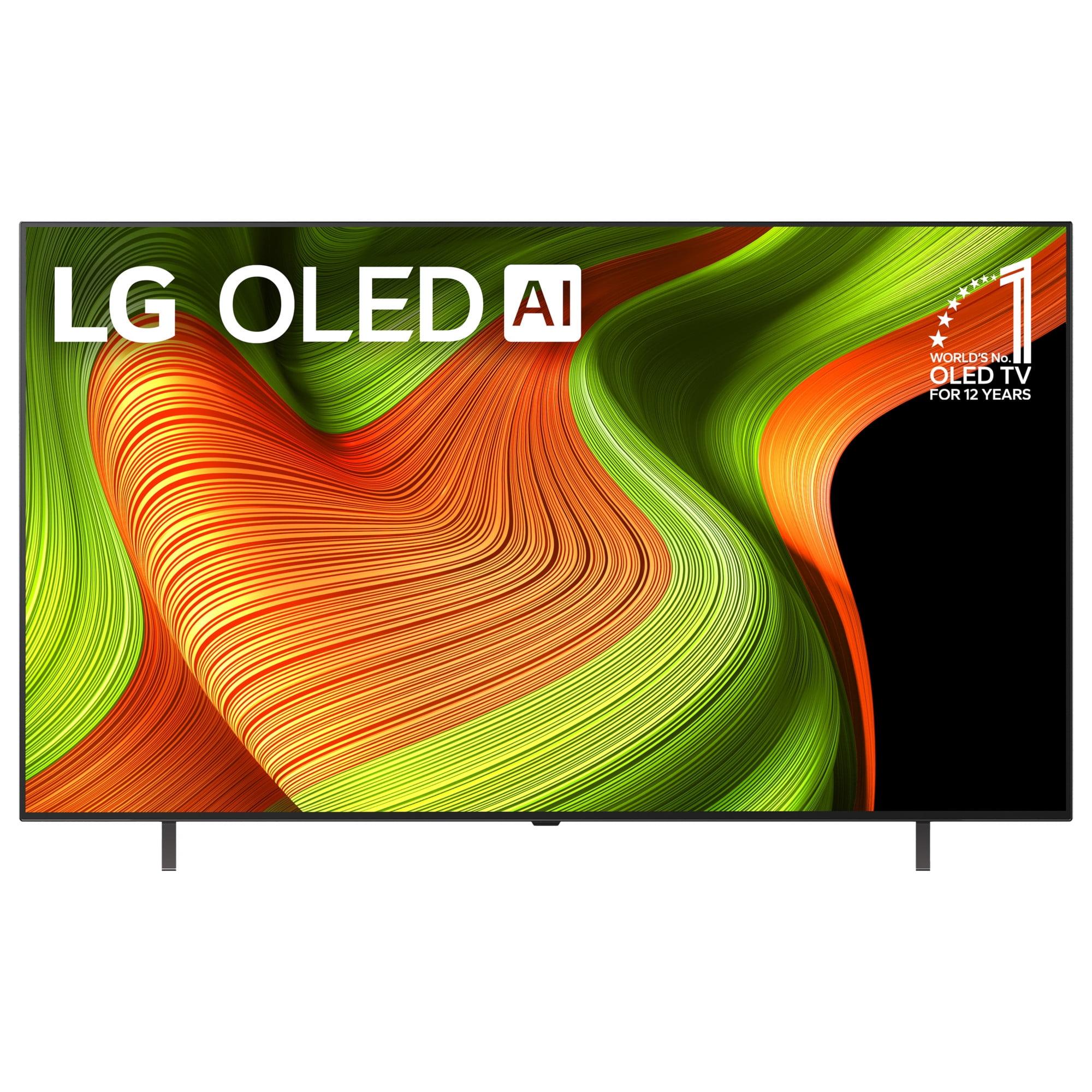
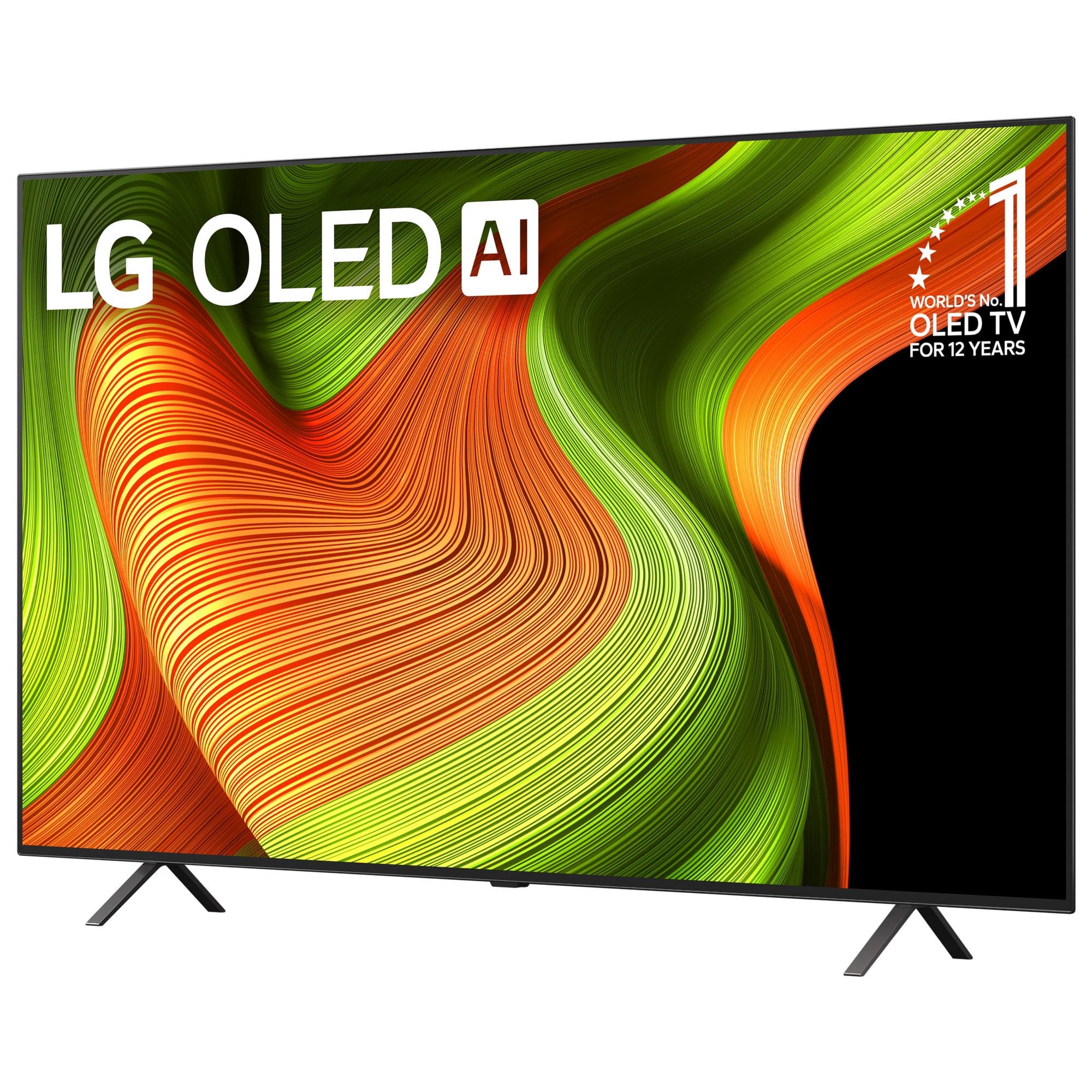
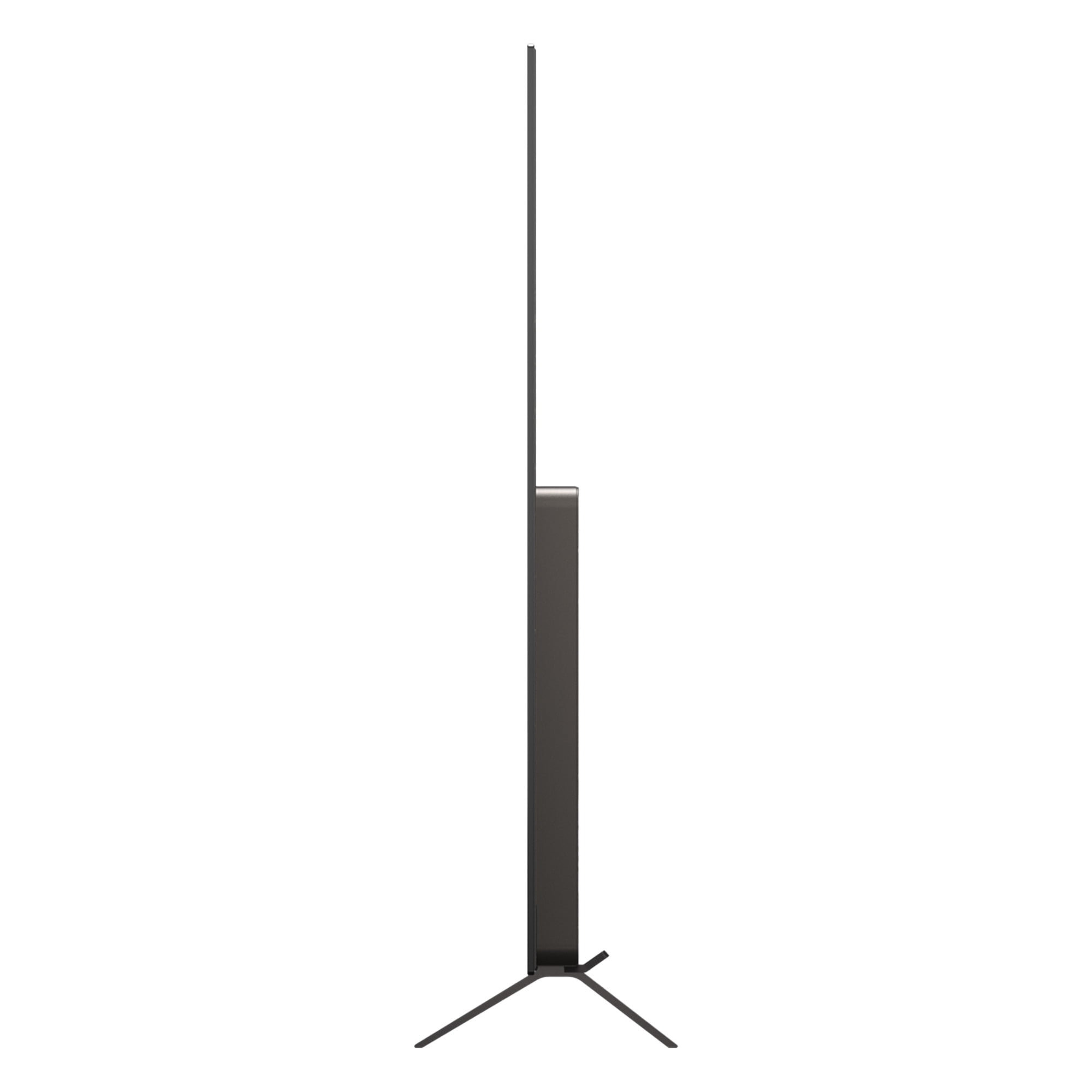
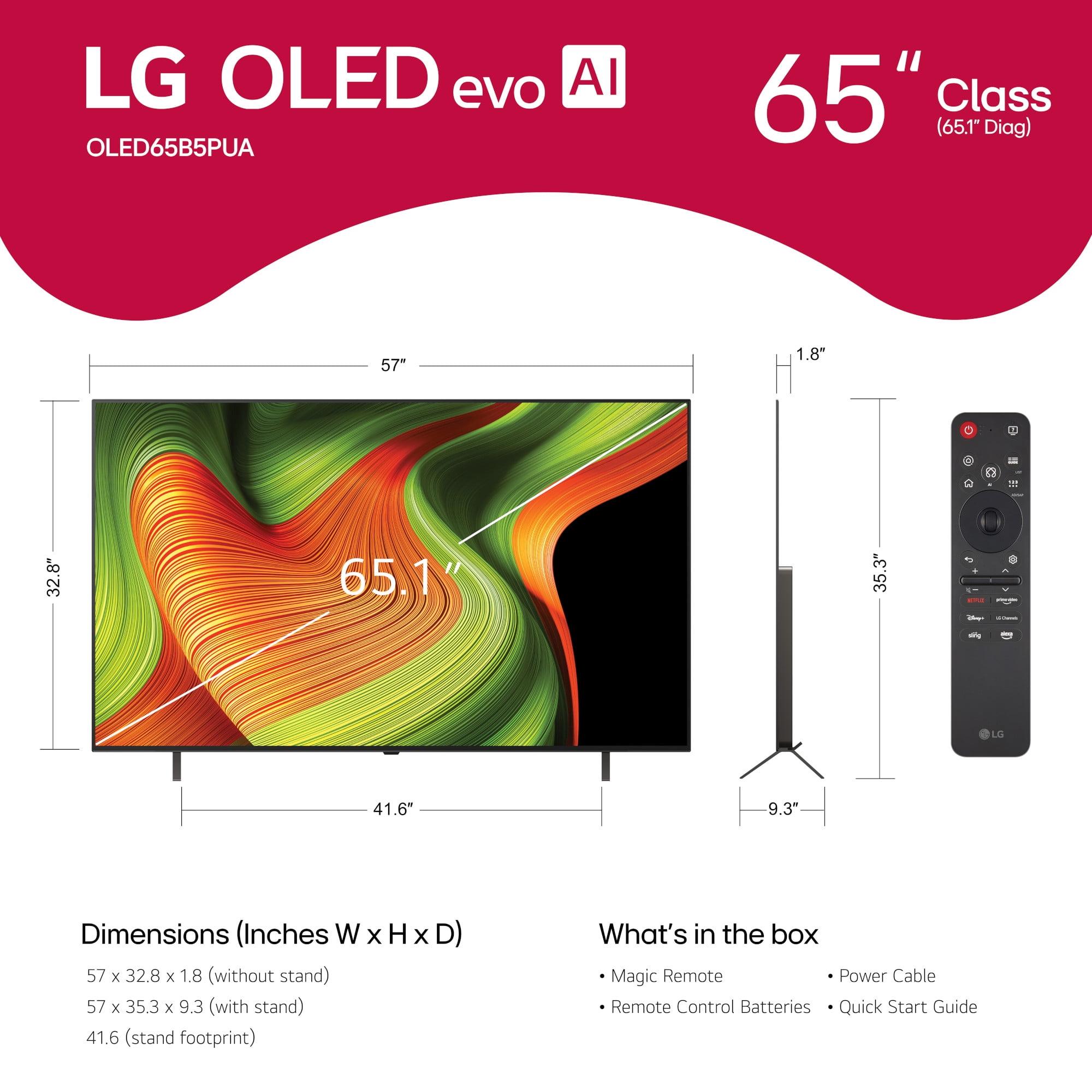
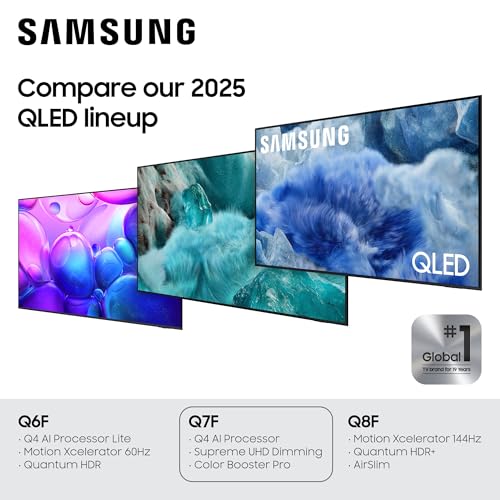
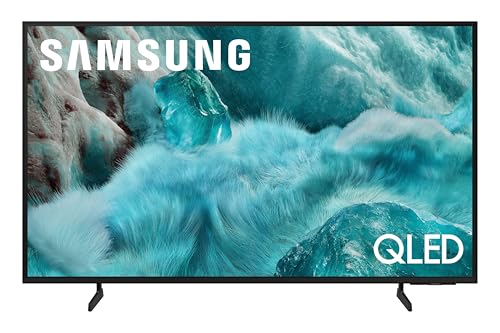
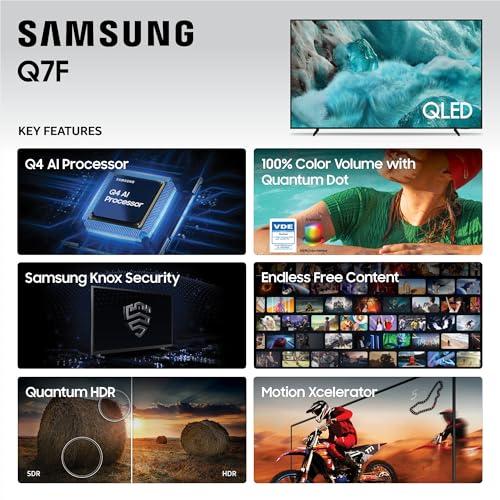
When shopping for a new 65-inch TV in 2025, you'll quickly encounter two fundamentally different display technologies that couldn't be more different in their approach to creating great picture quality. The Samsung 65-Inch Q7F Series QLED Smart TV represents the accessible end of quantum dot technology, while the LG B5 Series OLED 65" 4K Smart TV brings OLED's signature perfect blacks to LG's entry-level OLED lineup.
At the time of writing, these TVs sit at dramatically different price points - the Samsung Q7F costs roughly half what you'd pay for the LG B5. But that price difference tells only part of the story. These TVs use entirely different technologies to create images, and understanding those differences is crucial to making the right choice for your home.
Before diving into specifications and performance, it's worth understanding what makes these TVs tick. The Samsung Q7F uses QLED technology, which is essentially a fancy name for an LED-backlit LCD panel enhanced with quantum dots. Think of quantum dots as microscopic crystals that glow specific colors when hit by light from the LED backlight. This creates more vibrant colors than traditional LED TVs, but the fundamental limitation remains: the entire screen is lit by LEDs behind the panel, meaning darker parts of the image can't get truly black.
The LG B5, on the other hand, uses OLED technology where each individual pixel creates its own light. When a pixel needs to be black, it simply turns off completely. This pixel-level control is what gives OLED its signature "infinite contrast ratio" - the difference between the brightest whites and darkest blacks is theoretically unlimited because true black produces zero light.
Both technologies arrived in the consumer market around the same time in the mid-2010s, but they've evolved differently. QLED has focused on increasing brightness and color volume, while OLED has worked on solving early concerns about burn-in (permanent image retention) and improving peak brightness to compete in bright rooms.
This is where the fundamental difference between these technologies becomes immediately apparent. The LG B5 achieves perfect blacks that look like the TV is turned off in those areas. When watching a movie with letterbox bars (those black strips above and below the image), those bars literally disappear into the bezel. Dark scenes in movies like space sequences or horror films maintain shadow detail while keeping blacks truly black.
The Samsung Q7F, despite quantum dot enhancements, can't escape the physics of LED backlighting. Dark areas appear grayish rather than black, and you'll notice a subtle glow around bright objects against dark backgrounds - an effect called "blooming." This is particularly noticeable when watching content with bright text on black backgrounds or star fields in space movies.
For home theater enthusiasts, this difference is dramatic. In a properly darkened room, the LG B5's contrast creates that cinematic "pop" where bright highlights seem to leap off the screen against inky blacks. The Samsung Q7F produces a flatter, more washed-out appearance in dark scenes, though this becomes less noticeable in brighter viewing environments.
Both TVs handle color differently, and both have strengths. The LG B5 covers 99.5% of the UHDA-P3 color gamut (a professional standard for HDR content), delivering exceptionally accurate colors right out of the box. Colors appear natural and lifelike, with subtle gradations that create realistic skin tones and natural-looking environments.
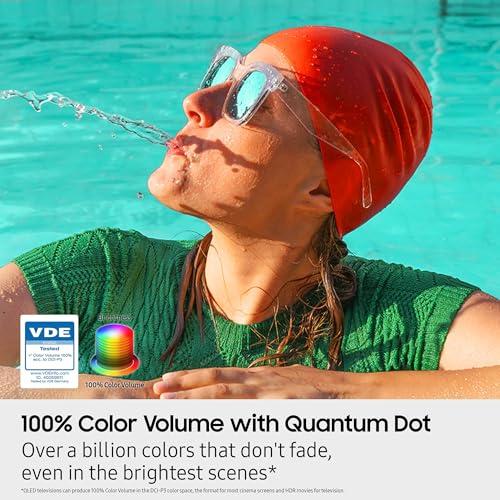
The Samsung Q7F uses quantum dot technology to boost color volume - essentially how vibrant colors can appear at different brightness levels. In well-lit rooms watching colorful content like animated movies or sports, the Samsung often appears more vibrant and punchy. However, this vibrancy can sometimes come at the expense of accuracy, with colors appearing slightly oversaturated compared to what content creators intended.
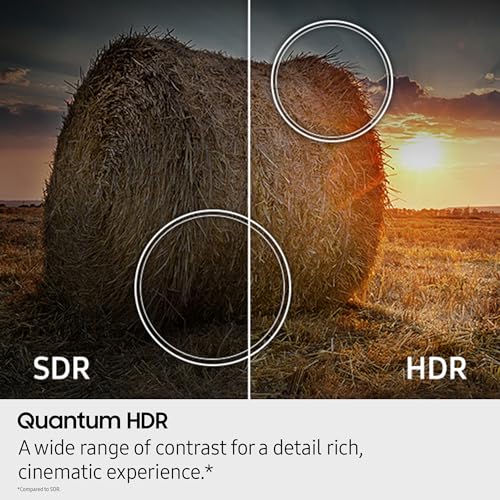
For HDR content specifically, the LG B5 supports Dolby Vision, which uses dynamic metadata to optimize each scene individually, while the Samsung Q7F supports HDR10+ which provides similar scene-by-scene optimization. However, the LG's superior contrast makes HDR content more impactful overall, even if it's not as bright.
Here's where the price difference starts to make sense. The Samsung Q7F produces significantly higher peak brightness, making it better suited for bright living rooms with windows and ambient lighting. While specific measurements vary, QLED technology typically delivers 2-3 times the brightness of entry-level OLEDs.
The LG B5 measures around 668 nits peak brightness in HDR content, with much lower brightness for large bright areas. This creates challenges in bright rooms where ambient light washes out the display and reduces contrast. However, in controlled lighting conditions - think basement home theaters or evening viewing with curtains drawn - this brightness limitation becomes irrelevant, and the perfect blacks create superior overall contrast.
This brightness difference affects HDR (High Dynamic Range) performance dramatically. HDR is meant to display a wider range of brightness levels than standard content, from deep shadows to blazing highlights like the sun or explosions. The Samsung Q7F can better represent bright HDR highlights, while the LG B5 excels at the shadow detail and overall contrast that makes HDR content look more three-dimensional.
Gaming has become a crucial consideration for TV buyers, especially with PlayStation 5 and Xbox Series X pushing 4K resolution at high frame rates. Here, the performance gap between these TVs becomes a canyon.
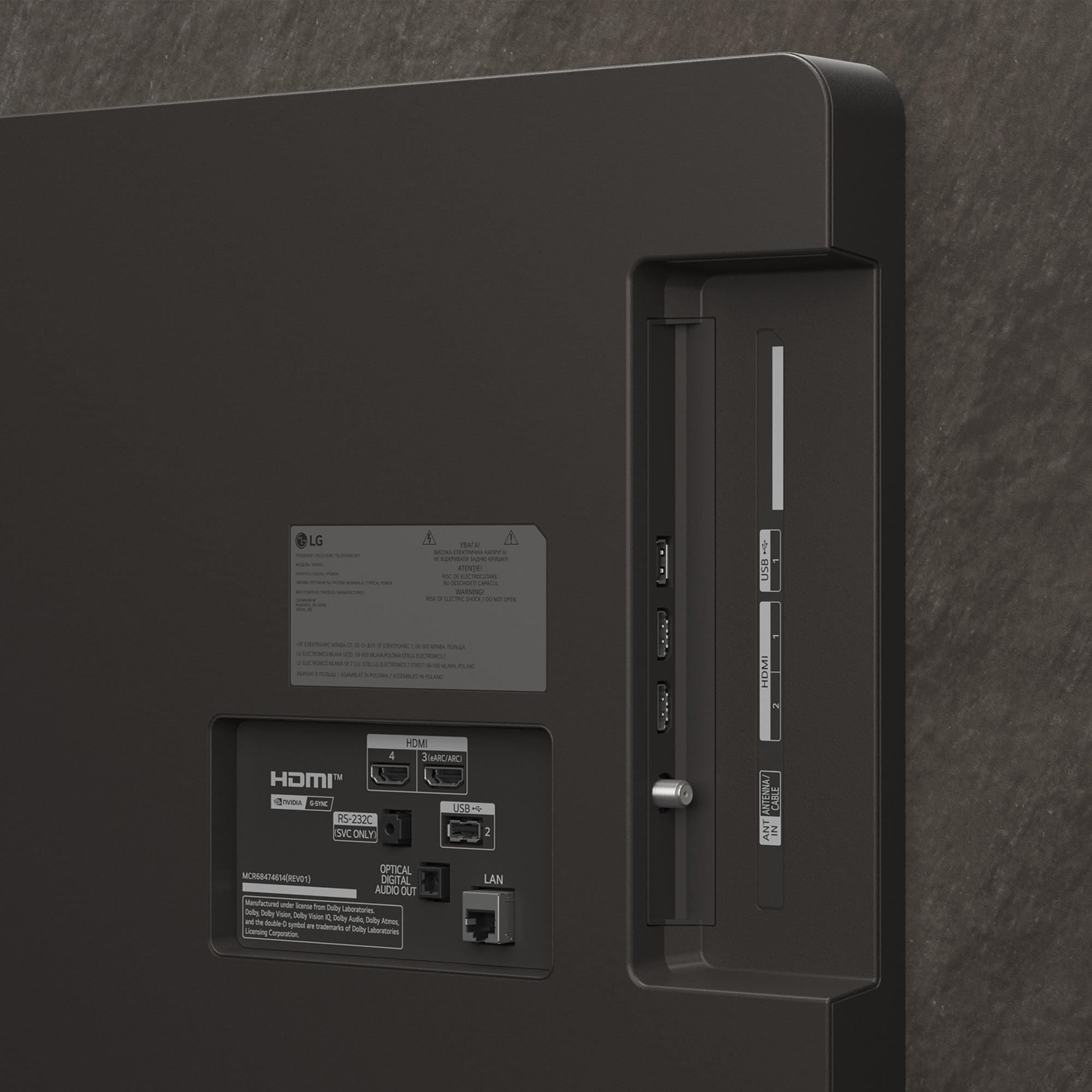
The LG B5 is built for serious gaming. It features four full-bandwidth HDMI 2.1 ports capable of handling 4K resolution at 120 frames per second - double the frame rate of standard content. This higher frame rate creates smoother motion in fast-paced games, reducing blur and making competitive gaming more responsive. The TV also supports Variable Refresh Rate (VRR), which eliminates screen tearing by synchronizing the display's refresh rate with the game console's output frame rate.
Input lag - the delay between pressing a button and seeing the action on screen - measures less than 0.1 milliseconds on the LG B5. For context, this is faster than human reaction time, making the TV effectively instantaneous for gaming purposes. The TV automatically switches to Game Mode when it detects a gaming console, optimizing settings for responsiveness over picture processing.
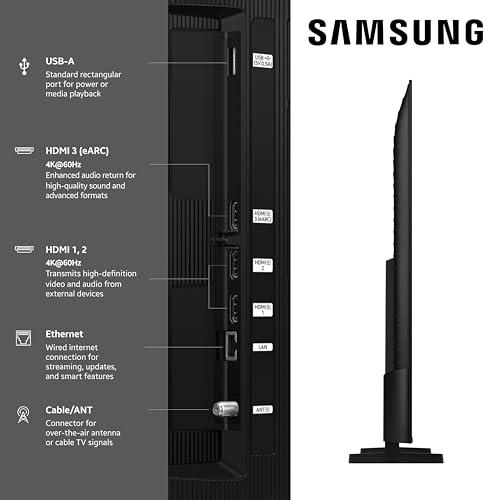
The Samsung Q7F offers basic gaming features with around 10 milliseconds of input lag, which is acceptable for casual gaming but not competitive-level performance. It lacks HDMI 2.1 support, VRR, and high refresh rate capabilities, limiting it to 60 frames per second gaming - adequate for most titles but missing the smooth motion benefits of newer consoles' high frame rate modes.
For gamers with multiple consoles or a gaming PC, the LG B5's four HDMI 2.1 ports provide future-proof connectivity. The Samsung Q7F offers fewer advanced ports, potentially requiring an HDMI switch for users with multiple gaming devices.
Both TVs run mature smart TV platforms that handle streaming apps well, but they take different approaches. The LG B5 runs webOS 25, LG's 2025 smart platform that emphasizes AI-powered recommendations and user profiles. The interface is clean and responsive, with Quick Cards that let you group favorite apps for faster access. LG promises at least four years of software updates, helping maintain security and add new features over time.
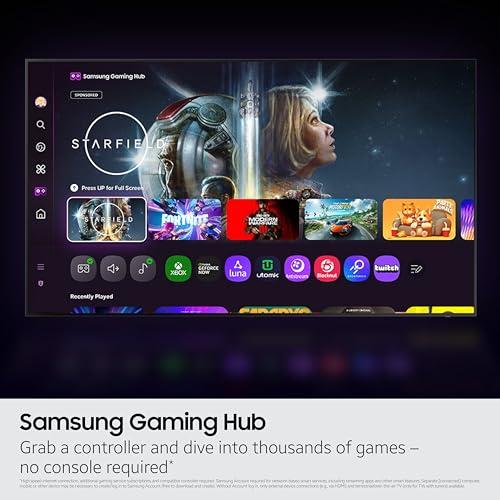
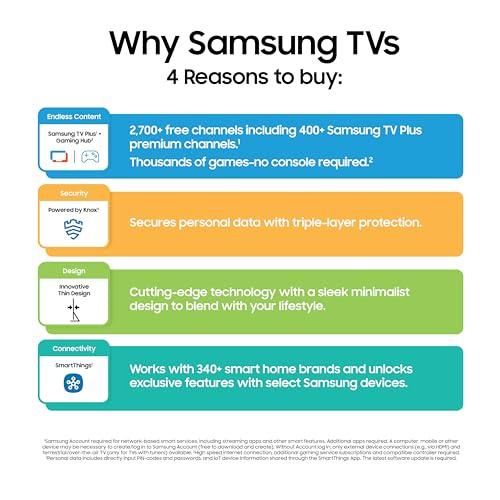
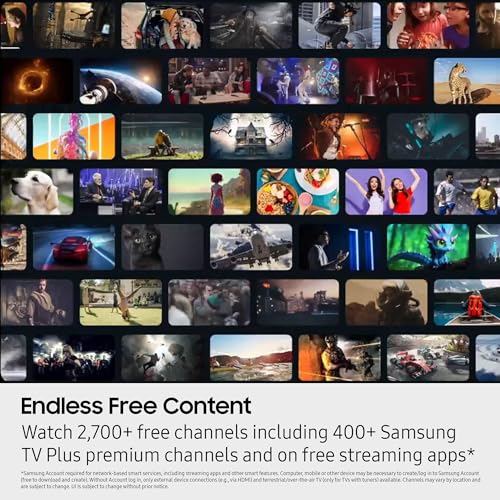
The Samsung Q7F uses Samsung's Tizen operating system, which offers a robust selection of streaming apps and integrates Samsung TV Plus for free ad-supported channels. Both platforms handle popular apps like Netflix, Disney+, and HBO Max without issues.
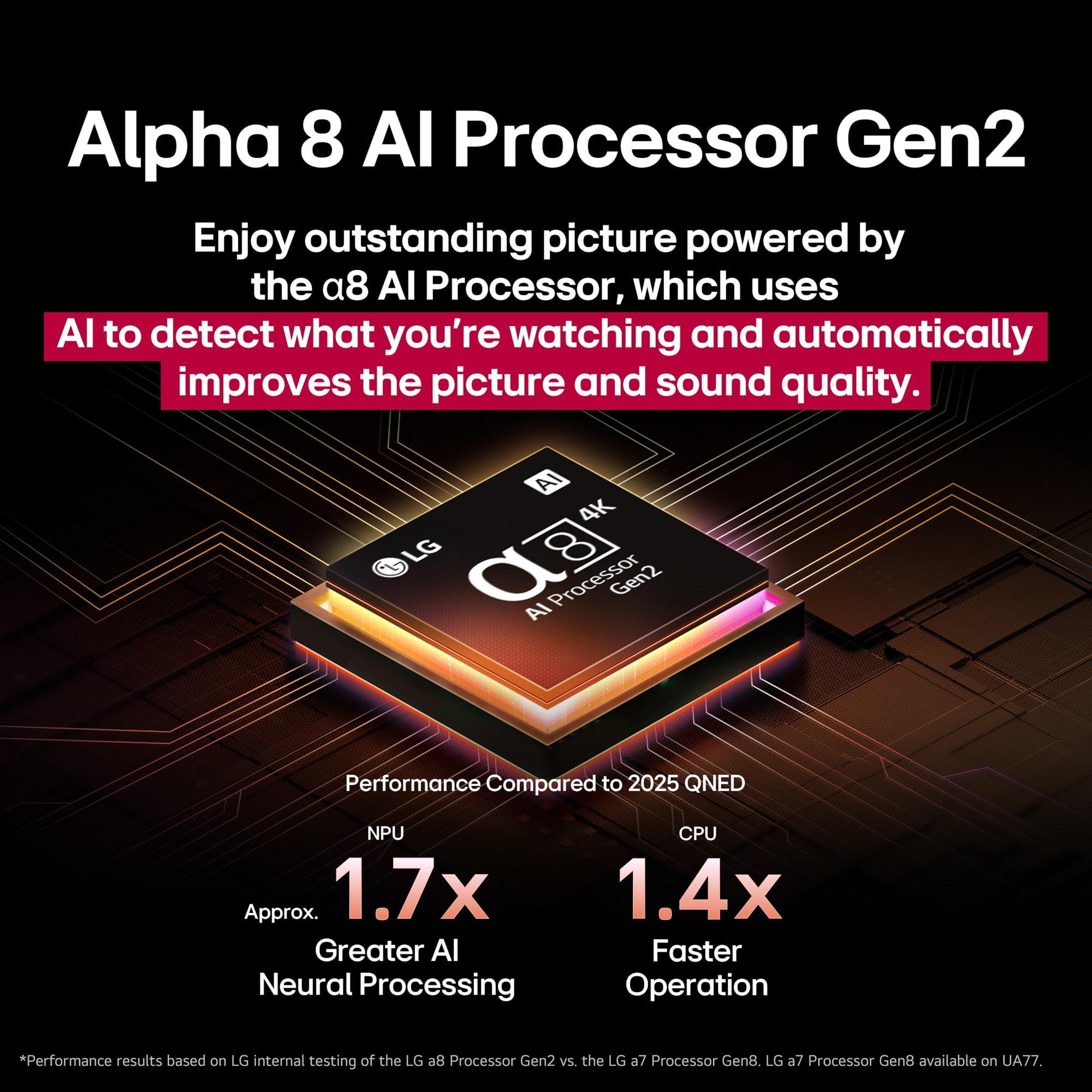
The LG B5 includes more advanced AI features powered by its α8 AI Processor Gen2, which analyzes content in real-time to optimize both picture and sound settings. This processor also enables more sophisticated upscaling of lower-resolution content to 4K, though both TVs handle streaming content and cable TV adequately.
One notable limitation affects physical media enthusiasts: the LG B5 dropped DTS audio support in 2025, which means some Blu-ray discs won't play audio correctly without a separate audio system to handle decoding.
Neither TV will satisfy serious audiophiles with their built-in speakers, but they differ in approach. The Samsung Q7F includes 20-watt stereo speakers that provide clear dialogue and adequate volume for most rooms, though bass response is limited and maximum volume won't fill large spaces.
The LG B5 supports Dolby Atmos processing, which can create more immersive audio when paired with compatible soundbars. However, the built-in speakers themselves are similarly limited to the Samsung's. Both TVs are designed with the expectation that serious viewers will add a soundbar or surround sound system.
The LG B5 offers excellent viewing angles, maintaining color accuracy and contrast even when viewed from the side - crucial for family rooms where people sit at various angles. The Samsung Q7F uses a VA (Vertical Alignment) panel that looks great from directly in front but shows color shifting and brightness reduction when viewed from the sides.
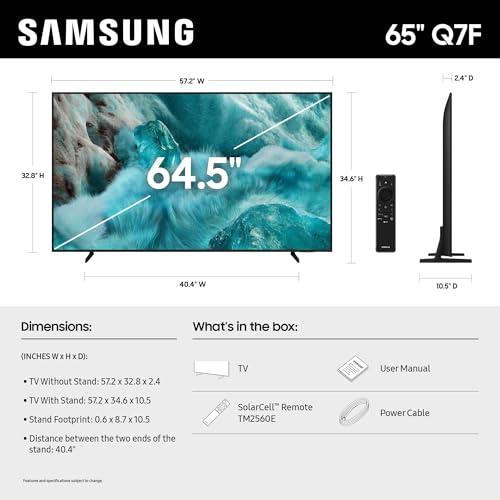
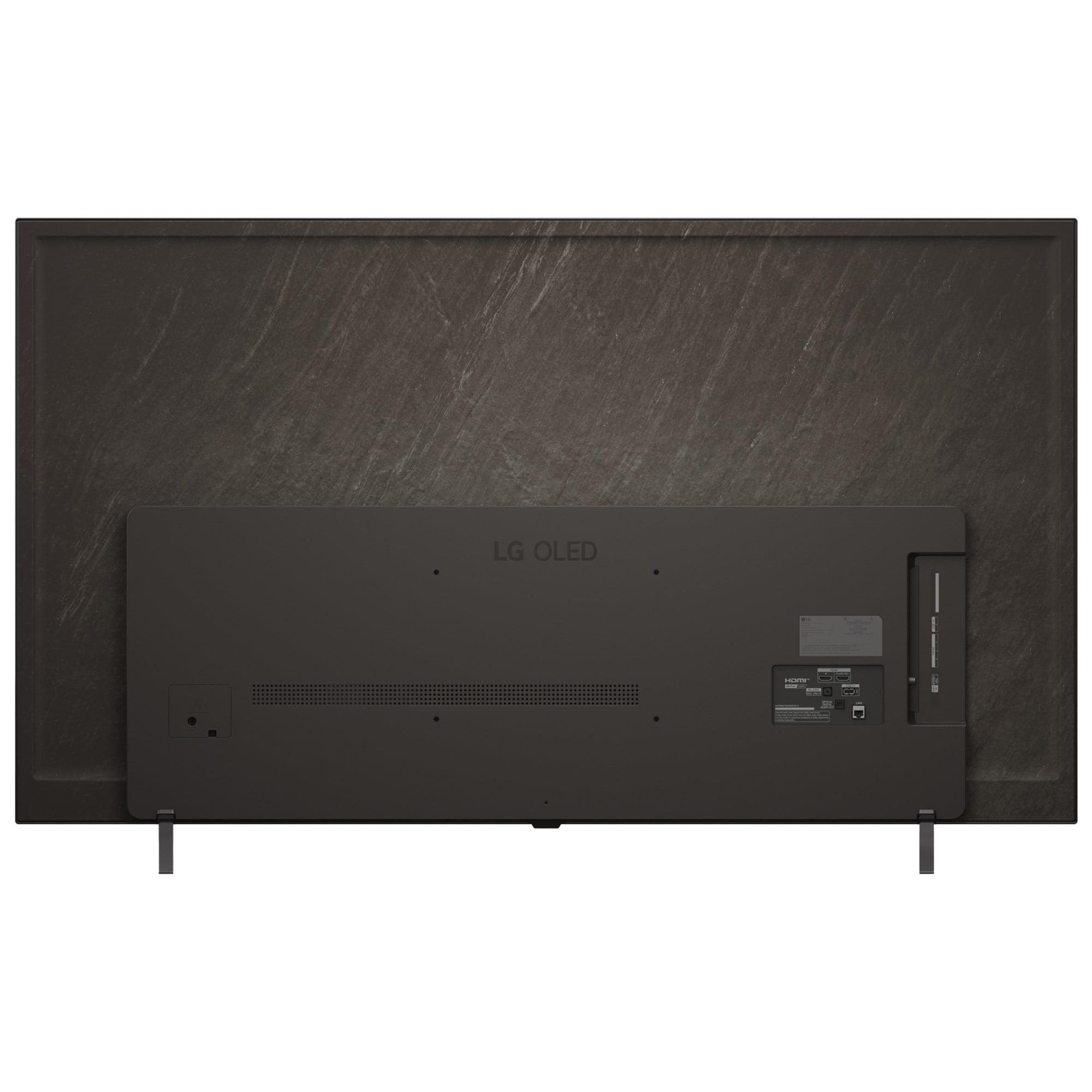
Both TVs feature slim profiles suitable for wall mounting, though the Samsung Q7F includes more flexible stand options that can accommodate different furniture arrangements. The LG B5 comes with a redesigned Magic Remote that unfortunately removed the number pad, making it less convenient for direct channel access.
Quality control reports suggest the LG B5 has had some issues with dead pixels and intermittent audio problems in early production units, though these appear to be relatively rare. The Samsung Q7F generally shows solid build quality for its price point.
For dedicated home theater use, the LG B5 is the clear winner, provided you can control room lighting. The perfect blacks create that cinematic experience where bright highlights truly pop against dark backgrounds. Movie content mastered for theaters looks more like the director intended, with shadow detail preserved while maintaining true black levels.
The Samsung Q7F struggles in dark room conditions where its grayish blacks become obvious, but performs better than the LG in rooms with ambient light. For families who primarily watch TV with lights on or windows uncovered, the Samsung's brightness advantage outweighs the LG's contrast benefits.
Both TVs support major HDR formats, but the LG B5 includes Dolby Vision support while the Samsung Q7F supports HDR10+. In practice, both provide good HDR experiences, though the LG's superior contrast makes HDR content more impactful overall.
The Samsung Q7F makes sense for buyers who prioritize value and watch TV primarily in bright rooms. If your TV is in a living room with large windows, you're shopping on a budget, or you're not particularly focused on having the absolute best picture quality, the Samsung delivers solid 4K performance at an accessible price point. It's also fine for casual gaming and handles all major streaming services well.
The LG B5 justifies its premium for viewers who can appreciate its strengths. If you have a dedicated media room, basement setup, or can draw curtains for evening viewing, the OLED technology delivers a genuinely superior viewing experience. It's also essential for serious gamers who want the best possible performance from next-generation consoles.
For home theater enthusiasts, the choice is clear: the LG B5's perfect blacks and superior contrast create the cinematic experience that makes movie watching more engaging. For families who mainly watch sports, news, and streaming content in bright rooms, the Samsung Q7F's brightness and value proposition make more sense.
The decision ultimately comes down to your viewing environment and priorities. In controlled lighting conditions, the LG B5 provides a dramatically better viewing experience that justifies its higher cost. In bright rooms or tight budgets, the Samsung Q7F offers impressive value and solid performance that will satisfy most viewers.
At the time of writing, the price difference between these TVs reflects their fundamentally different approaches to picture quality. The Samsung Q7F prioritizes brightness and value, while the LG B5 delivers reference-level contrast and gaming features. Choose based on your room, your budget, and what aspects of picture quality matter most to your viewing habits.
| Samsung 65-Inch Q7F Series QLED Smart TV 2025 Display | LG B5 Series OLED 65" 4K Smart TV 2025 |
|---|---|
| Display Technology - Determines picture quality fundamentals | |
| QLED (Quantum Dot LED-backlit LCD) | OLED (Self-lit organic pixels) |
| Black Levels - Critical for movie watching and contrast | |
| Grayish blacks due to LED backlight bleed | Perfect blacks (pixels turn completely off) |
| Peak Brightness - Essential for bright room viewing and HDR impact | |
| Higher brightness, better for bright rooms | 668 nits (struggles in bright environments) |
| Viewing Angles - Important for family seating arrangements | |
| VA panel: Colors fade when viewed from sides | Excellent: Maintains quality from any angle |
| Gaming Performance - Crucial for console and PC gaming | |
| Basic: ~10ms input lag, 60Hz, limited HDMI 2.1 | Premium: <0.1ms input lag, 120Hz, 4x HDMI 2.1 ports |
| VRR and Advanced Gaming Features - Eliminates screen tearing | |
| Not supported | Full support (G-SYNC, FreeSync, VRR, ALLM) |
| HDR Support - Affects color and brightness range | |
| HDR10+ (dynamic tone mapping) | Dolby Vision, HDR10, HLG (no HDR10+) |
| Smart TV Platform - Daily user experience | |
| Tizen OS with Samsung TV Plus | webOS 25 with AI features, 4+ years updates |
| Processor - Handles upscaling and optimization | |
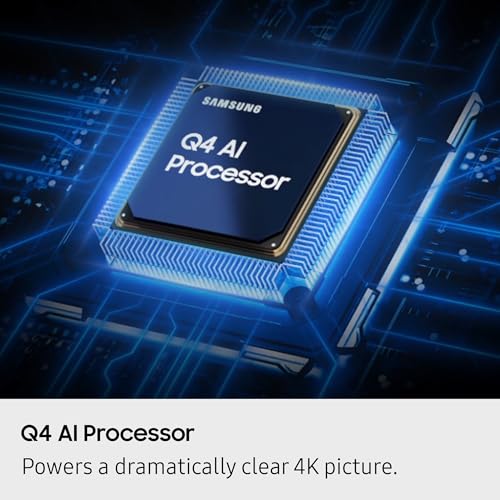
| Q4 AI Processor (basic scene recognition) | α8 AI Processor Gen2 (advanced real-time optimization) |
| Audio Support - Important for home theater setups | |
| Most Dolby formats, no DTS | Dolby Atmos, no DTS (2025 limitation) |
| Build Quality Considerations - Affects long-term reliability | |
| Solid for price point, flexible stand options | Some dead pixel reports, redesigned remote missing features |
| Best Use Case - When each TV excels | |
| Bright rooms, budget-conscious, casual viewing | Dark rooms, gaming enthusiasts, home theater |
| Value Proposition - Cost vs performance at time of writing | |
| Exceptional value for 65" 4K at entry price point | Premium experience justifies higher cost in right conditions |
The LG B5 Series OLED delivers superior picture quality for movies due to its perfect black levels and infinite contrast ratio. Each pixel can turn completely off, creating true blacks that make dark movie scenes look cinematic. The Samsung Q7F QLED produces grayish blacks and light bleed around bright objects, which is noticeable during movie watching in dark rooms.
QLED technology in the Samsung Q7F uses quantum dots to enhance an LED-backlit LCD panel, creating bright and vibrant colors but unable to achieve true blacks. OLED technology in the LG B5 uses self-lit pixels that can turn completely off, delivering perfect blacks and superior contrast but with lower overall brightness.
The Samsung Q7F QLED is better for bright rooms because it produces significantly higher peak brightness that can overcome ambient light and glare. The LG B5 OLED struggles in bright environments due to its lower brightness output and reflective screen, making it better suited for controlled lighting conditions.
The LG B5 OLED is excellent for next-gen gaming with four HDMI 2.1 ports, 4K@120Hz support, VRR, and less than 0.1ms input lag. The Samsung Q7F offers basic gaming performance with around 10ms input lag and 60Hz refresh rate, suitable for casual gaming but lacking advanced features for competitive play.
Both TVs handle streaming well, but the LG B5 runs the newer webOS 25 platform with advanced AI features, user profiles, and guaranteed updates for 4+ years. The Samsung Q7F uses Tizen OS with Samsung TV Plus for free channels. Both support all major streaming services like Netflix and Disney+.
The LG B5 OLED maintains excellent color accuracy and contrast when viewed from any angle, making it ideal for family rooms with multiple seating positions. The Samsung Q7F uses a VA panel that looks great from directly in front but shows color shifting and reduced brightness when viewed from the sides.
The LG B5 OLED is superior for home theater use in dark rooms, delivering perfect blacks and contrast that create a truly cinematic experience. Movie content appears as directors intended with deep shadows and bright highlights. The Samsung Q7F works better in multi-purpose rooms with ambient lighting.
The Samsung Q7F supports HDR10+ with dynamic scene-by-scene optimization, while the LG B5 supports Dolby Vision, HDR10, and HLG but notably lacks HDR10+ support. Both provide good HDR experiences, though the LG B5's superior contrast makes HDR content more impactful overall.
Both TVs have limited built-in audio suitable for casual viewing. The Samsung Q7F includes 20W stereo speakers with clear dialogue, while the LG B5 supports Dolby Atmos processing but requires a soundbar for best results. Neither TV satisfies serious audiophiles without external audio systems.
The Samsung Q7F offers exceptional value as an affordable 65-inch 4K TV with solid performance and smart features. The LG B5 costs significantly more but delivers premium OLED picture quality and gaming features that justify the price for enthusiasts who can appreciate the differences.
Both the Samsung Q7F and LG B5 handle 4K streaming content excellently from services like Netflix, Amazon Prime, and Disney+. Both include AI processors that upscale lower-resolution content, though the LG B5's α8 AI Processor Gen2 provides more advanced real-time optimization.
Choose the Samsung Q7F if you have a bright living room with windows and prioritize value over absolute picture quality. Select the LG B5 OLED if you can control lighting, want the best possible picture quality, need advanced gaming features, or plan to use it primarily for movie watching in darker conditions.
We've done our best to create useful and informative comparisons to help you decide what product to buy. Our research uses advanced automated methods to create this comparison and perfection is not possible - please contact us for corrections or questions. These are the sites we've researched in the creation of this article: bestbuy.com - rtings.com - bestbuy.com - youtube.com - youtube.com - youtube.com - samsung.com - samsung.com - samsung.com - billsmith.com - costco.com - samsung.com - hometechnologyreview.com - hometechnologyreview.com - bestbuy.com - samsung.com - bestbuy.com - samsung.com - hometechnologyreview.com - samsung.com - samsung.com - eftm.com - bestbuy.com - rtings.com - youtube.com - rtings.com - tomsguide.com - youtube.com - nationalproductreview.com.au - lg.com - manchesterbrothers.com - avsforum.com - lg.com - lg.com - lg.com - lg.com - retailspecs.com - american-homeappliance.com - perpichtv.com

Privacy Policy
Terms and Conditions - Affiliate Policy
Home Security
© Copyright 2008-2026.
11816 Inwood Rd #1211, Dallas, TX 75244