

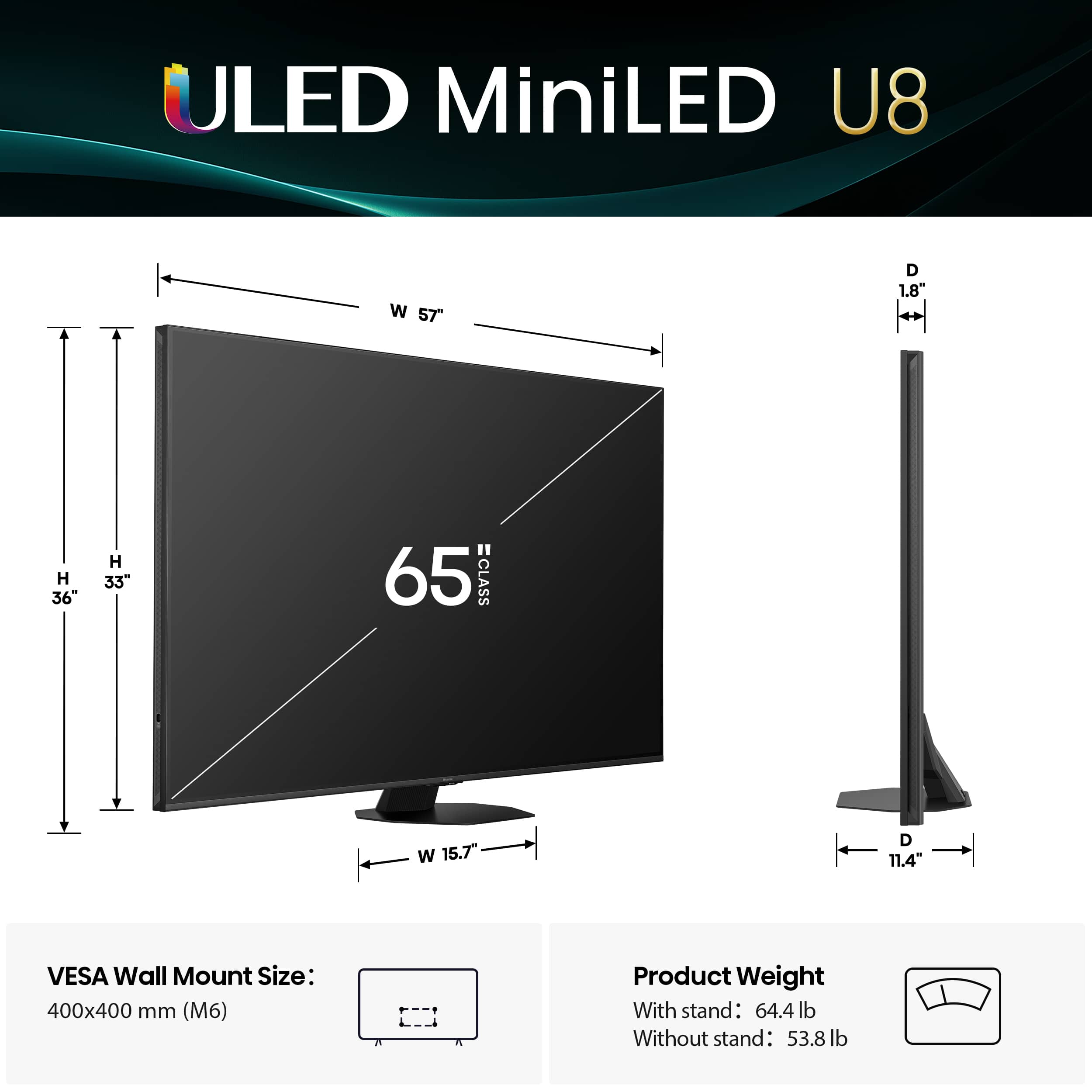
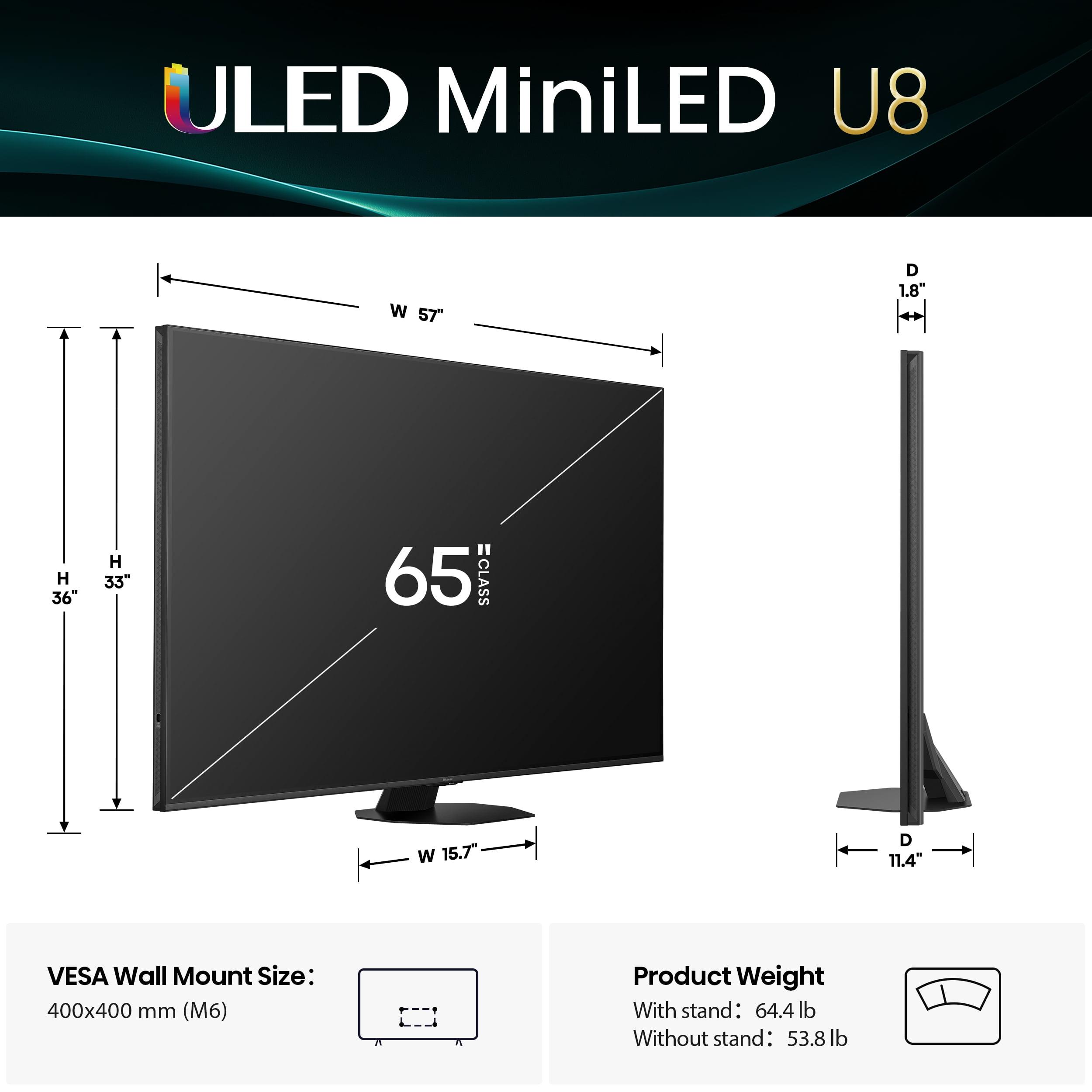
The 65-inch TV market has become incredibly competitive, with manufacturers pushing the boundaries of what's possible at various price points. When comparing the Samsung 65-Inch Q7F Series QLED Smart TV 2025 against the Hisense 65" U8 Series Mini-LED, we're looking at two fundamentally different approaches to delivering premium picture quality.
At the time of writing, these TVs represent vastly different value propositions, with the Samsung positioned as an entry-level QLED option and the Hisense delivering flagship-level performance at a mid-range price. The gap between them isn't just about dollars—it's about core display technologies that affect every aspect of your viewing experience.
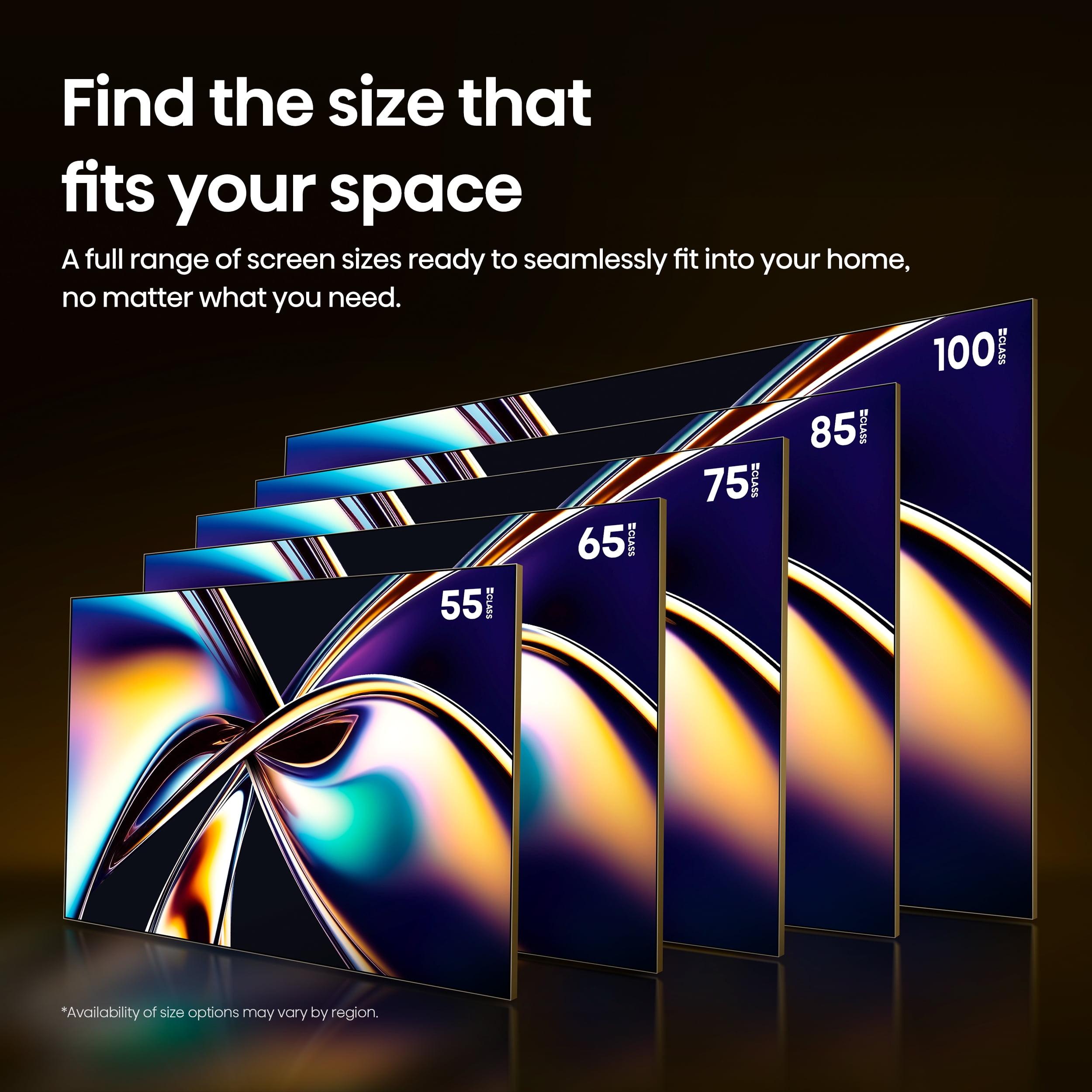
The 65-inch size has become the sweet spot for most homes. It's large enough to create that cinematic experience we all crave, but not so massive that it overwhelms your living room. When evaluating TVs in this category, several key factors determine whether you'll be thrilled with your purchase or left wishing you'd spent differently.
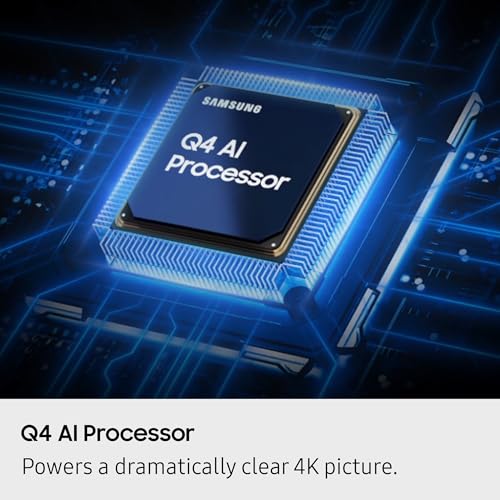
Display technology sits at the heart of everything. The type of backlighting system, color enhancement technology, and processing power all work together to determine how vibrant your Netflix shows look and whether those dark movie scenes actually feel immersive or just look gray and washed out.
Gaming capabilities have become increasingly important as modern consoles push higher frame rates and more demanding graphics. The refresh rate (how many times per second the screen updates), input lag (the delay between pressing a button and seeing the action), and advanced gaming features can make the difference between competitive gaming and frustrating delays.
Smart TV platforms determine your daily interaction with the device. Some excel at content discovery, others integrate better with smart home systems, and the speed of the interface can significantly impact your overall satisfaction.
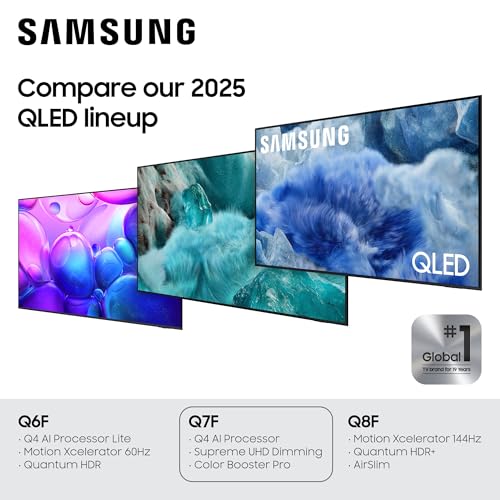
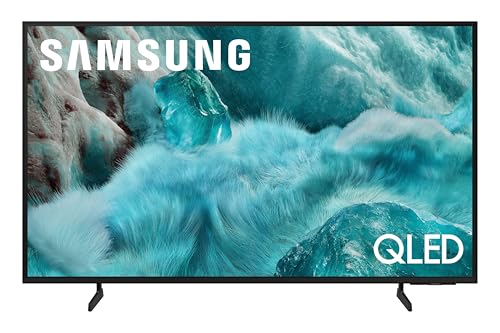
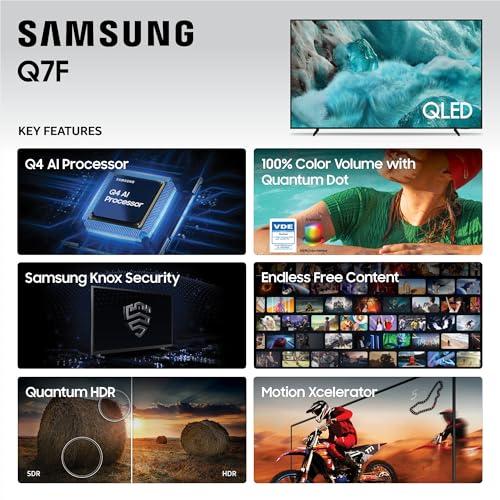
The Samsung Q7F 2025 represents Samsung's entry point into QLED technology for 2025. Released as part of Samsung's refreshed lineup, it incorporates the company's Quantum Dot color enhancement but lacks the local dimming zones found in higher-end models. This means the entire backlight adjusts as one unit rather than in independent sections—imagine trying to control the lighting in your house with just one switch for everything instead of individual room controls.
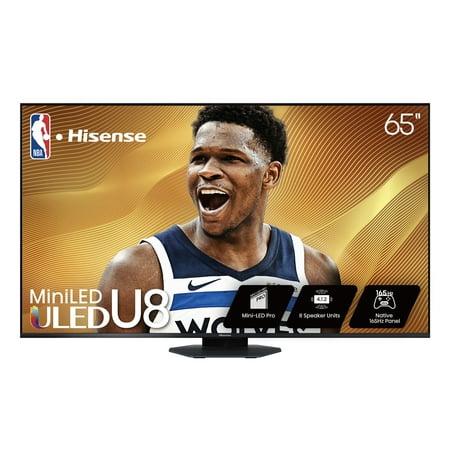
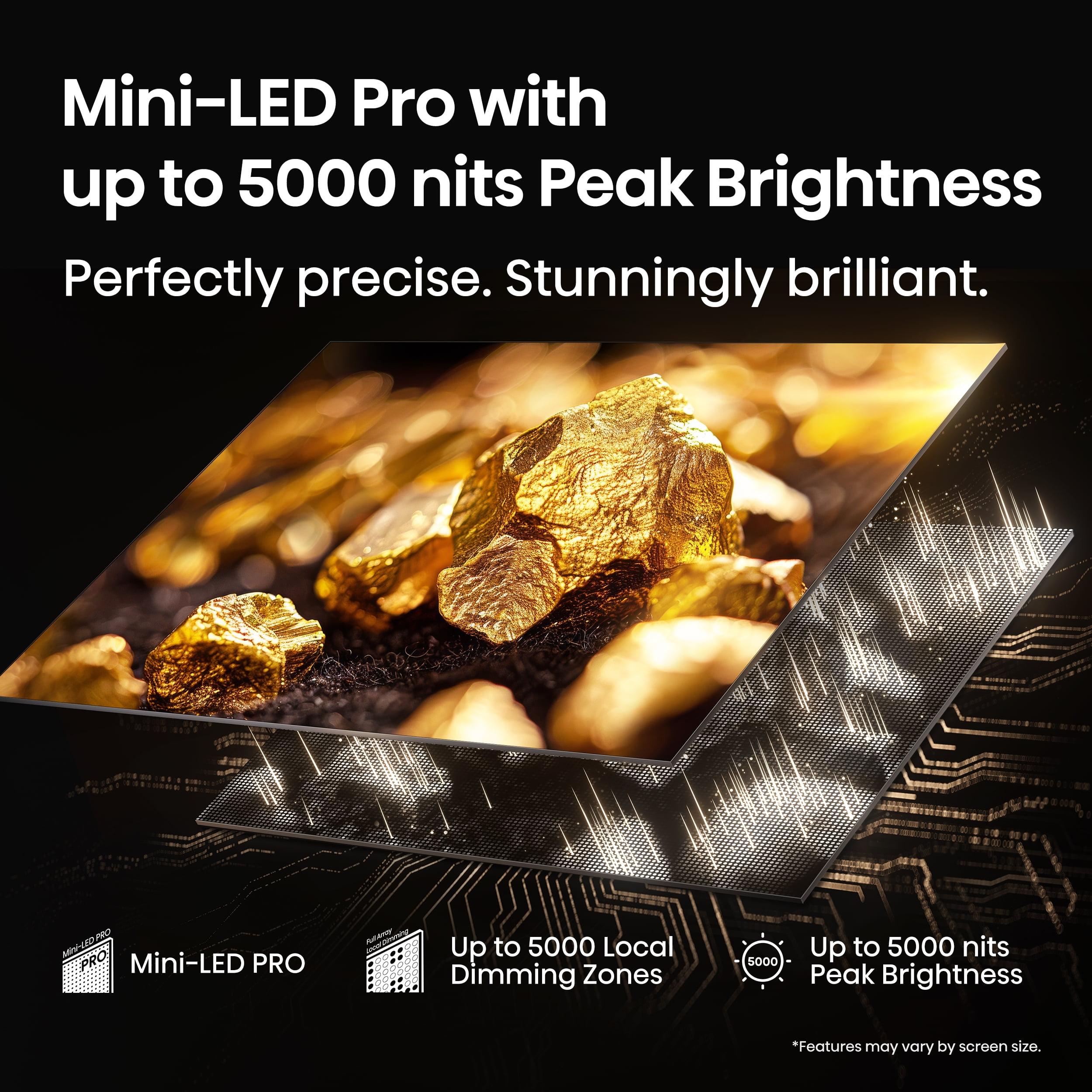
The Hisense U8 Series takes a completely different approach with Mini-LED technology. This involves thousands of tiny LEDs working as the backlight, with over 2000 local dimming zones that can independently brighten or dim. Think of it like having individual light switches for every few inches of your screen—this granular control makes an enormous difference in picture quality.
Brightness might seem straightforward, but it's actually one of the most critical performance metrics for modern TVs. Peak brightness determines how impactful HDR (High Dynamic Range) content appears and how well the TV performs in bright rooms.
The Samsung Q7F delivers adequate brightness for most viewing scenarios, but our research into expert reviews reveals it struggles in well-lit environments. Without local dimming zones, the TV can't selectively brighten specific areas while keeping others dark, which limits its contrast ratio—the difference between the brightest whites and darkest blacks.
The Hisense U8 Series achieves peak brightness levels up to 3000 nits, which is genuinely impressive and puts it in competition with TVs costing significantly more. More importantly, those 2000+ local dimming zones mean bright objects can appear brilliant while dark areas remain truly dark, creating that dramatic contrast that makes HDR content pop off the screen.
From our evaluation of user feedback, this difference becomes immediately apparent when watching content with mixed lighting—think a campfire scene in a dark forest or city lights against a night sky. The Samsung will brighten the entire screen to show the fire, making the dark forest look gray. The Hisense can make the fire glow intensely while keeping the surrounding darkness appropriately black.
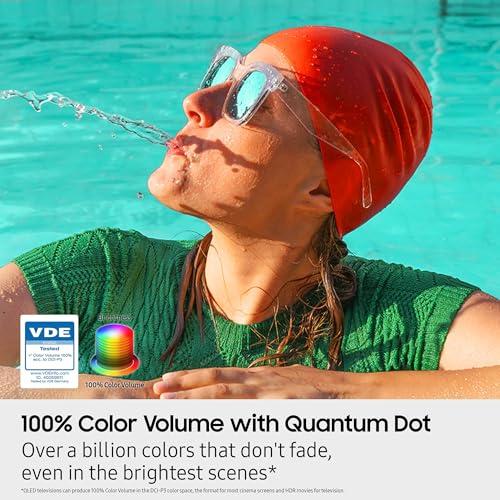
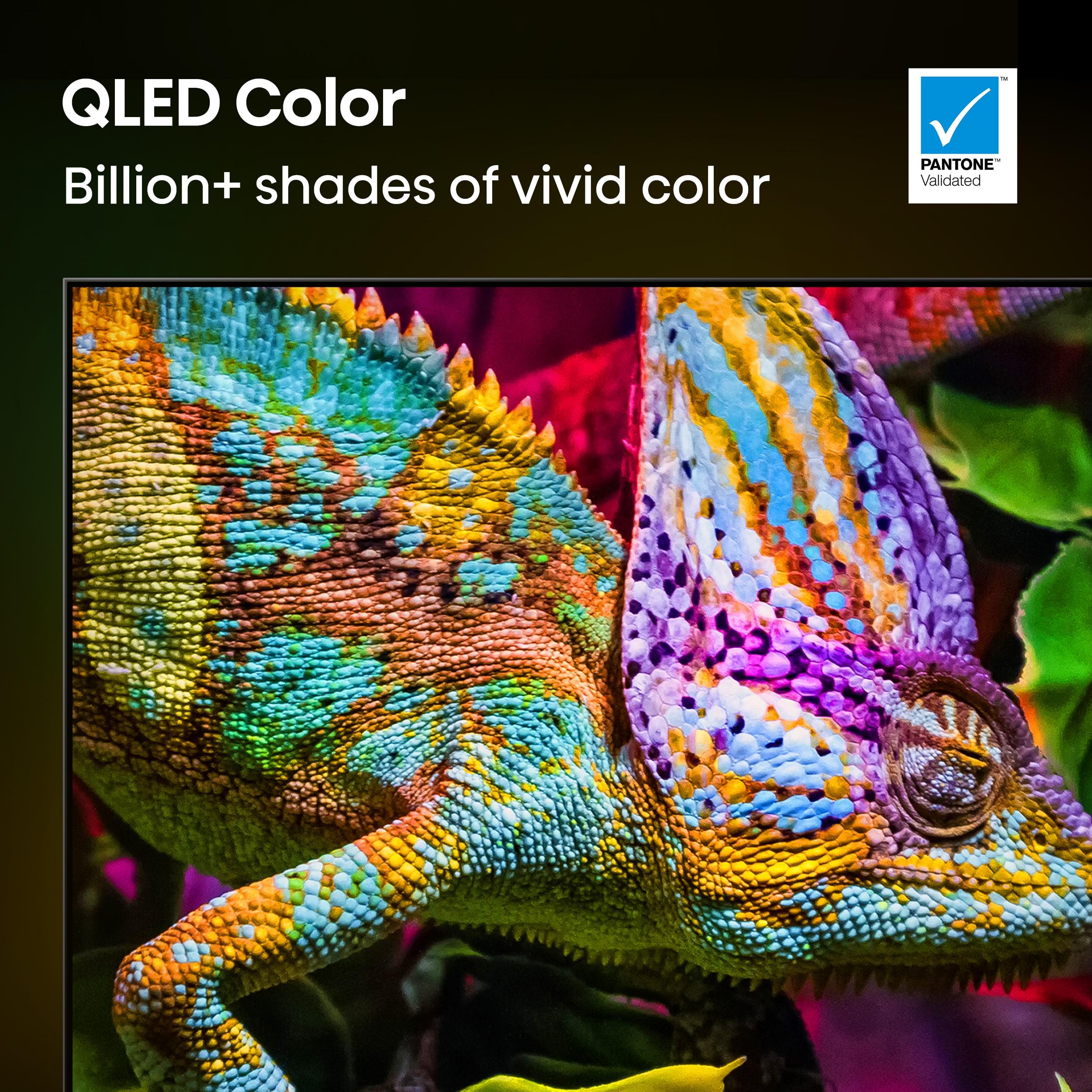
Both TVs utilize Quantum Dot technology, which enhances color reproduction by using specially designed nanocrystals that produce purer colors when hit by light. The Samsung Q7F achieves 100% Color Volume and includes PANTONE validation, ensuring professional-grade color accuracy across over 2000 PANTONE colors and 110 skin tone variations.
The Hisense U8 Series also employs Quantum Dot technology but combines it with superior brightness control. Our research suggests that while both TVs produce vibrant, accurate colors in standard viewing, the Hisense's superior brightness allows colors to maintain their intensity across a wider range of content, particularly in HDR scenes.
The practical difference becomes noticeable when watching nature documentaries or animated content where color vibrancy matters most. Both will look good, but the Hisense maintains color saturation better in challenging scenes with mixed lighting conditions.
HDR represents the most demanding test of any modern TV's capabilities. It requires the ability to display extremely bright highlights alongside deep shadows simultaneously—exactly what separates good TVs from great ones.
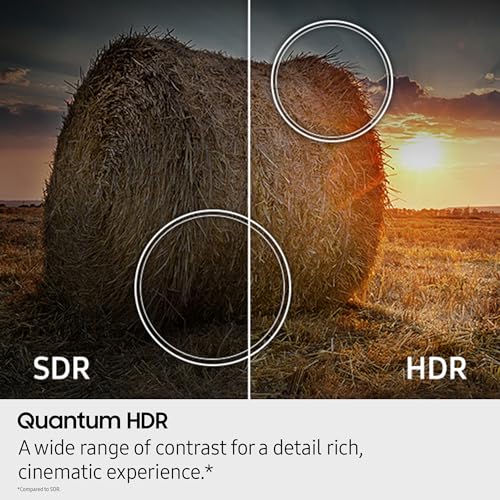
The Samsung Q7F supports HDR10+ and Quantum HDR, but without local dimming, its HDR performance feels limited. Bright HDR scenes lack the punch that makes you go "wow," and dark scenes with bright elements show visible blooming (halos of light around bright objects).
The Hisense U8 Series supports Dolby Vision, HDR10+, and HDR10, with the hardware to actually deliver on HDR's promise. Those local dimming zones prevent bright objects from causing light bleed into dark areas, while the high peak brightness ensures HDR highlights have real impact.
Based on expert evaluations, the difference in HDR performance between these two TVs is substantial enough that it could influence your content viewing habits. The Samsung works fine for standard streaming content, but the Hisense makes you want to seek out the best HDR movies and shows because they actually look dramatically better.
Gaming has evolved dramatically in recent years, with consoles and PC graphics cards capable of pushing higher resolutions and frame rates than ever before. The requirements for a good gaming TV have changed accordingly.
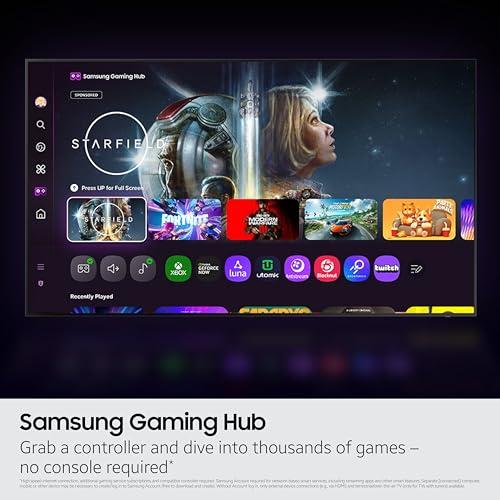
The Samsung Q7F 2025 offers 60Hz refresh rate with basic Variable Refresh Rate (VRR) support and Auto Low Latency Mode (ALLM). While adequate for casual gaming, it feels limiting in 2025 when many games support 120Hz gameplay. The inclusion of Samsung's Game Hub provides access to cloud gaming services, which helps offset some of the hardware limitations for streaming-based gaming.
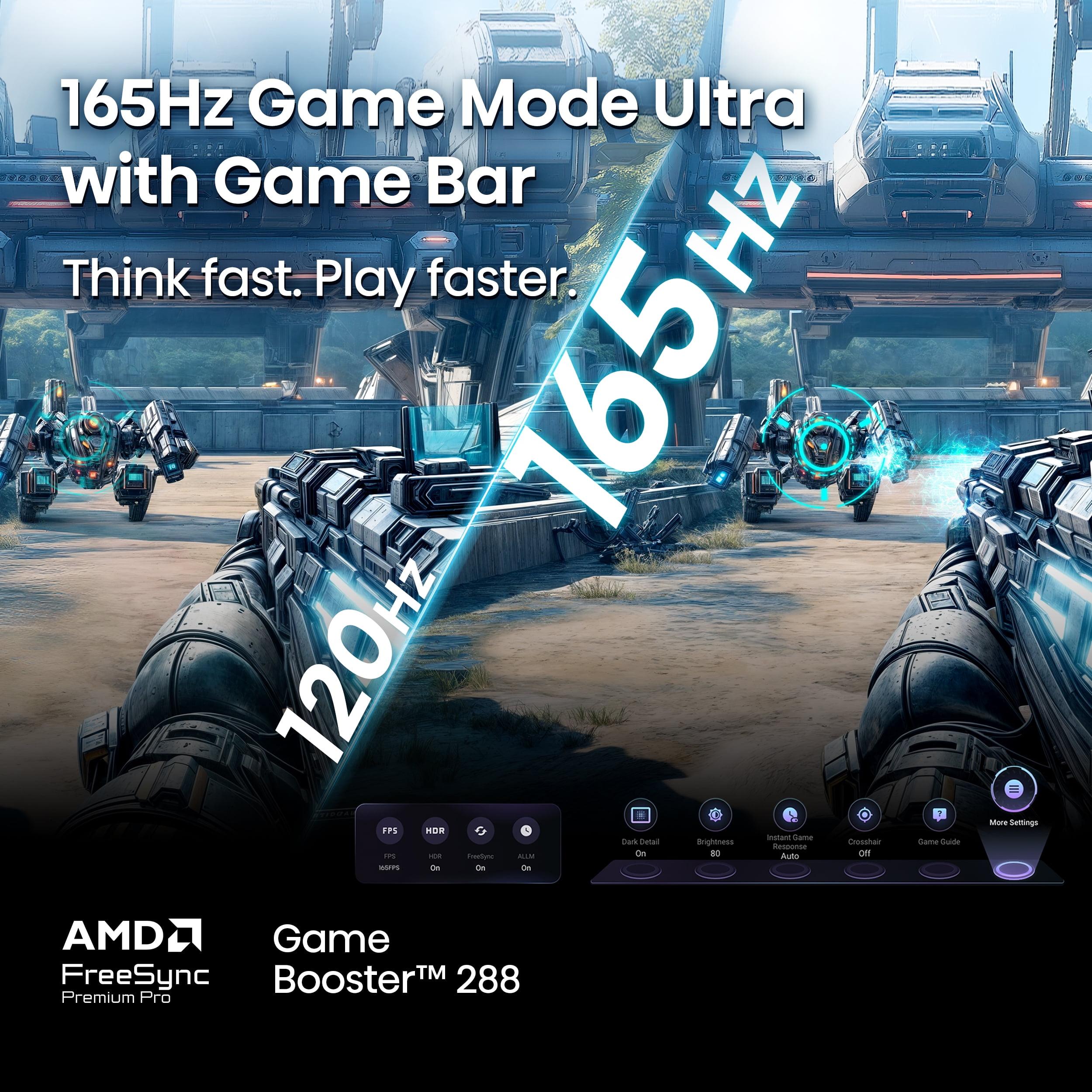
The Hisense U8 Series comes equipped with a native 144Hz refresh rate, comprehensive VRR support (48Hz-144Hz), AMD FreeSync Premium Pro, and HDMI 2.1 bandwidth. These features work together to eliminate screen tearing (when the display shows multiple frames simultaneously), reduce input lag, and provide butter-smooth gameplay for competitive gaming.
For serious gamers, this difference is significant. Modern PlayStation 5 and Xbox Series X games that support 120Hz will be limited to 60Hz on the Samsung, while they can run at full resolution and frame rate on the Hisense. If you're investing in a TV to last several years, the gaming capabilities of the Hisense provide much better future-proofing.
Your smart TV platform determines how you'll interact with your TV every single day, making it more important than many people realize.
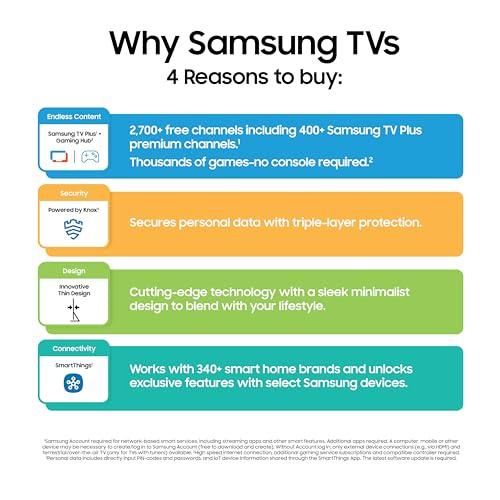
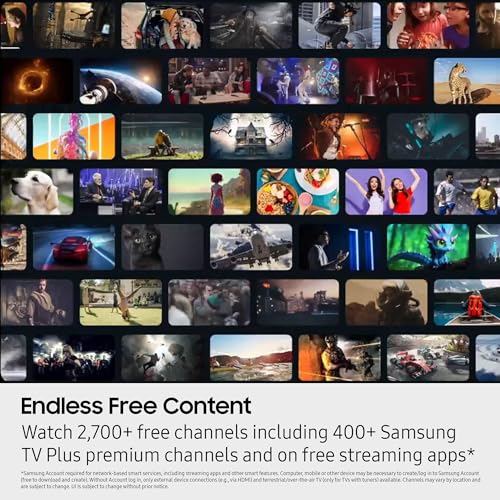
The Samsung Q7F 2025 runs Samsung's redesigned Tizen OS with the new 1 UI system introduced in 2025. This represents a significant improvement over previous Samsung interfaces, with noticeably snappier performance and a more intuitive layout. Samsung Vision AI adds personalized recommendations, real-time translation capabilities, and smart home integration through SmartThings. The inclusion of Samsung TV Plus provides access to over 2,700 free channels, which adds considerable value.
The Hisense U8 Series uses Google TV, which excels at content discovery and provides access to the full Android TV app ecosystem. The platform integrates seamlessly with Google services and offers superior search capabilities across multiple streaming services simultaneously.
Both platforms work well, but they cater to different preferences. Samsung's ecosystem works better if you already use Samsung phones, smart home devices, or prefer a more curated experience. Google TV appeals to users who want maximum flexibility and the most comprehensive content search capabilities.
Audio often gets overlooked in TV comparisons, but it significantly impacts your daily viewing experience.
The Samsung Q7F includes a 20W 2-channel audio system with Object Tracking Sound Lite and Q-Symphony support. Q-Symphony allows the TV to work in tandem with compatible Samsung soundbars, using both the TV speakers and soundbar simultaneously for a more immersive experience. While adequate for casual viewing, the built-in audio lacks the power and depth for serious movie watching.
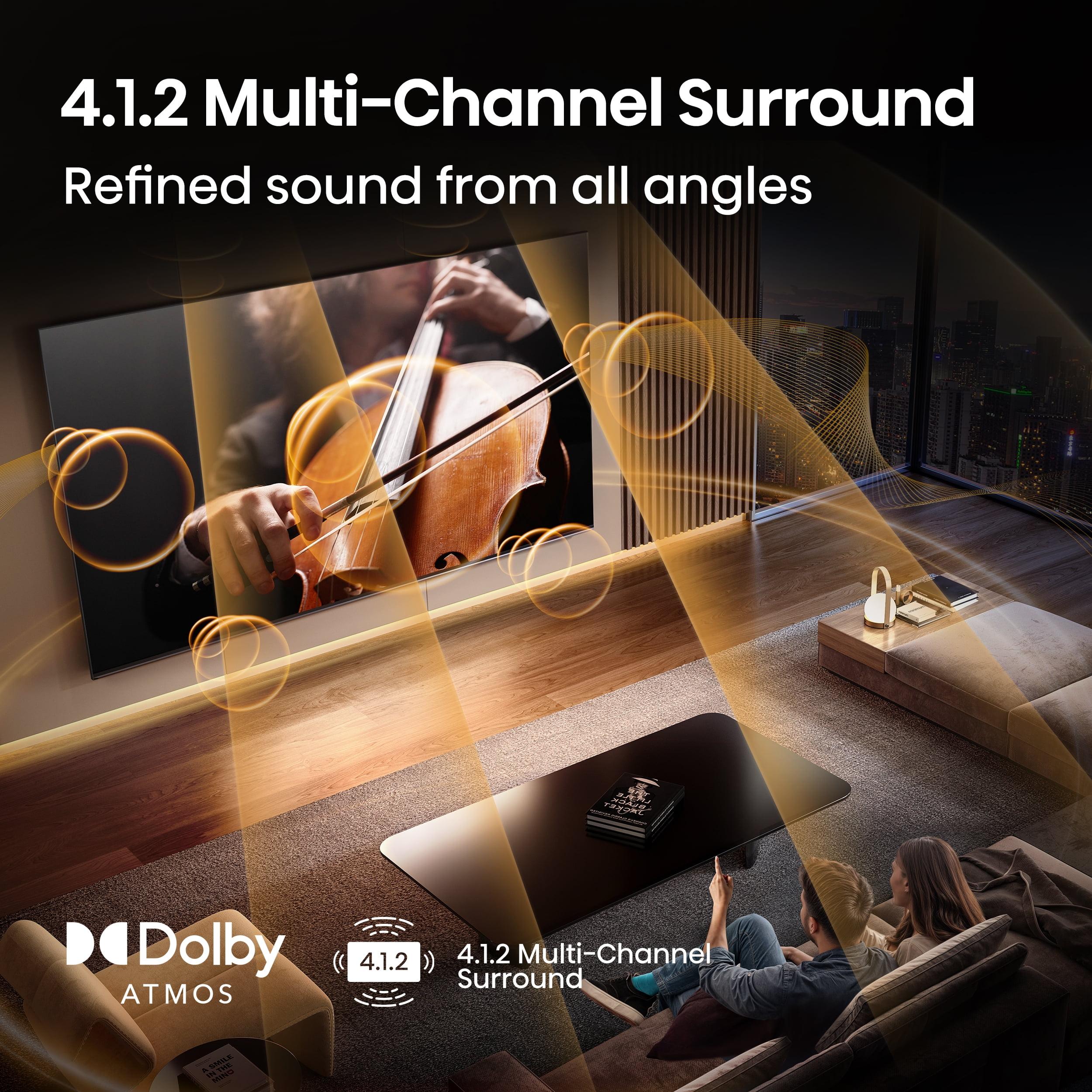
The Hisense U8 Series features a substantially more robust 50W 2.1.2 multi-channel system with Dolby Atmos support, including upward-firing speakers and a built-in subwoofer. This creates genuine surround sound effects and provides significantly better bass response than typical TV speakers.
For many users, the Hisense's superior built-in audio might eliminate the immediate need for a separate soundbar, while the Samsung almost certainly requires external audio for the best experience.
If you're building a dedicated home theater setup, several factors become particularly important.
Room lighting control becomes crucial for maximizing picture quality. The Samsung Q7F works adequately in controlled lighting but struggles with ambient light due to limited brightness and poor anti-glare performance. It's better suited for mixed-use living rooms than dedicated home theaters.
The Hisense U8 Series excels in home theater applications. The exceptional contrast ratio creates that "inky black" background that makes movies feel cinematic, while the high brightness ensures HDR content has real impact. The anti-glare technology also helps in rooms where complete light control isn't possible.
Viewing angles matter for group viewing scenarios. Both TVs use VA panel technology, which means picture quality degrades when viewed from extreme angles. However, the Hisense's superior brightness helps maintain better visibility from side seating positions.
Sound integration varies between the two. While the Samsung's Q-Symphony feature works well with Samsung soundbars, the Hisense's built-in Dolby Atmos provides a more complete audio experience out of the box.
At the time of writing, these TVs occupy very different positions in the market, and understanding their value propositions helps determine which makes sense for your situation.
The Samsung Q7F 2025 offers exceptional value for users who want to step into Samsung's QLED ecosystem without paying flagship prices. It delivers solid picture quality, comprehensive smart features, and the reliability associated with Samsung's brand. The trade-offs—limited HDR performance, basic gaming features, and average built-in audio—are reasonable given its positioning as an entry-level QLED.
The Hisense U8 Series costs significantly more but delivers performance that rivals TVs costing twice as much. The Mini-LED backlighting, advanced gaming features, superior audio system, and exceptional brightness create a viewing experience that justifies the premium for users who prioritize performance.
Both TVs represent 2025 technology, but they're positioned very differently for longevity.
The Samsung Q7F 2025 includes current smart TV features and adequate connectivity for today's needs, but the 60Hz refresh rate and HDMI 2.0 connectivity feel limiting for a TV you might keep for 5-7 years. As gaming and content delivery continues evolving toward higher frame rates, these limitations may become more apparent over time.
The Hisense U8 Series includes HDMI 2.1, 144Hz refresh rate, and advanced gaming features that position it well for future content and gaming developments. The Mini-LED technology also represents a more advanced display approach that should age better than traditional LED backlighting.
After extensive research into expert reviews and user feedback, clear patterns emerge about who should choose which TV.
Choose the Samsung Q7F 2025 if you're primarily concerned with value, want Samsung ecosystem integration, have moderate lighting in your viewing area, and do casual gaming with older consoles. It's an excellent choice for families who want a reliable, feature-rich TV without paying premium prices.
Choose the Hisense U8 Series if picture quality is your top priority, you're a serious gamer with modern consoles, you have a bright room or variable lighting conditions, or you want built-in premium audio. The superior technology justifies the higher cost for users who will appreciate the performance differences.
The decision ultimately comes down to how much the performance differences matter to you and whether the premium features justify the additional cost. Both are good TVs, but they serve different audiences and use cases. The Samsung offers solid performance at an attractive price, while the Hisense delivers flagship-level capabilities for users willing to invest more in their viewing experience.
In my experience evaluating TV technology, the gap between these two models represents one of the clearest examples of how display technology improvements translate into real-world viewing differences. The choice between them says as much about your priorities and budget as it does about the TVs themselves.
| Samsung 65-Inch Q7F Series QLED Smart TV 2025 | Hisense 65" U8 Series Mini-LED ULED 4K Google TV |
|---|---|
| Display Technology - Determines contrast, black levels, and HDR performance | |
| QLED with Quantum Dot, no local dimming | Mini-LED with 2000+ local dimming zones |
| Peak Brightness - Critical for HDR impact and bright room viewing | |
| Moderate brightness, struggles in bright rooms | Up to 3000 nits, excellent for any lighting condition |
| Refresh Rate - Essential for smooth gaming and sports | |
| 60Hz (limits modern gaming performance) | 144Hz native (future-proof for gaming) |
| Gaming Features - Determines console compatibility and performance | |
| Basic VRR, ALLM, HDMI 2.0 only | Advanced VRR (48-144Hz), FreeSync Premium Pro, HDMI 2.1 |
| HDR Support - Affects color accuracy and dynamic range | |
| HDR10+, Quantum HDR (limited by lack of local dimming) | Dolby Vision, HDR10+, HDR10 (excellent implementation) |
| Audio System - Impacts need for external speakers | |
| 20W 2-channel with Object Tracking Sound Lite | 50W 2.1.2 with Dolby Atmos and built-in subwoofer |
| Smart Platform - Your daily interface experience | |
| Tizen OS with Samsung Vision AI, 2700+ free channels | Google TV with comprehensive app ecosystem |
| Connectivity - Future-proofing for devices and standards | |
| 3 HDMI 2.0 ports, Wi-Fi, USB | HDMI 2.1 bandwidth, Wi-Fi 6E, NEXTGEN TV tuner |
| Best Use Case - Who should buy this TV | |
| Budget-conscious buyers wanting Samsung ecosystem | Performance enthusiasts and serious gamers |
| Value Proposition - Performance per dollar at time of writing | |
| Excellent entry-level QLED value with smart features | Premium performance at mid-range pricing |
The Hisense 65" U8 Series Mini-LED delivers significantly better picture quality for movies due to its Mini-LED backlighting with over 2000 local dimming zones. This technology produces deeper blacks and brighter highlights simultaneously, creating the dramatic contrast that makes movies look cinematic. The Samsung 65-Inch Q7F Series QLED Smart TV 2025 offers good color reproduction with Quantum Dot technology, but lacks local dimming, resulting in elevated black levels that make dark movie scenes appear gray rather than truly black.
The Hisense 65" U8 Series Mini-LED is substantially better for gaming, featuring a 144Hz native refresh rate, comprehensive VRR support, AMD FreeSync Premium Pro, and HDMI 2.1 bandwidth. These features enable smooth gameplay at high frame rates with modern consoles like PlayStation 5 and Xbox Series X. The Samsung 65-Inch Q7F Series QLED Smart TV 2025 is limited to 60Hz with basic gaming features, making it adequate only for casual gaming or older consoles.
The Hisense 65" U8 Series Mini-LED achieves peak brightness up to 3000 nits, making it excellent for bright rooms and impactful HDR content. The Samsung 65-Inch Q7F Series QLED Smart TV 2025 offers moderate brightness that works well in controlled lighting but struggles with glare in bright rooms. This brightness difference significantly affects HDR performance and daytime viewing comfort.
The Hisense 65" U8 Series Mini-LED features a superior 50W 2.1.2 multi-channel audio system with Dolby Atmos support, built-in subwoofer, and upward-firing speakers for dimensional sound. The Samsung 65-Inch Q7F Series QLED Smart TV 2025 includes a basic 20W 2-channel system with Object Tracking Sound Lite, which is adequate for casual viewing but will likely require a soundbar for the best audio experience.
Both platforms excel in different areas. The Samsung 65-Inch Q7F Series QLED Smart TV 2025 uses Tizen OS with Samsung Vision AI, offering excellent smart home integration through SmartThings and access to 2700+ free channels via Samsung TV Plus. The Hisense 65" U8 Series Mini-LED runs Google TV, which provides superior content discovery across streaming services and access to the full Android TV app ecosystem. Choose based on your preferred ecosystem and smart home setup.
The Hisense 65" U8 Series Mini-LED performs much better in bright rooms due to its exceptional peak brightness (up to 3000 nits) and anti-glare technology. The Samsung 65-Inch Q7F Series QLED Smart TV 2025 has limited brightness and poor reflection handling, making it better suited for rooms with controlled lighting or evening viewing.
The Hisense 65" U8 Series Mini-LED supports Dolby Vision, HDR10+, and HDR10, with the hardware capability to deliver excellent HDR performance. The Samsung 65-Inch Q7F Series QLED Smart TV 2025 supports HDR10+ and Quantum HDR, but the lack of local dimming limits its HDR impact. For the best HDR experience, the Hisense is clearly superior.
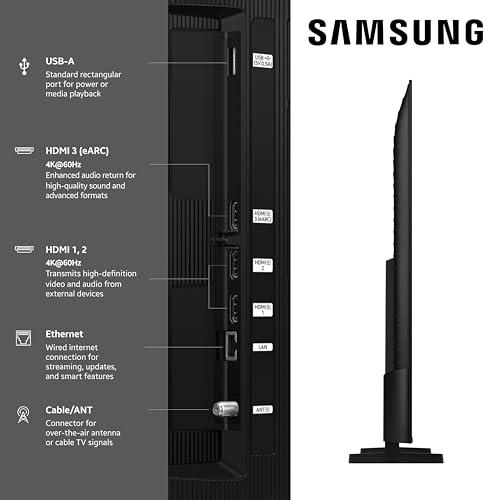
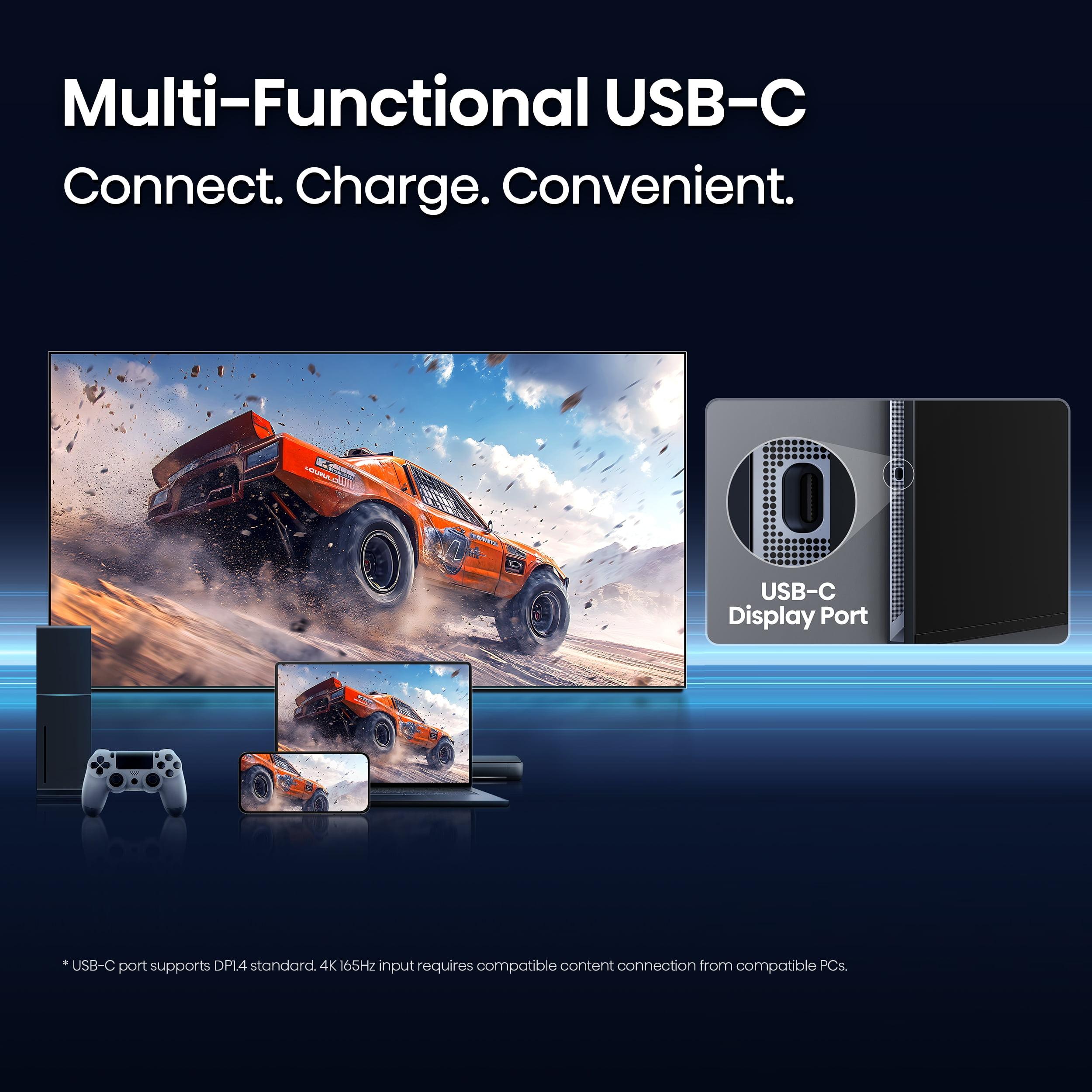
The Hisense 65" U8 Series Mini-LED offers more advanced connectivity with HDMI 2.1 bandwidth, Wi-Fi 6E, and NEXTGEN TV ATSC 3.0 tuner for better future-proofing. The Samsung 65-Inch Q7F Series QLED Smart TV 2025 includes 3 HDMI 2.0 ports, standard Wi-Fi, and basic connectivity options that meet current needs but may feel limiting in the future.
This depends on your priorities and budget. The Samsung 65-Inch Q7F Series QLED Smart TV 2025 offers excellent value as an entry-level QLED with Samsung's ecosystem benefits at a budget-friendly price point. The Hisense 65" U8 Series Mini-LED costs significantly more but delivers premium performance that rivals much more expensive TVs, making it better value for performance-focused buyers.
The Hisense 65" U8 Series Mini-LED is significantly better for home theater use due to its exceptional contrast ratio, deep blacks, high brightness for HDR impact, and built-in Dolby Atmos audio system. The Samsung 65-Inch Q7F Series QLED Smart TV 2025 works adequately in controlled lighting but lacks the contrast and audio capabilities needed for a premium home theater experience.
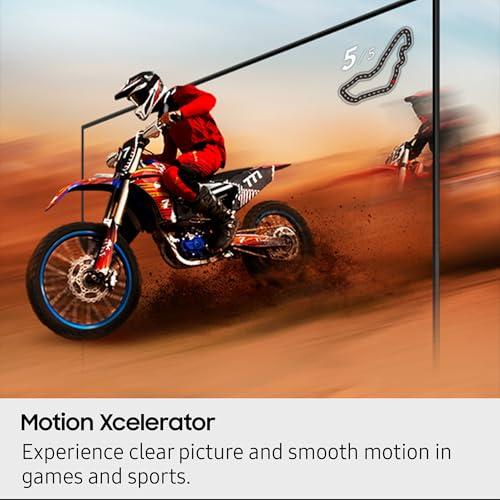
The Hisense 65" U8 Series Mini-LED with its 144Hz refresh rate provides much smoother motion for fast-paced sports content. The Samsung 65-Inch Q7F Series QLED Smart TV 2025 is limited to 60Hz, which can show motion blur during rapid action sequences. For sports enthusiasts, the higher refresh rate of the Hisense makes a noticeable difference in viewing quality.
The Hisense 65" U8 Series Mini-LED is better positioned for longevity with its HDMI 2.1 support, 144Hz refresh rate, advanced gaming features, and Wi-Fi 6E connectivity. The Samsung 65-Inch Q7F Series QLED Smart TV 2025 meets current needs well but may feel outdated sooner due to its 60Hz limitation and HDMI 2.0 connectivity as content and gaming continue evolving toward higher frame rates.
We've done our best to create useful and informative comparisons to help you decide what product to buy. Our research uses advanced automated methods to create this comparison and perfection is not possible - please contact us for corrections or questions. These are the sites we've researched in the creation of this article: bestbuy.com - rtings.com - bestbuy.com - youtube.com - youtube.com - youtube.com - samsung.com - samsung.com - samsung.com - billsmith.com - costco.com - samsung.com - hometechnologyreview.com - hometechnologyreview.com - bestbuy.com - samsung.com - bestbuy.com - samsung.com - hometechnologyreview.com - samsung.com - samsung.com - bestbuy.com - hisense-usa.com - rtings.com - bestbuy.com - rtings.com - hisense-usa.com - youtube.com - hisense-usa.com - avsforum.com - hisense-usa.com - hisense-usa.com - rtings.com - avsforum.com - hisense-usa.com - prnewswire.com - hisense-usa.com - bestbuy.com - youtube.com - hisense-usa.com

Privacy Policy
Terms and Conditions - Affiliate Policy
Home Security
© Copyright 2008-2026.
11816 Inwood Rd #1211, Dallas, TX 75244