

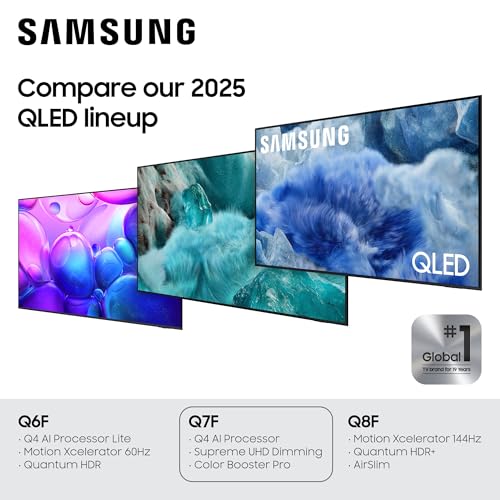
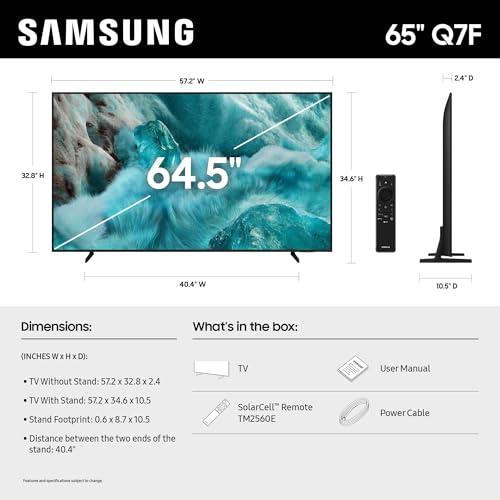
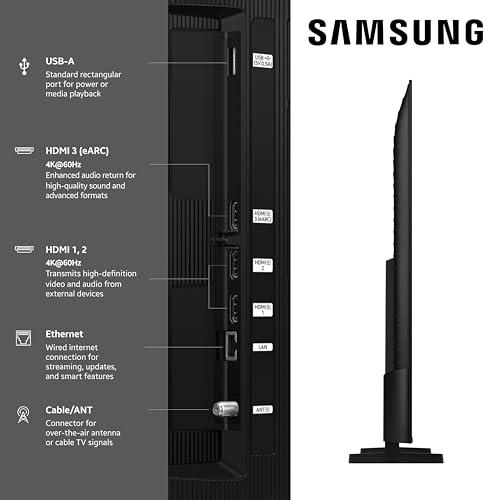
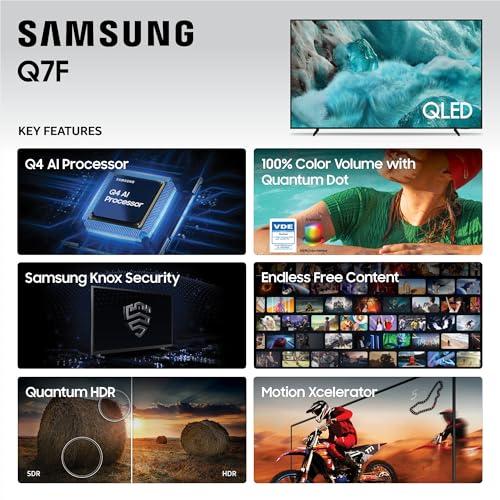
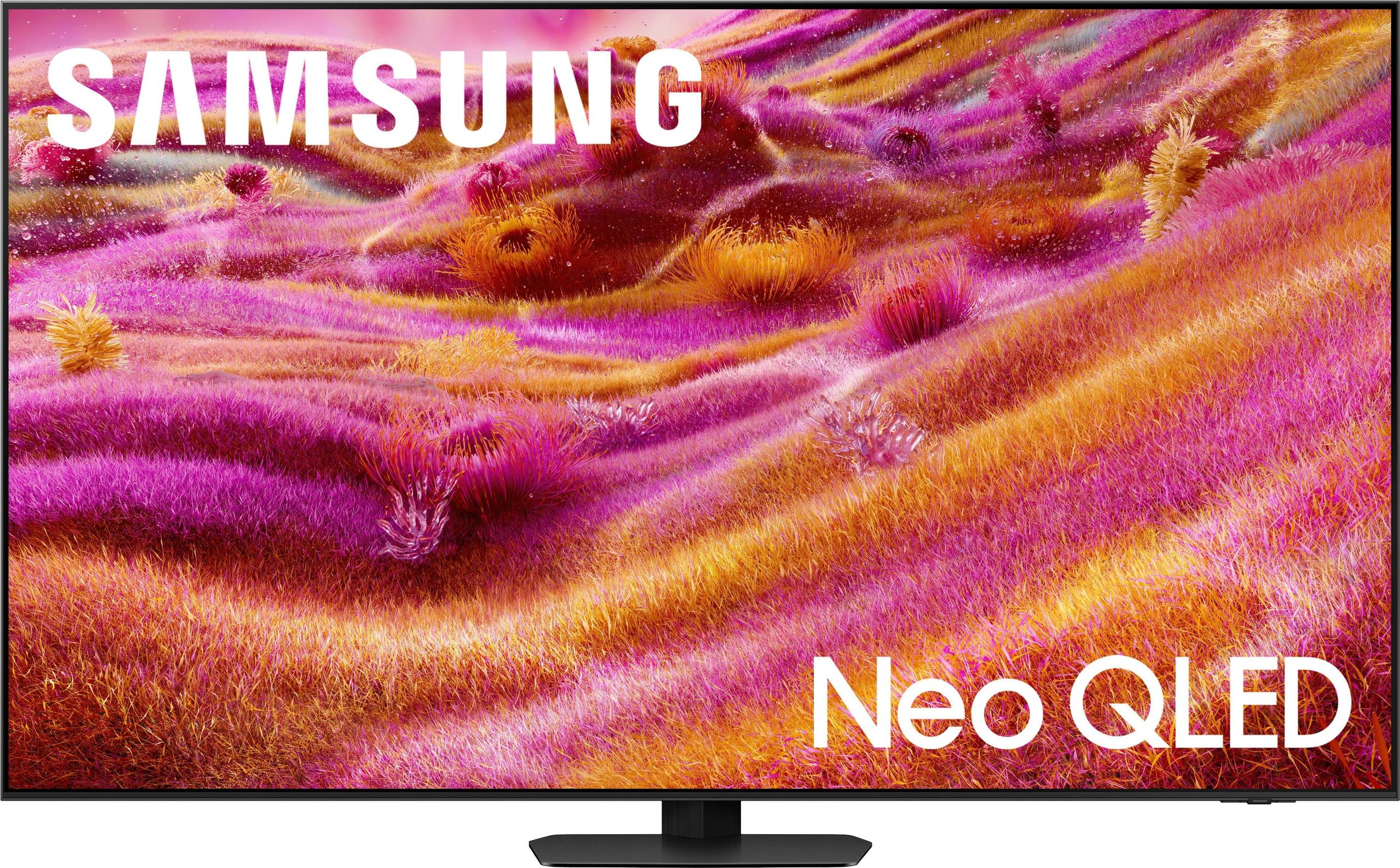
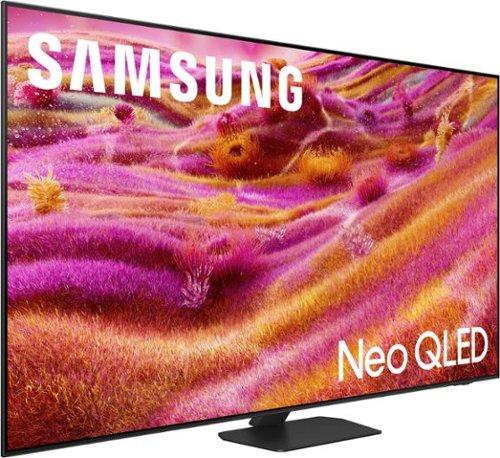
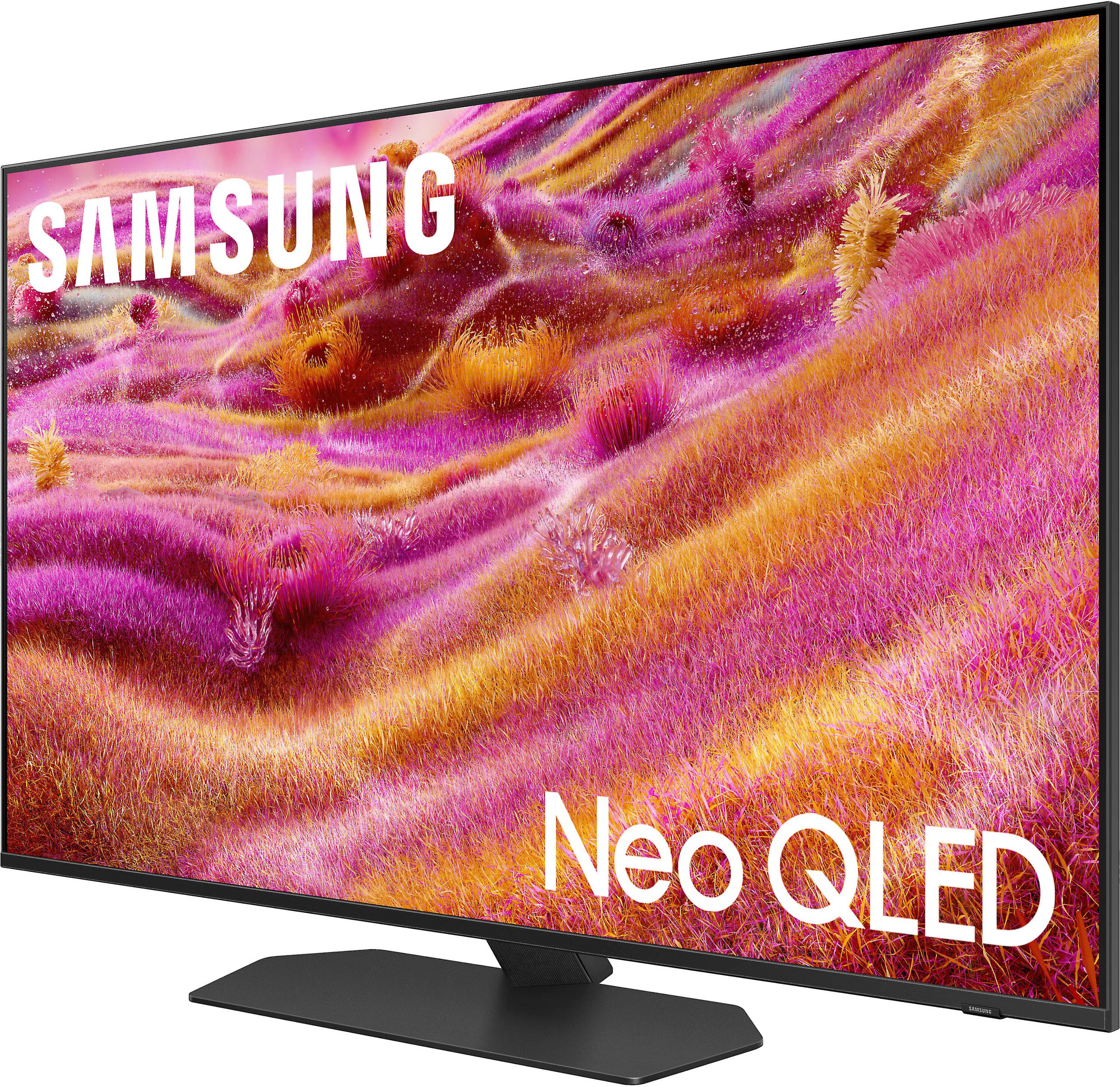
When Samsung released their 2025 QLED lineup, they made it clear that not all quantum dot TVs are created equal. The Samsung Q7F and Samsung QN90F both carry the QLED badge, but they represent completely different philosophies in TV design. One prioritizes affordability while delivering Samsung's smart features, while the other pushes the boundaries of what LED technology can achieve.
At the time of writing, these TVs sit roughly $200 apart in pricing, but that gap represents one of the most significant performance jumps you'll find in the TV market. Understanding why requires diving into what makes modern TVs tick – and why some technical specifications matter more than others.
QLED stands for Quantum Dot Light Emitting Diode, which sounds more complicated than it is. Traditional LED TVs use white LED lights behind a color filter, but QLED TVs add a layer of microscopic quantum dots that convert blue LED light into precise red and green wavelengths. This creates more accurate, vibrant colors – especially important for the wide color gamuts that modern 4K HDR content demands.
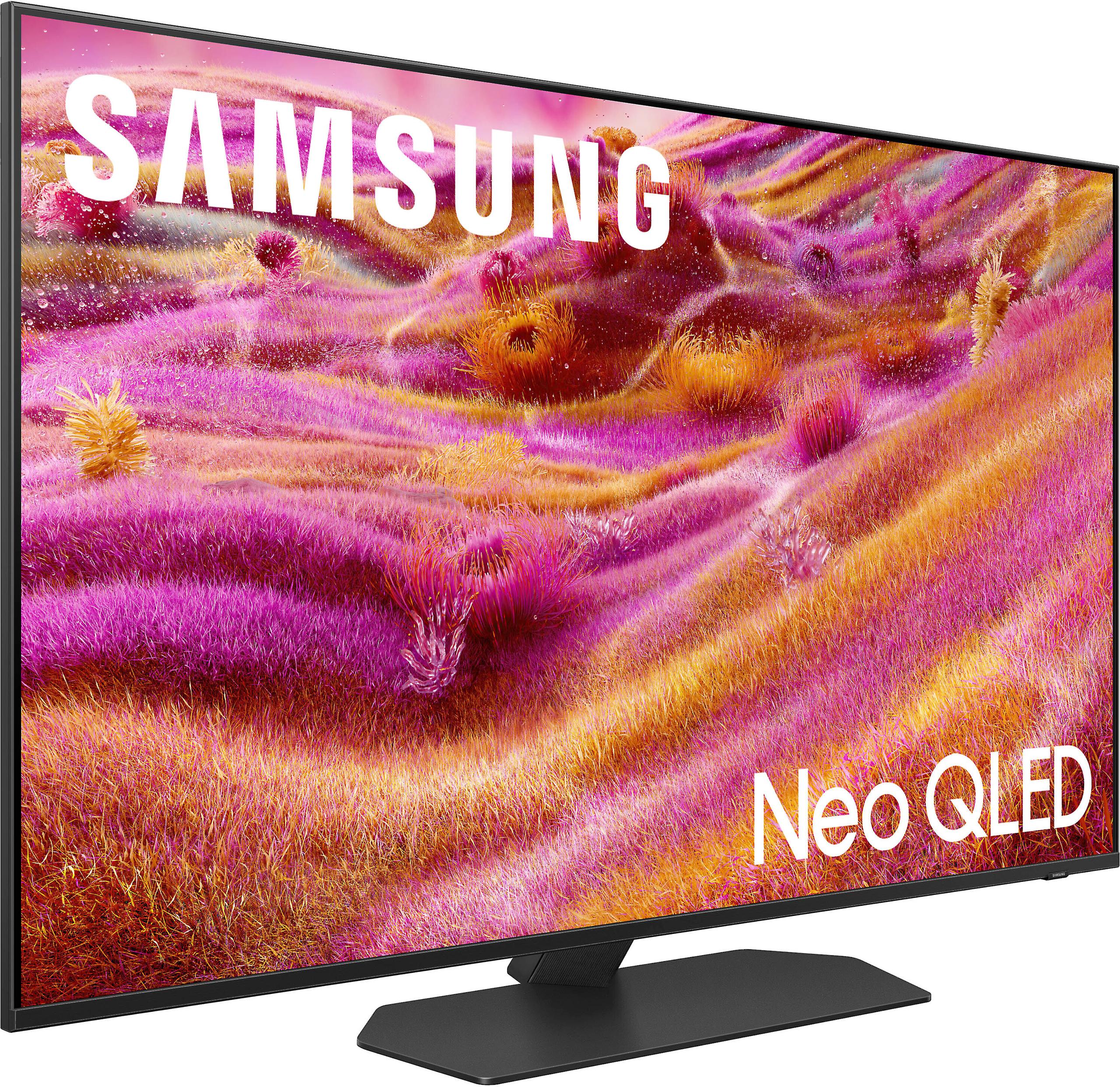
However, not all QLED implementations are equal. The Samsung Q7F uses basic quantum dot technology with standard LED backlighting, while the Samsung QN90F employs "Neo QLED" – Samsung's term for quantum dots combined with Mini LED backlighting. Mini LEDs are roughly 1/40th the size of traditional LEDs, allowing for thousands more of them behind the screen.
Why does this matter? Picture quality in modern TVs comes down to three fundamental factors: how bright the TV can get, how dark it can get, and how precisely it can control the difference between bright and dark areas simultaneously. This last point – called local dimming – is where the biggest performance gap emerges between these models.
The most immediately noticeable difference between these TVs is brightness. The Samsung Q7F peaks at around 400 nits, which is adequate for moderate lighting but struggles when competing with sunlight streaming through windows. In contrast, our research shows the Samsung QN90F can hit nearly 2,000 nits in small highlights while maintaining impressive brightness across larger areas.
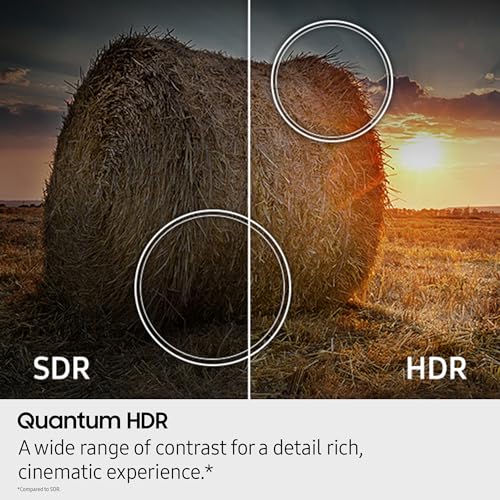
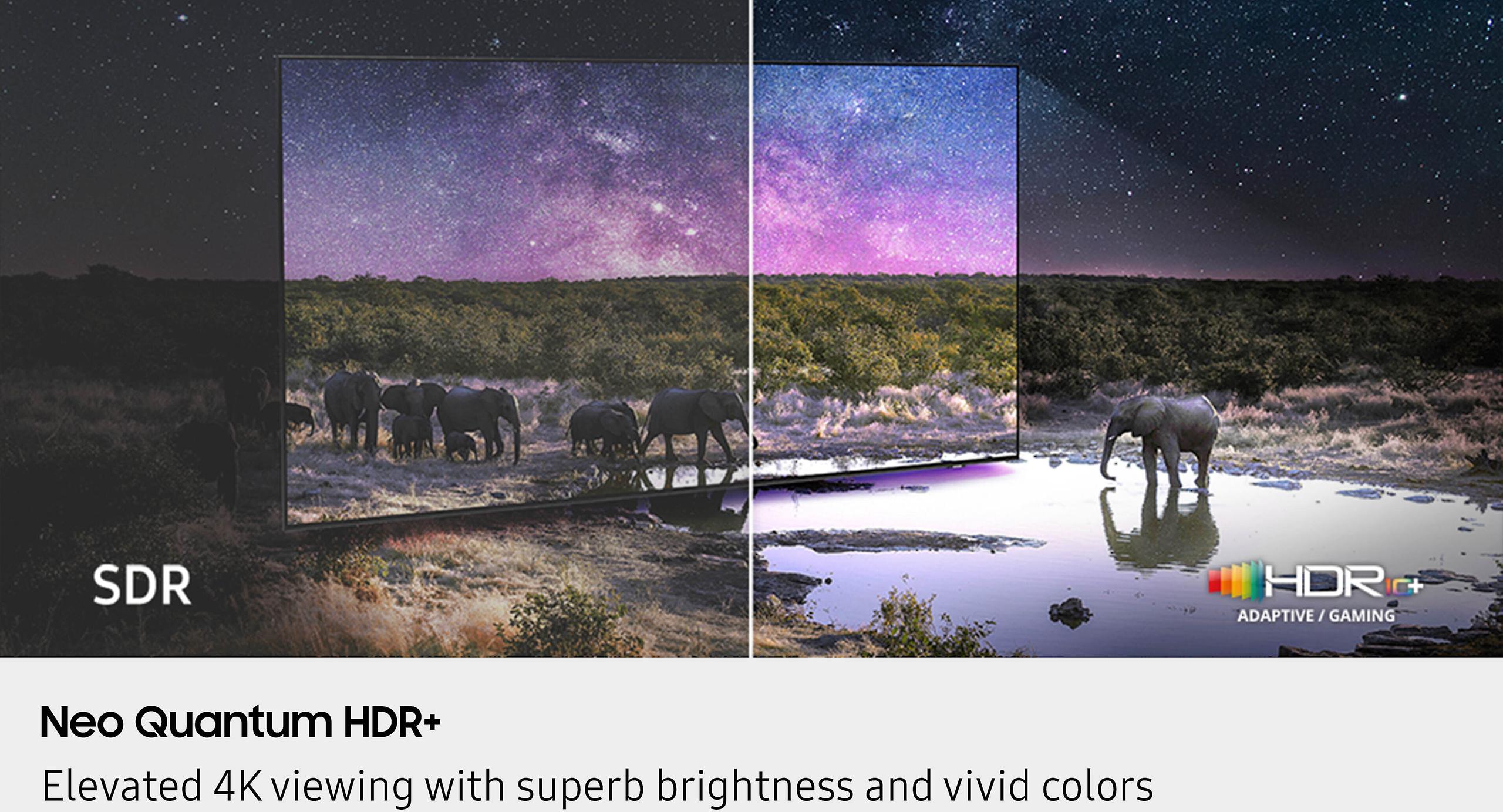
This isn't just about showing off – it's about HDR (High Dynamic Range) content actually looking high dynamic range. When you're watching a movie scene with both deep shadows and bright sunlight, the Q7F might render the bright areas as slightly brighter gray, while the QN90F can make them genuinely pop off the screen. The difference becomes especially apparent with nature documentaries, space movies, or any content with dramatic lighting contrasts.
The QN90F also supports more advanced HDR processing through its Neo Quantum HDR+ technology, which analyzes each scene to optimize brightness and contrast dynamically. The Q7F handles HDR10+ adequately but lacks the processing power to extract maximum impact from demanding content.
Here's where the fundamental technology difference becomes crucial. The Samsung Q7F uses direct LED backlighting without local dimming, meaning the entire screen's brightness is controlled uniformly. When displaying a movie with both bright stars and dark space, the whole screen must compromise – either the stars look dim or the space looks gray.
The Samsung QN90F divides the screen into roughly 900 independently controlled zones (the exact number varies by screen size). This allows it to display deep blacks in one area while simultaneously showing bright whites in another, with minimal "blooming" – the halo effect you sometimes see around bright objects on dark backgrounds.
In practical terms, this means the QN90F delivers what experts call "infinite contrast" in many scenarios, similar to OLED TVs but with higher peak brightness. The Q7F delivers what you'd expect from a budget LED TV – decent overall picture quality but with the gray, washed-out blacks that remind you you're watching a screen rather than looking through a window.
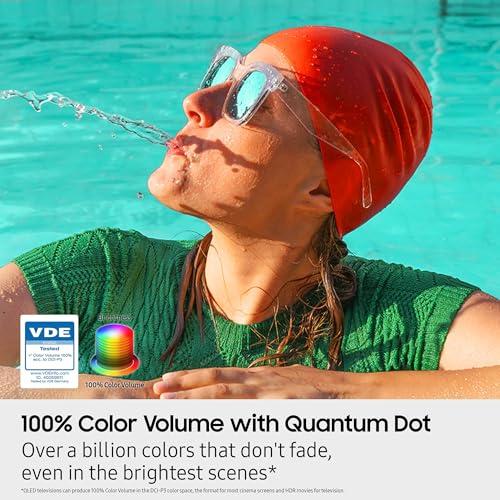
Both TVs use quantum dot technology, but the Samsung QN90F implements it more effectively. Color volume – the range of colors a TV can display at different brightness levels – is significantly wider on the premium model. This means vibrant colors in HDR content maintain their saturation even when they're supposed to be very bright, something the Q7F struggles with.
However, our research indicates the QN90F can appear slightly washed out in extremely bright rooms during SDR (Standard Dynamic Range) content. This isn't a flaw so much as a trade-off of its anti-glare coating, which we'll discuss shortly.
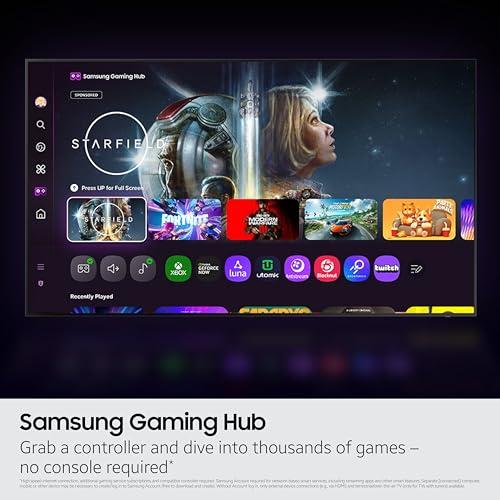
Gaming has become a crucial consideration for TV buyers, especially with PlayStation 5 and Xbox Series X pushing 4K gaming at high refresh rates. This is where the generational gap between these models becomes most apparent.
The Samsung Q7F operates at a standard 60Hz refresh rate, which was fine for older gaming consoles but limits the potential of modern systems. It does offer Auto Low Latency Mode (ALLM) to reduce input lag – the delay between pressing a button and seeing the action on screen – but that's where its gaming features end.
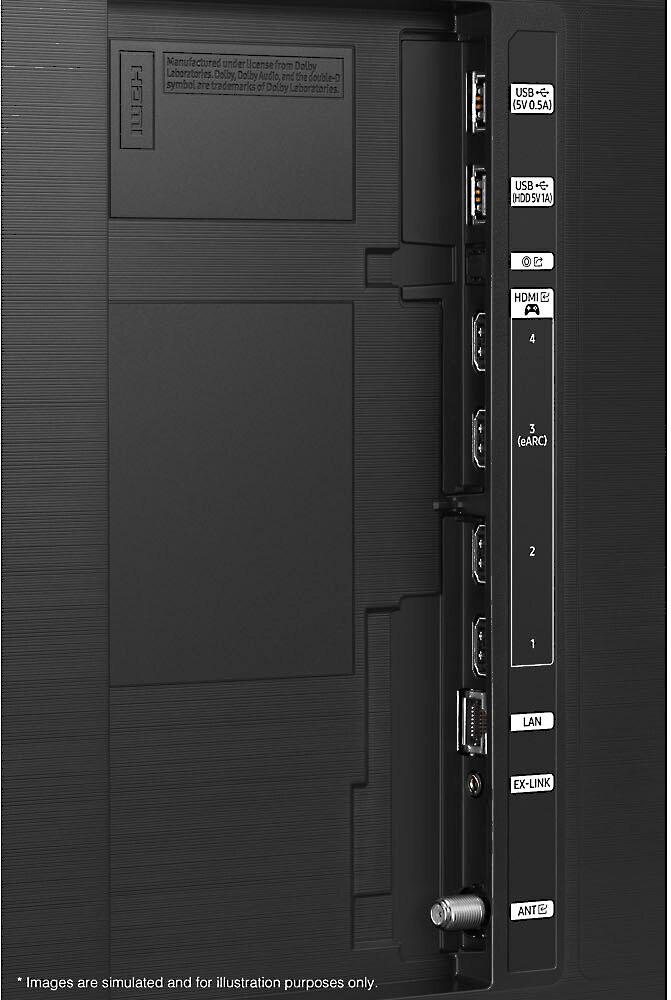
The Samsung QN90F supports up to 165Hz at 4K resolution through its four HDMI 2.1 ports, with Variable Refresh Rate (VRR) support to eliminate screen tearing when frame rates fluctuate. VRR is a game-changer for PC gaming and increasingly important for console games that offer performance modes with unlocked frame rates.
However, there's an important caveat with the QN90F: its excellent black levels deteriorate significantly in Game Mode. The local dimming system slows down to reduce input lag, leading to more visible blooming and compromised contrast. For competitive gaming where response time matters most, this trade-off makes sense. For cinematic single-player games where image quality is paramount, you might prefer switching back to Movie mode and accepting slightly higher input lag.
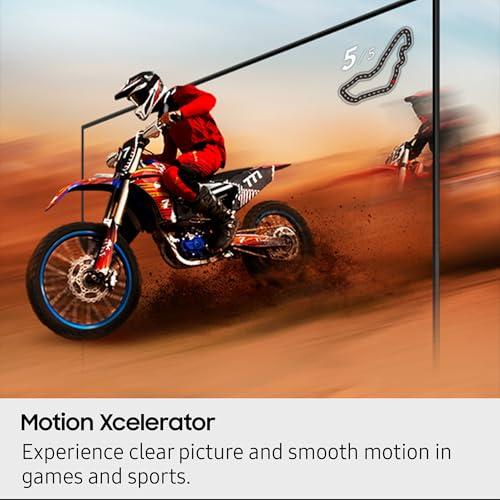
Fast-paced gaming and sports content reveal another key difference. The Q7F handles motion reasonably well for its price point but can show blur during quick camera movements or rapid on-screen action. The QN90F offers superior motion clarity through its higher refresh rate and advanced processing, though it too can exhibit some blur in Game Mode due to slower pixel transitions.
Many buyers focus entirely on picture quality and ignore audio, but the difference between these models' built-in speakers is substantial. The Samsung Q7F likely includes basic 20-watt stereo speakers – adequate for casual viewing but lacking the dynamic range for movie soundtracks or music.
The Samsung QN90F features a 4.2.2 channel, 60-watt system with Dolby Atmos support and Object Tracking Sound+. This creates a more immersive audio experience where sound appears to move with action on screen. The additional speakers and processing power deliver clearer dialogue, more impactful bass, and better spatial audio for content that supports it.
While neither TV replaces a dedicated sound system for serious home theater use, the QN90F might eliminate the immediate need for external speakers, potentially offsetting some of its higher cost.
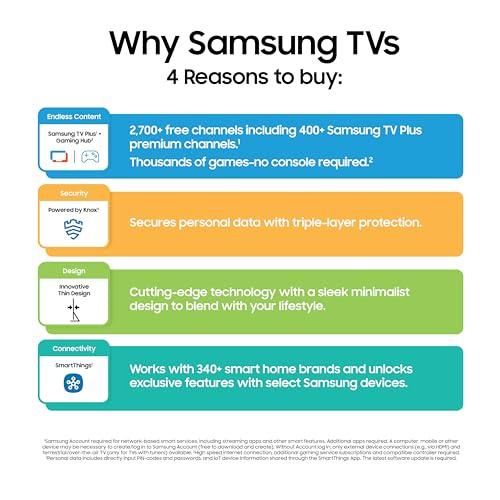
Both TVs run Samsung's 2025 version of Tizen OS, which remains one of the most responsive and feature-rich smart TV platforms. However, the processing power difference is significant.
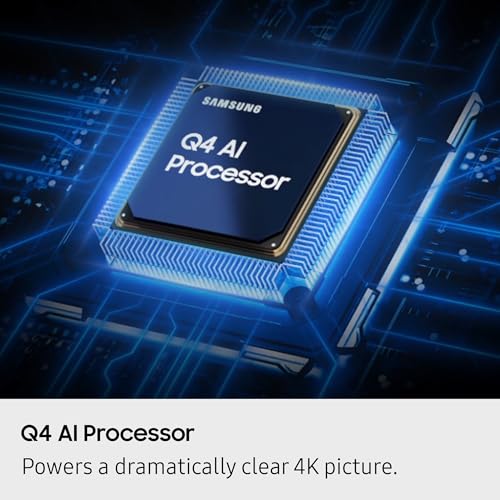
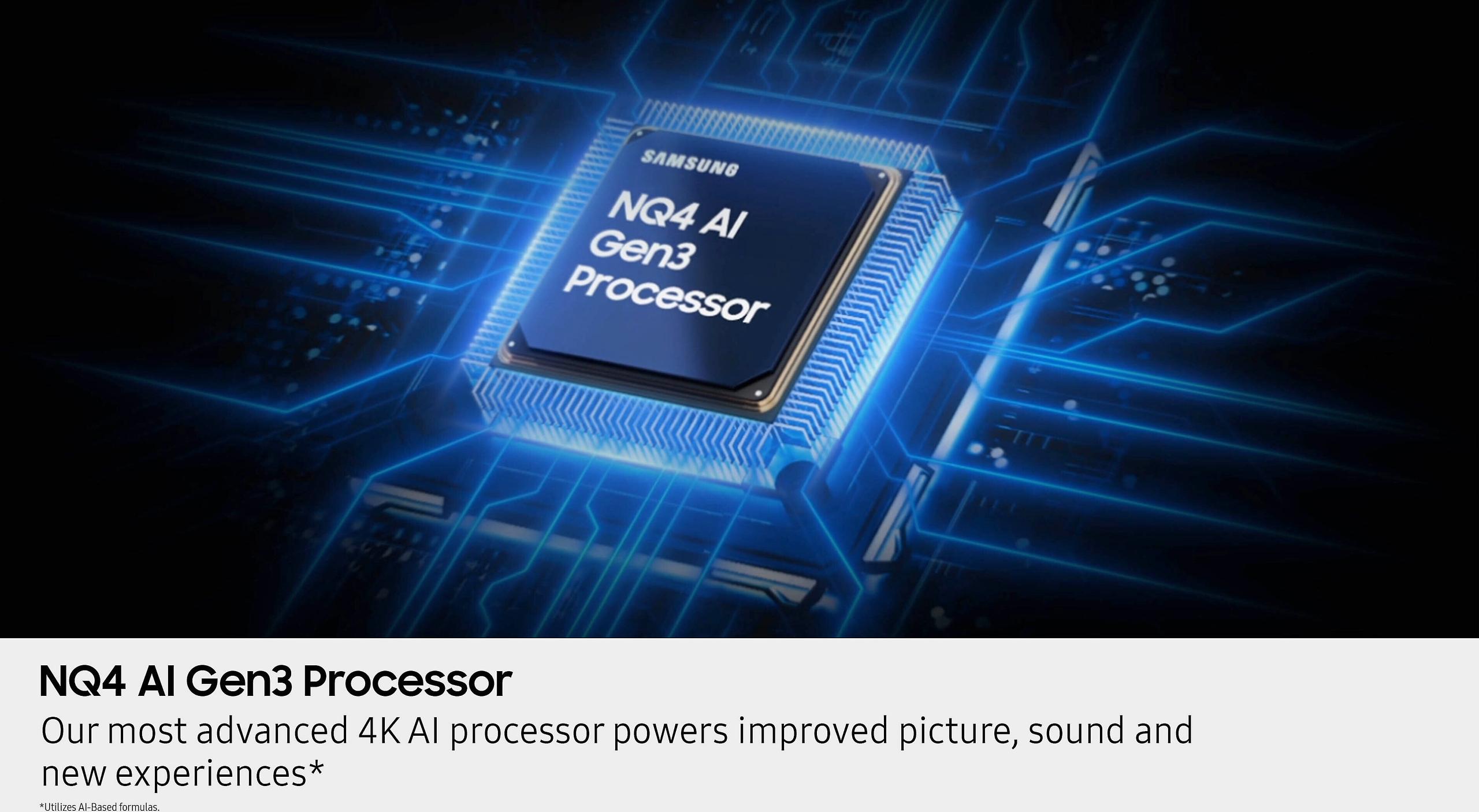
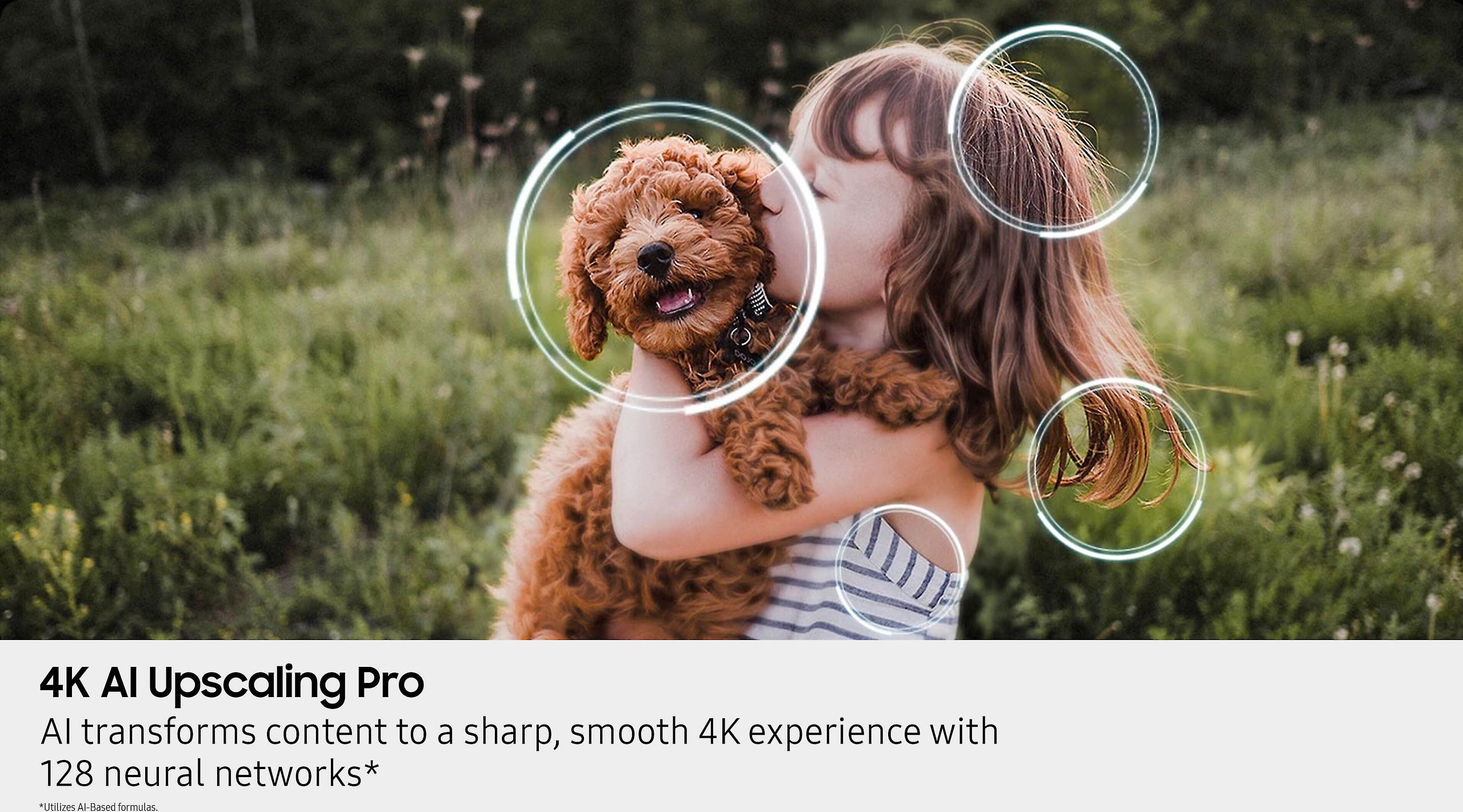
The Samsung Q7F uses Samsung's Q4 AI processor, which handles basic smart TV functions and provides decent upscaling for lower-resolution content. The Samsung QN90F employs the NQ4 AI Gen3 processor with 128 neural networks, delivering noticeably superior upscaling and real-time picture optimization.
This matters more than you might expect. Much of what we watch isn't native 4K – cable TV, streaming content at lower bitrates, and older movies all benefit from intelligent upscaling. The QN90F does a better job preserving detail and reducing artifacts in this content.
The QN90F includes Samsung's newest Vision AI features, which go beyond traditional smart TV functions. These include gesture controls, generative wallpaper creation, and adaptive picture settings based on room lighting and content analysis. While these features feel somewhat gimmicky initially, the adaptive optimization does provide genuine value by automatically adjusting settings as lighting conditions change throughout the day.
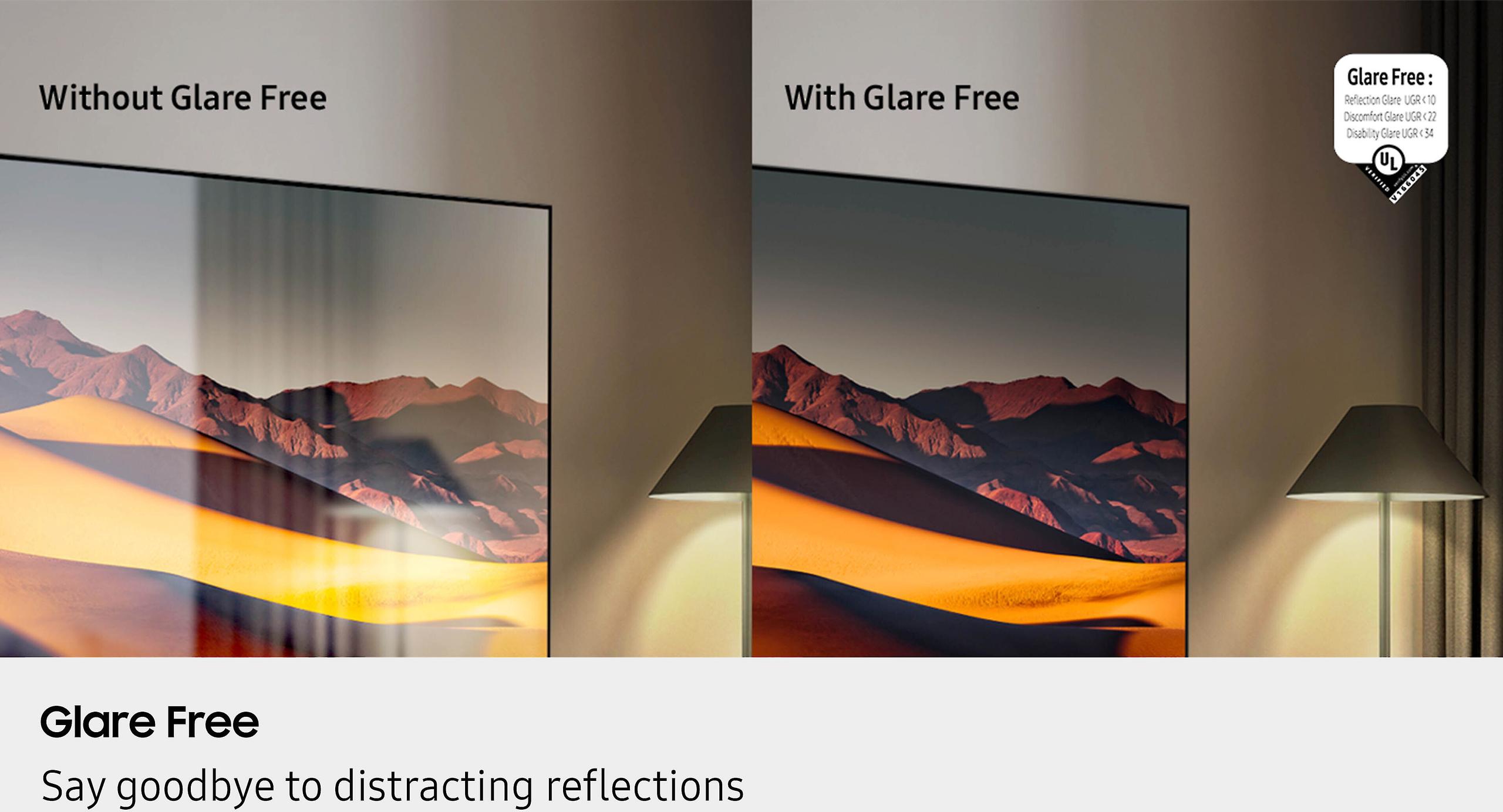
This might be the most decisive factor for many buyers. The Samsung Q7F uses a standard glossy screen that can struggle with reflections in bright rooms. Combined with its limited peak brightness, it's best suited for controlled lighting environments – ideally rooms where you can dim lights for serious viewing.
The Samsung QN90F features an anti-glare matte coating similar to what Samsung uses on their flagship OLED TVs. Combined with its exceptional brightness, this creates one of the best bright-room viewing experiences available in LED technology. You can watch it comfortably even with windows directly behind your seating position.
Both TVs use VA (Vertical Alignment) LCD panels, which prioritize contrast over viewing angles. This means color and brightness degrade when viewed from the side, making them less ideal for wide seating arrangements. The QN90F includes Samsung's Ultra Wide Viewing Angle technology, which helps somewhat, but neither TV matches the wide viewing angles of OLED or IPS displays.
At the time of writing, the Samsung QN90F costs roughly 40% more than the Samsung Q7F, but delivers improvements that far exceed that percentage in key areas. The brightness increase alone represents a 375% improvement, while the addition of local dimming transforms contrast performance entirely.
However, value isn't just about raw performance – it's about whether those improvements matter for your specific situation and whether the additional cost fits your budget.
The Samsung Q7F represents solid value for buyers who primarily watch TV in moderate lighting conditions and don't need advanced gaming features. If your main use cases are streaming shows, casual movie watching, and you appreciate Samsung's smart TV platform, it delivers those experiences competently without the premium cost.
It's also worth considering if you're planning to upgrade again in 2-3 years or if you'll be using external audio equipment anyway. The money saved could go toward a soundbar or other home theater components.
The Samsung QN90F makes sense for anyone dealing with bright viewing environments, serious gamers, or those who want a TV that handles demanding content with authority. The anti-glare coating alone is worth significant value if you're tired of dealing with window reflections during daytime viewing.
For home theater enthusiasts, the combination of exceptional HDR performance, superior black levels, and quality built-in audio creates an experience that approaches much more expensive display technologies. While it doesn't match OLED's perfect blacks or 8K resolution, it delivers flagship-level performance at a more accessible price point.
After extensive research into expert reviews and user experiences, the Samsung QN90F represents one of the better values in the premium TV space, assuming its higher cost fits within your budget. The performance improvements over the Samsung Q7F are transformational rather than incremental – you're not just getting a slightly better TV, you're getting a fundamentally different viewing experience.
The Q7F serves its purpose as an entry point into Samsung's QLED ecosystem, offering the brand's reliable smart features and decent picture quality without premium pricing. But if you can stretch your budget to accommodate the QN90F, the additional investment pays dividends in daily use.
For bright living rooms, modern gaming, or anyone who wants to experience HDR content as intended, the QN90F eliminates the compromises that make you aware you're watching a screen rather than experiencing content. That transformation in viewing quality, combined with future-proof gaming features and superior audio, makes it the clear choice for most buyers who can afford the premium.
The Q7F remains a sensible choice for budget-conscious buyers or secondary room installations, but represents the kind of compromise purchase you might regret as content quality continues improving and your expectations evolve.
| Samsung 65-Inch Q7F Series QLED Smart TV 2025 Display | Samsung 65" QN90F Neo QLED 4K Vision AI Smart TV 2025 |
|---|---|
| Peak Brightness - Critical for HDR impact and bright room viewing | |
| ~400 nits (adequate for moderate lighting) | Up to 1,900 nits (excellent for any room, dramatic HDR) |
| Local Dimming Zones - Controls contrast and black levels | |
| None (uniform backlighting, grayish blacks) | ~900 zones (deep blacks with minimal blooming) |
| Display Technology - Foundation of picture quality | |
| Basic QLED with direct LED backlighting | Neo QLED with Mini LED and quantum dot enhancement |
| Refresh Rate - Impacts gaming and sports smoothness | |
| 60Hz (basic performance, older console compatible) | Up to 165Hz (future-proof gaming, silky smooth motion) |
| Gaming Features - Modern console compatibility | |
| Auto Low Latency Mode only | HDMI 2.1, VRR, 4K@165Hz across 4 ports |
| Audio System - Built-in sound quality | |
| 20W 2.0 channel (basic stereo sound) | 60W 4.2.2 channel with Dolby Atmos (immersive audio) |
| Screen Coating - Reflection handling in bright rooms | |
| Standard glossy (shows reflections easily) | Anti-glare matte coating (virtually eliminates reflections) |
| AI Processor - Content upscaling and optimization | |
| Q4 AI (basic 4K upscaling) | NQ4 AI Gen3 with 128 neural networks (superior processing) |
| Smart Features - Advanced TV functionality | |
| Standard Tizen OS with basic features | Samsung Vision AI with gesture control and adaptive optimization |
| HDR Support - Premium content compatibility | |
| HDR10+ (decent HDR experience) | HDR10+ with Neo Quantum HDR+ (exceptional HDR impact) |
| Best Use Cases - Who should buy this TV | |
| Budget buyers, moderate lighting, casual viewing | Bright rooms, gaming enthusiasts, premium picture quality seekers |
The biggest difference is the display technology. The Samsung Q7F uses basic QLED with standard LED backlighting, while the Samsung QN90F features Neo QLED with Mini LED technology and local dimming. This gives the QN90F much better contrast, deeper blacks, and brighter highlights for a more premium viewing experience.
The Samsung QN90F is significantly better for bright rooms. It features an anti-glare matte coating that virtually eliminates reflections and can reach up to 1,900 nits of brightness. The Samsung Q7F only reaches about 400 nits and uses a glossy screen that shows reflections easily, making it better suited for darker viewing environments.
The Samsung QN90F is much better for modern console gaming. It supports 4K at up to 165Hz, has four HDMI 2.1 ports, and includes Variable Refresh Rate (VRR) support. The Samsung Q7F is limited to 60Hz and only offers basic Auto Low Latency Mode, making it adequate for casual gaming but not ideal for taking advantage of next-gen console features.
The Samsung QN90F delivers dramatically better picture quality with its Mini LED backlighting and local dimming zones. It produces deeper blacks, brighter highlights, and more vibrant HDR colors. The Samsung Q7F offers decent picture quality for its price range but has grayish blacks and limited HDR impact due to its uniform backlighting system.
The Samsung QN90F has significantly better audio with its 60W 4.2.2 channel system that includes Dolby Atmos and Object Tracking Sound+. The Samsung Q7F has basic 20W stereo speakers that are adequate for casual viewing but lack the power and spatial audio features of the premium model.
The price difference is generally worth it if you can afford the premium. The Samsung QN90F offers transformational improvements in brightness, contrast, gaming features, and audio quality that far exceed the percentage price increase. However, the Samsung Q7F provides good value for budget-conscious buyers who primarily watch in moderate lighting conditions.
The Samsung QN90F excels with 4K HDR content, delivering impactful highlights that truly pop off the screen thanks to its high brightness and local dimming. The Samsung Q7F can display HDR content but with limited impact due to its lower peak brightness and lack of contrast control, making HDR scenes appear more like slightly brighter standard content.
For a dedicated home theater, the Samsung QN90F is the clear choice. Its superior black levels, exceptional brightness for HDR highlights, better audio system, and advanced processing create a more cinematic experience. The Samsung Q7F works in a home theater setting but won't deliver the dramatic contrast and impact that makes movies truly immersive.
Both run Samsung's Tizen OS, but the Samsung QN90F includes advanced Vision AI features like gesture control, generative wallpapers, and adaptive optimization. It also has a more powerful NQ4 AI Gen3 processor with superior upscaling capabilities compared to the basic Q4 processor in the Samsung Q7F.
Both TVs use VA panels with naturally narrow viewing angles, but the Samsung QN90F includes Ultra Wide Viewing Angle technology that helps maintain color and brightness when viewed from the side. Neither TV is ideal for wide seating arrangements, but the Samsung Q7F shows more color and brightness degradation from off-center positions.
The Samsung QN90F handles motion significantly better with its 165Hz refresh rate and advanced processing, providing smoother sports and action sequences. The Samsung Q7F offers decent motion handling for its 60Hz refresh rate but can show blur during fast camera movements or rapid on-screen action.
The Samsung Q7F lacks local dimming, HDMI 2.1, high refresh rates, and advanced audio features that are standard in premium TVs today. The Samsung QN90F includes most modern features but notably lacks Dolby Vision HDR support (only supports HDR10+) and has compromised black levels when in Game Mode, which may matter to some users.
We've done our best to create useful and informative comparisons to help you decide what product to buy. Our research uses advanced automated methods to create this comparison and perfection is not possible - please contact us for corrections or questions. These are the sites we've researched in the creation of this article: bestbuy.com - rtings.com - bestbuy.com - youtube.com - youtube.com - youtube.com - samsung.com - samsung.com - samsung.com - billsmith.com - costco.com - samsung.com - hometechnologyreview.com - hometechnologyreview.com - bestbuy.com - samsung.com - bestbuy.com - samsung.com - hometechnologyreview.com - samsung.com - samsung.com - rtings.com - images.samsung.com - youtube.com - listenup.com - youtube.com - cullenshomecenter.com - rtings.com - shopjetson.com - youtube.com - samsung.com - samsung.com - videoandaudiocenter.com - rtings.com - bestbuy.com - youtube.com - news.samsung.com - news.samsung.com - news.samsung.com - bestbuy.com - news.samsung.com - youtube.com - news.samsung.com - youtube.com - smarthomesounds.co.uk

Privacy Policy
Terms and Conditions - Affiliate Policy
Home Security
© Copyright 2008-2026.
11816 Inwood Rd #1211, Dallas, TX 75244