

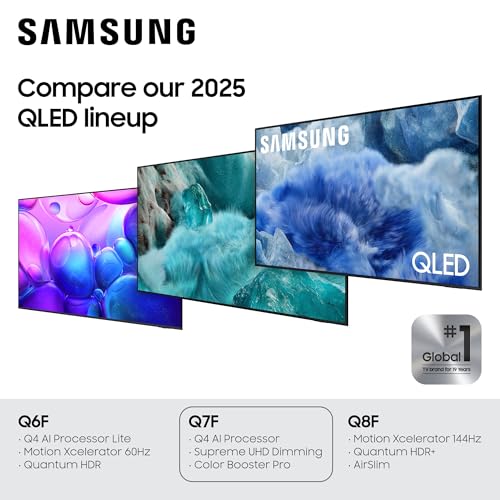
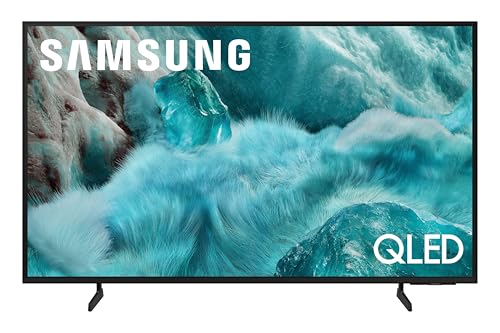
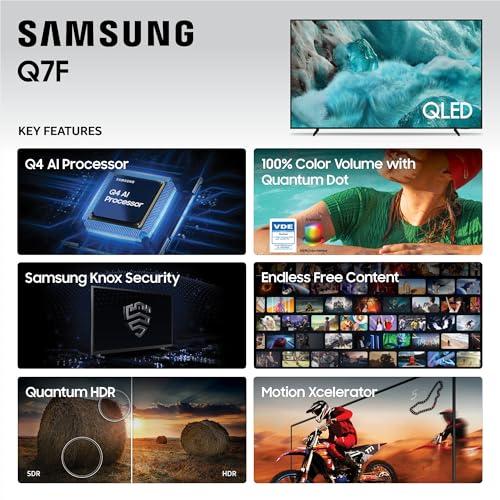

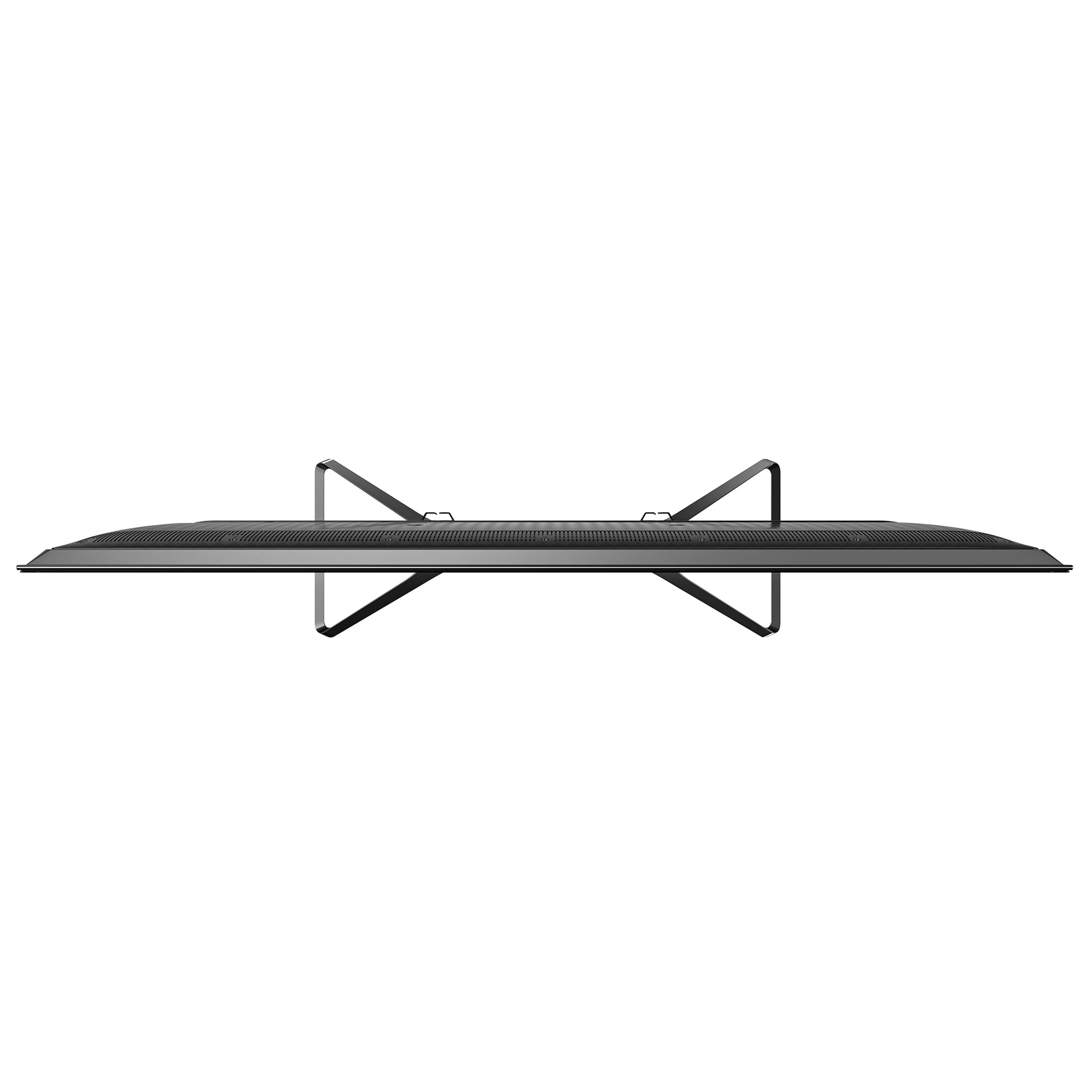
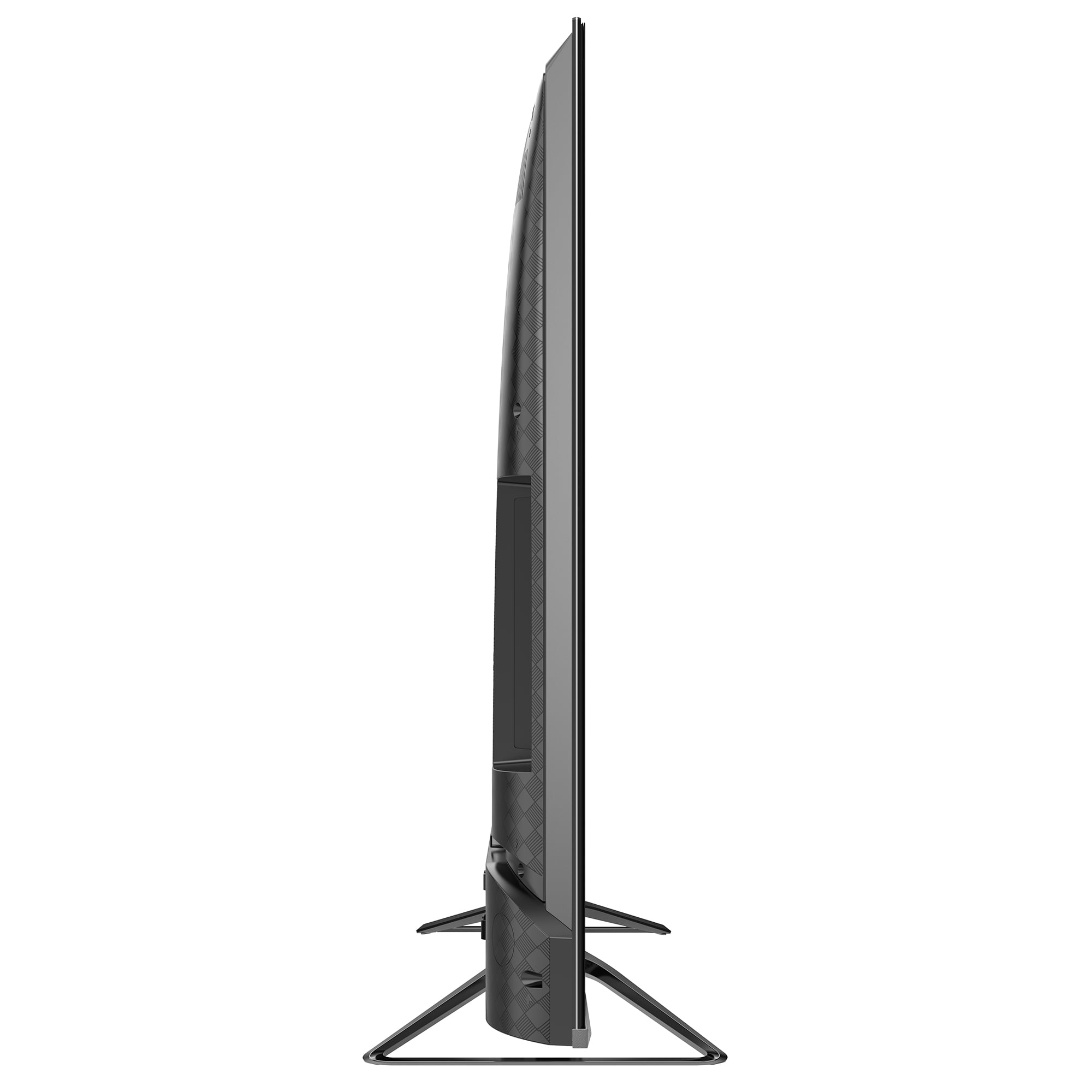
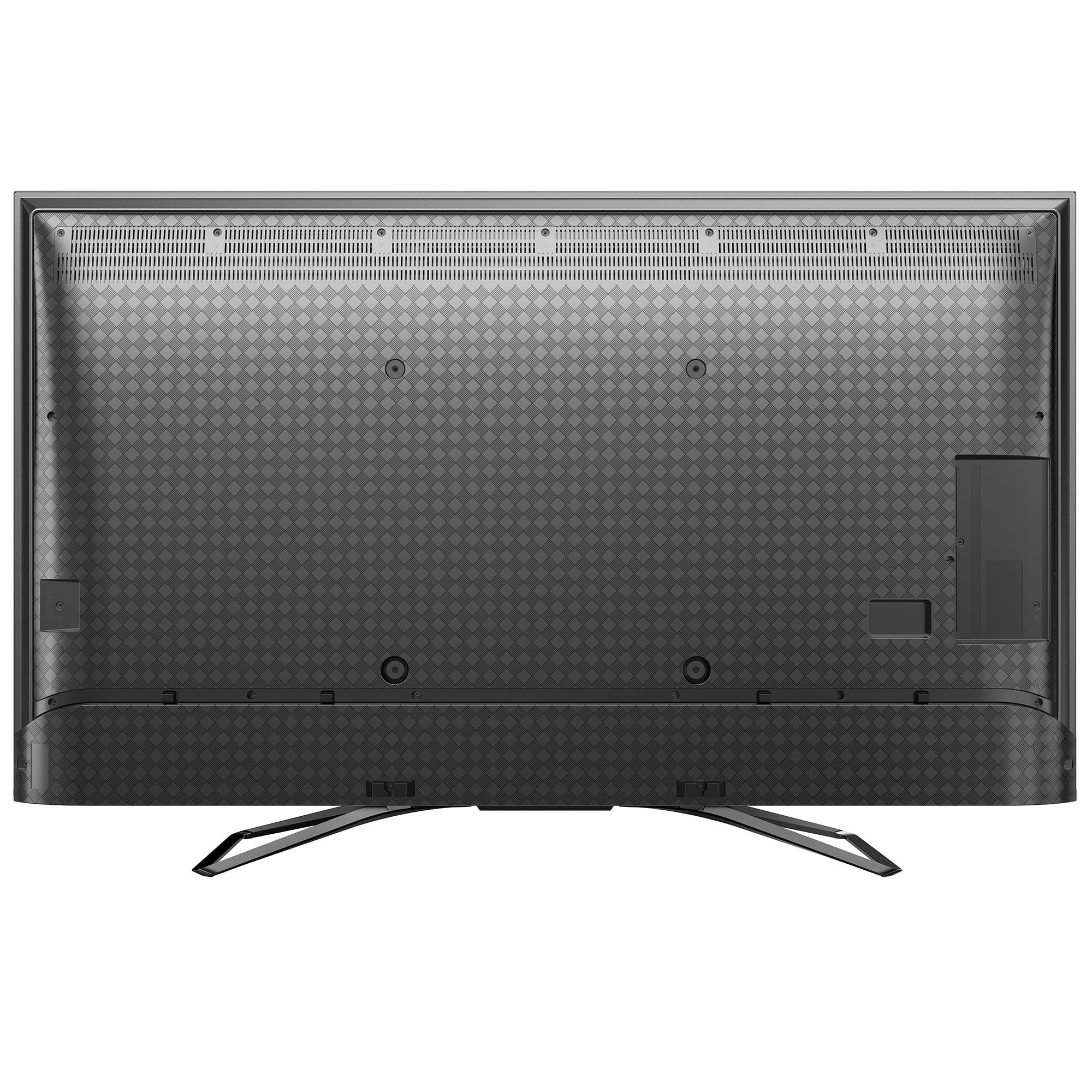
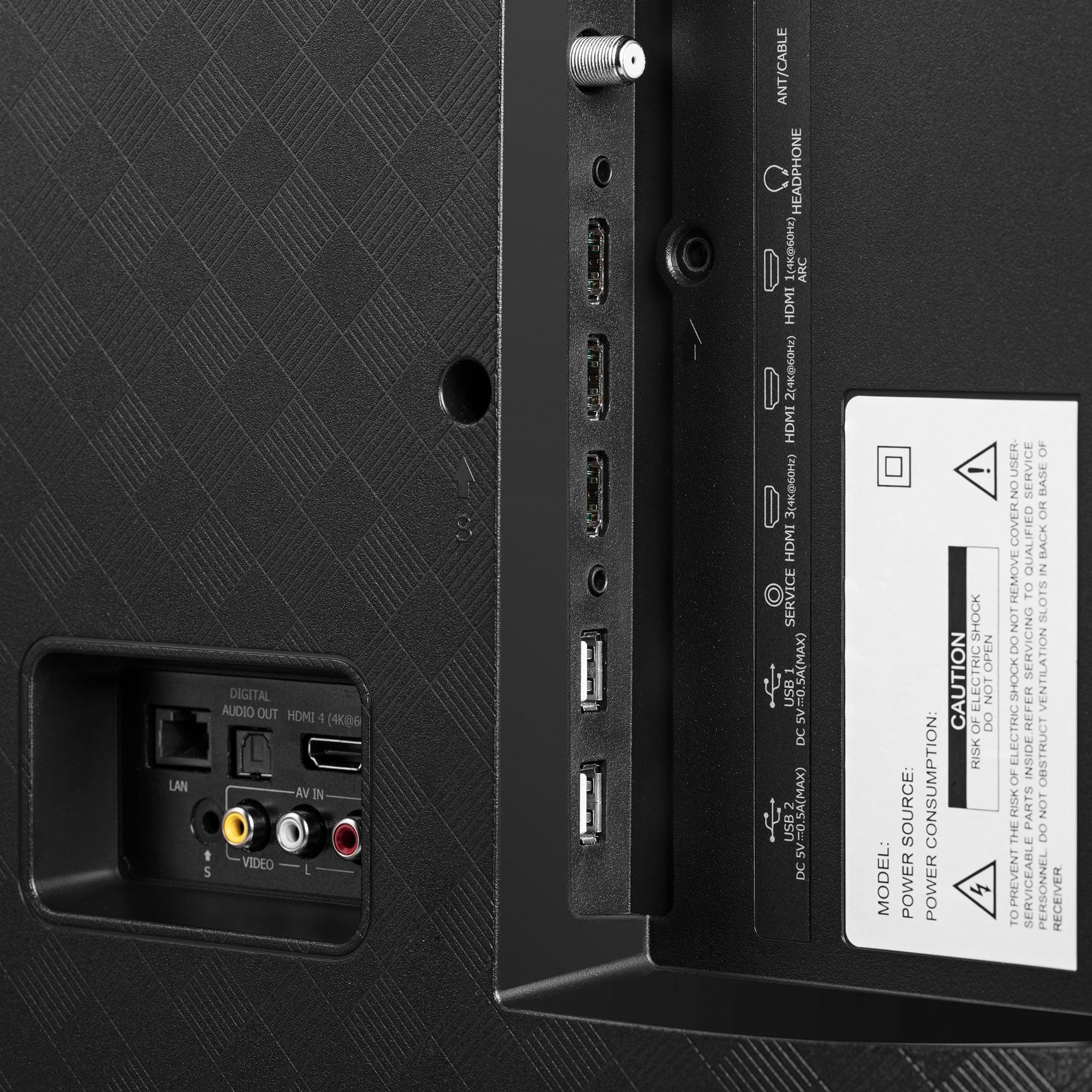
Shopping for a 65-inch TV can feel overwhelming, especially when you're comparing two very different approaches to the same basic technology. The Samsung Q7F 2025 and Hisense H9G both use QLED (Quantum Dot LED) technology to enhance colors, but they couldn't be more different in how they deliver the overall viewing experience.
At the time of writing, these TVs represent vastly different value propositions. The Samsung Q7F positions itself as an entry-level QLED option that brings quantum dot technology to budget-conscious buyers, while the Hisense H9G aims for the premium mid-range market with significantly more advanced display technology. Understanding these differences is crucial because the price gap between them reflects fundamental differences in picture quality that will affect your daily viewing experience.
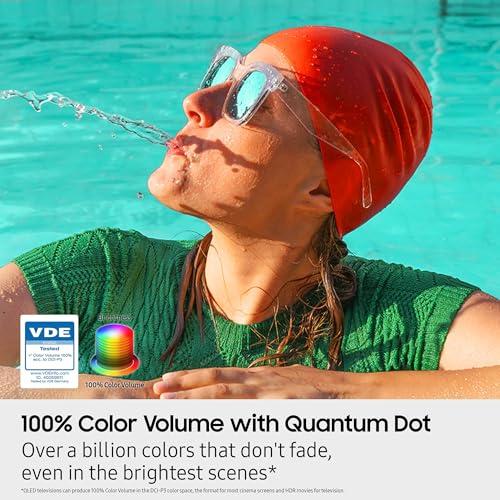
Before diving into the comparison, it's worth understanding what QLED actually means and why it matters. QLED stands for Quantum Dot Light Emitting Diode, which sounds complicated but is essentially a way of making LCD TVs produce more accurate and vibrant colors. Traditional LCD TVs use a white LED backlight that gets filtered through colored pixels. QLED TVs add a special sheet of microscopic particles called quantum dots that can produce very pure colors when hit with blue light.
The key performance areas that separate good QLED TVs from great ones include contrast ratio (how deep the blacks can get compared to how bright the whites can be), peak brightness (important for HDR content and bright rooms), color accuracy, motion handling, and smart platform performance. These factors determine whether you'll get that "wow" factor when watching movies or feel disappointed that your expensive TV looks washed out compared to what you see in the store.
The most significant difference between the Samsung Q7F and Hisense H9G lies in their fundamental approach to controlling light and creating contrast. This is where the Hisense H9G absolutely dominates.
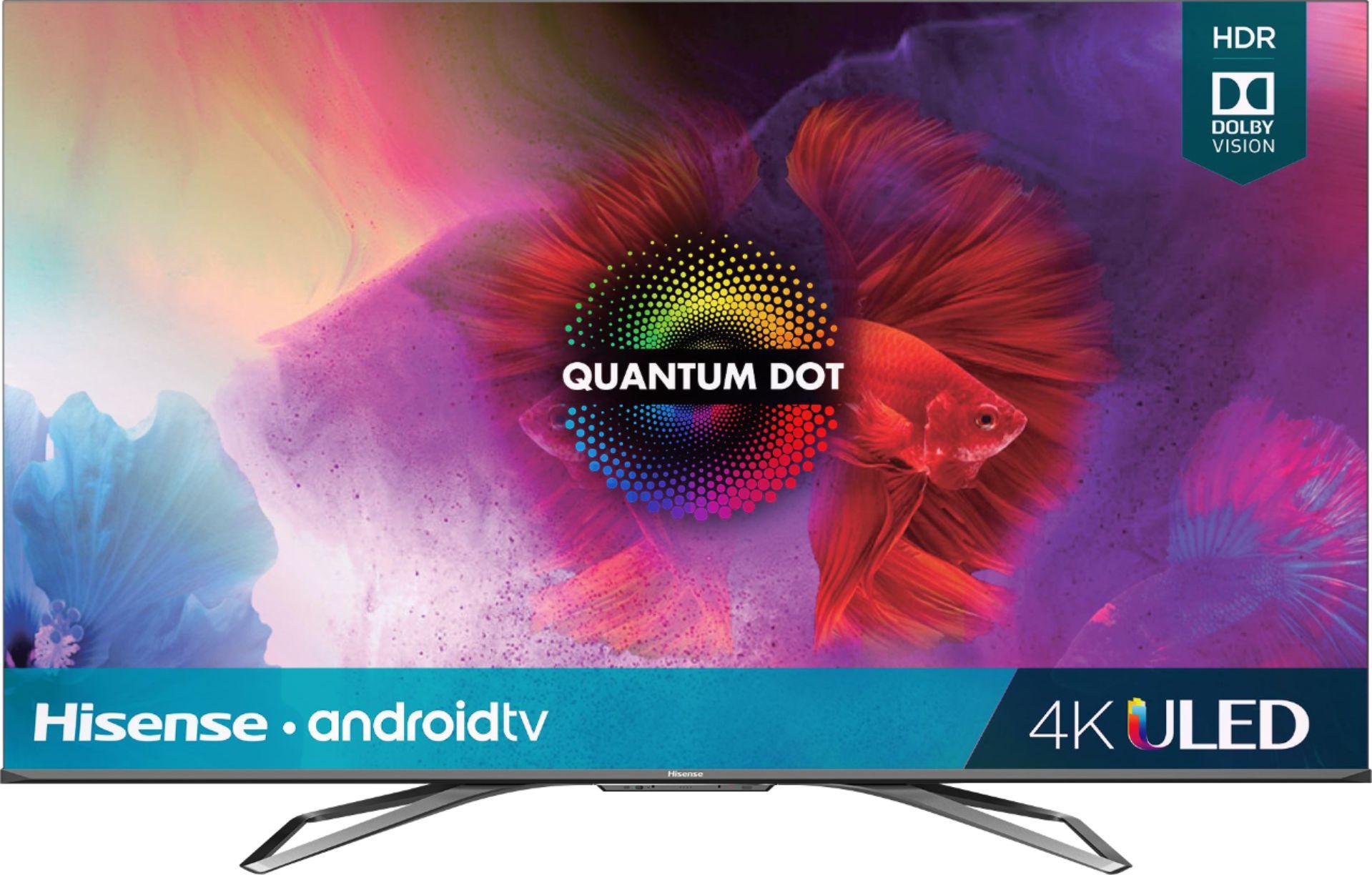
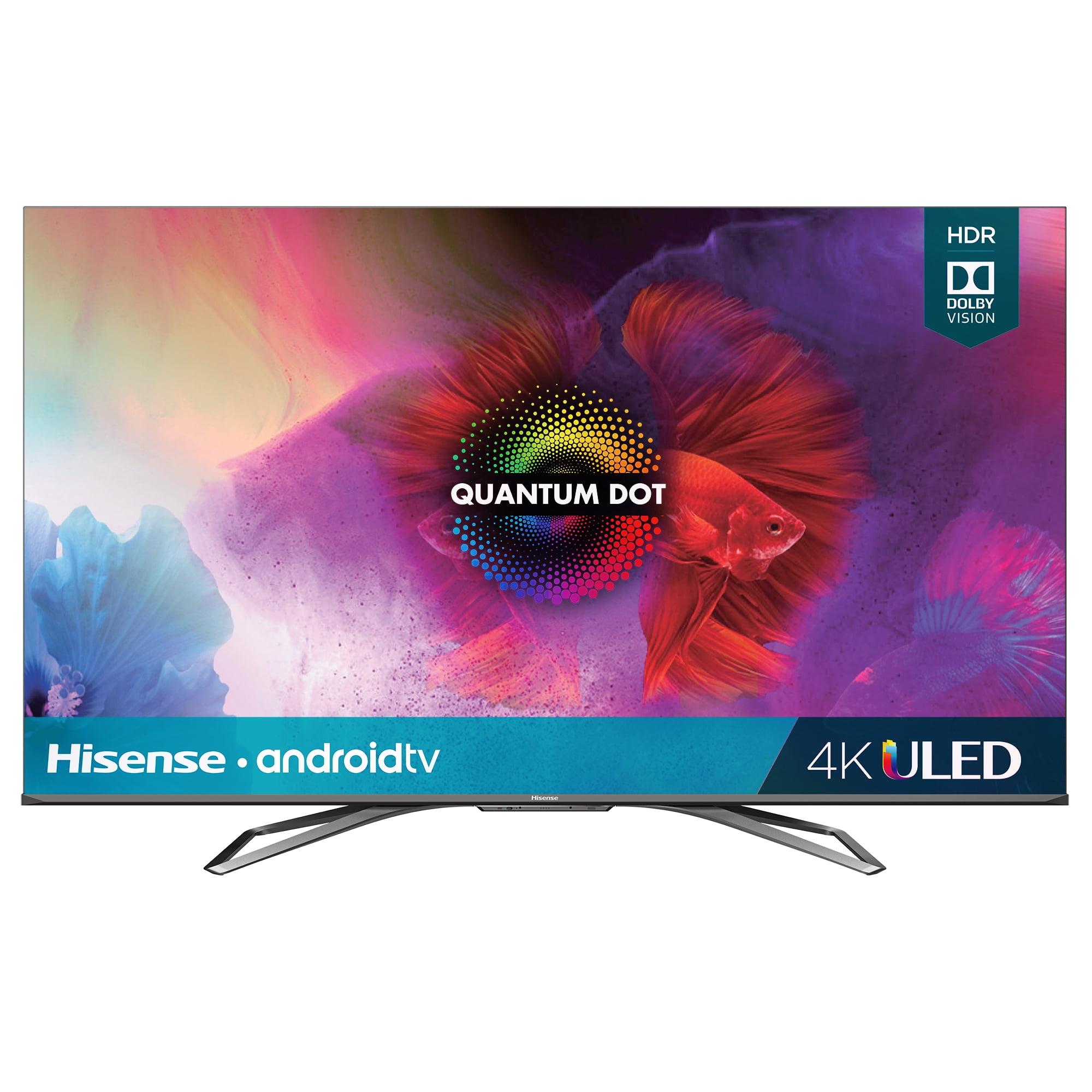
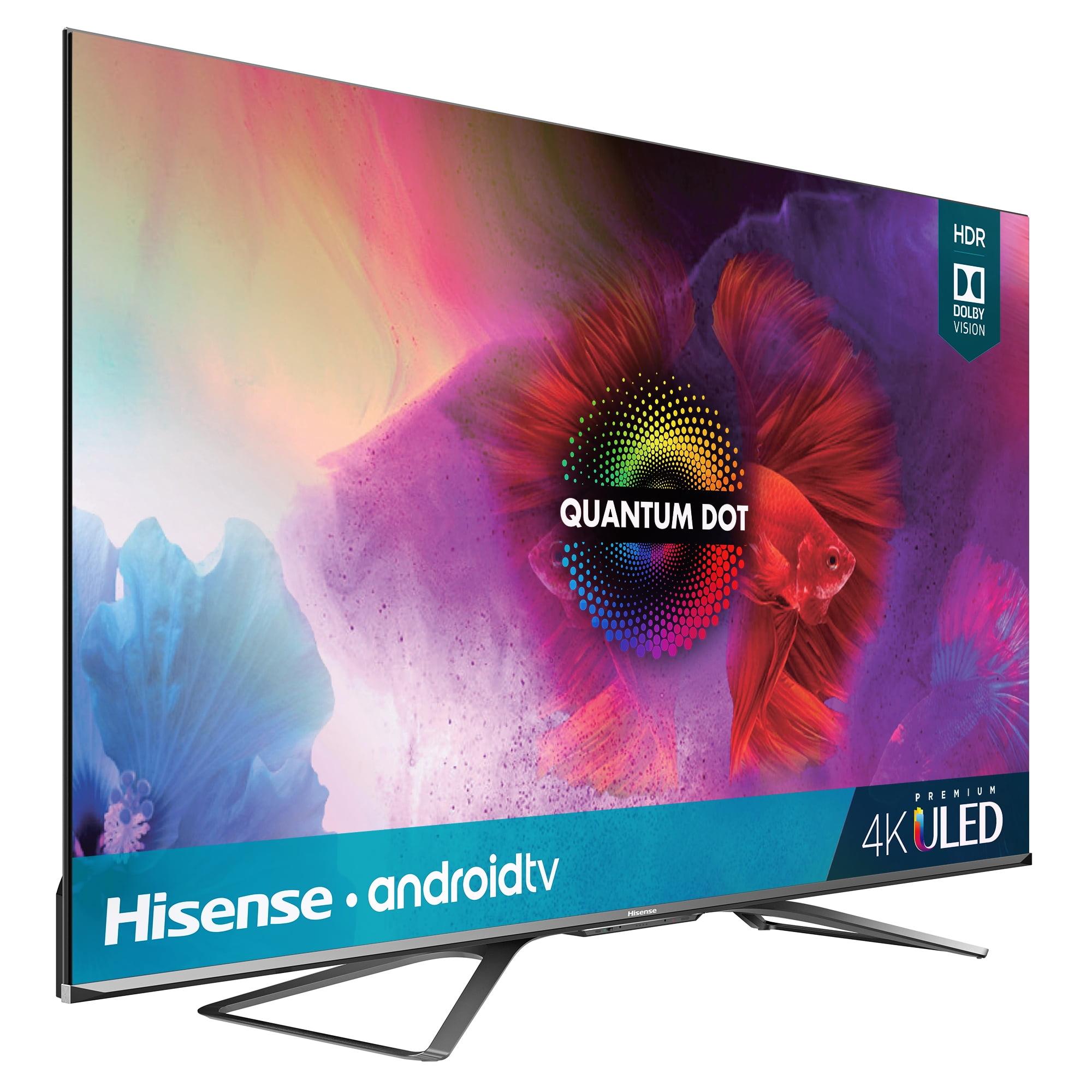
The Hisense H9G features full-array local dimming with 180 individual zones. Think of local dimming like having 180 tiny dimmers scattered across the back of the TV that can brighten or darken independently. When you're watching a scene with a bright explosion against a dark night sky, those zones behind the explosion can get very bright while the zones behind the dark sky stay dim. This creates dramatically better contrast and makes HDR content look much more realistic.
The Samsung Q7F, unfortunately, has no local dimming at all. It's essentially like having one big dimmer for the entire TV. When any part of the screen needs to be bright, the whole backlight has to turn up, which means dark areas look grayish instead of truly black. This fundamental limitation affects everything you watch, from movies with dark scenes to HDR content that's supposed to have dramatic contrast.
Based on our research into user and expert reviews, the contrast difference is immediately noticeable. The Hisense H9G can achieve contrast ratios exceeding 4,500:1 with local dimming enabled, while the Samsung Q7F struggles to exceed basic LCD performance around 3,000:1. In practical terms, this means the Hisense makes dark movie scenes look genuinely dark and mysterious, while the Samsung makes them look more like a gray fog.
Peak brightness is another area where these TVs diverge significantly. The Hisense H9G can exceed 1,000 nits (a measure of brightness), while the Samsung Q7F typically maxes out around 400-500 nits. This might seem like technical jargon, but it translates to real viewing differences.
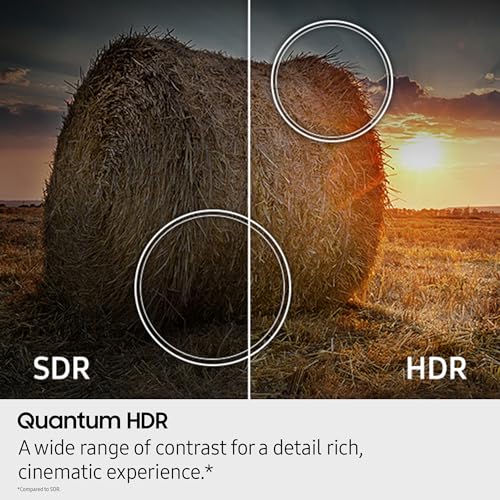
For HDR (High Dynamic Range) content, which includes most modern movies and shows on Netflix, Disney+, and other streaming services, higher brightness is essential. HDR is designed to show you highlights that are dramatically brighter than normal TV content – think of sunlight reflecting off water or car headlights at night. The Hisense H9G has enough brightness to make these highlights pop off the screen, while the Samsung Q7F displays them as slightly brighter areas that don't create the intended visual impact.
If you have a bright living room with windows, this brightness difference becomes even more important. The Hisense H9G can overcome significantly more ambient light, maintaining good picture quality even during daytime viewing. The Samsung Q7F will struggle in bright rooms, appearing washed out and difficult to see clearly.
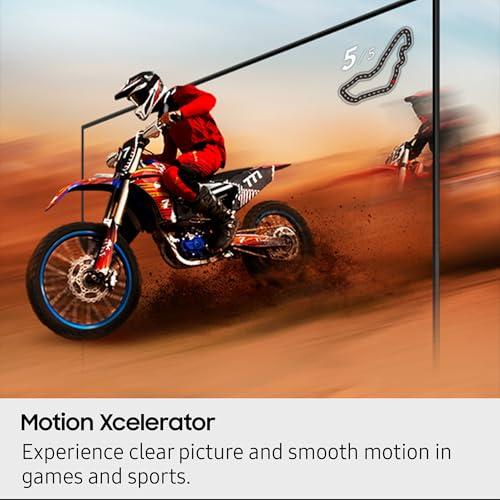
Gaming capabilities reveal another major divide between these TVs. The Hisense H9G features a native 120Hz panel, meaning it can display 120 unique images per second. This is double the standard 60Hz rate and results in smoother motion during fast-paced gaming and sports content.
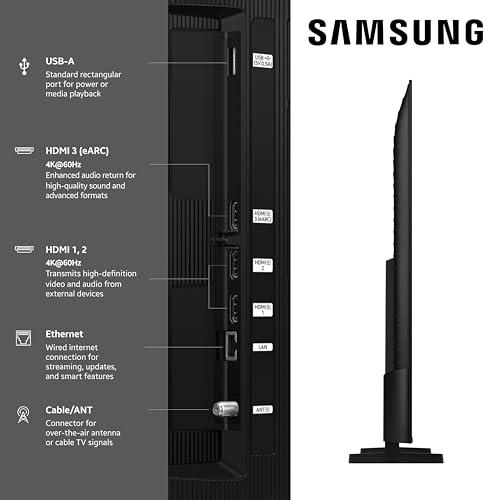
However, there's an important caveat: despite having a 120Hz panel, the Hisense H9G lacks HDMI 2.1 ports, which limits it to receiving 4K signals at 60Hz from gaming consoles like the PlayStation 5 or Xbox Series X. The TV can still use its 120Hz capability for motion processing and lower-resolution gaming, but you won't get the full benefit of next-generation console capabilities.
The Samsung Q7F is limited to a 60Hz panel with basic gaming features. It includes Auto Low Latency Mode (ALLM), which automatically switches to game mode when it detects a gaming console, reducing input lag (the delay between pressing a button and seeing the action on screen). For casual gaming, this is adequate, but serious gamers will notice the difference in motion clarity compared to higher refresh rate displays.
Both TVs lack Variable Refresh Rate (VRR) support, which helps eliminate screen tearing when game frame rates fluctuate. This is becoming increasingly important for modern gaming, making both TVs less future-proof for serious gamers.
The smart TV experience differs significantly between these models. The Samsung Q7F runs Tizen OS, Samsung's proprietary smart platform that's known for being responsive and intuitive. Navigation feels snappy, apps load quickly, and the interface rarely stutters or lags. Samsung TV Plus provides free streaming content, and the overall ecosystem integrates well with other Samsung devices.
The Hisense H9G uses Android TV (now called Google TV), which offers access to the extensive Google Play Store and tight integration with Google services. You get built-in Chromecast, Google Assistant with hands-free voice control through built-in microphones, and access to virtually any Android app. However, based on user feedback we've reviewed, the Android TV implementation on the H9G occasionally experiences lag when navigating menus or launching apps.
From a practical standpoint, if you value a smooth, responsive interface over having access to every possible app, the Samsung Q7F wins this category. If you prefer having maximum app flexibility and Google ecosystem integration, the Hisense H9G is worth the occasional performance hiccup.
Neither TV excels in audio performance, which is common for modern flat-screen TVs that prioritize thin profiles over speaker quality. The Samsung Q7F includes 20W total audio output through a 2.0 channel system with Object Tracking Sound Lite, which attempts to match audio to visual movement on screen. The Hisense H9G provides 20W total output through a basic 2.0 channel setup.
Both TVs support most modern audio formats, but the Samsung Q7F notably lacks DTS audio support, which can be problematic for some Blu-ray discs and high-end audio setups. For most users, both TVs will benefit significantly from adding a soundbar or external audio system.
At the time of writing, the Samsung Q7F costs roughly half what you'd pay for the Hisense H9G. This price difference reflects the fundamental technology gap between these TVs.
The Samsung Q7F represents the minimum viable QLED experience. You get quantum dot color enhancement and a decent smart platform, but you're sacrificing the core display technologies that make premium TVs worth owning. It's best suited for buyers who want to say they have a QLED TV without paying premium prices, and who primarily watch content in moderately lit rooms.
The Hisense H9G delivers genuinely impressive picture quality that competes with TVs costing significantly more from premium brands. The local dimming, high brightness, and superior contrast create a viewing experience that justifies the higher price for anyone who prioritizes visual quality.
For dedicated home theater use, the differences between these TVs become even more pronounced. Home theaters typically involve controlled lighting, larger seating areas, and a focus on cinematic content – all areas where the Hisense H9G excels.
The superior contrast ratio means dark movie scenes look appropriately mysterious rather than grayish. The higher brightness ensures HDR highlights have proper impact. The 120Hz panel provides smoother motion during action sequences. These factors combine to create a more engaging cinematic experience.
The Samsung Q7F can work in a home theater setting, but you'll constantly notice its limitations during dramatic scenes. Dark movies will look flat, HDR content won't have proper visual impact, and fast motion may appear choppy.
The Hisense H9G was originally released in 2020, representing Hisense's push into the premium market with advanced local dimming technology. Since then, TV technology has continued evolving with better processors, improved HDR support, and more gaming features, but the H9G's core display technology remains competitive.
The Samsung Q7F is part of Samsung's 2025 lineup, positioned as an entry-level option in their QLED range. While it includes some modern smart features and processing improvements, Samsung deliberately limited the display hardware to hit aggressive price points.
Choose the Samsung Q7F if you're shopping primarily on price and want QLED technology without premium costs. It's ideal for casual viewing in moderately lit rooms, secondary TVs, or situations where smart platform responsiveness matters more than picture quality. The smooth Tizen interface and Samsung ecosystem integration provide value for users already invested in Samsung devices.
Choose the Hisense H9G if picture quality is your priority and you can justify spending more for significantly better performance. It's the clear choice for home theater enthusiasts, movie lovers, bright room viewing, and anyone who wants HDR content to look properly dramatic. The superior contrast and brightness create a viewing experience that feels genuinely premium.
The Hisense H9G also makes more sense for future-proofing. As more content becomes available in HDR and high frame rates, having a TV with the brightness and processing power to handle it properly becomes increasingly important.
The choice between the Samsung Q7F and Hisense H9G ultimately comes down to whether you prioritize initial cost savings or long-term viewing satisfaction. The Samsung offers acceptable performance at an attractive price point, while the Hisense delivers substantially better picture quality that justifies its premium positioning.
Based on our research into expert reviews and user feedback, most people who choose the Hisense H9G are happy with their decision long-term, while some Samsung Q7F owners eventually wish they had spent more for better picture quality. If you're planning to keep your TV for several years and watch a variety of content, the superior display technology in the Hisense H9G provides better value despite its higher upfront cost.
For buyers who absolutely cannot stretch their budget, the Samsung Q7F provides a reasonable entry point into QLED technology. Just understand that you're trading picture quality for affordability, and the viewing experience will reflect that compromise in every movie, show, and game you watch.
| Samsung 65-Inch Q7F Series QLED Smart TV 2025 | Hisense 65" H9G Quantum Series 4K UHD Smart Android TV |
|---|---|
| Local Dimming Zones - Critical for contrast and HDR performance | |
| None (edge-lit backlight creates washed-out blacks) | 180 zones (delivers deep blacks and dramatic contrast) |
| Peak Brightness - Essential for HDR impact and bright room viewing | |
| ~400-500 nits (struggles with HDR highlights and glare) | 1,000+ nits (excellent HDR performance and daylight viewing) |
| Refresh Rate - Important for smooth motion in sports and gaming | |
| 60Hz (basic motion clarity) | 120Hz native panel (smoother motion, though limited by HDMI inputs) |
| Contrast Ratio - Determines how cinematic dark scenes appear | |
| ~3,000:1 (typical LCD performance) | 4,500:1+ with local dimming (genuinely deep blacks) |
| HDR Format Support - Affects compatibility with streaming content | |
| HDR10+ (missing Dolby Vision from Netflix/Disney+) | Dolby Vision, HDR10+, HDR10, HLG (full compatibility) |
| Smart Platform - Daily usability and responsiveness | |
| Tizen OS (smooth, responsive, excellent interface) | Android TV (extensive apps, occasional lag, Google integration) |
| Gaming Features - Modern console compatibility | |
| Basic ALLM support, no VRR (adequate for casual gaming) | 120Hz panel, no HDMI 2.1/VRR (better motion, limited next-gen features) |
| Audio Quality - Both benefit from external sound systems | |
| 20W 2.0 channel with OTS Lite (no DTS support) | 20W 2.0 channel (basic but supports more formats) |
| Best Value For | |
| Budget QLED entry, smooth smart platform, casual viewing | Premium picture quality, home theater, HDR enthusiasts |
The Hisense H9G delivers significantly better picture quality for movies due to its full-array local dimming with 180 zones and higher peak brightness exceeding 1,000 nits. This creates deeper blacks and more impactful HDR highlights that make cinematic content look dramatic and engaging. The Samsung Q7F lacks local dimming entirely, resulting in washed-out dark scenes that appear grayish rather than truly black.
The primary difference is display technology sophistication. The Hisense H9G features advanced full-array local dimming and significantly higher brightness, while the Samsung Q7F uses basic edge-lit backlighting without local dimming. This fundamental difference affects every aspect of picture quality, from contrast ratio to HDR performance.
The Hisense H9G performs much better in bright rooms thanks to its superior peak brightness capabilities. It can overcome ambient light and maintain good picture quality during daytime viewing, while the Samsung Q7F will appear washed out and difficult to see clearly in well-lit environments.
The Hisense H9G offers better gaming performance with its native 120Hz panel providing smoother motion, though it's limited by lack of HDMI 2.1 ports. The Samsung Q7F is restricted to 60Hz with basic gaming features, making it adequate only for casual gaming rather than serious console gaming.
The Samsung Q7F wins in smart platform usability with its Tizen OS providing a smooth, responsive interface that rarely lags. The Hisense H9G runs Android TV, which offers more apps and Google integration but can experience occasional navigation lag based on user reports.
The Hisense H9G is excellent for home theater use due to its superior contrast ratio, local dimming, and high brightness that create a truly cinematic experience. The Samsung Q7F can work in home theater settings but will disappoint during dark movie scenes due to its poor contrast performance and lack of local dimming.
The Hisense H9G delivers substantially better HDR performance with support for Dolby Vision, HDR10+, and the brightness needed to make HDR highlights pop. The Samsung Q7F supports HDR10+ but lacks the brightness and contrast to make HDR content look impactful, often appearing flat and underwhelming.
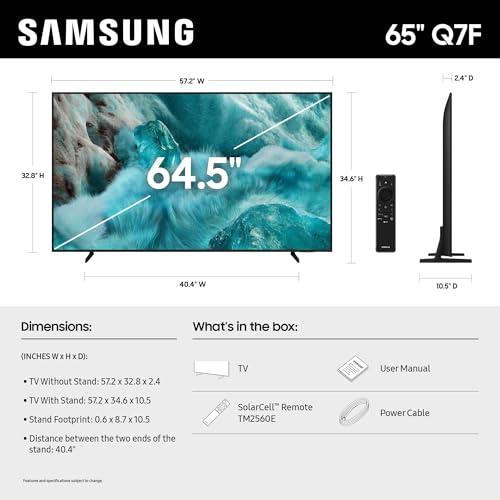
Both TVs feature similar slim profiles and adjustable stands, but the Samsung Q7F is lighter at around 38 pounds compared to the Hisense H9G at approximately 55 pounds. The weight difference reflects the more robust display technology in the Hisense model, including its full-array backlighting system.
Value depends on your priorities and budget. The Samsung Q7F provides entry-level QLED technology at an aggressive price point, while the Hisense H9G delivers premium picture quality that justifies its higher cost for viewers who prioritize visual performance over initial savings.
Both TVs feature modest 20W audio systems that will benefit from external speakers or soundbars. The Samsung Q7F includes Object Tracking Sound Lite but lacks DTS audio support, while the Hisense H9G offers basic stereo sound with broader format compatibility including Dolby Atmos pass-through.
The Hisense H9G is superior for streaming thanks to its Dolby Vision support, which enhances content from Netflix, Disney+, and other premium streaming services. The Samsung Q7F lacks Dolby Vision support, meaning you'll miss out on the enhanced picture quality that these streaming platforms offer for their premium content.
Choose the Samsung Q7F if you're budget-conscious and primarily watch content in moderate lighting with smooth smart platform performance being important. Select the Hisense H9G if picture quality is your priority, you have a bright living room, or you frequently watch HDR content and movies where superior contrast and brightness will significantly enhance your viewing experience.
We've done our best to create useful and informative comparisons to help you decide what product to buy. Our research uses advanced automated methods to create this comparison and perfection is not possible - please contact us for corrections or questions. These are the sites we've researched in the creation of this article: bestbuy.com - rtings.com - bestbuy.com - youtube.com - youtube.com - youtube.com - samsung.com - samsung.com - samsung.com - billsmith.com - costco.com - samsung.com - hometechnologyreview.com - hometechnologyreview.com - bestbuy.com - samsung.com - bestbuy.com - samsung.com - hometechnologyreview.com - samsung.com - samsung.com - rtings.com - bestbuy.com - techradar.com - youtube.com - digitaltrends.com - assets.hisense-usa.com - bestbuy.com - youtube.com - bestbuy.com

Privacy Policy
Terms and Conditions - Affiliate Policy
Home Security
© Copyright 2008-2026.
11816 Inwood Rd #1211, Dallas, TX 75244