

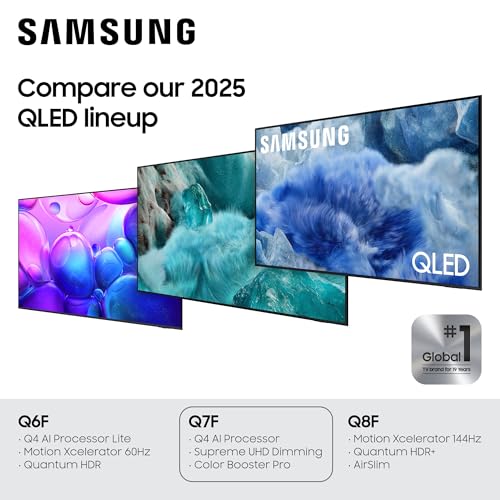


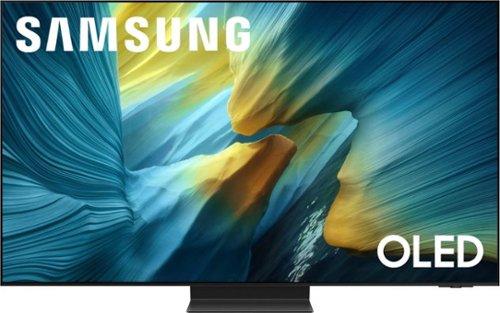
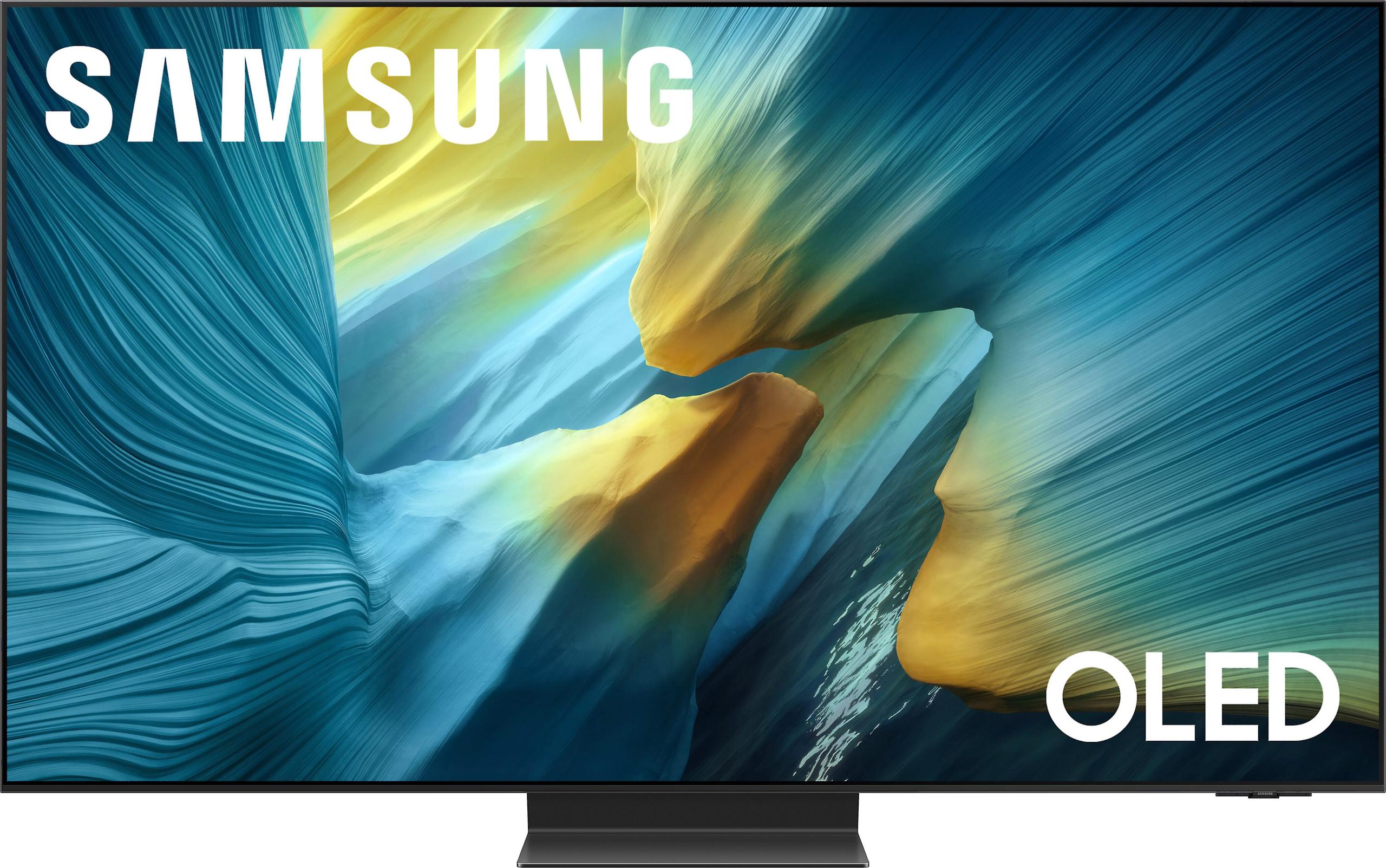
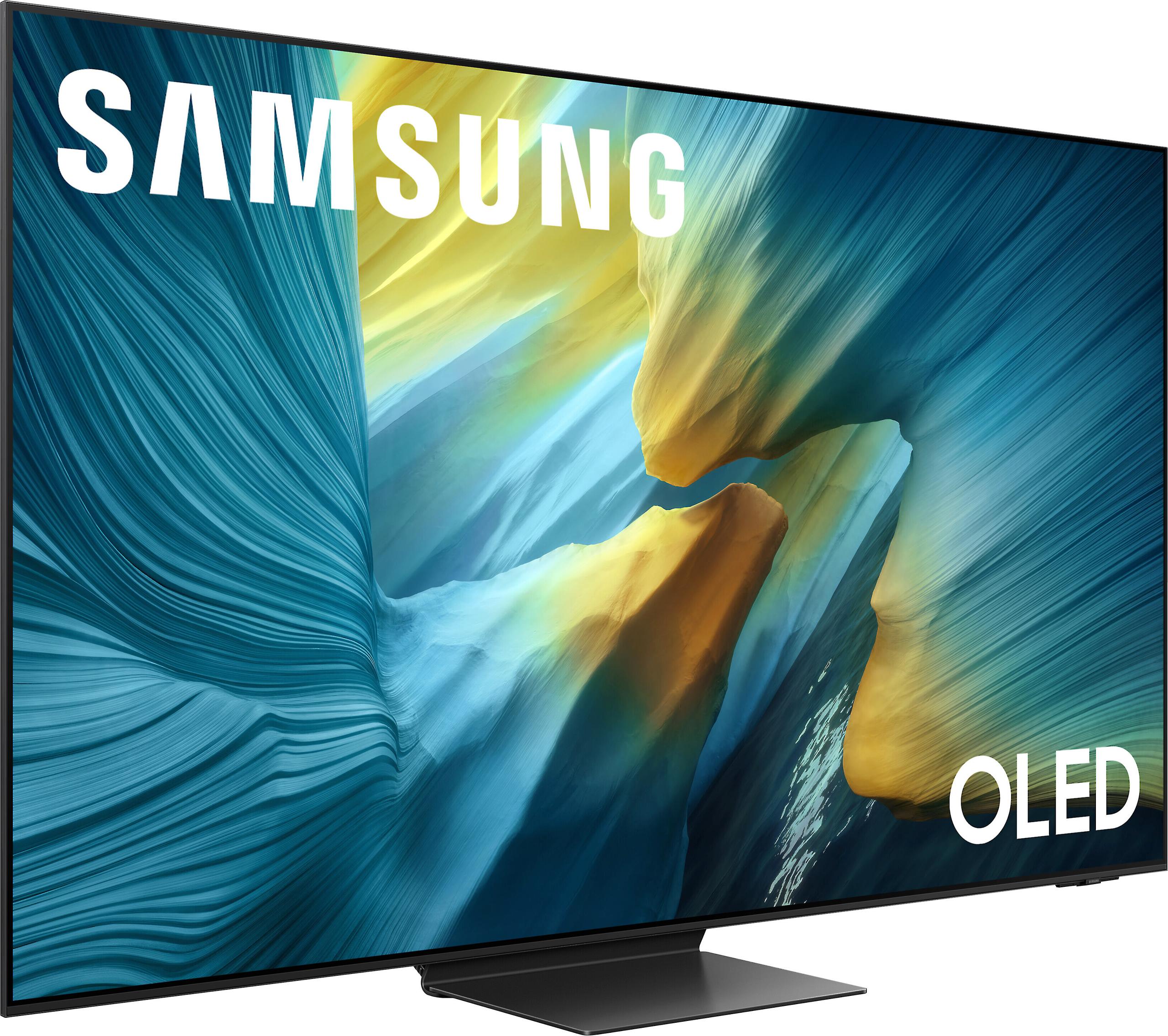

Choosing between Samsung's Q7F QLED and S95F OLED feels like comparing a reliable Honda to a Ferrari—they're both TVs, but they serve completely different purposes and audiences. Released in 2025, these displays represent opposite ends of Samsung's TV lineup, and understanding their differences is crucial for making the right buying decision.
Before diving into specifics, let's establish what matters most when choosing a TV. The display technology forms the foundation of your viewing experience. Traditional LED TVs use a backlight (like a giant flashlight) shining through liquid crystal panels, while OLED displays have pixels that create their own light—think of them as millions of tiny lightbulbs that can turn on and off independently.
This fundamental difference affects everything: how deep the blacks look, how bright the highlights can get, and how much the picture quality degrades when viewed from the side. Beyond display technology, processing power determines how well your TV can enhance lower-quality content from cable or streaming, while gaming features become increasingly important as consoles and PCs demand higher refresh rates and advanced synchronization technologies.
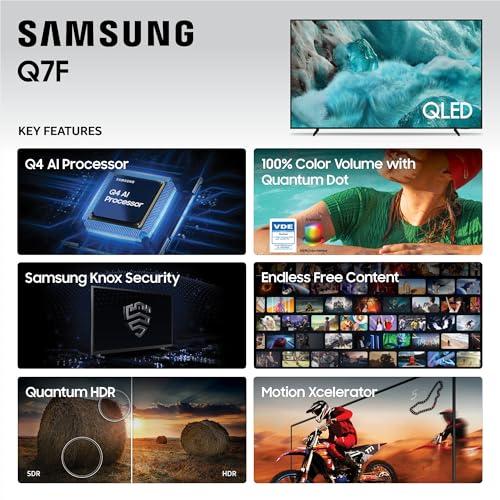
The Samsung Q7F uses what's called QLED technology—essentially a traditional LED-backlit TV enhanced with quantum dots. These quantum dots are microscopic particles that improve color reproduction, but the TV still relies on LED backlighting. Importantly, the Q7F lacks local dimming, meaning the entire backlight operates as one giant zone. When a scene calls for bright stars against a black sky, the whole backlight must stay on, preventing true blacks and creating that grayish appearance you might notice during dark movie scenes.
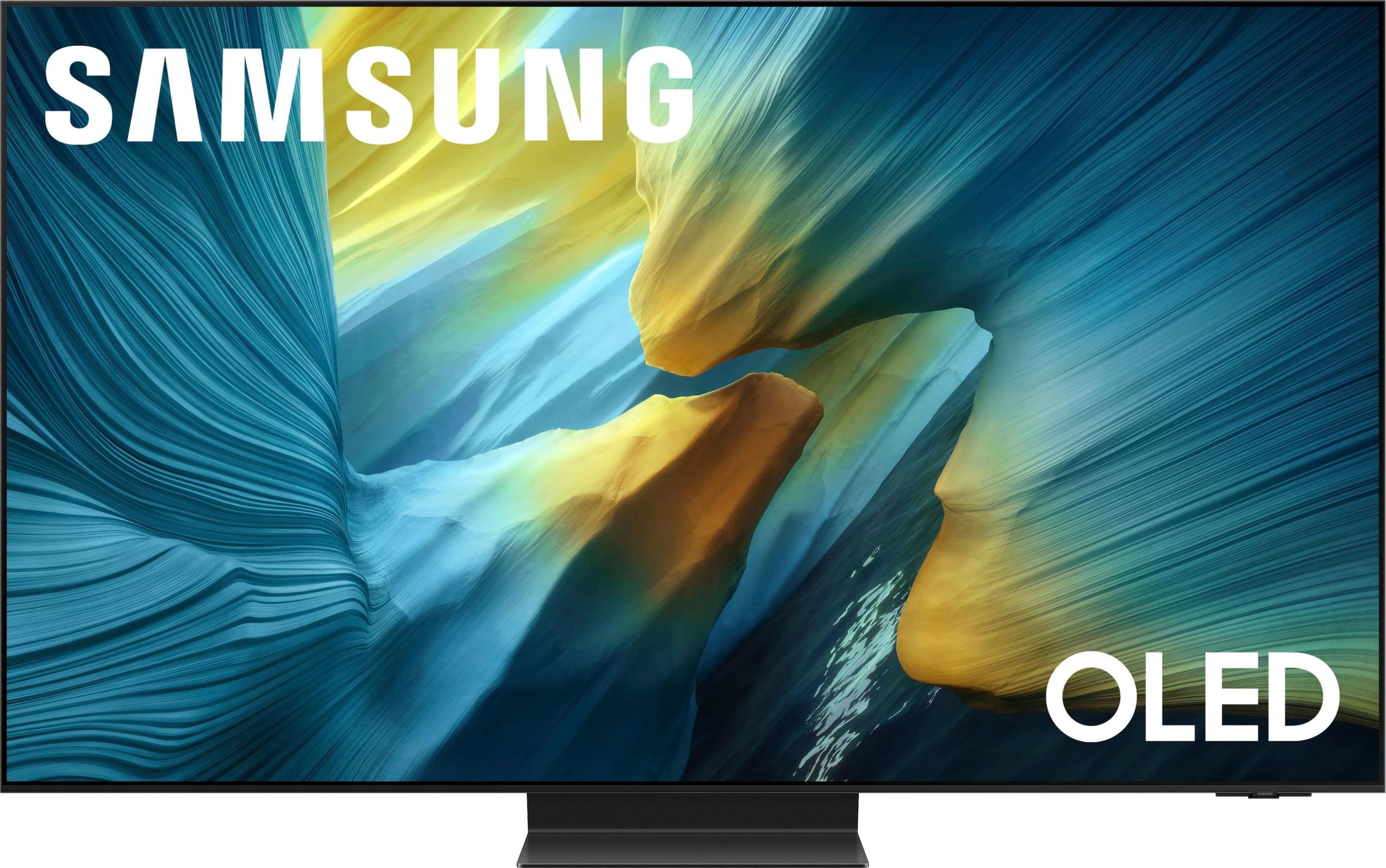
The Samsung S95F represents a completely different approach. It uses Samsung's latest QD-OLED technology with a 5-layer tandem OLED stack—technical terms that essentially mean each pixel creates its own light and can turn completely off when displaying black. This creates what's called "infinite contrast" because the difference between the brightest whites and deepest blacks is mathematically infinite.
What makes the S95F particularly interesting for 2025 is its tandem OLED structure. Previous OLED TVs struggled with brightness in well-lit rooms, but Samsung's 5-layer approach stacks OLED materials to achieve much higher peak brightness while maintaining perfect blacks. It's like having the best of both worlds—OLED's perfect contrast with LED's brightness capabilities.
Picture quality differences between these TVs are dramatic, not subtle. The Q7F produces decent colors thanks to its quantum dot layer and offers adequate sharpness for most content. However, its lack of local dimming creates fundamental limitations. During dark scenes in movies, you'll notice the entire screen has a grayish tint rather than true black. This affects contrast—the difference between bright and dark elements that makes images pop.
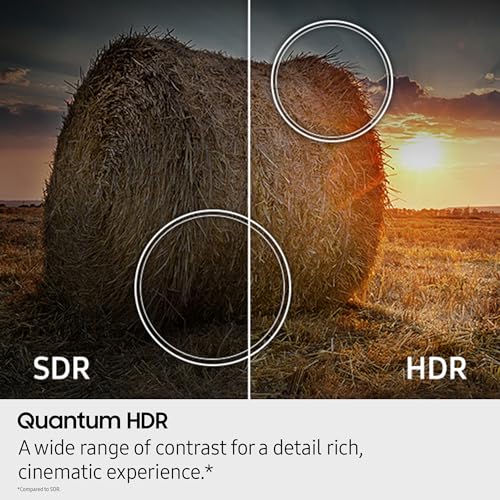
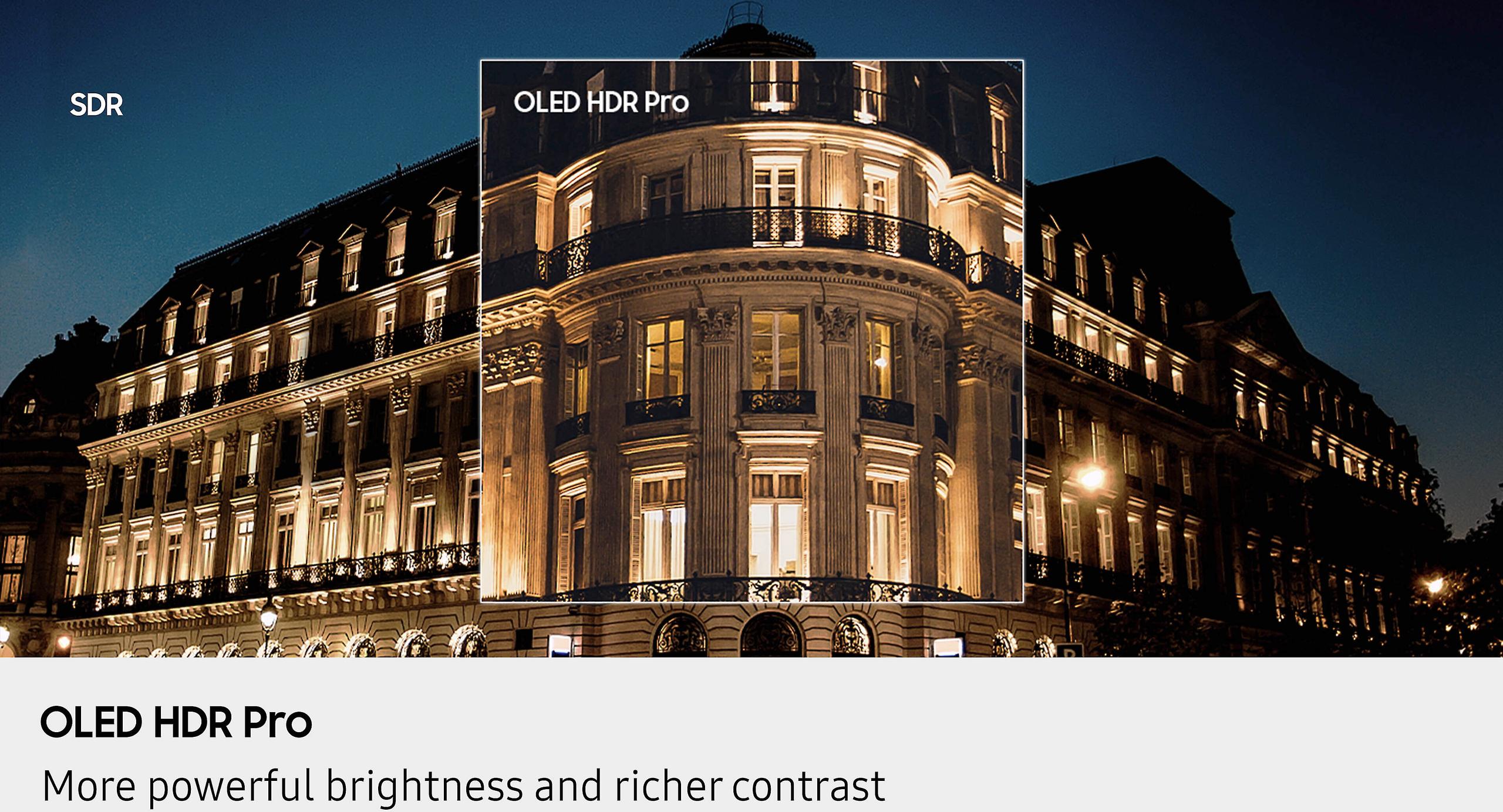
The S95F delivers what many consider reference-quality picture performance. Each pixel can achieve perfect black by turning completely off, while highlights can reach approximately 2,100 nits of brightness. To put this in perspective, most TVs struggle to exceed 1,000 nits, and typical room lighting is around 100-300 nits. This exceptional brightness range allows HDR (High Dynamic Range) content to display as filmmakers intended, with bright explosions that genuinely seem to glow and deep shadows that fade into pure black.
Color performance also differs significantly. The Q7F covers the standard color spaces adequately, producing vibrant but not exceptional colors. The S95F covers approximately 90% of the Rec.2020 color space—a technical standard that represents the colors visible in nature. This translates to more lifelike skin tones, more vivid sunsets, and more realistic grass greens.
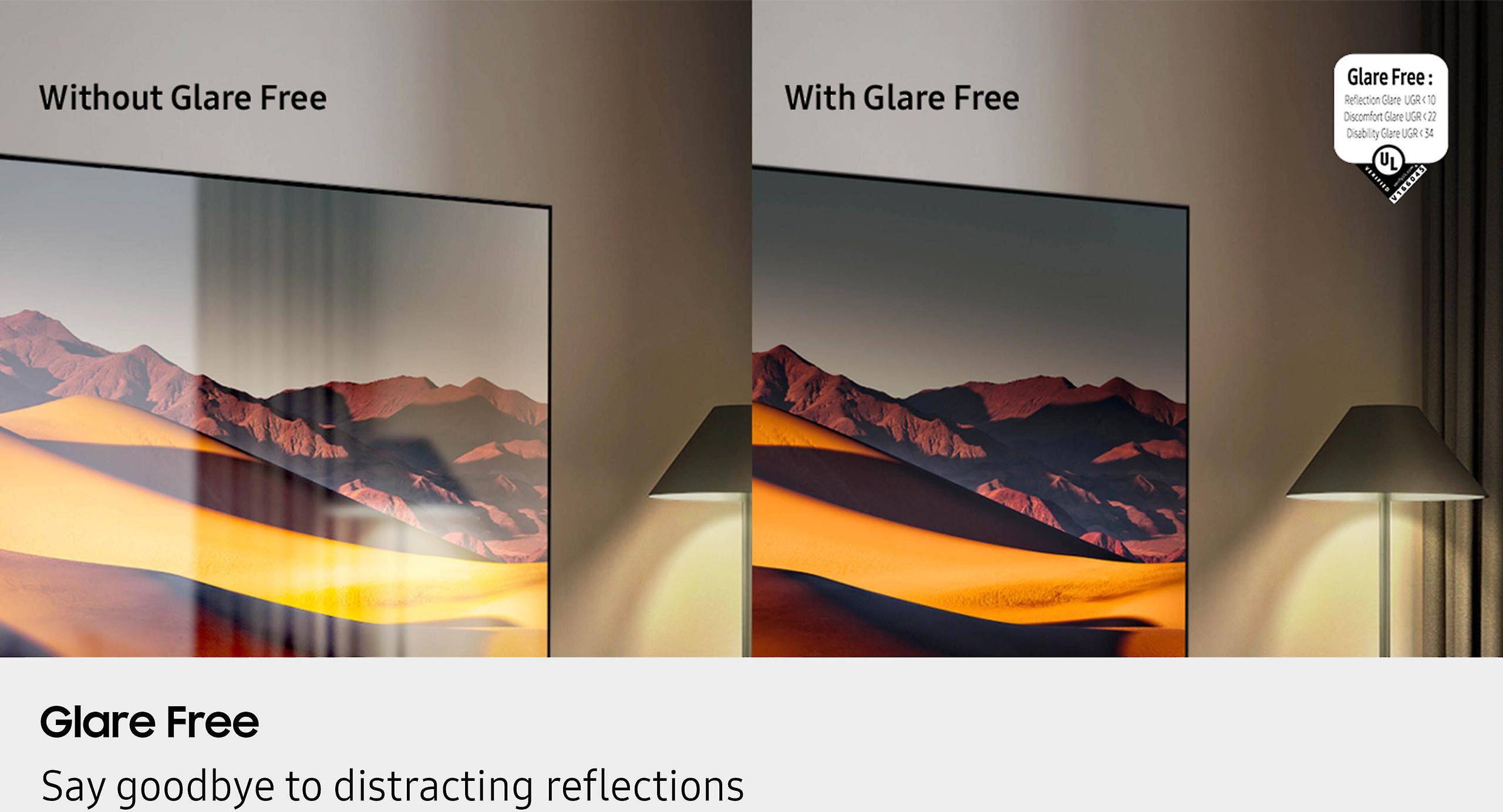
One unique feature of the S95F is its Glare Free 2.0 matte coating. Most OLED TVs struggle with reflections from windows or lamps, but Samsung's matte treatment makes reflections nearly invisible. Combined with exceptional peak brightness, this means the S95F actually works better in bright rooms than most TVs, including many LED models.
Modern gaming demands have evolved dramatically. Today's consoles and gaming PCs can output 4K resolution at frame rates exceeding 60fps, and many games benefit from variable refresh rate technology that synchronizes the TV's refresh with the game's frame rate to eliminate screen tearing.
The Q7F offers basic gaming functionality with a 60Hz refresh rate and Auto Game Mode that reduces input lag to around 10 milliseconds—fast enough for casual gaming. However, it lacks HDMI 2.1 ports, which means no support for 4K gaming above 60fps, no variable refresh rate (VRR), and no advanced gaming features that modern consoles and graphics cards can utilize.
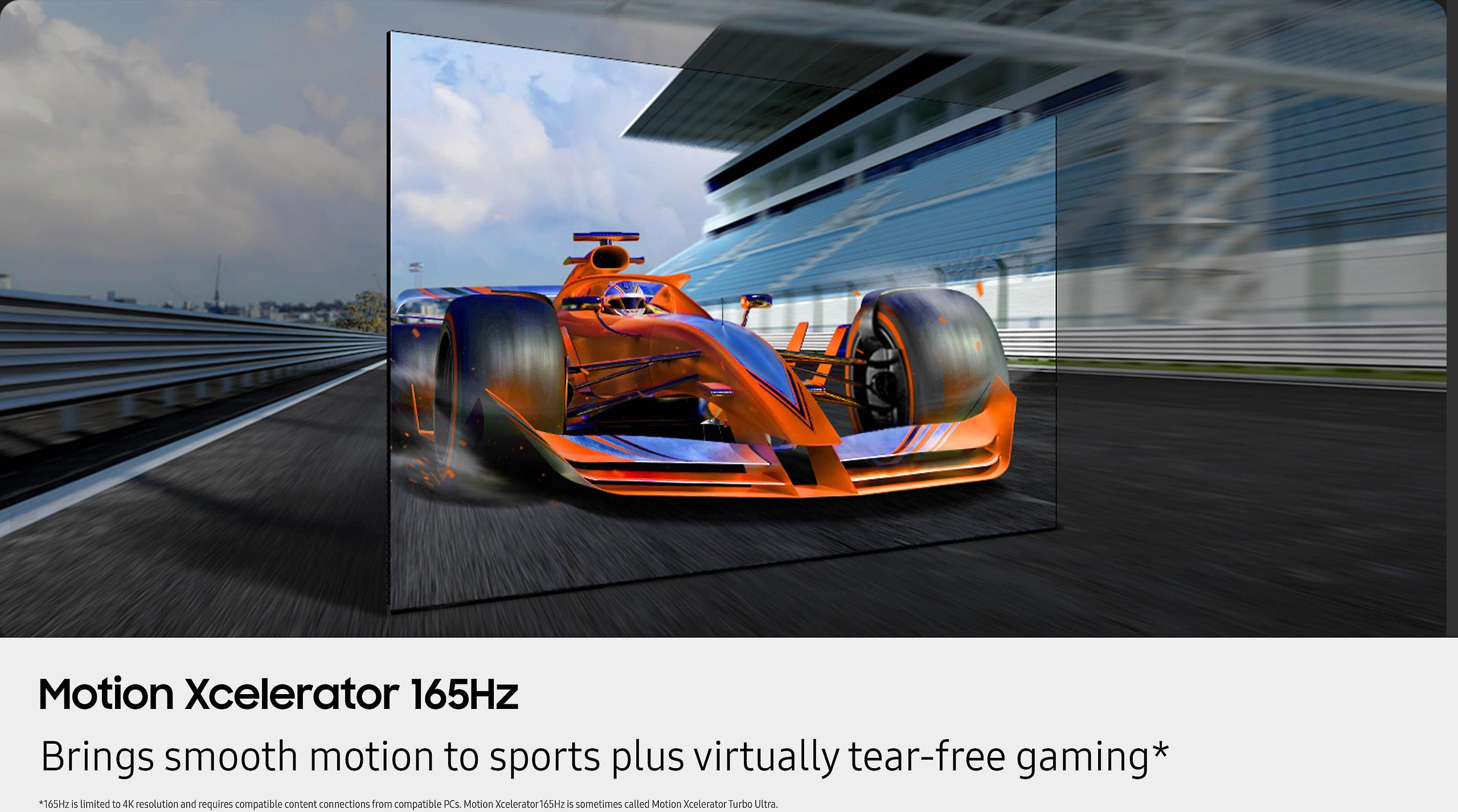
The S95F transforms into a gaming powerhouse with its 165Hz refresh rate—among the highest available in consumer TVs. All four HDMI ports support HDMI 2.1 with full 48Gbps bandwidth, enabling 4K gaming at 120fps or even 165fps with compatible hardware. AMD FreeSync Premium Pro certification ensures smooth gameplay without screen tearing, while nearly instant pixel response times (how quickly pixels change colors) eliminate motion blur during fast action.
For competitive gaming, these differences are substantial. The S95F can display 165 unique frames per second, while the Q7F maxes out at 60. This translates to more fluid motion, reduced input lag, and a competitive advantage in fast-paced games.
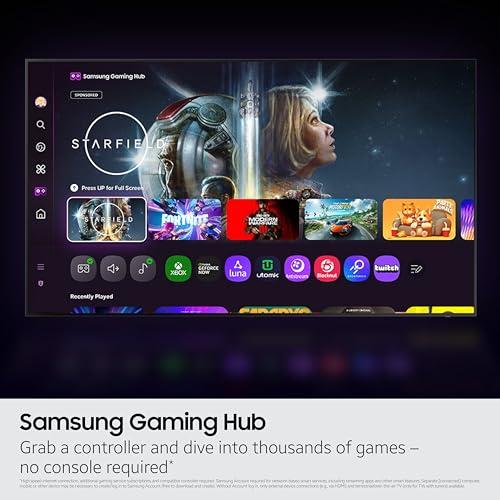
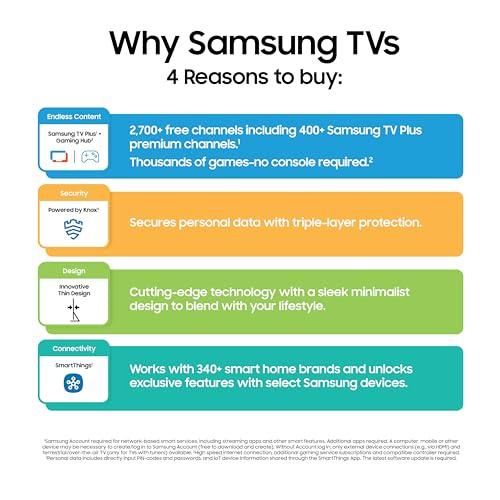
Both TVs run Samsung's Tizen operating system, providing access to all major streaming services, Samsung's free TV Plus service, and voice control through Bixby or Alexa. However, their processing capabilities differ significantly.
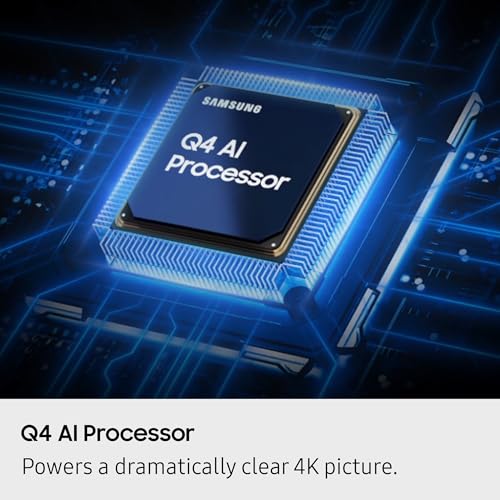
The Q7F uses Samsung's Q4 AI Processor, which handles basic upscaling and includes Samsung Vision AI features like personalized recommendations and real-time translation. It's adequate for streaming and basic smart TV functions, though don't expect miracles when upscaling low-quality content.
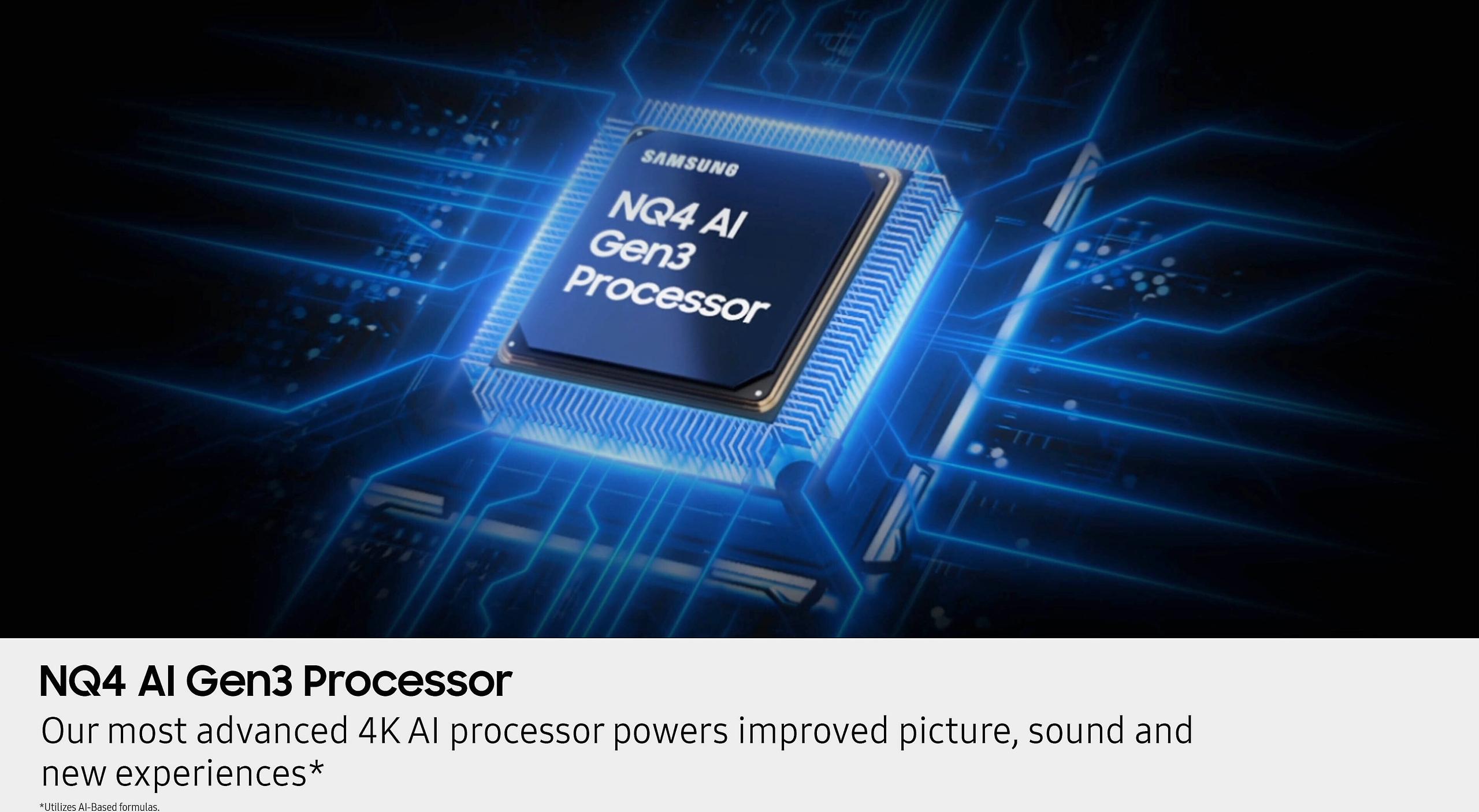
The S95F features Samsung's most advanced NQ4 AI Gen 3 Processor, which provides superior upscaling and includes a 7-year software update guarantee—unusual in the TV industry where manufacturers typically abandon older models after 2-3 years. This processor handles complex AI-driven picture enhancements and can meaningfully improve lower-resolution content from cable boxes or older streaming sources.
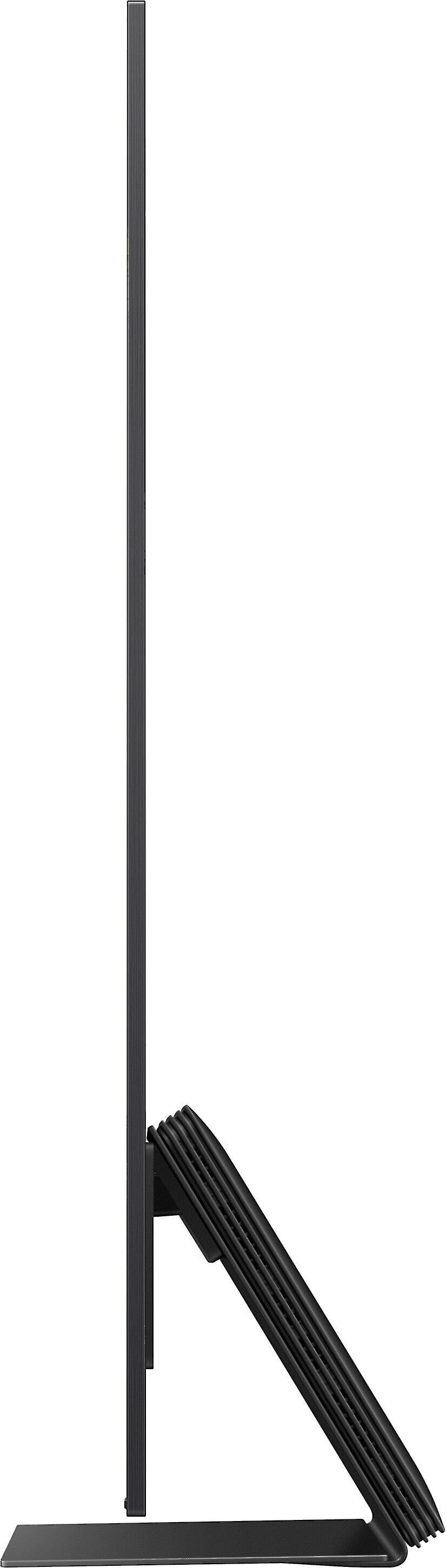
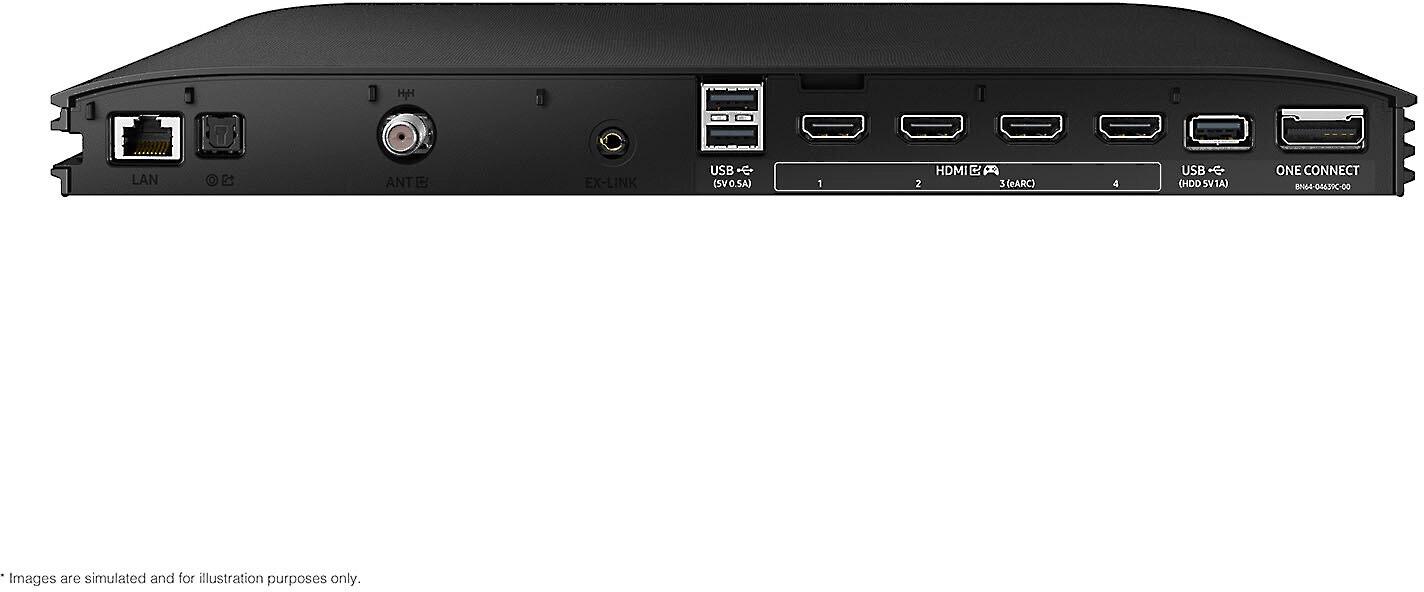
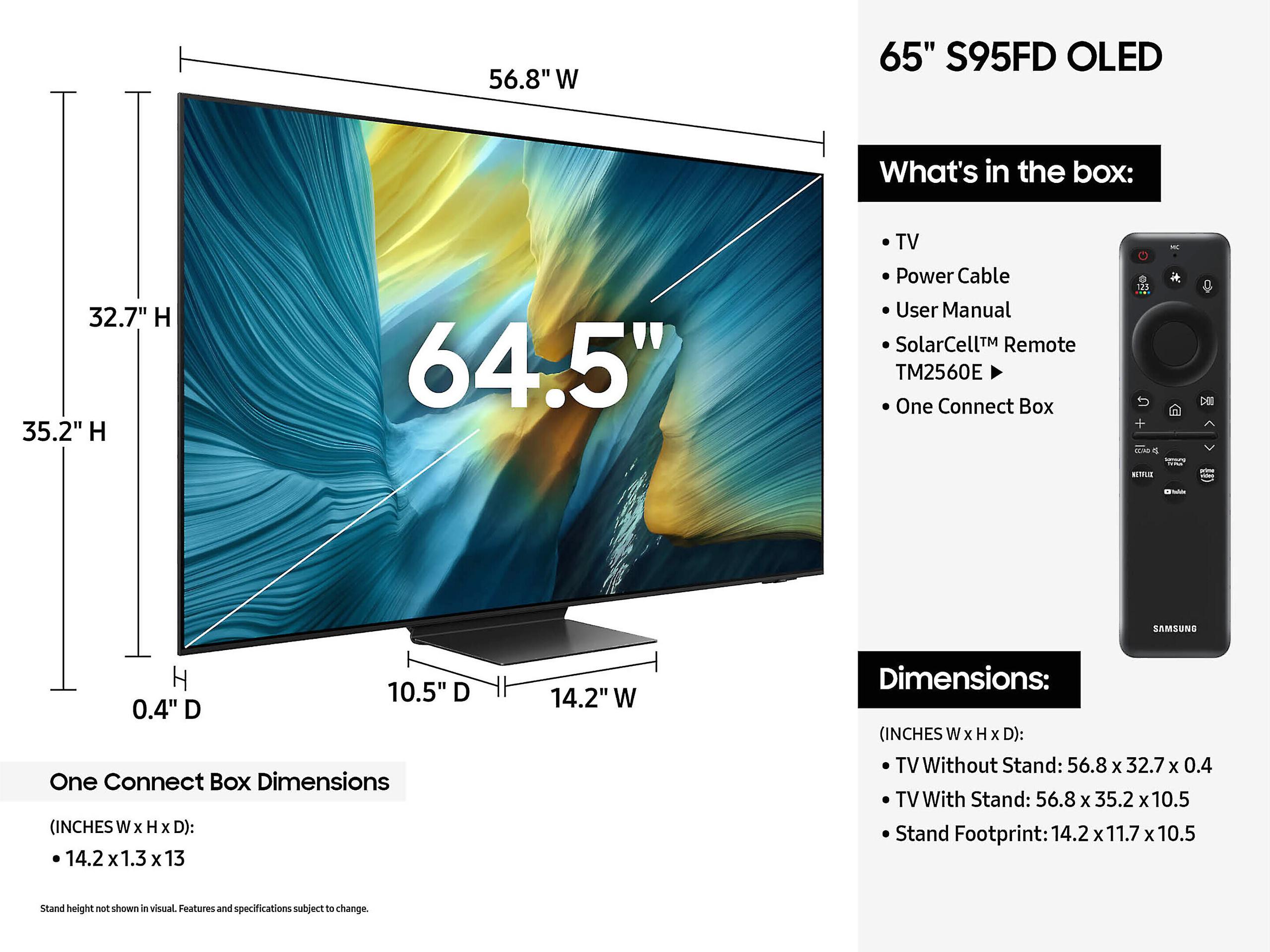
The S95F also includes Samsung's Slim One Connect Box, housing all inputs in a separate unit connected by a single cable. This makes wall mounting cleaner and provides flexibility for equipment placement—particularly valuable for home theater installations where running multiple cables through walls becomes complicated.
Audio represents another significant difference. The Q7F includes basic 20W 2.0 channel speakers adequate for casual viewing but lacking bass response and maximum volume for larger rooms. The S95F features a 70W 4.2.2 channel system with Object Tracking Sound+ that creates more immersive audio by matching sound movement to on-screen action.
However, both TVs benefit significantly from external audio solutions. Neither supports DTS audio passthrough—important for some Blu-ray discs—and both pass through most Dolby audio formats adequately. For serious home theater setups, plan on adding a soundbar or surround system regardless of which TV you choose.
Room environment heavily influences TV performance. The Q7F works best in moderately lit rooms where its brightness limitations and reflection issues won't interfere with viewing. It struggles in bright rooms with lots of windows or overhead lighting, and viewing angles are narrow due to its VA LCD panel—colors and brightness degrade noticeably when viewed from the side.
The S95F excels across different room conditions. Its matte coating handles reflections exceptionally well, while peak brightness ensures visibility even in bright environments. OLED technology provides wide viewing angles, maintaining color accuracy and brightness when viewed from anywhere in the room—crucial for larger families or open floor plans.
For wall mounting, the S95F offers more flexibility through its One Connect Box, while the Q7F uses traditional connections that may require more cable management planning.
At the time of writing, these TVs exist in completely different price categories. The Q7F typically retails in the entry-level range, often available for several hundred dollars, while the S95F commands premium pricing in the thousands—reflecting their different target markets and capabilities.
The Q7F provides Samsung's smart platform, decent colors, and adequate performance for basic viewing needs. It represents solid value for budget-conscious buyers who want a reliable 65-inch 4K TV without premium features. However, it's important to understand its limitations: poor contrast, basic gaming features, and performance that may feel outdated as content and gaming standards evolve.
The S95F justifies its premium pricing through cutting-edge display technology, exceptional brightness, perfect blacks, advanced gaming features, and long-term software support. For enthusiasts building home theaters or serious gamers, these features provide genuine value that cheaper alternatives cannot match.
The Q7F makes sense for specific situations: apartment dwellers with budget constraints, secondary bedroom TVs, or casual viewers who primarily watch streaming content in controlled lighting. It's also appropriate for users who don't game frequently or don't mind 60Hz limitations. If you're replacing an older TV and mainly watch Netflix or cable programming, the Q7F delivers a meaningful upgrade without premium costs.
The S95F targets different users entirely: home theater enthusiasts who want reference-quality picture performance, serious gamers utilizing modern consoles or high-end PCs, or anyone planning to keep their TV for 7+ years. Its bright room performance makes it ideal for living rooms with large windows, while its gaming features future-proof it for upcoming console generations and PC gaming advances.
For home theater applications specifically, the S95F provides cinema-quality contrast and color reproduction that justifies dedicated installations. However, both TVs lack Dolby Vision support—a significant limitation for home theater enthusiasts, as many streaming services and Ultra HD Blu-rays use this HDR format.
The choice between these TVs ultimately depends on budget, viewing habits, and performance expectations. The Q7F adequately serves basic needs but won't impress viewers accustomed to premium displays. The S95F delivers exceptional performance but costs significantly more.
Consider the Q7F if you need a functional 65-inch TV at entry-level pricing and can accept its contrast and gaming limitations. Consider the S95F if you want cutting-edge picture quality, advanced gaming features, and can justify premium pricing for superior performance.
However, also consider alternatives. The Q7F faces competition from other brands offering local dimming and better contrast at similar prices, while S95F buyers might compare LG's OLED options that include Dolby Vision support.
Ultimately, these represent two different approaches to TV technology—adequate functionality versus premium performance. Choose based on your priorities, viewing habits, and how these TVs fit into your overall entertainment setup. Both serve their intended audiences well, but understanding their fundamental differences ensures you'll be satisfied with whichever path you choose.
| Samsung 65-Inch Q7F Series QLED Smart TV 2025 | Samsung 65" OLED S95F 4K Smart TV 2025 |
|---|---|
| Display Technology - Fundamentally affects picture quality and contrast | |
| LED-backlit QLED with quantum dots, no local dimming | 5-layer tandem QD-OLED with self-illuminating pixels |
| Peak Brightness - Critical for HDR and bright room viewing | |
| ~400-600 nits (adequate for moderate lighting) | 2,100 nits (exceptional for any room condition) |
| Black Levels - Determines contrast and dark scene detail | |
| Grayish blacks due to always-on LED backlight | Perfect blacks with pixels that turn completely off |
| Refresh Rate - Important for gaming and sports | |
| 60Hz maximum | 165Hz native with Motion Xcelerator |
| Gaming Features - Essential for modern console/PC gaming | |
| Basic Auto Game Mode, no VRR or HDMI 2.1 | 4K@165Hz, AMD FreeSync Premium Pro, four HDMI 2.1 ports |
| Reflection Handling - Affects usability in bright rooms | |
| Standard glossy screen with visible reflections | Glare Free 2.0 matte coating eliminates most reflections |
| Color Volume - Determines color richness and accuracy | |
| Standard QLED color with PANTONE validation | 90% Rec.2020 coverage with quantum dot enhancement |
| Audio System - Built-in sound quality | |
| 20W 2.0 channel with Object Tracking Sound Lite | 70W 4.2.2 channel with Dolby Atmos and OTS+ |
| Processor - Affects upscaling and smart features | |
| Q4 AI Processor with basic Samsung Vision AI | NQ4 AI Gen 3 with advanced processing and 7-year updates |
| HDR Support - Important for streaming and gaming | |
| HDR10+ only (no Dolby Vision) | HDR10+ and OLED HDR Pro (no Dolby Vision) |
| Connectivity - Matters for future device compatibility | |
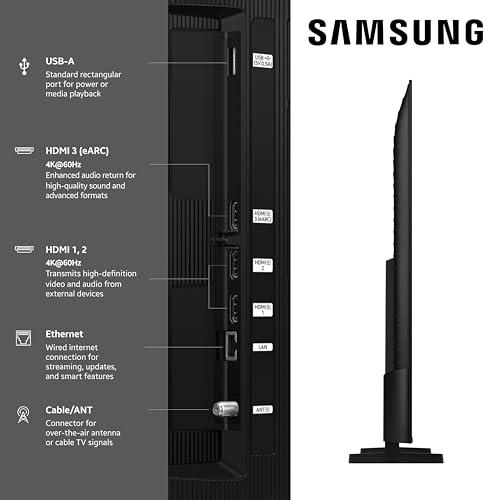
| 3 HDMI ports, 1 USB, basic HDMI 2.0 | 4 HDMI 2.1 ports with Slim One Connect Box |
| Viewing Angles - Important for room layout flexibility | |
| Narrow angles due to VA LCD panel | Wide OLED viewing angles maintain quality from any position |
| Target User - Who each TV serves best | |
| Budget-conscious buyers wanting basic 4K smart TV | Enthusiasts seeking premium picture quality and gaming performance |
The Samsung Q7F uses traditional LED backlighting with quantum dots, while the Samsung S95F features advanced OLED technology where each pixel creates its own light. This means the S95F can produce perfect blacks and infinite contrast, while the Q7F has grayish blacks due to its always-on LED backlight.
The Samsung S95F is significantly better for gaming with its 165Hz refresh rate, four HDMI 2.1 ports, and AMD FreeSync Premium Pro support. The Q7F is limited to 60Hz gaming with no variable refresh rate support, making it suitable only for casual gaming.
The Samsung S95F excels in bright rooms thanks to its Glare Free 2.0 matte coating that eliminates reflections and exceptional 2,100 nits peak brightness. The Q7F struggles with reflections and has lower brightness, making it better suited for moderately lit rooms.
The Samsung S95F delivers dramatically superior picture quality with perfect blacks, exceptional brightness, and 90% Rec.2020 color coverage. The Q7F offers decent picture quality for the price but cannot match the contrast and color performance of the S95F.
Yes, both the Samsung Q7F and S95F run Samsung's Tizen operating system with access to all major streaming services like Netflix, Disney+, and Amazon Prime Video. However, the S95F includes more advanced processing and guaranteed software updates for 7 years.
The Samsung S95F is far superior for home theater use with its reference-quality picture performance, perfect blacks, and exceptional HDR capabilities. The Q7F lacks the contrast and brightness needed for a premium home theater experience, though both TVs unfortunately don't support Dolby Vision.
The Samsung S95F features a premium 70W 4.2.2 channel system with Dolby Atmos and Object Tracking Sound+, while the Q7F has basic 20W 2.0 channel speakers. Both benefit from external sound systems for serious home theater use.
Yes, the Samsung S95F maintains excellent picture quality when viewed from any angle thanks to OLED technology. The Q7F uses a VA LCD panel with narrow viewing angles, so colors and brightness degrade noticeably when viewed from the side.
The Samsung S95F includes a 7-year software update guarantee and more advanced hardware that's better future-proofed. The Q7F receives standard Samsung support but may become outdated sooner due to its basic processor and limited gaming features.
Both the Samsung Q7F and S95F support HDR10+ but neither supports Dolby Vision. However, the S95F delivers much more impactful HDR performance due to its exceptional peak brightness and perfect blacks, while the Q7F has limited HDR capabilities.
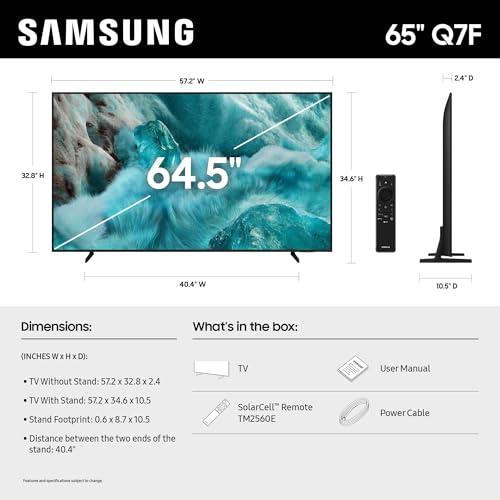
The Samsung S95F offers more installation flexibility with its Slim One Connect Box that houses all inputs in a separate unit connected by a single cable. The Q7F uses traditional connections but is lighter at 37.7 pounds, making it easier to physically mount.
Choose the Samsung Q7F if you need a budget-friendly 65-inch smart TV for casual viewing in moderate lighting. Choose the Samsung S95F if you want premium picture quality, advanced gaming features, bright room performance, and plan to keep the TV for many years.
We've done our best to create useful and informative comparisons to help you decide what product to buy. Our research uses advanced automated methods to create this comparison and perfection is not possible - please contact us for corrections or questions. These are the sites we've researched in the creation of this article: bestbuy.com - rtings.com - bestbuy.com - youtube.com - youtube.com - youtube.com - samsung.com - samsung.com - samsung.com - billsmith.com - costco.com - samsung.com - hometechnologyreview.com - hometechnologyreview.com - bestbuy.com - samsung.com - bestbuy.com - samsung.com - hometechnologyreview.com - samsung.com - samsung.com - businessinsider.com - tomsguide.com - youtube.com - avsforum.com - zdnet.com - samsung.com - pioneertvandappliance.com - samsung.com - displayspecifications.com - samsung.com

Privacy Policy
Terms and Conditions - Affiliate Policy
Home Security
© Copyright 2008-2026.
11816 Inwood Rd #1211, Dallas, TX 75244