



Shopping for a new TV can feel overwhelming, especially when you're comparing models from the same brand that look similar on paper. Samsung's 2025 lineup includes two 65-inch options that might catch your eye: the Q7F Series QLED and the QN70F Neo QLED. While both carry the Samsung name and quantum dot technology, they represent fundamentally different approaches to television engineering—and the performance gaps are bigger than you might expect.
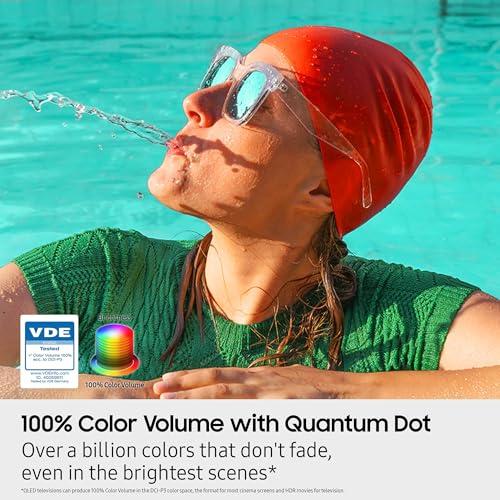
Before diving into specifics, let's clarify what QLED means and why it matters. QLED stands for "Quantum Dot Light Emitting Diode," which is Samsung's marketing term for TVs that use quantum dots—tiny semiconductor particles that improve color accuracy and brightness when hit with light. Think of quantum dots as microscopic color filters that make reds redder, blues bluer, and greens more vibrant than traditional LED TVs can achieve.
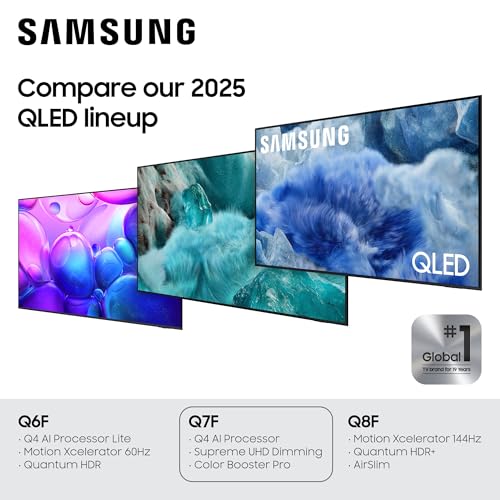
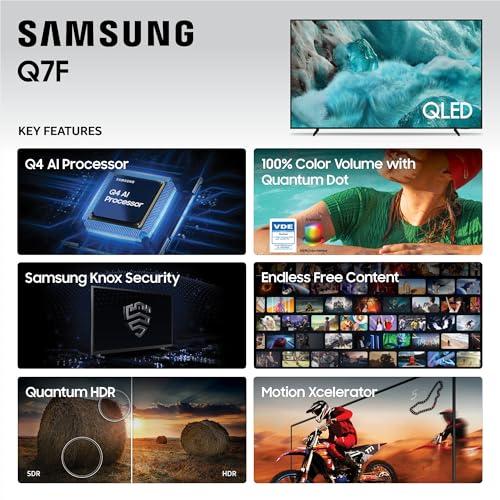
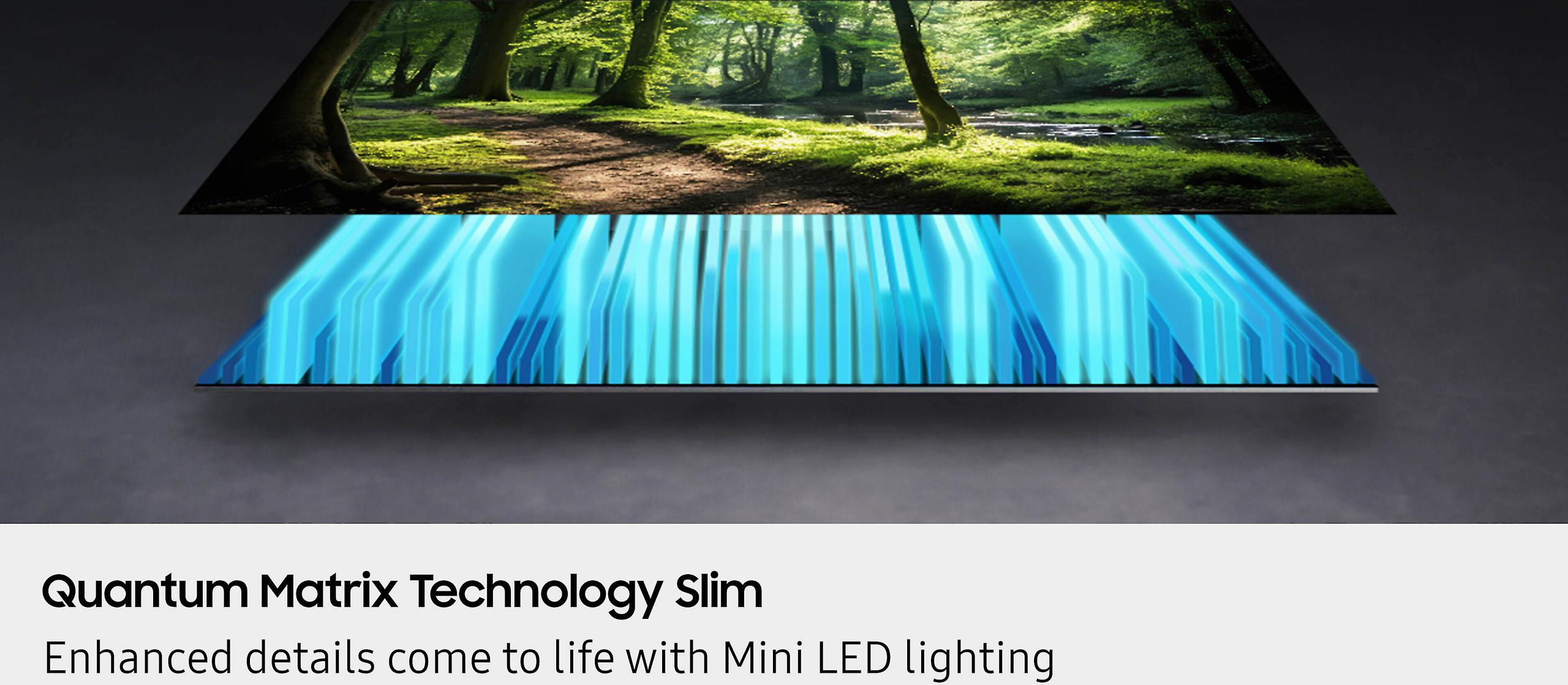
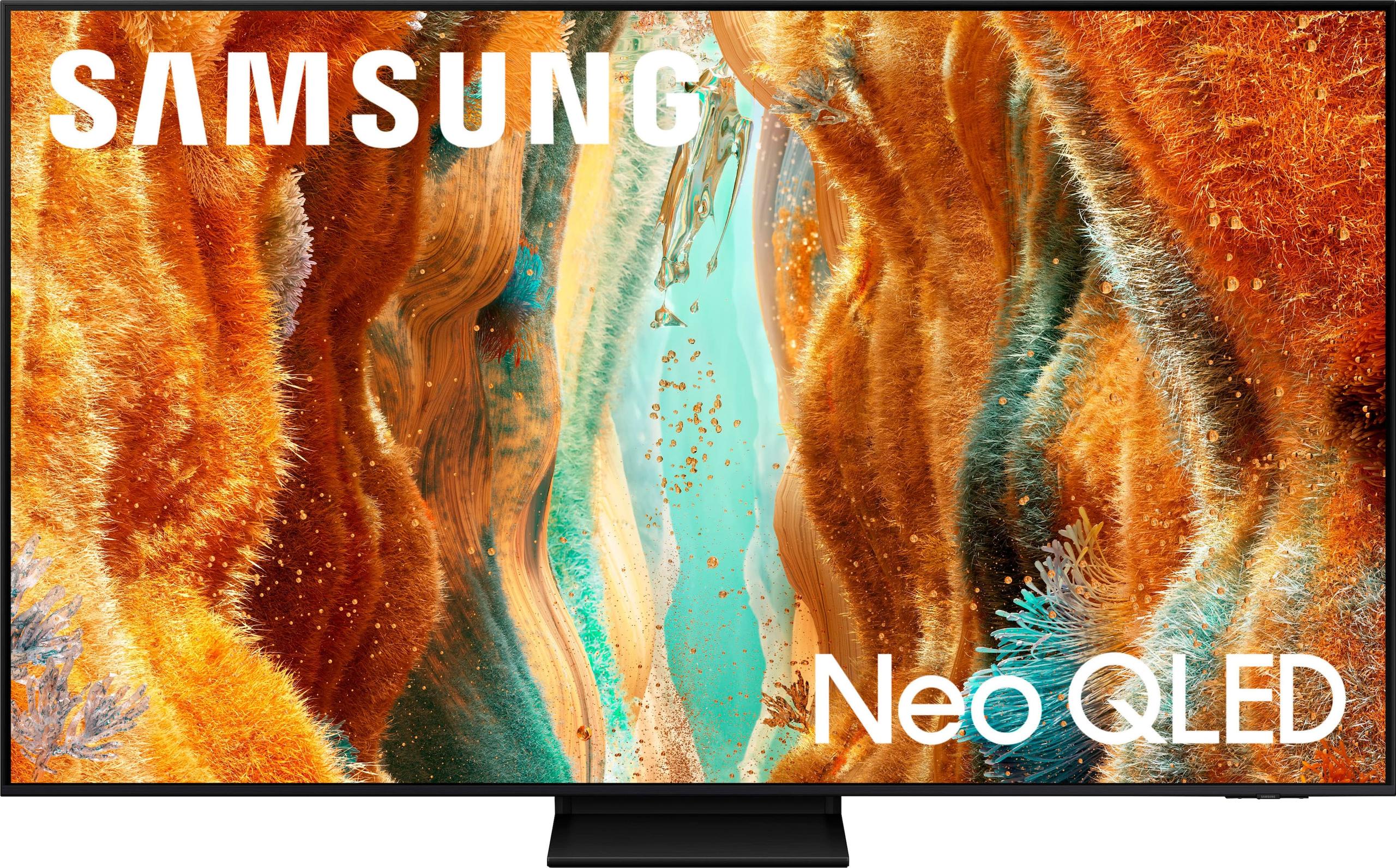
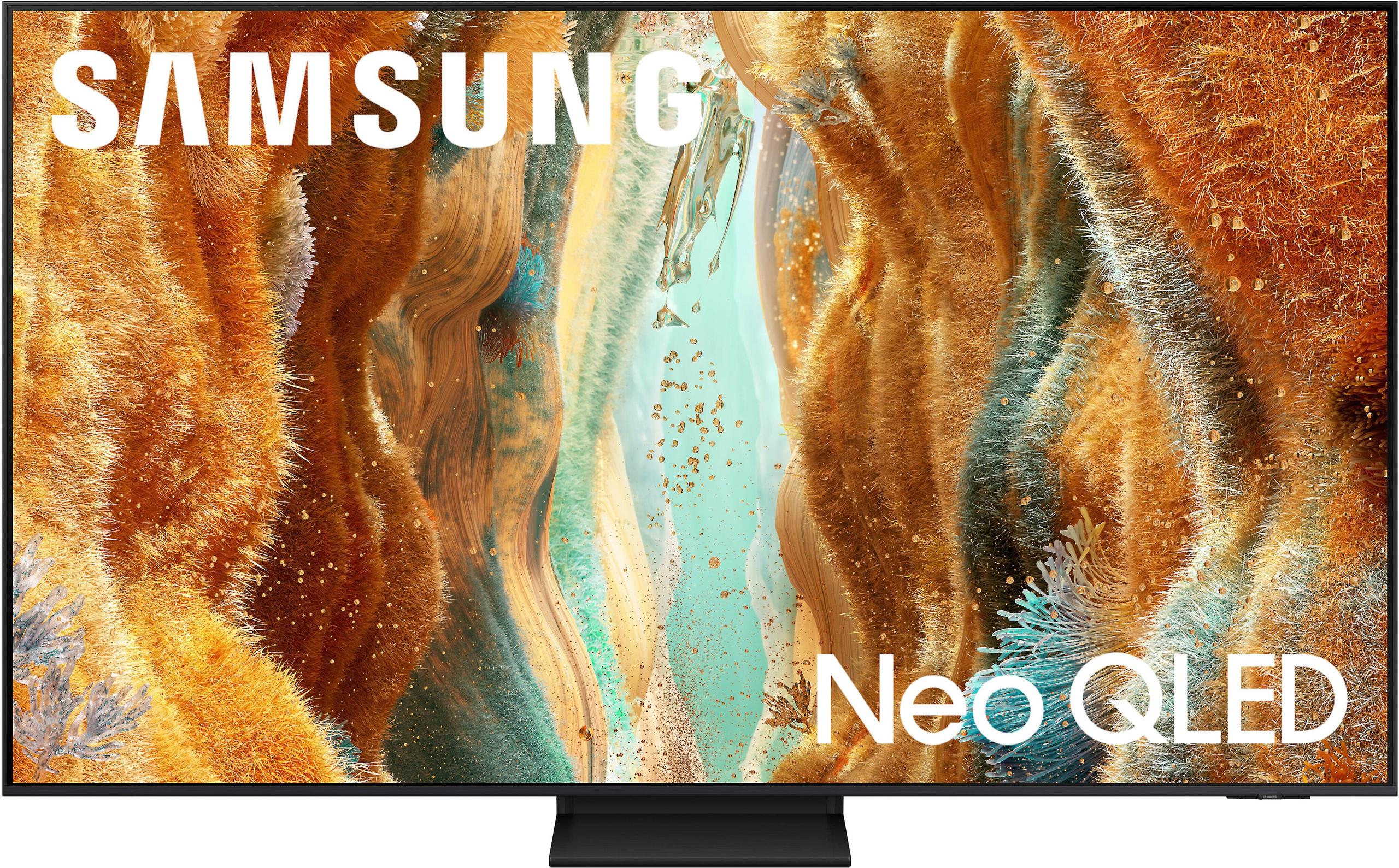
Both the Samsung Q7F and QN70F use quantum dot technology, but that's where the similarities end. The Q7F represents Samsung's entry-level QLED approach, using conventional LED backlighting behind the quantum dot layer. The QN70F jumps up to "Neo QLED" technology, which incorporates Mini LED backlighting—essentially using thousands of much smaller LEDs instead of larger, conventional ones.
This distinction matters because Mini LEDs can be controlled more precisely, creating better contrast between bright and dark areas of the screen. While the QN70F doesn't include full local dimming (where sections of the backlight can turn completely off), its Mini LED system still delivers noticeably better brightness control than the Q7F's standard LED setup.
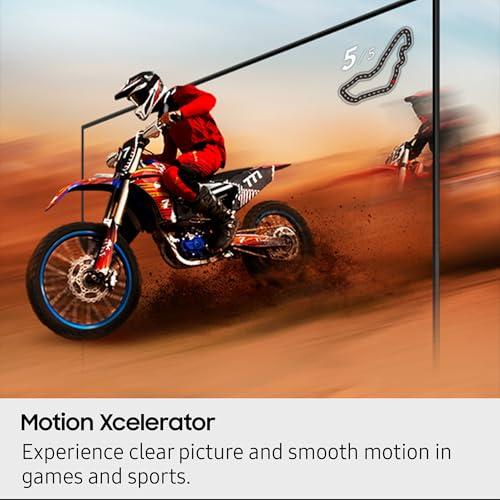
Here's where these TVs diverge most dramatically: gaming performance. The Samsung Q7F caps out at 60Hz, while the QN70F delivers 120Hz natively and can push up to 144Hz in certain modes. If you're not familiar with refresh rates, think of them as how many times per second your TV can display a new image—60Hz means 60 times per second, 120Hz means 120 times per second.
This difference transforms the viewing experience, especially for gaming and sports. When playing competitive games like Call of Duty or FIFA, the higher refresh rate on the QN70F provides smoother motion and more responsive controls. The difference isn't subtle—it's the kind of improvement that makes you wonder how you ever tolerated 60Hz gaming.
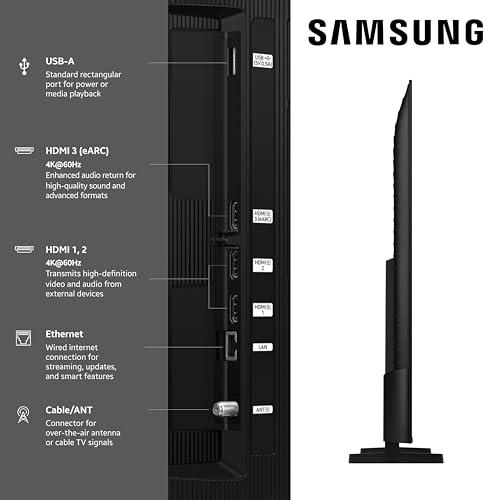
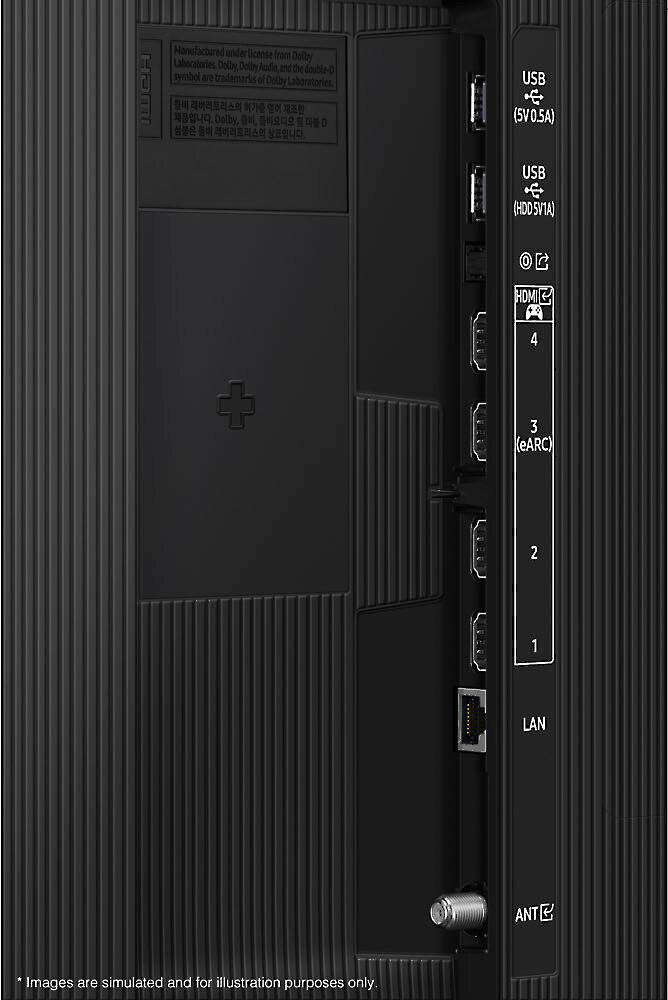
Beyond refresh rates, the QN70F includes four HDMI 2.1 ports compared to the Q7F's three HDMI 2.0 ports. HDMI 2.1 is crucial for accessing the full capabilities of PlayStation 5, Xbox Series X, or high-end gaming PCs. With HDMI 2.0, you're limited to 4K at 60Hz, but HDMI 2.1 unlocks 4K at 120Hz and beyond. The QN70F also supports AMD FreeSync Premium Pro, a technology that eliminates screen tearing and stuttering during gameplay.
For sports viewing, the refresh rate advantage extends beyond gaming. Fast camera movements during football games or tennis matches appear smoother on the QN70F, with less blur trailing moving objects. If you're someone who gets annoyed by judder during slow camera pans—those slightly stuttery movements you sometimes notice when the camera sweeps across a landscape—the higher refresh rate virtually eliminates this issue.
The most significant technical difference between these TVs lies in their backlighting systems, and this translates to real-world viewing improvements. The Samsung Q7F uses direct-lit LED backlighting, where larger LEDs sit behind the screen and shine light through the quantum dot layer. This approach works fine for everyday viewing but has limitations.
The QN70F employs Samsung's Quantum Matrix Slim technology, utilizing many more Mini LEDs that are significantly smaller than conventional LEDs. While this doesn't provide the zone-by-zone control you'd get with full local dimming on premium TVs, it still enables much better brightness distribution across the screen.
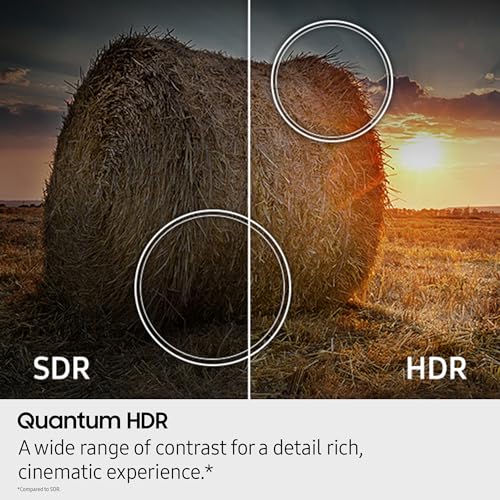
In practical terms, this means HDR content—movies and shows that use High Dynamic Range for better contrast and color—looks substantially more impressive on the QN70F. When watching scenes with bright sunlight or explosions against dark backgrounds, the Mini LED system can push those bright areas much brighter while keeping darker areas reasonably dark. The Q7F simply can't match this level of contrast performance.
Both TVs support HDR10+, which is an advanced version of standard HDR that adjusts brightness and color scene-by-scene rather than using fixed settings for entire movies. However, the QN70F's superior brightness capabilities mean you'll actually see the benefits of this technology, while the Q7F often appears too dim to showcase HDR content properly.
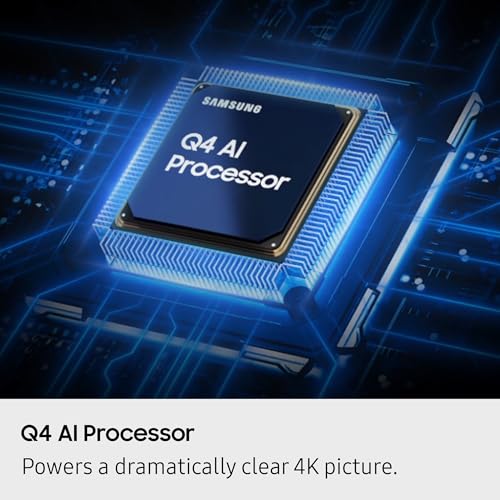
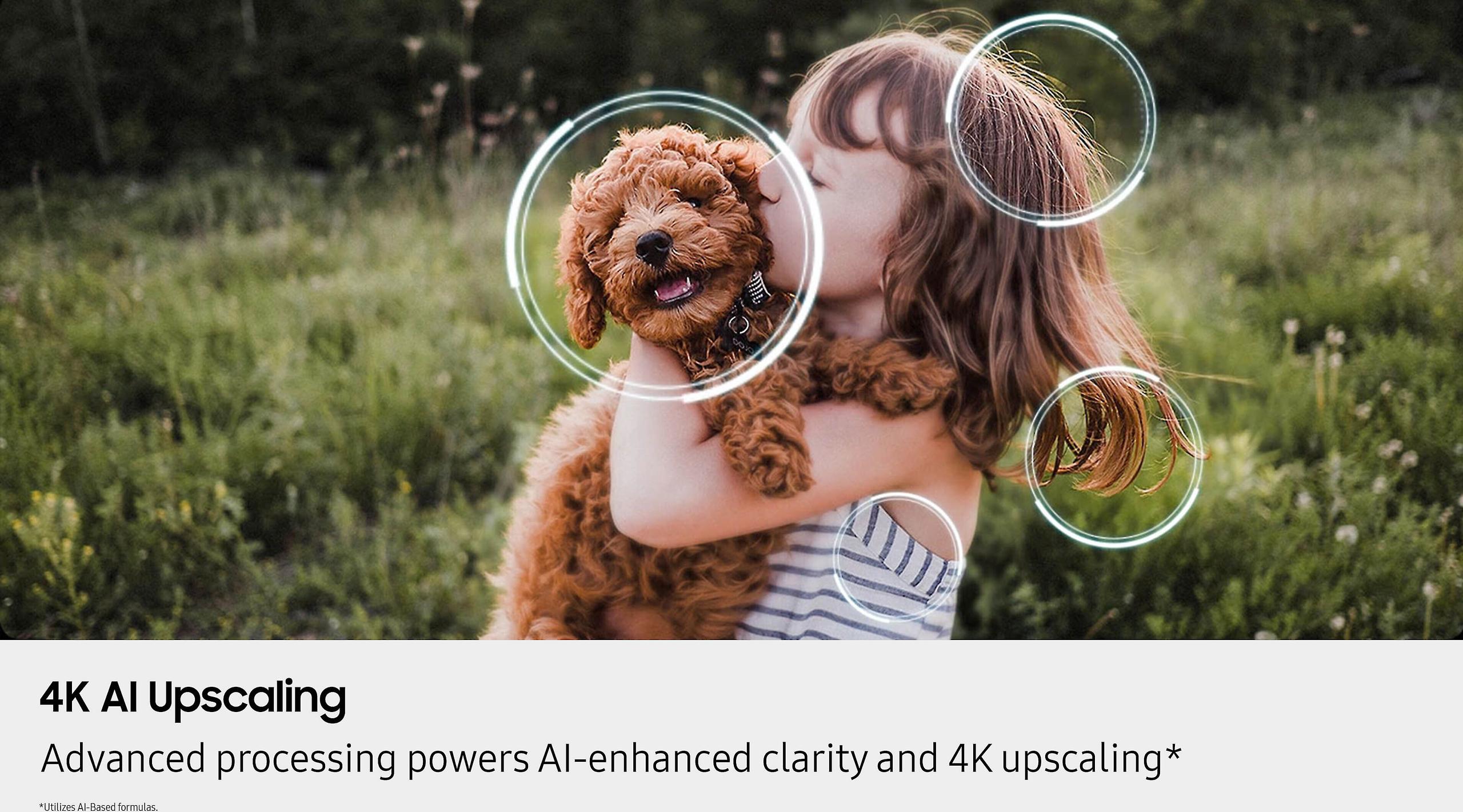
The processing differences between these TVs reflect Samsung's 2025 technology priorities. The Samsung Q7F includes Samsung's Q4 AI processor, which handles basic 4K upscaling and standard picture optimizations. This processor does a decent job converting lower-resolution content to look better on the 4K screen, but its capabilities are fairly straightforward.
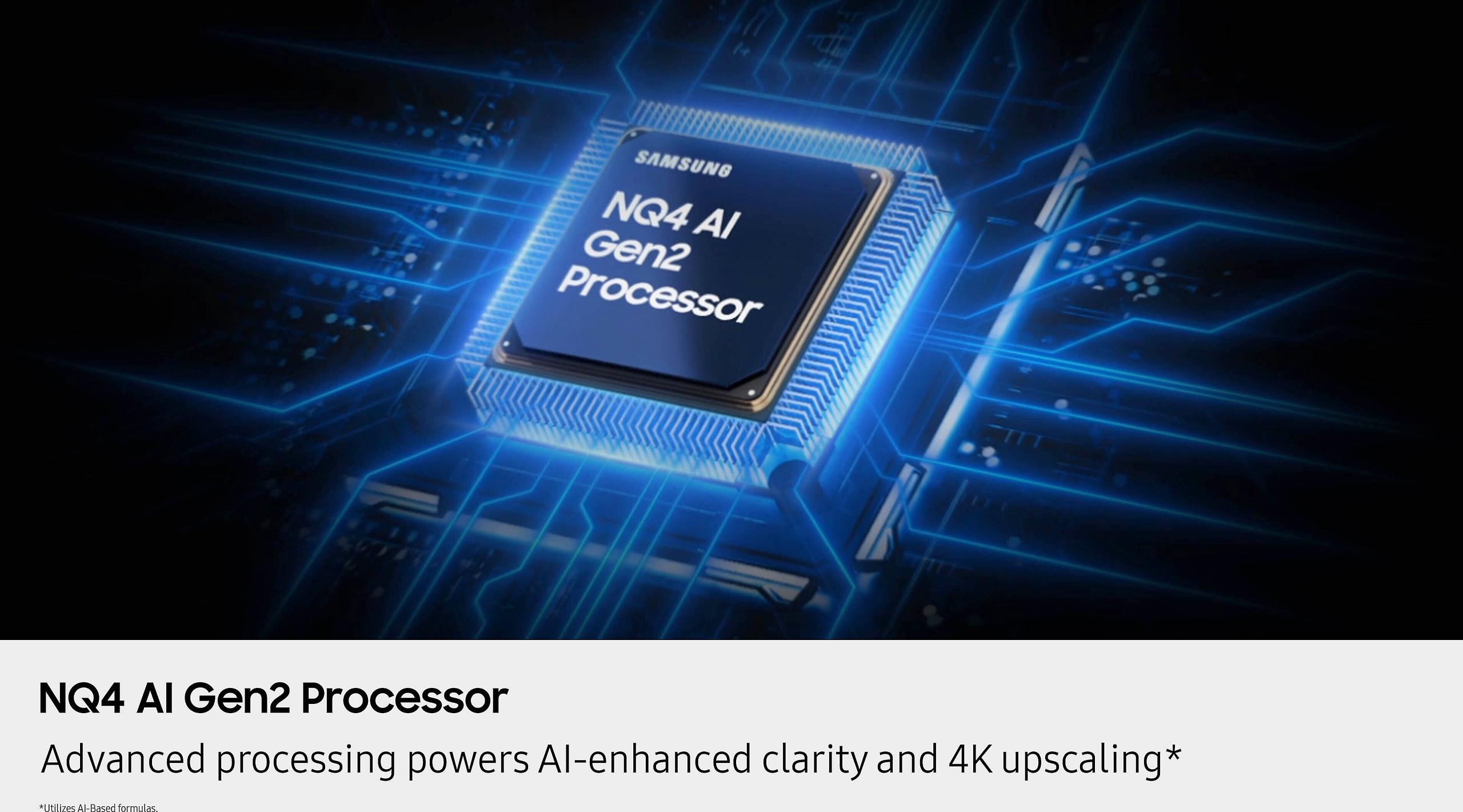
The QN70F steps up to the NQ4 AI Gen 2 processor, and the performance improvement is noticeable. This newer processor doesn't just upscale content—it analyzes what you're watching and applies different processing techniques depending on whether you're viewing a movie, sports, news, or gaming content. The Real Depth Enhancer feature, exclusive to Neo QLED models, increases foreground contrast to make subjects appear more three-dimensional against their backgrounds.
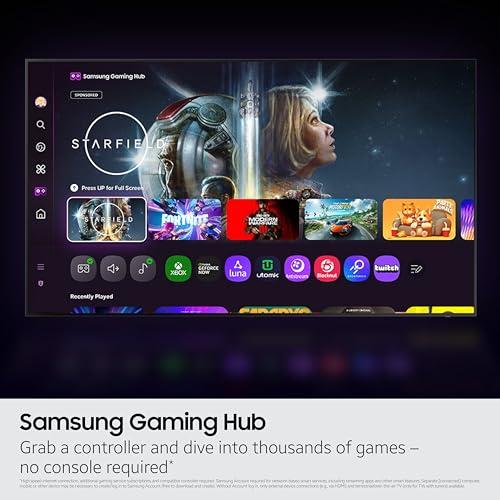
Samsung's Vision AI technology appears on both TVs but works better on the QN70F due to the more powerful processor. Features like Click-to-Search (identifying actors or objects on screen) and Live Translate (real-time subtitle translation) respond faster and work more accurately. While these might seem like gimmicks, Live Translate genuinely improves the experience when watching foreign content, and Click-to-Search satisfies those "where have I seen that actor before?" moments we all experience.
Neither TV will replace a dedicated sound system, but their audio approaches differ meaningfully. The Samsung Q7F includes Object Tracking Sound Lite, which attempts to make sound appear to come from different parts of the screen as objects move. It's a nice feature but fairly basic in implementation.
The QN70F upgrades to AI Sound Pro, which analyzes your room acoustics and the content you're watching to optimize audio output. This system can boost dialogue when it detects you're watching news or drama, enhance bass during action scenes, and adjust overall balance based on your room's characteristics. Both TVs support Q-Symphony, allowing them to work alongside compatible Samsung soundbars for enhanced audio, but the QN70F's smarter processing makes this integration more effective.
For home theater enthusiasts, the QN70F's superior brightness and contrast capabilities make it a much better foundation for a dedicated viewing room. The increased peak brightness ensures HDR content displays as filmmakers intended, while the higher refresh rate eliminates motion issues that can break immersion during movies. The Q7F works fine for casual movie watching but lacks the performance headroom needed for serious home theater applications.
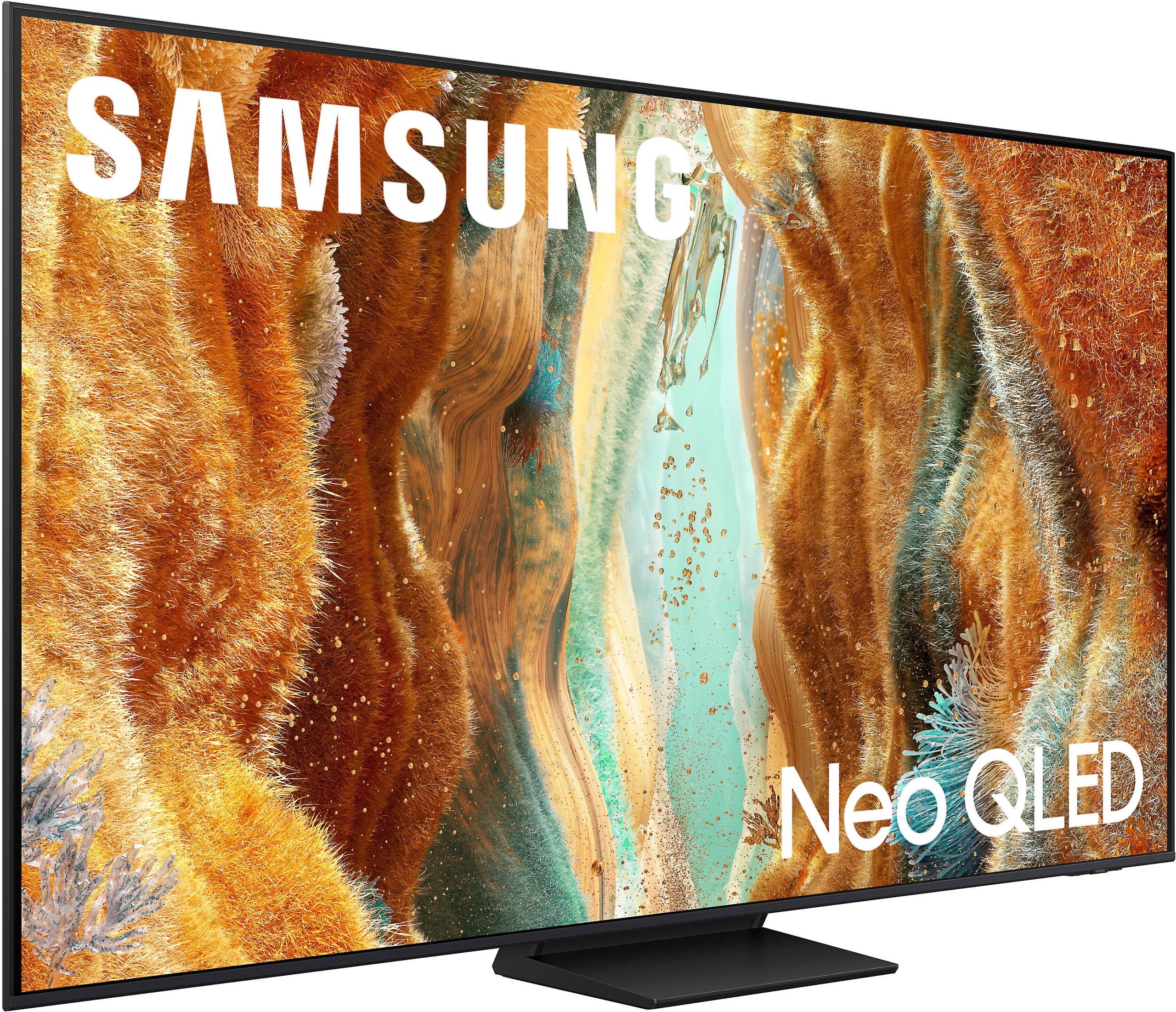
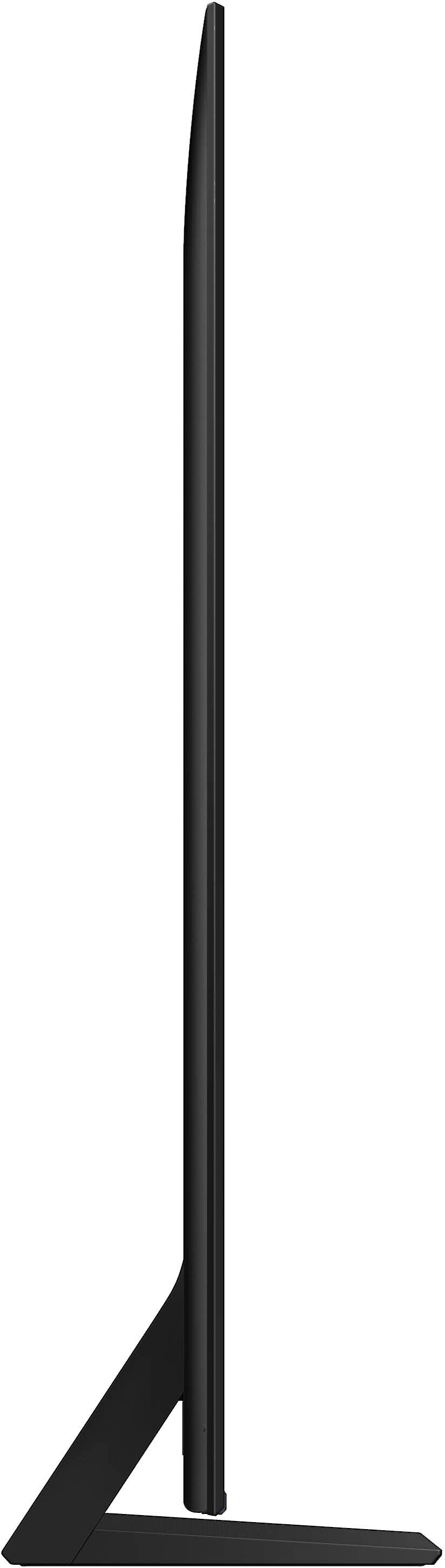
Both TVs feature Samsung's sleek design language, but the QN70F includes the company's Air Slim profile, making it noticeably thinner and more premium-feeling when wall-mounted. This might not seem important when shopping, but the difference becomes apparent once the TV is installed in your living space.
Connectivity tells a more important story about longevity. The Q7F's three HDMI 2.0 ports might suffice if you're only connecting a gaming console and streaming device, but modern entertainment setups often require more flexibility. The QN70F's four HDMI 2.1 ports provide room for multiple gaming consoles, streaming devices, and Blu-ray players while maintaining full 4K/120Hz capability for each connection.
This connectivity difference becomes crucial when considering how long you plan to keep your TV. Gaming consoles, streaming devices, and even cable boxes are increasingly supporting higher refresh rates and advanced features that require HDMI 2.1. Buying the Q7F means potentially facing connectivity limitations within a few years, while the QN70F offers better future-proofing.
At the time of writing, promotional pricing often brings these TVs closer together in cost than their official retail prices suggest. This pricing reality makes the comparison particularly interesting because you're essentially choosing between two different technology generations for similar money.
The Samsung Q7F represents solid value if you prioritize basic reliability over cutting-edge features. It delivers Samsung's signature bright, colorful picture quality and comprehensive smart TV features without pushing into premium pricing territory. For bedrooms, guest rooms, or situations where advanced gaming isn't important, the Q7F provides everything most people need from a modern TV.
However, the QN70F frequently offers better value per dollar spent, especially during promotional periods. The Mini LED backlighting, 120/144Hz refresh rate, HDMI 2.1 connectivity, and advanced processing represent significant technological upgrades that typically cost much more. When pricing brings these TVs close together, the QN70F becomes an obvious choice for most buyers.
The performance improvements aren't marginal—they're substantial enough to change how you experience gaming, sports, and HDR content. This makes the QN70F particularly attractive for anyone building a primary entertainment system rather than just filling a secondary room with a decent TV.
The Samsung Q7F makes sense for specific situations: buyers who need screen sizes below 55 inches (where the QN70F isn't available), those setting up secondary viewing areas, or people whose viewing habits center around standard broadcast TV and basic streaming. If gaming performance doesn't matter to you and you primarily watch news, sitcoms, and casual content, the Q7F's limitations won't significantly impact your experience.
The QN70F emerges as the better choice for most primary TV purchases. If you game regularly, watch sports, enjoy action movies, or want your TV to handle whatever content you throw at it for the next several years, the technological advantages justify the investment. The superior motion handling, brightness capabilities, and connectivity future-proofing make it particularly appealing for households where the TV serves as the central entertainment hub.
For home theater enthusiasts, the choice becomes even clearer. The QN70F's higher peak brightness, better contrast control, and superior motion processing create a more immersive viewing experience for movies and premium content. While it doesn't reach the performance levels of Samsung's flagship models, it provides enough capability for serious movie watching without requiring a massive budget increase.
Both TVs represent Samsung's commitment to quantum dot technology and comprehensive smart TV features, but they target different priorities and budgets. The Q7F delivers dependable performance for standard viewing needs, while the QN70F pushes into more advanced territory with Mini LED technology and gaming-focused features.
The key insight from our research and evaluation of expert and user consensus is that the technological gap between these models is wider than their pricing gap in today's market. The QN70F's advantages in gaming, motion handling, and brightness aren't subtle improvements—they're generational leaps that meaningfully enhance the viewing experience.
Unless you specifically need the Q7F's smaller size options or have a particularly tight budget, the QN70F represents better long-term value and performance. The combination of Mini LED technology, 120/144Hz refresh rates, and HDMI 2.1 connectivity positions it to handle current and future content requirements more effectively than the Q7F's more basic feature set.
Your choice ultimately depends on how you plan to use your TV and how important future-proofing is to your purchasing decision. Both TVs will display content competently, but the QN70F provides significantly more capability and longevity for what often amounts to a surprisingly small price difference.
| Samsung 65-Inch Q7F Series QLED Smart TV 2025 | Samsung 65" QN70F Neo QLED 4K Vision AI Smart TV 2025 |
|---|---|
| Display Technology - Determines brightness, contrast, and overall picture quality | |
| Standard QLED with Direct LED backlighting | Neo QLED with Mini LED backlighting (Quantum Matrix Slim) |
| Refresh Rate - Critical for gaming and smooth motion in sports | |
| 60Hz (basic gaming, visible motion blur) | 120Hz native, up to 144Hz (competitive gaming ready) |
| HDMI Connectivity - Future-proofing for gaming consoles and devices | |
| 3 HDMI 2.0 ports (4K/60Hz maximum) | 4 HDMI 2.1 ports (4K/144Hz capable) |
| Processor - Affects upscaling quality and smart features performance | |
| Q4 AI processor (basic upscaling) | NQ4 AI Gen 2 processor (advanced AI features) |
| HDR Support - Enhanced contrast and color in premium content | |
| Quantum HDR, HDR10+ (limited brightness impact) | Neo Quantum HDR, HDR10+ (significantly brighter highlights) |
| Gaming Features - Important for console and PC gaming | |
| Auto Game Mode, basic low latency | AMD FreeSync Premium Pro, advanced gaming optimizations |
| Peak Brightness - Affects HDR impact and daytime viewing | |
| Moderate brightness (struggles in bright rooms) | Significantly higher Mini LED brightness (better HDR pop) |
| Smart Features - AI capabilities and user experience | |
| Basic Samsung Vision AI, Tizen OS | Enhanced Vision AI with Click-to-Search, Live Translate |
| Audio Processing - Built-in sound quality and room adaptation | |
| Object Tracking Sound Lite, 20W 2CH | AI Sound Pro with room optimization, 20W 2CH |
| Size Availability - Flexibility for different room sizes | |
| 43", 50", 55", 65", 75", 85" (wider range) | 55", 65", 75", 85" only (limited small sizes) |
| Design Profile - Wall mounting and aesthetic appeal | |
| Standard Samsung design | Air Slim profile (noticeably thinner, premium feel) |
The Samsung QN70F Neo QLED is significantly better for gaming. It offers 120Hz refresh rate (up to 144Hz) compared to the Samsung Q7F's 60Hz limitation. The QN70F also includes four HDMI 2.1 ports for 4K/120Hz gaming, while the Q7F has three HDMI 2.0 ports limited to 4K/60Hz. For competitive gaming or next-gen consoles, the QN70F is the clear winner.
The key difference is backlighting technology. The Samsung Q7F uses standard QLED with direct LED backlighting, while the Samsung QN70F features Neo QLED with Mini LED technology. The QN70F's Mini LED system provides better brightness control, improved contrast, and more impactful HDR performance compared to the Q7F's conventional LED setup.
The Samsung QN70F Neo QLED excels for sports viewing due to its 120Hz refresh rate, which eliminates motion blur and judder during fast action. Camera pans appear smoother, and fast-moving objects like soccer balls or hockey pucks stay crisp. The Samsung Q7F at 60Hz shows more motion blur and can appear stuttery during rapid camera movements.
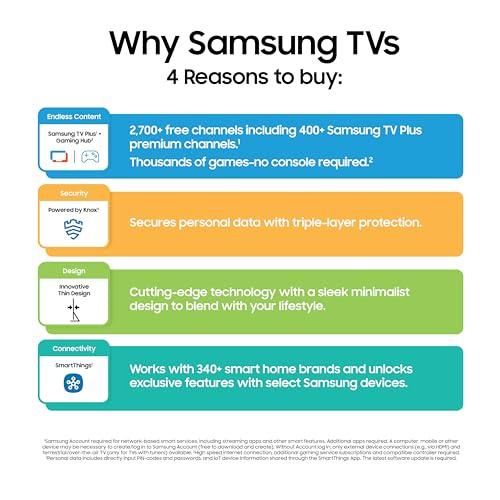
Both the Samsung Q7F and QN70F run Samsung's Tizen smart TV platform with access to all major streaming apps. However, the QN70F includes enhanced Vision AI features like Click-to-Search and Live Translate, powered by its more advanced NQ4 AI Gen 2 processor. The Q7F has basic Vision AI with the older Q4 processor.
The Samsung QN70F Neo QLED achieves significantly higher peak brightness thanks to its Mini LED backlighting system. This makes HDR content more impactful with brighter highlights and better contrast. The Samsung Q7F produces adequate brightness for most viewing but can appear dim during HDR scenes, especially in well-lit rooms.
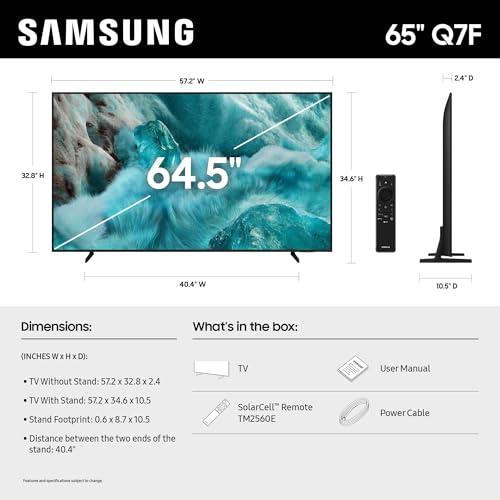
The Samsung Q7F offers more size flexibility, available in 43", 50", 55", 65", 75", and 85" options. The Samsung QN70F is limited to 55", 65", 75", and 85" sizes only. If you need a TV smaller than 55 inches, the Q7F is your only option between these two models.
For dedicated home theater use, the Samsung QN70F Neo QLED is superior. Its Mini LED technology provides the brightness and contrast needed for impactful movie watching, while the 120Hz refresh rate eliminates motion issues during films. The QN70F's superior HDR performance better showcases premium content as filmmakers intended, making it more suitable for serious movie enthusiasts.
The Samsung Q7F uses the Q4 AI processor for basic 4K upscaling and standard picture processing. The Samsung QN70F steps up to the NQ4 AI Gen 2 processor, which provides more sophisticated content analysis, better upscaling, and advanced features like Real Depth Enhancer. The QN70F's processor delivers noticeably smarter picture optimization.
The Samsung QN70F Neo QLED offers superior connectivity with four HDMI 2.1 ports supporting 4K at up to 144Hz. The Samsung Q7F provides three HDMI 2.0 ports limited to 4K/60Hz. For multiple gaming consoles, streaming devices, or future-proofing your setup, the QN70F's additional port and HDMI 2.1 capabilities provide more flexibility.
Both TVs feature 20W 2-channel speakers and Q-Symphony support for Samsung soundbars. However, the Samsung QN70F includes AI Sound Pro, which adapts audio based on room acoustics and content type. The Samsung Q7F has Object Tracking Sound Lite, which is more basic. The QN70F provides smarter audio optimization overall.
Value depends on current pricing, but the Samsung QN70F Neo QLED typically offers better performance per dollar. Its Mini LED technology, 120/144Hz refresh rate, and HDMI 2.1 connectivity represent significant upgrades over the Q7F for often similar promotional pricing. The QN70F provides more future-proofing and advanced features for the investment.
While both the Samsung Q7F and QN70F display 4K resolution, the QN70F handles 4K content better due to its superior NQ4 AI Gen 2 processor and Mini LED backlighting. The QN70F provides better upscaling of lower-resolution content and more impactful 4K HDR performance, making native 4K content appear more detailed and vibrant than on the Q7F.
We've done our best to create useful and informative comparisons to help you decide what product to buy. Our research uses advanced automated methods to create this comparison and perfection is not possible - please contact us for corrections or questions. These are the sites we've researched in the creation of this article: bestbuy.com - rtings.com - bestbuy.com - youtube.com - youtube.com - youtube.com - samsung.com - samsung.com - samsung.com - billsmith.com - costco.com - samsung.com - hometechnologyreview.com - hometechnologyreview.com - bestbuy.com - samsung.com - bestbuy.com - samsung.com - hometechnologyreview.com - samsung.com - samsung.com - rtings.com - youtube.com - wifihifi.com - samsung.com - samsung.com - samsung.com - samsung.com - flatpanelshd.com - news.samsung.com - bestbuy.com

Privacy Policy
Terms and Conditions - Affiliate Policy
Home Security
© Copyright 2008-2026.
11816 Inwood Rd #1211, Dallas, TX 75244