

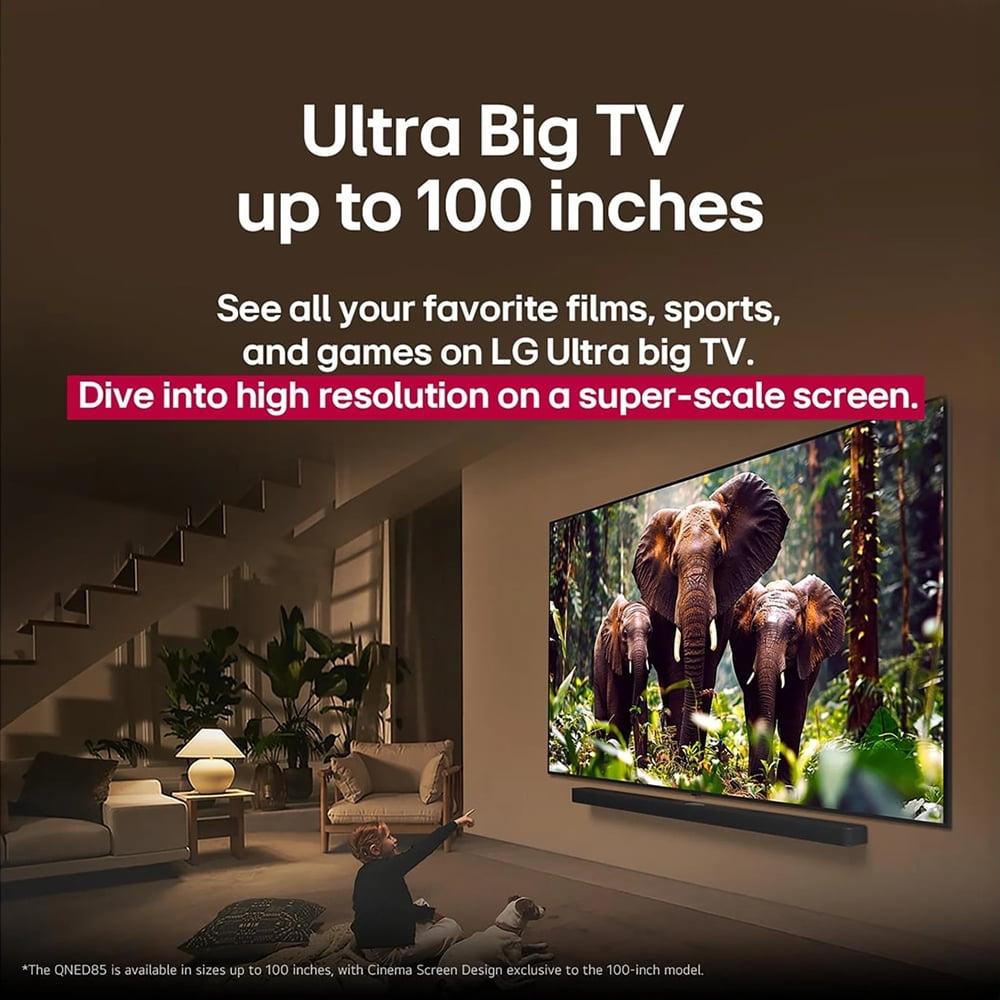
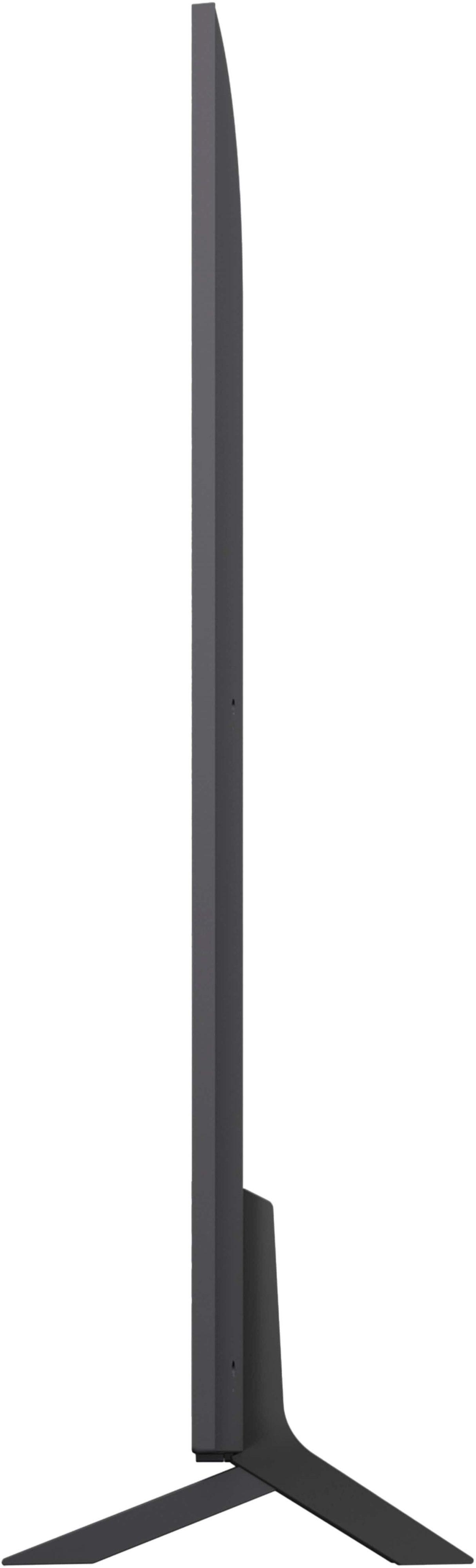
Shopping for a new 4K TV in 2025 can feel overwhelming with all the acronyms and marketing terms thrown around. Today we're comparing two popular 65-inch models that represent very different approaches to modern TV technology: the budget-friendly Samsung Q7F Series QLED and the more premium LG QNED evo AI QNED85A MiniLED. Both launched in 2025, but they target completely different buyers despite sharing the same screen size.
The TV landscape has evolved dramatically in recent years. Where we once had simple LED-backlit LCD panels, manufacturers now layer quantum dots, MiniLED backlights, and sophisticated AI processors to create displays that deliver stunning color and contrast. Understanding these technologies—and more importantly, whether you'll actually benefit from them—is key to making the right choice for your living room.
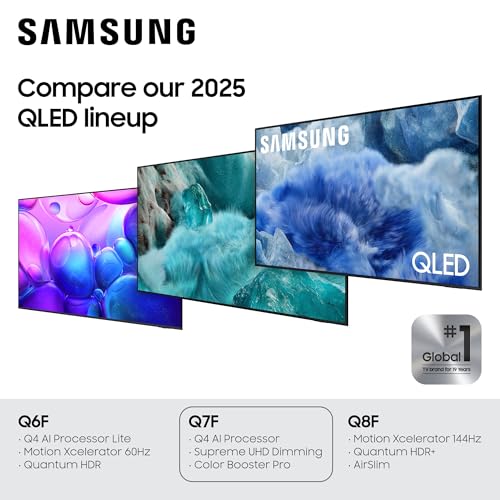
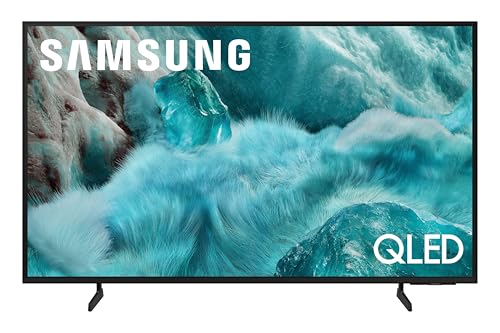
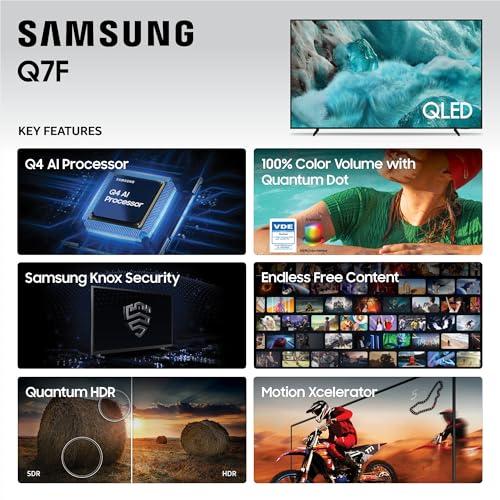
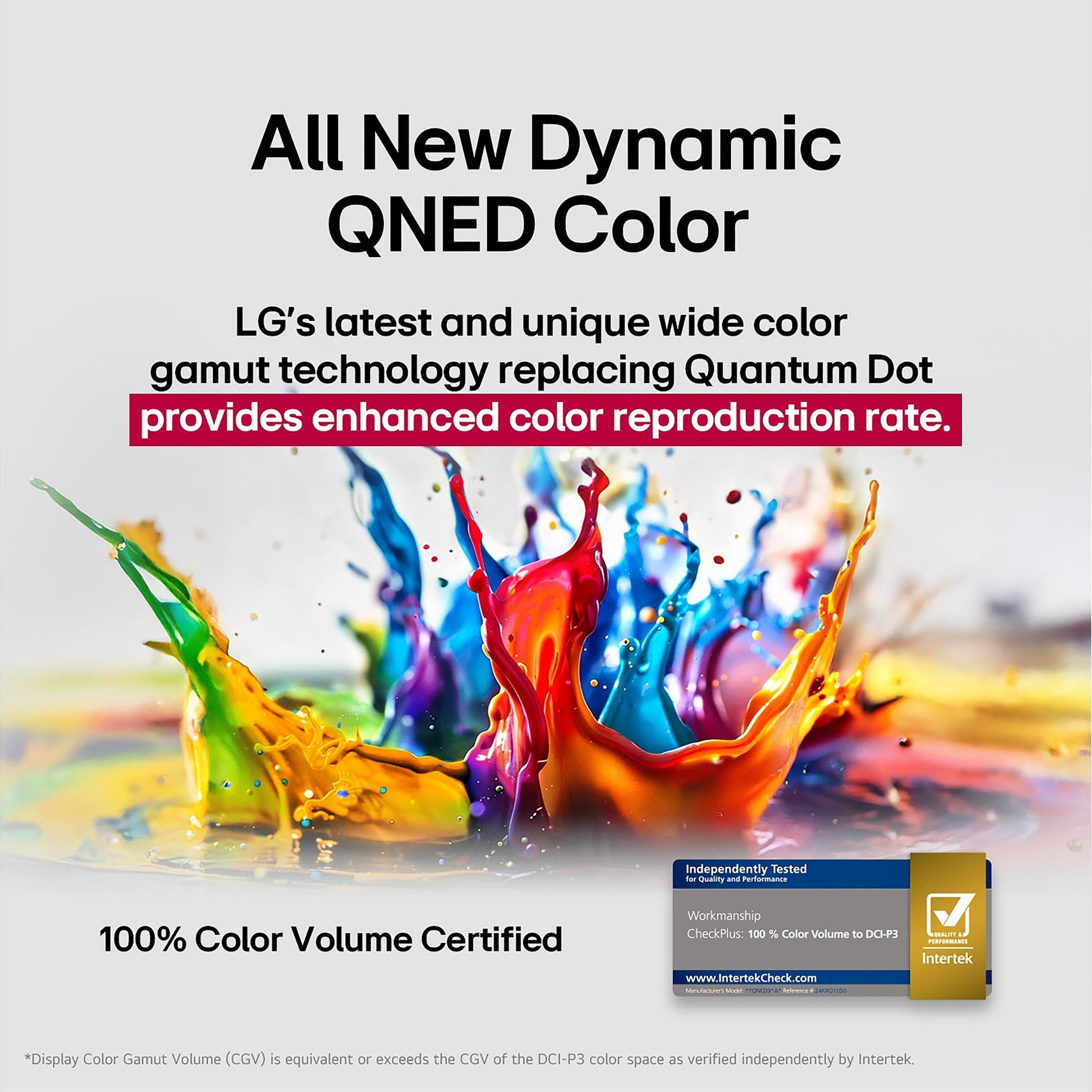
The most fundamental difference between these TVs lies in how they create the picture you see. The Samsung Q7F uses what's called edge-lit QLED technology. Think of it like this: traditional LCD panels can only show different shades of gray. To create colors, manufacturers add a backlight (usually white LEDs around the edges) and a color filter. QLED takes this further by adding a quantum dot layer—a sheet containing microscopic crystals that glow in pure red, green, and blue when hit by light. This quantum dot enhancement is why QLED TVs can display more vibrant colors than standard LCD displays.
However, the Samsung Q7F uses a relatively basic implementation. Its edge-lit design means LEDs are only around the perimeter of the screen, and the light has to spread across the entire 65-inch panel. More problematically, it lacks local dimming entirely. Local dimming is the ability to independently brighten or dim different zones of the screen—crucial for achieving deep blacks in dark movie scenes while keeping bright elements properly lit.
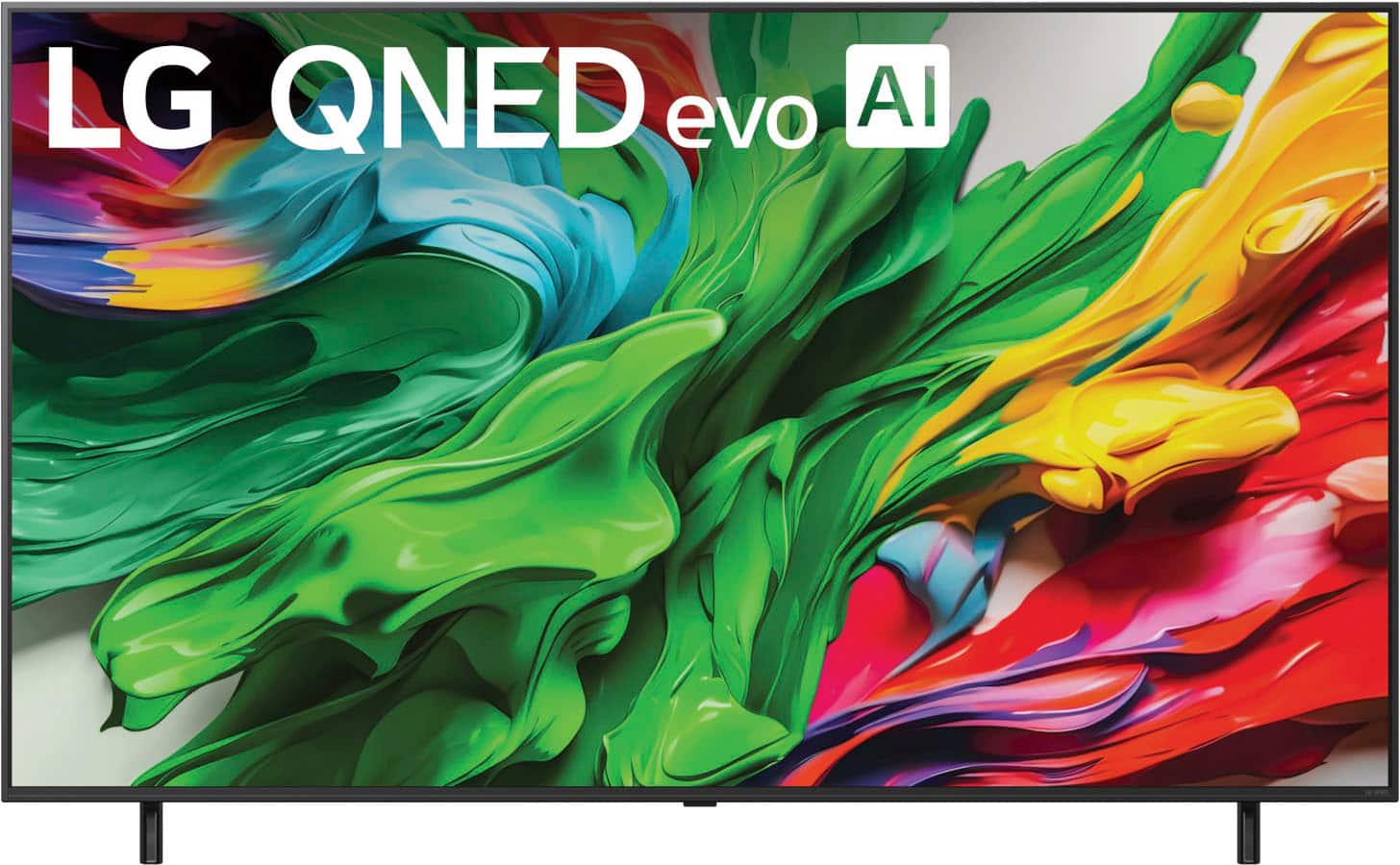
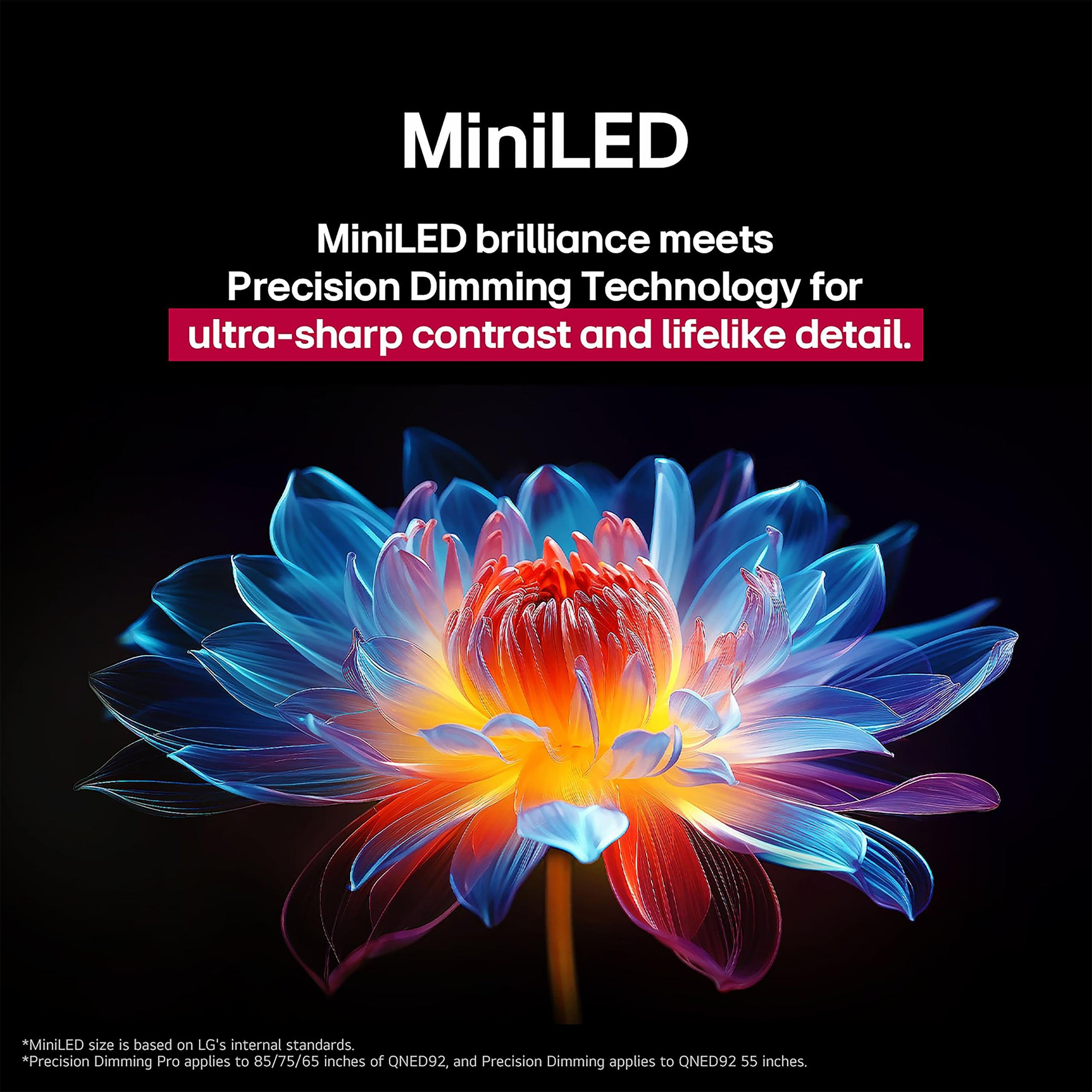
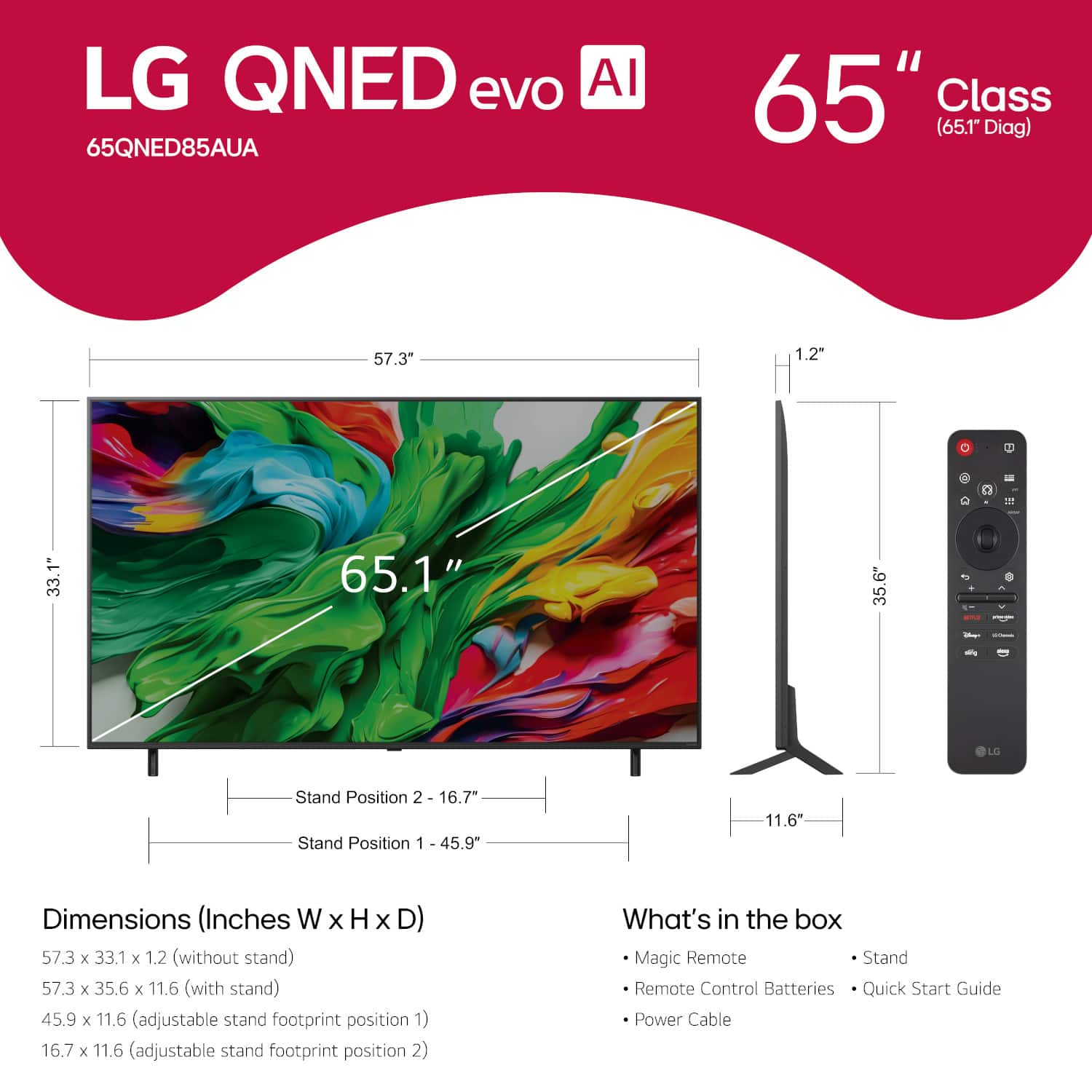
The LG QNED85A takes a completely different approach with MiniLED backlighting. Instead of edge lighting, it places thousands of tiny LEDs (each about the size of a grain of rice) directly behind the screen. These MiniLEDs can be controlled in zones using what LG calls "Precision Dimming Pro." When you're watching a movie with a night scene, the TV can dim the LEDs behind dark portions of the image while keeping LEDs behind bright elements (like car headlights or streetlamps) at full brightness. This creates dramatically better contrast—the difference between the darkest and brightest parts of the image.
LG also combines this MiniLED system with both quantum dot technology and their proprietary NanoCell layers. Without getting too technical, NanoCell uses nanoparticles to filter out impure light wavelengths, resulting in more accurate colors. It's like having multiple color enhancement systems working together.
The practical result? Based on our research into professional reviews and user feedback, the LG QNED85A delivers significantly deeper blacks, brighter highlights, and better overall contrast. The Samsung Q7F produces pleasant, colorful images that look good in most situations, but lacks the dramatic pop that makes HDR content truly impressive.
If gaming matters to you at all, this comparison becomes straightforward. The Samsung Q7F is fundamentally limited by its 60Hz refresh rate and HDMI 2.0 ports. In 2025, this feels dated. Your PlayStation 5 or Xbox Series X can output games at 120 frames per second, but this Samsung can only display 60 of those frames. It's like having a sports car but being forced to drive in first gear.
More critically, the Samsung Q7F lacks VRR (Variable Refresh Rate) support entirely. VRR allows the TV's refresh rate to match your console's frame rate in real-time. Without it, you'll see screen tearing—visible horizontal lines that appear when the console and TV are out of sync. Modern games frequently fluctuate between different frame rates, making VRR essential for smooth gameplay.
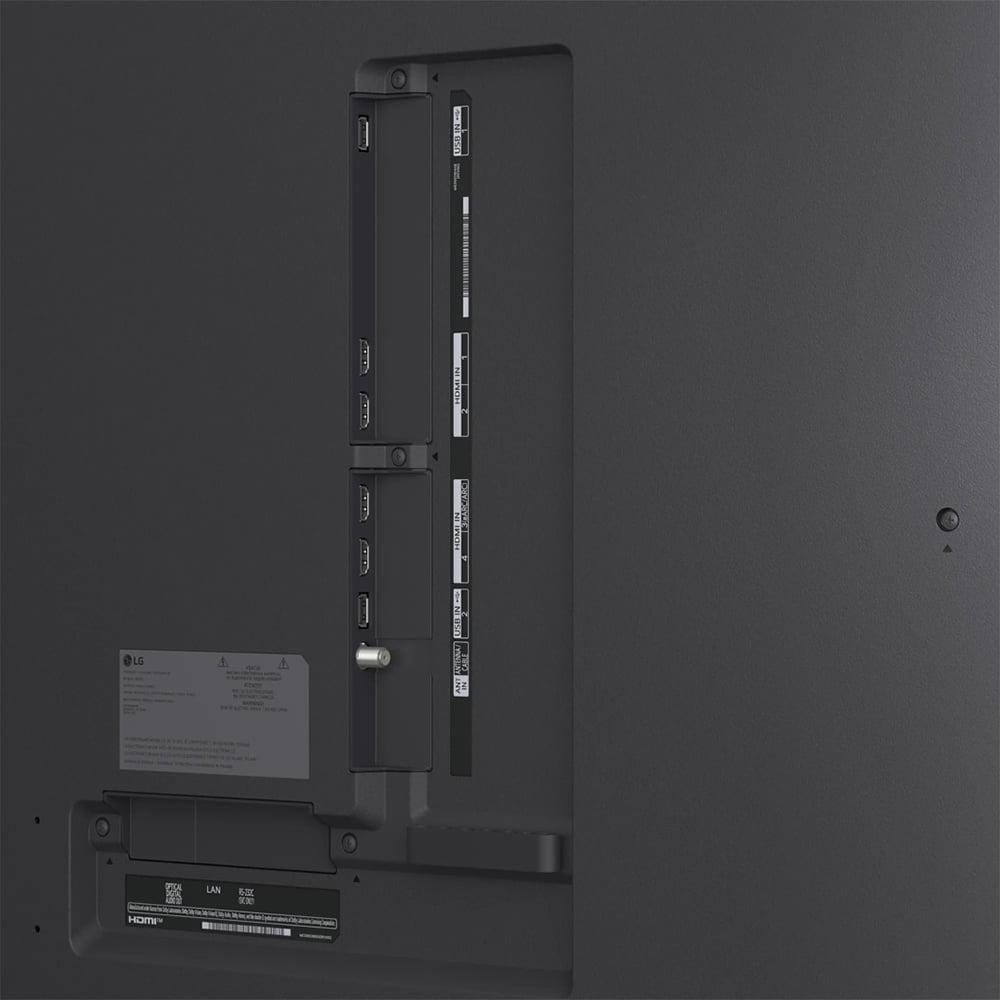
The LG QNED85A is built for gaming in 2025. Its native 120Hz refresh rate can actually go up to 144Hz when connected to a compatible PC graphics card. All four HDMI ports support HDMI 2.1, the latest standard that provides the bandwidth needed for 4K at 120Hz. It includes VRR, FreeSync (AMD's version of VRR), and even cloud gaming through GeForce NOW.
From our evaluation of gaming-focused reviews, the difference is night and day. The Samsung Q7F works fine for casual gaming on older consoles or Nintendo Switch, but feels severely limited with current-generation systems. The LG QNED85A handles everything modern gaming can throw at it, making it genuinely future-proof for the next console generation.
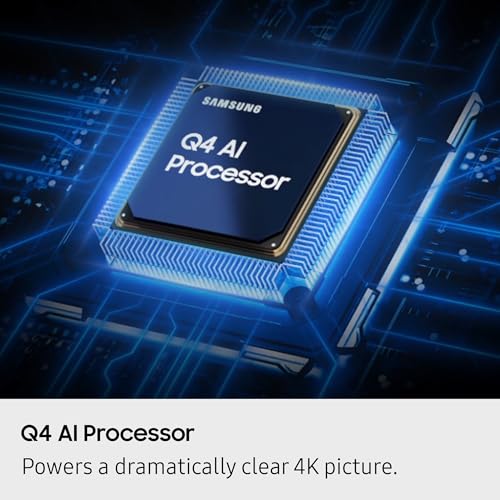
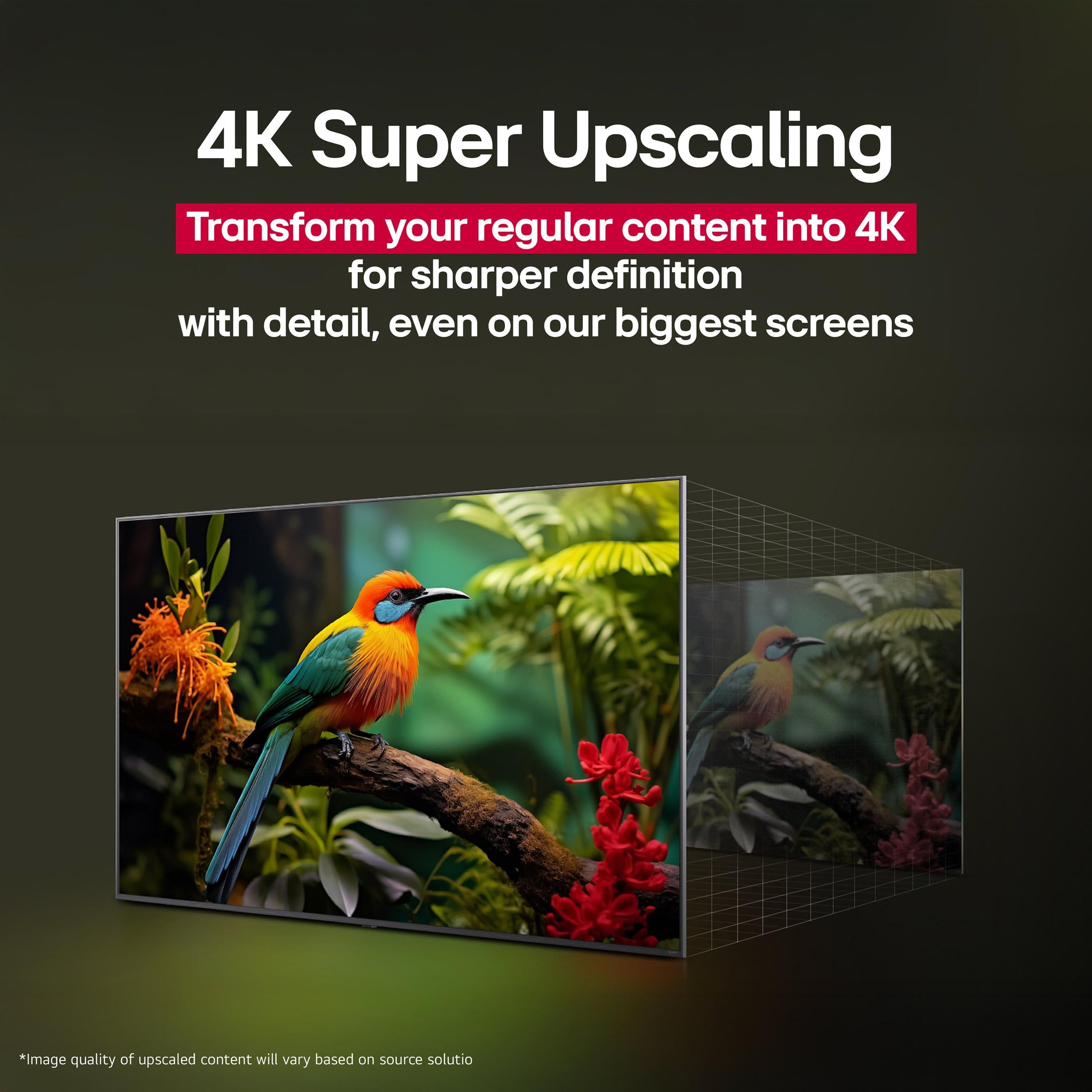
Both TVs run updated operating systems for 2025, but their capabilities differ significantly. The Samsung Q7F uses Samsung's Q4 AI Gen1 Processor, which is their entry-level chip for this generation. It handles basic 4K upscaling (making lower-resolution content look sharper) and includes features like Color Booster Pro, but represents the bottom tier of Samsung's processing lineup.
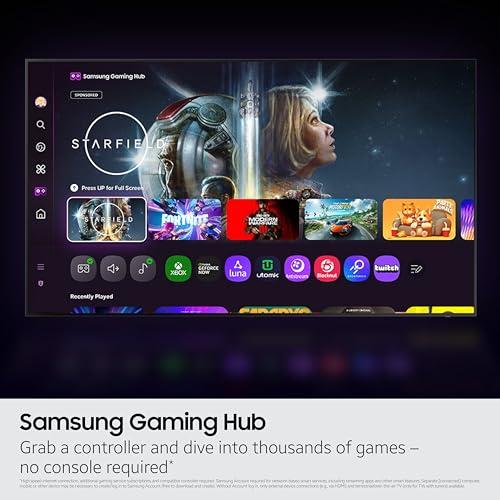
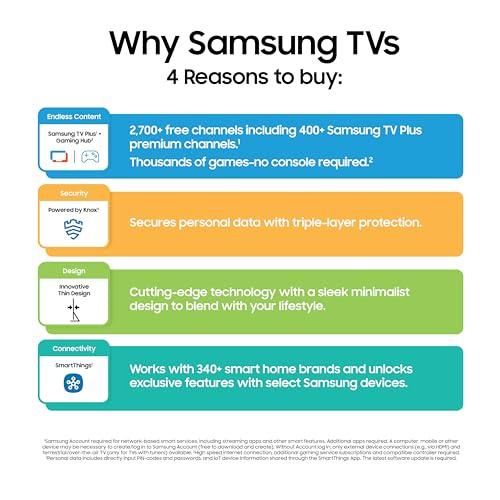
Samsung's Tizen operating system has improved considerably in recent years. The 2025 version relocates menus to the left corner so they don't obscure the picture, and includes Samsung TV Plus for free streaming channels. The interface feels responsive and includes built-in support for Bixby and Alexa voice assistants.
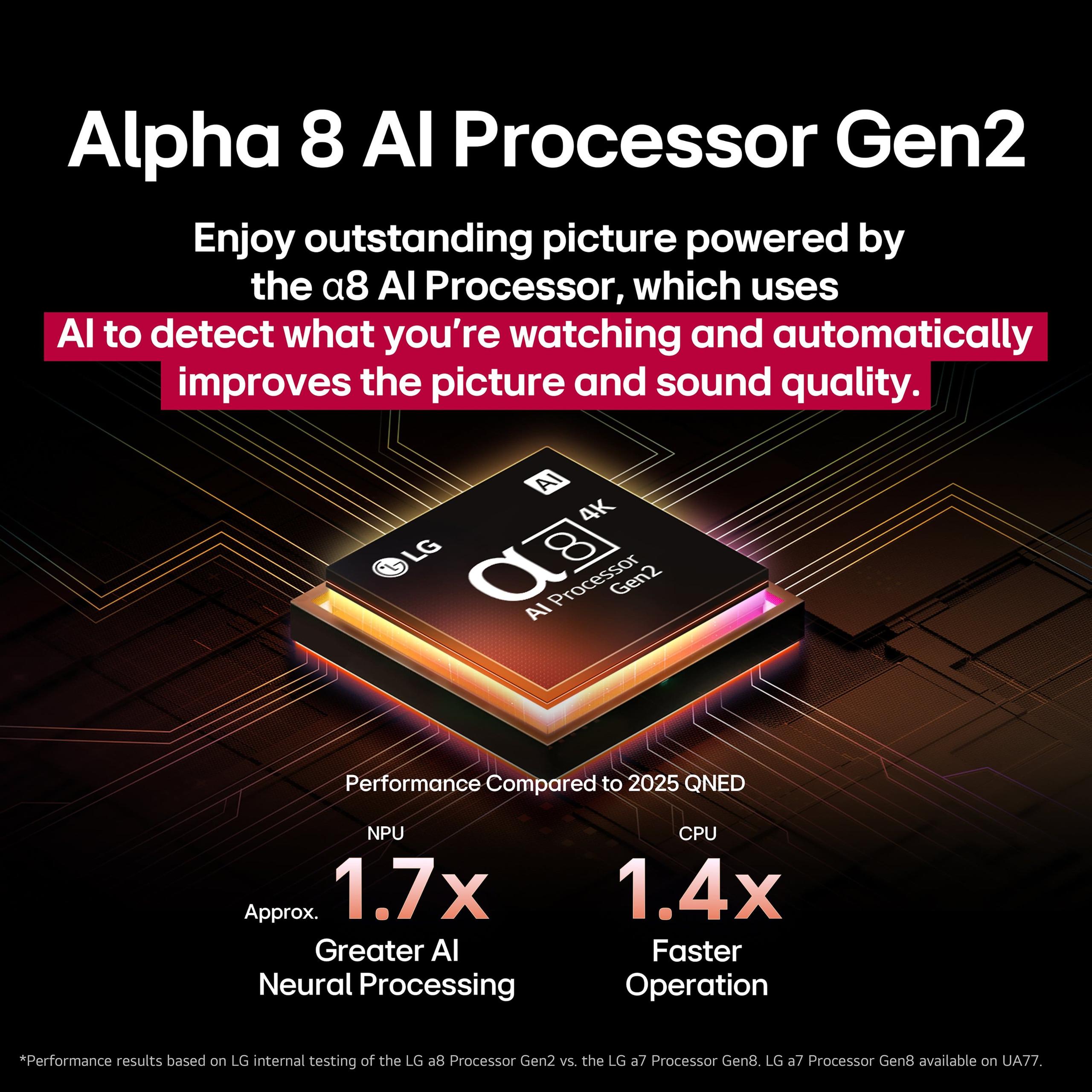
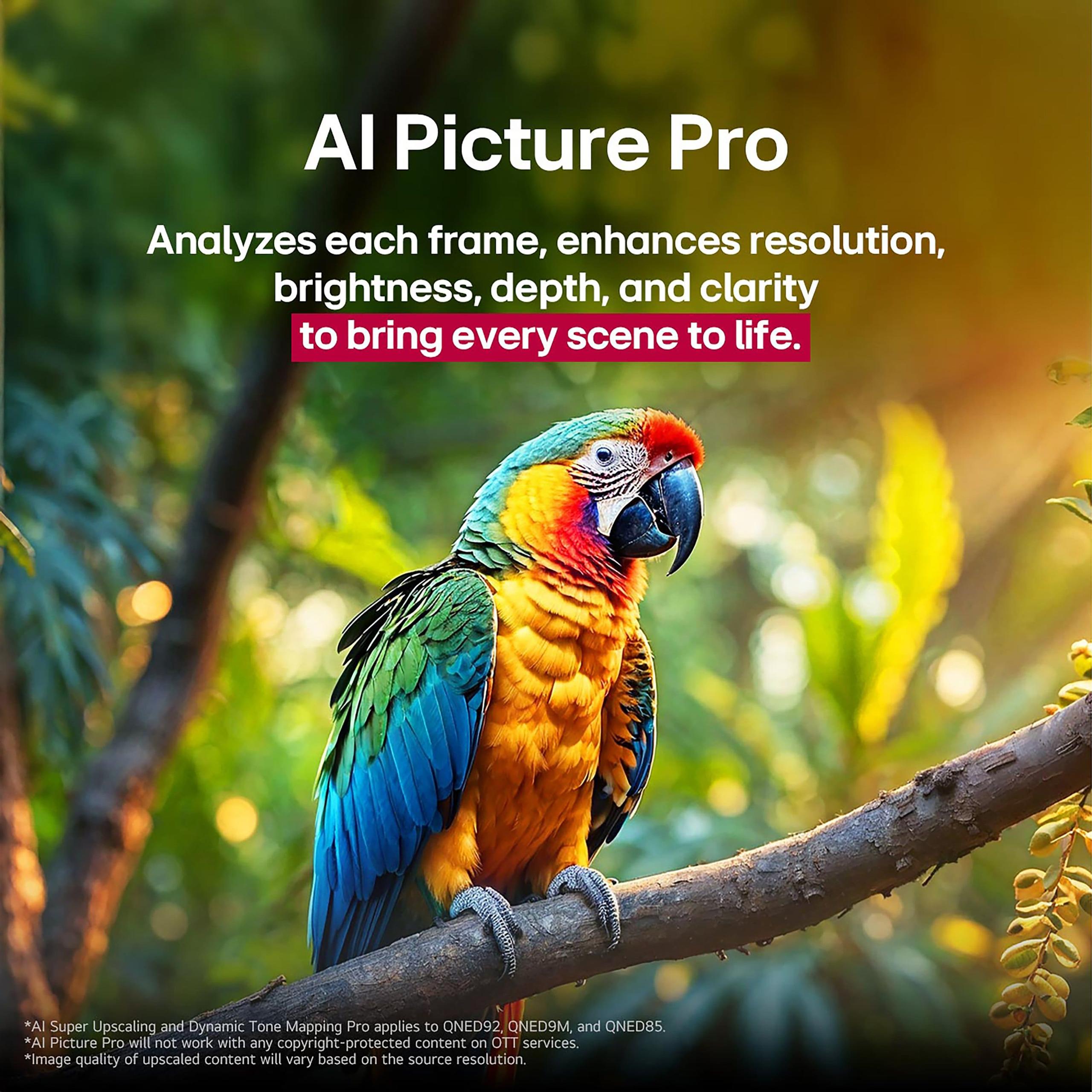
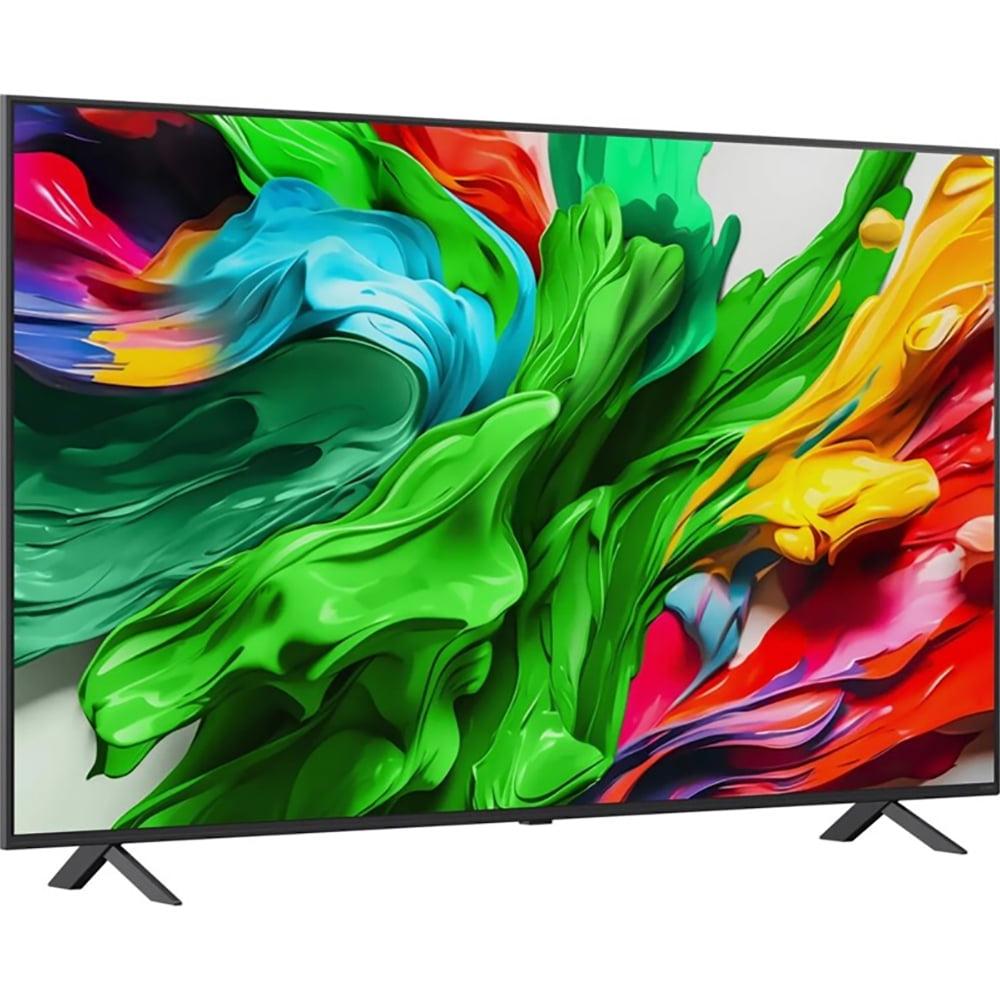
The LG QNED85A packs significantly more processing power with its α8 AI Processor Gen 2, which LG claims delivers 70% better performance than previous generations. This translates to more sophisticated upscaling, better motion processing, and advanced AI features that analyze content in real-time to optimize picture and sound quality.
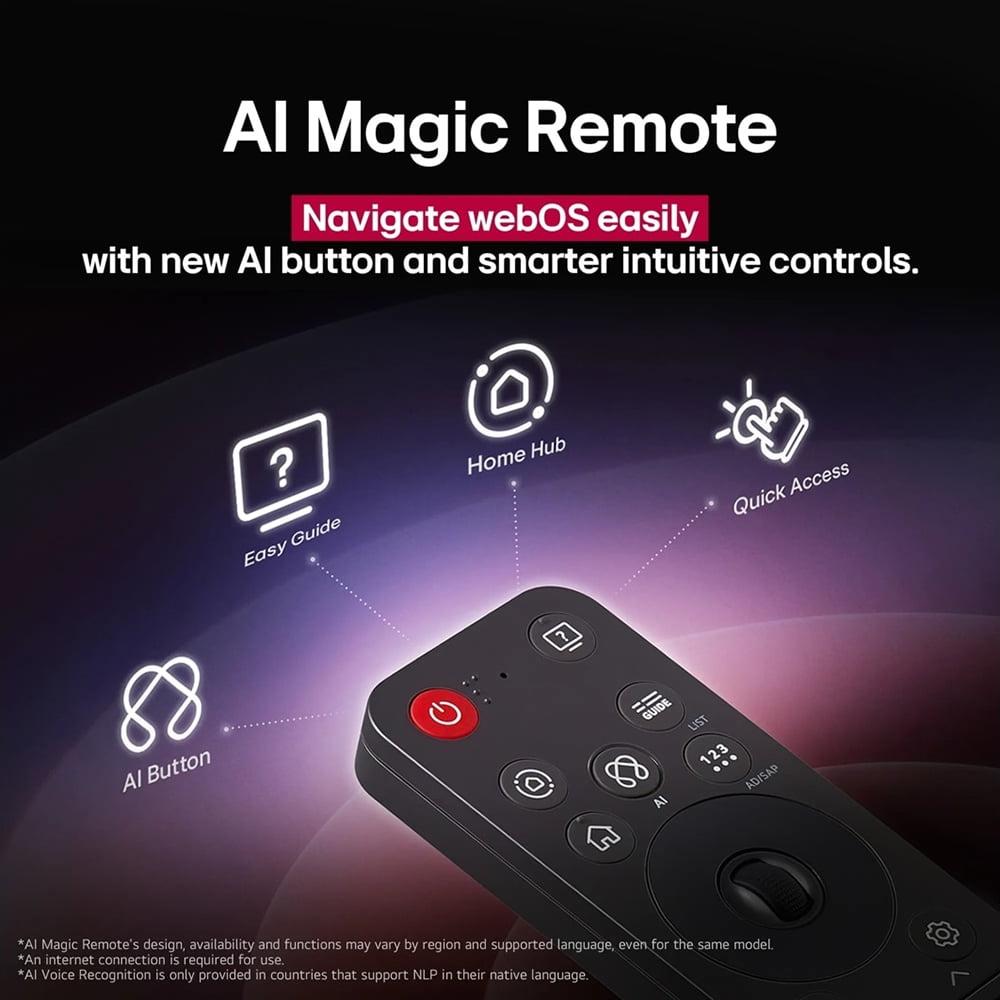
LG's webOS 25 includes some genuinely useful AI innovations. AI Voice ID recognizes different family members and switches to their personalized settings and recommendations. The AI Concierge provides conversational search—you can ask "show me action movies from the 90s" rather than navigating through menus. There's even Microsoft Copilot integration for organizing information and troubleshooting.
Perhaps most importantly for long-term ownership, LG guarantees five years of webOS updates for the QNED85A. This commitment to software support means your TV will continue receiving new features and security updates well into the future.
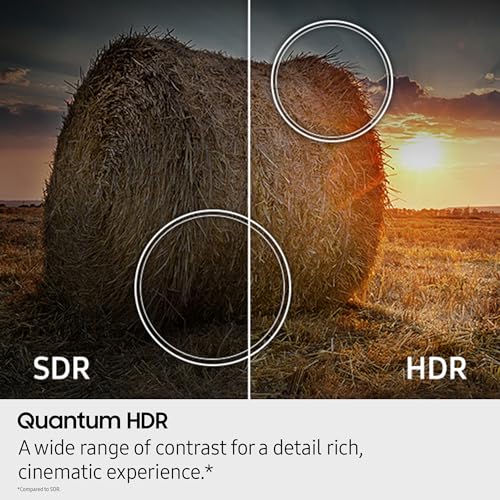
HDR (High Dynamic Range) is where the technical differences between these TVs become most apparent to viewers. HDR content contains a wider range of brightness levels than standard video, allowing for more realistic lighting effects. Think of the difference between a photo taken with your phone's camera and what your eyes actually see—HDR tries to bridge that gap.
The Samsung Q7F supports HDR10+, Samsung's preferred HDR format. However, it notably lacks Dolby Vision support, which is problematic because most streaming services (Netflix, Disney+, Apple TV+) deliver their premium HDR content in Dolby Vision format. You'll still see HDR effects, but not at the quality level the content creators intended.
More fundamentally, the Samsung's lack of local dimming limits its HDR performance. Without the ability to create truly dark blacks alongside bright highlights, HDR content looks more like enhanced regular video rather than the dramatic range HDR is capable of delivering.
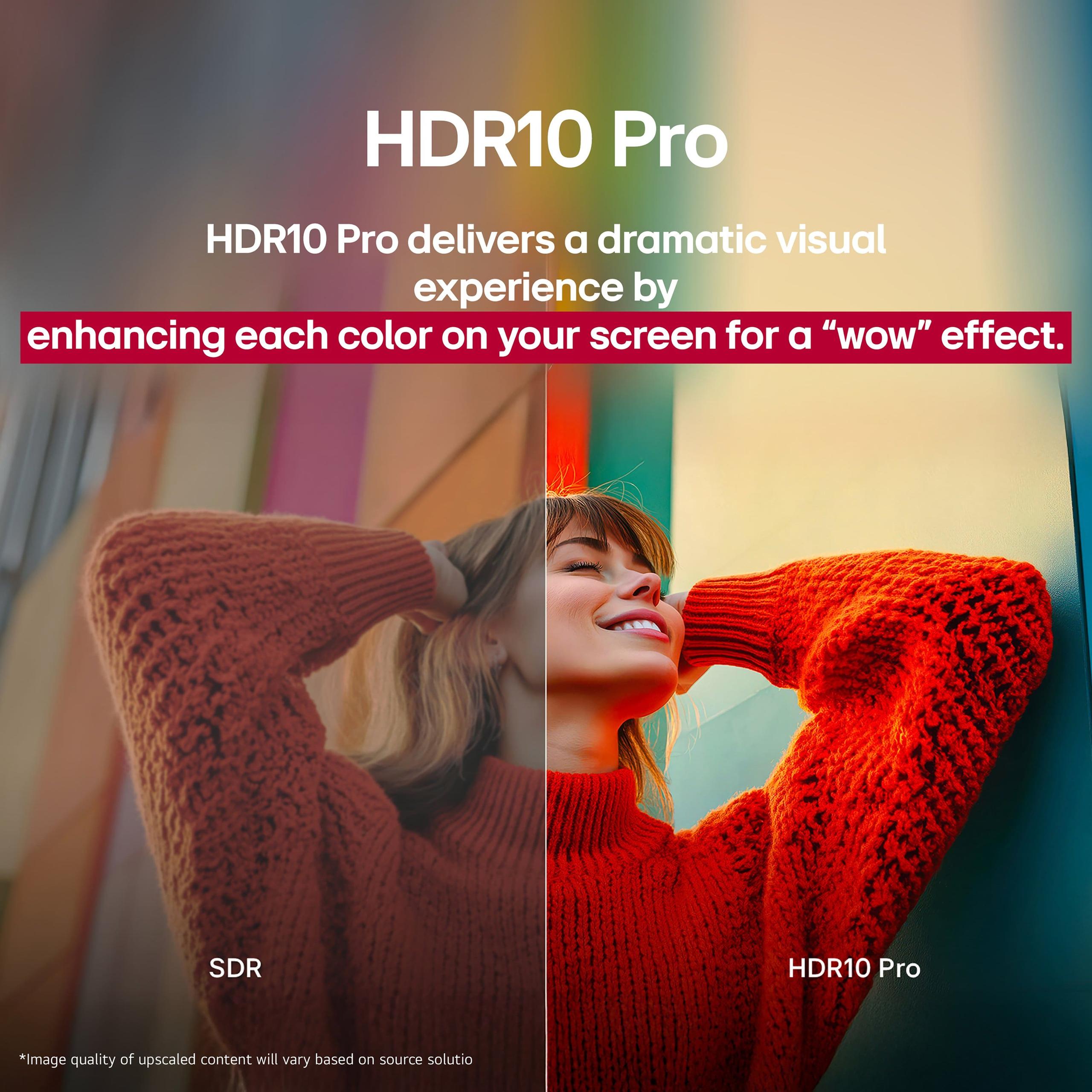
The LG QNED85A supports HDR10, HDR10+, Dolby Vision, and HLG (used for broadcast HDR). This comprehensive format support ensures compatibility with any HDR content you encounter. More importantly, its MiniLED backlighting can actually deliver the contrast range that makes HDR impressive. Dark scenes maintain detail in shadows while bright elements genuinely pop off the screen.
Based on professional calibration reviews we've researched, the LG QNED85A achieves significantly higher peak brightness levels while maintaining better black levels. This combination is essential for HDR's impact—you need both ends of the brightness spectrum to create that "wow" factor.
Audio represents another area where these TVs diverge significantly. The Samsung Q7F includes 20W speakers with Object Tracking Sound Lite, which attempts to make audio follow movement on screen. It supports most common audio formats but notably cannot pass through DTS audio, limiting compatibility with some Blu-ray discs and high-end sound systems.
The LG QNED85A features AI Sound Pro, which can convert stereo audio into virtual 9.1.2 surround sound. While built-in TV speakers will never match a dedicated sound system, the LG's processing creates a more immersive experience for casual listening. It also supports Dolby Atmos and maintains full audio format compatibility.
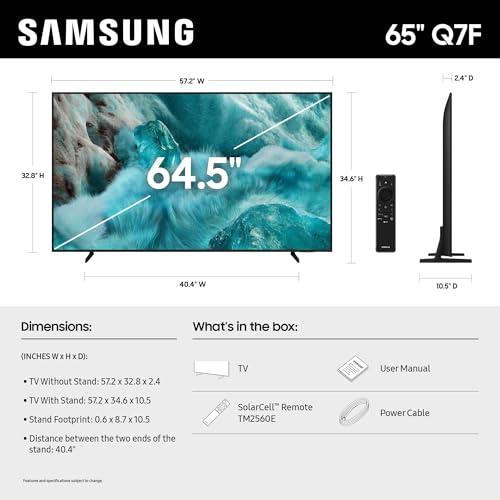
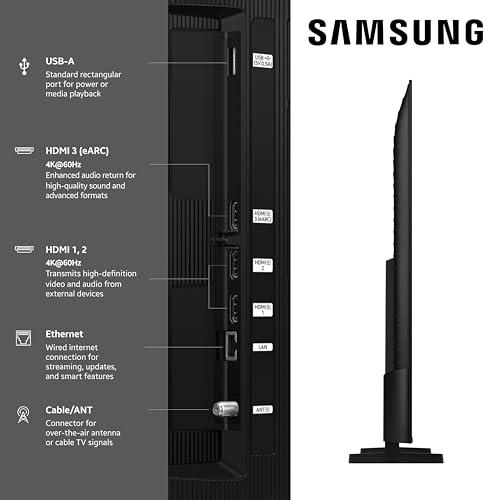
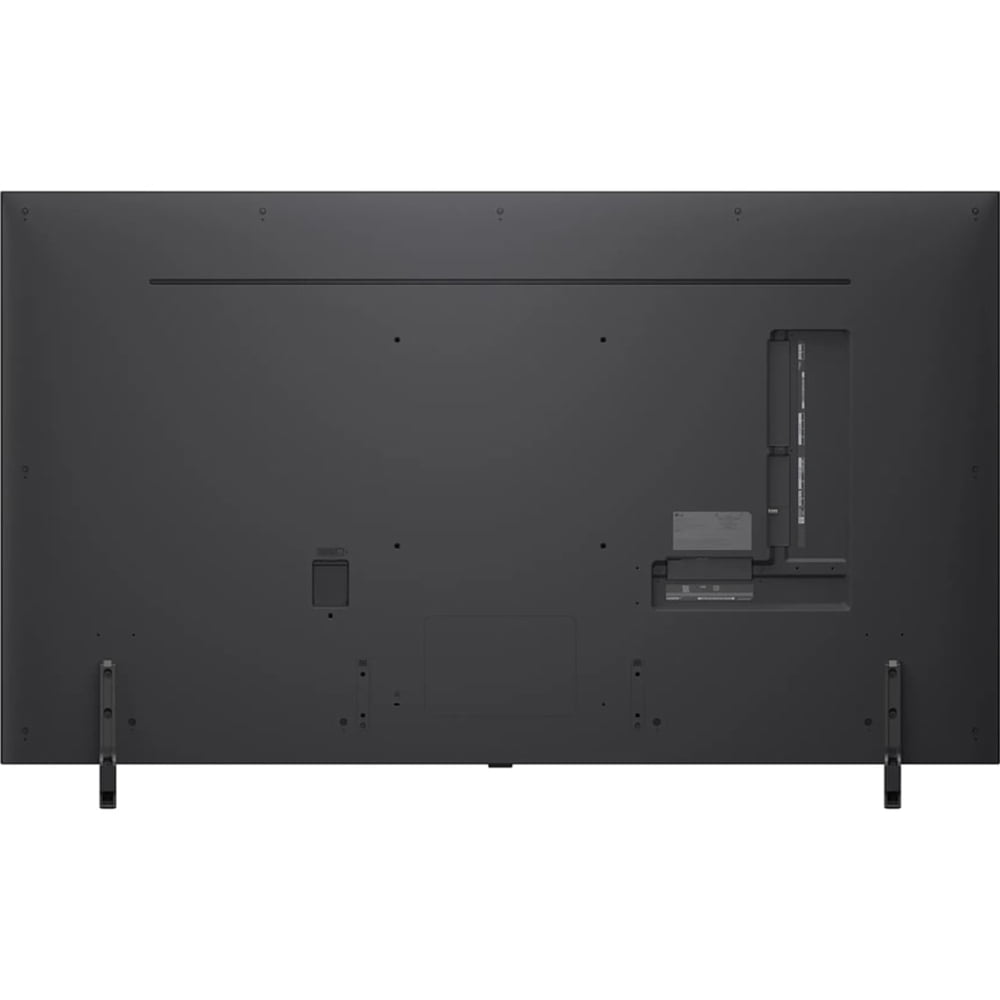
Connectivity tells a similar story. The Samsung Q7F includes three HDMI 2.0 ports and uses Wi-Fi 5 for internet connectivity. This feels limiting in 2025, especially with only one USB port for external devices.
The LG QNED85A provides four HDMI 2.1 ports and Wi-Fi 6E support. Wi-Fi 6E operates on the less congested 6GHz band, providing faster speeds and lower latency—particularly beneficial for 4K streaming and cloud gaming. Having four HDMI 2.1 ports means you can connect multiple gaming consoles, a streaming device, and a soundbar without compromising on capability.
At the time of writing, the Samsung Q7F typically costs significantly less than the LG QNED85A—often around 40-50% less for the same screen size. This price difference raises important questions about value and necessity.
The Samsung delivers on its core promise: a large, colorful 4K display with Samsung's polished smart TV experience. For many buyers—particularly those upgrading from older non-4K TVs—the improvement will be substantial. Colors appear more vibrant than standard LED displays, streaming apps work smoothly, and the TV handles most content competently.
However, the limitations become apparent in specific scenarios. Gaming feels compromised on modern consoles. HDR content lacks impact compared to displays with proper local dimming. Bright rooms can wash out the picture due to moderate peak brightness and mediocre reflection handling.
The LG QNED85A commands a premium but delivers meaningful improvements across multiple use cases. The MiniLED backlighting creates genuine contrast that enhances everything from Netflix HDR movies to gaming. The 120Hz refresh rate and comprehensive gaming features make it truly current-generation ready. The brighter display performs better in well-lit rooms, while superior black levels enhance movie viewing in dark environments.
From our analysis of user reviews and professional testing, the performance gap between these TVs is substantial enough that the LG QNED85A feels like it belongs to a different category entirely.
For dedicated home theater use, these TVs present very different experiences. The Samsung Q7F works adequately in a controlled lighting environment but lacks the contrast performance that makes movie watching truly engaging. Its support for HDR10+ helps with some content, but the missing Dolby Vision support means you're not getting the optimal experience from most streaming services.
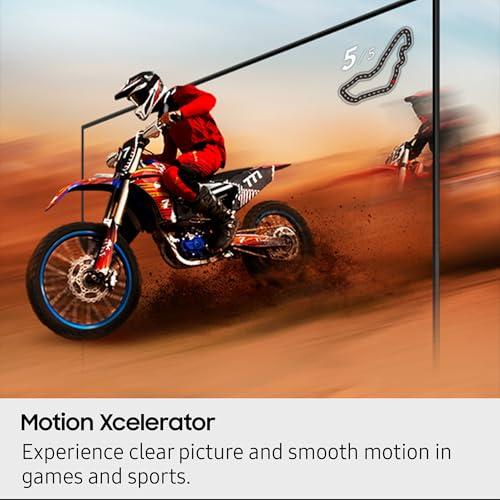
The Samsung Q7F does excel in one area: motion handling for film content. Its 60Hz refresh rate actually works well for 24fps movies, creating smooth motion without the soap opera effect that higher refresh rates sometimes introduce.
The LG QNED85A transforms the home theater experience through its superior contrast capabilities. Dark movie scenes maintain shadow detail while highlights create genuine impact. The comprehensive HDR format support ensures you're seeing content as directors intended, regardless of the source.
The LG also includes FILMMAKER MODE, which automatically adjusts settings to match the content creator's intent. This feature has become increasingly important as streaming services expand their premium content libraries.
After extensive research into professional reviews, user feedback, and technical capabilities, our recommendation depends heavily on your specific needs and budget constraints.
Choose the Samsung Q7F if you're primarily seeking a large, attractive display for casual viewing, have budget constraints, and don't prioritize gaming or home theater performance. It delivers pleasant picture quality with Samsung's excellent smart TV platform at a more accessible price point. This TV makes sense for families upgrading from older displays who want good color and modern smart features without paying premium prices.
However, choose the LG QNED85A if gaming matters to you, you watch a lot of movies and want proper HDR performance, your room has significant lighting challenges, or you plan to keep the TV for many years. The additional cost delivers substantial improvements in contrast, gaming capabilities, format compatibility, and future-proofing that justify the premium for the right buyer.
The performance gap between these TVs is significant enough that we'd recommend stretching your budget for the LG QNED85A if you can manage it, particularly if you own current-generation gaming consoles or prioritize picture quality. The Samsung Q7F remains a reasonable choice for budget-conscious buyers, but feels like a compromise in several important areas that may become more apparent over time.
In our opinion, the TV market has reached a point where the mid-range offerings like the LG QNED85A provide such substantial improvements over budget models that the additional investment often makes sense for most buyers who can afford it. The gap in gaming performance alone makes the LG the obvious choice for anyone with a PlayStation 5 or Xbox Series X.
| Samsung 65-Inch Q7F Series QLED Smart TV 2025 | LG 65" QNED evo AI QNED85A 4K MiniLED Smart TV 2025 |
|---|---|
| Display Technology - Core difference affecting picture quality | |
| Edge-lit QLED with no local dimming | MiniLED backlighting with Precision Dimming Pro |
| Refresh Rate - Critical for gaming and sports | |
| 60Hz only (outdated for modern gaming) | Native 120Hz (up to 144Hz for PC gaming) |
| HDMI Ports - Determines gaming console compatibility | |
| 3x HDMI 2.0 (limits next-gen consoles) | 4x HDMI 2.1 (full PS5/Xbox Series X support) |
| VRR Support - Eliminates screen tearing in games | |
| No VRR (guaranteed screen tearing) | Yes (FreeSync and VRR supported) |
| AI Processor - Powers upscaling and smart features | |
| Q4 AI Gen1 (entry-level performance) | α8 AI Gen 2 (70% faster, advanced features) |
| HDR Format Support - Compatibility with streaming content | |
| HDR10+ only (missing Dolby Vision) | HDR10, HDR10+, Dolby Vision, HLG (complete support) |
| Local Dimming - Essential for deep blacks and contrast | |
| None (software dimming only) | Hardware MiniLED zones (superior contrast) |
| Wi-Fi Standard - Affects streaming quality and speed | |
| Wi-Fi 5 (adequate for 4K streaming) | Wi-Fi 6E (future-proof, 6GHz band support) |
| Smart OS Updates - Long-term software support | |
| No commitment specified | 5-year webOS update guarantee |
| Audio Format Support - Compatibility with sound systems | |
| No DTS passthrough (limited compatibility) | Full format support including Dolby Atmos |
| Peak Brightness - Performance in bright rooms | |
| Moderate (struggles with ambient light) | High (excellent for bright environments) |
| Best Use Cases - Who should buy each TV | |
| Budget buyers, casual viewing, moderate rooms | Gamers, movie enthusiasts, bright rooms, future-proofing |
The LG QNED85A delivers significantly better picture quality due to its MiniLED backlighting technology. While the Samsung Q7F uses basic edge-lit QLED, the LG QNED85A features thousands of tiny LEDs that can independently control brightness in different screen zones. This creates deeper blacks, brighter highlights, and much better contrast - especially noticeable in dark movie scenes and HDR content.
The LG QNED85A is fully compatible with next-gen gaming consoles, featuring 120Hz refresh rate, four HDMI 2.1 ports, and VRR support for smooth gameplay without screen tearing. The Samsung Q7F is limited to 60Hz with HDMI 2.0 ports and no VRR, making it unsuitable for getting the full performance from PS5 or Xbox Series X games that run at 120fps.
The LG QNED85A performs much better in bright rooms thanks to its higher peak brightness from MiniLED technology. The Samsung Q7F has moderate brightness that can appear washed out in rooms with significant ambient light or direct sunlight on the screen.
No - this is a key difference. The LG QNED85A supports Dolby Vision, HDR10, HDR10+, and HLG for complete compatibility with all streaming services. The Samsung Q7F only supports HDR10+ and lacks Dolby Vision, which is used by Netflix, Disney+, and Apple TV+ for their premium HDR content.
Both TVs offer excellent smart platforms, but the LG QNED85A has more advanced features. It includes AI Voice ID, AI Concierge, Microsoft Copilot integration, and comes with a 5-year webOS update guarantee. The Samsung Q7F runs Samsung's reliable Tizen OS with good app selection, but has less sophisticated AI features and no long-term update commitment.
The LG QNED85A typically costs significantly more than the Samsung Q7F, but the performance improvements justify the premium for most buyers. You get dramatically better gaming capabilities, superior picture quality, more future-proof connectivity, and comprehensive HDR support. The Samsung Q7F only makes sense if budget is the primary concern and gaming isn't important.
The LG QNED85A is far superior for home theater applications. Its MiniLED backlighting creates the deep blacks and bright highlights essential for cinematic viewing, while Dolby Vision support ensures you see movies as directors intended. The Samsung Q7F lacks the contrast performance needed for impactful movie watching, especially in dark scenes.
The Samsung Q7F has three HDMI 2.0 ports, which limits connectivity for multiple devices and doesn't support full next-gen console features. The LG QNED85A includes four HDMI 2.1 ports, allowing you to connect multiple gaming consoles, streaming devices, and soundbars while maintaining full performance capabilities.
The LG QNED85A is much more future-proof with Wi-Fi 6E, HDMI 2.1 ports, 120Hz refresh rate, and a guaranteed 5-year software update program. The Samsung Q7F uses older connectivity standards like Wi-Fi 5 and HDMI 2.0 that may feel outdated sooner.
The LG QNED85A offers better audio compatibility with support for all major formats including Dolby Atmos and full DTS passthrough. The Samsung Q7F has decent built-in audio features but cannot pass through DTS audio formats, which limits compatibility with some Blu-ray discs and high-end sound systems.
The LG QNED85A has superior upscaling capabilities thanks to its more powerful α8 AI Gen 2 processor, which is 70% faster than previous generations and includes advanced AI scene analysis. The Samsung Q7F uses the basic Q4 AI Gen1 processor that provides adequate but less sophisticated upscaling performance.
Choose the Samsung Q7F only if you're on a tight budget and primarily watch streaming content casually without gaming needs. However, most buyers should consider the LG QNED85A for its dramatically better gaming performance, superior picture quality, comprehensive HDR support, and future-proof features that justify the higher cost for long-term ownership.
We've done our best to create useful and informative comparisons to help you decide what product to buy. Our research uses advanced automated methods to create this comparison and perfection is not possible - please contact us for corrections or questions. These are the sites we've researched in the creation of this article: bestbuy.com - rtings.com - bestbuy.com - youtube.com - youtube.com - youtube.com - samsung.com - samsung.com - samsung.com - billsmith.com - costco.com - samsung.com - hometechnologyreview.com - hometechnologyreview.com - bestbuy.com - samsung.com - bestbuy.com - samsung.com - hometechnologyreview.com - samsung.com - samsung.com - rtings.com - rtings.com - youtube.com - lg.com - smarthomesounds.co.uk - abt.com - abt.com - lg.com - displayspecifications.com - walmart.com - bestbuy.com - lg.com - lg.com - lg.com - files.bbystatic.com - flatpanelshd.com - north-side-appliance.com - lgnewsroom.com - lg.com - youtube.com - youtube.com - hindustantimes.com

Privacy Policy
Terms and Conditions - Affiliate Policy
Home Security
© Copyright 2008-2026.
11816 Inwood Rd #1211, Dallas, TX 75244