

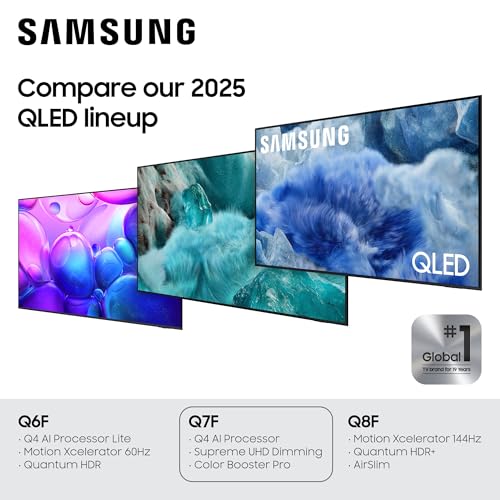
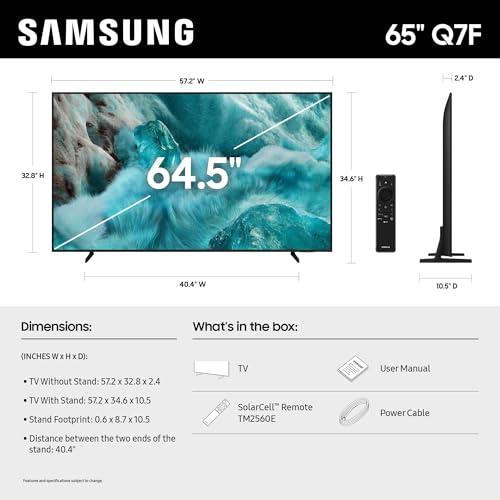

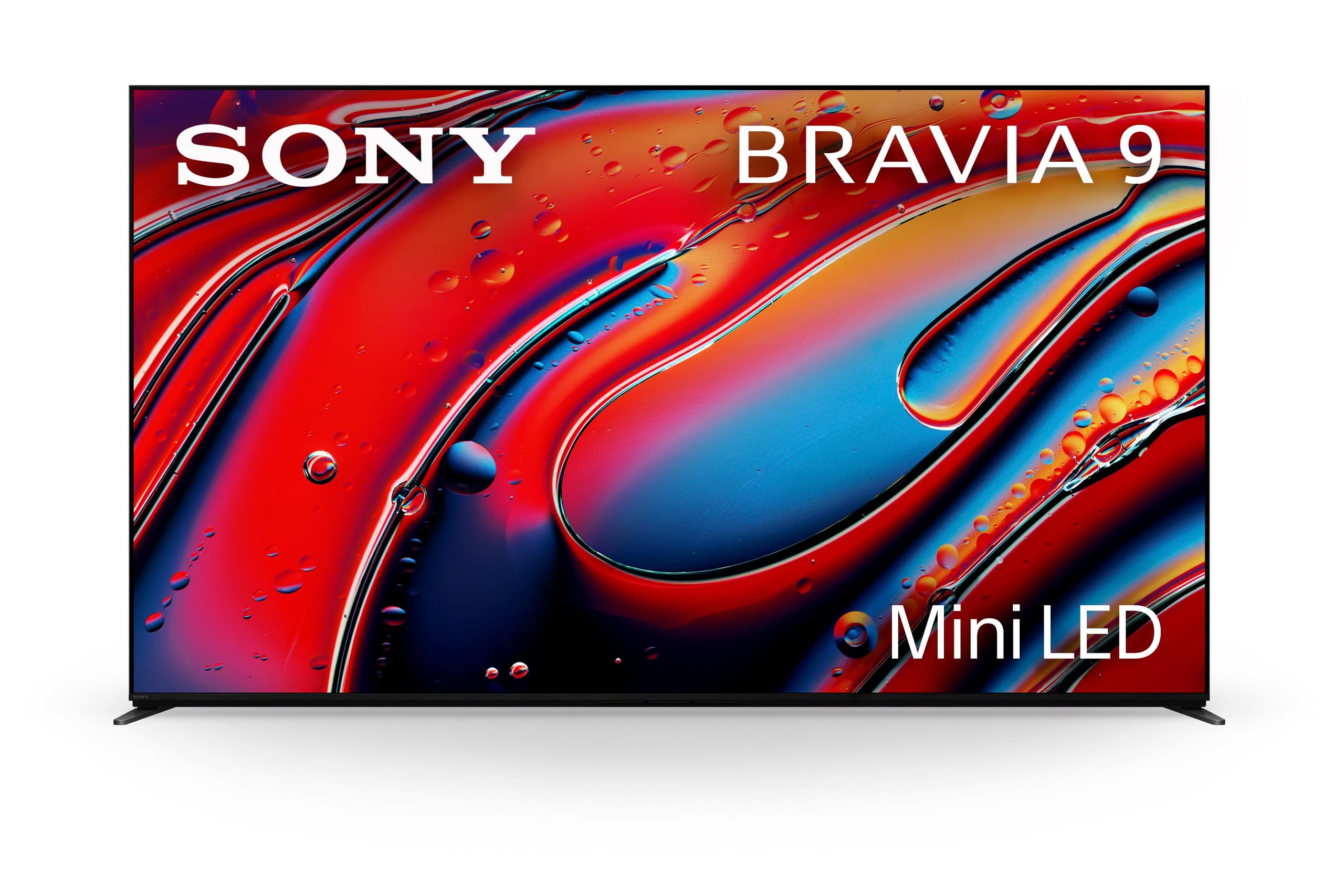
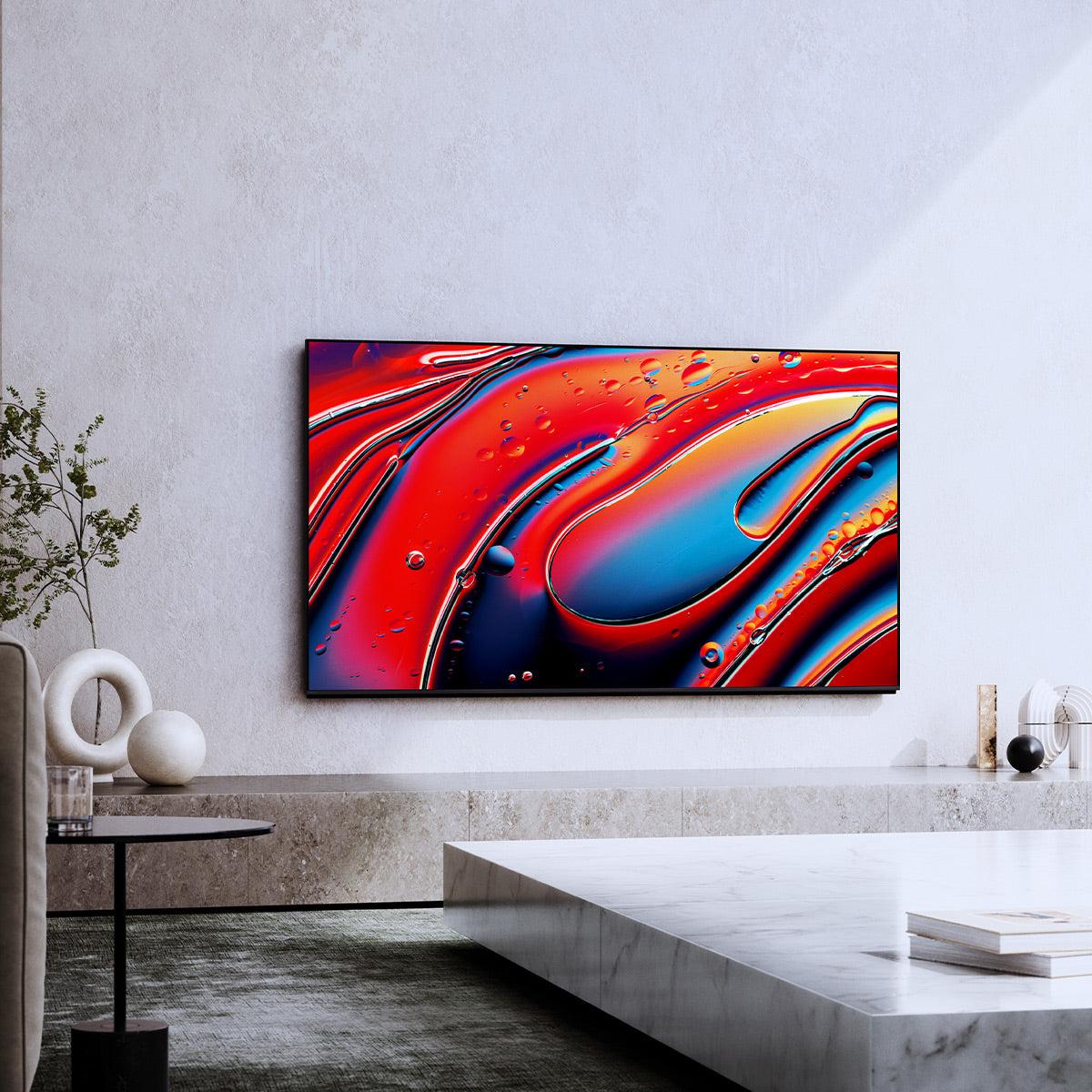
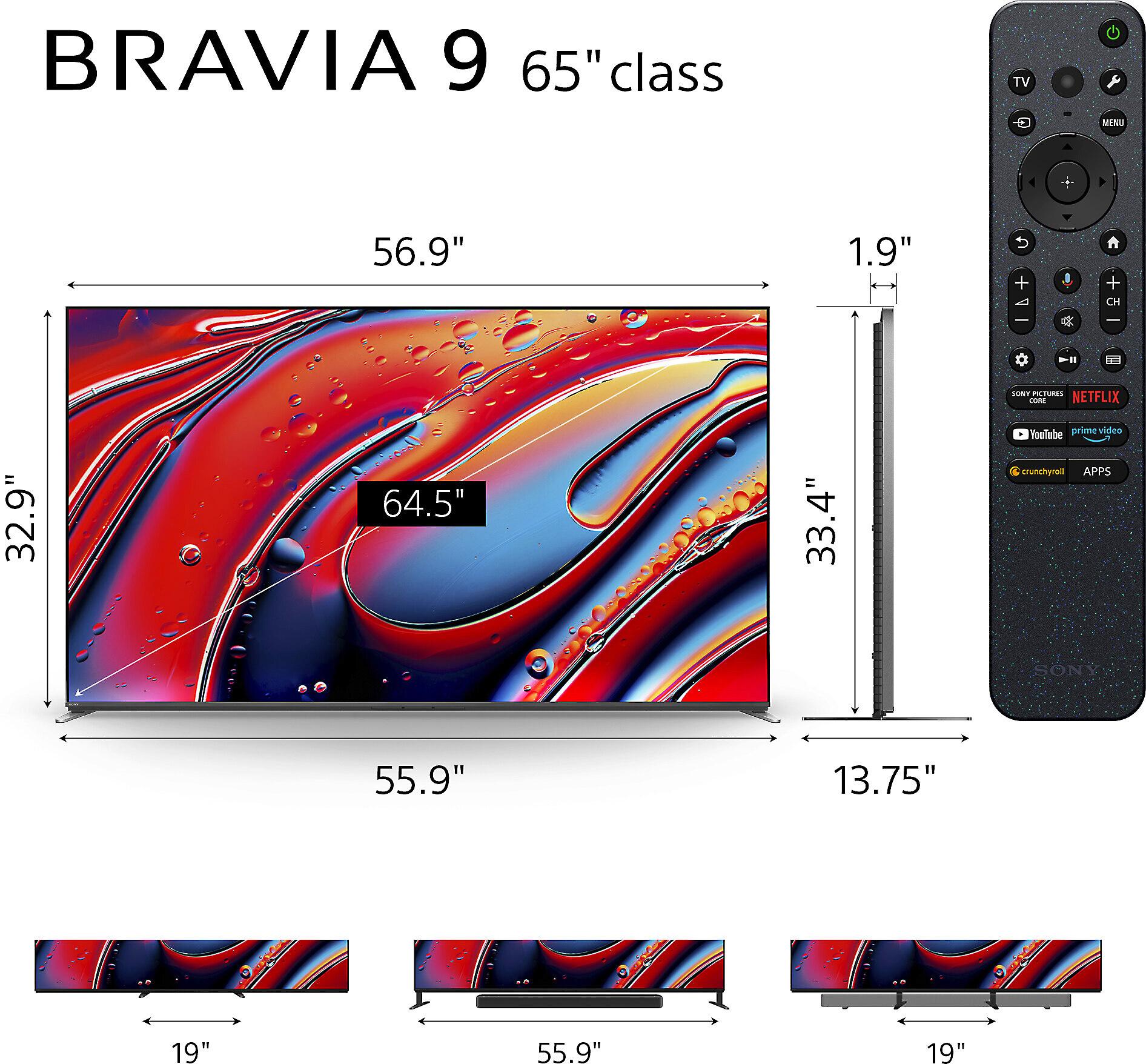
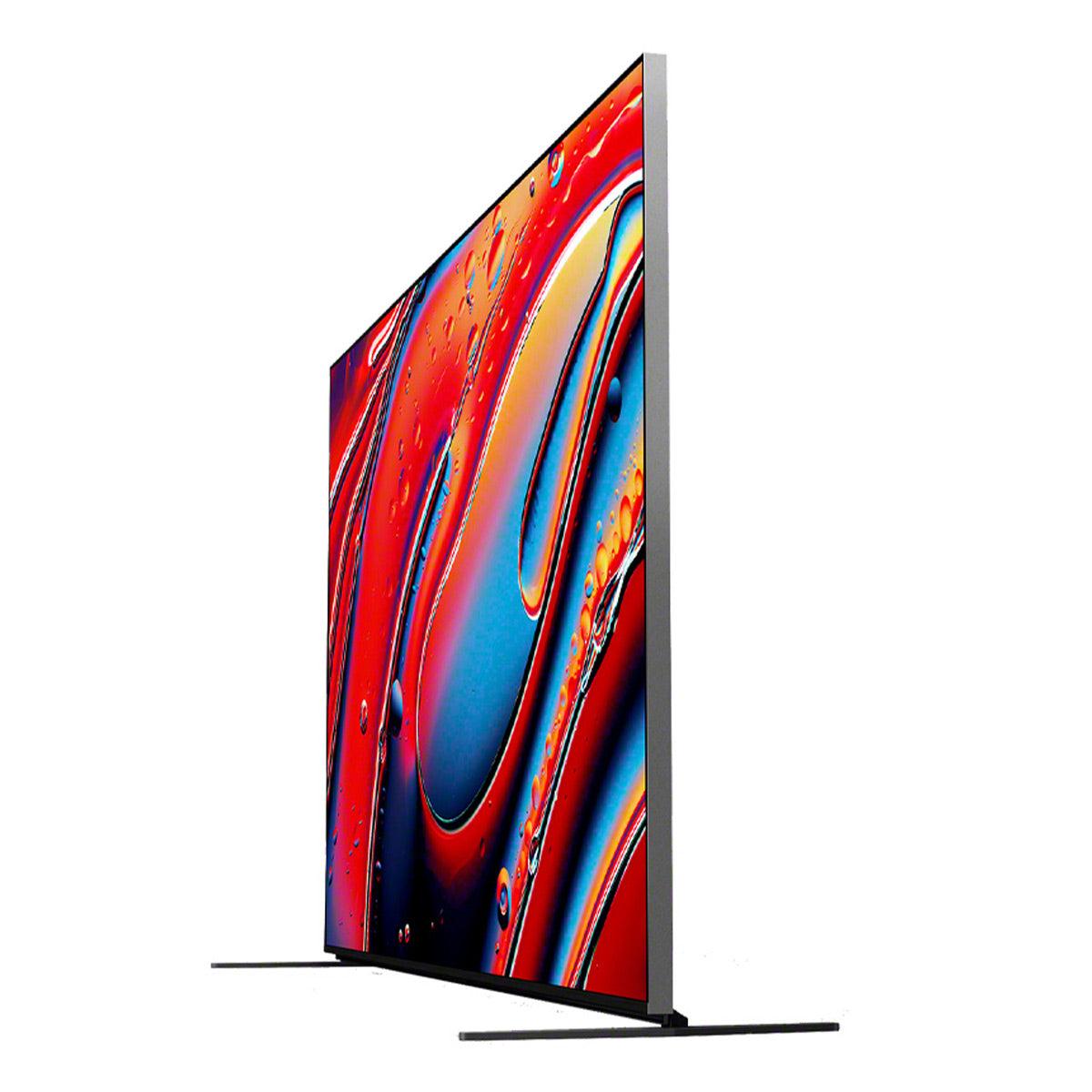
When shopping for a 65-inch TV in 2024, you'll encounter an interesting dilemma: should you grab an entry-level quantum dot TV or invest significantly more in flagship Mini LED technology? The Samsung Q7F Series and Sony BRAVIA 9 represent exactly this choice, with a price gap of roughly five times between them at the time of writing.
Both TVs launched in 2024, but they target completely different buyers. The Samsung Q7F brings quantum dot color technology—previously reserved for expensive TVs—down to budget-friendly pricing. Meanwhile, the Sony BRAVIA 9 pushes the boundaries of what LED-backlit TVs can achieve with cutting-edge Mini LED backlighting and professional-grade processing.
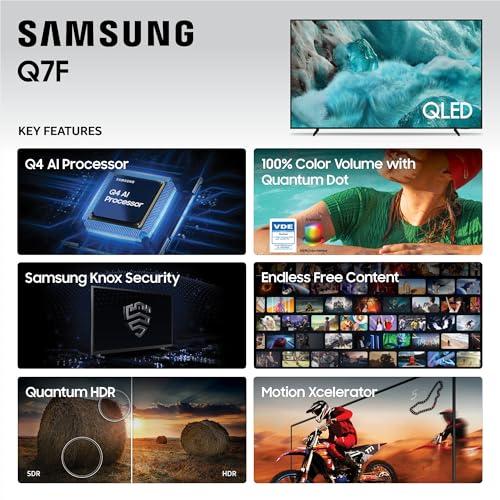
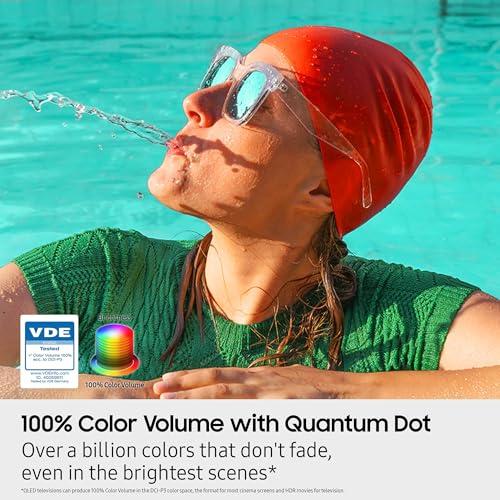
Before diving into specifics, let's clarify what makes these TVs tick. Both use quantum dots—microscopic crystals that emit pure colors when hit by light—to create more vibrant and accurate colors than traditional LED TVs. Think of quantum dots as tiny color filters that can produce over a billion different shades, far more than older LCD panels.
The crucial difference lies in their backlighting systems. The Samsung Q7F uses standard LED backlighting, where a grid of LEDs behind the screen illuminates the entire panel. The Sony BRAVIA 9 employs Mini LED technology, which uses thousands of tiny LEDs that can be controlled independently in zones across the screen. This allows specific areas to go completely dark while others shine brightly—imagine being able to display a bright streetlight against a pitch-black night sky without the light bleeding into the dark areas.
Here's where the price difference becomes most apparent. The Sony BRAVIA 9 delivers what experts consistently call reference-quality contrast. Its Mini LED system can create zones of perfect darkness right next to brilliant highlights. When watching a space movie, stars genuinely pop against the void of space rather than appearing against a grayish background.
The Samsung Q7F, lacking true local dimming zones, faces the classic LED TV compromise. To display bright highlights, the entire backlight must increase, which means black areas become gray. To achieve deeper blacks, highlights lose their punch. This isn't necessarily a deal-breaker for everyday viewing—many users in our research praised the Q7F's picture quality for regular content—but it becomes noticeable in movie scenes with high contrast.
In practical terms, the Sony excels with nighttime scenes in movies, HDR content with dramatic lighting, and any content where deep blacks matter. The Samsung delivers satisfying picture quality for daytime TV, sports, and bright content but struggles with cinematic material that relies on shadow detail.
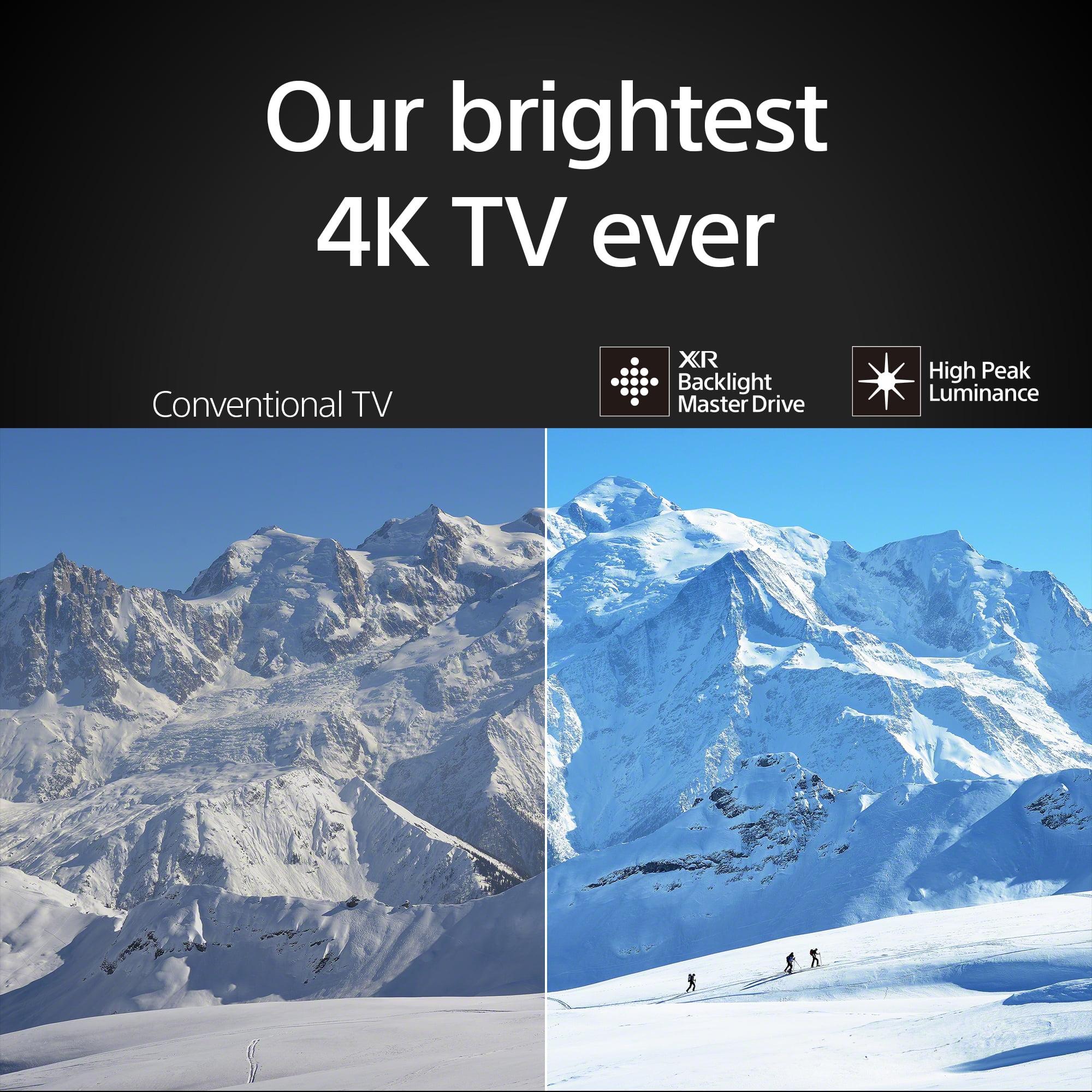
Room lighting significantly impacts your TV viewing experience, and here the Sony BRAVIA 9 demonstrates why it commands premium pricing. Sony markets this as their brightest TV ever, and expert reviews confirm it easily overcomes glare from windows and room lighting. If your TV faces windows or you watch during bright daylight, this brightness advantage becomes crucial.
The Samsung Q7F provides adequate brightness for most viewing situations but can't compete in bright rooms. Users consistently report good performance in moderately lit environments but note visibility issues when competing with direct sunlight or bright overhead lighting.
Peak brightness matters most for HDR content, where bright highlights like explosions, sunshine, or reflective surfaces should genuinely dazzle your eyes. The Sony delivers this impact; the Samsung provides a more subdued HDR experience that, while pleasant, doesn't achieve the "wow factor" that HDR promises.
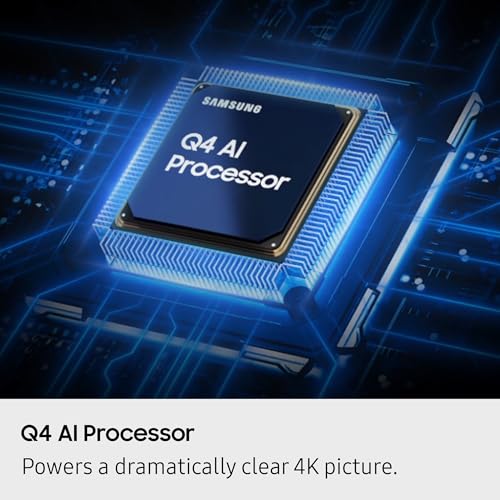
Both TVs benefit from quantum dot technology, but they implement it differently. The Samsung Q7F includes Samsung's "Color Booster Pro" AI enhancement, which analyzes scenes and boosts color saturation intelligently. User reviews consistently praise how colors "come alive" on this display, particularly with bright, colorful content like animated movies or nature documentaries.
The Sony BRAVIA 9 takes a more professional approach, prioritizing color accuracy over saturation. Expert reviews note it reproduces colors "as the content creators intended," which means less artificial enhancement but more faithful reproduction. This distinction matters if you're particular about how movies and shows should look versus wanting the most vibrant presentation possible.
For most viewers, both approaches work well. The Samsung might make your Netflix shows pop more dramatically, while the Sony ensures your 4K Blu-rays look exactly as the director intended. Neither approach is wrong—it's about preference and content type.
This represents perhaps the most significant functional difference between these TVs. The Samsung Q7F operates at 60Hz, meaning it can display 60 frames per second maximum. The Sony BRAVIA 9 offers native 120Hz, doubling that refresh rate.
For sports enthusiasts, this difference is immediately apparent. Camera pans during football games, hockey action, or racing appear smoother on 120Hz displays. The Samsung includes "Motion Xcelerator" technology to help with 60Hz motion, but physics limits what software can achieve.
If you primarily watch news, dramas, or sitcoms, the 60Hz limitation matters less. But for action movies, sports, or nature documentaries with sweeping camera movements, 120Hz provides noticeably smoother motion.
Gaming reveals the starkest performance gap. The Samsung Q7F offers respectable gaming performance for casual players—input lag measures around 10 milliseconds, which feels responsive for most games. However, it's limited to 4K at 60Hz and lacks Variable Refresh Rate (VRR) technology.
The Sony BRAVIA 9 provides full next-generation gaming features: 4K at 120Hz, VRR support, and four HDMI 2.1 ports. If you own a PlayStation 5 or Xbox Series X, these features unlock the full potential of these consoles. Games like racing simulators or first-person shooters benefit dramatically from higher refresh rates and VRR, which eliminates screen tearing when frame rates fluctuate.
Variable Refresh Rate deserves explanation: when your console renders 85 frames per second but your TV displays 60Hz, you get visual artifacts called screen tearing. VRR allows the TV to match whatever frame rate the console outputs, creating smooth visuals regardless of game performance.
For casual gaming—puzzle games, turn-based strategy, or single-player adventures—the Samsung performs adequately. For competitive gaming or if you want to maximize your console investment, the Sony proves essential.
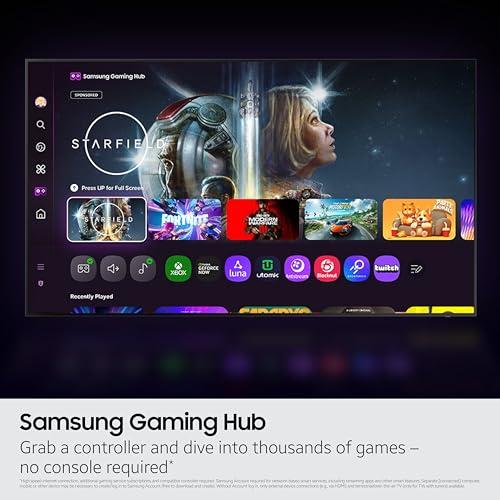
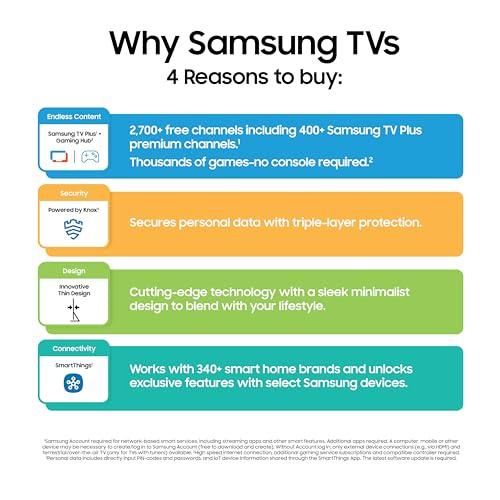
The Samsung Q7F runs Samsung's Tizen operating system, which includes their "Vision AI" features—personalized recommendations, real-time translation for foreign content, and gesture controls. Samsung TV Plus provides thousands of free channels, and SmartThings integration lets the TV control smart home devices.
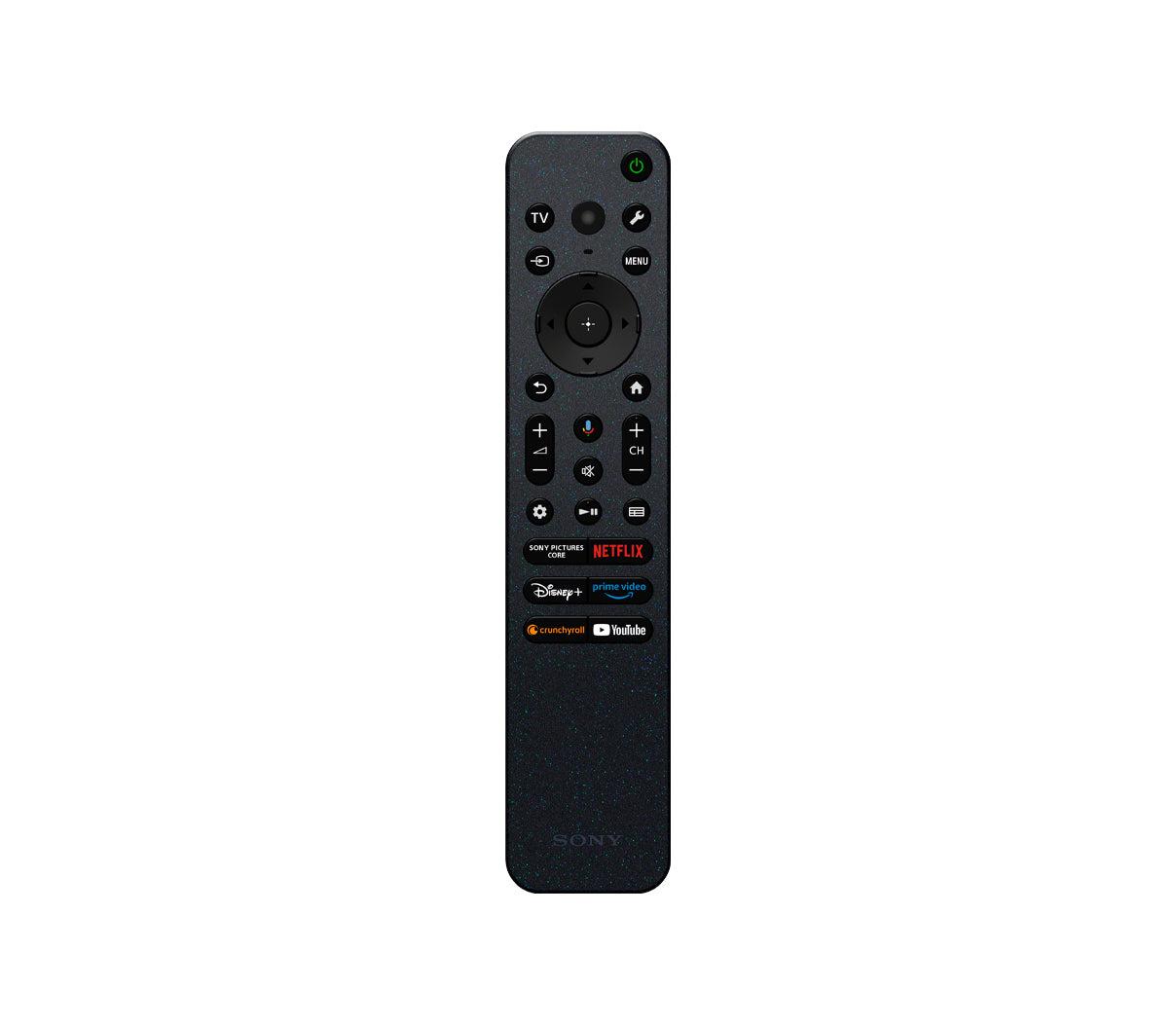
The Sony BRAVIA 9 uses Google TV, offering excellent voice search, comprehensive app selection, and integration with Google's ecosystem. Both platforms work well, but your existing smart home setup might influence preference.
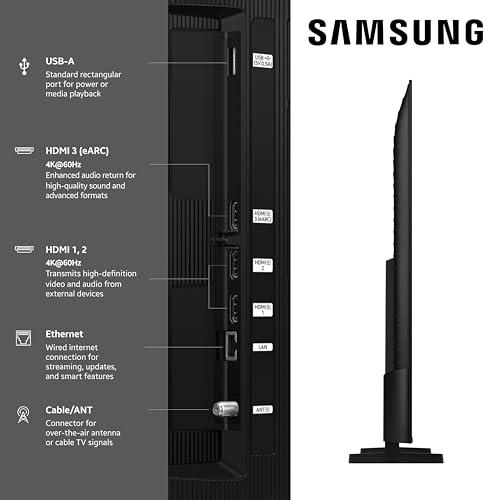
Here's where the Samsung's budget positioning becomes apparent: only three HDMI ports, with none supporting HDMI 2.1's higher bandwidth. If you connect a soundbar, gaming console, streaming device, and Blu-ray player, you'll need an HDMI switch. Multiple users in our research cited port count as a significant limitation.
The Sony provides four HDMI 2.1 ports, accommodating multiple high-bandwidth devices without compromises. This might seem minor until you're juggling connections between a PS5, Apple TV, soundbar, and laptop.
The Samsung Q7F includes 20W speakers with "Object Tracking Sound Lite"—a technology that tries to make audio follow action across the screen. While adequate for casual viewing, it lacks Dolby Atmos support and doesn't provide the bass response or volume levels serious viewers expect.
The Sony BRAVIA 9 features a more sophisticated audio system with multiple speakers arranged throughout the TV's frame, including up-firing drivers for height effects. It supports Dolby Atmos and produces fuller sound, though like all flat-panel TVs, it benefits significantly from a dedicated soundbar or surround system.
For both TVs, I'd strongly recommend planning for external audio if you care about sound quality. The Sony's built-in audio works better for casual viewing, but neither replaces a proper sound system for movies or music.
High Dynamic Range (HDR) extends the contrast and color range beyond standard video, making bright highlights brighter and dark shadows darker while displaying more colors. However, different HDR formats exist, and support varies between TVs.
The Sony BRAVIA 9 supports all major HDR formats: HDR10, HDR10+, Dolby Vision, and HLG (Hybrid Log-Gamma). Dolby Vision represents the premium HDR format, used by Netflix's best content and 4K Blu-rays from major studios.
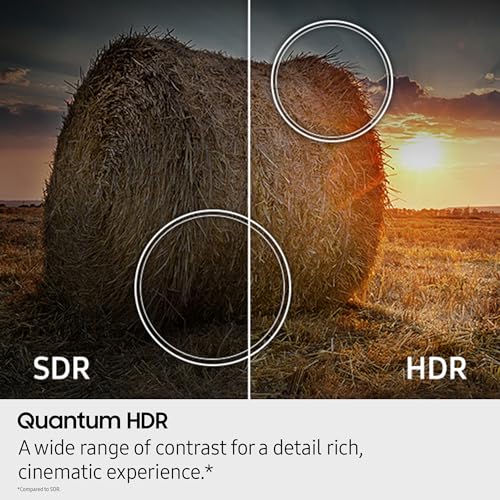
The Samsung Q7F supports HDR10+ and Samsung's "Quantum HDR" but notably lacks Dolby Vision support. This creates compatibility issues with some streaming content and Blu-ray discs that use Dolby Vision exclusively.
In practice, most HDR content works on both TVs, but if you're building a serious home theater setup or care about accessing all premium streaming content, Dolby Vision support becomes important.
At the time of writing, the Samsung Q7F represents exceptional value for buyers wanting quantum dot color enhancement without premium pricing. It excels for:
The Samsung delivers genuinely impressive picture quality for its price point. Users consistently report satisfaction with color vibrancy and overall viewing experience, particularly coming from older or lower-end TVs.
The Sony BRAVIA 9 targets buyers for whom picture quality and technical performance justify significantly higher investment:
The Sony's technical superiority extends beyond specifications into real-world performance. Expert reviews consistently rank it among the best LED-backlit TVs available, delivering performance that approaches OLED quality while exceeding OLED brightness.
For dedicated home theater setups, the choice becomes clearer. The Sony BRAVIA 9 provides the contrast control, brightness, and color accuracy that serious movie watching demands. Its Dolby Vision support ensures compatibility with premium content, while its processing handles film grain and low-bitrate content exceptionally well.
The Samsung Q7F works adequately for casual movie watching but can't deliver the deep blacks and precise highlights that make cinematic content truly immersive. In a darkened room watching a film like "Blade Runner 2049" or "Dune," the difference becomes immediately apparent.
However, many buyers don't need reference-quality performance. If your "home theater" consists of watching Netflix after work or enjoying weekend sports, the Samsung provides a satisfying experience at a fraction of the cost.
The enormous price gap between these TVs reflects fundamentally different design philosophies and target markets. The Samsung Q7F democratizes premium display technology, bringing quantum dot enhancement to mainstream pricing. The Sony BRAVIA 9 pushes technical boundaries, delivering flagship performance that justifies premium pricing through measurable advantages.
Choose the Samsung if budget constraints matter more than ultimate performance, if you primarily watch bright daytime content, or if you want good picture quality without perfectionist concerns. It represents excellent value and will satisfy most viewers' needs admirably.
Choose the Sony if picture quality takes priority over budget, if you're building a serious home theater, if you game competitively on next-generation consoles, or if you want a long-term investment that won't require upgrading as content and technology evolve.
Both TVs succeed in their respective markets. The Samsung proves that good picture quality doesn't require enormous investment, while the Sony demonstrates what's possible when engineering priorities focus on performance over price. Understanding which philosophy aligns with your viewing habits and budget will guide you toward the right choice.
The key insight: you don't necessarily need to spend flagship money to get satisfying picture quality, but if you do invest in premium performance, the benefits extend far beyond specifications into genuinely superior viewing experiences that justify their cost for discerning viewers.
| Samsung Q7F Series | Sony BRAVIA 9 |
|---|---|
| Display Technology - Determines contrast performance and black levels | |
| Standard LED backlighting with Quantum Dots | Mini LED backlighting with thousands of local dimming zones |
| Peak Brightness - Critical for HDR impact and bright room viewing | |
| Adequate for moderate lighting conditions | Sony's brightest TV ever, easily overcomes ambient light |
| Refresh Rate - Essential for smooth motion in sports and gaming | |
| 60Hz with Motion Xcelerator | Native 120Hz with XR Motion Clarity |
| Gaming Features - Determines next-gen console compatibility | |
| 4K@60Hz, ALLM, no VRR, ~10ms input lag | 4K@120Hz, VRR, ALLM, multiple HDMI 2.1 ports |
| HDR Format Support - Affects compatibility with premium streaming content | |
| HDR10+, Quantum HDR (no Dolby Vision) | HDR10, HDR10+, Dolby Vision, HLG |
| Local Dimming Zones - Controls contrast between bright and dark areas | |
| None (standard edge/direct LED) | Thousands of Mini LED zones with precise control |
| HDMI Connectivity - Impacts device connection flexibility | |
| 3 HDMI 2.0 ports (bandwidth limited) | 4 HDMI 2.1 ports (future-proof bandwidth) |
| Smart TV Platform - Determines app selection and user interface | |
| Samsung Tizen with Vision AI and SmartThings | Google TV with comprehensive app ecosystem |
| Audio System - Built-in speaker quality and surround support | |
| 20W 2CH, Object Tracking Sound Lite, no Dolby Atmos | 70W 2.2.2CH, Acoustic Multi-Audio+, Dolby Atmos |
| Color Technology - Enhances color vibrancy and accuracy | |
| Quantum Dots with Color Booster Pro AI | Quantum Dots with XR Triluminos Pro (accuracy-focused) |
| Target Market - Who this TV is designed for | |
| Budget-conscious buyers wanting QLED benefits | Home theater enthusiasts and serious gamers |
| Best Use Cases - Where each TV excels | |
| Casual viewing, bright content, secondary rooms | Dark room movies, competitive gaming, bright room viewing |
The Sony BRAVIA 9 delivers superior picture quality for movies thanks to its Mini LED backlighting with thousands of local dimming zones. This allows for true blacks and bright highlights simultaneously, creating the contrast essential for cinematic content. The Samsung Q7F provides good picture quality but lacks local dimming, resulting in grayish blacks that compromise the movie-watching experience in dark rooms.
The primary difference is backlighting technology. The Samsung Q7F uses standard LED backlighting, while the Sony BRAVIA 9 features advanced Mini LED technology with precise zone control. This gives the Sony dramatically better contrast, brightness, and black levels, but at a significantly higher cost than the Samsung.
The Sony BRAVIA 9 is far superior for gaming, offering 4K at 120Hz, Variable Refresh Rate (VRR), and four HDMI 2.1 ports for next-gen consoles. The Samsung Q7F is limited to 4K at 60Hz with no VRR support, making it suitable only for casual gaming rather than competitive or high-performance gaming.
No, there's a significant difference in HDR support. The Sony BRAVIA 9 supports all major HDR formats including Dolby Vision, which is used by premium Netflix content and 4K Blu-rays. The Samsung Q7F supports HDR10+ but lacks Dolby Vision, potentially limiting compatibility with some high-end streaming content.
The Sony BRAVIA 9 is Sony's brightest TV ever and easily overcomes ambient light and glare, making it excellent for bright rooms. The Samsung Q7F provides adequate brightness for moderate lighting but struggles in very bright rooms or when competing with direct sunlight.
The Samsung Q7F runs Samsung's Tizen OS with Vision AI features, SmartThings integration, and Samsung TV Plus free channels. The Sony BRAVIA 9 uses Google TV, offering excellent voice search and comprehensive app selection. Both platforms work well, with the choice often depending on your existing smart home ecosystem.
The Samsung Q7F offers exceptional value, bringing quantum dot color technology to budget-friendly pricing with solid overall performance. The Sony BRAVIA 9 justifies its premium pricing through flagship-level performance, but the value depends on whether you need its advanced features like Mini LED backlighting and gaming capabilities.
Yes, both the Samsung Q7F and Sony BRAVIA 9 display 4K content excellently, with quantum dot technology providing vibrant colors. However, the Sony's superior processing and Mini LED backlighting make 4K content appear more detailed and impactful, especially in HDR scenes with high contrast.
The Sony BRAVIA 9 features a more advanced audio system with 70W output, multiple speakers including up-firing drivers, and Dolby Atmos support. The Samsung Q7F has 20W speakers with Object Tracking Sound Lite but no Dolby Atmos. Both benefit from external soundbars for serious audio quality.
The Samsung Q7F has three HDMI ports (all HDMI 2.0) and one USB port, which may require an HDMI switch for multiple devices. The Sony BRAVIA 9 provides four HDMI 2.1 ports with higher bandwidth, offering more flexibility for connecting gaming consoles, soundbars, and streaming devices.
The Sony BRAVIA 9 handles sports better due to its 120Hz refresh rate, providing smoother motion during fast action like camera pans and player movement. The Samsung Q7F uses 60Hz with motion enhancement technology, which works adequately for sports but can't match the smoothness of native 120Hz.
For a dedicated home theater, the Sony BRAVIA 9 is the clear choice due to its Mini LED contrast control, Dolby Vision support, and reference-quality color accuracy. The Samsung Q7F works well for casual movie watching but can't deliver the deep blacks and precise highlights that make cinematic content truly immersive in darkened viewing rooms.
We've done our best to create useful and informative comparisons to help you decide what product to buy. Our research uses advanced automated methods to create this comparison and perfection is not possible - please contact us for corrections or questions. These are the sites we've researched in the creation of this article: bestbuy.com - rtings.com - bestbuy.com - youtube.com - youtube.com - youtube.com - samsung.com - samsung.com - samsung.com - billsmith.com - costco.com - samsung.com - hometechnologyreview.com - hometechnologyreview.com - bestbuy.com - samsung.com - bestbuy.com - samsung.com - hometechnologyreview.com - samsung.com - samsung.com - bestbuy.com - bestbuy.com - youtube.com - whathifi.com - crutchfield.com - rtings.com - pcrichard.com - merlinstv.com - youtube.com - sony.ca - electronics.sony.com

Privacy Policy
Terms and Conditions - Affiliate Policy
Home Security
© Copyright 2008-2026.
11816 Inwood Rd #1211, Dallas, TX 75244