

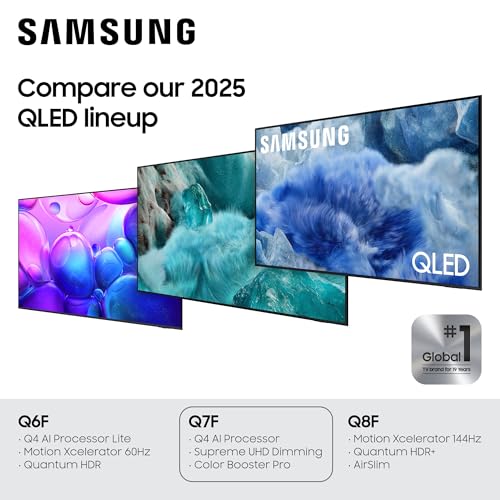
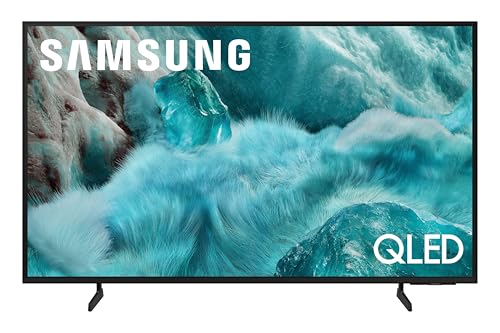
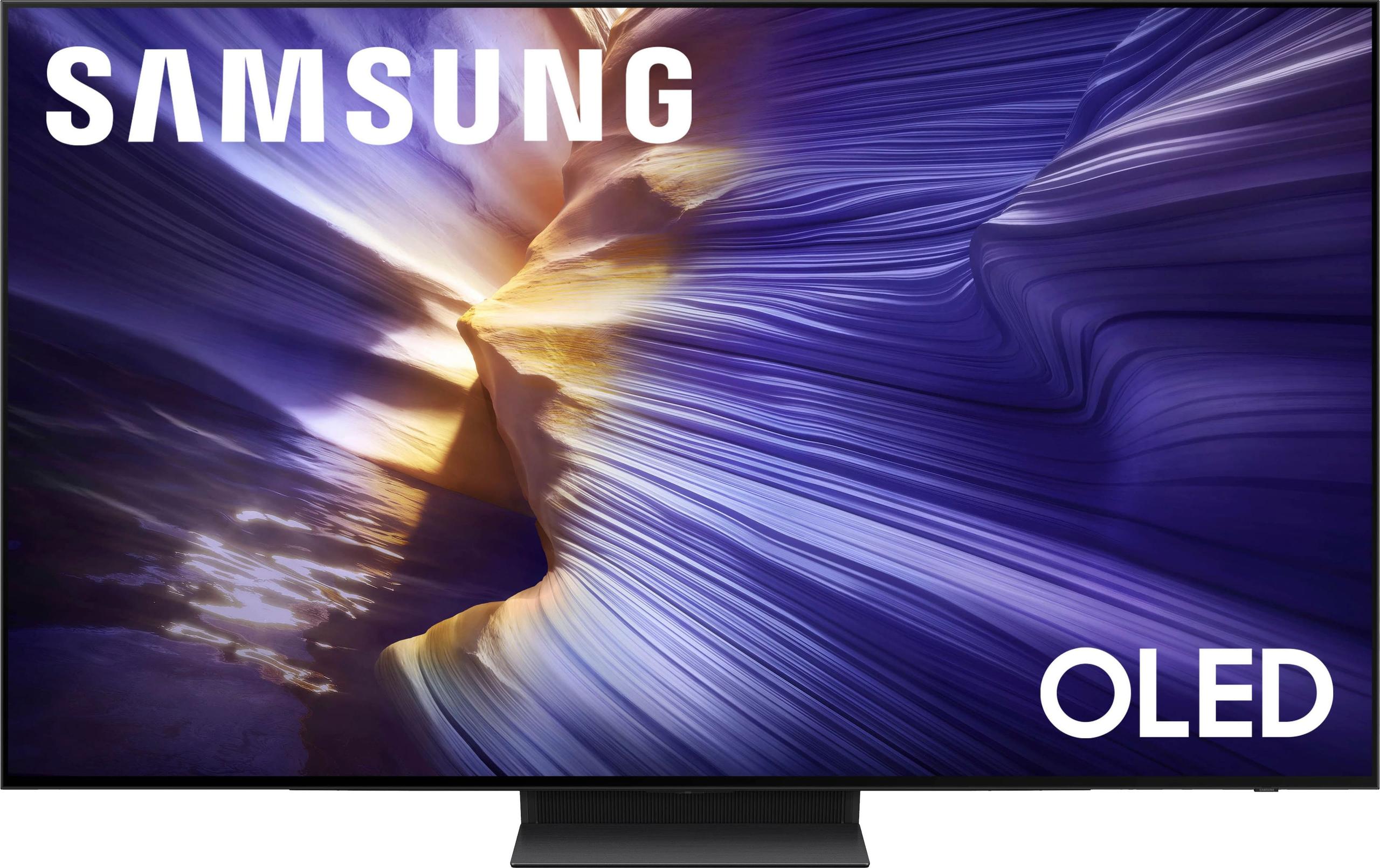
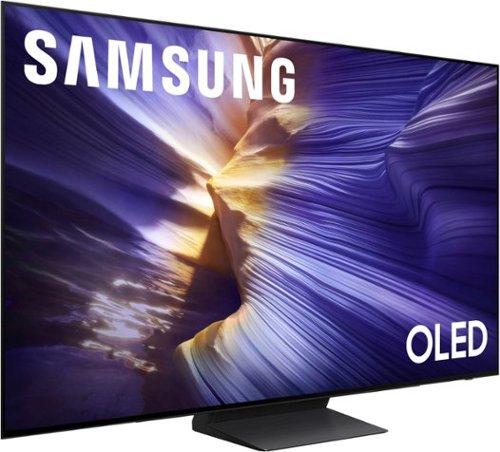
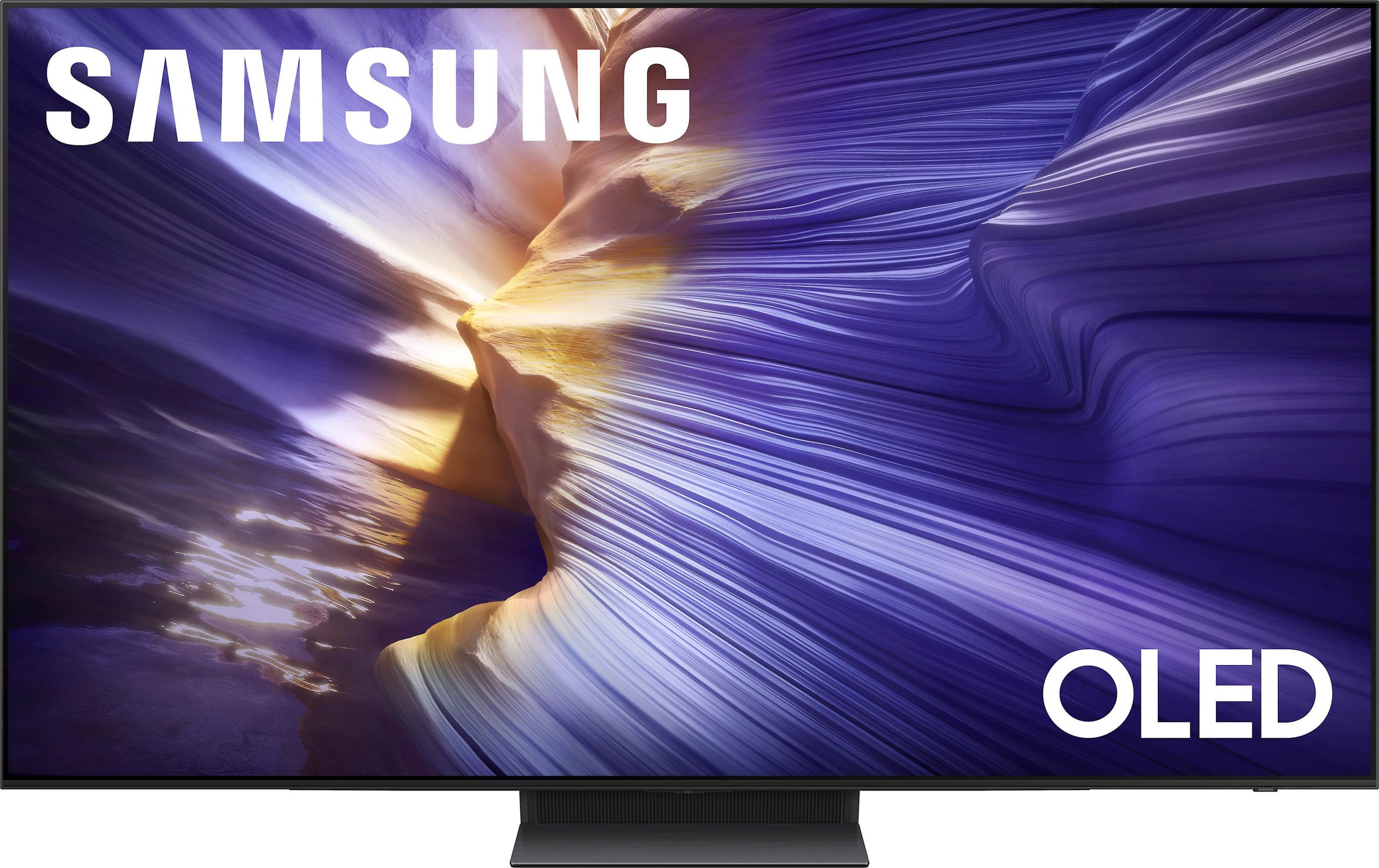
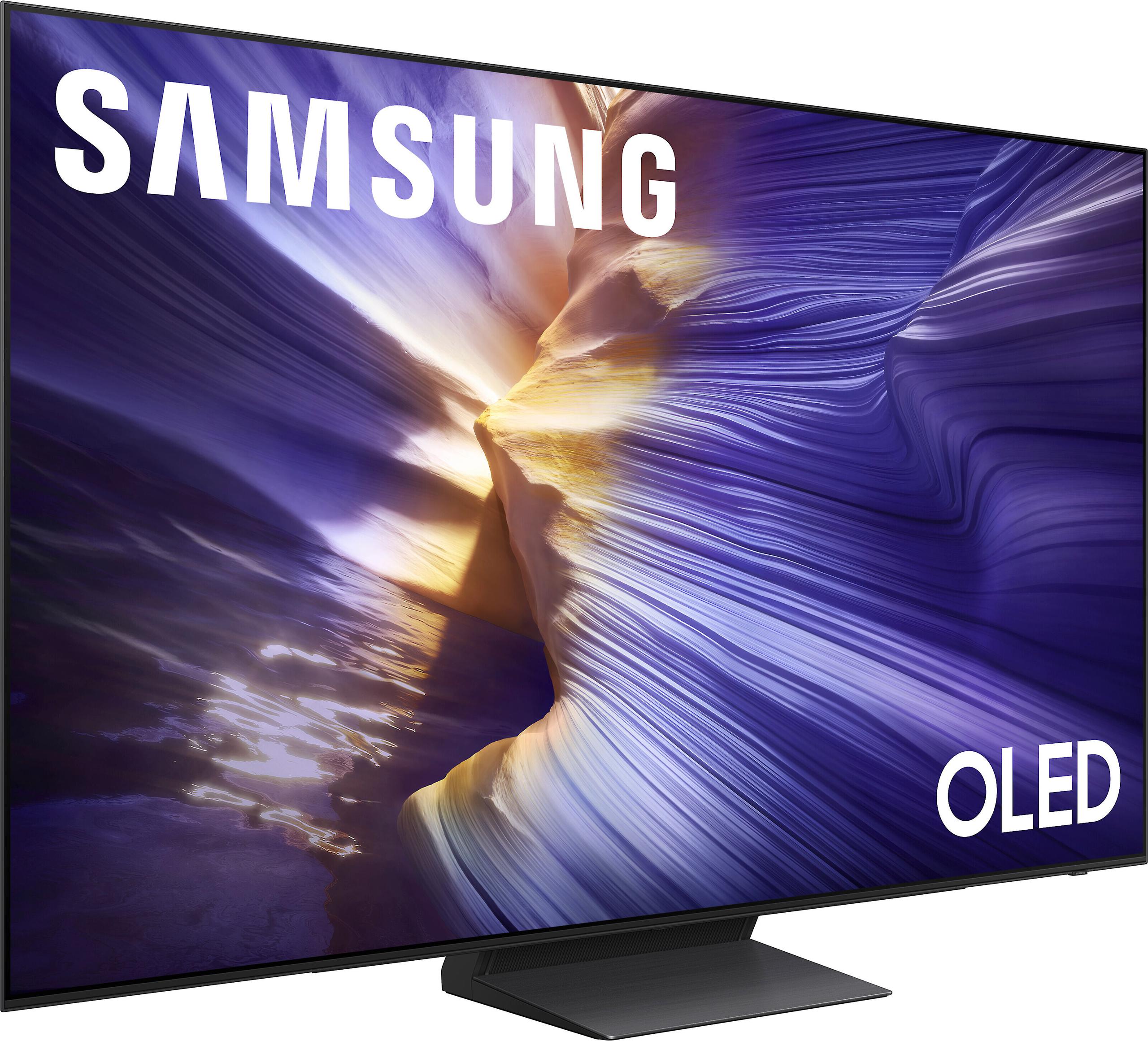

When you're shopping for a 65-inch TV in 2025, you're entering a market that's more confusing than ever. Two Samsung TVs—the Q7F QLED and S90F OLED—perfectly illustrate why understanding display technology matters more than brand names or even price tags.
Both TVs launched as part of Samsung's 2025 lineup, but they represent completely different approaches to creating a picture. The Q7F uses traditional LED backlighting enhanced with quantum dots (that's where the "Q" comes from), while the S90F uses OLED technology where each pixel creates its own light. At the time of writing, these TVs are surprisingly close in price, with the OLED sometimes costing less than the QLED—a pricing situation that rarely happens and makes this comparison particularly interesting.
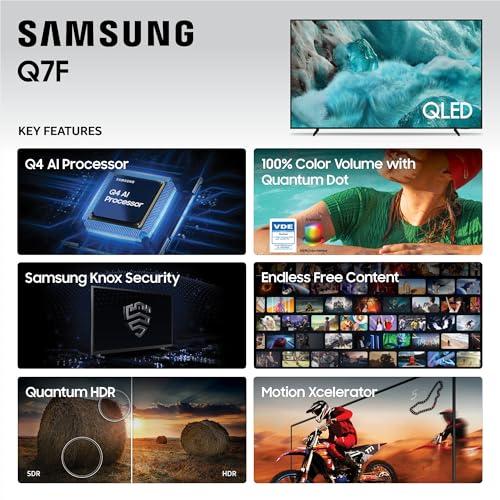
Before diving into specifics, let's clarify what we're actually comparing. QLED isn't a fundamentally different display type—it's Samsung's marketing term for LED TVs enhanced with a quantum dot filter. Quantum dots are microscopic crystals that improve color purity and brightness when light passes through them. Think of them as a color enhancer for traditional LED backlighting.
OLED, on the other hand, represents a completely different approach. Instead of a backlight shining through layers of filters, each pixel in an OLED display generates its own light. When a pixel needs to be black, it simply turns off completely. This fundamental difference affects everything from contrast to viewing angles to gaming performance.
The S90F actually uses QD-OLED technology, which combines quantum dots with OLED pixels for enhanced color performance—essentially the best of both worlds.
This is where OLED technology shows its biggest advantage. The S90F achieves perfect black levels because pixels can turn completely off, creating an infinite contrast ratio. When you're watching a movie with dark scenes, like space sequences or nighttime action, the difference is immediately obvious.
The Q7F, being an entry-level LED TV, lacks local dimming zones—areas of the backlight that can dim independently. This means the entire backlight operates at the same level, causing dark scenes to appear grayish rather than truly black. In our research across professional reviews and user feedback, this limitation consistently emerges as the Q7F's most significant weakness.
For home theater use, contrast performance is arguably the most important factor. It affects how immersive movies feel and how much detail you can see in both bright and dark scenes. The S90F delivers here with ratings that put it among the best TVs available, while the Q7F performs more like a basic LED TV from several years ago.
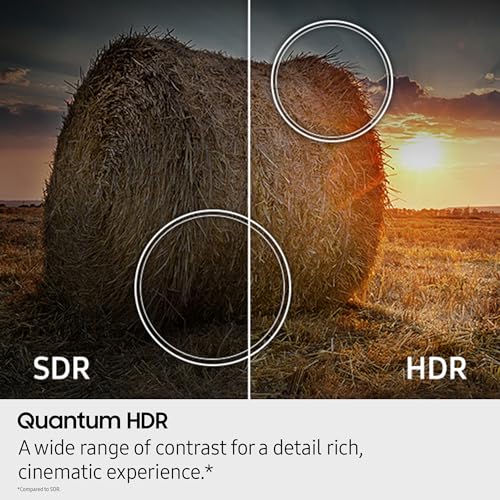
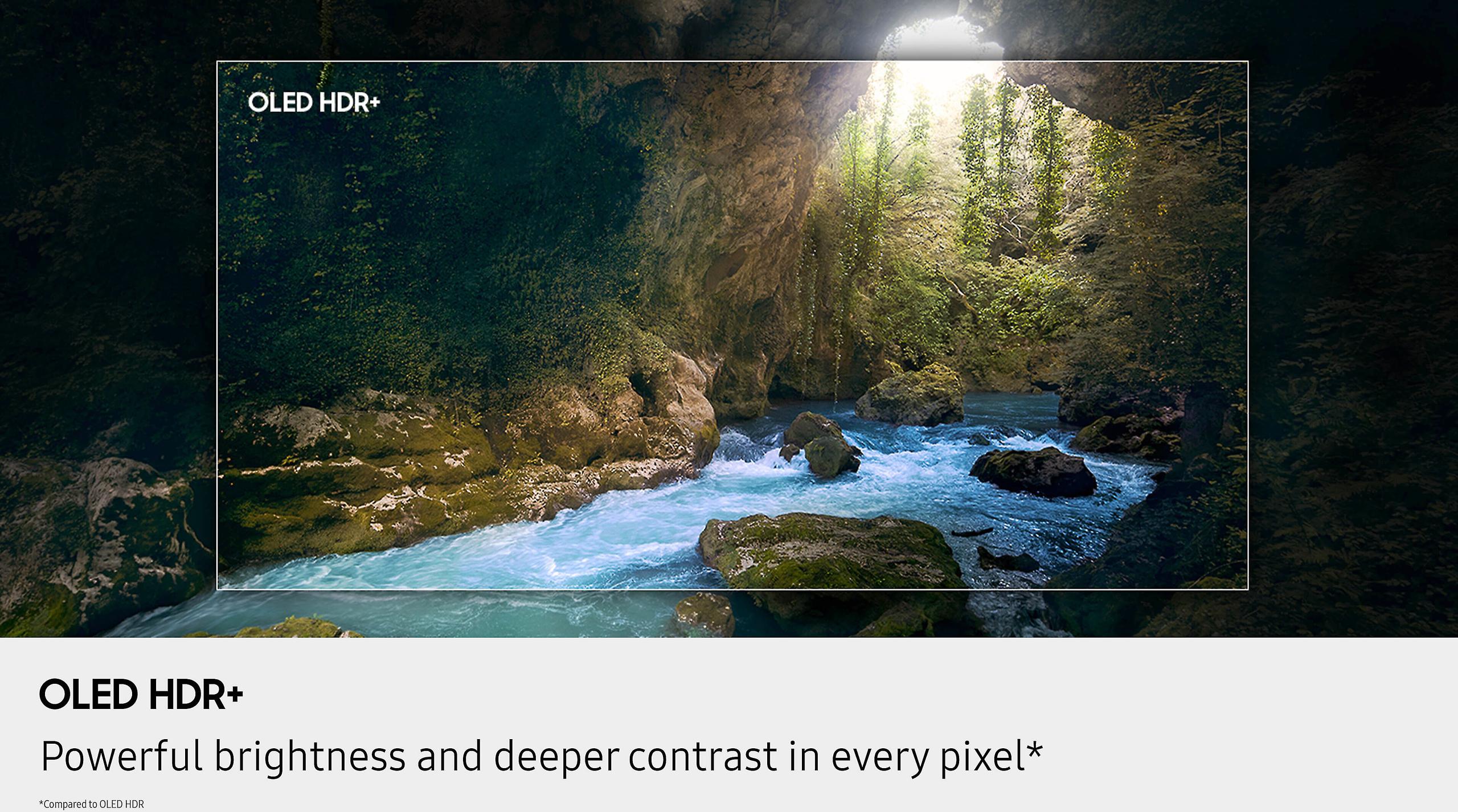
Here's where things get interesting. Traditional wisdom says LED TVs are brighter than OLEDs, but the S90F breaks that rule with peak brightness around 1,600 nits—bright enough to deliver impactful HDR (High Dynamic Range) content. HDR is essentially a format that allows TVs to display a wider range of brightness levels, from deeper blacks to brighter whites, creating more realistic images.
The Q7F provides adequate brightness for regular viewing but struggles with HDR content due to its contrast limitations. Even if it could match the S90F's peak brightness, the lack of local dimming means it can't create the dramatic contrast that makes HDR content impressive.
Both TVs support HDR10+, Samsung's preferred HDR format, but neither supports Dolby Vision—a limitation across Samsung's 2025 lineup that affects compatibility with some streaming content and 4K Blu-rays.
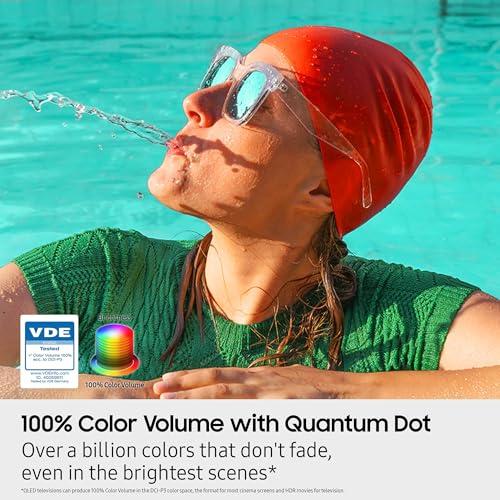
The S90F uses QD-OLED technology, which combines quantum dots with OLED pixels to create exceptionally pure colors, particularly in greens and reds. This translates to more vibrant, lifelike images that maintain their intensity across different brightness levels.
The Q7F includes quantum dot technology too, but its effectiveness is limited by the display's other constraints. Colors look good in standard content but appear muted in HDR mode, where the TV should be showing off its best performance.
Both displays are PANTONE validated, meaning they meet professional standards for color accuracy. However, having accurate colors and displaying them effectively are different things—the S90F delivers both.
Gaming capabilities reveal perhaps the starkest difference between these TVs. The Q7F offers basic 60Hz gaming with acceptable input lag around 10 milliseconds—fine for casual gaming but limiting for serious players.
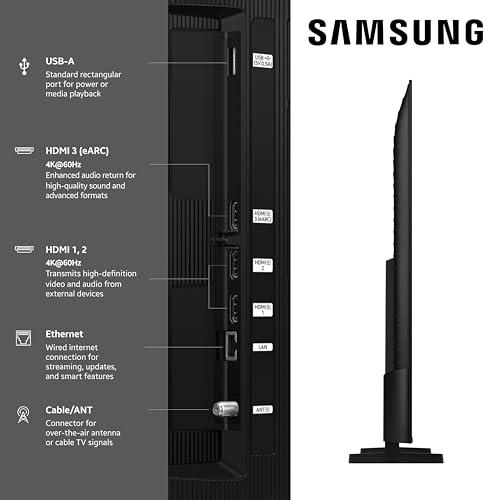
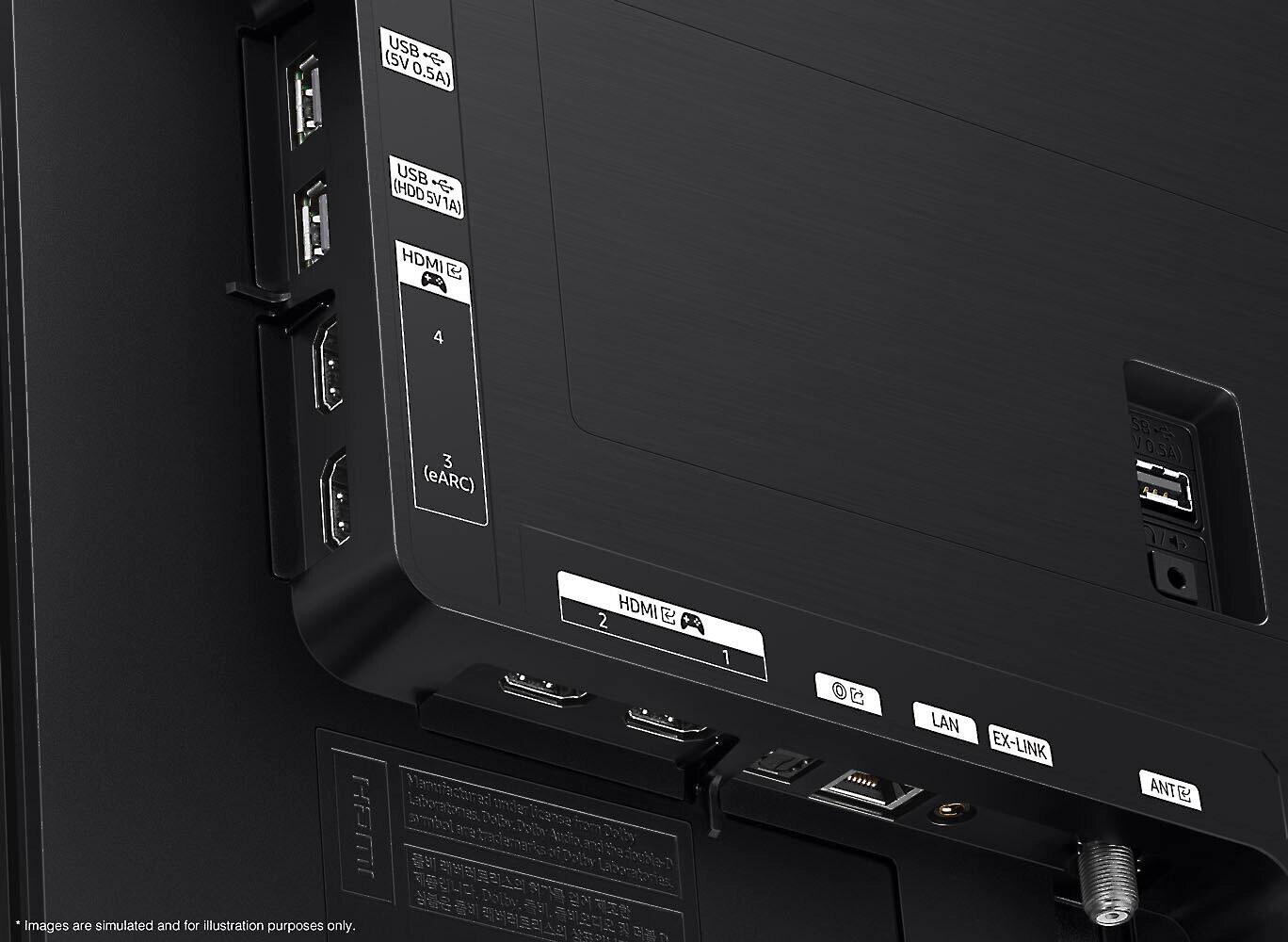
The S90F supports 144Hz gaming with four HDMI 2.1 ports, Variable Refresh Rate (VRR), and nearly instant pixel response times. VRR synchronizes the TV's refresh rate with your gaming console or PC, eliminating screen tearing and stuttering. This makes it compatible with the latest PlayStation 5 and Xbox Series X features, as well as high-end PC gaming.
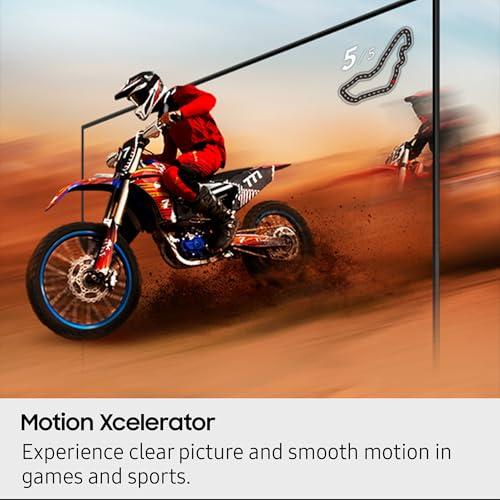
For context, most TVs maxed out at 60Hz until recently. The jump to 144Hz represents a massive improvement in motion clarity, especially for fast-paced games. Combined with OLED's instant pixel response, the S90F eliminates motion blur that's visible on traditional LED displays.
If you own a modern gaming console or plan to upgrade in the next few years, the S90F is essentially future-proof, while the Q7F is already behind current gaming standards.
OLED technology excels at motion clarity due to near-instantaneous pixel transitions. When watching sports or action movies, the S90F maintains sharp detail in moving objects without the blur that affects LED TVs.
The Q7F handles motion adequately for most viewers—you can certainly watch sports and movies without major issues. However, fast-moving scenes reveal limitations, with noticeable blur during quick camera pans or rapid action sequences.
Both TVs include Samsung's motion processing technology, but the underlying display technology determines the ceiling for performance. It's like having a great sound system with poor speakers—the processing can only do so much.
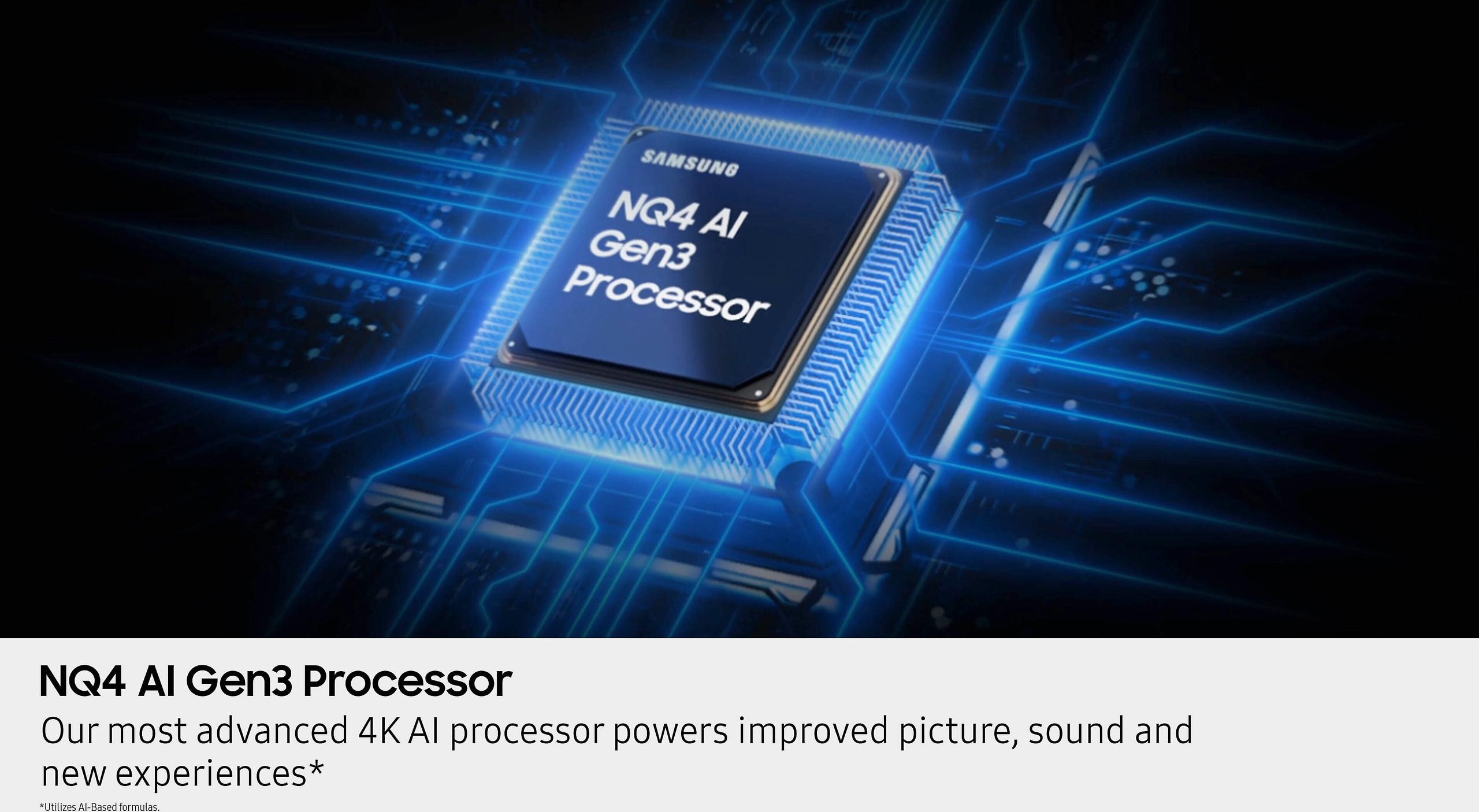
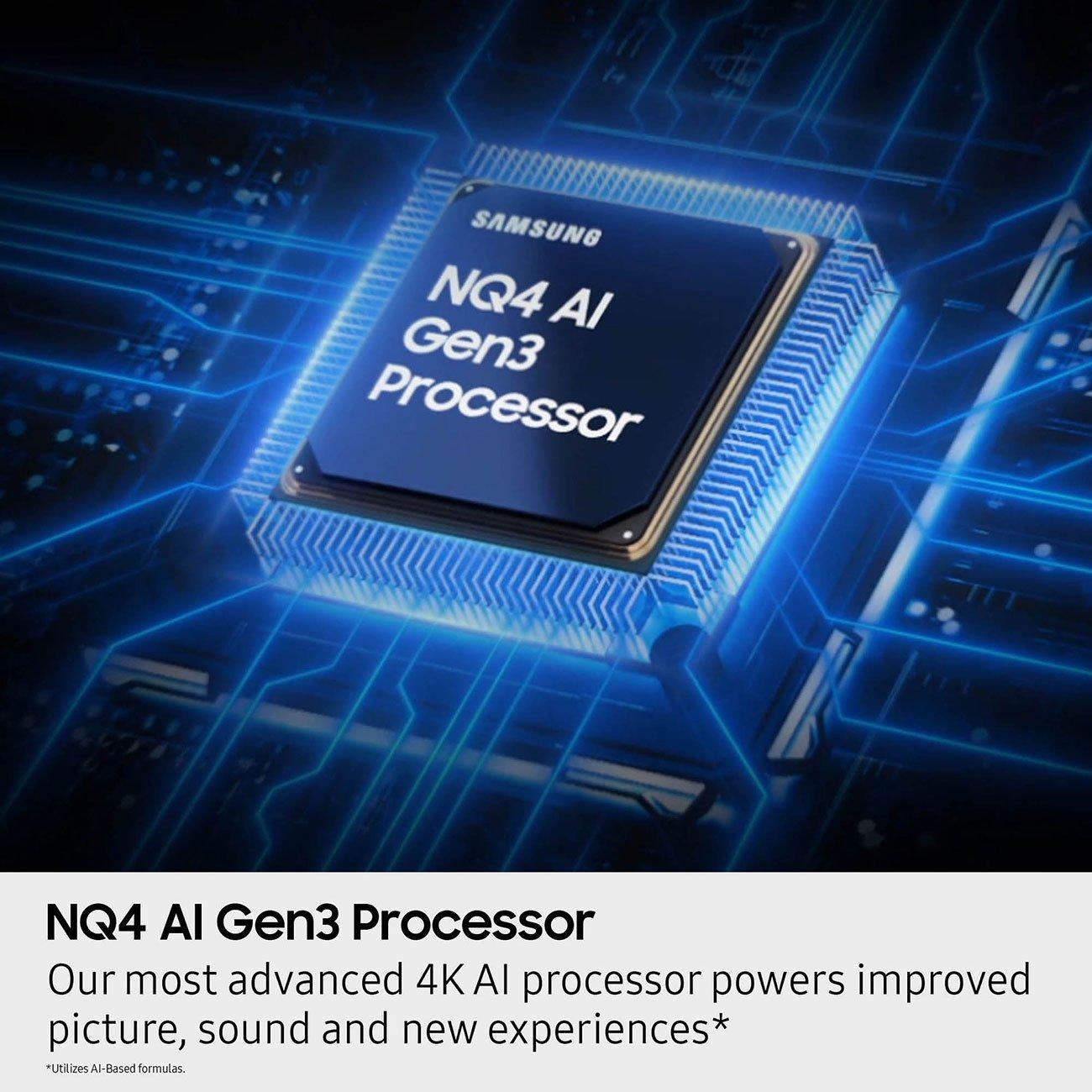
Both TVs run Samsung's Tizen operating system, but the S90F includes more advanced AI features powered by the NQ4 AI Gen3 processor. This chip enables Samsung Vision AI, which analyzes content in real-time to optimize picture and sound settings.
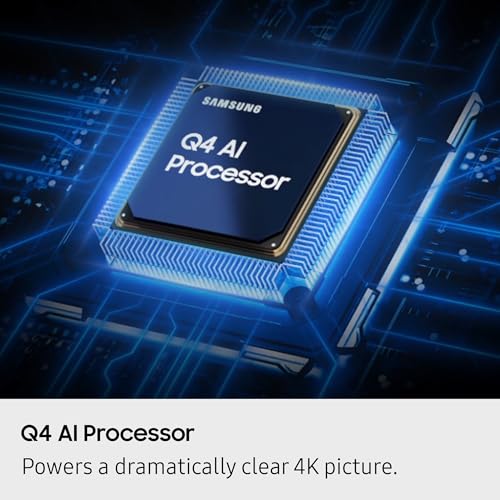
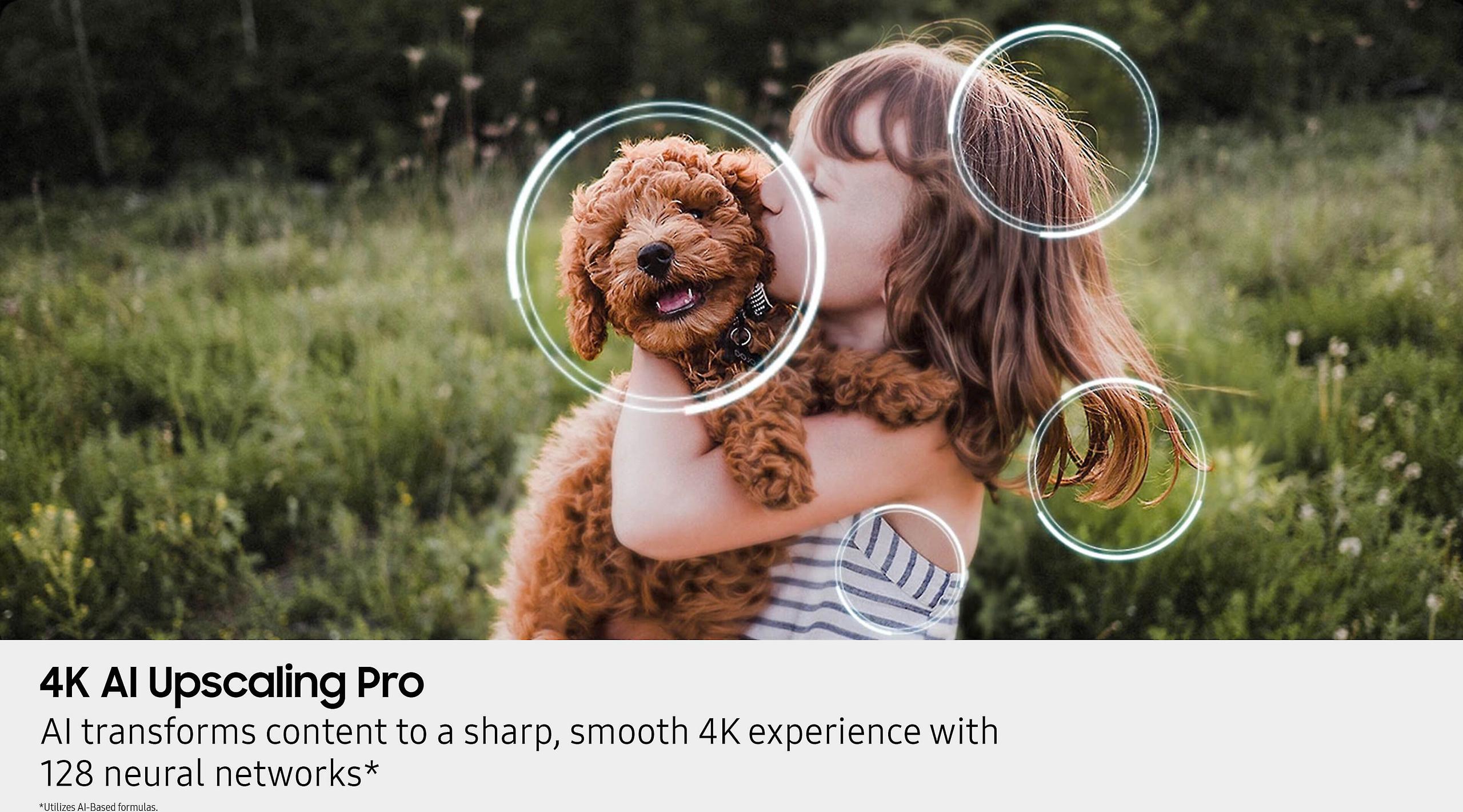
The Q7F uses the Q4 AI processor, which handles basic upscaling and adaptive sound but lacks the sophisticated processing of its premium sibling. For most streaming content, both processors work fine, but the difference becomes apparent with lower-quality sources that need upscaling to look good on a 4K screen.
Unique to the S90F is a "Pet Care" feature that can detect pet sounds and automatically play calming content—a thoughtful addition that shows Samsung's attention to lifestyle integration.
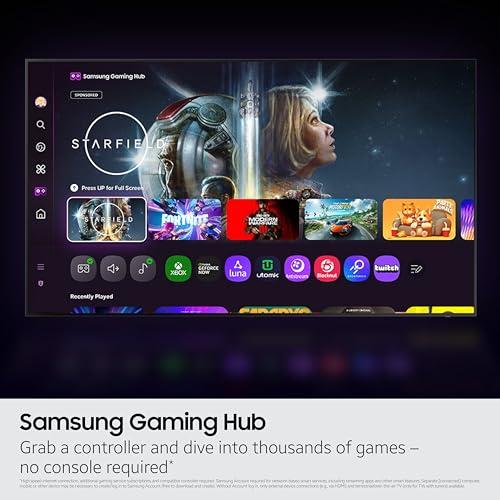
Both TVs support major streaming apps, voice control through Bixby and Alexa, and Samsung's SmartThings platform for controlling connected devices. The core smart TV experience is solid on both models.
OLED technology provides much wider viewing angles than traditional LED displays. The S90F maintains brightness and color accuracy even when viewed from the side, making it ideal for family rooms or open floor plans where people sit at various angles to the TV.
The Q7F experiences typical LED limitations—colors shift and brightness drops when viewed off-center. This isn't necessarily a deal-breaker if you have a centered seating arrangement, but it's worth considering for larger gatherings or wide room layouts.
The S90F uses a glossy anti-reflective coating that reduces overall glare but can create defined reflections from bright windows or lamps. The Q7F handles reflections differently but isn't notably better in bright rooms.
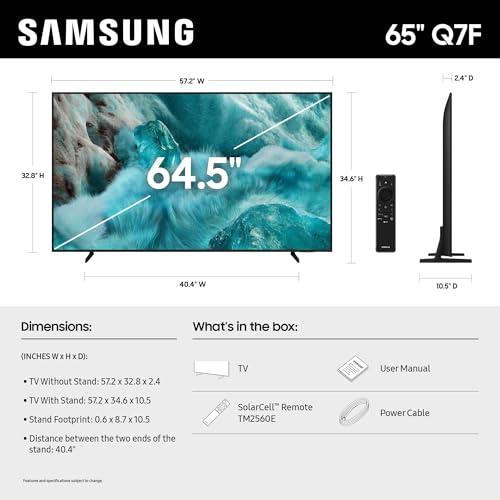
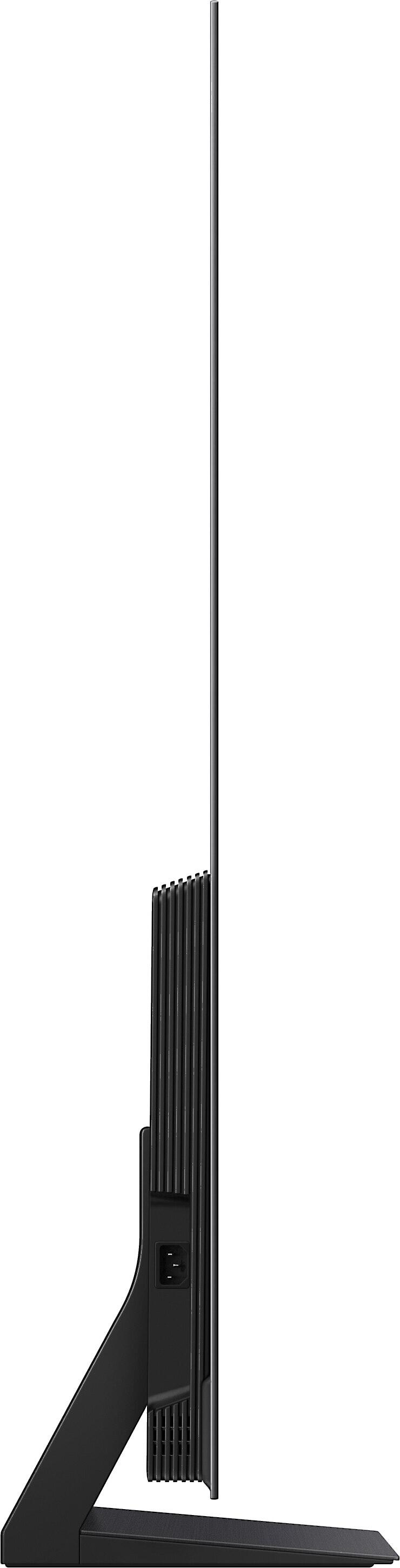
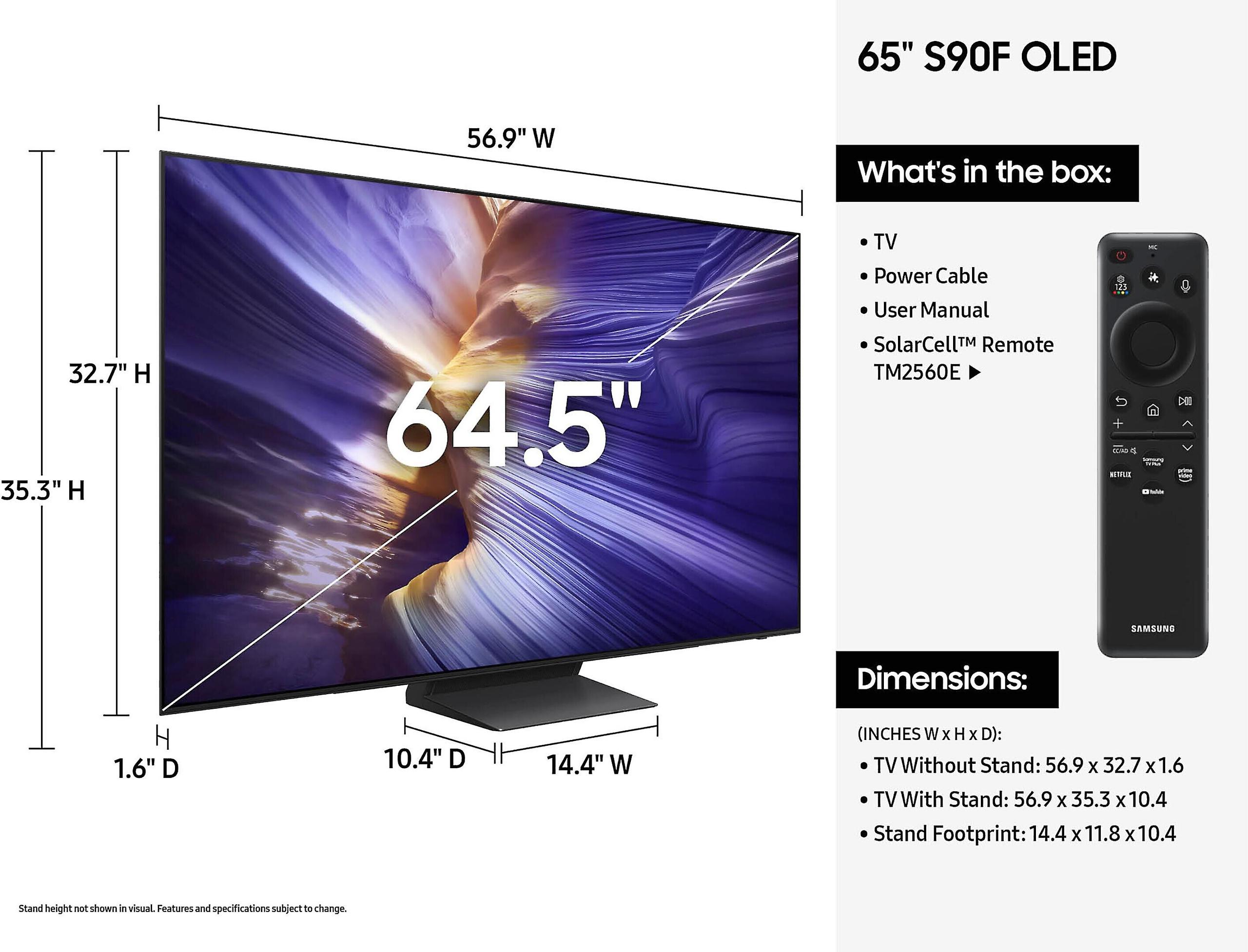
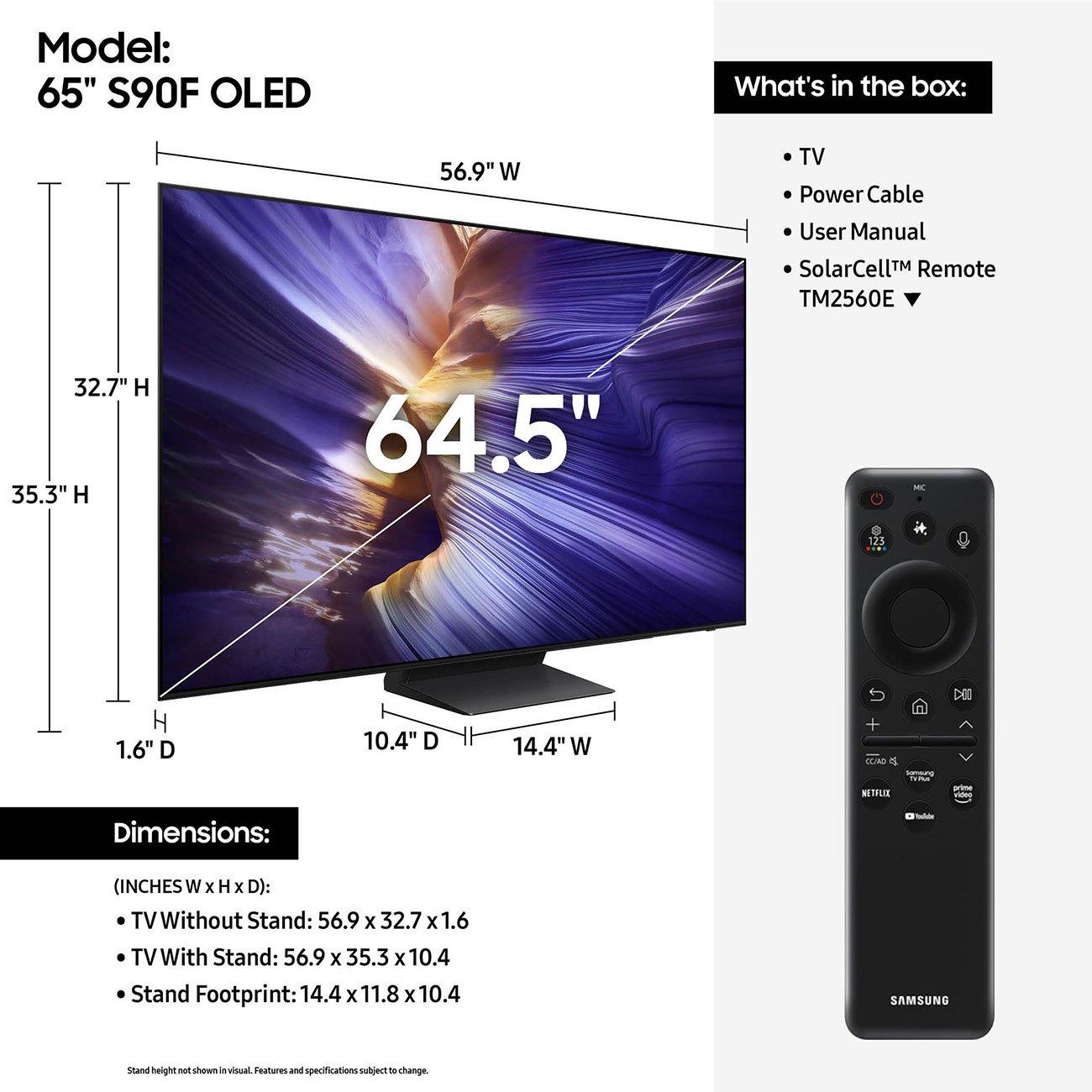
Both TVs feature Samsung's refined design language with slim profiles and clean aesthetics. The Q7F weighs about 38 pounds, while the S90F is slightly heavier due to its more complex display stack.
The Q7F includes adjustable feet that can accommodate different furniture widths and heights—a practical feature often overlooked in reviews. Both TVs wall-mount easily with standard VESA brackets.
Build quality feels solid on both models, though the Q7F has some flex in its plastic back panel that's typical for budget-focused designs. Neither has the premium materials you'd find on flagship models, but both feel appropriately built for their market positions.
In daily use, the S90F consistently impresses with its picture quality across different content types. Standard definition content gets excellent upscaling, 4K streaming looks spectacular, and HDR movies deliver the impact they're designed for.
The Q7F performs well with high-quality sources but shows its limitations with compressed streaming content or lower-resolution cable TV. It's perfectly watchable but doesn't elevate mediocre source material the way premium displays can.
Both TVs share some Samsung-specific limitations: no Dolby Vision support (they use HDR10+ instead) and no DTS audio passthrough, which affects compatibility with some 4K Blu-rays and high-end sound systems. These are brand-wide decisions that affect the entire 2025 Samsung lineup.
At the time of writing, these TVs are priced unusually close together, with the S90F sometimes costing less than the Q7F. This pricing anomaly makes the OLED an exceptional value, as it typically costs significantly more than entry-level QLED models.
The Q7F represents Samsung's attempt to bring quantum dot technology to budget-conscious buyers. It succeeds in offering Samsung's smart platform and brand reliability at an accessible price, but it makes significant compromises in display performance.
The S90F delivers premium OLED performance at what would normally be considered mid-range pricing. Professional reviewers have consistently praised its picture quality, and user feedback confirms strong satisfaction across different viewing scenarios.
For dedicated home theater use, the S90F is the clear choice. Its perfect black levels, wide color gamut, and high peak brightness create the immersive experience that makes movie watching feel special. The wide viewing angles accommodate theater-style seating arrangements, and the gaming capabilities future-proof your entertainment setup.
The Q7F can certainly serve in a home theater context, but its contrast limitations become more apparent in dark viewing environments where you notice the grayish blacks and reduced shadow detail.
Both TVs benefit from external sound solutions—their built-in speakers are adequate but not exceptional. The S90F supports Samsung's Q-Symphony feature, which coordinates with compatible soundbars for enhanced audio performance.
The Q7F makes sense for specific situations: if you need the absolute lowest price point for a Samsung TV, primarily watch content in well-lit rooms, don't game seriously, and prioritize basic reliability over performance leadership. It's also appropriate for secondary rooms where you want a decent Samsung experience without premium costs.
The S90F suits virtually everyone else. It delivers reference-quality picture performance, handles modern gaming demands, works well in various lighting conditions, and provides long-term value through its advanced feature set. The unusual pricing situation at the time of writing makes it an easy recommendation.
For serious movie watchers, gamers, or anyone wanting the best possible picture quality, the S90F represents exceptional value. Its OLED technology provides visual experiences that remain impressive years after purchase, while the Q7F's limitations become more apparent over time.
The technology gap between these displays is substantial—choosing between them really comes down to whether you value premium performance or absolute budget priority. With current pricing making them competitive, the S90F OLED offers a rare opportunity to get flagship display technology without the typical premium cost.
| Samsung 65-Inch Q7F Series QLED Smart TV 2025 Display | Samsung 65" S90F OLED 4K Vision AI Smart TV 2025 |
|---|---|
| Display Technology - Determines picture quality fundamentals | |
| QLED (LED backlight + quantum dots) | QD-OLED (self-illuminating pixels + quantum dots) |
| Black Levels & Contrast - Critical for movie watching and immersion | |
| Grayish blacks, limited contrast (no local dimming) | Perfect blacks, infinite contrast ratio |
| Peak Brightness - HDR impact and bright room performance | |
| Adequate for moderate lighting, poor HDR highlights | 1,600 nits peak brightness, excellent HDR performance |
| Refresh Rate - Gaming and sports motion clarity | |
| 60Hz (basic gaming, visible motion blur) | 144Hz (smooth gaming, crystal clear motion) |
| Gaming Features - Modern console compatibility | |
| Basic HDMI, no VRR, limited to 60fps | 4x HDMI 2.1, VRR support, 4K@144Hz gaming |
| Processor - Upscaling and AI features | |
| Q4 AI (basic upscaling and adaptive sound) | NQ4 AI Gen3 (advanced upscaling, Vision AI features) |
| Viewing Angles - Multi-person and wide room viewing | |
| Narrow (color shift when viewed off-center) | Wide (maintains quality from side positions) |
| Color Performance - Vibrancy and accuracy | |
| Good in SDR, muted in HDR mode | Exceptional color purity across all brightness levels |
| Input Lag - Gaming responsiveness | |
| ~10ms (acceptable for casual gaming) | Ultra-low (professional gaming performance) |
| Best For - Primary use cases | |
| Budget-conscious buyers, casual viewing, controlled lighting | Home theater, serious gaming, premium picture quality |
| Value Assessment - Performance per dollar at time of writing | |
| Entry-level performance at entry-level pricing | Premium OLED technology at unusually competitive pricing |
The Samsung Q7F QLED uses traditional LED backlighting with quantum dot enhancement, while the Samsung S90F OLED features self-illuminating pixels that can turn completely off. This means the S90F delivers perfect black levels and infinite contrast, while the Q7F has grayish blacks and limited contrast control due to its lack of local dimming zones.
The Samsung S90F OLED is significantly better for gaming with its 144Hz refresh rate, four HDMI 2.1 ports, VRR support, and ultra-low input lag. It's compatible with modern gaming consoles and high-end PCs. The Samsung Q7F QLED is limited to 60Hz gaming with basic HDMI ports, making it suitable only for casual gaming.
For movie watching, the Samsung S90F OLED provides a superior experience with perfect black levels, excellent HDR performance, and wide viewing angles. The contrast and color performance create a more immersive cinematic experience. The Samsung Q7F QLED can display movies adequately but lacks the dramatic contrast and HDR impact that makes movies feel special.
Both TVs handle bright rooms differently. The Samsung S90F OLED offers impressive brightness for an OLED (around 1,600 nits) but has a glossy screen that can show reflections. The Samsung Q7F QLED provides adequate brightness for moderate lighting but may struggle in very bright conditions due to its limited contrast capabilities.
Both TVs run Samsung's Tizen operating system with access to major streaming apps and voice control. However, the Samsung S90F OLED includes advanced Vision AI features, a more powerful NQ4 AI Gen3 processor, and unique features like Pet Care. The Samsung Q7F QLED uses a basic Q4 AI processor with standard smart TV functionality.
The Samsung S90F OLED offers wide viewing angles with minimal color shift or brightness loss when viewed from the side, making it ideal for family rooms or group viewing. The Samsung Q7F QLED has narrow viewing angles typical of LED TVs, with noticeable color and brightness changes when viewed off-center.
At current market positioning, the Samsung S90F OLED typically offers exceptional value by delivering premium OLED technology at competitive pricing. The Samsung Q7F QLED provides Samsung reliability and basic quantum dot benefits at an entry-level price point, making it suitable for budget-conscious buyers who don't need premium performance.
Yes, both the Samsung Q7F QLED and Samsung S90F OLED support HDR10+ format. However, the S90F delivers much better HDR performance due to its superior contrast control and peak brightness capabilities. The Q7F can display HDR content but with limited impact due to its contrast limitations.
The Samsung S90F OLED excels at motion handling with near-instantaneous pixel response times, eliminating motion blur during sports and fast action. The Samsung Q7F QLED provides acceptable motion performance for casual viewing but shows noticeable blur during quick movements or camera pans.
For home theater use, the Samsung S90F OLED is the clear choice with its perfect black levels, excellent contrast, wide color gamut, and immersive picture quality in dark viewing environments. The wide viewing angles accommodate theater-style seating arrangements. The Samsung Q7F QLED can work in a home theater but its contrast limitations become more apparent in dark rooms.
The Samsung Q7F QLED is limited by its lack of local dimming, 60Hz refresh rate, basic gaming features, and narrow viewing angles. The Samsung S90F OLED has fewer limitations but lacks Dolby Vision support (uses HDR10+ instead) and has a glossy screen that can show reflections in bright conditions.
Choose the Samsung Q7F QLED if you need basic Samsung reliability at the lowest price point, primarily watch TV in controlled lighting, and don't require advanced gaming features. Choose the Samsung S90F OLED if you want premium picture quality, modern gaming capabilities, home theater performance, or the best overall viewing experience across different content types and lighting conditions.
We've done our best to create useful and informative comparisons to help you decide what product to buy. Our research uses advanced automated methods to create this comparison and perfection is not possible - please contact us for corrections or questions. These are the sites we've researched in the creation of this article: bestbuy.com - rtings.com - bestbuy.com - youtube.com - youtube.com - youtube.com - samsung.com - samsung.com - samsung.com - billsmith.com - costco.com - samsung.com - hometechnologyreview.com - hometechnologyreview.com - bestbuy.com - samsung.com - bestbuy.com - samsung.com - hometechnologyreview.com - samsung.com - samsung.com - youtube.com - t3.com - rtings.com - bestbuy.com - stereonet.com - samsung.com - bestbuy.com - flatpanelshd.com - myallsouth.com - pcrichard.com - samsung.com - bestbuy.com - samsung.com - samsung.com - samsung.com

Privacy Policy
Terms and Conditions - Affiliate Policy
Home Security
© Copyright 2008-2026.
11816 Inwood Rd #1211, Dallas, TX 75244