

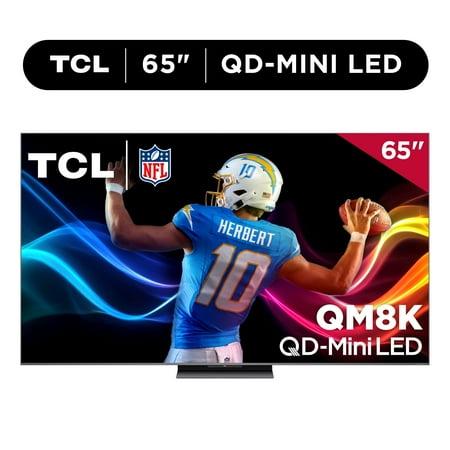


Shopping for a 65-inch QLED TV in 2025 presents some fascinating choices, especially when you compare Samsung's entry-level offering against TCL's flagship model. The Samsung Q7F and TCL QM8K represent two completely different philosophies in TV design—one prioritizes affordability while the other pushes performance boundaries. At the time of writing, these TVs are priced roughly three times apart, which immediately tells you they're targeting very different buyers.
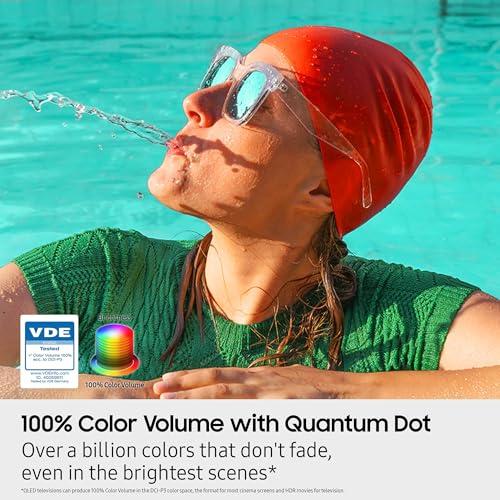
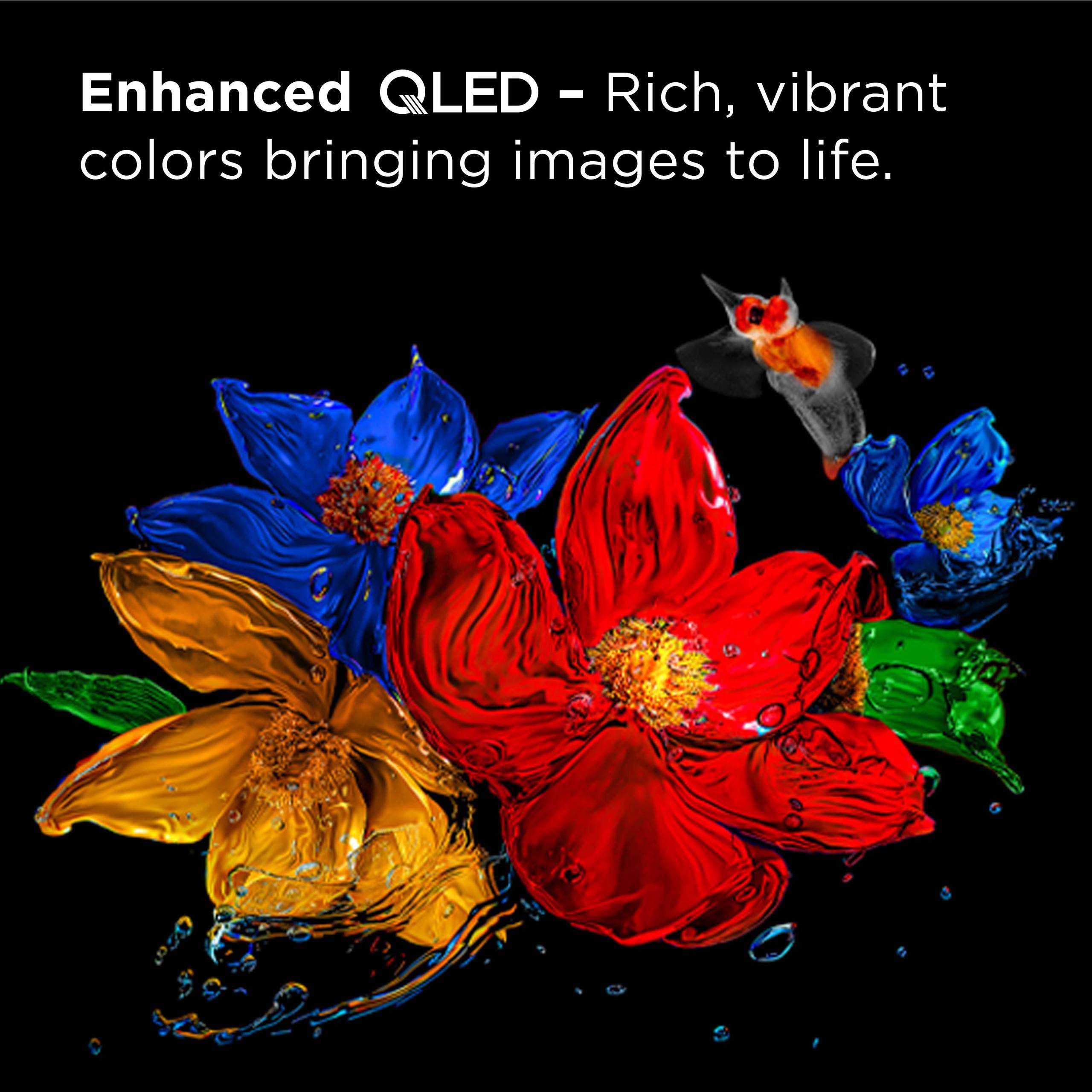
Before diving into the comparison, it's worth understanding what QLED actually means. QLED stands for Quantum Dot Light Emitting Diode, which sounds more complicated than it is. Essentially, quantum dots are tiny nanocrystals that sit between the LED backlight and your screen. When light hits these dots, they emit extremely pure colors—much more vivid than traditional LED TVs can produce.
The magic happens because quantum dots can be tuned to emit very specific wavelengths of light. This means manufacturers can create displays with much wider color gamuts (the range of colors a TV can display) and better color accuracy. Think of it like the difference between a box of 24 crayons versus a professional artist's paint set with hundreds of precisely mixed colors.
However, not all QLEDs are created equal. The backlighting system behind those quantum dots makes all the difference in picture quality, which brings us to our first major distinction between these two TVs.
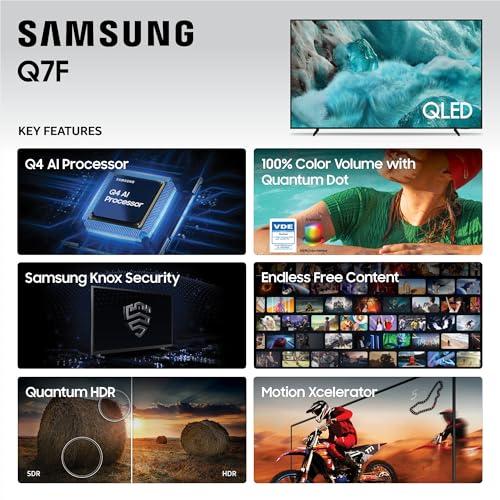
The most fundamental difference between the Samsung Q7F and TCL QM8K lies in how they illuminate the screen. The Samsung uses traditional edge-lit LED backlighting, where LEDs are placed around the perimeter of the screen and light is spread across the entire panel using light guides. This approach keeps costs down and TVs thin, but it comes with significant compromises.
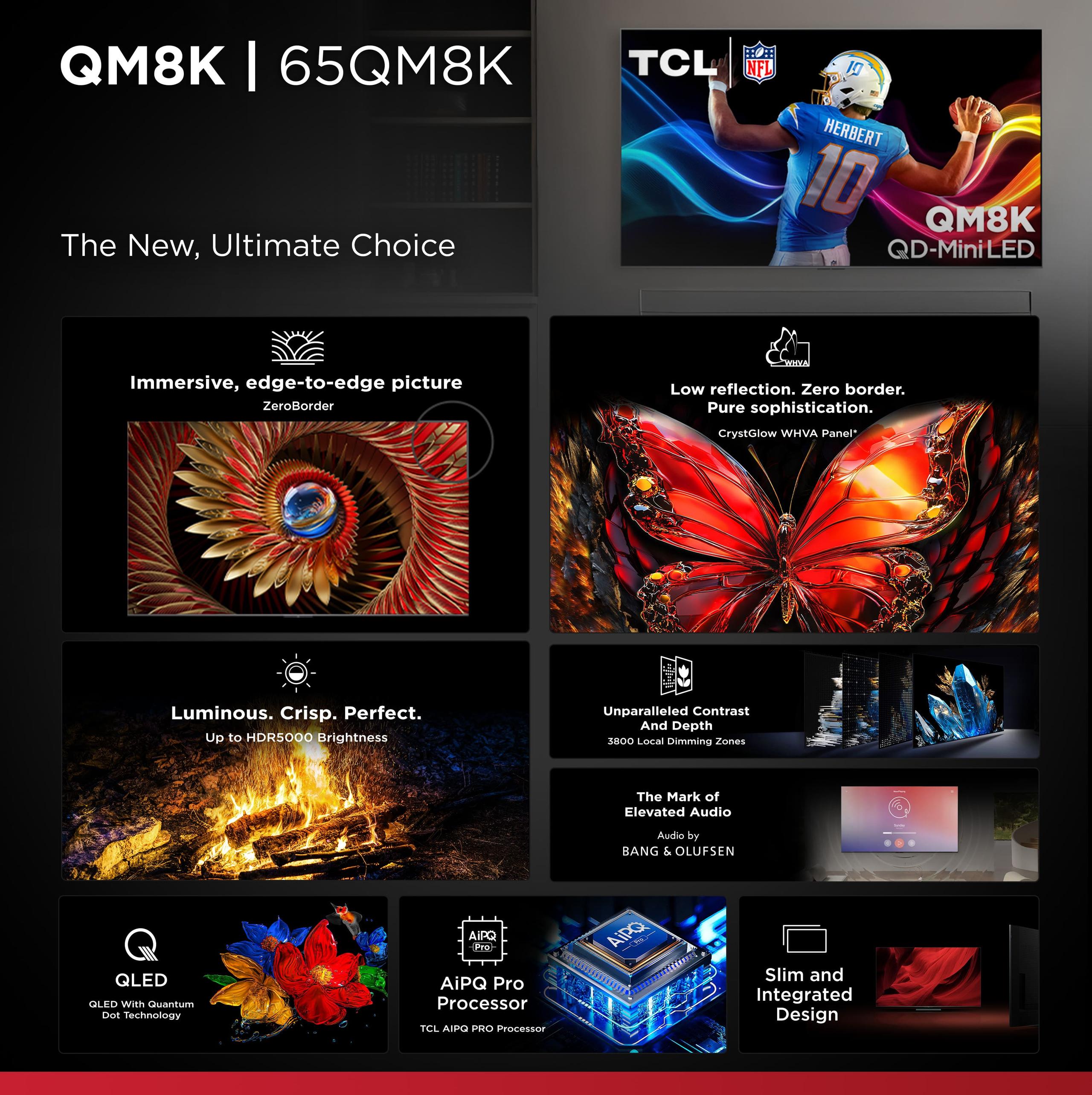
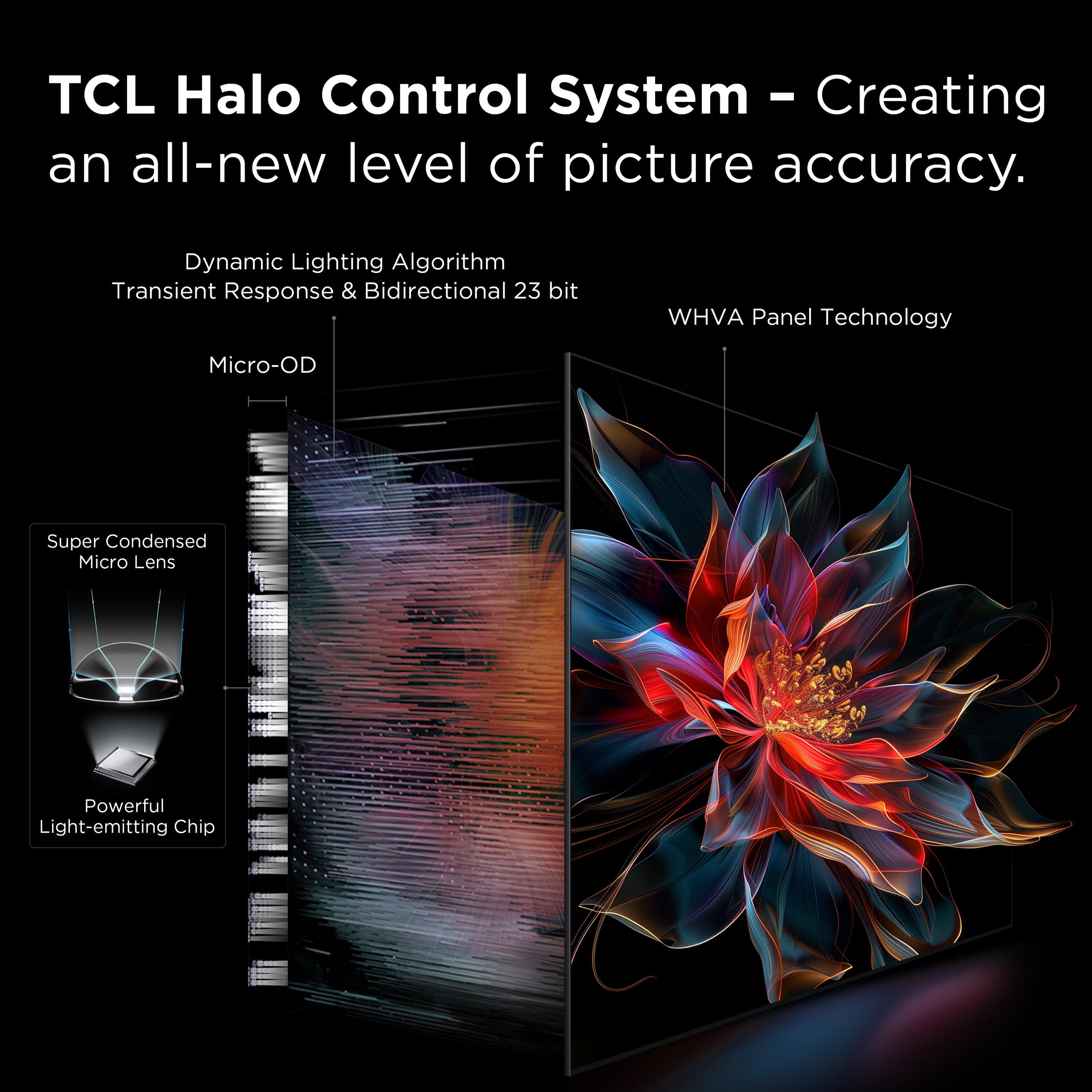
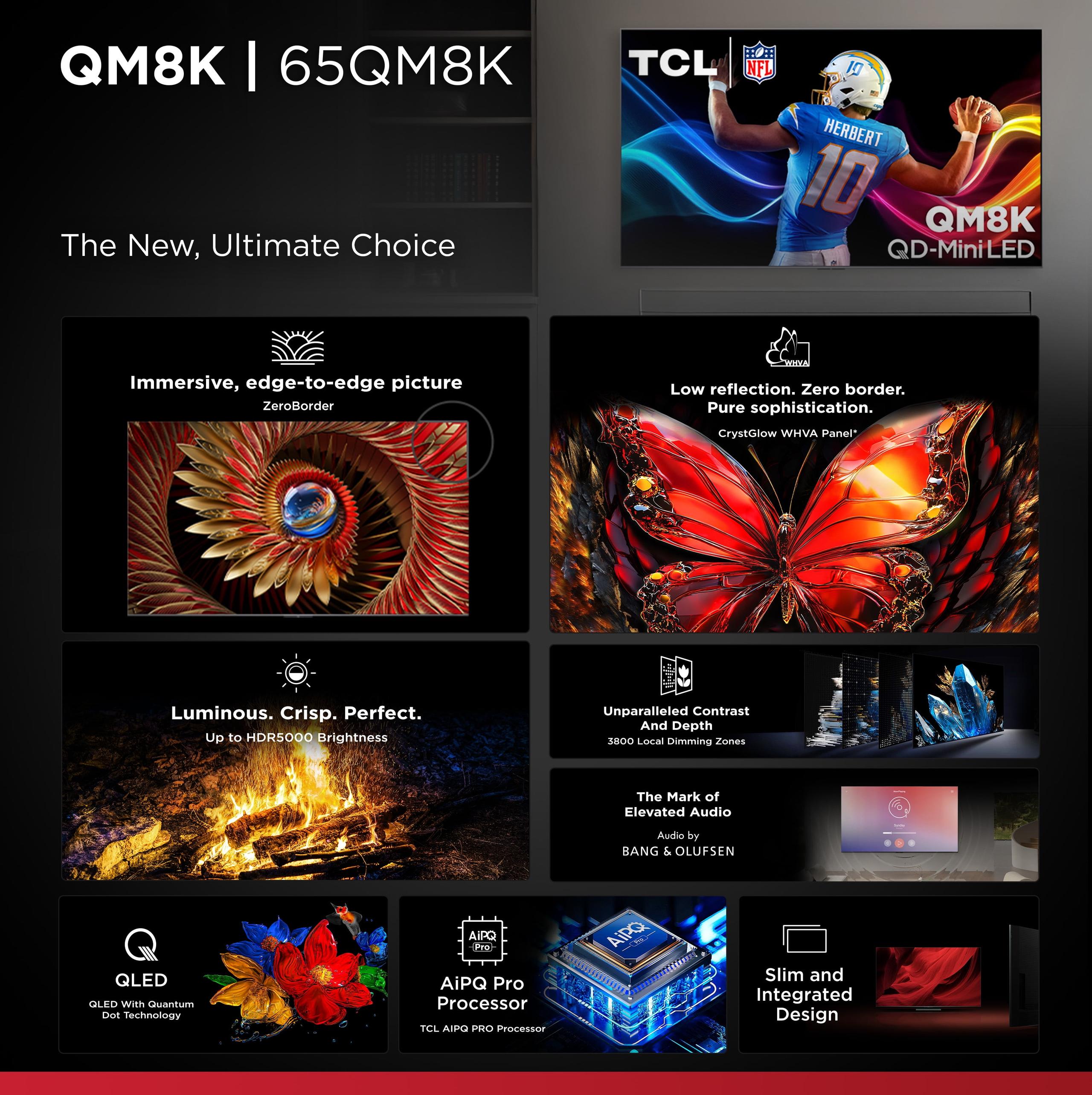
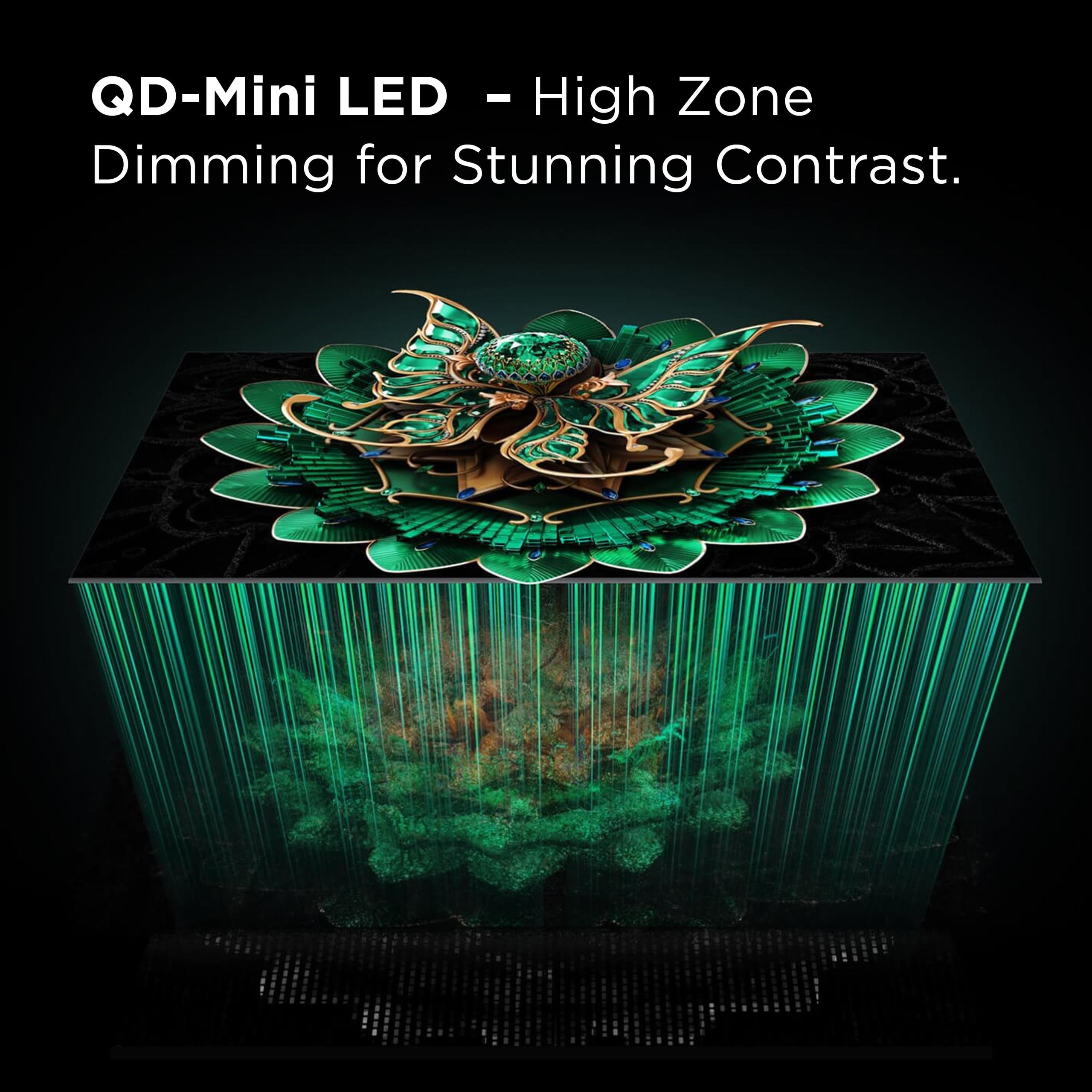
The TCL QM8K, on the other hand, uses Mini LED technology with full-array local dimming. Instead of edge lighting, it places thousands of tiny LEDs directly behind the screen in a grid pattern. These LEDs are much smaller than traditional ones—hence "Mini LED"—allowing TCL to pack approximately 3,800 individual dimming zones into the display.
Why does this matter? Local dimming zones allow different parts of the screen to have completely different brightness levels simultaneously. When you're watching a movie scene with bright stars against a dark sky, the TCL QM8K can make those stars brilliantly bright while keeping the surrounding space truly black. The Samsung Q7F, lacking any local dimming, must compromise—either the stars won't be as bright, or the dark areas won't be as black.
This fundamental difference cascades into every aspect of picture quality. The TCL QM8K achieves what reviewers describe as "dramatically deeper blacks" and can reach peak brightness levels of 5,000 nits—bright enough to maintain picture quality even in direct sunlight. The Samsung Q7F, by contrast, operates at significantly lower brightness levels typical of budget displays.
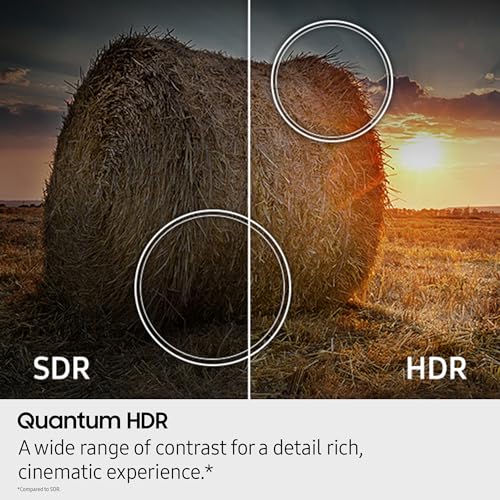
High Dynamic Range (HDR) represents one of the biggest advances in TV technology since the jump to high definition. HDR content contains information about brightness levels that far exceed what traditional TVs can display, creating more lifelike images with better contrast and more nuanced colors.
However, HDR is only as good as your TV's ability to display it properly. This is where the price difference between our two contenders becomes most apparent.
The TCL QM8K supports every major HDR format: Dolby Vision IQ, HDR10+, HDR10, and HLG. Dolby Vision IQ is particularly impressive because it adapts the HDR presentation based on your room's ambient lighting conditions. The TV's exceptional 5,000-nit peak brightness means it can actually deliver the punch that HDR content creators intended. Based on professional reviews, the TCL QM8K maintains color detail even in extremely bright scenes and can handle tone mapping (the process of fitting wide dynamic range content onto your display) up to 4,000 nits without breaking a sweat.
The Samsung Q7F tells a different story. While it supports HDR10 and HDR10+, it's notably missing Dolby Vision support. This might seem like a minor omission, but Dolby Vision is used by Netflix, Disney+, and Apple TV+ for their premium content. You'll still get HDR from these services, but you'll miss out on the enhanced version that Dolby Vision provides.
More importantly, the Samsung Q7F's limited brightness means HDR content often appears muted. Expert reviews consistently note that colors appear washed out in HDR mode, and the lack of local dimming means bright HDR highlights can't coexist with truly dark shadows in the same scene.
Gaming performance reveals perhaps the starkest difference between these TVs. The TCL QM8K was clearly designed with modern gaming in mind, while the Samsung Q7F feels like it's from a previous generation.
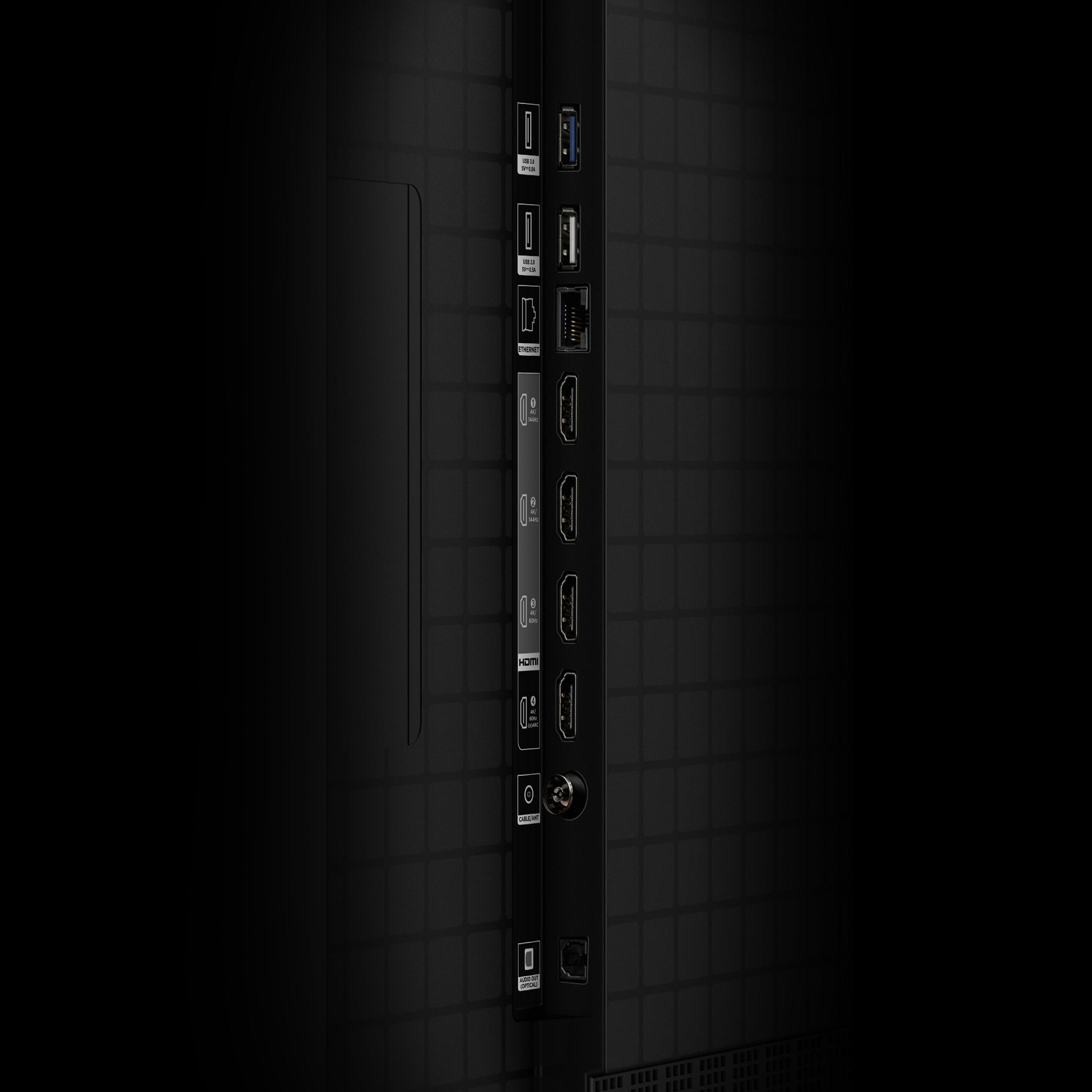
The TCL QM8K features a native 144Hz refresh rate with a Game Accelerator mode that can handle up to 288Hz for extremely smooth motion. It includes two HDMI 2.1 ports that support full 4K resolution at 144Hz, plus AMD FreeSync Premium Pro for eliminating screen tearing. Input lag measures just 13.6 milliseconds, which is excellent for competitive gaming.
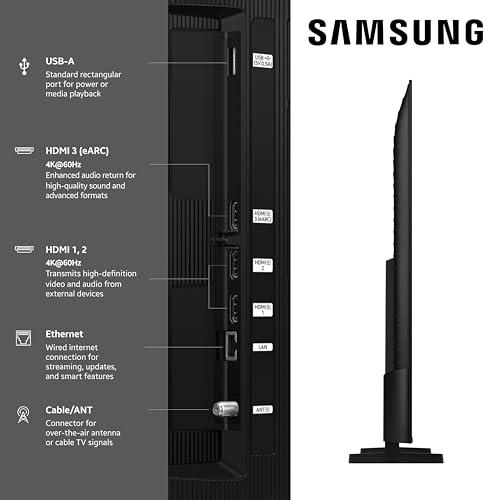
The Samsung Q7F is limited to 60Hz maximum refresh rate with no HDMI 2.1 ports at all. This immediately makes it incompatible with the advanced gaming modes on PlayStation 5 and Xbox Series X consoles, which can output 120Hz for smoother gameplay. There's no Variable Refresh Rate support, so screen tearing remains a problem.
Even worse, Samsung removed HGIG (HDR Gaming Interest Group) support from the Samsung Q7F through a firmware update in 2025. HGIG is crucial for proper HDR calibration in games, and without it, most games won't display at correct brightness levels. This is particularly problematic for newer gaming consoles that rely on HGIG for optimal HDR gaming.
For anyone serious about gaming, the choice is clear. The TCL QM8K offers everything you need for next-generation gaming, while the Samsung Q7F feels outdated before you even plug in your console.
Both TVs offer solid smart TV experiences, though they take different approaches. The Samsung Q7F runs Samsung's Tizen OS, which received a significant update in 2025 with the new One UI interface. The system feels snappier than previous Samsung smart TV platforms, with menus positioned cleverly in the corner to avoid covering your content.
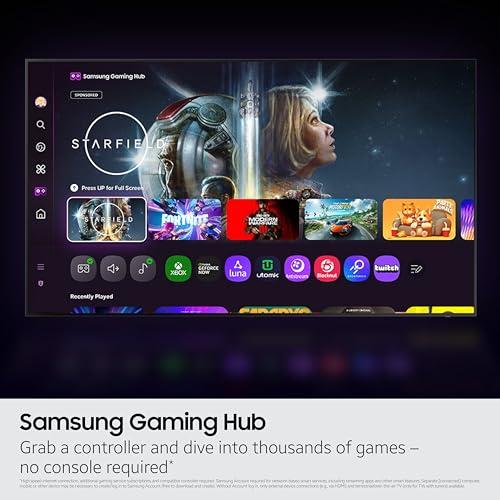
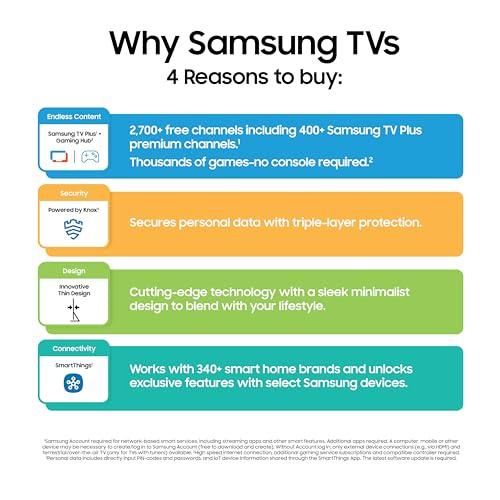
Tizen includes Samsung TV Plus for free streaming content, Multi-View for watching multiple sources simultaneously, Apple AirPlay support, and Samsung's Game Hub for cloud gaming without needing a console. The interface keeps things simple and functional.
The TCL QM8K uses Google TV, which excels at content discovery and aggregation. It pulls together content from all your streaming services and makes intelligent recommendations based on your viewing habits. The Google ecosystem integration is deeper, and the overall interface feels more modern and intuitive for finding something to watch.
Both platforms work well, though Google TV has a slight edge in user-friendliness and content discovery capabilities.
TV audio often gets overlooked in favor of picture quality discussions, but it significantly impacts your viewing experience. The Samsung Q7F includes basic 20W stereo speakers that are adequate for casual viewing but lack depth and richness. The TV also has a significant limitation: no DTS audio passthrough support, which means some Blu-ray discs won't play audio correctly.
The TCL QM8K takes audio more seriously with its Bang & Olufsen-tuned speaker system. It includes Dolby Atmos support with up-firing drivers that create a more three-dimensional soundscape, plus an integrated subwoofer for better bass response. While it's still not a replacement for a dedicated sound system, it's considerably more immersive than the Samsung's basic setup.
Modern TVs don't just display content—they actively process and enhance it. This becomes crucial when you're watching compressed streaming video, older movies, or lower-resolution content.
The TCL QM8K uses TCL's AiPQ Pro processor, which applies artificial intelligence to optimize different types of content in real-time. User reports consistently praise its ability to clean up low-quality streaming content and make cable TV look more presentable. The upscaling (converting lower resolution content to 4K) is notably superior to the Samsung.
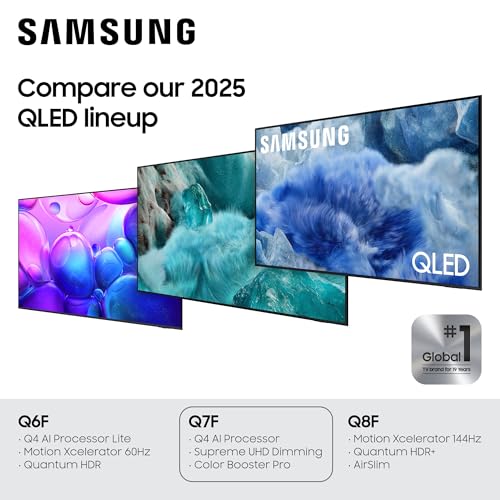
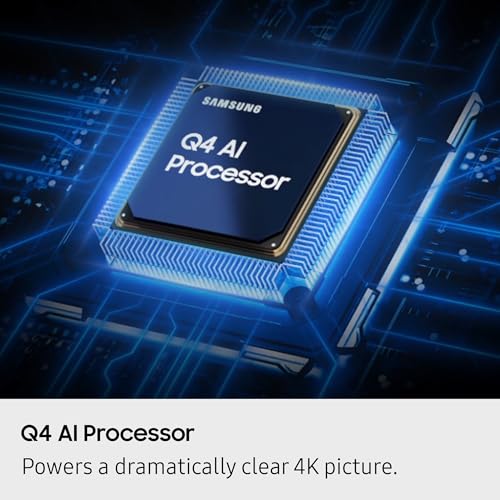
The Samsung Q7F uses Samsung's Q4 AI processor, but reviews suggest it's less capable than the TCL's processing. Even compared to other entry-level Samsung models, the Q7F's upscaling performance is considered inferior, which is concerning given that much of what we watch isn't native 4K content.
Your room setup significantly influences which TV makes more sense. The Samsung Q7F works best in moderately lit rooms where you can control ambient light. Its lower peak brightness means it struggles in bright environments, and the lack of local dimming becomes more noticeable when there's competing light in the room.
The TCL QM8K excels in any lighting condition. Its 5,000-nit peak brightness can overcome even direct sunlight, making it suitable for living rooms with large windows or bright lighting. The advanced anti-reflective coating also helps maintain picture quality in challenging conditions.
For home theater setups, the choice becomes even clearer. The TCL QM8K's combination of deep blacks, bright highlights, comprehensive HDR support, and superior audio makes it much better suited for cinematic experiences. The Samsung Q7F lacks the contrast range and brightness needed for truly immersive movie watching.
At the time of writing, these TVs represent completely different value propositions. The Samsung Q7F aims to deliver basic QLED technology at an extremely accessible price point. For buyers who need a large 4K TV for casual viewing and aren't concerned with cutting-edge features, it provides decent functionality without breaking the bank.
The TCL QM8K competes with TVs costing significantly more from premium brands. It offers flagship-level performance including exceptional brightness, comprehensive gaming features, advanced HDR support, and superior processing—all at a price point that undercuts many premium alternatives.
The question isn't whether the TCL QM8K is "worth" three times more than the Samsung Q7F—they're fundamentally different products serving different needs. The TCL provides dramatically better performance across every meaningful category, while the Samsung prioritizes affordability over performance.
The Samsung Q7F makes sense for specific scenarios. If you need a secondary TV for a bedroom or guest room, or if your budget is strictly limited, it provides basic 4K functionality with decent smart TV features. It works for casual viewers who primarily watch standard streaming content in moderate lighting conditions and aren't interested in gaming or premium HDR content.
However, I'd strongly recommend the TCL QM8K for most buyers, despite the higher cost. The performance advantages are so significant that it feels like a generational leap rather than a minor upgrade. For anyone planning to use next-generation gaming consoles, watch HDR content from premium streaming services, or set up a primary viewing room, the TCL's advantages justify the additional investment.
The TCL QM8K also offers much better future-proofing. As streaming services continue improving content quality and gaming pushes higher frame rates, the Samsung's limitations will become increasingly apparent, while the TCL will remain relevant for years to come.
These TVs represent two entirely different philosophies in TV design. The Samsung Q7F asks how cheaply you can deliver basic QLED functionality, while the TCL QM8K asks how much flagship performance you can provide at a competitive price.
For most buyers, especially those setting up a primary viewing area or anyone interested in gaming and premium content, the TCL QM8K delivers dramatically superior value despite its higher upfront cost. The performance advantages in brightness, contrast, gaming features, and HDR support are substantial enough that this feels like comparing products from different generations rather than different price points.
The Samsung Q7F serves a purpose for budget-conscious buyers who need basic functionality, but its limitations are significant enough that I'd recommend saving up for the TCL if possible. The difference in viewing experience is substantial enough to justify the investment for anyone who watches TV regularly or cares about picture quality.
| Samsung 65-Inch Q7F Series QLED Smart TV 2025 | TCL 65" QM8K Series QD-Mini LED 4K Smart TV |
|---|---|
| Backlighting Technology - Determines contrast and black levels | |
| Standard QLED with edge-lit LED (no local dimming) | QD-Mini LED with ~3,800 local dimming zones |
| Peak Brightness - Critical for HDR impact and bright room viewing | |
| ~800-1,000 nits estimated (struggles in bright rooms) | Up to 5,000 nits (excellent for any lighting condition) |
| Refresh Rate - Essential for gaming and smooth motion | |
| 60Hz maximum (outdated for modern gaming) | 144Hz native with 288Hz Game Accelerator mode |
| HDMI Connectivity - Determines gaming console compatibility | |
| 3x HDMI 2.0 ports (no next-gen console support) | 2x HDMI 2.1 ports (full 4K@144Hz support) |
| HDR Format Support - Affects streaming service compatibility | |
| HDR10, HDR10+ (missing Dolby Vision for Netflix/Disney+) | Dolby Vision IQ, HDR10+, HDR10, HLG (complete support) |
| Gaming Features - Important for PlayStation 5/Xbox Series X owners | |
| Basic Auto Game Mode only, HGIG removed via update | AMD FreeSync Premium Pro, VRR, advanced gaming UI |
| Smart TV Platform - Affects ease of use and content discovery | |
| Samsung Tizen OS (streamlined, Samsung TV Plus included) | Google TV (superior content discovery and recommendations) |
| Audio System - Impacts viewing experience without soundbar | |
| 20W 2.0 channel speakers (basic, no DTS support) | Bang & Olufsen tuned with Dolby Atmos and up-firing drivers |
| Content Processing - How well it enhances lower quality content | |
| Q4 AI Processor (inferior upscaling performance) | AiPQ Pro Processor (superior content smoothing and upscaling) |
| Local Dimming Zones - Controls contrast and blooming effects | |
| None (elevated blacks, limited contrast) | ~3,800 zones (deep blacks, minimal blooming) |
| Best Use Case - Who should buy this TV | |
| Budget secondary TV, casual viewing in moderate lighting | Primary home theater, gaming enthusiasts, bright rooms |
The TCL QM8K is significantly better for gaming. It features a 144Hz refresh rate with 288Hz Game Accelerator mode, two HDMI 2.1 ports for next-gen consoles, and AMD FreeSync Premium Pro support. The Samsung Q7F is limited to 60Hz with only HDMI 2.0 ports, making it incompatible with PlayStation 5 and Xbox Series X advanced gaming modes.
The biggest difference is backlighting technology. The Samsung Q7F uses basic edge-lit LED without local dimming, resulting in elevated black levels and limited contrast. The TCL QM8K uses Mini LED with approximately 3,800 local dimming zones, delivering much deeper blacks, higher brightness (up to 5,000 nits), and superior contrast control.
The TCL QM8K is far superior for bright rooms. Its 5,000-nit peak brightness can overcome direct sunlight and maintain picture quality in challenging lighting conditions. The Samsung Q7F has significantly lower brightness levels and struggles to maintain visibility in bright environments.
No, there's a significant difference. The TCL QM8K supports all major HDR formats including Dolby Vision IQ, HDR10+, HDR10, and HLG. The Samsung Q7F only supports HDR10 and HDR10+, missing Dolby Vision which is used by Netflix, Disney+, and Apple TV+ for premium content.
Both offer solid smart TV experiences but with different approaches. The Samsung Q7F uses Samsung's Tizen OS with Samsung TV Plus and Multi-View features. The TCL QM8K runs Google TV, which excels at content discovery and aggregation across streaming services. Google TV generally provides a more intuitive experience for finding content.
The Samsung Q7F has significant limitations for home theater use. Its lack of local dimming, limited brightness, missing Dolby Vision support, and basic audio system make it unsuitable for serious home theater setups. The TCL QM8K is much better suited for cinematic experiences with its superior contrast, comprehensive HDR support, and Bang & Olufsen audio system.
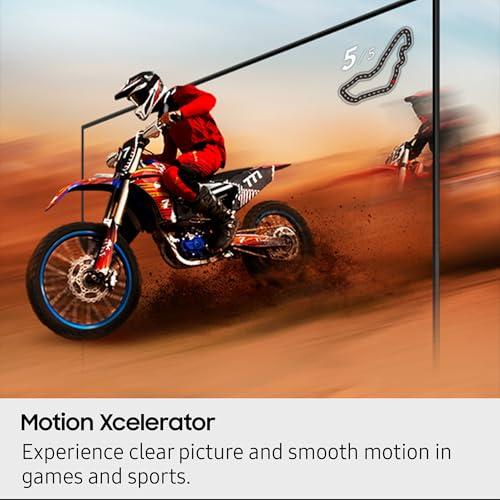
The TCL QM8K handles motion significantly better with its 144Hz refresh rate and advanced motion processing. The Samsung Q7F is limited to 60Hz, which can result in motion blur during fast-paced sports content. The TCL's higher refresh rate provides smoother, clearer motion for sports viewing.
The TCL QM8K has superior audio with Bang & Olufsen tuning, Dolby Atmos support, up-firing drivers, and an integrated subwoofer. The Samsung Q7F has basic 20W stereo speakers without DTS support, making it less immersive and limiting compatibility with some Blu-ray content.
This depends on your needs and budget. The Samsung Q7F offers basic QLED functionality at a very affordable price point, making it decent value for casual viewers with strict budgets. The TCL QM8K provides flagship-level performance that typically costs much more from premium brands, offering better long-term value for serious viewers.
Yes, but with different capabilities. Both display 4K content, but the TCL QM8K has superior processing with its AiPQ Pro processor, providing better upscaling of lower-resolution content and enhanced streaming quality. The Samsung Q7F has more basic processing that doesn't enhance content as effectively.
The TCL QM8K is much more future-proof with its HDMI 2.1 ports, 144Hz refresh rate, comprehensive HDR support including Dolby Vision, and advanced gaming features. The Samsung Q7F lacks modern connectivity and features, making it less suitable as streaming services and gaming continue to advance.
For a main living room TV, the TCL QM8K is the better choice unless budget is the primary constraint. Its superior brightness handles any lighting condition, comprehensive features support all modern content and gaming, and overall performance justifies the investment. The Samsung Q7F works better as a secondary TV or for buyers with very limited budgets who prioritize basic functionality over performance.
We've done our best to create useful and informative comparisons to help you decide what product to buy. Our research uses advanced automated methods to create this comparison and perfection is not possible - please contact us for corrections or questions. These are the sites we've researched in the creation of this article: bestbuy.com - rtings.com - bestbuy.com - youtube.com - youtube.com - youtube.com - samsung.com - samsung.com - samsung.com - billsmith.com - costco.com - samsung.com - hometechnologyreview.com - hometechnologyreview.com - bestbuy.com - samsung.com - bestbuy.com - samsung.com - hometechnologyreview.com - samsung.com - samsung.com - tomsguide.com - youtube.com - businessinsider.com - rtings.com - youtube.com - avsforum.com - avsforum.com - bestbuy.com - tcl.com - tcl.com - tcl.com - flatpanelshd.com - romomattressfurniture.com - brandsmartusa.com - pcrichard.com - tvsbook.com - tcl.com - youtube.com - prnewswire.com - tcl.com - tcl.com

Privacy Policy
Terms and Conditions - Affiliate Policy
Home Security
© Copyright 2008-2026.
11816 Inwood Rd #1211, Dallas, TX 75244