

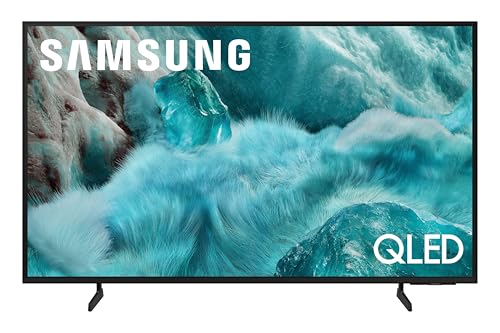

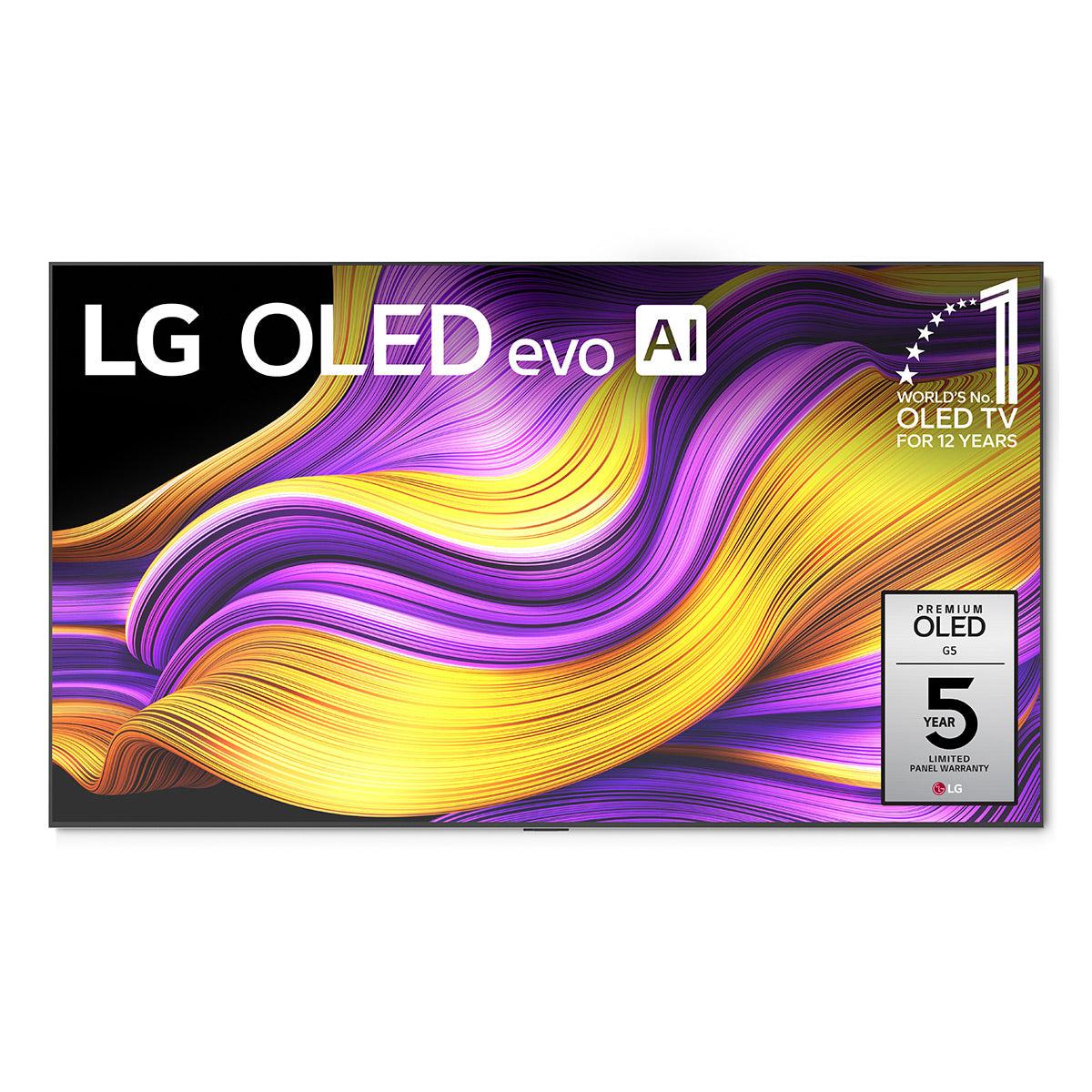
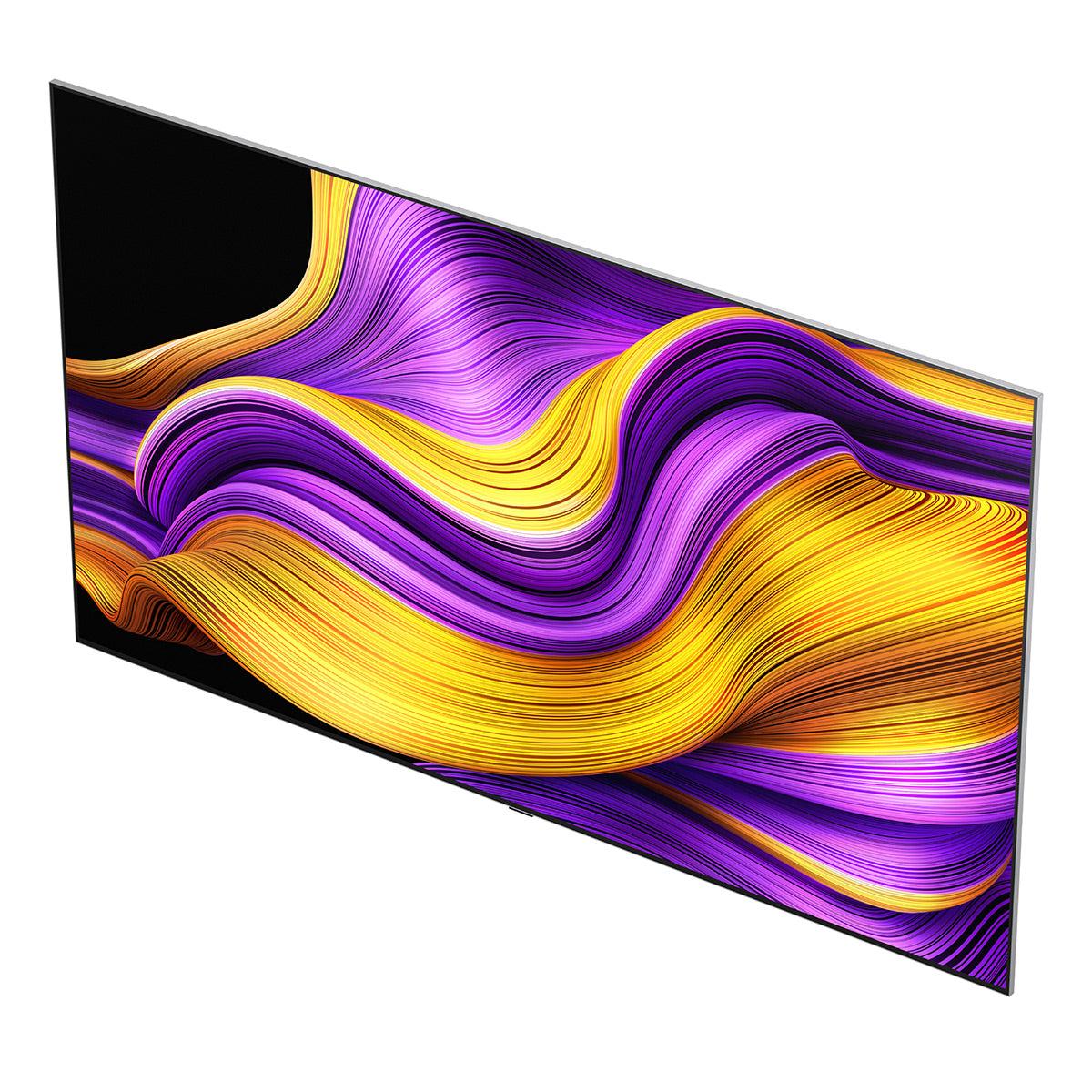
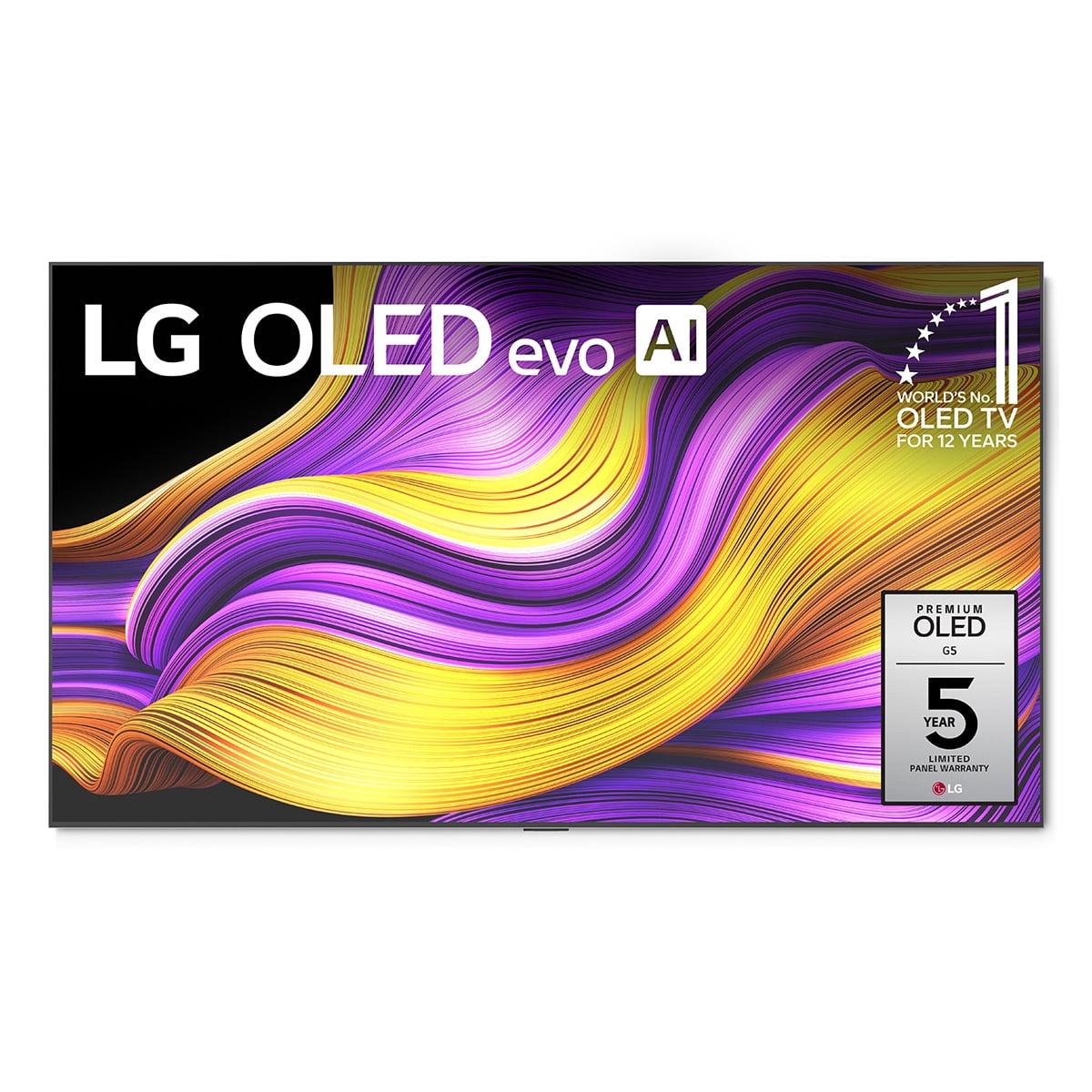
Choosing between the Samsung 65-Inch Q7F Series QLED Smart TV 2025 and the LG OLED evo G5 65" 4K Smart TV 2025 is like comparing a reliable Honda Civic to a Tesla Model S—both will get you where you need to go, but the experience and capabilities are worlds apart. These TVs represent vastly different philosophies in the premium TV market, with price points that reflect fundamental differences in technology and performance.
Released in 2025, both models showcase how TV manufacturers are pushing their respective technologies forward. The Samsung Q7F represents Samsung's effort to bring QLED technology to more affordable price points, while the LG G5 demonstrates breakthrough innovations in OLED displays that address longtime limitations of the technology.
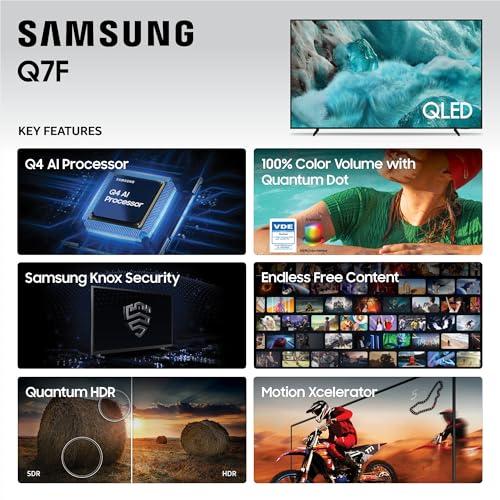
Before diving into specifics, it's crucial to understand what makes these TVs fundamentally different. The Samsung Q7F uses QLED technology, which is essentially a fancy LED TV with quantum dots—tiny particles that enhance color production when hit by light from LED backlights. Think of it like having colored filters that make colors more vivid, but you still need a separate light source shining through the entire screen.
The LG G5, however, uses OLED technology, where each pixel produces its own light. Imagine having 8.3 million tiny light bulbs that can turn on, off, or dim independently. This fundamental difference affects everything from contrast to power consumption to viewing angles.
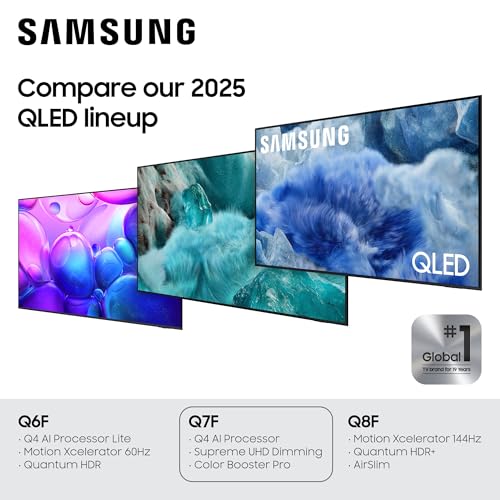
What makes 2025 particularly interesting is that LG introduced their tandem OLED structure in the G5, essentially stacking OLED layers to achieve much brighter images—addressing the main weakness that OLED TVs have historically faced. Meanwhile, Samsung positioned the Q7F as their entry-level QLED, stripping away expensive features like local dimming to hit more accessible pricing.
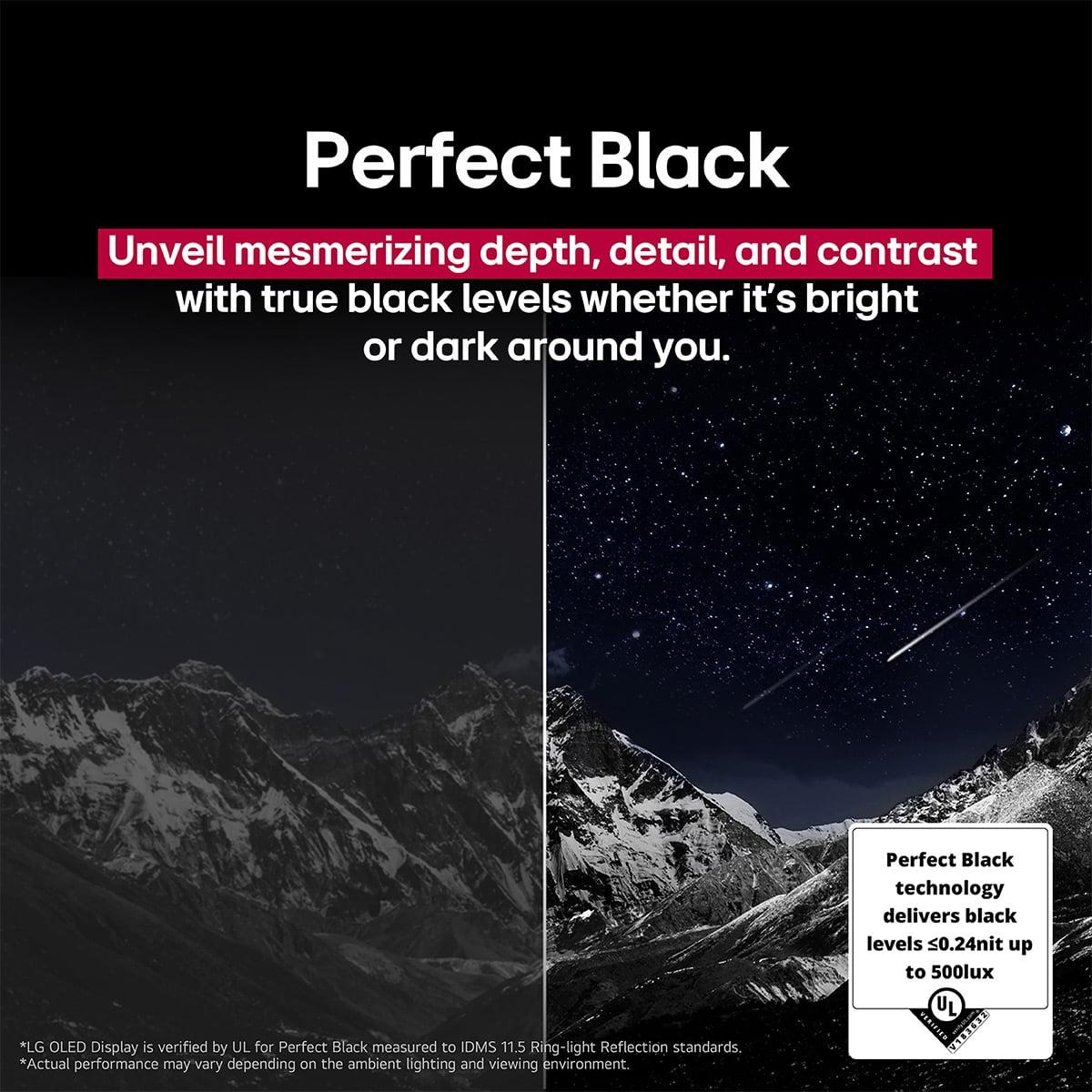
Here's where these TVs diverge dramatically. The Samsung Q7F lacks local dimming zones, which means it can't selectively dim parts of the screen. When you're watching a movie with a starry night sky, the entire backlight stays on, making those black areas appear grayish rather than truly black. It's like trying to create darkness by shining a flashlight through dark sunglasses—you can reduce the light, but you can't eliminate it entirely.

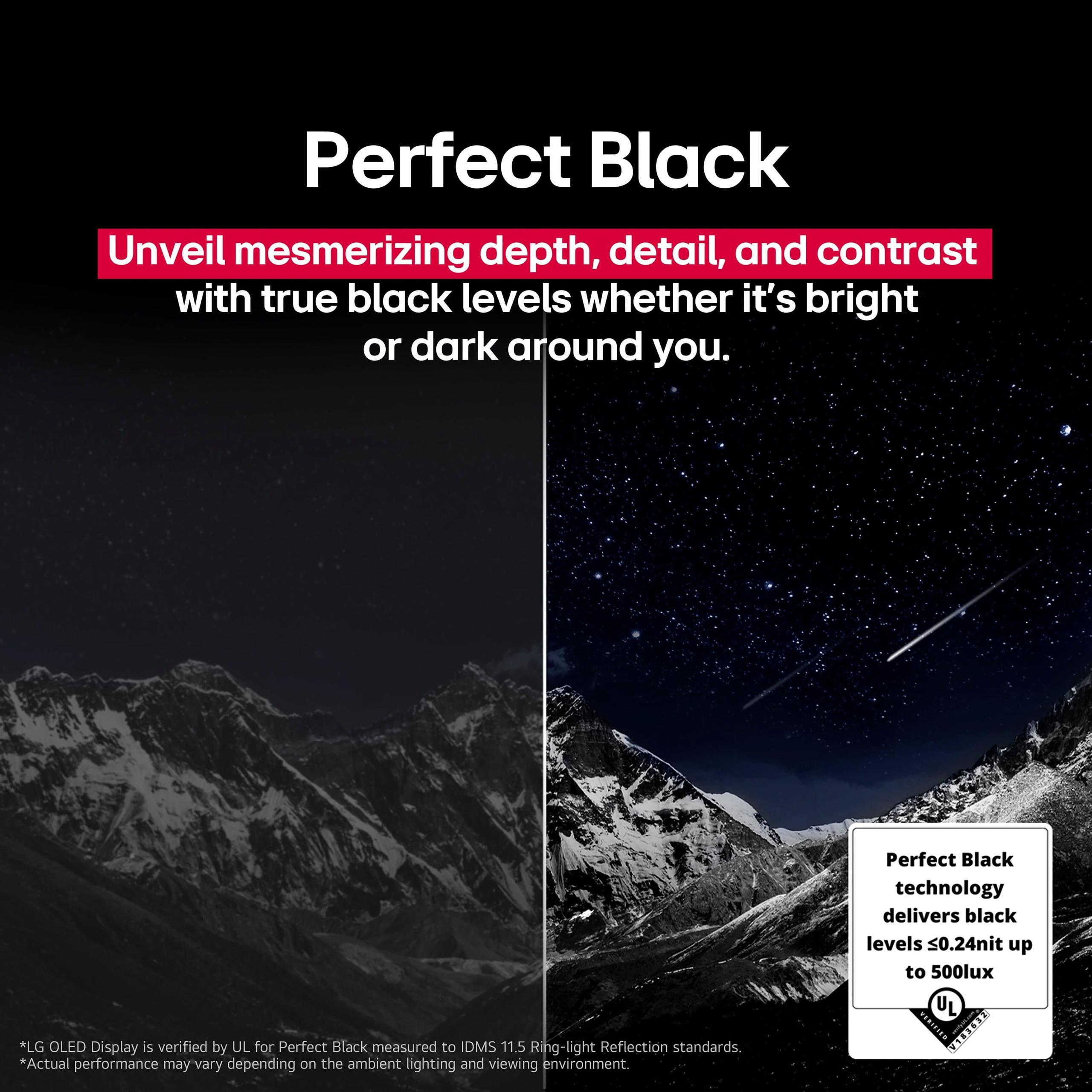
The LG G5 achieves perfect blacks because each pixel can turn completely off. When a pixel is supposed to be black, it produces zero light. This creates what we call infinite contrast—the difference between the brightest whites and darkest blacks is theoretically unlimited. In practical terms, this means movie scenes with dramatic lighting look significantly more realistic and immersive.
Based on our research of expert reviews, this contrast difference is immediately noticeable. Users consistently report that the G5 makes content "pop" in ways that LED-based TVs simply cannot match. Dark movie scenes that appear washed out on the Q7F reveal hidden details and create genuine atmosphere on the G5.
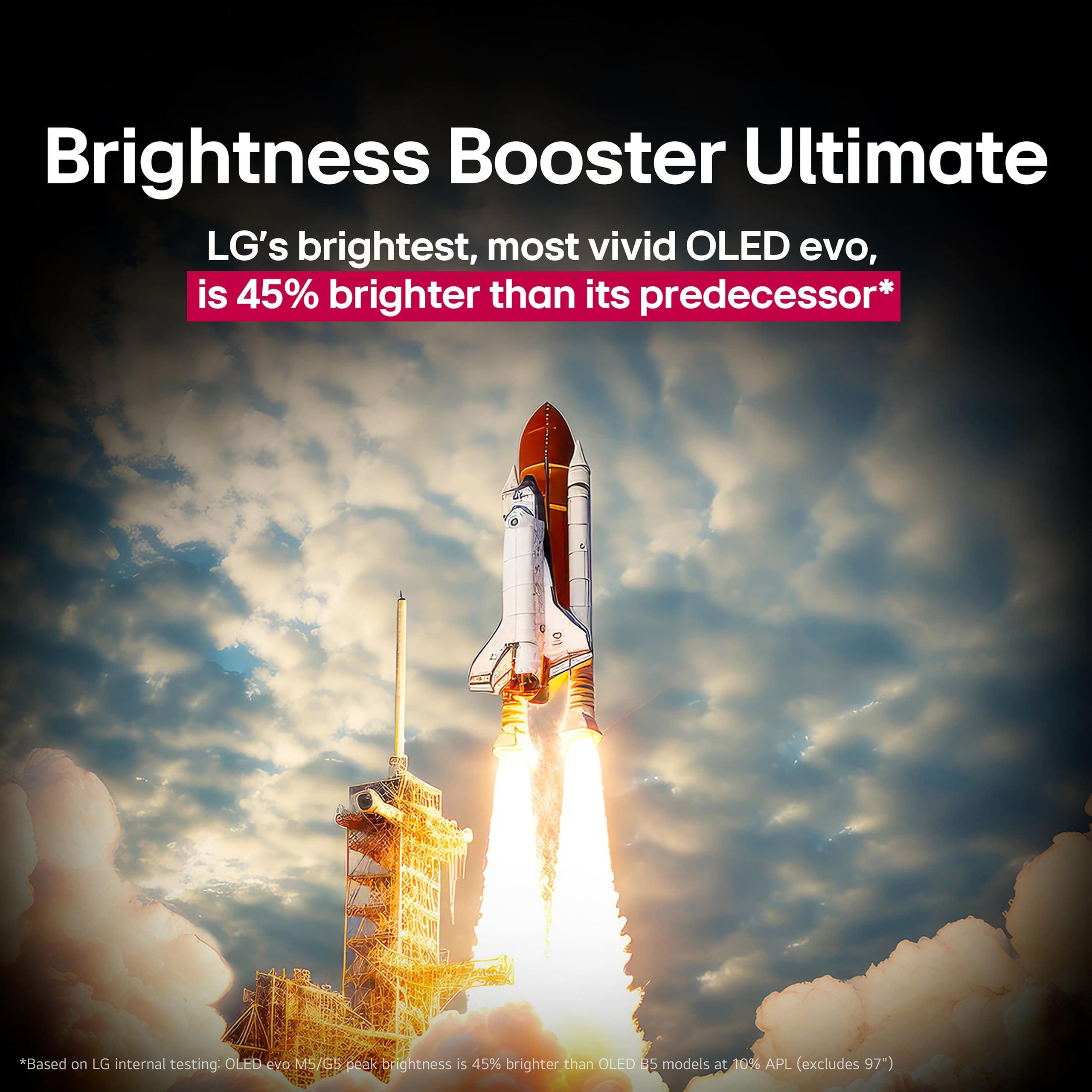
Traditionally, OLED TVs struggled in bright rooms because they couldn't get bright enough to overcome ambient light. The LG G5 changes this equation with its tandem OLED structure and Brightness Booster Ultimate technology. This new panel design achieves brightness levels 45% higher than previous OLED generations, making it genuinely competitive with LED TVs in bright environments.
The Samsung Q7F, despite using LED backlighting, actually falls short in brightness performance due to its entry-level positioning. Without local dimming or premium backlighting systems, it struggles to deliver impactful HDR highlights or maintain visibility in bright rooms. Expert reviews consistently note that while adequate for moderate lighting, the Q7F becomes difficult to see clearly when dealing with glare or direct sunlight.
This represents a complete reversal of traditional OLED limitations. The G5 now handles bright rooms better than Samsung's entry-level QLED—a development that fundamentally changes the buying decision for many consumers.
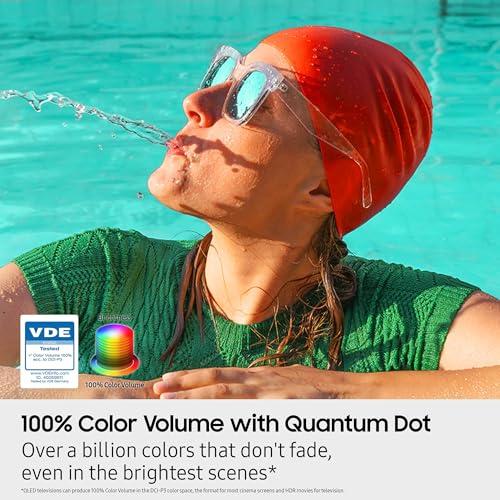
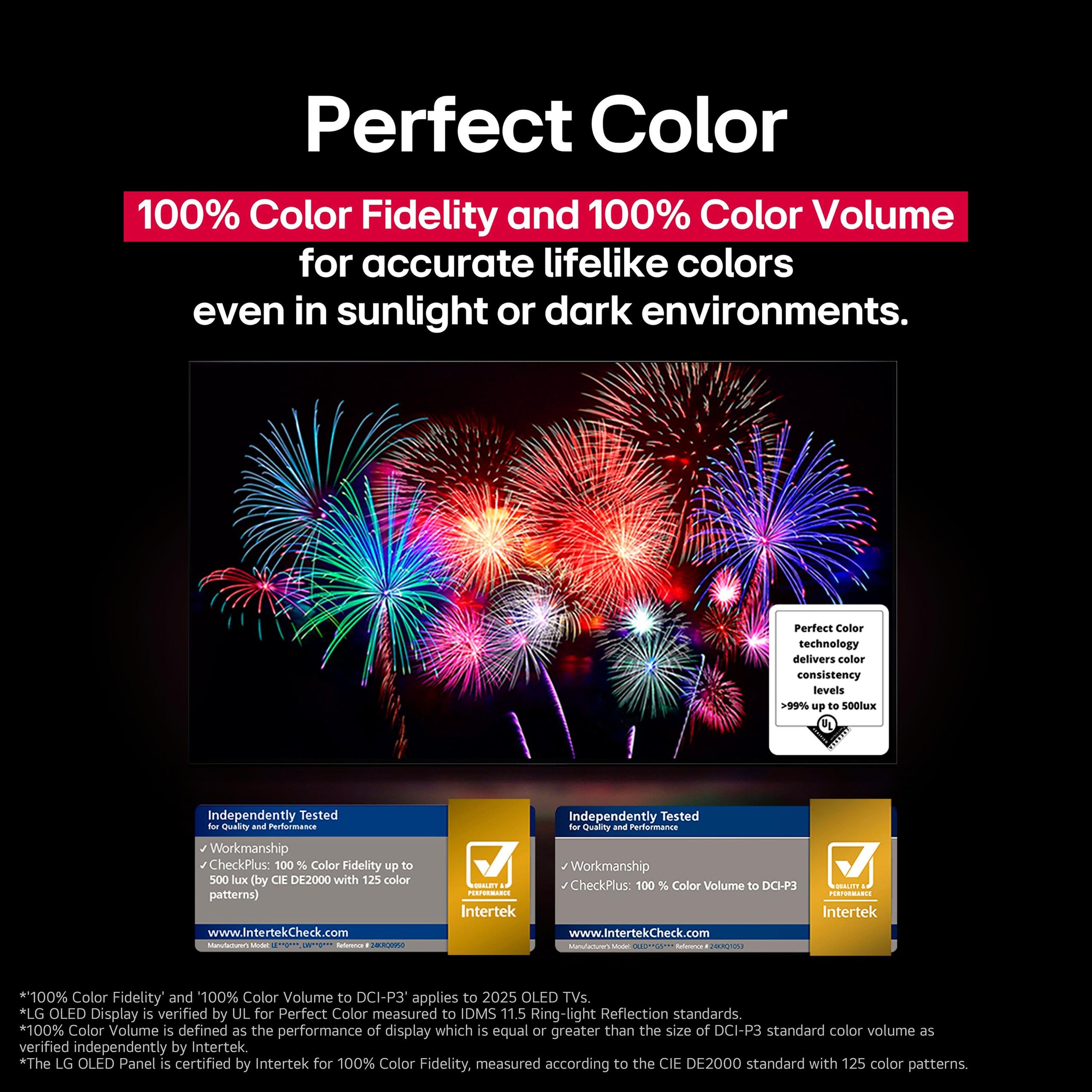
The Samsung Q7F uses quantum dot technology to achieve 100% color volume, meaning it can produce vibrant colors at various brightness levels. The quantum dots act like tiny color enhancers, taking the blue LED backlight and converting it into a wider spectrum of colors. Samsung's implementation includes PANTONE validation, ensuring color accuracy that meets professional standards for over 2,000 colors and 110 skin tones.
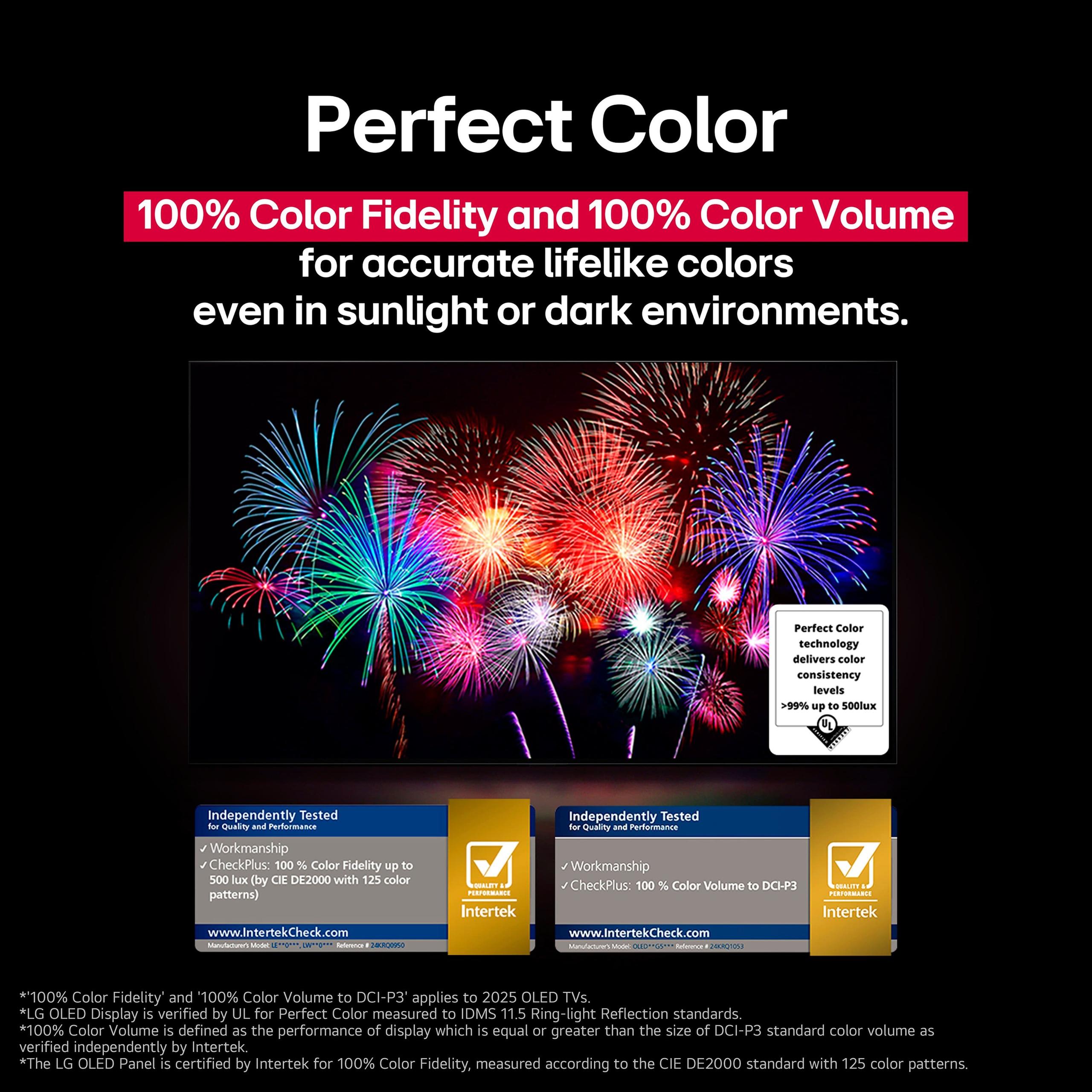
The LG G5 takes a different approach with its tandem RGB OLED structure, which improves color purity and separation. Rather than filtering light through color layers, each pixel directly produces its color. The result is more natural color gradation and better color volume—especially noticeable in blues, greens, and reds.
From user feedback we've analyzed, both approaches have merit, but they serve different preferences. The Samsung Q7F tends to produce more saturated, "punchy" colors that some viewers prefer for sports and casual content. The LG G5 delivers more accurate, cinema-like colors that filmmakers intended, making it better for movie watching and professional content.
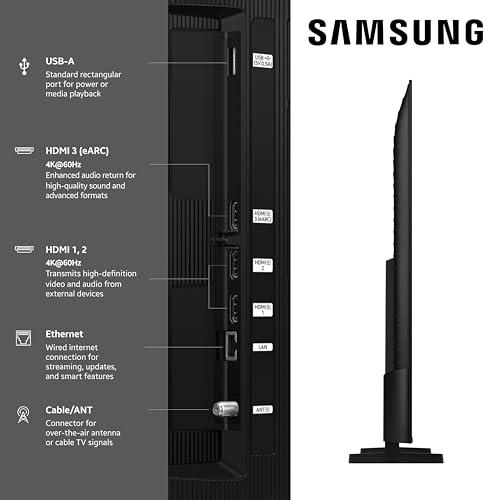
If you're serious about gaming, the choice between these TVs is straightforward. The Samsung Q7F offers basic gaming functionality with a 60Hz refresh rate and Auto Game Mode to reduce input lag. While adequate for casual console gaming, it lacks the bandwidth and features that modern games demand.

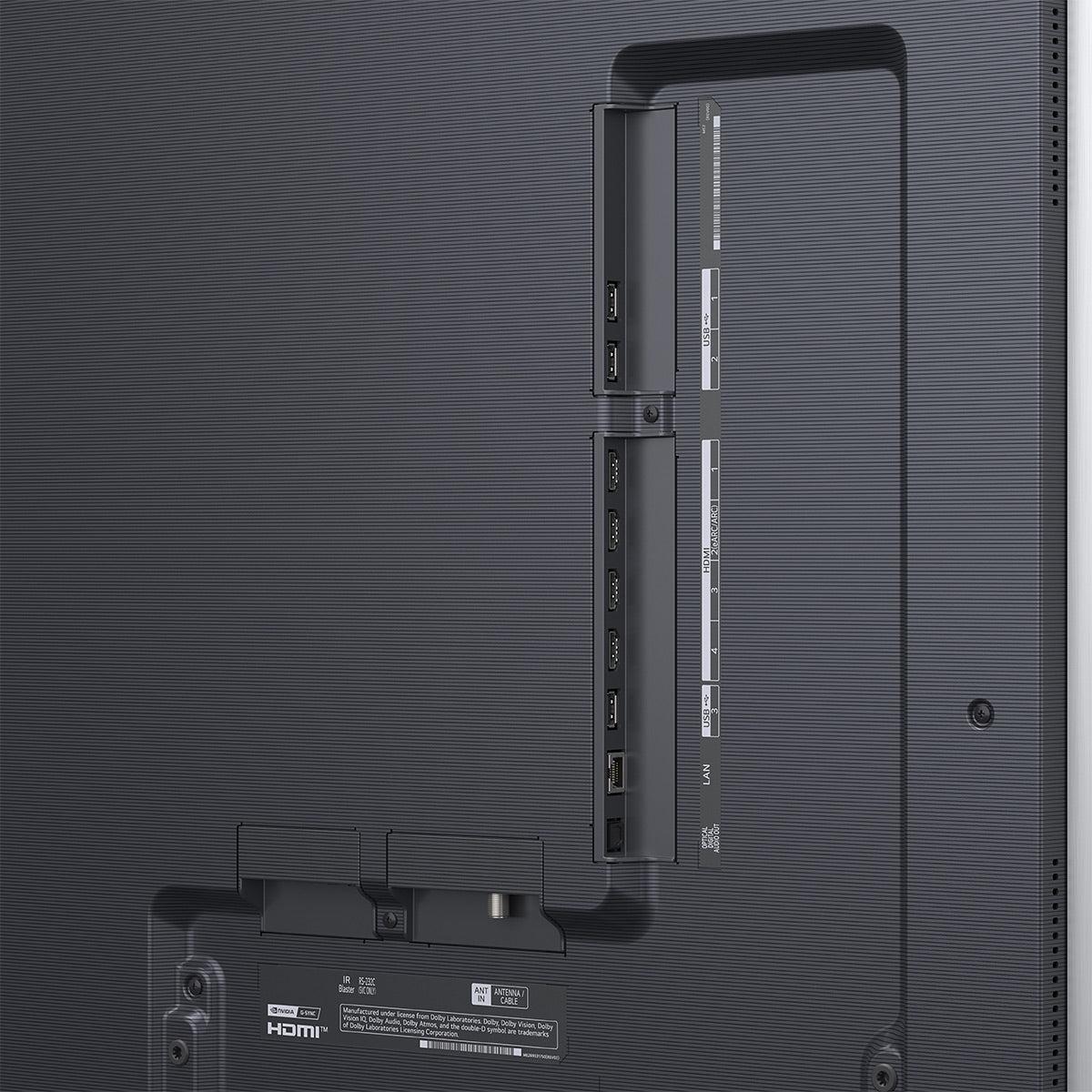
The LG G5 is purpose-built for gaming enthusiasts. Its four HDMI 2.1 ports support up to 165Hz refresh rates—nearly three times faster than the Q7F. This means smoother motion in fast-paced games, reduced motion blur, and the ability to fully utilize high-end gaming PCs and next-generation consoles.
Variable Refresh Rate (VRR) support on the G5 eliminates screen tearing by synchronizing the TV's refresh rate with your gaming device's frame rate. The Q7F lacks this feature entirely, meaning games with inconsistent frame rates will show visible tearing artifacts.
For competitive gaming, input lag—the delay between pressing a button and seeing the result on screen—is crucial. Both TVs perform well here, but the G5 includes additional gaming features like Game Dashboard for monitoring performance metrics and Game Portal for quick access to cloud gaming services.
Based on gaming-focused reviews, the G5 represents one of the best gaming displays available in 2025, while the Q7F is limited to basic gaming scenarios.
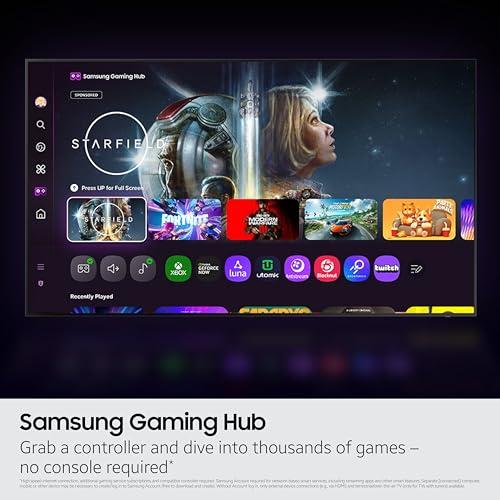
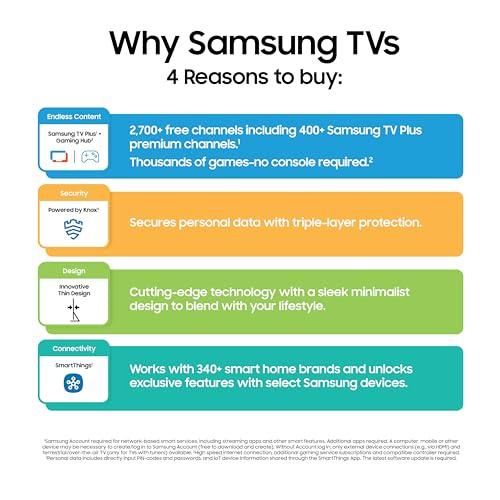
Both TVs run different operating systems that reflect their market positioning. The Samsung Q7F uses a streamlined version of Tizen OS with Samsung Vision AI for personalized recommendations and basic smart home integration. The interface is clean and responsive, with access to major streaming apps and Samsung's free TV Plus service offering hundreds of channels.
The LG G5 runs webOS 25, LG's next-generation AI-powered platform. The interface feels more sophisticated, with Quick Cards for organizing favorite apps and more advanced AI personalization. The Magic Remote includes an AI button for voice control and gesture navigation, creating a more premium interaction experience.
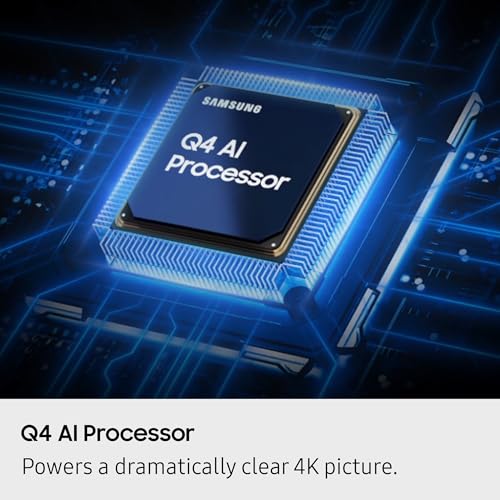
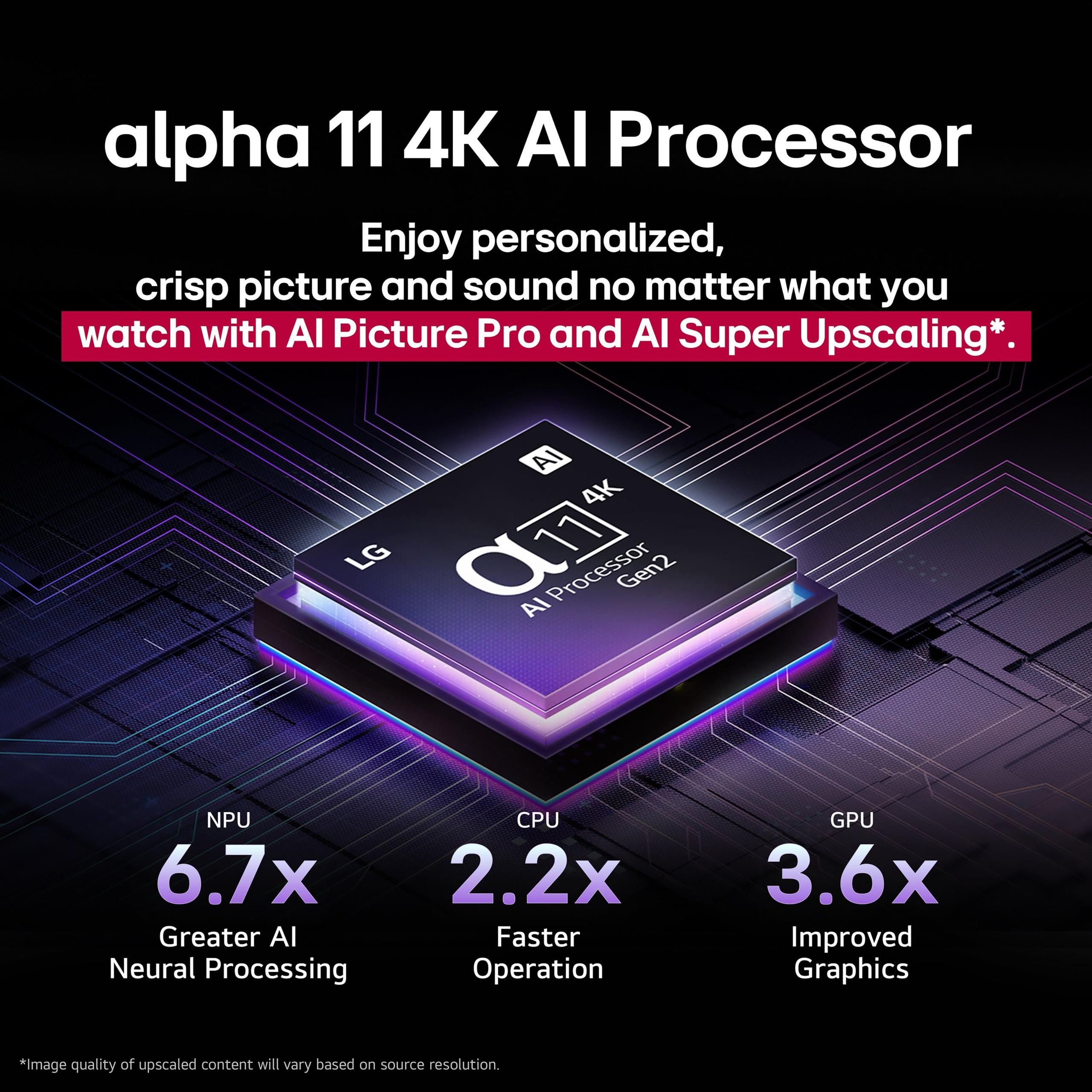
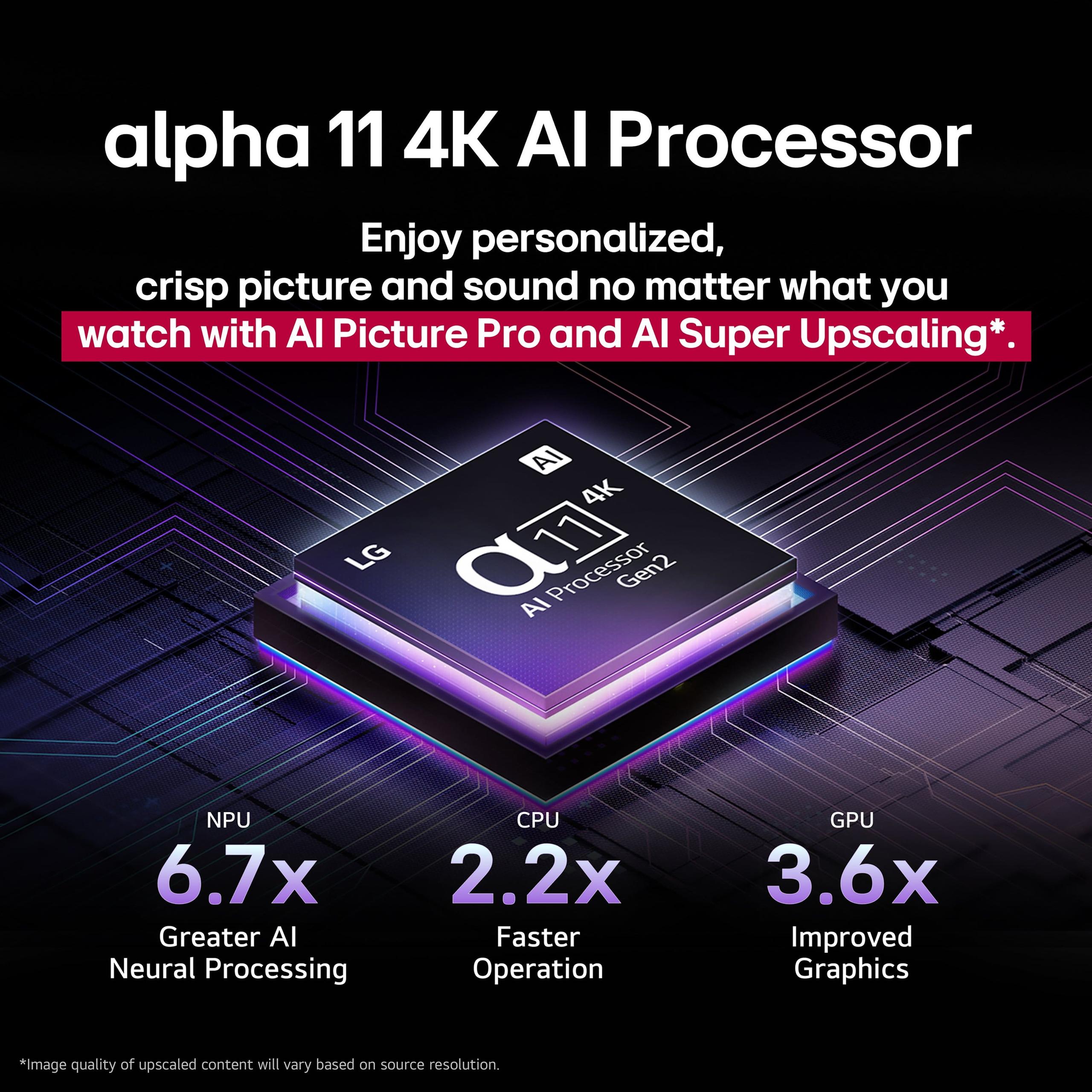
Processing power differences become apparent during extended use. The Q7F's Q4 AI processor handles basic upscaling adequately but struggles with complex content optimization. The G5's Alpha 11 AI Gen 2 processor delivers superior upscaling, turning lower-resolution content into sharper images with better texture preservation and artifact reduction.
Audio quality represents another area where price positioning shows. The Samsung Q7F includes 20-watt speakers in a 2.0 configuration—adequate for dialogue and casual viewing but lacking depth and bass response. Adaptive Sound technology adjusts audio based on content type, and Q-Symphony allows coordination with Samsung soundbars.
The LG G5 features Dolby Atmos support with multi-directional speakers designed to create immersive three-dimensional soundscapes. While still limited by the physics of thin TV speakers, the audio experience is noticeably more engaging and theater-like.
For serious home theater setups, both TVs will likely be paired with dedicated sound systems. However, the G5's superior audio processing and Dolby Atmos support provide better integration with high-end audio equipment.
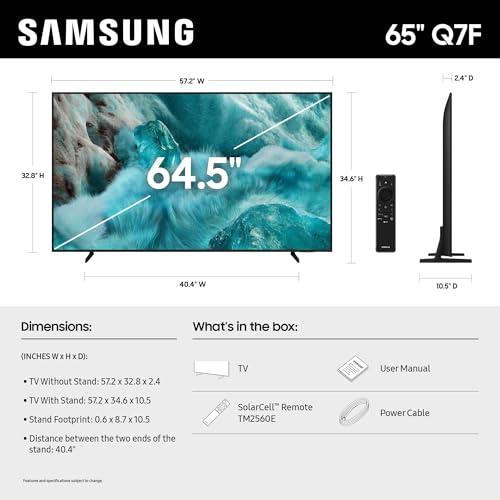
The Samsung Q7F prioritizes affordability with a lightweight design and adjustable stand that accommodates different furniture layouts. The three-bezel design creates an immersive viewing experience, though build materials reflect the entry-level positioning.
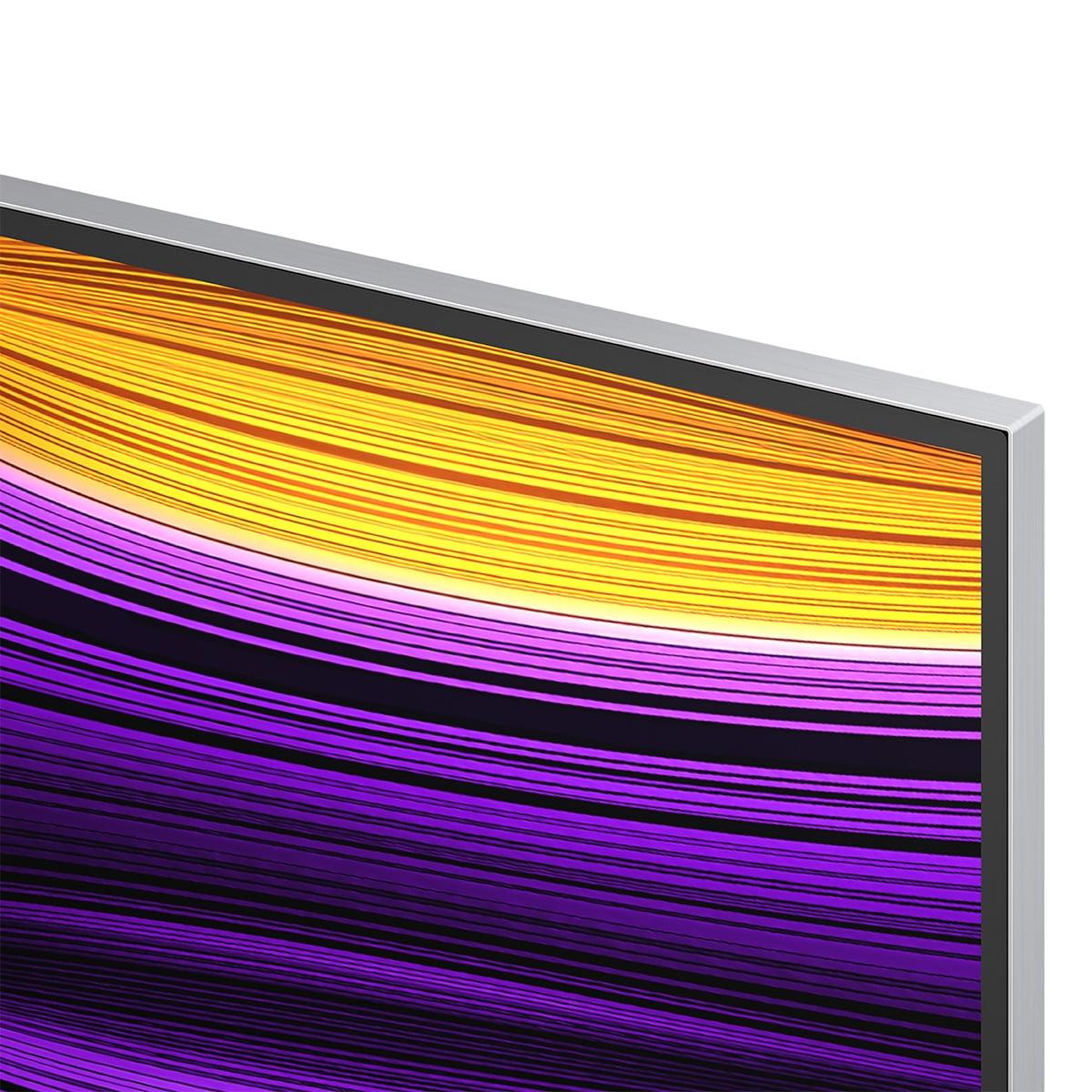
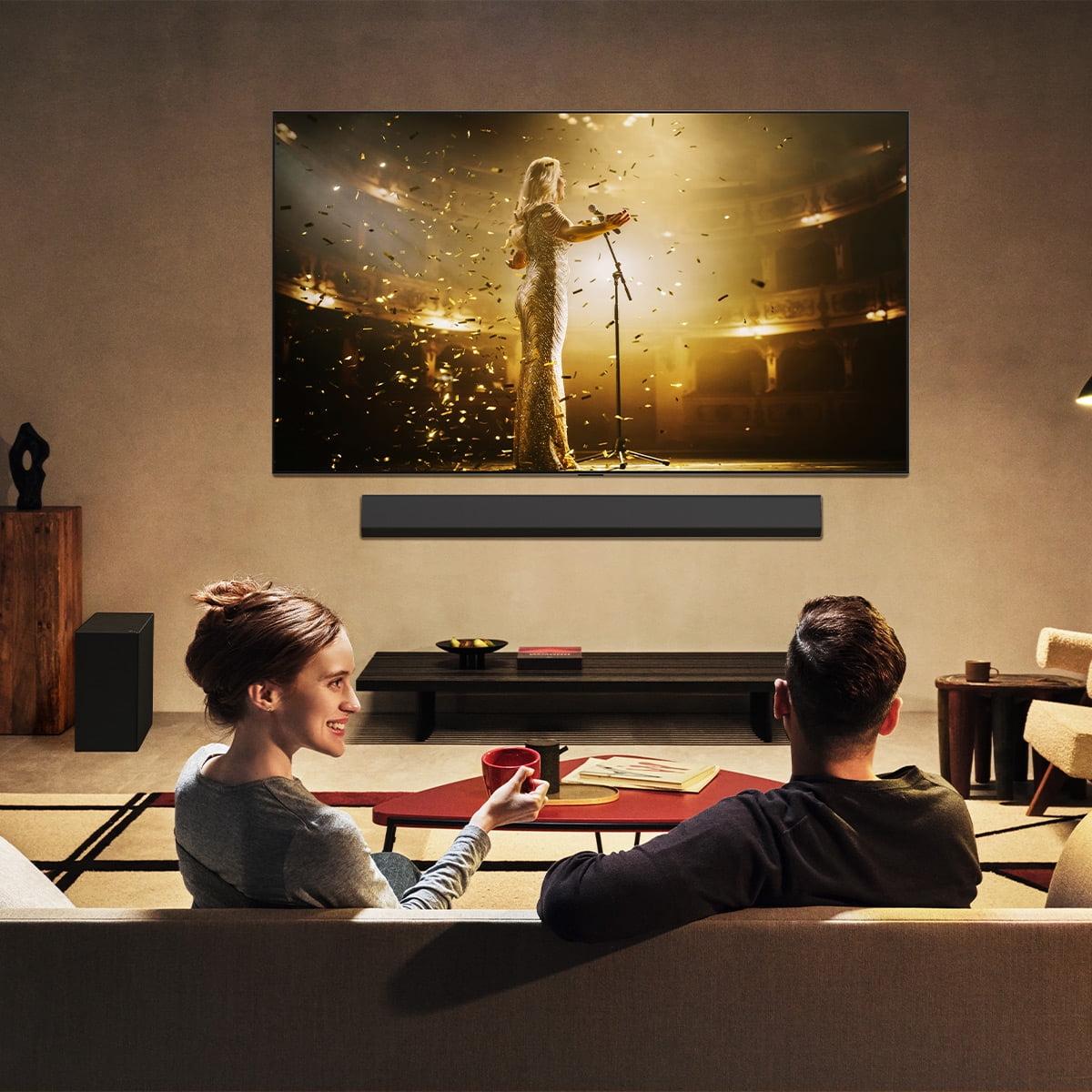
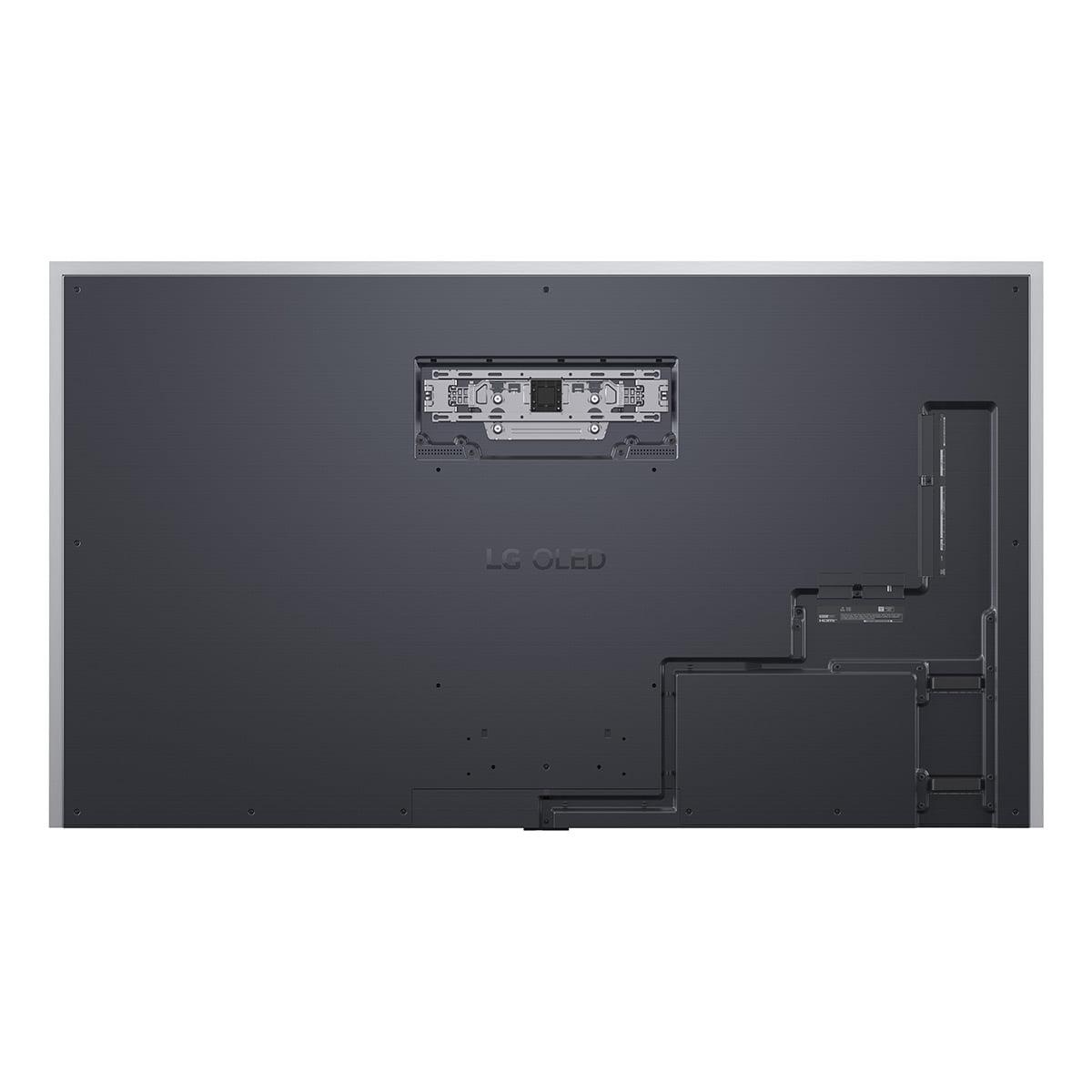
The LG G5 showcases premium design with its One Wall mounting system that hangs flush against the wall like a piece of art. When not displaying content, it can show artwork or personal photos, blending into your living space. The build quality reflects flagship positioning with premium materials and meticulous construction.
Room lighting significantly affects TV performance. The Samsung Q7F works adequately in moderately lit rooms but struggles with glare and maintains visibility in bright conditions. Its VA panel provides decent contrast when viewed straight-on but suffers from color and brightness degradation at side angles.
The LG G5 excels across different lighting conditions. The breakthrough brightness levels handle bright rooms effectively, while perfect blacks create cinematic experiences in dark environments. OLED technology also provides excellent viewing angles, maintaining color accuracy and brightness when viewed from the side.
For home theater installations, the G5 delivers reference-quality performance that rivals dedicated projection systems. Movie watching becomes genuinely transformative with perfect blacks creating the illusion of infinite depth. The Q7F, while adequate for casual viewing, cannot match this level of cinematic immersion.
At the time of writing, these TVs occupy completely different price tiers. The Samsung Q7F represents entry-level 4K performance at an accessible price point, while the LG G5 commands premium pricing that reflects cutting-edge technology.
The price difference—roughly 5x at current market rates—might seem extreme, but it reflects genuine performance gaps rather than brand premium. The Q7F makes compromises in virtually every performance category to achieve its price point. The G5 represents breakthrough technology with manufacturing costs that justify premium pricing.
For budget-conscious buyers, the Q7F delivers adequate 4K performance for casual viewing. However, the performance limitations become apparent with demanding content or challenging viewing conditions.
The G5 represents a long-term investment with 5-year panel warranty coverage and future-proofing for evolving content standards. The premium pays for transformative picture quality and comprehensive feature sets that remain relevant for years.
Choose the Samsung Q7F if you need basic 4K performance at the lowest possible price. It's suitable for casual viewers who primarily stream content in moderately lit rooms and don't require advanced gaming features. This TV works well as a secondary display or for buyers transitioning from older HD displays who want to experience 4K without significant investment.
The LG G5 is ideal for enthusiasts who prioritize picture quality and have the budget for premium technology. It's perfect for serious gamers, movie enthusiasts, and anyone who wants reference-quality performance. The bright-room capability makes it suitable for living rooms with challenging lighting, while perfect blacks create exceptional home theater experiences.
For gaming specifically, the choice is clear: casual gamers can make do with the Q7F, but anyone serious about gaming will benefit dramatically from the G5's advanced features.
These TVs serve fundamentally different markets despite sharing the premium TV category. The Samsung Q7F offers acceptable performance for buyers who need 4K capability without premium features. The LG G5 delivers breakthrough OLED technology that addresses traditional limitations while providing cutting-edge gaming and viewing experiences.
The decision ultimately comes down to budget and priorities. If you're satisfied with good-enough picture quality and basic functionality, the Q7F represents solid value. If picture quality, gaming performance, and long-term satisfaction matter more than initial cost, the G5 justifies its premium pricing with genuinely superior performance across virtually every metric that matters.
In my opinion, the G5 represents the type of generational leap that redefines what TVs can achieve, making it worth the investment for buyers who can afford it. The Q7F serves its purpose as an entry point to 4K viewing, but the compromises are significant and become more apparent over time.
| Samsung 65-Inch Q7F Series QLED Smart TV 2025 | LG OLED evo G5 65" 4K Smart TV 2025 |
|---|---|
| Display Technology - Determines contrast, blacks, and overall picture quality | |
| QLED with LED backlight, no local dimming | Tandem OLED with 8.3 million self-lit pixels |
| Contrast Performance - Critical for movie watching and dark scenes | |
| Limited contrast, grayish blacks due to full-array backlight | Perfect blacks with infinite contrast ratio |
| Peak Brightness - Essential for HDR content and bright room viewing | |
| Moderate brightness, struggles in bright rooms | 45% brighter than previous OLEDs, bright-room capable |
| Gaming Performance - Refresh rate and advanced gaming features | |
| 60Hz, no VRR, 3x HDMI 2.0 ports | Up to 165Hz, VRR/G-Sync/FreeSync, 4x HDMI 2.1 ports |
| HDR Support - Determines color depth and dynamic range quality | |
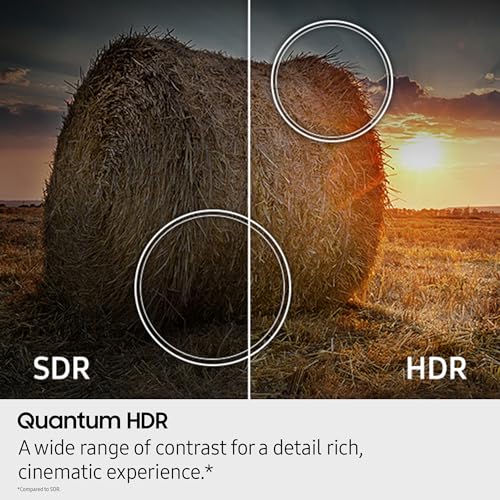
| HDR10+ and Quantum HDR (no Dolby Vision) | Dolby Vision, HDR10, HLG with superior processing |
| Processor - Affects upscaling quality and smart features | |
| Q4 AI Processor (basic upscaling and AI features) | Alpha 11 AI Gen 2 (advanced AI upscaling and optimization) |
| Smart TV Platform - Interface quality and app ecosystem | |
| Tizen OS with Samsung Vision AI | webOS 25 with advanced AI personalization |
| Audio System - Built-in sound quality | |
| 20W 2.0 channel with Adaptive Sound | Enhanced audio with Dolby Atmos support |
| Design Philosophy - Build quality and aesthetics | |
| Entry-level build, adjustable plastic stand | Premium One Wall Design, flush wall mounting |
| Viewing Angles - Important for wide seating arrangements | |
| VA panel with narrow viewing angles | OLED with excellent viewing angles |
| Warranty Coverage - Long-term reliability protection | |
| Standard 1-year manufacturer warranty | 5-year panel warranty (demonstrates confidence in technology) |
| Target Market - Who should consider each option | |
| Budget-conscious buyers, casual viewing, secondary TVs | Gaming enthusiasts, movie lovers, premium home theaters |
| Value Proposition - Performance per dollar considerations | |
| Adequate 4K performance at entry-level pricing | Flagship OLED technology with transformative picture quality |
The LG OLED evo G5 is significantly better for gaming with its 165Hz refresh rate, VRR support, and four HDMI 2.1 ports. The Samsung Q7F only offers 60Hz gaming with basic features, making the LG G5 the clear choice for serious gamers and next-gen consoles.
The LG OLED evo G5 dramatically outperforms the Samsung Q7F in dark rooms thanks to perfect black levels and infinite contrast. Each pixel can turn completely off, creating true darkness that makes the LG G5 ideal for home theater setups and movie watching.
The LG OLED evo G5 handles bright rooms much better despite being an OLED, thanks to its breakthrough tandem panel technology that's 45% brighter than previous generations. The Samsung Q7F struggles with glare and brightness in well-lit environments.
The Samsung Q7F uses QLED technology with LED backlighting and quantum dots for color enhancement. The LG G5 uses OLED technology where each of 8.3 million pixels produces its own light, enabling perfect blacks and superior contrast that the Samsung Q7F cannot achieve.
For casual streaming, both work adequately, but the LG OLED evo G5 provides a significantly better experience with superior contrast, Dolby Vision support, and more advanced processing. The Samsung Q7F offers basic streaming capabilities at a lower price point.
The Samsung Q7F supports HDR10+ but lacks Dolby Vision, while the LG G5 supports both Dolby Vision and HDR10+ with superior brightness and processing. This makes the LG G5 more compatible with premium streaming content and 4K Blu-rays.
The LG OLED evo G5 runs the more advanced webOS 25 with superior AI features and personalization compared to the Samsung Q7F's basic Tizen interface. Both offer major streaming apps, but the LG G5 provides a more sophisticated smart TV experience.
Yes, the LG OLED evo G5 features premium construction with a flush wall-mount design and superior materials. The Samsung Q7F has basic build quality appropriate for its entry-level positioning, though it's still well-constructed for the price range.
The LG OLED evo G5 is vastly superior for home theaters with perfect blacks, excellent viewing angles, Dolby Vision support, and Dolby Atmos audio. The Samsung Q7F cannot match the cinematic experience that makes the LG G5 ideal for dedicated movie rooms.
Both TVs offer low input lag suitable for gaming, but the LG G5 includes advanced gaming features like Game Mode optimization and superior motion handling. The Samsung Q7F provides basic gaming performance without the high refresh rates of the LG G5.
The LG OLED evo G5 offers better long-term value despite higher upfront costs, featuring cutting-edge technology, 5-year panel warranty, and future-proofing for evolving content standards. The Samsung Q7F provides immediate affordability but with significant performance compromises.
Room lighting is crucial for this decision. The Samsung Q7F works adequately in moderate lighting but struggles in bright rooms. The LG G5 excels in both bright and dark environments, making it more versatile for different viewing conditions throughout your home.
We've done our best to create useful and informative comparisons to help you decide what product to buy. Our research uses advanced automated methods to create this comparison and perfection is not possible - please contact us for corrections or questions. These are the sites we've researched in the creation of this article: bestbuy.com - rtings.com - bestbuy.com - youtube.com - youtube.com - youtube.com - samsung.com - samsung.com - samsung.com - billsmith.com - costco.com - samsung.com - hometechnologyreview.com - hometechnologyreview.com - bestbuy.com - samsung.com - bestbuy.com - samsung.com - hometechnologyreview.com - samsung.com - samsung.com - bestbuy.com - techradar.com - rtings.com - youtube.com - youtube.com - rtings.com - bestbuy.com - youtube.com - valueelectronics.com - lg.com - audio-videoplus.com - lg.com - lg.com - lg.com

Privacy Policy
Terms and Conditions - Affiliate Policy
Home Security
© Copyright 2008-2026.
11816 Inwood Rd #1211, Dallas, TX 75244