

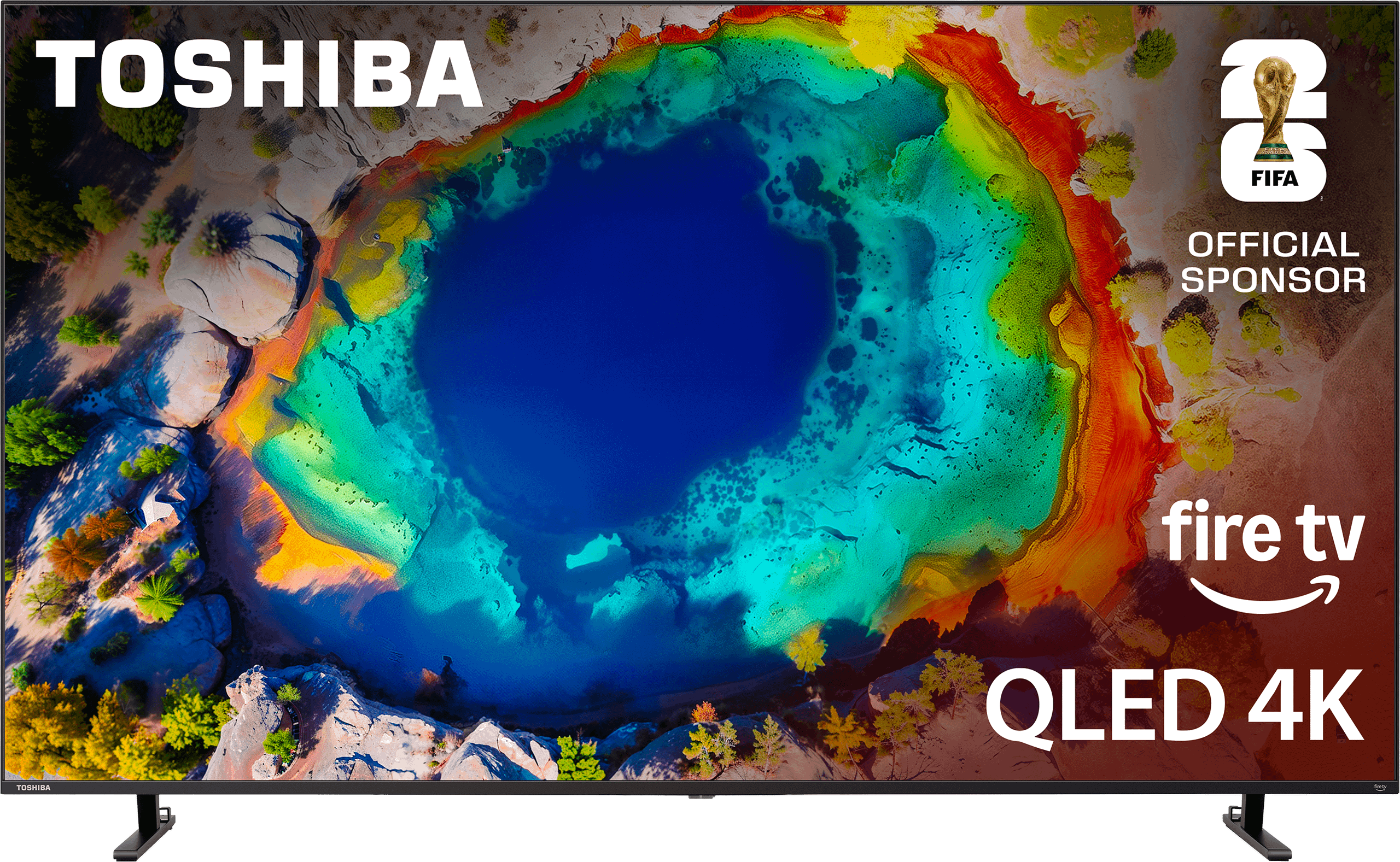
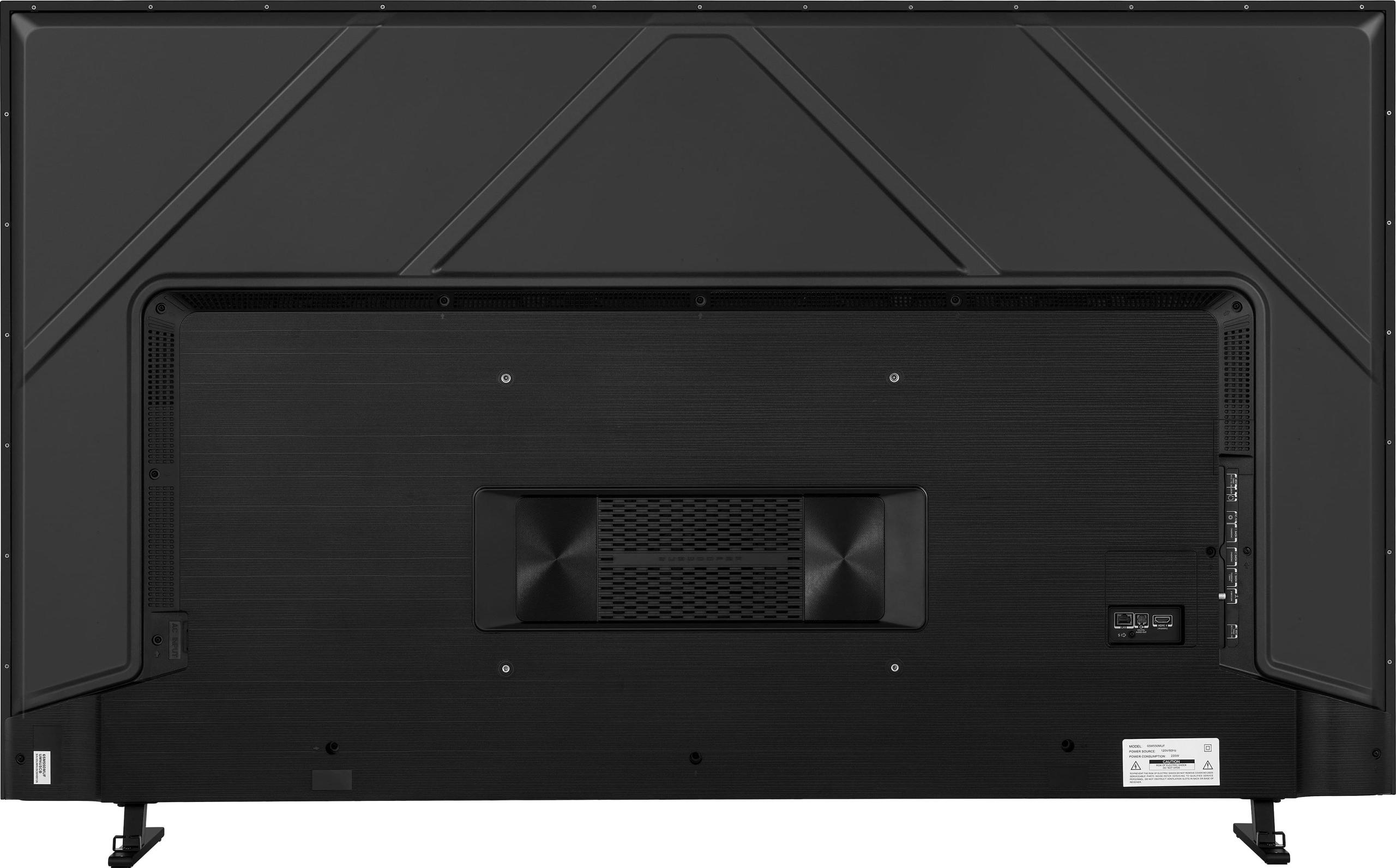
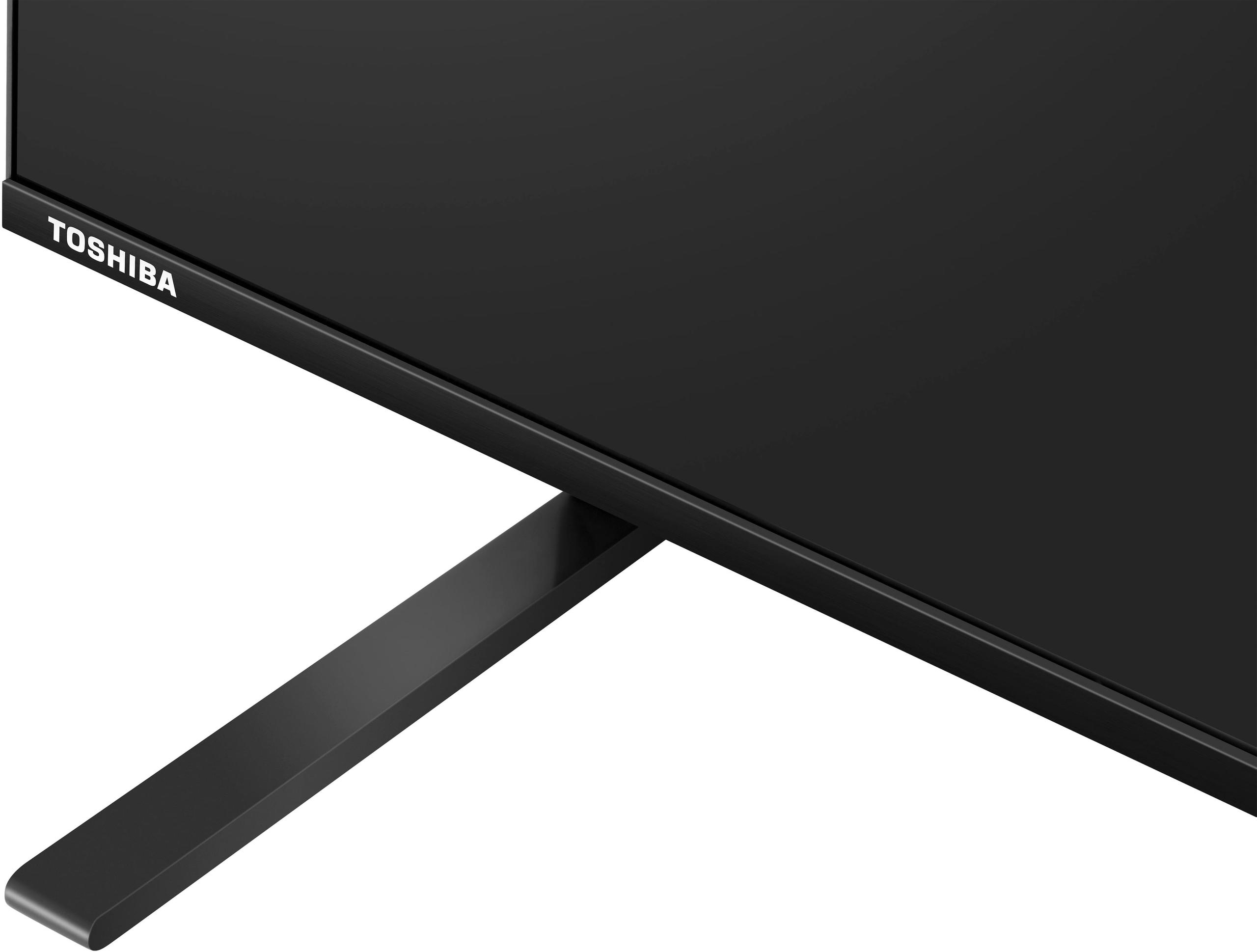
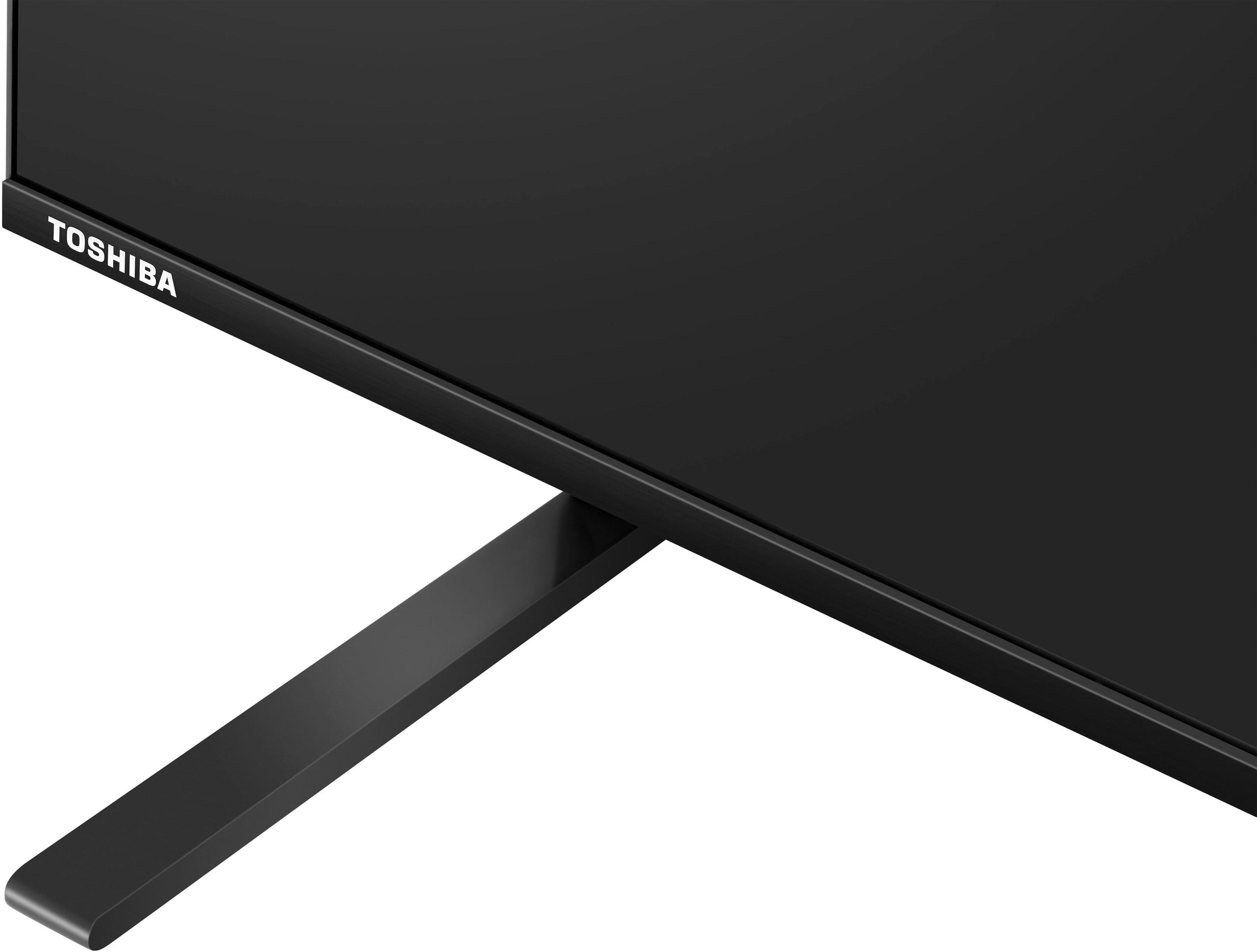
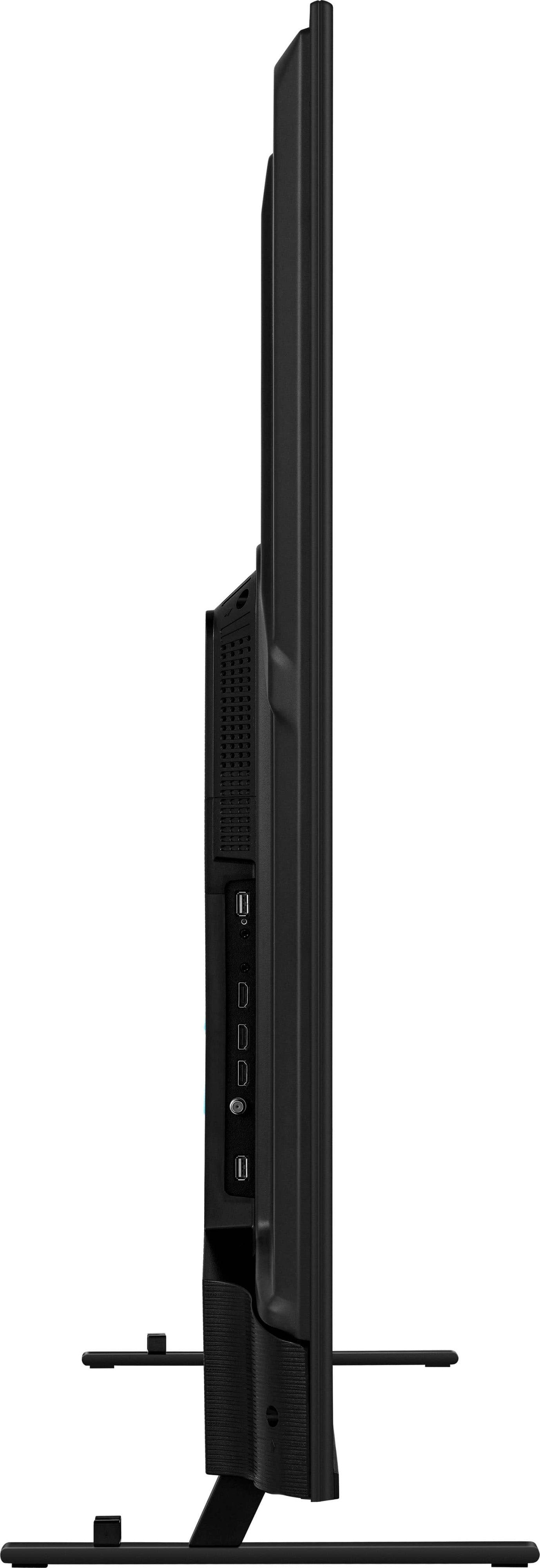
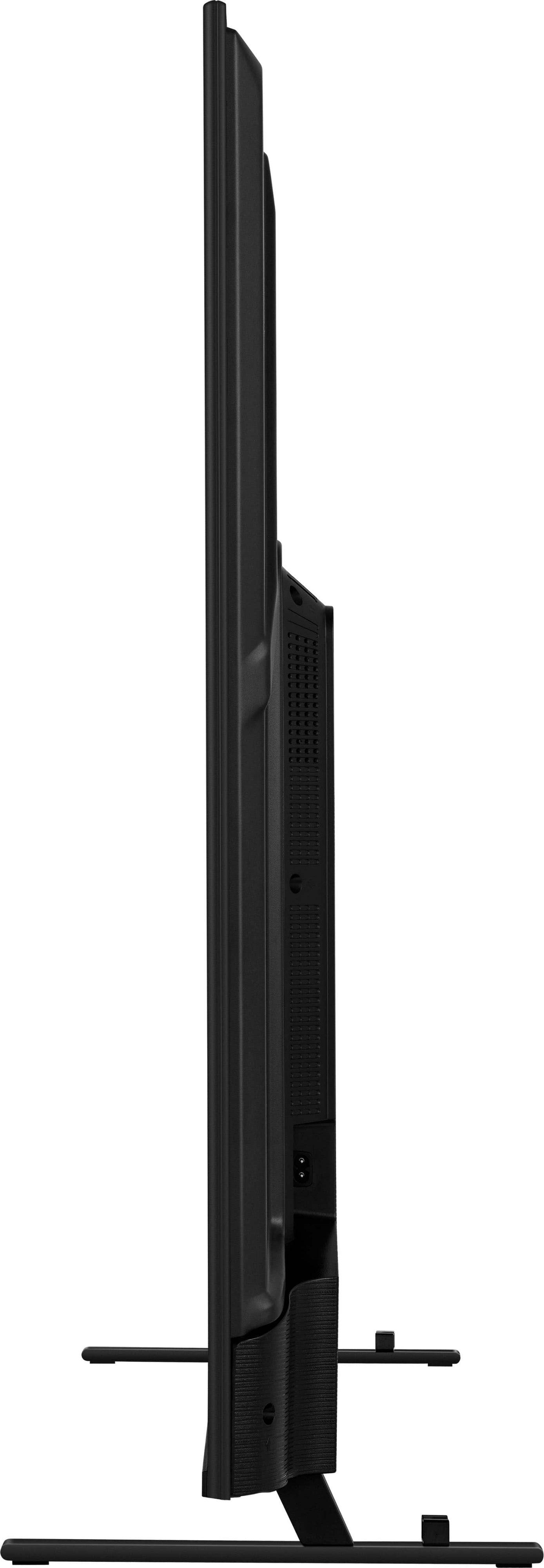
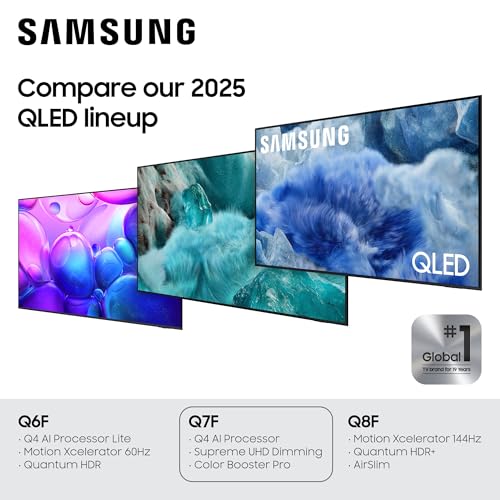
Finding the right 65-inch TV has become increasingly complex as manufacturers pack premium features into budget models while maintaining distinct performance tiers. Two standout options in the large-screen QLED space are the Toshiba M550 Series and Samsung's Q7F Series, both released in 2025 but representing dramatically different approaches to delivering big-screen entertainment value.
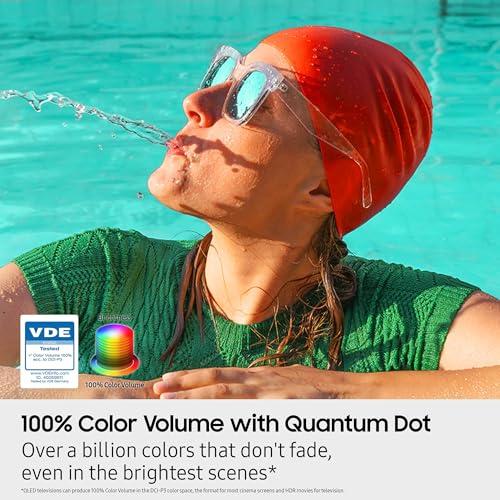
The 65-inch QLED category sits at the intersection of affordability and premium performance, where Quantum Dot technology—tiny nanocrystals that enhance color reproduction and brightness—has become standard. Both TVs use this technology, but their implementation and supporting features create vastly different user experiences that make choosing between them more nuanced than simply comparing spec sheets.
QLED technology emerged as a middle ground between traditional LED displays and premium OLED screens. The quantum dots act as a filter that produces more accurate colors while maintaining the brightness advantages of LED backlighting. What separates entry-level QLEDs from premium models isn't just the presence of quantum dots, but how they're supported by processing power, backlight control, and smart platform integration.
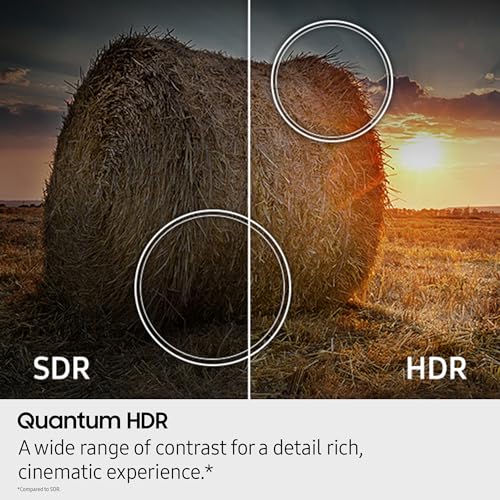
The most crucial performance factors in 2025 QLED TVs include HDR processing (High Dynamic Range, which expands the range of colors and brightness), local dimming capabilities (independent control of backlight zones for better contrast), and gaming features like Variable Refresh Rate (VRR, which syncs the display refresh with game frame rates to eliminate tearing).
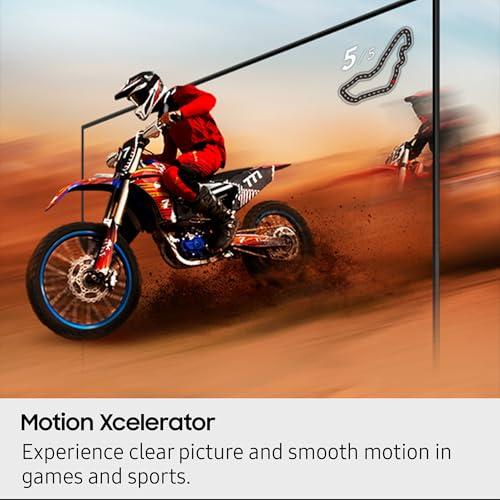
Motion handling has also become critical as content shifts toward higher frame rates and gaming becomes more demanding. The difference between 60Hz and 120Hz refresh rates is substantial—60Hz displays each frame for about 17 milliseconds, while 120Hz cuts that to 8 milliseconds, creating smoother motion that's particularly noticeable in sports and action content.
The Toshiba M550 takes an aggressive approach to picture quality, cramming premium features typically reserved for TVs costing significantly more. Its full-array local dimming system controls 48 individual backlight zones, allowing specific areas of the screen to dim independently. This creates deeper blacks and higher contrast ratios—the difference between the darkest and brightest elements the display can show simultaneously.
Most budget TVs use edge lighting or basic direct lighting, where LEDs around the screen's perimeter or spread evenly behind the panel provide illumination. The M550's zone-based approach means when you're watching a movie with a dark scene containing bright highlights—think car headlights on a night road—those headlights won't cause the entire dark scene to appear washed out.
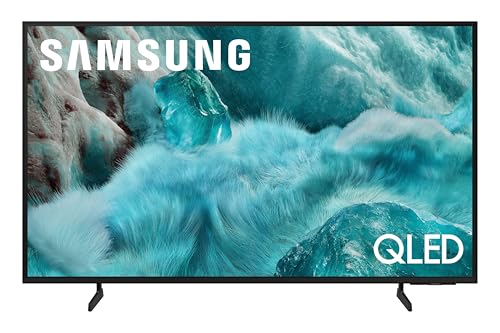
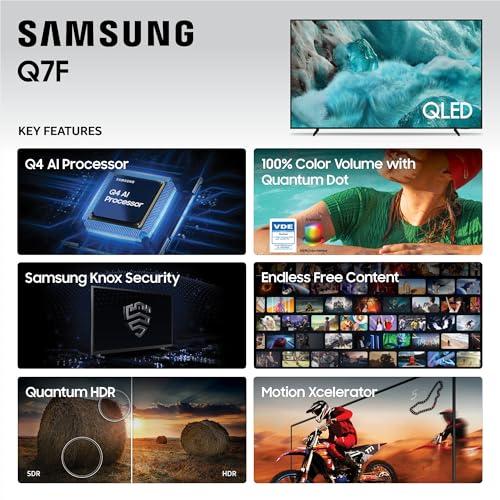
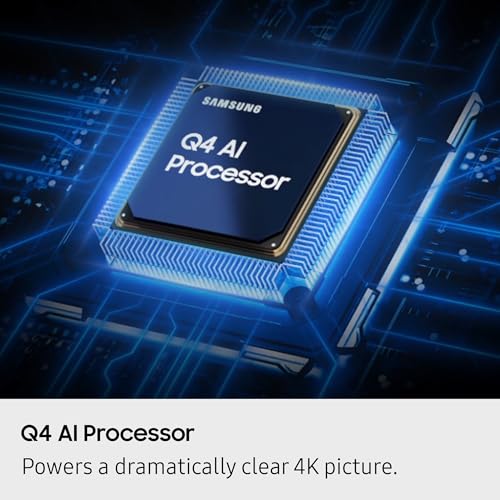
The Samsung Q7F, conversely, focuses on refinement over raw specifications. Its Q4 AI Processor represents Samsung's approach to picture optimization: using artificial intelligence to analyze content in real-time and adjust color, contrast, and sharpness accordingly. While it lacks local dimming, Samsung's processing ensures colors remain accurate across different content types and viewing conditions.
Based on our research into user and professional reviews, the picture quality differences become apparent in specific scenarios. The Toshiba M550 excels in dark rooms where its local dimming creates genuinely impressive contrast for its price bracket. Users consistently report that blacks appear deeper than expected from a budget QLED, though some note that fast action scenes can exhibit artifacts—visual distortions that appear as ghosting or stuttering around moving objects.
The Samsung Q7F delivers more consistent performance across various lighting conditions. Its PANTONE validation means colors are calibrated to professional standards, producing more accurate skin tones and natural-looking content. However, without local dimming, blacks appear more grayish, particularly noticeable when watching HDR content that depends on contrast for impact.
For home theater use, these differences matter significantly. The Toshiba M550's superior contrast makes it better suited for dedicated viewing rooms where lighting can be controlled. The Samsung Q7F performs better in family rooms with ambient lighting, where its processing helps maintain image quality despite less-than-ideal conditions.
Gaming has become a primary consideration for TV purchases, particularly with PlayStation 5 and Xbox Series X demanding features that didn't exist in previous console generations. The performance gap between these TVs is dramatic in gaming scenarios.
The Toshiba M550 includes comprehensive gaming features that typically cost hundreds more. Its native 120Hz refresh rate supports high-frame-rate gaming at 1440p resolution, while Variable Refresh Rate (VRR) up to 60Hz at 4K eliminates screen tearing—the visual artifact that occurs when the TV's refresh rate doesn't match the game's frame output. Auto Low Latency Mode (ALLM) automatically switches to game mode when it detects gaming content, reducing input lag to 9.4 milliseconds.
Input lag measures the time between pressing a controller button and seeing the corresponding action on screen. For competitive gaming, anything under 20 milliseconds is acceptable, but lower is always better. The M550's 9.4ms performance puts it in territory typically reserved for dedicated gaming monitors.
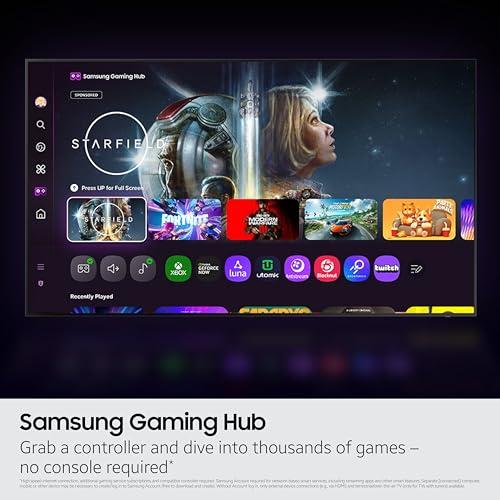
The Samsung Q7F offers basic gaming support with its Auto Game Mode reducing input lag to approximately 10 milliseconds, which is excellent for casual gaming. However, its lack of VRR, 120Hz support, or HDMI 2.1 connectivity limits its utility for modern console gaming. Gamers using PS5 or Xbox Series X would miss out on features these consoles specifically support.
This represents a philosophical divide: the Toshiba assumes users want cutting-edge gaming features even at budget prices, while Samsung focuses on optimizing basic gaming performance within a more limited feature set.
The smart TV platform often determines daily user experience more than picture quality specifications. These TVs represent two established but different approaches to smart TV software.
The Toshiba M550 runs Amazon's Fire TV platform, providing extensive app selection and deep integration with Amazon services. Alexa voice control includes far-field microphones, allowing hands-free operation from across the room. The interface prioritizes streaming content and integrates naturally with Amazon Prime Video, though it also supports Netflix, Disney+, HBO Max, and other major services.
However, our research reveals significant performance issues with the M550's implementation. Users consistently report that the TV's processor appears underpowered for the Fire TV platform, causing apps to take 30-60 seconds to load and frequent system freezes. Some users describe the TV randomly exiting apps or returning to the home screen without input. These issues suggest the hardware wasn't optimized for the software load, creating frustration during daily use.
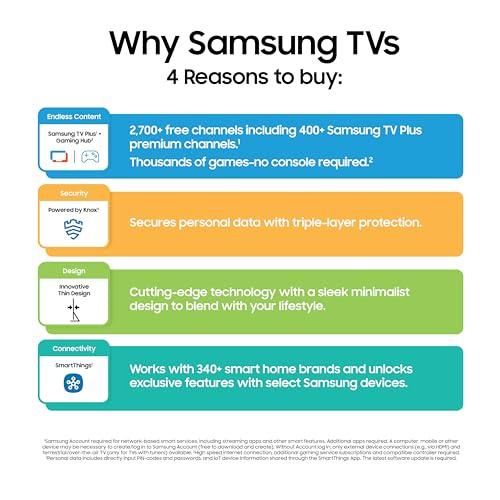
The Samsung Q7F runs Samsung's mature Tizen operating system, which our research indicates provides smooth, responsive navigation. Tizen offers broad app support while integrating with Samsung's ecosystem, including SmartThings home automation and Samsung Health fitness tracking. The interface includes multiple voice assistant options—Bixby, Alexa, and Google Assistant—providing flexibility for different user preferences.
The reliability difference is substantial based on user feedback. While the Toshiba offers more comprehensive streaming options, the Samsung delivers consistent performance that doesn't interfere with daily viewing habits.
Television audio often receives less attention than picture quality, but it significantly impacts the viewing experience. These TVs take markedly different approaches to sound reproduction.
The Toshiba M550 includes REGZA Power Audio Pro with a dedicated bass woofer and 40-49 watts of total output. User reviews consistently highlight that the built-in audio often eliminates the need for additional sound equipment—unusual for budget TVs. Dolby Atmos support provides virtual surround sound effects, creating a more immersive experience for movies and gaming.
The Samsung Q7F features a more conventional 20-watt, 2.0-channel system with Object Tracking Sound Lite, which attempts to match audio direction with on-screen action. While adequate for casual viewing, it lacks the power and bass response for more engaging content. Samsung's Q-Symphony feature allows the TV to work in conjunction with compatible Samsung soundbars, potentially improving audio when combined with additional equipment.
For users planning to add a soundbar eventually, the audio differences become less critical. However, for those preferring a single-device solution, the Toshiba's superior built-in audio represents significant value.
Build quality encompasses both physical construction and software stability—factors that determine long-term satisfaction beyond initial impressions.
The Toshiba M550 packs impressive specifications into an aggressively priced package, but our research suggests this comes with compromises. Users report processing limitations that prevent the TV from fully utilizing its premium features. Motion handling issues appear in fast action content, where the display struggles to keep up with demanding scenes. Some units experience hardware problems including screen flashing and random black screens requiring hard resets.
The Samsung Q7F represents Samsung's entry-level QLED offering but benefits from the company's established manufacturing processes and quality control. Users report more consistent performance and fewer technical issues, though the TV's more limited feature set means there's less that can go wrong.
This reliability difference becomes crucial for long-term ownership. The Toshiba might deliver exceptional value initially, but potential issues could create ongoing frustration. The Samsung provides more predictable performance, though at the cost of advanced features.
At the time of writing, these TVs represent distinct value approaches within the large-screen QLED market.
The Toshiba M550 delivers premium specifications at budget pricing, making features like 120Hz refresh rates, local dimming, and comprehensive gaming support accessible to price-conscious buyers. For users who prioritize getting maximum features per dollar and can tolerate potential reliability issues, it represents exceptional value. The superior built-in audio alone could save the cost of a separate soundbar.
The Samsung Q7F commands a moderate premium but delivers refined performance and ecosystem integration. Samsung's established support network, consistent software updates, and integration with other Samsung devices provide value beyond the display itself. Users prioritizing consistent daily operation and long-term reliability find this approach worthwhile.
These different philosophies serve distinct user needs. The Toshiba appeals to specification-focused buyers willing to accept trade-offs for premium features. The Samsung serves users who prefer paying more for consistent, predictable performance.
The decision between these TVs depends on identifying your primary use cases and tolerance for potential issues.
Choose the Toshiba M550 if gaming performance is important to you. Its VRR support, 120Hz capability, and low input lag make it genuinely competitive with much more expensive gaming-focused TVs. The superior built-in audio and full-array local dimming provide additional value that's rare at this price point. However, be prepared for potential software quirks and the possibility of needing patience with smart TV functions.
Choose the Samsung Q7F if you prioritize reliable daily operation and consistent performance. Its refined processing, accurate colors, and stable smart platform create a more premium user experience. If you already own Samsung devices or plan to integrate with Samsung's ecosystem, the additional connectivity and features provide extra value. The trade-off is accepting more basic gaming capabilities and potentially needing external audio equipment.
For home theater enthusiasts, the Toshiba's superior contrast and audio capabilities make it more compelling despite potential reliability concerns. For family room use where the TV will be used frequently throughout the day, the Samsung's consistent operation and refined interface prove more valuable.
The Toshiba M550 represents the future of budget QLED TVs—premium features at aggressive pricing with some compromises in execution. The Samsung Q7F represents the present—refined performance within a more conservative feature set. Your choice depends on whether you're willing to accept growing pains for cutting-edge features or prefer paying for proven, consistent performance.
Both TVs succeed within their respective approaches, making the decision less about which is objectively better and more about which philosophy aligns with your viewing habits, technical tolerance, and long-term expectations.
| Toshiba 65" M550 Series QLED Fire TV | Samsung 65-Inch Q7F Series QLED Smart TV 2025 Display |
|---|---|
| Screen Size & Display Technology - Both use QLED for enhanced color, but implementation differs | |
| 65" QLED with Quantum Dot Technology | 65" QLED with Quantum Dot Technology |
| Refresh Rate - Critical for gaming and sports viewing smoothness | |
| Native 120Hz (supports 120Hz at 1440p/1080p, 60Hz at 4K) | 60Hz only (limits gaming and motion clarity) |
| Local Dimming - Essential for deep blacks and contrast in dark scenes | |
| Full Array Local Dimming (48 zones) | No local dimming (grayish blacks) |
| HDR Support - Determines how well the TV displays premium content | |
| Dolby Vision, HDR10, HDR10+, HLG | Quantum HDR, HDR10+ (no Dolby Vision) |
| Gaming Features - Important for PS5/Xbox Series X compatibility | |
| VRR up to 60Hz, ALLM, 9.4ms input lag, 4 HDMI ports | Basic Auto Game Mode, 10ms input lag, 3 HDMI ports (no VRR/HDMI 2.1) |
| Smart Platform - Affects daily usability and app performance | |
| Fire TV with Alexa (extensive apps, but slow/unreliable performance) | Tizen OS (smooth, reliable, Samsung ecosystem integration) |
| Audio System - Built-in sound quality affects need for soundbar | |
| REGZA Power Audio Pro, 40-49W, bass woofer, Dolby Atmos | 20W 2.0 channel, Object Tracking Sound Lite, Q-Symphony compatible |
| Processing Power - Impacts overall performance and reliability | |
| Underpowered processor causes app delays and freezing | Q4 AI Processor provides smooth, consistent operation |
| Color Accuracy - Important for natural-looking content | |
| Good color volume, vivid reproduction | PANTONE validated, professional color accuracy |
| Build Quality & Reliability - Affects long-term satisfaction | |
| Premium specs but quality control issues reported | Consistent Samsung manufacturing, stable performance |
| Best For - Target user scenarios | |
| Gamers, dark room viewing, budget buyers wanting premium features | Reliable daily use, bright rooms, Samsung ecosystem users |
The Toshiba M550 delivers superior contrast with its full-array local dimming and 48 backlight zones, creating deeper blacks that make movies more cinematic. However, the Samsung Q7F offers more accurate colors with PANTONE validation and better processing. For dark room viewing, the Toshiba M550 wins, while the Samsung Q7F performs better in bright rooms.
The Toshiba M550 is significantly better for gaming with Variable Refresh Rate (VRR), 120Hz support at 1440p, and 9.4ms input lag. It supports modern console features that the Samsung Q7F lacks. The Samsung Q7F only offers basic gaming with 60Hz and no VRR, making it suitable for casual gaming but not optimal for next-gen consoles.
The Samsung Q7F has a more reliable smart platform with Samsung's Tizen OS, offering smooth navigation and consistent performance. The Toshiba M550 runs Fire TV with more comprehensive app selection, but users report frequent freezing, slow app loading, and system crashes that can be frustrating for daily use.
The Toshiba M550 has significantly better audio with REGZA Power Audio Pro, a dedicated bass woofer, and 40-49W output that often eliminates the need for a soundbar. The Samsung Q7F has basic 20W speakers that are adequate for casual viewing but will likely require external audio equipment for better sound quality.
The Samsung Q7F is more reliable with consistent performance and fewer reported technical problems. The Toshiba M550 offers premium features at a budget price but has known issues including processing limitations, app crashes, and some units experiencing hardware problems like screen flashing or black screens.
Both TVs support HDR, but the Toshiba M550 includes Dolby Vision, HDR10, and HDR10+ for more comprehensive format support. The Samsung Q7F supports Quantum HDR and HDR10+ but lacks Dolby Vision. The Toshiba's local dimming also helps HDR content appear more impactful with better contrast.
The Toshiba M550 is better suited for dedicated home theaters due to its superior contrast from full-array local dimming, better built-in audio, and comprehensive HDR support including Dolby Vision. The deeper blacks and enhanced audio create a more cinematic experience in controlled lighting environments.
The Toshiba M550 has advantages with its 120Hz refresh rate for smoother motion, but some users report artifacts in very fast scenes due to processing limitations. The Samsung Q7F is limited to 60Hz but has more consistent motion processing. Both handle typical sports viewing adequately, with the Toshiba having an edge for high-frame-rate content.
The Toshiba M550 offers exceptional value with premium features like 120Hz, local dimming, VRR, and superior audio typically found in much more expensive TVs. The Samsung Q7F provides better value for users prioritizing reliability and consistent performance over maximum features, representing a more refined experience at a moderate premium.
The Samsung Q7F performs better in bright rooms due to its refined processing and consistent brightness handling. The Toshiba M550 can struggle with bright ambient lighting and has reflection issues. For family rooms with lots of natural light, the Samsung Q7F maintains better picture quality throughout the day.
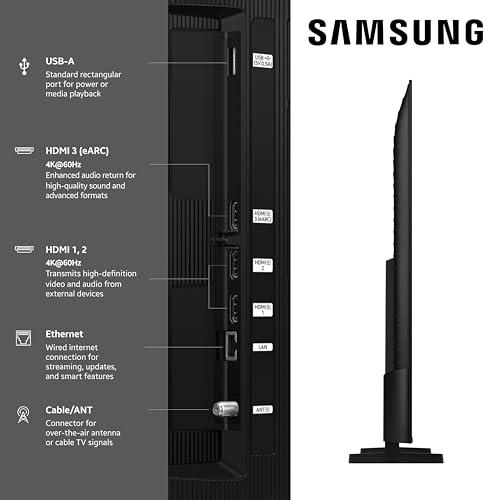
The Toshiba M550 offers 4 HDMI ports including one with eARC, plus USB and standard connectivity options. The Samsung Q7F has 3 HDMI ports and 1 USB port. The Toshiba provides more flexibility for connecting multiple devices like game consoles, streaming devices, and sound systems.
Samsung has stronger brand reputation, established customer support, and regular software updates for the Samsung Q7F. The Toshiba M550 offers aggressive pricing and impressive specifications but comes from a smaller TV market presence. For long-term support and ecosystem integration, Samsung provides more confidence, while Toshiba focuses on delivering maximum features per dollar.
We've done our best to create useful and informative comparisons to help you decide what product to buy. Our research uses advanced automated methods to create this comparison and perfection is not possible - please contact us for corrections or questions. These are the sites we've researched in the creation of this article: bestbuy.com - bestbuy.com - consumerreports.org - youtube.com - pcvarge.com - tomsguide.com - youtube.com - bestbuy.com - toshibatv-usa.com - marketplace-staging.paytomorrow.com - toshibatv-usa.com - productabout.com - leaseville.com - youtube.com - toshibatv-usa.com - bestbuy.com - rtings.com - bestbuy.com - youtube.com - youtube.com - youtube.com - samsung.com - samsung.com - samsung.com - billsmith.com - costco.com - samsung.com - hometechnologyreview.com - hometechnologyreview.com - bestbuy.com - samsung.com - bestbuy.com - samsung.com - hometechnologyreview.com - samsung.com - samsung.com

Privacy Policy
Terms and Conditions - Affiliate Policy
Home Security
© Copyright 2008-2026.
11816 Inwood Rd #1211, Dallas, TX 75244