

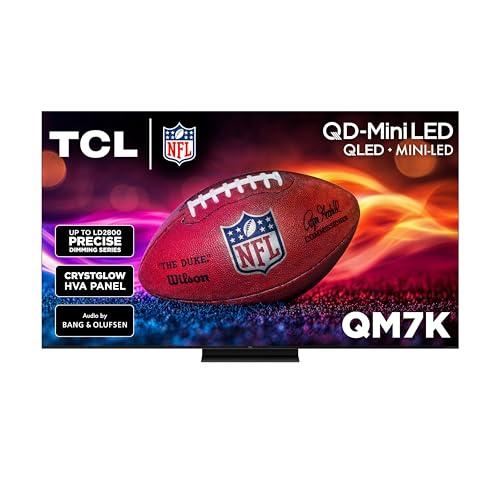
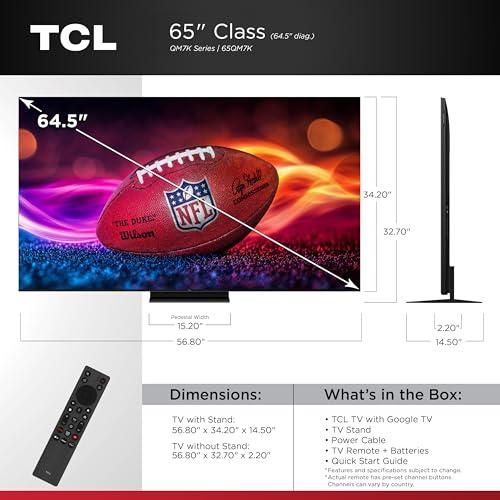

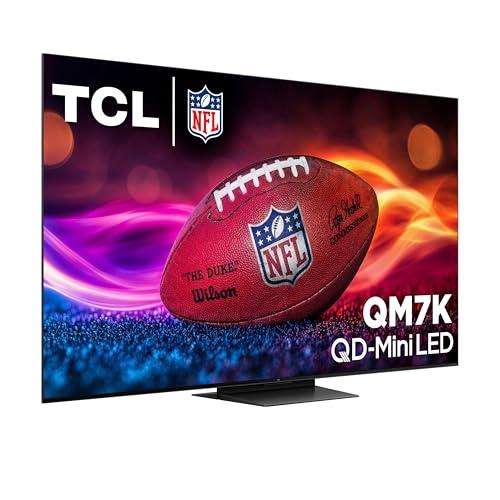
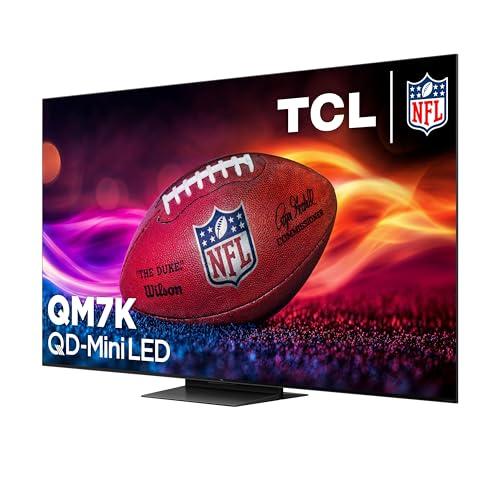
The mid-range 65-inch TV market has become incredibly competitive, with manufacturers pushing premium features down into more affordable price brackets. Two standout models represent vastly different approaches to delivering quality 4K entertainment: the TCL 65QM7K with its cutting-edge QD-Mini LED technology, and Samsung's Q7F Series QLED, which takes a more traditional route.
Both TVs launched in 2025, but they couldn't be more different in their philosophies. The TCL QM7K packs flagship-level display technology into a mid-range package, while the Samsung Q7F focuses on delivering reliable performance and brand trust at an entry-level QLED price point. At the time of writing, the TCL commands nearly double the price of the Samsung—a gap that immediately tells you these are fundamentally different products targeting different buyers.
Before diving into specifics, it's crucial to understand what makes modern QLEDs special. QLED stands for Quantum Dot Light Emitting Diode, and it's essentially a way to make LCD TVs produce more vibrant, accurate colors. Traditional LCD panels struggle with color purity—their LED backlights produce white light that gets filtered through colored pixels, often resulting in washed-out or inaccurate hues.
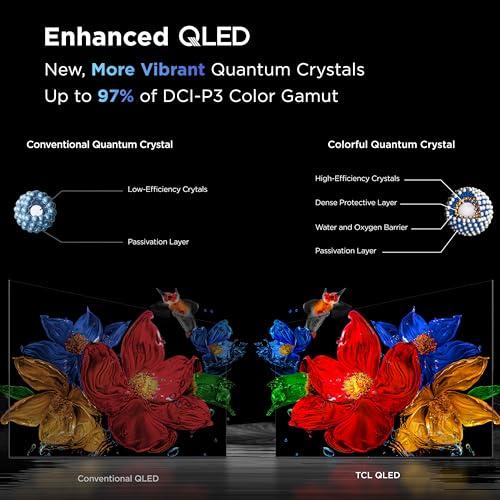
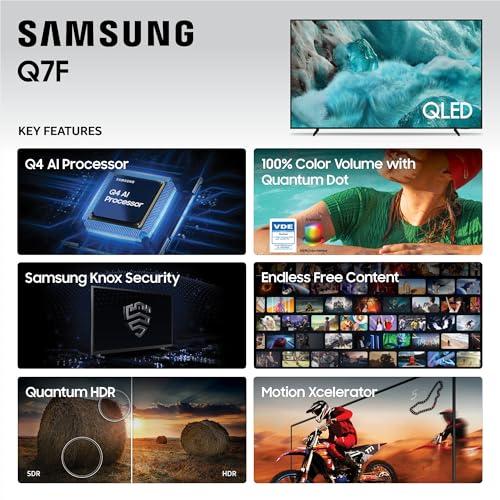
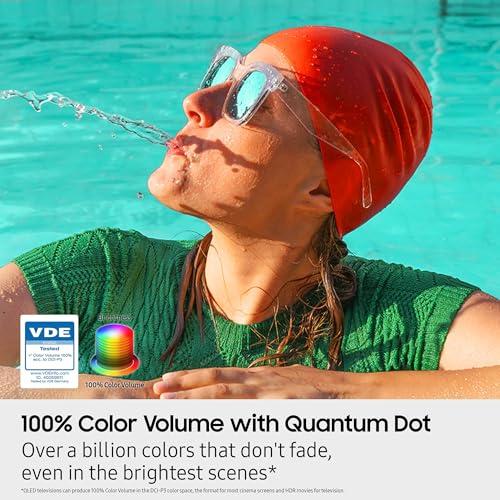
Quantum Dots solve this by using microscopic crystals that emit pure colors when hit by light. Think of them as tiny, incredibly precise color filters that can produce over a billion different shades. Both the TCL QM7K and Samsung Q7F use this technology, but the similarities largely end there.
The key differentiator is backlighting architecture. Traditional QLEDs like the Samsung Q7F use edge-lit or direct-lit LED arrays—essentially strips or grids of LEDs behind the entire screen that turn on and off together. This works fine for most content, but creates problems with contrast since the entire backlight illuminates even when displaying dark scenes.
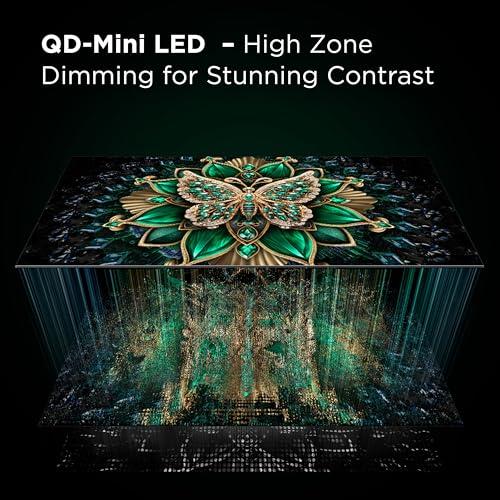
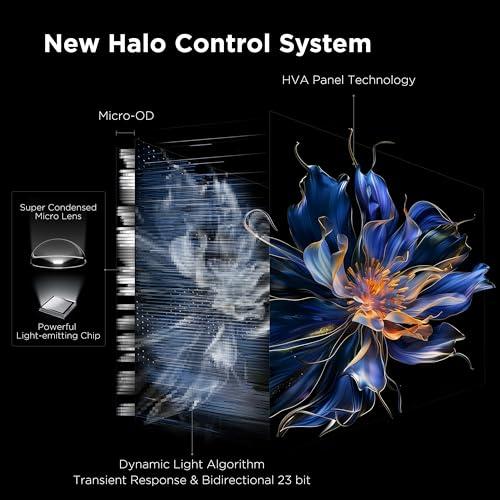
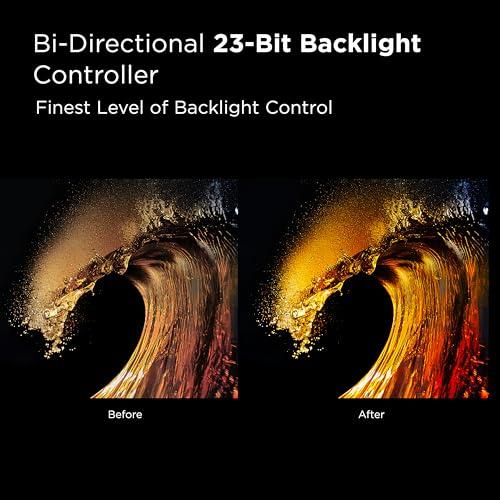
The TCL QM7K takes a radically different approach with QD-Mini LED technology. Instead of dozens of large LEDs, it uses thousands of tiny Mini LEDs arranged in up to 2,500 individual zones. Each zone can dim independently, allowing precise control over which parts of the screen are bright or dark. This creates contrast that rivals OLED displays while maintaining the brightness advantages of LED technology.
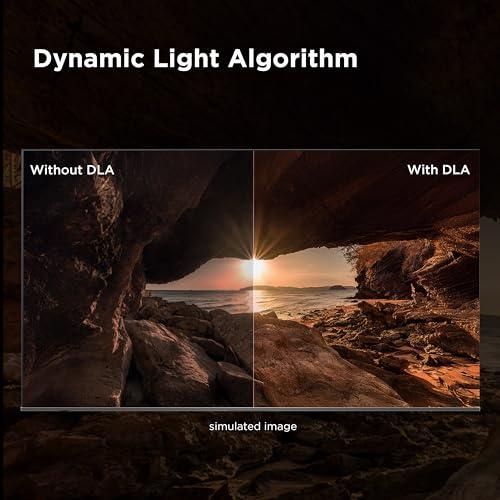
The picture quality difference between these TVs is dramatic, and it all comes down to local dimming zones—the individual sections of backlight that can be controlled separately. The TCL QM7K can dim specific areas of the screen to near-black levels while keeping bright areas blindingly vibrant. When you're watching a movie with stars against a dark sky, those stars pop with brilliant intensity while the surrounding space appears genuinely black.
The Samsung Q7F, lacking local dimming, can't achieve this effect. Dark scenes appear grayish rather than truly black, and bright highlights get diluted by the overall backlight level. It's the difference between looking at a photograph and looking through a window—the TCL creates that window-like depth and realism that makes you forget you're watching a screen.
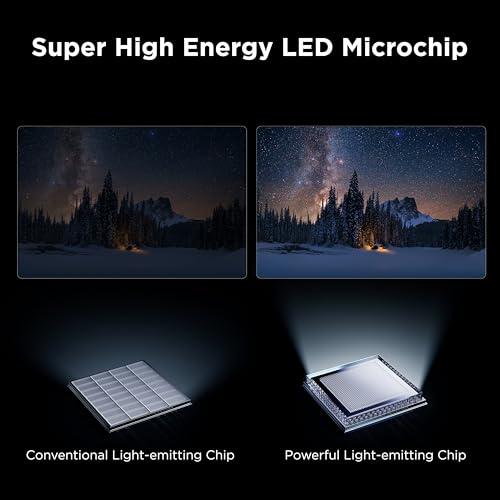
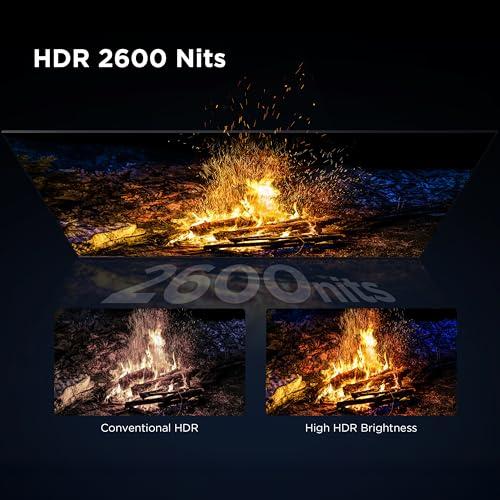
Peak brightness tells another important story. The TCL QM7K reaches approximately 2,600 nits in HDR mode—bright enough to overcome ambient light in even well-lit living rooms. The Samsung Q7F peaks around 500 nits, which works fine in dim environments but struggles against sunlight or bright indoor lighting. If your TV viewing happens primarily during daylight hours or in a bright room, the TCL's brightness advantage becomes crucial for maintaining image quality.
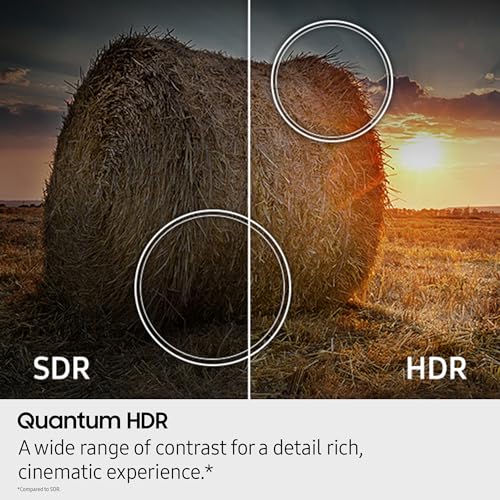
HDR (High Dynamic Range) support also differs significantly. The TCL handles all major HDR formats including Dolby Vision, which is increasingly common on Netflix, Disney+, and premium streaming content. Dolby Vision uses dynamic metadata—essentially frame-by-frame instructions that tell your TV exactly how to display each scene for optimal impact. The Samsung Q7F lacks Dolby Vision support, meaning you'll miss out on this enhanced experience with compatible content.
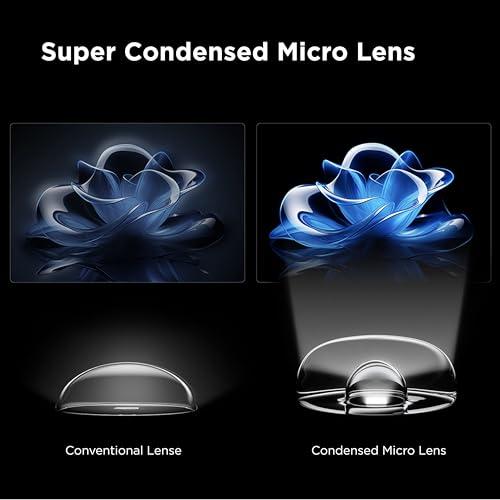
Color reproduction showcases each TV's strengths differently. The Samsung Q7F delivers Samsung's signature vibrant, punchy colors that many viewers love. Colors appear rich and eye-catching, though sometimes slightly oversaturated compared to what filmmakers intended. The TCL QM7K offers more accurate color reproduction while still maintaining vibrancy, thanks to its upgraded Quantum Dot crystals and AI-powered color processing.
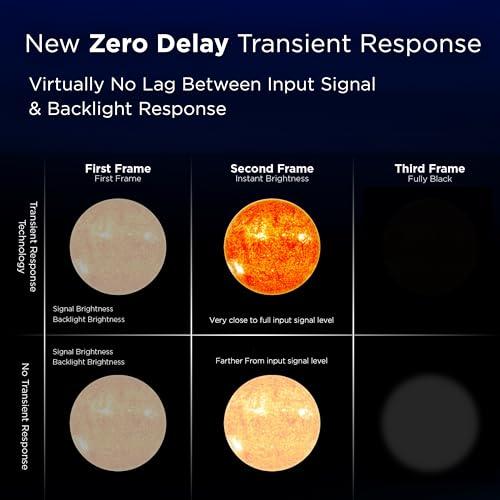
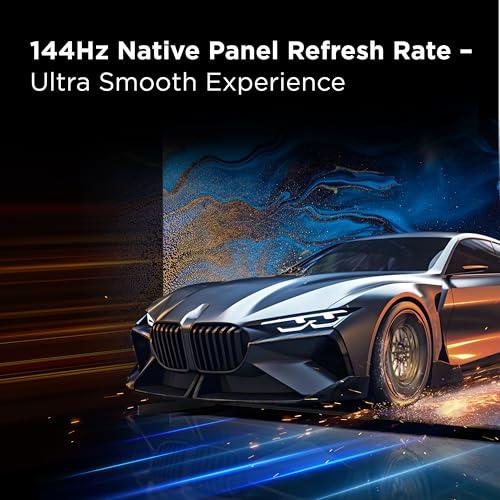
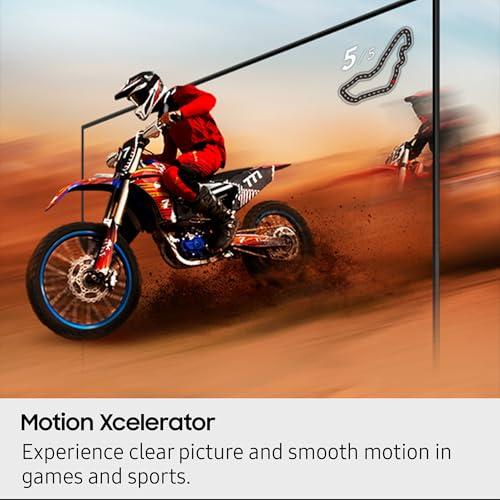
Gaming capabilities represent perhaps the starkest difference between these displays. The TCL QM7K was clearly designed with serious gamers in mind, featuring a native 144Hz refresh rate that can handle up to 288Hz through Variable Refresh Rate (VRR) technology. VRR synchronizes your gaming console or PC's frame rate with the TV's refresh rate, eliminating screen tearing and reducing input lag for smoother, more responsive gameplay.
For context, most content you watch—movies, TV shows, streaming video—runs at 24-60 frames per second. Gaming, especially competitive gaming, can push much higher frame rates. A 144Hz display can show 144 unique frames every second, making fast-paced action appear incredibly smooth. The TCL also supports AMD FreeSync Premium Pro, which is particularly beneficial for PC gaming setups.
The Samsung Q7F operates at a standard 60Hz refresh rate with basic Auto Low Latency Mode (ALLM). ALLM automatically switches the TV to its lowest-lag setting when it detects gaming input, reducing the delay between pressing a button and seeing the action on screen. While adequate for casual gaming, it can't match the TCL's responsiveness for competitive play.
Input lag—the delay between your controller input and on-screen response—matters enormously for gaming. Both TVs achieve respectable sub-10ms input lag in game mode, but the TCL's higher refresh rate and VRR support provide additional advantages that serious gamers will appreciate.
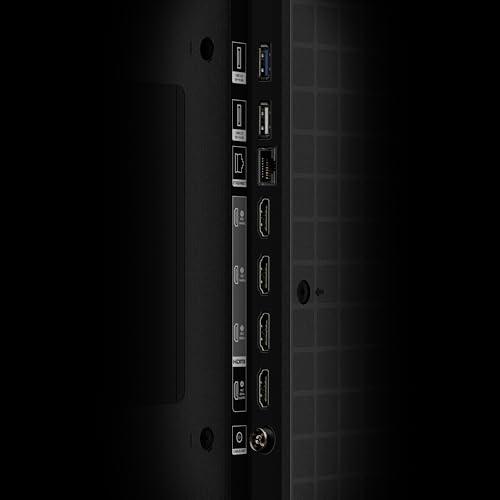
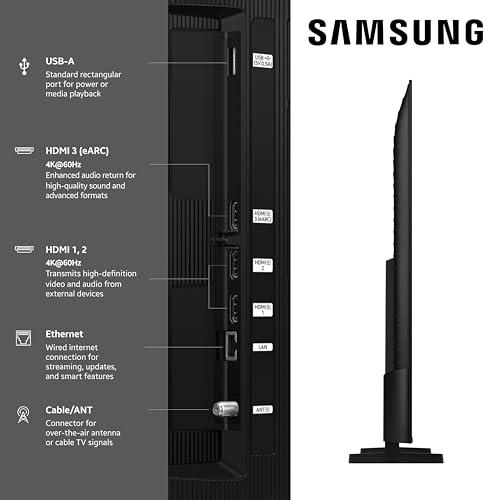
The TCL QM7K includes two HDMI 2.1 ports, which support 4K gaming at 120Hz and beyond. This future-proofs your setup for PlayStation 5, Xbox Series X, and high-end PC gaming. The Samsung Q7F uses older HDMI 2.0 ports, limiting you to 4K at 60Hz maximum.
Smart TV platforms have evolved tremendously since the early days of clunky interfaces and limited app selection. Both TVs offer comprehensive streaming capabilities, but their approaches differ significantly.
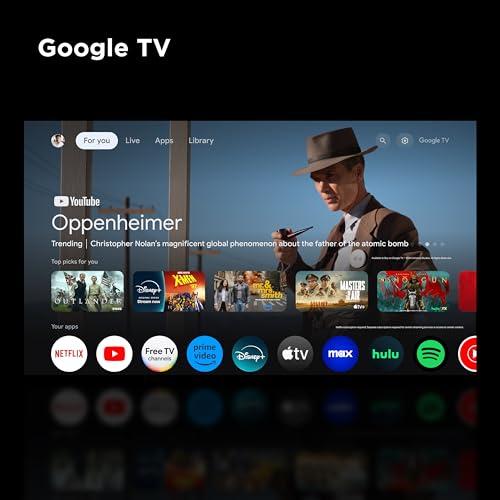
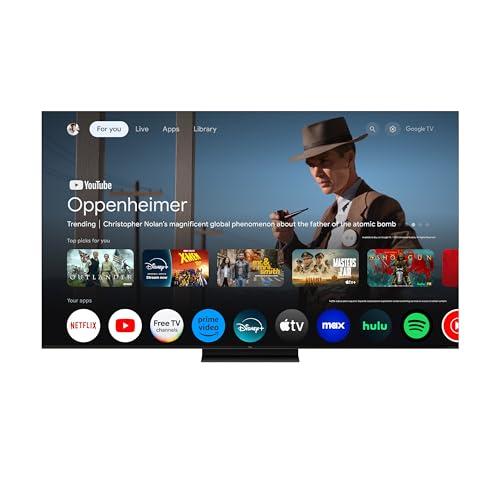
The TCL QM7K runs Google TV, which excels at content discovery and recommendation. Instead of forcing you to hunt through individual apps, Google TV creates a unified home screen showing content from across your subscribed services. It learns your viewing habits and surfaces relevant shows and movies regardless of which platform they're on. The integration with Google Assistant, Chromecast, and the broader Android ecosystem makes it incredibly versatile.
Google TV also supports Apple AirPlay 2 and HomeKit, plus Amazon Alexa compatibility. This universal approach means the TCL works well regardless of whether you're Team iPhone, Android, or somewhere in between. The hands-free voice control with far-field microphones is particularly convenient—you can adjust volume, change channels, or search for content without reaching for the remote.
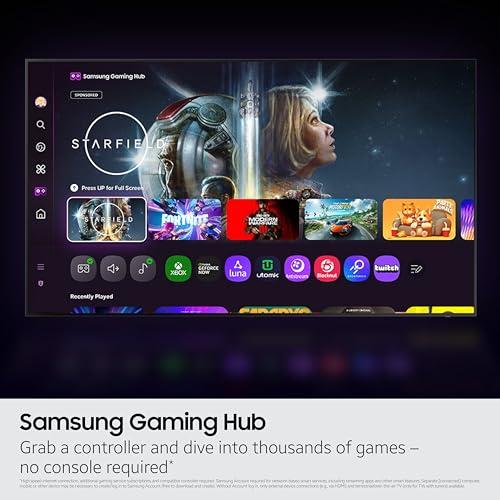
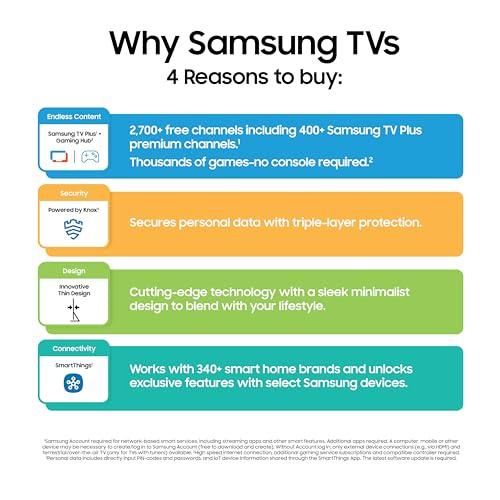
Samsung's Tizen OS on the Q7F takes a more traditional approach. The interface is clean and responsive, with good app support for major streaming services. Samsung TV Plus offers over 2,700 free channels, which adds significant value if you enjoy channel-surfing or want access to news, sports, and entertainment without additional subscriptions.
The Samsung platform integrates beautifully with other Samsung devices and SmartThings home automation. If you own Samsung phones, tablets, or smart home devices, the Q7F becomes a natural control hub. However, it's less flexible with non-Samsung ecosystems compared to the TCL's universal compatibility.
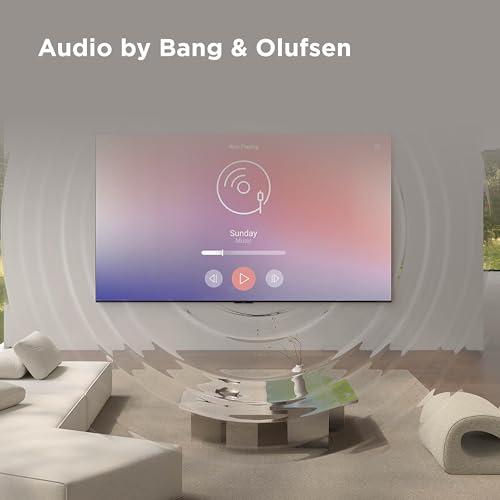
Audio quality often gets overlooked when shopping for TVs, but it significantly impacts your viewing experience. The TCL QM7K partners with Bang & Olufsen, the Danish audio company known for premium sound systems. This collaboration delivers 60 watts of power with Dolby Atmos support—a surround sound technology that creates three-dimensional audio by bouncing sound off your ceiling and walls.
Dolby Atmos makes helicopter scenes feel like aircraft are actually flying overhead, and action sequences gain spatial depth that standard stereo can't match. The TCL's audio processing includes multiple listening modes optimized for different content types, from dialogue-heavy dramas to explosive action movies.
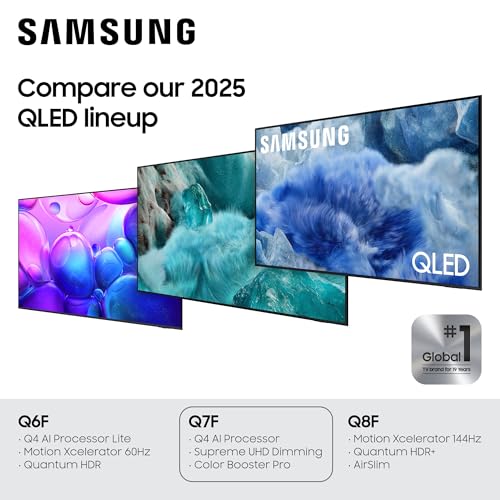
The Samsung Q7F includes a 20-watt, 2-channel speaker system with Object Tracking Sound Lite. This technology attempts to match audio movement with on-screen action—dialogue follows characters as they move across the screen, and sound effects pan left and right appropriately. While not as sophisticated as the TCL's Dolby Atmos implementation, it provides better spatial awareness than basic TV speakers.
Both TVs benefit from external sound systems, but the TCL includes more advanced audio processing that can enhance even modest soundbar setups. The Samsung supports Q-Symphony, which allows compatible Samsung soundbars to work in tandem with the TV's built-in speakers for fuller sound.
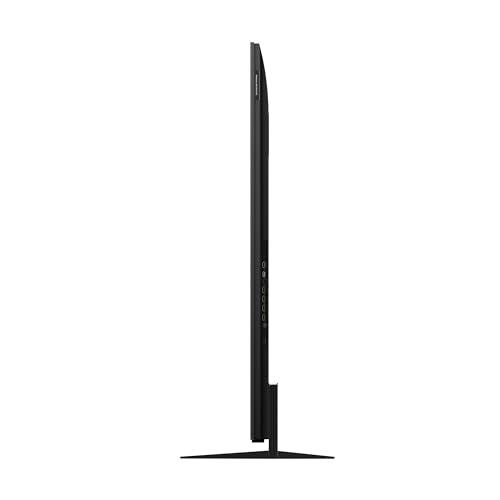
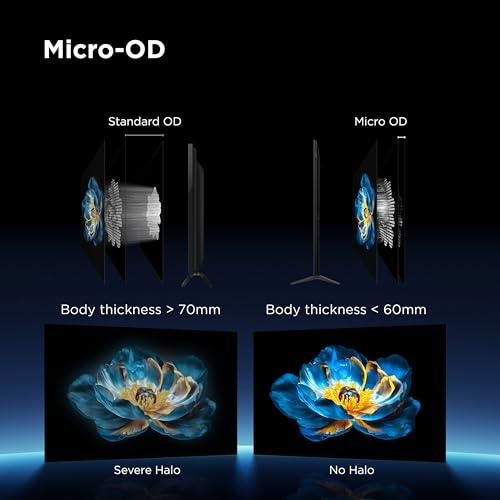
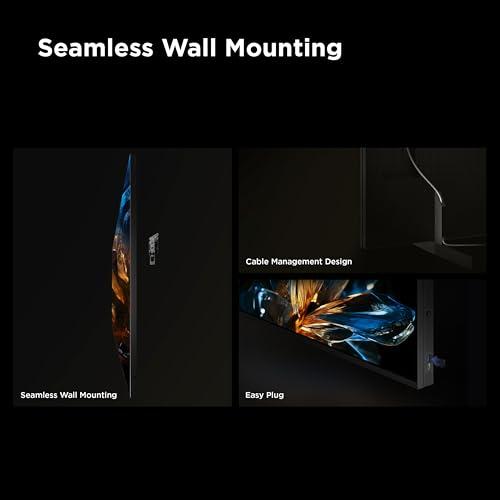
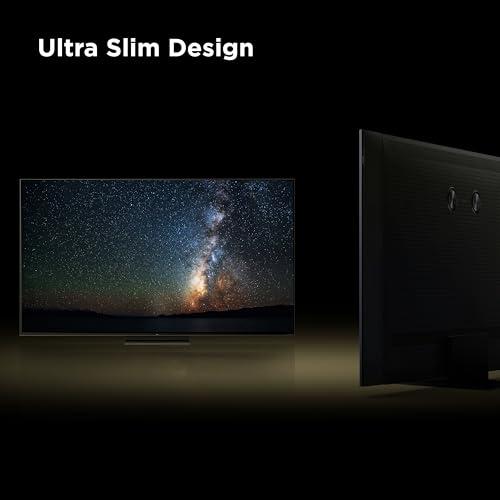
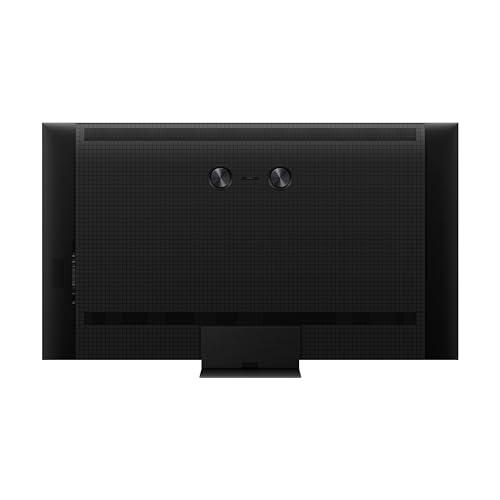
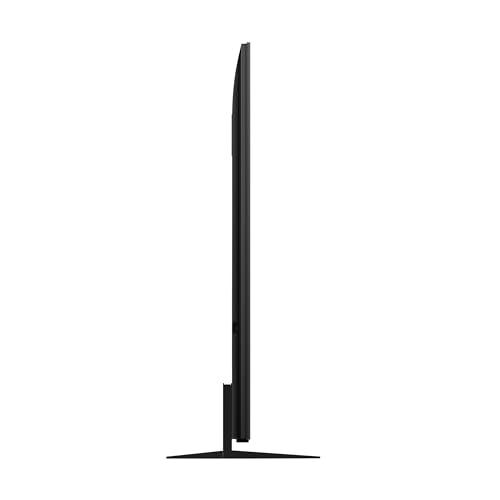
Modern TVs need to function as furniture as much as electronics, and both models handle this challenge differently. The TCL QM7K uses advanced optical engineering to maintain a relatively slim profile despite packing thousands of Mini LEDs and local dimming zones. The build feels substantial and premium, with attention to details like cable management and anti-glare coating on the screen.
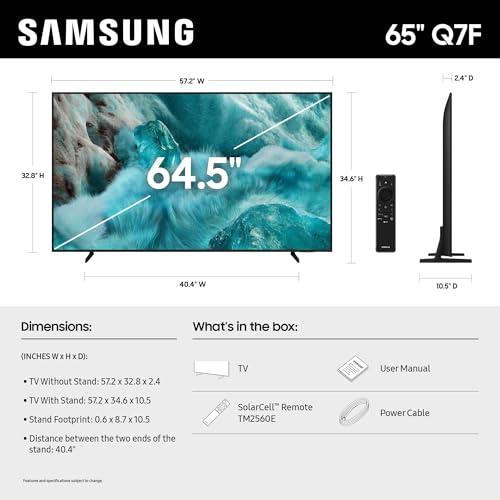
The Samsung Q7F prioritizes practicality with a lightweight design that makes wall mounting straightforward. At under 40 pounds, it's significantly lighter than the TCL, which could matter for certain mounting situations. Samsung's adjustable stand system allows multiple positioning options to accommodate different furniture setups and soundbar placement.
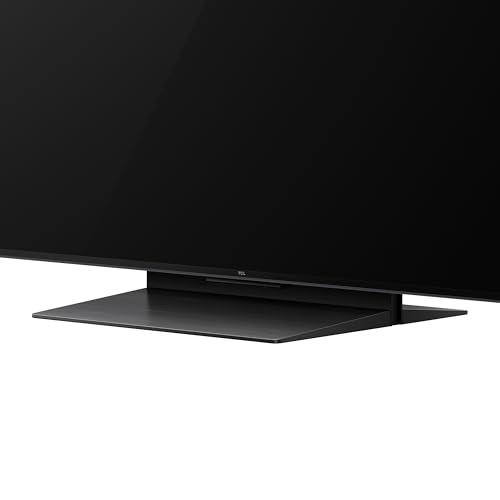
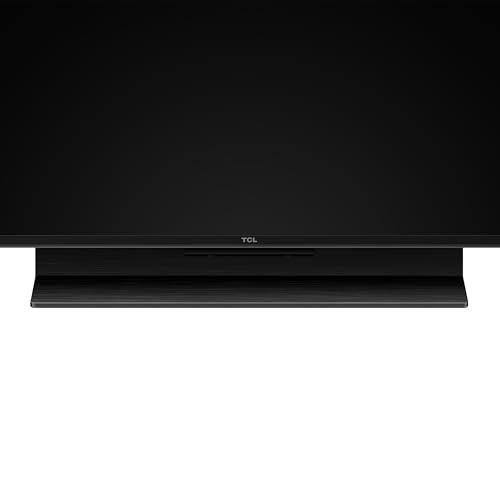
Both TVs feature minimal bezels and clean aesthetics that won't distract from content. The TCL includes nanoscale low-reflective film that reduces glare and improves visibility in bright rooms, while the Samsung uses more traditional anti-glare treatments.
Home theater enthusiasts will gravitate toward the TCL QM7K for its superior contrast and HDR performance. In a dedicated media room with controlled lighting, the Mini LED local dimming creates that OLED-like experience with perfect blacks and brilliant highlights. The ability to display true Dolby Vision content adds another layer of cinematic authenticity that serious movie watchers will appreciate.
For bright living rooms or spaces with lots of windows, the TCL's higher peak brightness becomes essential. Many TVs struggle with daytime viewing, appearing washed out or requiring you to close blinds and dim lights. The TCL maintains vibrant colors and readable text even with significant ambient light.
The Samsung Q7F performs best in moderately lit environments where its uniform backlighting provides consistent, predictable performance. While it can't match the TCL's dynamic range, it avoids potential issues like blooming around bright objects that can occasionally occur with aggressive local dimming systems.
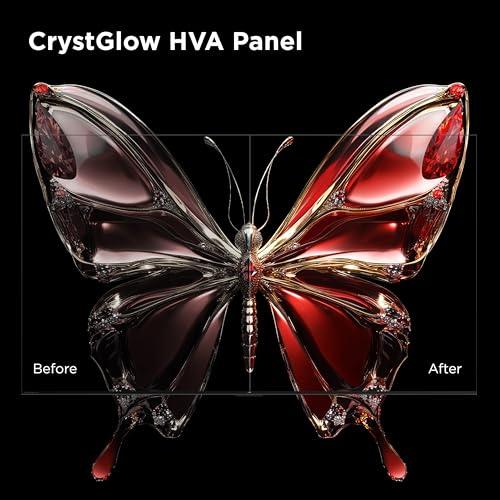
Viewing angles matter for family movie nights or entertaining. The TCL uses a CrystGlow HVA panel with wide viewing angles, maintaining color accuracy and brightness when viewed from the side. The Samsung Q7F uses a standard VA panel that can shift colors and lose brightness at extreme angles, making center seating more important.
The choice between these TVs ultimately depends on your priorities and budget constraints. The TCL QM7K represents exceptional value in the premium mid-range category, delivering technology typically found in flagship models at a more accessible price point. If picture quality is your primary concern and you want cutting-edge gaming capabilities, the TCL justifies its higher cost through dramatically superior performance.
Choose the TCL QM7K if you're building a home theater setup, game regularly on modern consoles, have a bright viewing room, or simply want the best possible picture quality within reasonable budget constraints. The Mini LED technology and comprehensive feature set future-proof your investment and provide performance that remains impressive years after purchase.
The Samsung Q7F serves budget-conscious buyers who want QLED technology and Samsung's brand reliability without premium pricing. It's ideal for secondary rooms, casual viewing setups, or situations where basic QLED performance meets your needs without requiring advanced features.
Consider the Samsung Q7F if you prefer Samsung's ecosystem, want reliable basic performance, don't game seriously, or need to minimize cost while still getting QLED benefits. It provides solid fundamentals without the complexity or expense of cutting-edge display technology.
Both TVs will deliver years of reliable service, but they serve different audiences with different expectations. The TCL pushes boundaries and maximizes performance per dollar in the premium segment, while the Samsung offers brand trust and adequate performance in the value segment. Understanding which category matches your needs and budget will guide you toward the right choice for your specific situation.
| TCL 65QM7K QD-Mini LED 4K Google TV | Samsung 65-Inch Q7F Series QLED Smart TV 2025 Display |
|---|---|
| Display Technology - Determines contrast performance and black levels | |
| QD-Mini LED with up to 2,500 local dimming zones | Traditional QLED with direct-lit LED backlighting, no local dimming |
| Peak Brightness - Critical for HDR impact and bright room viewing | |
| 2,600 nits (excellent for overcoming ambient light) | ~500 nits (adequate for dim to moderate lighting) |
| Refresh Rate - Essential for smooth gaming and sports | |
| 144Hz native with 288Hz VRR support | 60Hz with basic ALLM |
| HDR Support - Affects streaming content quality and color accuracy | |
| Dolby Vision, HDR10+, HDR10, HLG (full compatibility) | HDR10+ only (missing premium Dolby Vision content) |
| Gaming Features - Important for console and PC gaming | |
| 2x HDMI 2.1, AMD FreeSync Premium Pro, Game Master 2.0 | 3x HDMI 2.0, basic Auto Low Latency Mode only |
| Smart TV Platform - Determines app selection and user experience | |
| Google TV with universal voice control and ecosystem compatibility | Samsung Tizen OS with SmartThings integration |
| Audio System - Impacts whether you need external speakers | |
| Bang & Olufsen 60W with Dolby Atmos support | 20W 2-channel with Object Tracking Sound Lite |
| Contrast Ratio - Affects picture depth and black level quality | |
| 30,000,000:1 dynamic (near-OLED performance) | Basic static contrast (grayer blacks) |
| Panel Type - Influences viewing angles and color consistency | |
| CrystGlow HVA with wide viewing angles and anti-glare coating | Standard VA panel with narrower viewing angles |
| Target Market - Who each TV is designed for | |
| Premium mid-range buyers wanting flagship features | Budget-conscious buyers entering QLED market |
The TCL 65QM7K delivers significantly better picture quality thanks to its QD-Mini LED technology with up to 2,500 local dimming zones. This creates deeper blacks, brighter highlights, and more realistic contrast compared to the Samsung Q7F, which uses traditional backlighting without local dimming. The TCL also supports Dolby Vision HDR for premium streaming content, while the Samsung lacks this feature.
The fundamental difference is display technology. The TCL QM7K uses advanced QD-Mini LED backlighting with thousands of individually controlled zones for precise light control, while the Samsung Q7F uses standard QLED with uniform backlighting across the entire screen. This makes the TCL dramatically better for contrast and HDR performance, but at a higher cost.
The TCL 65QM7K is far superior for next-gen console gaming, offering 144Hz refresh rate, HDMI 2.1 ports, and Variable Refresh Rate (VRR) support up to 288Hz. The Samsung Q7F is limited to 60Hz with basic gaming features, making it suitable only for casual gaming rather than competitive or high-performance play.
The TCL QM7K reaches approximately 2,600 nits peak brightness, making it excellent for bright rooms and daytime viewing. The Samsung Q7F peaks around 500 nits, which works fine in dim to moderately lit rooms but may appear washed out in bright environments with lots of windows or overhead lighting.
The TCL QM7K runs Google TV, which excels at content discovery across multiple streaming services and offers universal compatibility with Google, Apple, and Amazon ecosystems. The Samsung Q7F uses Tizen OS, which provides Samsung TV Plus with free channels and integrates well with Samsung devices, but is less flexible with other ecosystems.
The TCL 65QM7K features Bang & Olufsen audio with 60W power output and Dolby Atmos support for three-dimensional sound. The Samsung Q7F has a basic 20W 2-channel system with Object Tracking Sound Lite. Both benefit from external sound systems, but the TCL provides significantly better built-in audio.
The TCL QM7K is ideal for dedicated home theaters due to its superior contrast ratio, local dimming zones, and support for Dolby Vision content. The Mini LED technology creates near-OLED black levels while maintaining bright highlights, essential for the cinematic experience that home theater enthusiasts expect.
The TCL 65QM7K excels in bright living rooms thanks to its high peak brightness and anti-glare coating, maintaining vibrant colors even with significant ambient light. The Samsung Q7F struggles more in very bright conditions but performs adequately in moderately lit spaces.
The TCL QM7K supports all major HDR formats including Dolby Vision, HDR10+, HDR10, and HLG, ensuring compatibility with premium streaming content. The Samsung Q7F only supports HDR10+ and HDR10, missing out on Dolby Vision content from Netflix, Disney+, and other premium services.
Value depends on your needs and budget. The TCL 65QM7K offers exceptional value in the premium mid-range category, delivering flagship-level features at a more accessible price point. The Samsung Q7F provides good value for budget-conscious buyers who want QLED technology and Samsung brand reliability without premium features.
The TCL QM7K operates at 144Hz native refresh rate, providing extremely smooth motion for sports and action content. The Samsung Q7F uses a standard 60Hz refresh rate, which is adequate for most content but may show more motion blur during fast-paced scenes like sports or action movies.
If budget is your primary concern, the Samsung Q7F offers QLED technology at a more affordable price point with reliable Samsung build quality. However, if you can stretch your budget, the TCL QM7K provides dramatically better performance that justifies its higher cost through superior picture quality and gaming capabilities.
We've done our best to create useful and informative comparisons to help you decide what product to buy. Our research uses advanced automated methods to create this comparison and perfection is not possible - please contact us for corrections or questions. These are the sites we've researched in the creation of this article: bestbuy.com - businessinsider.com - tomsguide.com - tomsguide.com - rtings.com - tomsguide.com - youtube.com - rtings.com - consumerreports.org - youtube.com - youtube.com - displayspecifications.com - youtube.com - tcl.com - tcl.com - tcl.com - youtube.com - rcwilley.com - bestbuy.com - tclcentral.com - displayspecifications.com - tomsguide.com - tcl.com - brandsmartusa.com - tcl.com - tcl.com - gizmochina.com - nfm.com - dolby.com - alexraytv.com - bestbuy.com - rtings.com - bestbuy.com - youtube.com - youtube.com - youtube.com - samsung.com - samsung.com - samsung.com - billsmith.com - costco.com - samsung.com - hometechnologyreview.com - hometechnologyreview.com - bestbuy.com - samsung.com - bestbuy.com - samsung.com - hometechnologyreview.com - samsung.com - samsung.com

Privacy Policy
Terms and Conditions - Affiliate Policy
Home Security
© Copyright 2008-2026.
11816 Inwood Rd #1211, Dallas, TX 75244