

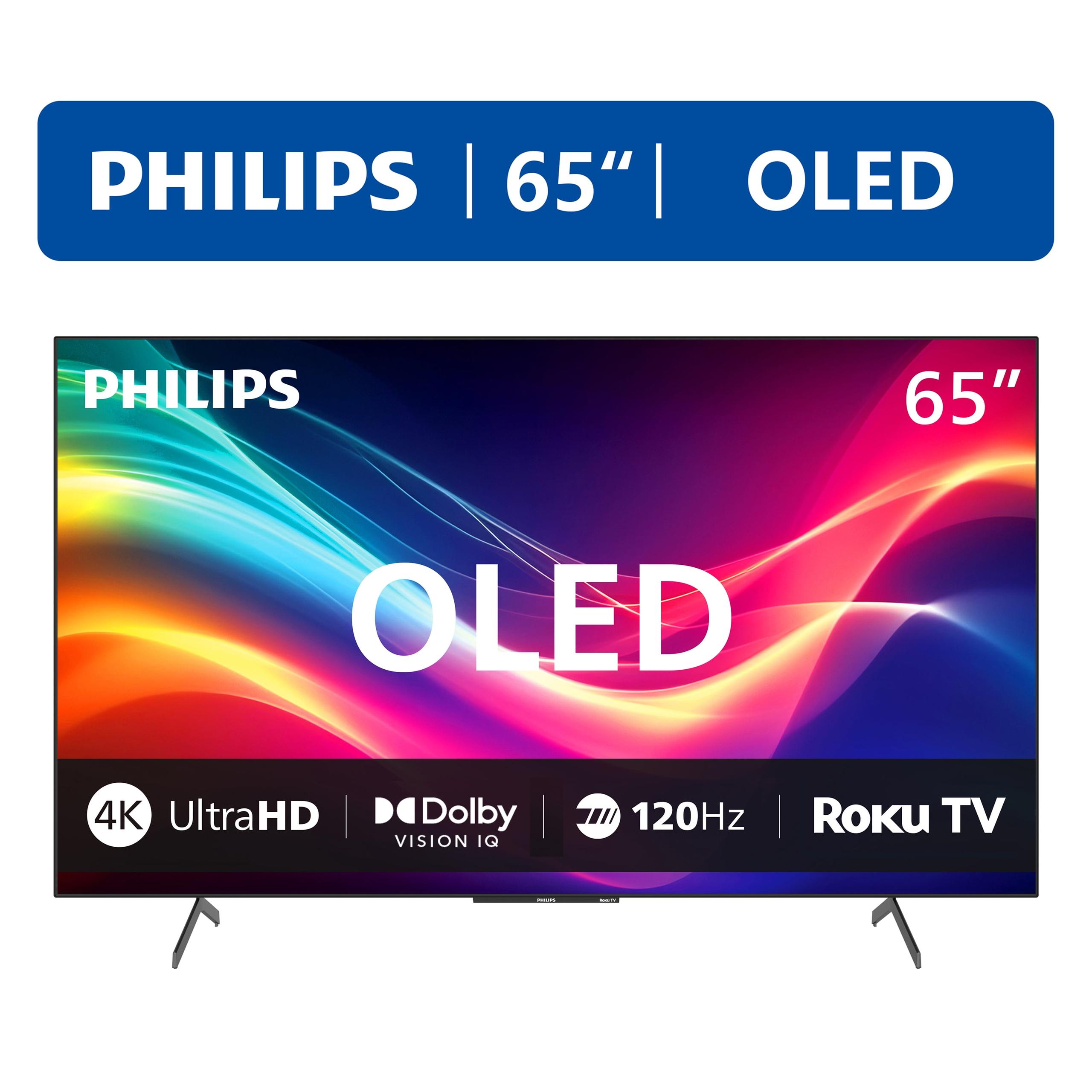
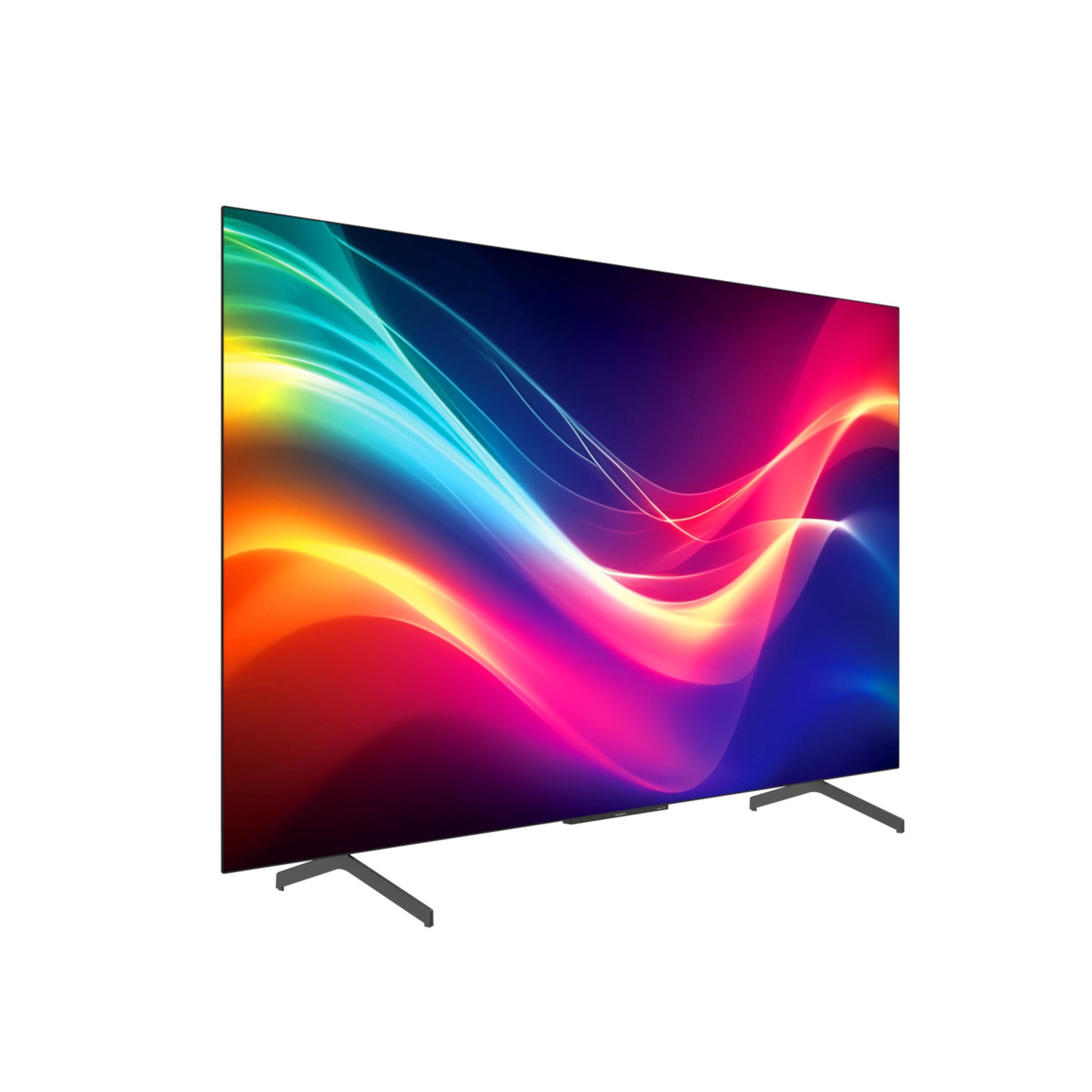
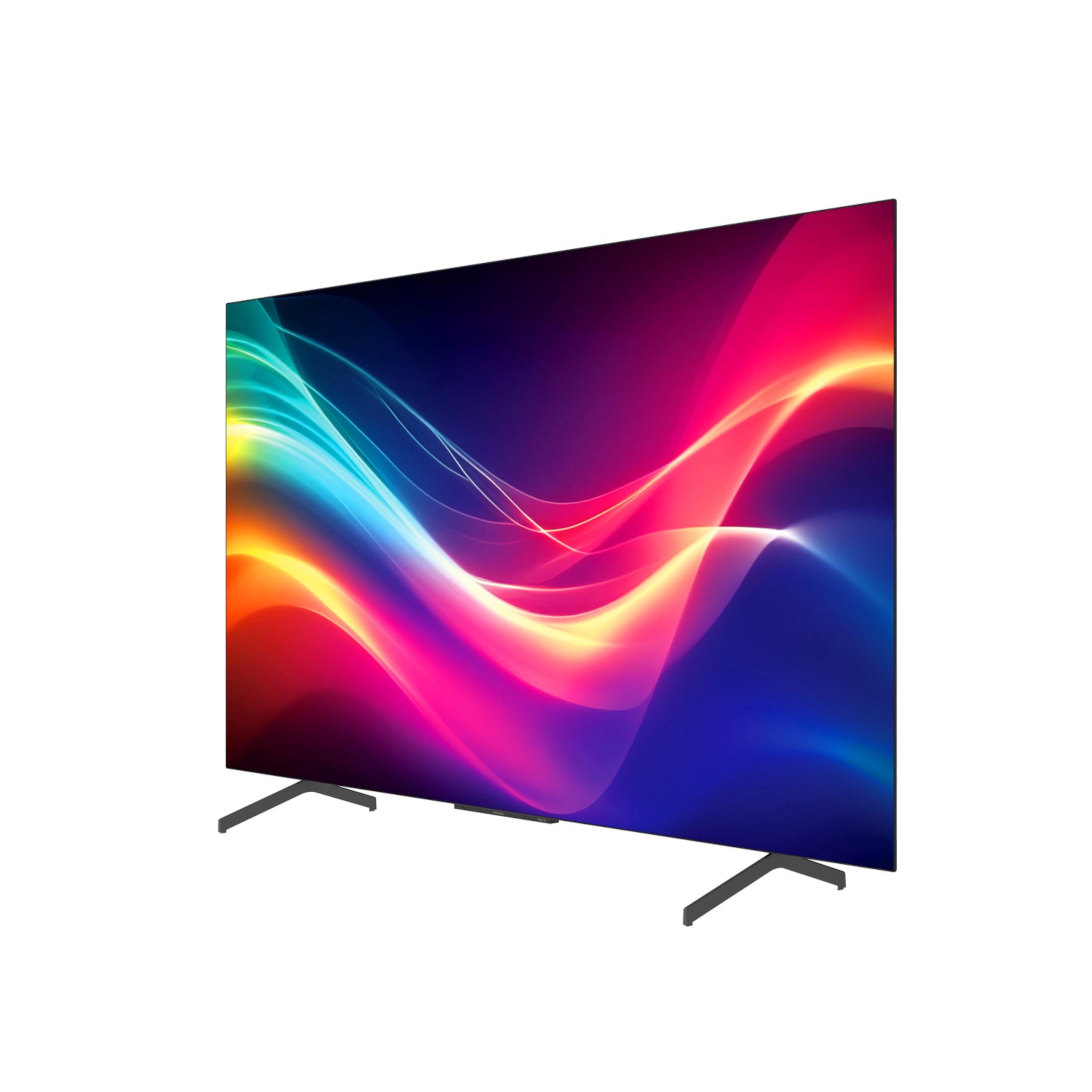

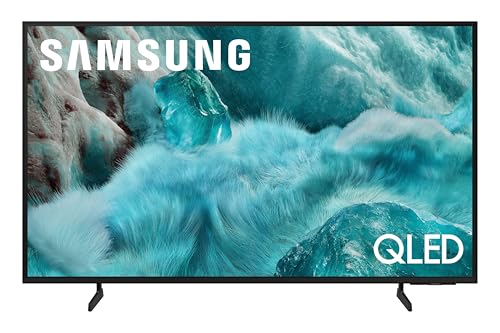
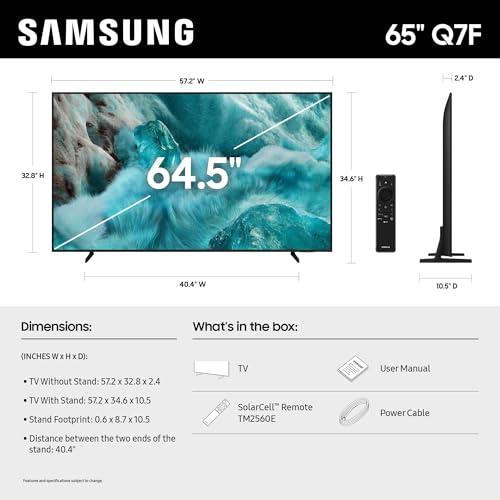

When you're shopping for a premium 65-inch TV, the choice between OLED and QLED technologies can feel overwhelming. These acronyms represent fundamentally different approaches to creating the picture on your screen, and understanding their differences is crucial for making the right decision. Today, we're comparing two TVs that showcase these competing technologies: the Philips 65OLED974/F7, which uses self-illuminating OLED pixels, and the Samsung Q7F Series, which enhances traditional LED backlighting with quantum dots.
At the time of writing, these TVs sit in dramatically different price tiers—the Philips OLED commands a premium price typical of OLED technology, while the Samsung QLED represents excellent value in the entry-level QLED market. The price difference of several hundred dollars reflects not just different technologies, but entirely different viewing experiences.
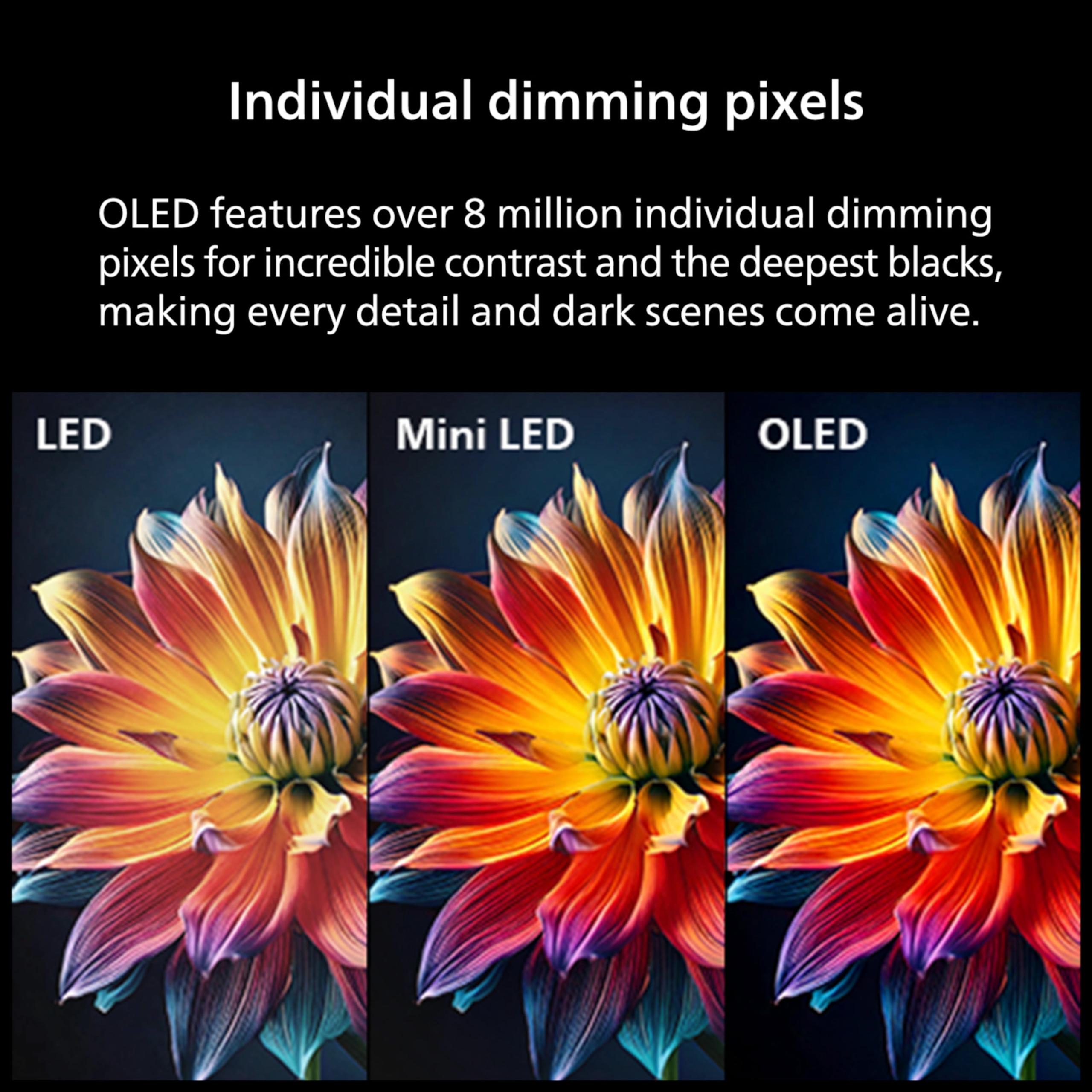
Let's start with what makes these technologies unique. OLED stands for "Organic Light-Emitting Diode," and the key word here is "organic." Each pixel in an OLED display contains organic compounds that light up when electricity passes through them. This means every single pixel can turn completely on or completely off independently. When a pixel needs to show black, it simply turns off entirely—no light, true darkness.
QLED, which stands for "Quantum Dot Light-Emitting Diode," takes a different approach. It's essentially an enhanced version of traditional LED-backlit LCD technology. The "quantum dots" are microscopic particles that, when hit by light from LED backlights, produce very pure colors. However, since there's always a backlight behind the screen, QLED panels can never achieve true black—there's always some light bleeding through.
The Philips 65OLED974/F7 was originally released around 2018, making it part of an earlier generation of OLED technology that has since proven its reliability. The Samsung Q7F Series, being a 2025 model, represents current entry-level QLED implementation with modern smart features.
This is where the fundamental difference between these technologies becomes most apparent. The Philips OLED delivers what's called an "infinite contrast ratio"—a fancy way of saying it can produce the deepest possible blacks right next to the brightest whites. When you're watching a movie scene with stars in a night sky, those stars pop against truly black space, creating incredible depth and realism.
Research from professional reviewers consistently shows that OLED's perfect black levels transform the viewing experience, especially for movie content. Dark scenes in films like horror movies or space epics reveal details that would be lost on most other display types. The absence of light bleeding means bright objects don't have gray halos around them, a common issue with LED-backlit displays.
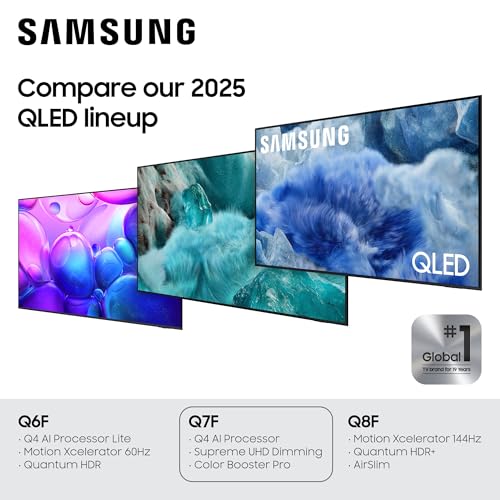
The Samsung Q7F, despite using quantum dot enhancement, suffers from a significant limitation: it lacks local dimming zones. Local dimming is a feature where different sections of the LED backlight can dim independently, improving contrast. Without this feature, when the TV needs to show black, the entire backlight remains on, resulting in grayish blacks rather than true darkness. This fundamentally limits the cinematic experience, particularly in dark room viewing.
Here's where the tables turn. The Samsung QLED achieves significantly higher peak brightness levels, making it far better suited for bright living rooms with lots of windows. While the exact brightness measurements vary, QLEDs typically produce 400-600 nits of brightness, compared to many OLEDs that struggle to exceed 150-200 nits in typical viewing.
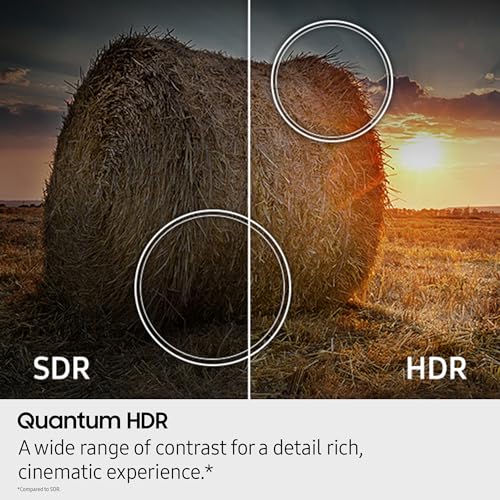
This brightness advantage directly translates to better HDR (High Dynamic Range) performance in well-lit rooms. HDR content is designed to take advantage of bright highlights—think of sunlight reflecting off water or explosions in action movies. The Samsung TV can make these moments pop even when you're watching during the day, while the Philips OLED might appear dim and lackluster in the same conditions.
However, professional testing reveals that even the Samsung's brightness has limitations. It's bright enough for casual viewing in most rooms, but not quite bright enough to compete with premium QLED models when it comes to truly impressive HDR highlights or overcoming significant glare.
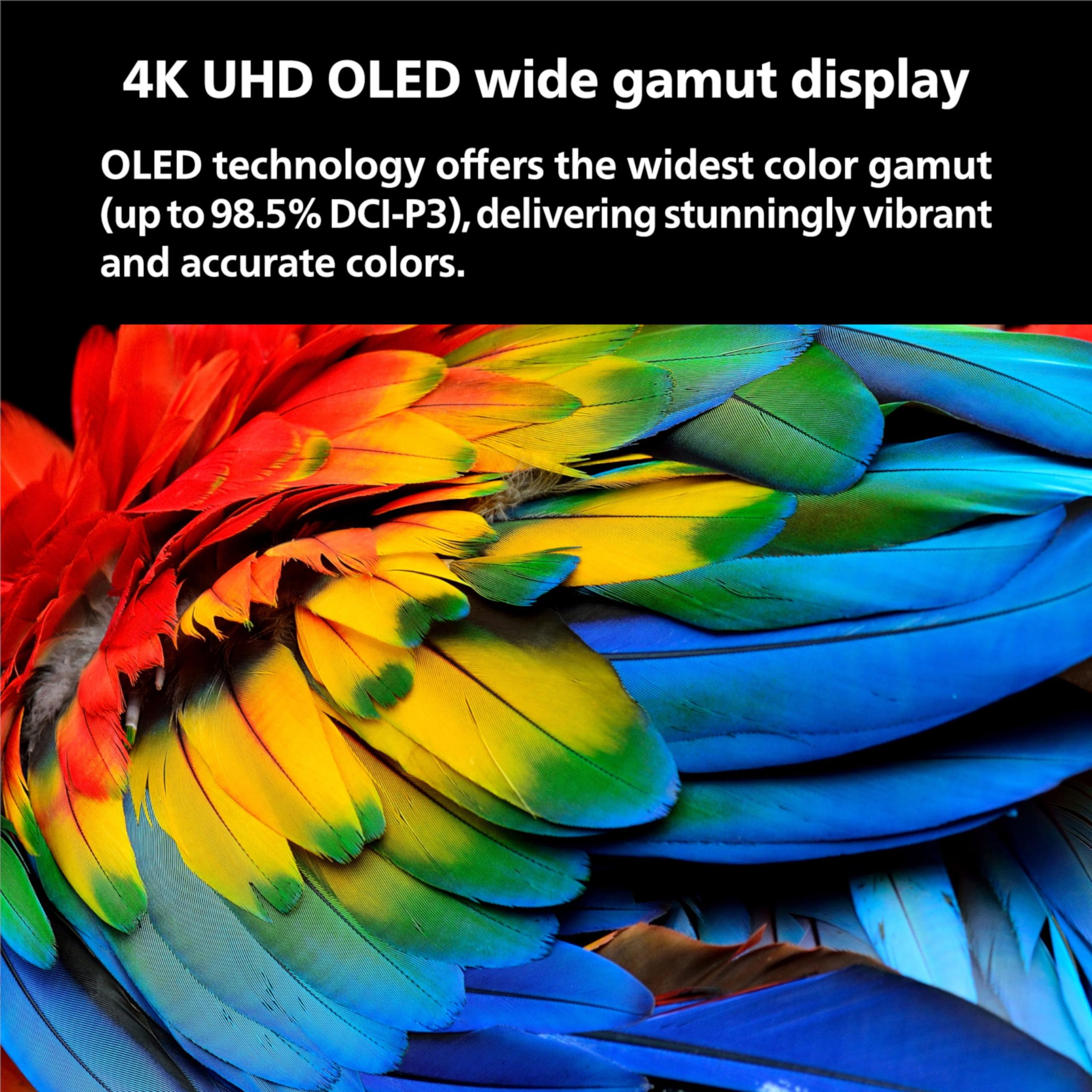
Both TVs excel at color reproduction but take different approaches. The Philips OLED covers an impressive 98.5% of the DCI-P3 color space—a technical standard used in movie theaters. This means you're seeing colors almost exactly as filmmakers intended. The 10-bit color depth allows for smooth gradations between similar colors, eliminating the "banding" effect you might notice in sunsets or sky scenes on cheaper TVs.
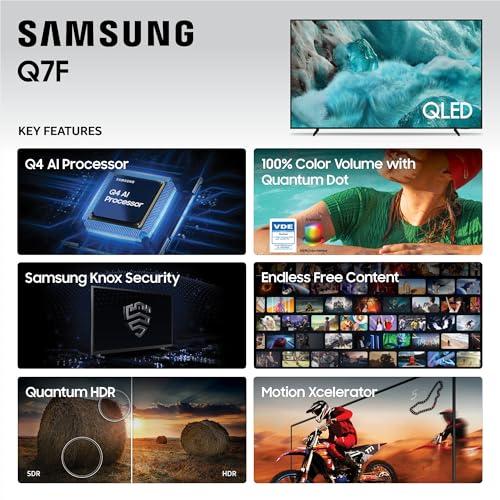
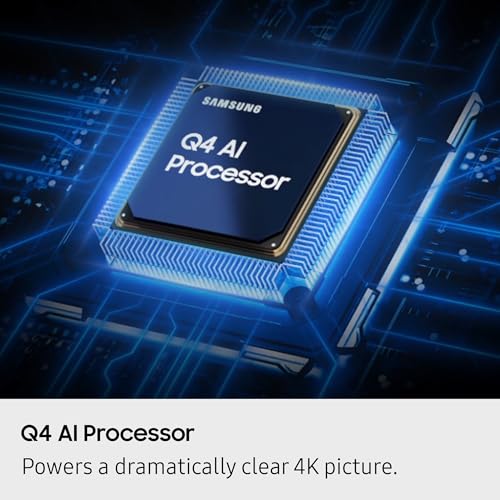
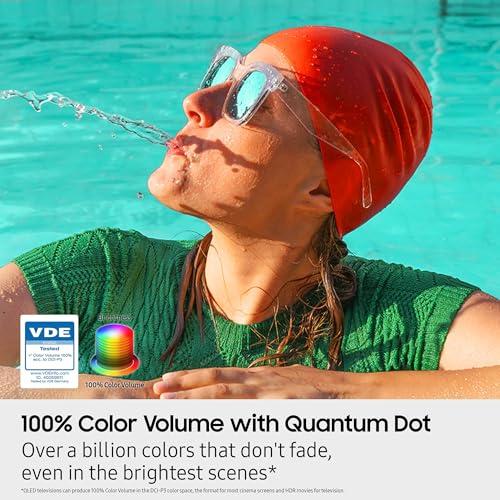
The Samsung QLED uses quantum dot technology to achieve what Samsung calls "100% color volume." Quantum dots are essentially tiny crystals that produce very pure colors when illuminated. The result is vibrant, saturated colors that often appear more vivid than real life. This can be appealing for sports, nature documentaries, and animated content where punchy colors enhance the experience.
However, our research suggests the Samsung's HDR color performance is somewhat disappointing. While SDR (Standard Dynamic Range) content looks vibrant and engaging, HDR content appears washed out due to the TV's brightness limitations. This is a common issue with entry-level QLEDs—they have the color technology but lack the brightness to make HDR content truly shine.
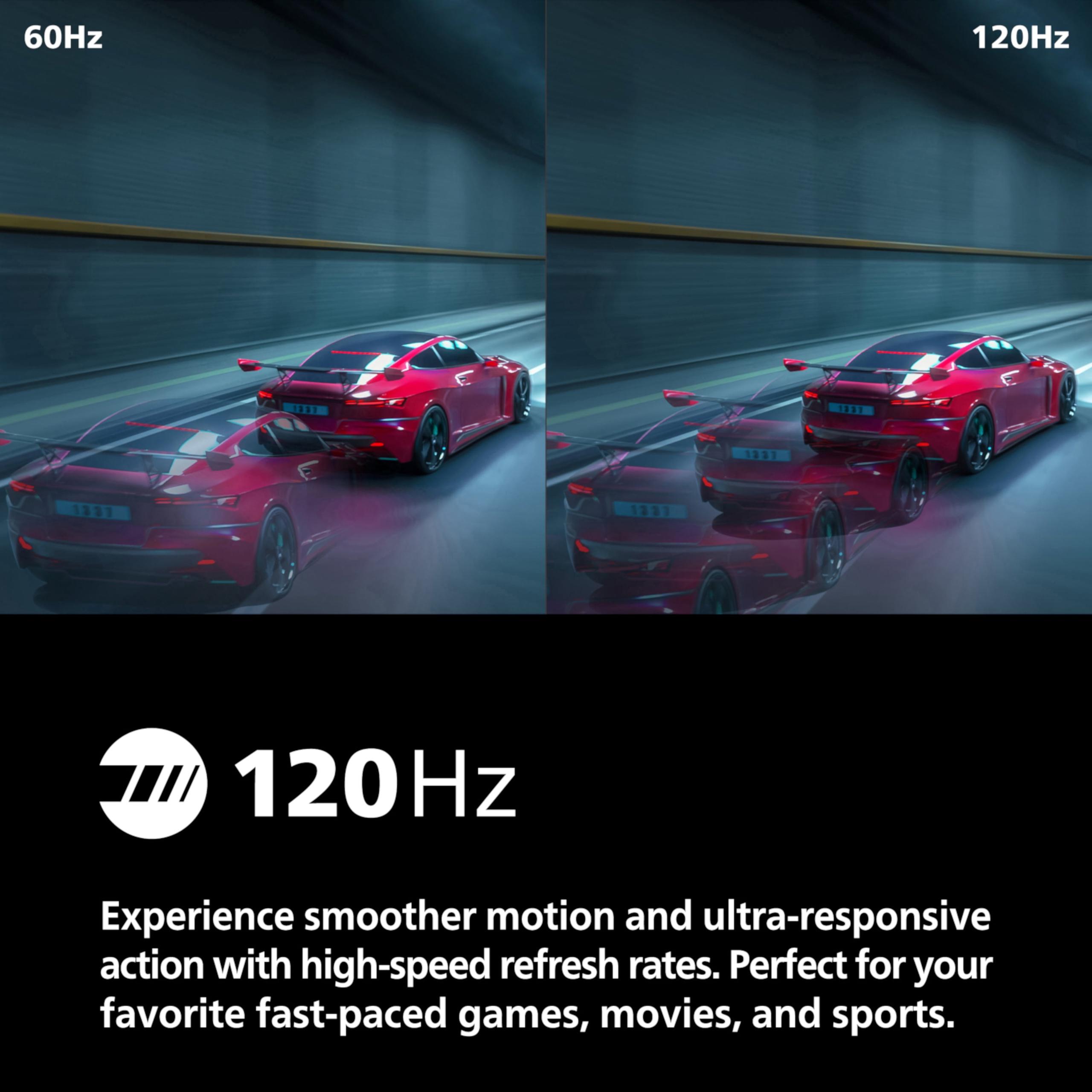
For gamers, the choice between these TVs is decisive. The Philips 65OLED974/F7 includes a 120Hz native panel with response times under 0.1 milliseconds. Response time measures how quickly pixels can change from one color to another—crucial for fast-moving games where blur can affect competitive performance.
More importantly, the Philips TV supports AMD FreeSync Premium and Variable Refresh Rate (VRR). These technologies synchronize the TV's refresh rate with your gaming console or PC's frame rate, eliminating screen tearing and stuttering. When your PlayStation 5 is rendering a game at 85 frames per second, the TV adjusts to match, creating silky-smooth motion.
The HDMI 2.1 connectivity on the Philips also enables Auto Low Latency Mode (ALLM), which automatically switches to game mode when it detects a gaming signal, reducing input lag—the delay between pressing a button and seeing the action on screen.
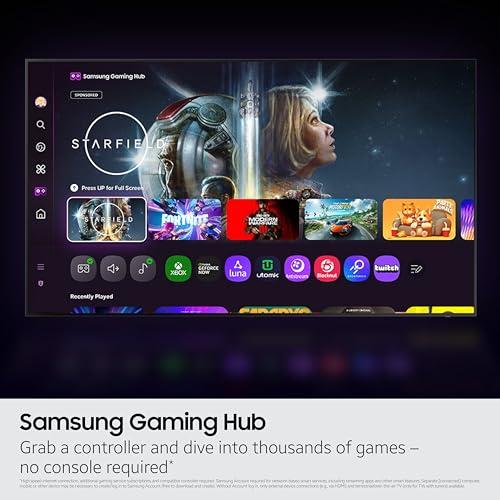
The Samsung Q7F offers basic gaming capabilities with low input lag, making it responsive for casual gaming. However, its 60Hz limitation, lack of VRR, and absence of HDMI 2.1 make it unsuitable for serious gamers or anyone wanting to take full advantage of next-generation consoles. The slower pixel response times also mean fast-moving objects in games appear blurred compared to OLED's nearly instantaneous transitions.
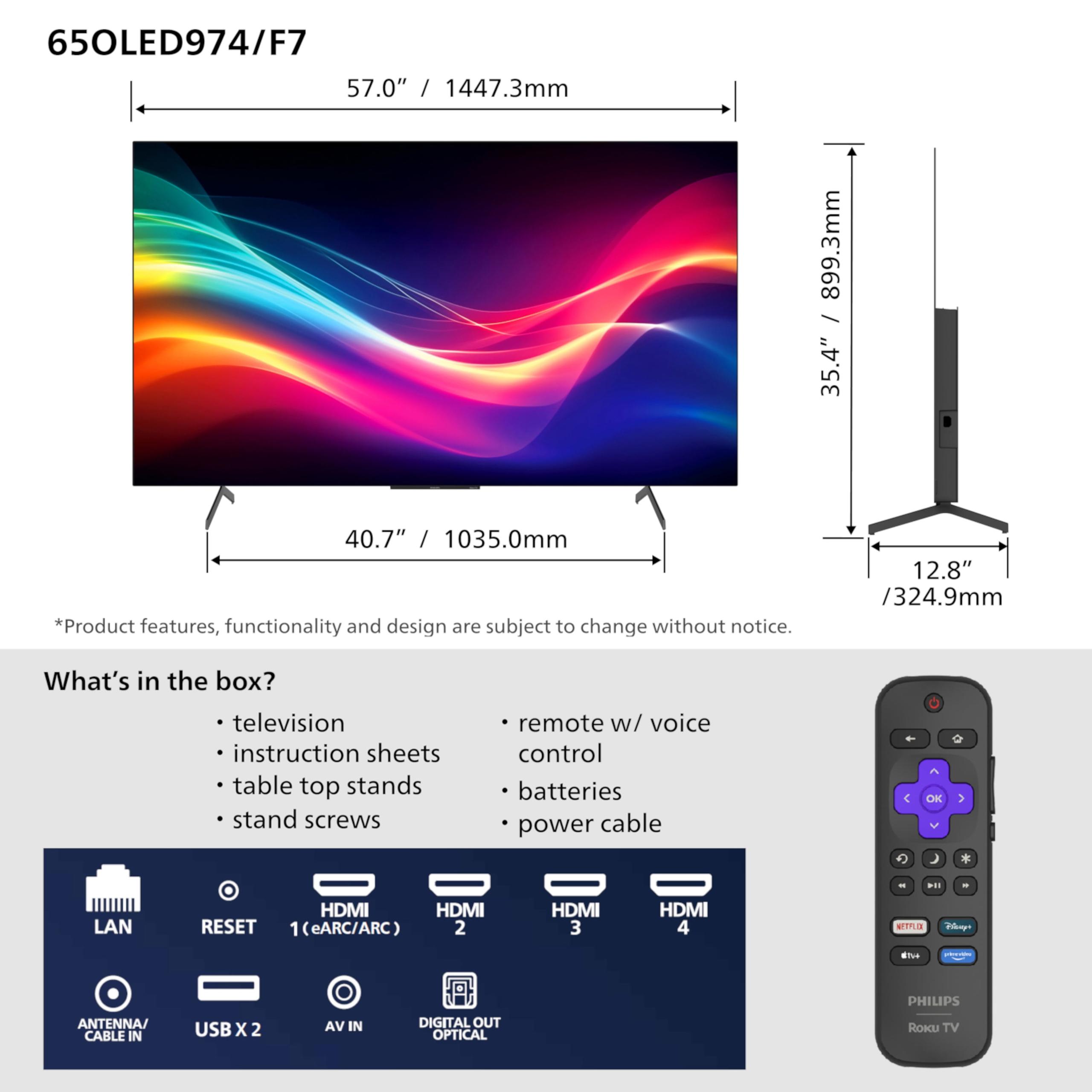
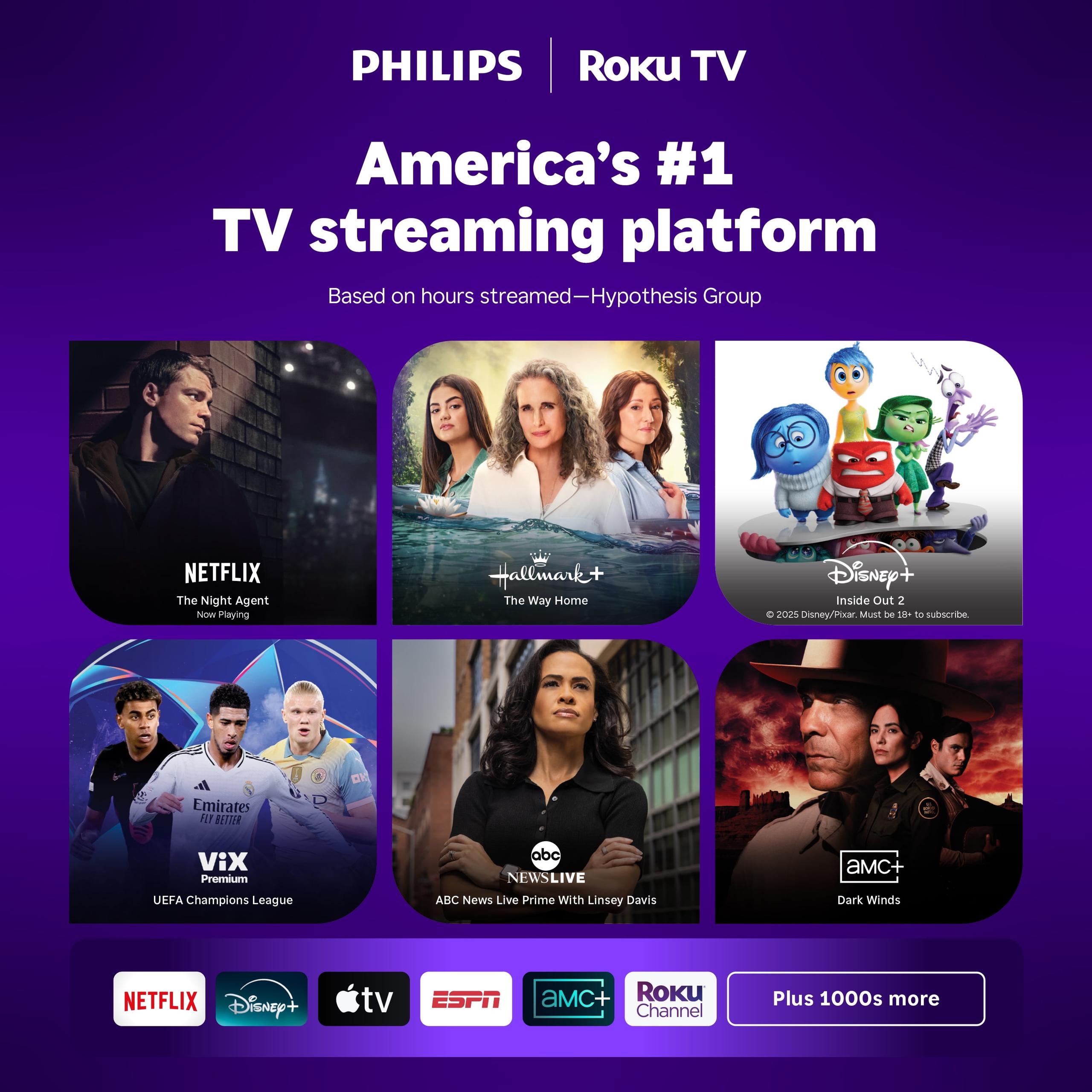
The smart TV experience differs significantly between these models. The Philips OLED runs Roku TV, which has earned praise for its simplicity and content-first approach. Rather than pushing you toward specific apps or services, Roku presents content from all your subscriptions in a unified interface. The search function works across platforms, so searching for "The Batman" shows results from Netflix, Amazon Prime, Apple TV+, and other services simultaneously.
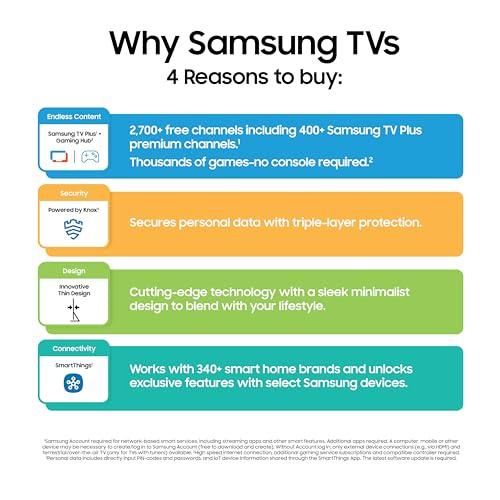
The Samsung Q7F uses Samsung's Tizen operating system enhanced with Vision AI features introduced in 2025. This includes personalized recommendations, real-time translation capabilities, and gesture controls. Samsung TV Plus provides free streaming content, and the integration with SmartThings allows control of compatible smart home devices directly from the TV.
While Samsung's platform offers more features, it can feel overwhelming for users who just want to watch content. Roku's simpler approach often proves more user-friendly, especially for families or less tech-savvy viewers.
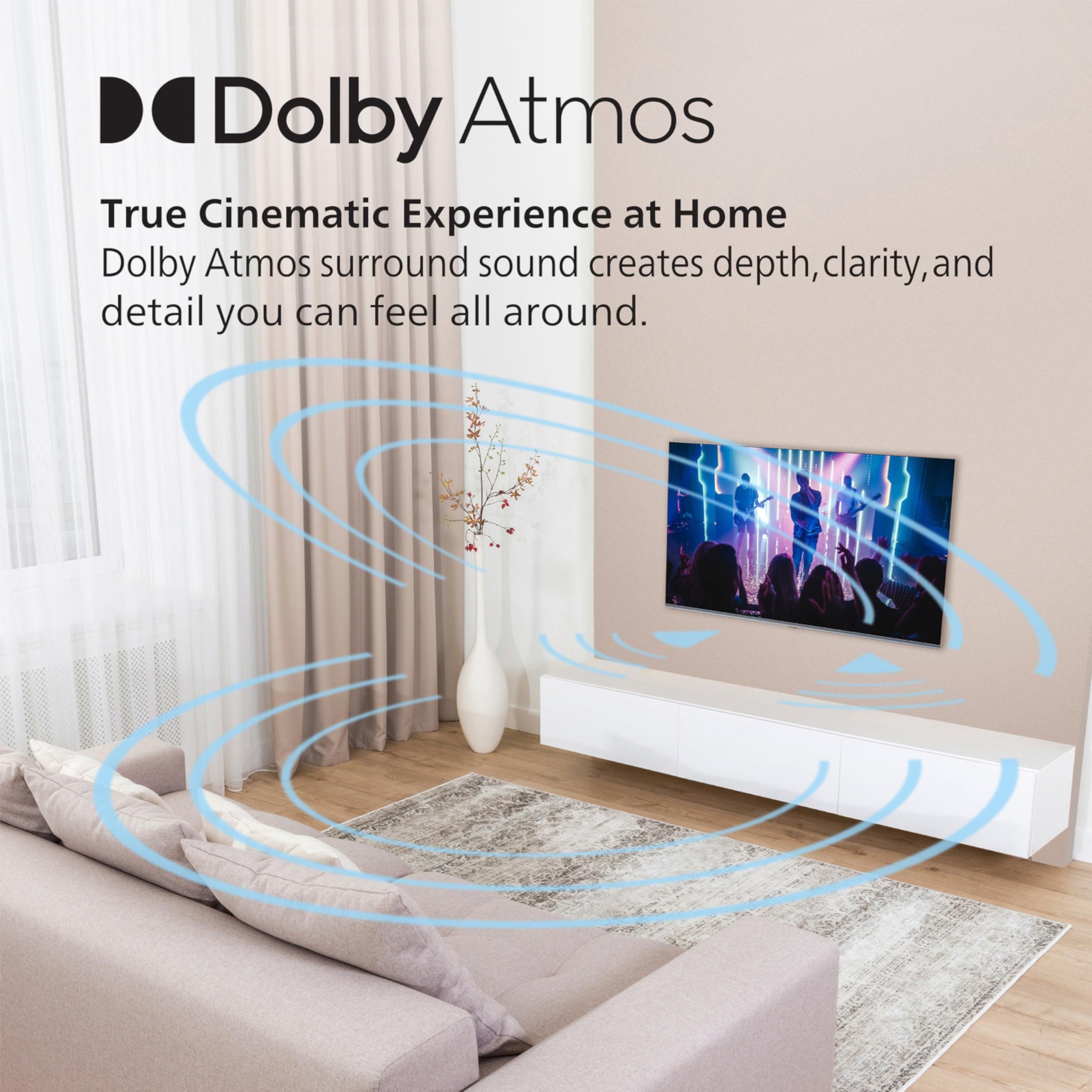
Built-in TV audio often gets overlooked, but it shouldn't be. The Philips 65OLED974/F7 includes a proper 2.1 speaker system with a dedicated subwoofer, supporting Dolby Atmos for three-dimensional audio. This setup provides noticeably better bass response and overall sound quality compared to typical TV speakers. While it won't replace a dedicated sound system, it's genuinely enjoyable for casual viewing.
The Samsung Q7F uses a basic 20W, 2-channel speaker setup enhanced with Object Tracking Sound Lite. While adequate for dialogue and general viewing, it lacks the bass depth and overall richness of the Philips system. Most users will likely want to add a soundbar, which should be factored into the total cost.
Room layout significantly impacts which TV performs better. The Philips OLED maintains consistent color and brightness from virtually any angle—you can sit 45 degrees to either side and still enjoy excellent picture quality. This makes it ideal for wide family rooms where people sit in different positions.
The Samsung QLED uses a VA (Vertical Alignment) panel that provides good contrast when viewed straight-on but suffers significant color shifting and brightness loss when viewed from the sides. If your seating arrangement is centered in front of the TV, this isn't problematic. However, for wide rooms or open-concept living spaces, the narrow viewing angle becomes a significant limitation.
For dedicated home theater setups, the Philips OLED excels in properly darkened environments. The perfect black levels create incredible depth and dimensionality, especially noticeable in letterboxed movies where the black bars truly disappear. The wide color gamut and accurate color reproduction mean you're seeing films as directors intended.
However, the brightness limitation is real. If your theater room has any ambient light—even from LED strips or sconces—the Philips TV might appear dim. Professional calibration can help optimize the picture, but it can't overcome the fundamental brightness constraints of current OLED technology.
The Samsung Q7F works better in multi-purpose rooms where some ambient light is present. While it can't match OLED's contrast in dark rooms, it provides a more consistent experience across different lighting conditions.
The Philips OLED, despite being an older model, includes HDMI 2.1 features that remain current for gaming and high-bandwidth content. The 120Hz panel and VRR support ensure compatibility with current and future gaming consoles.
The Samsung Q7F, being a 2025 model, includes current smart TV features and Samsung's latest Tizen OS. However, the lack of HDMI 2.1 and 120Hz support limits its ability to handle future high-bandwidth content or gaming requirements.
The decision between these TVs ultimately depends on your priorities and viewing environment. The Philips 65OLED974/F7 delivers superior performance for movie enthusiasts, serious gamers, and anyone prioritizing picture quality in dark or dimly lit rooms. The premium price reflects genuinely premium technology—OLED's perfect blacks and infinite contrast create viewing experiences that LCD-based displays simply cannot match.
The Samsung Q7F Series makes more sense for budget-conscious buyers who primarily watch TV in bright rooms. While it can't compete with OLED's contrast and color accuracy, it provides decent 4K performance at a significantly lower price point. The brighter display handles daytime viewing better, and Samsung's smart platform offers extensive features and regular updates.
For gaming enthusiasts, the Philips OLED is clearly superior, offering features that competitive gamers consider essential. The Samsung works for casual gaming but falls short for anyone serious about gaming performance.
The viewing environment might be the most important deciding factor. Dark rooms favor OLED technology dramatically, while bright, window-filled living spaces benefit from QLED's higher brightness levels. Consider your primary viewing conditions and seating arrangements when making this choice.
At the time of writing, the significant price difference between these models reflects their different market positions—premium OLED versus entry-level QLED. Both deliver 4K performance, but they create fundamentally different viewing experiences. Choose based on your room, viewing habits, and whether picture quality or bright-room performance matters more to your daily TV watching experience.
| Philips 65OLED974/F7 | Samsung Q7F Series |
|---|---|
| Display Technology - Fundamentally different approaches to creating the picture | |
| OLED (self-illuminating pixels) | QLED (LED backlight with quantum dots) |
| Black Levels & Contrast - Critical for movie watching and dark room performance | |
| Perfect blacks with infinite contrast ratio | Grayish blacks, no local dimming zones |
| Peak Brightness - Determines performance in bright rooms and HDR impact | |
| ~120 cd/m² (dim, requires dark rooms) | ~500 nits (better for bright rooms but still limited) |
| Refresh Rate - Essential for gaming and sports viewing | |
| 120Hz native with <0.1ms response time | 60Hz with slower pixel transitions |
| Gaming Features - Makes or breaks the experience for serious gamers | |
| HDMI 2.1, VRR, FreeSync Premium, ALLM | Basic gaming only, no VRR or HDMI 2.1 |
| Viewing Angles - Important for wide seating arrangements | |
| 176° horizontal and vertical (excellent) | Narrow viewing angles with color shifting |
| Color Performance - Affects how vibrant and accurate content appears | |
| 98.5% DCI-P3, 10-bit, PANTONE validated | 100% color volume with quantum dots |
| HDR Support - Determines compatibility with premium content formats | |
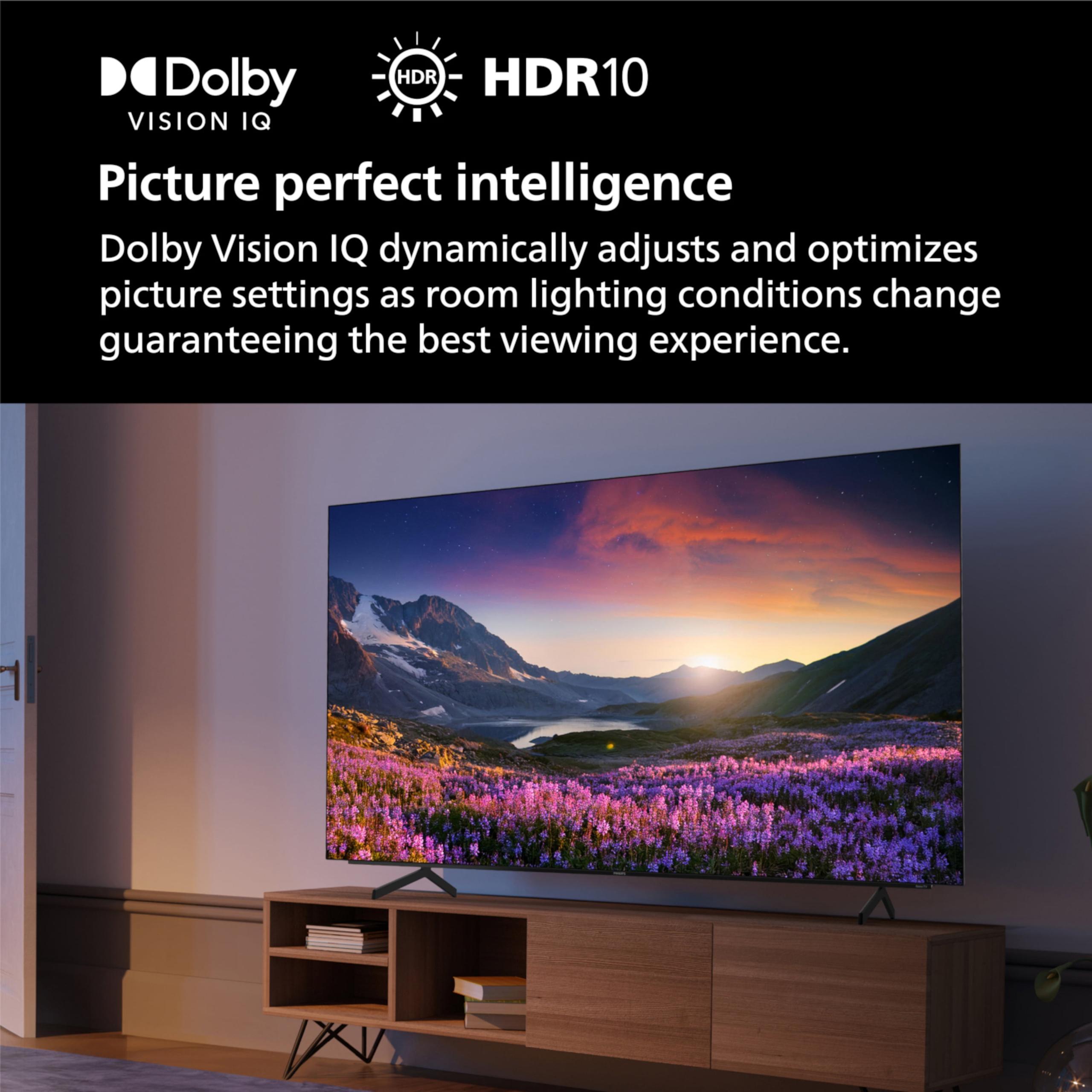
| Dolby Vision IQ, HDR10, HLG | HDR10+ only (no Dolby Vision) |
| Smart TV Platform - Daily user experience and app selection | |
| Roku TV (simple, content-focused interface) | Tizen OS with Samsung Vision AI features |
| Built-in Audio - Affects whether you'll need a soundbar immediately | |
| Dolby 2.1 system with subwoofer, Atmos support | 20W 2.0 channels with basic enhancement |
| Best Use Case - Where each TV truly excels | |
| Dark room movie watching, serious gaming | Bright room casual viewing, budget 4K |
| Release Year - Indicates feature currency and future support | |
| 2018 (proven OLED technology) | 2025 (current entry-level QLED) |
The Philips 65OLED974/F7 is significantly better for dark room viewing due to its OLED technology that produces perfect black levels and infinite contrast. This creates exceptional depth and detail in dark scenes that the Samsung Q7F Series cannot match, as its LED backlight prevents true blacks and causes light bleeding.
OLED displays like the Philips 65OLED974/F7 use self-illuminating pixels that can turn completely off for perfect blacks, while QLED TVs like the Samsung Q7F Series use LED backlights with quantum dot enhancement. This means OLED delivers superior contrast but QLED typically offers higher brightness levels.
The Samsung Q7F Series handles bright rooms better due to its higher peak brightness of around 500 nits compared to the Philips OLED's limited brightness of approximately 120 cd/m². The Samsung can better overcome glare from windows and ambient lighting during daytime viewing.
The Philips 65OLED974/F7 is excellent for gaming with its 120Hz refresh rate, HDMI 2.1 support, Variable Refresh Rate, and AMD FreeSync Premium. The Samsung Q7F only offers basic gaming with 60Hz and lacks advanced gaming features, making it suitable only for casual gamers.
Both offer solid smart platforms but with different approaches. The Philips OLED uses Roku TV for a simple, content-focused experience, while the Samsung Q7F Series features Samsung's Tizen OS with AI enhancements, voice control, and smart home integration for more advanced functionality.
The Philips 65OLED974/F7 maintains excellent picture quality from any angle with 176-degree viewing, perfect for wide seating arrangements. The Samsung Q7F has narrow viewing angles due to its VA panel, causing color and brightness degradation when viewed from the side.
The Philips OLED features a superior Dolby 2.1 speaker system with a dedicated subwoofer and Dolby Atmos support, providing richer sound with better bass. The Samsung Q7F Series has basic 20W stereo speakers that most users will want to supplement with a soundbar.
Yes, but with different capabilities. The Philips 65OLED974/F7 supports Dolby Vision IQ, HDR10, and HLG for comprehensive HDR compatibility. The Samsung Q7F only supports HDR10+ and lacks Dolby Vision, which limits compatibility with some premium streaming content.
The Samsung Q7F Series offers better value for budget-conscious buyers seeking decent 4K performance, while the Philips OLED provides premium performance that justifies its higher cost for users prioritizing picture quality and gaming features.
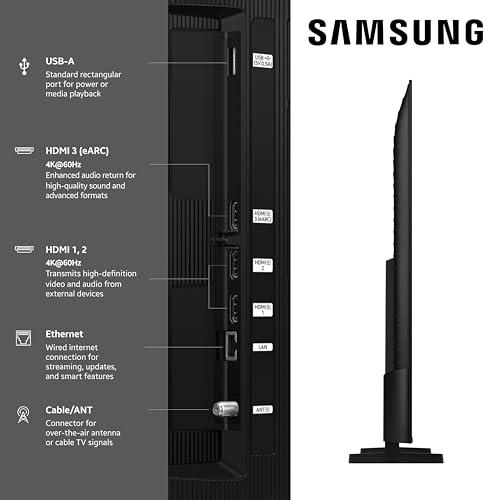
The Philips 65OLED974/F7 includes 4 HDMI ports with HDMI 2.1 features and eARC support, plus 2 USB ports. The Samsung Q7F Series has only 3 HDMI ports (HDMI 2.0) and 1 USB port, offering more limited connectivity options.
The Philips OLED excels in dedicated home theater environments where lighting can be controlled. Its perfect blacks, wide color gamut, and cinematic picture quality create an immersive movie experience that the Samsung Q7F Series cannot match in dark room conditions.
The Philips 65OLED974/F7 delivers superior motion handling with its 120Hz panel and near-instantaneous pixel response times, eliminating blur in fast scenes. The Samsung Q7F provides acceptable motion clarity for casual viewing but may show blur in fast-paced sports or action sequences due to its 60Hz limitation and slower response times.
We've done our best to create useful and informative comparisons to help you decide what product to buy. Our research uses advanced automated methods to create this comparison and perfection is not possible - please contact us for corrections or questions. These are the sites we've researched in the creation of this article: rtings.com - versus.com - versus.com - rtings.com - samsclub.com - versus.com - youtube.com - usa.philips.com - bestbuy.com - usa.philips.com - consumerreports.org - usa.philips.com - documents.philips.com - tvoutlet.ca - displayspecifications.com - business.walmart.com - displayspecifications.com - ecoustics.com - walmart.com - bestbuy.com - rtings.com - bestbuy.com - youtube.com - youtube.com - youtube.com - samsung.com - samsung.com - samsung.com - billsmith.com - costco.com - samsung.com - hometechnologyreview.com - hometechnologyreview.com - bestbuy.com - samsung.com - bestbuy.com - samsung.com - hometechnologyreview.com - samsung.com - samsung.com

Privacy Policy
Terms and Conditions - Affiliate Policy
Home Security
© Copyright 2008-2026.
11816 Inwood Rd #1211, Dallas, TX 75244