

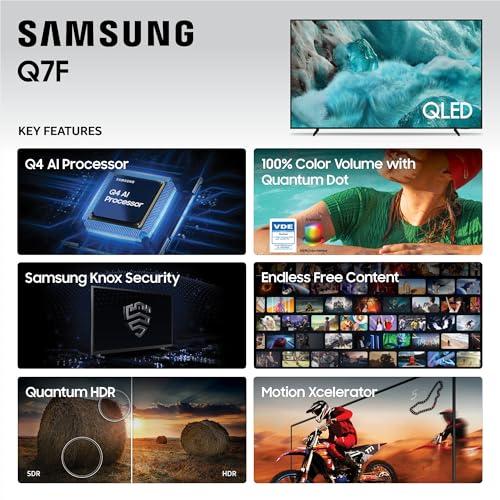
When you're shopping for a 65-inch TV in 2025, you'll quickly discover that the market has split into two distinct camps: budget-friendly displays that deliver solid performance without breaking the bank, and premium models that push the boundaries of what's possible in home entertainment. The Samsung Q7F 2025 and Sony BRAVIA 8 represent these two philosophies perfectly—and the differences between them tell a fascinating story about where TV technology stands today.
The 65-inch size has become the sweet spot for modern homes. It's large enough to create that cinematic experience we all crave, but not so massive that it overwhelms your living room. At the time of writing, you'll find 65-inch TVs ranging from around $400 for basic models to well over $2,000 for flagship displays. The Samsung Q7F sits comfortably in the budget category, while the Sony BRAVIA 8 commands a premium price—roughly three times more expensive.
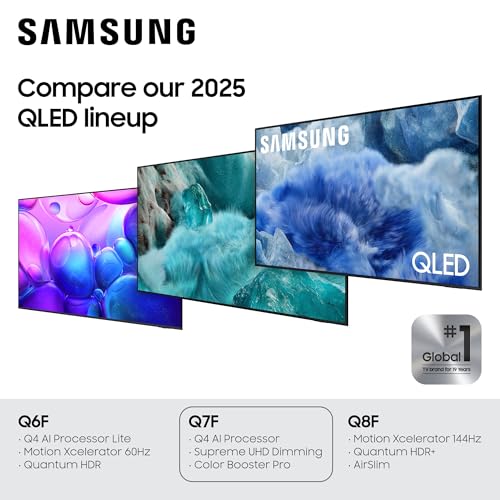
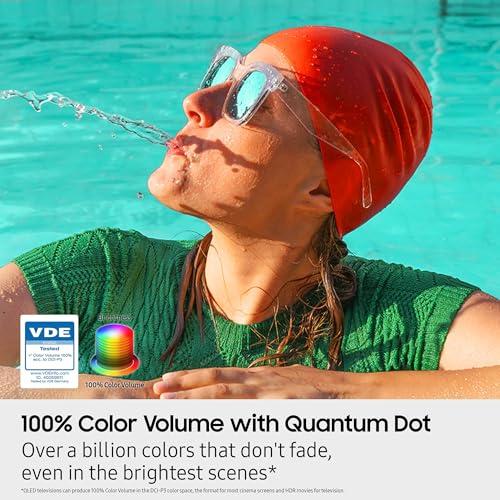
But here's what's interesting: both TVs actually use quantum dot technology, which is a fancy way of saying they both have microscopic particles that help produce more accurate colors. The difference lies in how they implement this technology, and that difference shapes everything else about your viewing experience.
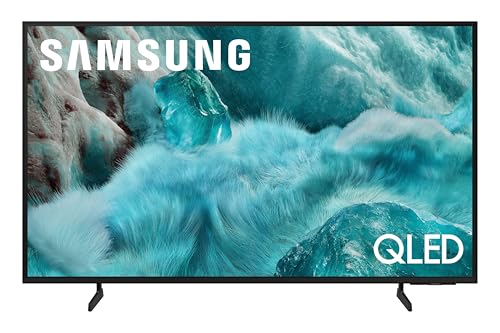
To understand these TVs, you need to grasp the core difference between QLED and OLED displays. The Samsung Q7F uses QLED technology, which is essentially a traditional LED-backlit LCD panel enhanced with quantum dots. Think of it like a sophisticated version of older LCD TVs—there's still a backlight behind the screen that illuminates the entire panel, but the quantum dot layer helps produce more vibrant colors than you'd get from a standard LED TV.
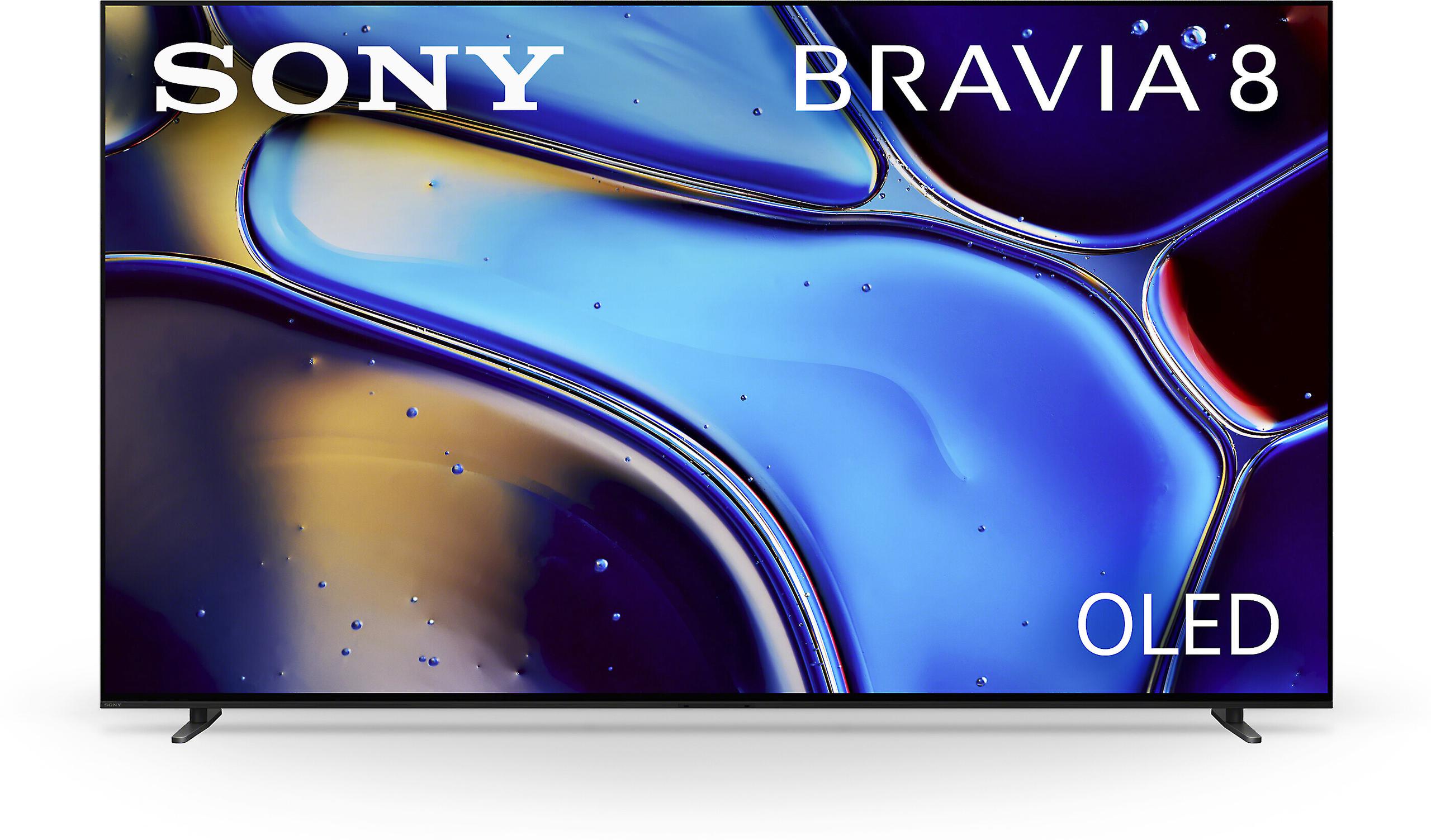
The Sony BRAVIA 8, on the other hand, uses OLED technology, where each pixel is self-illuminating. This means every single pixel can turn on, dim, or switch off completely independently. It's like having over 8 million tiny light bulbs that can be controlled individually, compared to the Samsung's single backlight trying to illuminate the entire screen evenly.
This fundamental difference ripples through every aspect of performance. When you're watching a movie with a night scene, the Sony BRAVIA 8 can make those dark areas truly black by turning off the pixels entirely. The Samsung Q7F can't—its backlight is always on, so dark scenes appear grayish rather than black. This difference becomes immediately obvious when you put the TVs side by side, and it's something you'll notice every time you watch content with dark scenes.
Let's talk about contrast ratio, which is arguably the most important factor in picture quality. Contrast ratio measures the difference between the brightest whites and the darkest blacks a TV can produce. The Sony BRAVIA 8 achieves what's called "infinite contrast" because it can produce perfect blacks alongside bright highlights. The Samsung Q7F is limited by its backlighting system—it simply cannot produce true blacks.
This limitation shows up in several ways. Dark movie scenes on the Samsung Q7F look washed out, lacking the depth and atmosphere that filmmakers intended. When bright objects appear against dark backgrounds—think credits rolling over a black screen, or a bright explosion in a night scene—the Samsung shows "blooming," where light bleeds around bright objects. The Sony BRAVIA 8 handles these scenarios flawlessly.
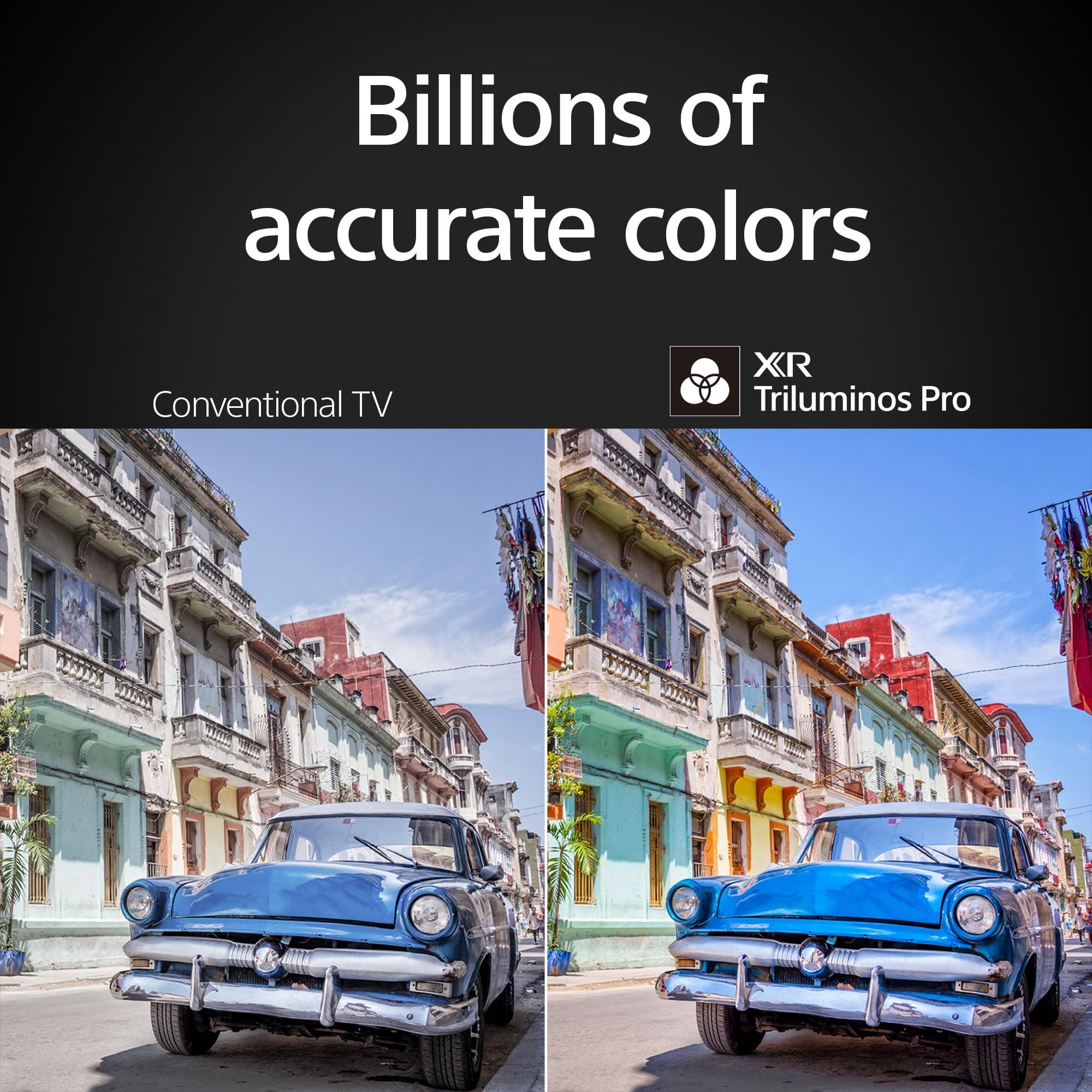
Color performance is another critical area where these technologies diverge. Both TVs use quantum dot technology, but the Sony BRAVIA 8 combines quantum dots with OLED's self-illuminating pixels to achieve what Sony calls "billions of accurate real-world colors." The quantum dot layer in the Sony's display is reportedly 25% brighter than previous OLED generations, addressing one of OLED's traditional weaknesses—peak brightness.
The Samsung Q7F delivers good color performance for its price point, with Samsung's processing enhancing the quantum dot layer to produce more vibrant colors than you'd get from a standard LED TV. However, it lacks local dimming zones, which means it can't control brightness in different areas of the screen simultaneously. This limitation becomes particularly noticeable with HDR content.
HDR (High Dynamic Range) content represents the future of home entertainment, offering brighter highlights, deeper shadows, and more realistic colors than standard content. Both TVs support HDR, but their implementation differs dramatically.
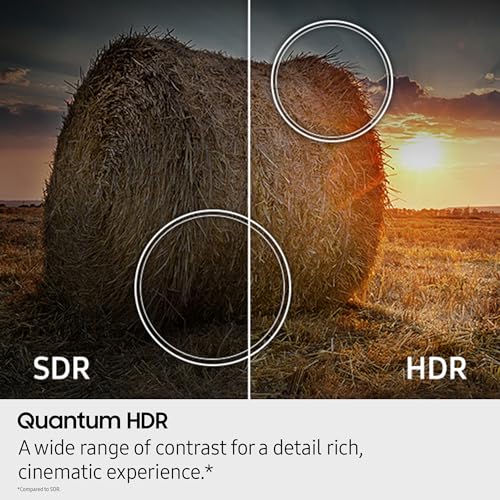
The Samsung Q7F supports HDR10+ and features Samsung's Quantum HDR processing. However, without local dimming zones, the TV can't take full advantage of HDR's capabilities. When you're watching HDR movies from Netflix or 4K Blu-rays, bright scenes might look washed out, and dark scenes lack the shadow detail that makes HDR content special.
The Sony BRAVIA 8 supports both HDR10+ and Dolby Vision, with Dolby Vision being the more advanced format that adjusts brightness and color on a scene-by-scene basis. More importantly, the OLED technology can display the full range of HDR content as intended. Bright highlights pop against perfect blacks, and you can see details in both bright and dark areas simultaneously—something the Samsung simply can't match.
From our research into expert and user reviews, the HDR experience on the Sony BRAVIA 8 is consistently described as transformative, while the Samsung Q7F delivers adequate HDR performance that's acceptable but not impressive.
Gaming performance has become increasingly important as PlayStation 5 and Xbox Series X consoles push the boundaries of console gaming. This is where the generational gap between these TVs becomes stark.
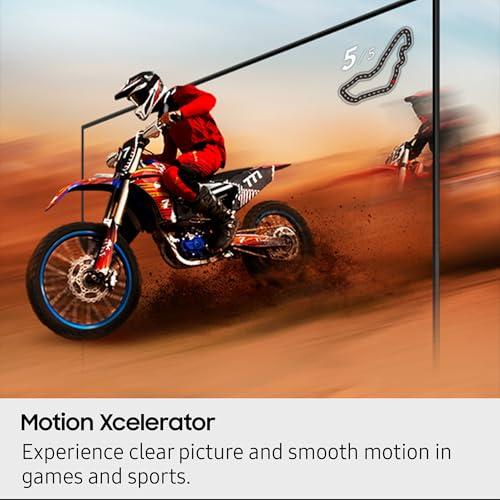
The Samsung Q7F is essentially stuck in the past when it comes to gaming. With only a 60Hz refresh rate and no HDMI 2.1 support, it can handle basic 4K gaming at 60 frames per second, but that's where its capabilities end. It lacks Variable Refresh Rate (VRR), which eliminates screen tearing, and doesn't support 4K gaming at 120Hz. For casual gaming, it's acceptable, but serious gamers will find it limiting.
The Sony BRAVIA 8 is built for modern gaming. Its 120Hz refresh rate supports 4K gaming at 120 frames per second, which creates noticeably smoother motion in fast-paced games. It includes VRR to eliminate screen tearing, Auto Low Latency Mode (ALLM) to reduce input lag, and special PlayStation 5 optimizations like Auto HDR Tone Mapping. These features aren't just marketing buzzwords—they create a measurably better gaming experience.
Input lag, which measures how quickly the TV responds to controller inputs, is low on both displays. However, the Sony BRAVIA 8 includes a comprehensive Game Menu that consolidates all gaming-related settings, making it easier to optimize performance for different types of games.
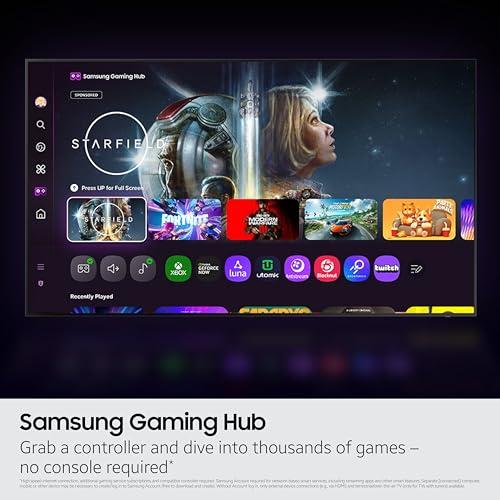
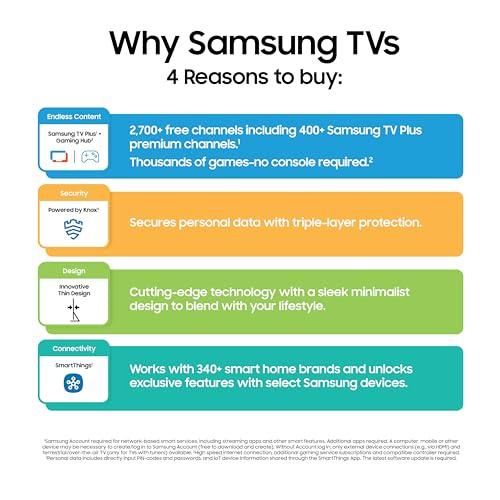
Both TVs run sophisticated smart TV platforms, but they take different approaches. The Samsung Q7F uses Samsung's Tizen operating system, which is fast and user-friendly. It includes Samsung TV Plus, offering over 300 free channels, and integrates well with Samsung's ecosystem if you own other Samsung devices. The interface supports Multi-View, letting you watch two video sources simultaneously—useful for keeping an eye on news while watching sports.
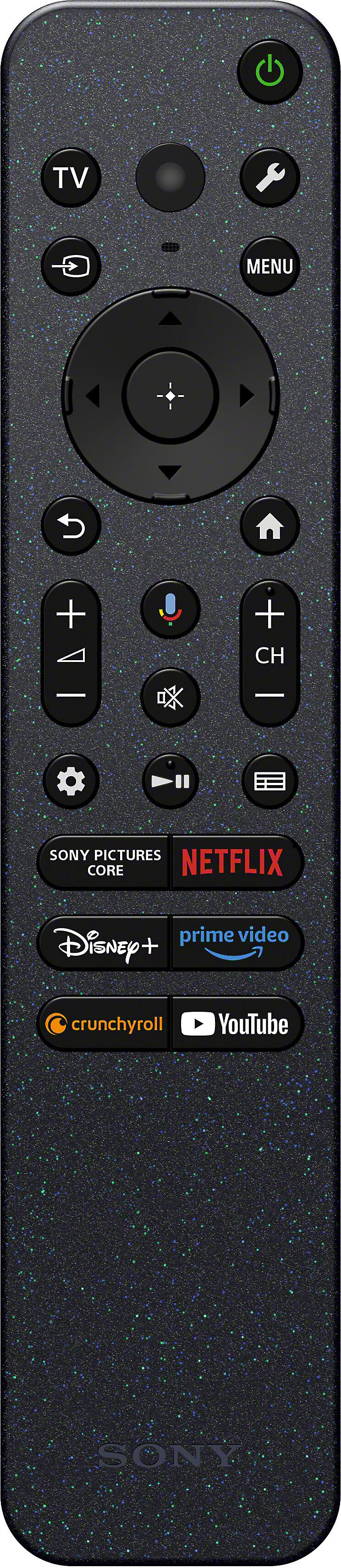
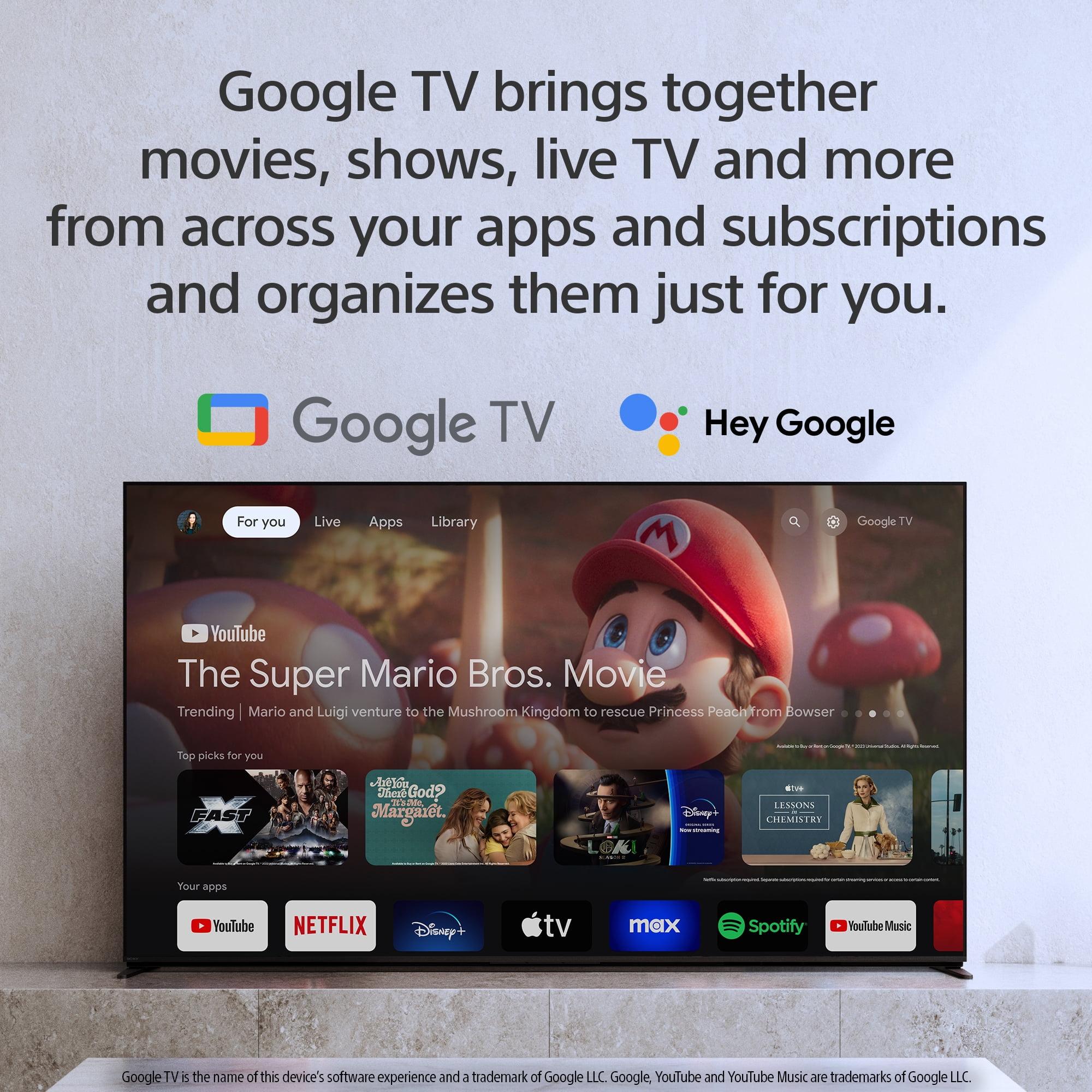
The Sony BRAVIA 8 runs Google TV, which excels at content discovery and recommendation. It integrates seamlessly with Google services and supports Apple AirPlay 2 for iPhone users. Sony includes exclusive access to Sony Pictures Core with movie credits, and the TV supports the largest collection of IMAX Enhanced content available.
Both systems support major streaming services like Netflix, Disney+, and Amazon Prime Video. The choice between them often comes down to ecosystem preference—Samsung for Samsung device owners, Google TV for those invested in Google services.
TV audio has improved dramatically in recent years, and both displays offer distinct approaches. The Samsung Q7F includes modest 20W speakers with Adaptive Sound technology that adjusts audio based on content type. It's adequate for casual viewing but lacks bass response and maximum volume for larger rooms.
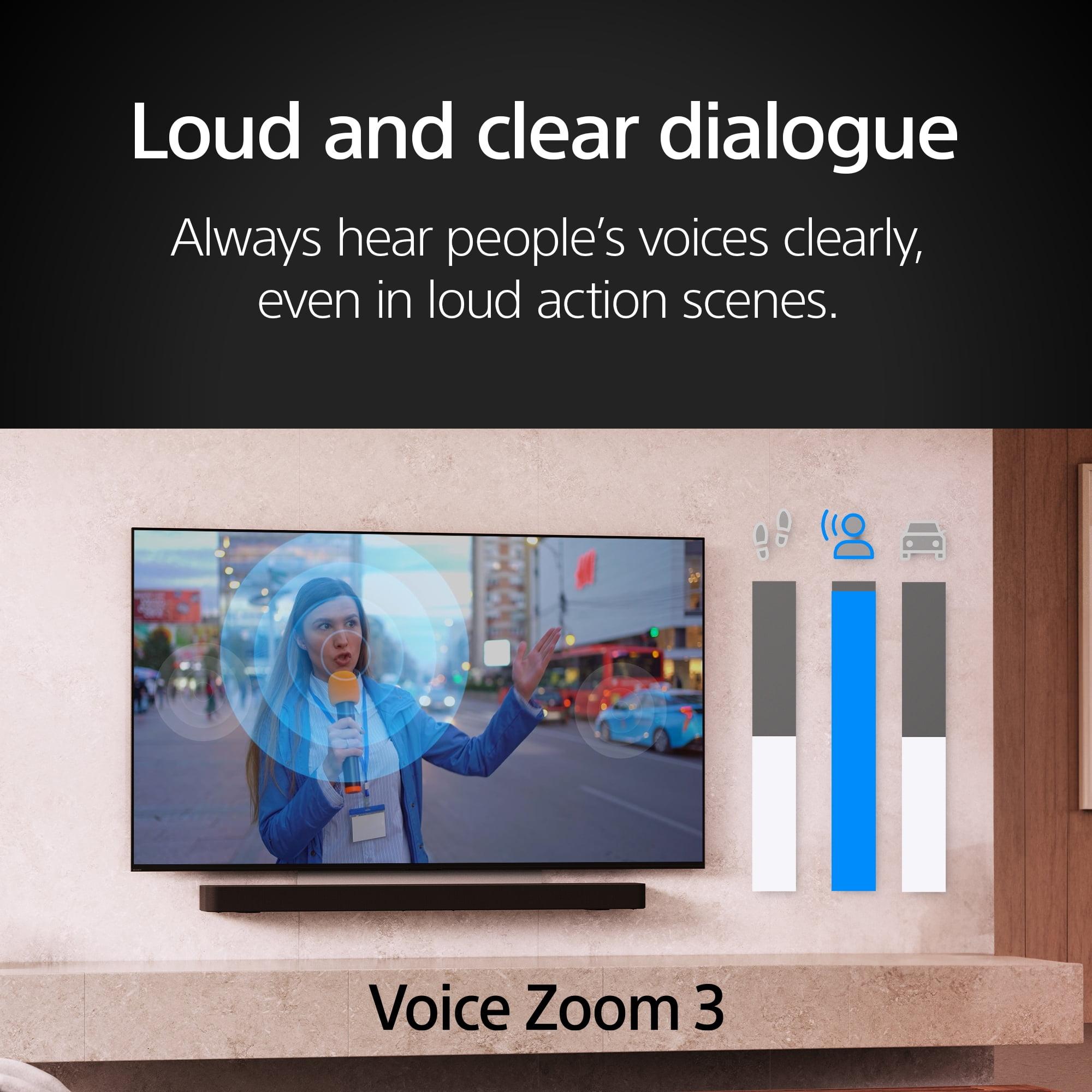
The Sony BRAVIA 8 features Sony's innovative Acoustic Surface Audio+ technology, which essentially turns the entire screen into a speaker. This creates immersive audio where sound appears to come directly from the action on screen. The 50W speaker system includes a subwoofer for better bass response, and Voice Zoom 3 uses AI to enhance dialogue clarity during loud action scenes.
For home theater enthusiasts, the Sony's audio technology creates a more engaging experience without external speakers. However, both TVs benefit significantly from dedicated sound systems or soundbars.
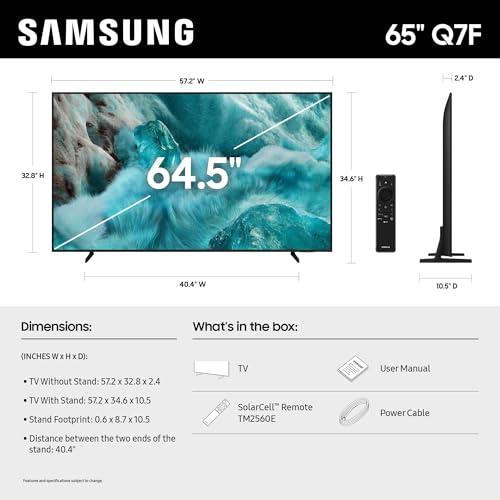
The Samsung Q7F emphasizes practical design, weighing just 37.7 pounds for the 65-inch model. This makes wall mounting straightforward, and customers frequently praise its lightweight construction. The adjustable feet accommodate different furniture configurations, and cable management helps maintain a clean appearance.
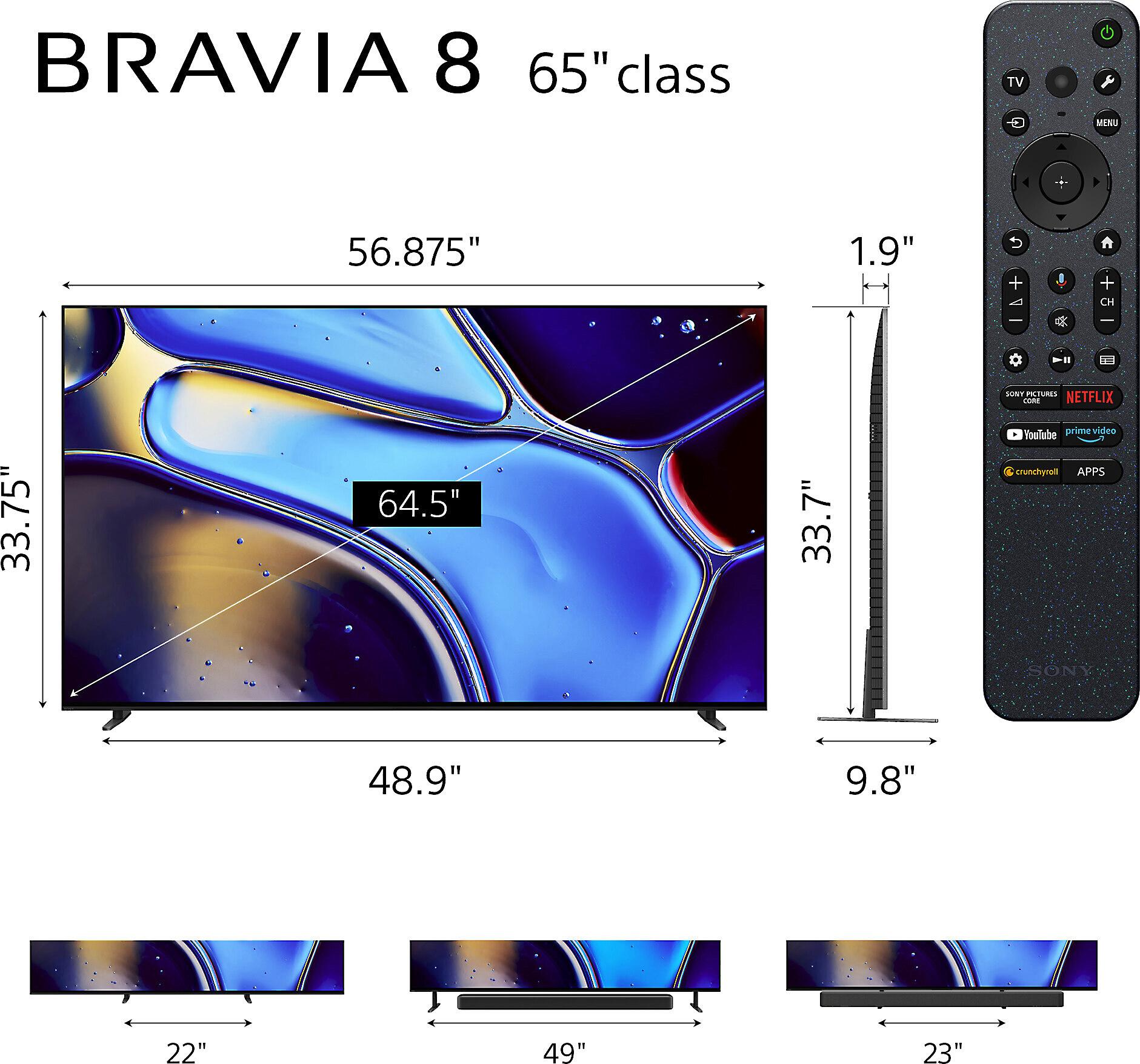
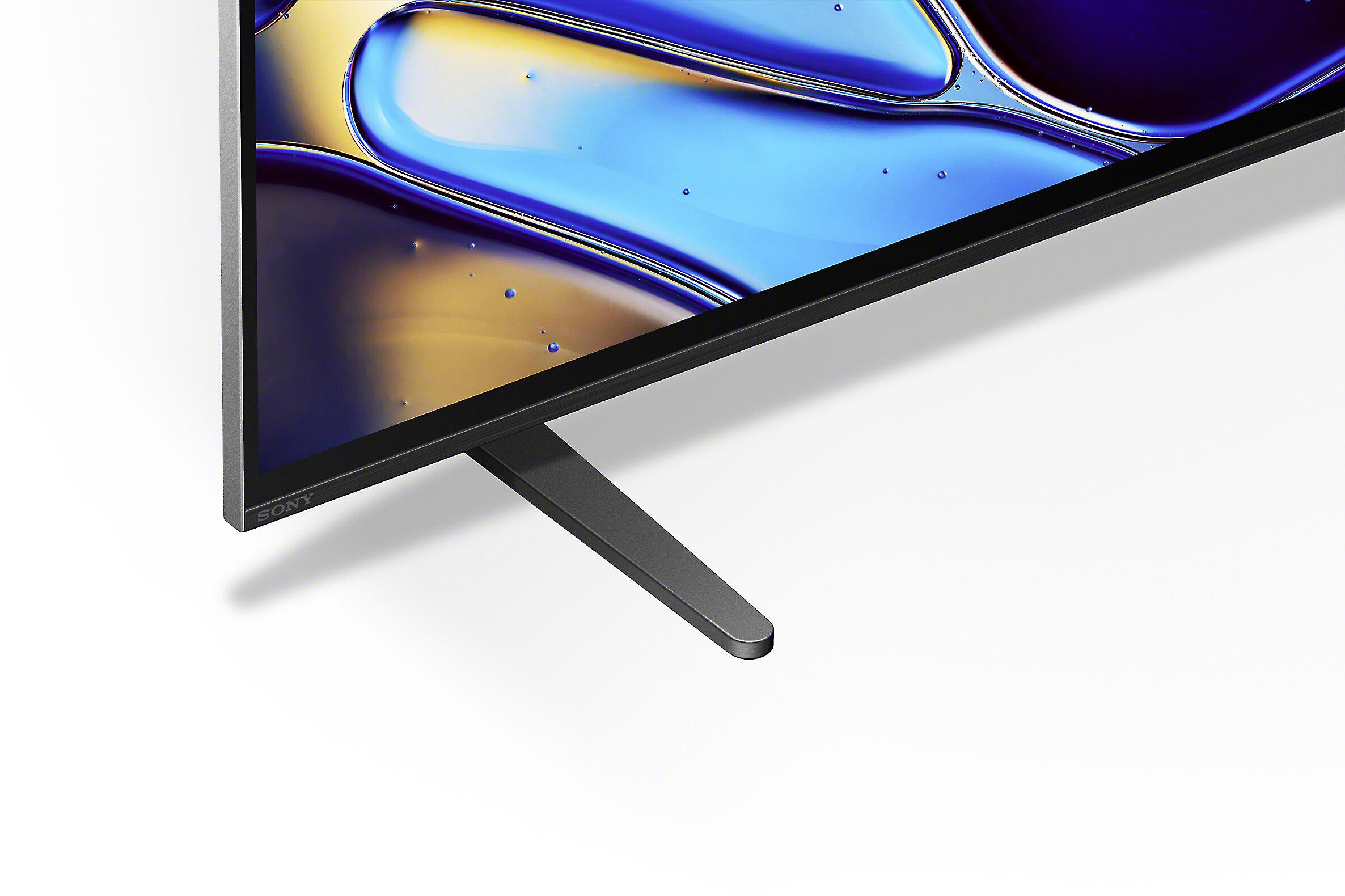
The Sony BRAVIA 8 includes a premium two-way stand that offers either a low profile for wall mounting or a raised position to accommodate soundbars. The build quality feels more substantial, reflecting its premium positioning.
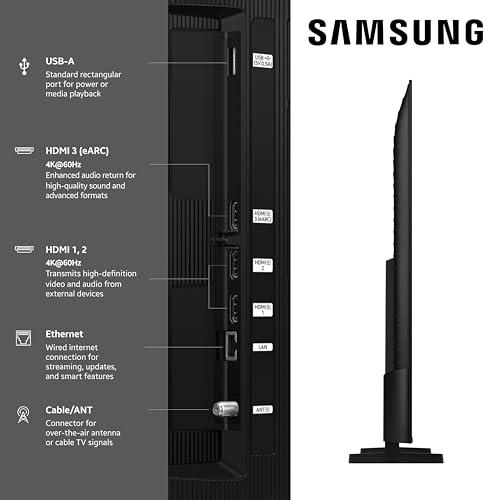
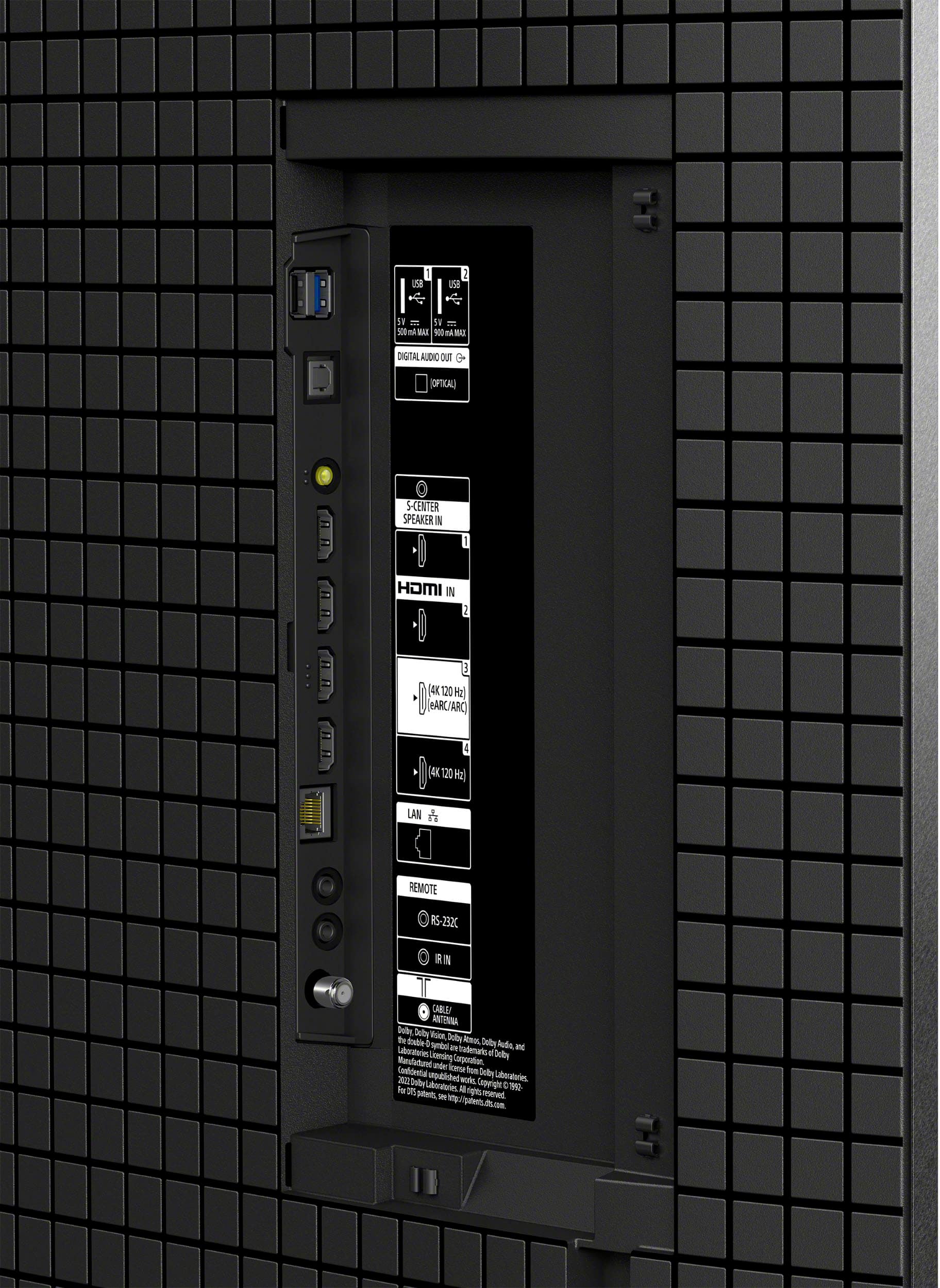
Connectivity differs significantly between the models. The Samsung Q7F provides three HDMI 2.0 ports, which users often find insufficient for modern setups with multiple game consoles, streaming devices, and soundbars. The Sony BRAVIA 8 offers four HDMI ports, with two supporting HDMI 2.1 for future-proofing and enhanced audio return channel (eARC) for high-quality audio passthrough to soundbars.
The Samsung Q7F excels in specific scenarios. If you primarily watch content during the day in well-lit rooms, its quantum dot technology provides vibrant colors that compete well with ambient light. For streaming Netflix, YouTube, and broadcast television, it delivers solid performance at an attractive price point. The lightweight design makes installation straightforward, and the familiar Samsung interface appeals to existing Samsung device owners.
However, the Samsung's limitations become apparent in darker viewing environments and with premium content. Movie nights reveal the grayish blacks and limited contrast, while HDR content lacks the impact it should have. Gaming enthusiasts will find the 60Hz limitation and absence of modern gaming features frustrating.
The Sony BRAVIA 8 shines in virtually every scenario but particularly excels in dedicated home theater environments. The perfect blacks and infinite contrast create an immersive viewing experience that transforms movie nights. HDR content displays as filmmakers intended, with bright highlights and deep shadows coexisting naturally. Gamers benefit from comprehensive modern features, while the innovative audio system enhances dialogue and creates immersive soundscapes.
The Sony's premium price represents its main limitation. At roughly three times the cost of the Samsung, it targets buyers who prioritize performance over value and can invest in premium display technology.
After researching extensive user feedback and expert reviews, the choice between these TVs depends entirely on your priorities and budget. The Samsung Q7F represents solid value for casual viewing, offering quantum dot color enhancement and smart TV functionality at an accessible price point. It's particularly suitable for bright rooms, daytime viewing, and users who prioritize value over cutting-edge performance.
The Sony BRAVIA 8 justifies its premium pricing through superior technology across every performance category. The OLED display delivers reference-quality picture performance, while comprehensive gaming features and innovative audio technology create an engaging entertainment experience.
For home theater enthusiasts, the choice is clear—the Sony's perfect blacks and infinite contrast transform movie watching into a cinematic experience. The Samsung simply cannot compete in this scenario due to fundamental technology limitations.
Gaming enthusiasts should strongly consider the Sony for its modern feature set, while casual gamers might find the Samsung adequate for basic gaming needs.
Budget-conscious buyers will appreciate the Samsung's value proposition, especially for daytime viewing in well-lit environments. However, those who can stretch their budget will find the Sony delivers substantially better performance that justifies the premium pricing.
Both TVs represent their respective segments well, but they serve fundamentally different needs. The key is understanding which category matches your viewing habits, room environment, and performance expectations. At the time of writing, the price difference between these models reflects the genuine technology gap that separates budget and premium television segments.
| Samsung 65-Inch Q7F Series QLED Smart TV 2025 Display | Sony BRAVIA 8 65" 4K OLED TV |
|---|---|
| Display Technology - The foundation that determines contrast, blacks, and overall picture quality | |
| QLED with LED backlighting and quantum dots | OLED with self-illuminating pixels and quantum dots |
| Contrast Ratio - Critical for dark scenes and HDR content impact | |
| Limited contrast due to always-on LED backlight | Infinite contrast with perfect blacks |
| Refresh Rate - Essential for smooth motion and modern gaming | |
| 60Hz (limits gaming to 60fps and creates motion blur) | 120Hz (enables 120fps gaming and smoother sports) |
| Gaming Features - Determines compatibility with PS5/Xbox Series X | |
| Basic 4K/60Hz only, no VRR or HDMI 2.1 | Full 4K/120Hz, VRR, ALLM, and HDMI 2.1 support |
| HDR Support - Affects premium streaming and 4K Blu-ray experience | |
| HDR10+ only, limited by lack of local dimming | HDR10+, Dolby Vision with pixel-level control |
| Local Dimming Zones - Controls blooming and enhances contrast | |
| None (causes light bleeding around bright objects) | Per-pixel control (eliminates blooming entirely) |
| Peak Brightness - Important for HDR highlights and bright room viewing | |
| Moderate brightness, insufficient for bright rooms | 25% brighter than previous OLED generations |
| Viewing Angles - Matters for wide seating arrangements | |
| Poor (VA panel degrades when viewed off-center) | Excellent (maintains quality from any angle) |
| Smart Platform - Determines app selection and user experience | |
| Samsung Tizen with TV Plus (300+ free channels) | Google TV with superior content discovery |
| Audio System - Affects dialogue clarity and immersion without soundbar | |
| 20W 2.0 speakers with basic processing | 50W 2.1 with Acoustic Surface Audio+ screen speakers |
| HDMI Ports - Determines device connectivity options | |
| 3 HDMI 2.0 ports (often insufficient for modern setups) | 4 HDMI ports (2 HDMI 2.1, 2 HDMI 2.0) with eARC |
| Weight - Affects wall mounting difficulty | |
| 37.7 lbs (lightweight for easy installation) | Heavier premium build with adjustable stand |
| Processor - Handles upscaling and smart features performance | |
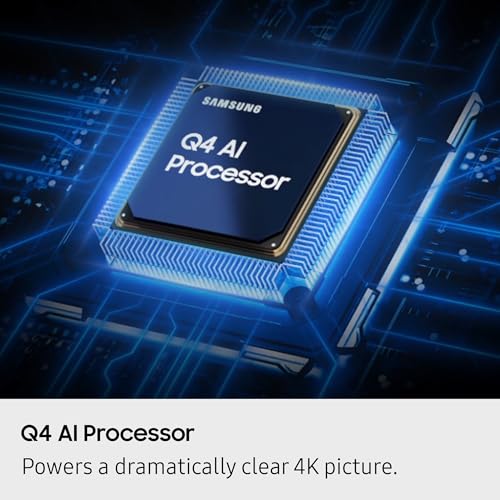
| Q4 AI Processor (basic upscaling and processing) | XR Processor with advanced AI scene optimization |
| Best Use Case - Where each TV excels most | |
| Bright rooms, casual viewing, budget-conscious buyers | Dark rooms, home theater, gaming enthusiasts |
The Sony BRAVIA 8 delivers significantly better picture quality for movies due to its OLED technology. Unlike the Samsung Q7F, which uses LED backlighting that creates grayish blacks, the Sony BRAVIA 8 produces perfect blacks by turning pixels completely off. This creates infinite contrast that makes dark movie scenes look exactly as filmmakers intended, while the Samsung Q7F struggles with washed-out dark scenes.
QLED, used in the Samsung Q7F, combines LED backlighting with quantum dots for enhanced colors but cannot produce true blacks. OLED, found in the Sony BRAVIA 8, uses self-illuminating pixels that can turn on and off individually, creating perfect blacks and infinite contrast. The Sony BRAVIA 8 delivers superior picture quality, while the Samsung Q7F offers quantum dot color enhancement at a lower cost.
The Sony BRAVIA 8 is far superior for modern gaming consoles. It supports 4K at 120Hz, Variable Refresh Rate (VRR), and HDMI 2.1 features that the Samsung Q7F lacks entirely. The Samsung Q7F is limited to 4K at 60Hz with basic gaming features, making it unsuitable for taking full advantage of PS5 or Xbox Series X capabilities. Serious gamers should choose the Sony BRAVIA 8.
The Samsung Q7F performs better in very bright rooms due to its LED backlighting, though it still struggles with glare. The Sony BRAVIA 8 is 25% brighter than previous OLED generations but may still be challenged by excessive ambient light. For primarily daytime viewing in bright rooms, the Samsung Q7F offers better value, while the Sony BRAVIA 8 excels in controlled lighting environments.
Both TVs offer excellent smart platforms but with different strengths. The Samsung Q7F uses Tizen with Samsung TV Plus offering 300+ free channels and seamless Samsung ecosystem integration. The Sony BRAVIA 8 runs Google TV with superior content discovery and Google services integration. The choice depends on your ecosystem preference, though both Samsung Q7F and Sony BRAVIA 8 support all major streaming apps.
The Sony BRAVIA 8 has significantly better audio with 50W speakers and innovative Acoustic Surface Audio+ that turns the entire screen into a speaker. The Samsung Q7F includes basic 20W speakers adequate for casual viewing but lacking bass and volume for larger rooms. For home theater use without a soundbar, the Sony BRAVIA 8 provides a much more immersive audio experience than the Samsung Q7F.
The Samsung Q7F offers better value for budget-conscious buyers, providing quantum dot color enhancement and smart TV features at an entry-level price. The Sony BRAVIA 8 costs approximately three times more but delivers premium OLED performance across all categories. The Samsung Q7F represents solid value for casual viewing, while the Sony BRAVIA 8 justifies its premium pricing through superior technology.
Yes, both support HDR but with different capabilities. The Samsung Q7F supports HDR10+ but lacks local dimming zones, limiting HDR impact and causing washed-out bright scenes. The Sony BRAVIA 8 supports both HDR10+ and Dolby Vision with pixel-level control that displays HDR content as intended. For premium HDR streaming and 4K Blu-rays, the Sony BRAVIA 8 delivers a dramatically better experience than the Samsung Q7F.
The Samsung Q7F is lighter at 37.7 pounds, making wall mounting easier for DIY installation. It includes adjustable feet for different furniture configurations. The Sony BRAVIA 8 has a more premium build with a two-way stand offering low-profile or raised positioning. Both are relatively straightforward to set up, though the Samsung Q7F has a slight advantage for easy mounting due to its lightweight design.
The Samsung Q7F provides only 3 HDMI 2.0 ports, which users frequently find insufficient for modern setups with multiple game consoles and streaming devices. The Sony BRAVIA 8 offers 4 HDMI ports with two supporting HDMI 2.1 for future-proofing and enhanced audio return channel (eARC). For connectivity flexibility, the Sony BRAVIA 8 is better equipped than the Samsung Q7F.
The Sony BRAVIA 8 is dramatically better for home theater use. Its perfect blacks and infinite contrast create an immersive cinematic experience in dark rooms, while the Samsung Q7F shows grayish blacks that break the illusion. The Sony BRAVIA 8 also features superior HDR performance and immersive audio technology. For dedicated home theater setups, the Sony BRAVIA 8 is worth the premium over the Samsung Q7F.
The Sony BRAVIA 8 is much better future-proofed with HDMI 2.1 support, 120Hz refresh rate, and modern gaming features that will remain relevant for years. The Samsung Q7F is limited to current basic standards with no HDMI 2.1 or advanced gaming support. For long-term use and compatibility with future devices, the Sony BRAVIA 8 offers better investment protection than the Samsung Q7F.
We've done our best to create useful and informative comparisons to help you decide what product to buy. Our research uses advanced automated methods to create this comparison and perfection is not possible - please contact us for corrections or questions. These are the sites we've researched in the creation of this article: bestbuy.com - rtings.com - bestbuy.com - youtube.com - youtube.com - youtube.com - samsung.com - samsung.com - samsung.com - billsmith.com - costco.com - samsung.com - hometechnologyreview.com - hometechnologyreview.com - bestbuy.com - samsung.com - bestbuy.com - samsung.com - hometechnologyreview.com - samsung.com - samsung.com - bestbuy.com - bestbuy.com - crutchfield.com - avsforum.com - electronics.sony.com - sony.com - store.sony.co.nz - sony.com - displayspecifications.com

Privacy Policy
Terms and Conditions - Affiliate Policy
Home Security
© Copyright 2008-2026.
11816 Inwood Rd #1211, Dallas, TX 75244