


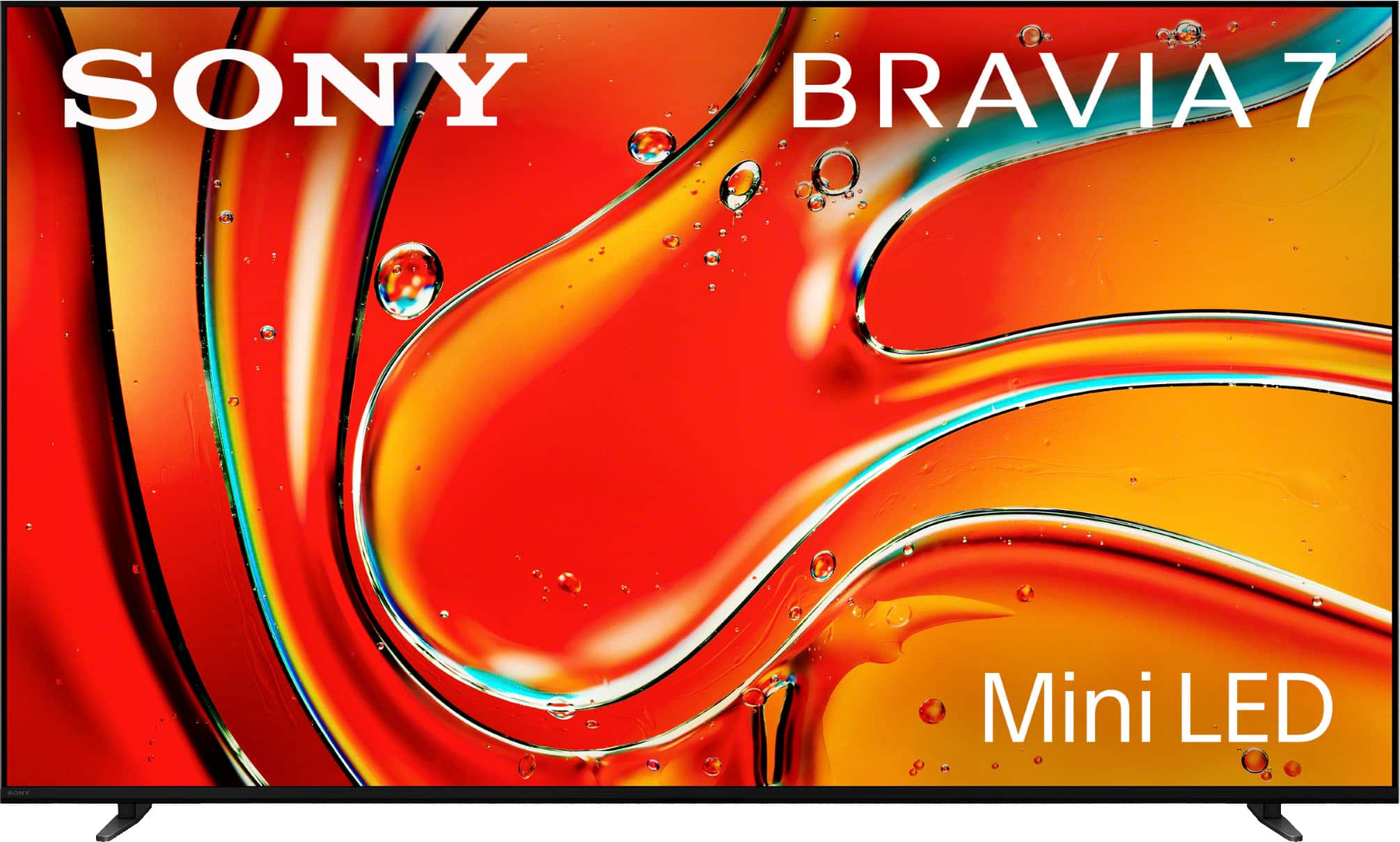
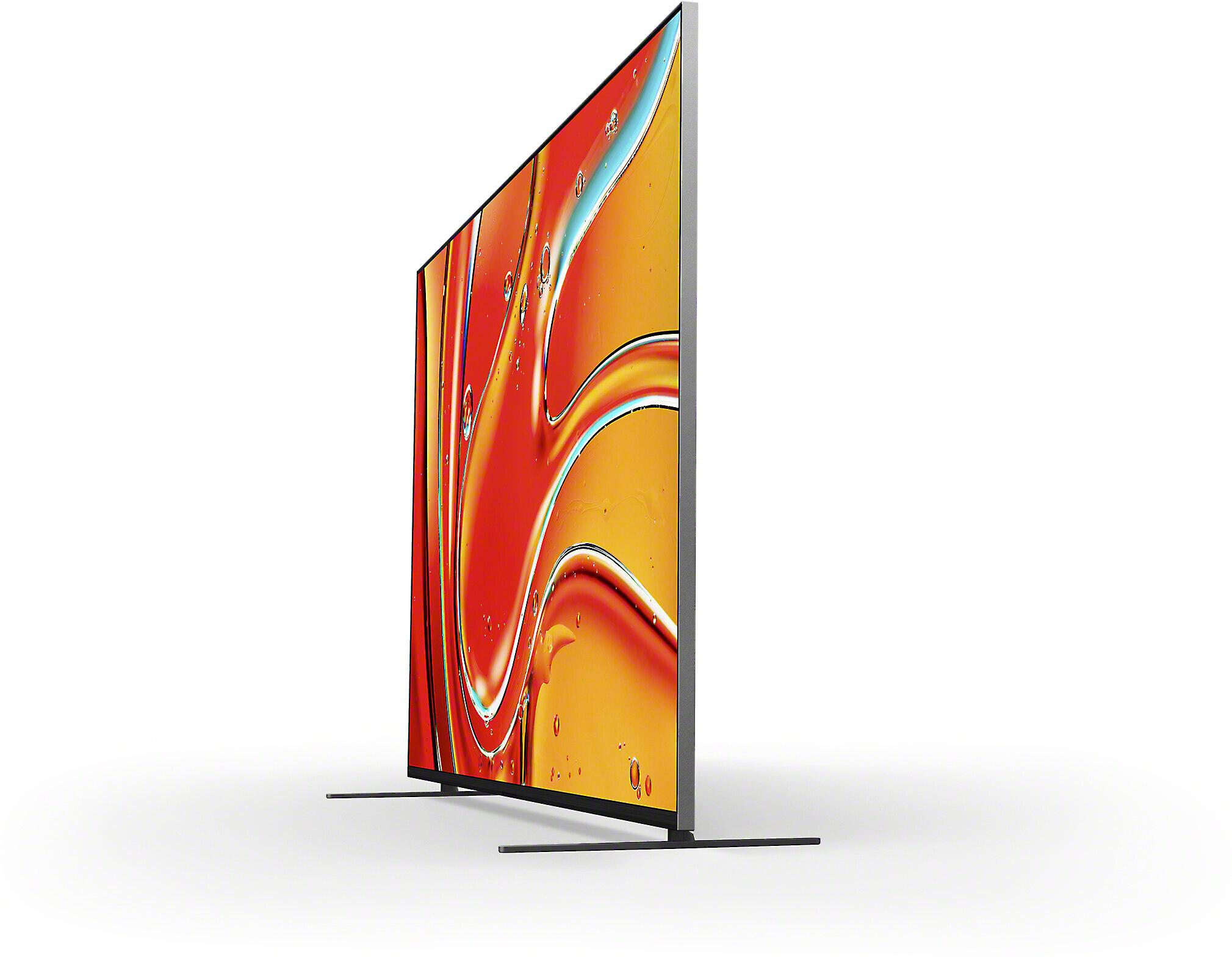
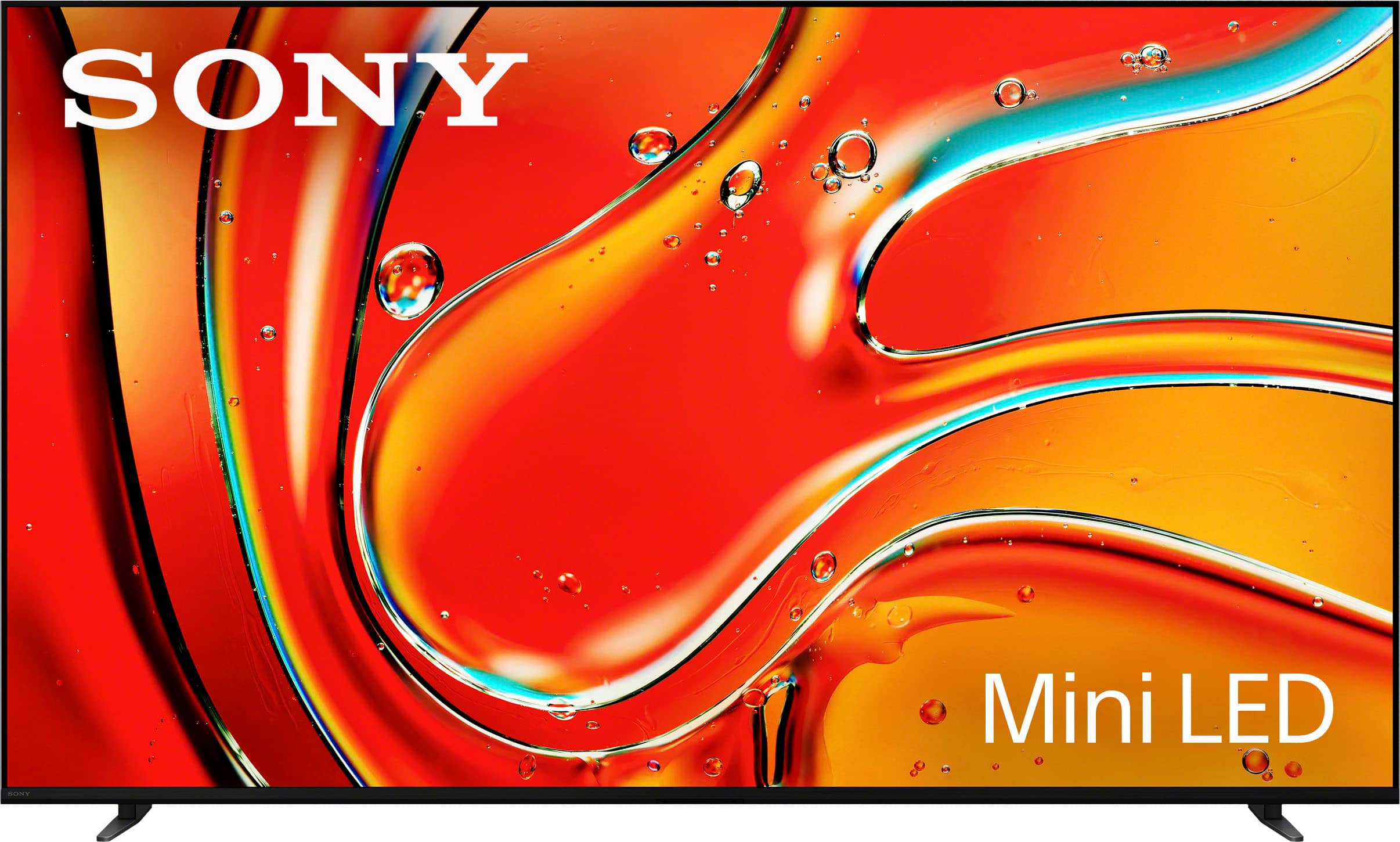
When shopping for a 65-inch 4K TV, you'll quickly discover that not all displays are created equal—even when they share the same screen size. The Samsung Q7F and Sony BRAVIA 7 represent two completely different philosophies in TV design, separated by nearly $900 in price at the time of writing. One prioritizes affordability while delivering solid basics, while the other pushes premium technology at a mid-range price point.
Understanding these differences isn't just about comparing spec sheets. It's about recognizing which TV will actually deliver the experience you want in your living room, whether you're a casual viewer or a home theater enthusiast.
The 65-inch 4K TV market has evolved dramatically over the past few years. What used to be a simple choice between LED and OLED has expanded into a complex ecosystem of display technologies, each with distinct advantages. QLED (Quantum Dot LED) technology sits in the middle, using quantum dots—microscopic particles that emit specific colors when hit by light—to enhance color accuracy and brightness compared to standard LED TVs.
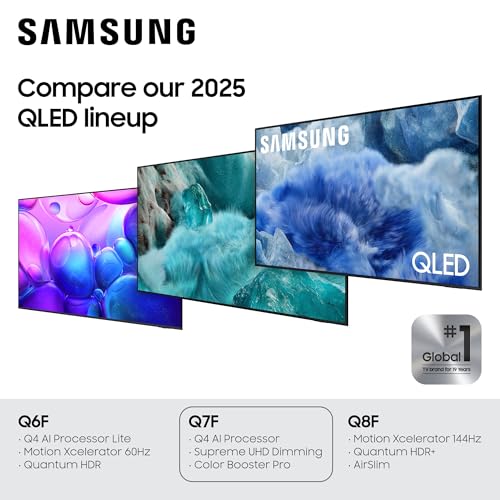
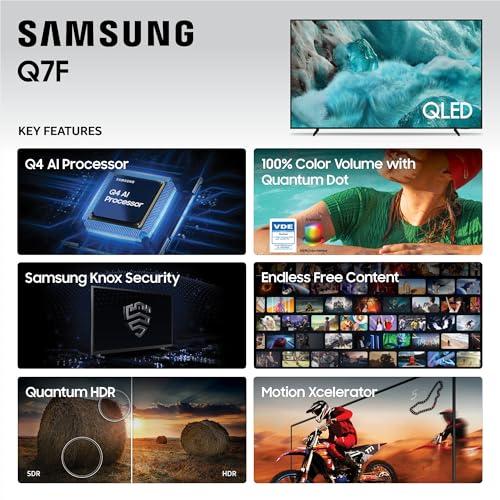
The Samsung Q7F, released in 2025, represents Samsung's entry-level QLED approach. It uses quantum dot technology to boost color vibrancy but relies on a basic backlighting system. The Sony BRAVIA 7, launched in 2024, takes a more sophisticated approach with Mini LED technology—using thousands of tiny LEDs that can brighten or dim independently in small zones across the screen.
This fundamental difference in backlighting technology creates a cascade of performance differences that affect everything from how dark scenes look in movies to whether your games will display properly on next-generation consoles.
Picture quality in modern TVs hinges largely on contrast—the difference between the darkest blacks and brightest whites a screen can produce. This is where the technology gap between these TVs becomes most apparent.
The Samsung Q7F uses what's called "Mega Contrast" technology, but it lacks local dimming zones. In practical terms, this means the entire backlight operates as one giant unit. When you're watching a movie with a dark scene, like a nighttime sequence in a thriller, the TV can't selectively dim parts of the screen while keeping others bright. The result? Those inky blacks you see in theaters appear more like dark gray on your screen, and bright objects in dark scenes often create a glow or "blooming" effect around them.
The Sony BRAVIA 7 takes a radically different approach with its XR Backlight Master Drive system. This Mini LED technology divides the screen into thousands of independently controlled zones. When watching that same dark movie scene, the TV can make specific areas truly black while keeping bright elements properly illuminated. This creates the dramatic contrast that makes images pop off the screen and provides the depth that makes viewing more immersive.
From our research into user experiences and expert reviews, this contrast difference is immediately noticeable. Users consistently report that the Sony delivers a more cinematic experience, while Samsung owners often note that darker content doesn't look as dramatic as they expected.
Both TVs use quantum dot technology, but they implement it differently. The Samsung Q7F emphasizes vibrant, eye-catching colors that look impressive in store displays and bright living rooms. Its Color Booster Pro technology pushes saturation to make colors appear more intense, which works well for animated content and sports.
The Sony BRAVIA 7 takes a more measured approach with XR Triluminos Pro technology. Rather than simply boosting saturation, it focuses on accuracy—reproducing colors as they actually appear in real life. This matters especially for skin tones in movies and natural scenery in documentaries. Sony's approach includes studio calibration modes that match the settings used by Netflix and Prime Video content creators, ensuring you see movies and shows as intended.
The difference becomes apparent when watching varied content. Samsung's approach works wonderfully for bright, colorful content like animated movies or sports, but can make dramas and more realistic content appear oversaturated. Sony's more accurate approach works across all content types but might initially appear less "pop" to viewers accustomed to artificially enhanced colors.
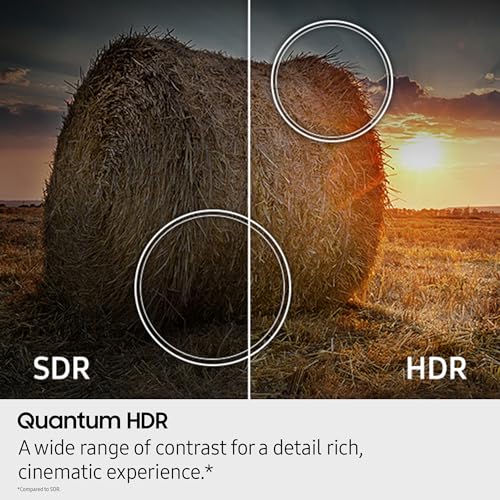
High Dynamic Range (HDR) content—found on Netflix, Amazon Prime, Disney+, and 4K Blu-rays—contains significantly more brightness and color information than standard content. However, not all HDR implementations are equal.
The Samsung Q7F supports HDR10+, Samsung's proprietary dynamic HDR format. This technology adjusts brightness and color scene by scene throughout a movie or show. However, it doesn't support Dolby Vision, which has become the industry standard used by most streaming services and 4K Blu-ray discs. This creates a significant compatibility gap—you'll miss out on the enhanced visual experience that Dolby Vision provides for most premium content.
The Sony BRAVIA 7 supports Dolby Vision alongside HDR10 and HLG (Hybrid Log-Gamma), covering all major HDR formats. More importantly, its Mini LED backlighting can actually deliver the brightness and contrast needed to make HDR content look dramatically better than standard content. Without adequate contrast and brightness, HDR becomes more of a checkbox feature than a genuine picture enhancement.
In practice, users report that HDR content on the Samsung often looks only marginally better than standard content, while Sony owners describe HDR as providing a genuinely cinematic upgrade to their viewing experience.
Gaming performance has become crucial for TV buyers, especially with PlayStation 5 and Xbox Series X consoles capable of 4K gaming at 120 frames per second. The refresh rate—how many times per second the screen updates—directly impacts gaming smoothness and responsiveness.
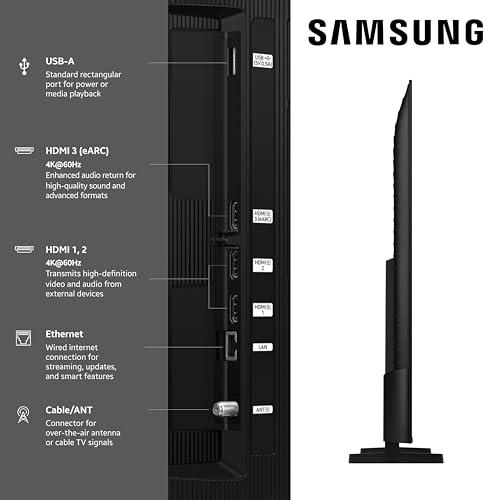
The Samsung Q7F maxes out at 60Hz refresh rate with only HDMI 2.0 ports. While this handles last-generation gaming fine, it cannot display next-generation console games at their full potential. Games designed to run at 120fps will be limited to 60fps, cutting their smoothness in half. For competitive gaming or fast-action titles, this creates a noticeable disadvantage.
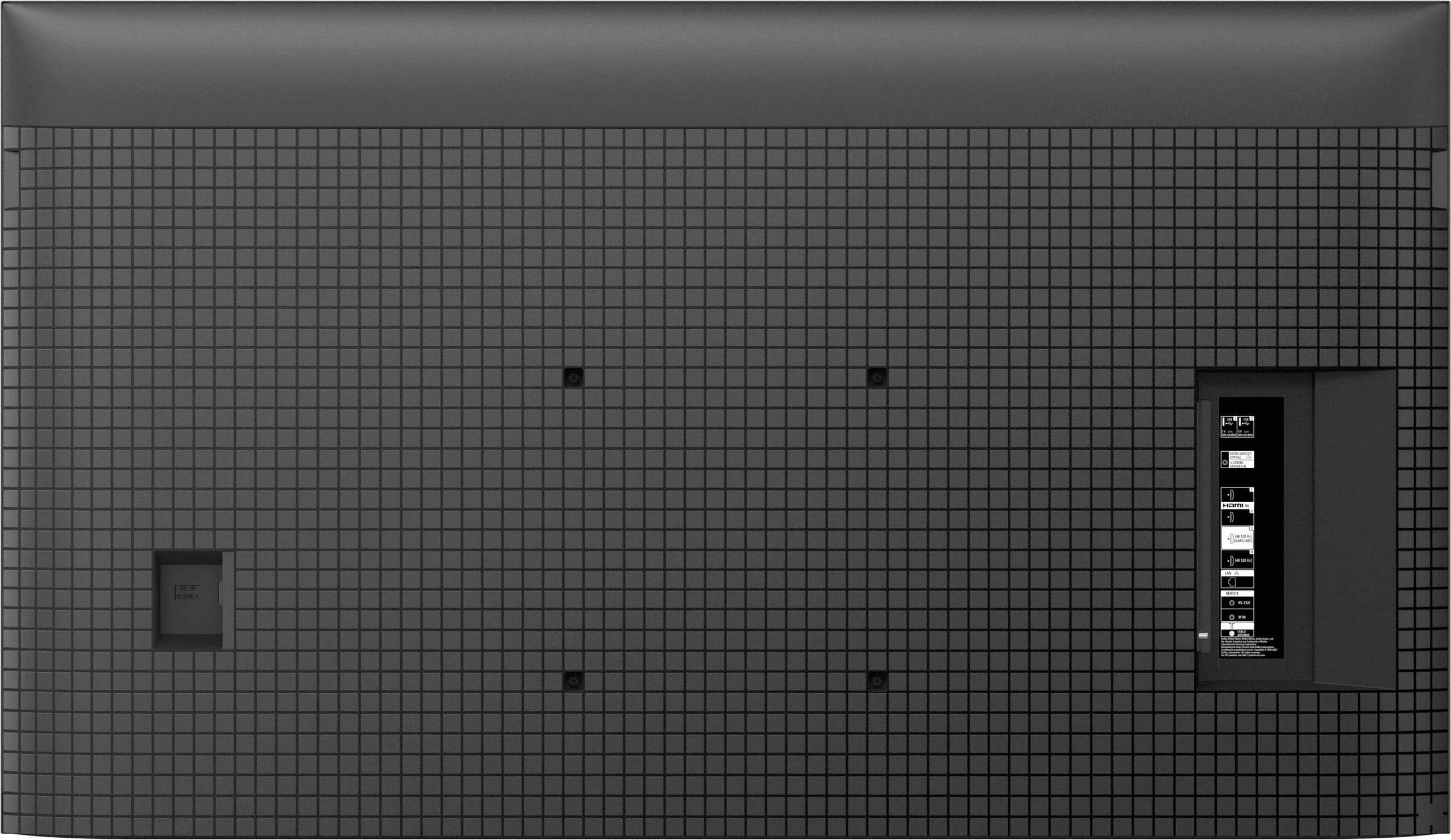
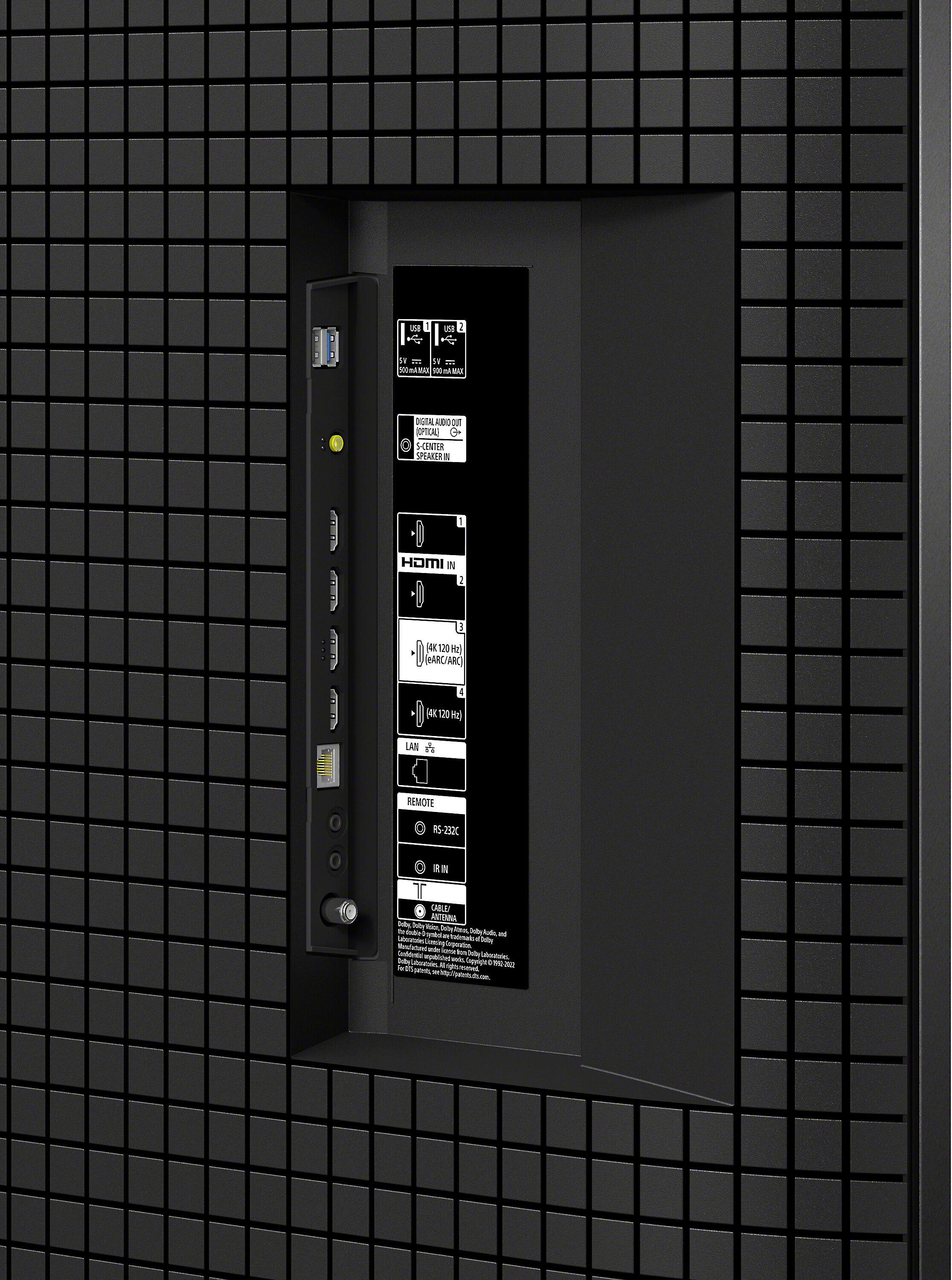
The Sony BRAVIA 7 supports true 4K gaming at 120Hz through two of its four HDMI ports, which are HDMI 2.1 compliant. This means PlayStation 5 and Xbox Series X games can display at their maximum frame rate and resolution. The difference is particularly noticeable in racing games, first-person shooters, and sports titles where smooth motion enhances both visual experience and competitive performance.
Variable Refresh Rate (VRR) technology synchronizes the TV's refresh rate with the console's output, eliminating screen tearing—those horizontal lines that appear when the console and TV get out of sync. Auto Low Latency Mode (ALLM) automatically switches the TV to its fastest response settings when it detects gaming content.
The Samsung Q7F includes basic ALLM but lacks VRR entirely. Users report acceptable gaming performance for casual play, but competitive gamers and those with next-gen consoles will find the experience limiting. A significant issue emerged in 2025 when Samsung removed HGIG (HDR Gaming Interest Group) support through a firmware update, creating calibration problems for various gaming devices.
The Sony BRAVIA 7 includes both VRR and ALLM, along with input lag under 8.5 milliseconds in Game Mode. This creates a responsive, tear-free gaming experience that takes full advantage of modern console capabilities. Sony has also optimized the TV specifically for PlayStation 5, including Auto HDR Tone Mapping that adjusts HDR settings automatically for the best gaming visuals.
The smart TV platform affects daily usability as much as picture quality. These TVs take different approaches to the smart TV experience.
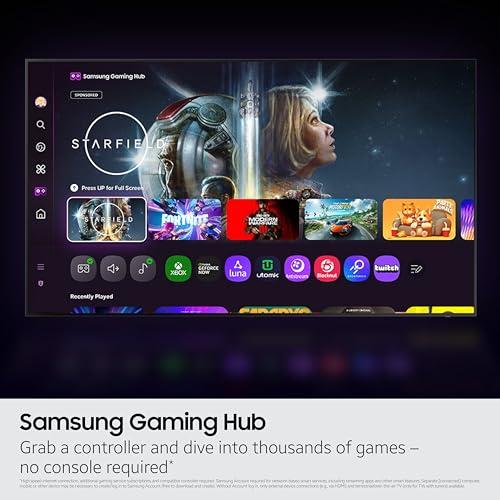
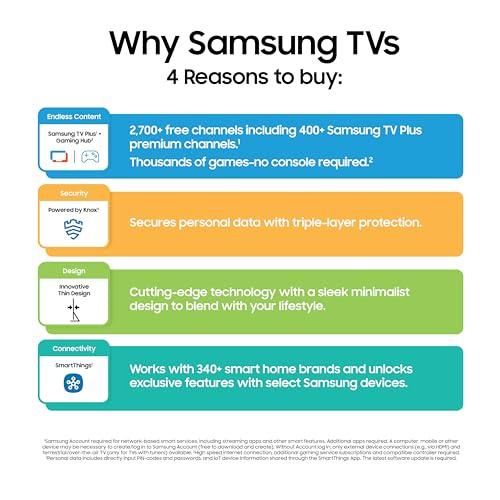
The Samsung Q7F runs Samsung's newly redesigned Tizen 1 UI, released in 2025 with significant improvements over previous versions. The interface moves menus to the left side of the screen to avoid covering video content, and Samsung Vision AI provides personalized recommendations based on viewing habits. The system includes gesture controls, real-time translation features, and integration with Samsung's SmartThings ecosystem for smart home control.
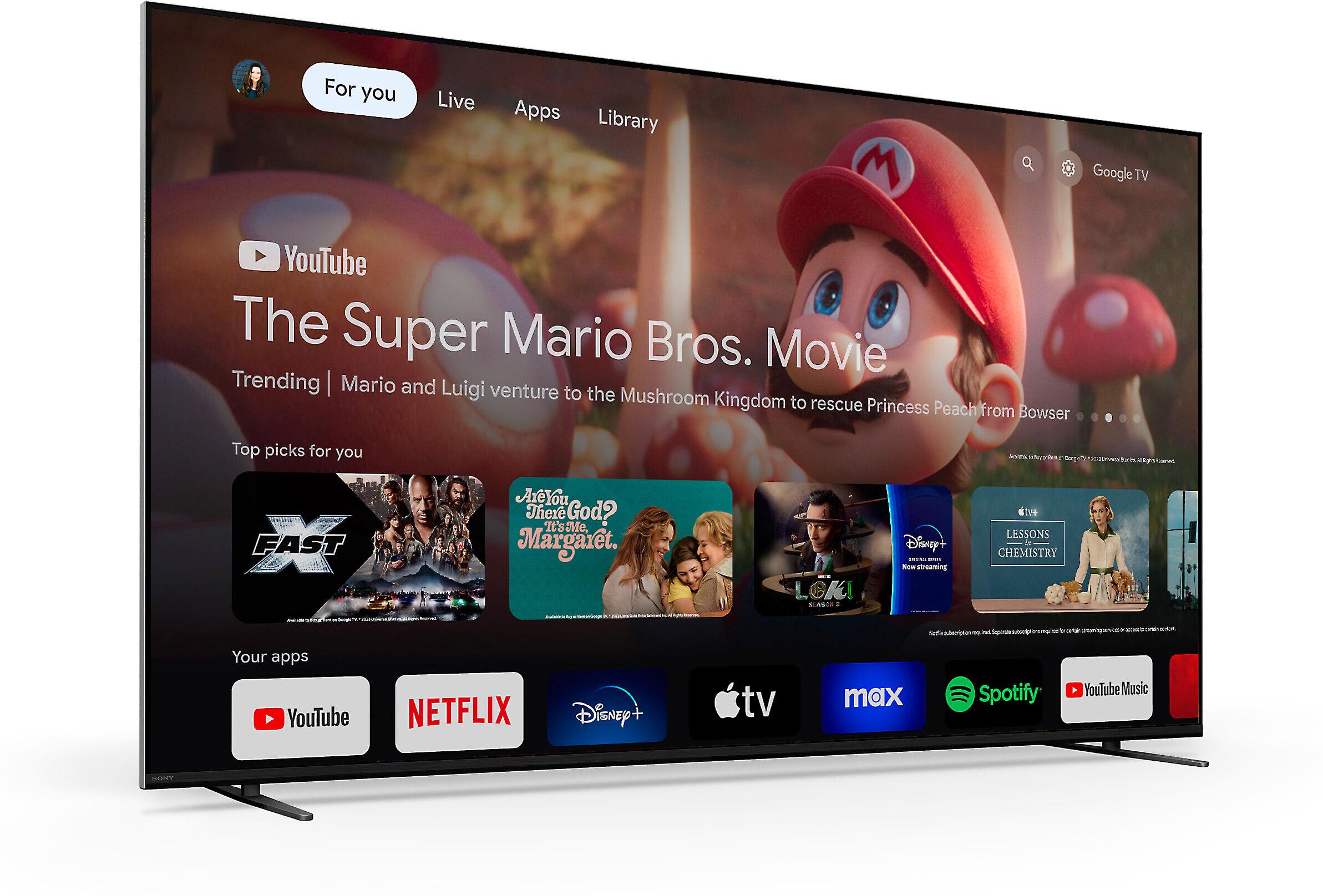
The Sony BRAVIA 7 operates on Google TV 12, which has earned praise for its intuitive design and comprehensive app support. Google TV aggregates content from multiple streaming services, making it easier to find shows regardless of which platform they're on. The integration with Google Assistant enables hands-free voice control, and Chromecast built-in allows seamless streaming from mobile devices.
User feedback consistently favors Google TV for its responsiveness and ease of use, though Samsung's 2025 Tizen update has closed much of the performance gap. The choice often comes down to ecosystem preference—Samsung integrates better with Samsung smartphones and appliances, while Google TV works more seamlessly with Android devices and Google services.
Both platforms support all major streaming services, but their long-term update policies differ. Google TV receives regular updates directly from Google, ensuring consistent performance and new feature additions. Samsung manages Tizen updates independently, which can lead to slower adoption of new streaming service features or compatibility updates.
The Sony BRAVIA 7 also includes an ATSC 3.0 tuner for NEXTGEN TV broadcasts, providing access to free over-the-air 4K content as it becomes available. This future-proofing feature isn't available on the Samsung model.
Both TVs include 20-watt, 2-channel speaker systems, but their audio processing differs significantly. The Samsung Q7F features Object Tracking Sound Lite, which attempts to match audio positioning with on-screen action, and Q-Symphony technology that coordinates with compatible Samsung soundbars for enhanced audio.
The Sony BRAVIA 7 supports Dolby Atmos processing through its built-in speakers and includes Voice Zoom 3 for dialogue enhancement. When paired with compatible Sony audio equipment, Acoustic Center Sync allows the TV speakers to function as a dedicated center channel, creating a more immersive surround sound experience.
For home theater enthusiasts, the Sony's support for eARC (enhanced Audio Return Channel) and comprehensive audio format compatibility provides more flexibility for high-end audio systems. The Samsung lacks DTS audio passthrough, limiting compatibility with some Blu-ray discs and external audio equipment.
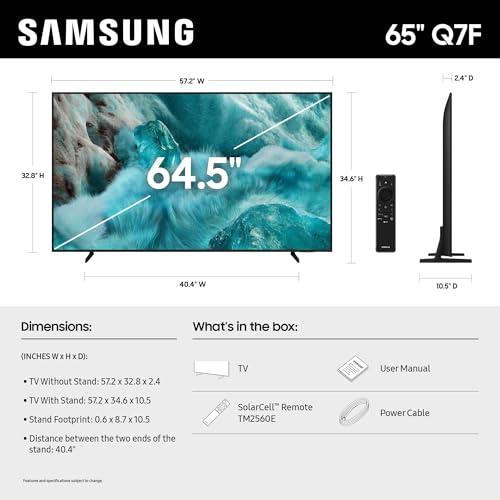
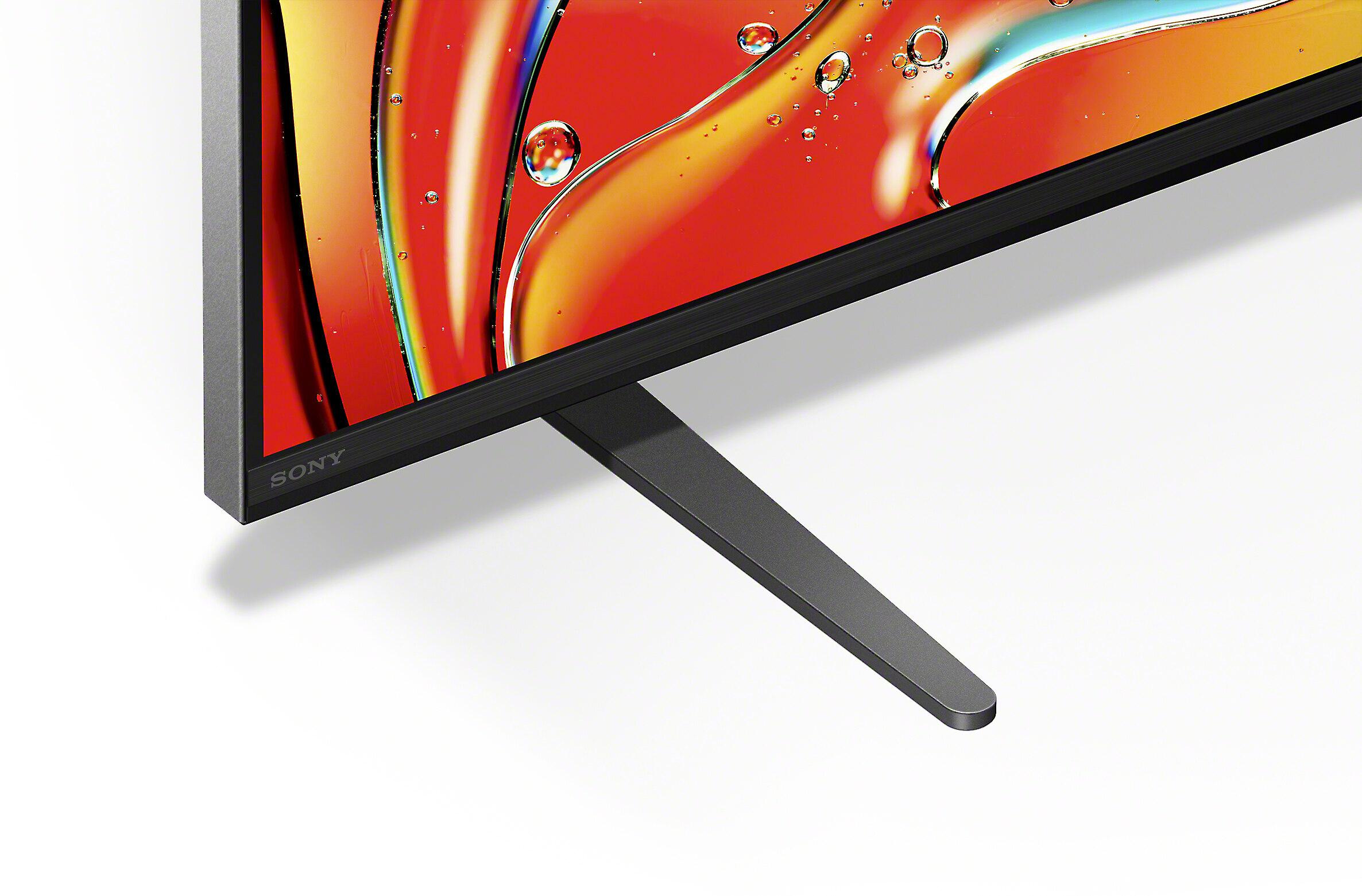
The physical design differences reflect each TV's market positioning. The Samsung Q7F prioritizes practical considerations—it weighs just 35 pounds for the 65-inch model, making wall mounting straightforward. The adjustable stand can be configured in wide or narrow positions to accommodate different furniture arrangements, and the slim profile works well in most room layouts.
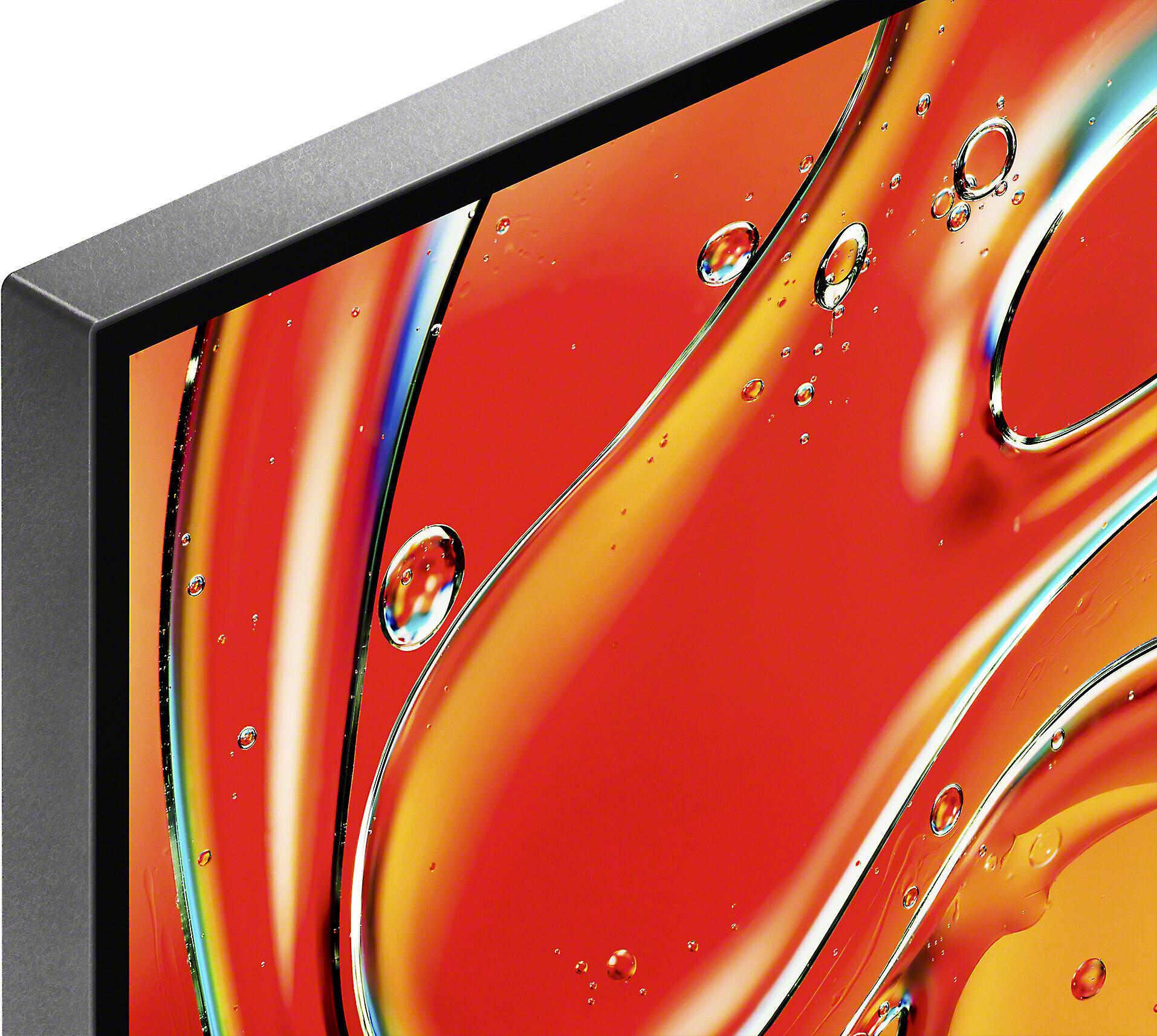
The Sony BRAVIA 7 exhibits more premium build quality with better materials and more refined aesthetics. However, this comes with increased weight and complexity. The design reflects Sony's positioning as a premium brand, with attention to details that matter for long-term ownership.
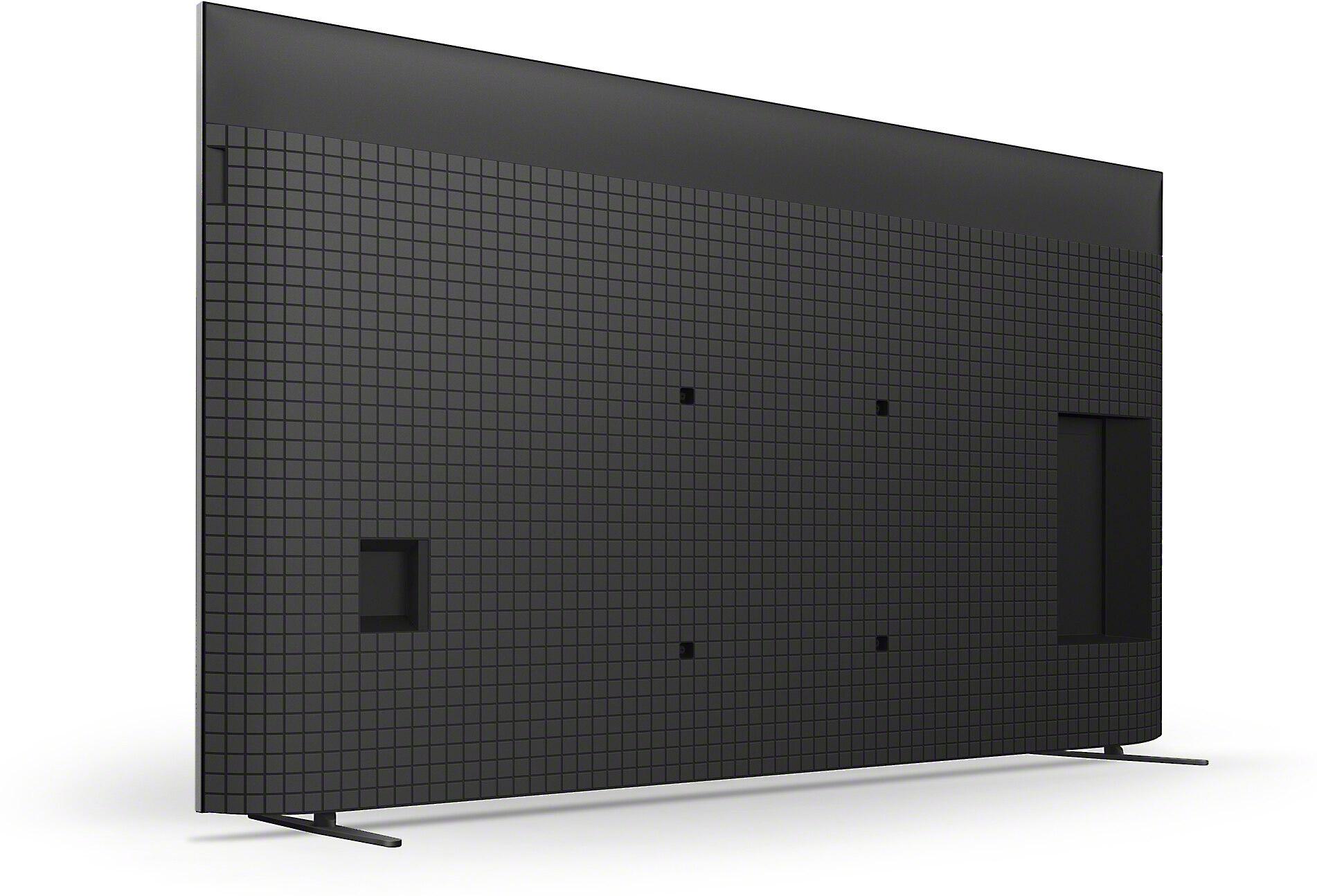
Both TVs support standard VESA wall mounting, but the Samsung's lighter weight makes installation easier, especially for DIY mounting projects.
Room environment significantly affects TV performance, and these models perform differently under various conditions.
The Samsung Q7F excels in bright rooms, maintaining good color saturation and adequate brightness even with windows or ambient lighting. However, its lack of local dimming means dark room performance suffers—blacks appear grayish, and contrast doesn't reach the levels needed for true cinematic viewing.
The Sony BRAVIA 7 performs well across various lighting conditions but truly shines in controlled environments. In a dedicated home theater with managed lighting, the Mini LED technology delivers contrast and detail that rivals much more expensive TVs. However, the screen can show reflections in very bright environments, and viewing angles are somewhat limited compared to OLED displays.
For home theater use, the Sony's comprehensive HDR support, accurate colors, and superior contrast make it the clear choice. The Samsung works better as a family room TV where ambient light is common and viewing angles vary.
Technology moves quickly, and considering future compatibility is crucial for a purchase you'll live with for several years.
The Samsung Q7F provides solid current performance at an attractive price point, but its 60Hz limitation and lack of advanced gaming features may feel outdated as more 120Hz content becomes available. The HDMI 2.0 ports also limit compatibility with future devices that might require HDMI 2.1 features.
The Sony BRAVIA 7 includes HDMI 2.1, VRR, 120Hz support, and comprehensive HDR compatibility that should remain relevant for years. The Google TV platform receives regular updates, and Sony's track record with long-term firmware support is strong.
At the time of writing, the price difference represents a significant investment, but the Sony's advanced features provide better long-term value for users who plan to keep their TV for five or more years.
The Samsung Q7F delivers solid QLED performance at an entry-level price point. It's not trying to be the best TV available—it's trying to be the best value for buyers with specific constraints.
The Sony BRAVIA 7 justifies its premium pricing with genuinely advanced technology that provides a superior viewing experience across most content types.
The choice between these TVs ultimately comes down to understanding what you're buying with that $900 price difference. The Samsung offers good QLED basics at an attractive price—it's a solid TV that will serve most viewers well. The Sony provides advanced display technology, gaming features, and format support that create a genuinely premium experience.
If you're happy with good enough and want to maximize value, the Samsung Q7F makes sense. If you want the best possible picture quality and gaming performance in this price range, the Sony BRAVIA 7 delivers technology worth the premium.
Consider your viewing habits, room environment, and whether you'll use advanced gaming features. Both TVs succeed at what they're designed to do—the question is which design philosophy matches your needs and budget better.
| Samsung Q7F Series QLED TV | Sony BRAVIA 7 65" QLED TV |
|---|---|
| Display Technology - Determines picture quality and contrast performance | |
| Basic QLED with no local dimming zones | Mini LED QLED with thousands of independent dimming zones |
| Refresh Rate - Critical for gaming and motion clarity | |
| 60Hz only (limits next-gen console gaming) | 120Hz native (full PS5/Xbox Series X support) |
| HDMI Ports - Affects device connectivity and future compatibility | |
| 3 HDMI 2.0 ports (no next-gen gaming features) | 4 HDMI ports (2 HDMI 2.1 for advanced gaming) |
| HDR Format Support - Determines premium content compatibility | |
| HDR10+ only (missing industry-standard Dolby Vision) | HDR10, HDR10+, Dolby Vision, HLG (comprehensive support) |
| Gaming Features - Essential for console performance | |
| Basic ALLM only, no VRR or advanced features | VRR, ALLM, 4K@120Hz, optimized for PS5/Xbox Series X |
| Smart Platform - Daily usability and app performance | |
| Samsung Tizen 1 UI with Vision AI features | Google TV 12 with superior app ecosystem |
| Audio Features - Built-in sound quality and external compatibility | |
| 20W 2CH, Q-Symphony, no DTS passthrough | 20W 2CH, Dolby Atmos, eARC, comprehensive format support |
| Local Dimming - Most important factor for contrast and black levels | |
| None (blacks appear grayish, limited contrast) | Full Array with Mini LED (deep blacks, excellent contrast) |
| Weight and Mounting - Installation convenience | |
| 35 lbs (lightweight, easy DIY mounting) | 59.7 lbs (premium build, requires secure mounting) |
| Best Use Case - Who should choose this TV | |
| Budget-conscious buyers, bright rooms, casual gaming | Home theaters, serious gamers, premium content viewers |
The Sony BRAVIA 7 is significantly better for gaming, especially with next-generation consoles. It supports 4K gaming at 120Hz, includes VRR (Variable Refresh Rate) to prevent screen tearing, and has two HDMI 2.1 ports optimized for PlayStation 5 and Xbox Series X. The Samsung Q7F is limited to 60Hz gaming with only HDMI 2.0 ports, making it suitable only for casual gaming or older consoles.
The Sony BRAVIA 7 delivers dramatically better picture quality in dark rooms thanks to its Mini LED technology with thousands of local dimming zones. This creates deep, true blacks and excellent contrast. The Samsung Q7F lacks local dimming entirely, so blacks appear grayish and contrast is limited, making it less suitable for home theater viewing in darkened rooms.
Yes, both the Samsung Q7F and Sony BRAVIA 7 support all major streaming services including Netflix, Prime Video, Disney+, YouTube, and Apple TV+. However, the Sony runs Google TV which generally offers a more intuitive interface and better app performance, while the Samsung uses Tizen OS with Samsung's ecosystem integration.
The Samsung Q7F performs well in bright rooms with good color saturation and adequate brightness to overcome ambient light. The Sony BRAVIA 7 also handles bright rooms effectively but can show more reflections. Both are suitable for well-lit spaces, though the Samsung's lighter weight makes it easier to position optimally for lighting conditions.
The key difference is Dolby Vision support. The Sony BRAVIA 7 supports all major HDR formats including Dolby Vision, HDR10, and HLG, ensuring compatibility with premium streaming content. The Samsung Q7F only supports HDR10+ and lacks Dolby Vision, which is used by most streaming services and 4K Blu-rays for the best HDR experience.
The Sony BRAVIA 7 generally offers a superior smart TV experience with Google TV 12, which provides an intuitive interface, comprehensive app support, and seamless integration with Google services and Android devices. The Samsung Q7F features the redesigned Tizen 1 UI with Samsung Vision AI and works better with Samsung ecosystems, but most users find Google TV more responsive and user-friendly.
The Sony BRAVIA 7 is excellent for home theater use with its Mini LED local dimming, comprehensive HDR support including Dolby Vision, and superior contrast performance in controlled lighting. The Samsung Q7F is more suitable for casual family room viewing due to its limited contrast and lack of local dimming, which reduces the cinematic experience in dedicated home theater environments.
The Samsung Q7F is much easier to mount and install, weighing only 35 pounds compared to the Sony's 60+ pounds. The Samsung's lightweight design makes it ideal for DIY wall mounting and easier to reposition. Both support standard VESA mounting, but the Sony BRAVIA 7 requires more secure mounting due to its heavier, more premium construction.
Both TVs offer low input lag suitable for gaming, with the Sony BRAVIA 7 achieving under 8.5ms in Game Mode and the Samsung Q7F around 10ms. However, the Sony's advantage comes from its 120Hz refresh rate and VRR support, which provide smoother, tear-free gaming that the Samsung cannot match due to its 60Hz limitation.
Value depends on your needs and budget. The Samsung Q7F offers excellent value for budget-conscious buyers who want QLED technology without premium features. The Sony BRAVIA 7 provides superior value for those wanting advanced display technology, gaming features, and comprehensive format support, justifying its higher price with genuinely better performance across most use cases.
The Sony BRAVIA 7 offers better external audio compatibility with eARC support, comprehensive audio format compatibility including DTS, and Dolby Atmos processing. The Samsung Q7F includes Q-Symphony for coordination with Samsung soundbars but lacks DTS passthrough, limiting compatibility with some external audio systems and Blu-ray content.
The Sony BRAVIA 7 is more future-proof with HDMI 2.1 ports, 120Hz support, comprehensive HDR format compatibility, and regular Google TV updates. The Samsung Q7F may feel outdated sooner due to its 60Hz limitation, HDMI 2.0 ports, and lack of Dolby Vision support as more premium content and gaming features become standard.
We've done our best to create useful and informative comparisons to help you decide what product to buy. Our research uses advanced automated methods to create this comparison and perfection is not possible - please contact us for corrections or questions. These are the sites we've researched in the creation of this article: bestbuy.com - rtings.com - bestbuy.com - youtube.com - youtube.com - youtube.com - samsung.com - samsung.com - samsung.com - billsmith.com - costco.com - samsung.com - hometechnologyreview.com - hometechnologyreview.com - bestbuy.com - samsung.com - bestbuy.com - samsung.com - hometechnologyreview.com - samsung.com - samsung.com - bestbuy.com - bestbuy.com - avsforum.com - avsforum.com - crutchfield.com - sony.com - rtings.com - schaeferstv.com - youtube.com - displayspecifications.com

Privacy Policy
Terms and Conditions - Affiliate Policy
Home Security
© Copyright 2008-2026.
11816 Inwood Rd #1211, Dallas, TX 75244