

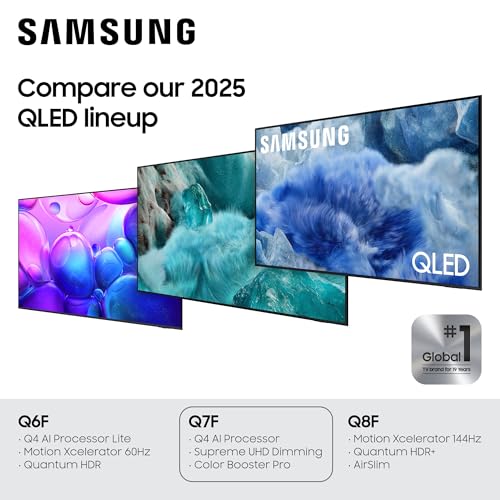
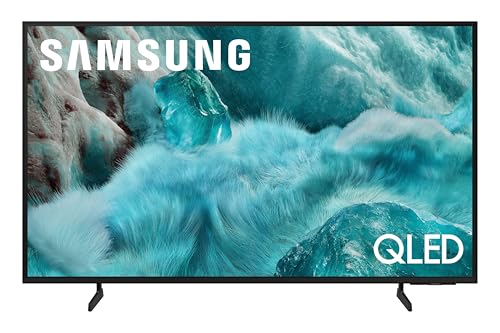
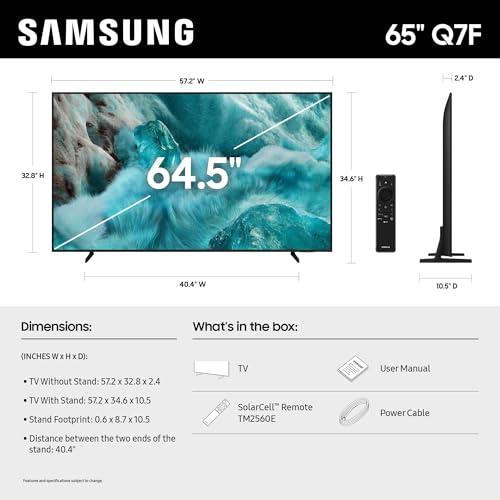
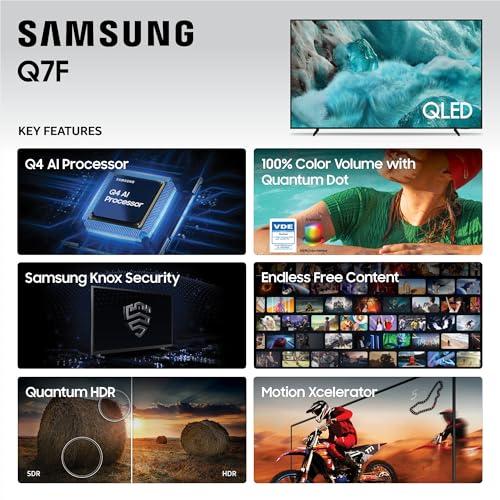
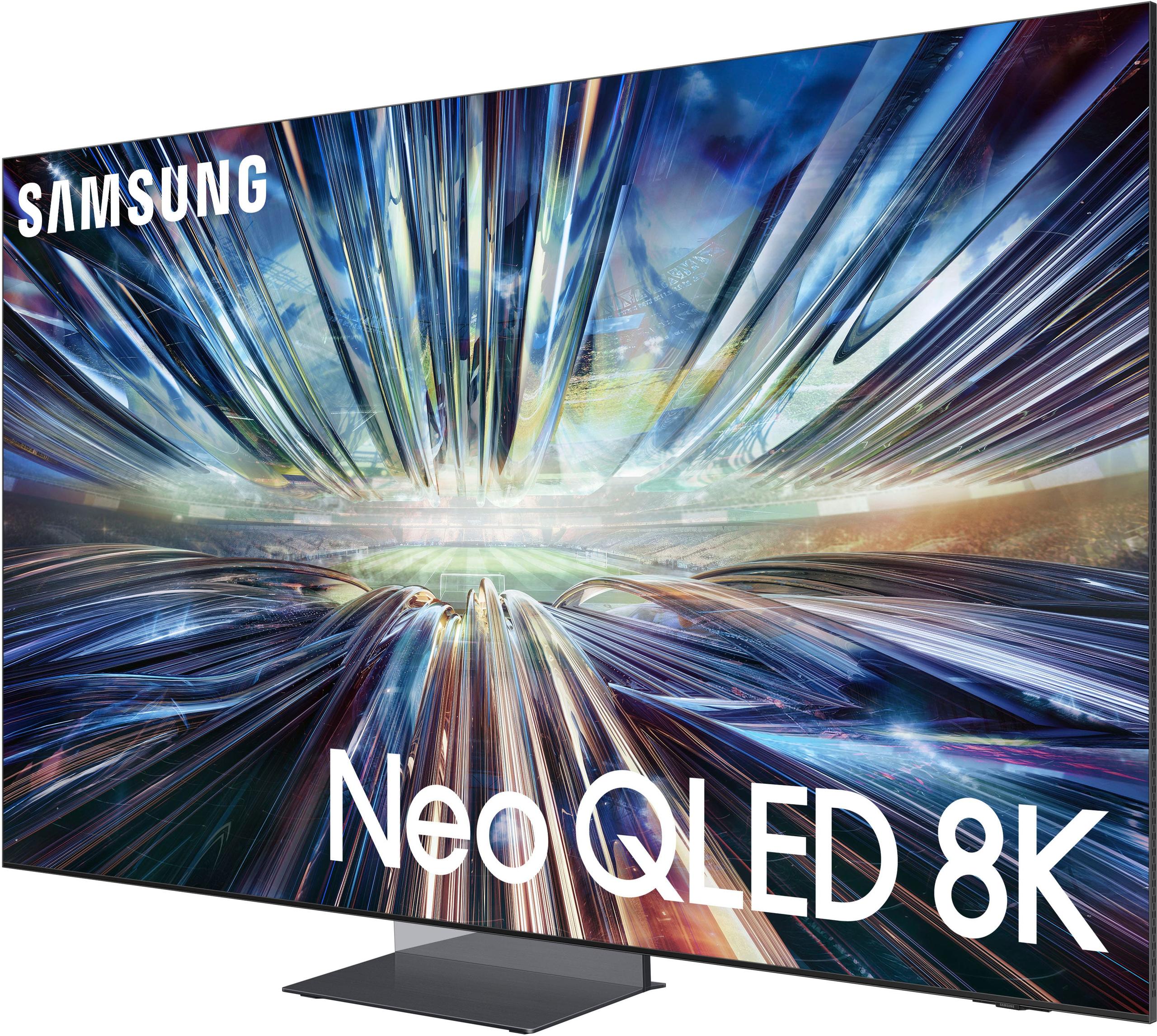
Samsung's QLED TV lineup can feel overwhelming, especially when you're staring at models that cost five times as much as others. Today we're diving deep into two very different Samsung TVs: the budget-friendly Q7F Series QLED TV from 2025 and the flagship QN900D Neo QLED 8K from 2024. While they're both Samsung QLEDs, they represent completely different philosophies about what a TV should do and cost.
Understanding what separates these models isn't just about specs—it's about figuring out which approach matches your actual viewing habits, room setup, and honestly, your wallet. Let's break down everything you need to know to make the right choice.
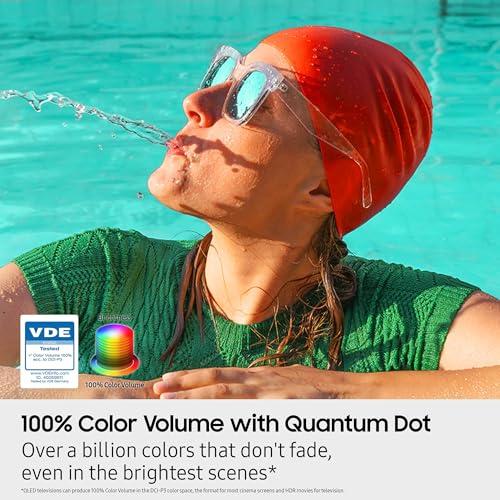
QLED stands for Quantum Dot LED, which Samsung uses as their premium display technology. Think of quantum dots as microscopic crystals that act like incredibly precise color filters. When light hits them, they produce very specific colors that are both vibrant and accurate. This is why QLED TVs typically look more colorful than standard LED TVs—they're literally using different technology to create those colors.
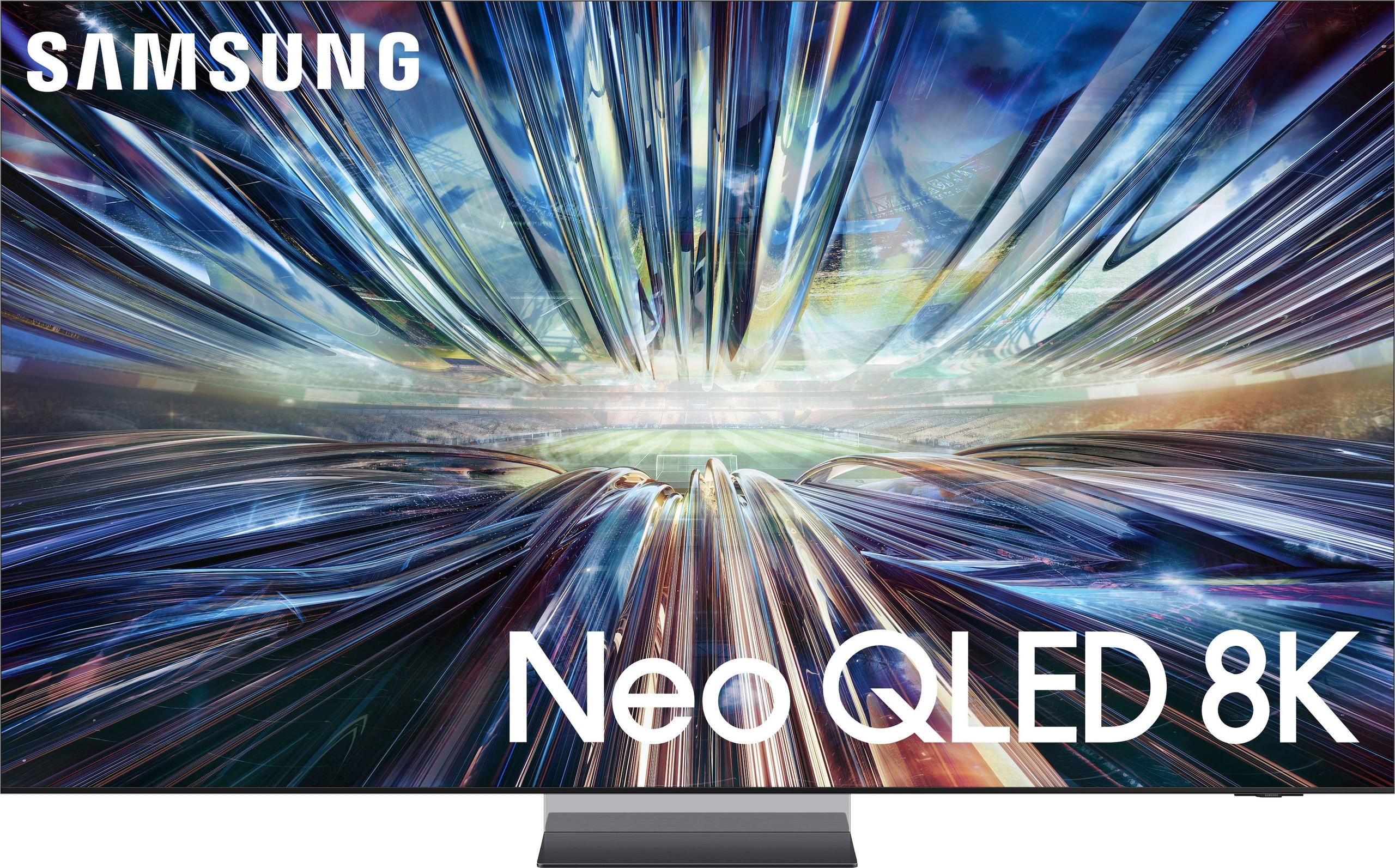
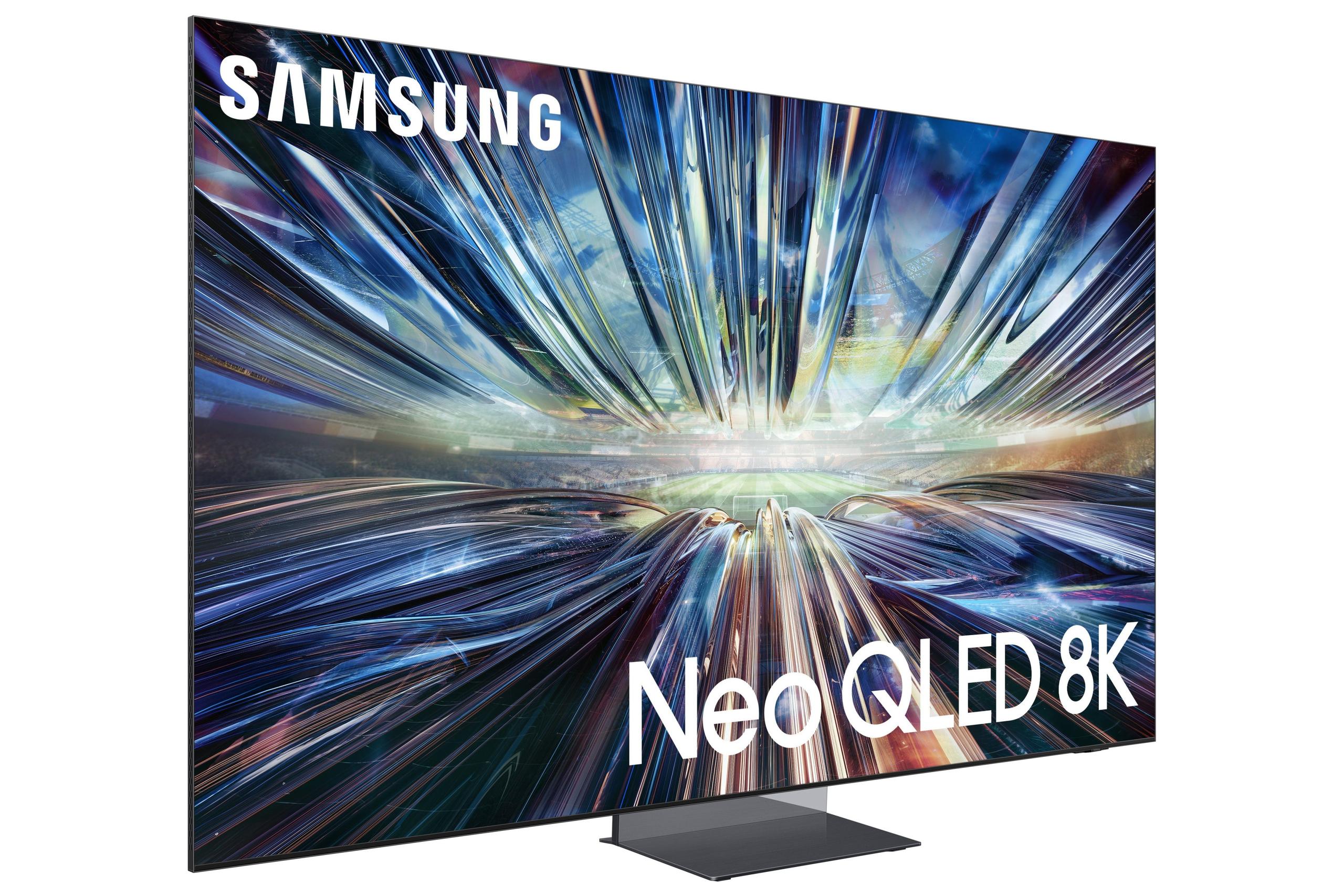
But here's where it gets interesting: not all QLEDs are created equal. The Q7F uses standard QLED technology with regular LED backlighting, while the QN900D uses what Samsung calls "Neo QLED." The "Neo" part refers to Mini LED backlighting—thousands of tiny LEDs instead of larger ones. This matters because smaller LEDs can be controlled more precisely, creating better contrast between dark and bright parts of the same scene.
When evaluating any TV, the most important performance characteristics boil down to a few key areas: how good the picture looks in your lighting conditions, how well it handles fast motion (crucial for sports and gaming), whether it can display the full range of colors and brightness that modern content offers (HDR performance), and how future-proof it is for new gaming consoles or streaming formats.
The price difference between these models—at the time of writing, about five times higher for the flagship—reflects fundamentally different approaches to these challenges.
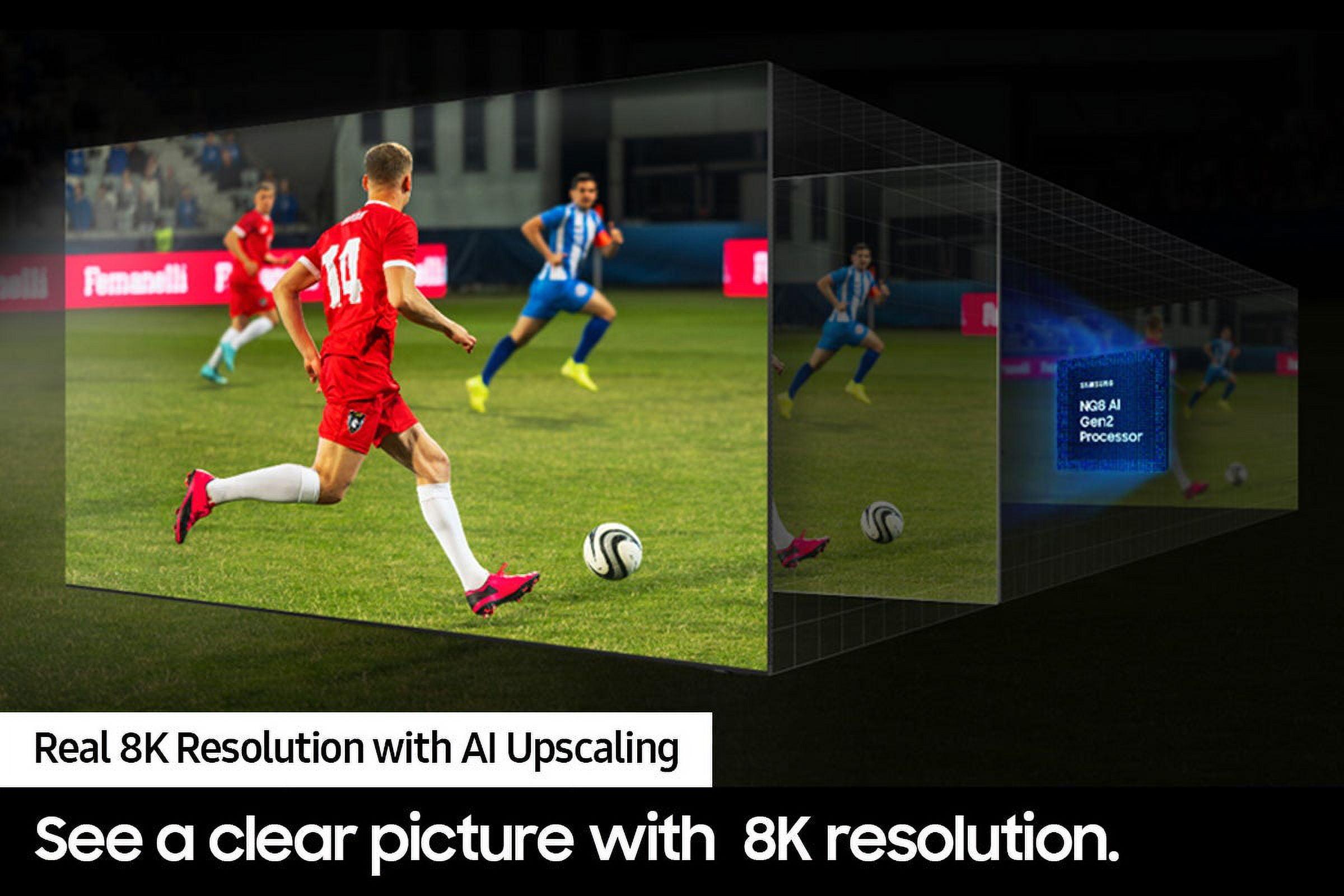
The most obvious difference between the Q7F and QN900D is resolution. The Q7F displays 4K content at 3,840 x 2,160 pixels—that's about 8 million individual dots of light. The QN900D bumps that up to 8K at 7,680 x 4,320 pixels, which works out to roughly 33 million pixels. That's four times the resolution, meaning theoretically four times the detail.
But here's the reality check: there's almost no native 8K content available to stream or buy. Netflix, Disney+, Apple TV+—none of them offer 8K shows or movies. Most of what you'll watch is still 4K or even 1080p content that the TV has to upscale (essentially guess what the extra pixels should show).
This is where the QN900D gets really interesting. Its NQ8 AI Gen3 processor uses what Samsung calls "512 AI neural networks" to analyze content and intelligently fill in those extra pixels. Based on our research into professional reviews, this upscaling is genuinely impressive—reviewers consistently mention that 4K content looks noticeably sharper and more detailed when upscaled to 8K on this TV.
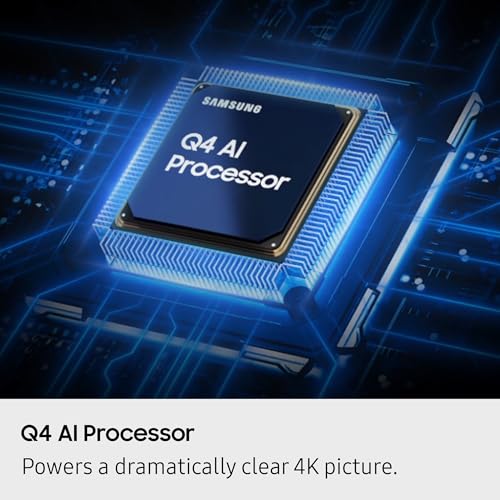
The Q7F, meanwhile, sticks with 4K and uses a much simpler Q4 AI processor. It can upscale 1080p content to 4K reasonably well, but it doesn't have the processing power for the kind of sophisticated enhancement that the flagship model offers.
For most people, 4K resolution is still plenty. The question is whether you value having the absolute best upscaling available, even if it comes at a significant premium.
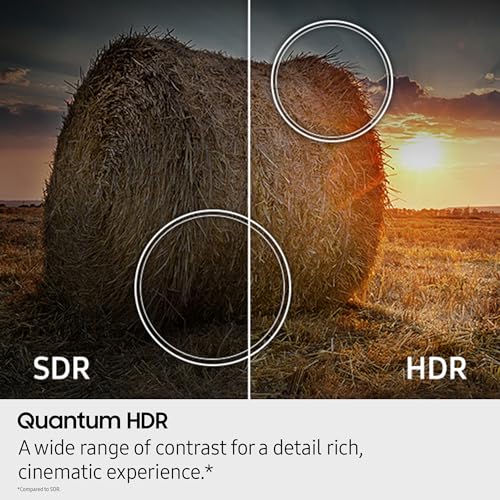
HDR (High Dynamic Range) is where these two TVs really separate. HDR content contains information about a much wider range of brightness levels than standard video—from nearly black shadows to blindingly bright highlights like the sun reflecting off water. For HDR to look good, a TV needs to be able to actually display that full range.
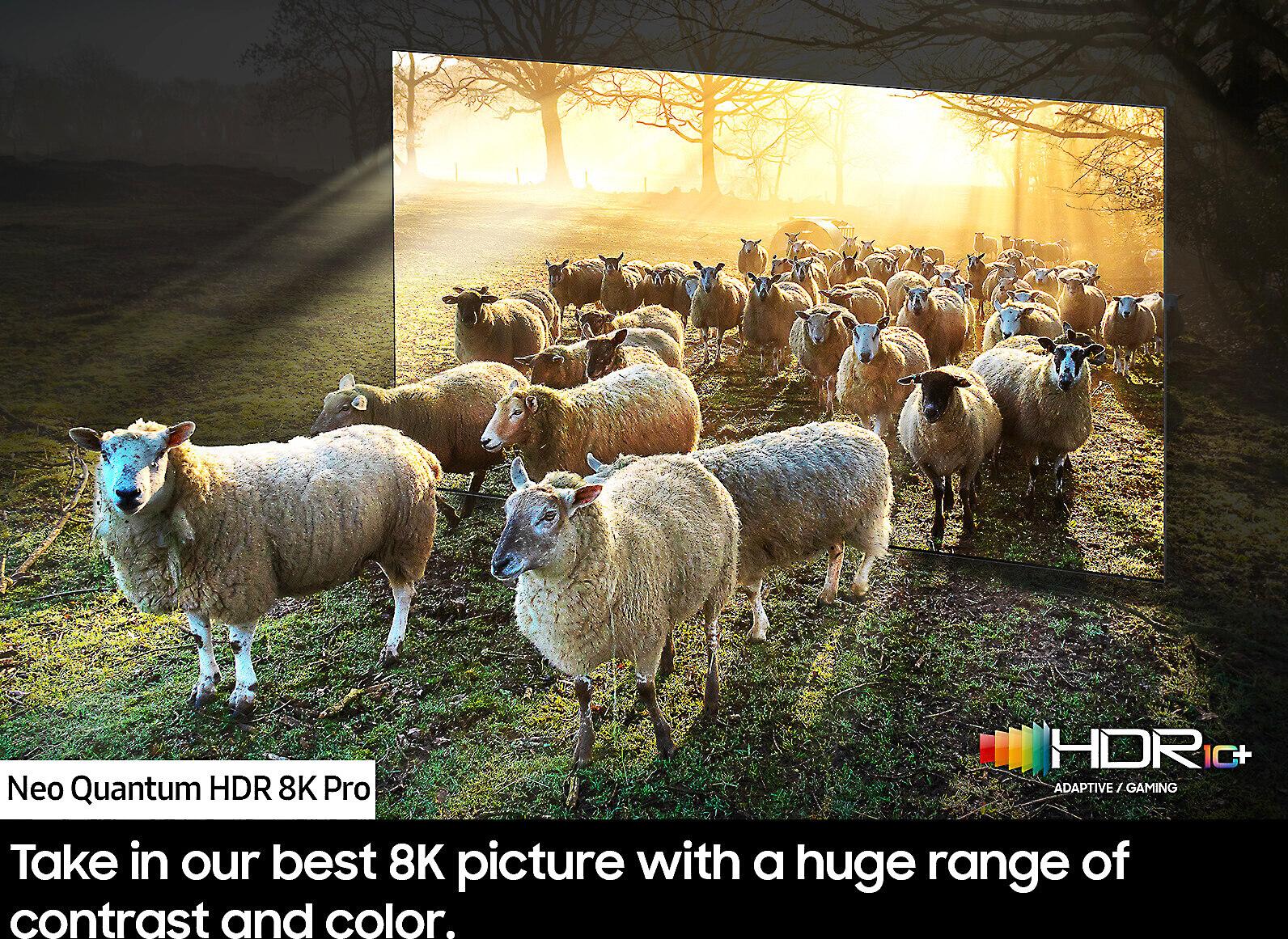
The QN900D excels here with its Neo Quantum HDR 8K+ technology. Those Mini LEDs we mentioned earlier can be controlled in zones—different areas of the screen can be made brighter or darker independently. This is called "local dimming," and it's crucial for good HDR. When there's a bright explosion in a dark movie scene, the TV can make just that part of the screen bright while keeping the rest properly dark.
The Q7F lacks local dimming entirely. Its LED backlighting affects the entire screen at once, which means dark scenes look grayish rather than truly black, and bright HDR highlights can't pop the way they're supposed to. In our research, reviewers consistently noted that HDR content looks washed out and dim on budget QLED models like this one.
Peak brightness is another crucial factor. The flagship model can get significantly brighter than the budget option, which matters both for HDR content and for overcoming glare in bright rooms. If your TV room gets a lot of sunlight, the brightness difference becomes even more important.
Gaming is where the gap between these models becomes a chasm. The QN900D was clearly designed with serious gamers in mind, while the Q7F covers just the basics.
For next-generation gaming consoles like the PlayStation 5 or Xbox Series X, you want support for 4K at 120Hz (120 frames per second) and Variable Refresh Rate (VRR). VRR is a technology that syncs the TV's refresh rate with the console's frame rate, eliminating the screen tearing that happens when they're out of sync. The QN900D supports all of this through its four HDMI 2.1 ports and can even handle 4K at 240Hz for high-end PC gaming.
The Q7F maxes out at 4K 60Hz and lacks HDMI 2.1 entirely. This means no VRR, no 120Hz gaming, and you'll likely see screen tearing in games with variable frame rates. Input lag (the delay between pressing a button and seeing the action on screen) is acceptable for casual gaming, but serious gamers will notice the difference.
The flagship model also includes AMD FreeSync Premium Pro certification and specialized gaming features like AI Auto Game Mode, which automatically optimizes settings based on what type of game you're playing. If gaming is a priority, especially with current-generation consoles, the choice is clear.
Audio is an often-overlooked aspect of TV comparison, but there's a substantial difference here. The QN900D includes a 90W, 6.2.4 channel speaker system with drivers firing upward, downward, and to the sides. This creates what Samsung calls "Object Tracking Sound Pro"—audio that appears to move around the screen following the action.
The system supports True Dolby Atmos, which adds height information to surround sound. When a helicopter flies overhead in a movie, you'll actually hear it pass above you. The Q7F has a much more basic speaker setup that, while adequate for casual viewing, can't create the same immersive experience.
That said, many home theater enthusiasts prefer to use external sound systems anyway. If you're planning to add a soundbar or full surround sound setup, the audio differences become less important to your buying decision.
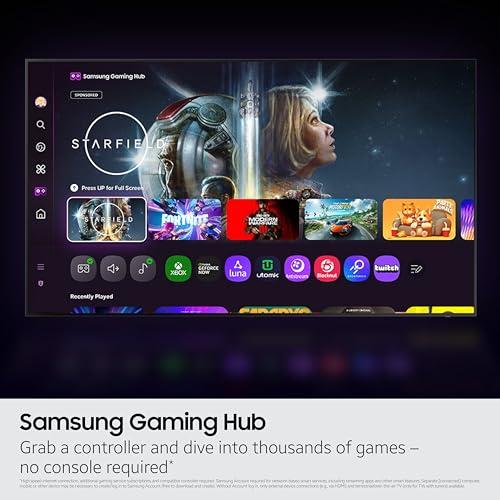
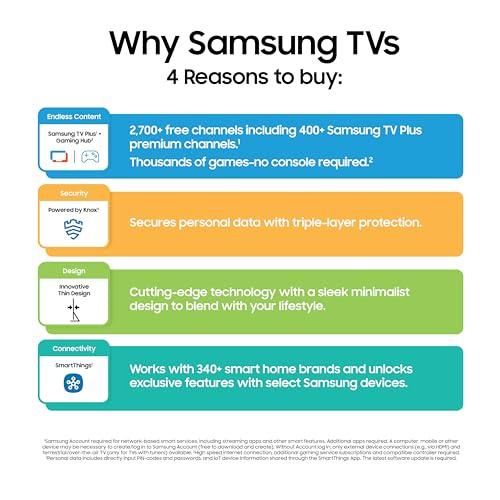
Both TVs run Samsung's Tizen operating system, which is generally well-regarded for its app selection and user interface. You'll have access to all major streaming services, voice control through Bixby or Alexa, and Samsung's SmartThings integration for controlling smart home devices.
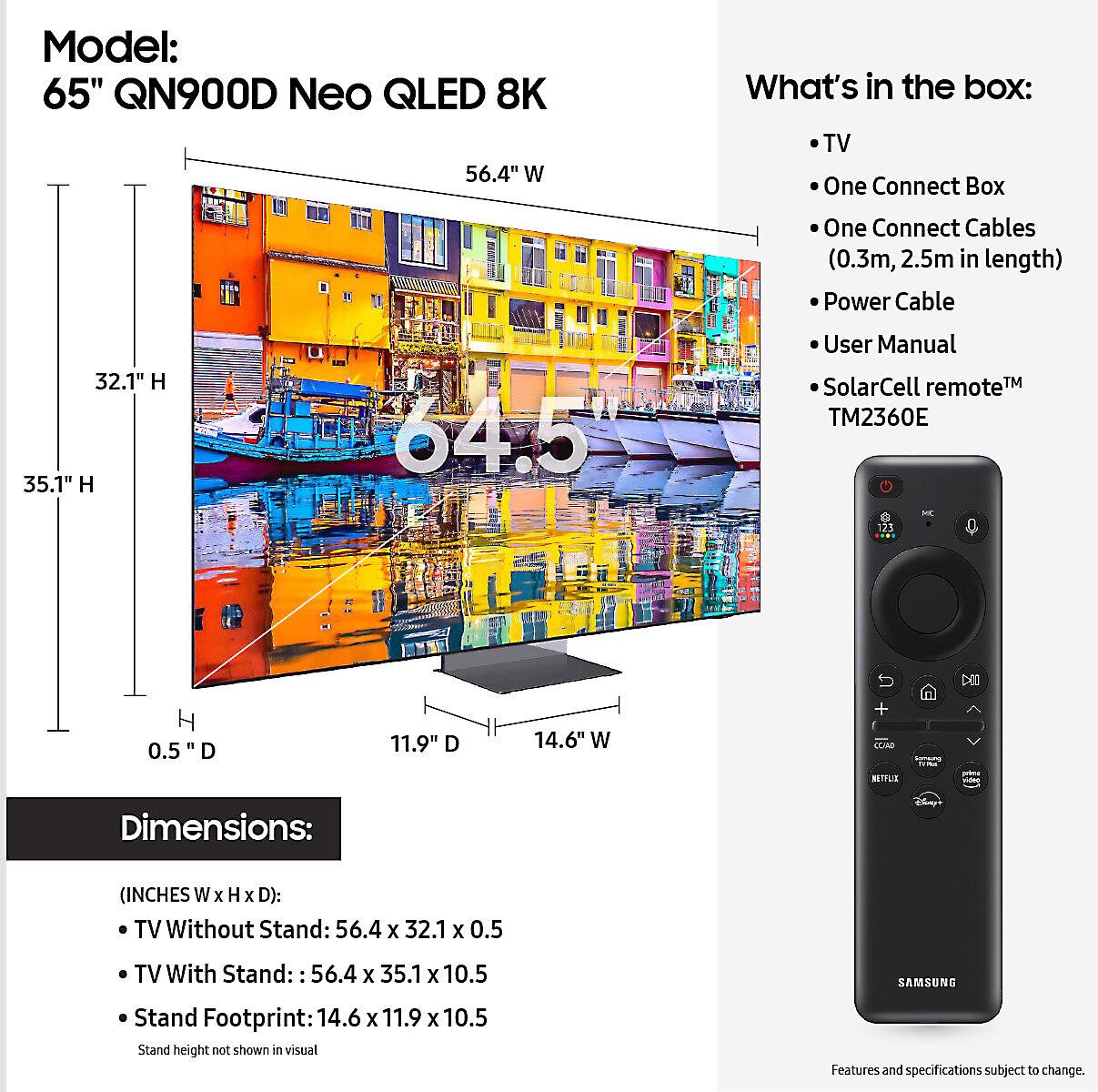
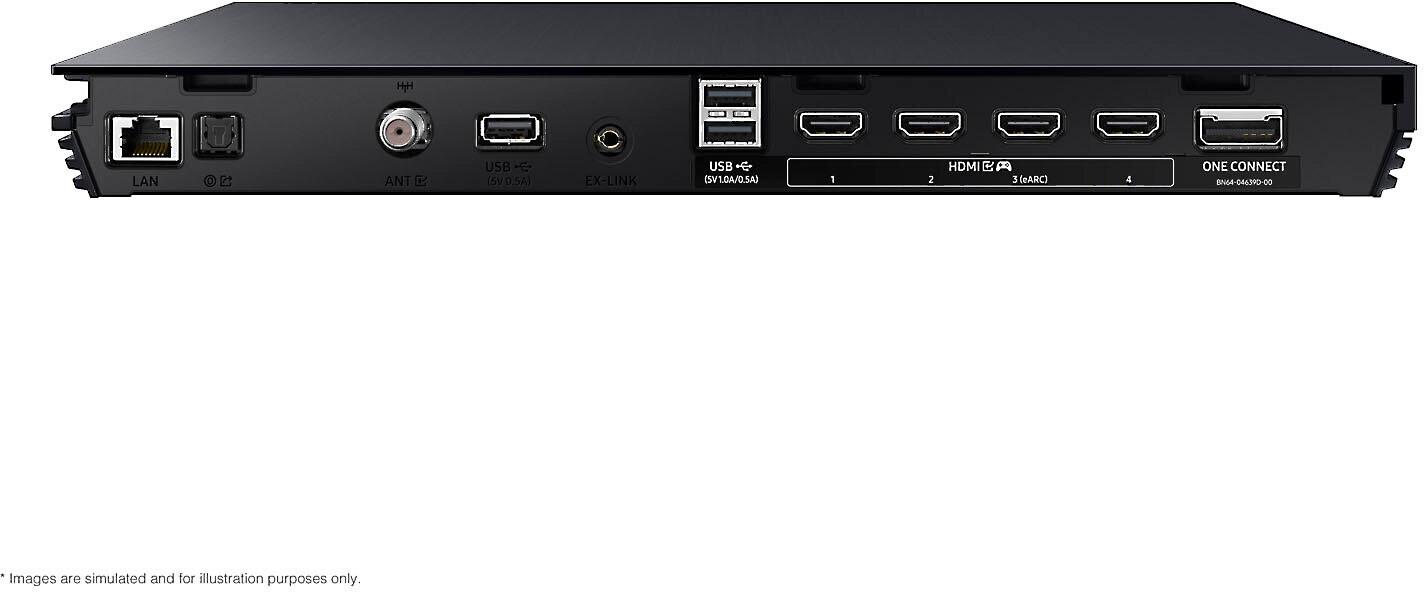
The key differences are in connectivity and future-proofing. The QN900D includes Wi-Fi 6E (the latest wireless standard for faster streaming), four HDMI 2.1 ports for connecting multiple high-end gaming devices, and Samsung's One Connect Box. This external connection hub keeps all your cables organized and makes it easier to upgrade connections in the future without replacing the entire TV.
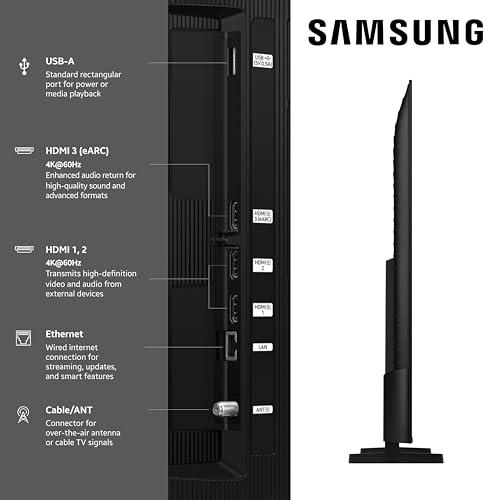
The Q7F has more basic connectivity with three standard HDMI ports and older Wi-Fi standards. For most streaming and basic device connections, this is fine, but it's less future-proof.
At the time of writing, the QN900D costs approximately five times more than the Q7F. That's a substantial premium that needs to be justified by real performance differences and your specific needs.
The flagship model's premium buys you several key upgrades: dramatically better HDR performance thanks to Mini LED local dimming, sophisticated 8K AI upscaling that makes existing content look better, next-generation gaming capabilities, premium audio with spatial sound, and future-proofing for emerging display standards.
The Q7F delivers the core QLED experience—good color reproduction and Samsung's smart platform—at a much more accessible price point. You're giving up advanced HDR, gaming features, and processing power, but you're still getting a solid 4K TV with quantum dot color enhancement.
For dedicated home theater setups, the differences become more pronounced. The QN900D can deliver reference-quality picture performance that approaches what you'd see in commercial cinemas. Its local dimming creates the deep blacks crucial for movie viewing in dark rooms, while its high peak brightness ensures HDR highlights look spectacular.
The Q7F struggles more in home theater applications. Without local dimming, dark movie scenes lack the depth and contrast that make films look cinematic. The limited HDR performance means you're not seeing movies as directors intended them to be displayed.
If you're building a serious home theater, the flagship model justifies its premium. For casual movie watching in mixed lighting conditions, the budget option may be sufficient.
Your room's lighting situation significantly impacts which TV makes more sense. The QN900D gets bright enough to overcome significant ambient light and includes advanced anti-reflection technology that minimizes glare. This makes it suitable for rooms with large windows or bright overhead lighting.
The Q7F performs best in moderately lit rooms. In very bright environments, its limited peak brightness means the picture can look washed out and hard to see. Conversely, in very dark rooms, the lack of local dimming becomes more noticeable as blacks appear grayish.
Both TVs were released recently—the Q7F in 2025 and the QN900D in 2024—but they represent different approaches to future-proofing. The flagship model includes technologies that are just becoming standard, like 8K processing, advanced gaming features, and the latest connectivity standards.
Since 2024, we've seen continued development in AI upscaling technology and growing adoption of higher refresh rate gaming. The QN900D is positioned to take advantage of these trends, while the Q7F covers current needs without much room for growth.
The Samsung Q7F makes sense if you want to experience QLED color technology without paying flagship prices. It's ideal for casual viewers who primarily stream content in moderately lit rooms, don't need cutting-edge gaming features, and want a reliable smart TV platform. Secondary TVs for bedrooms or guest rooms are also good applications.
The Samsung QN900D targets enthusiasts who want the absolute best picture quality available. If you're a serious gamer with next-gen consoles, a movie buff who cares about HDR performance, or someone who wants a TV that will still feel premium in five years, the flagship model justifies its higher cost.
Consider your actual viewing habits and room setup. If you mainly watch Netflix and YouTube in a family room with mixed lighting, the Q7F delivers good value. If you have a dedicated entertainment room, play games on a PS5 or Xbox Series X, and want the best possible picture quality, the QN900D is worth the investment.
The performance gap between these models is real and significant, but so is the price difference. Choose based on which features you'll actually use and notice, rather than getting caught up in having the latest technology for its own sake.
Both TVs represent solid choices within their respective market segments—just very different approaches to what a TV should cost and do.
| Samsung Q7F Series QLED Smart TV | Samsung QN900D Neo QLED 8K Smart TV |
|---|---|
| Resolution - Determines maximum sharpness and detail | |
| 4K (3,840 x 2,160) - Standard for most content | 8K (7,680 x 4,320) - 4x more pixels, future-ready |
| Display Technology - Core difference affecting picture quality | |
| Standard QLED with LED backlighting | Neo QLED with Mini LED backlighting and local dimming |
| Processor - Controls upscaling and AI picture enhancement | |
| Q4 AI Processor - Basic 4K processing | NQ8 AI Gen3 - Advanced neural network upscaling |
| HDR Performance - Critical for modern movie and gaming content | |
| HDR10+ support, limited brightness | Neo Quantum HDR 8K+, exceptional brightness and contrast |
| Gaming Capabilities - Important for PS5/Xbox Series X owners | |
| 60Hz max, no VRR, basic HDMI | 4K @ 240Hz, full VRR support, 4x HDMI 2.1 ports |
| Local Dimming - Enables true blacks and better contrast | |
| None - blacks appear grayish | Mini LED zones provide precise contrast control |
| Audio System - Built-in sound quality | |
| Basic speaker configuration | 90W 6.2.4CH with True Dolby Atmos |
| Refresh Rate - Affects motion clarity and gaming smoothness | |
| 60Hz - adequate for most content | 100Hz native, up to 240Hz for gaming |
| Smart Features - Apps and connectivity options | |
| Tizen OS, 3 HDMI ports, standard Wi-Fi | Tizen OS, 4 HDMI 2.1 ports, Wi-Fi 6E, One Connect Box |
| Peak Brightness - Key for HDR and bright room viewing | |
| Limited brightness, struggles with HDR highlights | Exceptional brightness, outperforms most OLED TVs |
| Upscaling Quality - How well lower resolution content looks | |
| Standard 4K upscaling from 1080p sources | Revolutionary AI upscaling makes 4K content look 8K |
| Design Premium - Build quality and aesthetics | |
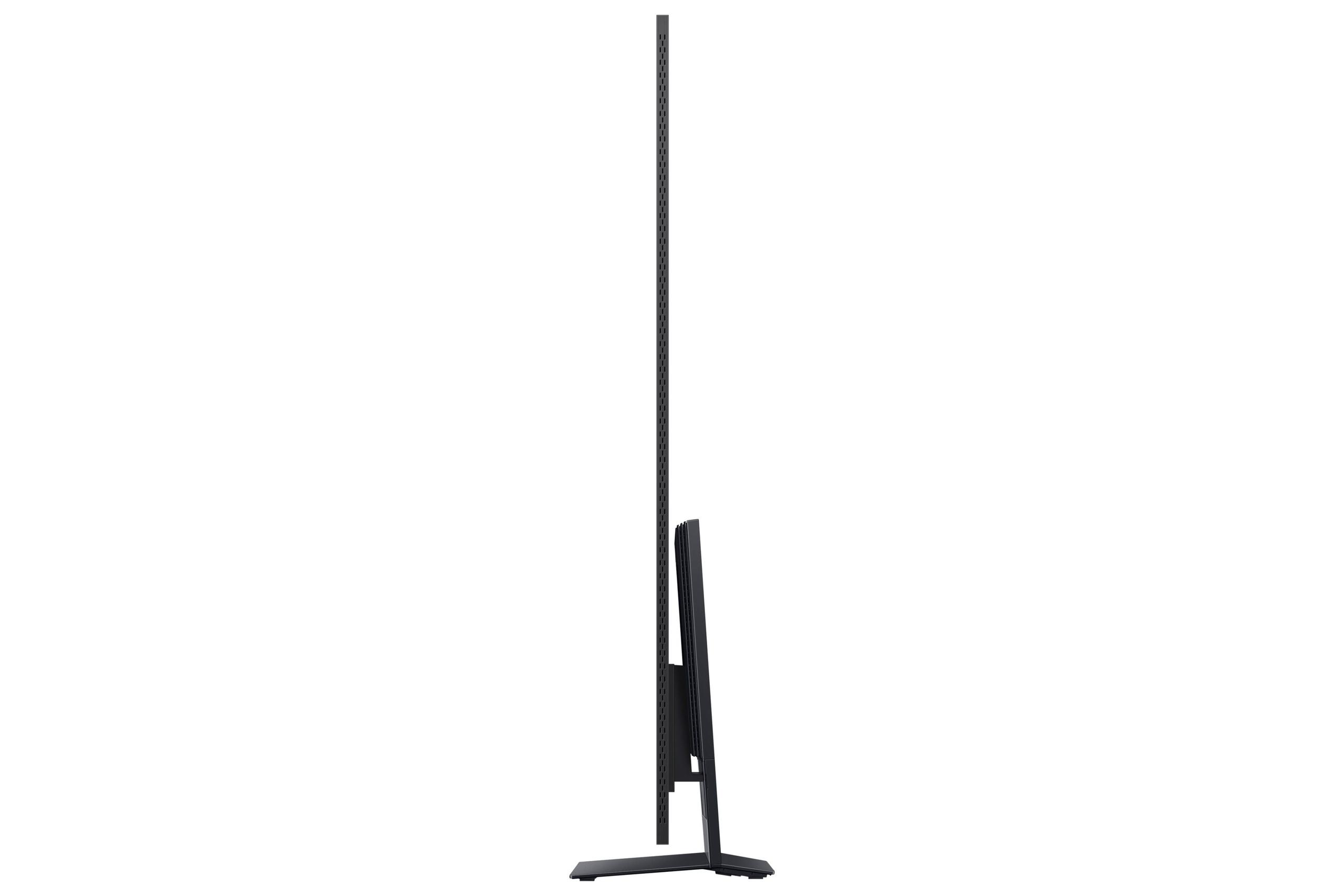
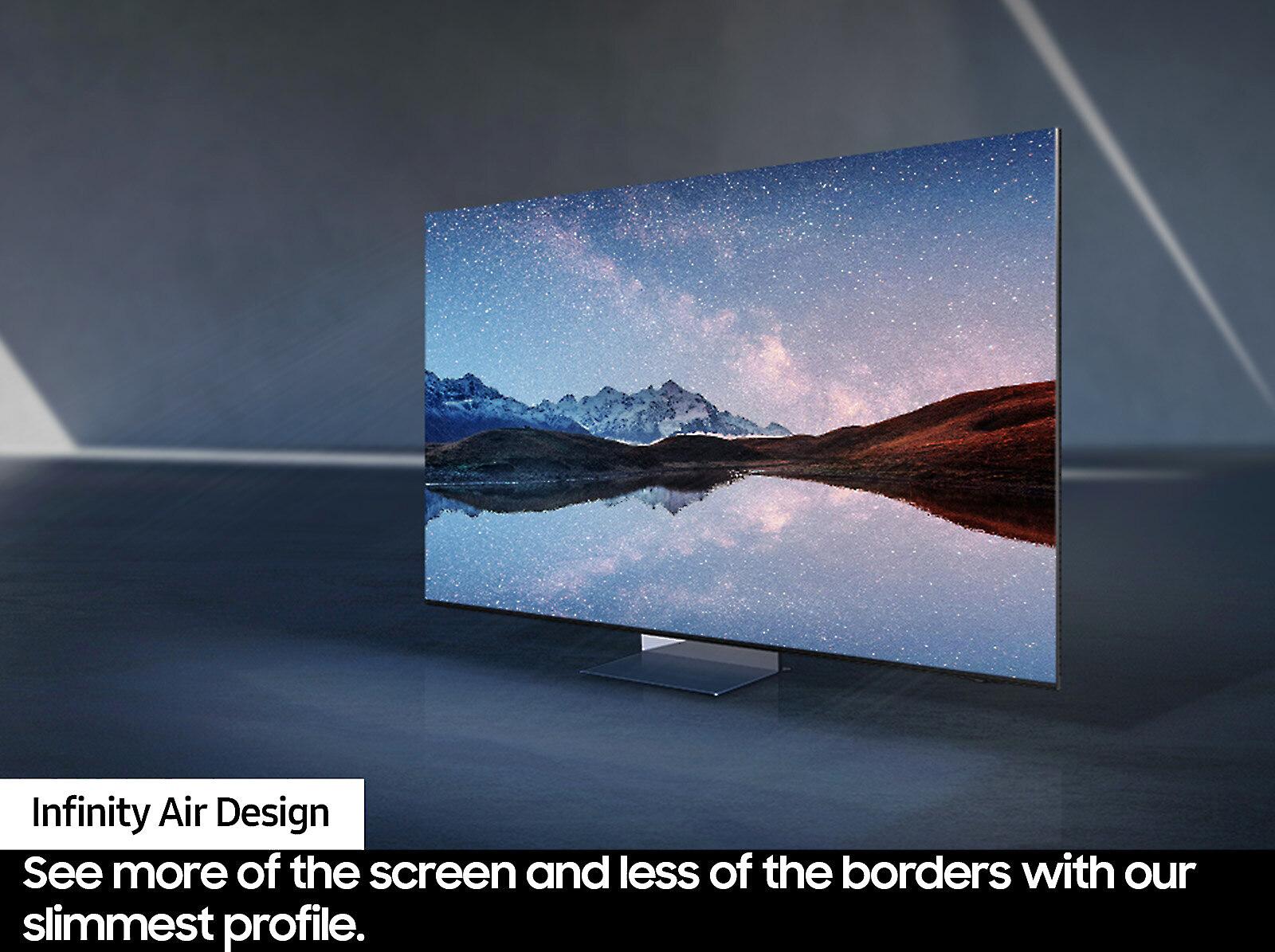
| Plastic construction, adjustable basic stand | Infinity Air Design, ultra-slim profile, premium materials |
| Best Use Cases - Who should choose each model | |
| Budget-conscious buyers, casual viewing, secondary TVs | Home theater enthusiasts, serious gamers, future-proofing |
The key difference is display technology and market positioning. The Samsung Q7F is a budget-friendly 4K QLED TV with standard LED backlighting, while the Samsung QN900D is a flagship 8K Neo QLED with Mini LED backlighting and advanced AI processing. The QN900D offers significantly better picture quality, gaming features, and audio, but costs about five times more than the Q7F.
The Samsung QN900D is dramatically better for next-gen gaming. It supports 4K at 120Hz and 240Hz, has Variable Refresh Rate (VRR), and includes four HDMI 2.1 ports. The Samsung Q7F maxes out at 60Hz with no VRR support, making it suitable only for casual gaming without advanced console features.
Currently, there's almost no native 8K content available for streaming. However, the Samsung QN900D uses advanced AI upscaling that makes 4K content look noticeably sharper and more detailed. If you want the best possible picture quality and future-proofing, the 8K processing is impressive, but the Samsung Q7F provides adequate 4K performance for most viewers.
The Samsung QN900D handles bright rooms much better due to its higher peak brightness and advanced anti-reflection technology. The Samsung Q7F can look washed out in very bright environments and is better suited for moderately lit rooms.
HDR performance is where these TVs differ most dramatically. The Samsung QN900D features Mini LED local dimming that creates true blacks and brilliant highlights, making HDR content look spectacular. The Samsung Q7F lacks local dimming, resulting in grayish blacks and washed-out HDR that doesn't deliver the intended viewing experience.
For dedicated home theater use, the Samsung QN900D is the clear choice. Its local dimming creates the deep blacks essential for movie viewing in dark rooms, while its exceptional brightness ensures HDR highlights look cinematic. The Samsung Q7F struggles in home theater applications due to limited contrast and HDR performance.
The Samsung QN900D includes a premium 90W 6.2.4 channel system with True Dolby Atmos and Object Tracking Sound Pro, creating immersive spatial audio. The Samsung Q7F has basic speakers adequate for casual viewing but cannot match the flagship's audio quality. Both can be enhanced with external soundbars.
Both TVs run Samsung's Tizen operating system with access to all major streaming apps. However, the Samsung QN900D offers superior connectivity with four HDMI 2.1 ports, Wi-Fi 6E, and the One Connect Box for clean cable management. The Samsung Q7F has three standard HDMI ports and basic connectivity options.
For everyday streaming and TV watching, both deliver good color reproduction thanks to QLED technology. However, the Samsung QN900D provides noticeably sharper upscaling, better contrast, and more vibrant colors. The Samsung Q7F offers solid picture quality for its price range but lacks the processing power and display technology of the flagship model.
The Samsung QN900D is significantly more future-proof with 8K processing, HDMI 2.1 ports, advanced gaming features, and the latest connectivity standards. The Samsung Q7F covers current needs adequately but lacks room for growth as content and gaming standards evolve.
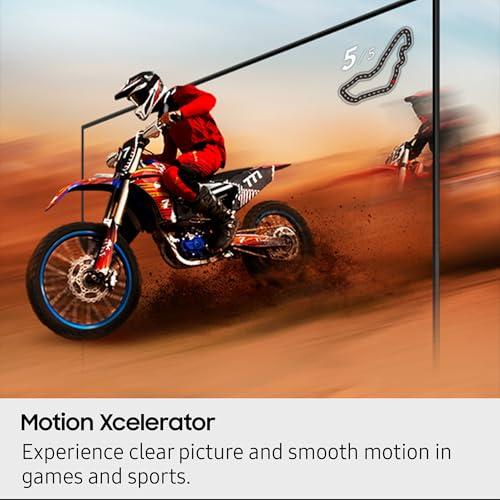
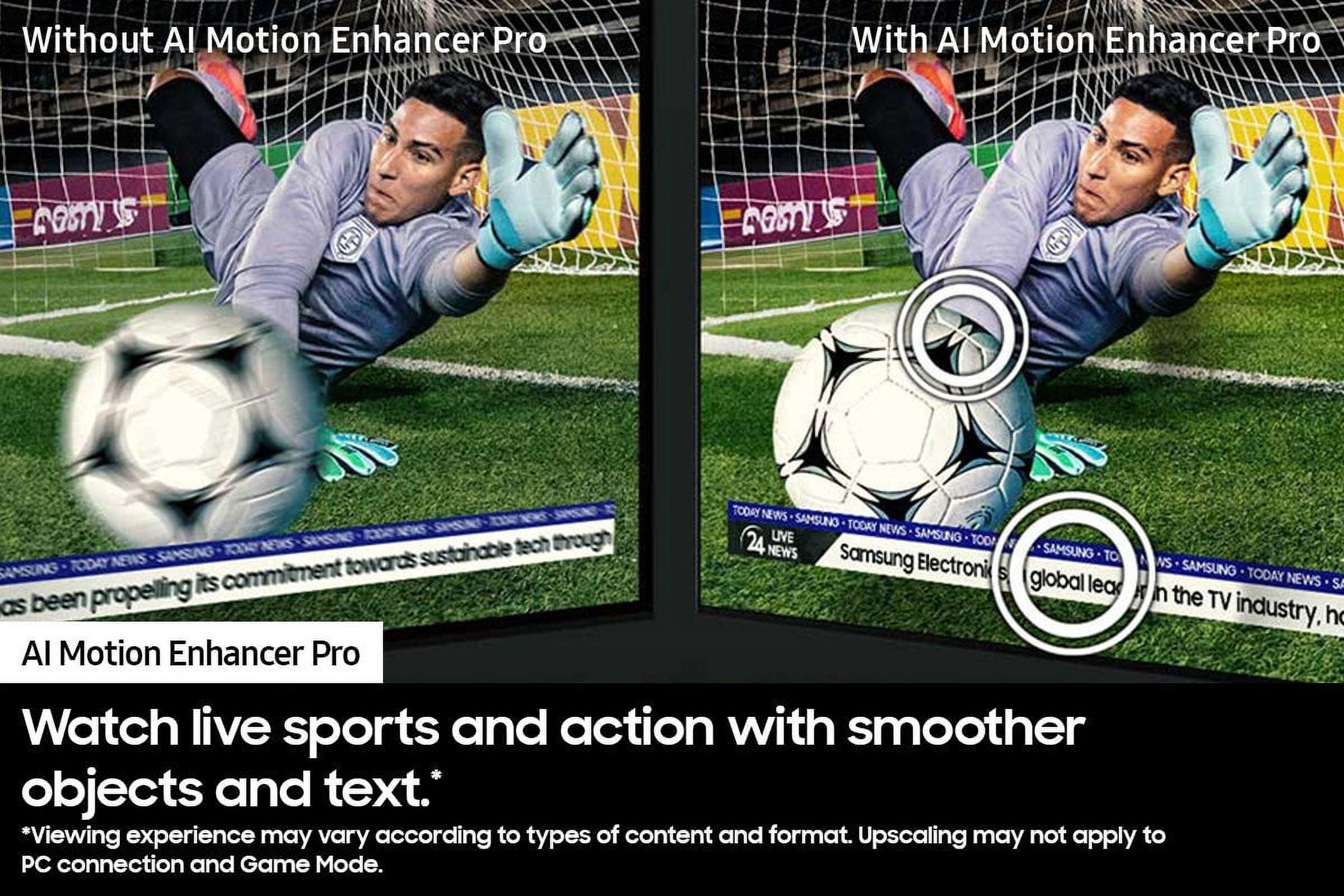
Both handle sports reasonably well, but the Samsung QN900D offers superior motion clarity and brightness that makes sports content more engaging. Its advanced processing reduces motion blur, while higher brightness helps in well-lit sports viewing environments. The Samsung Q7F provides acceptable sports viewing for casual fans.
Value depends entirely on your needs and budget. The Samsung Q7F delivers excellent value for budget-conscious buyers who want QLED color technology without premium features. The Samsung QN900D justifies its higher cost for enthusiasts who want flagship picture quality, advanced gaming capabilities, and future-proofing. Consider which features you'll actually use to determine the better value.
We've done our best to create useful and informative comparisons to help you decide what product to buy. Our research uses advanced automated methods to create this comparison and perfection is not possible - please contact us for corrections or questions. These are the sites we've researched in the creation of this article: bestbuy.com - rtings.com - bestbuy.com - youtube.com - youtube.com - youtube.com - samsung.com - samsung.com - samsung.com - billsmith.com - costco.com - samsung.com - hometechnologyreview.com - hometechnologyreview.com - bestbuy.com - samsung.com - bestbuy.com - samsung.com - hometechnologyreview.com - samsung.com - samsung.com - rtings.com - videoandaudiocenter.com - bestbuy.com - avsforum.com - bestbuy.com - walts.com - images.samsung.com - samsung.com - merlinstv.com - samsung.com - avsforum.com - samsung.com

Privacy Policy
Terms and Conditions - Affiliate Policy
Home Security
© Copyright 2008-2026.
11816 Inwood Rd #1211, Dallas, TX 75244