

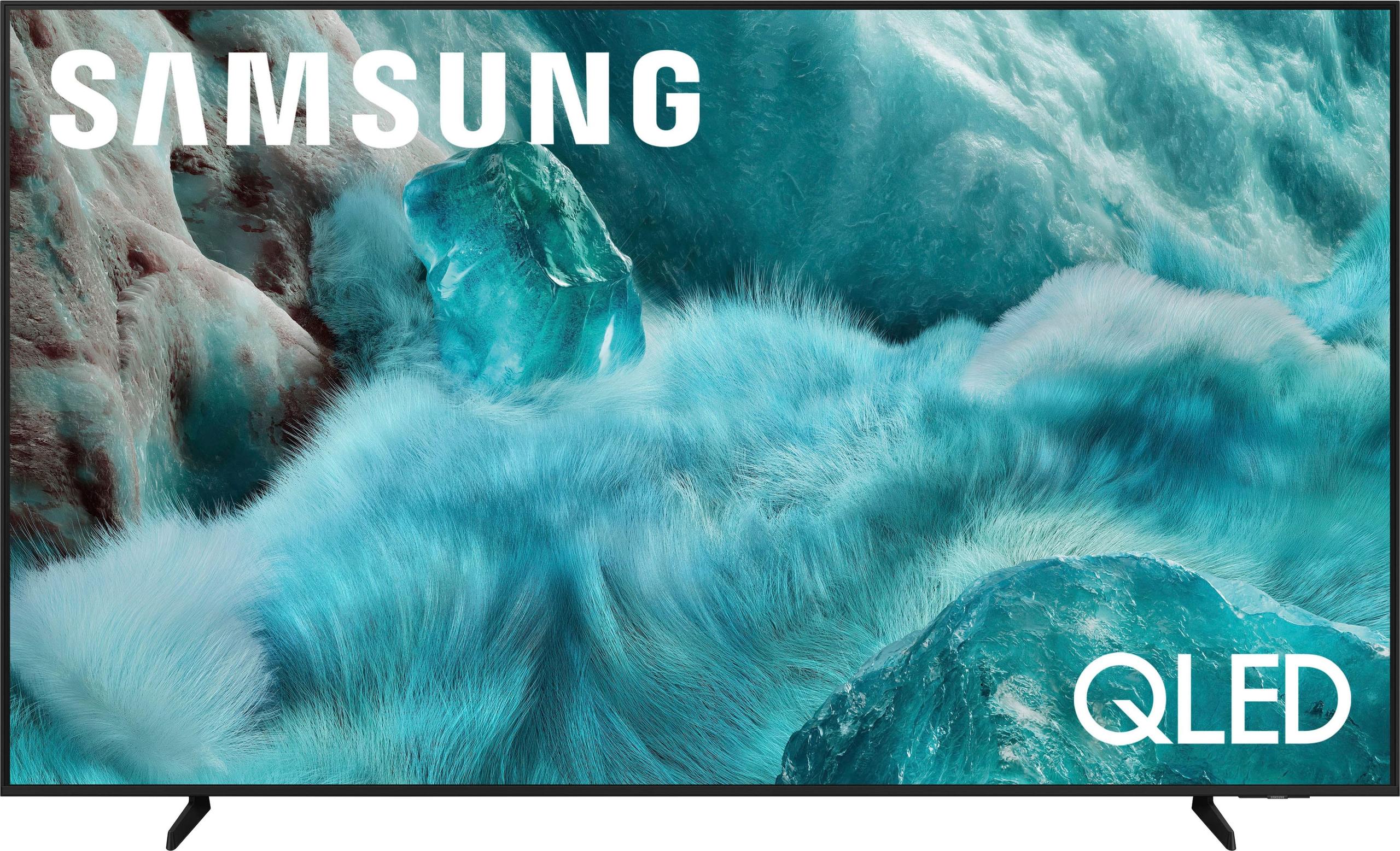
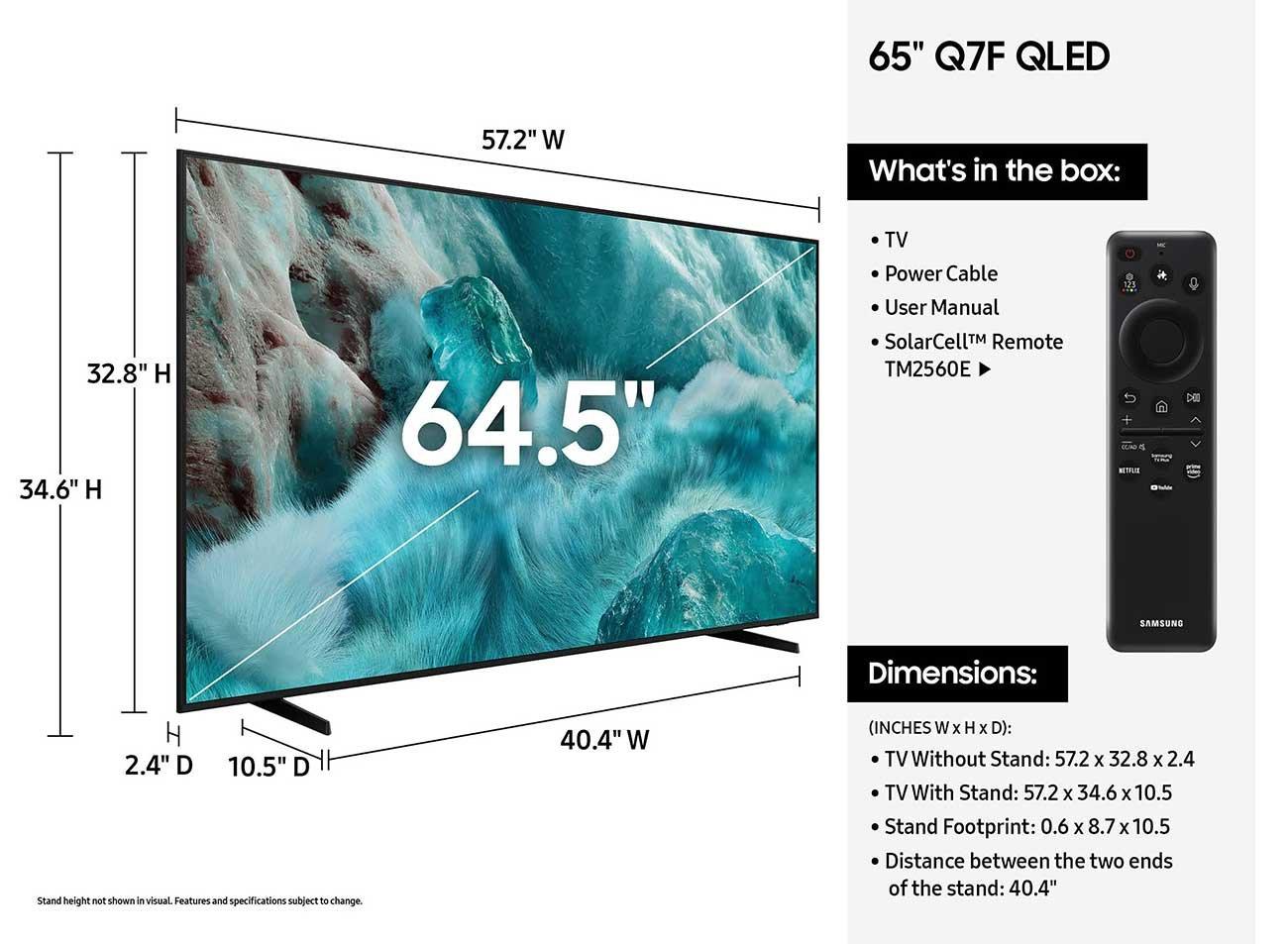

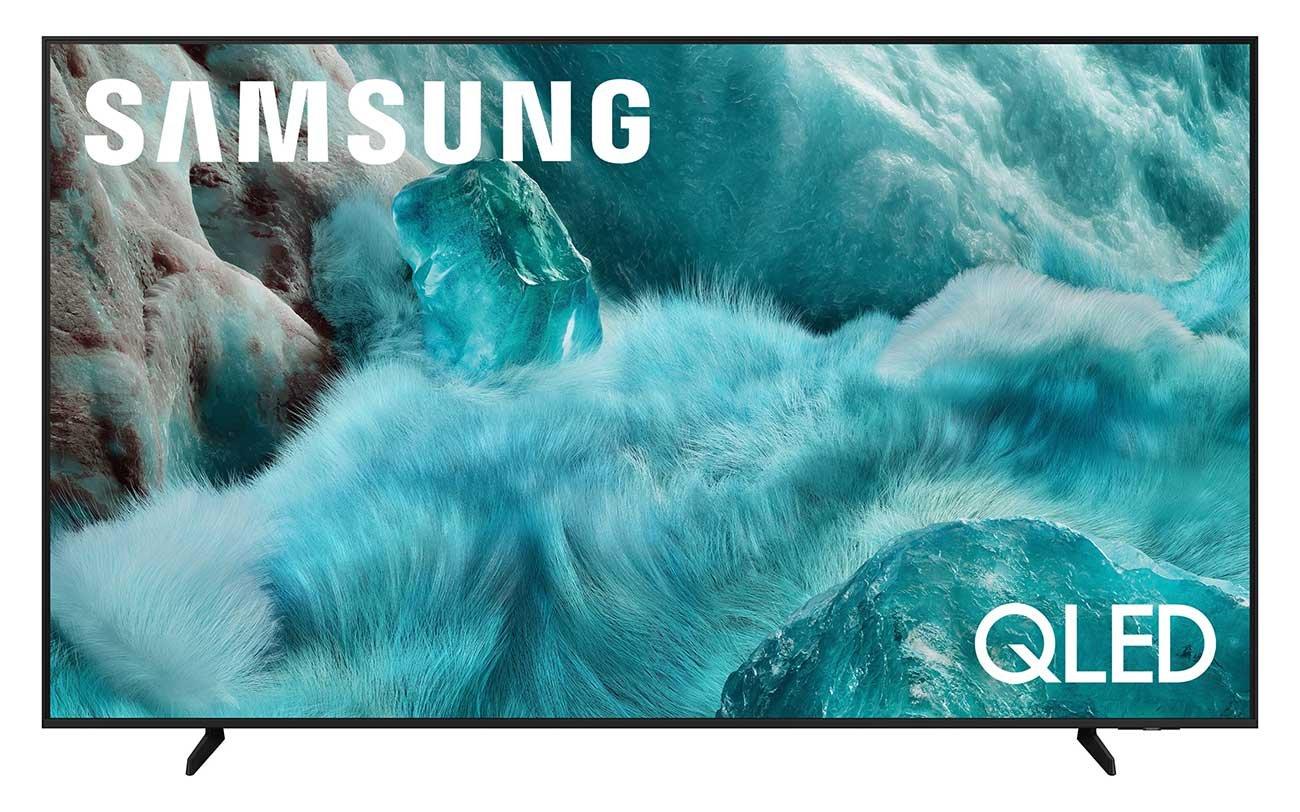
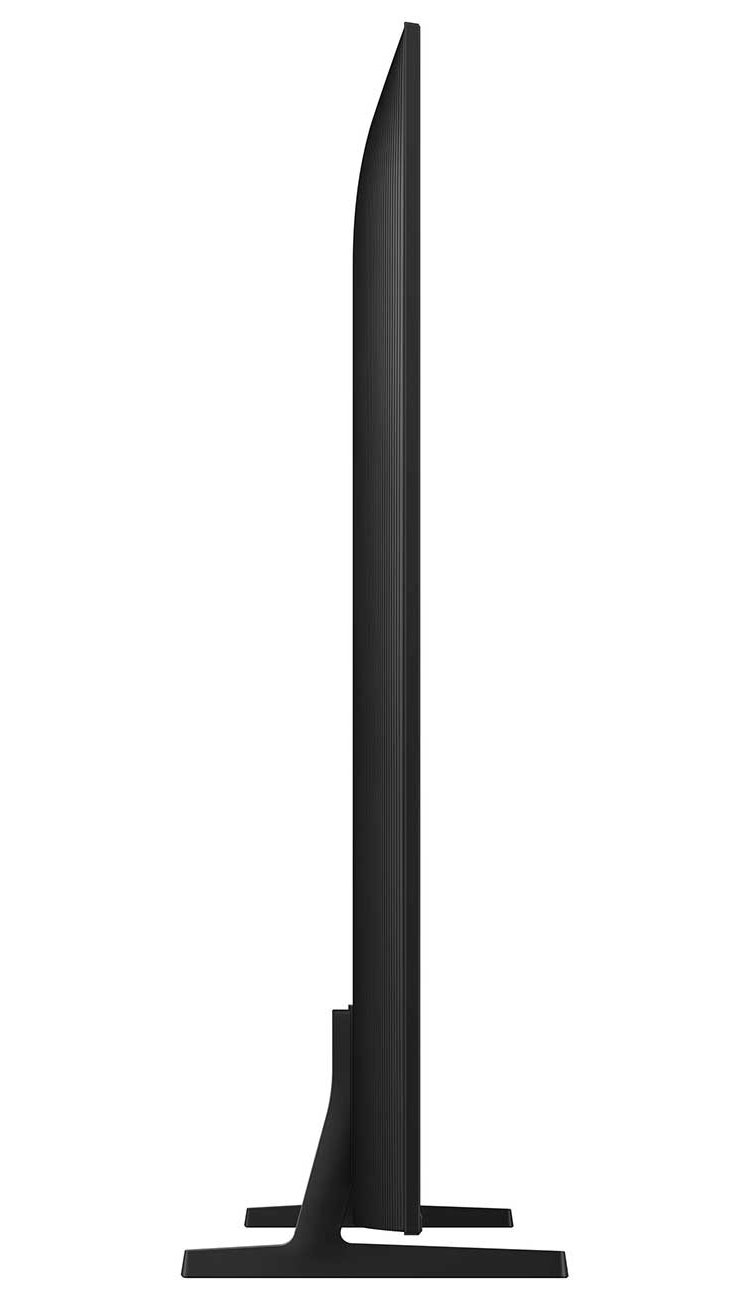
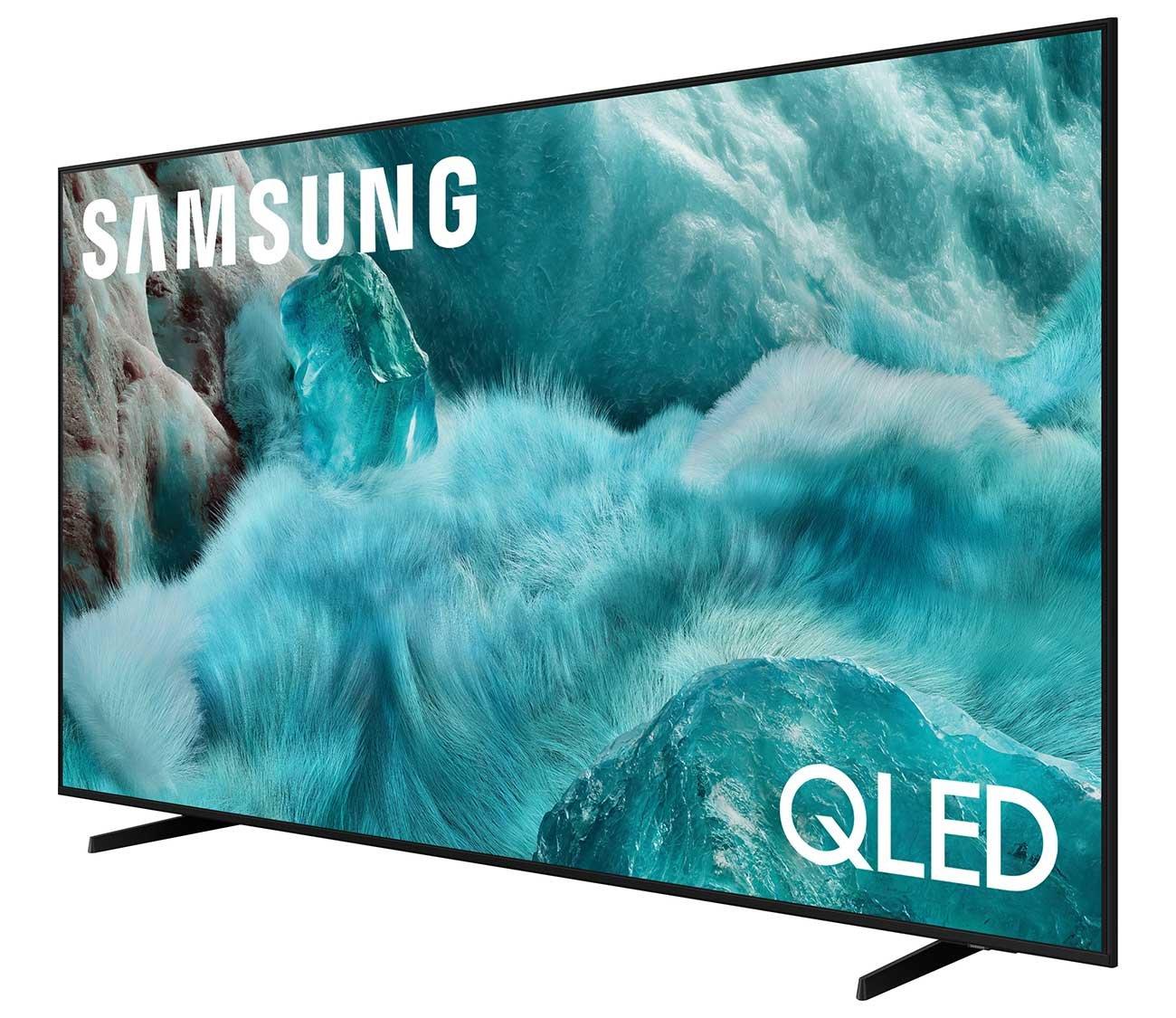
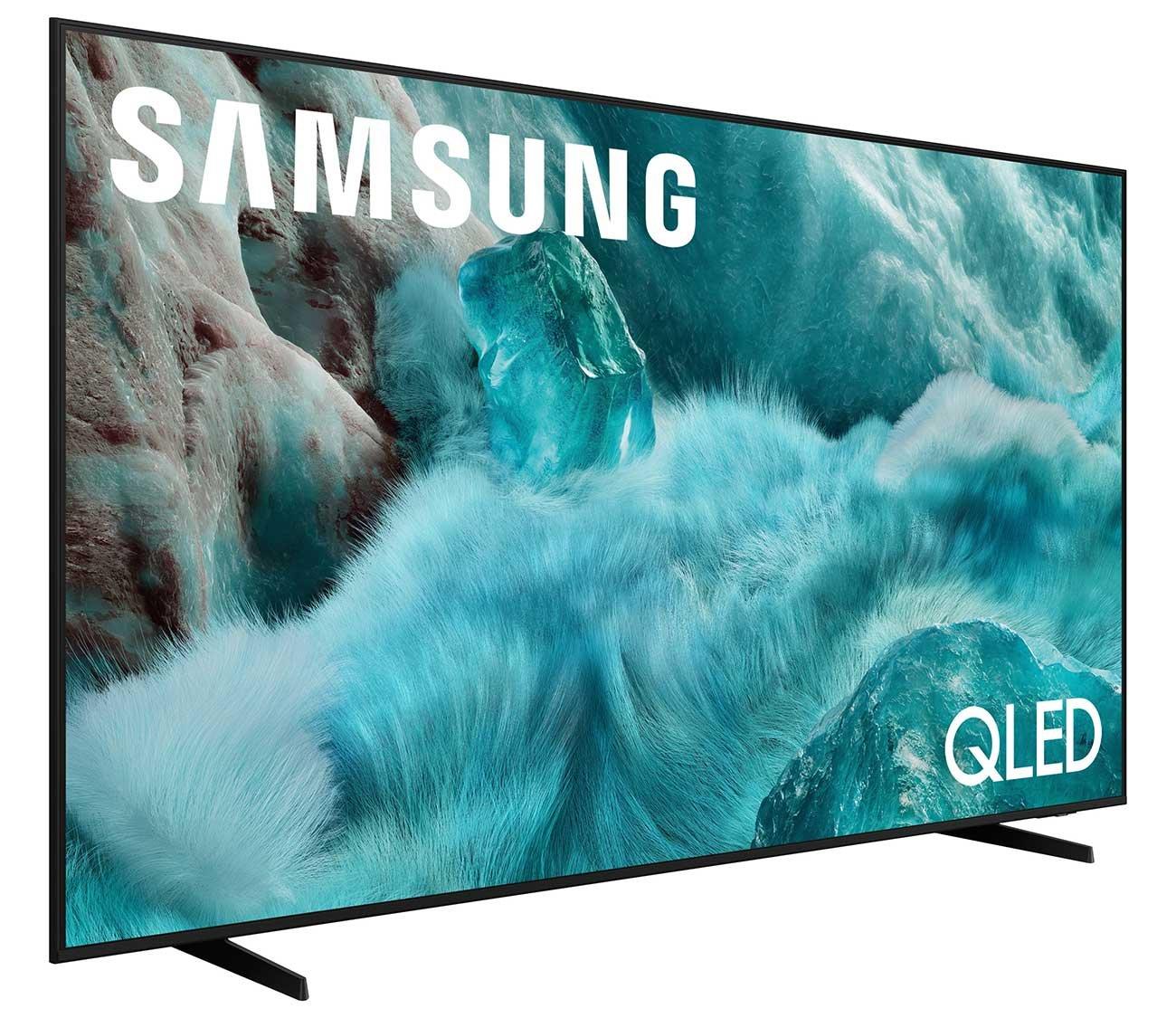

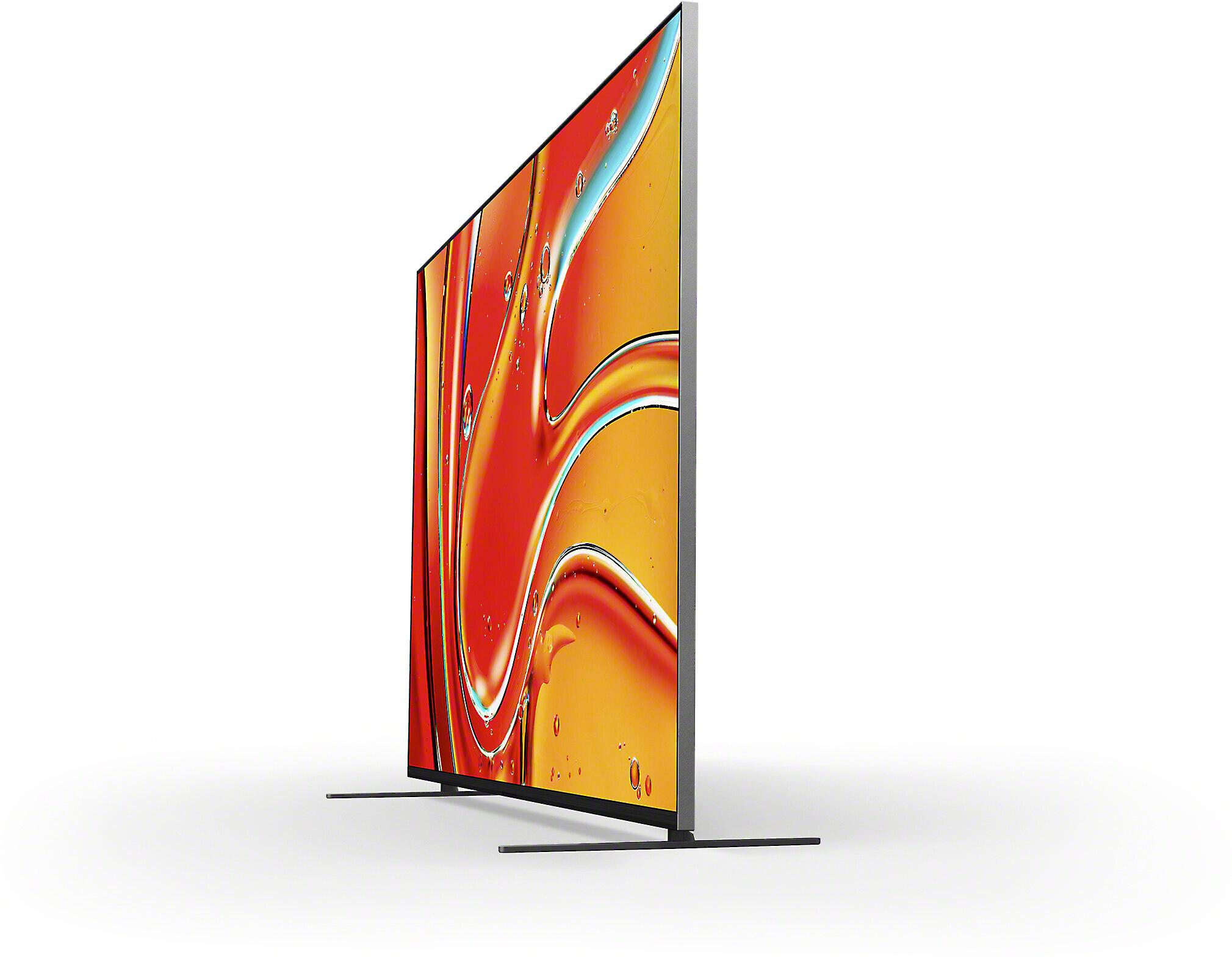
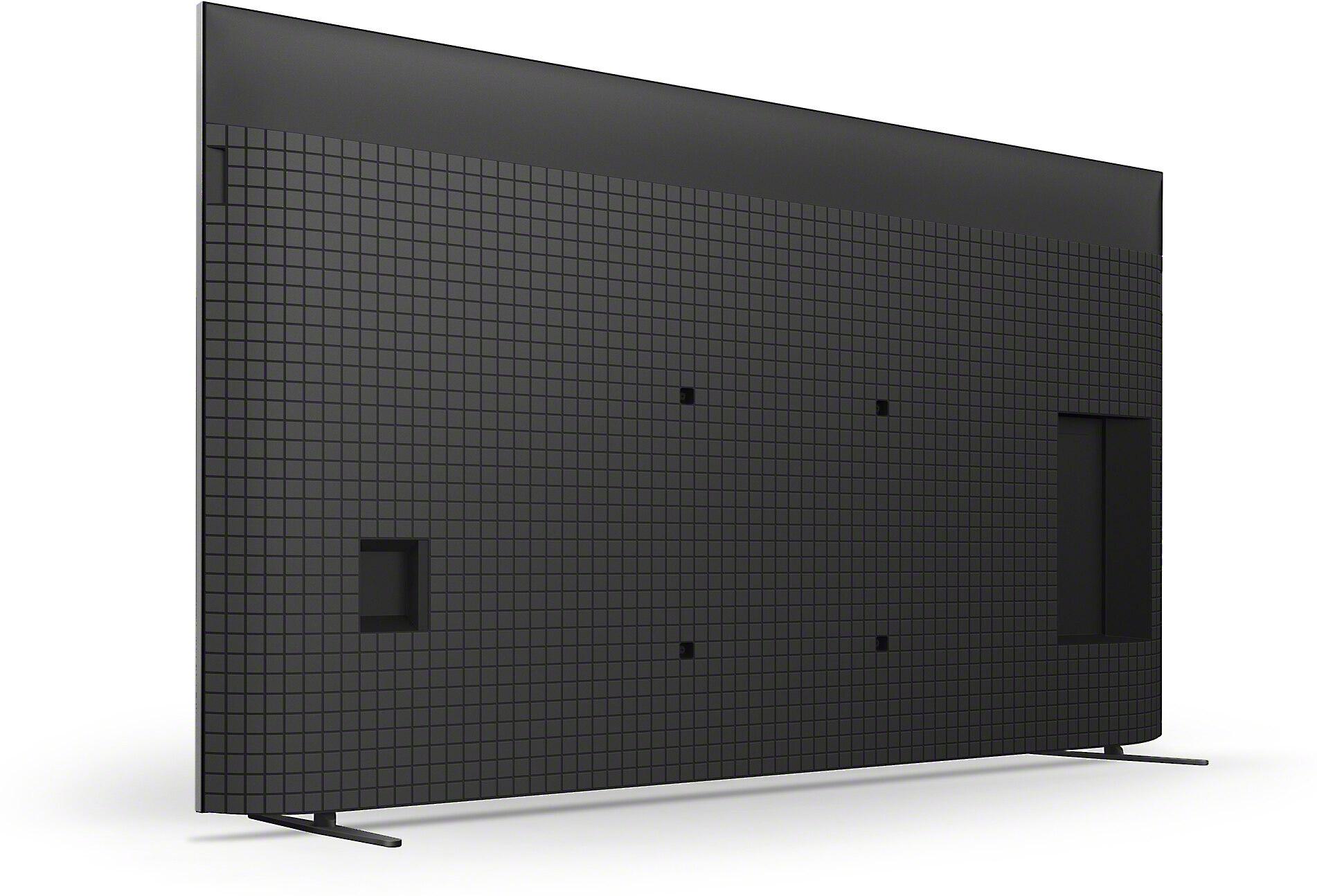
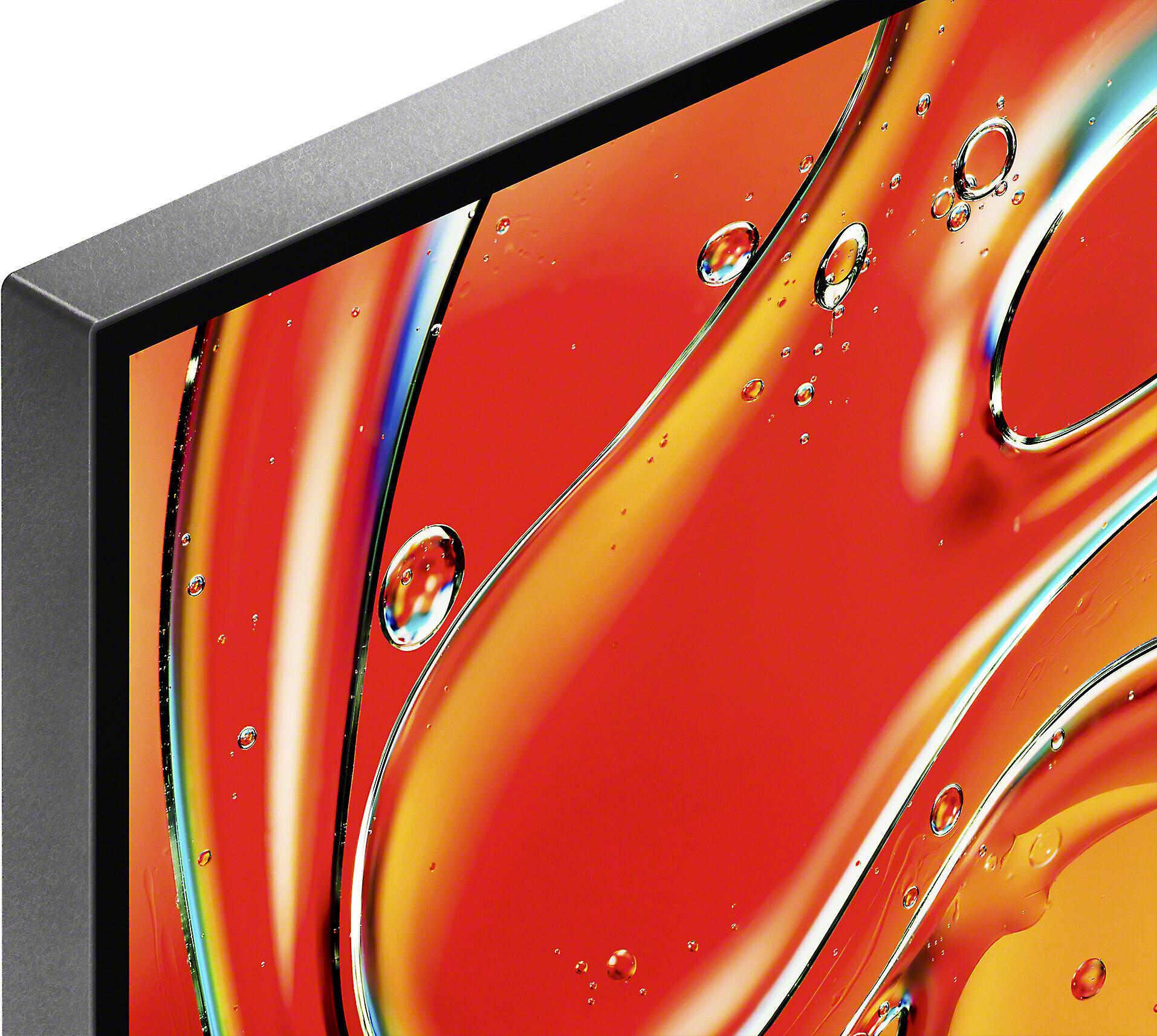
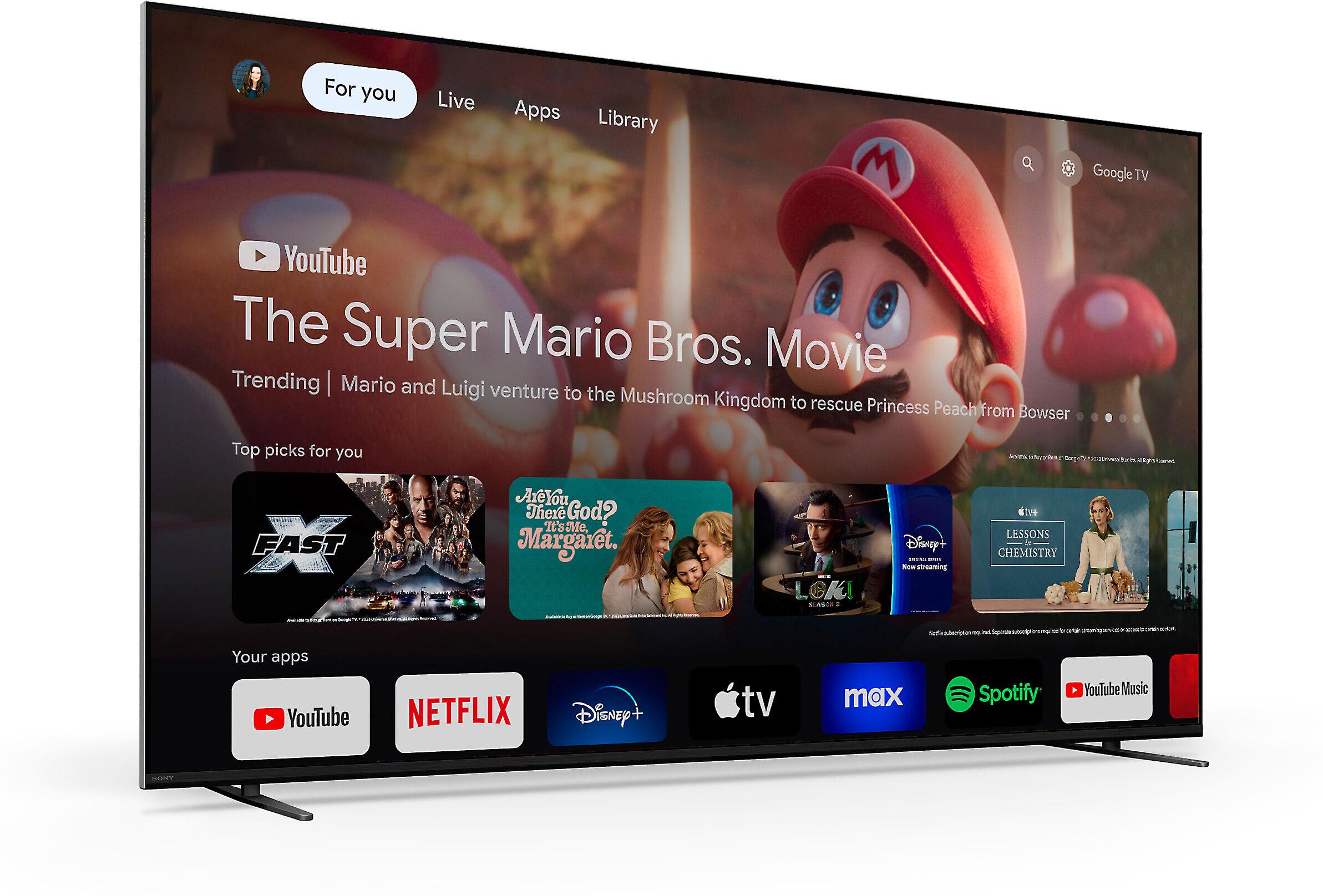
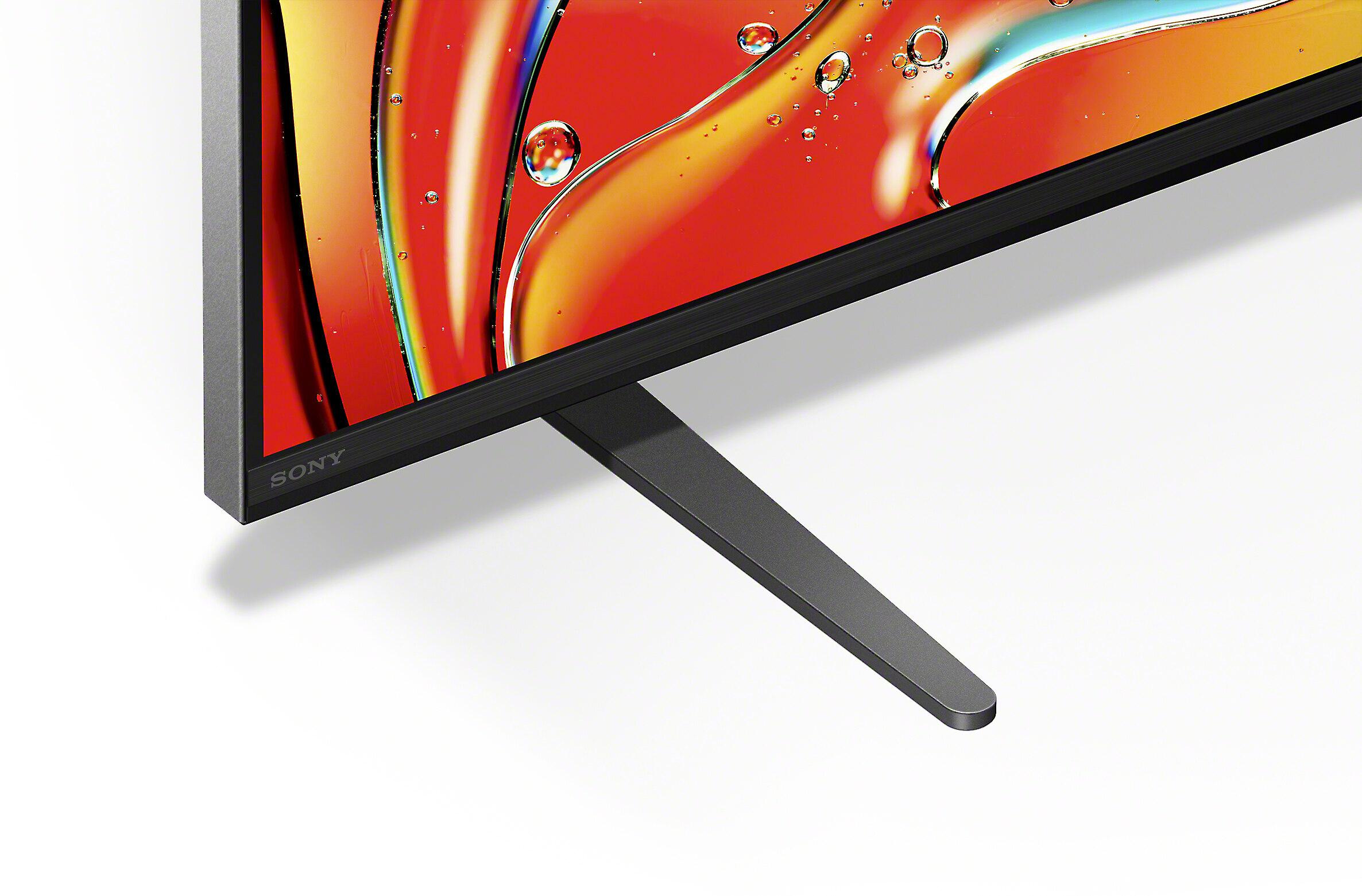
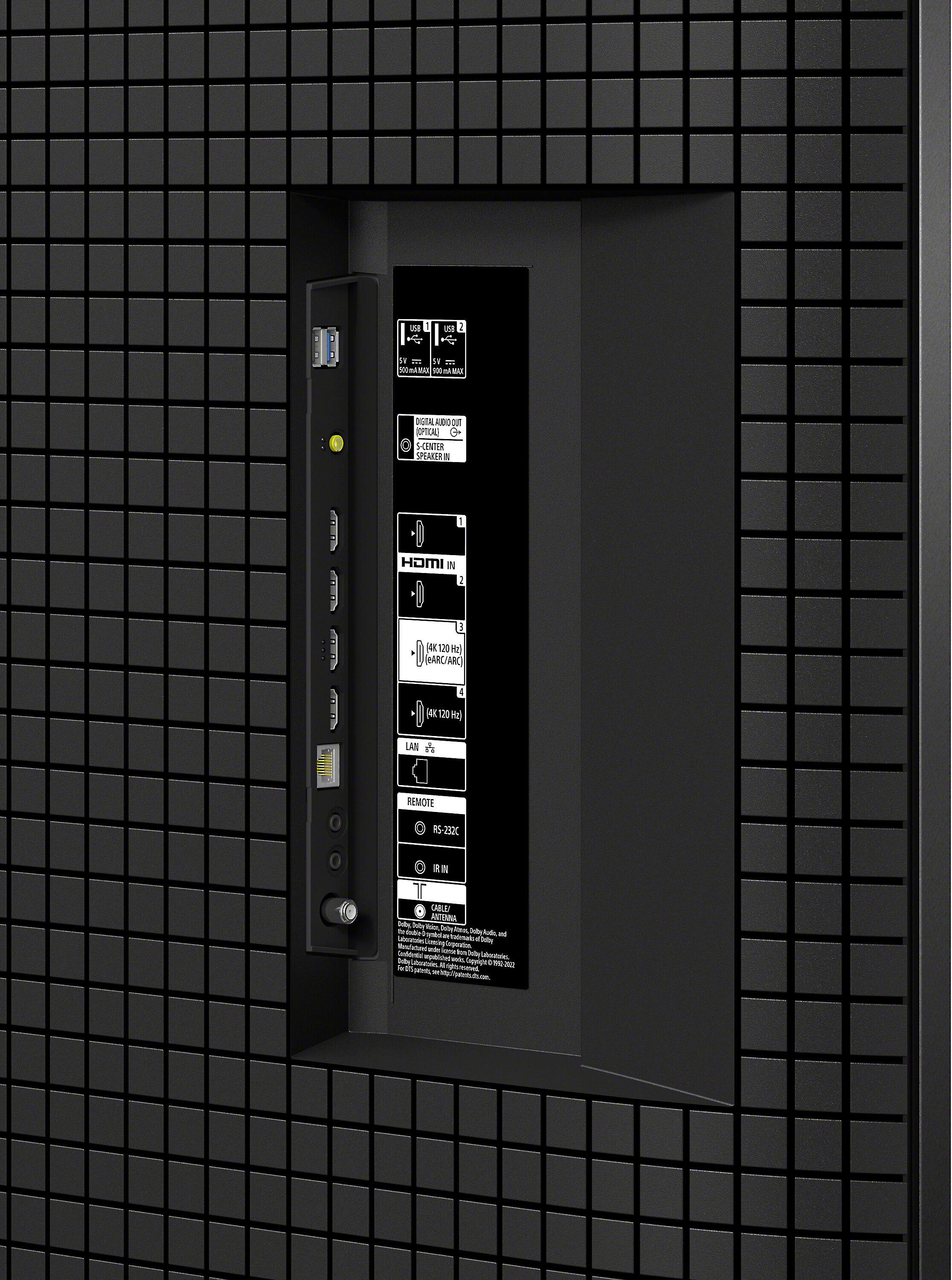
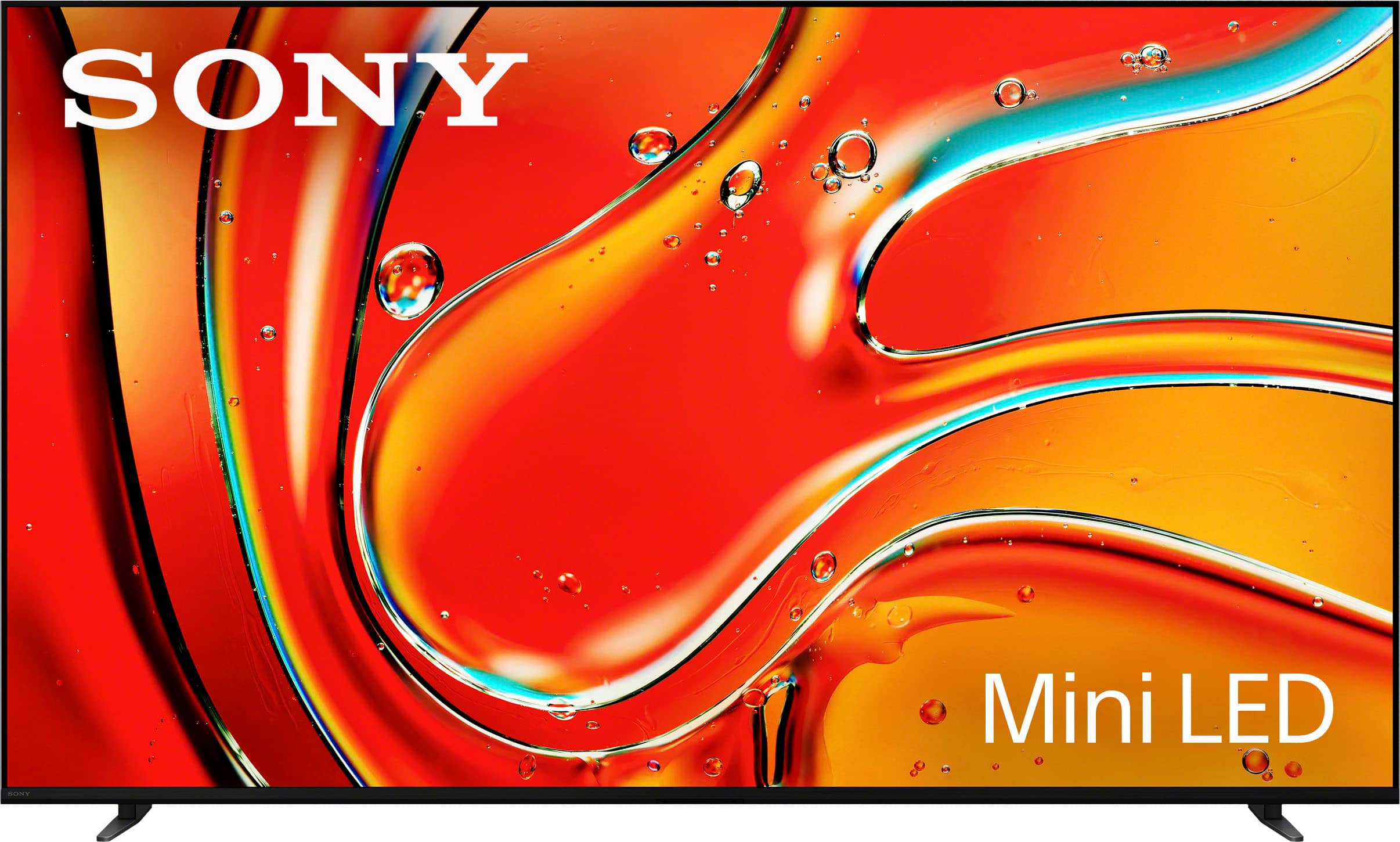
Shopping for a 65-inch TV can feel overwhelming with so many technical specs and marketing terms thrown around. Two standout options that represent different philosophies in TV design are the Samsung 65" Q7F QLED 4K Vision AI Smart TV 2025 and the Sony BRAVIA 7 65" 4K UHD Smart Google TV. At the time of writing, these TVs sit at very different price points, with the Samsung offering exceptional value while the Sony commands a premium for advanced display technology.
Understanding what separates these models—and which approach better serves your needs—requires looking beyond the marketing buzzwords to understand how their different technologies actually impact your viewing experience.
The 65-inch size hits the sweet spot for most living rooms, providing that cinematic feel without overwhelming smaller spaces. But size is just the starting point. Modern premium TVs need to excel in several key areas that directly affect your daily viewing experience.
Display technology forms the foundation. This includes how bright the TV can get (measured in nits), how well it handles contrast between dark and bright scenes, and how accurately it reproduces colors. The backlighting system—how the TV illuminates its LCD panel—plays a huge role here.
Processing power determines how well the TV handles everything from upscaling lower-resolution content to applying AI enhancements in real-time. Think of this as the TV's brain, constantly analyzing and improving what you see.
Gaming capabilities have become increasingly important as consoles like the PlayStation 5 and Xbox Series X push 4K gaming at higher frame rates. Features like Variable Refresh Rate (VRR)—which synchronizes the TV's refresh with the console's output to prevent screen tearing—and Auto Low Latency Mode (ALLM)—which automatically switches to the fastest response time when gaming—can make or break the experience for serious gamers.
Smart platform performance affects daily usability more than people realize. A sluggish interface that takes forever to load Netflix or constantly crashes during streaming sessions can turn a great display into a frustrating experience.
These two TVs represent fundamentally different approaches to achieving premium picture quality, and understanding this difference is crucial for making the right choice.
The Samsung Q7F, released in 2025, uses traditional QLED technology enhanced with Samsung's latest AI processing. QLED stands for Quantum Dot Light Emitting Diode—essentially an LCD panel enhanced with quantum dots that can produce more accurate colors across a wider range of brightness levels. Think of quantum dots as tiny particles that act like extremely precise color filters, ensuring that the reds stay red and the blues stay blue even when the TV gets very bright.
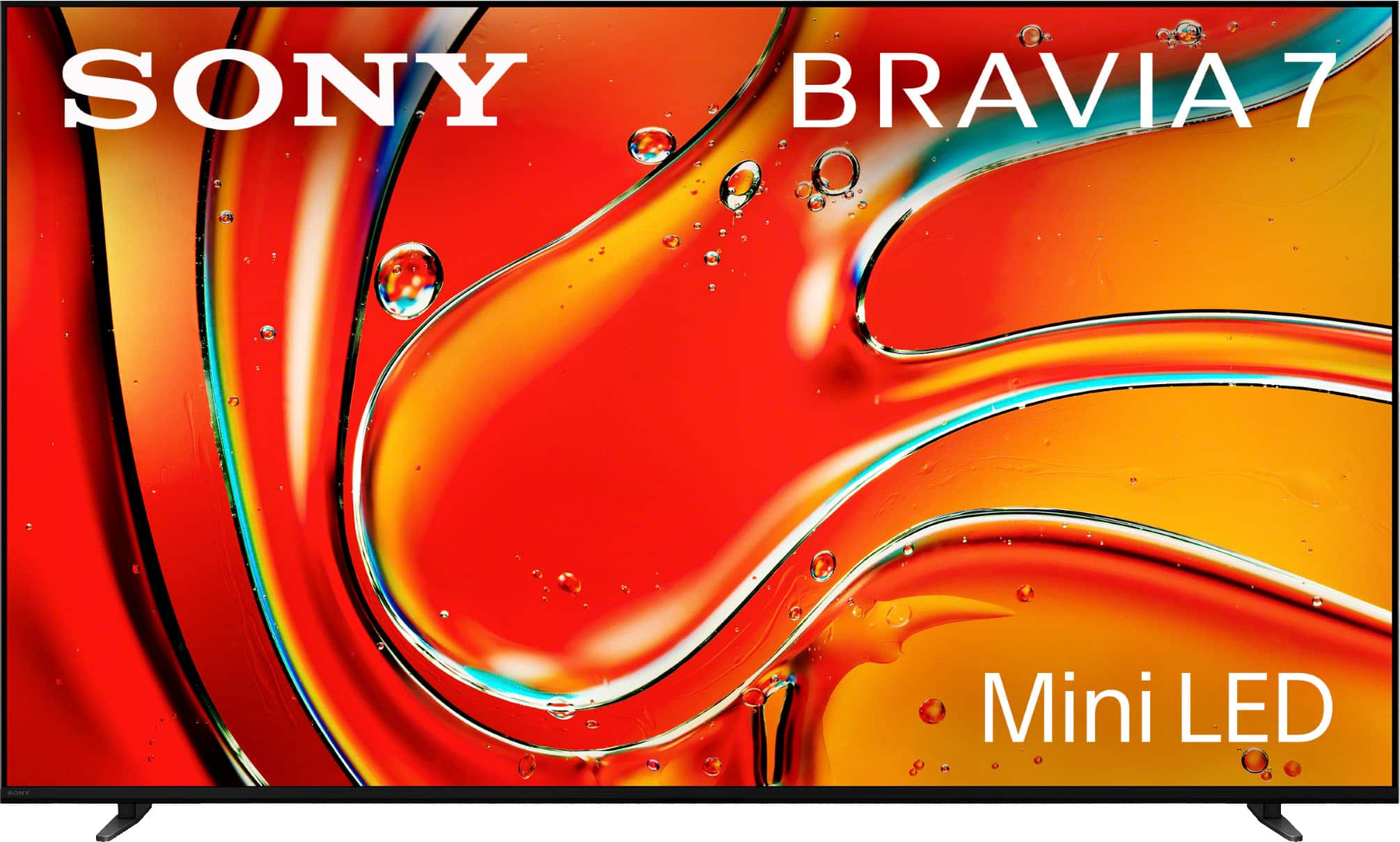
The Sony BRAVIA 7, from 2024, takes a different approach with Mini LED technology combined with quantum dots. Mini LED uses thousands of tiny LED lights behind the screen—much smaller than traditional LED backlights—allowing for incredibly precise control over which parts of the screen are bright and which are dark. This creates what's called "local dimming zones," where the TV can make one part of the screen pitch black while keeping another part brilliantly bright, all in the same scene.
When it comes to pure picture performance, the Sony BRAVIA 7 demonstrates why it commands a premium price. Its Mini LED backlighting system creates a fundamentally superior foundation for picture quality, particularly in challenging viewing conditions.
The most noticeable advantage appears in high dynamic range (HDR) content—movies and shows specifically mastered to take advantage of the contrast between very bright and very dark elements in the same scene. The Sony's Mini LED system can achieve peak brightness levels that are 30-40% higher than traditional QLED displays while simultaneously delivering deeper blacks in the same frame. This isn't just about numbers on a spec sheet; it translates to more realistic sunsets, more dramatic explosions, and better detail in both shadow areas and bright highlights.
Local dimming performance particularly sets the Sony apart. While the Samsung Q7F uses what's called "Supreme UHD Dimming," which divides the screen into zones for brightness control, the Sony's thousands of Mini LED zones provide much finer control. In practical terms, this means less "blooming"—that annoying halo effect you sometimes see around bright objects against dark backgrounds—and better overall contrast.
Color accuracy represents another area where both TVs excel but through different approaches. The Samsung leverages Pantone Validated certification, ensuring accuracy across 2,140 specific colors and 110 skin tone variations. This certification means the TV has been tested against professional color standards, making it particularly good for content where accurate skin tones matter.
The Sony, meanwhile, uses its XR Triluminos Pro technology combined with quantum dots to achieve what Sony calls "Live Color Technology." Rather than focusing on meeting specific color standards, this approach analyzes content in real-time to enhance color vibrancy while maintaining natural-looking results.
Based on professional reviews and user feedback, the Sony generally produces more impressive HDR performance and better handles challenging lighting conditions, while the Samsung delivers consistently accurate colors that many find more pleasing for everyday viewing.
For gaming enthusiasts, the choice between these TVs becomes much clearer. The Sony BRAVIA 7 offers significantly better gaming capabilities that align with current and future gaming console requirements.
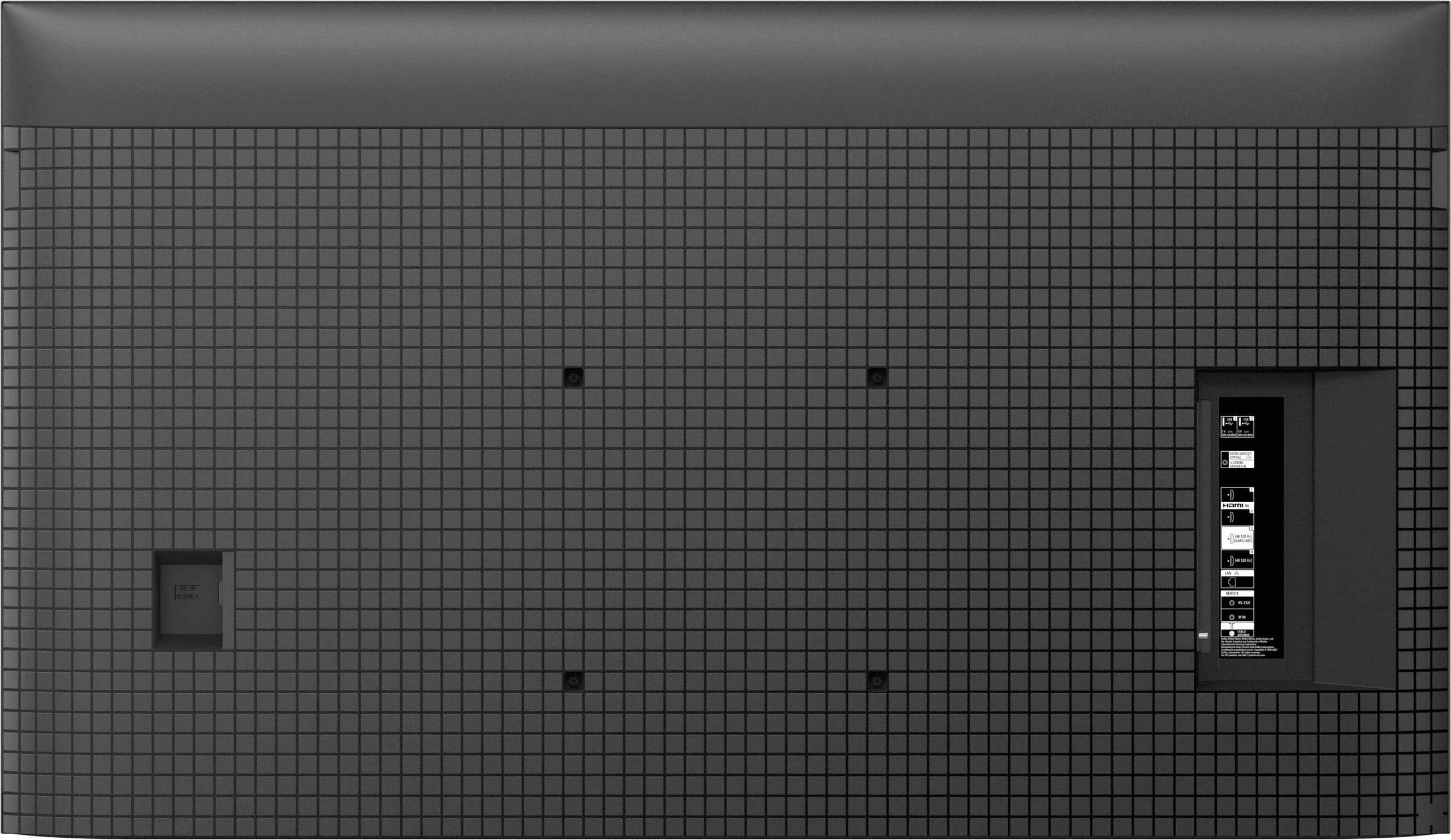
The most important difference lies in refresh rate capability. The Sony supports true 4K gaming at 120 frames per second (fps) through two of its HDMI ports, while the Samsung Q7F tops out at 60Hz. This might not sound like a huge difference, but for fast-paced games—particularly racing games, first-person shooters, or sports titles—the difference is immediately noticeable. Higher refresh rates create smoother motion and can provide a competitive advantage in online gaming.
Variable Refresh Rate (VRR) support gives the Sony another significant edge. VRR allows the TV to synchronize its refresh rate with whatever frame rate the gaming console is outputting at any given moment. Without VRR, you might experience screen tearing when the console's output doesn't perfectly match the TV's refresh rate, creating visible horizontal lines across moving objects.
Input lag—the delay between pressing a button on your controller and seeing the action on screen—measures under 8.5 milliseconds on the Sony in Game Mode, which meets the standards serious gamers expect. The Samsung also offers low input lag through its Auto Game Mode, but the combination of higher refresh rates and advanced gaming features makes the Sony the clear choice for dedicated gaming setups.
PlayStation 5 owners particularly benefit from the Sony's Auto HDR Tone Mapping, which automatically optimizes HDR settings specifically for Sony's console, ensuring games look exactly as developers intended.
The smart TV experience represents perhaps the most interesting contrast between these models, showcasing different philosophies about what makes a TV "smart" in 2025.
The Samsung Q7F leads with its Vision AI integration, representing Samsung's bet on AI-powered features becoming central to the TV experience. Vision AI provides personalized content recommendations that learn from your viewing habits, real-time translation for foreign language content, gesture controls that let you navigate menus with hand movements, and smart home insights that help optimize your connected devices.
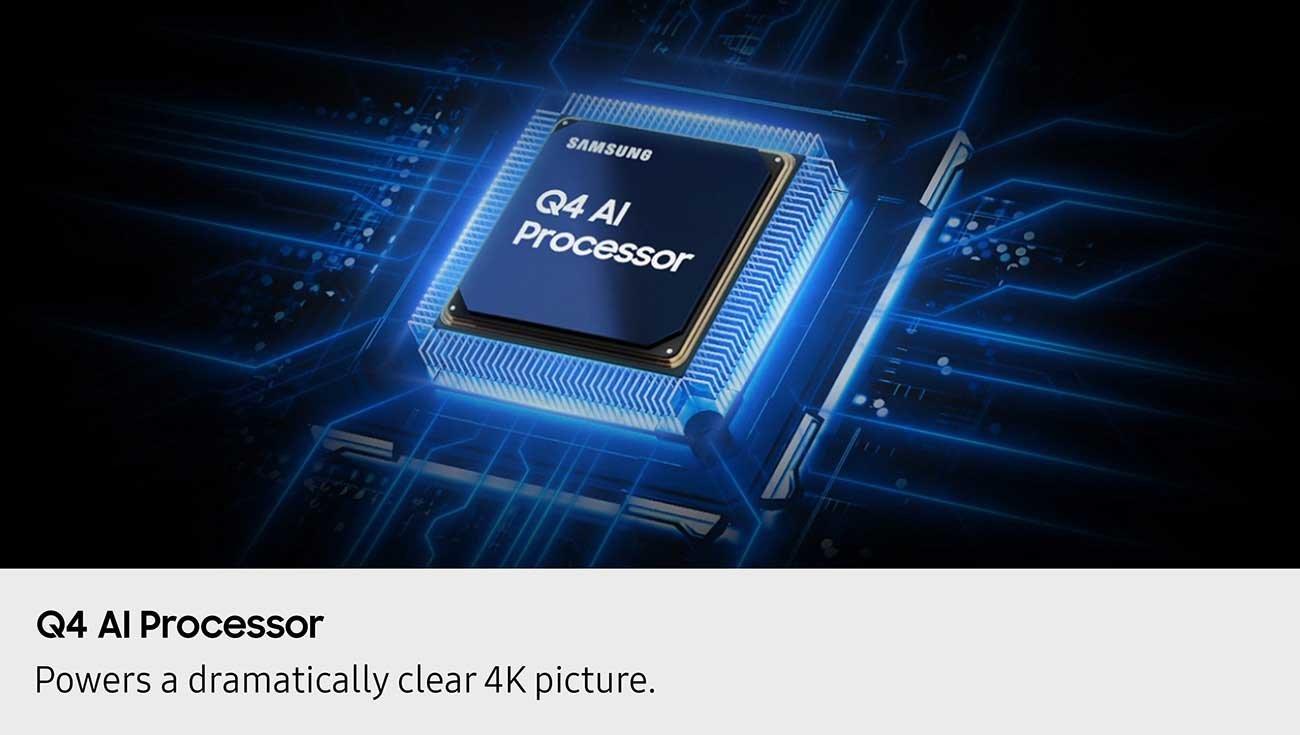
The Q4 AI Processor continuously analyzes what you're watching, applying scene-specific enhancements in real-time. For example, when watching a nature documentary, it might enhance green foliage and blue skies, while switching to optimize skin tones during a drama series. This AI-driven approach to picture processing represents the cutting edge of TV technology, though the benefits can be subtle in everyday viewing.
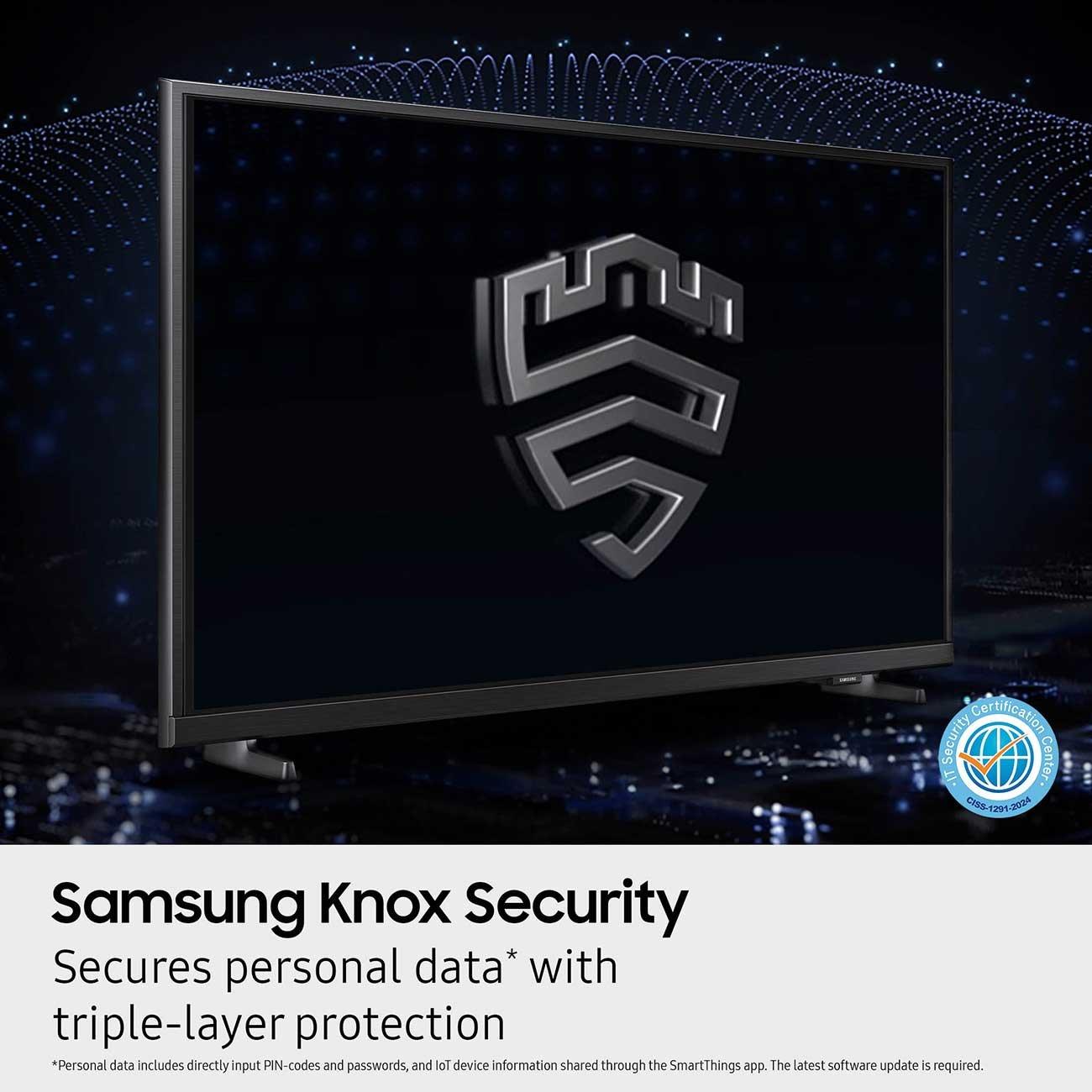
Samsung's Tizen operating system provides access to over 1,200 free channels through Samsung TV Plus, offering a cable-like experience without subscription fees. The Samsung Knox Security system provides triple-layer protection for your personal data and smart home connections—an increasingly important consideration as TVs become more integrated with home networks and personal devices.
The Sony BRAVIA 7 takes a more conservative but arguably more reliable approach with Google TV. Based on user feedback and expert reviews, Google TV generally offers faster, more responsive performance than Samsung's Tizen platform. The interface feels more intuitive to users already familiar with Android devices, and app availability remains comprehensive across all major streaming services.
Google Assistant integration allows for hands-free voice control, while built-in Chromecast and AirPlay 2 support makes content sharing from phones and tablets seamless regardless of whether you use Android or iOS devices. This universal compatibility often proves more valuable in households with mixed device ecosystems than platform-specific AI features.
Neither TV will replace a dedicated sound system, but their audio approaches differ meaningfully for users who plan to rely primarily on built-in speakers.
The Sony BRAVIA 7 includes Dolby Atmos support, which creates a more immersive three-dimensional audio experience. Dolby Atmos processes audio to simulate sounds coming from above and around you, rather than just from the left and right. While TV speakers can't fully replicate the experience of a proper Atmos setup with ceiling speakers, the processing still creates a noticeably more engaging audio experience, particularly for movies and shows mastered in Atmos.
The Sony's Acoustic Center Sync feature allows seamless integration with compatible Sony soundbars, automatically adjusting the TV's speakers to work in harmony with the external audio system rather than simply turning them off.
The Samsung Q7F uses a more basic 20-watt, 2-channel system with OTS Lite (Object Tracking Sound), which attempts to make audio follow the action on screen. While not as sophisticated as Dolby Atmos processing, this can still create a more engaging experience than standard TV audio.
For serious home theater setups, both TVs support external audio systems through various connection methods, but the Sony's more advanced audio processing and specific soundbar integration features give it an edge for users planning audio upgrades.
At the time of writing, these TVs occupy very different price segments, with the Samsung Q7F positioned as a value-oriented option and the Sony BRAVIA 7 commanding a significant premium—roughly double the Samsung's price in many markets.
The Samsung's value proposition centers on delivering cutting-edge AI features and solid picture quality at an accessible price point. For buyers who want the latest smart TV technology without premium display hardware costs, it represents exceptional value. The 2025 model year ensures the longest potential software support lifecycle, and Samsung's track record with Tizen updates suggests the smart features will remain current for years to come.
The Sony's premium pricing reflects genuinely superior display technology and gaming capabilities. The Mini LED backlighting system represents current best-in-class LCD technology, and the gaming features align with current and next-generation console capabilities. For buyers who prioritize picture quality and gaming performance above cost considerations, the Sony justifies its higher price through measurably better performance in key areas.
From a long-term ownership perspective, both companies offer solid warranty coverage and have strong track records for software updates, though Samsung's newer model year potentially provides longer support lifecycle.
For dedicated home theater setups, the Sony BRAVIA 7 offers several advantages that become more important in controlled viewing environments.
The superior peak brightness and local dimming control shine in dark room viewing, where the enhanced contrast capabilities create more dramatic and engaging picture quality. The studio-calibrated picture modes for Netflix, Prime Video, and Sony Pictures Core ensure content appears exactly as filmmakers intended, which matters more in serious viewing sessions than casual background viewing.
IMAX Enhanced certification guarantees optimal performance with specially mastered IMAX content, providing the closest possible experience to commercial IMAX presentation in a home environment.
The Samsung Q7F certainly works well in home theater settings, particularly for users who prefer slightly more vivid, AI-enhanced processing over strict color accuracy. The AI features can actually be beneficial in dark room viewing, as the real-time scene optimization often enhances details that might otherwise be lost in shadow areas.
The decision between these TVs ultimately depends on your priorities and budget constraints, but clear recommendations emerge for different user types.
Choose the Samsung Q7F QLED 2025 if you want the latest smart TV technology at an accessible price point. It's ideal for users who prioritize AI features, smart home integration, and want a 2025 model year for maximum longevity. The picture quality satisfies most viewers, and the significant cost savings compared to premium display technology makes it attractive for budget-conscious buyers who still want advanced features.
The Sony BRAVIA 7 makes sense for users who prioritize picture quality and gaming performance above cost considerations. Serious gamers who want 4K@120Hz capability, home theater enthusiasts who demand the best possible contrast and brightness, and anyone with challenging room lighting conditions will find the premium worthwhile.
Based on extensive research into user reviews and professional evaluations, both TVs deliver on their respective value propositions. The Samsung succeeds as an accessible entry point into premium smart TV features, while the Sony justifies its premium through genuinely superior display technology and gaming capabilities.
The choice comes down to whether you value cutting-edge AI features and affordability (Samsung) or display excellence and gaming performance (Sony). Either way, you're getting a TV that represents the current state of the art in its respective approach to premium television technology.
| Samsung 65" Q7F QLED 4K Vision AI Smart TV 2025 | Sony BRAVIA 7 65" 4K UHD Smart Google TV |
|---|---|
| Release Year & Technology Generation - Affects feature longevity and support | |
| 2025 model with latest Vision AI features | 2024 model with proven Mini LED technology |
| Display Technology - Determines picture quality foundation | |
| QLED with Quantum Dot (standard LCD backlighting) | Mini LED QLED with thousands of local dimming zones |
| Peak Brightness - Critical for HDR content and bright rooms | |
| Standard QLED brightness (~500 nits) | 30-40% brighter than standard QLED (~700+ nits) |
| Gaming Refresh Rate - Essential for next-gen console gaming | |
| 60Hz (limits gaming to 60fps) | 4K@120Hz on 2 HDMI ports (supports 120fps gaming) |
| Gaming Features - Important for serious gamers | |
| Motion Xcelerator, Auto Game Mode | VRR, ALLM, <8.5ms input lag, PlayStation 5 optimized |
| Smart Platform - Affects daily usability and app performance | |
| Tizen OS with Vision AI (personalized recommendations, gesture control) | Google TV (faster performance, universal compatibility) |
| AI Processing - Enhances picture quality and user experience | |
| Q4 AI Processor with real-time scene optimization | XR Processor with content-aware enhancement |
| Local Dimming - Controls contrast and reduces blooming | |
| Supreme UHD Dimming (basic zone control) | Advanced Mini LED zones (thousands of precise zones) |
| Audio Technology - Matters if using built-in speakers | |
| 20W 2-channel with OTS Lite | 40W with Dolby Atmos and Acoustic Center Sync |
| Color Accuracy - Important for natural-looking content | |
| Pantone Validated (2,140 colors, 110 skin tones certified) | XR Triluminos Pro with Live Color Technology |
| HDR Support - Determines premium content compatibility | |
| HDR10+ | HDR10, HLG, Dolby Vision (broader format support) |
| Value Proposition - Consider features vs cost | |
| Exceptional AI features at accessible pricing | Premium display technology justifies higher cost |
The Sony BRAVIA 7 delivers superior picture quality thanks to its Mini LED backlighting technology with thousands of local dimming zones. This creates better contrast, deeper blacks, and 30-40% higher peak brightness compared to the Samsung Q7F. For HDR movies and dramatic content, the Sony's advanced display technology provides a more cinematic experience, while the Samsung offers excellent color accuracy with Pantone certification for everyday viewing.
The Sony BRAVIA 7 is significantly better for gaming, supporting 4K gaming at 120Hz, Variable Refresh Rate (VRR), and Auto Low Latency Mode (ALLM) through two HDMI 2.1 ports. The Samsung Q7F is limited to 60Hz refresh rate, making it less suitable for next-generation console gaming. Serious gamers will benefit from the Sony's sub-8.5ms input lag and PlayStation 5 optimization features.
Both TVs offer excellent smart platforms but with different strengths. The Samsung Q7F features cutting-edge Vision AI with personalized recommendations, gesture controls, and seamless Samsung ecosystem integration. The Sony BRAVIA 7 uses Google TV, which users consistently report as faster and more responsive than Samsung's Tizen platform, with universal compatibility for both Android and iOS devices.
The Samsung Q7F uses traditional QLED technology with quantum dots for enhanced color accuracy, while the Sony BRAVIA 7 combines Mini LED backlighting with quantum dots. Mini LED uses thousands of tiny LED lights for precise brightness control, creating better contrast and less blooming around bright objects. This makes the Sony better for dark room viewing and HDR content.
The Sony BRAVIA 7 performs better in bright rooms due to its superior peak brightness capability, reaching levels 30-40% higher than standard QLED displays. The Mini LED technology helps combat reflections and maintains better picture quality in challenging lighting conditions. The Samsung Q7F still performs well in bright rooms but may struggle with very intense ambient light.
Both TVs work excellently in home theaters, but the Sony BRAVIA 7 has advantages for dedicated viewing rooms. It offers studio-calibrated picture modes for Netflix and Prime Video, IMAX Enhanced certification, and superior contrast performance in dark environments. The Samsung Q7F provides great home theater performance with AI-enhanced processing, though the Sony's display technology creates a more premium cinematic experience.
The Sony BRAVIA 7 offers superior audio with 40-watt speakers, Dolby Atmos support for immersive 3D sound, and Acoustic Center Sync for soundbar integration. The Samsung Q7F provides decent audio with its 20-watt system and Object Tracking Sound Lite, but lacks the advanced audio processing of the Sony. Both TVs work well with external sound systems.
The Samsung Q7F offers impressive Vision AI features including real-time translation, personalized recommendations, and gesture controls that represent the latest in smart TV technology. However, the Sony BRAVIA 7 provides fundamentally superior display hardware that affects every moment of viewing. Choose Samsung for cutting-edge AI features, Sony for better picture quality and gaming performance.
The Samsung Q7F has an advantage as a 2025 model, potentially receiving longer software support than the 2024 Sony BRAVIA 7. Both manufacturers have strong track records for updates, with Samsung's Tizen and Sony's Google TV platforms receiving regular feature additions. The Samsung's newer model year and AI features may provide longer relevance as smart TV capabilities evolve.
The Samsung Q7F is limited by its 60Hz refresh rate and standard LCD backlighting, making it less suitable for serious gaming and premium HDR content. The Sony BRAVIA 7 commands a significant price premium and, as a 2024 model, lacks the newest AI features found in the Samsung. Choose based on whether display quality or smart features matter more to you.
Value depends on your priorities and budget. The Samsung Q7F provides exceptional value with 2025 AI features, solid picture quality, and comprehensive smart capabilities at an accessible price point. The Sony BRAVIA 7 offers premium value through superior display technology and gaming features that justify the higher cost for picture quality enthusiasts and serious gamers.
Choose the Samsung Q7F if you want the latest AI features, smart home integration, excellent value, and don't need advanced gaming capabilities. Pick the Sony BRAVIA 7 if picture quality is your top priority, you're a serious gamer needing 120Hz support, you have a bright room, or you're building a dedicated home theater setup where display performance matters most.
We've done our best to create useful and informative comparisons to help you decide what product to buy. Our research uses advanced automated methods to create this comparison and perfection is not possible - please contact us for corrections or questions. These are the sites we've researched in the creation of this article: bestbuy.com - youtube.com - samsung.com - samsung.com - pcrichard.com - samsung.com - samsung.com - videoandaudiocenter.com - displayspecifications.com - bestbuy.com - samsung.com - samsung.com - samsung.com - samsung.com - news.samsung.com - bestbuy.com - bestbuy.com - avsforum.com - avsforum.com - crutchfield.com - sony.com - rtings.com - schaeferstv.com - youtube.com - displayspecifications.com

Privacy Policy
Terms and Conditions - Affiliate Policy
Home Security
© Copyright 2008-2026.
11816 Inwood Rd #1211, Dallas, TX 75244