

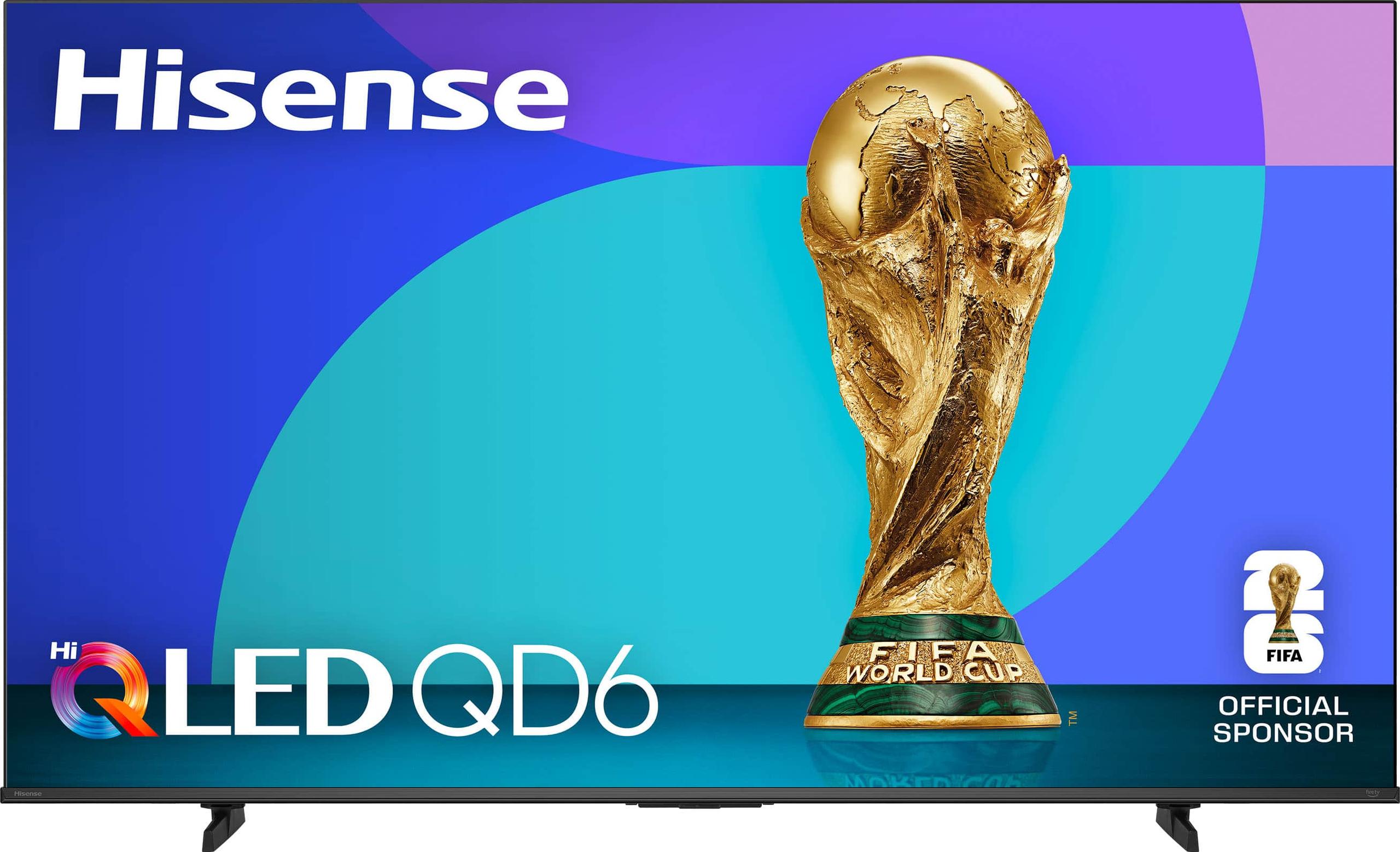
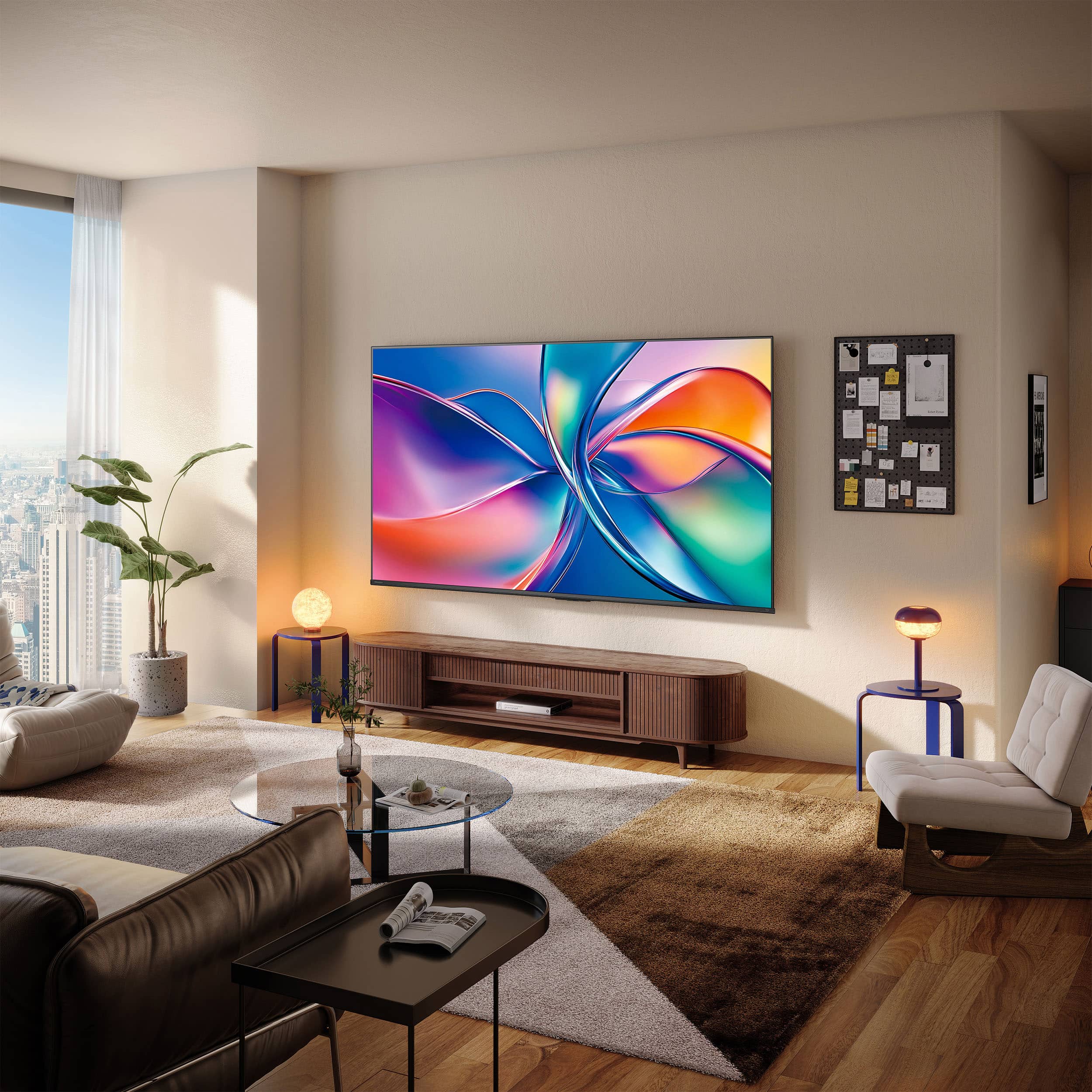
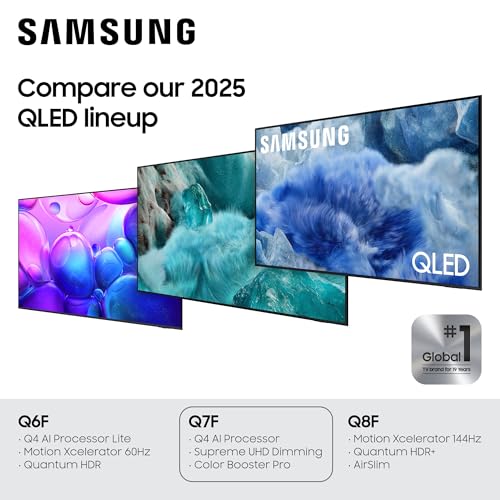
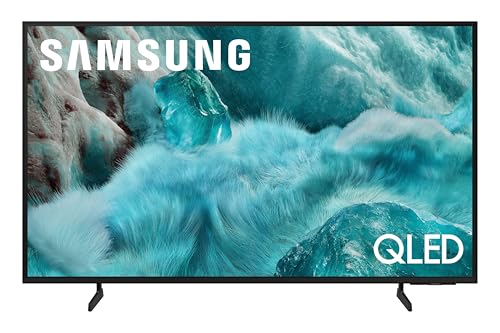
Shopping for a budget 65-inch TV in 2025 means navigating a crowded field of quantum dot displays that promise premium color performance without flagship pricing. Two models that consistently surface in this conversation are the Hisense 65" QD6 Series and the Samsung Q7F. Both launched in 2025 as entry-level QLED options, but they take notably different approaches to delivering value.
Understanding what separates these TVs requires looking beyond marketing claims to examine real-world performance differences. Based on extensive research across professional reviews and user feedback, the picture that emerges is more nuanced than simple spec comparisons might suggest.
Before diving into specifics, it's worth understanding what you're actually buying when you choose a budget QLED TV. Quantum dots are microscopic particles that enhance color reproduction by converting blue LED backlight into more precise red and green wavelengths. This technology, originally found only in premium displays, has trickled down to budget models over the past few years.
However, budget QLED TVs make significant compromises to hit accessible price points. Both the Hisense QD6 and Samsung Q7F lack local dimming - a feature where different zones of the backlight can be independently controlled to improve contrast. They also use basic VA panels (a type of LCD technology that offers good contrast but narrow viewing angles) and stick to 60Hz refresh rates rather than the 120Hz found in gaming-focused models.
The key question becomes: which compromises matter most for your viewing habits, and where does each TV excel within these constraints?
The most significant performance gap between these models lies in brightness output, which cascades into several viewing scenarios. Our research indicates the Hisense QD6 achieves approximately 385 cd/m² (candelas per square meter - a measure of how much light the screen can produce), while the Samsung Q7F falls notably short of this mark.
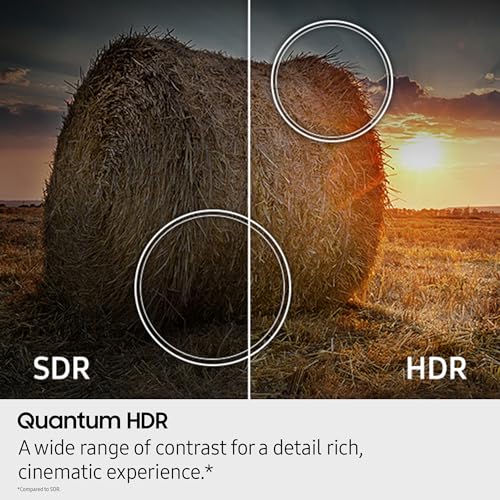
This brightness advantage translates into more impactful HDR (High Dynamic Range) performance from the Hisense. HDR content is designed to display a wider range of brightness levels than standard video, creating more realistic lighting effects. However, without sufficient peak brightness, HDR scenes often appear flat and washed out. While neither TV delivers the stunning HDR impact of premium models with 1000+ nits of brightness, the Hisense QD6 at least makes HDR content visibly different from standard video.
The brightness advantage also helps in moderately lit rooms. If your TV faces windows or you typically watch with lights on, the Hisense QD6 maintains better color saturation and contrast against ambient light. The Samsung Q7F, by contrast, can appear somewhat dim and washed out in these conditions.
Both TVs suffer from the same fundamental limitation: the absence of local dimming means bright objects on screen cause the entire backlight to increase, lifting black levels across the image. This creates a grayish appearance in dark scenes that's immediately noticeable when compared to TVs with proper contrast control. However, the Hisense QD6's superior brightness at least ensures this limitation is less problematic during daytime viewing.
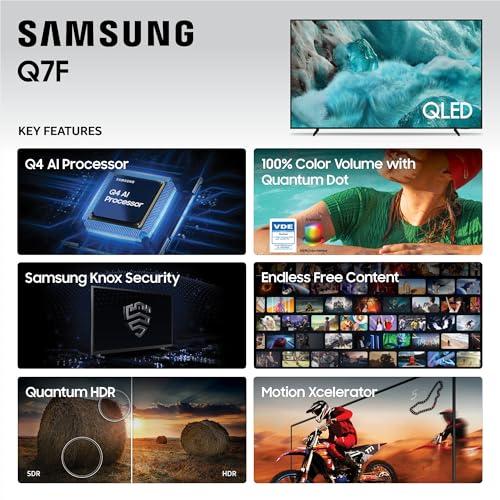
Color reproduction showcases each manufacturer's distinct philosophy. The Samsung Q7F emphasizes PANTONE validation, meaning its colors have been certified to match industry-standard color references. Samsung's processing tends toward vibrant, punchy colors that immediately catch the eye, and the TV includes what reviewers describe as a "color booster" setting that enhances saturation without creating obviously unnatural tones.
The Hisense QD6 takes a more measured approach, covering 90% of the DCI-P3 color space (a professional color standard used in movie production). Out of the box, it demonstrates excellent color accuracy in standard content, requiring minimal calibration for natural-looking images. However, its color volume - how well it maintains color accuracy at different brightness levels - shows limitations, particularly with red tones.
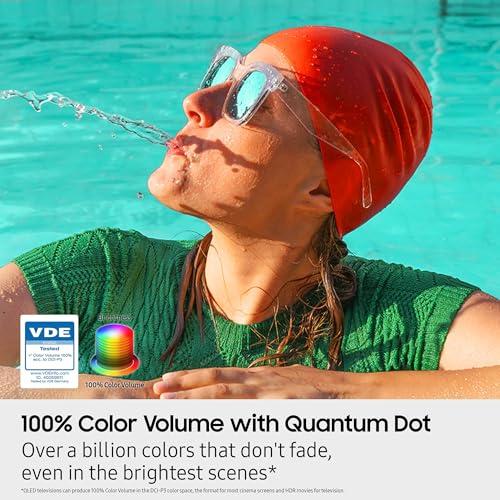
Both displays deliver over a billion color shades thanks to their quantum dot enhancement, but the practical difference lies in processing philosophy. Samsung's approach favors immediate visual impact, while Hisense prioritizes accuracy. Neither approach is inherently superior; it depends whether you prefer colors that "pop" or colors that look natural.
The real disappointment for both models comes in HDR color performance. Despite their quantum dot technology, neither TV maintains vibrant colors when displaying bright HDR highlights, resulting in the washed-out appearance that plagues budget HDR implementations.
Motion performance represents another area where both TVs show their budget origins. The Hisense QD6 employs Motion Rate 120 technology, which uses MEMC (Motion Estimation, Motion Compensation) to interpolate additional frames between the native 60Hz output. This processing helps with smooth panning shots in movies and reduces judder, but it can create artifacts around fast-moving objects in sports.
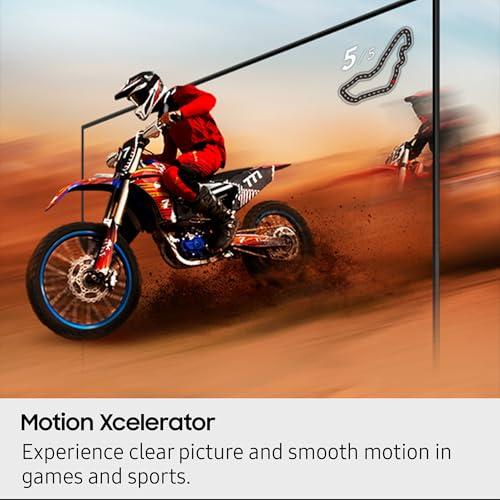
The Samsung Q7F uses Motion Xcelerator technology for similar results. Both TVs handle most content adequately, but neither excels with fast-paced sports or action scenes where you'll notice motion blur and occasional stuttering.
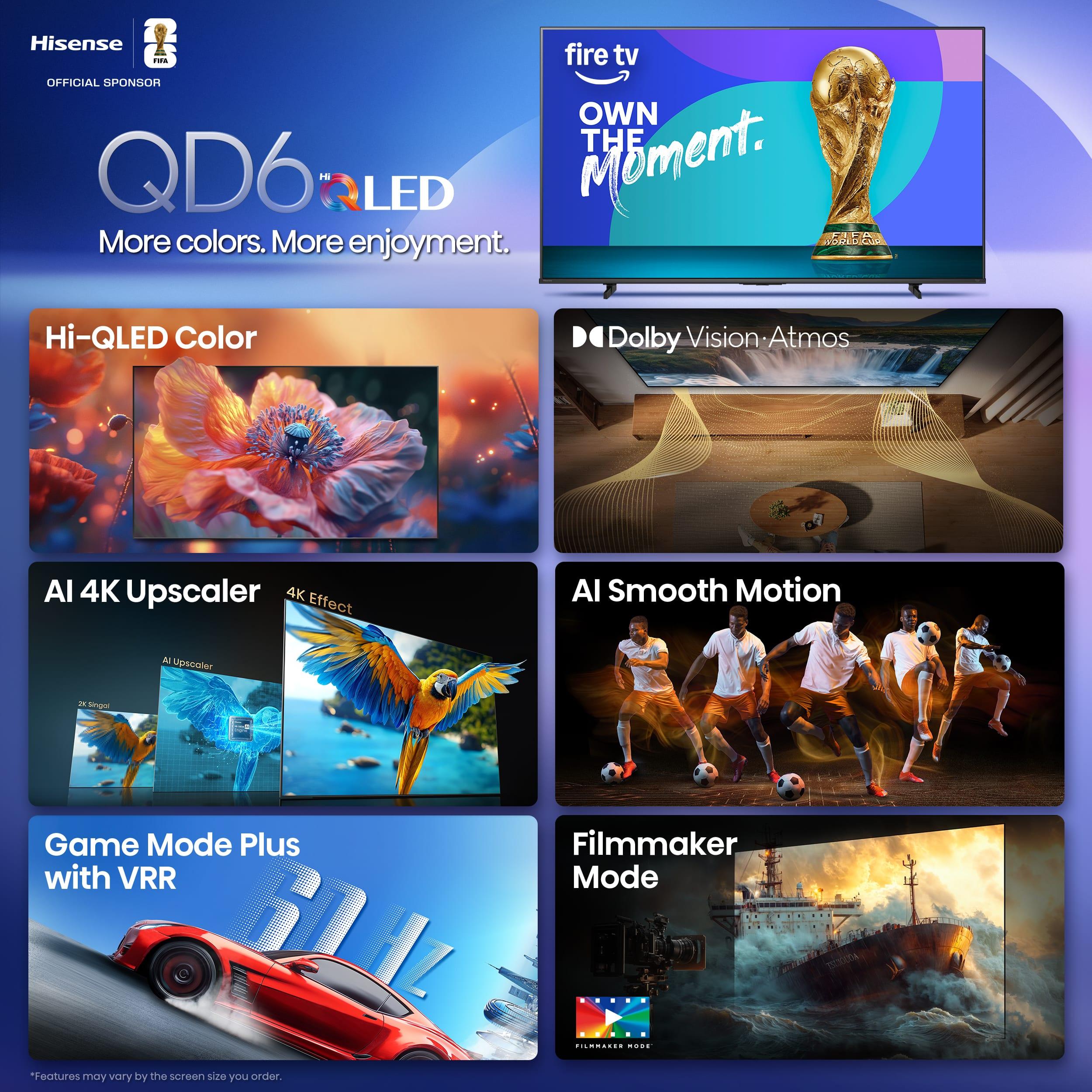
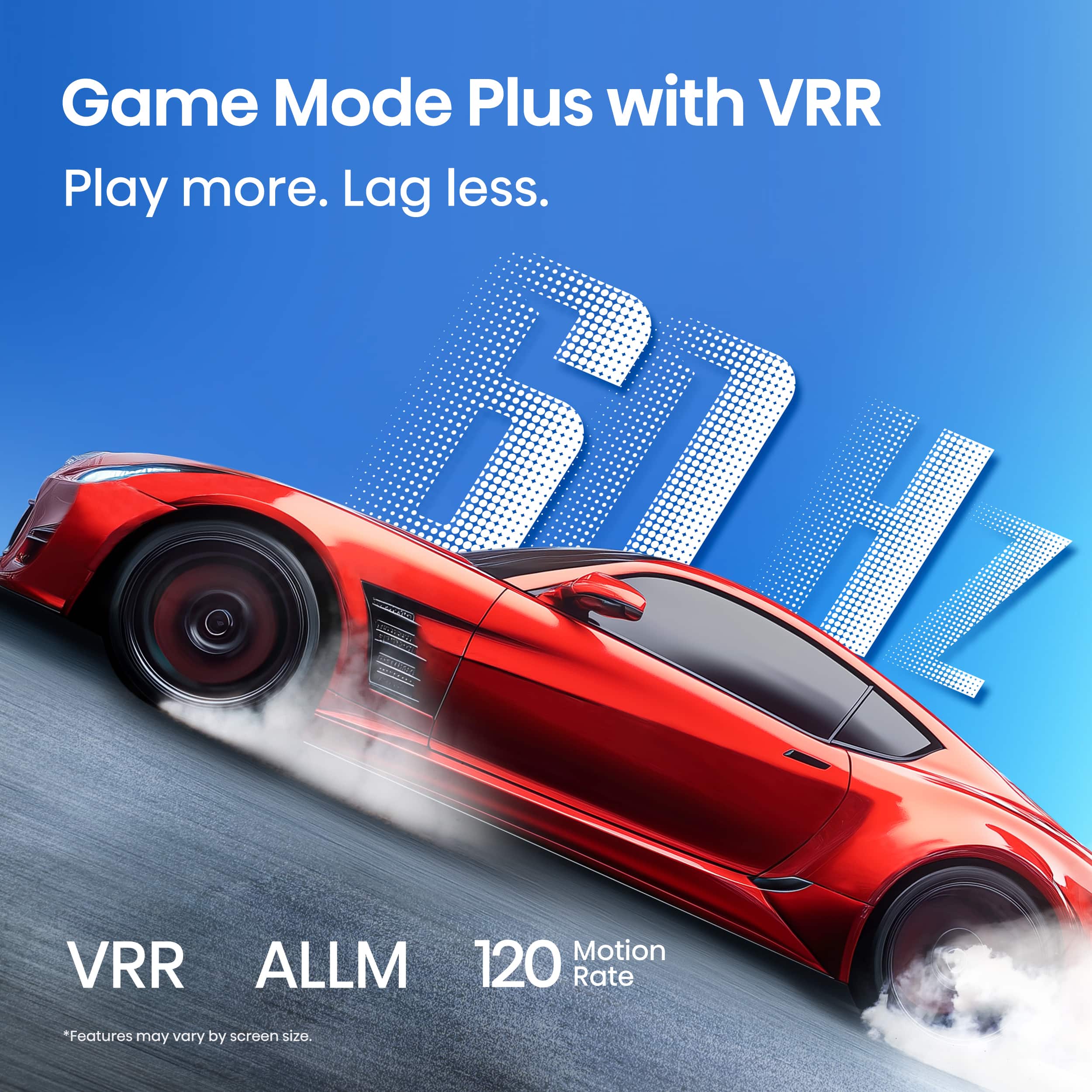
For gaming, both models offer low input lag - the delay between pressing a controller button and seeing the result on screen. At approximately 10ms, both TVs feel responsive for casual gaming. The Hisense QD6 includes VRR (Variable Refresh Rate) support, which helps eliminate screen tearing when game frame rates fluctuate, giving it a slight edge for console gaming.
However, both TVs lack the HDMI 2.1 ports and 120Hz refresh rates that serious gamers expect in 2025. If you own a PlayStation 5 or Xbox Series X and want to take full advantage of their capabilities, you'll need to look at more expensive models or accept that you're not getting the complete next-gen gaming experience.
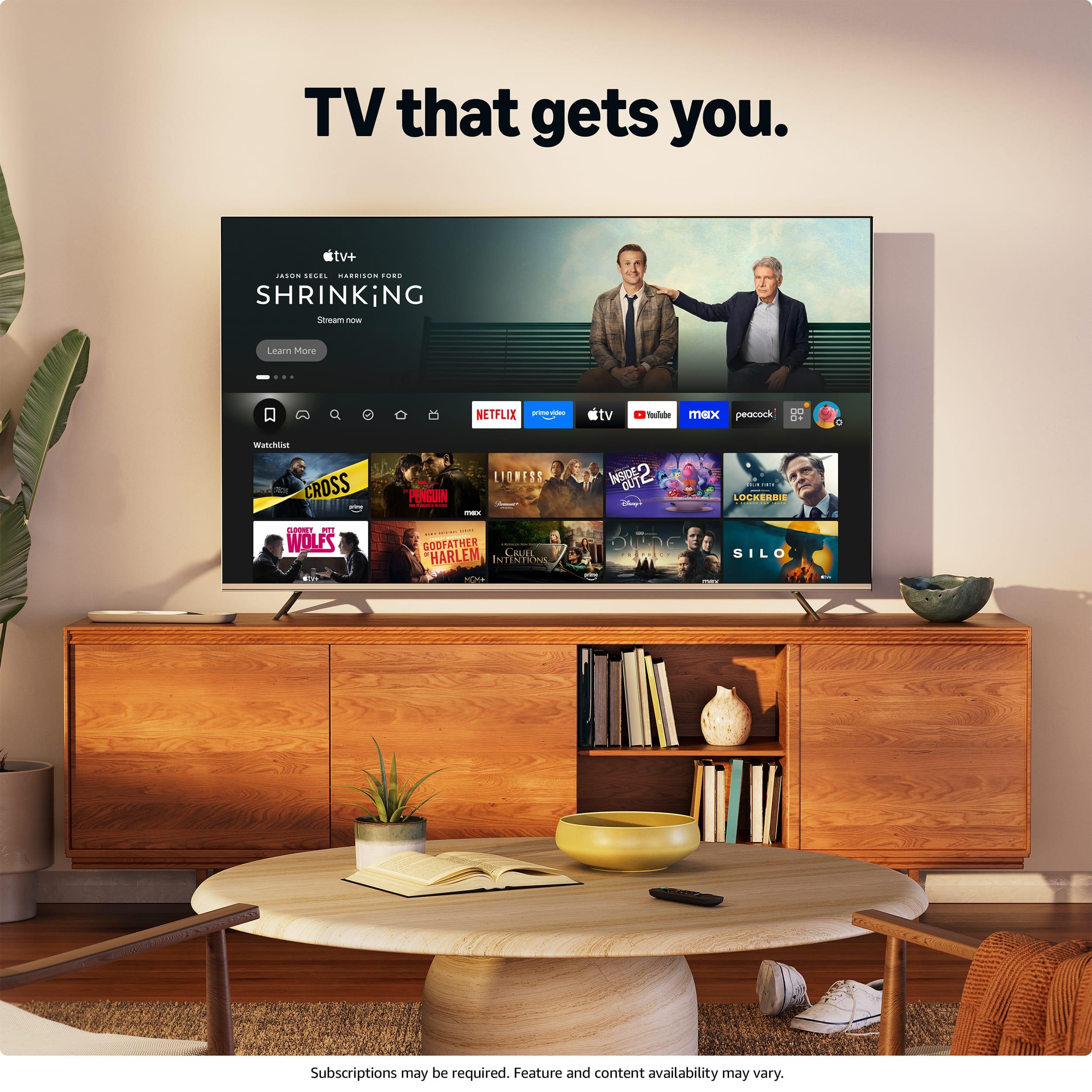
The software experience represents perhaps the most personal choice between these TVs. The Hisense QD6 runs Fire TV OS, deeply integrating with Amazon's ecosystem. If you're already invested in Amazon Prime Video, use Alexa devices throughout your home, or prefer Amazon's content recommendations, Fire TV provides a seamless experience.
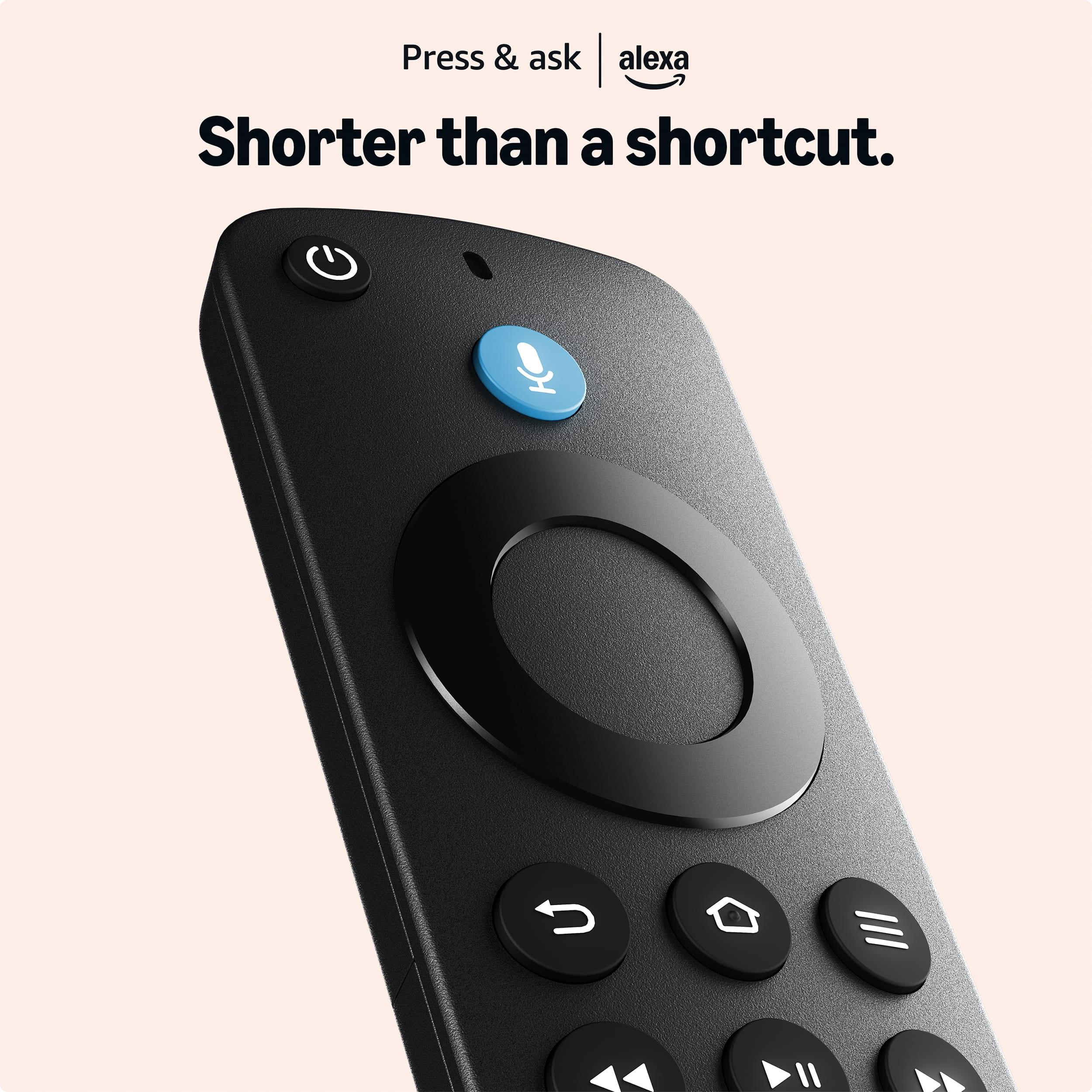
Fire TV's interface emphasizes content discovery, surfacing shows and movies from across your subscribed services. The platform includes Amazon's free ad-supported channels through IMDb TV and offers excellent voice search capabilities through the included Alexa remote. However, some users report occasional lag in menu navigation, particularly when switching between apps quickly.
The Samsung Q7F runs Tizen OS, Samsung's proprietary smart platform that's evolved significantly over recent years. Tizen feels snappier in daily use and includes unique features like Multi-View, which lets you watch two video sources simultaneously - useful for keeping up with news while watching a game. The platform integrates well with Samsung Galaxy phones and other Samsung devices, offering features like easy screen mirroring and notification sharing.
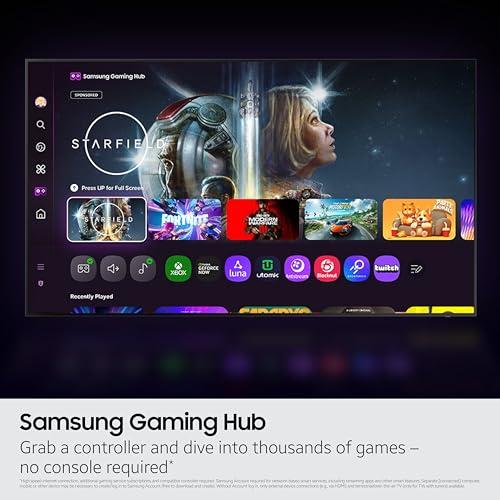
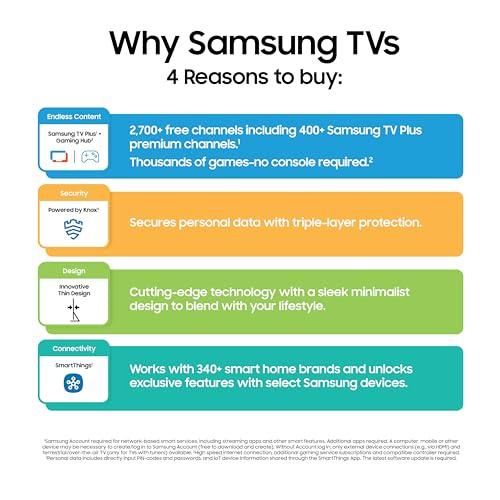
Samsung's platform also includes SmartThings integration, turning your TV into a smart home hub. If you're building a connected home setup, this functionality can eliminate the need for separate hub devices. The TV also supports Samsung Health, allowing you to access fitness content and track workouts from your living room.
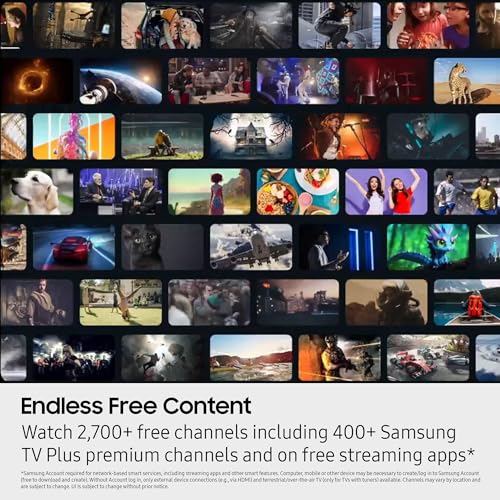
Both platforms support major streaming services and receive regular updates, but their different approaches cater to distinct user preferences. Fire TV excels if you want content aggregation and Amazon ecosystem integration, while Tizen offers more advanced smart home functionality and multi-tasking features.
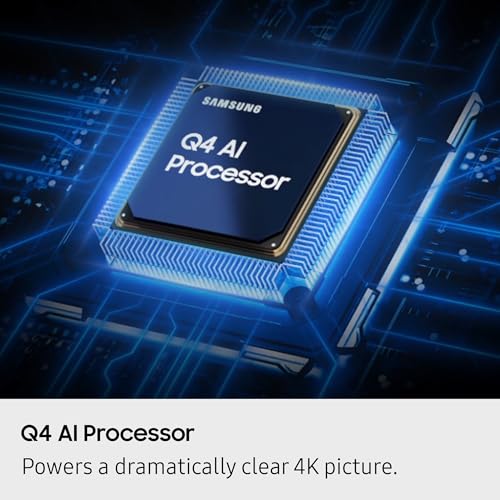
Modern budget TVs increasingly rely on AI processing to overcome hardware limitations, and both models showcase different approaches to this challenge. The Samsung Q7F features Samsung Vision AI, a comprehensive system that provides real-time scene recognition, adaptive sound adjustment, and even gesture controls. The Q4 AI processor continuously analyzes content to optimize picture settings automatically.
This AI processing extends to Samsung's approach to upscaling lower-resolution content. The system recognizes different content types - sports, movies, animation - and applies appropriate enhancement algorithms. In practice, this means old TV shows and streaming content at less than 4K resolution often look noticeably sharper and cleaner.
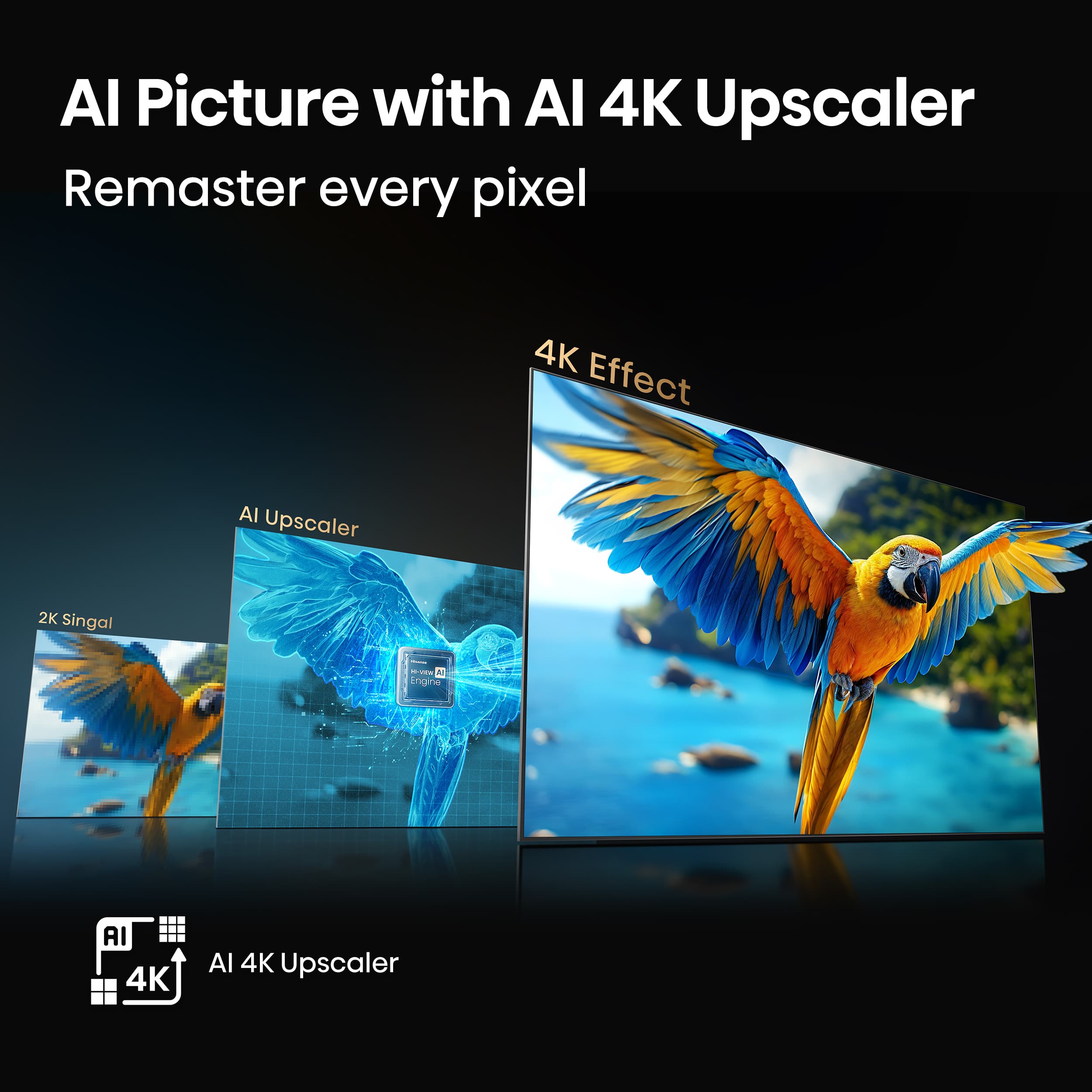
The Hisense QD6 includes AI 4K Upscaler and AI Smooth Motion technologies that serve similar functions but with less sophisticated scene recognition. The upscaling performs well enough for most content, transforming HD broadcasts and streaming into acceptably sharp 4K images, though it doesn't match the nuanced processing of Samsung's more advanced system.
Both TVs include Filmmaker Mode, which disables post-processing and motion smoothing to display movies as directors intended. This feature has become increasingly important as more content creators specifically tune their work for this viewing mode.
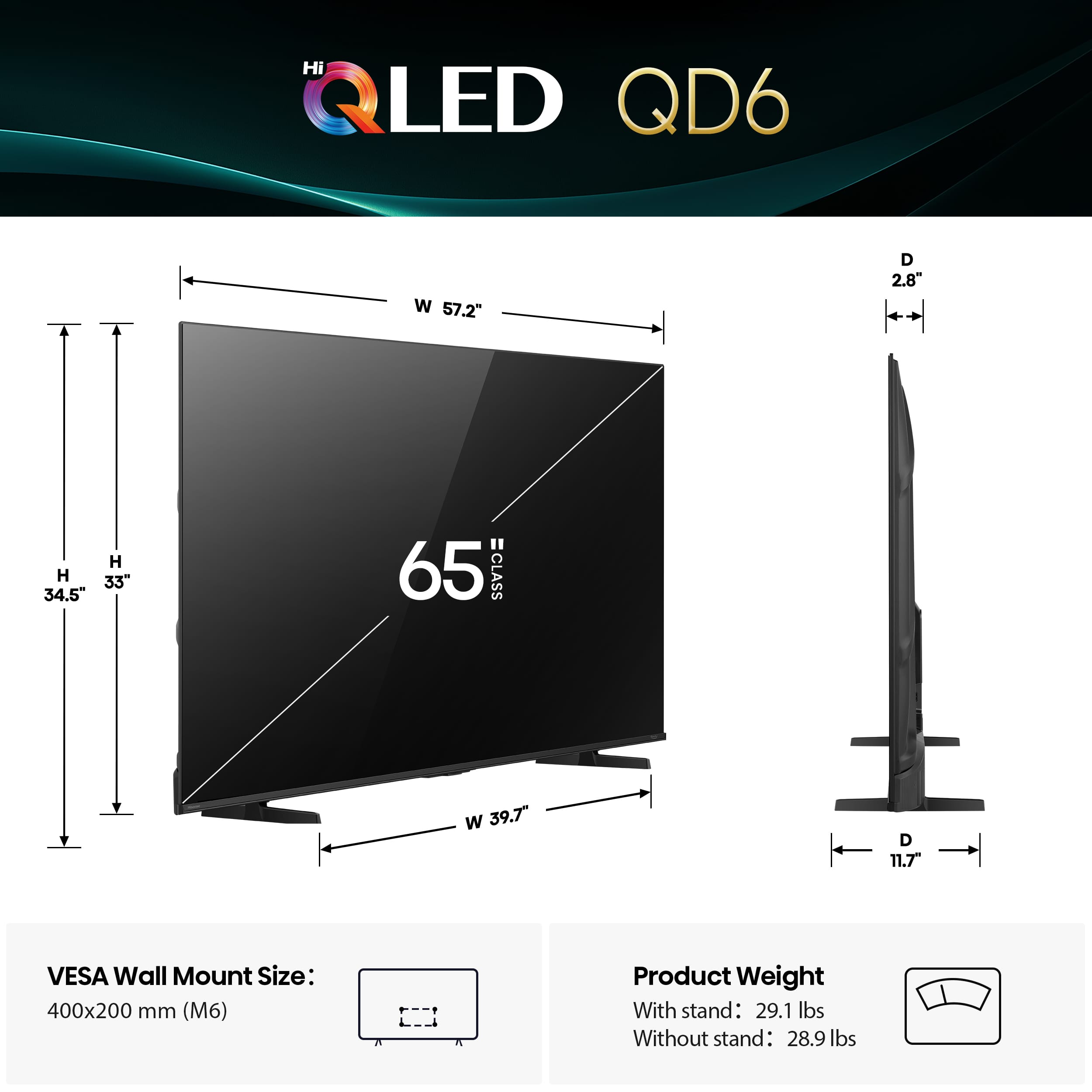
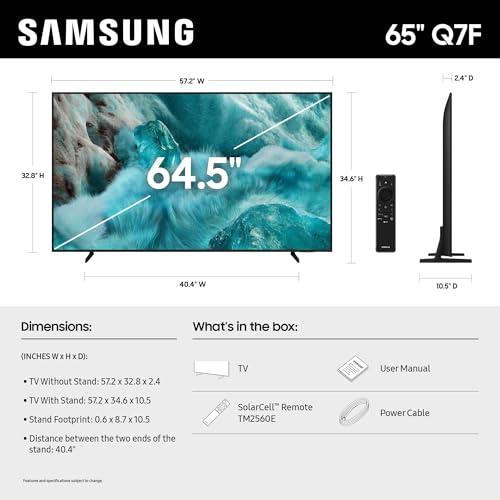
Physical design might seem secondary to picture quality, but it affects daily usability more than many buyers realize. The Samsung Q7F demonstrates Samsung's traditional attention to industrial design with a three-bezel appearance that minimizes visible borders around the screen. At 37.7 pounds, it's heavier than the Hisense QD6's 29.1 pounds, reflecting more robust internal construction.
Samsung's adjustable stand system deserves particular mention. The feet can be positioned wide for maximum stability or narrow to fit smaller furniture, and they adjust for height to accommodate soundbars underneath. This flexibility proves valuable when trying to fit the TV into existing living room setups.
The Hisense QD6 uses a more basic but functional design approach. The stand feels solid enough for normal use, though there's slight wobble if you need to adjust the screen angle. The lighter weight makes wall mounting easier, and the standard VESA mounting pattern ensures compatibility with most wall brackets.
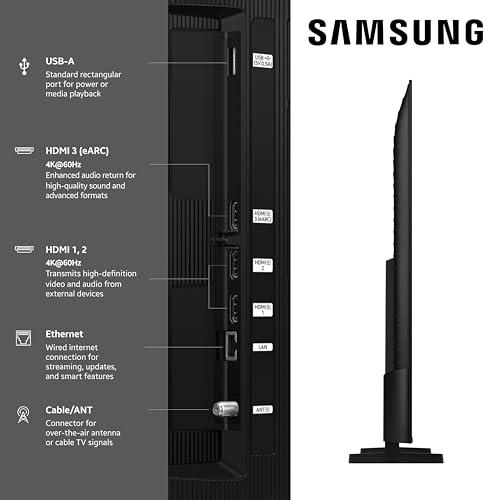
Connectivity reveals another practical difference. The Hisense QD6 provides four HDMI 2.0 ports and two USB connections, while the Samsung Q7F limits you to three HDMI inputs and one USB port. For households with multiple game consoles, streaming devices, and other HDMI sources, this difference matters significantly.
For dedicated home theater use, both TVs reveal the constraints of their budget positioning. The lack of local dimming fundamentally limits their ability to reproduce the dramatic contrast that makes movies cinematically engaging. Dark scenes appear washed out, and bright highlights fail to achieve the impact that draws you into the action.
However, understanding these limitations helps set appropriate expectations. In a moderately lit family room, both TVs deliver engaging movie experiences. The Hisense QD6's superior brightness provides better performance when ambient light can't be completely controlled, while the Samsung Q7F's more sophisticated processing helps with the inevitable compromises of streaming and broadcast content.
Both support major HDR formats - HDR10 and HDR10+ - though neither includes Dolby Vision support. For movie enthusiasts, this represents a significant limitation since many streaming services and 4K Blu-ray releases use Dolby Vision for optimal HDR presentation.
Audio performance from the built-in speakers proves adequate for casual viewing but underwhelming for serious movie watching. Both TVs support modern audio processing - the Hisense QD6 includes Dolby Atmos support while the Samsung Q7F offers Object Tracking Sound Lite - but the 20W speakers can't deliver the dynamic range these formats require. Plan on adding a soundbar or speaker system for proper home theater audio.
At the time of writing, the Hisense QD6 offers measurably better performance per dollar, primarily due to its brightness advantage and more comprehensive connectivity. The price difference between these models often approaches $100-150, making the Hisense's objective advantages even more compelling from a pure value perspective.
However, value calculations extend beyond specifications. The Samsung Q7F provides intangible benefits that matter to many buyers: brand reputation, more refined software, better long-term update support, and superior industrial design. Samsung's track record for supporting older TVs with software updates spanning multiple years often justifies the premium for buyers planning to keep their TV for five years or more.
The feature gap also depends on your specific needs. If you're building a Samsung-centric smart home or want the most sophisticated AI processing available in this price range, the Samsung Q7F delivers capabilities the Hisense QD6 simply can't match.
Based on our research across professional reviews and user experiences, the choice between these TVs aligns clearly with different buyer priorities and usage scenarios.
Choose the Hisense QD6 if you prioritize objective performance metrics and value maximum features per dollar. This TV makes sense for buyers who care more about brightness, connectivity options, and gaming features than brand prestige or advanced software capabilities. It's particularly well-suited for moderately lit rooms where its brightness advantage provides tangible benefits throughout the day.
The Samsung Q7F appeals to buyers who value refinement, ecosystem integration, and long-term reliability over maximum bang-for-buck performance. If you're already invested in Samsung's ecosystem, appreciate sophisticated AI features, or simply prefer the peace of mind that comes with a premium brand, the additional cost often proves worthwhile.
For serious home theater enthusiasts, both TVs represent stepping stones rather than destinations. Their lack of local dimming and limited brightness make them unsuitable for dedicated theater rooms where contrast performance matters most. Consider these models for family rooms and living spaces where convenience and smart features matter more than reference-quality picture performance.
Gaming enthusiasts face a similar calculation. Both TVs provide acceptable performance for casual gaming, but neither offers the high refresh rates and advanced features that showcase modern consoles' capabilities. If gaming represents a primary use case, budget might be better allocated toward slightly more expensive models with proper 120Hz panels and HDMI 2.1 connectivity.
The budget QLED category continues evolving rapidly, with new models appearing regularly and prices fluctuating based on market conditions. However, the fundamental trade-offs these TVs represent - enhanced color over standard LED, but significant compromises compared to premium displays - remain consistent. Understanding where each model excels within these constraints helps ensure your choice aligns with your specific viewing priorities and budget realities.
| Hisense 65" QD6 Series Hi-QLED Fire TV (2025) | Samsung 65-Inch Q7F Series QLED Smart TV 2025 |
|---|---|
| Peak Brightness - Critical for HDR impact and bright room viewing | |
| ~385 cd/m² (noticeably brighter, better HDR performance) | Lower peak brightness (dimmer HDR, struggles in bright rooms) |
| Display Technology - Affects color and contrast quality | |
| Hi-QLED with quantum dots, VA panel, no local dimming | QLED with quantum dots, VA panel, no local dimming |
| Smart Platform - Determines app selection and user experience | |
| Fire TV OS (Amazon ecosystem integration, Alexa built-in) | Tizen OS (Samsung ecosystem, SmartThings hub, Multi-View) |
| Gaming Features - Important for console compatibility | |
| VRR, ALLM, ~10.2ms input lag, 4K@60Hz only | Auto Game Mode, ~10ms input lag, 4K@60Hz only |
| AI Processing - Enhances picture quality and upscaling | |
| AI 4K Upscaler, AI Smooth Motion (basic processing) | Q4 AI Processor, Samsung Vision AI (advanced scene recognition) |
| Connectivity - Matters for multiple devices | |
| 4x HDMI 2.0, 2x USB 2.0, eARC support | 3x HDMI, 1x USB (limited connectivity) |
| Color Performance - Affects picture vibrancy | |
| 90% DCI-P3 coverage, excellent SDR accuracy | PANTONE validated, 100% color volume claim |
| Motion Handling - Important for sports and action content | |
| Motion Rate 120 with MEMC, decent but struggles with fast motion | Motion Xcelerator, similar performance to Hisense QD6 |
| Build Quality - Affects durability and aesthetics | |
| 29.1 lbs, basic design, standard feet | 37.7 lbs, premium 3-bezel design, adjustable stand |
| HDR Support - Determines premium content compatibility | |
| Dolby Vision, HDR10+, HDR10, HLG | Quantum HDR, HDR10+ (no Dolby Vision support) |
| Audio Features - Built-in sound quality | |
| Dolby Atmos support, standard speakers | 20W 2CH, OTS Lite, Q-Symphony soundbar compatibility |
| Refresh Rate - Affects motion clarity and gaming | |
| 60Hz native (Motion Rate 120 with interpolation) | 60Hz native (limited for modern gaming) |
The Hisense 65" QD6 Series delivers superior picture quality overall, primarily due to its significantly brighter display (~385 cd/m²) that provides more impactful HDR performance and better visibility in bright rooms. While both TVs use quantum dot technology for enhanced colors, the Samsung Q7F appears dimmer and more washed out in comparison, especially with HDR content.
The Hisense QD6 runs Fire TV OS with deep Amazon ecosystem integration and Alexa voice control, while the Samsung Q7F uses Tizen OS featuring Samsung's ecosystem, SmartThings smart home hub functionality, and Multi-View capability. Fire TV excels at content discovery and Amazon services, while Tizen offers more advanced smart home features and faster menu navigation.
The Hisense 65" QD6 Series has a slight gaming advantage with VRR (Variable Refresh Rate) support that eliminates screen tearing, plus more HDMI ports for multiple consoles. Both TVs offer low input lag (~10ms) and Auto Low Latency Mode, but neither supports 4K@120Hz gaming that modern consoles can provide. For serious gaming, both are limited by their 60Hz panels.
Both TVs deliver excellent color performance through quantum dot technology. The Samsung Q7F emphasizes vibrant, punchy colors with PANTONE validation and claims 100% color volume, while the Hisense QD6 covers 90% DCI-P3 with more natural, accurate colors out of the box. Samsung's approach favors immediate visual impact, while Hisense prioritizes color accuracy.
The Hisense 65" QD6 Series significantly outperforms the Samsung Q7F in brightness, achieving around 385 cd/m² compared to Samsung's notably lower peak brightness. This makes the Hisense much better for bright rooms with windows or ambient lighting, while the Samsung can appear dim and washed out in similar conditions.
The Samsung Q7F offers superior build quality with a premium 3-bezel design, heavier construction (37.7 lbs vs 29.1 lbs), and adjustable stand that can be positioned wide or narrow. The Hisense QD6 uses a more basic but functional design that's lighter for easier wall mounting, though it may have slight wobble compared to Samsung's more robust build.
The Hisense 65" QD6 Series provides better connectivity with 4 HDMI 2.0 ports and 2 USB ports, while the Samsung Q7F offers only 3 HDMI ports and 1 USB connection. This makes the Hisense more suitable for households with multiple gaming consoles, streaming devices, and other HDMI sources.
Both the Hisense QD6 and Samsung Q7F offer similar motion performance suitable for casual viewing. The Hisense uses Motion Rate 120 with MEMC processing, while Samsung employs Motion Xcelerator technology. Neither excels with fast-paced sports due to their 60Hz panels and slower pixel response times, but both handle most content adequately.
The Hisense 65" QD6 Series supports Dolby Vision, HDR10+, HDR10, and HLG formats, providing broader HDR compatibility. The Samsung Q7F supports Quantum HDR and HDR10+ but lacks Dolby Vision support, which limits compatibility with some streaming services and 4K Blu-ray content that use Dolby Vision for optimal HDR presentation.
The Hisense QD6 delivers superior value with measurably better brightness performance, more connectivity options, VRR gaming support, and Dolby Vision HDR at a lower price point. The Samsung Q7F costs more but provides premium design, advanced AI processing, and Samsung's ecosystem integration, making it better for buyers prioritizing brand reputation and smart features over raw performance.
The Samsung Q7F offers more sophisticated AI processing with its Q4 AI Processor and Samsung Vision AI, providing real-time scene recognition, adaptive sound, and advanced upscaling. The Hisense 65" QD6 Series includes basic AI 4K Upscaler and AI Smooth Motion features that perform adequately but lack the nuanced processing capabilities of Samsung's more advanced system.
Neither the Hisense QD6 nor Samsung Q7F is ideal for dedicated home theater use due to their lack of local dimming, which limits contrast performance in dark rooms. However, the Hisense 65" QD6 Series performs better in mixed lighting conditions common in family rooms, while both TVs work acceptably for casual movie watching when paired with external sound systems to overcome their limited built-in audio.
We've done our best to create useful and informative comparisons to help you decide what product to buy. Our research uses advanced automated methods to create this comparison and perfection is not possible - please contact us for corrections or questions. These are the sites we've researched in the creation of this article: pcvarge.com - bestbuy.com - rtings.com - youtube.com - rtings.com - youtube.com - consumerreports.org - leaseville.com - hisense-usa.com - device.report - hisense-usa.com - youtube.com - flatpanelshd.com - displayspecifications.com - retailspecs.com - bestbuy.com - rtings.com - bestbuy.com - youtube.com - youtube.com - youtube.com - samsung.com - samsung.com - samsung.com - billsmith.com - costco.com - samsung.com - hometechnologyreview.com - hometechnologyreview.com - bestbuy.com - samsung.com - bestbuy.com - samsung.com - hometechnologyreview.com - samsung.com - samsung.com

Privacy Policy
Terms and Conditions - Affiliate Policy
Home Security
© Copyright 2008-2026.
11816 Inwood Rd #1211, Dallas, TX 75244