

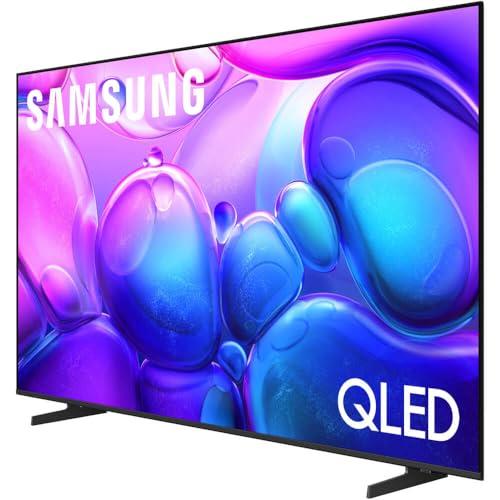
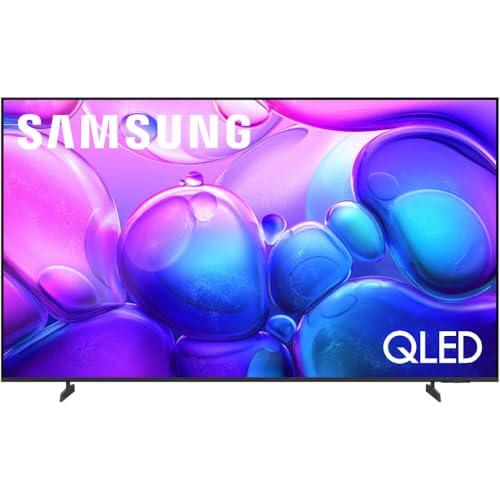
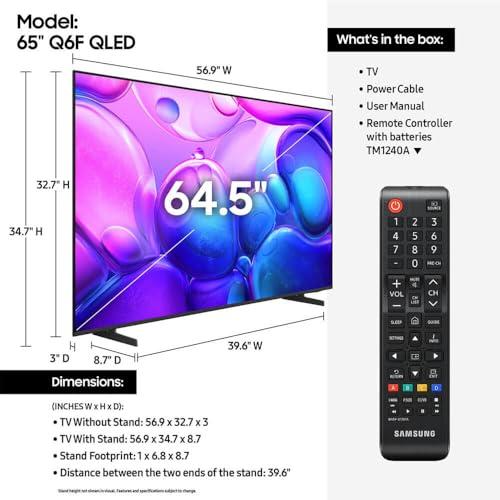
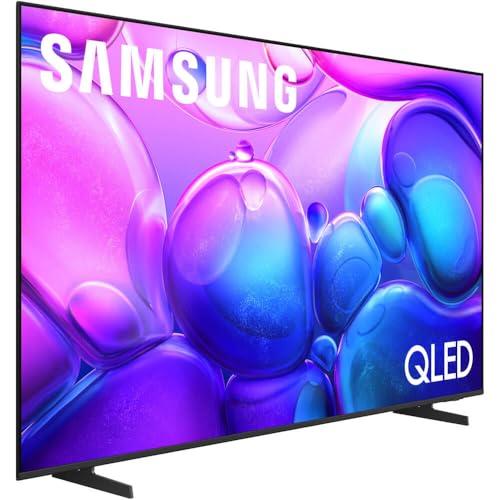
If you're shopping for a new TV in 2025 and considering Samsung's entry-level QLED options, you've probably come across both the Samsung Q6F and Samsung Q7F. These two 65-inch models sit at the bottom of Samsung's QLED lineup, promising quantum dot technology at more accessible price points. But here's the thing - just because they're both "entry-level" doesn't mean they're the same TV with different stickers.
After diving deep into user reviews, expert evaluations, and technical specifications, we've found some important differences that could influence your decision. More importantly, we've discovered some concerning trends in Samsung's 2025 entry-level lineup that every potential buyer should understand before making a purchase.
Before we compare these specific models, it's worth understanding what you're actually getting with QLED technology. QLED stands for "Quantum Dot Light Emitting Diode" - essentially, it's Samsung's marketing term for TVs that use quantum dots to enhance color reproduction. These microscopic particles sit between the backlight and LCD panel, converting blue LED light into precise colors across the spectrum.
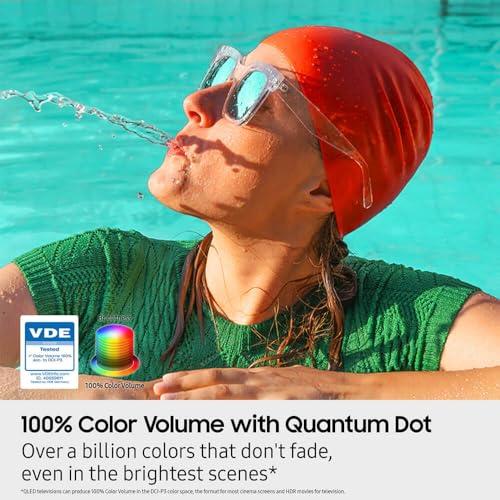
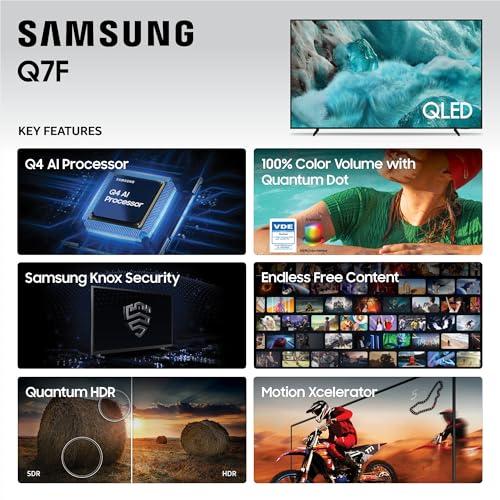
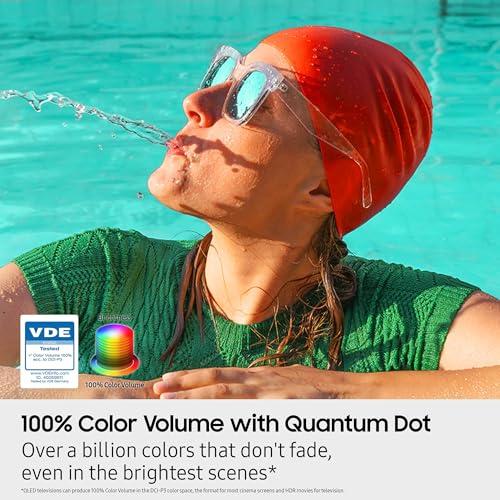
The main benefit? You get access to what Samsung calls "100% color volume" - meaning the TV can theoretically produce over a billion different color shades that remain accurate even at high brightness levels. This is particularly noticeable when watching nature documentaries or animated content where vibrant colors really pop off the screen.
However, entry-level QLED models like the Q6F and Q7F come with significant compromises compared to Samsung's premium offerings. They lack local dimming (individual LED zone control for better contrast), typically have lower peak brightness, and often use edge-lit or basic direct-lit backlighting instead of advanced full-array systems. Understanding these limitations upfront helps set realistic expectations.
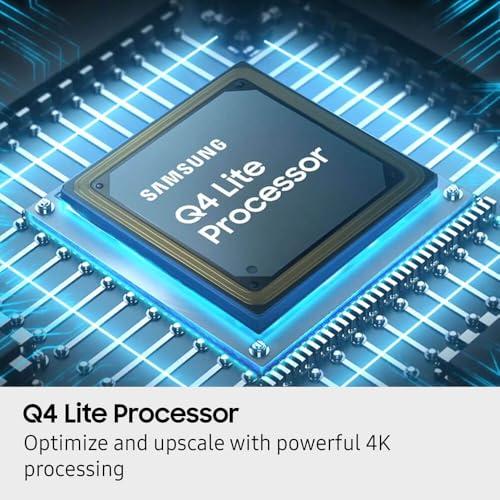
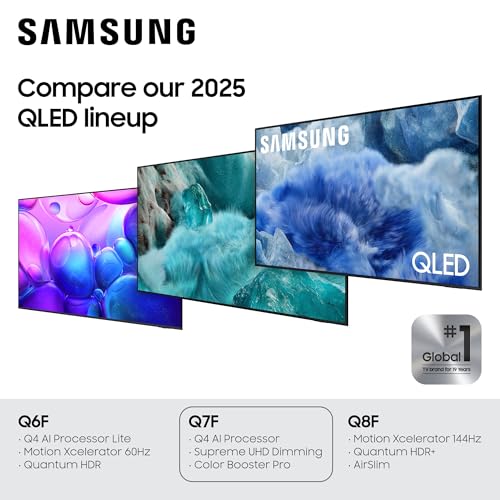
The most significant difference between these models lies in their image processing capabilities. The Samsung Q6F uses Samsung's Q4 Lite processor, which handles basic functions like 4K upscaling (converting lower resolution content to fit the 4K screen), color optimization, and audio processing.
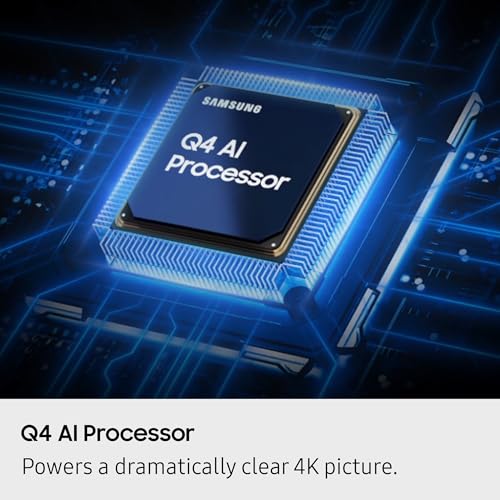
The Samsung Q7F steps up to the Q4 AI processor, which sounds more impressive than it actually is in practice. The "AI" here refers to machine learning algorithms that analyze each scene to optimize color reproduction and audio settings automatically. For example, when watching a sunset scene, the AI processor might boost warm tones and adjust brightness to make the colors more vibrant. During dialogue-heavy scenes, it might enhance speech clarity.
In real-world use, this processing difference is subtle. Both TVs will upscale your Netflix shows and cable TV to 4K resolution adequately, but the Q7F might do slightly better with challenging content like older movies or low-bitrate streaming video.
Another area where the Q7F differentiates itself is color enhancement technology. The Q6F includes Samsung's standard Color Booster, which primarily enhances reds and blues to make colors appear more saturated and vibrant.
The Q7F upgrades to Color Booster Pro, which uses the AI processor to analyze individual scenes and adjust color enhancement accordingly. Instead of applying the same color boost to everything, it might enhance the green foliage in a nature scene while leaving skin tones natural in a drama.
However, based on our research into user experiences and expert reviews, this difference is more theoretical than practical. Both TVs produce similar color performance in day-to-day viewing, and neither addresses the fundamental brightness limitations that affect color impact in HDR content.
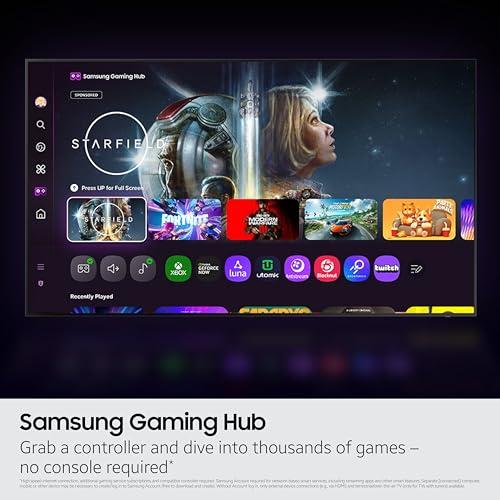
For gamers, the Q7F offers some additional features that the Q6F lacks. Both models support Auto Game Mode (which reduces input lag by bypassing unnecessary image processing) and include access to Samsung's Gaming Hub - a centralized platform for accessing game streaming services and console games.
The Q7F adds a Gamebar interface that provides quick access to gaming settings and an AI Auto Game Mode that supposedly optimizes settings based on the type of game you're playing. In practice, these are nice-to-have features rather than game-changers, especially since both models lack the modern gaming features that serious gamers actually want: 120Hz refresh rates, Variable Refresh Rate (VRR), and HDMI 2.1 connectivity.
Both TVs are limited to 60Hz refresh rates with basic HDMI 2.0 connections, making them adequate for casual gaming but inadequate for anyone wanting to take full advantage of PlayStation 5, Xbox Series X, or modern PC gaming.
Here's where our research revealed some uncomfortable truths about Samsung's 2025 entry-level QLED lineup. Both the Q6F and Q7F represent what appears to be a step backward from Samsung's 2024 offerings.
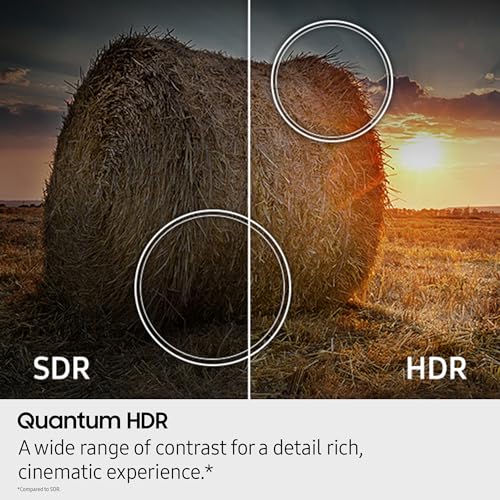
The most significant issue affecting both models is inadequate brightness output. Expert testing consistently shows that both TVs struggle to achieve the peak brightness levels necessary for impactful HDR (High Dynamic Range) content. HDR is supposed to make bright scenes blindingly bright and dark scenes deep and detailed, but both of these Samsung models fail to deliver either extreme effectively.
This brightness limitation has cascading effects. In moderately lit rooms, both TVs can look decent with standard content, but they struggle in bright rooms where ambient light washes out the screen. More problematically, HDR content - which makes up an increasing percentage of Netflix, Disney+, and 4K Blu-ray content - appears dim and lackluster compared to what you'd see on higher-end TVs or even Samsung's 2024 Q60D model.
Neither the Q6F nor Q7F includes local dimming, which is the ability to independently control different zones of LED backlighting. Without this technology, black areas of the screen appear grayish rather than truly black, and bright objects can cause haloing or blooming in dark scenes.
This limitation is particularly noticeable when watching movies with letterbox formatting (black bars on top and bottom). Instead of deep black bars, you'll see dark gray ones that become more obvious in dim room viewing - exactly when you'd want the most cinematic experience.
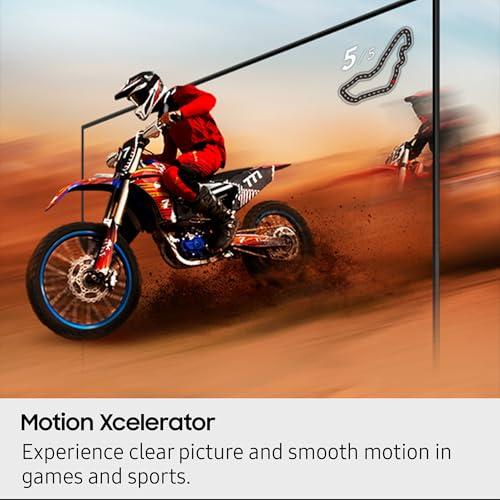
Both models handle motion reasonably well for their class, thanks to Samsung's Motion Xcelerator technology that estimates and predicts motion between frames to reduce blur. For most TV shows, movies, and casual gaming, motion appears acceptably smooth.
However, fast-paced sports or action sequences can reveal the limitations of the 60Hz panels and slower pixel response times. If you're a sports fan or watch a lot of action movies, you'll notice some blurriness in fast-moving scenes that higher-end TVs handle more gracefully.
One area where both the Q6F and Q7F perform well is smart TV functionality. Samsung's Tizen operating system remains one of the more responsive and feature-rich smart TV platforms available.
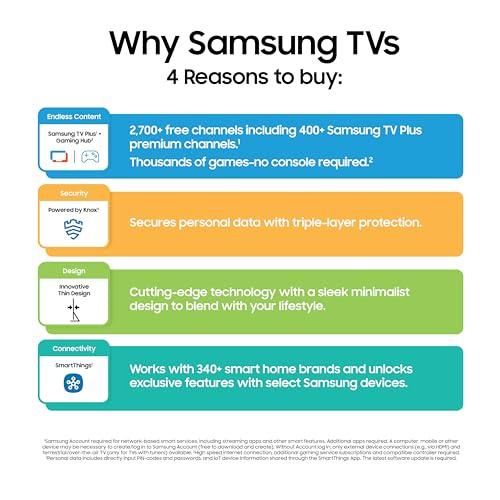
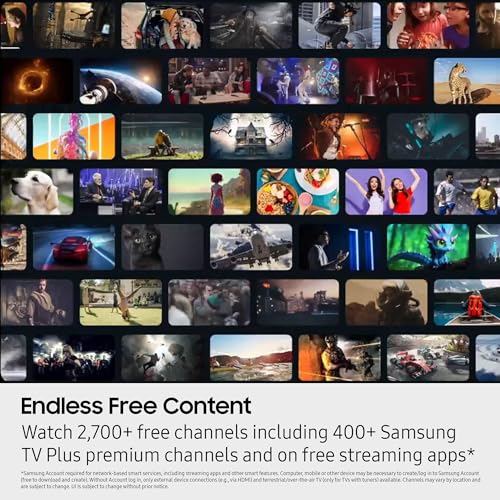
Both models include access to all major streaming apps, Samsung TV Plus (which provides hundreds of free ad-supported channels), voice control through Bixby, Alexa, and Google Assistant, and Apple AirPlay for iPhone users. The interface is intuitive, apps load quickly, and the overall experience feels polished.
The inclusion of Samsung's SmartThings Hub functionality means both TVs can serve as smart home controllers, connecting to and controlling compatible IoT devices throughout your home. For users building smart home ecosystems, this integration adds genuine value beyond just watching content.
Given the slim profiles and budget positioning, both the Q6F and Q7F deliver surprisingly competent audio through their built-in 20W speaker systems. Object Tracking Sound Lite creates a more immersive experience by simulating sound movement that matches on-screen action, while Adaptive Sound automatically adjusts audio settings based on content type.
Neither TV will replace a dedicated soundbar for serious home theater use, but they're adequate for casual viewing and significantly better than the tinny speakers found on many budget TVs. The Q-Symphony feature also means both TVs can work in tandem with Samsung soundbars to create more immersive audio experiences.
If you're setting up a dedicated home theater, both of these TVs present significant limitations. The combination of inadequate brightness, poor contrast due to lack of local dimming, and limited HDR performance means neither model delivers the cinematic experience that home theater enthusiasts expect.
For true home theater use, you'd want to consider Samsung's higher-tier QLED models with local dimming, higher peak brightness, and better contrast ratios. Alternatively, OLED TVs from Samsung or other manufacturers provide the deep blacks and infinite contrast that make movies truly cinematic, though at higher price points.
That said, for casual movie watching in a family room or bedroom, both models are perfectly adequate, especially if you're upgrading from an older LCD TV without quantum dot technology.
The gaming story for both the Q6F and Q7F is one of missed opportunities. Both offer low input lag (around 10 milliseconds), which makes them responsive enough for casual gaming. The automatic game mode detection works well, immediately optimizing settings when you turn on a console.
However, the absence of modern gaming features is glaring. Without HDMI 2.1, neither TV supports 4K gaming at 120Hz from PlayStation 5 or Xbox Series X. Without Variable Refresh Rate (VRR), you might experience screen tearing in games with inconsistent frame rates. These aren't just technical specifications - they represent a significantly compromised gaming experience compared to what's available on other TVs at similar price points.
If gaming is a priority, particularly with current-generation consoles, you'd be better served looking at competing models from TCL, Hisense, or Samsung's higher-tier offerings that include these features.
At the time of writing, both the Q6F and Q7F face challenging competitive pressures. The modest price difference between them makes the Q7F the obvious choice if you're deciding between the two, as the AI processor and enhanced gaming features provide some additional value for a relatively small premium.
However, the bigger question is whether either TV represents good value compared to alternatives. Our research suggests that Samsung's 2024 Q60D model, when available, often provides better performance at similar or lower prices. Competing models from TCL and Hisense frequently offer features like local dimming, HDMI 2.1, and higher peak brightness at comparable price points.
Samsung's 2025 entry-level QLED lineup represents an interesting case study in how manufacturers balance cost reduction with feature expectations. The move to new processor architectures and the addition of AI-enhanced features suggests Samsung is trying to differentiate these models through software rather than hardware improvements.
However, the removal of certain features that were present in 2024 models, combined with the apparent reduction in brightness performance, suggests that Samsung may have prioritized cost reduction over performance maintenance. This isn't necessarily wrong - entry-level products need to hit specific price points - but it does mean consumers need to understand what they're getting.
You want access to Samsung's quantum dot technology and smart TV platform at the absolute lowest price point. The Q6F makes sense for buyers who primarily watch streaming content in moderately lit rooms and don't need enhanced gaming features. If you're upgrading from an older LCD TV and budget is the primary concern, the basic QLED experience might be sufficient.
The modest price premium for AI processing and enhanced gaming features fits your budget. The Q7F is the better choice between these two models for most buyers, assuming the price difference isn't significant. The improved color processing and gaming interface elements provide some additional value, even if the fundamental picture quality limitations remain.
Picture quality is your top priority - look at TVs with local dimming and higher peak brightness from TCL, Hisense, or Samsung's higher-tier models. Gaming is important to you - seek out TVs with HDMI 2.1, 120Hz support, and VRR capabilities. You have a bright living room - neither model handles ambient light well enough for bright room viewing. You're setting up a dedicated home theater - both models lack the contrast and brightness needed for cinematic experiences.
Between the Samsung Q6F and Samsung Q7F, the Q7F emerges as the better choice for most buyers, assuming the price difference remains modest. The AI processor, enhanced color processing, and improved gaming features provide measurable if incremental improvements over the Q6F.
However, both models represent compromised products in Samsung's 2025 lineup. The combination of limited brightness, absent local dimming, and lack of modern gaming features makes them difficult to recommend enthusiastically, especially when competing models often offer better performance at similar price points.
If you're committed to Samsung's ecosystem and need to stay within entry-level pricing, the Q7F is the safer choice. But if you can expand your budget or consider other brands, you'll likely find better value elsewhere in the current TV market. The quantum dot technology in both models does provide enhanced colors compared to basic LCD TVs, but the other limitations prevent either from being standout performers in their price categories.
For most buyers, we'd recommend researching competing models from TCL, Hisense, and even Samsung's previous-year offerings before committing to either of these 2025 entry-level options. The TV market is competitive enough that better alternatives usually exist at any given price point.
| Samsung 65" QLED Q6F 4K Smart TV 2025 | Samsung 65-Inch Q7F Series QLED Smart TV 2025 Display |
|---|---|
| Processor - Key differentiator affecting color processing and upscaling | |
| Q4 Lite Processor (basic color optimization) | Q4 AI Processor (scene-based optimization) |
| Color Enhancement - Impact on vibrancy and saturation | |
| Standard Color Booster (enhances reds and blues) | Color Booster Pro with AI scene analysis |
| Gaming Features - Additional interface elements for console users | |
| Basic Auto Game Mode, Gaming Hub | Enhanced Gamebar, AI Auto Game Mode |
| Design - Build quality and premium touches | |
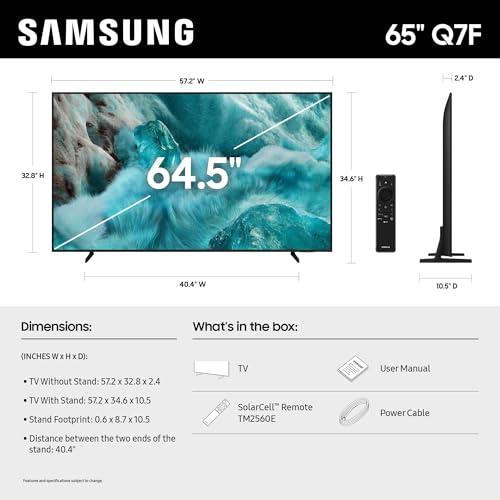
| Metal stream rear panel, standard remote | Slim look panel design, solar-powered remote |
| Display Technology - Both share same core limitations | |
| 4K QLED, 60Hz, no local dimming | 4K QLED, 60Hz, no local dimming |
| HDR Support - Limited brightness affects HDR impact on both models | |
| HDR10+, Quantum HDR (dim performance) | HDR10+, Quantum HDR (dim performance) |
| Gaming Connectivity - Neither supports modern gaming standards | |
| 3x HDMI 2.0, no VRR, no 120Hz | 3x HDMI 2.0, no VRR, no 120Hz |
| Audio System - Identical across both models | |
| 20W 2.0 channel, OTS Lite, Q-Symphony | 20W 2.0 channel, OTS Lite, Q-Symphony |
| Smart TV Platform - Same Tizen experience with identical features | |
| Tizen OS, Samsung TV Plus, voice assistants | Tizen OS, Samsung TV Plus, voice assistants |
| Picture Quality Issues - Both share fundamental brightness and contrast problems | |
| Inadequate for HDR, poor contrast, grayish blacks | Inadequate for HDR, poor contrast, grayish blacks |
| Value Consideration - Q7F offers modest improvements for small premium | |
| Entry-level QLED at lowest price point | Better choice if price difference is minimal |
The primary difference lies in the processor and color enhancement technology. The Samsung Q6F uses a basic Q4 Lite processor with standard Color Booster, while the Samsung Q7F features an AI-enhanced Q4 processor with Color Booster Pro that analyzes scenes for more intelligent color optimization. The Q7F also includes enhanced gaming features and a premium solar-powered remote.
Both the Samsung Q6F and Samsung Q7F share similar picture quality limitations, including inadequate brightness for HDR content and lack of local dimming. The Q7F has slightly more sophisticated color processing through its AI processor, but the difference is subtle in real-world viewing. Neither model delivers exceptional picture quality compared to competing TVs in their price range.
Both the Samsung Q6F and Samsung Q7F offer low input lag suitable for casual gaming, but they lack modern gaming features like 120Hz refresh rates, HDMI 2.1, and Variable Refresh Rate (VRR). The Q7F includes additional gaming interface features like Gamebar and AI Auto Game Mode, making it slightly better for console users, though neither is ideal for serious gaming.
Yes, both the Samsung Q6F and Samsung Q7F run identical Tizen smart TV platforms with access to all major streaming services, Samsung TV Plus, voice assistants, and Apple AirPlay. The smart TV experience is functionally the same across both models.
Neither the Samsung Q6F nor Samsung Q7F performs well in bright rooms due to inadequate peak brightness and poor reflection handling. Both models are better suited for moderately lit or dim viewing environments. If bright room viewing is important, consider alternative TV models with higher brightness capabilities.
Both the Samsung Q6F and Samsung Q7F feature identical 20W 2.0 channel speaker systems with Object Tracking Sound Lite and Q-Symphony support for soundbar integration. Audio performance is the same across both models and adequate for casual viewing, though a soundbar is recommended for better sound quality.
Neither the Samsung Q6F nor Samsung Q7F is ideal for dedicated home theater use due to poor contrast (no local dimming), inadequate brightness for HDR content, and grayish black levels. Both models are better suited for casual family room viewing rather than cinematic home theater experiences.
Both the Samsung Q6F and Samsung Q7F support HDR10+ and Quantum HDR but lack Dolby Vision support. However, both models suffer from insufficient brightness to deliver impactful HDR performance, making HDR content appear dim and lackluster compared to brighter TVs.
The Samsung Q7F typically offers better value if the price difference is minimal, as it includes AI processing improvements, enhanced gaming features, and premium design elements. However, both the Q6F and Q7F face strong competition from other brands offering better features at similar price points.
Both the Samsung Q6F and Samsung Q7F reportedly perform worse than Samsung's 2024 Q60D model, particularly in brightness and overall picture quality. The 2025 models appear to prioritize cost reduction over performance improvements, making previous-year Samsung models potentially better value when available.
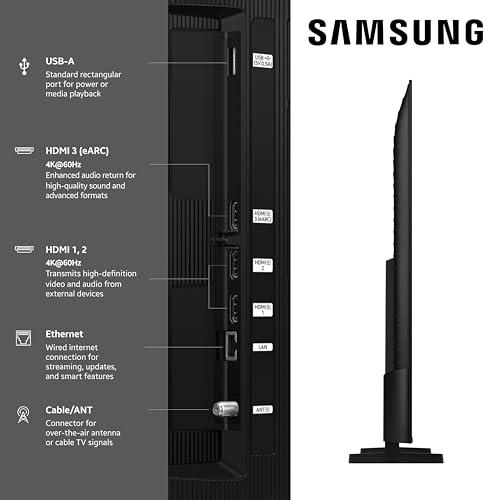
Both the Samsung Q6F and Samsung Q7F provide identical connectivity with 3 HDMI 2.0 ports, 1 USB port, Wi-Fi 5, Bluetooth 5.3, and eARC support. Neither includes HDMI 2.1 connectivity, limiting their compatibility with modern gaming consoles and high-bandwidth devices.
Choose the Samsung Q7F if the price difference is reasonable, as it offers modest improvements in processing and gaming features. However, both the Q6F and Q7F have significant limitations for bright living rooms. Consider researching competing models from TCL, Hisense, or higher-tier Samsung options that may offer better performance for your specific viewing environment and budget.
We've done our best to create useful and informative comparisons to help you decide what product to buy. Our research uses advanced automated methods to create this comparison and perfection is not possible - please contact us for corrections or questions. These are the sites we've researched in the creation of this article: tomsguide.com - bestbuy.com - samsung.com - rtings.com - youtube.com - rtings.com - bestbuy.com - samsung.com - samsung.com - samsung.com - manuals.plus - shopjetson.com - samsung.com - samsung.com - samsung.com - samsung.com - bestbuy.com - jefflynch.com - bestbuy.com - bestbuy.com - youtube.com - youtube.com - youtube.com - samsung.com - samsung.com - samsung.com - billsmith.com - costco.com - samsung.com - hometechnologyreview.com - hometechnologyreview.com - bestbuy.com - samsung.com - bestbuy.com - samsung.com - hometechnologyreview.com - samsung.com - samsung.com

Privacy Policy
Terms and Conditions - Affiliate Policy
Home Security
© Copyright 2008-2026.
11816 Inwood Rd #1211, Dallas, TX 75244