

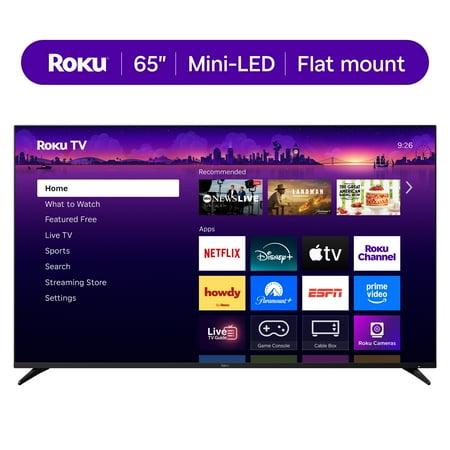
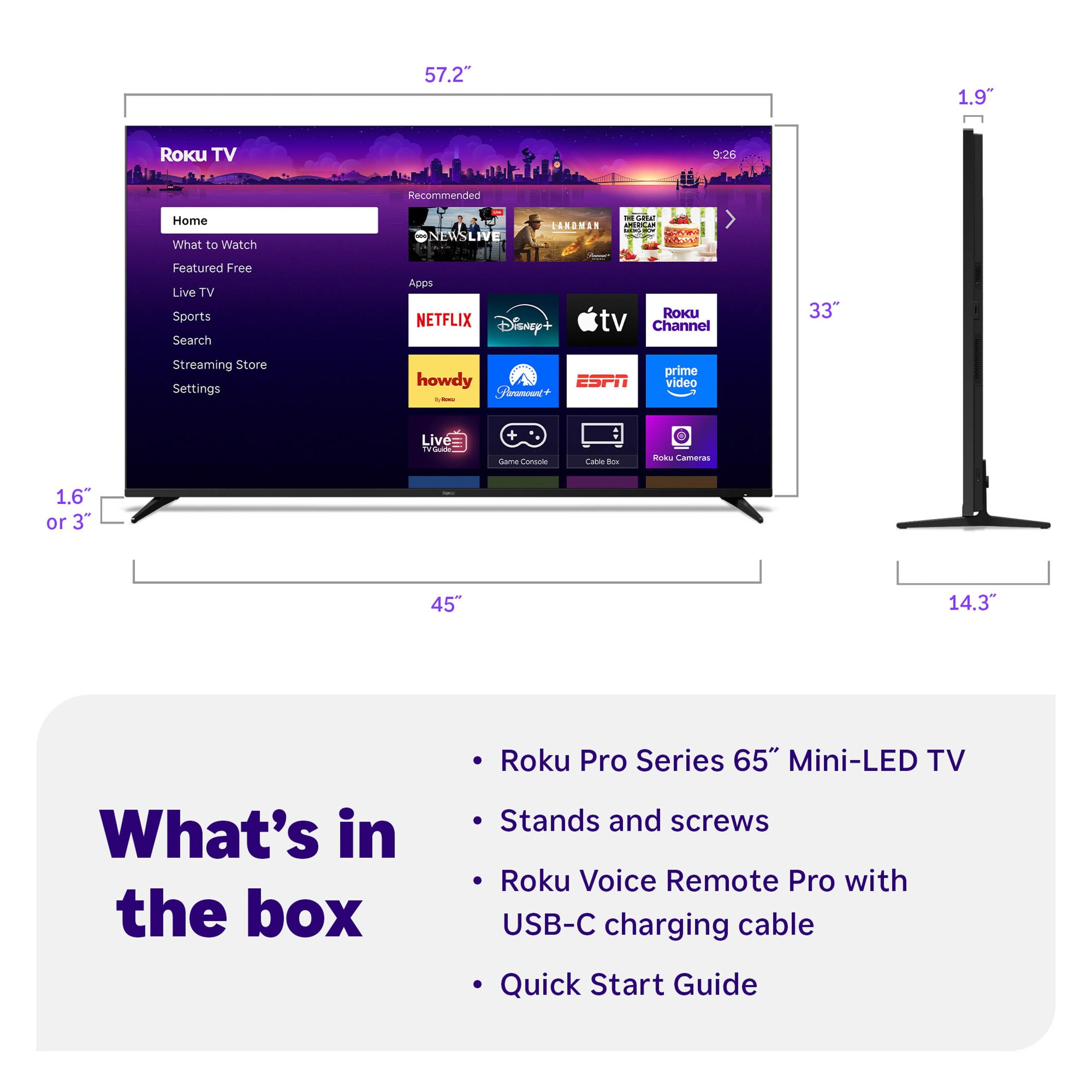
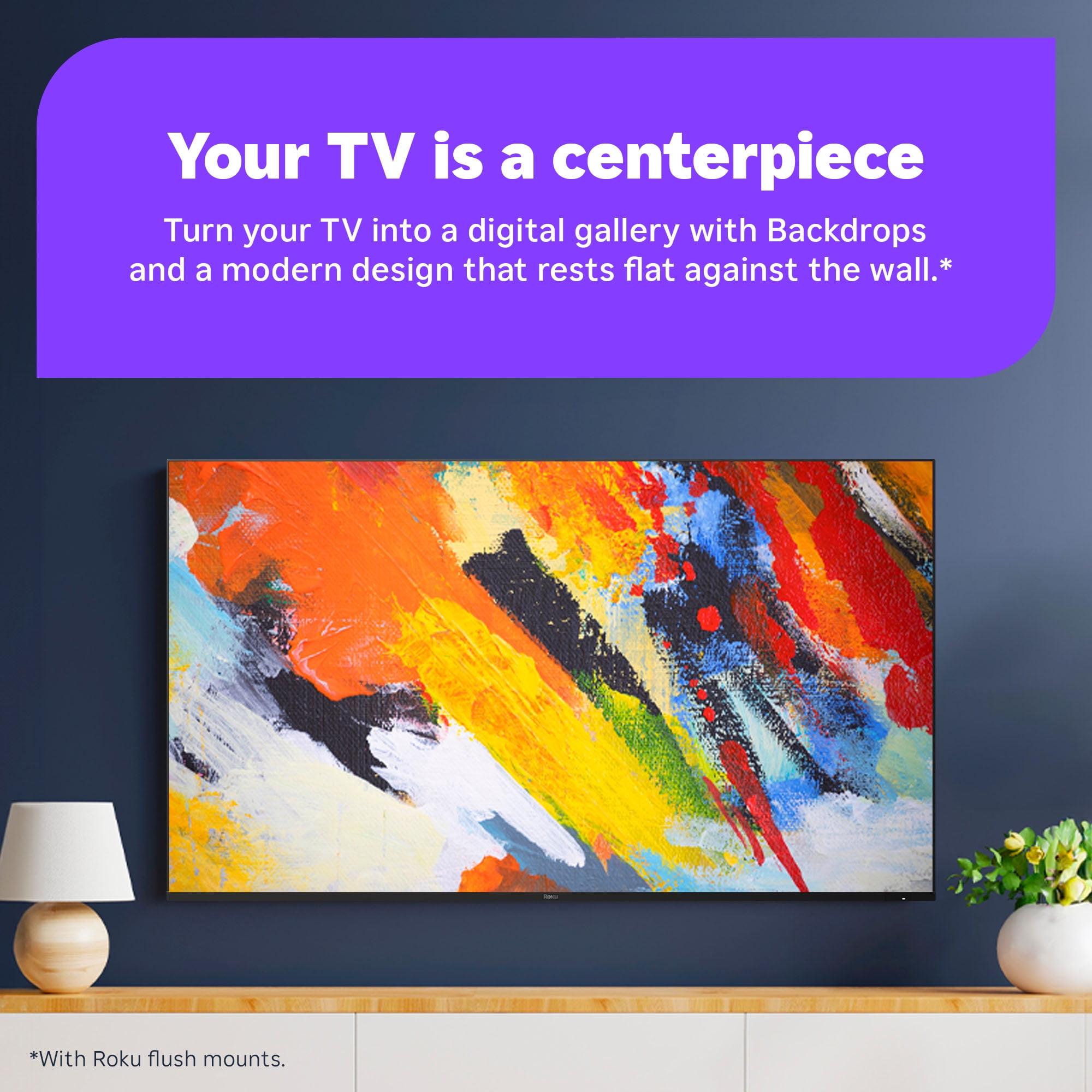

Shopping for a 65-inch QLED TV in 2025 means navigating a landscape where "QLED" appears on everything from budget models to premium displays. The technology itself—quantum dot enhancement that boosts color and brightness—can deliver dramatically different results depending on implementation. The Roku 65" Pro Series 2025 and Samsung 65" Q7F Series 2025 perfectly illustrate this divide, representing premium mid-range versus entry-level approaches within the same display category.
Understanding what separates a quality QLED from a basic one comes down to several key technologies: local dimming (controlling backlight zones independently), refresh rates (how many times per second the image updates), HDR processing (handling high dynamic range content), and smart platform capabilities. These aren't just spec sheet features—they directly impact what you see and hear every day.
At the time of writing, these TVs sit roughly $700 apart, with the Roku Pro Series positioned as a premium option and the Samsung Q7F targeting budget-conscious buyers. That price gap reflects fundamental differences in display technology, gaming capabilities, and long-term usability that matter far more than simple brand preferences.
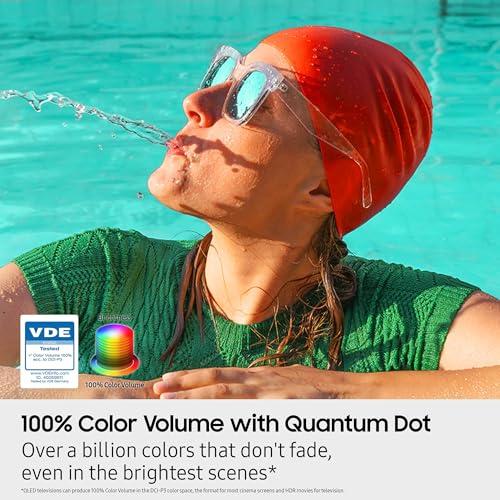
QLED TVs use a quantum dot sheet—a layer of microscopic particles that emit pure colors when hit by light—to enhance the color gamut (range of colors) and brightness beyond standard LCD displays. However, the underlying backlight system determines picture quality more than the quantum dot layer itself.
The most critical factor is local dimming: the ability to control different sections of the backlight independently. Think of it like having hundreds of tiny dimmers across the screen instead of one master brightness control. When a movie shows stars against a black sky, local dimming can make those stars bright while keeping the surrounding areas truly dark. Without it, the entire screen brightens, creating a grayish wash that kills the contrast.
Gaming performance has become equally important since 2020, when new consoles introduced 4K gaming at 120 frames per second. TVs need HDMI 2.1 ports (higher bandwidth connections), Variable Refresh Rate (VRR) to eliminate screen tearing, and Auto Low Latency Mode (ALLM) to reduce input delay. These aren't nice-to-have features anymore—they're essential for modern gaming.
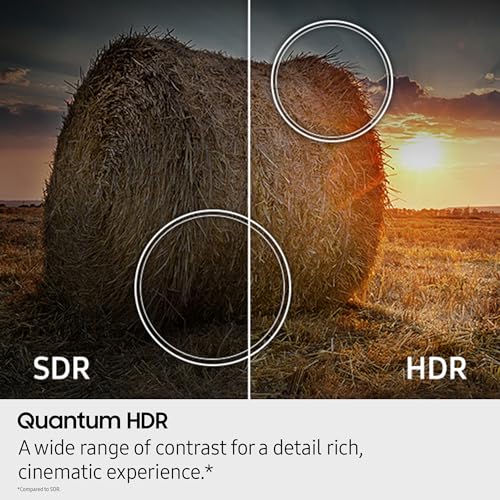
HDR (High Dynamic Range) support also varies dramatically. While most TVs claim HDR compatibility, meaningful HDR requires sufficient brightness (at least 1000 nits peak), good contrast, and proper tone mapping. Many budget models simply accept HDR signals without displaying them properly, creating a worse experience than standard content.
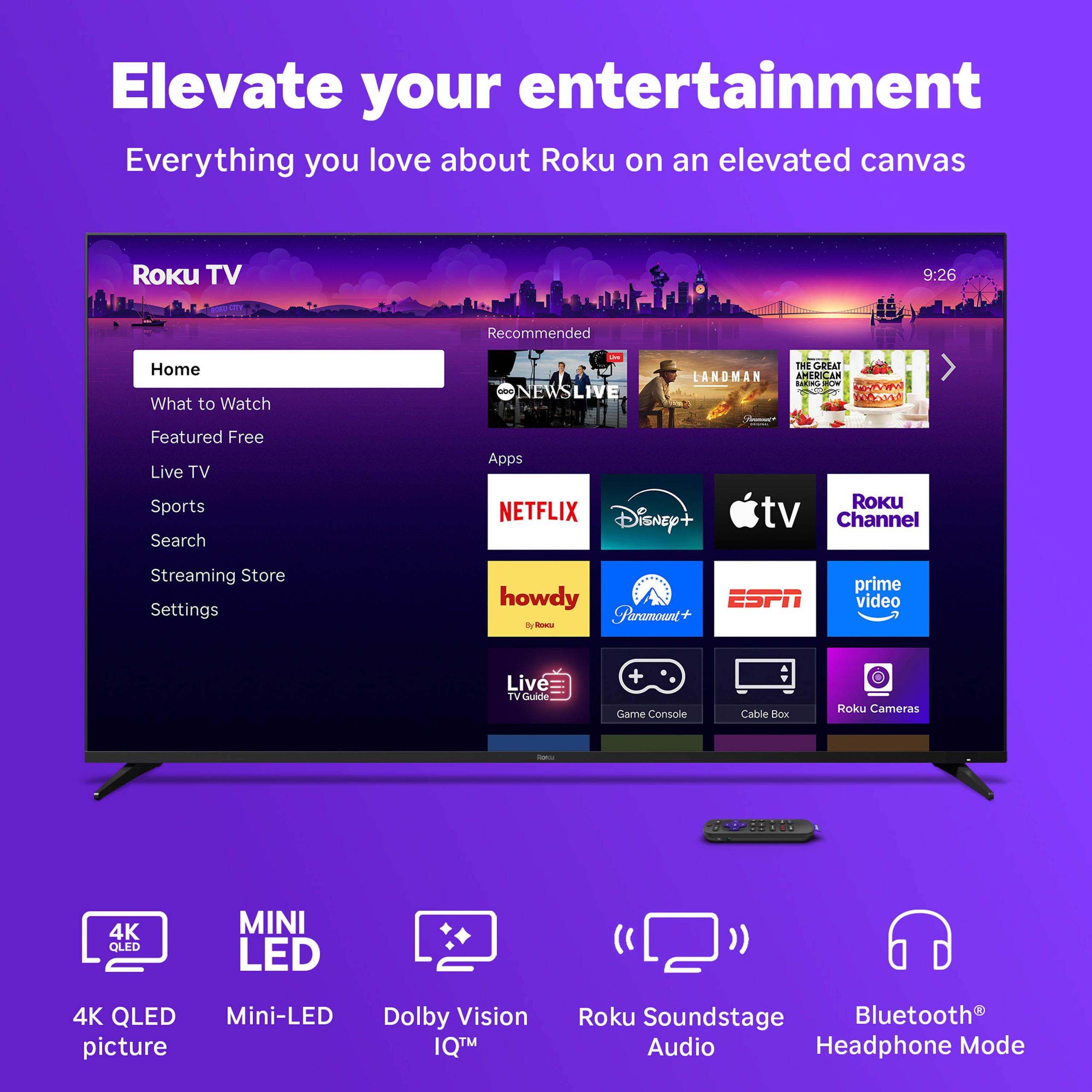
The Roku Pro Series 2025 represents a significant leap in display technology with its Mini-LED backlighting system. Mini-LED uses thousands of tiny LED lights behind the screen, controlled in zones through full array local dimming. This creates dramatically better contrast than traditional LED backlighting, approaching OLED-like black levels while maintaining superior brightness for HDR content.
Our research into user and expert reviews consistently highlights the Roku's contrast performance. Reviewers measuring peak brightness found it reaching over 1,750 nits—bright enough to make HDR highlights truly pop even in well-lit rooms. The mini-LED implementation also minimizes "blooming," the halo effect around bright objects against dark backgrounds that plagues cheaper local dimming systems.
The quantum dot layer in the Roku Pro Series covers 96.9% of the UHDA-P3 color space and 80.6% of the wider BT.2020 standard, delivering vibrant colors that remain accurate across different brightness levels. The display supports Dolby Vision IQ, HDR10+ Adaptive, and HLG—essentially every HDR format you'll encounter.
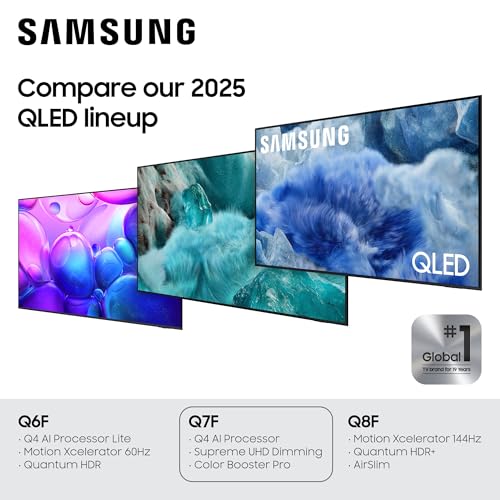
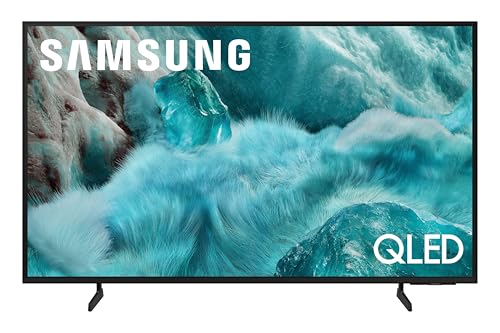
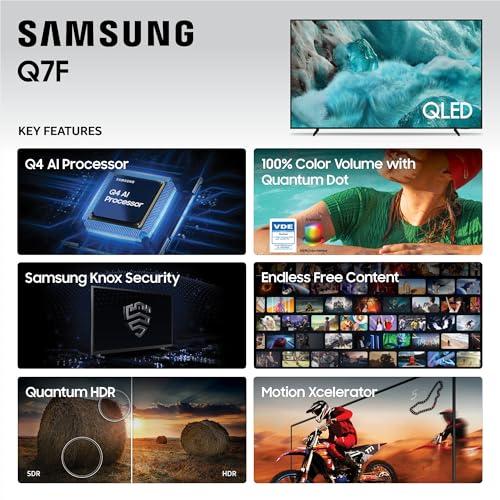
In contrast, the Samsung Q7F 2025 uses standard Direct LED backlighting without local dimming zones. This means the entire backlight dims or brightens together, creating the grayish blacks that characterize budget displays. While Samsung's quantum dot implementation delivers good color accuracy in standard content, the lack of contrast control severely limits HDR performance.
Expert measurements show the Samsung Q7F struggling to reach 400-500 nits peak brightness—adequate for SDR content but insufficient for impactful HDR. Colors appear muted and washed out in HDR mode, defeating the purpose of high dynamic range content. The display supports HDR10+ but lacks Dolby Vision, cutting off compatibility with Netflix's premium content and many 4K Blu-rays.
Gaming capabilities create the starkest divide between these displays. The Roku Pro Series 2025 includes two HDMI 2.1 ports supporting full 4K resolution at 120Hz, essential for PlayStation 5 and Xbox Series X gaming. AMD FreeSync Premium Pro eliminates screen tearing, while ALLM automatically switches to game mode when it detects a console signal.
Input lag measurements show the Roku achieving 5.2ms response times at 120Hz—imperceptible to human senses. The 120Hz refresh rate doesn't just benefit gaming; it makes sports and action movies noticeably smoother, eliminating the stutter that can occur with fast-moving objects.
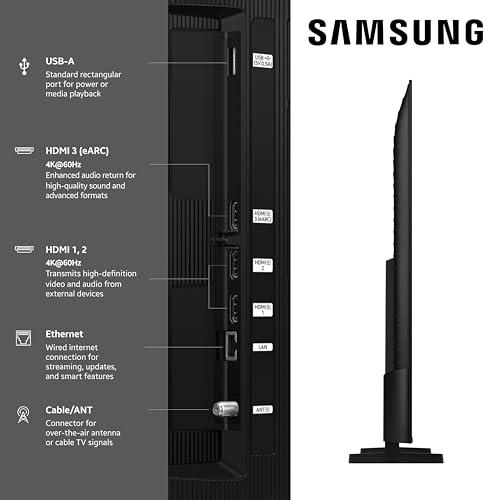
The Samsung Q7F 2025 tells a different story. Limited to 60Hz refresh rates and HDMI 2.0 bandwidth, it can only display 4K at 60 frames per second. While input lag remains reasonable at around 10ms, the lack of VRR support creates visible screen tearing in games with variable frame rates. Slow pixel response times also blur fast-moving content, whether gaming or sports.
For current-generation console owners, this difference is substantial. Games like Forza Horizon or Call of Duty running at 120fps on the Roku appear dramatically smoother and more responsive than the same titles limited to 60fps on the Samsung. The Samsung remains adequate for casual gaming or older consoles, but it can't take advantage of modern gaming capabilities.
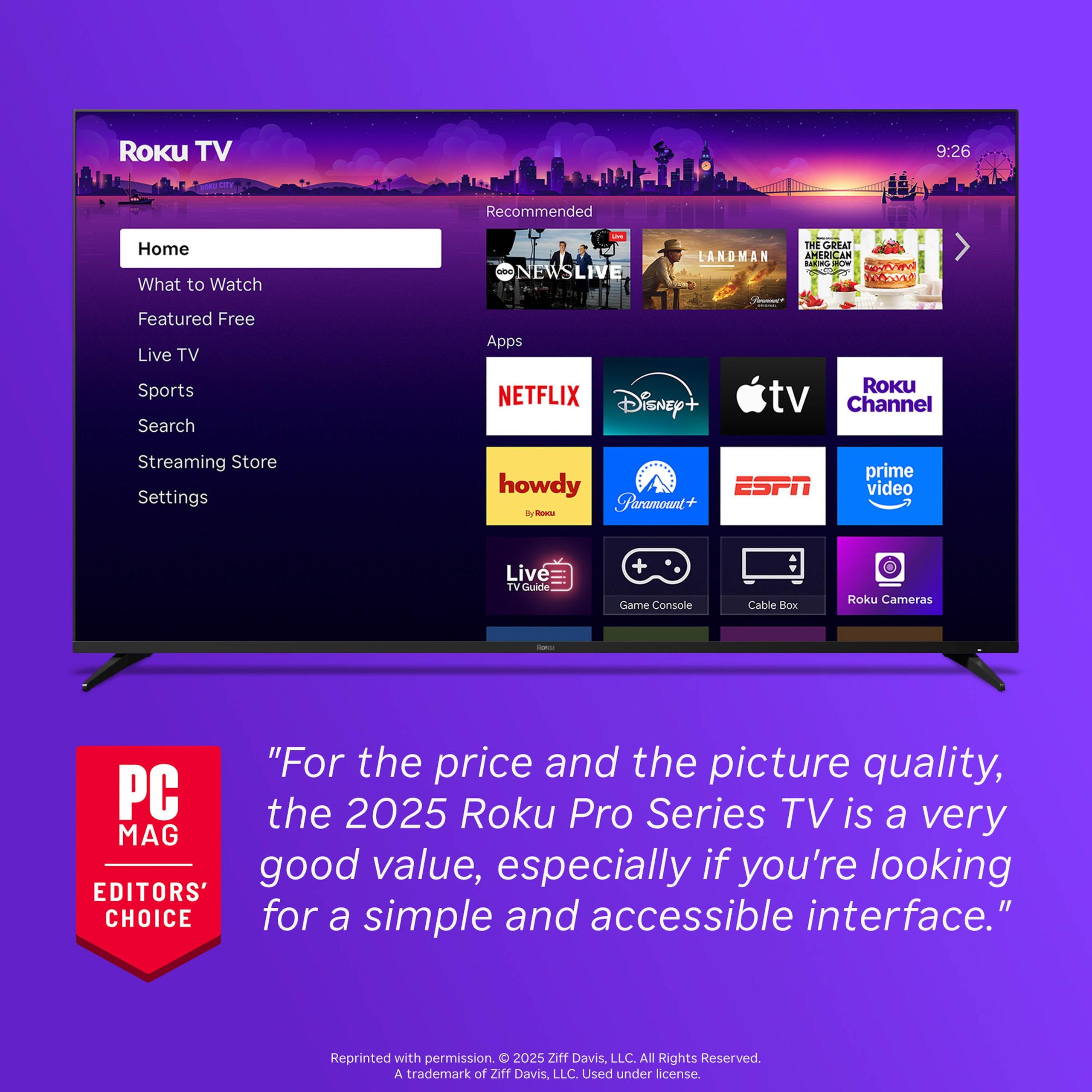
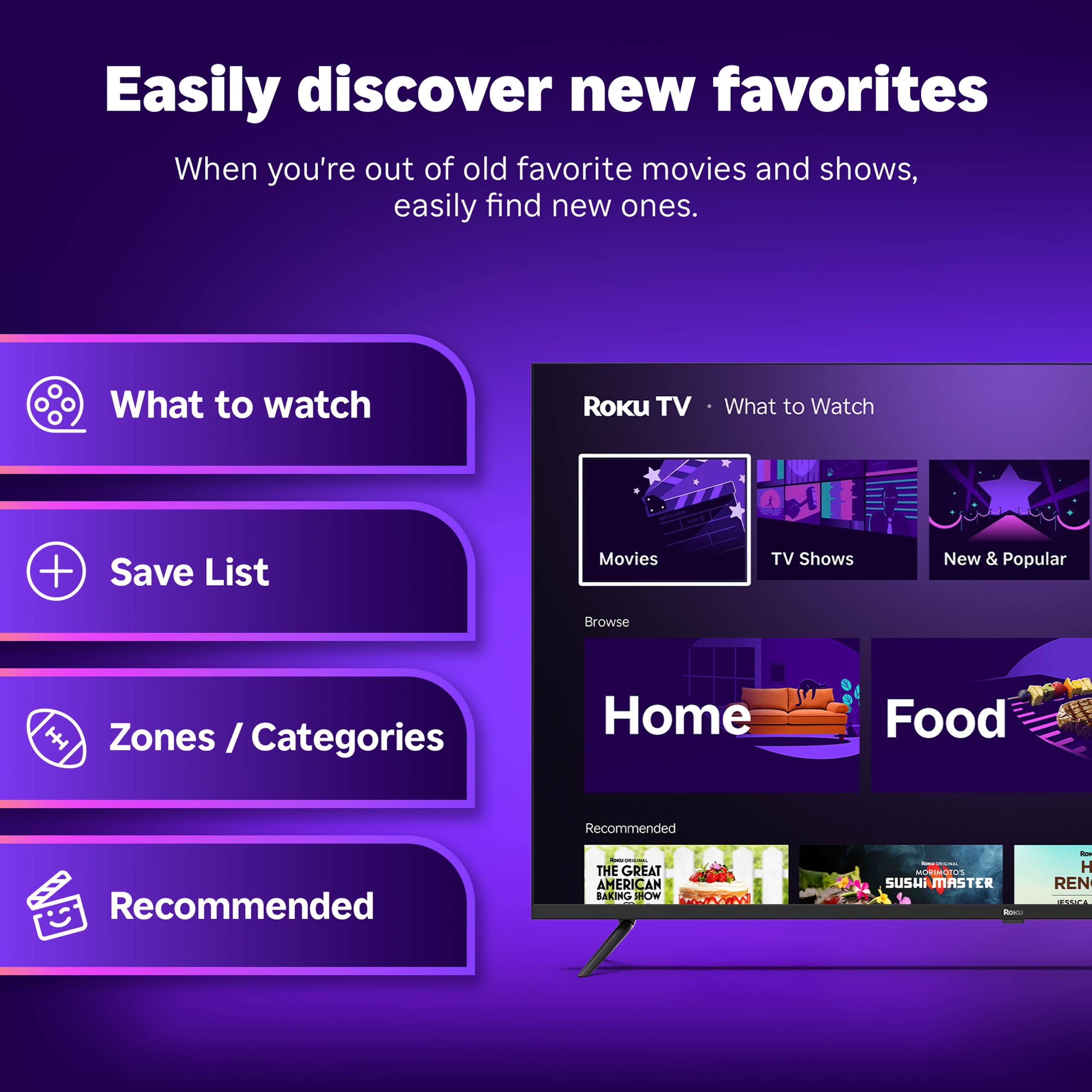
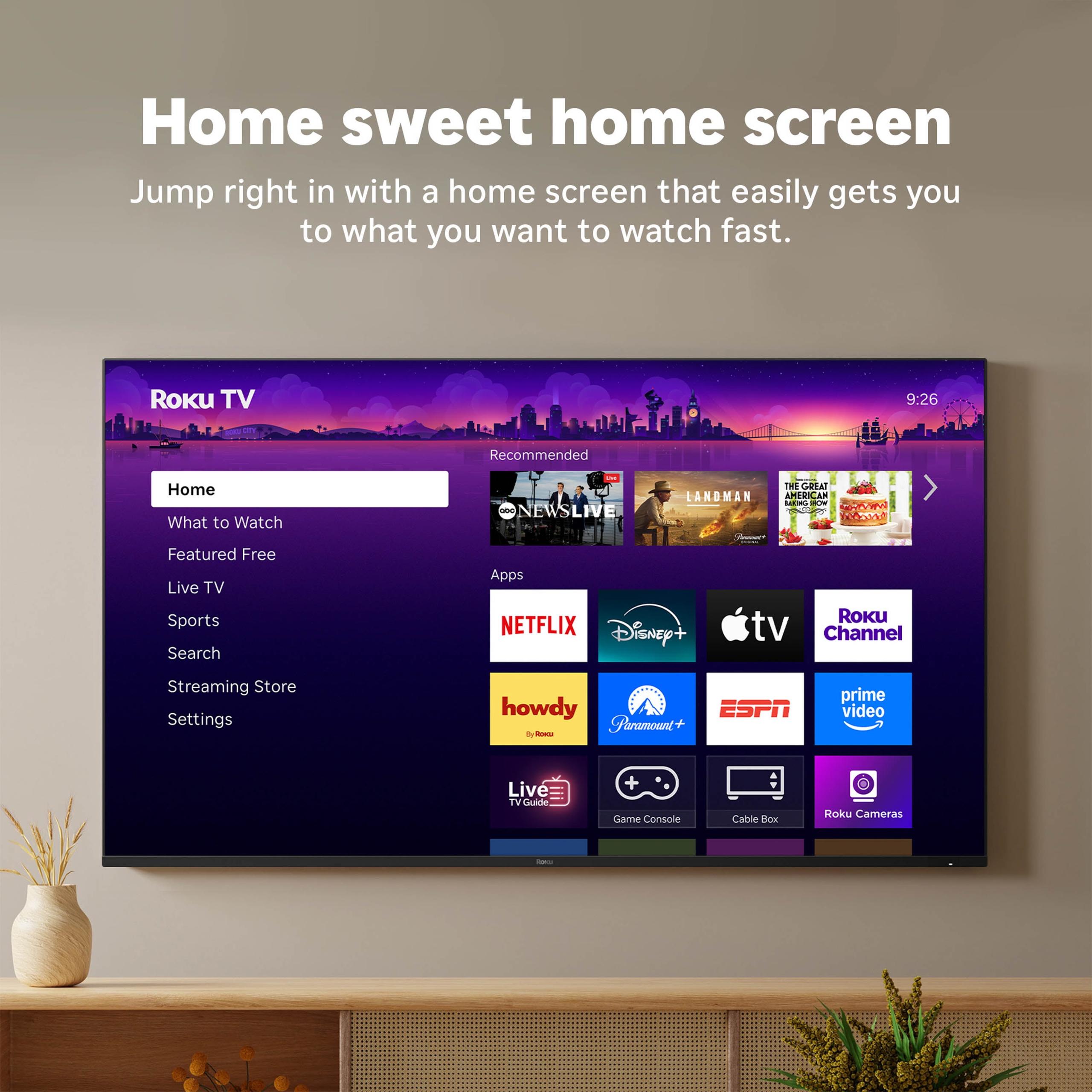
Both TVs run capable smart platforms, but with different strengths. The Roku Pro Series 2025 uses Roku OS, widely considered the most user-friendly smart TV platform. The unified home screen aggregates content from all your streaming services, cable box, and other sources, eliminating the need to jump between different apps to find something to watch.
The Roku's Smart Picture Max AI processing automatically optimizes picture quality on a scene-by-scene basis, cleaning up compression artifacts in streaming content and adjusting color and sharpness without manual intervention. This matters more than you might expect—most streaming content arrives heavily compressed, and good processing can significantly improve the viewing experience.
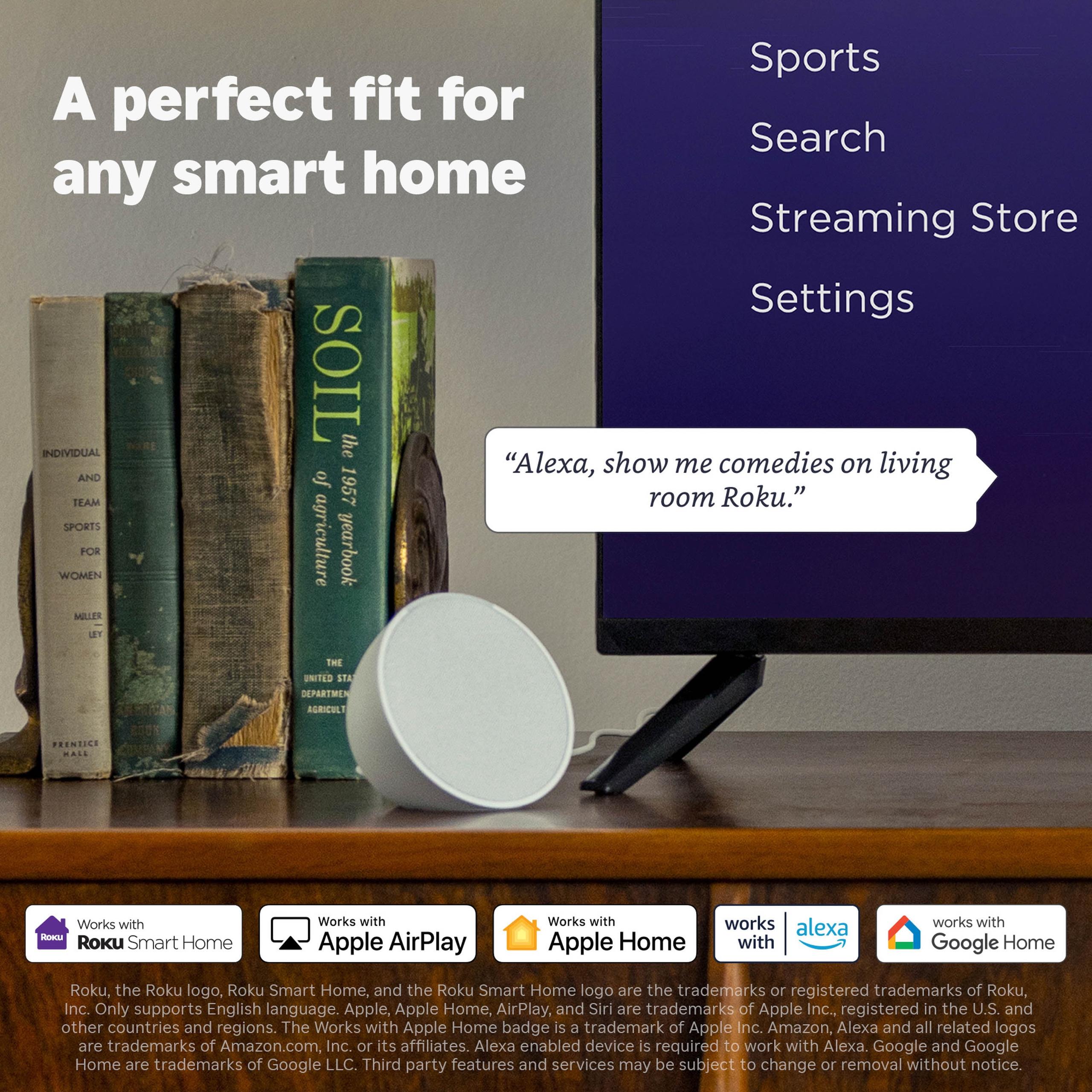
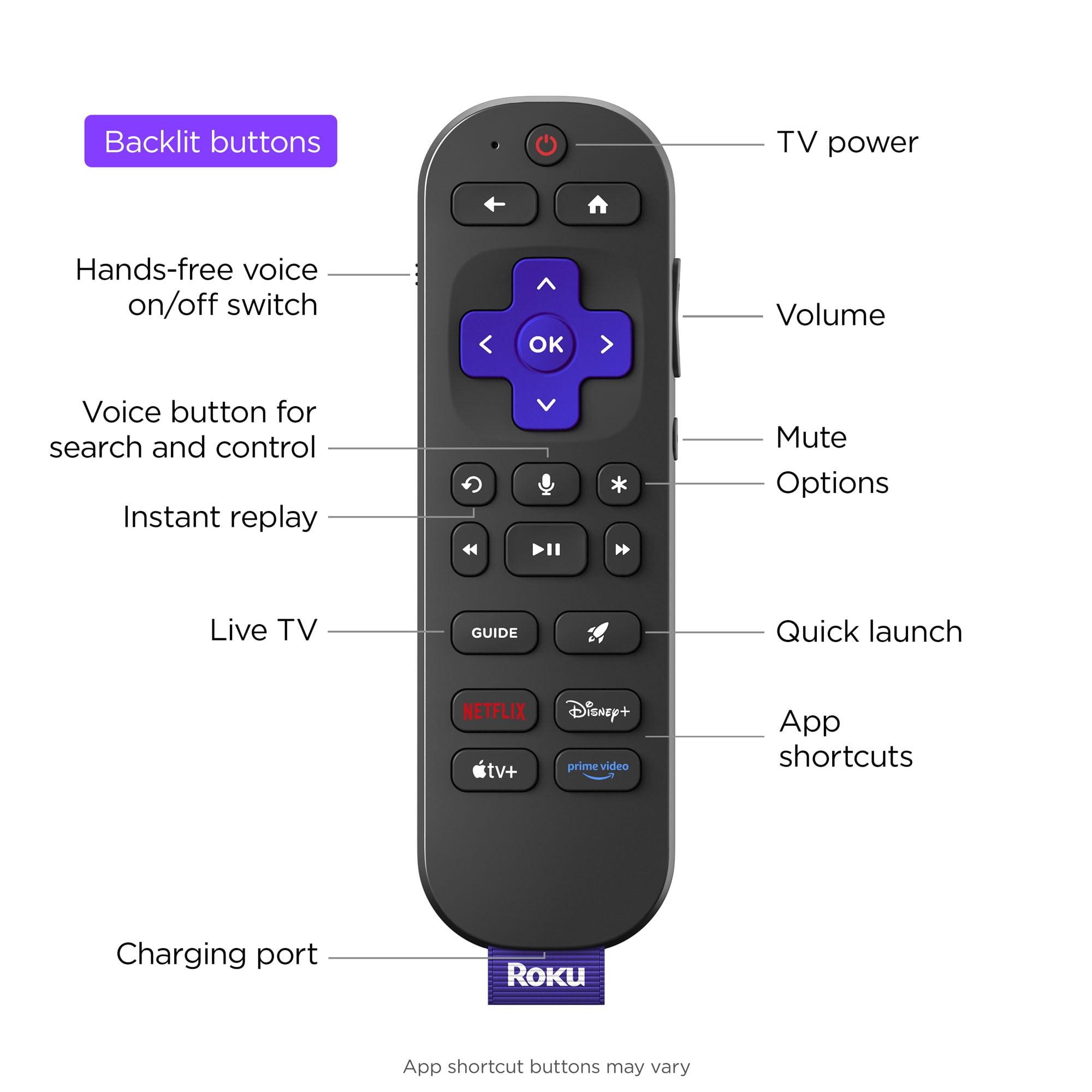
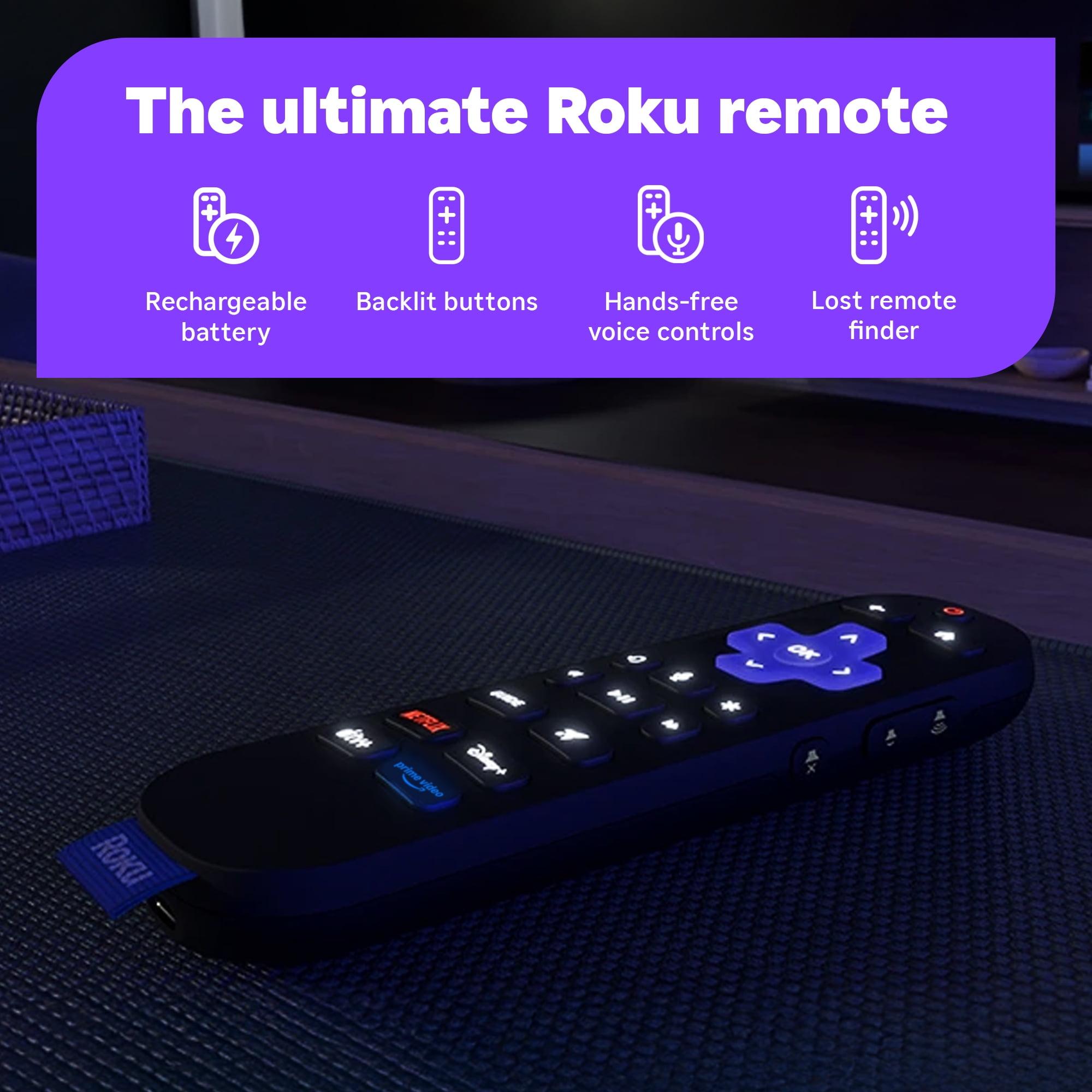
Wi-Fi 6 support in the Roku enables faster app loading and more stable streaming, particularly important for 4K content. The Voice Remote Pro includes a rechargeable battery, backlit buttons, and hands-free voice control, with a remote finder button on the TV itself.
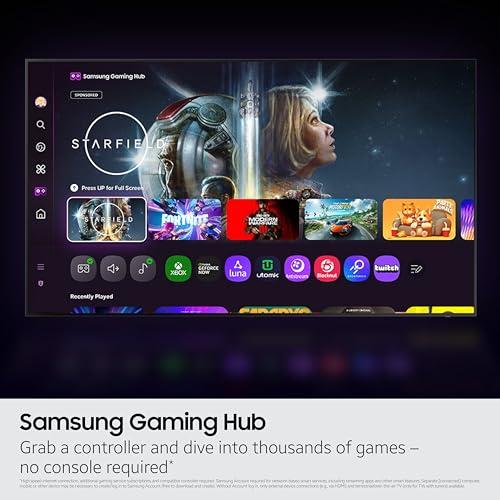
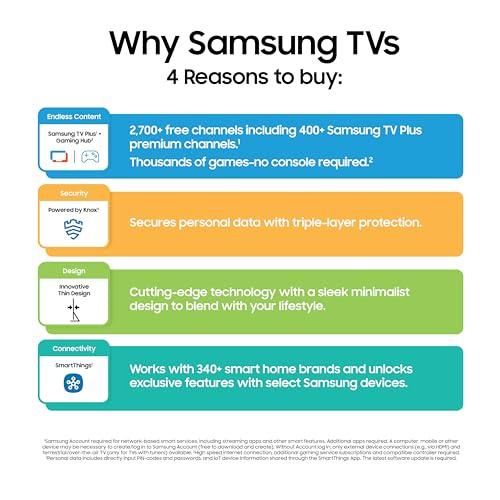
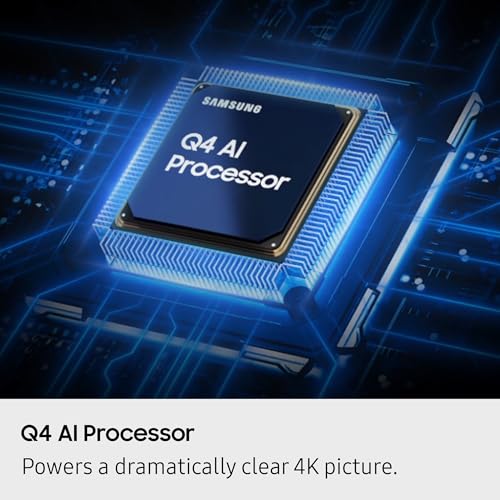
The Samsung Q7F 2025 runs a streamlined version of Samsung's Tizen OS. While functional, it lacks the processing power and AI optimization of premium models. The interface remains responsive for basic tasks, but content processing is minimal. Samsung TV Plus provides free streaming channels, and the platform integrates well with Samsung smartphones and smart home devices.
However, our research suggests the Samsung's processing struggles with low-quality content, showing visible artifacts in compressed streaming material that better processors would clean up.
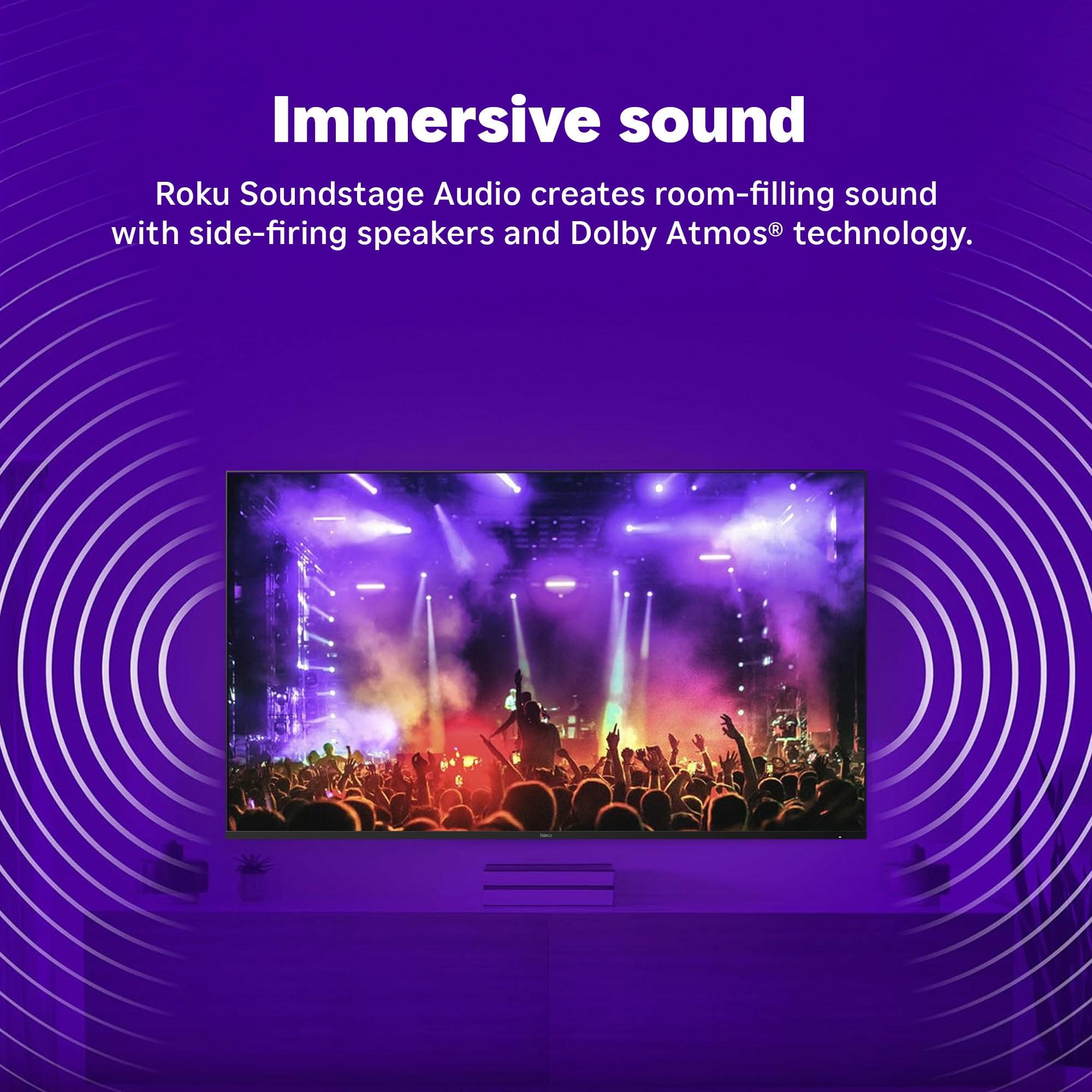
Audio quality represents another significant divider. The Roku Pro Series 2025 includes side-firing Dolby Atmos speakers designed to create height effects and surround sound from the TV's built-in system. User reviews consistently praise the audio quality, with many describing "theater-like bass" and sound that fills the room without requiring a separate soundbar.
The Sound Stage audio implementation bounces sound off room surfaces to create a wider soundstage than traditional forward-firing speakers. While it can't match a dedicated Atmos system, it's surprisingly effective for built-in TV audio. Bluetooth Headphone Mode allows private listening without disturbing others.
The Samsung Q7F 2025 includes basic 20W stereo speakers adequate for casual viewing but lacking in dynamic range and bass response. The audio remains clear at moderate volumes but struggles with action scenes or music content. Most users will eventually add a soundbar, which should factor into the total cost consideration.
HDR performance separates these TVs most dramatically in real-world viewing. The Roku Pro Series delivers HDR that actually looks high dynamic range—bright highlights, deep shadows, and vibrant colors that pop off the screen. Watching a movie like "Dune" or "Mad Max: Fury Road," the bright desert sun appears genuinely brilliant while maintaining detail in shadowed areas.
The mini-LED local dimming enables this performance by allowing different parts of the screen to display vastly different brightness levels simultaneously. Street lights can glow against a dark night sky, or sunlight can stream through a window while the interior remains properly exposed.
The Samsung Q7F's HDR implementation falls short of these goals. Without local dimming, HDR content often appears flat and dim, with highlights that don't stand out and shadows that look gray rather than black. The TV technically supports HDR10+ but lacks the brightness and contrast to display it meaningfully.
Color performance shows similar divides. The Roku maintains color accuracy and saturation across different brightness levels, while the Samsung tends toward muted colors in HDR content despite good SDR color reproduction.
The 120Hz panel in the Roku Pro Series 2025 provides superior motion clarity for sports and action content. Fast camera pans remain smooth, and sports broadcasts show crisp detail even during rapid movement. The higher refresh rate also enables better judder reduction for movies without creating the soap opera effect that makes films look artificial.
The Samsung Q7F's 60Hz panel handles motion adequately for most content but shows limitations with fast-moving sports or action scenes. Pixel response times are slower, creating some blur during rapid movements.
Both TVs use VA panels with relatively narrow viewing angles—colors shift and brightness drops when viewed from the side. This affects large family viewing but remains acceptable for most seating arrangements.
At the time of writing, the price difference between these TVs reflects their fundamental capability gaps. The Roku Pro Series 2025 costs significantly more but delivers features typically found in displays costing twice as much: professional-grade local dimming, modern gaming compatibility, and premium audio processing.
The question becomes whether you need those capabilities. For serious gaming, home theater use, or bright room viewing, the Roku's advantages justify the premium. The mini-LED local dimming alone represents a technology usually reserved for high-end displays, while the gaming features ensure compatibility with current and future consoles.
The Samsung Q7F 2025 serves different needs. As an entry point to QLED technology, it offers decent picture quality for basic viewing at a budget-friendly price. However, the limitations—poor HDR, no gaming futureproofing, basic audio—may create upgrade pressure sooner than expected.
Long-term value considerations favor the Roku. Gaming capabilities will remain relevant for years, while the superior picture processing and local dimming provide a viewing experience that won't feel outdated quickly. The Samsung may require earlier replacement as content standards and gaming requirements evolve.
For dedicated home theater use, the Roku Pro Series 2025 clearly leads. The mini-LED local dimming creates the contrast ratios necessary for cinematic viewing, while Dolby Vision support ensures compatibility with premium content. The built-in Dolby Atmos processing, while not matching a dedicated system, provides room-filling audio that enhances the experience.
The ability to handle bright HDR highlights while maintaining dark room performance makes the Roku suitable for various lighting conditions. Whether watching in a dark basement or a living room with ambient light, the display adapts appropriately.
The Samsung Q7F works adequately in dark rooms where its contrast limitations are less apparent, but it struggles with the dynamic range needed for true home theater experiences. The basic audio and limited HDR capability make it more suitable for casual viewing than serious movie watching.
Choose the Roku Pro Series 2025 if you're serious about gaming, regularly watch HDR content, or want a home theater experience. The price premium buys transformational improvements in picture quality, gaming capability, and audio performance. Anyone with a PlayStation 5, Xbox Series X, or plans to upgrade should strongly consider the gaming advantages alone.
The Samsung Q7F 2025 makes sense for budget-conscious buyers who need basic QLED features without premium performance. It works well for casual viewing in moderate lighting conditions and provides Samsung ecosystem integration for existing users.
Consider your long-term viewing habits and upgrade cycles. The Roku's future-proof features may provide better value over several years, while the Samsung's basic capabilities might feel limiting as content and gaming standards continue advancing.
Both represent legitimate choices within their market segments, but understanding the performance gaps helps ensure you get the features that match your actual viewing needs and expectations.
| Roku 65" Pro Series 2025 4K QLED TV | Samsung 65-Inch Q7F Series QLED Smart TV 2025 Display |
|---|---|
| Display Technology - Foundation of picture quality | |
| Mini-LED QLED with full array local dimming | QLED without local dimming |
| Peak HDR Brightness - Critical for impactful HDR and bright room viewing | |
| 1,752-1,818 nits (excellent for any lighting) | 400-500 nits (too dim for effective HDR) |
| Refresh Rate - Essential for gaming and smooth motion | |
| 120Hz native (future-proof for gaming) | 60Hz (limits modern console performance) |
| HDMI Ports - Determines gaming and device compatibility | |
| 4 total (2x HDMI 2.1 for 4K@120Hz gaming) | 3 total (HDMI 2.0 only, limits to 4K@60Hz) |
| HDR Format Support - Content compatibility | |
| Dolby Vision IQ, HDR10+, HLG (comprehensive) | HDR10+ only (missing Dolby Vision) |
| Gaming Features - Modern console optimization | |
| VRR, ALLM, FreeSync Premium Pro, 5.2ms lag | No VRR, basic ALLM, 10ms lag |
| Local Dimming Zones - Controls contrast and black levels | |
| Thousands of mini-LED zones (OLED-like blacks) | None (grayish blacks, poor contrast) |
| Audio System - Built-in sound quality | |
| Side-firing Dolby Atmos with Sound Stage | Basic 20W stereo speakers |
| Smart Platform - Interface and processing | |
| Roku OS with Smart Picture Max AI | Streamlined Tizen OS |
| Wi-Fi Standard - Streaming performance | |
| Wi-Fi 6 (faster, more stable) | Standard Wi-Fi (adequate for basic streaming) |
| Color Gamut Coverage - Color accuracy and vibrancy | |
| 96.9% UHDA-P3, 80.6% BT.2020 | Good SDR colors, limited HDR color volume |
| Input Lag at 120Hz - Gaming responsiveness | |
| 5.2ms (imperceptible delay) | N/A (60Hz only) |
| Motion Handling - Sports and action clarity | |
| Excellent with 120Hz panel | Adequate but slower pixel response |
| Best Use Cases - Who should buy each | |
| Serious gaming, home theater, HDR content | Budget viewing, casual use, Samsung ecosystem |
The Roku 65" Pro Series 2025 delivers significantly better picture quality due to its Mini-LED backlighting with full array local dimming. This creates superior contrast with deep blacks and bright highlights, while the Samsung Q7F 2025 lacks local dimming, resulting in grayish blacks and poor contrast. The Roku also achieves much higher peak brightness (1,750+ nits vs 400-500 nits) for impactful HDR viewing.
Yes, if you value gaming performance, HDR content, or home theater viewing. The Roku 65" Pro Series 2025 includes premium features like Mini-LED local dimming, 120Hz gaming support, and Dolby Vision that typically cost much more. The Samsung Q7F serves basic needs well but lacks future-proof features and superior display technology.
The Roku Pro Series 2025 is dramatically better for modern gaming. It supports 4K at 120Hz through HDMI 2.1 ports, includes VRR and FreeSync Premium Pro to eliminate screen tearing, and achieves 5.2ms input lag. The Samsung Q7F is limited to 4K at 60Hz with no VRR support, making it inadequate for current-generation consoles.
The Roku 65" Pro Series 2025 excels for home theater use with its Mini-LED local dimming creating cinema-like contrast, Dolby Vision support for premium content, and built-in Dolby Atmos audio. The Samsung Q7F works adequately in dark rooms but lacks the contrast and HDR brightness needed for true home theater experiences.
The Roku Pro Series provides genuine HDR performance with peak brightness over 1,750 nits and full Dolby Vision IQ support. HDR highlights actually pop while maintaining shadow detail. The Samsung Q7F technically supports HDR10+ but lacks sufficient brightness and contrast to display HDR meaningfully, often appearing flat and dim.
The Roku 65" Pro Series 2025 runs full Roku OS with Smart Picture Max AI processing, Wi-Fi 6 connectivity, and a premium Voice Remote Pro. The Samsung Q7F uses a streamlined Tizen OS with basic functionality and Samsung ecosystem integration. Both handle streaming well, but the Roku offers superior content processing and navigation speed.
The Roku Pro Series 2025 features side-firing Dolby Atmos speakers with Sound Stage audio that creates room-filling, theater-like sound. Users consistently praise its bass response and clarity. The Samsung Q7F includes basic 20W stereo speakers adequate for casual viewing but lacking dynamic range and requiring a soundbar for serious audio.
The Roku 65" Pro Series 2025 excels in bright rooms with peak brightness exceeding 1,750 nits to overcome glare and maintain vibrant colors. The Samsung Q7F struggles in bright environments due to limited brightness and poor reflection handling, making it better suited for moderate to dim lighting conditions.
The Roku Pro Series offers better long-term value with future-proof gaming features, superior processing, and premium display technology that won't feel outdated quickly. The Samsung Q7F serves current basic needs but may require earlier replacement as content standards and gaming requirements continue advancing.
The Roku 65" Pro Series 2025 has narrow viewing angles due to its VA panel and costs significantly more upfront. The Samsung Q7F suffers from poor HDR performance, limited gaming capabilities, basic audio, and grayish blacks that affect overall picture quality in any lighting condition.
The Roku Pro Series provides superior sports viewing with its 120Hz refresh rate delivering smooth motion, higher brightness for daytime games, and better overall clarity. The Samsung Q7F handles sports adequately but shows more blur during fast action due to slower pixel response times and the 60Hz limitation.
The Samsung Q7F 2025 works well for basic streaming in moderate lighting if budget is the primary concern. However, consider that the Roku Pro Series provides dramatically better performance across all content types. For casual viewers who don't game or watch much HDR content, the Samsung offers adequate QLED features at an entry-level price point.
We've done our best to create useful and informative comparisons to help you decide what product to buy. Our research uses advanced automated methods to create this comparison and perfection is not possible - please contact us for corrections or questions. These are the sites we've researched in the creation of this article: bestbuy.com - rtings.com - techradar.com - youtube.com - roku.com - youtube.com - walmart.com - bestbuy.com - youtube.com - electronicexpress.com - roku.com - pcvarge.com - ecoustics.com - bestbuy.com - rtings.com - bestbuy.com - youtube.com - youtube.com - youtube.com - samsung.com - samsung.com - samsung.com - billsmith.com - costco.com - samsung.com - hometechnologyreview.com - hometechnologyreview.com - bestbuy.com - samsung.com - bestbuy.com - samsung.com - hometechnologyreview.com - samsung.com - samsung.com

Privacy Policy
Terms and Conditions - Affiliate Policy
Home Security
© Copyright 2008-2026.
11816 Inwood Rd #1211, Dallas, TX 75244