

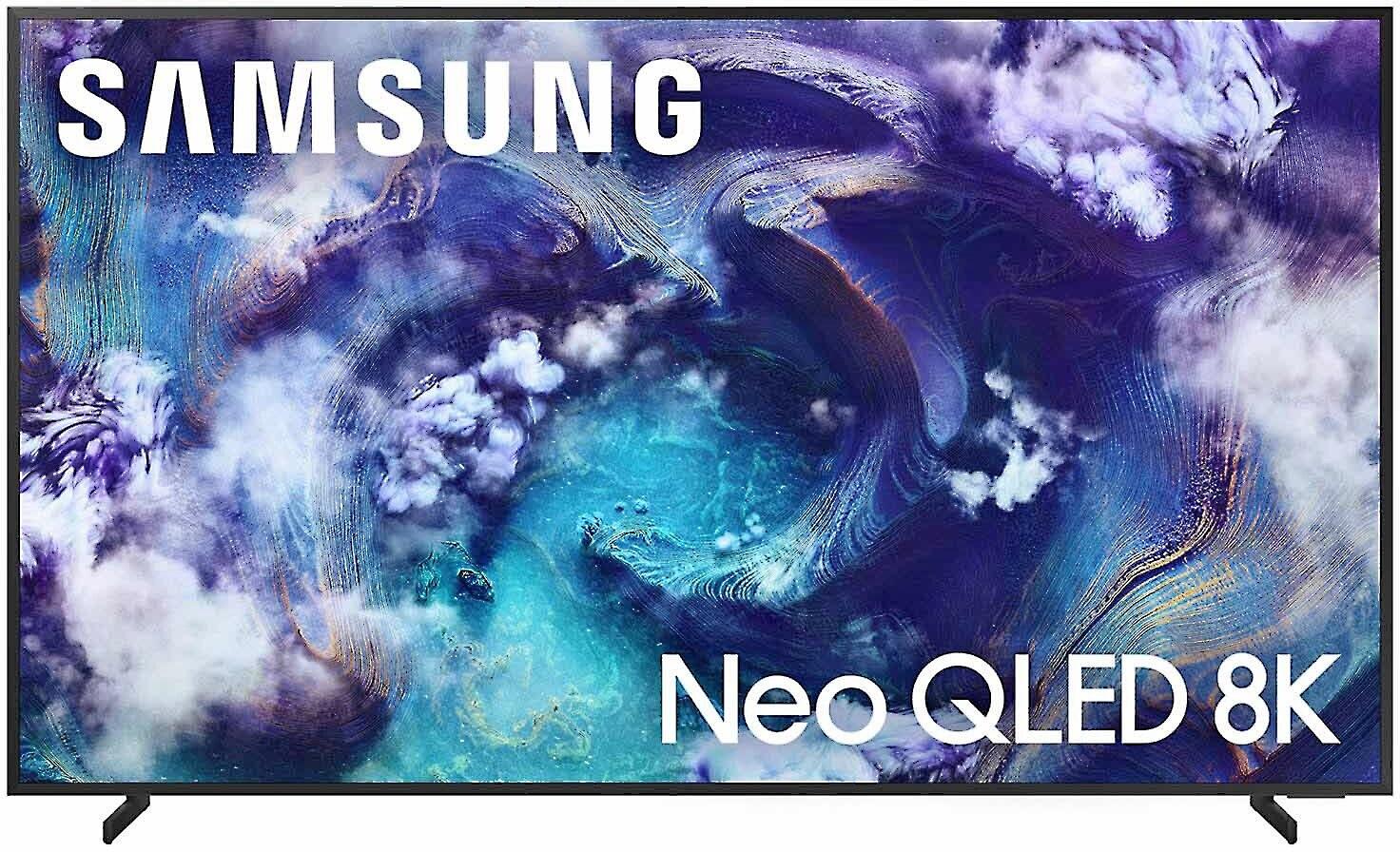
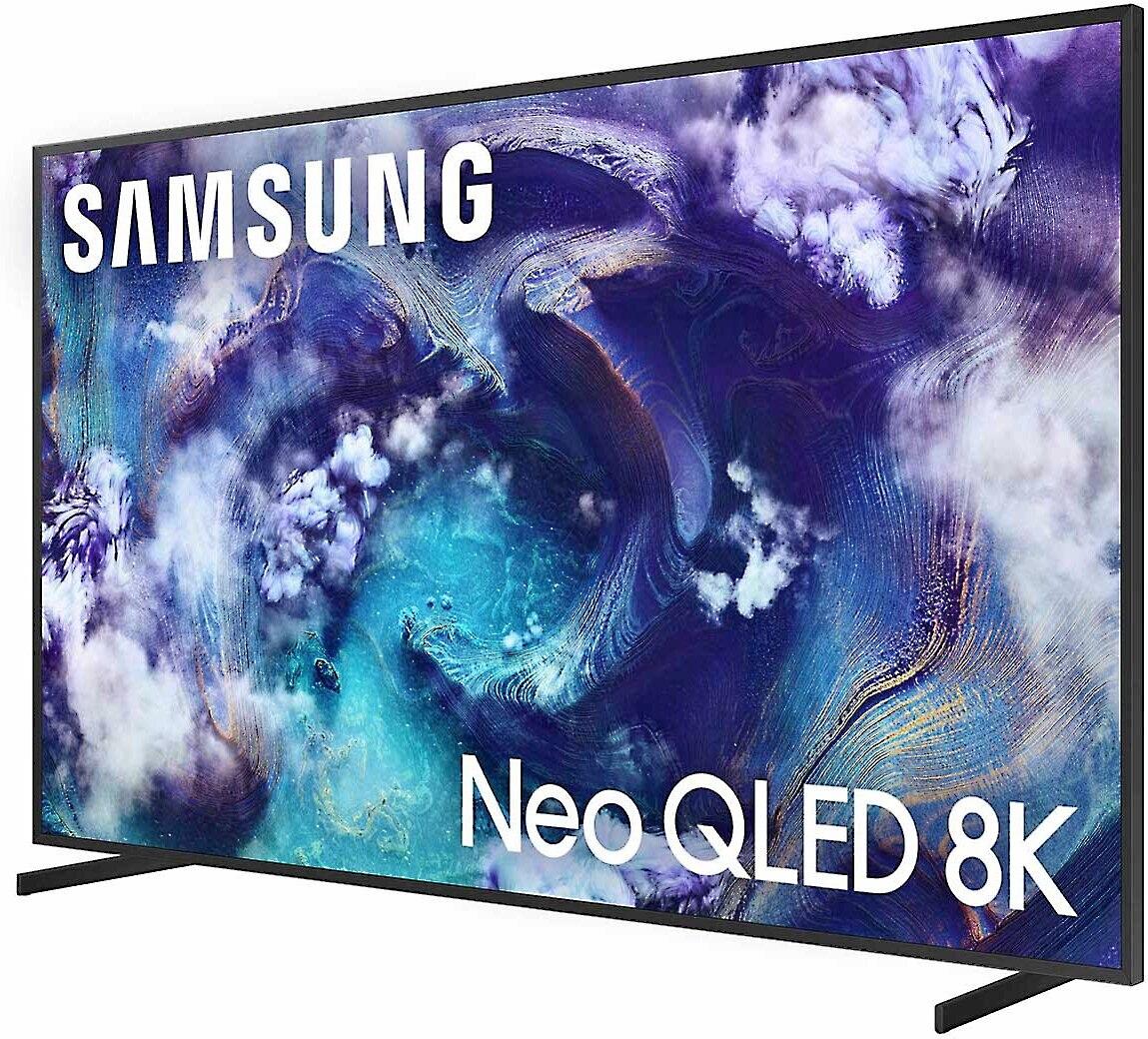

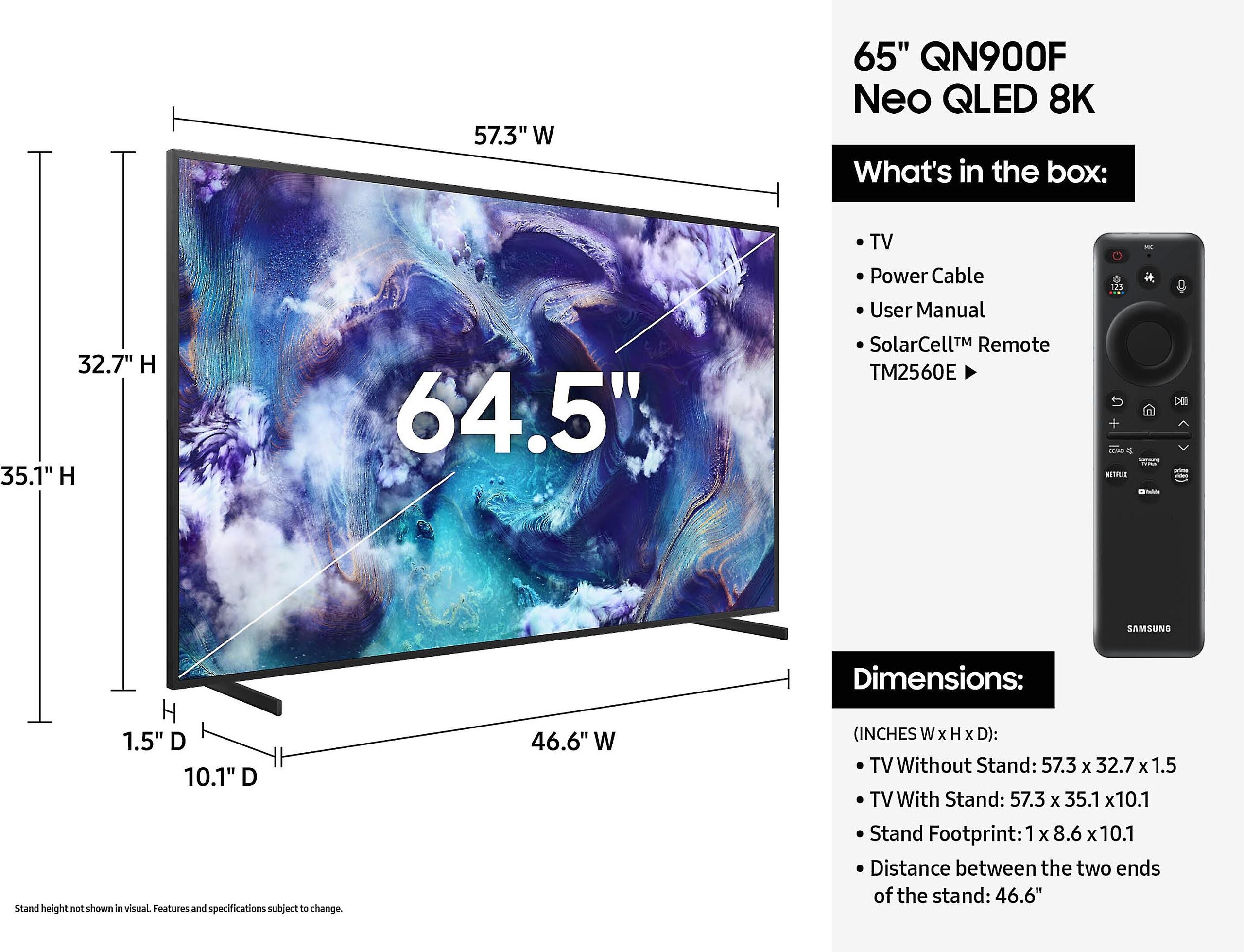
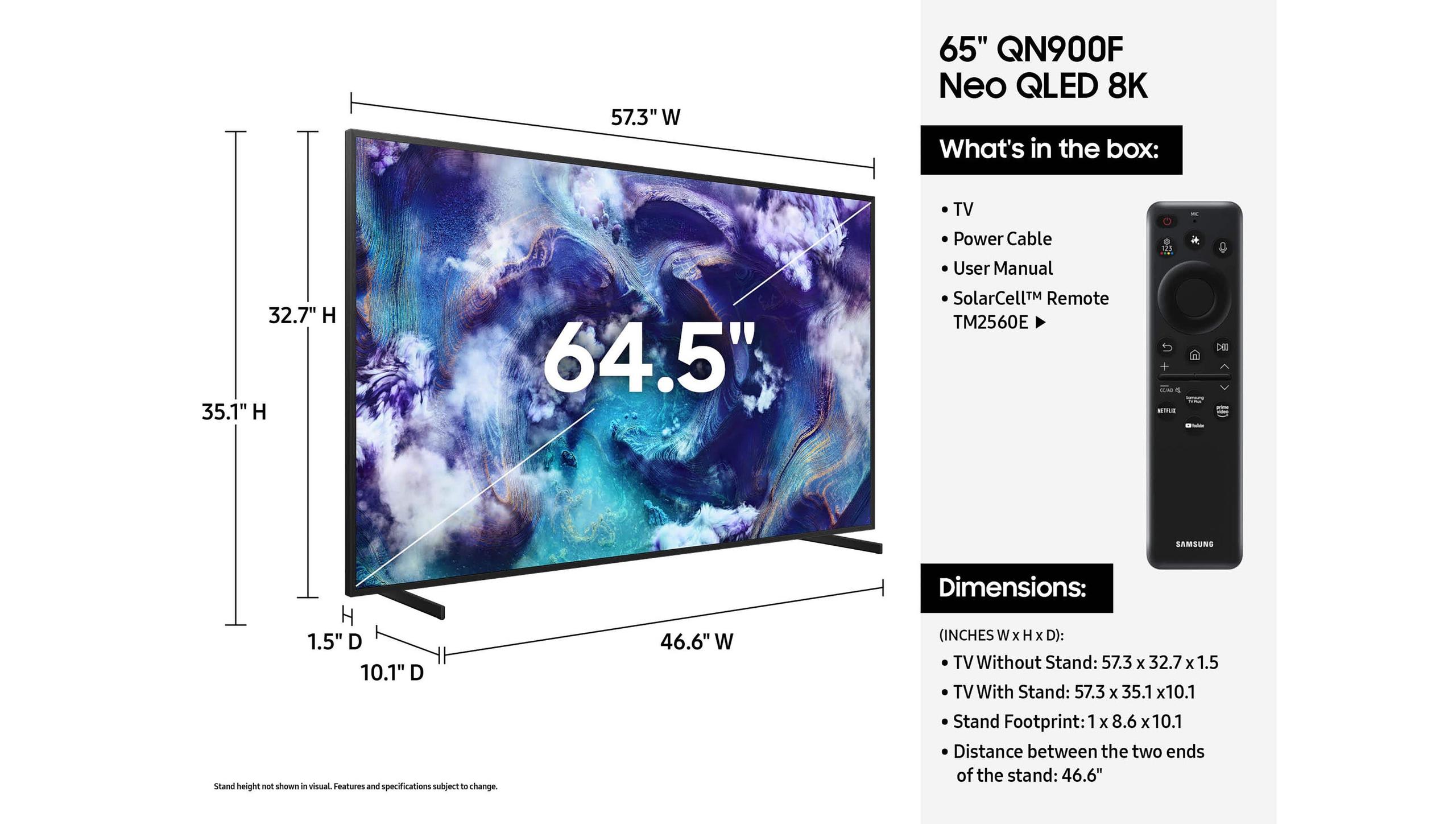
Shopping for a premium TV can feel overwhelming, especially when you're comparing models from the same brand that seem worlds apart in features and capabilities. Samsung's 2025 TV lineup perfectly illustrates this challenge with the Q7F Series QLED representing their entry-level quantum dot offering and the Neo QLED 8K QN900F sitting at the flagship tier. These aren't just different price points—they represent fundamentally different approaches to television technology.
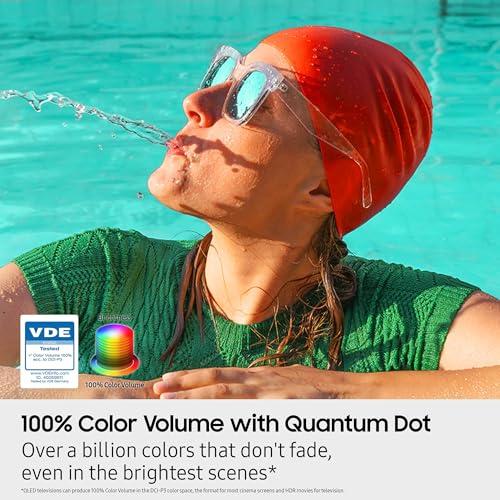
Before diving into specifics, it's worth understanding what QLED actually means and why it matters. QLED stands for Quantum Dot Light Emitting Diode, which sounds complicated but breaks down simply: traditional LED TVs use a blue LED backlight that gets filtered to create different colors. QLED TVs add a layer of quantum dots—tiny semiconductor particles that can produce pure, precise colors when hit by that blue light. The result is more vibrant colors that stay accurate even at high brightness levels.
But here's where it gets interesting: not all QLEDs are created equal. The Samsung Q7F uses edge-lit backlighting, where LEDs sit around the edges of the screen and light spreads across the entire panel. The QN900F, meanwhile, uses full-array backlighting with thousands of Mini LEDs positioned directly behind the screen. This difference fundamentally changes how each TV handles contrast, brightness, and picture quality.
When evaluating any TV, the most important performance metrics are brightness (how well it fights glare and displays HDR content), contrast (the difference between the darkest blacks and brightest whites), color accuracy, motion handling for sports and action scenes, and input lag for gaming. The backlighting approach affects nearly all of these factors.
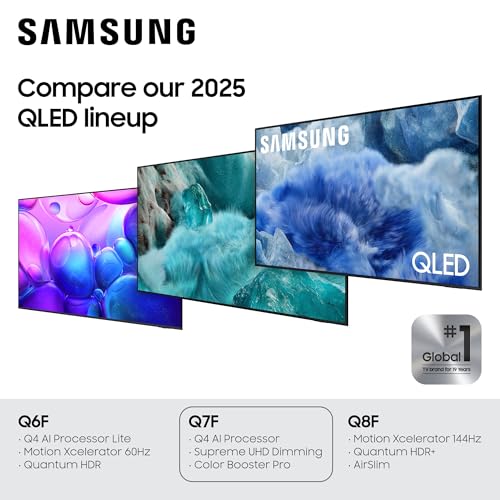
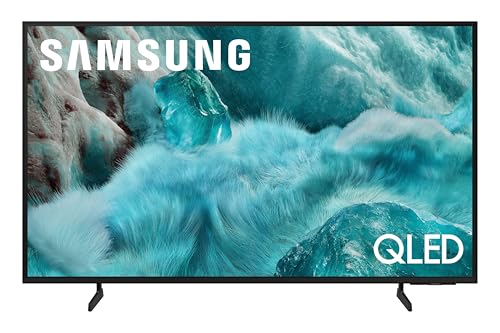
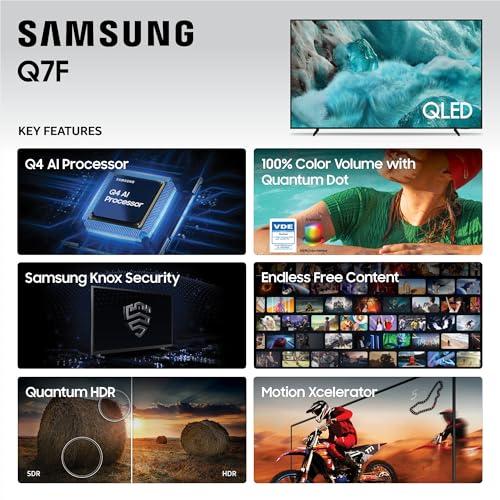
The Samsung Q7F represents Samsung's attempt to bring quantum dot technology to budget-conscious buyers without the manufacturing costs of premium backlighting. Released as part of Samsung's 2025 lineup, it incorporates what they call edge-lit Mini LED technology—a somewhat confusing term since traditional Mini LEDs refer to the thousands of tiny LEDs used in full-array systems.
What Samsung has done here is clever but limited: they've used smaller, more efficient LEDs around the edges of the panel while maintaining the basic edge-lit design. This allows for some local dimming capabilities (where different sections of the screen can be brightened or dimmed independently) but nowhere near the precision of full-array systems.
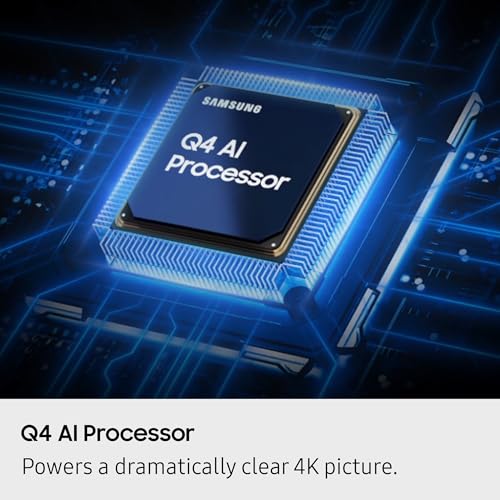
The Q4 AI processor handles the heavy lifting for picture optimization, analyzing content in real-time to adjust color, brightness, and contrast. While less powerful than Samsung's flagship processors, it still provides meaningful improvements over non-AI systems, especially for upscaling lower-resolution content to 4K.
Based on our research into user reviews and expert evaluations, the Q7F performs admirably in moderately lit rooms. The quantum dot layer delivers vibrant, accurate colors that pop during bright scenes, and the edge-lit Mini LEDs provide enough brightness for most HDR content. However, the limitations become apparent in challenging scenarios: dark room viewing reveals greyish blacks rather than true black levels, and bright rooms can wash out the picture due to limited peak brightness.
The 60Hz refresh rate handles most content well, including movies and casual gaming, but fast-paced sports or competitive gaming might show some motion blur. Input lag remains low enough for responsive gaming, though it lacks the advanced gaming features that serious players expect.
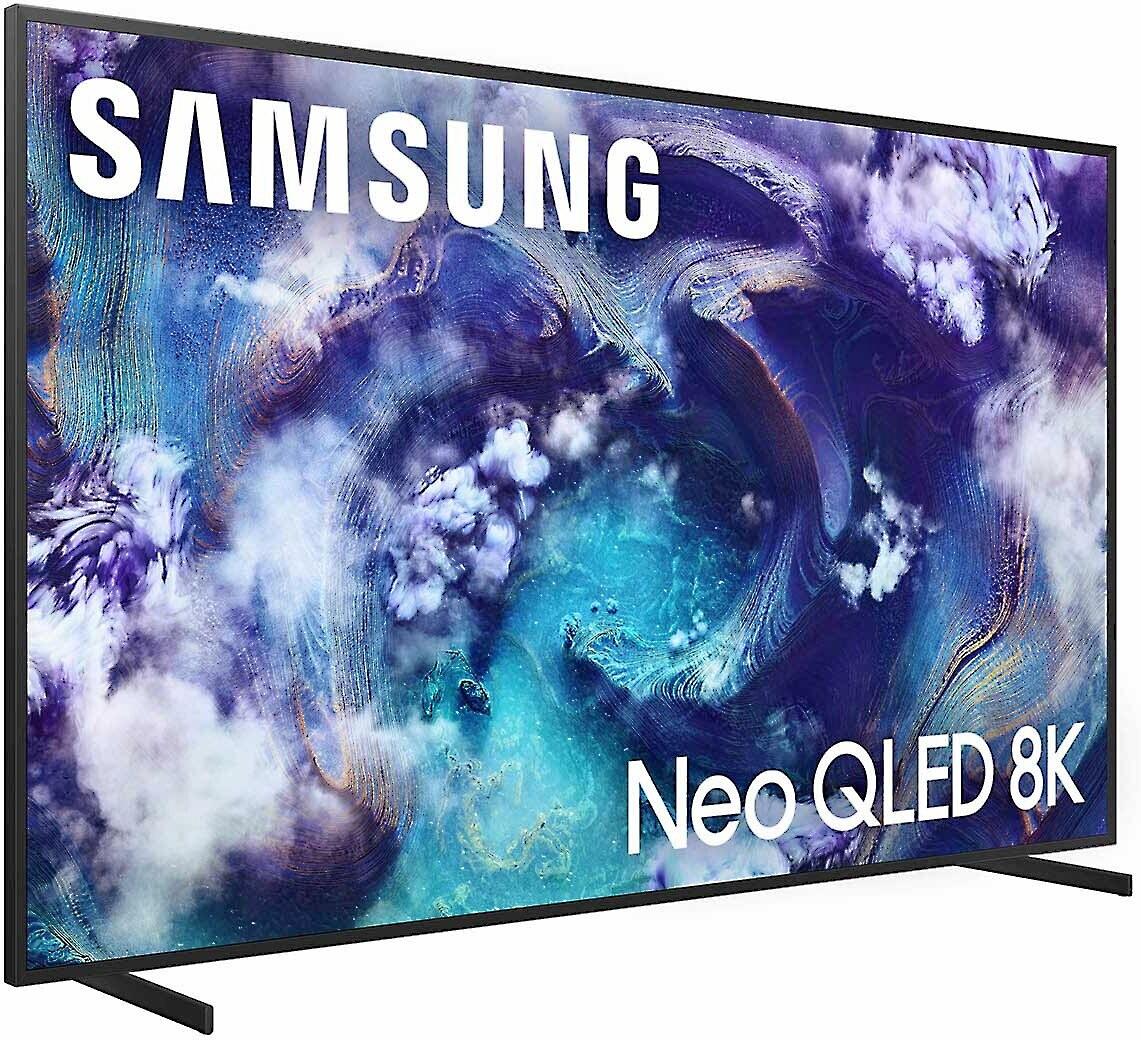
The Samsung QN900F takes an entirely different approach, representing the cutting edge of LCD TV technology as of 2025. This is where Samsung deploys their full arsenal: thousands of Mini LEDs arranged in a full-array configuration, each capable of independent brightness control through what they call Quantum Matrix Pro technology.
The difference is immediately apparent in dark room performance. Where the Q7F struggles with uniform blacks, the QN900F delivers impressive black levels that rival much more expensive OLED displays. The full-array backlighting creates precise local dimming zones—think of it as having thousands of individual flashlights behind the screen that can be turned up or down independently to match the content.
The NQ8 AI Gen2 processor represents a massive leap in processing power, utilizing 256 neural networks (compared to the Q4's more basic AI implementation) to analyze and optimize every frame. This becomes particularly impressive with upscaling: the processor can take 1080p or even 4K content and intelligently enhance it to take advantage of the 8K resolution. While true 8K content remains limited, the upscaling improvements are noticeable even with standard HD broadcasts.
One standout feature is the matte anti-reflective coating. Most TVs struggle with reflections and glare, requiring careful room setup and lighting control. The QN900F nearly eliminates this problem with a specialized coating that maintains picture quality while dramatically reducing reflections. This makes it exceptional for bright living rooms or spaces with large windows—environments where most TVs become unwatchable during daytime viewing.
Gaming represents one of the clearest distinctions between these models. The Samsung Q7F offers basic gaming functionality with low input lag and Auto Game Mode, making it perfectly adequate for casual gaming on any console. However, it lacks the advanced features that have become increasingly important with PlayStation 5 and Xbox Series X consoles.
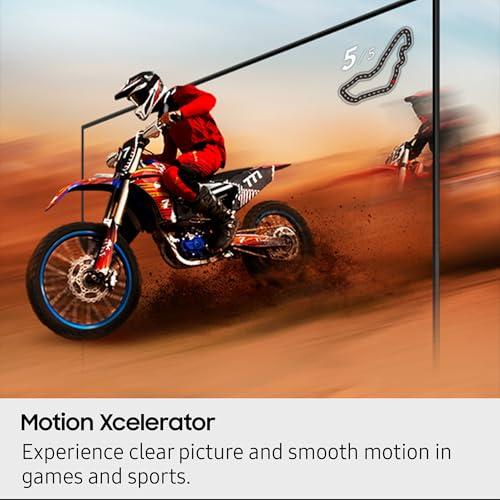
The QN900F transforms into a gaming powerhouse with Motion Xcelerator 165Hz technology, supporting refresh rates up to 165Hz at 4K resolution. This means incredibly smooth motion in fast-paced games, competitive advantages in first-person shooters, and the ability to fully utilize the capabilities of high-end gaming PCs.
Variable Refresh Rate (VRR) support across all formats eliminates screen tearing and stuttering by synchronizing the display's refresh rate with the graphics card or console's output. The Q7F lacks this entirely, while the QN900F supports every major VRR standard including AMD FreeSync Premium Pro and NVIDIA G-Sync compatibility.
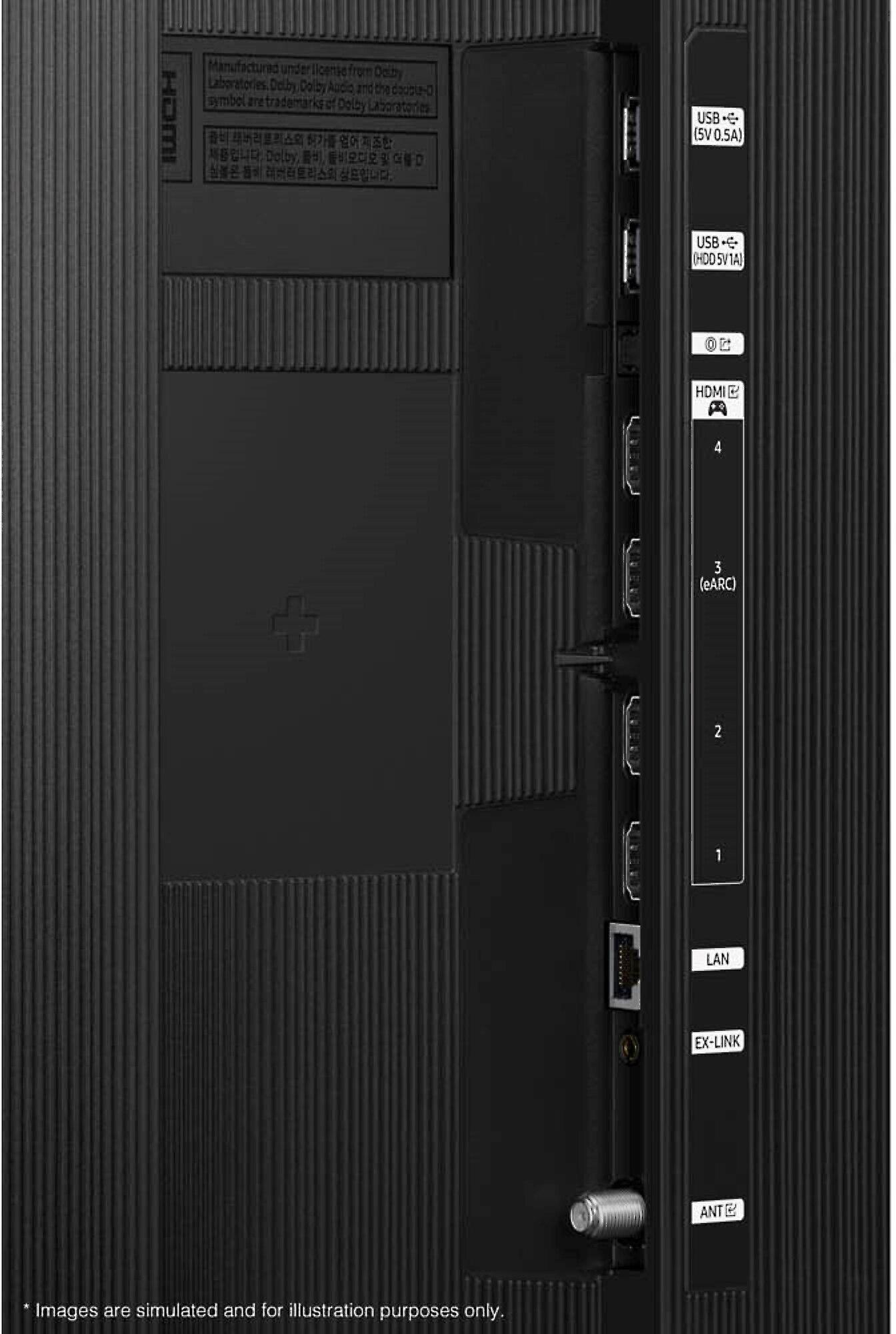
HDMI 2.1 connectivity on the QN900F enables 4K gaming at high refresh rates with full HDR support—something the Q7F cannot match. For serious gamers, especially those with next-generation consoles or gaming PCs, this difference alone might justify the upgrade.
For dedicated home theater setups, picture quality becomes paramount, and the differences between these models are substantial. The Q7F delivers solid performance for its price tier, with quantum dot technology ensuring vibrant colors and the Q4 processor optimizing content for the best possible presentation. However, the edge-lit backlighting fundamentally limits its capabilities in the controlled environment where home theater enthusiasts typically operate.
Dark room viewing reveals the Q7F's biggest weakness: inconsistent black levels and limited contrast. While acceptable for casual viewing, dedicated movie nights in darkened rooms highlight these limitations. The lack of extensive local dimming zones means bright objects can cause entire sections of the screen to brighten, reducing the impact of dramatic scenes.
The Samsung QN900F excels in home theater applications. The full-array Mini LED backlighting with Quantum Matrix Pro creates the kind of precise control that brings movies to life. HDR content displays with the intended impact: bright highlights pop without washing out surrounding details, while dark scenes maintain depth and shadow detail.
The 8K resolution, while limited by content availability, provides tangible benefits on large screens. Even upscaled 4K content shows improved detail and depth, particularly noticeable on the 65-inch panel. The NQ8 AI Gen2 processor's sophisticated upscaling algorithms avoid the artificial sharpening that plagues many budget TVs, instead enhancing genuine detail and texture.
Audio quality also favors the QN900F significantly. While both models benefit from Samsung's smart platform and can easily connect to external sound systems, the QN900F includes advanced audio processing with Dolby Atmos support and Object Tracking Sound Pro. This creates a more immersive experience when using the built-in speakers, though serious home theater setups will likely utilize external audio systems regardless.
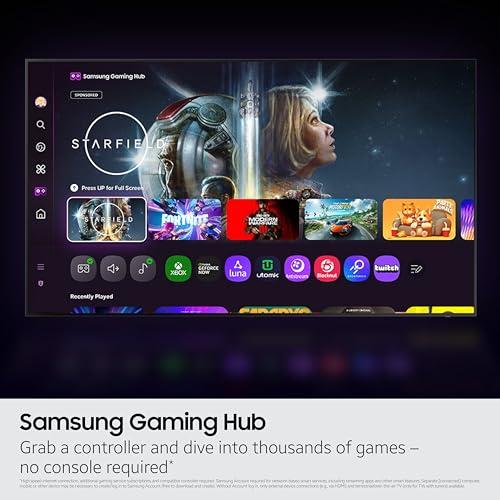
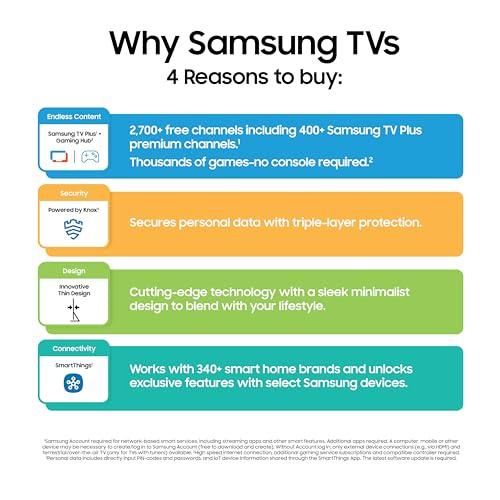
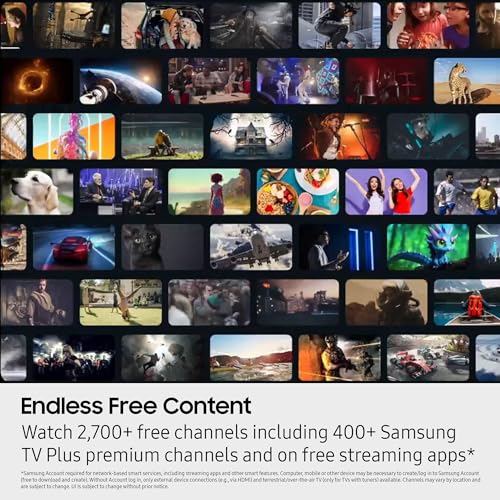
Both televisions run Samsung's Tizen operating system, but the implementations differ significantly. The Q7F provides the standard smart TV experience with access to major streaming services, voice control, and Samsung's TV Plus free streaming platform. The interface is responsive and user-friendly, handling day-to-day smart TV tasks without frustration.
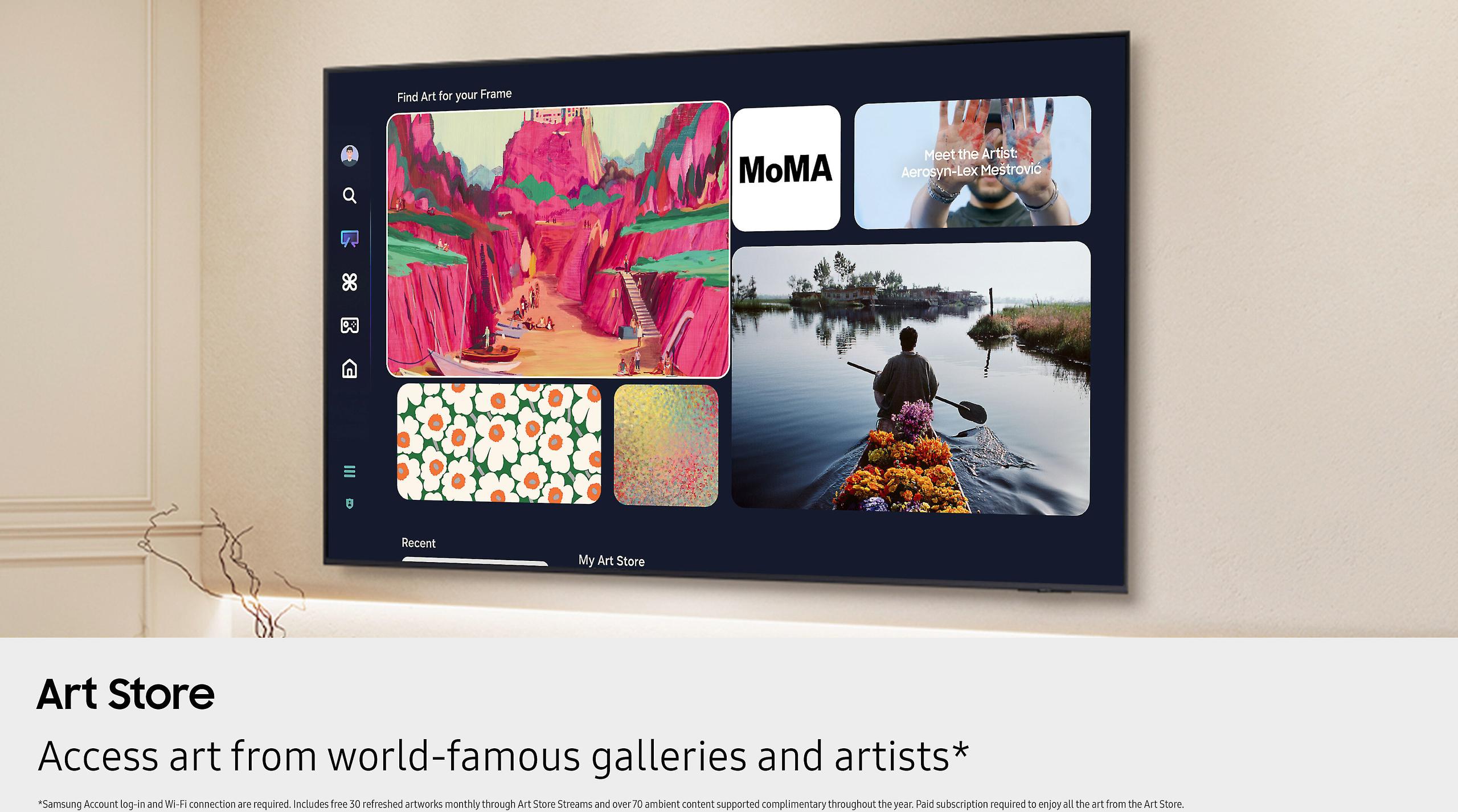
The QN900F elevates the smart TV experience with Samsung Vision AI and Tizen OS 9.0. The AI capabilities go beyond basic content optimization to provide personalized recommendations, real-time content analysis, and even gesture controls. The processing power enables smoother multitasking, faster app switching, and more sophisticated voice control.
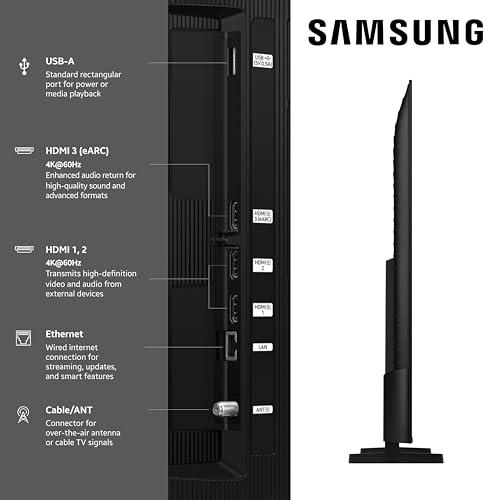
Connectivity also differs substantially. While the Q7F includes standard modern connectivity options, the QN900F adds Wi-Fi 6E support for faster wireless streaming, Bluetooth 5.3 for improved device connections, and the option for Samsung's Slim One Connect box that wirelessly transmits all inputs from up to 30 feet away—a significant advantage for clean wall-mounting installations.
Future-proofing considerations favor the QN900F heavily. The 8K resolution, advanced processing capabilities, and comprehensive gaming features position it to handle whatever content and gaming advances emerge over the next several years. The Q7F, while solid for current needs, lacks the processing power and connectivity to adapt to future requirements.
At the time of writing, these models represent dramatically different value propositions. The Samsung Q7F typically positions itself as an affordable entry into QLED technology, offering quantum dot color enhancement and basic smart features without premium pricing. For budget-conscious buyers who want better color than standard LED TVs, it delivers meaningful improvements over cheaper alternatives.
The QN900F commands flagship pricing that reflects its advanced technology. However, the performance gap justifies the premium for users who can appreciate the differences. The superior brightness, contrast, and processing capabilities create a viewing experience that's qualitatively different, not just incrementally better.
Based on extensive research into user reviews and expert evaluations, the Q7F satisfies viewers who primarily watch content in moderately lit rooms and don't require cutting-edge gaming features. It handles streaming content well, provides vibrant colors, and offers reliable smart TV functionality at an accessible price point.
The QN900F excels across nearly every metric. User reviews consistently praise its brightness, color accuracy, and gaming capabilities. The matte anti-reflective coating receives particular acclaim from users in bright rooms who previously struggled with glare. Professional reviews highlight the exceptional upscaling and processing capabilities, making it a standout choice for enthusiasts.
The decision between the Samsung Q7F and QN900F ultimately depends on your priorities, room setup, and budget flexibility.
Choose the Q7F if you want quantum dot color enhancement without premium pricing, primarily watch content in controlled lighting, don't require advanced gaming features, or are maximizing screen size within a specific budget. It's an excellent choice for bedrooms, apartments, or secondary viewing spaces where good picture quality matters but flagship performance isn't essential.
The QN900F makes sense for dedicated home theater setups, bright living rooms with challenging lighting, serious gaming scenarios, or when you want cutting-edge technology that will remain relevant for years. The superior brightness, contrast, and processing capabilities create a viewing experience that justifies the premium for users who can appreciate the differences.
For most buyers, the decision comes down to how much you value the performance improvements and whether your viewing habits can take advantage of the QN900F's advanced capabilities. In bright rooms or for gaming enthusiasts, the differences are dramatic and worth the investment. For casual viewing in moderate lighting, the Q7F provides excellent value and performance that will satisfy most users.
The television market continues evolving rapidly, but Samsung's 2025 lineup demonstrates how different approaches to similar technology can create products that serve distinctly different needs and budgets. Whether you choose entry-level quantum dot enhancement or flagship Mini LED performance, understanding these fundamental differences ensures you'll select the TV that best matches your specific requirements and viewing environment.
| Samsung 65-Inch Q7F Series QLED Smart TV 2025 Display | Samsung 65" Neo QLED 8K QN900F Vision AI Smart TV 2025 |
|---|---|
| Display Resolution - Higher resolution provides sharper detail, especially on large screens | |
| 4K (3,840 × 2,160 pixels) - Standard for most content | 8K (7,680 × 4,320 pixels) - Future-proof with excellent upscaling |
| Backlight Technology - Most critical factor for picture quality and contrast | |
| Edge-lit Mini LED - Limited local dimming zones | Full-array Mini LED with Quantum Matrix Pro - Thousands of precise dimming zones |
| AI Processor - Determines upscaling quality and smart features | |
| Q4 AI Processor - Basic content optimization | NQ8 AI Gen2 with 256 neural networks - Advanced upscaling and processing |
| HDR Support - Essential for vibrant colors and bright highlights | |
| Quantum HDR, HDR10+ - Good dynamic range | Neo Quantum HDR 8K Pro, HDR10+ Adaptive - Exceptional brightness and contrast |
| Gaming Performance - Critical for console and PC gaming | |
| 60Hz refresh rate, basic gaming features | Motion Xcelerator 165Hz at 4K, HDMI 2.1, VRR support - Pro-level gaming |
| Screen Treatment - Affects viewing in bright rooms | |
| Standard glossy screen - Prone to glare and reflections | Matte anti-reflective coating - Nearly eliminates glare in bright rooms |
| Smart Platform - Determines app selection and user experience | |
| Tizen OS with standard features | Tizen OS 9.0 with Samsung Vision AI - Advanced personalization and voice control |
| Audio System - Built-in sound quality before adding external speakers | |
| Basic audio with Q4 AI enhancement | Adaptive Sound Pro, Dolby Atmos, Object Tracking Sound Pro |
| Connectivity - Future-proofing for new devices and faster streaming | |
| Standard HDMI and Wi-Fi | HDMI 2.1, Wi-Fi 6E, Bluetooth 5.3, optional Slim One Connect |
| Local Dimming Zones - Controls contrast and black levels | |
| Limited edge-lit zones - Adequate for moderate lighting | Thousands of Mini LED zones - Excellent dark room performance |
| Peak Brightness - Ability to overcome ambient light and display HDR | |
| Moderate brightness suitable for controlled lighting | Exceptional brightness ideal for bright rooms and impactful HDR |
| Motion Handling - Important for sports and fast-paced content | |
| 60Hz with basic motion processing | 165Hz with Motion Xcelerator and AI Motion Enhancer Pro |
| Design and Build - Aesthetic appeal and installation flexibility | |
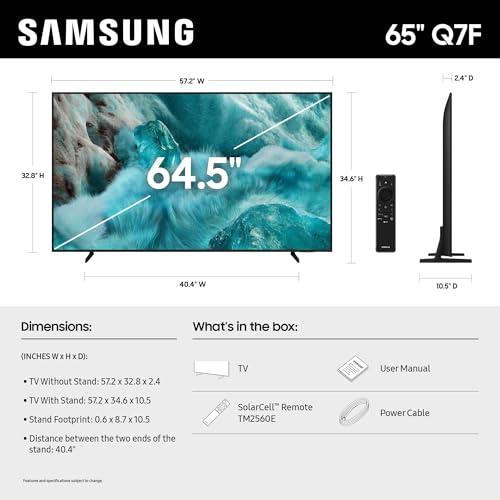
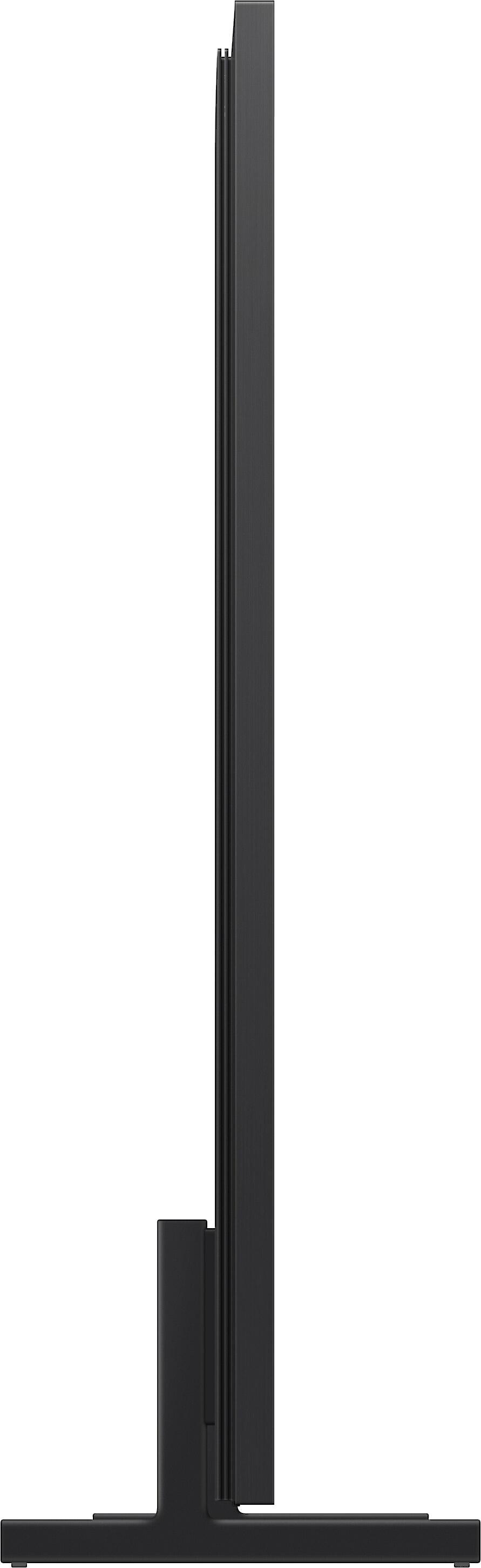
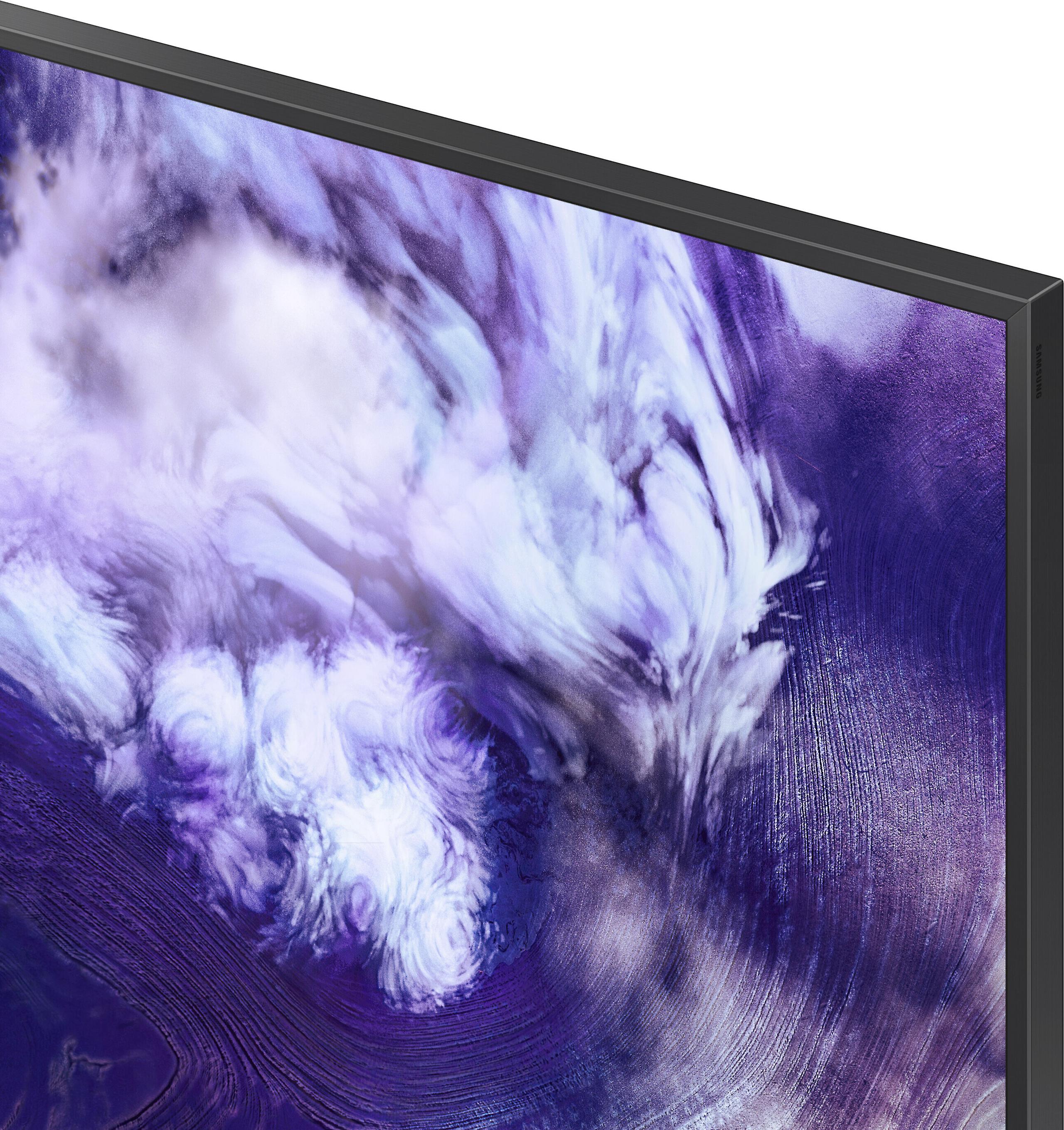
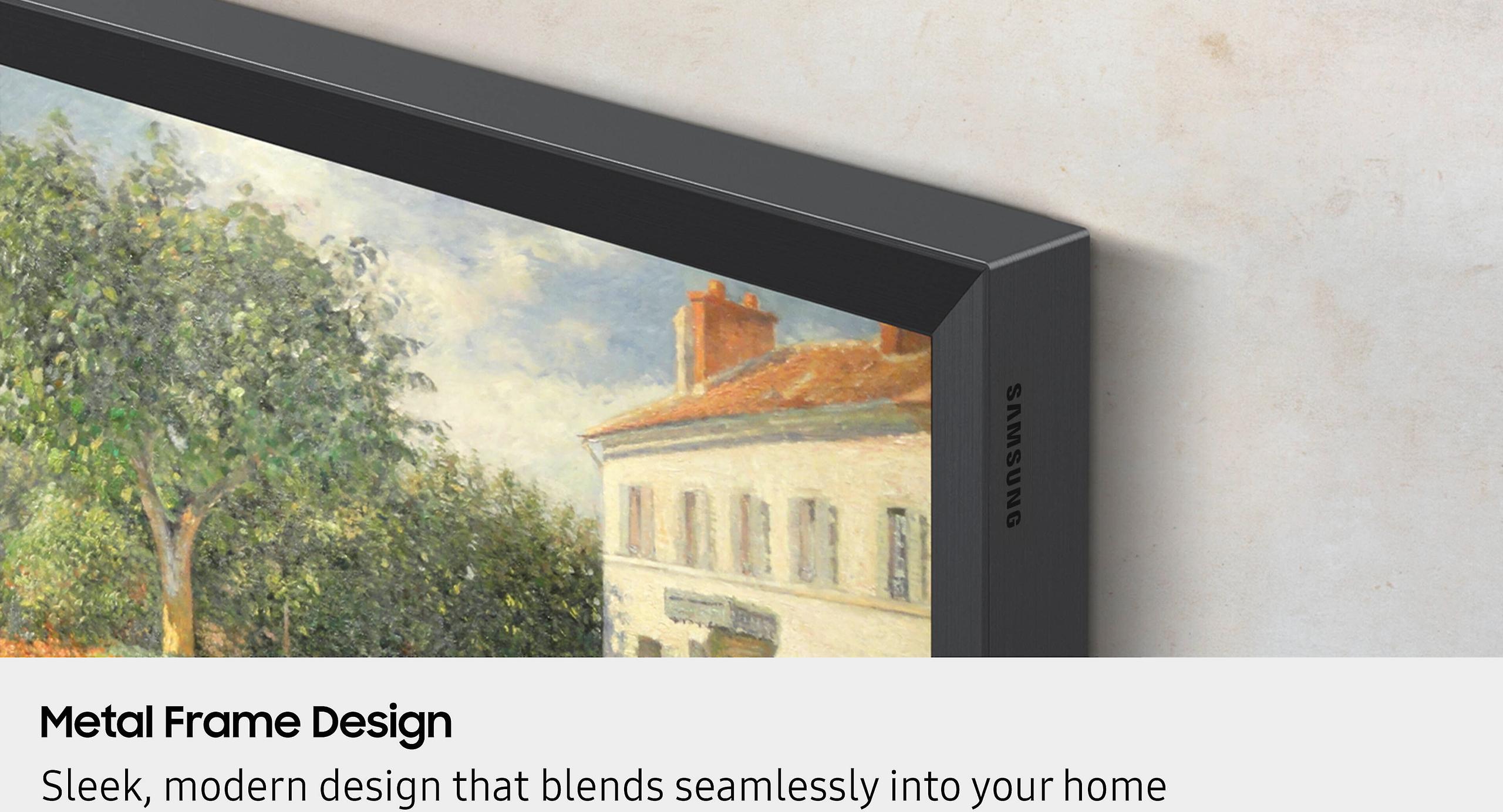
| Standard QLED design with adjustable feet | Infinity One design (12.9mm thin) with premium metal frame |
| Target Use Case - Who each TV serves best | |
| Budget-conscious buyers wanting QLED color in moderate lighting | Enthusiasts seeking flagship performance for bright rooms and gaming |
The biggest difference is the backlight technology. The Samsung Q7F uses edge-lit Mini LED backlighting, while the Samsung QN900F features full-array Mini LED with thousands of individual dimming zones. This gives the QN900F dramatically better contrast, brighter highlights, and deeper blacks for superior picture quality.
The Samsung QN900F is significantly better for bright rooms thanks to its matte anti-reflective coating that nearly eliminates glare and reflections. It also produces much higher peak brightness to overcome ambient light. The Samsung Q7F has a standard glossy screen that can become difficult to see in bright lighting conditions.
Yes, the 8K resolution on the Samsung QN900F provides value even with 4K content thanks to its advanced NQ8 AI Gen2 processor. The sophisticated upscaling makes 4K and even HD content look noticeably sharper and more detailed on the 8K display. The Q7F is limited to 4K resolution with basic upscaling.
The Samsung QN900F is far superior for next-gen console gaming. It supports 165Hz refresh rates at 4K, HDMI 2.1, and Variable Refresh Rate (VRR) for smooth, tear-free gaming. The Samsung Q7F is limited to 60Hz with basic gaming features, missing the advanced capabilities that modern consoles can utilize.
Both run Samsung's Tizen OS, but the QN900F includes the advanced Samsung Vision AI with personalized recommendations, gesture controls, and more sophisticated voice commands. The Samsung Q7F offers standard smart TV features that work well for streaming but lack the AI-powered enhancements.
The Samsung QN900F excels in dark rooms with its full-array Mini LED backlighting providing excellent black levels and contrast. The Samsung Q7F struggles more in dark environments due to its edge-lit design, which can cause greyish blacks and less uniform picture quality across the screen.
The QN900F uses the advanced NQ8 AI Gen2 processor with 256 neural networks for superior upscaling and content optimization. The Samsung Q7F features the basic Q4 AI processor that provides good picture enhancement but lacks the processing power for advanced upscaling and AI features.
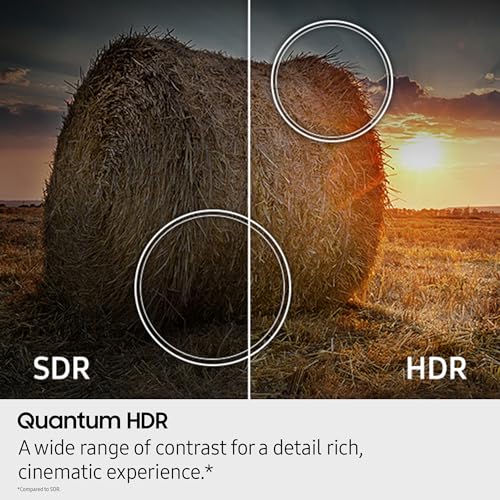
No, the Samsung QN900F offers Neo Quantum HDR 8K Pro with exceptional brightness for impactful HDR highlights, while the Samsung Q7F provides Quantum HDR with more limited brightness capability. The QN900F displays HDR content much closer to the filmmaker's intent.
The Samsung Q7F provides excellent value for budget-conscious buyers who want quantum dot color enhancement without premium pricing. The QN900F offers flagship performance that justifies its higher cost for users who prioritize cutting-edge picture quality and gaming features.
The Samsung QN900F includes advanced audio with Dolby Atmos, Object Tracking Sound Pro, and Adaptive Sound processing. The Samsung Q7F has basic audio enhancement through its Q4 AI processor. Both can connect to external sound systems, but the QN900F provides better built-in sound quality.
The Samsung QN900F offers superior installation options with its ultra-slim 12.9mm profile and optional Slim One Connect box that wirelessly transmits signals from up to 30 feet away. The Samsung Q7F has a standard design with traditional cable connections, making it adequate but less elegant for wall mounting.
If you want to experience quantum dot color enhancement at an affordable price and primarily watch in moderate lighting, the Samsung Q7F is an excellent introduction to QLED technology. However, if you have a bright room, enjoy gaming, or want future-proof performance, the Samsung QN900F provides a dramatically superior experience that showcases what premium QLED technology can achieve.
We've done our best to create useful and informative comparisons to help you decide what product to buy. Our research uses advanced automated methods to create this comparison and perfection is not possible - please contact us for corrections or questions. These are the sites we've researched in the creation of this article: bestbuy.com - rtings.com - bestbuy.com - youtube.com - youtube.com - youtube.com - samsung.com - samsung.com - samsung.com - billsmith.com - costco.com - samsung.com - hometechnologyreview.com - hometechnologyreview.com - bestbuy.com - samsung.com - bestbuy.com - samsung.com - hometechnologyreview.com - samsung.com - samsung.com - rtings.com - samsung.com - techradar.com - dolby.com - youtube.com - samsung.com - youtube.com - samsung.com - samsung.com - samsung.com - samsung.com - displayspecifications.com - samsung.com - rtings.com - bestbuy.com - merlinstv.com - news.samsung.com - bestbuy.com

Privacy Policy
Terms and Conditions - Affiliate Policy
Home Security
© Copyright 2008-2026.
11816 Inwood Rd #1211, Dallas, TX 75244