

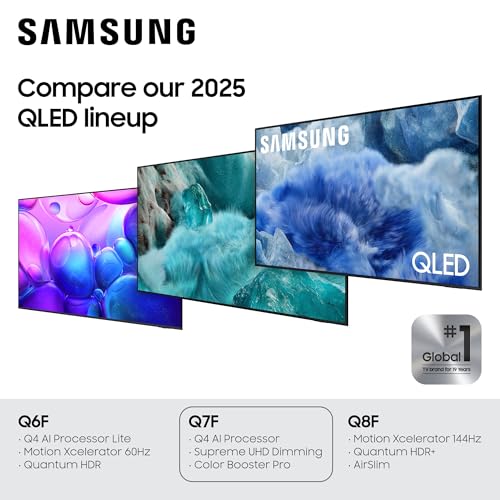
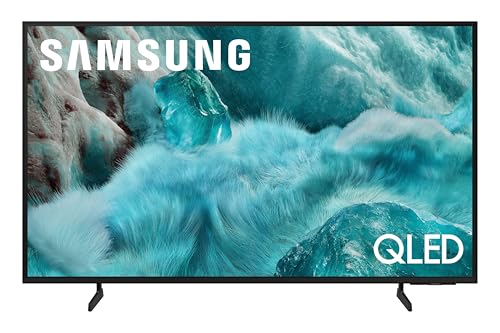


When you're shopping for a premium 65-inch TV, you'll quickly discover that "premium" means very different things depending on your budget. The Samsung Q7F QLED and Sony A95L QD-OLED perfectly illustrate this divide—they're both excellent televisions that happen to use completely different approaches to delivering a great picture.
The Samsung launched in 2025 as an entry-level option in their QLED lineup, while the Sony debuted in 2023 as their flagship model. At the time of writing, you're looking at roughly a three-to-one price difference, with the Samsung Q7F positioned as a budget-friendly quantum dot TV and the Sony A95L commanding premium pricing for its cutting-edge display technology.
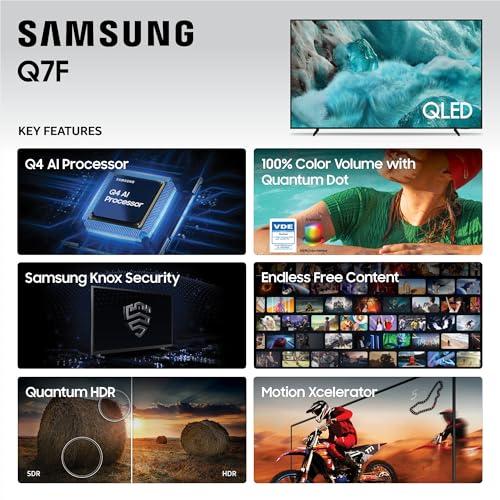
Before diving into specifics, it helps to understand what sets these TVs apart at a fundamental level. The Samsung Q7F uses QLED technology, which is essentially a traditional LED-backlit LCD screen enhanced with a quantum dot layer. Think of quantum dots as tiny crystals that can produce incredibly pure colors when hit with light—they're what give QLED TVs their vibrant, saturated look.
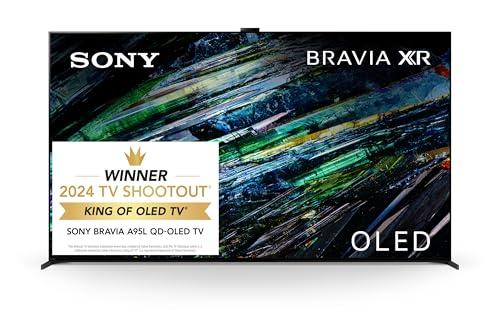
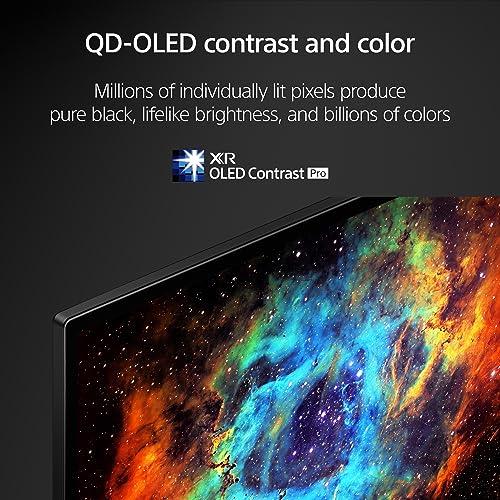
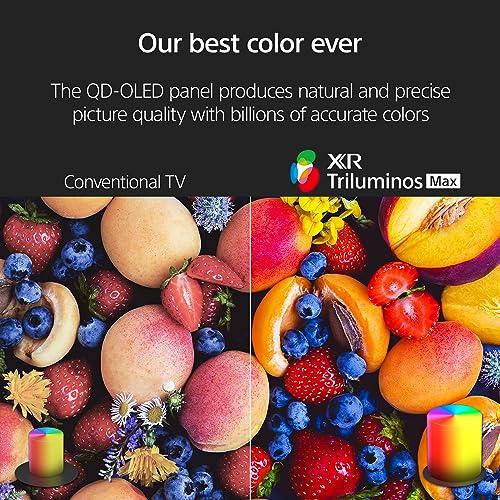
The Sony A95L takes a more revolutionary approach with QD-OLED technology. Here, you get the perfect blacks of OLED (where each pixel can turn completely off) combined with the color purity of quantum dots. It's like getting the best of both worlds, but it comes with a significantly higher price tag.
This technology difference creates a cascading effect on every aspect of performance, from how dark scenes look to how bright HDR content appears.
This is where the fundamental difference between these TVs becomes immediately apparent. The Samsung Q7F uses what Samsung calls "Mega Contrast" technology, but without local dimming zones, the entire LED backlight adjusts uniformly. In practical terms, this means when you're watching a movie with dark scenes, those blacks will appear more like dark gray. It's not terrible, but it's noticeable, especially in a dimmed room.
The Sony A95L delivers perfect blacks because each pixel can turn completely off. When a pixel is supposed to be black, it produces zero light—creating what's called infinite contrast. This isn't marketing speak; it's a measurable technical advantage that creates a more immersive viewing experience, particularly for movies and TV shows with dramatic lighting.
Based on our research into expert reviews, this contrast difference is immediately visible when comparing the two side-by-side. Dark movie scenes that look flat and grayish on the Samsung appear deep and dimensional on the Sony.
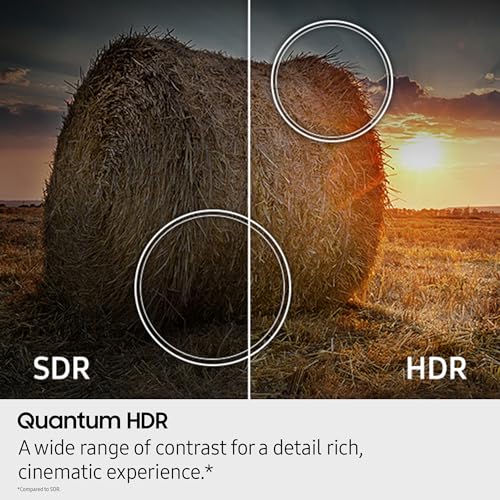
HDR (High Dynamic Range) content is where premium TVs really show their capabilities, but these two approaches to brightness couldn't be more different. The Samsung Q7F produces adequate brightness for everyday viewing in moderately lit rooms, but expert reviews consistently note it struggles with impactful HDR highlights and becomes difficult to see in bright rooms.
The Sony A95L achieves around 1,300 nits of peak brightness while maintaining those perfect blacks—a technical feat that represents the current pinnacle of display technology. This means bright explosions in action movies or sunlit scenes actually look bright and impactful, not washed out or dim.
HDR content has become increasingly important as streaming services like Netflix, Disney+, and Apple TV+ produce more content in these formats. If you're investing in a premium TV, HDR performance should be a major consideration.
Both TVs use quantum dot technology, but they implement it differently. The Samsung Q7F delivers vibrant, saturated colors that look appealing straight out of the box. Samsung's "Color Booster Pro" feature enhances vibrancy without excessive distortion, making it great for casual viewing.
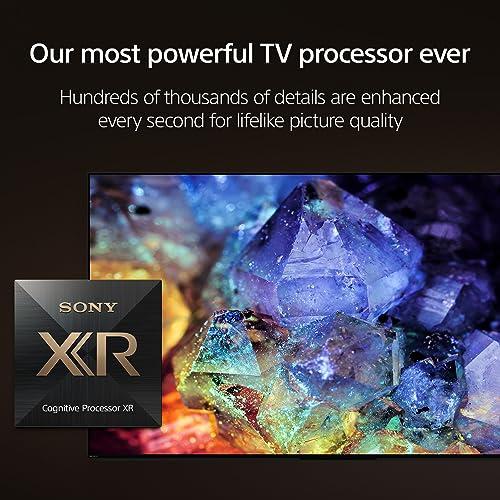
However, the Sony A95L takes color reproduction to a professional level. Expert reviews consistently praise its color accuracy, with many noting it requires minimal calibration to achieve reference-grade performance. The QD-OLED panel maintains color accuracy across all brightness levels—something the Samsung struggles with, particularly in HDR content where colors can appear washed out.
For home theater enthusiasts who care about seeing content as filmmakers intended, this accuracy difference is significant. For casual viewers who prefer punchy, vivid colors, the Samsung's approach might actually be more appealing.
The gaming landscape has evolved dramatically since 2020, with the PlayStation 5 and Xbox Series X pushing 4K gaming at higher frame rates. This is where the age difference and positioning of these TVs becomes crucial.
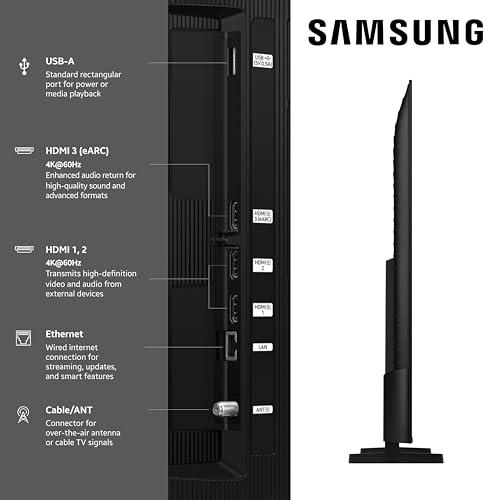
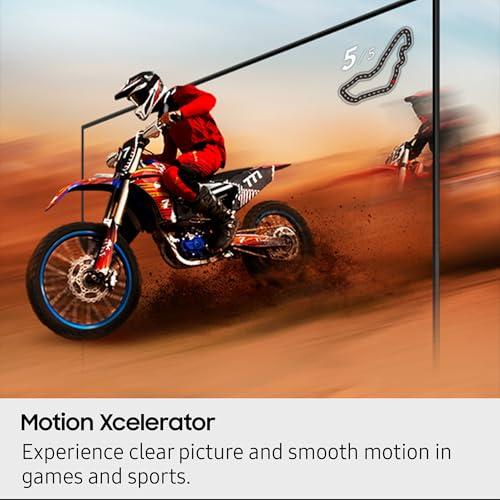
The Samsung Q7F maxes out at 60Hz with no variable refresh rate (VRR) support. For casual gaming or older consoles, this is perfectly adequate. The TV achieves low input lag in game mode, making it responsive for most gaming scenarios.
But here's where it gets interesting: Samsung removed HGIG (HDR Gaming Interest Group) support via a firmware update in 2025, creating calibration issues for HDR gaming. This affects how games display brightness and contrast, particularly noticeable with newer consoles that rely on proper HDR implementation.
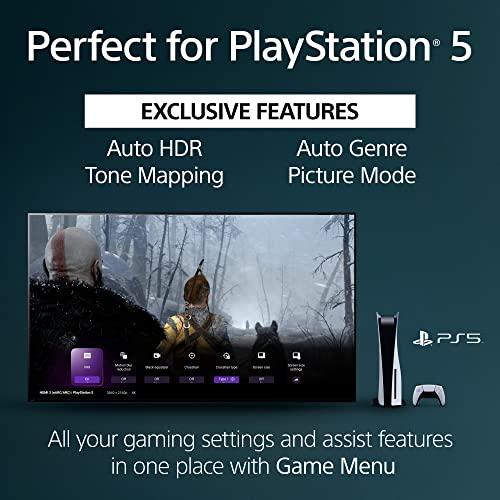
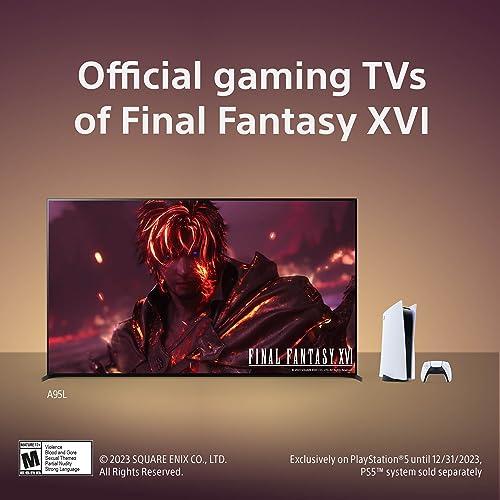
The Sony A95L supports 4K at 120Hz through two HDMI 2.1 ports, along with VRR and Auto Low Latency Mode. The near-instantaneous pixel response of OLED technology eliminates motion blur in fast-paced games. If you own a PlayStation 5, the Sony includes specific optimizations that automatically adjust settings for different game types.
Gaming technology continues advancing rapidly. The Samsung Q7F, with its 60Hz limitation and HDMI 2.0 ports, represents current entry-level gaming capability. The Sony A95L, despite being from 2023, offers gaming features that remain cutting-edge today.
However, competitive gamers should note that while the Sony offers excellent gaming performance, it only provides two HDMI 2.1 ports compared to four on some competing models. This could limit connectivity if you have multiple next-generation consoles and other devices.
Both TVs offer sophisticated smart TV platforms, but with different philosophies.
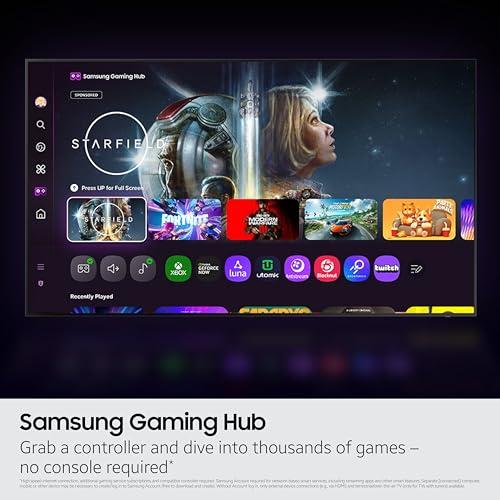
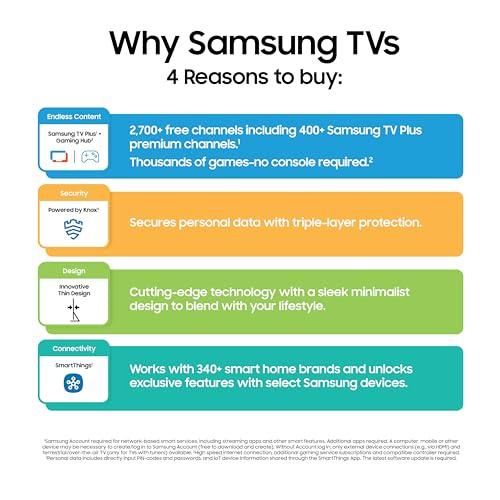
The Samsung Q7F runs the redesigned Tizen One UI from 2025, which represents a significant improvement over previous versions. The interface is notably faster, with menus positioned on the left side to avoid blocking content. Samsung TV Plus provides free streaming content, while the Game Hub allows console-free gaming through cloud services.
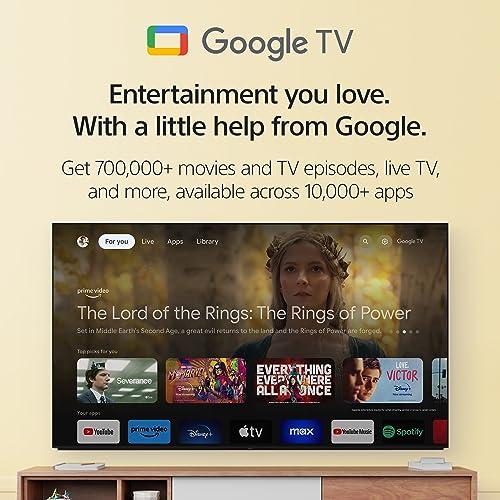
The Sony A95L uses Google TV with built-in Chromecast, offering deep integration with Google services and excellent content discovery. If you're already invested in the Google ecosystem, this integration feels seamless.
This is where a crucial difference emerges. The Samsung Q7F supports HDR10+ (Samsung's preferred format) but lacks Dolby Vision support. Given that Netflix, Apple TV+, and Disney+ increasingly use Dolby Vision for their premium content, this limitation could affect your viewing experience with major streaming services.
The Sony A95L supports both HDR10+ and Dolby Vision, ensuring compatibility with content from all major sources. Expert reviews consistently praise its Dolby Vision implementation as "spot-on" in terms of tone mapping and color accuracy.
Audio often gets overlooked in TV comparisons, but these models take notably different approaches.
The Samsung Q7F features traditional 20W speakers with Object Tracking Sound Lite, which attempts to match audio to on-screen action. It's adequate for casual viewing and supports Q-Symphony for integration with Samsung soundbars.
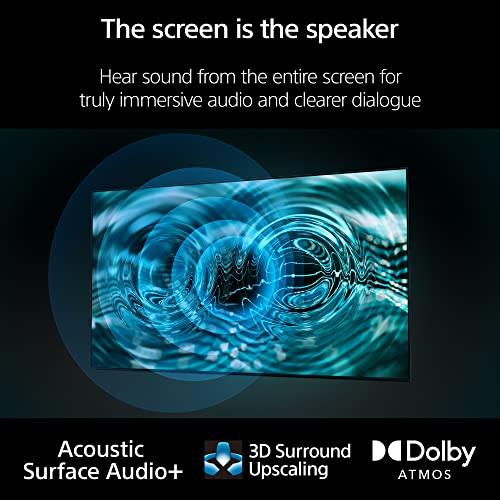
The Sony A95L uses Acoustic Surface Audio+ technology, where actuators behind the screen vibrate the entire panel to produce sound. This creates remarkably precise dialogue placement and a wide soundstage. The TV can even function as a center channel speaker when paired with compatible Sony soundbars—a unique feature for home theater setups.
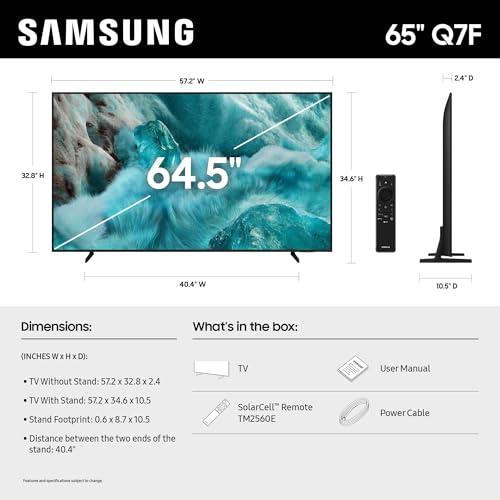
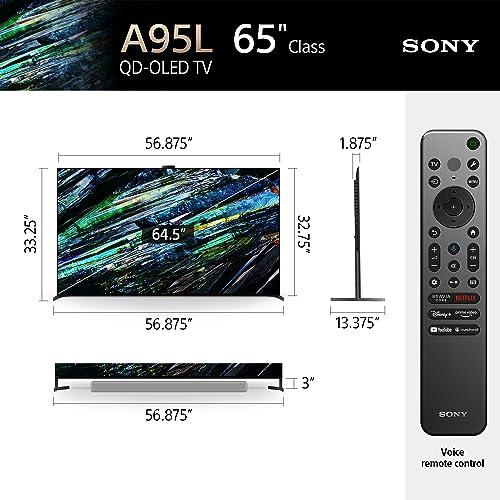
Physical construction reflects each TV's market positioning. The Samsung Q7F weighs 37.7 pounds and features adjustable plastic feet that accommodate different furniture setups. There's some flex in the back panel, but overall build quality is solid for the price point.
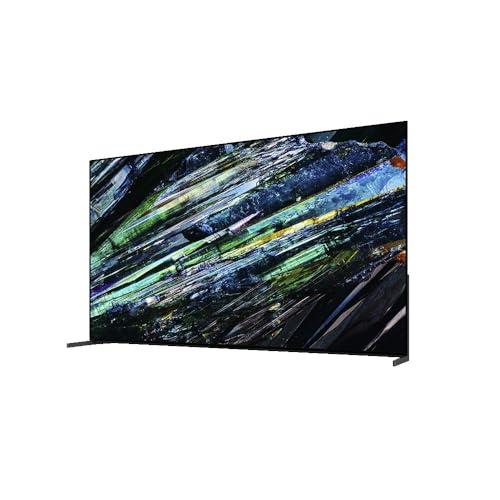
The Sony A95L exhibits premium construction with a textured back panel and aluminum stand offering multiple positioning options. The attention to detail extends to cable management and input accessibility—important considerations for wall mounting or complex home theater setups.
The Samsung Q7F uses a VA panel with narrow viewing angles. Colors and brightness degrade noticeably when viewed from the sides, making it less suitable for wide seating arrangements or open-concept living spaces.
The Sony A95L maintains consistent picture quality from extreme viewing angles—up to 178 degrees. This makes it ideal for family rooms or any situation where viewers won't always be seated directly in front of the screen.
For dedicated home theater use, these TVs serve different purposes entirely.
The Samsung Q7F works well in moderately lit rooms for casual movie watching. However, the lack of local dimming means you won't get the dramatic contrast that makes dark movie scenes truly immersive. It's perfectly adequate for everyday entertainment but won't deliver that "cinematic" experience serious movie enthusiasts seek.
The Sony A95L excels in home theater applications. The perfect blacks create that "floating in space" effect during dark scenes, while the high brightness ensures HDR content has real impact. The accurate color reproduction means you're seeing movies as directors intended—a consideration that matters more as filmmakers increasingly shoot and master content specifically for premium displays.
At the time of writing, these TVs represent completely different value propositions that appeal to distinct user groups.
The Samsung Q7F makes sense for budget-conscious buyers who want quantum dot color enhancement without paying premium prices. It's ideal for secondary bedrooms, casual viewing in moderately lit rooms, or situations where absolute picture quality isn't the primary concern.
If you're upgrading from an older 1080p TV and primarily watch streaming content during daytime hours, the Samsung delivers a significant improvement at an accessible price point. The updated Tizen interface and Samsung ecosystem integration add value for existing Samsung device users.
The Sony A95L targets serious home theater enthusiasts and users who prioritize picture quality above all else. Despite being from 2023, it remains among the best OLED TVs available, with display technology that continues to impress expert reviewers.
PlayStation 5 owners particularly benefit from the Sony's gaming optimizations, while movie enthusiasts appreciate the reference-grade color accuracy and perfect contrast. If you have a dedicated viewing room or watch primarily in dimmed conditions, the Sony's capabilities justify its premium pricing.
The choice between these TVs ultimately depends on your priorities, viewing habits, and budget constraints.
Choose the Samsung Q7F if you're seeking good value in the quantum dot TV space, don't need advanced gaming features beyond 60Hz, and primarily watch in moderately lit environments. It's an excellent entry point into premium TV features without the premium price tag.
Choose the Sony A95L if picture quality is your primary concern, you own next-generation gaming consoles, or you're building a serious home theater setup. The substantial price difference reflects genuine technological advantages that can't be achieved through settings adjustments.
The reality is that both TVs serve their intended purposes well. The Samsung provides solid performance at an accessible price, while the Sony delivers flagship-level capabilities for those willing to invest in cutting-edge display technology. Your viewing environment, content preferences, and budget will ultimately determine which approach makes more sense for your specific needs.
Remember that TV technology continues evolving rapidly. What seems cutting-edge today may become standard tomorrow. Consider not just your current needs, but how long you plan to keep your TV and whether its capabilities will remain relevant as content and gaming standards continue advancing.
| Samsung 65-Inch Q7F Series QLED Smart TV 2025 | Sony BRAVIA XR A95L 65" QD-OLED 4K HDR Google TV |
|---|---|
| Display Technology - The fundamental difference affecting all picture quality | |
| QLED (LED-backlit LCD with quantum dots) | QD-OLED (self-emissive pixels with quantum dot enhancement) |
| Black Levels - Critical for movie watching and contrast | |
| Grayish blacks due to LED backlighting | Perfect blacks (pixels turn completely off) |
| Peak Brightness - Essential for HDR impact and bright room viewing | |
| Moderate brightness, struggles in bright rooms | ~1,300 nits peak brightness with perfect blacks |
| Refresh Rate - Determines gaming performance and motion clarity | |
| 60Hz only, no VRR support | 120Hz native with VRR and ALLM support |
| HDMI Connectivity - Future-proofing for gaming consoles | |
| 3x HDMI 2.0 ports (4K@60Hz max) | 2x HDMI 2.1 ports (4K@120Hz) + 2 standard |
| HDR Format Support - Compatibility with streaming content | |
| HDR10+ only (no Dolby Vision) | Both HDR10+ and Dolby Vision supported |
| Color Accuracy - Important for cinematic viewing experience | |
| Good vibrancy, some color washing in HDR | Reference-grade accuracy, minimal calibration needed |
| Viewing Angles - Matters for family rooms and wide seating | |
| Narrow angles, degrades from sides (VA panel) | Excellent 178° viewing angles maintain quality |
| Gaming Input Lag - Critical for competitive gaming | |
| Low lag at 60Hz but limited features | ~16ms with full next-gen console optimization |
| Smart TV Platform - Daily usability and app support | |
| Tizen One UI (2025) with Samsung TV Plus | Google TV with Chromecast built-in |
| Audio Technology - Built-in sound quality | |
| 20W 2.0 channel speakers with OTS Lite | Acoustic Surface Audio+ (screen acts as speaker) |
| Release Year & Positioning - Technology generation and target market | |
| 2025 entry-level QLED model | 2023 flagship QD-OLED model |
| Build Quality - Premium feel and durability | |
| Lightweight plastic construction, some flex | Premium materials with textured back panel |
| Local Dimming - Essential for contrast in LED TVs | |
| No local dimming zones | Not needed (per-pixel control) |
| Price Positioning - Value proposition at time of writing | |
| Budget-friendly quantum dot option | Premium flagship pricing |
The biggest difference is display technology. The Samsung Q7F uses QLED (LED-backlit LCD with quantum dots) while the Sony A95L uses QD-OLED (self-emissive pixels with quantum dot enhancement). This means the Sony can turn individual pixels completely off for perfect blacks, while the Samsung's LED backlight creates grayish blacks in dark scenes.
The Sony A95L is significantly better for gaming with 4K@120Hz support, VRR (Variable Refresh Rate), and HDMI 2.1 ports optimized for PlayStation 5 and Xbox Series X. The Samsung Q7F is limited to 60Hz with basic gaming features, making it suitable only for casual gaming.
The Sony A95L delivers superior picture quality with perfect blacks, higher peak brightness (~1,300 nits), and reference-grade color accuracy. The Samsung Q7F offers good picture quality for its price point but cannot match the contrast and HDR performance of QD-OLED technology.
No, only the Sony A95L supports Dolby Vision along with HDR10+. The Samsung Q7F only supports HDR10+, which means you'll miss out on Dolby Vision content from Netflix, Disney+, and Apple TV+.
The Sony A95L performs much better in bright rooms due to its higher peak brightness and anti-reflection coating. The Samsung Q7F struggles with visibility in bright environments and is better suited for moderately lit rooms.
The Samsung Q7F runs Tizen OS with Samsung TV Plus and Game Hub, while the Sony A95L uses Google TV with Chromecast built-in. Both offer comprehensive app support, but Google TV provides better content discovery and integration with Google services.
The Sony A95L maintains excellent picture quality from wide viewing angles (178°), making it ideal for family rooms. The Samsung Q7F has narrow viewing angles due to its VA panel, with colors and brightness degrading when viewed from the sides.
The Sony A95L excels in home theater applications with perfect blacks, accurate colors, and support for both major HDR formats. The Samsung Q7F works for casual movie watching but lacks the contrast and HDR performance that serious home theater enthusiasts expect.
This depends on your budget and priorities. The Samsung Q7F offers excellent value for budget-conscious buyers wanting quantum dot technology. The Sony A95L justifies its premium price with flagship display technology and features that represent the current state-of-the-art.
The Sony A95L features innovative Acoustic Surface Audio+ where the screen itself acts as a speaker, providing better dialogue clarity and soundstage. The Samsung Q7F has traditional 20W speakers that are adequate for casual viewing but lack the audio quality of the Sony's unique approach.
The Sony A95L is more future-proof with HDMI 2.1, 120Hz support, and compatibility with current content standards. The Samsung Q7F may become outdated sooner due to its 60Hz limitation and HDMI 2.0 ports as gaming and content technology continues advancing.
Choose the Samsung Q7F if you want good quantum dot performance at an affordable price for casual viewing in moderate lighting. Choose the Sony A95L if picture quality is your priority, you own next-gen gaming consoles, or you're building a serious home theater setup where the premium features justify the higher investment.
We've done our best to create useful and informative comparisons to help you decide what product to buy. Our research uses advanced automated methods to create this comparison and perfection is not possible - please contact us for corrections or questions. These are the sites we've researched in the creation of this article: bestbuy.com - rtings.com - bestbuy.com - youtube.com - youtube.com - youtube.com - samsung.com - samsung.com - samsung.com - billsmith.com - costco.com - samsung.com - hometechnologyreview.com - hometechnologyreview.com - bestbuy.com - samsung.com - bestbuy.com - samsung.com - hometechnologyreview.com - samsung.com - samsung.com - rtings.com - youtube.com - rtings.com - avsforum.com - rtings.com - smarthomesounds.co.uk - smarthomesounds.co.uk - rtings.com - smarthomesounds.co.uk - youtube.com - tomsguide.com - avsforum.com - rtings.com - perfectrec.com - flatpanelshd.com - videoandaudiocenter.com - sonypremiumhome.com - bestbuy.com - sony.com - electronics.sony.com - displayspecifications.com - donstv.com - youtube.com - static.pcrichard.com - smarthomesounds.co.uk - youtube.com - electronics.sony.com - electronics.sony.com - displayspecifications.com

Privacy Policy
Terms and Conditions - Affiliate Policy
Home Security
© Copyright 2008-2026.
11816 Inwood Rd #1211, Dallas, TX 75244