

When shopping for a premium 65-inch TV, you'll quickly encounter two dominant display technologies that sound confusingly similar but deliver vastly different experiences. The choice between OLED and QLED isn't just about acronyms—it's about understanding fundamentally different approaches to creating the images on your screen.
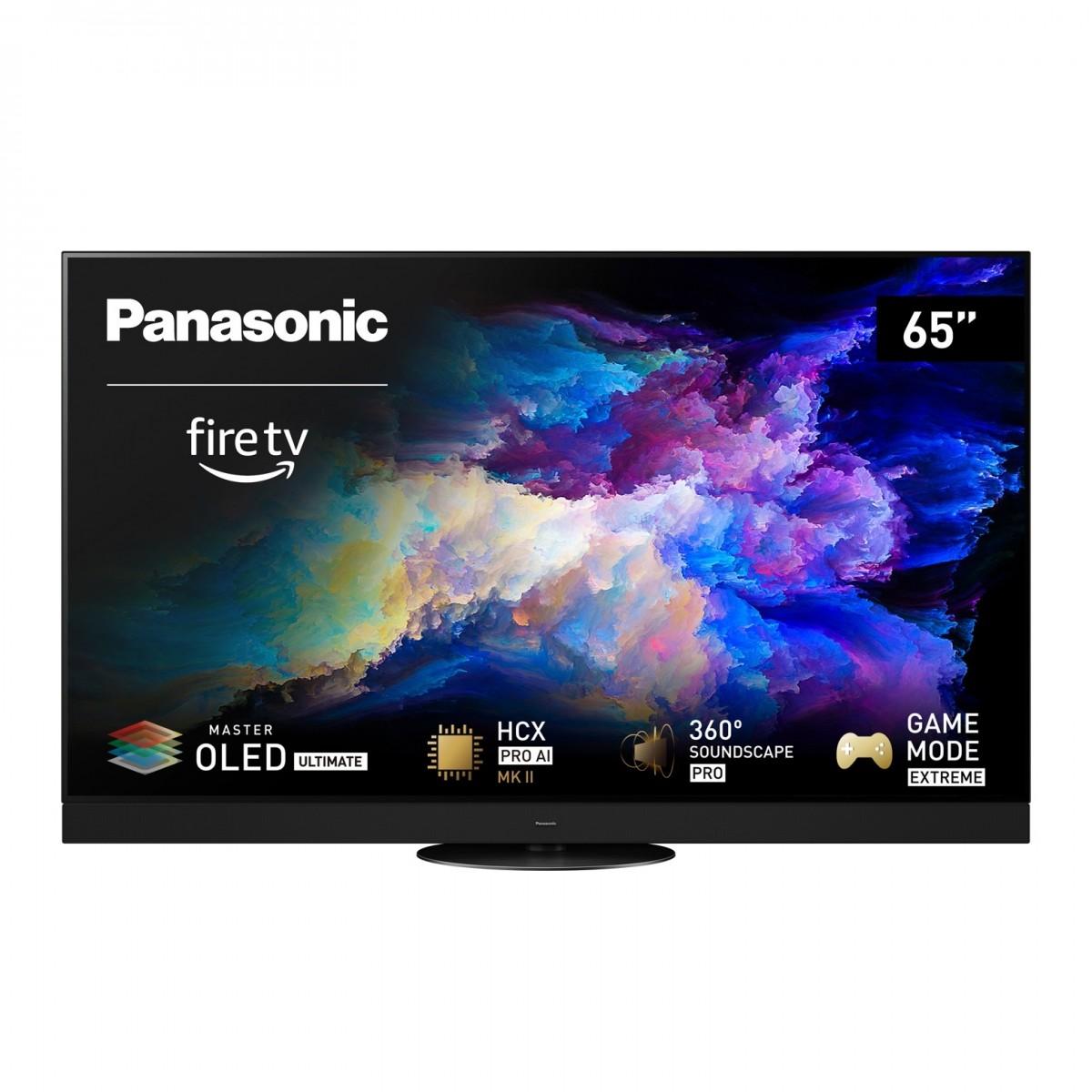
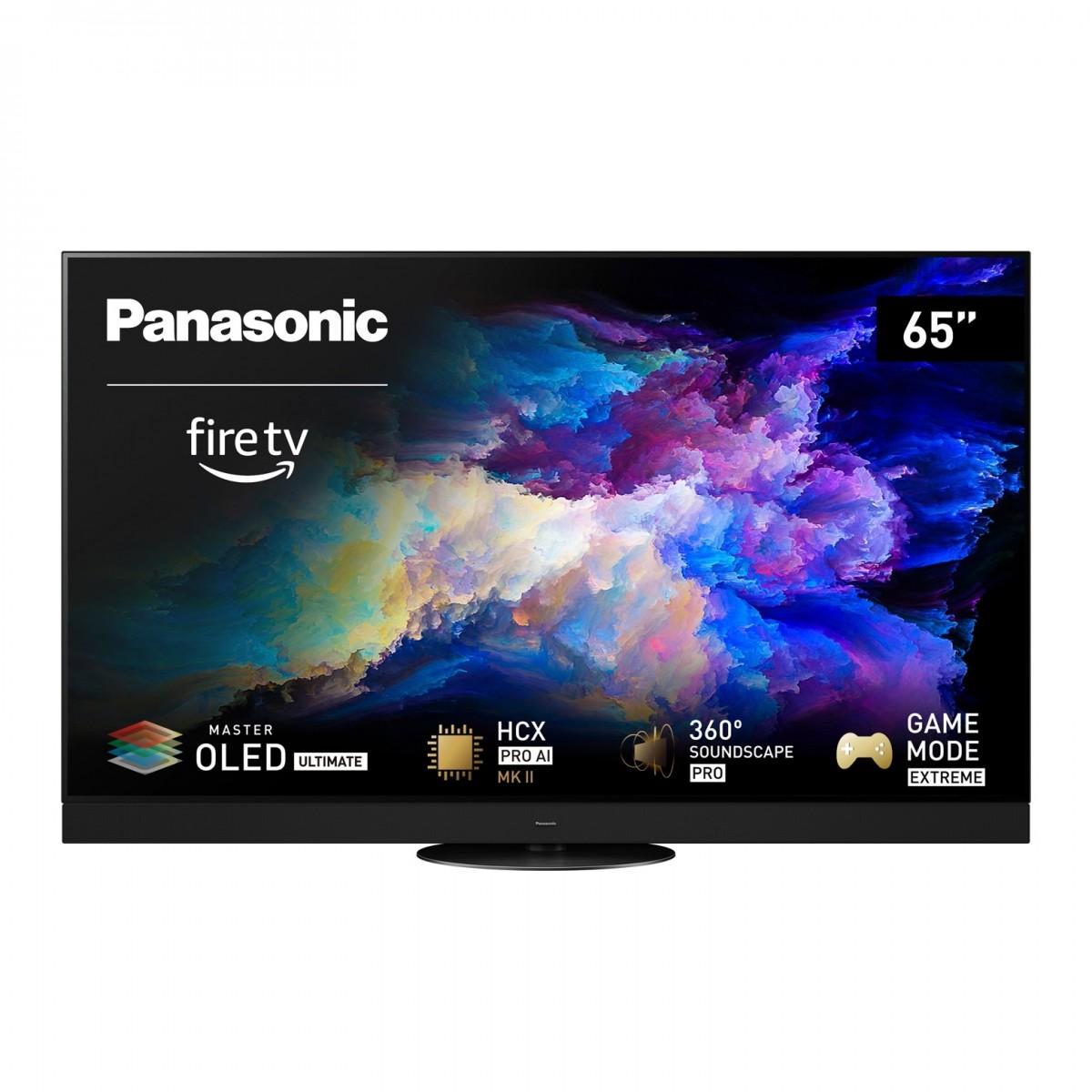
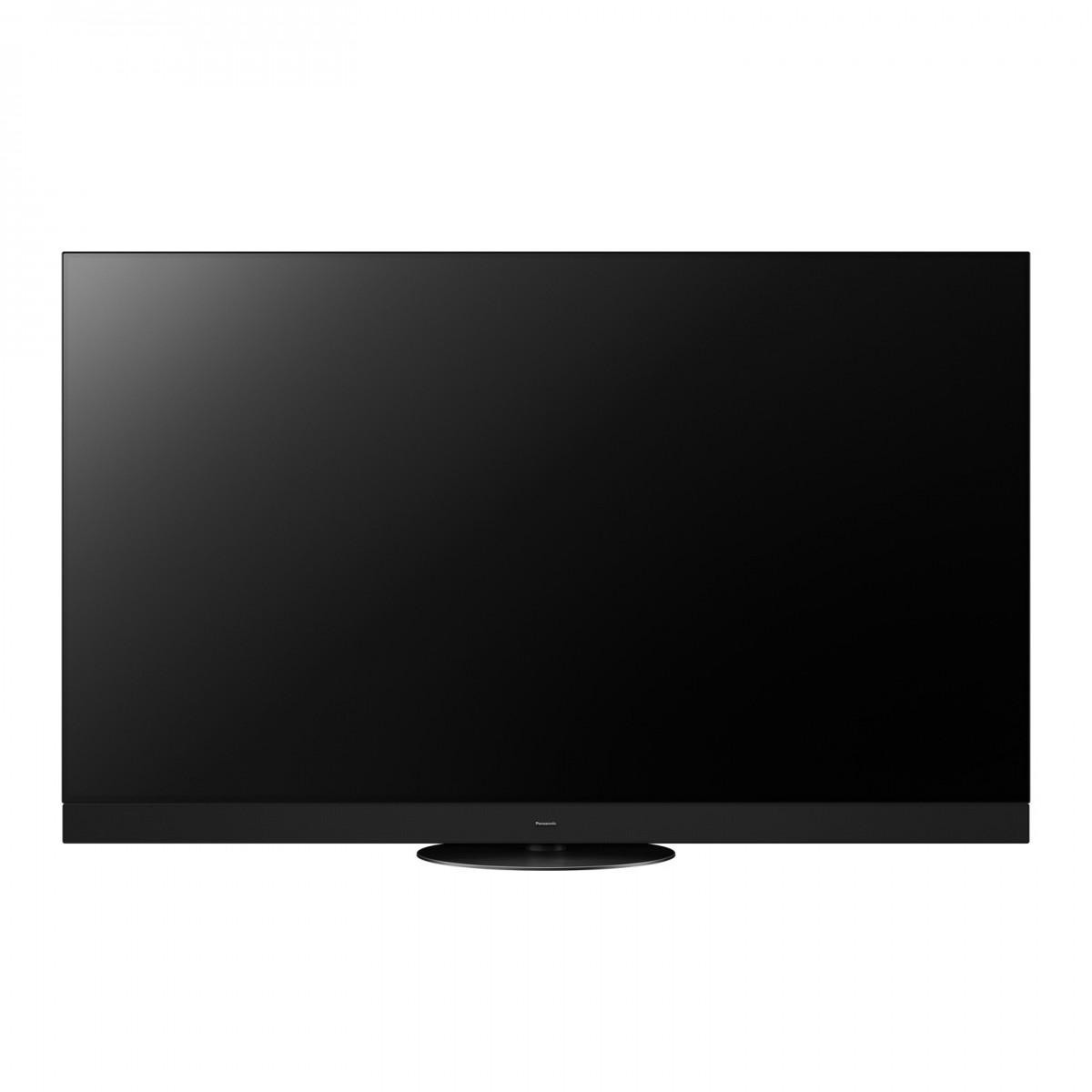
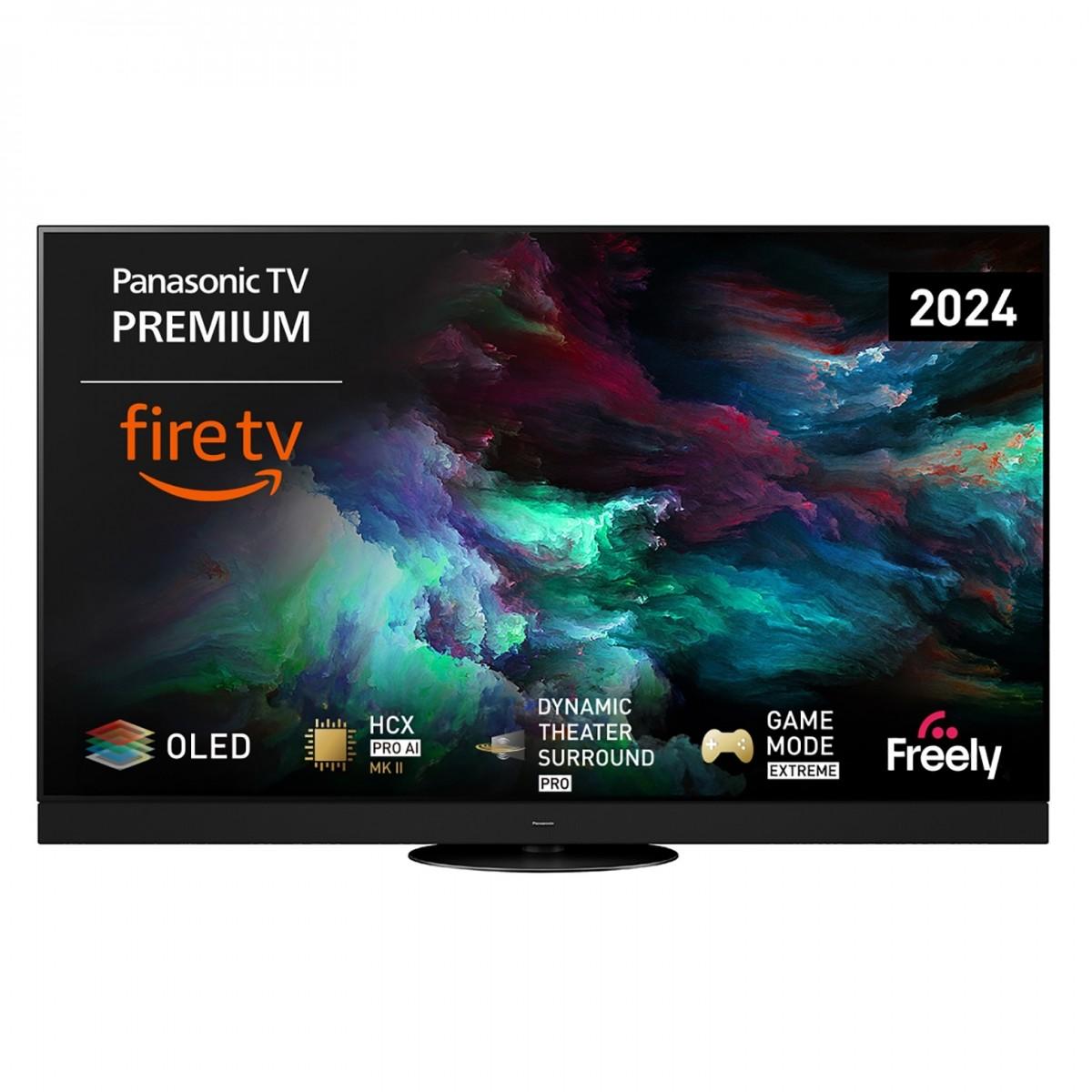
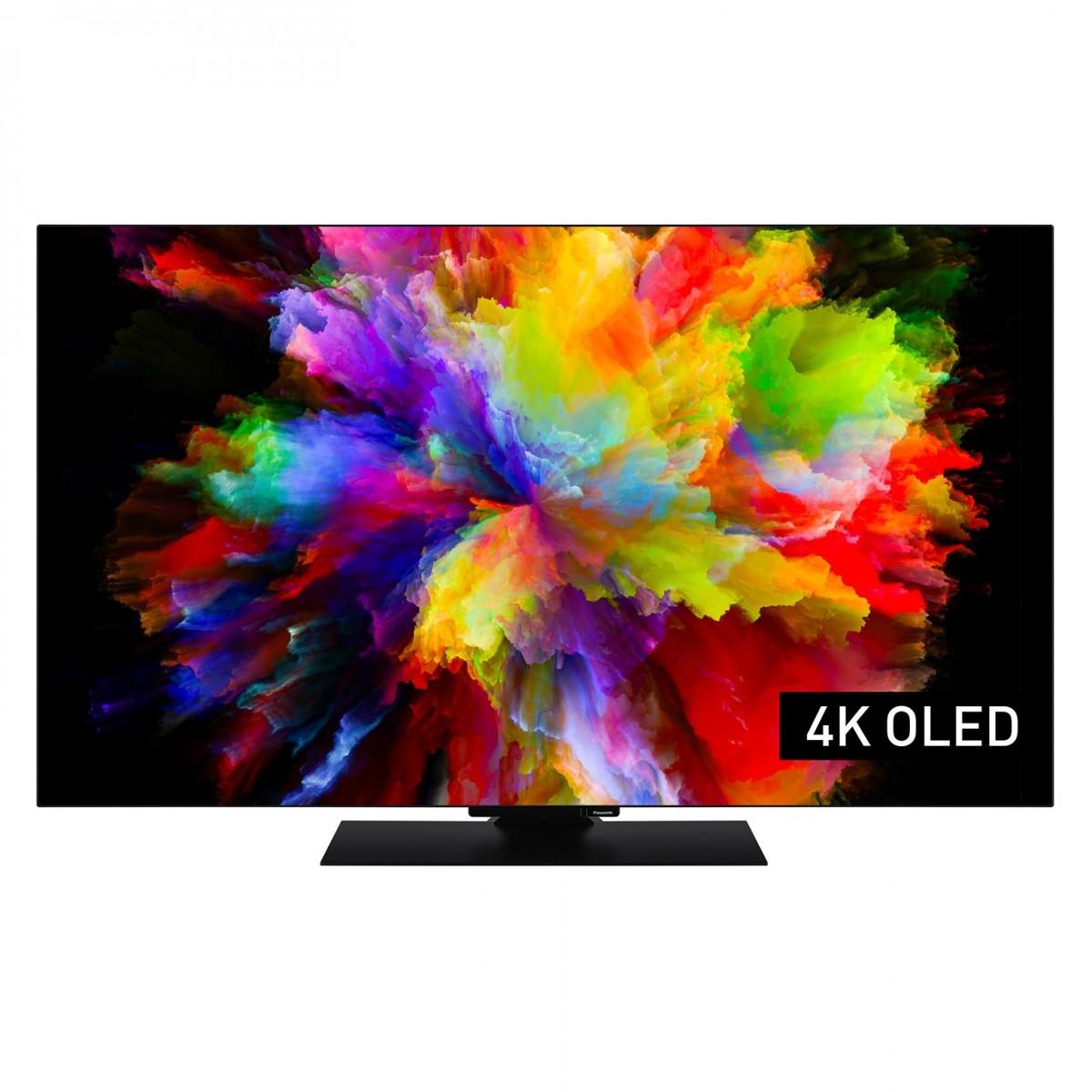
At the time of writing, the Panasonic Z95A OLED represents the premium end of home theater displays, while Samsung's Q7F QLED offers an affordable entry point into enhanced color technology. The price gap between these TVs reflects more than brand positioning; it reveals the genuine cost of different display technologies and their performance capabilities.
Before diving into specific models, it's crucial to understand what OLED and QLED actually mean for your viewing experience. OLED (Organic Light Emitting Diode) technology works by having each individual pixel generate its own light. Think of it like having millions of tiny light bulbs that can turn completely on, dim to any level, or shut off entirely. This pixel-level control creates what's called "infinite contrast"—the difference between the darkest blacks and brightest whites your TV can produce.
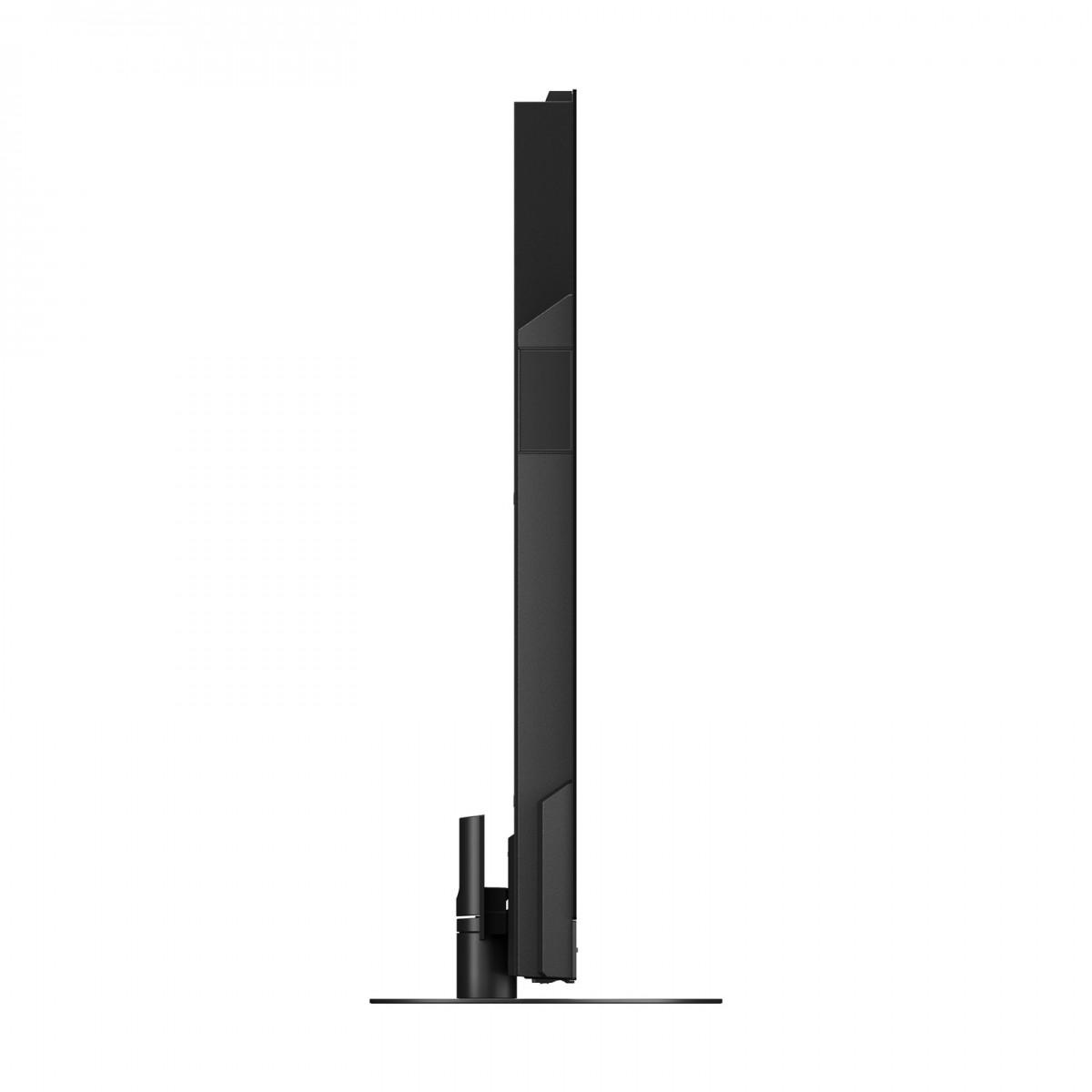
The Panasonic Z95A uses this self-emissive OLED technology, enhanced with something called Micro Lens Array technology. This improvement, introduced in 2024, addresses OLED's traditional weakness of being dimmer than LCD-based displays. The micro lenses focus more light toward viewers, boosting brightness by approximately 20% compared to previous OLED generations.
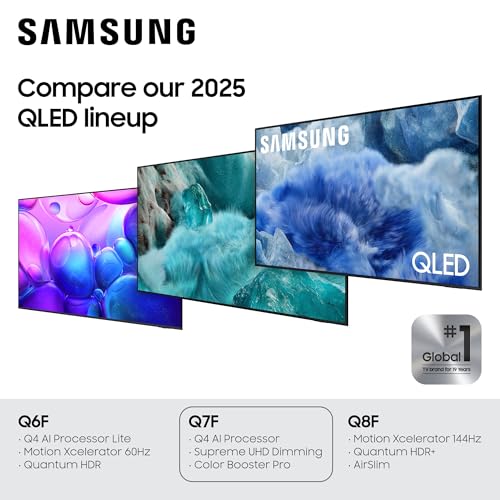
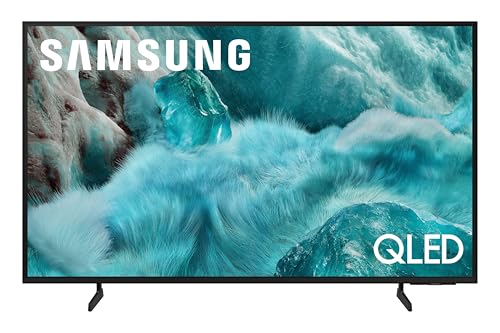
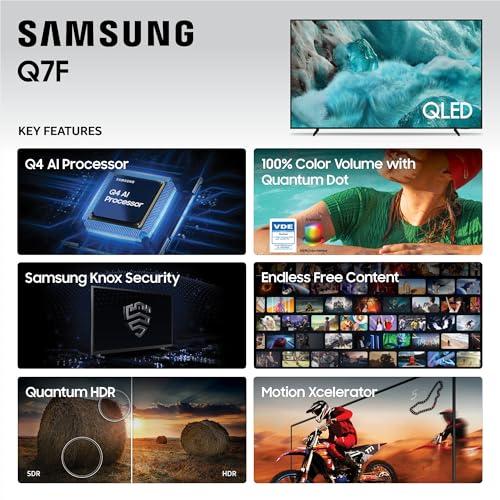
QLED (Quantum Dot LED), found in the Samsung Q7F, takes a different approach entirely. It's essentially a traditional LCD display—the same basic technology that's been in TVs for decades—but enhanced with a layer of quantum dots. These microscopic particles, when hit by the LED backlight, emit very pure colors. The "quantum" part isn't marketing fluff; these dots actually use quantum mechanical properties to produce more accurate colors than standard LCD phosphors.
However, QLED still relies on a backlight shining through the entire screen, unlike OLED's pixel-by-pixel control. This fundamental difference creates a cascade of performance variations that affect everything from how dark scenes look to how smoothly games play.
When evaluating any TV, contrast ratio—the difference between the darkest and brightest parts of an image—often matters more than resolution or color accuracy. Our research consistently shows that contrast improvements are more immediately noticeable than the jump from 1080p to 4K for most content.
The Panasonic Z95A achieves perfect blacks by literally turning pixels off. When watching a movie with letterboxed bars (those black bands above and below widescreen content), those areas produce zero light—true darkness that matches your darkened room. This creates an almost three-dimensional quality to images, where bright objects seem to float against the black background.
In contrast, the Samsung Q7F can't achieve true blacks because its LED backlight always produces some illumination. Even in its darkest setting, black areas appear as dark gray. This becomes particularly noticeable in dark room viewing, where what should be invisible letterbox bars become distractingly visible gray bands. Samsung's Q7F lacks local dimming technology, which would allow different areas of the backlight to dim independently—a cost-saving measure that significantly impacts performance.
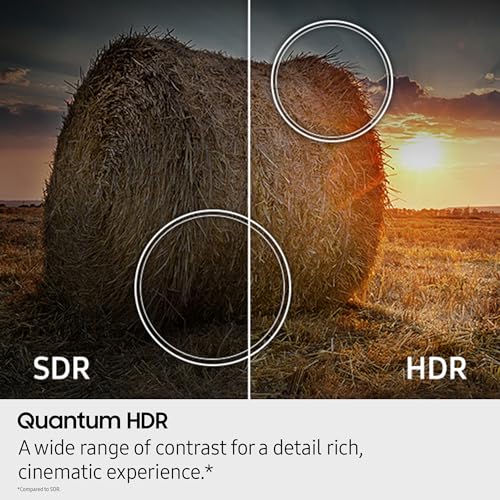
High Dynamic Range (HDR) technology expands the range of colors and brightness levels your TV can display, making images look more lifelike. However, HDR's effectiveness depends entirely on your TV's underlying capabilities.
The Panasonic Z95A supports all major HDR formats, including Dolby Vision—the premium standard that provides scene-by-scene optimization instructions to ensure content looks exactly as filmmakers intended. Its HCX Pro AI Processor MKII analyzes incoming content in real-time, adjusting color accuracy, contrast, and clarity automatically. This means whether you're watching "The Rings of Power" on Prime Video or playing "The Last of Us Part II," the TV optimizes its display for each piece of content.
The Samsung Q7F supports HDR10+ but notably lacks Dolby Vision support—a significant omission given Dolby Vision's widespread adoption across Netflix, Disney+, Apple TV+, and Ultra HD Blu-rays. While HDR10+ provides dynamic optimization similar to Dolby Vision, the content library is smaller, and you'll miss out on the enhanced experience for much premium content.
More critically, the Samsung's lack of local dimming means HDR highlights can't achieve the dramatic impact they're designed for. Instead of bright explosions or sunlight truly popping against dark backgrounds, everything appears somewhat flattened and washed out.
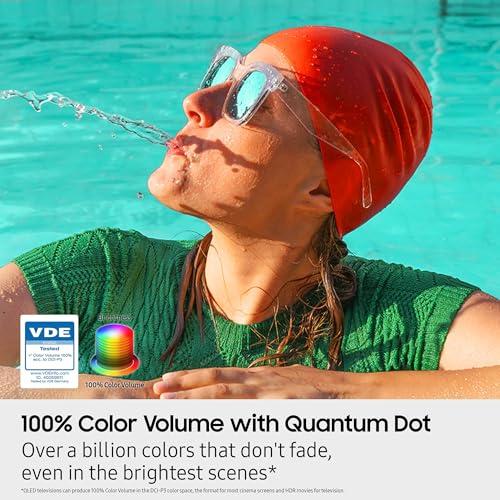
Both TVs claim impressive color specifications, but the reality differs significantly. The Samsung Q7F boasts "100% Color Volume with Quantum Dot," which sounds impressive and does deliver notably more vibrant colors than standard LCD TVs. The quantum dot layer genuinely improves color purity, especially in reds and greens where traditional LCD phosphors struggle.
However, color volume—how well colors are maintained at different brightness levels—tells only part of the story. The Panasonic Z95A excels in color accuracy and natural reproduction, particularly for skin tones. OLED's precise pixel control allows for subtle color gradations that LCD technology simply can't replicate. When watching documentaries or films where natural color reproduction matters, the difference becomes immediately apparent.
Gaming has become a crucial consideration for TV buyers, particularly with PlayStation 5 and Xbox Series X pushing display requirements far beyond traditional broadcast standards.
The Panasonic Z95A features a native 144Hz refresh rate—meaning it can display 144 unique frames per second. This matters enormously for modern gaming, where consoles and PCs can output 120 frames per second for incredibly smooth motion. The TV also supports Variable Refresh Rate (VRR), which synchronizes the display's refresh rate with your console's output, eliminating screen tearing and stuttering.
Input lag—the delay between your controller input and seeing the result on screen—measures just 12.8ms on the Panasonic, making it incredibly responsive for competitive gaming. Combined with near-instantaneous pixel response times (how quickly pixels can change colors), fast-paced games look sharp and smooth.
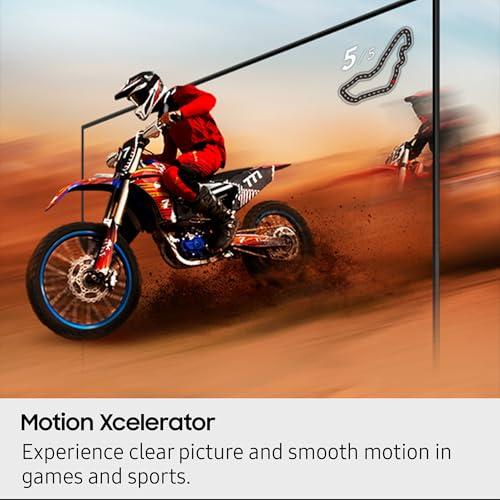
The Samsung Q7F operates at 60Hz maximum, which immediately limits its gaming capabilities. While 60fps gaming still looks good, you're missing out on the dramatic smoothness improvement that 120fps provides in supported games. More concerning, Samsung removed HGIG (HDR Gaming Interest Group) support via a firmware update in 2025, creating calibration problems for HDR gaming, particularly with Nintendo's Switch 2 console.
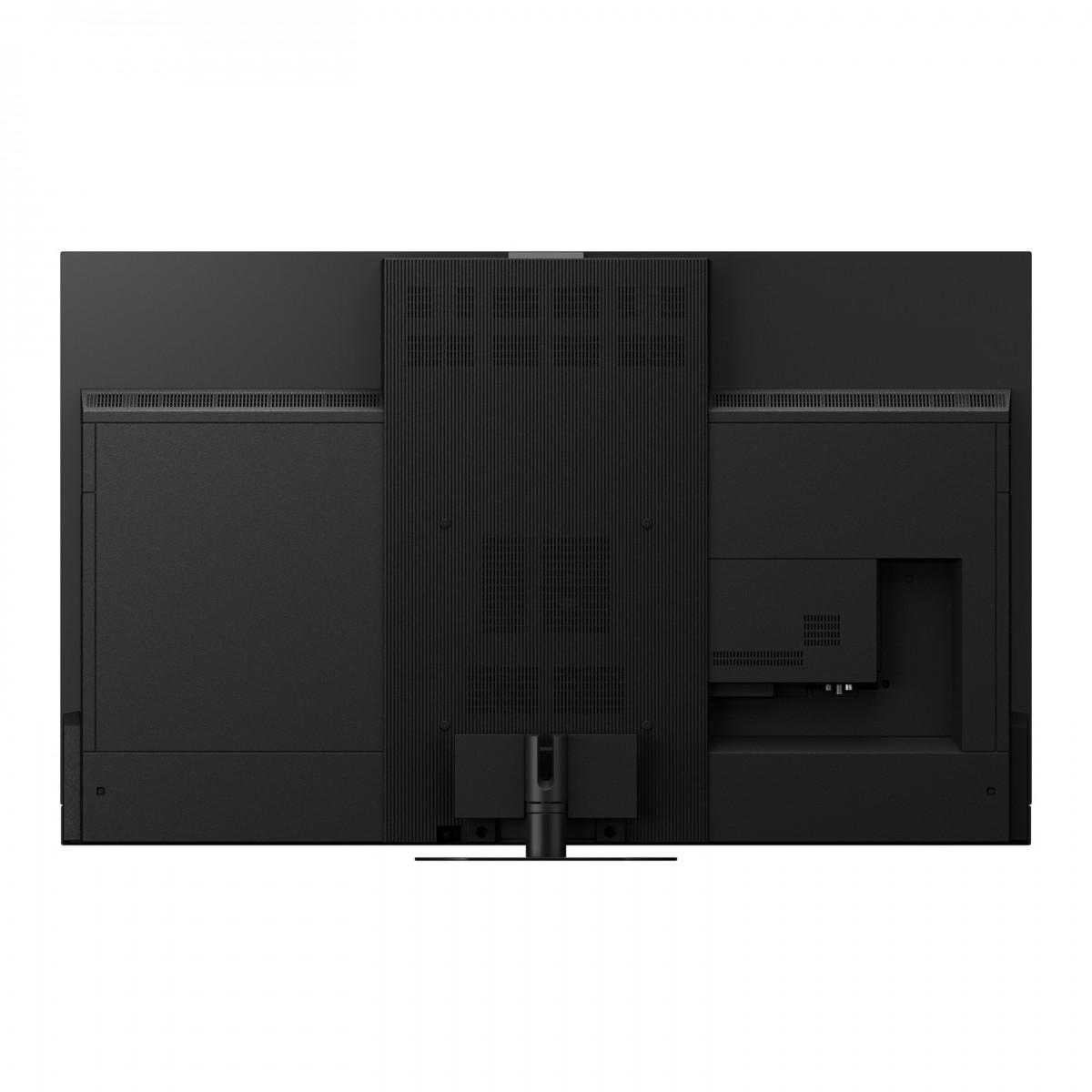
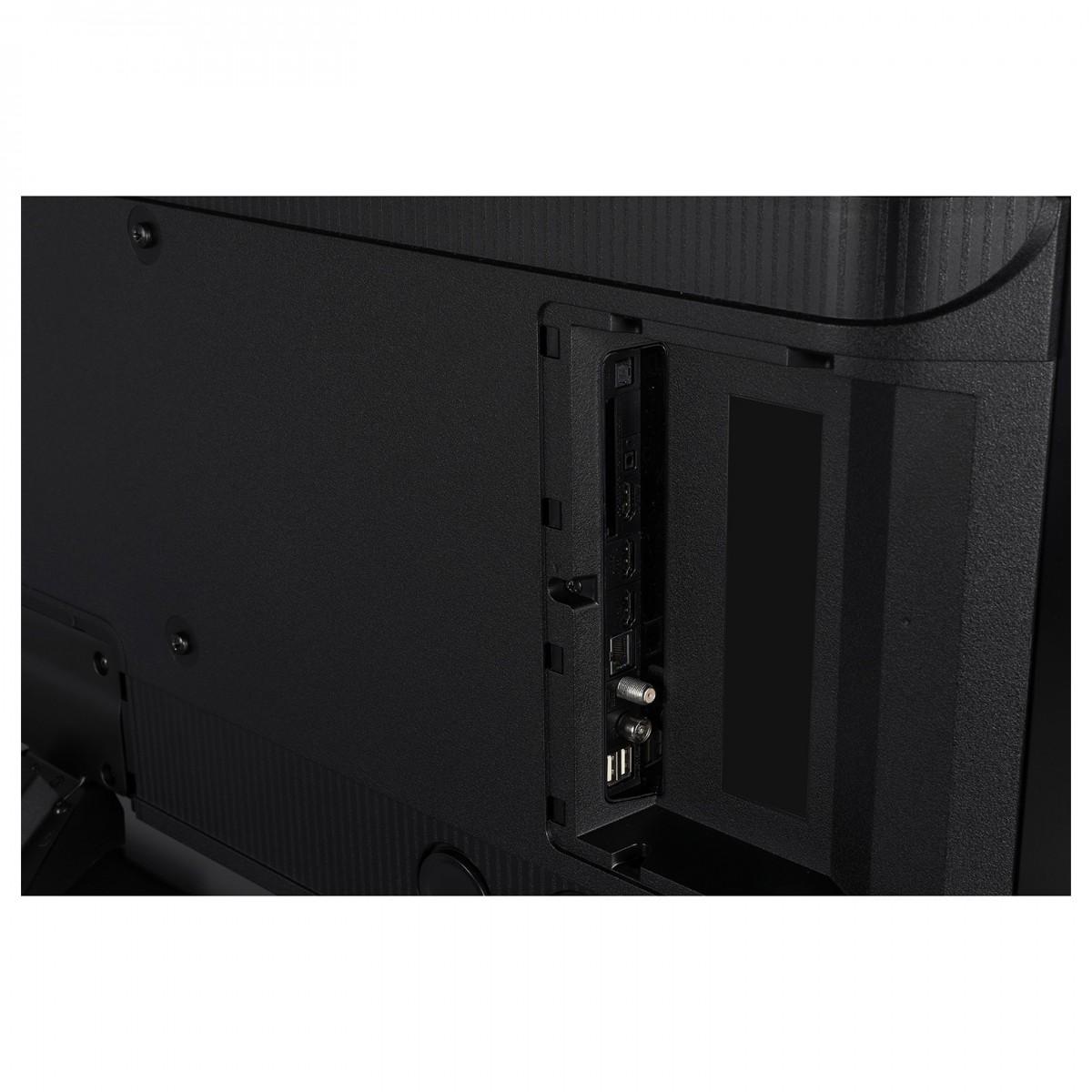
Modern gaming requires serious bandwidth. The Panasonic Z95A includes four HDMI 2.1 ports capable of handling 4K at 120Hz with full color depth. This means you can connect multiple next-gen consoles, a PC, and a soundbar simultaneously without compromising performance.
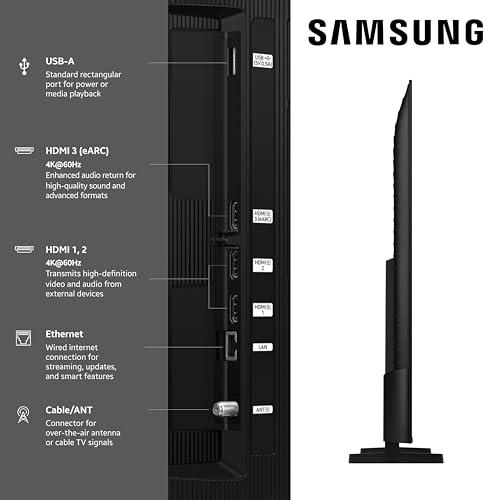
The Samsung Q7F provides only three HDMI 2.0 ports, limiting connections to 4K at 60Hz maximum. This immediately dates the TV and forces difficult choices about which devices get priority connections. For anyone serious about gaming or planning to keep their TV for several years, this connectivity limitation becomes increasingly problematic.
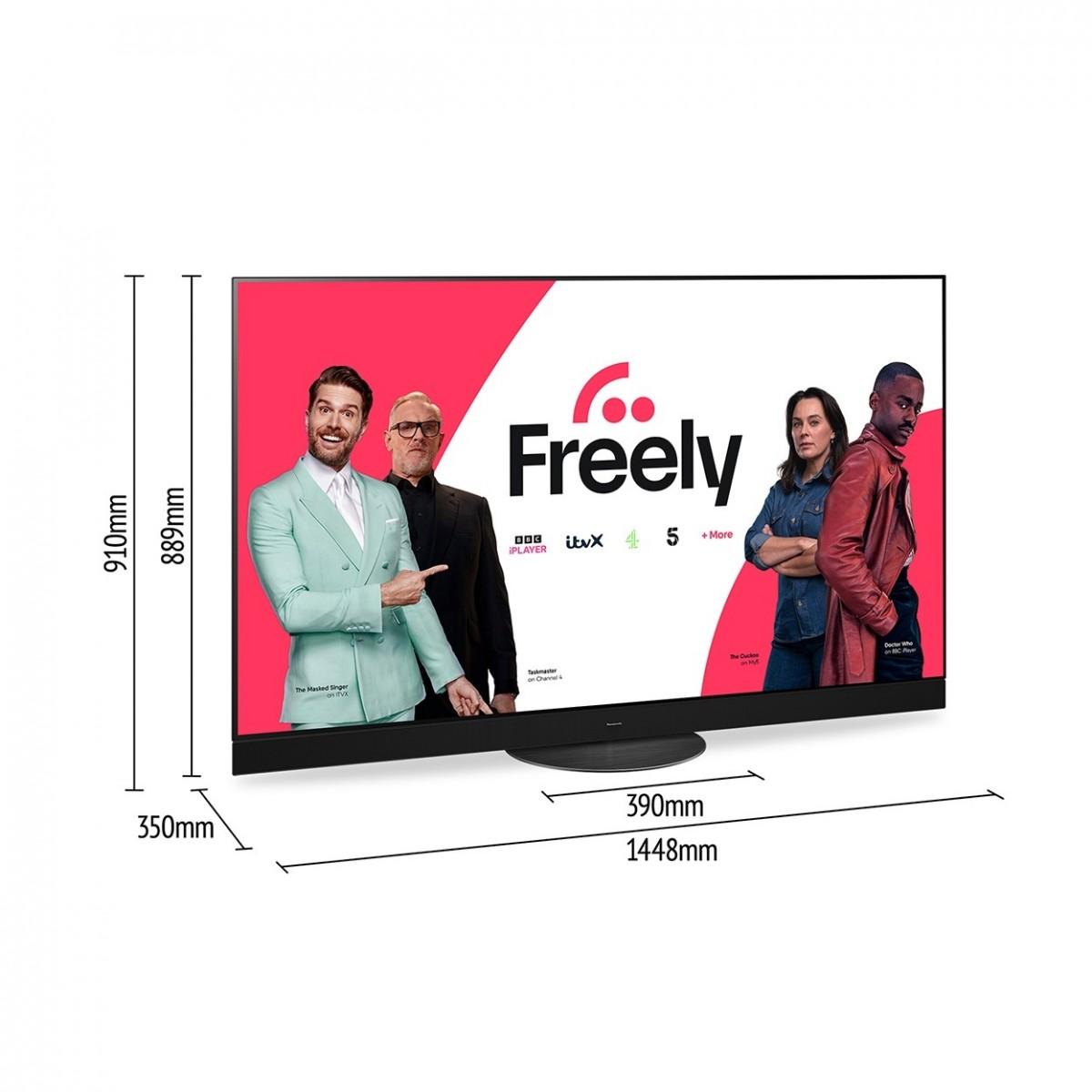
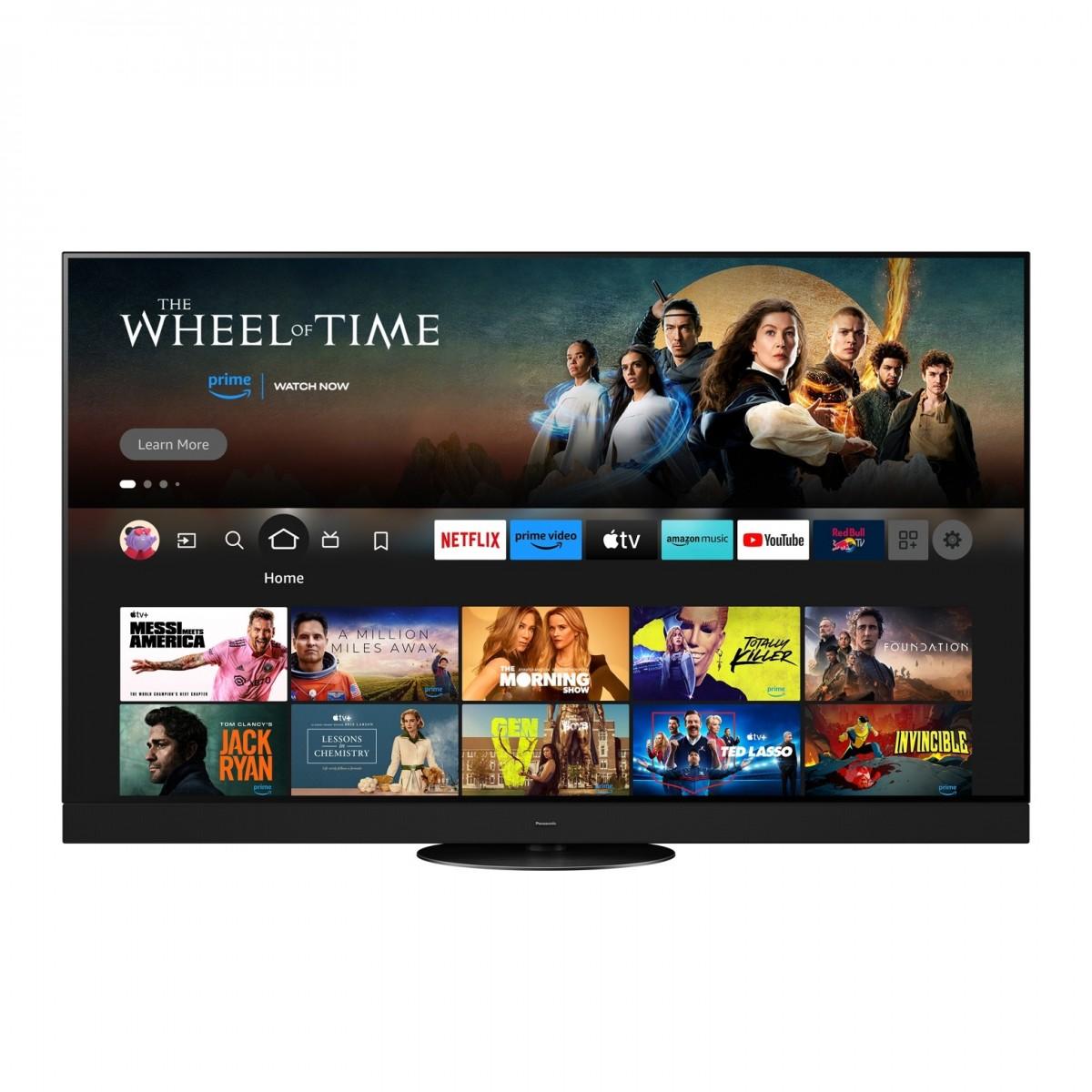
Both TVs offer robust smart platforms, though with different philosophies. The Panasonic Z95A uses Amazon Fire TV Built-in, providing a content-forward interface that prioritizes showing you what to watch rather than which app to open. Alexa integration allows hands-free voice control for basic functions like volume adjustment, input switching, and content search.
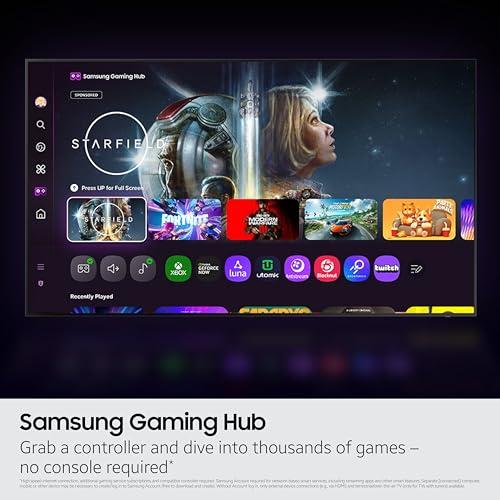
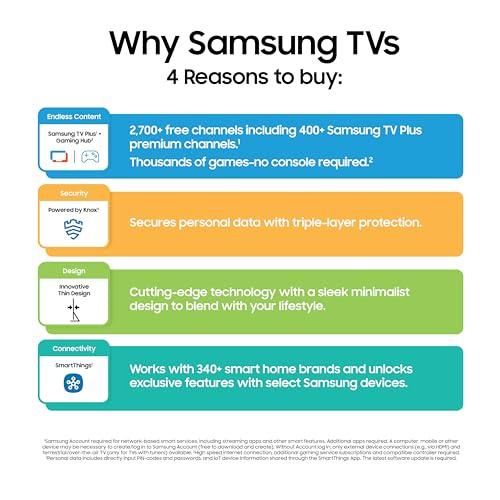
The Samsung Q7F runs Samsung's Tizen operating system, redesigned for 2025 with noticeably improved performance over previous versions. The interface keeps menus positioned on screen edges to avoid covering content, and Samsung TV Plus provides free streaming content. The system supports Multi-View, allowing you to watch two different sources simultaneously—useful for sports fans wanting to follow multiple games.
Both systems support major streaming apps and regular updates, though Samsung's longer track record suggests better long-term platform support.
While neither TV replaces a dedicated sound system, their built-in audio differs meaningfully. The Panasonic Z95A supports Dolby Atmos, which creates spatial audio effects even through the TV's speakers. You'll hear helicopters passing overhead or rain falling around you, adding immersion without additional equipment.
The Samsung Q7F features Object Tracking Sound Lite, which attempts to match audio movement with on-screen action, but lacks true Dolby Atmos support. Both TVs output 20 watts, adequate for moderate listening but insufficient for home theater volume levels.
For serious viewing, plan to add a soundbar or speaker system, potentially adding several hundred dollars to your total investment.
At the time of writing, these TVs occupy entirely different market segments. The Samsung Q7F represents exceptional value for quantum dot technology at its price point, offering genuine color improvements over basic LCD TVs while remaining accessible to mainstream budgets.
However, calling it a "premium" TV requires significant caveats. The lack of local dimming, limited connectivity, and 60Hz refresh rate immediately identify it as an entry-level model with enhanced colors rather than a comprehensive upgrade.
The Panasonic Z95A costs significantly more but delivers genuinely premium performance across every metric. The price reflects the cost of OLED panel technology, advanced processing, and comprehensive feature sets that remain relevant for years.
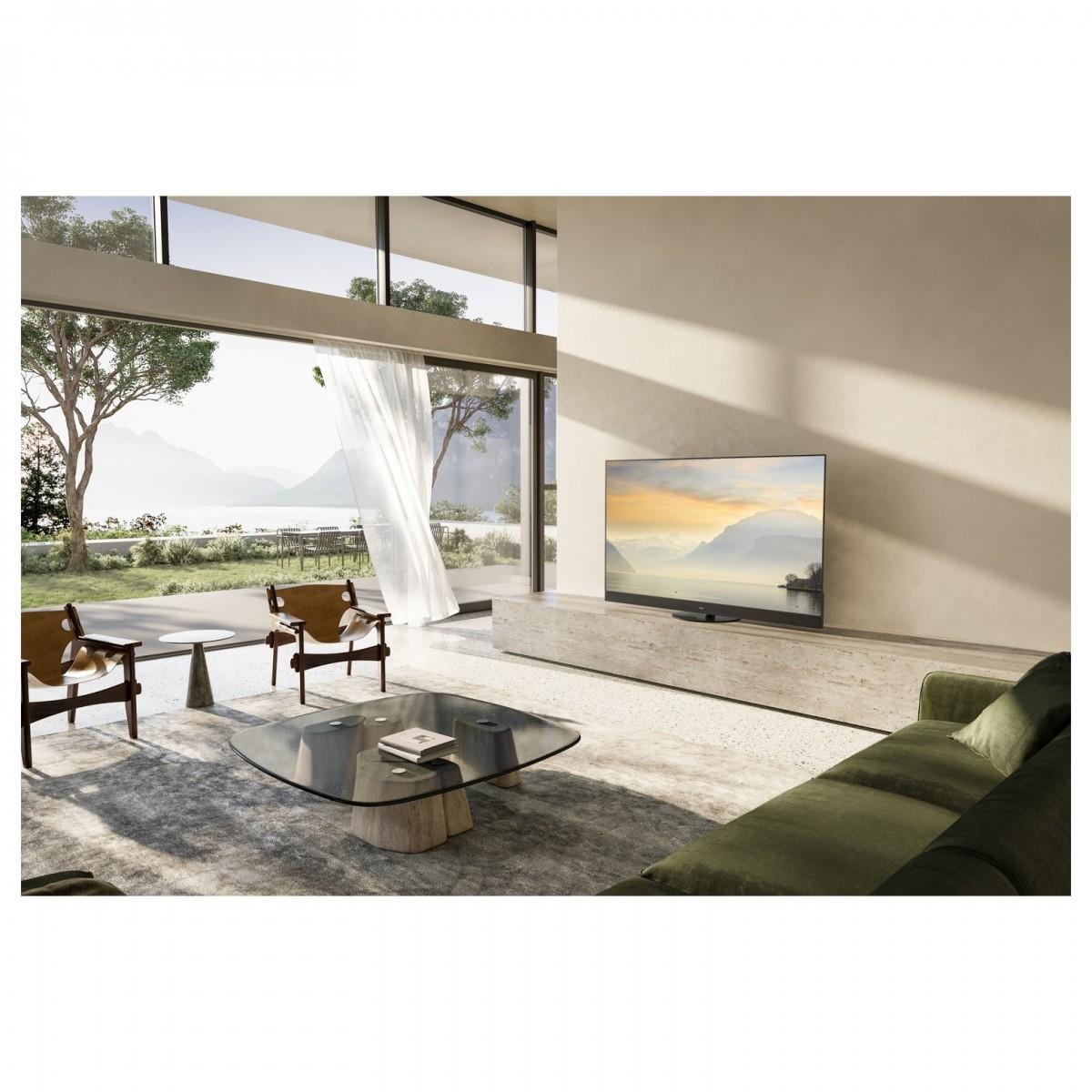
For dedicated home theater use, display technology matters more than marketing specifications. OLED's perfect blacks create the cinematic experience that enthusiasts seek, particularly in darkened rooms where the technology's contrast advantage becomes most apparent.
The Panasonic Z95A excels in home theater applications, handling both 24fps film content and variable frame rate streaming smoothly. Its comprehensive HDR support ensures compatibility with premium content, while accurate color reproduction maintains filmmaker intentions.
The Samsung Q7F works adequately for casual home theater use but can't deliver the dramatic visual impact that makes dedicated viewing rooms worthwhile. The elevated black levels and limited HDR performance diminish the cinema-like experience that many seek.
Choose the Panasonic Z95A if picture quality drives your decision. Its perfect blacks, comprehensive gaming features, and future-proof connectivity justify the premium for enthusiasts who want the best possible visual experience. The investment makes particular sense for dark room viewing, serious gaming, or long-term ownership where the advanced features remain relevant.
The TV suits home theater enthusiasts, avid gamers with modern consoles, and anyone who watches primarily in controlled lighting environments. If you're keeping your TV for 5-7 years, the advanced connectivity and performance standards provide better long-term value.
Choose the Samsung Q7F for an affordable upgrade to quantum dot color technology without the premium OLED pricing. It delivers meaningful improvements over basic LCD TVs while remaining budget-friendly for mainstream users.
This TV works well for bright room installations, casual viewing patterns focused on streaming and cable content, and situations where advanced gaming features aren't priorities. The lower investment makes sense for buyers who upgrade TVs more frequently or have budget constraints that make OLED pricing impractical.
These TVs serve fundamentally different purposes despite their similar screen sizes. The Panasonic Z95A represents premium display technology with performance that justifies its positioning, while the Samsung Q7F offers enhanced colors at mainstream pricing with reasonable compromises.
The choice ultimately depends on your priorities, budget, and viewing environment. OLED technology provides a genuinely superior visual experience that becomes more apparent over time, while QLED offers improved colors over standard LCD without the premium pricing.
Consider your primary use cases, room lighting, gaming requirements, and how long you typically keep TVs. The price difference reflects real performance gaps rather than marketing premiums, making either choice defensible depending on your specific needs and circumstances.
| Panasonic Z95A 65" OLED | Samsung Q7F 65" QLED |
|---|---|
| Display Technology - Fundamentally different approaches to creating images | |
| OLED with Micro Lens Array (pixels emit their own light) | QLED with Quantum Dots (LED backlight enhanced with quantum dot layer) |
| Black Levels - Most noticeable difference in dark room viewing | |
| Perfect blacks (pixels turn completely off) | Elevated blacks (LED backlight always produces some light) |
| Peak Brightness - Important for HDR impact and bright room viewing | |
| 600-800 nits (boosted 20% by Micro Lens Array) | Higher peak capability but lacks local dimming for precise control |
| Refresh Rate - Critical for gaming and smooth motion | |
| 144Hz native (supports 120fps gaming smoothly) | 60Hz maximum (limits gaming and sports viewing) |
| HDR Support - Determines compatibility with premium streaming content | |
| HDR10+, Dolby Vision, HLG (comprehensive format support) | HDR10+ only (no Dolby Vision support limits premium content) |
| Gaming Features - Essential for PlayStation 5 and Xbox Series X owners | |
| VRR, ALLM, 4K@120Hz, 12.8ms input lag | Basic ALLM, 4K@60Hz max, ~10ms input lag, HGIG removed |
| HDMI Connectivity - Future-proofing for multiple high-bandwidth devices | |
| 4x HDMI 2.1 ports (full 4K@120Hz bandwidth) | 3x HDMI 2.0 ports (4K@60Hz maximum) |
| Smart Platform - Daily interface and app ecosystem | |
| Amazon Fire TV Built-in with Alexa integration | Samsung Tizen One UI with Samsung TV Plus |
| Audio Features - Built-in sound capabilities | |
| 20W with Dolby Atmos support | 20W with Object Tracking Sound Lite, no Dolby Atmos |
| Burn-in Risk - Long-term reliability consideration | |
| Potential burn-in with static content (improved in modern panels) | No burn-in concerns with LCD technology |
| Ideal Viewing Environment - Where each TV performs best | |
| Dark to moderately lit rooms (controlled lighting optimal) | Bright rooms with significant ambient light |
| Best Use Cases - Who should prioritize each model | |
| Home theater enthusiasts, serious gamers, cinephiles | Casual viewers, budget-conscious buyers, bright room installations |
| Local Dimming - Crucial for contrast and HDR performance | |
| Pixel-level dimming (infinite zones) | No local dimming (single backlight zone) |
| Motion Handling - Important for sports and action content | |
| Excellent (near-instantaneous pixel response) | Good for 60Hz content, limited by LCD pixel transitions |
The Panasonic Z95A OLED delivers superior picture quality with perfect blacks and infinite contrast ratio. Each pixel can turn completely off, creating true darkness that makes bright objects appear to float on screen. The Samsung Q7F QLED offers enhanced colors through quantum dot technology but can't achieve true blacks due to its LED backlight, resulting in grayish dark areas that are particularly noticeable in dim rooms.
OLED technology in the Panasonic Z95A uses self-emitting pixels that generate their own light, allowing for pixel-level control and perfect blacks. QLED technology in the Samsung Q7F is essentially an enhanced LCD display with a quantum dot layer that improves color reproduction, but it still relies on an LED backlight shining through the entire screen, limiting contrast performance.
The Panasonic Z95A OLED is significantly better for gaming, featuring 144Hz refresh rate, VRR support, four HDMI 2.1 ports, and 12.8ms input lag. It fully supports PlayStation 5 and Xbox Series X features including 4K@120Hz gaming. The Samsung Q7F QLED is limited to 60Hz refresh rate with only HDMI 2.0 ports, making it unsuitable for next-gen console gaming at their full potential.
The Panasonic Z95A OLED supports all major HDR formats including Dolby Vision, HDR10+, and HLG, ensuring compatibility with premium streaming content from Netflix, Disney+, and Ultra HD Blu-rays. The Samsung Q7F QLED supports HDR10+ but lacks Dolby Vision support, which limits its compatibility with a significant portion of premium HDR content.
The Samsung Q7F QLED can achieve higher peak brightness levels, making it more suitable for bright rooms with significant natural light. However, the Panasonic Z95A OLED features Micro Lens Array technology that boosts OLED brightness by approximately 20% compared to previous generations, while still maintaining superior contrast performance in most lighting conditions.
The Panasonic Z95A OLED uses Amazon Fire TV Built-in with Alexa integration, providing a content-forward interface and hands-free voice control. The Samsung Q7F QLED runs Samsung's Tizen One UI platform with Samsung TV Plus for free content and Multi-View capability. Both platforms support major streaming apps, though Samsung has a longer track record of platform updates.
The Panasonic Z95A OLED is ideal for home theater use, delivering perfect blacks and accurate colors that create a cinematic experience in darkened rooms. Its comprehensive HDR support and smooth 24fps film handling make it excellent for movie watching. The Samsung Q7F QLED works for casual home theater use but can't match OLED's dramatic contrast and visual impact in dark viewing environments.
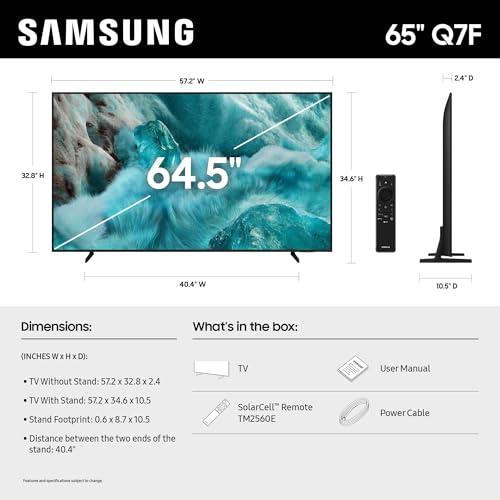
The Panasonic Z95A OLED provides four HDMI 2.1 ports supporting full 4K@120Hz bandwidth, Wi-Fi 6, and eARC support for high-quality audio. The Samsung Q7F QLED offers three HDMI 2.0 ports limited to 4K@60Hz, Wi-Fi 5, one USB-A port, and eARC support, which may limit future device compatibility.
Both TVs feature 20W built-in speakers adequate for moderate listening. The Panasonic Z95A OLED supports Dolby Atmos for spatial audio effects, while the Samsung Q7F QLED includes Object Tracking Sound Lite but lacks Dolby Atmos. For serious home theater use, both TVs benefit significantly from adding a dedicated soundbar or speaker system.
The Samsung Q7F QLED offers exceptional value at its price point, providing quantum dot color enhancement and smart features at an accessible cost. The Panasonic Z95A OLED costs significantly more but delivers premium performance across all metrics including perfect blacks, advanced gaming features, and comprehensive connectivity that justifies the investment for enthusiasts.
The Panasonic Z95A OLED has potential burn-in risks with static content displayed for extended periods, though modern OLED panels have greatly improved resistance to this issue. The Samsung Q7F QLED uses LCD technology with no burn-in concerns and generally offers longer panel lifespan, making it worry-free for varied content consumption patterns.
Choose the Panasonic Z95A OLED if you prioritize picture quality, have a dark or controlled lighting environment, own next-gen gaming consoles, or want future-proof connectivity. Select the Samsung Q7F QLED if you need an affordable upgrade to quantum dot colors, have a bright viewing room, primarily watch casual content, or prefer avoiding any burn-in concerns while still getting enhanced color reproduction.
We've done our best to create useful and informative comparisons to help you decide what product to buy. Our research uses advanced automated methods to create this comparison and perfection is not possible - please contact us for corrections or questions. These are the sites we've researched in the creation of this article: youtube.com - youtube.com - whathifi.com - tomsguide.com - shop.panasonic.com - store.in.panasonic.com - rtings.com - applianceplus.co.nz - rtings.com - store.in.panasonic.com - samsung.com - bestbuy.com - rtings.com - bestbuy.com - youtube.com - youtube.com - youtube.com - samsung.com - samsung.com - samsung.com - billsmith.com - costco.com - samsung.com - hometechnologyreview.com - hometechnologyreview.com - bestbuy.com - samsung.com - bestbuy.com - samsung.com - hometechnologyreview.com - samsung.com - samsung.com

Privacy Policy
Terms and Conditions - Affiliate Policy
Home Security
© Copyright 2008-2026.
11816 Inwood Rd #1211, Dallas, TX 75244