

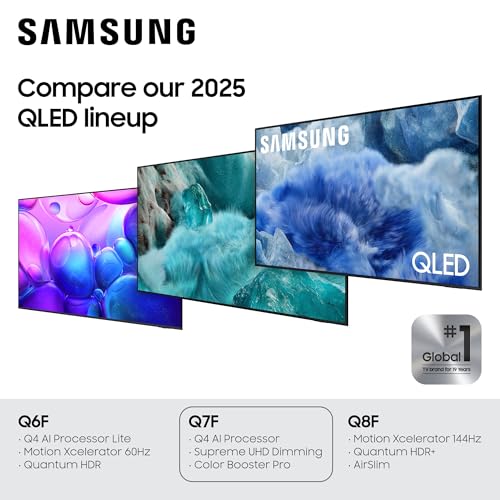
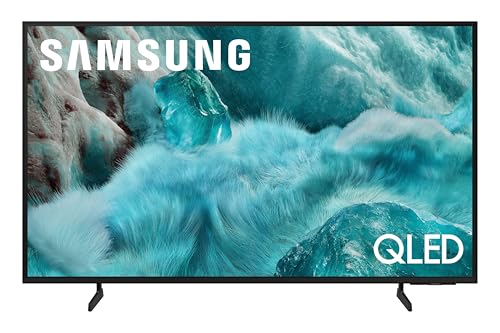
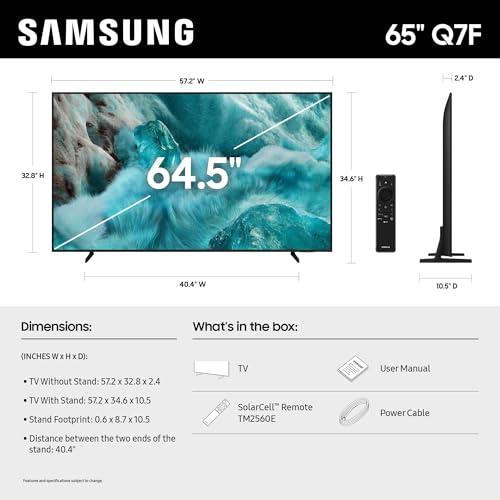
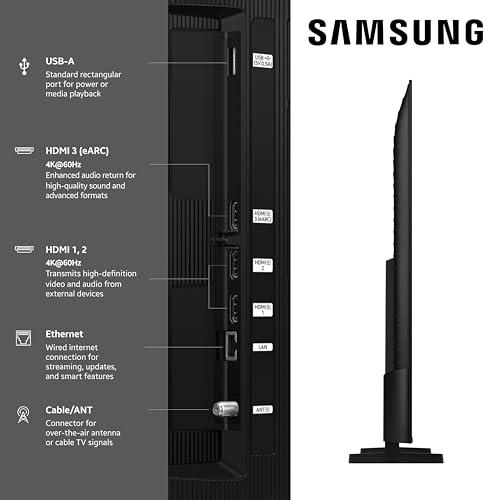
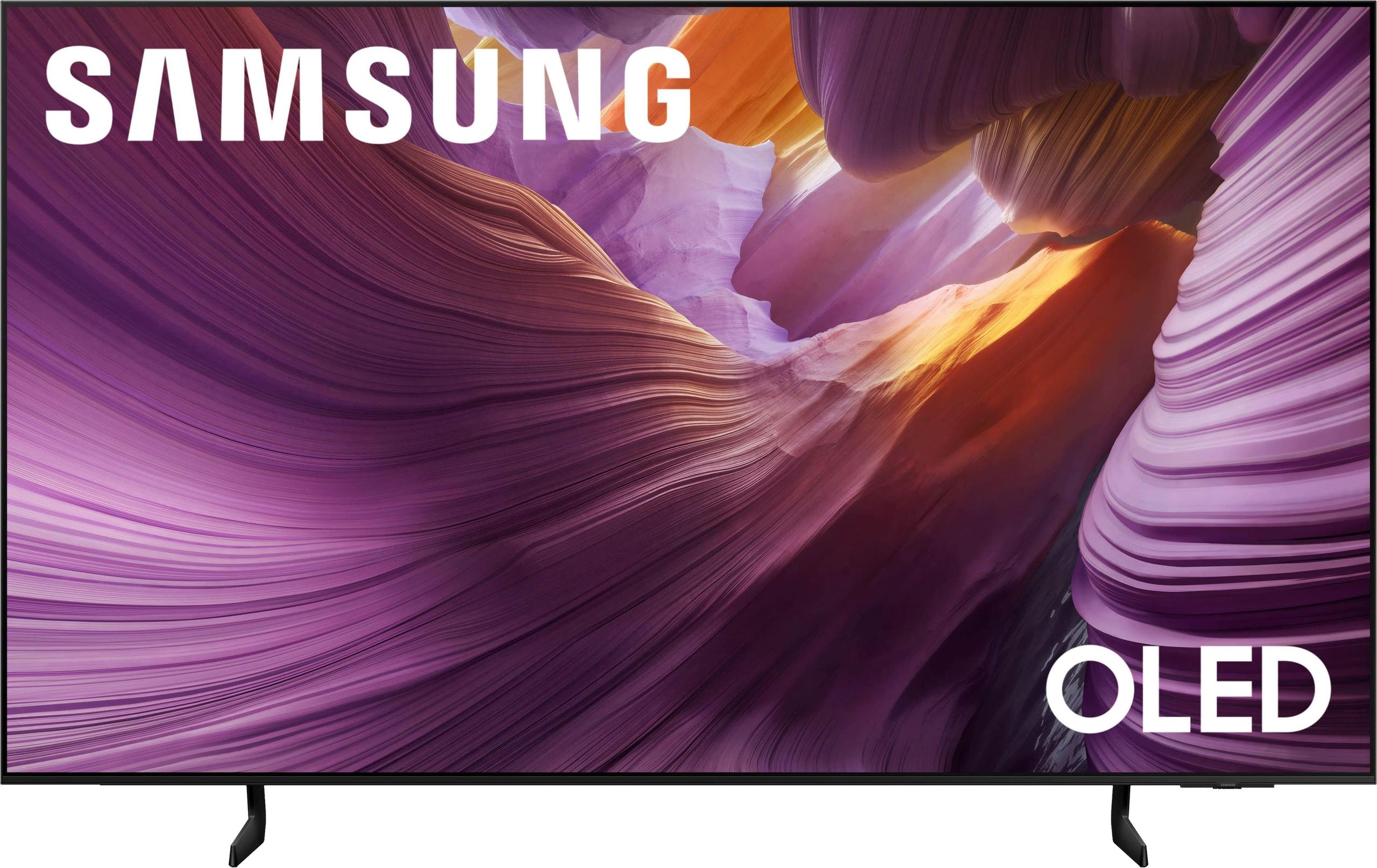
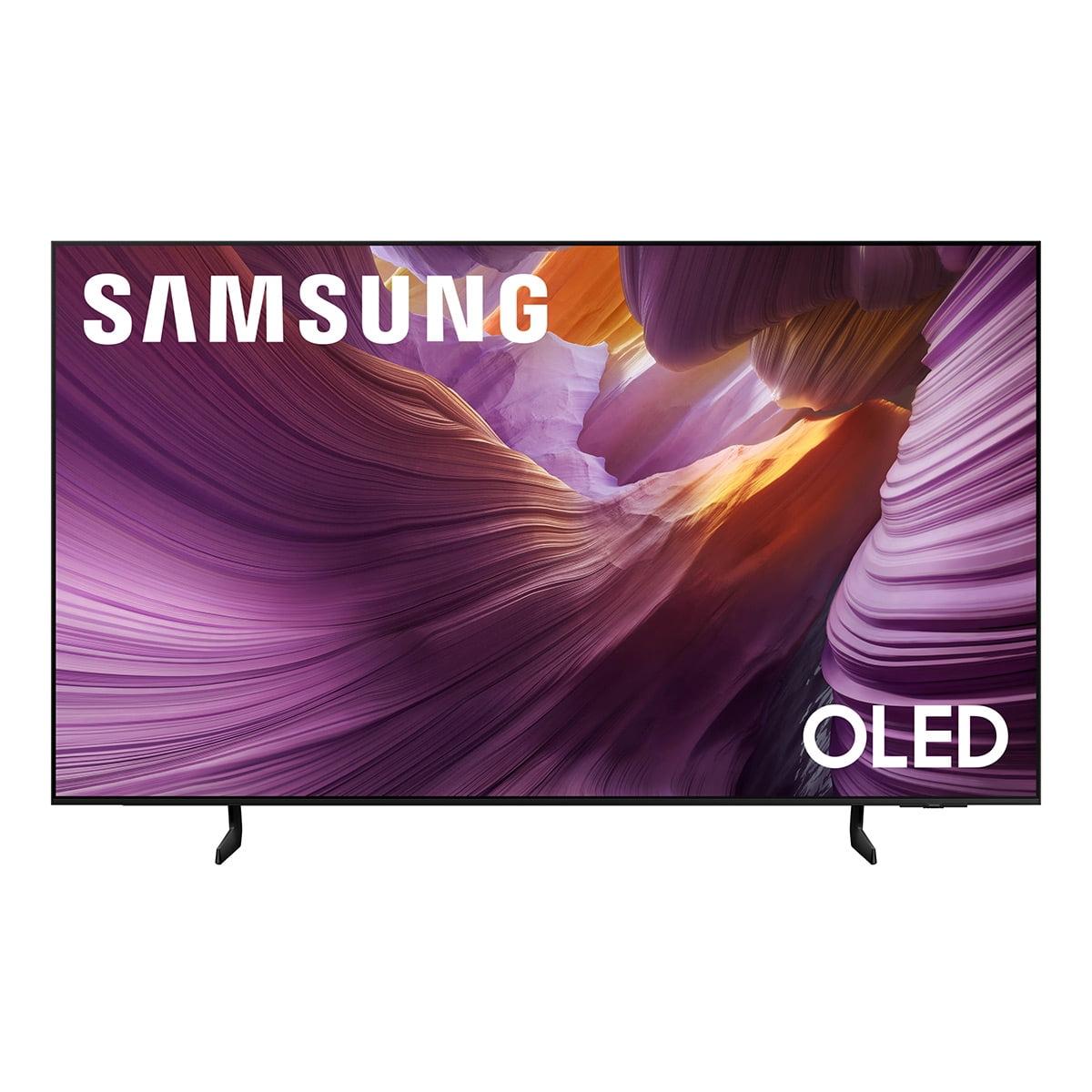

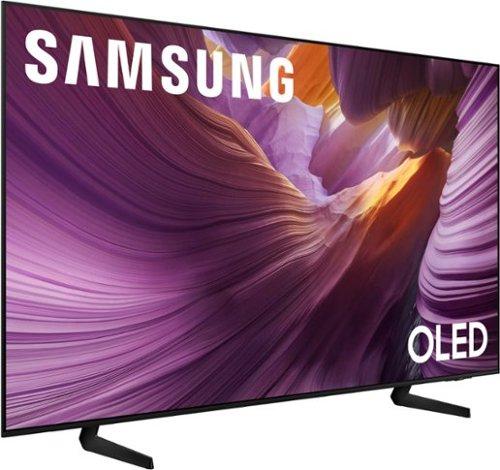
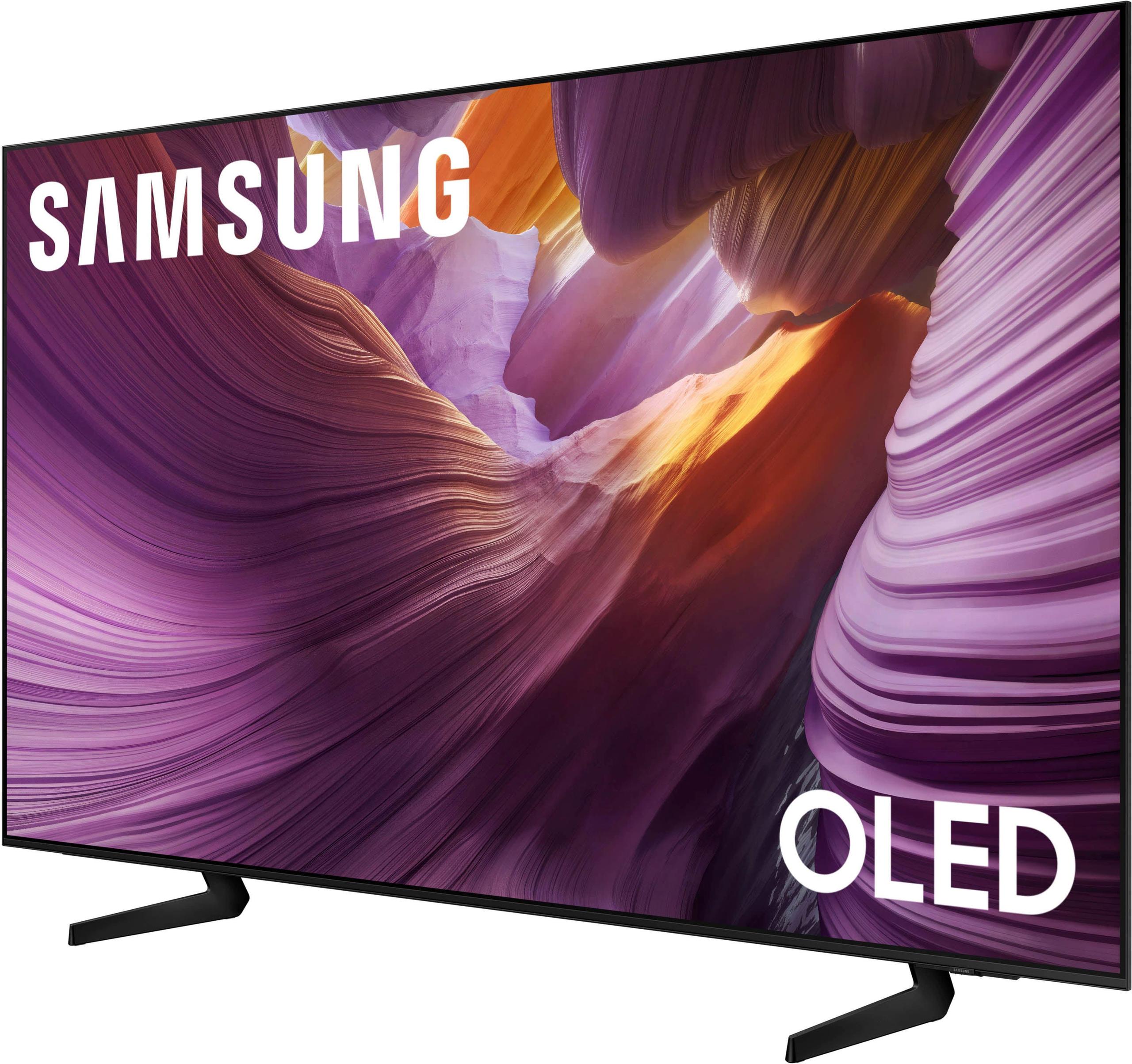
When Samsung released both the Q7F and S85F in 2025, they created an interesting dilemma for TV shoppers. These 65-inch models represent two completely different philosophies in display technology, separated by roughly a $1,000 price gap that reflects fundamental differences rather than simple feature upgrades.
The TV landscape has evolved dramatically over the past few years. OLED technology, once reserved for premium flagship models, has become more accessible, while QLED displays have pushed quantum dot enhancement down to budget-friendly price points. This creates a fascinating comparison between Samsung's entry-level OLED and their budget QLED offering.
The core difference between the Q7F and S85F lies in how they create images. The Q7F uses QLED (Quantum Dot Light-Emitting Diode) technology, which is essentially a traditional LED-backlit LCD panel enhanced with a quantum dot layer. These microscopic particles convert blue light from LEDs into pure red and green colors, creating more vibrant and accurate colors than standard LCD TVs.
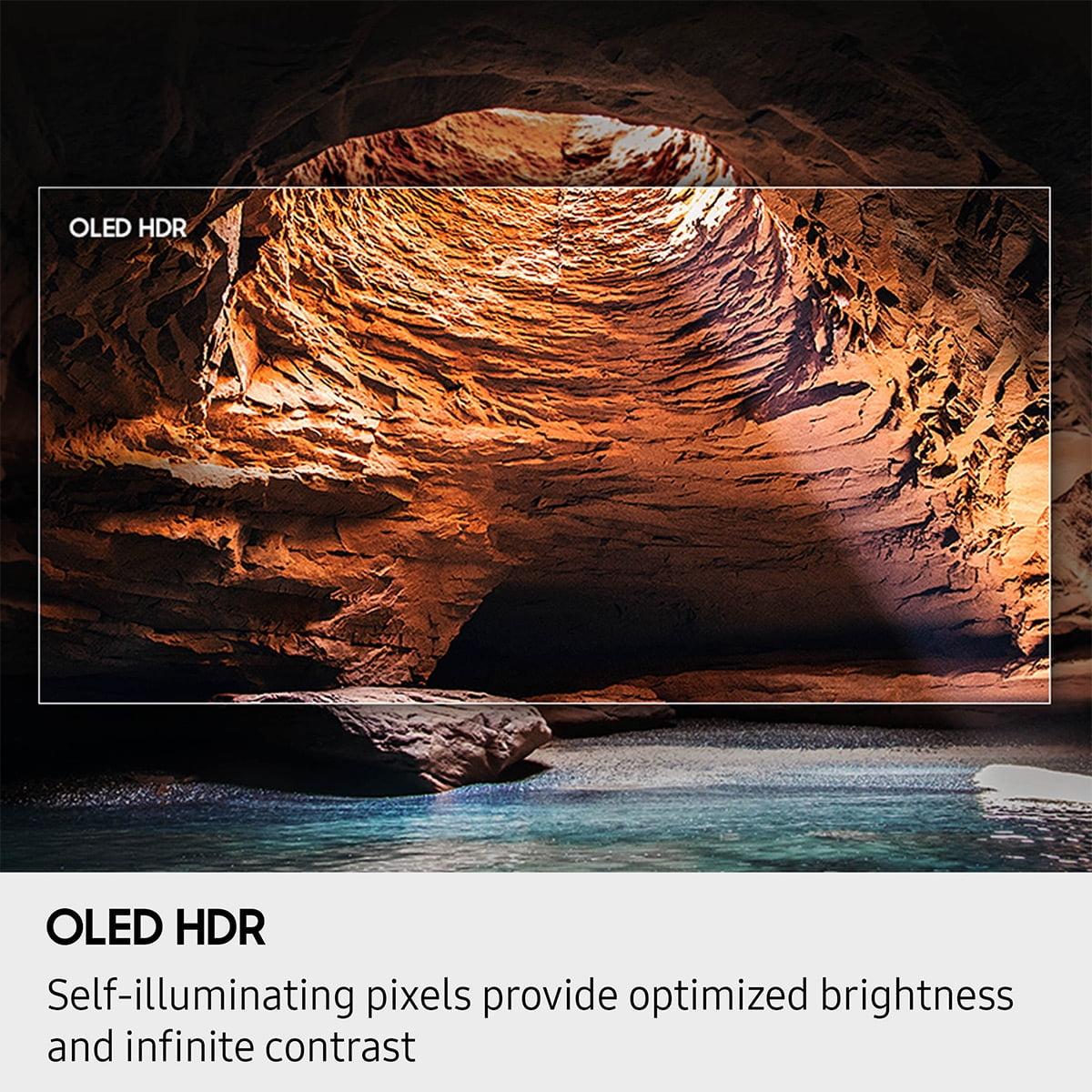
The S85F, on the other hand, uses OLED (Organic Light-Emitting Diode) technology. Each pixel generates its own light through organic compounds that illuminate when electricity passes through them. This means pixels can turn completely off to create perfect blacks, while QLED displays always have some backlight bleeding through.
Here's where it gets interesting: Samsung's 65-inch S85F specifically uses QD-OLED technology, which combines quantum dots with OLED pixels. This hybrid approach delivers the perfect blacks of OLED with the color volume advantages of quantum dots, creating exceptionally vivid colors that traditional WOLED displays can't match.
The most dramatic difference between these TVs becomes apparent when watching content in a dark room. The S85F delivers perfect black levels because its pixels can turn completely off. When you're watching a space scene or a dark movie, those black areas are truly black, not the dark gray you get from most TVs.
The Q7F, lacking local dimming (a feature that dims specific zones of the backlight), cannot match this performance. Its blacks appear grayish because the LED backlight always illuminates the entire screen. This limitation becomes especially noticeable in dark room viewing, where the lack of contrast makes the picture appear flat and less engaging.
Based on our research into user experiences and expert evaluations, this contrast difference is immediately visible to most viewers. The S85F creates that "window into another world" effect that makes movies feel more cinematic, while the Q7F maintains the "looking at a screen" appearance that's common with budget displays.
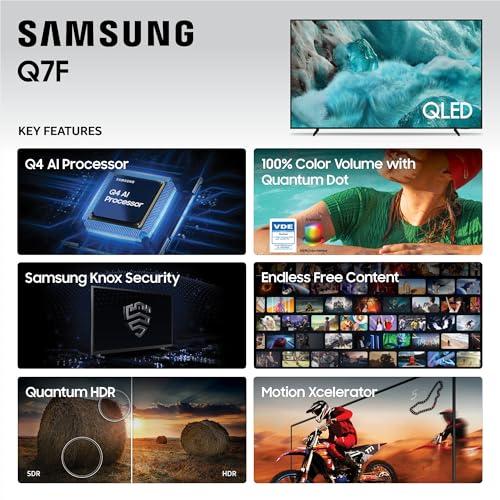
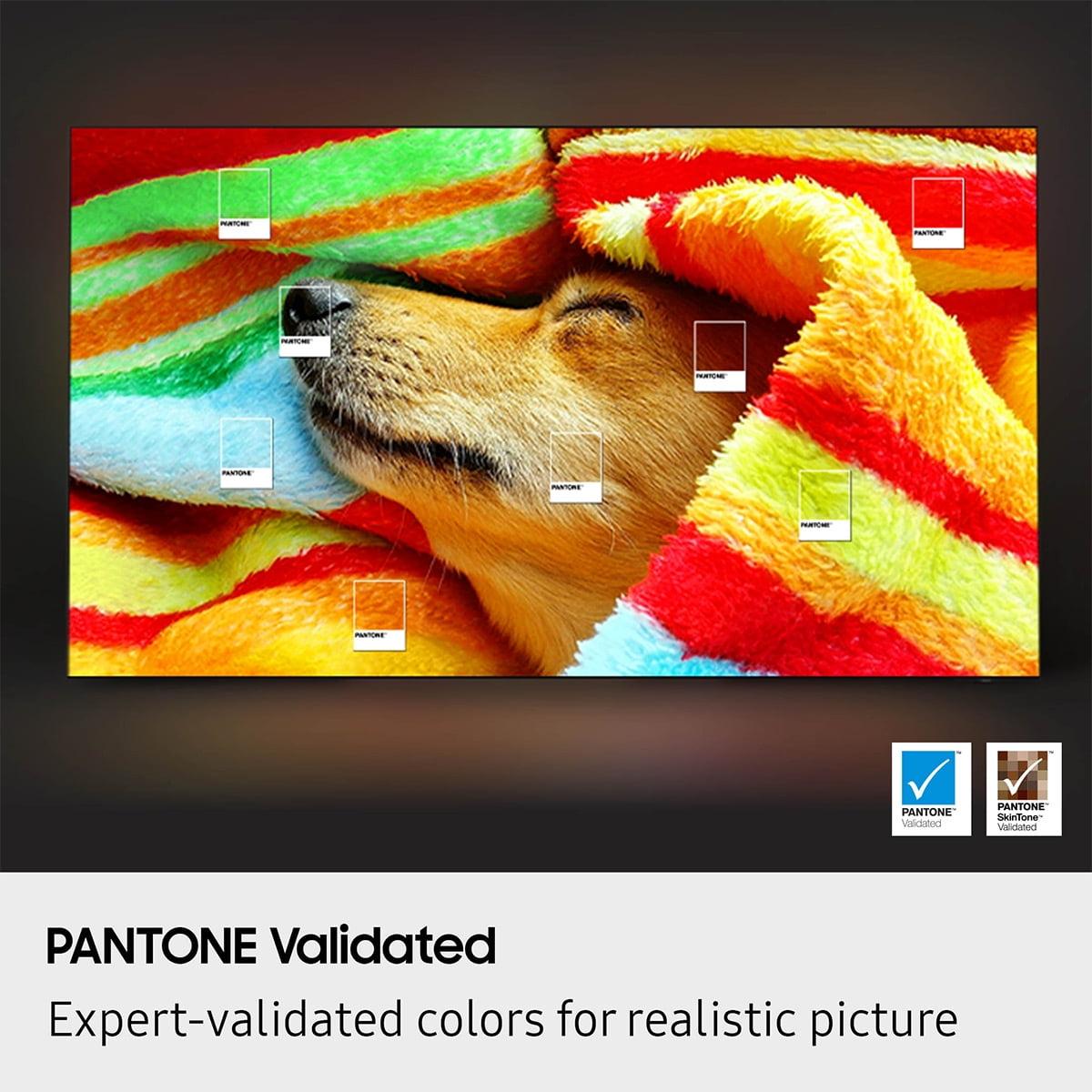
Both TVs benefit from quantum dot technology, but they implement it differently. The Q7F features Samsung's Color Booster technology and is PANTONE validated, meaning it can accurately reproduce over 2,000 PANTONE colors and 110 different skin tone shades. For everyday content like TV shows and sports, this delivers vibrant, pleasing colors that satisfy most viewers.
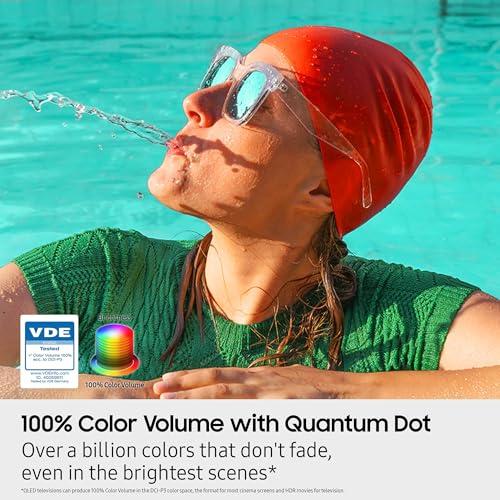
The S85F takes color performance further with its QD-OLED panel. The combination of quantum dots and OLED technology creates what's called "100% color volume" – the ability to display pure, saturated colors at any brightness level. This means reds stay vivid in both bright and dark scenes, whereas traditional displays often see colors wash out at higher brightness levels.
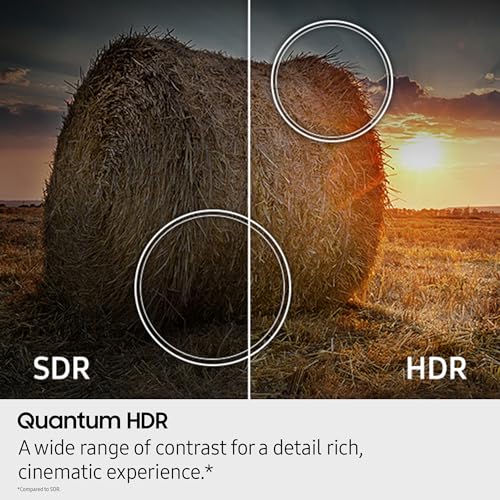
From a practical standpoint, both TVs handle SDR (Standard Dynamic Range) content well, but the differences become pronounced with HDR (High Dynamic Range) material. The S85F maintains color accuracy and saturation in HDR scenes that would appear washed out on the Q7F.
Here's where the conversation gets nuanced. QLED displays traditionally excel in brightness, but the Q7F represents Samsung's budget QLED offering without local dimming. Our research indicates it produces adequate brightness for moderately lit rooms but struggles in brighter environments and lacks the peak brightness needed for impactful HDR highlights.
The S85F, while an OLED, reaches approximately 750 nits in small highlight areas – sufficient for HDR content to have impact, though not as bright as premium QLED displays. More importantly, it maintains this brightness while delivering perfect blacks, creating a dramatic contrast that makes HDR content more engaging.
The practical difference: if you're watching in a bright living room during the day, neither TV will overcome significant glare, but the Q7F will appear washed out while the S85F maintains better color saturation and contrast.
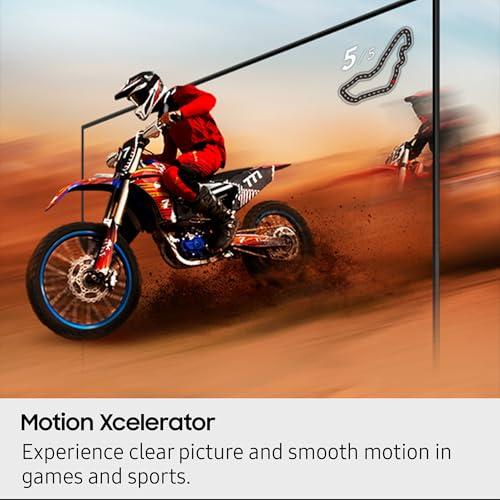
Gaming represents perhaps the starkest difference between these models. The Q7F offers basic gaming compatibility with a 60Hz refresh rate and Auto Game Mode (ALLM), which automatically switches to game mode when it detects a console. Input lag measures around 10ms, which is responsive enough for casual gaming.
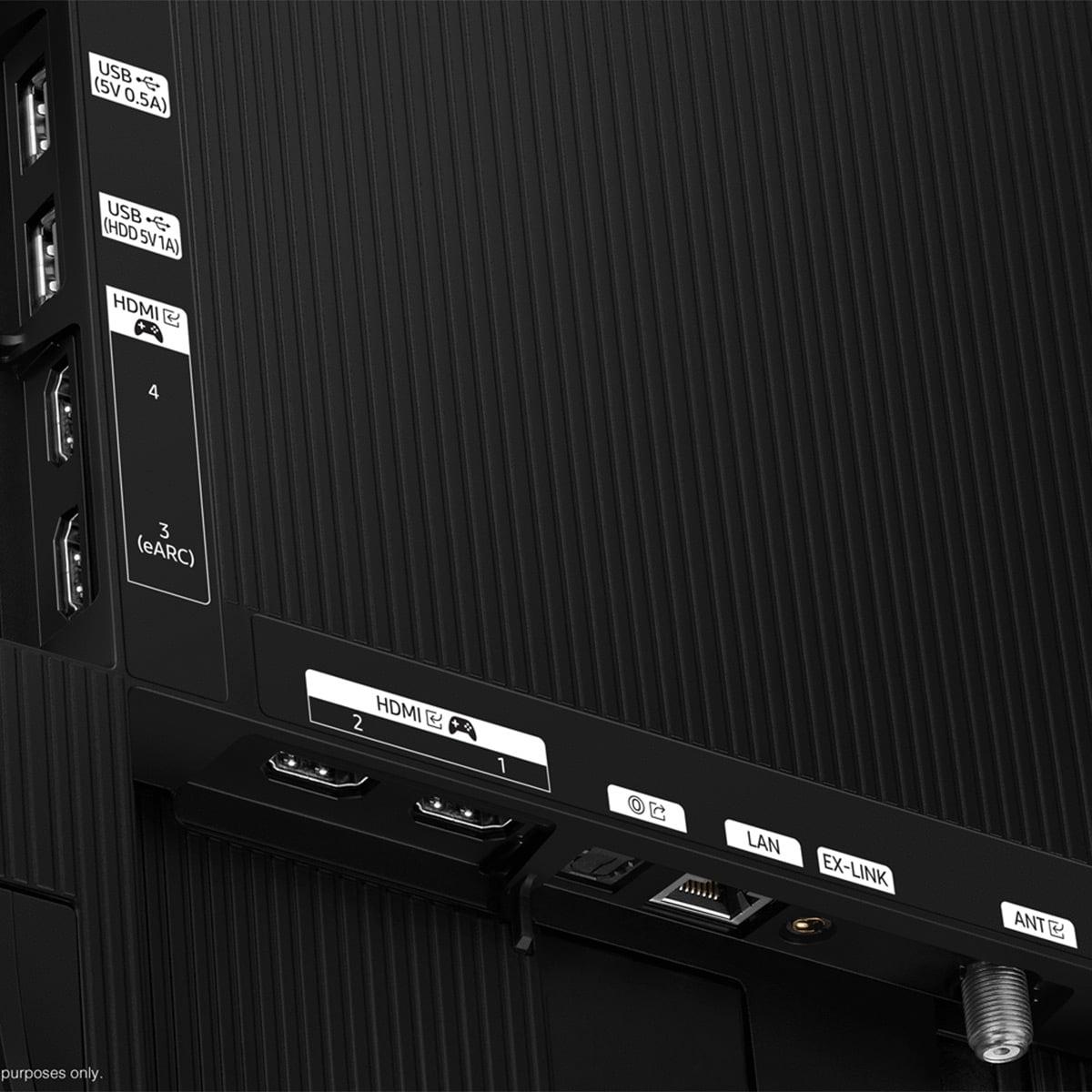
The S85F delivers a completely different gaming experience. It features four HDMI 2.1 ports capable of 4K resolution at 120Hz refresh rates. This means PlayStation 5 and Xbox Series X games that support 120fps modes will display at their full frame rate, creating smoother motion and more responsive gameplay.
Variable Refresh Rate (VRR) support on the S85F eliminates screen tearing by synchronizing the display's refresh rate with the console's frame output. FreeSync Premium compatibility extends this benefit to PC gaming. The near-instantaneous pixel response time of OLED technology means fast-moving objects remain sharp without motion blur.
For serious gamers, the S85F also includes features like Dynamic Black EQ, which brightens dark areas in games to reveal hidden enemies without washing out the entire image, and Ultra Wide Game View for supported titles.
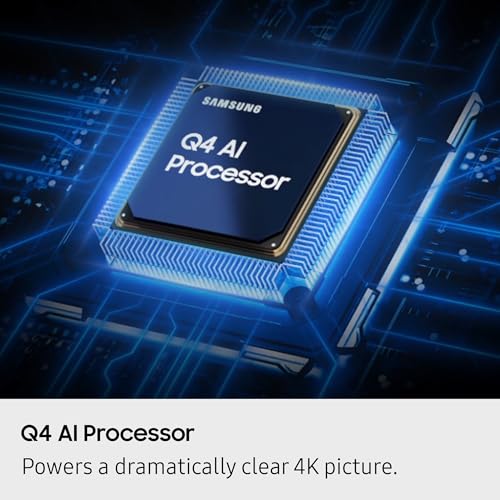
Both TVs run Samsung's 2025 version of Tizen OS, but with different processors powering the experience. The Q7F uses the Q4 AI Processor, while the S85F features the NQ4 AI Gen2 Processor – an older chip compared to Samsung's flagship models but still more advanced than the Q7F's processor.
The processing differences show up in 4K upscaling performance. Both TVs can enhance lower-resolution content, but the S85F does a noticeably better job with older content and streaming material that isn't native 4K. The AI-driven scene recognition adjusts picture settings automatically based on content type.
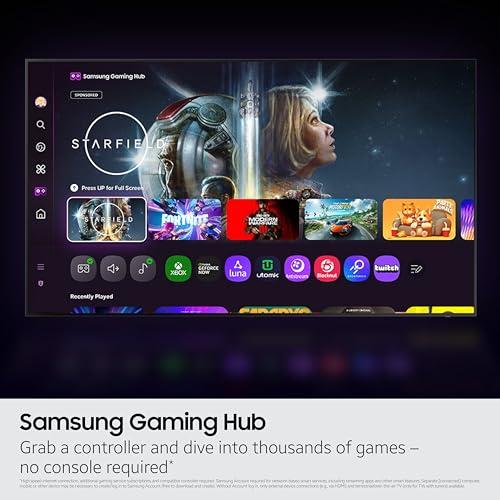
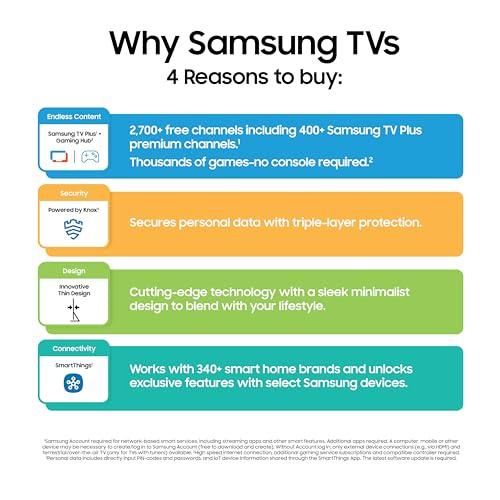
Samsung Vision AI appears on the Q7F, offering personalized recommendations, real-time translation capabilities, and gesture controls. Both models support voice assistants (Bixby and Alexa built-in), SmartThings integration for smart home control, and casting from mobile devices.
Neither TV will replace a dedicated sound system, but there are meaningful differences in their audio capabilities. The Q7F features a 20W, 2-channel speaker system with Object Tracking Sound Lite, which attempts to match audio positioning with on-screen action.
The S85F includes more advanced audio processing with Adaptive Sound Pro, which analyzes your room acoustics and adjusts audio output accordingly. Both support Q-Symphony, allowing them to work with compatible Samsung soundbars for enhanced audio.
An important limitation affects both models: neither supports Dolby Vision for video or DTS audio passthrough. Samsung uses HDR10+ instead of Dolby Vision, and Dolby Digital Plus 7.1 gets downsampled to 5.1 output. This may disappoint home theater enthusiasts who prioritize these formats.
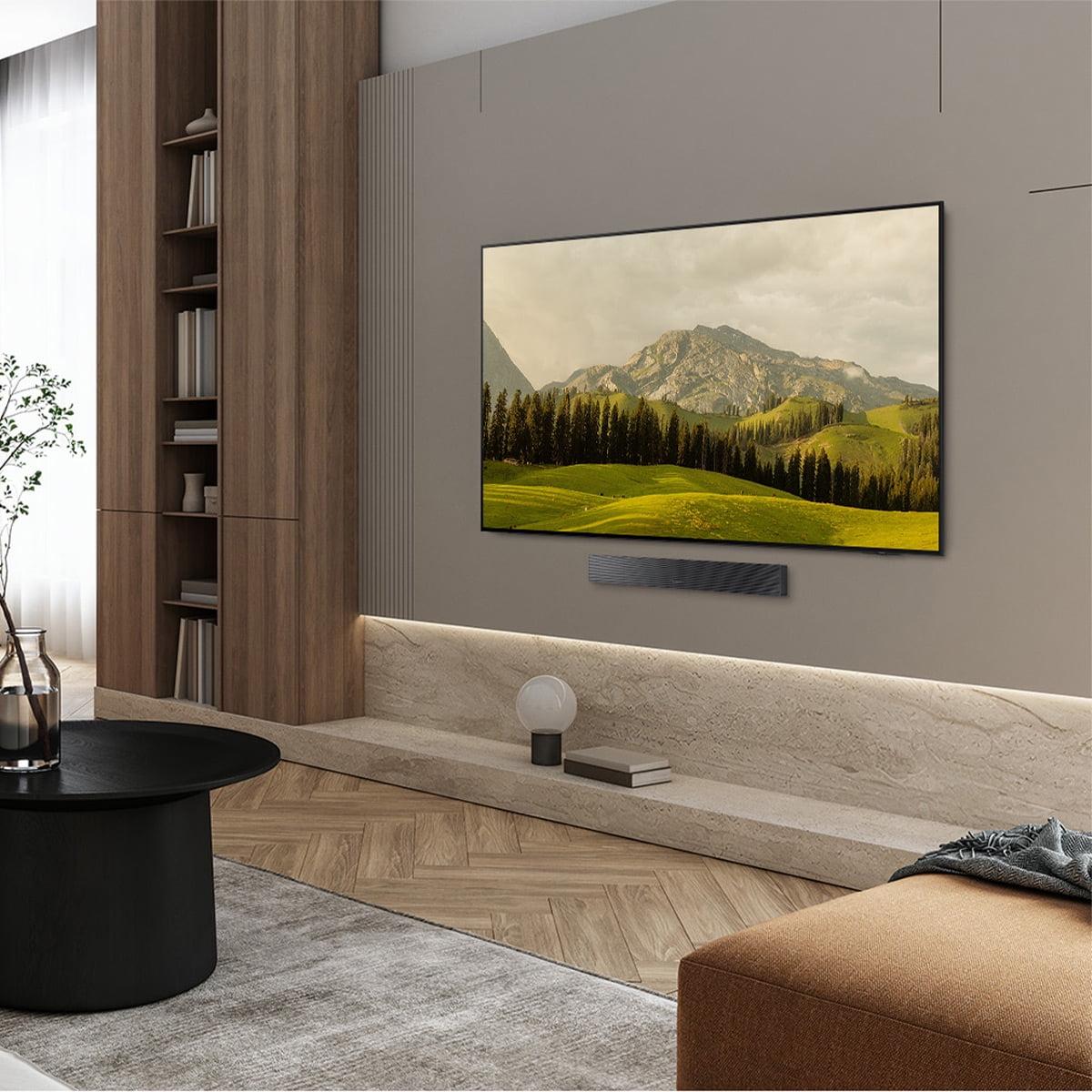
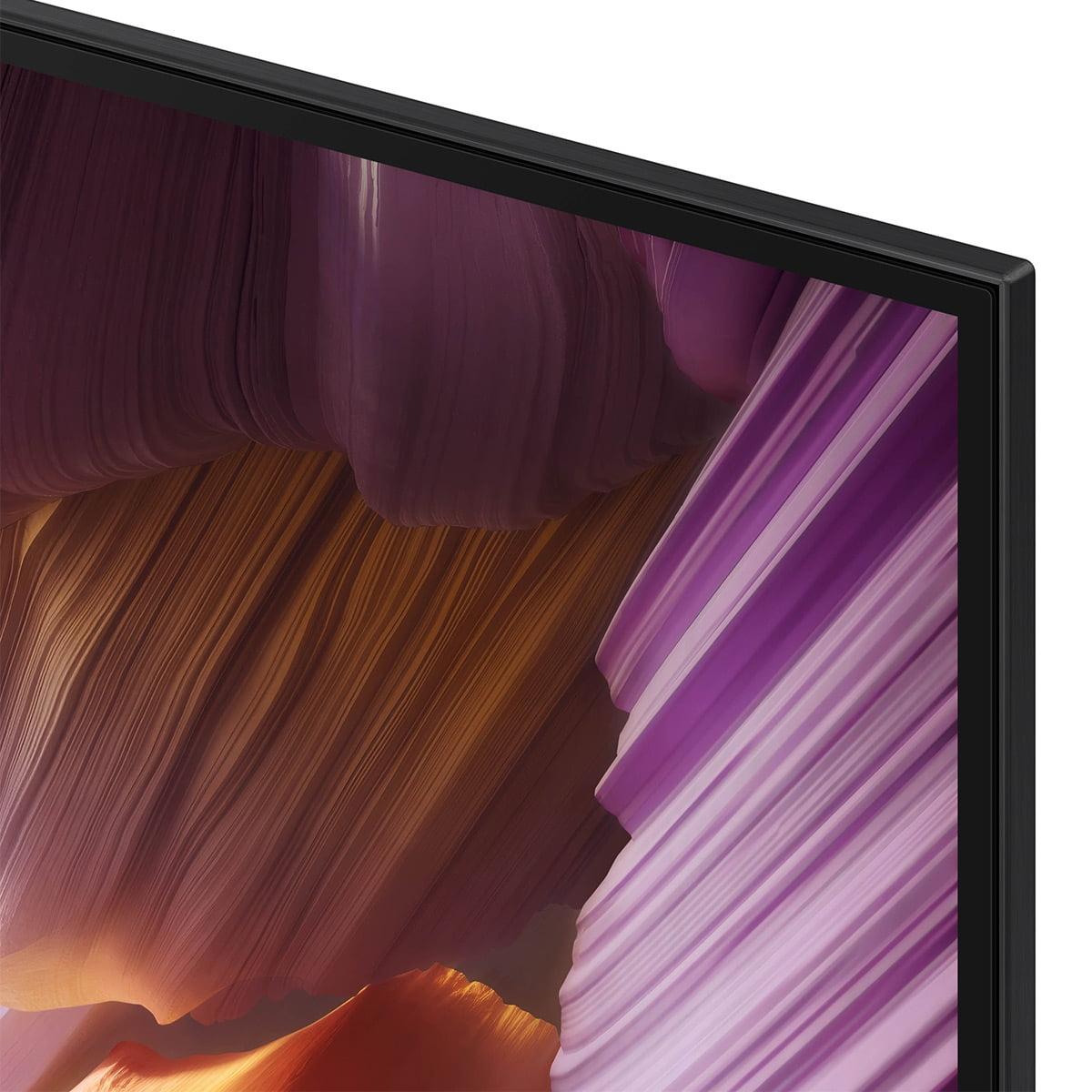
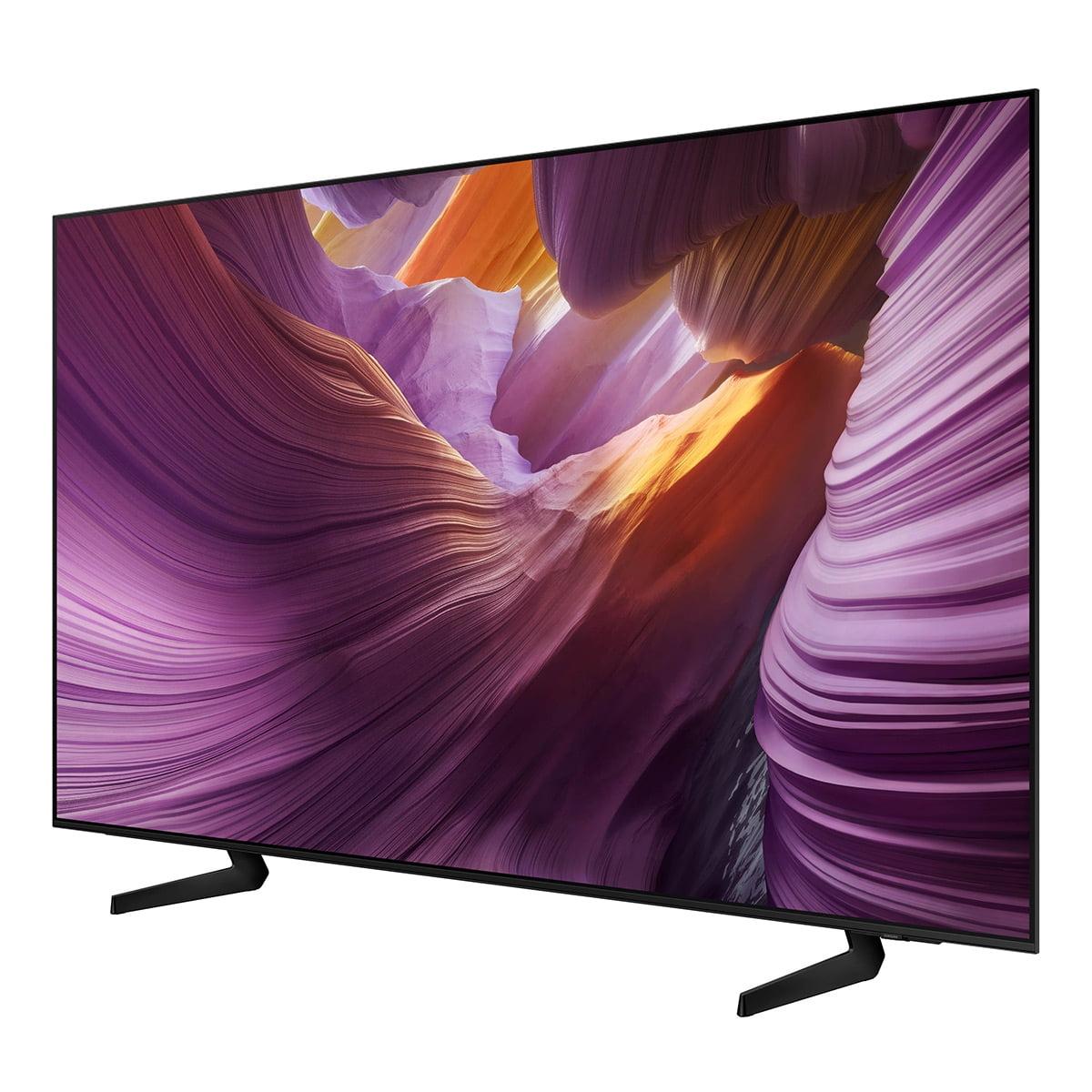
The Q7F features what Samsung calls a "3 Bezel-less design" with thin borders that minimize distractions. The adjustable stand allows for wide or narrow positioning to accommodate soundbars and different furniture arrangements. Build quality is adequate for the price point, though the plastic construction feels less premium.
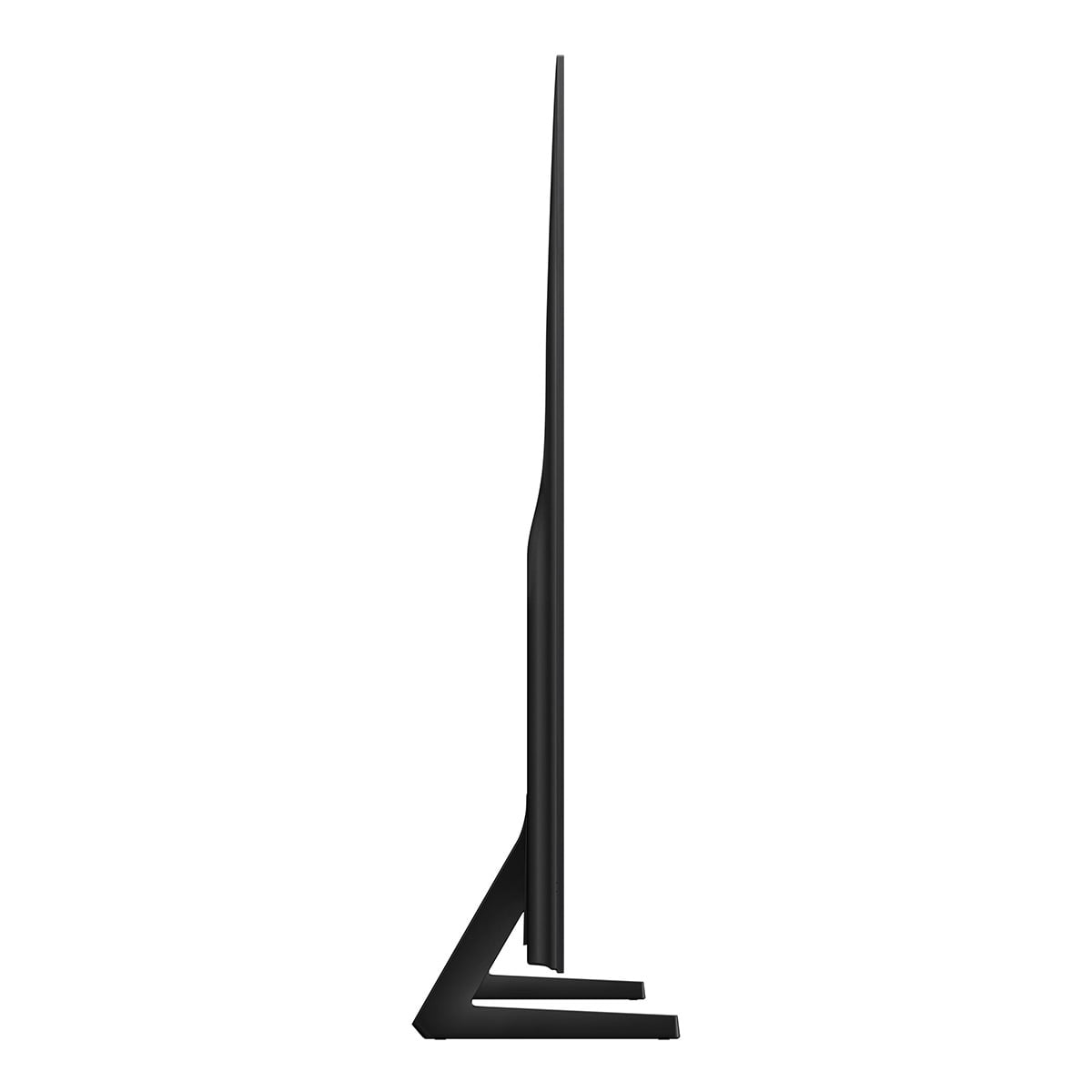
The S85F offers a more sophisticated design befitting its higher price category. The thinner profile and premium materials create a more elegant appearance, whether wall-mounted or on its stand. The overall build quality reflects the investment in display technology.
Viewing angles represent a significant practical difference. The Q7F uses a VA (Vertical Alignment) panel that maintains good contrast when viewed straight-on but suffers color and brightness degradation when viewed from the sides. This makes it less suitable for wide seating arrangements.
The S85F provides consistent picture quality from virtually any angle, making it ideal for open-concept living spaces or rooms with multiple seating positions. Colors and contrast remain stable whether you're sitting directly in front or off to the side.
At the time of writing, the Q7F represents Samsung's most affordable path to 4K quantum dot technology and their smart TV platform. It delivers functional performance that satisfies casual viewing needs without breaking the budget.
The S85F costs roughly three times more but provides fundamentally superior display technology. The price premium reflects the cost of OLED manufacturing and the comprehensive gaming features that appeal to enthusiasts.
From a value perspective, the Q7F offers adequate performance per dollar for budget-conscious buyers. The S85F provides exceptional performance per dollar for those who can afford the higher entry price, considering you're getting true OLED technology at an entry-level OLED price point.
For dedicated home theater setups, the differences become more pronounced. The S85F creates the cinematic experience that home theater enthusiasts seek, with perfect blacks, vibrant colors, and the contrast that makes movies feel immersive.
The Q7F works adequately in a family room setting but lacks the picture quality that justifies a dedicated theater space. Its performance limitations become more apparent when you're focused primarily on picture quality rather than casual viewing.
Room lighting control becomes crucial with the S85F. While it handles moderate ambient light well, controlled lighting brings out its full potential. The Q7F is less sensitive to room lighting but also less rewarding when lighting is optimized.
Choose the Q7F if you need a functional 4K TV for casual viewing, have a strict budget, or are buying a secondary TV for a bedroom or kitchen. It provides Samsung's smart platform and adequate picture quality for everyday content without the premium associated with advanced display technology.
Choose the S85F if picture quality matters to you, you're a gaming enthusiast with modern consoles, or you want a TV that will remain satisfying for years to come. The superior contrast, color performance, and gaming capabilities justify the higher investment for viewers who appreciate the difference quality display technology makes.
The decision ultimately comes down to how much you value premium picture quality and whether your budget can accommodate the significant price difference. Both TVs will display your content, but they create fundamentally different viewing experiences that reflect their distinct approaches to display technology.
| Samsung 65-Inch Q7F Series QLED Smart TV 2025 Display | Samsung 65" S85F OLED 4K Smart TV (2025) |
|---|---|
| Display Technology - Fundamental difference in how the TV creates picture quality | |
| QLED with Direct LED backlight, no local dimming | QD-OLED with self-emissive pixels (65" North American model) |
| Black Levels & Contrast - Most noticeable difference in dark room viewing | |
| Grayish blacks due to always-on backlight | Perfect blacks with pixels that turn completely off |
| Peak Brightness - Critical for HDR impact and bright room viewing | |
| Limited brightness, inadequate for impactful HDR | ~750 nits peak (sufficient for HDR highlights) |
| Gaming Performance - Essential for console compatibility | |
| 60Hz max, basic Auto Game Mode, no VRR | 4K@120Hz, VRR, FreeSync Premium, four HDMI 2.1 ports |
| Processor - Affects upscaling and smart features | |
| Q4 AI Processor with Samsung Vision AI | NQ4 AI Gen2 Processor with advanced scene optimization |
| Viewing Angles - Important for wide seating arrangements | |
| VA panel with narrow viewing angles | Ultra-wide viewing angles with consistent picture quality |
| HDR Support - Affects premium content viewing | |
| HDR10+ with limited dynamic range capability | OLED HDR and HDR10+ with excellent gradient handling |
| Color Performance - Impacts vibrancy and accuracy | |
| Quantum Dot with PANTONE validation | QD-OLED delivers 100% color volume with quantum dots |
| Audio System - Built-in sound quality | |
| 20W 2-channel with Object Tracking Sound Lite | Enhanced processing with Dolby Atmos and Adaptive Sound Pro |
| Smart Platform - User experience and app performance | |
| Tizen OS with comprehensive streaming app support | Same Tizen OS with faster performance from better processor |
| Burn-in Risk - Long-term reliability consideration | |
| No burn-in risk with LED technology | Potential OLED burn-in with static content (rare in normal use) |
| Best Use Cases - Who should choose each model | |
| Budget-conscious buyers, casual viewing, bright rooms | Premium picture quality seekers, gamers, home theater enthusiasts |
The primary difference is display technology: the Samsung Q7F uses QLED (LED backlight with quantum dots) while the Samsung S85F uses OLED (self-emitting pixels). This means the S85F can produce perfect blacks and infinite contrast, while the Q7F always has some backlight glow making blacks appear grayish.
The Samsung S85F is significantly better for gaming. It features four HDMI 2.1 ports supporting 4K at 120Hz, Variable Refresh Rate (VRR), and near-instant response times. The Samsung Q7F is limited to 60Hz with basic gaming features, making it suitable only for casual gaming.
Neither TV excels in very bright rooms, but the Samsung Q7F handles moderate ambient light adequately while the Samsung S85F maintains better color saturation and contrast even with some room lighting. Both struggle with direct sunlight or very bright conditions.
The Samsung S85F delivers superior picture quality with perfect blacks, exceptional contrast, and more vibrant colors thanks to its QD-OLED technology. The Samsung Q7F provides decent picture quality for the price but cannot match OLED's contrast performance.
The Samsung S85F is excellent for home theater with its cinematic contrast and color performance. The Samsung Q7F works for casual movie watching but lacks the picture quality that makes a dedicated home theater setup worthwhile.
The Samsung S85F costs significantly more than the Samsung Q7F - roughly three times the price. This reflects the premium OLED technology versus budget QLED construction.
Yes, both the Samsung Q7F and Samsung S85F support 4K resolution and HDR10+. However, the S85F delivers much better HDR performance with higher peak brightness and superior contrast handling.
Both TVs run Samsung's Tizen OS with similar smart features, but the Samsung S85F has a more powerful processor for faster performance. The Samsung Q7F includes Samsung Vision AI with additional personalization features.
The Samsung S85F offers excellent viewing angles with consistent picture quality from any position. The Samsung Q7F has narrower viewing angles typical of VA panels, with color and brightness degradation when viewed from the sides.
The Samsung Q7F offers better value for budget-conscious buyers who want basic 4K performance. The Samsung S85F provides exceptional value for those who can afford premium OLED technology and want superior picture quality.
Both TVs handle sports adequately, but the Samsung S85F provides clearer motion and better contrast for a more engaging sports experience. The Samsung Q7F works fine for casual sports viewing in moderately lit rooms.
Choose the Samsung Q7F if you have a tight budget and need functional 4K performance. Choose the Samsung S85F if you prioritize picture quality, gaming performance, or want a TV that will remain impressive for years to come.
We've done our best to create useful and informative comparisons to help you decide what product to buy. Our research uses advanced automated methods to create this comparison and perfection is not possible - please contact us for corrections or questions. These are the sites we've researched in the creation of this article: bestbuy.com - rtings.com - bestbuy.com - youtube.com - youtube.com - youtube.com - samsung.com - samsung.com - samsung.com - billsmith.com - costco.com - samsung.com - hometechnologyreview.com - hometechnologyreview.com - bestbuy.com - samsung.com - bestbuy.com - samsung.com - hometechnologyreview.com - samsung.com - samsung.com - rtings.com - samsung.com - youtube.com - rtings.com - youtube.com - samsung.com - bestbuy.com - avsforum.com - avsforum.com - samsung.com - displayspecifications.com - videoandaudiocenter.com - bestbuy.com - flatpanelshd.com - myallsouth.com - samsung.com - richstv.com - samsung.com - heartlandappliance.com

Privacy Policy
Terms and Conditions - Affiliate Policy
Home Security
© Copyright 2008-2026.
11816 Inwood Rd #1211, Dallas, TX 75244