




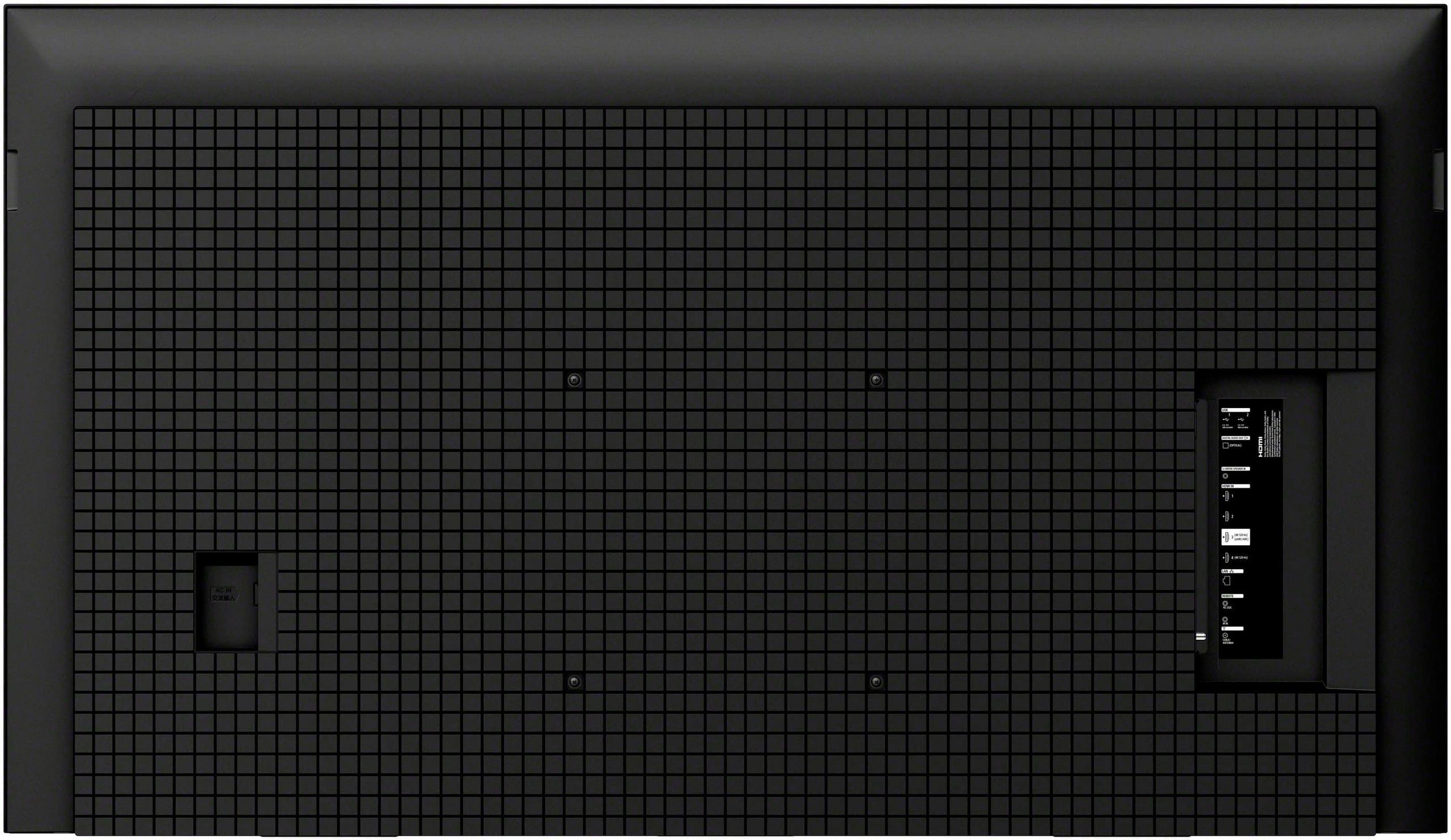
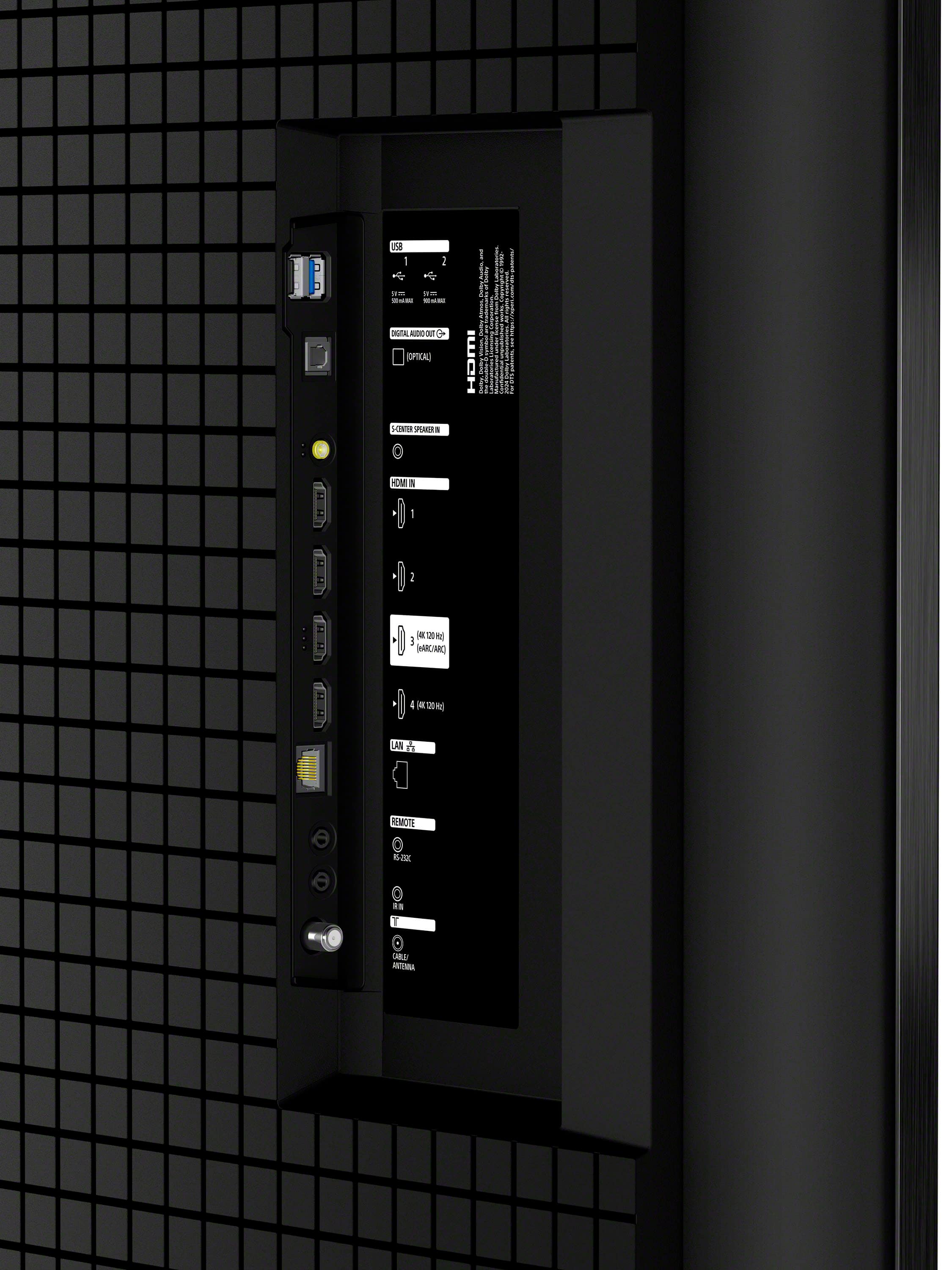
Choosing a 65-inch TV in 2025 means navigating a landscape where display technology has evolved dramatically. Two standout options that represent very different approaches to picture quality and value are the Samsung Q7F QLED and the Sony BRAVIA 5 Mini LED. While both deliver 4K resolution on 65-inch screens, they target completely different buyers with distinct priorities.
The TV market has shifted significantly since these models launched in 2025. Samsung refined its entry-level QLED approach with the Q7F, focusing on vibrant Quantum Dot colors at accessible pricing. Meanwhile, Sony introduced Mini LED technology to its mid-range lineup with the BRAVIA 5, bringing premium display features previously reserved for flagship models. Understanding these technological differences is crucial for making the right choice for your viewing habits and budget.
The most fundamental difference between these TVs lies in how they control light and create images. This impacts everything from how dark scenes appear to whether HDR content looks impressive or underwhelming.
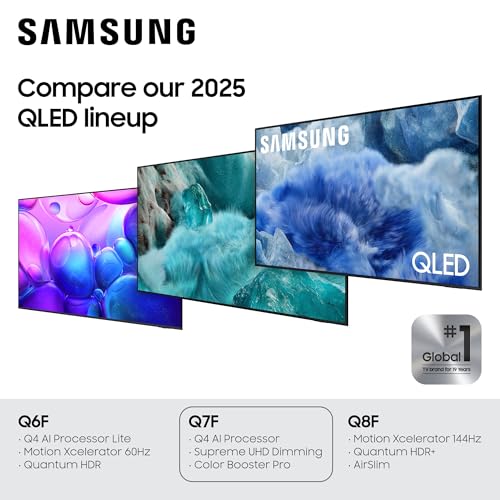
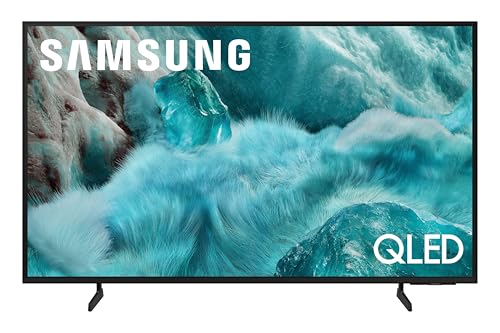
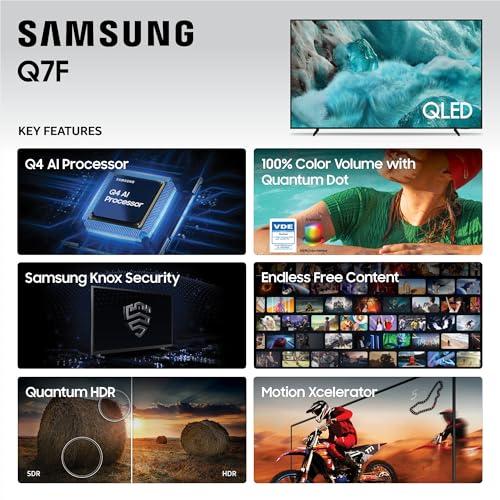
The Samsung Q7F uses QLED technology, which stands for Quantum Dot Light Emitting Diode. Think of quantum dots as microscopic particles that convert blue LED light into precise colors. When blue light hits these particles, they emit pure red or green light, creating more vibrant colors than traditional LED TVs can produce. Samsung's implementation achieves what they call "100% color volume," meaning colors stay saturated even at high brightness levels.
However, the Q7F lacks local dimming zones. This means the entire backlight operates as one unit rather than controlling brightness in specific screen areas. When a scene shows both bright stars and deep space, the TV can't simultaneously make the stars brilliant and space truly black—it must compromise somewhere in between. This results in what experts call "elevated black levels," where dark areas appear grayish rather than pure black.
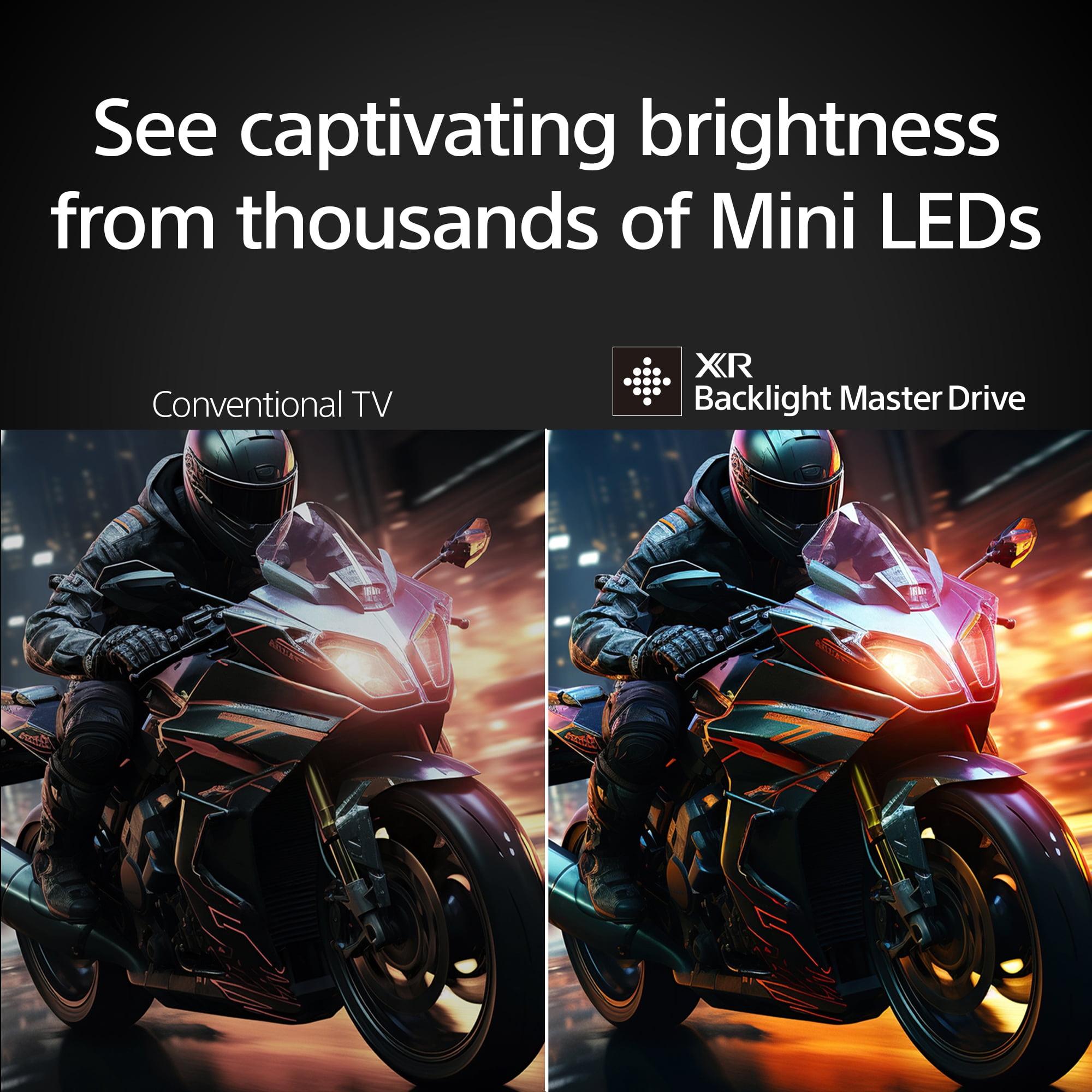
The Sony BRAVIA 5 employs Mini LED backlighting, a newer technology that uses thousands of LEDs much smaller than traditional ones. These Mini LEDs are organized into 384 local dimming zones across the 65-inch screen. Each zone can independently control brightness, allowing the TV to display bright and dark elements simultaneously with precision.
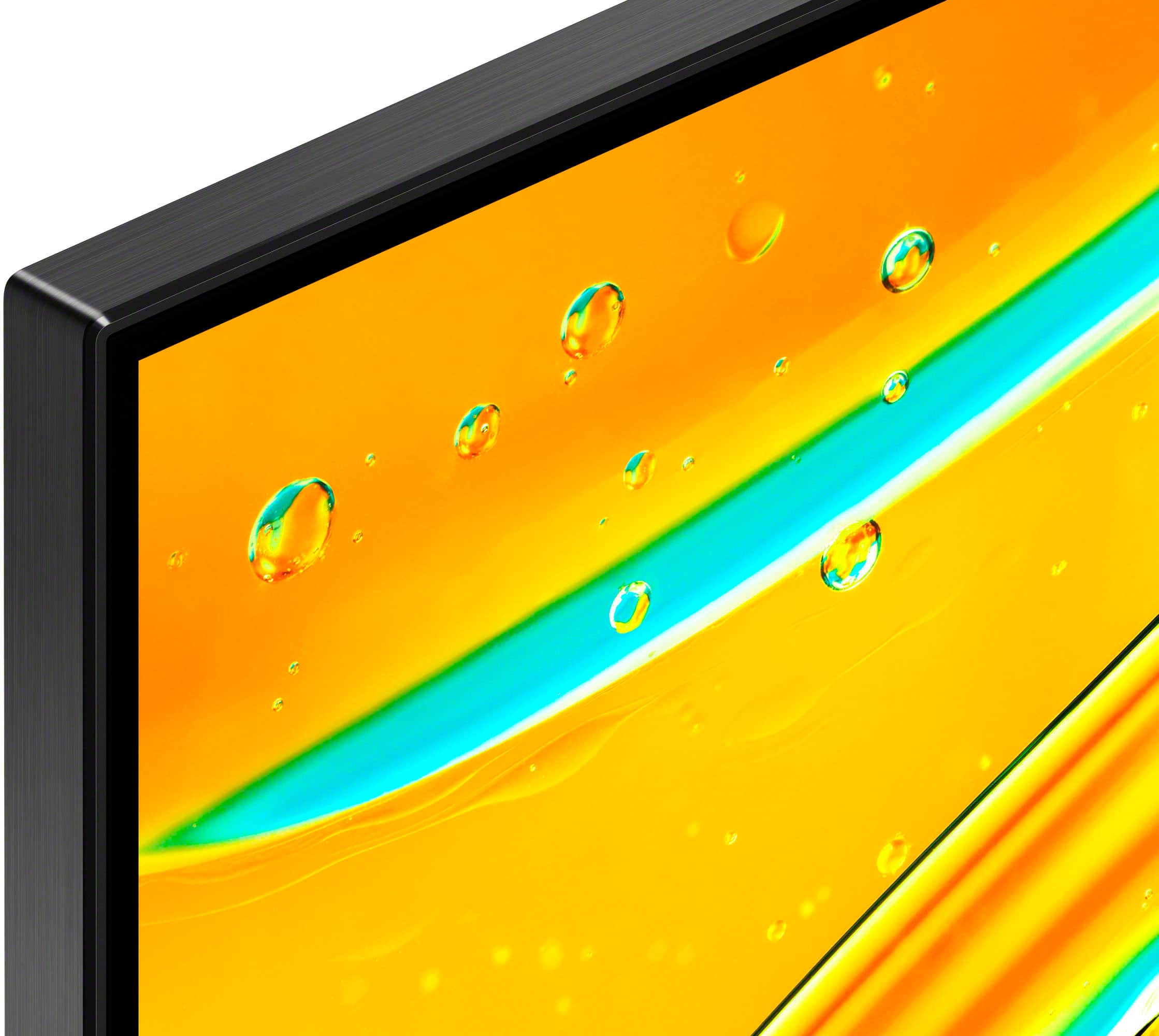
This zone-based control dramatically improves contrast ratio—the difference between the darkest blacks and brightest whites the TV can produce. In practical terms, this means movie scenes with campfires against dark forests, space battles, or city skylines at night look significantly more realistic and impactful on the BRAVIA 5.
Sony's XR Backlight Master Drive system coordinates these zones using cognitive intelligence that mimics how human eyes process light and depth. Rather than simply making bright things brighter, it analyzes entire scenes to optimize the balance between all elements.
Both approaches excel at color, but with different philosophies. The Samsung Q7F prioritizes vibrancy and pop—colors that immediately grab attention and look impressive in showrooms. This PANTONE-validated display accurately reproduces over 2,000 specific colors and 110 skin tone variations, making it excellent for content where vivid colors matter most.
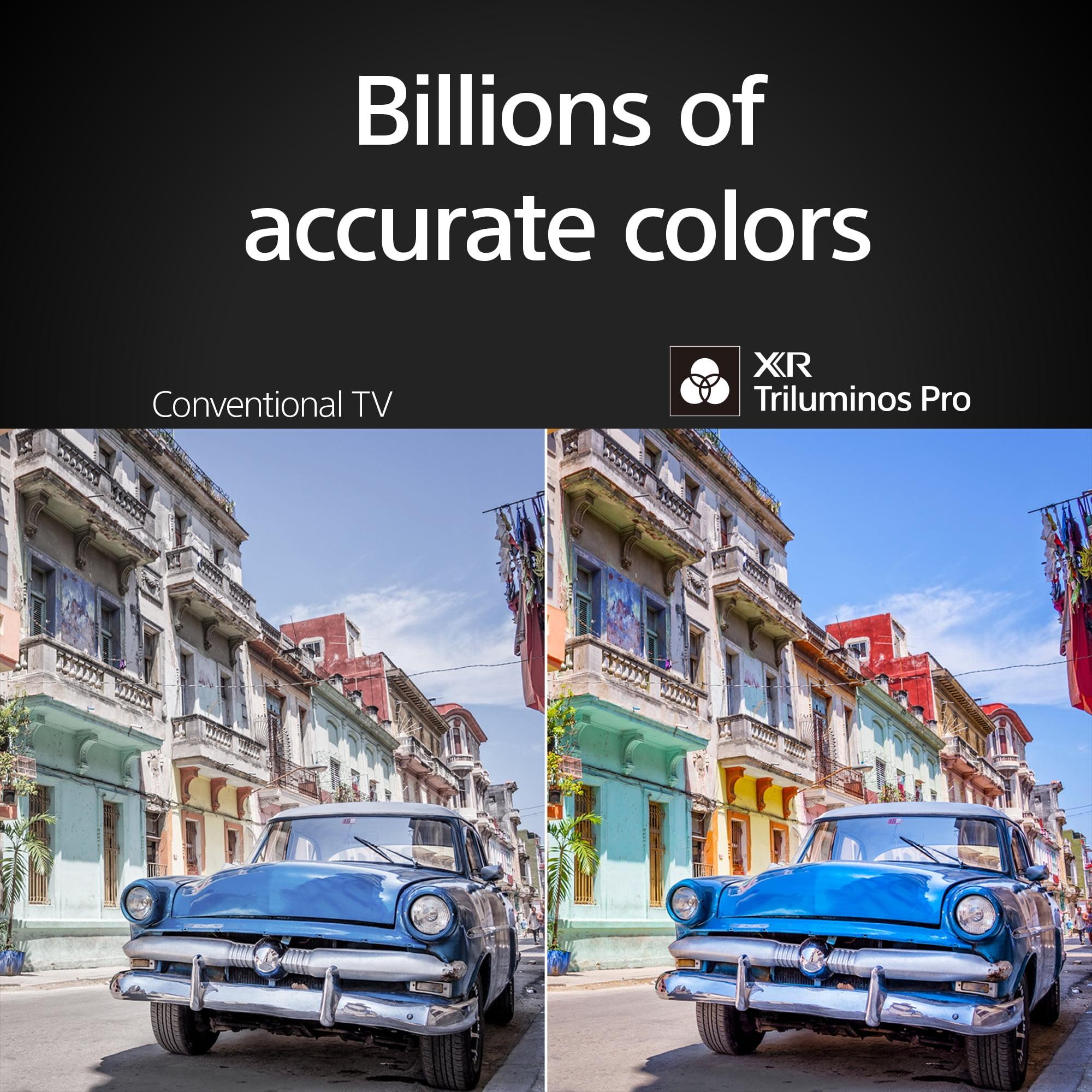
The Sony BRAVIA 5 emphasizes natural color reproduction through XR Triluminos Pro technology. Rather than maximizing saturation, it focuses on displaying billions of colors as they appear in real life. This approach particularly benefits live sports, nature documentaries, and films where realistic color representation enhances immersion.
Gaming performance represents the starkest difference between these TVs, reflecting entirely different target audiences and technological capabilities.
Modern gaming increasingly relies on high frame rates for competitive advantages and smoother visual experiences. Frame rate, measured in Hz, indicates how many times per second the display refreshes. Higher numbers mean smoother motion and reduced input lag—the delay between controller input and on-screen response.
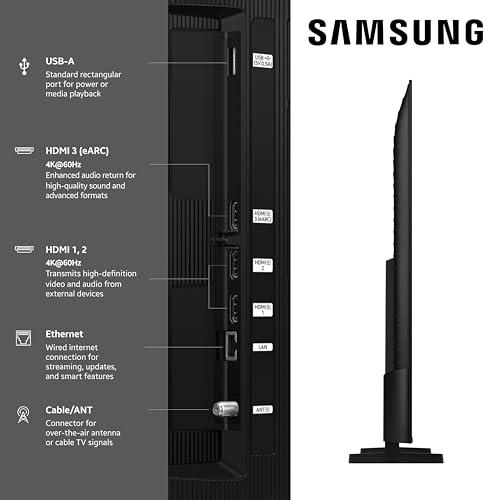
The Samsung Q7F maxes out at 60Hz with HDMI 2.0 connectivity. While adequate for casual gaming and older consoles, it can't display the 120 frames per second that PlayStation 5 and Xbox Series X|S can produce in performance modes. This limitation means you're not experiencing these consoles' full potential.
The Sony BRAVIA 5 supports 120Hz with two HDMI 2.1 ports capable of 4K resolution at 120 frames per second. This unleashes next-generation console capabilities, providing noticeably smoother gameplay in supported titles. Racing games, first-person shooters, and sports games particularly benefit from reduced motion blur and more responsive controls.
Variable Refresh Rate (VRR) synchronizes the TV's refresh rate with the gaming device's frame output. When games fluctuate between 90-120 frames per second, VRR prevents screen tearing—those jarring horizontal lines that appear when frame rates and refresh rates don't match.
The Samsung Q7F lacks VRR entirely, making screen tearing inevitable in demanding games. The Sony BRAVIA 5 supports both G-SYNC (NVIDIA) and HDMI Forum VRR standards, providing smooth gameplay regardless of your graphics card or console brand.
Beyond raw performance metrics, both TVs include gaming-focused features. The Samsung Q7F offers Auto Low Latency Mode (ALLM), which automatically switches to game mode when detecting gaming signals. However, without VRR and 120Hz support, these optimizations provide limited benefits.
The Sony BRAVIA 5 includes comprehensive gaming features: ALLM, dedicated gaming picture modes optimized for different game types, and PlayStation 5-specific integration that unlocks additional features when connected to Sony's console. The combination of these features with superior hardware capabilities makes it genuinely competitive for serious gaming.
High Dynamic Range (HDR) content represents the biggest visual upgrade since the transition to high definition. HDR expands the range between darkest blacks and brightest whites while displaying more colors than standard content. However, displaying HDR properly requires specific hardware capabilities.
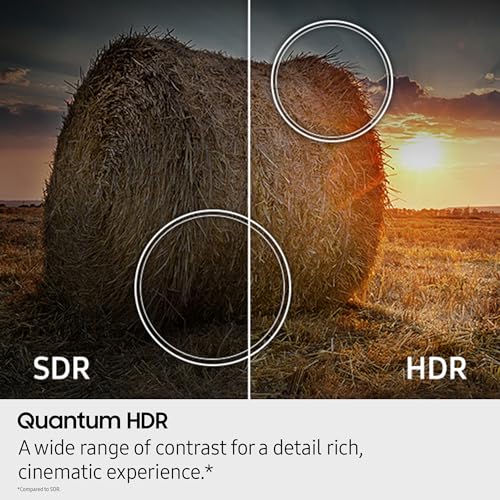
The Samsung Q7F supports HDR10+ and Quantum HDR but notably lacks Dolby Vision support. This omission is significant because Dolby Vision has become the premium HDR standard, used by Netflix, Disney+, Apple TV+, and most streaming services for their highest-quality content. Without Dolby Vision, you're missing the enhanced brightness, color, and contrast information that content creators intended.
The Sony BRAVIA 5 supports the complete HDR ecosystem: HDR10, Dolby Vision, HLG (for broadcast HDR), and IMAX Enhanced. This comprehensive support ensures optimal playback regardless of content source or format.
HDR's effectiveness depends heavily on peak brightness capability and local dimming precision. The Samsung Q7F, without local dimming zones, struggles to create the dramatic contrast that makes HDR content compelling. Bright highlights lack impact, and dark details get lost in elevated black levels.
The Sony BRAVIA 5 combines higher peak brightness with precise local dimming to deliver HDR content as intended. Explosions, sunsets, and neon signs pop with realistic intensity while maintaining detail in shadows and darker areas. This capability transforms premium content viewing from merely watching to experiencing.
Based on expert reviews and user experiences, HDR performance differs dramatically between these models. The Samsung Q7F displays HDR content but without the dramatic visual impact that makes HDR worthwhile. Colors may look vibrant, but the contrast improvements that define HDR are largely absent.
The Sony BRAVIA 5 delivers what many consider "true HDR" performance in the mid-range price category. Streaming 4K HDR content from Netflix or Disney+ showcases the technology's benefits, with scenes that genuinely look more realistic and impactful than standard dynamic range versions.
Television audio often gets overlooked, but built-in sound quality varies significantly between models and can impact your entertainment experience before you invest in external audio equipment.
The Samsung Q7F includes a 20W 2.0 channel speaker system with Object Tracking Sound Lite. This technology attempts to match audio positioning with on-screen action, but the limited power and lack of additional drivers restrict its effectiveness. The sound is adequate for basic viewing but lacks depth and immersion for movies or music.
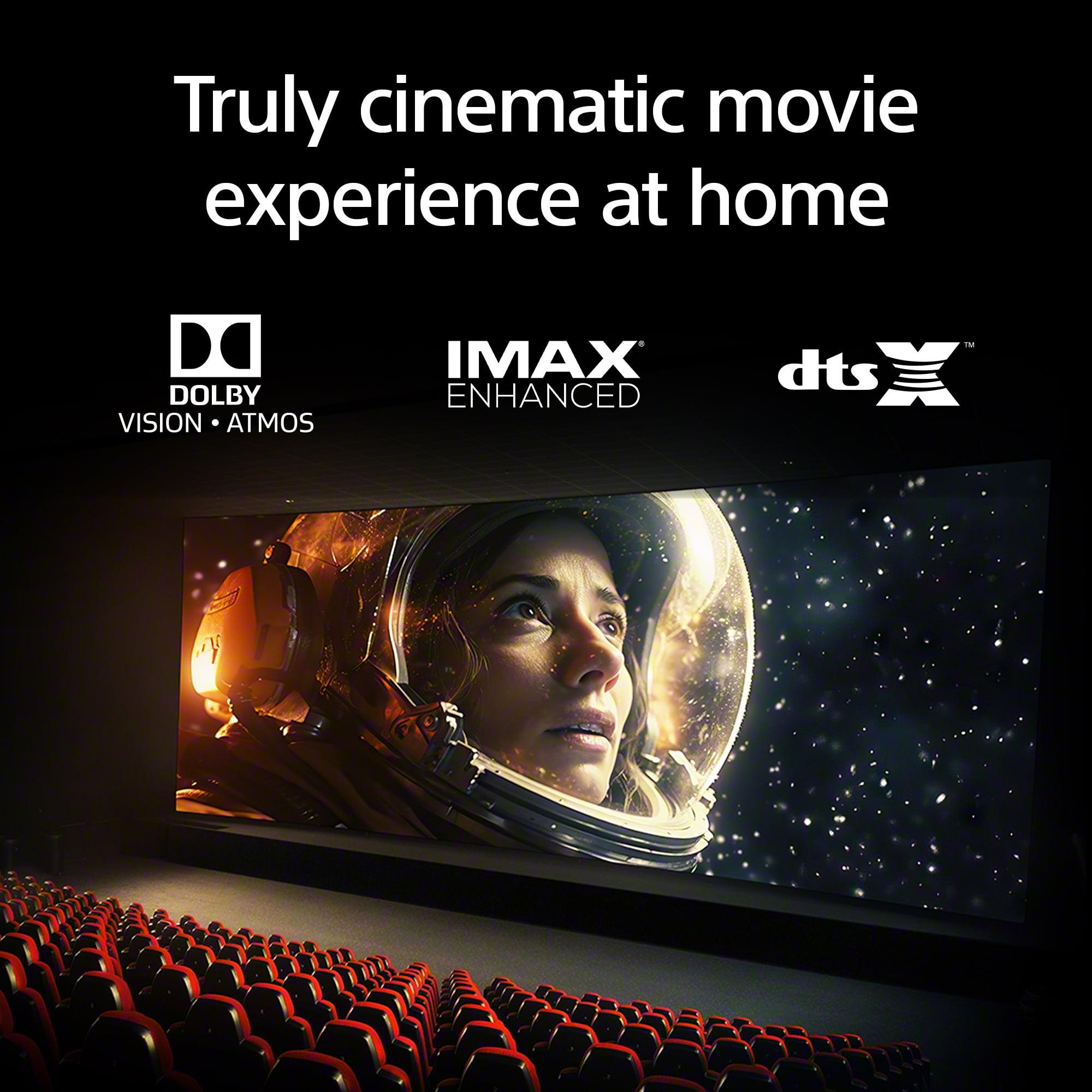
The Sony BRAVIA 5 features a 40W system with Dolby Atmos and DTS:X support—advanced audio technologies that create three-dimensional soundscapes. The Acoustic Multi-Audio system uses multiple drivers positioned around the screen to align sound with visual elements, creating more convincing audio positioning.
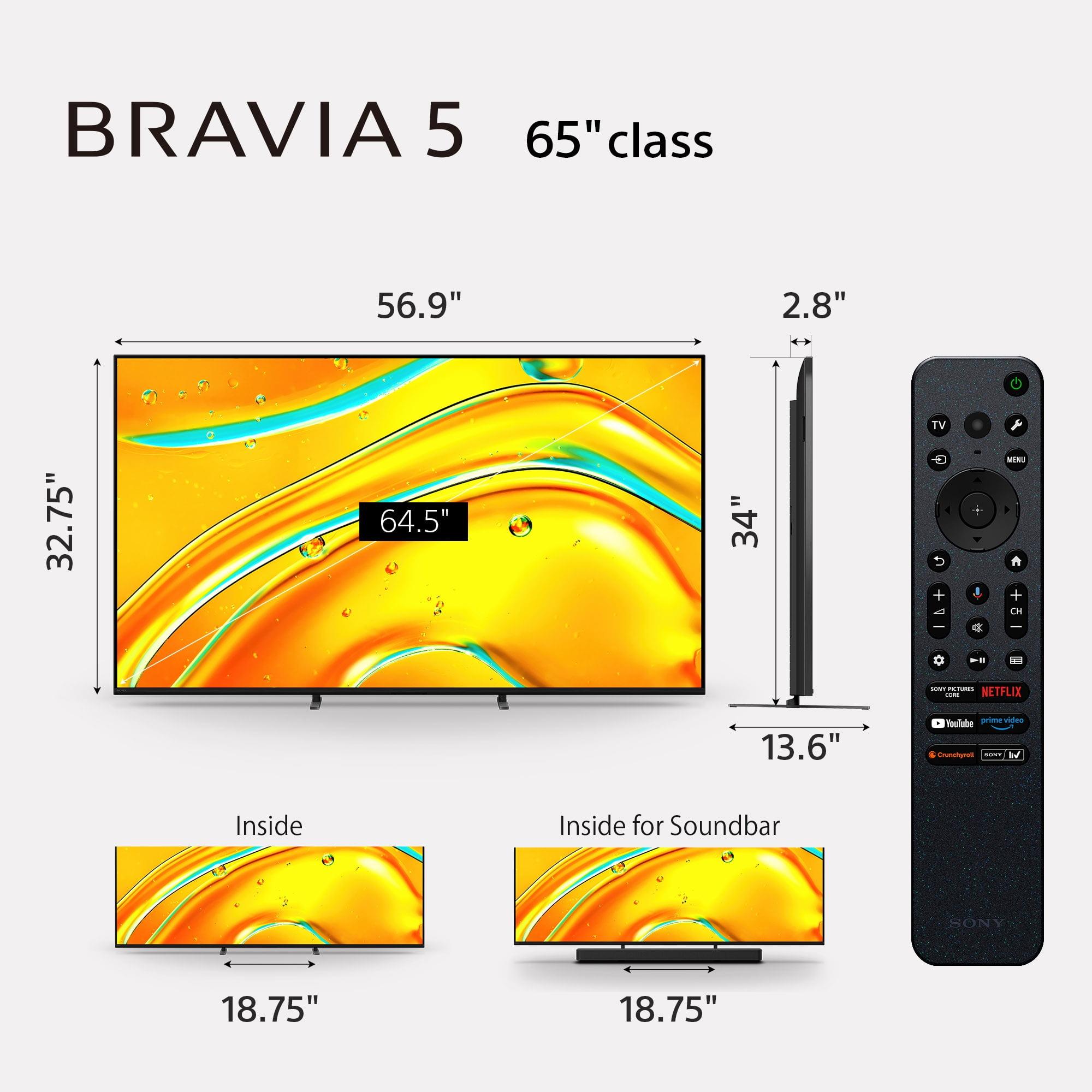
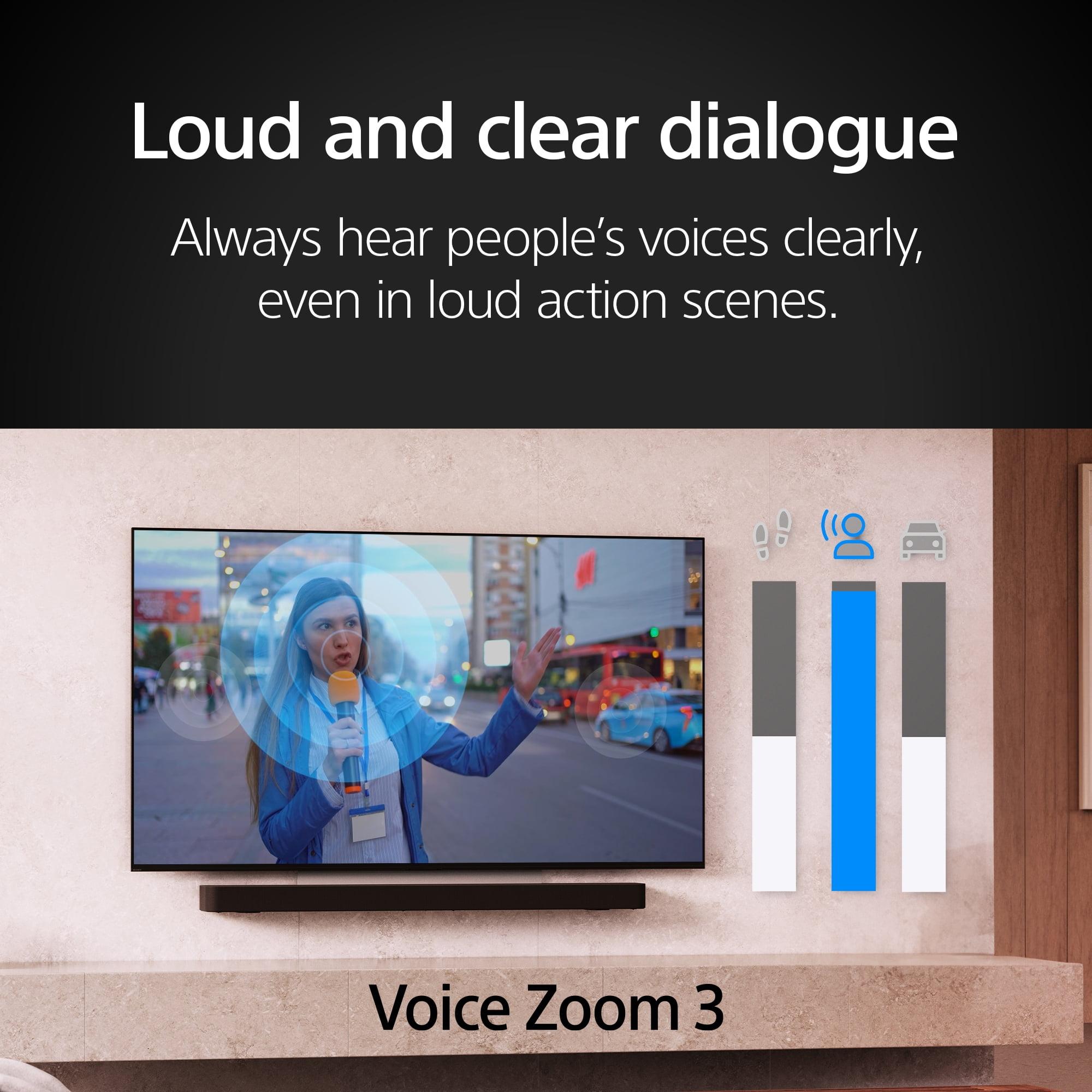
Sony's approach includes several unique audio technologies. The BRAVIA 5 can function as a center channel speaker when paired with compatible Sony soundbars, essentially becoming part of a larger audio system. This integration allows for seamless audio experiences where dialog comes directly from the screen while music and effects come from external speakers.
The Samsung Q7F supports Q-Symphony technology for integration with Samsung soundbars, but the feature set is more limited compared to Sony's comprehensive audio ecosystem integration.
For dedicated home theater setups, audio capabilities matter differently. Both TVs support eARC (enhanced Audio Return Channel) for high-quality audio passthrough to soundbars and receivers. However, the Sony BRAVIA 5 supports more audio formats, including DTS:X passthrough, which some Blu-ray discs require for full surround sound.
Modern TVs function as entertainment hubs, making the smart platform choice increasingly important for daily usability and long-term satisfaction.
The Samsung Q7F runs Samsung's redesigned Tizen 1 UI, introduced in 2025 with faster navigation and menus positioned on the left side of the screen. While responsive and user-friendly, this version represents a "stripped-down" implementation compared to higher-end Samsung models, lacking some advanced features and customization options.
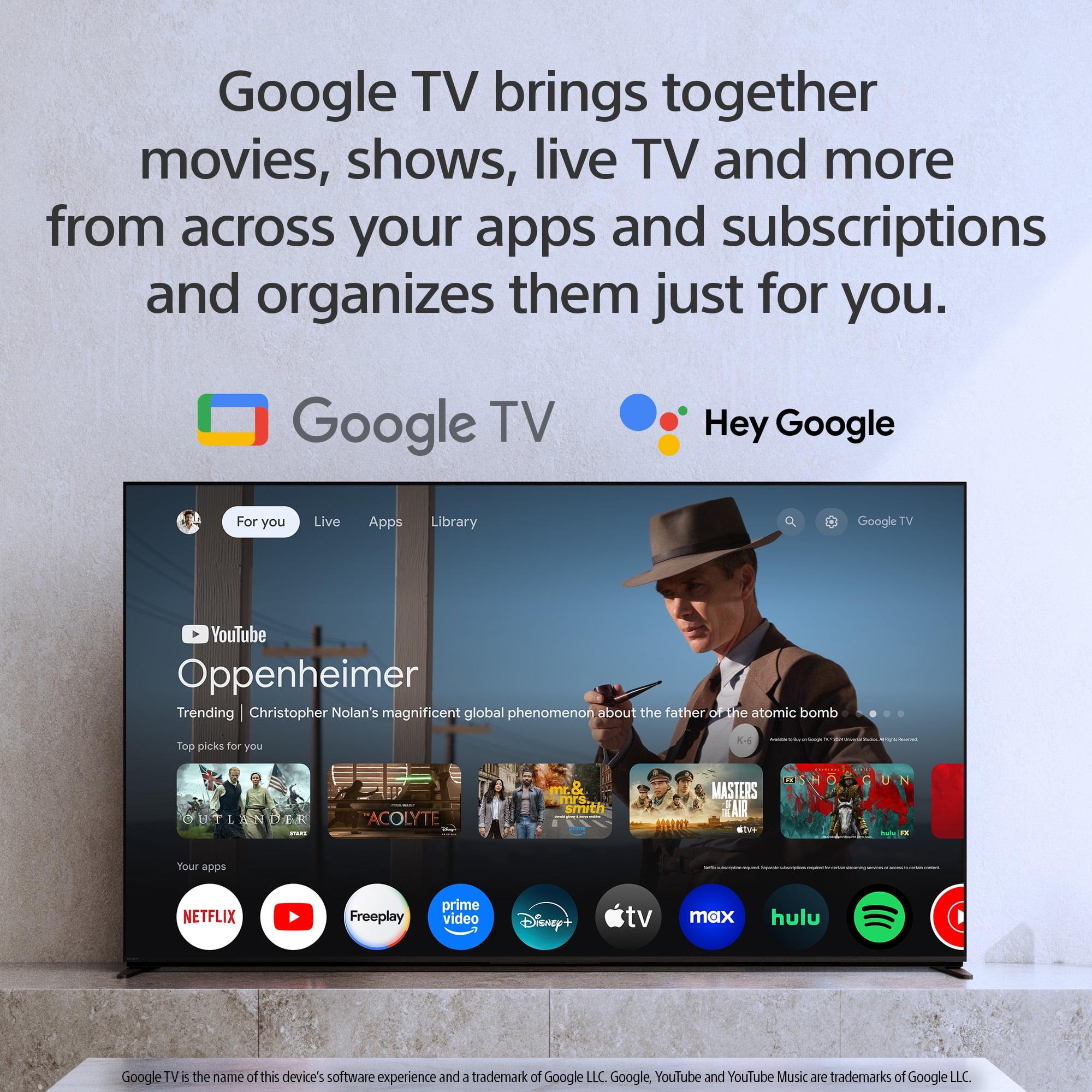
The Sony BRAVIA 5 utilizes Google TV version 12, providing access to over 700,000 movies and shows with sophisticated content recommendations. The platform integrates Google Assistant for voice control, Chromecast for easy content sharing from mobile devices, and supports both Apple AirPlay 2 and HomeKit for smart home integration.
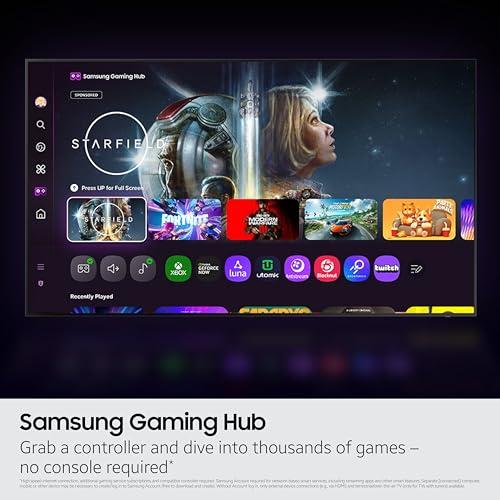
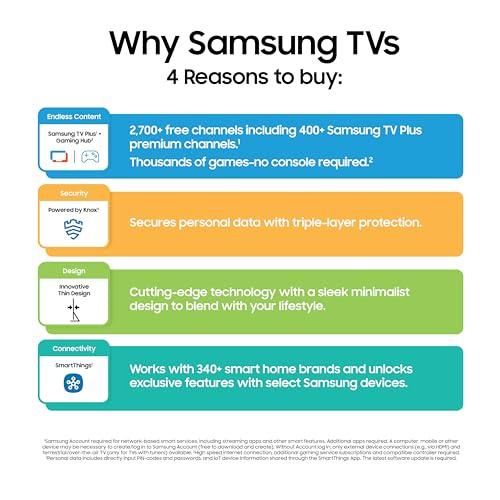
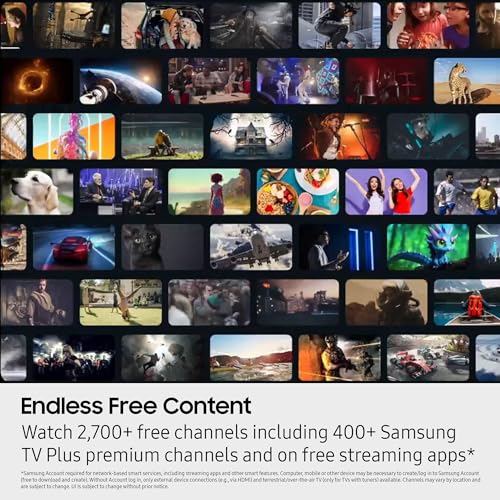
Samsung's platform includes Samsung TV Plus with free streaming content and Multi-View capability for watching multiple sources simultaneously. The Samsung Game Hub provides access to cloud gaming services, adding value for casual gamers even given the TV's hardware limitations.
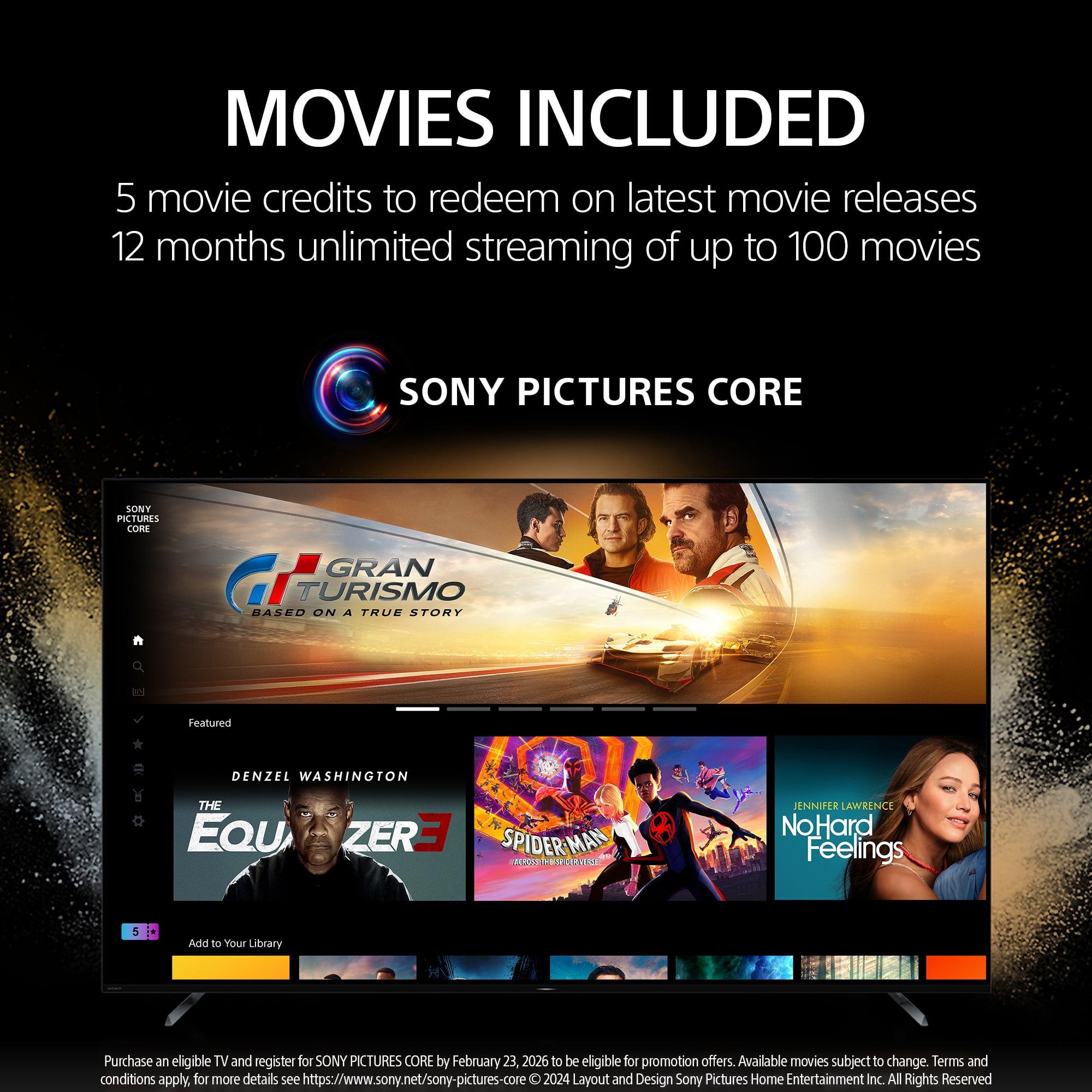
Sony's implementation offers broader app ecosystem access and includes Sony Pictures Core, providing exclusive access to Sony's movie library with free credits and "Pure Stream" quality at 80Mbps—equivalent to Blu-ray quality streaming for supported content.
Both platforms perform well for basic smart TV functions, but Google TV's more comprehensive feature set and broader ecosystem integration make it more versatile for users invested in Google services or seeking maximum app compatibility.
At the time of writing, these TVs occupy different value propositions that reflect their technological capabilities and target audiences.
The Samsung Q7F represents Samsung's entry-level QLED offering, priced significantly below the Sony BRAVIA 5. This price difference reflects fundamental technology gaps rather than minor feature variations. You're essentially choosing between basic 4K TV capabilities with enhanced colors versus premium display technology with comprehensive feature sets.
The Sony BRAVIA 5, while commanding a premium, often sells at substantial discounts from its original pricing. At typical sale prices, it delivers Mini LED technology and features usually found in TVs costing significantly more, making it exceptional value for buyers seeking premium capabilities.
Technology longevity matters for purchases you'll use for several years. The Samsung Q7F's 60Hz limitation and HDMI 2.0 connectivity make it less future-proof as content evolves toward higher frame rates and gaming advances. Streaming services and gaming consoles increasingly support 120Hz content that this TV simply cannot display.
The Sony BRAVIA 5's 120Hz capability, HDMI 2.1 connectivity, and comprehensive HDR support provide longevity for emerging content standards. This future-proofing extends the TV's useful life and ensures you won't feel limited as technology advances.
For dedicated home theater setups, specific performance characteristics become critically important for achieving truly cinematic experiences.
Home theaters typically prioritize dark room viewing, making contrast performance paramount. The Samsung Q7F's lack of local dimming severely compromises dark room performance, with elevated black levels that reduce immersion during movie viewing.
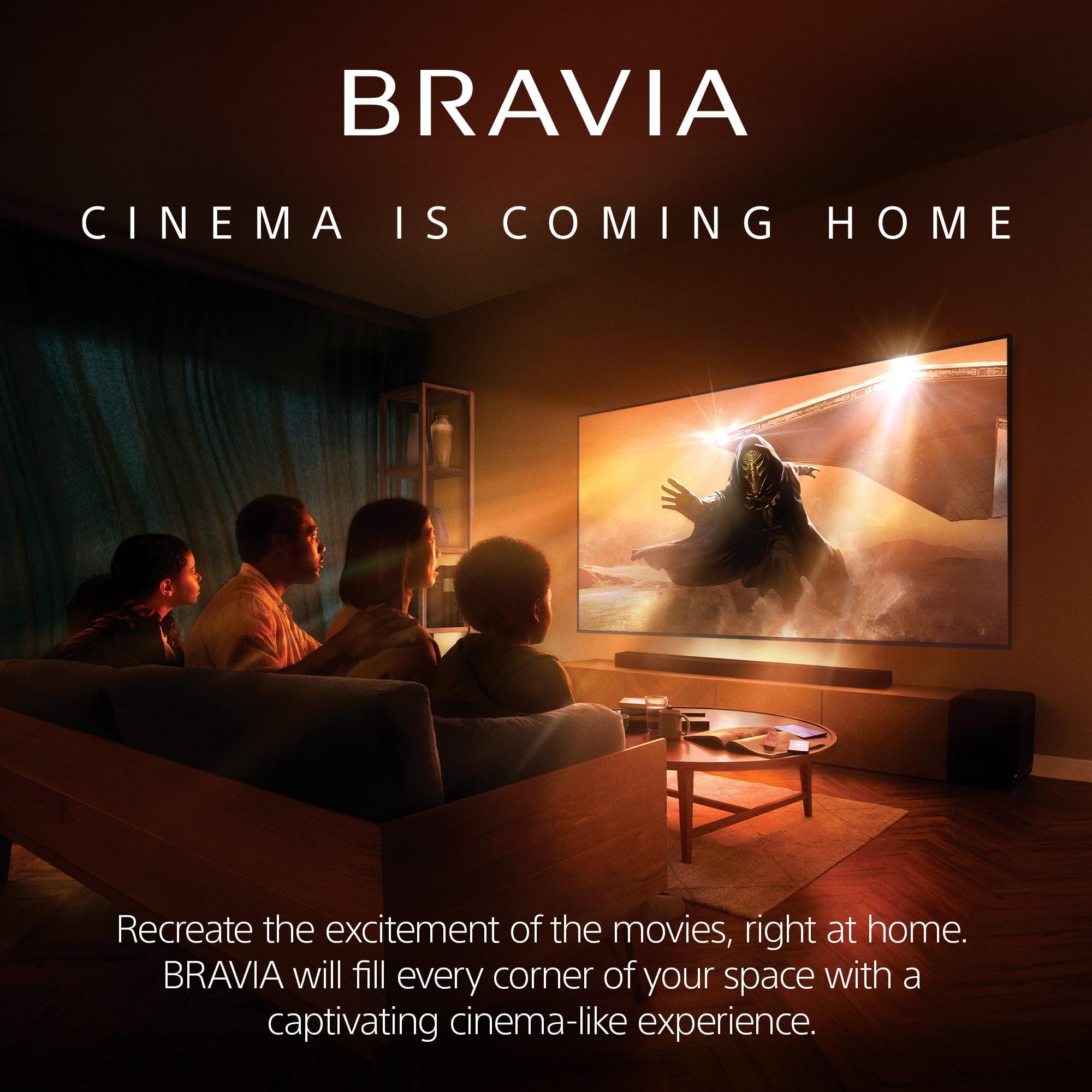
The Sony BRAVIA 5 excels in dark environments, delivering deep blacks that maintain detail while bright elements retain impact. This contrast capability is essential for proper movie presentation and creates the dramatic visual impact that defines premium home theater experiences.
Home theater enthusiasts often prioritize filmmaker intent and accurate content reproduction. The Sony BRAVIA 5's cinema-focused picture processing and comprehensive HDR support better preserve creative vision. Features like Filmmaker Mode disable unnecessary processing to display content exactly as directors intended.
The Samsung Q7F, while capable of basic home theater duty, lacks the precision and features that serious enthusiasts typically seek for optimal movie experiences.
After researching expert reviews, user experiences, and technical specifications, clear use cases emerge for each TV.
You're prioritizing upfront cost savings and your viewing habits center on basic streaming content in well-lit rooms. If you primarily watch standard streaming services, don't game on modern consoles, and prefer Samsung's ecosystem, the Q7F provides adequate 4K performance with vibrant colors at entry-level QLED pricing.
This TV works well for casual viewing scenarios where convenience matters more than ultimate picture quality. The reliable Samsung platform, decent upscaling, and bright, colorful images satisfy basic entertainment needs without premium features you might not utilize.
You value superior picture quality, own next-generation gaming consoles, or frequently watch premium HDR content. The BRAVIA 5 targets users who recognize and appreciate display technology advances and want comprehensive modern TV features.
This TV particularly suits movie enthusiasts, serious gamers, and anyone creating a dedicated viewing environment where picture quality improvements are readily apparent. The Mini LED technology, comprehensive gaming support, and superior HDR capabilities justify the premium for users who will benefit from these advances.
The approximately $400 price difference between these TVs represents a fundamental tier jump rather than incremental improvements. You're choosing between basic 4K functionality with enhanced colors versus premium display technology with future-proof connectivity and comprehensive features.
For most buyers seeking a 65-inch TV in 2025, the Sony BRAVIA 5 delivers exceptional value when available at typical sale pricing, offering technology and capabilities typically found in much more expensive TVs. The Samsung Q7F remains viable only for extremely budget-conscious purchases where its specific limitations align with viewing needs and priorities.
The decision ultimately depends on whether the superior picture quality, gaming capabilities, and future-proofing of the Sony BRAVIA 5 justify the additional investment for your specific viewing habits and long-term expectations.
| Samsung 65-Inch Q7F Series QLED Smart TV 2025 | Sony BRAVIA 5 65" Mini LED 4K Google TV 2025 |
|---|---|
| Display Technology - Core foundation affecting contrast and picture quality | |
| QLED with Quantum Dot color, no local dimming | Mini LED with 384 local dimming zones |
| Refresh Rate - Critical for gaming and smooth motion | |
| 60Hz (limited for modern gaming) | 120Hz (future-proof for all content) |
| HDR Support - Essential for premium streaming content | |
| HDR10+ only (missing Dolby Vision) | HDR10, Dolby Vision, HLG, IMAX Enhanced |
| Gaming Connectivity - Determines console compatibility | |
| 3x HDMI 2.0, no VRR support | 4x HDMI (2x HDMI 2.1), full VRR support |
| Picture Processor - Affects upscaling and image optimization | |
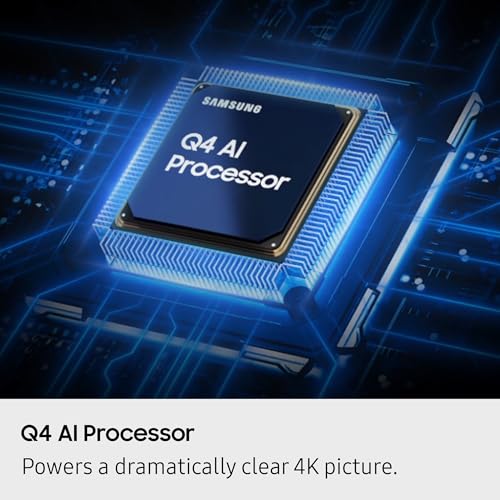
| Q4 AI Processor (basic enhancement) | XR Cognitive Processor (advanced AI processing) |
| Audio System - Built-in sound quality before adding soundbar | |
| 20W 2.0 channel with OTS Lite | 40W with Dolby Atmos and DTS:X |
| Smart Platform - Daily interface and app ecosystem | |
| Tizen 1 UI (streamlined version) | Google TV 12 (full-featured platform) |
| Local Dimming - Most important factor for contrast performance | |
| None (compromised black levels) | 384 zones (precise brightness control) |
| Peak Brightness - Affects HDR impact and room lighting tolerance | |
| Moderate (adequate for dim rooms) | High (excellent for bright rooms and HDR) |
| Target Price Range - Value positioning at time of writing | |
| Entry-level QLED pricing | Mid-range Mini LED with frequent discounts |
The Sony BRAVIA 5 Mini LED delivers significantly better picture quality for movies and streaming content. Its 384 local dimming zones create deep blacks and bright highlights simultaneously, making HDR content look dramatic and realistic. The Samsung Q7F QLED lacks local dimming entirely, resulting in grayish blacks that reduce contrast and movie immersion. For home theater viewing, the Sony BRAVIA 5 provides the cinematic experience most viewers expect from premium content.
Only the Sony BRAVIA 5 fully supports modern gaming consoles with its 120Hz refresh rate, HDMI 2.1 ports, and VRR technology. This allows PS5 and Xbox Series X games to run at 120fps with smooth, tear-free gameplay. The Samsung Q7F is limited to 60Hz with older HDMI 2.0 connections, preventing you from accessing high frame rate gaming modes on current consoles.
The Sony BRAVIA 5 handles bright rooms better due to its higher peak brightness and superior anti-reflection technology. While the Samsung Q7F produces vibrant colors, it struggles with glare and lacks the brightness needed to overcome strong ambient lighting. For living rooms with large windows, the Sony BRAVIA 5 maintains picture quality even during daytime viewing.
The Sony BRAVIA 5 runs Google TV with access to over 700,000 movies and shows, Google Assistant, and comprehensive app support. The Samsung Q7F uses a streamlined version of Samsung's Tizen platform with fewer features than higher-end models. Both support popular streaming apps, but the Sony BRAVIA 5 offers more advanced smart features and better integration with smart home devices.
The Sony BRAVIA 5 provides superior audio with its 40W system supporting Dolby Atmos and DTS:X for three-dimensional sound. The Samsung Q7F has basic 20W stereo speakers that are adequate for casual viewing but lack the power and immersion needed for movies and music. For users not planning to add a soundbar immediately, the Sony BRAVIA 5 offers significantly better built-in audio.
No, only the Sony BRAVIA 5 supports all major HDR formats including Dolby Vision, which is used by Netflix, Disney+, and other premium streaming services. The Samsung Q7F supports HDR10+ but lacks Dolby Vision, meaning you'll miss enhanced picture quality on many streaming platforms' highest-quality content.
The Sony BRAVIA 5 typically offers better long-term value despite its higher upfront cost. It includes Mini LED technology, comprehensive gaming features, and future-proof connectivity that extend its useful life. The Samsung Q7F provides basic 4K performance at a lower price but may feel outdated sooner due to its 60Hz limitation and missing modern features.
The Sony BRAVIA 5 excels in home theater environments with its superior contrast, comprehensive HDR support, and Filmmaker Mode that displays content as directors intended. The Samsung Q7F can work for basic home theater use but lacks the contrast performance and HDR capabilities that serious movie enthusiasts expect. For dedicated theater rooms, the Sony BRAVIA 5 is the clear choice.
Both TVs excel at color reproduction but with different approaches. The Samsung Q7F uses Quantum Dot technology for vibrant, saturated colors that pop in showrooms. The Sony BRAVIA 5 emphasizes natural, lifelike colors through its XR Triluminos Pro system. For vivid, eye-catching colors, choose the Samsung Q7F; for realistic, cinema-accurate colors, the Sony BRAVIA 5 is superior.
The Sony BRAVIA 5 is more future-proof with its 120Hz capability, HDMI 2.1 support, and comprehensive HDR format compatibility. As streaming services and gaming consoles increasingly support higher frame rates, the Samsung Q7F's 60Hz limitation may feel restrictive. The Sony BRAVIA 5 will handle new content standards and gaming advances for years longer.
The Sony BRAVIA 5 works excellently for PC gaming with its 120Hz refresh rate, VRR support, and low input lag. It can display high frame rate games smoothly and supports both NVIDIA G-SYNC and AMD FreeSync technologies. The Samsung Q7F is limited to 60Hz, making it unsuitable for high-performance PC gaming but adequate for basic computer tasks.
If budget is your primary concern, the Samsung Q7F provides decent 4K performance with vibrant colors at a lower price point. However, consider that the Sony BRAVIA 5 frequently goes on sale and offers significantly more features and better performance. The price difference often justifies the substantial upgrade in picture quality, gaming capability, and longevity that the Sony BRAVIA 5 provides.
We've done our best to create useful and informative comparisons to help you decide what product to buy. Our research uses advanced automated methods to create this comparison and perfection is not possible - please contact us for corrections or questions. These are the sites we've researched in the creation of this article: bestbuy.com - rtings.com - bestbuy.com - youtube.com - youtube.com - youtube.com - samsung.com - samsung.com - samsung.com - billsmith.com - costco.com - samsung.com - hometechnologyreview.com - hometechnologyreview.com - bestbuy.com - samsung.com - bestbuy.com - samsung.com - hometechnologyreview.com - samsung.com - samsung.com - rtings.com - pro.sony - youtube.com - electronics.sony.com - electronics.sony.com - electronics.sony.com - bestbuy.com - electronics.sony.com - youtube.com - bestbuy.com - videoandaudiocenter.com - valueelectronics.com - youtube.com - sony.ca - perpichtv.com - sony.com - displayspecifications.com - pioneertvandappliance.com - flatpanelshd.com

Privacy Policy
Terms and Conditions - Affiliate Policy
Home Security
© Copyright 2008-2026.
11816 Inwood Rd #1211, Dallas, TX 75244