


When you're shopping for a 65-inch smart TV in 2025, you're entering a market with almost overwhelming choices. At one end, you have budget-friendly models that deliver surprisingly good performance for the money. At the other, premium flagship TVs that push the boundaries of what's possible with display technology. This comparison examines two TVs that represent these opposing philosophies: the Hisense 65" QD6 Series Hi-QLED Fire TV and the Samsung QN900D Series 65" Neo QLED 8K Smart TV.
The price gap between these models is substantial – at the time of writing, you could buy six or seven Hisense units for the cost of one Samsung flagship. But raw price doesn't tell the whole story. Understanding what you actually get for your money requires diving into the technical details and real-world performance differences.
Before we compare these specific models, it's worth understanding what separates budget TVs from premium ones in 2025. The most obvious difference is resolution – 4K versus 8K – but that's just the beginning. Premium TVs typically feature advanced backlighting systems, more powerful processors, better color reproduction, and gaming features that budget models simply can't match.
Quantum dots, found in both TVs, are microscopic particles that enhance color reproduction when hit by light. Think of them as tiny color filters that make reds redder and blues bluer. Mini-LED backlighting, found only in premium models like the Samsung QN900D, uses thousands of tiny LEDs instead of larger ones, allowing for precise control over brightness in different areas of the screen.
Local dimming is crucial for contrast – it's the TV's ability to make parts of the screen darker while keeping other parts bright. Imagine watching a movie with a bright explosion against a dark night sky. Without local dimming, the entire screen brightens, making blacks look gray. With good local dimming, only the explosion area gets bright while the sky stays dark.
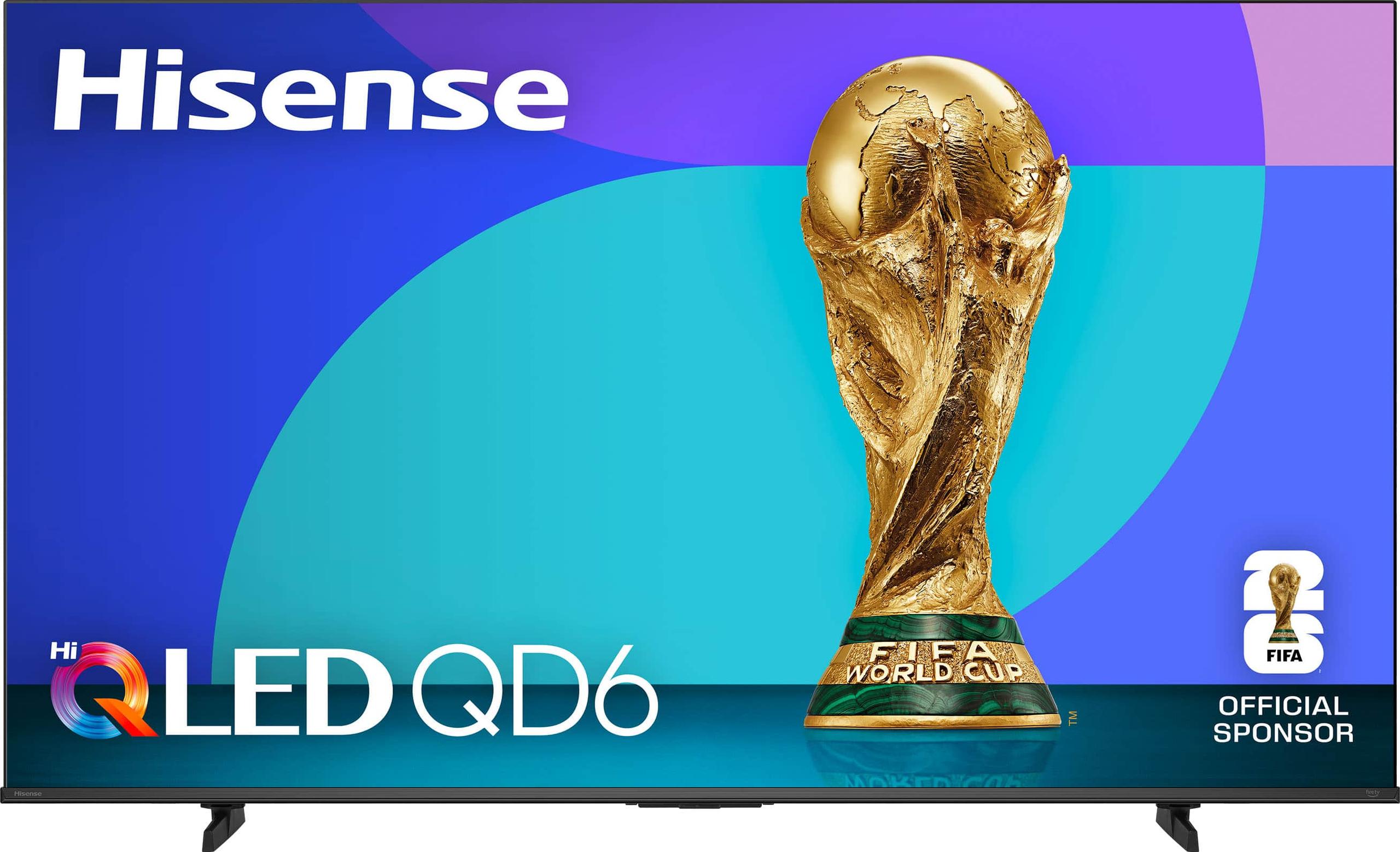
Released in 2025, the Hisense QD6 represents the evolution of budget TV technology. Hisense has made significant strides since 2020, when budget TVs often meant sacrificing picture quality entirely. The QD6 incorporates quantum dot technology that was previously reserved for much more expensive models.
The TV uses a VA panel – a type of LCD screen that excels at contrast but has narrower viewing angles than IPS panels. This means colors and brightness remain consistent when you're sitting directly in front, but can shift when viewed from the side. For most living rooms, this isn't a problem unless you regularly have large groups watching from various angles.
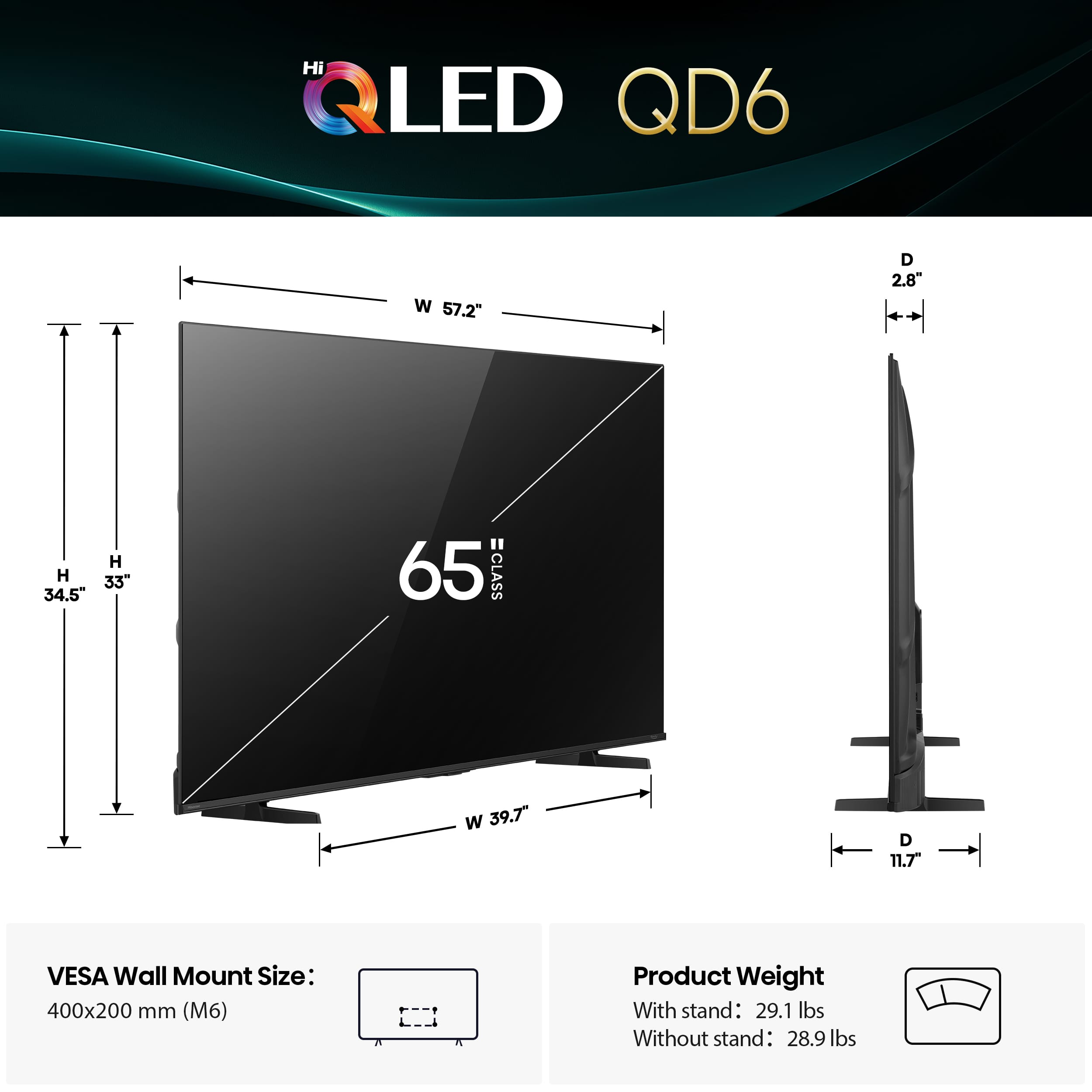
Direct LED backlighting means the LEDs are positioned behind the entire screen rather than just around the edges. This provides more uniform brightness than edge-lit displays, though it makes the TV slightly thicker. However, the Hisense QD6 lacks local dimming zones, meaning the entire backlight brightens or dims together rather than in sections.
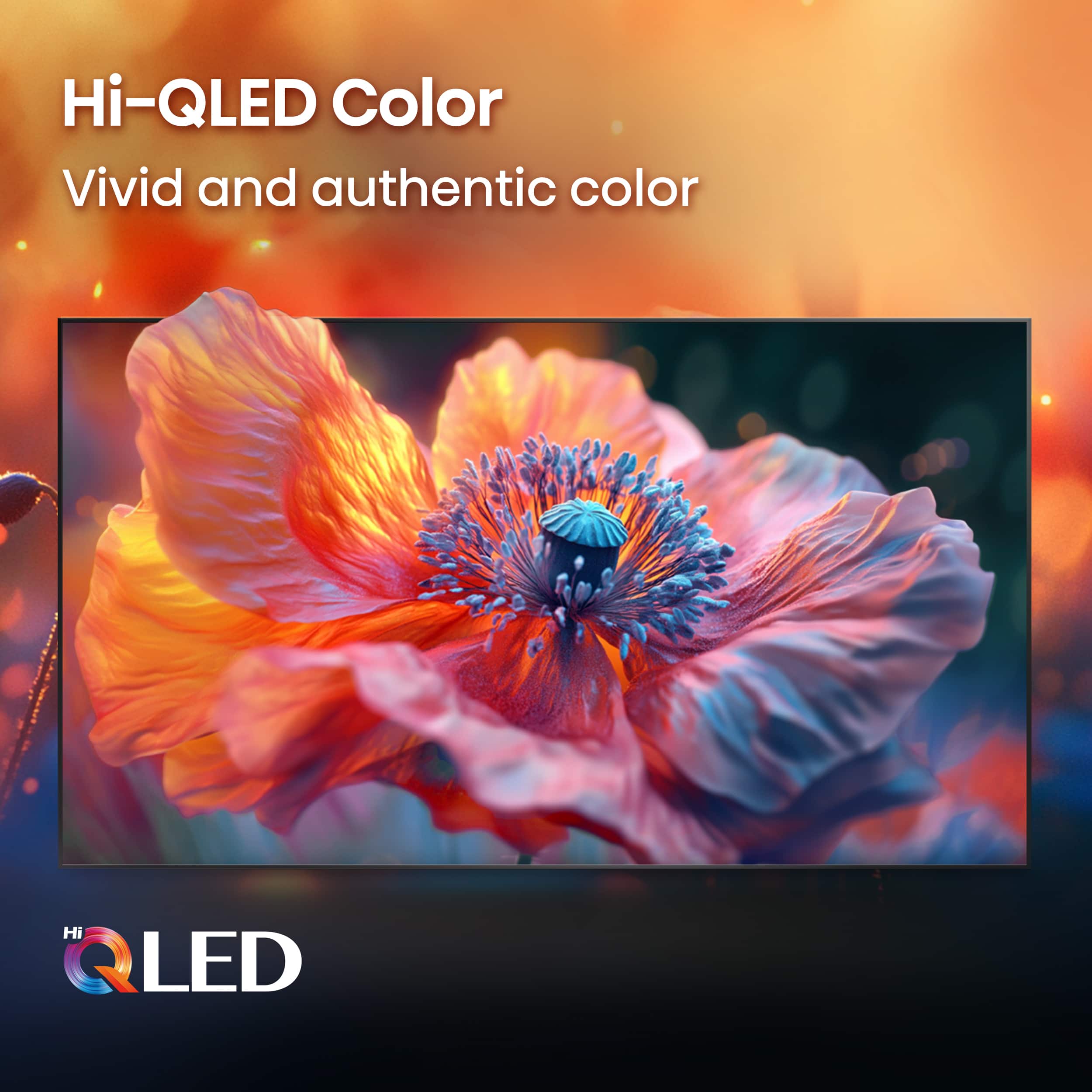
The Hi-QLED branding refers to Hisense's implementation of quantum dot technology. While not as advanced as premium QLED systems, it still delivers about 90% coverage of the DCI-P3 color gamut – the standard used for digital cinema. This translates to more vibrant, lifelike colors compared to standard LED TVs.
Peak brightness reaches approximately 385 cd/m², which is decent for moderately lit rooms but struggles against direct sunlight. For comparison, premium TVs often exceed 1000 cd/m², making them suitable for bright living rooms with large windows.
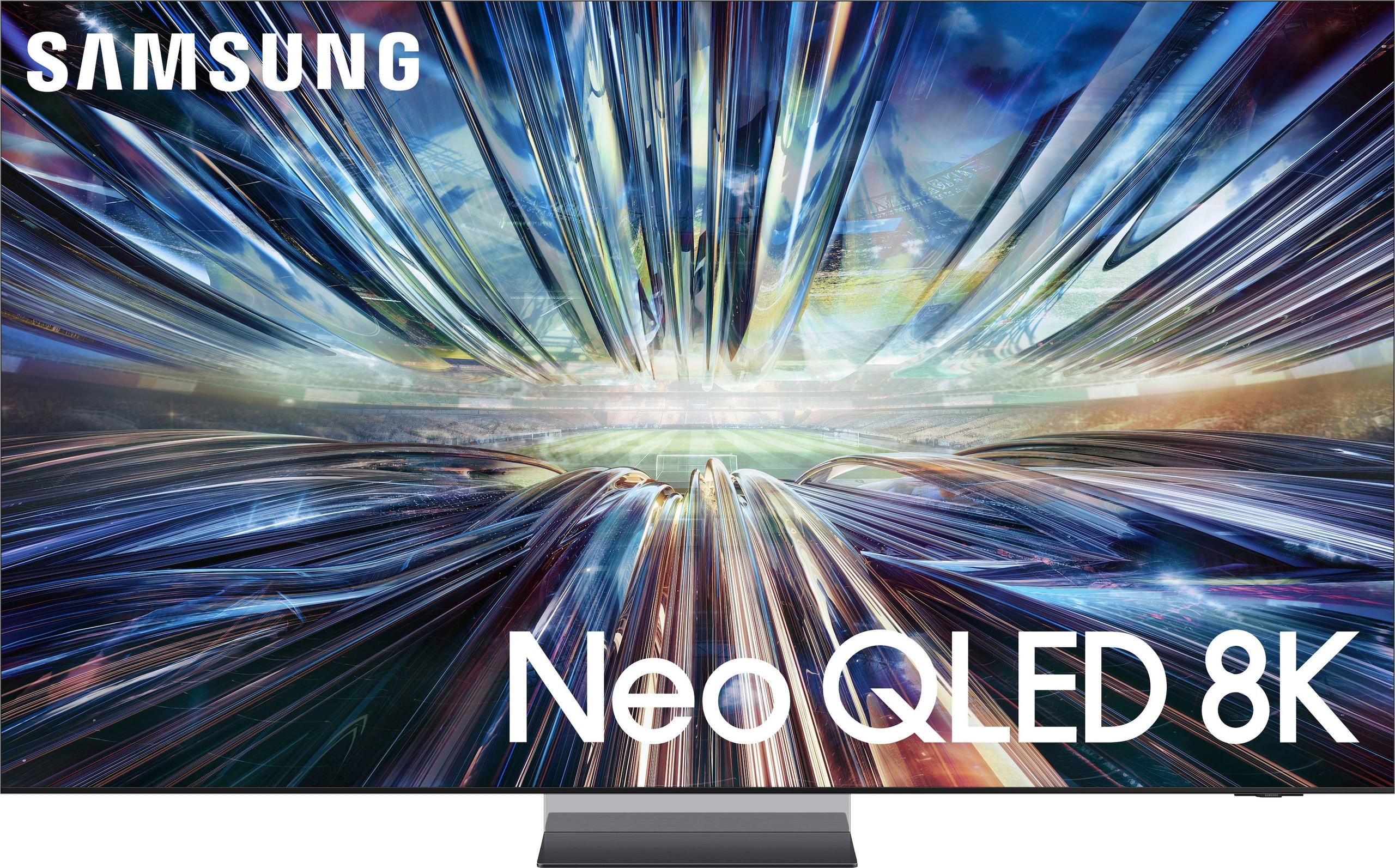
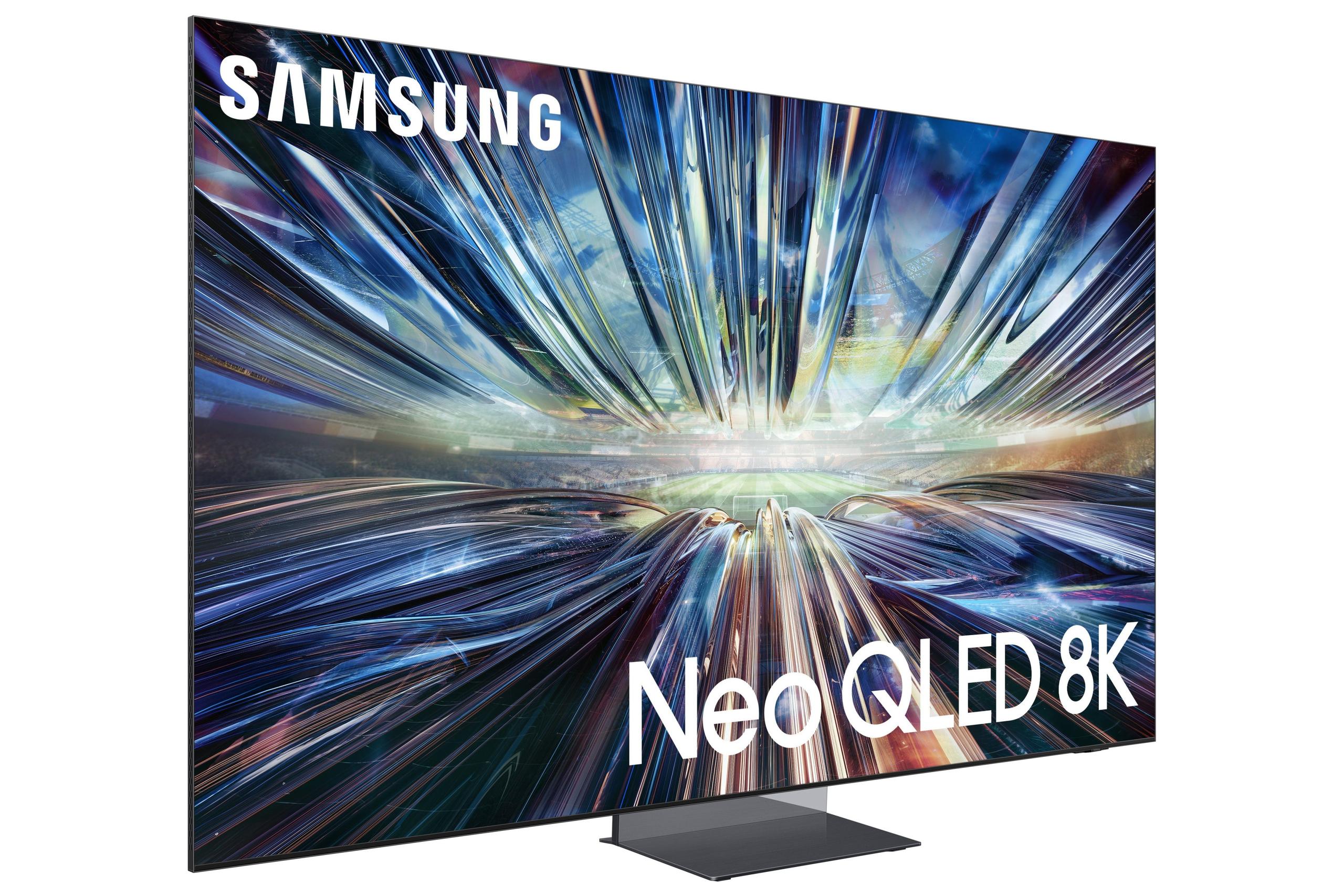
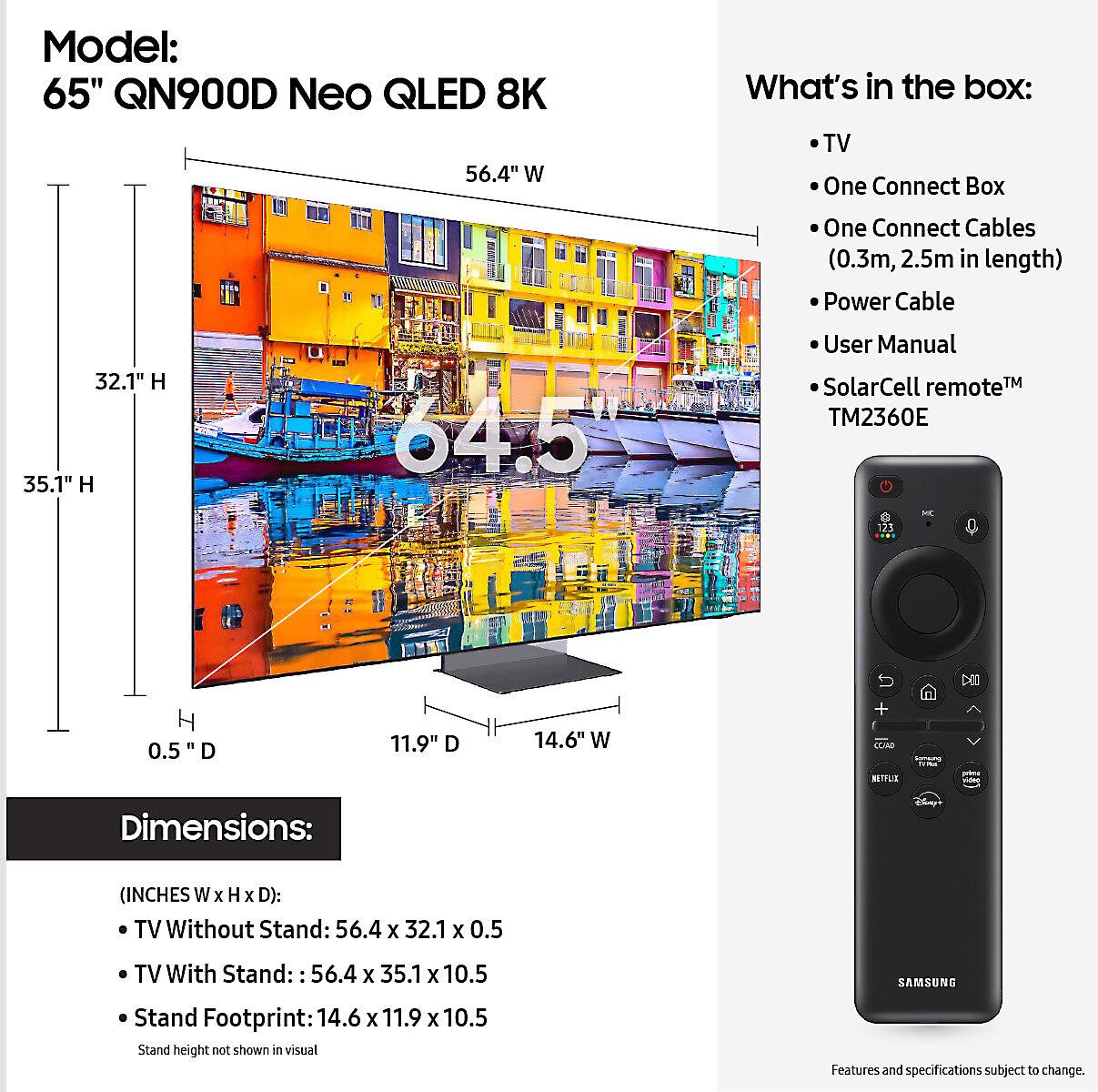
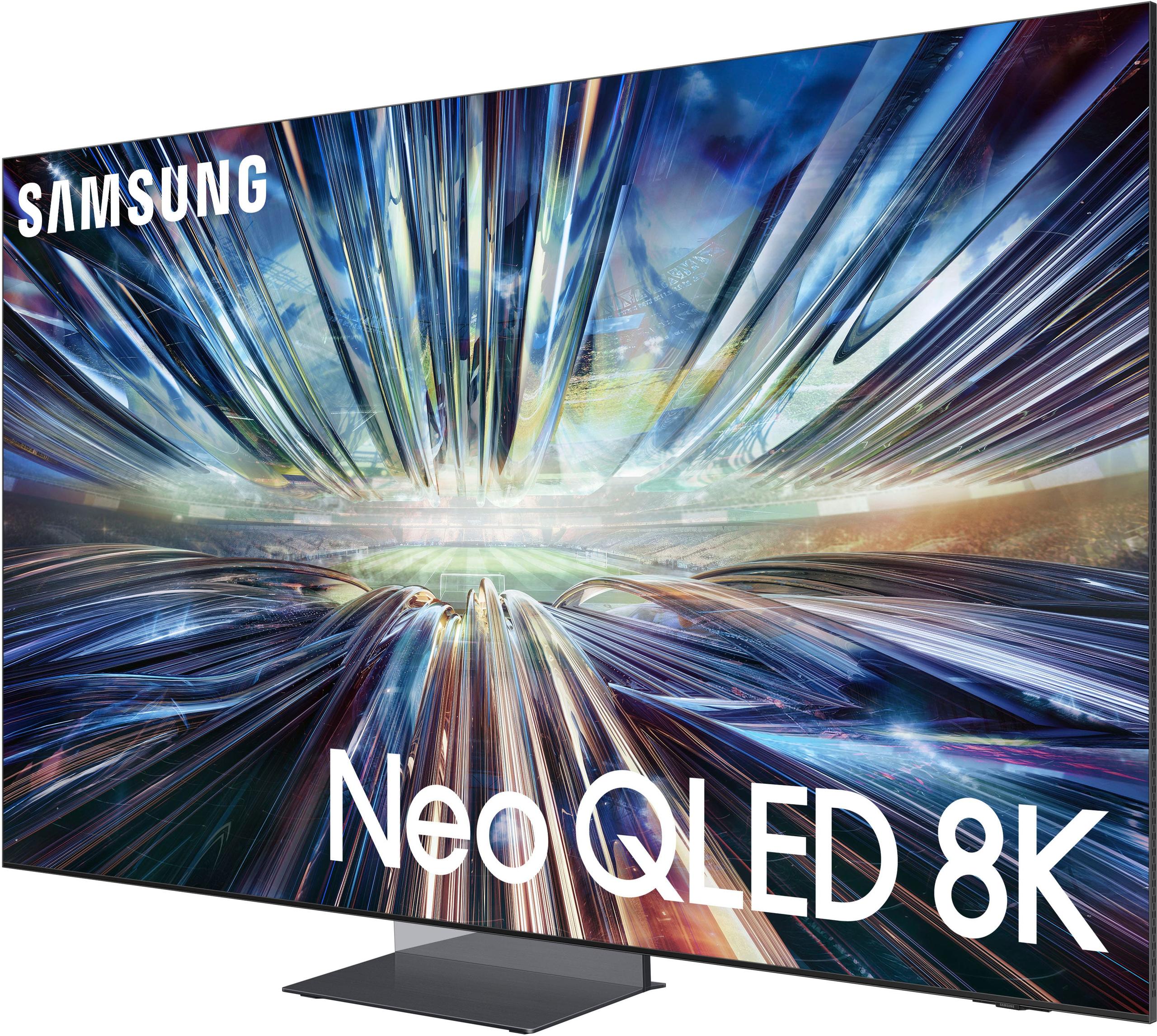
Samsung's 2024 flagship represents the current pinnacle of consumer TV technology. The Samsung QN900D incorporates Mini-LED backlighting with thousands of individual dimming zones, 8K resolution, and Samsung's most advanced processor.
Neo QLED is Samsung's branding for their Mini-LED quantum dot TVs. The "Neo" refers to the incredibly small LED modules – each about 1/40th the size of conventional LEDs. This allows for thousands of local dimming zones across the screen, enabling precise contrast control that approaches OLED performance without the burn-in concerns.
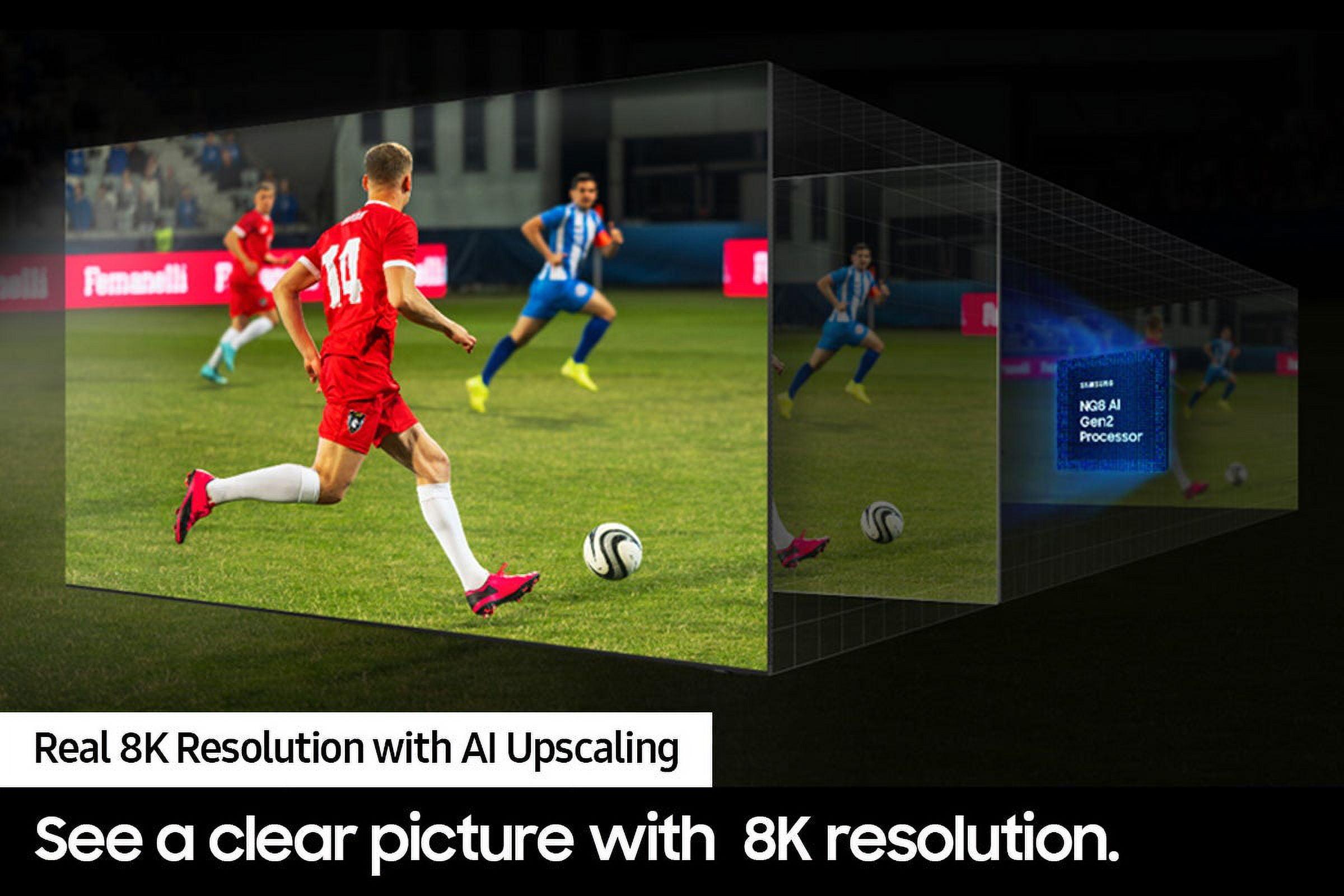
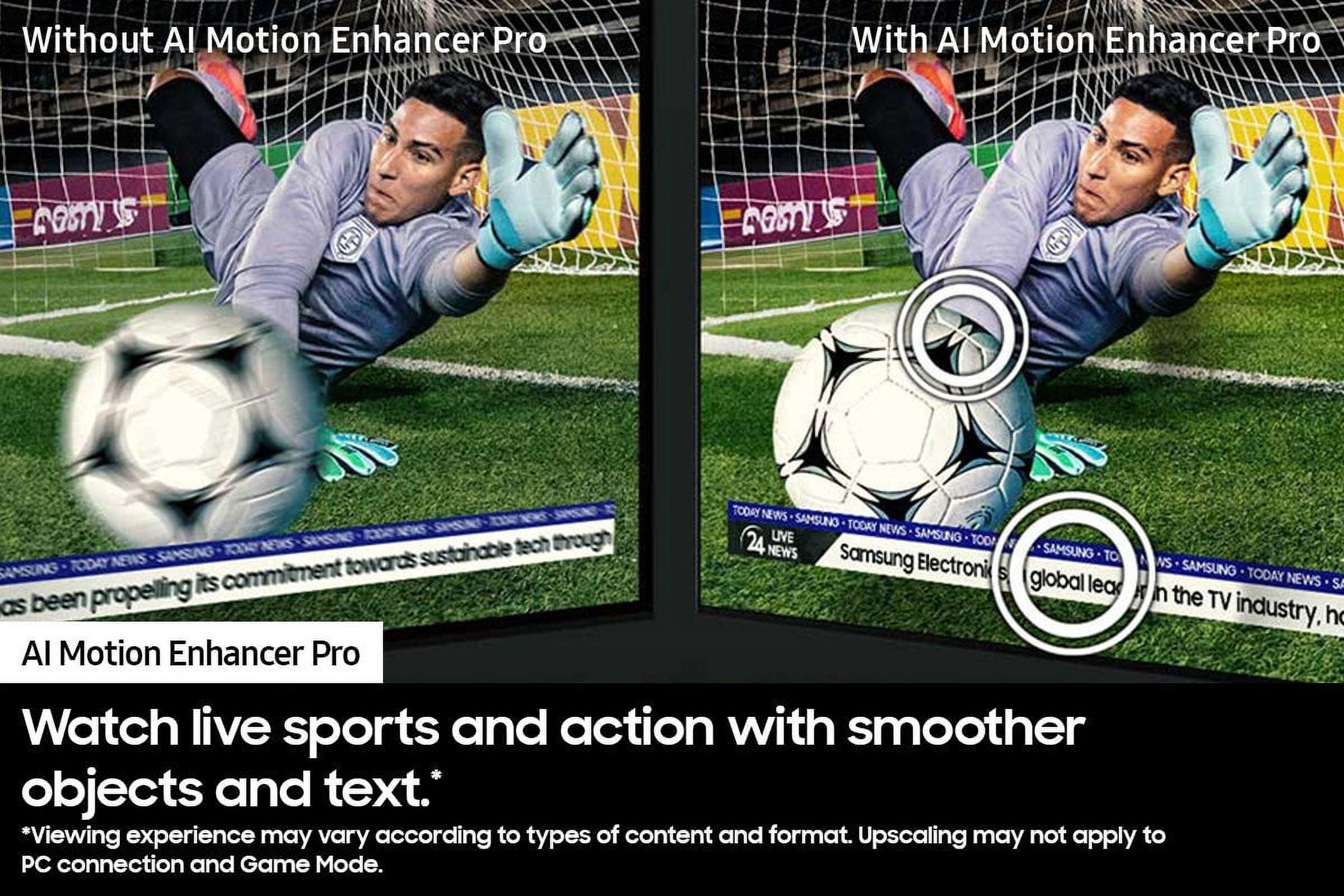
The NQ8 AI Gen3 processor is the real star here. This chip is reportedly twice as fast as Samsung's 2024 4K TV processors, enabling real-time 8K upscaling that can make 4K content look noticeably sharper. The AI analyzes each frame, identifying objects, textures, and edges to enhance them appropriately.
8K resolution provides four times the detail of 4K, though native 8K content remains limited. However, the upscaling technology genuinely improves lower-resolution content, particularly noticeable on larger screens or when sitting closer to the TV.
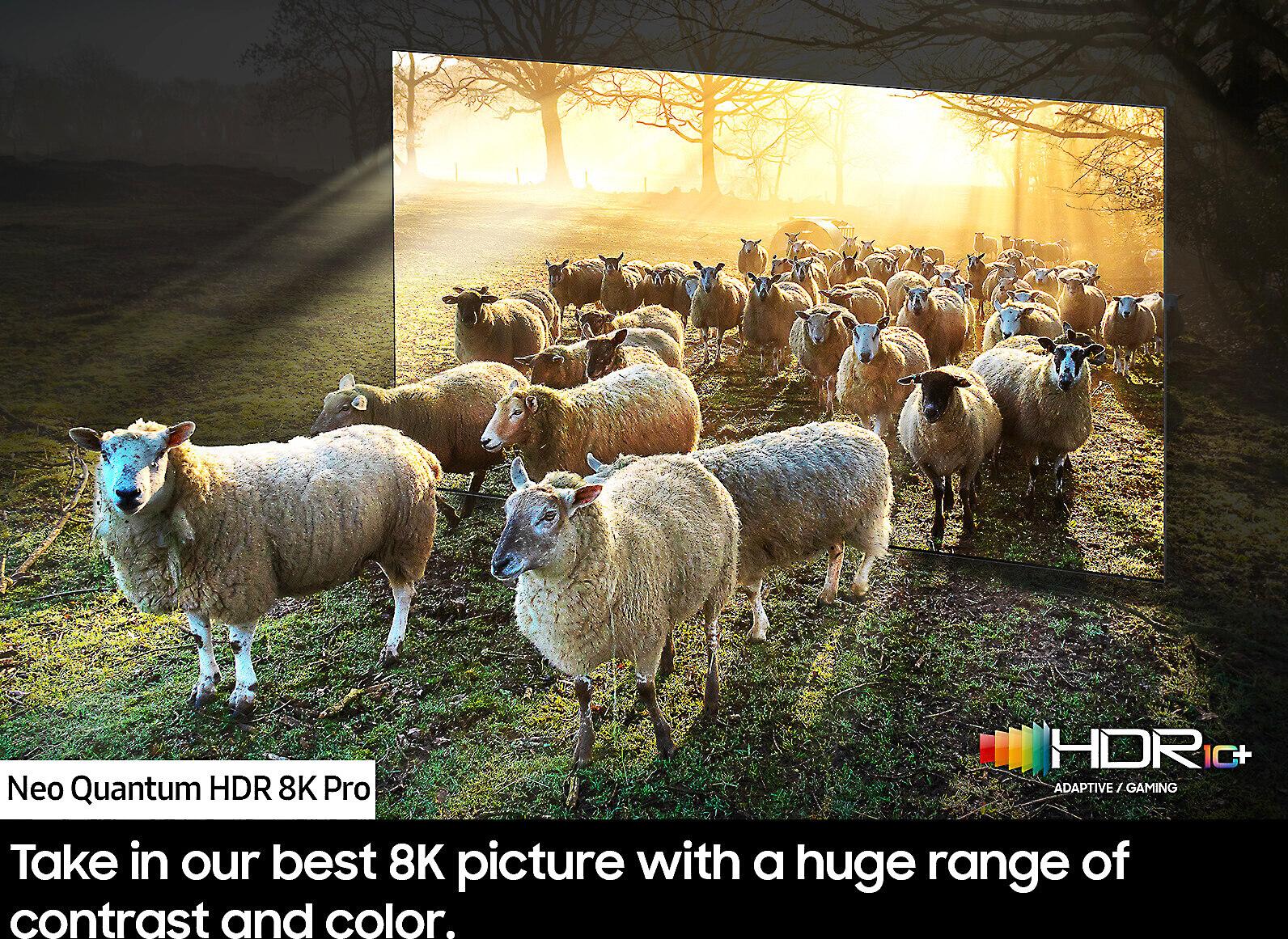
Quantum Matrix Technology Pro provides more precise control over the Mini-LED zones compared to standard quantum matrix systems. This results in better contrast, reduced blooming (unwanted light around bright objects), and more accurate colors in both bright and dark scenes.
The resolution difference between these TVs is immediately apparent with high-quality content. The Samsung QN900D's 8K display provides noticeably sharper text, finer texture detail, and more defined edges. However, the impact varies significantly based on screen size, viewing distance, and source material.
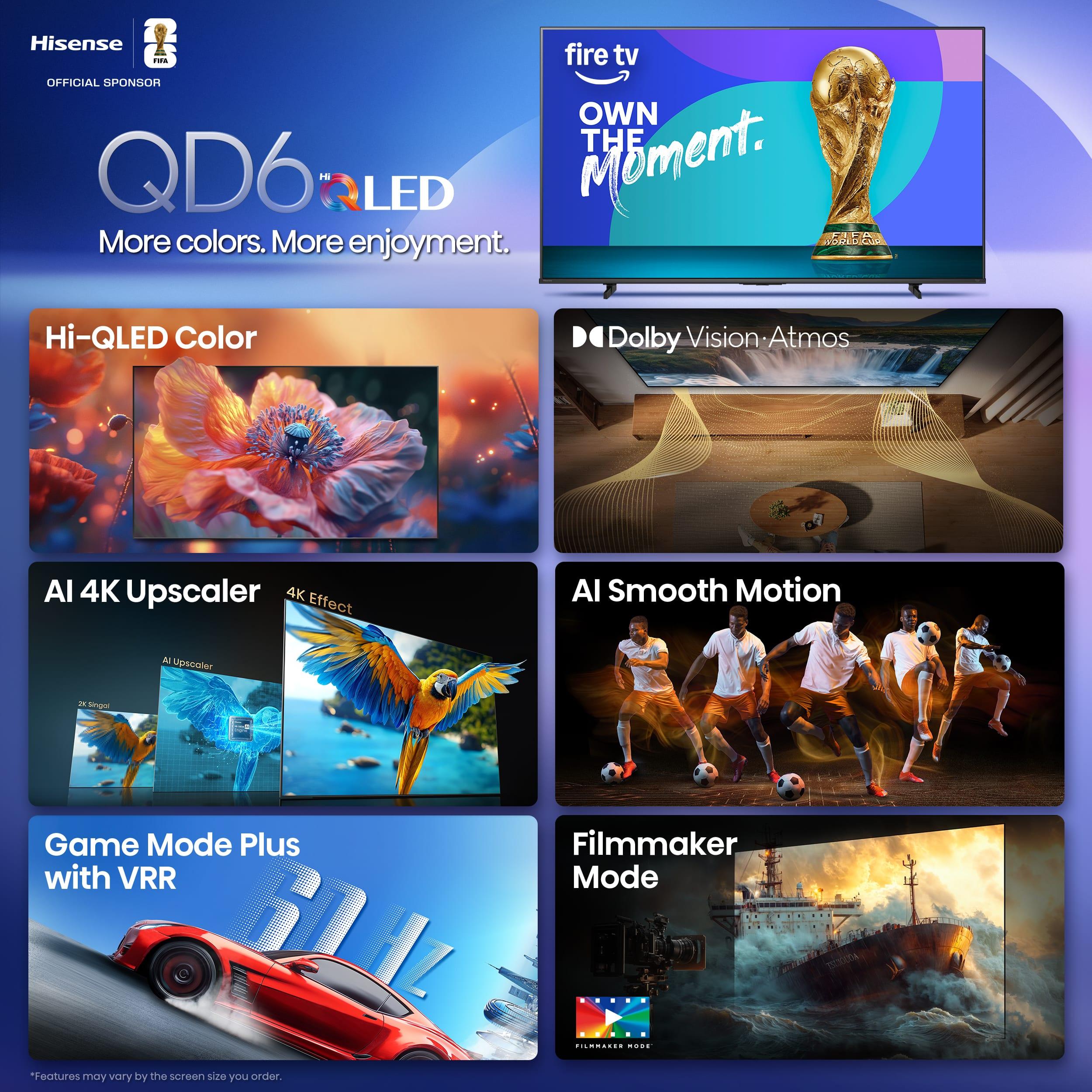
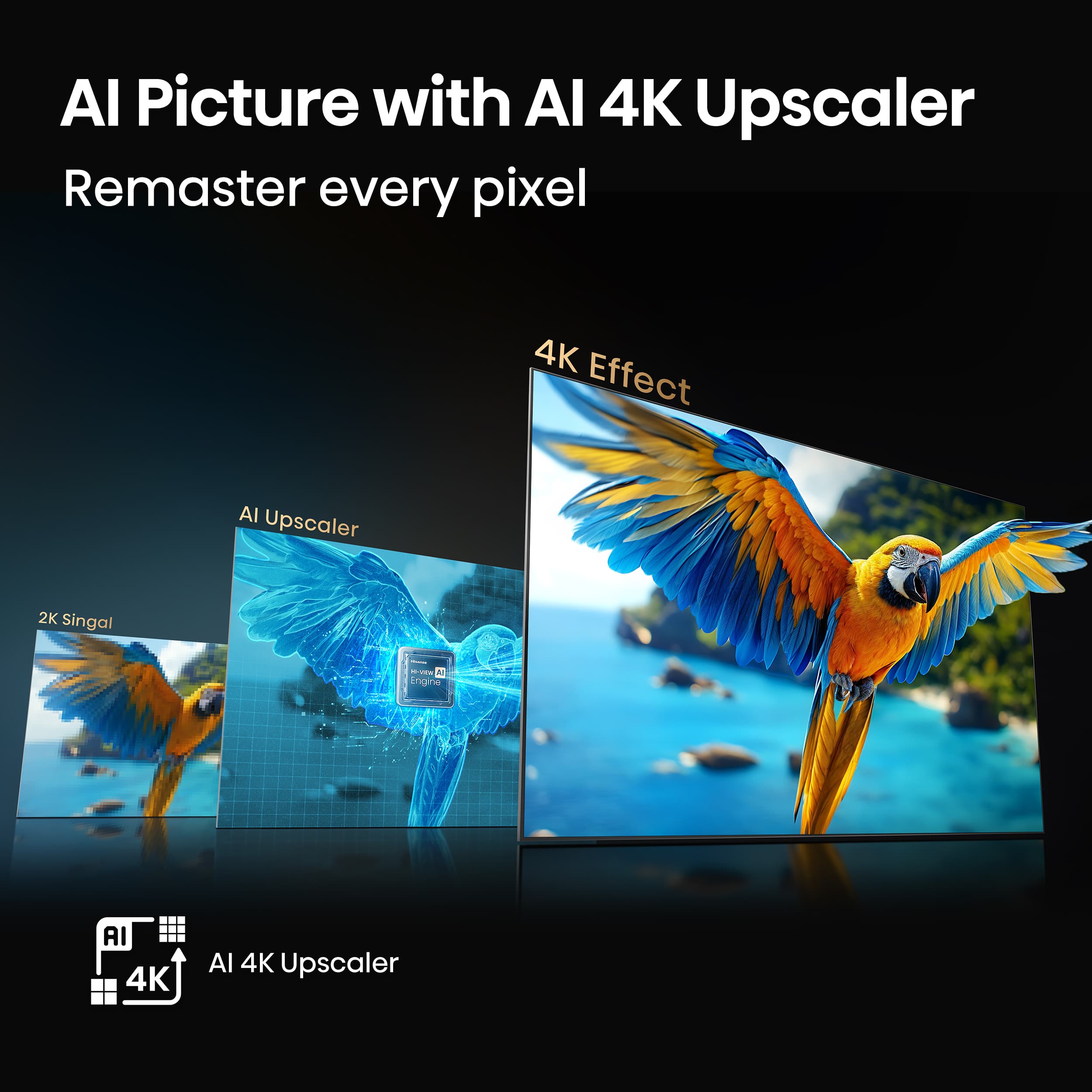
For most viewers sitting 8-10 feet from a 65-inch screen, the difference between good 4K and 8K is noticeable but not necessarily transformative. The Hisense QD6's AI 4K upscaling does an admirable job enhancing HD content to near-4K quality, though it can't match the Samsung's more sophisticated processing.
This is where the price difference becomes most apparent. HDR (High Dynamic Range) content is mastered with peak brightness levels of 1000-4000 nits, but the Hisense QD6 can only produce about 385 nits. This means HDR highlights appear dim and flat rather than the brilliant, eye-catching peaks they're supposed to be.
The Samsung QN900D easily exceeds 1000 nits and likely approaches 2000+ nits in peak highlights. This makes HDR content genuinely impactful – bright reflections on water, sunlight streaming through windows, and explosions all have the visual punch that filmmakers intended.
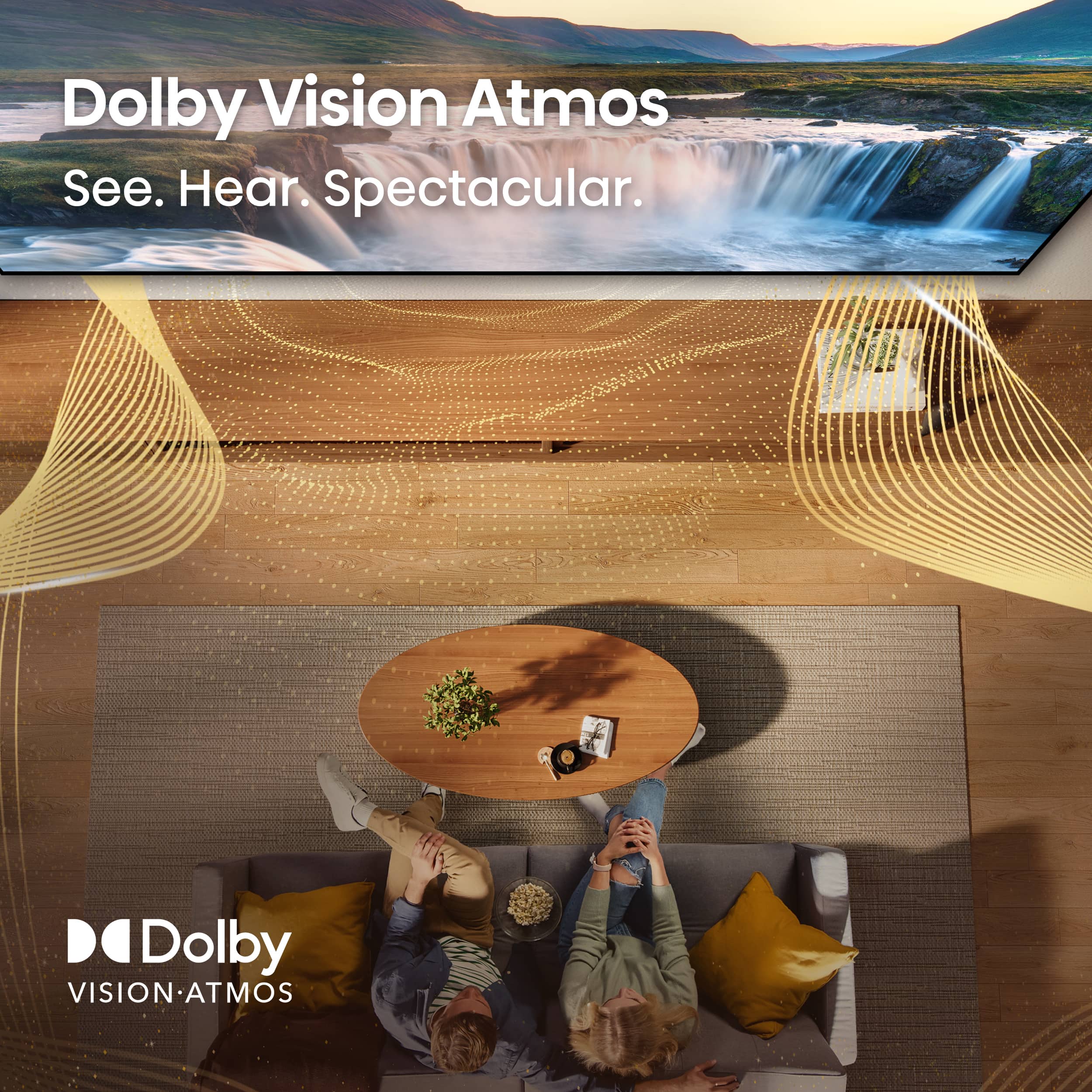
Both TVs support Dolby Vision, which provides scene-by-scene metadata to optimize HDR presentation. However, Dolby Vision can only work with what the display hardware provides. On the Hisense, it's like having a Ferrari engine in a compact car – the technology is there, but the hardware limits its effectiveness.
Both TVs use quantum dot technology, but implementation matters. The Hisense QD6 covers about 90% of the DCI-P3 color space, which is good for its price range. Colors appear vibrant and well-saturated, particularly in HDR content.
The Samsung QN900D achieves wider color coverage and better color volume – the ability to reproduce saturated colors at various brightness levels. This means bright yellows stay yellow instead of becoming pale, and dark blues remain rich rather than turning black.
The contrast difference is stark. The Hisense QD6's VA panel provides decent native contrast, but without local dimming, bright scenes cause blacks to appear gray across the entire screen. This is particularly noticeable in dark movie scenes with bright elements like candles or windows.
The Samsung QN900D's Mini-LED system provides contrast that rivals OLED displays. Thousands of dimming zones can independently adjust brightness, keeping blacks truly black even when bright elements appear elsewhere on screen. This dramatically improves the cinematic experience, especially in dark rooms.
Gaming has become a crucial TV consideration since the release of PlayStation 5 and Xbox Series X consoles in 2020. Both TVs support basic gaming features, but the implementation differs significantly.
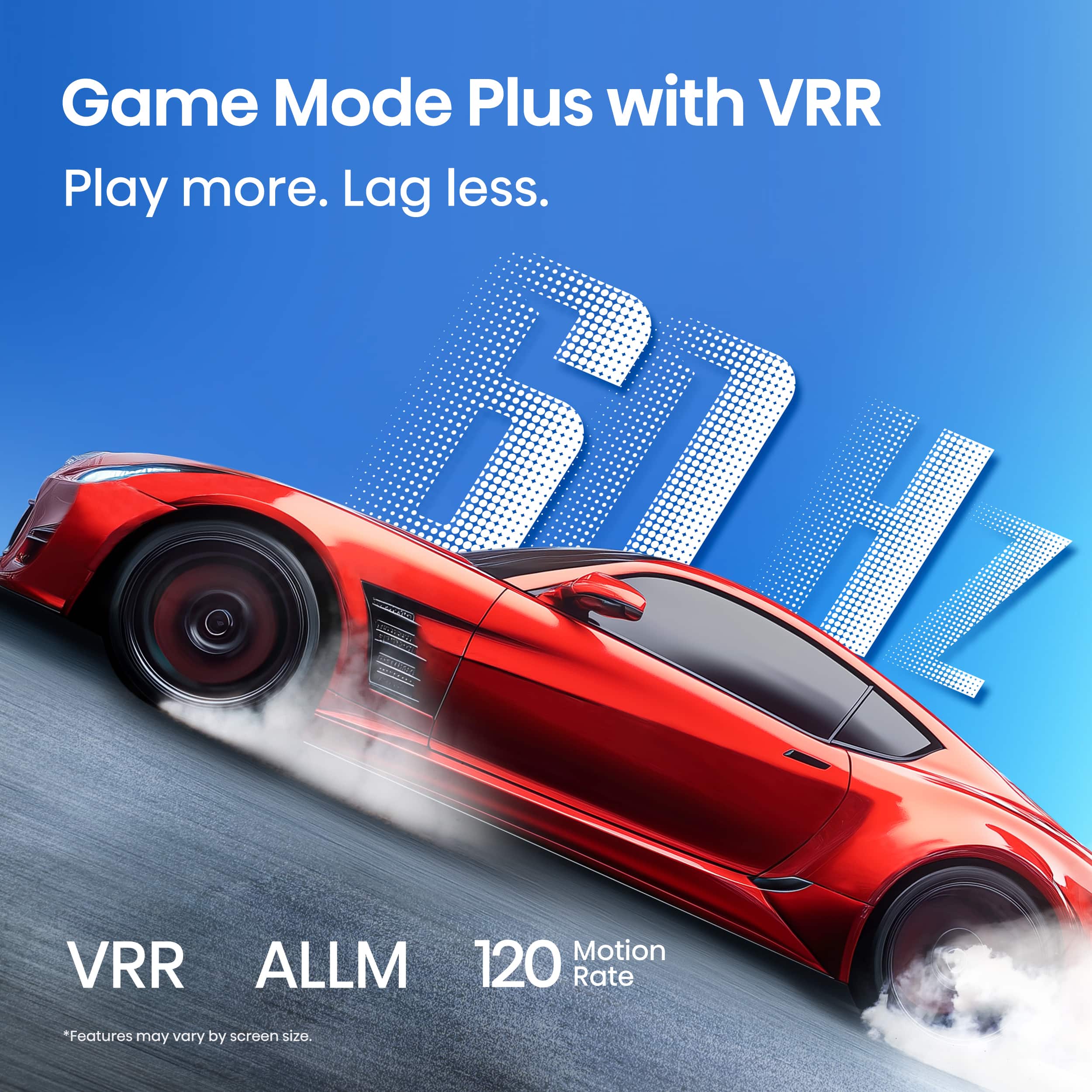
The Hisense QD6 includes VRR (Variable Refresh Rate) and ALLM (Auto Low Latency Mode) – features that were premium-only just a few years ago. VRR synchronizes the TV's refresh rate with the console's frame rate, eliminating screen tearing. ALLM automatically enables game mode when gaming consoles are detected, reducing input lag to about 10.2 milliseconds.
However, the Hisense is limited to 60Hz refresh rates due to its HDMI 2.0 ports. This means games are capped at 60fps, which is fine for most console games but limiting for PC gaming or future console capabilities.
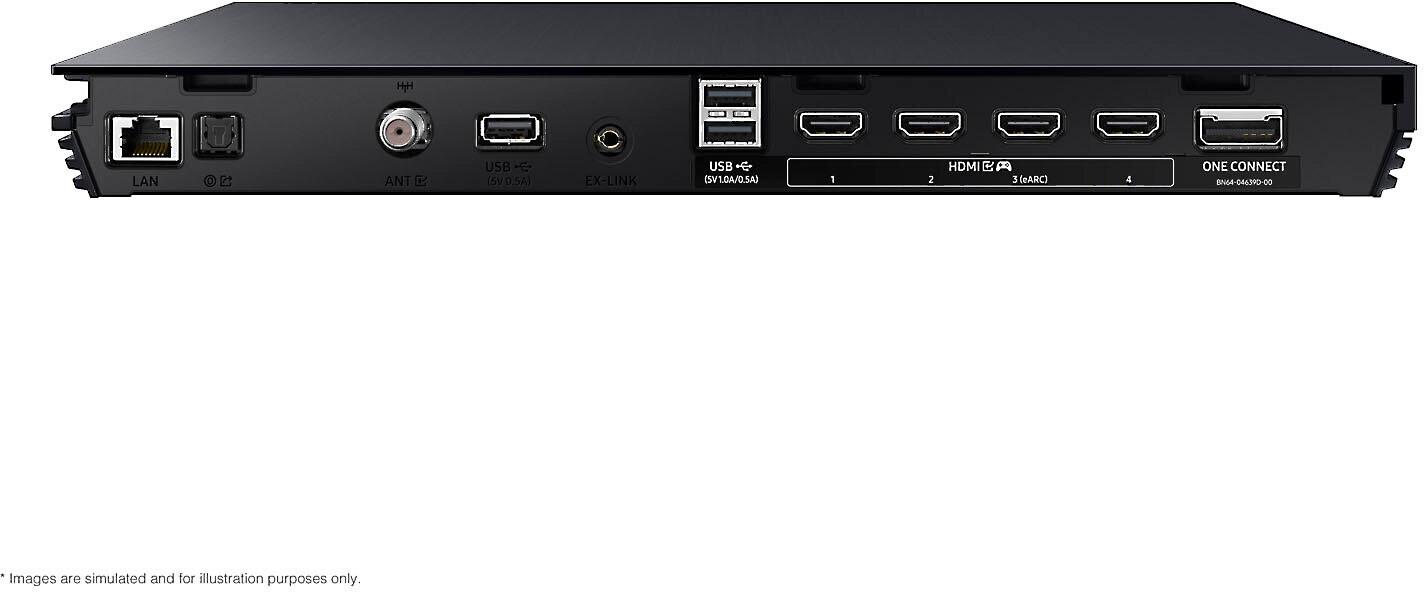
The Samsung QN900D features four HDMI 2.1 ports supporting up to 4K at 240Hz or 8K at 60Hz. This future-proofs the TV for next-generation gaming while providing incredibly smooth motion in compatible games. The 100Hz native panel with sophisticated motion processing makes fast-paced games noticeably smoother than 60Hz displays.
Input lag on the Samsung is even lower, and it supports more advanced VRR implementations including AMD FreeSync and NVIDIA G-Sync compatibility. For serious gamers, especially PC enthusiasts, the Samsung provides a significantly better experience.
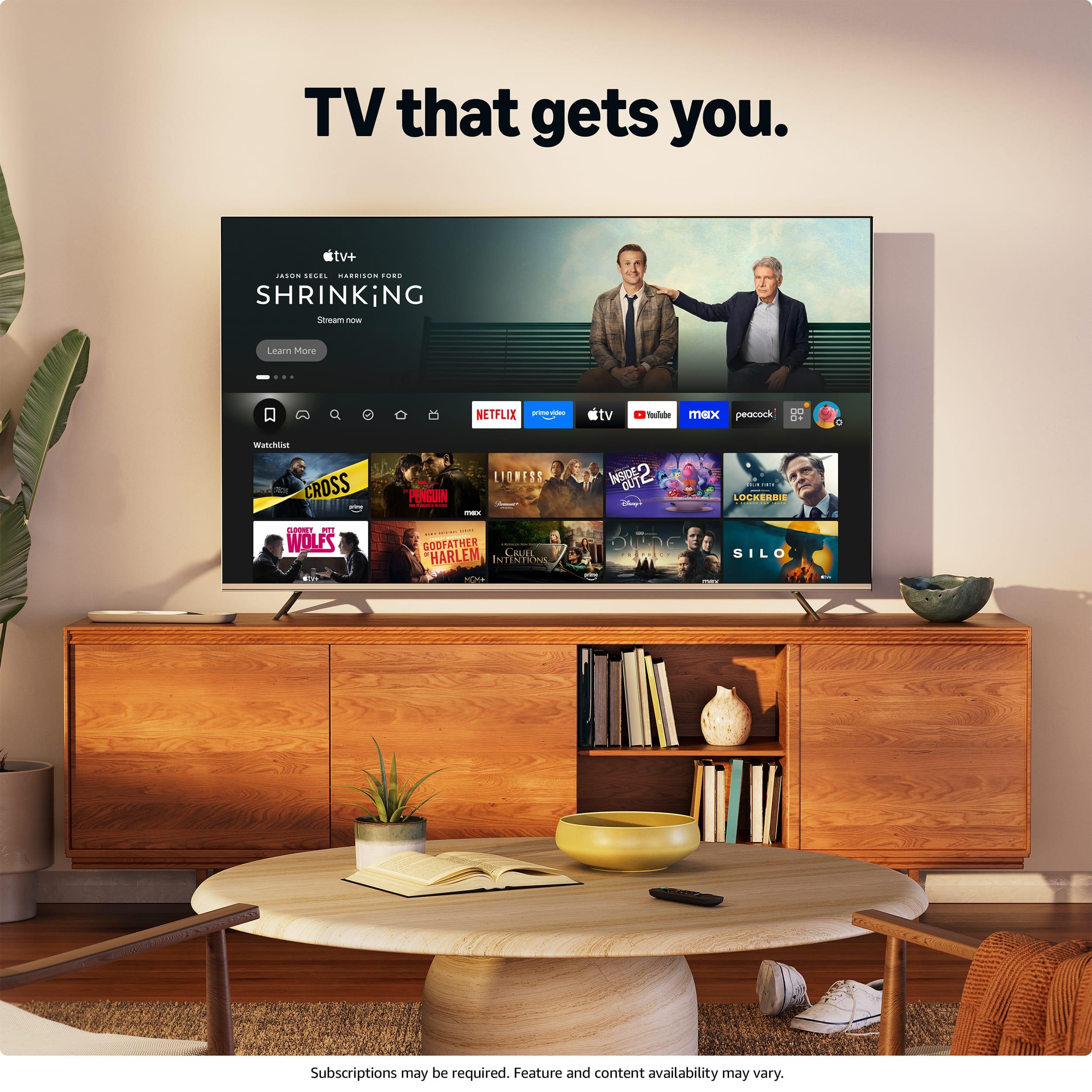
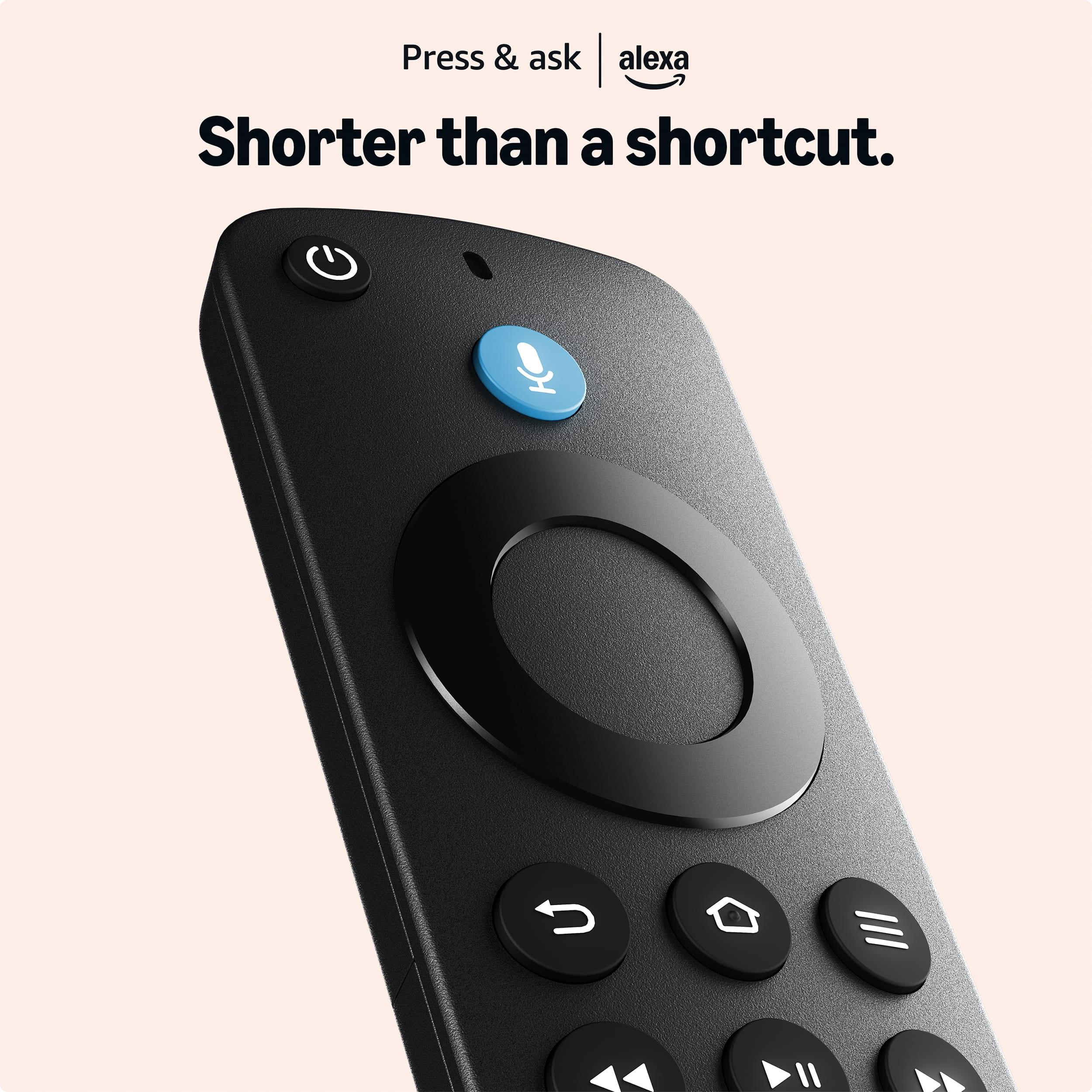
The Hisense QD6 runs Fire TV, Amazon's streaming platform that integrates deeply with Alexa voice control. Fire TV offers excellent app selection and intuitive navigation, though some users report occasional menu lag on budget hardware.
The Samsung QN900D uses Tizen, Samsung's proprietary smart TV platform. Powered by the advanced NQ8 processor, Tizen runs noticeably smoother with faster app loading and more responsive navigation. Both platforms support all major streaming services, though Fire TV has slightly better integration with Amazon's ecosystem.
For smart home enthusiasts, the Samsung includes SmartThings Hub functionality, allowing it to control compatible IoT devices directly. This is particularly useful for those already invested in Samsung's smart home ecosystem.
TV speakers are often overlooked, but they matter for users who don't want external sound systems. The Hisense QD6 includes basic Dolby Atmos support through its built-in speakers, providing some spatial audio effects though not true overhead sound.
The Samsung QN900D features a much more sophisticated 6.2.4 channel system with 90 watts of power. Object Tracking Sound moves audio effects across the screen to match on-screen action, while 360 Audio creates a more immersive soundscape. The difference is immediately noticeable, though serious home theater enthusiasts will still prefer dedicated sound systems.
For dedicated home theater setups, the performance gap widens considerably. The Samsung QN900D's superior contrast, brightness, and color accuracy make it a more convincing cinema replacement. Its Filmmaker Mode preserves directors' original color and contrast intentions, while advanced motion processing handles 24fps film content properly.
The Hisense QD6 can serve well in casual home theaters, but its limited brightness and lack of local dimming make it less suitable for critical viewing. Dark room performance suffers when bright highlights appear, breaking the cinematic illusion.
However, for secondary viewing areas or families prioritizing value, the Hisense provides surprisingly good performance that most viewers will find satisfying.
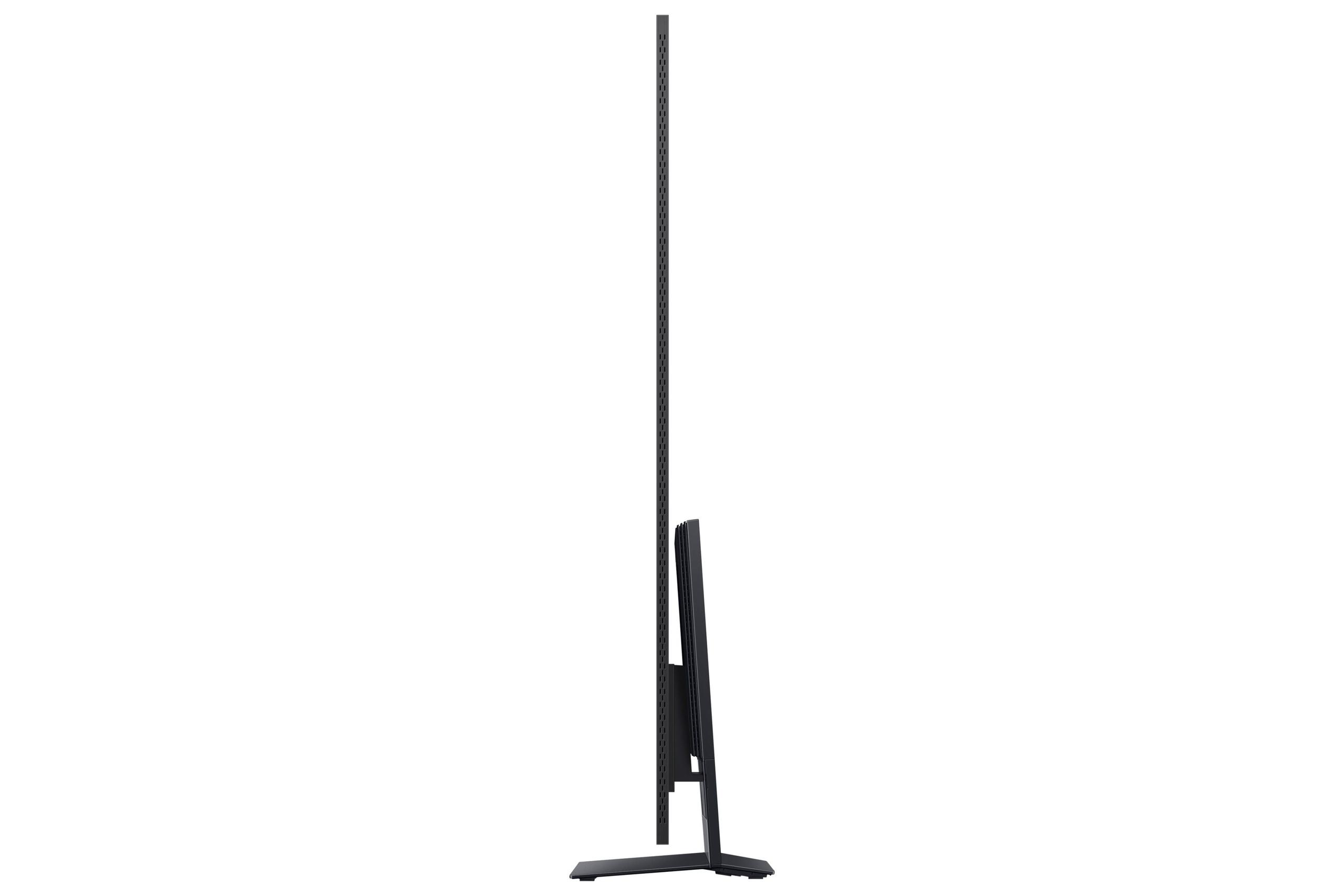
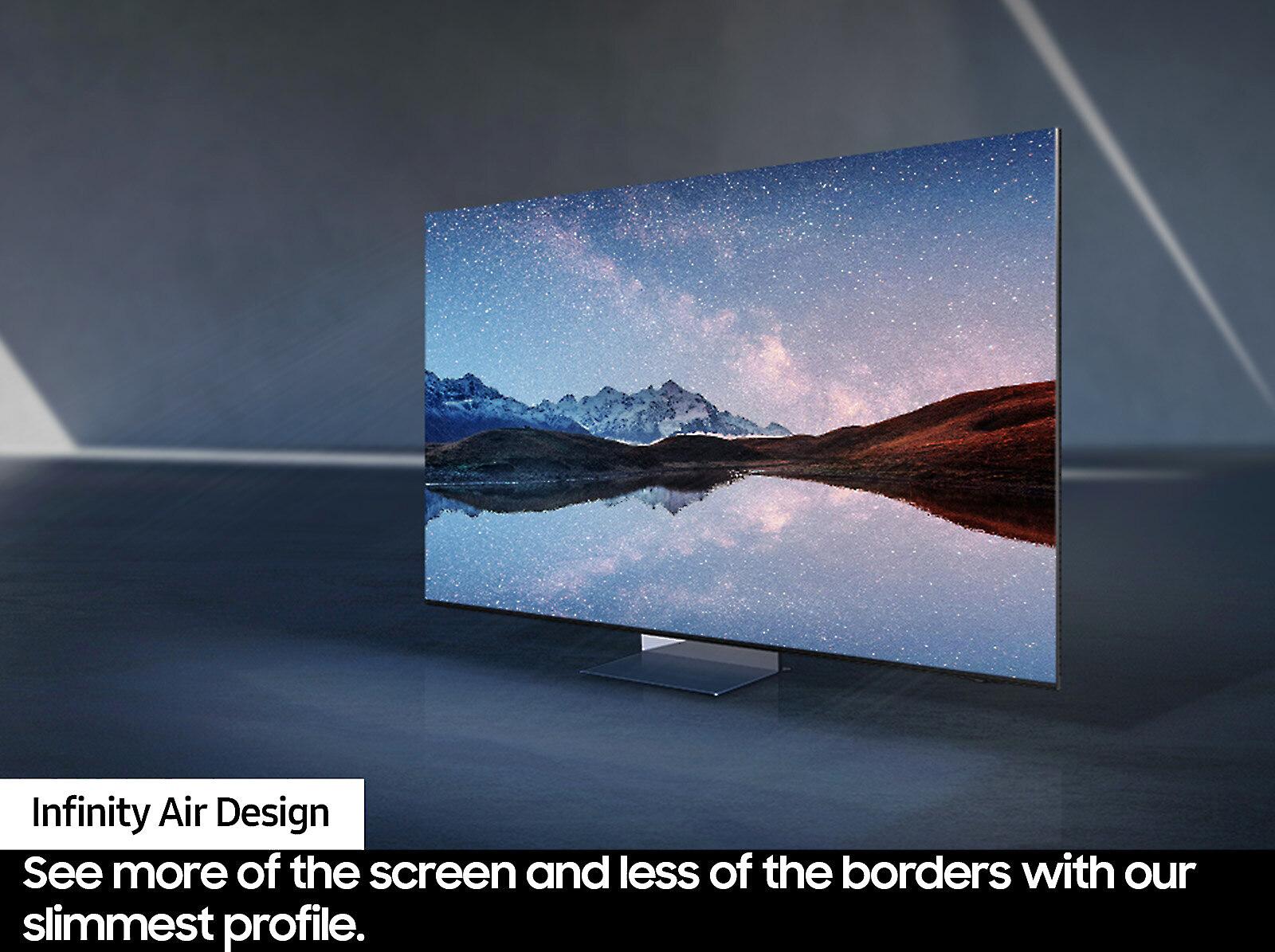
The design difference reflects their market positioning. The Samsung QN900D features an ultra-slim Infinity Air Design with premium materials and the One Connect Box that consolidates all connections in a separate unit, enabling a nearly cable-free wall mount.
The Hisense QD6 uses a more conventional design with a thicker profile typical of budget LED TVs. Build quality is solid for the price point, though not matching premium models' refinement.
You're budget-conscious but want modern smart TV features and decent 4K performance. This TV excels for families who primarily watch streaming services, casual gaming, or use it as a secondary TV. The Fire TV platform is particularly appealing for Amazon ecosystem users.
The Hisense makes sense for moderately lit rooms where extreme brightness isn't necessary. It's an excellent choice for college students, first apartments, or anyone who wants solid performance without premium pricing.
You want cutting-edge display technology and have the budget to match. This TV excels for tech enthusiasts, serious gamers, bright room viewing, or anyone building a high-end home theater system.
The Samsung justifies its premium pricing for users who value the latest technology, need exceptional gaming performance, or require professional-grade picture quality. It's future-proof for emerging 8K content and next-generation gaming.
At the time of writing, these TVs represent excellent choices for their respective market segments. The Hisense QD6 delivers remarkable value, providing quantum dot color enhancement and modern smart features at budget-friendly pricing. Most viewers will find its performance more than adequate for daily use.
The Samsung QN900D showcases what's possible with premium TV technology, offering 8K resolution, Mini-LED backlighting, and advanced gaming features that justify its higher price for demanding users.
For most buyers, the Hisense provides better value unless you specifically need the Samsung's advanced features. However, if your budget allows and you value cutting-edge technology, the Samsung delivers a genuinely superior viewing experience that's particularly noticeable with high-quality content and in challenging lighting conditions.
The key is understanding your needs, viewing environment, and content preferences. Both TVs excel in their market segments, making this less about finding a universal "winner" and more about matching the right TV to your specific situation and budget.
| Hisense 65" QD6 Series Hi-QLED Fire TV | Samsung QN900D Series 65" Neo QLED 8K Smart TV |
|---|---|
| Resolution - Higher resolution provides sharper detail, but 8K content is still limited | |
| 4K (3,840 x 2,160) - excellent for all current content | 8K (7,680 x 4,320) - future-proof with superior upscaling |
| Peak Brightness - Critical for HDR impact and bright room viewing | |
| ~385 cd/m² (adequate for moderate lighting) | 1000+ cd/m² with Mini-LED (excellent for any lighting) |
| Backlight Technology - Determines contrast quality and black levels | |
| Direct LED, no local dimming (blacks lift with bright content) | Mini-LED with thousands of zones (OLED-like contrast) |
| Refresh Rate - Important for gaming and smooth motion | |
| 60Hz native (basic gaming support) | 100Hz native (superior for gaming and motion) |
| HDMI Connectivity - Affects gaming capabilities and future compatibility | |
| 4x HDMI 2.0 (limited to 4K@60Hz) | 4x HDMI 2.1 (supports 4K@240Hz, 8K@60Hz) |
| Gaming Features - Essential for console and PC gaming | |
| VRR, ALLM, 10.2ms input lag (good for casual gaming) | Full VRR suite, <5ms input lag (excellent for competitive gaming) |
| Color Technology - Affects color vibrancy and accuracy | |
| Hi-QLED quantum dots, 90% DCI-P3 coverage | Quantum Matrix Pro, wider color gamut and volume |
| Smart Platform - Determines app selection and interface responsiveness | |
| Fire TV (Amazon ecosystem, occasional lag) | Tizen with NQ8 AI processor (faster, smoother operation) |
| Audio System - Built-in sound quality without external speakers | |
| Basic Dolby Atmos support | 6.2.4CH 90W with Object Tracking Sound |
| Design - Build quality and installation flexibility | |
| Standard LED thickness, basic remote | Ultra-slim Infinity Air design, One Connect Box |
| HDR Support - Enhanced contrast and color in compatible content | |
| Dolby Vision, HDR10+, HDR10, HLG (limited by brightness) | Neo Quantum HDR 8K+ (full HDR impact with high brightness) |
| Target Buyer - Best fit for different needs and budgets | |
| Budget-conscious families, casual viewers, secondary TVs | Premium buyers, gamers, home theater enthusiasts |
The Hisense 65" QD6 Series Hi-QLED Fire TV is a budget-friendly 4K TV with quantum dot technology, while the Samsung QN900D Series 65" Neo QLED 8K Smart TV is a premium flagship with 8K resolution and Mini-LED backlighting. The Samsung offers superior picture quality, gaming features, and brightness, but costs significantly more than the Hisense model.
The Samsung QN900D is significantly better for gaming with its 100Hz refresh rate, HDMI 2.1 ports supporting 4K@240Hz, and advanced VRR features. The Hisense QD6 supports basic gaming with VRR and low input lag but is limited to 60Hz and 4K@60Hz through HDMI 2.0 ports.
While native 8K content is limited, the Samsung QN900D's advanced AI upscaling makes 4K and HD content look noticeably sharper than standard 4K displays. The benefit is most apparent on larger screens or when sitting closer to the TV, making it worthwhile for premium buyers who want cutting-edge technology.
The Samsung QN900D is much better for bright rooms with its Mini-LED technology producing over 1000 cd/m² peak brightness. The Hisense QD6 reaches only about 385 cd/m², making it suitable for moderately lit rooms but struggling against direct sunlight or very bright lighting.
The Hisense QD6 runs Fire TV, which integrates well with Amazon's ecosystem and Alexa voice control. The Samsung QN900D uses Tizen, which runs smoother thanks to its powerful NQ8 processor and includes SmartThings Hub functionality for smart home control. Both support all major streaming apps.
The Samsung QN900D has significantly better picture quality with its 8K resolution, Mini-LED backlighting providing thousands of local dimming zones, superior brightness for HDR content, and wider color gamut coverage. The Hisense QD6 offers good picture quality for its price range but can't match the Samsung's contrast and brightness capabilities.
For dedicated home theaters, the Samsung QN900D is the clear choice with its superior contrast, brightness, color accuracy, and Filmmaker Mode that preserves directors' intentions. The Hisense QD6 can work for casual home theater setups but lacks the contrast and brightness needed for true cinematic experiences in dark rooms.
The Hisense QD6 offers exceptional value for budget-conscious buyers, delivering solid 4K performance with modern features at a fraction of the Samsung's cost. The Samsung QN900D provides better performance but at a premium price that's only justified if you need cutting-edge features and have the budget to match.
The Samsung QN900D has a much more sophisticated 6.2.4CH 90W audio system with Object Tracking Sound and 360 Audio features. The Hisense QD6 includes basic Dolby Atmos support but with standard speakers that don't match the Samsung's immersive audio capabilities.
Both TVs handle streaming well, but the Samsung QN900D provides a superior experience with better HDR performance, brighter highlights, and more accurate colors. The Hisense QD6 delivers satisfying streaming performance for most viewers, especially considering its much lower price point.
Yes, both the Hisense QD6 and Samsung QN900D support major HDR formats including Dolby Vision, HDR10+, and HDR10. However, the Samsung's much higher peak brightness makes HDR content significantly more impactful, while the Hisense's limited brightness reduces HDR effectiveness despite format support.
Choose the Hisense QD6 if you want good 4K performance on a budget, primarily watch streaming content, and have moderate lighting. Pick the Samsung QN900D if you want the best possible picture quality, need excellent gaming performance, have bright room lighting, or are building a premium home entertainment system.
We've done our best to create useful and informative comparisons to help you decide what product to buy. Our research uses advanced automated methods to create this comparison and perfection is not possible - please contact us for corrections or questions. These are the sites we've researched in the creation of this article: pcvarge.com - bestbuy.com - rtings.com - youtube.com - rtings.com - youtube.com - consumerreports.org - leaseville.com - hisense-usa.com - device.report - hisense-usa.com - youtube.com - flatpanelshd.com - displayspecifications.com - retailspecs.com - rtings.com - videoandaudiocenter.com - bestbuy.com - avsforum.com - bestbuy.com - walts.com - images.samsung.com - samsung.com - merlinstv.com - samsung.com - avsforum.com - samsung.com

Privacy Policy
Terms and Conditions - Affiliate Policy
Home Security
© Copyright 2008-2026.
11816 Inwood Rd #1211, Dallas, TX 75244