

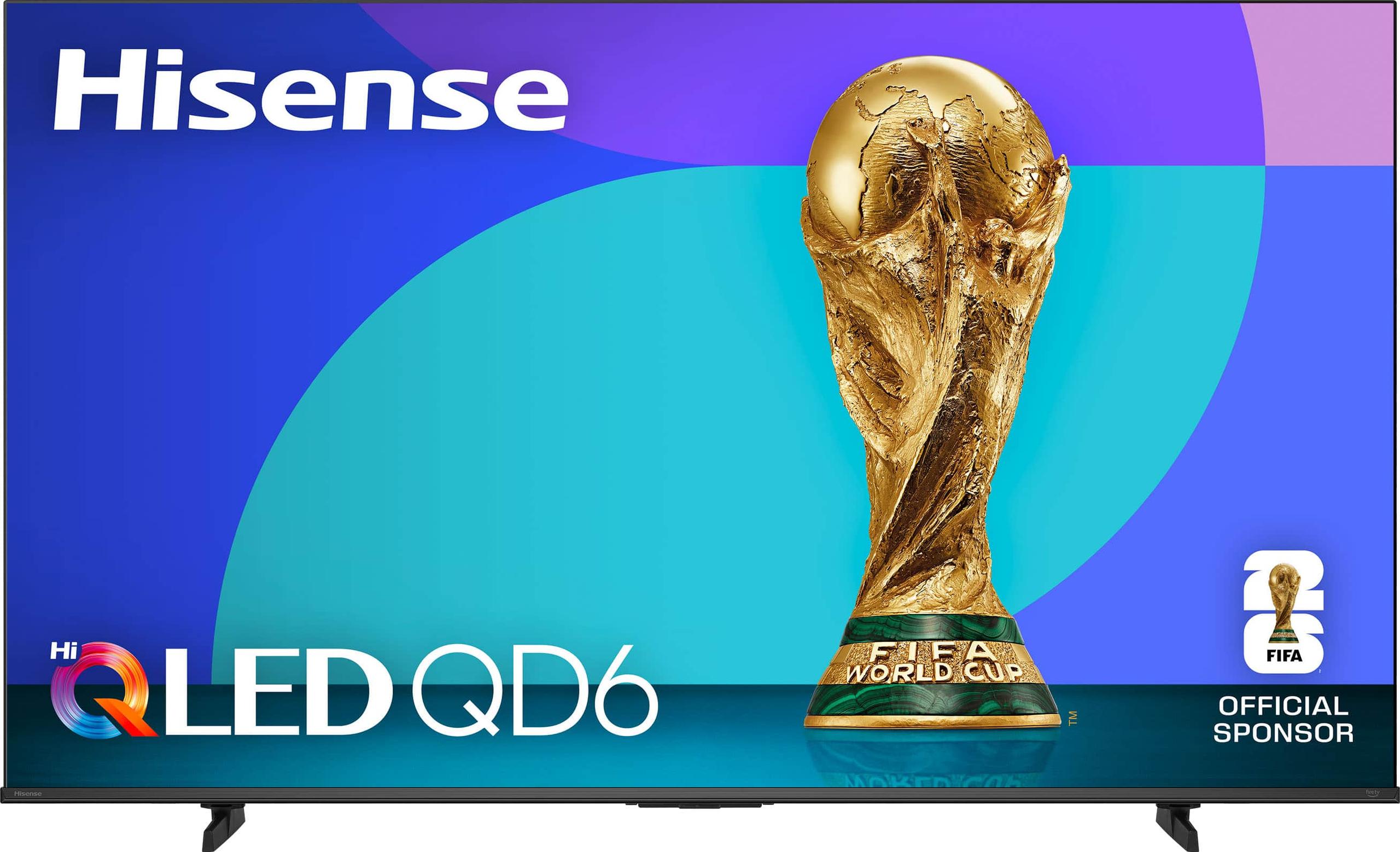




Shopping for a 65-inch TV can feel overwhelming with so many options at dramatically different price points. Today we're comparing two popular choices that represent opposite ends of the value spectrum: the budget-friendly Hisense QD6 Series and the premium TCL QM8 Mini-LED. At the time of writing, these TVs are priced about $400 apart, but they deliver vastly different experiences that go well beyond their price tags.
The 65-inch TV market has become the sweet spot for most households - large enough to create that cinematic experience without overwhelming your living room. But not all 65-inch TVs are created equal, and understanding the key differences can save you from buyer's remorse.
The most important factors to consider are picture quality (how bright, colorful, and detailed the image appears), gaming capabilities (especially important if you own a PlayStation 5 or Xbox Series X), smart features (the built-in streaming platform), and overall value proposition. Modern TVs also vary dramatically in their ability to handle HDR content - those ultra-bright, colorful scenes you see in Netflix movies and modern video games.
Peak brightness, measured in "nits," determines how well a TV can display those eye-catching HDR highlights. Local dimming zones allow different parts of the screen to get darker or brighter independently, creating better contrast. Refresh rate, measured in Hz (hertz), affects how smooth motion appears, particularly important for sports and gaming.
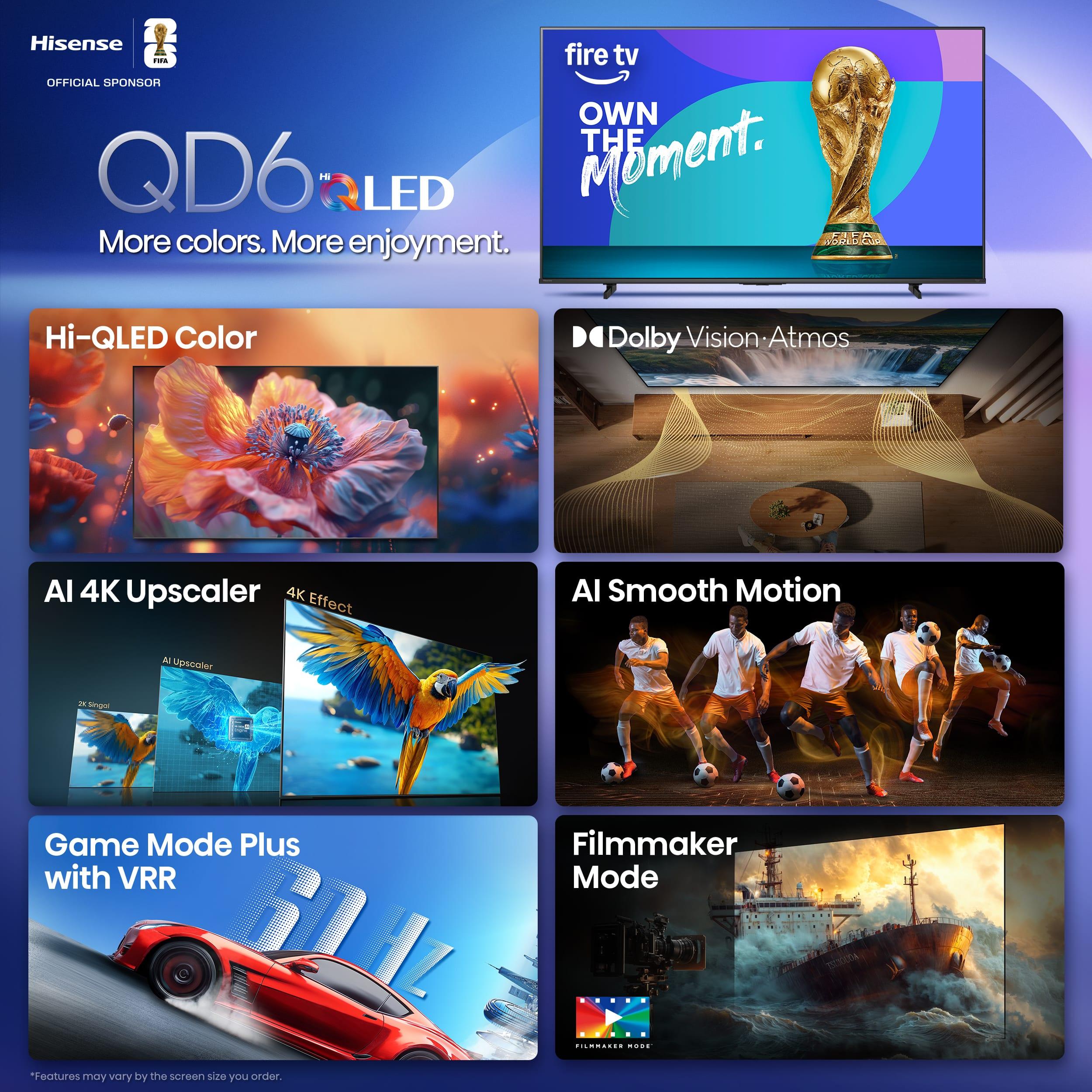
The Hisense QD6 Series, released in 2025, represents Hisense's effort to bring quantum dot color enhancement to the budget market. Quantum dots are microscopic particles that improve color accuracy and vibrancy compared to standard LED TVs. The QD6 uses a VA panel (which provides good contrast but narrow viewing angles) with direct LED backlighting and Fire TV as its smart platform.
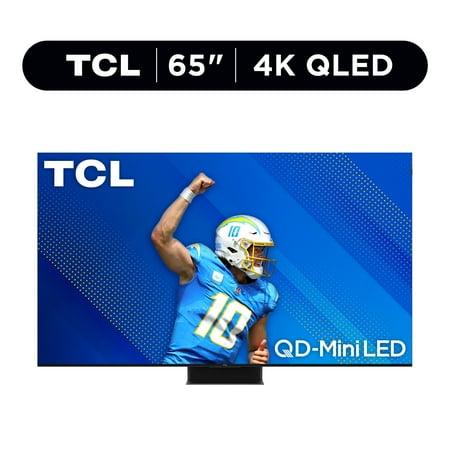
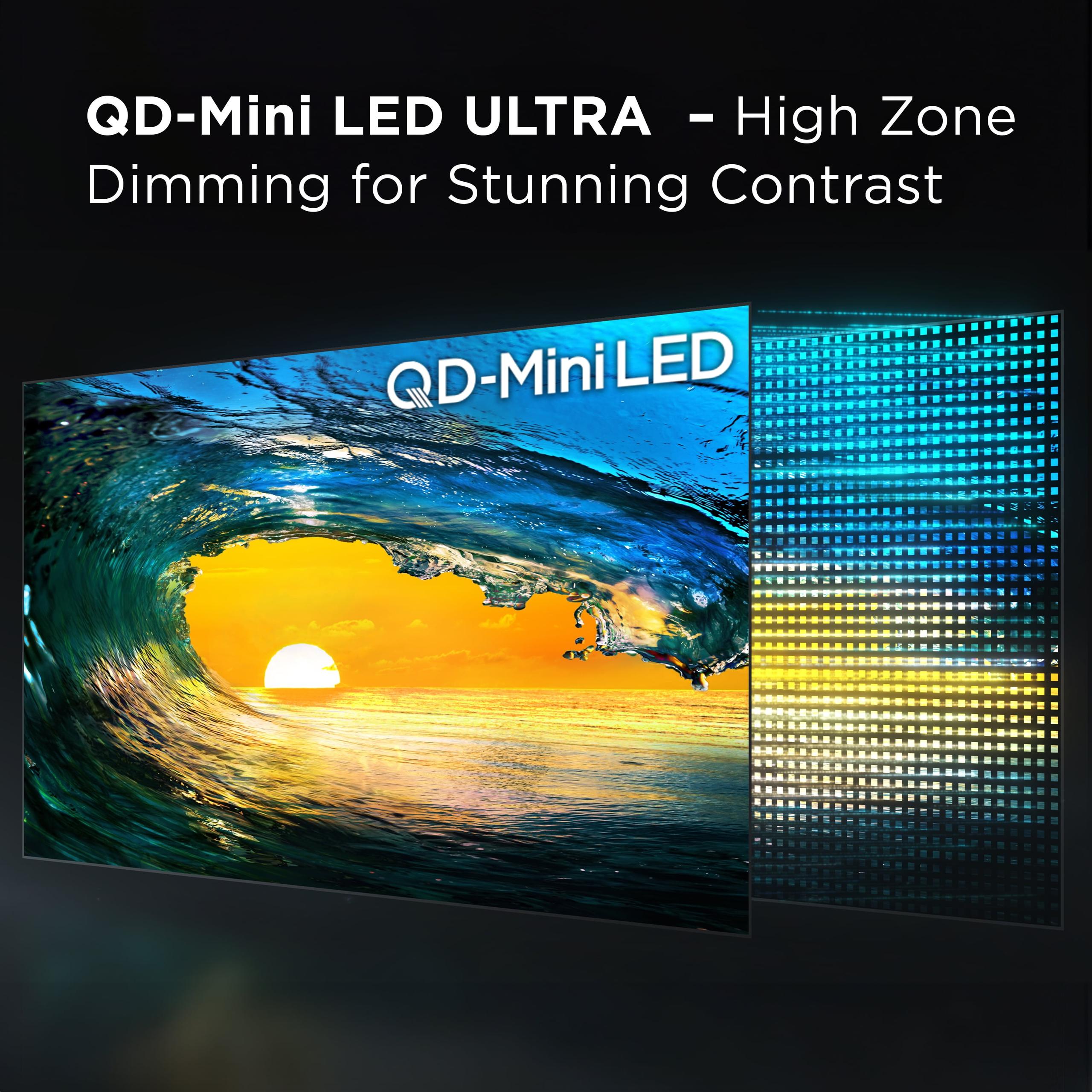
The TCL QM8, launched in 2024, showcases TCL's flagship Mini-LED technology. Mini-LEDs are much smaller backlights that allow for thousands of local dimming zones, creating dramatically better contrast and HDR performance. It features Google TV and represents TCL's premium offering in the competitive mid-to-high-end market.
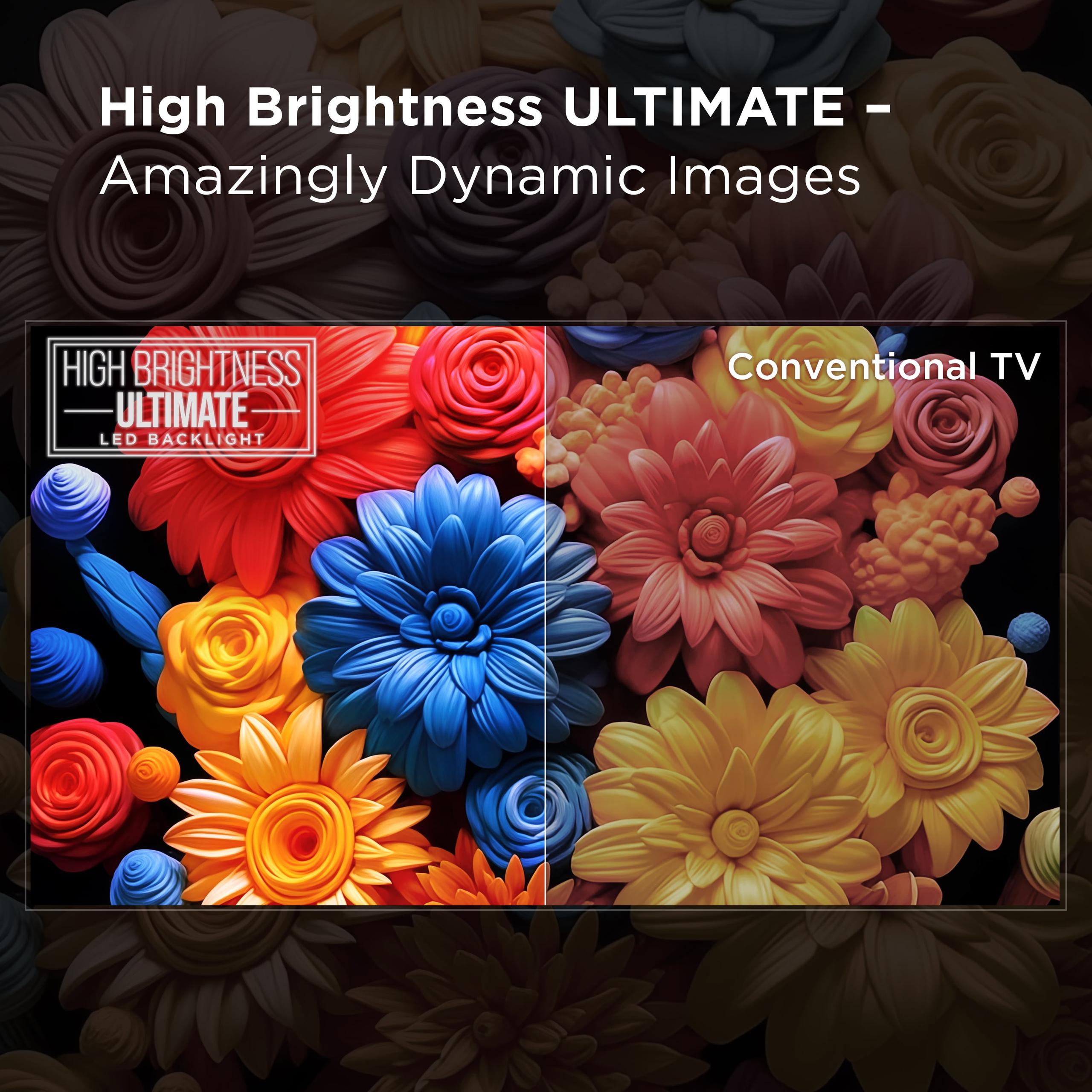
This is where these two TVs diverge most dramatically. The TCL QM8 achieves peak brightness levels around 5,000 nits - that's more than ten times brighter than the Hisense QD6's approximately 385 nits. In practical terms, this means HDR content on the QM8 delivers those "wow" moments with brilliant sunsets, gleaming car chrome, and realistic fire effects that genuinely pop off the screen.
The QD6's quantum dot technology does improve color saturation compared to basic LED TVs, covering about 90% of the DCI-P3 color space (the standard for HDR content). However, without sufficient brightness to properly display HDR highlights, those enhanced colors often appear flat and disappointing in HDR movies and shows.
Local dimming makes an enormous difference here. The TCL QM8 features over 5,000 individual dimming zones, allowing it to make specific areas of the screen incredibly dark while keeping bright areas brilliant. The Hisense QD6 lacks local dimming entirely, meaning when bright objects appear on screen, the entire image gets washed out with elevated black levels.
In dark room viewing, this difference becomes stark. The QM8 can display a night sky with pinpoint stars against truly black space, while the QD6 shows the same scene as dark gray with less defined stars. For home theater enthusiasts, this single factor makes the QM8 vastly superior for movie watching.
Gaming capabilities separate these TVs significantly. The TCL QM8 features a native 120Hz panel with support for Variable Refresh Rate (VRR) up to 144Hz, making it genuinely compatible with next-generation consoles. VRR synchronizes the TV's refresh rate with your gaming console's output, eliminating screen tearing and creating smoother gameplay.
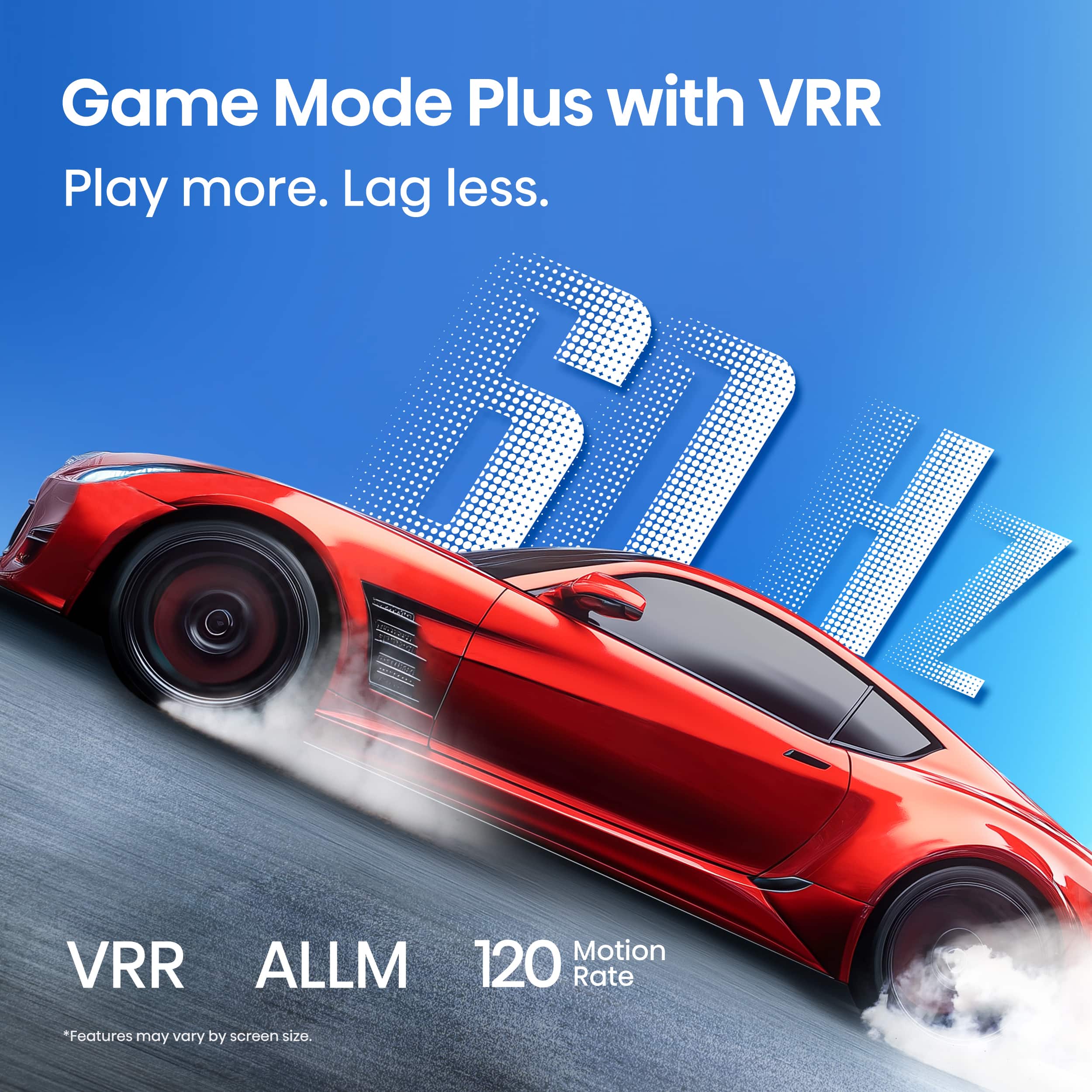
The Hisense QD6 operates at 60Hz with basic VRR support, but firmware issues prevent proper 120Hz gaming at 1080p resolution. While it handles casual gaming adequately with low input lag around 10 milliseconds, serious gamers will notice limitations. The QD6 also lacks HDMI 2.1 ports, restricting it to older HDMI 2.0 standards that limit bandwidth for high-refresh gaming.
Response time affects how cleanly fast-moving objects appear on screen. The QM8's superior panel technology handles rapid motion with minimal blur trails, while the QD6 shows noticeable smearing during dark scene transitions. This impacts both gaming and sports viewing, where fast action can appear less crisp.
For competitive gaming or anyone wanting to maximize their PlayStation 5 or Xbox Series X investment, the TCL QM8 provides a noticeably superior experience. The Hisense QD6 works fine for Nintendo Switch gaming or casual play, but won't unleash the full potential of modern consoles.
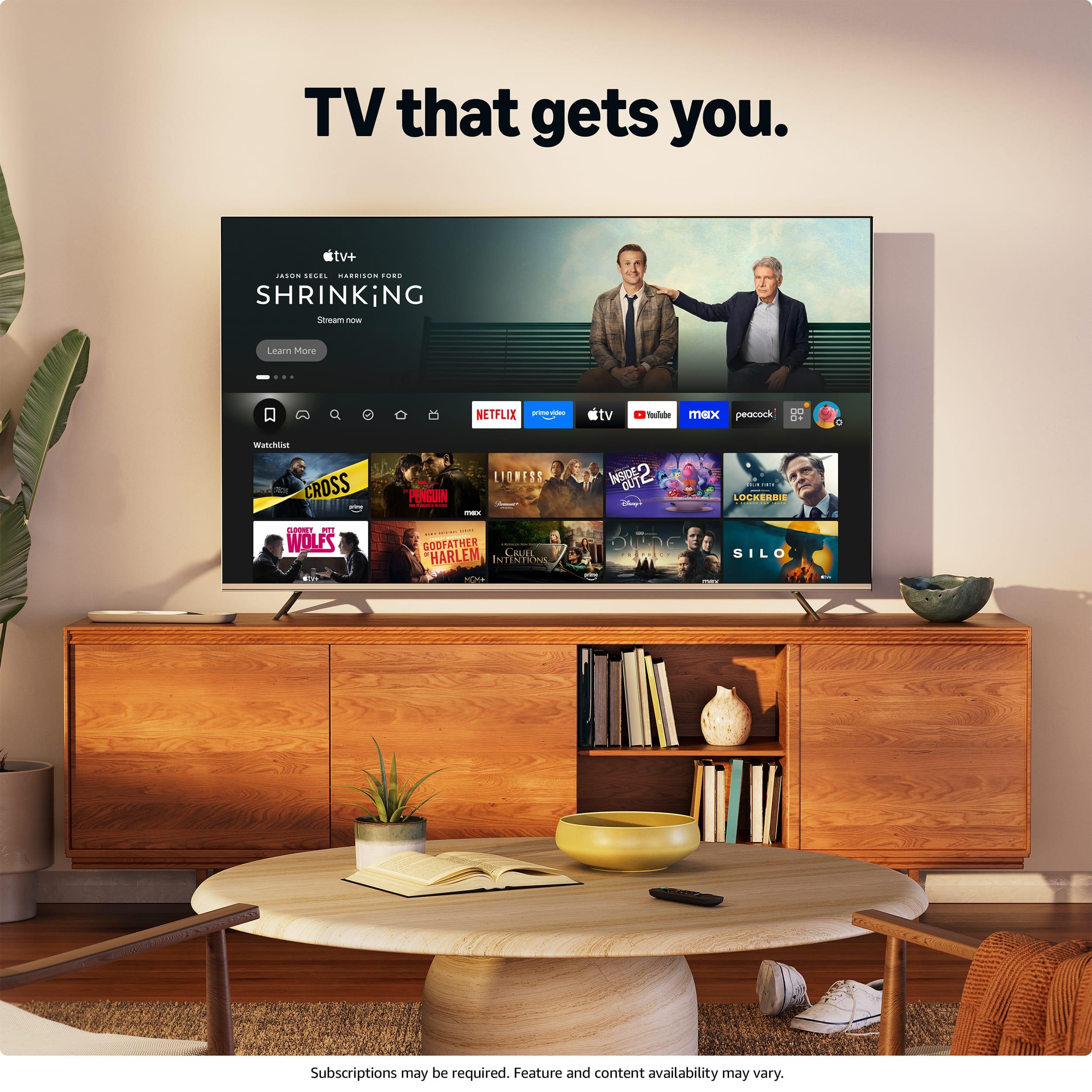
Both TVs offer solid smart platforms, though with different philosophies. The Hisense QD6 runs Fire TV, Amazon's streaming platform that excels at content discovery and integrates seamlessly if you're already invested in Amazon's ecosystem. Fire TV's interface can occasionally feel sluggish, particularly when switching between apps, but it covers all major streaming services effectively.
The TCL QM8 uses Google TV, which provides excellent integration with Google services and generally smoother performance. Google TV's recommendation engine learns your preferences across multiple streaming platforms, creating a more personalized experience.
Both support voice control through their respective assistants (Alexa for Fire TV, Google Assistant for Google TV), and both handle Apple AirPlay and HomeKit integration for iPhone users. The practical differences come down to personal preference and existing ecosystem investments rather than significant capability gaps.
Sports viewing reveals another significant performance difference. The TCL QM8's 120Hz panel with advanced Motion Estimation, Motion Compensation (MEMC) processing creates noticeably smoother playback during fast-paced action. MEMC analyzes consecutive frames and creates intermediate frames to reduce motion blur, though it can sometimes create the dreaded "soap opera effect" that makes movies look artificially smooth.
The Hisense QD6 uses Motion Rate 120 through interpolation from its native 60Hz panel, but the results appear less refined. Fast-moving players can show trailing artifacts, and camera pans during sports broadcasts may appear less smooth.
Viewing angles present challenges for both TVs due to their VA panel technology. Colors shift and contrast decreases when viewed from the sides, making them less ideal for wide seating arrangements during sports viewing parties. However, the QM8's superior brightness helps maintain better picture quality at moderate off-angles compared to the QD6.
The TCL QM8 features a substantial advantage in audio with its ONKYO-tuned 2.1.2 channel system producing 80 watts total power. This includes dedicated up-firing speakers for Dolby Atmos content, creating a more immersive soundscape without requiring a separate soundbar for many users.
The Hisense QD6 provides basic built-in speakers with Dolby Atmos support, but like most budget TVs, the audio quality remains unremarkable. While adequate for casual viewing, serious movie watching benefits significantly from external audio solutions.
Both TVs support modern audio formats and can pass through high-quality audio to soundbars or home theater systems via eARC (enhanced Audio Return Channel), so your choice of external audio equipment matters more than the built-in speakers for dedicated home theater setups.
The Hisense QD6 delivers exceptional value for budget-conscious buyers at the time of writing. It provides a genuine 4K upgrade from older 1080p TVs with enhanced colors from quantum dot technology. Fire TV offers solid smart features, and build quality appears adequate for the price point.
However, the QD6's limitations become apparent quickly. The lack of local dimming means HDR content rarely impresses, making premium streaming subscriptions feel somewhat wasted. The 60Hz panel limits future gaming compatibility, and relatively low peak brightness struggles in bright living rooms.
The TCL QM8 costs significantly more but delivers flagship-level performance that rivals TVs costing thousands more. Mini-LED technology provides dramatic improvements in HDR content, gaming capabilities match the latest consoles, and superior brightness works well in various lighting conditions.
Future-proofing considerations favor the QM8. As streaming services continue improving HDR quality and gaming consoles push higher frame rates, the QM8's superior hardware will remain relevant longer. The QD6 may struggle with future content that demands higher brightness or refresh rates.
Bright room performance heavily favors the TCL QM8. Its exceptional peak brightness and excellent reflection handling make it suitable for living rooms with large windows or significant ambient lighting. The Hisense QD6 works adequately in controlled lighting but struggles against direct sunlight or bright overhead lighting.
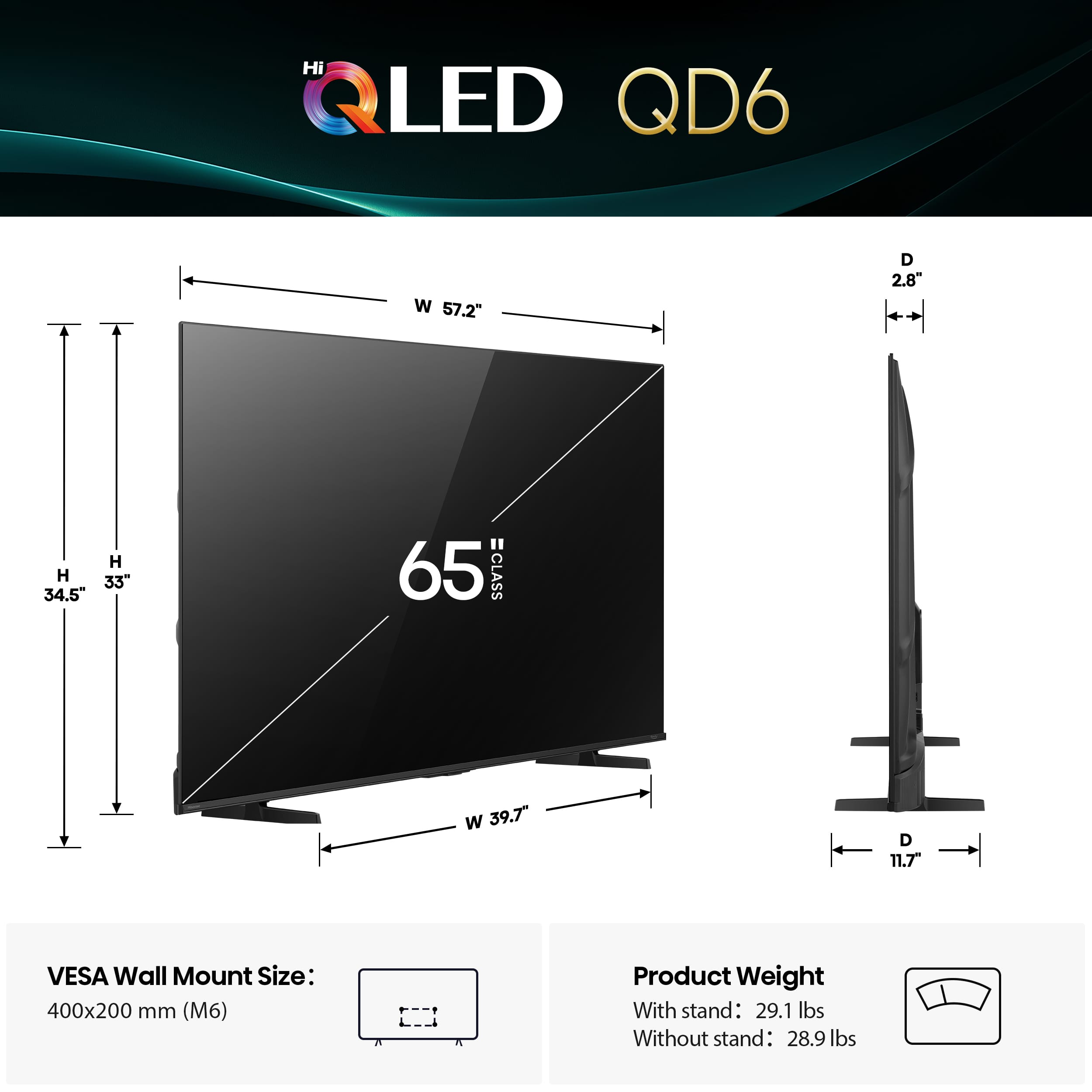
Both TVs feature center-mounted stands that require fairly wide TV furniture, though wall mounting remains straightforward with standard VESA mounting patterns. The QM8's slightly thicker profile reflects its more complex Mini-LED backlighting system, while the QD6 maintains a more conventional LED TV thickness.
For dedicated home theater use, the performance gap widens considerably. The TCL QM8 provides the contrast ratio, peak brightness, and color accuracy that make HDR movies genuinely cinematic. Its superior black levels create that "floating in space" effect during dark scenes that defines premium home theater experiences.
The Hisense QD6 falls short of true home theater performance due to its lack of local dimming. While it handles SDR (Standard Dynamic Range) content respectably, HDR movies appear flat and disappointing compared to what modern premium TVs can achieve.
Professional calibration can improve both TVs, though the QM8 benefits more dramatically from proper setup. The QD6's fundamental hardware limitations prevent it from reaching the performance levels that make calibration worthwhile for most users.
Choose the Hisense QD6 if you're upgrading from an older TV and primarily watch streaming content in moderate lighting conditions. It excels as a secondary TV for bedrooms or guest rooms, and provides solid basic 4K performance for budget-conscious households. Fire TV's content discovery works well for families who want simple, reliable streaming without complexity.
Select the TCL QM8 if you prioritize picture quality, own modern gaming consoles, or want a TV that won't need upgrading for several years. Its Mini-LED technology transforms HDR content viewing and provides gaming capabilities that match the latest consoles. The higher price reflects genuinely superior technology rather than just premium branding.
The reality is these TVs serve different markets entirely. The QD6 offers excellent value for basic 4K viewing, while the QM8 delivers premium performance that justifies its higher cost for enthusiasts and serious viewers.
At the time of writing, the price difference reflects fundamental technology gaps rather than simple feature variations. The QM8's Mini-LED backlighting, 120Hz gaming capabilities, and superior HDR performance represent significant technological advantages that create meaningfully different viewing experiences.
For most households upgrading from older TVs, the Hisense QD6 provides a satisfying improvement at an accessible price. For viewers who prioritize picture quality, gaming performance, or bright room viewing, the TCL QM8 offers flagship-level capabilities that make the premium worthwhile.
The key is matching your expectations and usage patterns with each TV's strengths. Understanding these fundamental differences ensures you'll be satisfied with your choice for years to come.
| Hisense 65" QD6 Series Hi-QLED Fire TV | TCL 65" QM8 Mini-LED Smart TV |
|---|---|
| Peak Brightness - Critical for HDR impact and bright room viewing | |
| ~385 nits (struggles with HDR highlights) | Up to 5,000 nits (exceptional HDR performance) |
| Local Dimming Zones - Controls contrast and black levels | |
| No local dimming (blacks appear gray in mixed content) | 5,000+ Mini-LED zones (deep blacks with minimal blooming) |
| Refresh Rate - Affects gaming and motion smoothness | |
| 60Hz native (basic gaming, some motion blur) | 120Hz native (smooth gaming, excellent for sports) |
| Variable Refresh Rate (VRR) - Eliminates screen tearing in games | |
| VRR up to 60Hz (limited console compatibility) | VRR up to 144Hz (fully compatible with PS5/Xbox Series X) |
| HDMI Ports - Determines gaming and device connectivity | |
| 4x HDMI 2.0 (bandwidth limited for modern consoles) | 4x HDMI including HDMI 2.1 (full next-gen console support) |
| Display Technology - Foundation of picture quality | |
| VA panel with quantum dots, Direct LED backlight | Mini-LED with quantum dots, full-array local dimming |
| Smart Platform - Daily user experience | |
| Fire TV (Amazon-focused, occasional lag) | Google TV (smooth performance, excellent recommendations) |
| Color Gamut Coverage - Determines color richness | |
| 90% DCI-P3 (good colors, limited by low brightness) | Near 100% DCI-P3 (vibrant colors with high brightness) |
| Audio System - Built-in sound quality | |
| Basic speakers with Dolby Atmos support | ONKYO 2.1.2 system with 80W power and up-firing drivers |
| Input Lag - Gaming responsiveness | |
| ~10ms (excellent for casual gaming) | ~10ms (excellent for competitive gaming) |
| Viewing Angle - Performance when viewed from sides | |
| Narrow (VA panel limitation, colors shift off-center) | Narrow (VA panel limitation, but better brightness retention) |
| Target Market - Who should consider this TV | |
| Budget-conscious families upgrading from 1080p | Gaming enthusiasts and home theater users wanting premium performance |
The TCL QM8 Mini-LED delivers significantly better picture quality with its Mini-LED technology featuring over 5,000 local dimming zones and peak brightness up to 5,000 nits. This creates deeper blacks and brighter highlights for stunning HDR content. The Hisense QD6 Series offers decent quantum dot colors but lacks local dimming, resulting in washed-out HDR performance and elevated black levels.
The TCL QM8 is superior for gaming with its 120Hz native refresh rate, VRR support up to 144Hz, and HDMI 2.1 connectivity for full PlayStation 5 and Xbox Series X compatibility. The Hisense QD6 is limited to 60Hz gaming with basic VRR and HDMI 2.0 ports, making it adequate for casual gaming but not ideal for next-gen consoles.
The TCL QM8 Mini-LED excels in bright rooms with its exceptional peak brightness and superior reflection handling, easily overcoming glare from windows or overhead lighting. The Hisense QD6 struggles in bright environments due to its lower peak brightness of around 385 nits, making it better suited for controlled lighting conditions.
The Hisense QD6 Series uses Amazon's Fire TV platform, which offers excellent content discovery and Amazon ecosystem integration but can experience occasional menu lag. The TCL QM8 runs Google TV, providing smoother performance, better cross-platform recommendations, and seamless Google services integration.
The Hisense QD6 provides exceptional value for budget-conscious buyers, delivering solid 4K performance with quantum dot color enhancement at an accessible price point. The TCL QM8 costs significantly more but justifies the premium with flagship-level Mini-LED technology, superior gaming capabilities, and dramatically better HDR performance.
The TCL QM8 handles sports better with its 120Hz panel and advanced motion processing, creating smoother playback during fast action. Both TVs have narrow viewing angles due to VA panels, but the Hisense QD6's 60Hz panel and slower response time can show more motion blur during rapid movements like basketball plays or soccer action.
The TCL QM8 Mini-LED features a superior ONKYO-tuned 2.1.2 channel speaker system with 80 watts total power and up-firing drivers for Dolby Atmos content. The Hisense QD6 includes basic speakers with Dolby Atmos support, but like most budget TVs, external audio solutions are recommended for serious movie watching.
The TCL QM8 excels in home theater applications with its Mini-LED local dimming creating cinema-quality contrast and HDR performance. The Hisense QD6 Series falls short for dedicated home theater use due to its lack of local dimming, though it handles standard content adequately for casual movie watching in moderate lighting.
The TCL QM8 offers better future-proofing with 120Hz gaming support, HDMI 2.1 connectivity, and superior HDR capabilities that will remain relevant as content quality improves. The Hisense QD6 may struggle with future gaming advances and high-quality HDR content due to its 60Hz limitation and lack of local dimming.
Both TVs use quantum dot technology for enhanced colors, but the TCL QM8 Mini-LED achieves superior color volume thanks to its much higher brightness, allowing quantum dots to display their full potential. The Hisense QD6 covers about 90% of DCI-P3 color space but appears less vibrant due to brightness limitations.
Both the Hisense QD6 Series and TCL QM8 offer straightforward setup with their respective smart platforms handling most configuration automatically. The QD6's Fire TV may appeal to Amazon Prime users, while the QM8's Google TV provides smoother daily operation and better app performance overall.
Choose the Hisense QD6 if you want solid 4K performance on a budget and primarily watch streaming content in moderate lighting. Select the TCL QM8 Mini-LED if you prioritize picture quality, own next-gen gaming consoles, have a bright living room, or want a TV that won't need upgrading for several years.
We've done our best to create useful and informative comparisons to help you decide what product to buy. Our research uses advanced automated methods to create this comparison and perfection is not possible - please contact us for corrections or questions. These are the sites we've researched in the creation of this article: pcvarge.com - bestbuy.com - rtings.com - youtube.com - rtings.com - youtube.com - consumerreports.org - leaseville.com - hisense-usa.com - device.report - hisense-usa.com - youtube.com - flatpanelshd.com - displayspecifications.com - retailspecs.com - rtings.com - rtings.com - techradar.com - tcl.com - the-gadgeteer.com - nfm.com - ecoustics.com - careyscommunications.com - pcrichard.com - tcl.com

Privacy Policy
Terms and Conditions - Affiliate Policy
Home Security
© Copyright 2008-2026.
11816 Inwood Rd #1211, Dallas, TX 75244