



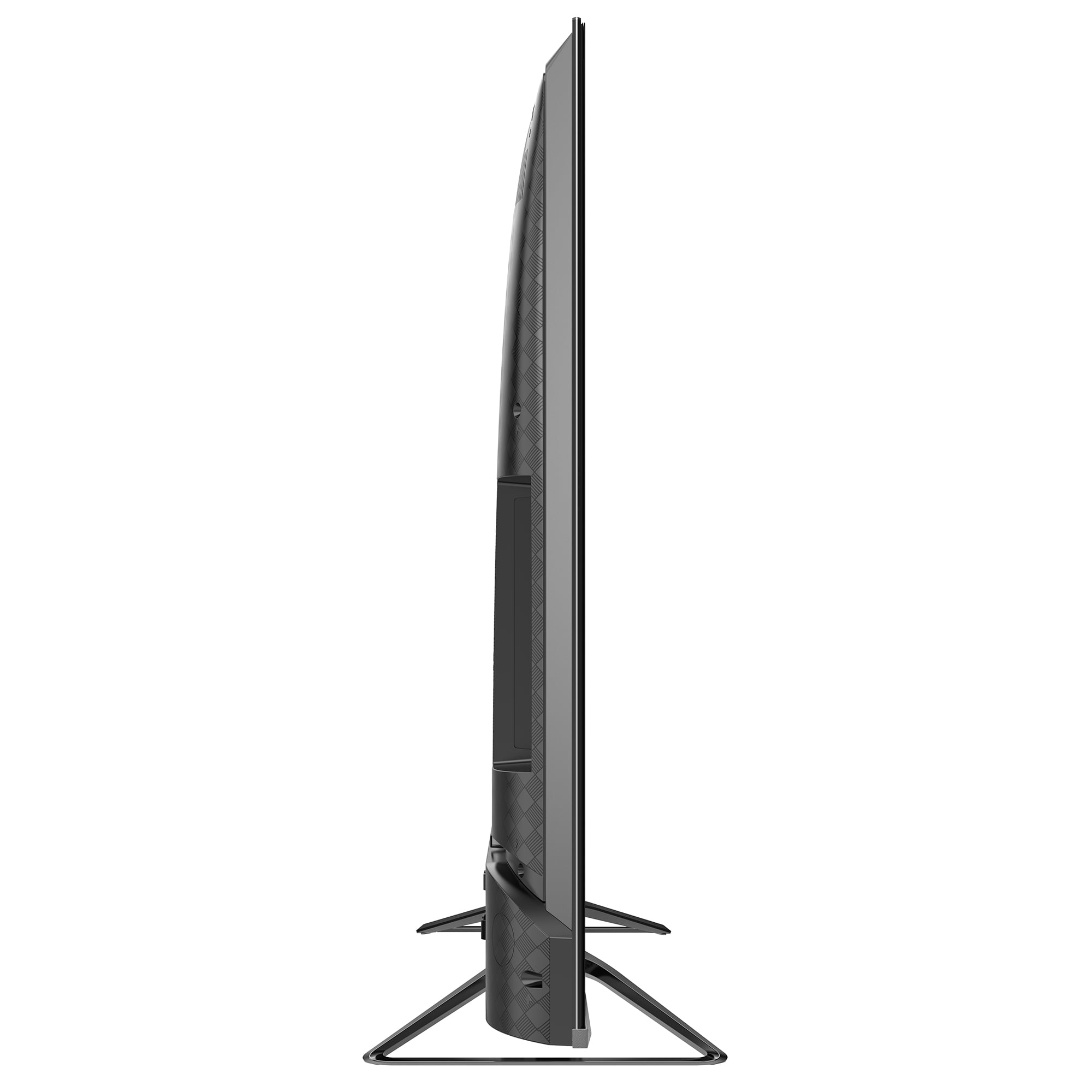
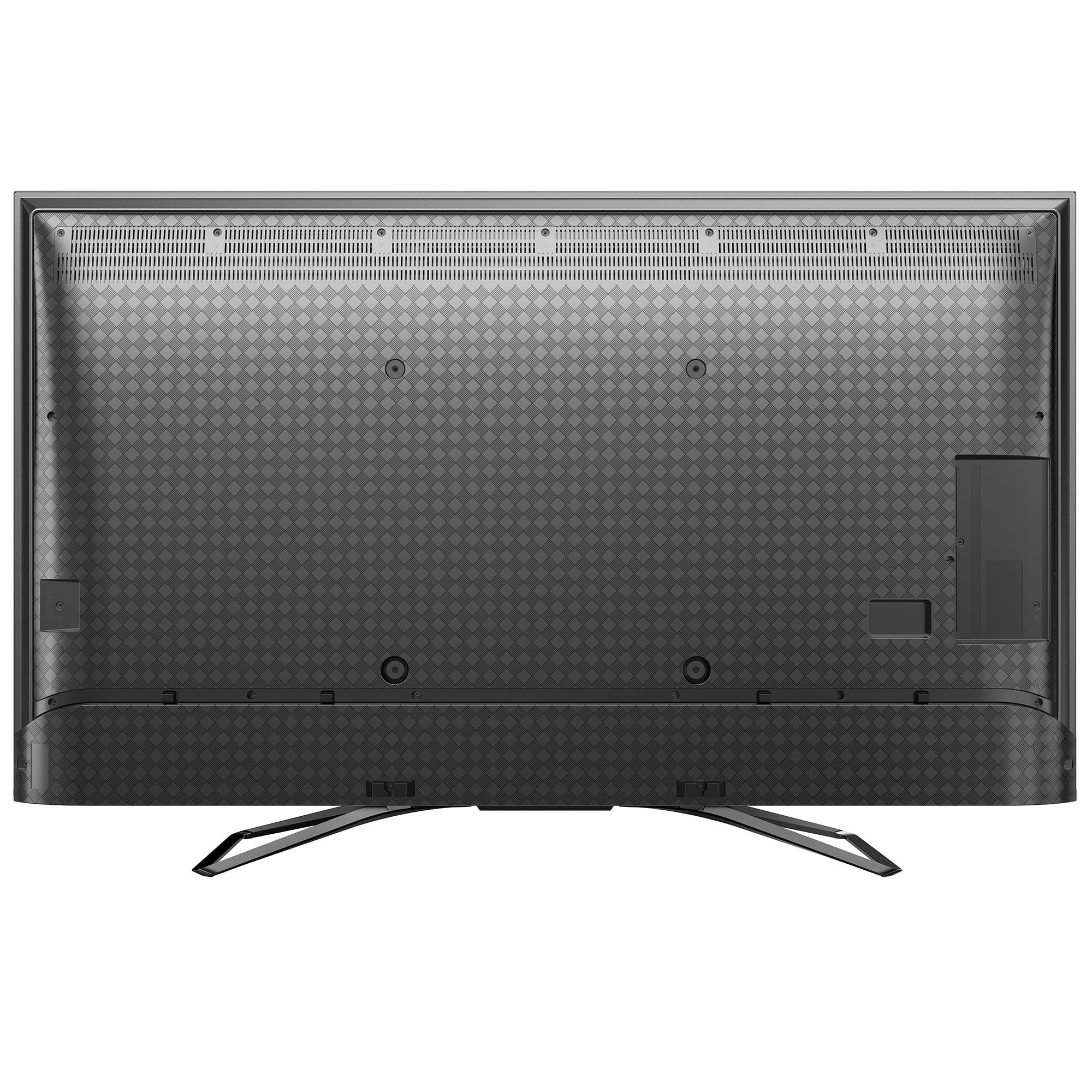
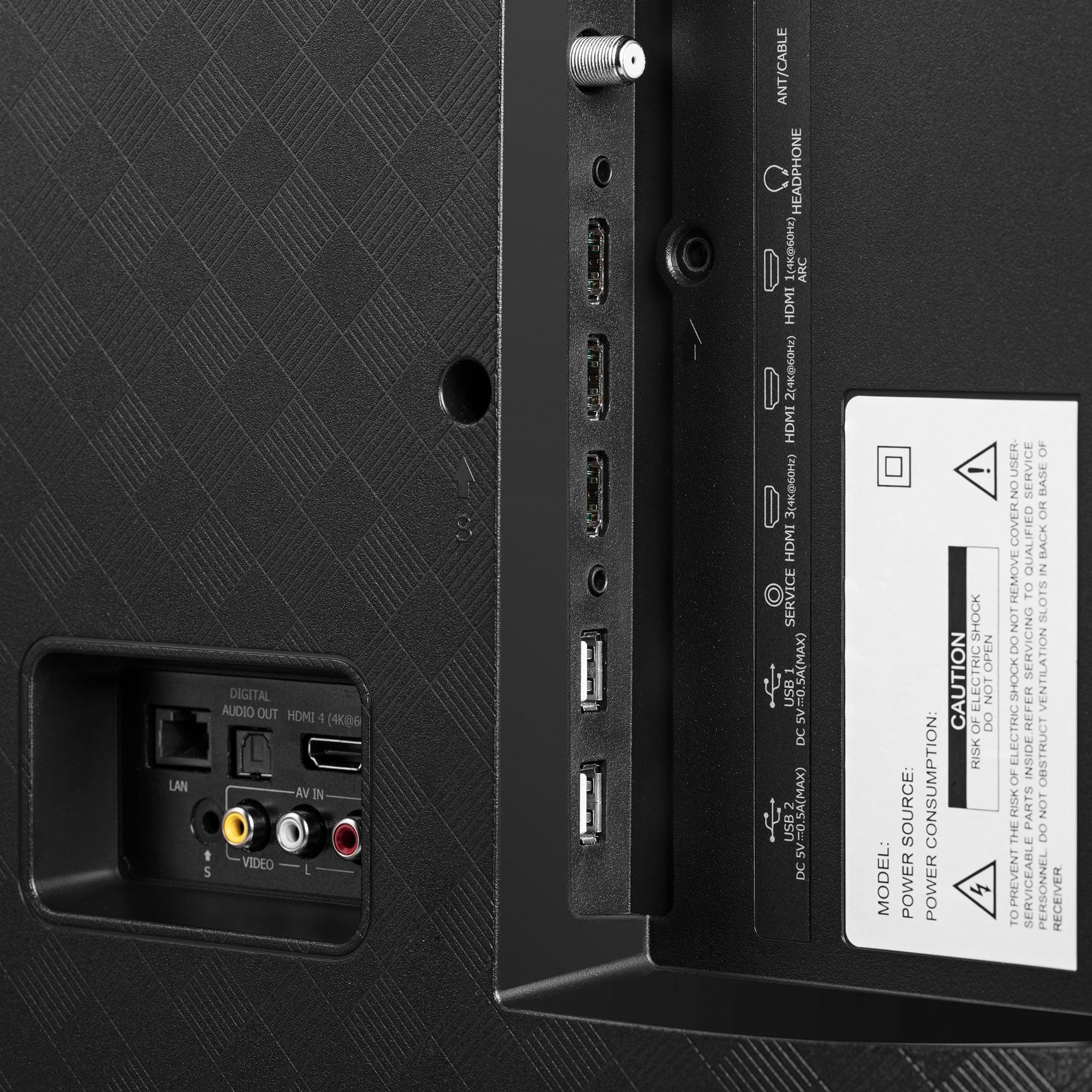
When shopping for a 65-inch 4K TV, you'll quickly discover that not all screens are created equal. The difference between a budget model and a premium option can feel overwhelming, especially when both TVs claim to deliver "stunning 4K picture quality." Today we're comparing two Hisense models that perfectly illustrate this divide: the QD6 Series Hi-QLED Fire TV from 2025 and the H9G Quantum Series from 2020.
These TVs represent fundamentally different approaches to home entertainment. One prioritizes affordability while delivering solid performance, while the other focuses on picture quality that rivals much more expensive options. Understanding their differences will help you decide which approach makes sense for your living room and budget.
Before diving into specifics, it's worth understanding what separates budget TVs from premium models. The most significant difference lies in backlighting technology – essentially how the TV illuminates its screen to create the images you see.
Budget TVs typically use edge-lit LED backlighting, where LEDs along the screen's edges shine light across the entire panel. This approach keeps costs down but creates limitations in contrast ratio (the difference between the brightest whites and darkest blacks). Premium TVs often feature full-array local dimming, where hundreds of LED zones behind the screen can brighten or dim independently. This creates much more precise control over brightness and darkness in different parts of the image.
The QD6 Series uses a more basic backlighting approach, while the H9G features 180 individual dimming zones. This single difference explains much of the performance gap between these models.
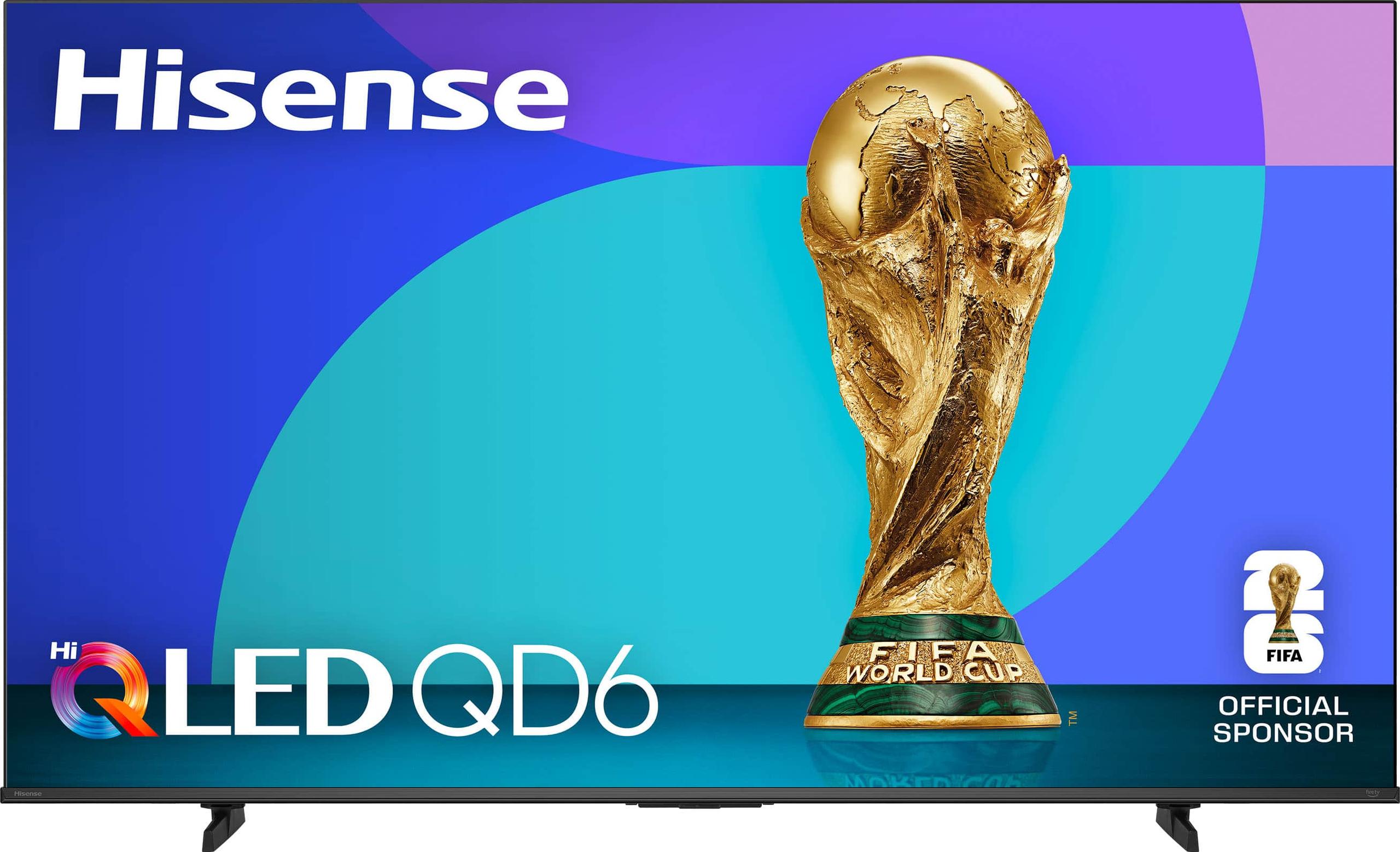
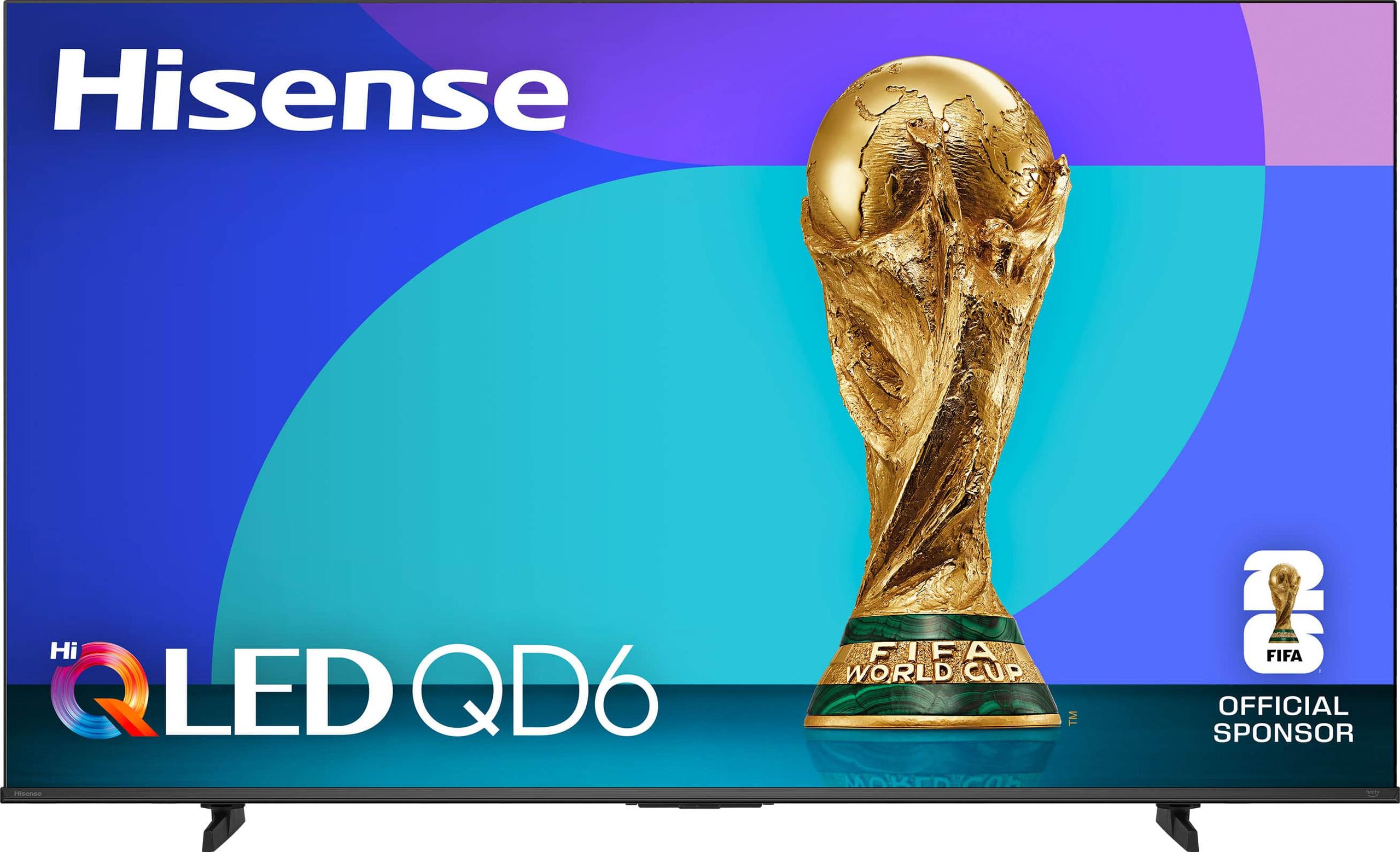
Released in 2025, the QD6 Series represents Hisense's latest attempt to deliver premium-looking features at an accessible price point. At the time of writing, it costs roughly one-third the price of the H9G, making it an attractive option for families and casual viewers.
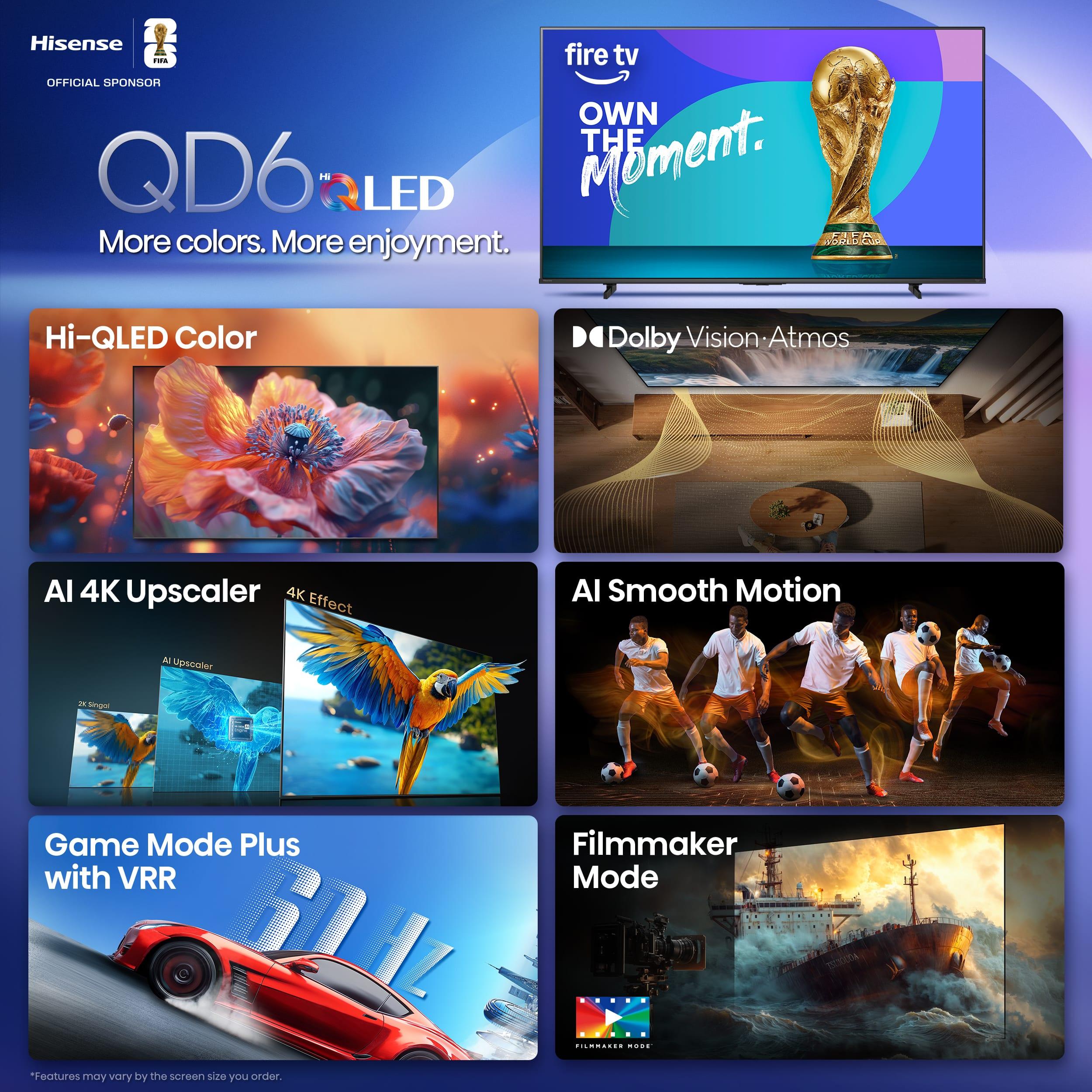
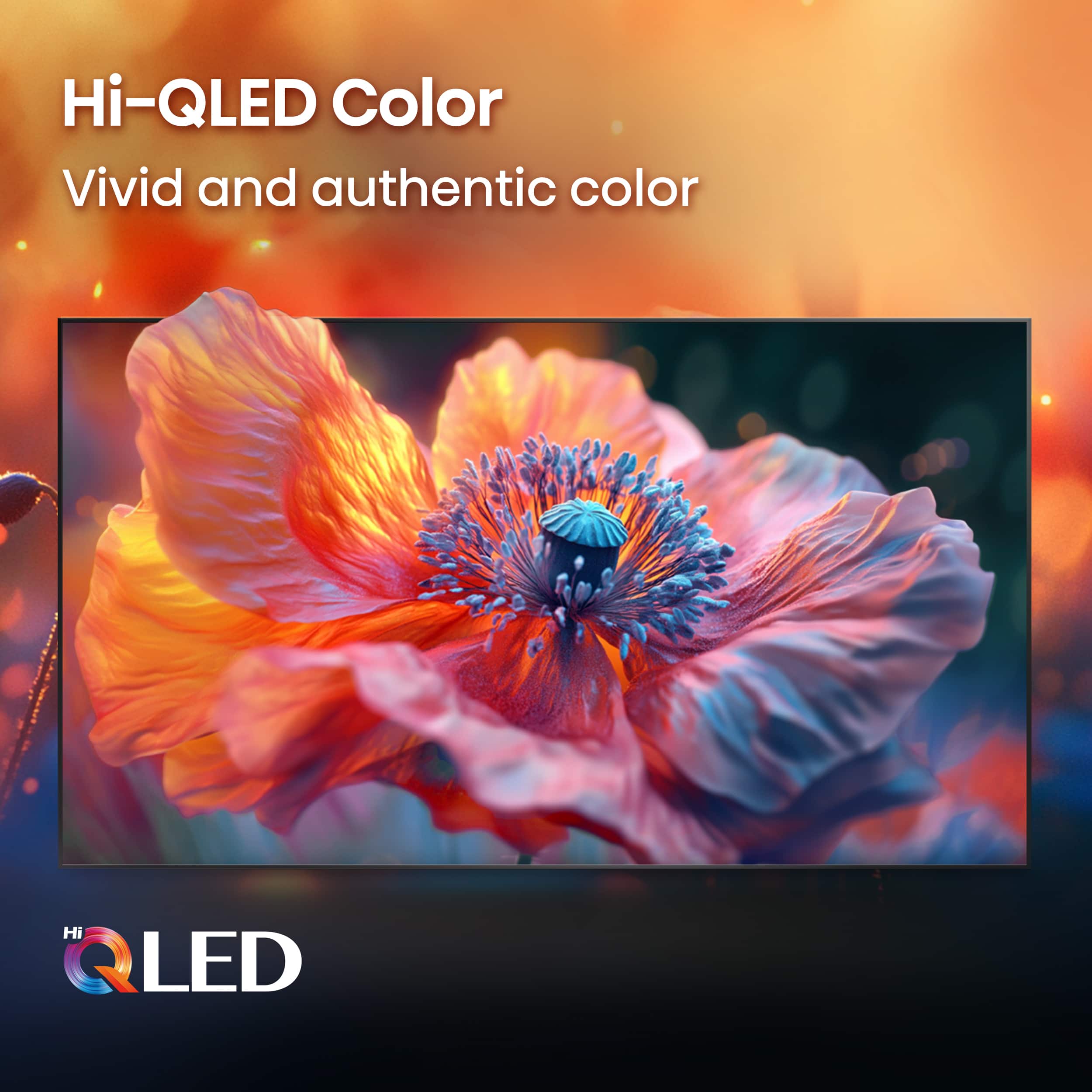
The standout feature is Hi-QLED technology – Hisense's implementation of quantum dots. These microscopic particles enhance color reproduction, allowing the TV to display about 90% of the DCI-P3 color space that's used for HDR content. In practical terms, this means reds look more vibrant, greens appear more natural, and overall color accuracy rivals TVs costing significantly more.
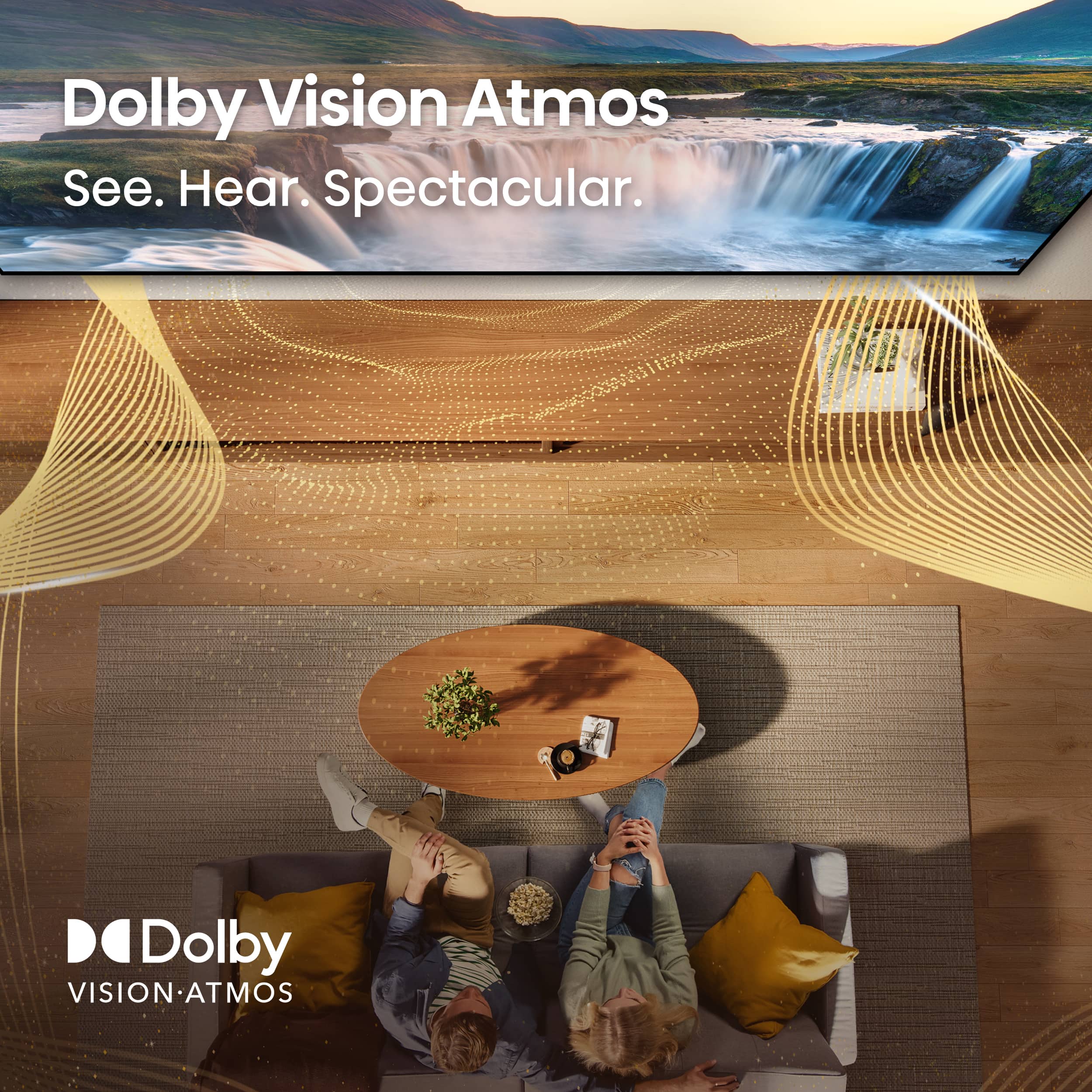
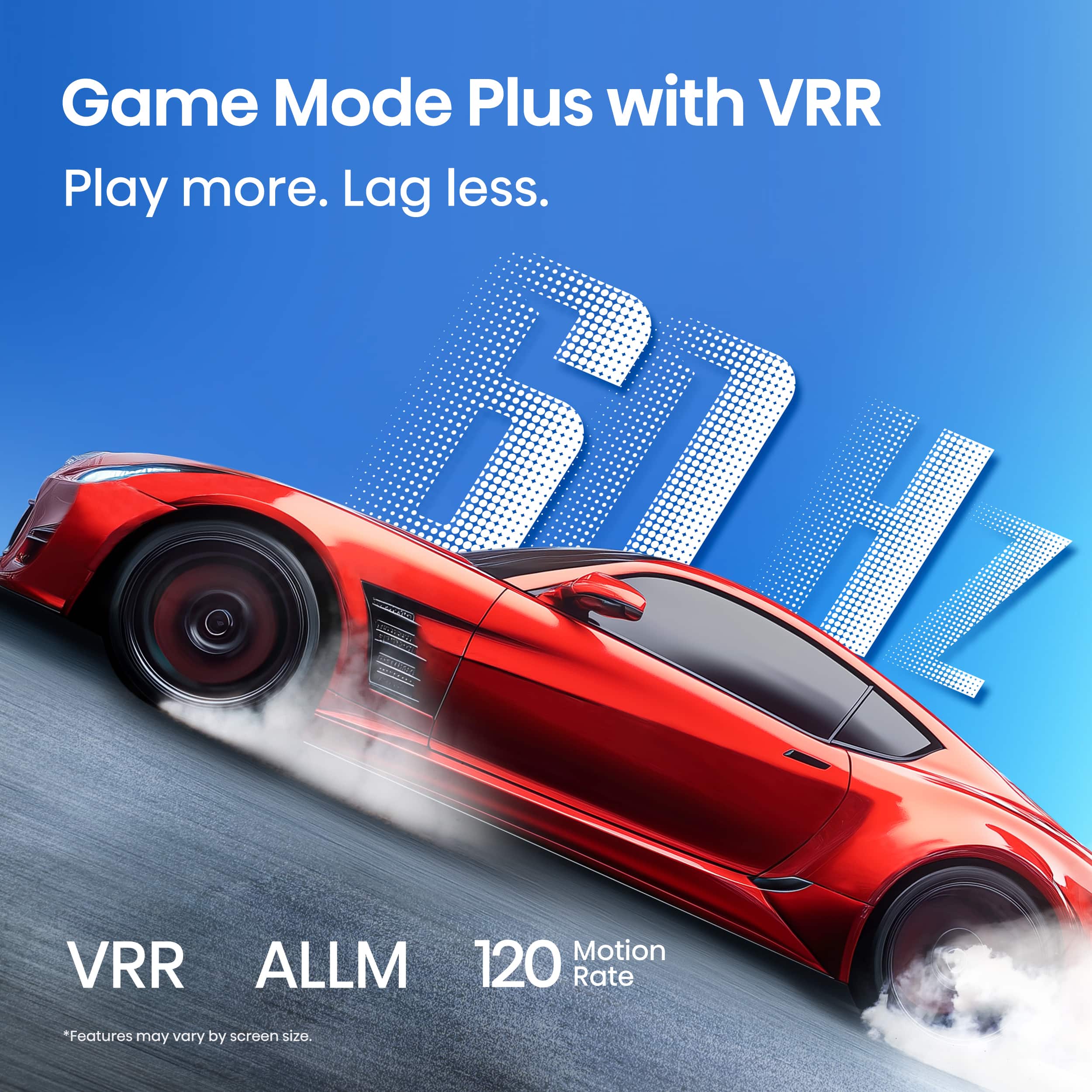
The QD6 also includes modern conveniences that the older H9G lacks. Variable Refresh Rate (VRR) eliminates screen tearing when gaming, while Auto Low Latency Mode (ALLM) automatically optimizes settings when you connect a PlayStation 5 or Xbox Series X. These features weren't standard in 2020 but have become essential for console gaming.
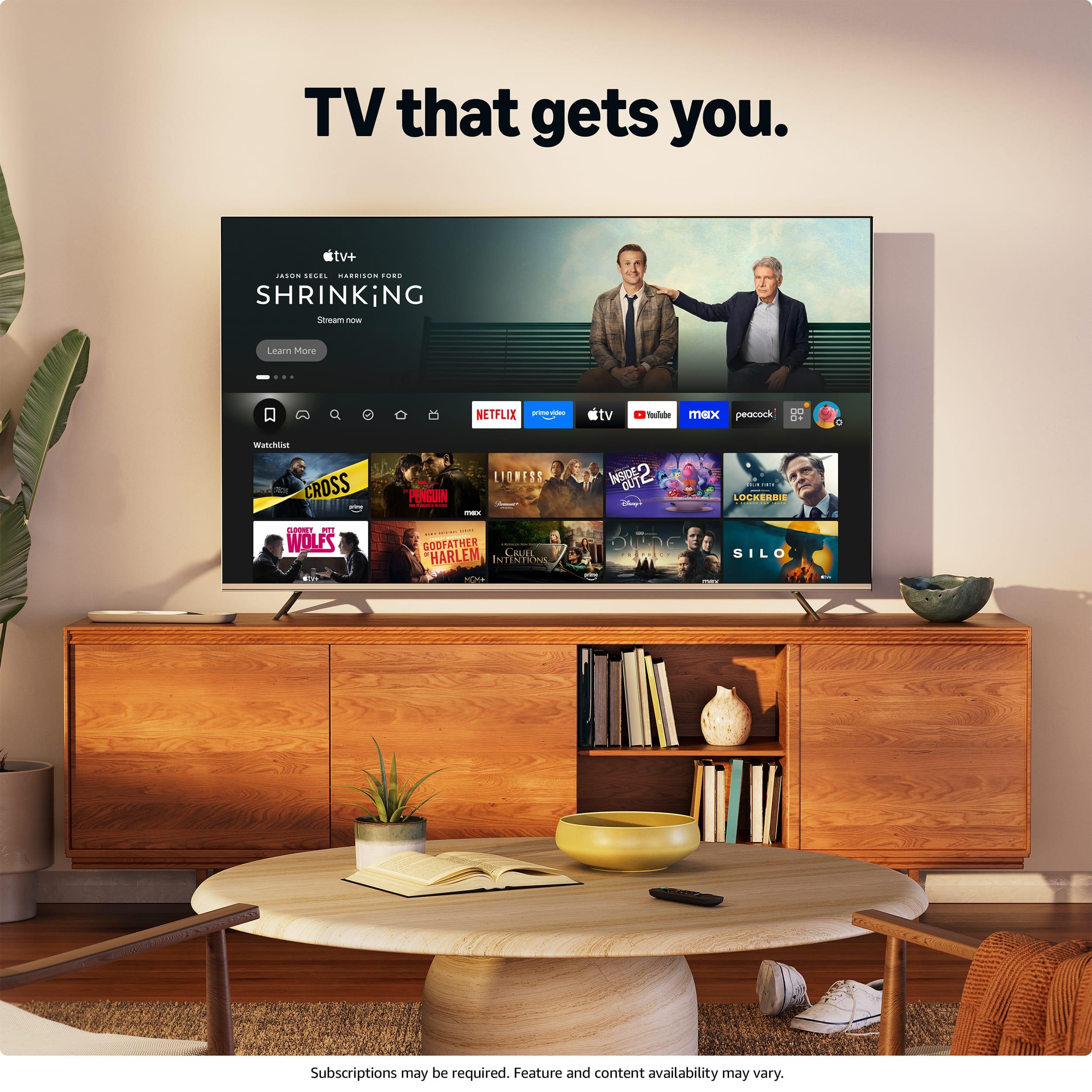
Fire TV integration feels snappy and responsive, avoiding the sluggishness that sometimes plagues Android TV systems over time. The interface prioritizes Amazon's content ecosystem, which works well if you're already invested in Prime Video, but it also supports Apple AirPlay and Google Chromecast for broader compatibility.
The most significant limitation is peak brightness. Our research indicates the QD6 reaches approximately 385 cd/m² (candelas per square meter), which sounds technical but simply means it's not bright enough to make HDR content truly shine in well-lit rooms. When watching movies with dramatic lighting – think sunset scenes or explosions – bright highlights appear muted rather than eye-catching.
Black levels also reveal compromises. Without local dimming zones, dark scenes appear grayish rather than truly black. This becomes most noticeable during movie night with the lights dimmed, where dark space scenes or nighttime shots lack the depth that makes premium TVs so immersive.
Motion handling is adequate for most content, but fast sports or action movies can show blur trails behind moving objects. The 60Hz refresh rate is perfectly fine for streaming content and casual gaming, but competitive gamers might notice the difference compared to higher refresh displays.
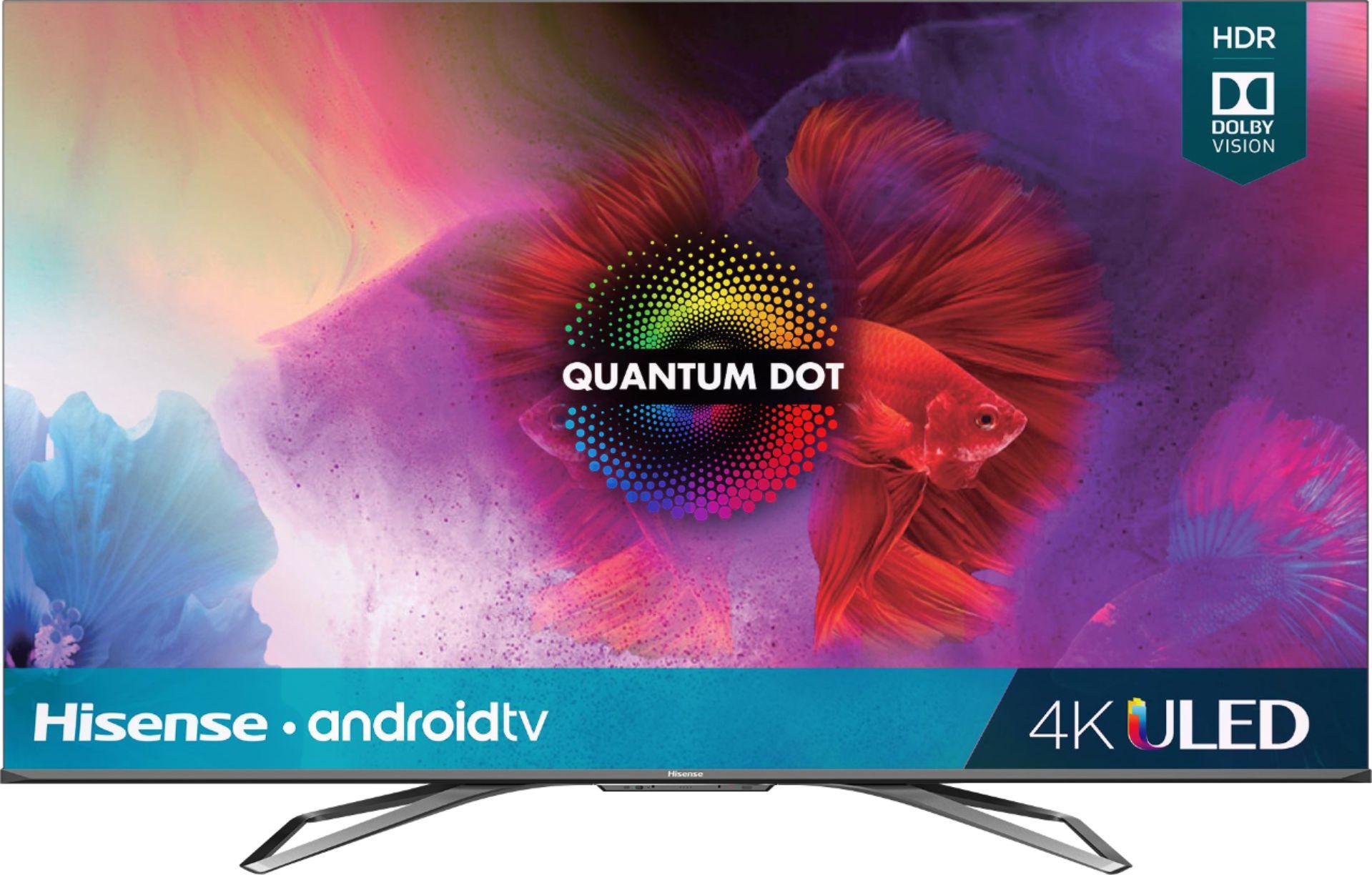
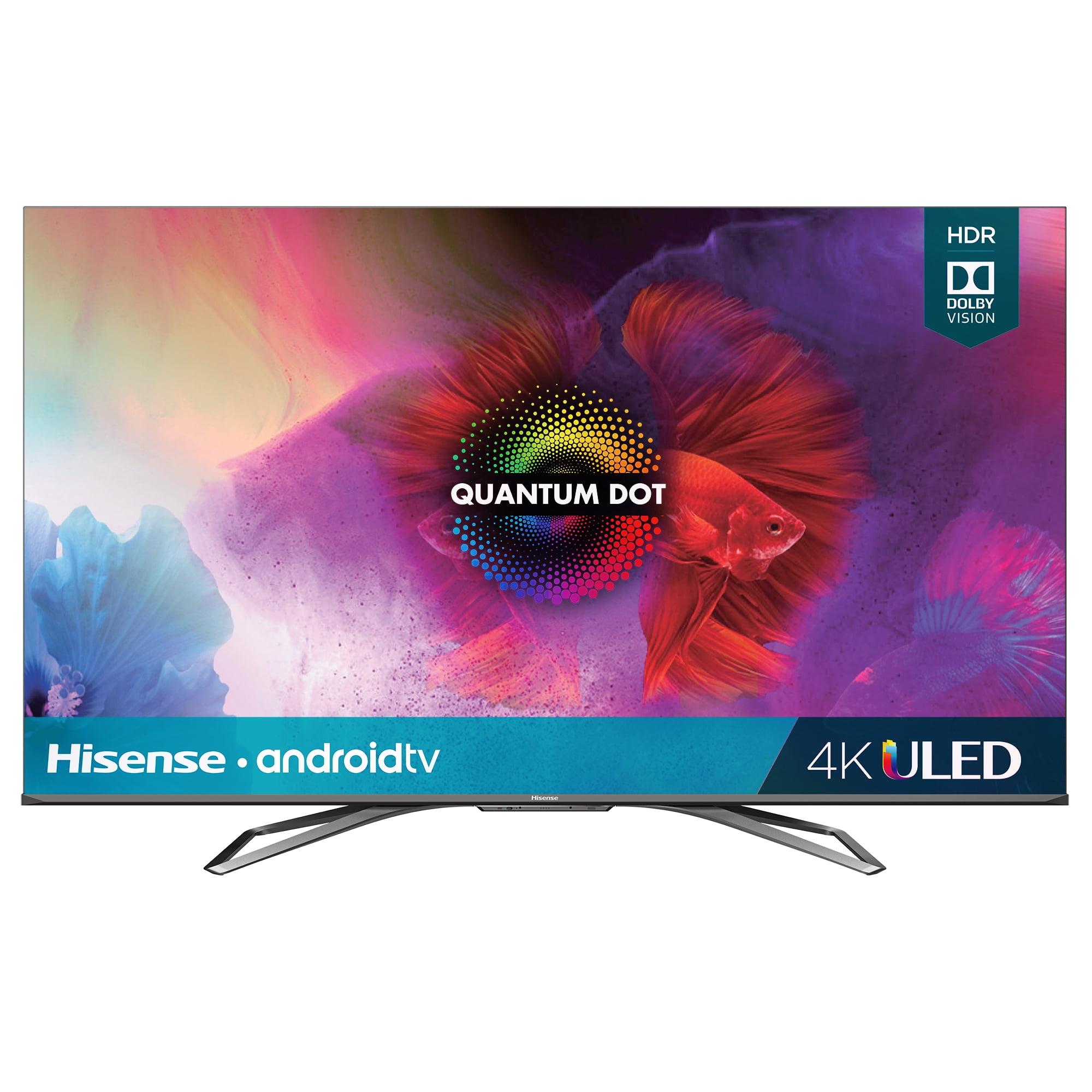
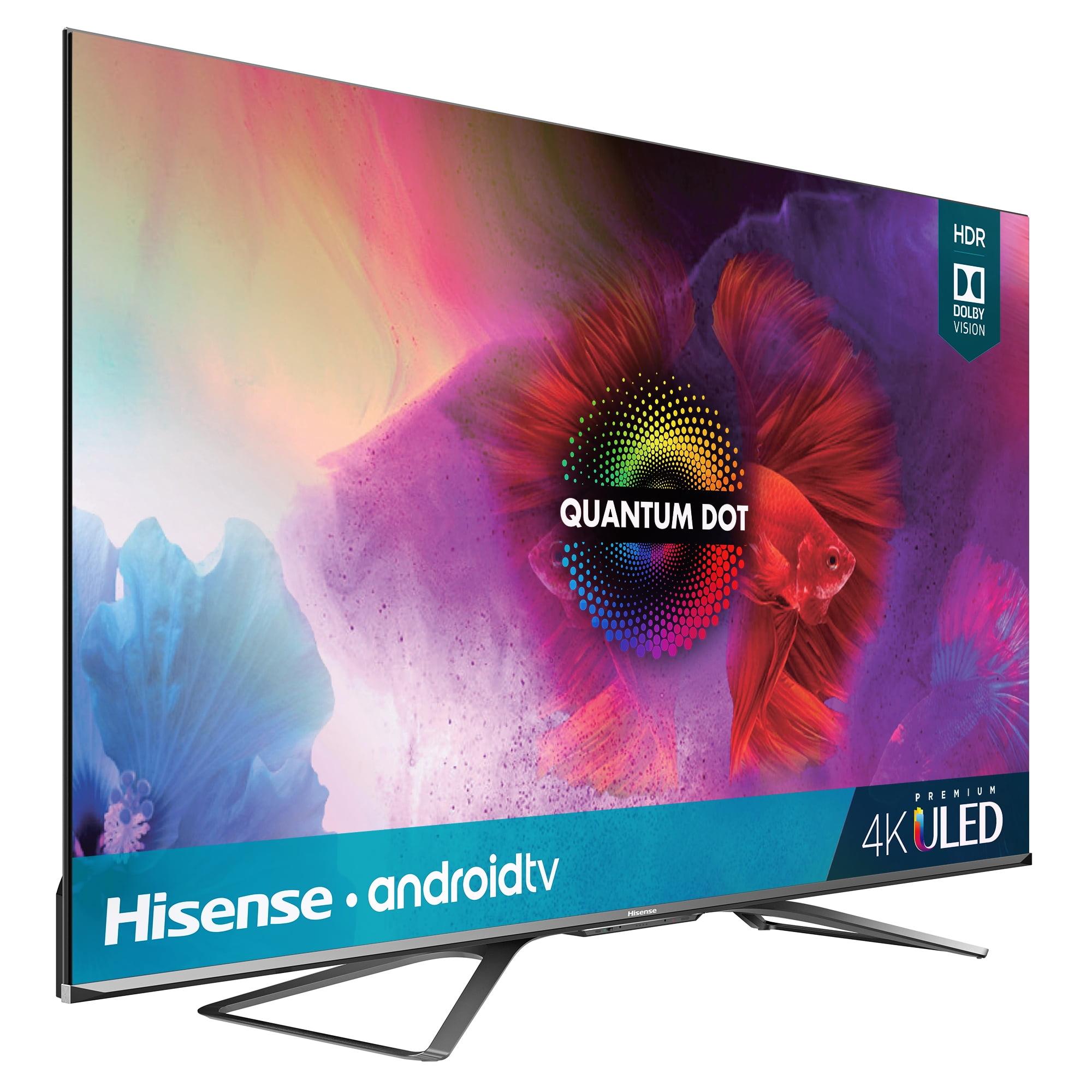
The H9G Quantum Series, released in 2020, represented Hisense's flagship effort to compete with Samsung and Sony's premium offerings. While it's now several years old, the underlying display technology remains impressive and explains why it originally commanded a premium price.
Full-array local dimming with 180 zones is the H9G's secret weapon. Each zone can independently adjust its brightness, creating precise contrast that budget TVs simply can't match. When watching Dune or Blade Runner 2049, dark scenes maintain true black levels while bright elements pop with realistic intensity.
Peak brightness of 1,000 nits puts the H9G in a different league for HDR content. Those sunset scenes and explosions actually look dramatic, with specular highlights that genuinely grab your attention. This brightness advantage makes the TV suitable for brighter living rooms where budget models would appear washed out.
The native 120Hz refresh rate creates noticeably smoother motion during sports broadcasts and fast-paced movies. While this can occasionally make 24fps films appear unnaturally smooth (called the "soap opera effect"), most users appreciate the fluid motion during live television.
Quantum dot technology in the H9G delivers similar wide color gamut benefits as the QD6, but the superior backlighting makes colors appear more saturated and realistic in both bright and dark scenes.
Released in 2020, the H9G predates several gaming features that are now considered essential. It lacks Variable Refresh Rate (VRR) support, meaning console gamers will experience screen tearing when frame rates fluctuate. For anyone with a PlayStation 5 or Xbox Series X, this feels like a significant omission.
HDMI 2.0 ports limit the TV to 4K gaming at 60Hz maximum, even though the panel supports 120Hz. Modern consoles can output 4K at 120Hz with the right TV, but the H9G can't take advantage of this capability.
Android TV, while feature-rich initially, tends to slow down over time. Users report occasional lag when navigating menus or launching apps, particularly after a year or two of use. This isn't necessarily a deal-breaker, but it's worth considering if you plan to keep the TV for many years.
For dark room viewing – think basement home theaters or late-night movie sessions – the H9G delivers a dramatically superior experience. The local dimming creates true blacks that make space scenes and dark cinematography genuinely immersive. The QD6 shows its limitations here, with blacks appearing gray and overall contrast feeling flat.
In bright living rooms with windows and ambient lighting, the H9G's higher peak brightness provides a clear advantage. HDR content maintains its impact even with sunlight streaming in, while the QD6 can appear washed out in challenging lighting conditions.
For moderate lighting conditions – think family rooms with some overhead lighting – both TVs perform reasonably well, though the H9G still maintains an edge in overall contrast and color saturation.
Modern console gaming reveals interesting trade-offs between these models. The QD6 includes VRR and ALLM support, making it more compatible with PlayStation 5 and Xbox Series X despite its lower refresh rate. Games feel responsive with minimal input lag, and the absence of screen tearing creates a smooth experience.
The H9G offers 120Hz refresh rates for silky-smooth motion but lacks VRR, creating occasional screen tearing that can be distracting during fast-paced games. Input lag is low in game mode, but the missing modern features feel like significant omissions for serious gamers.
Neither TV is ideal for competitive gaming compared to dedicated gaming monitors, but the QD6 feels more future-proof for console use despite its technical limitations.
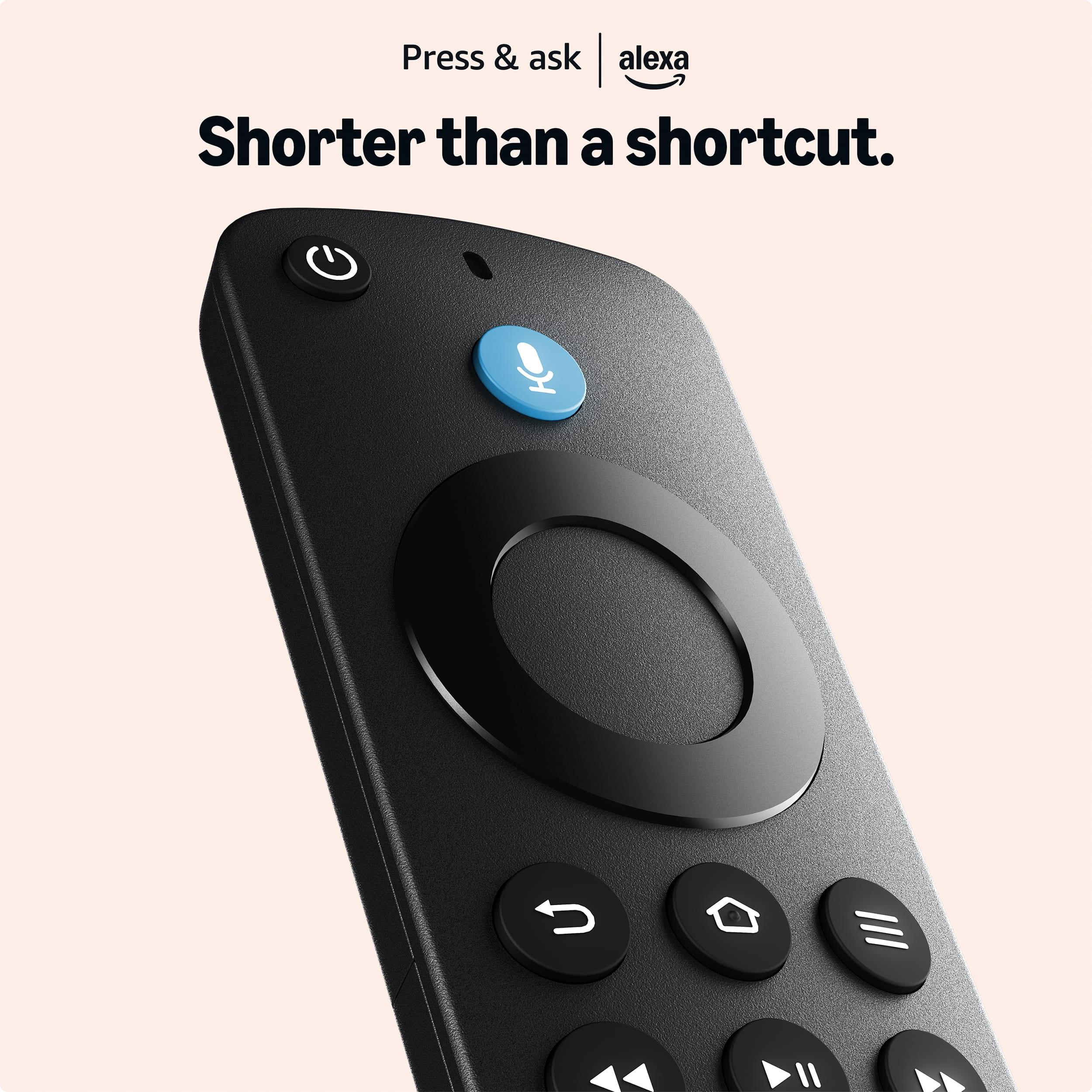
Fire TV on the QD6 provides a streamlined, responsive experience with quick app launching and smooth navigation. The interface prioritizes Amazon content but integrates well with other streaming services. Voice control through Alexa feels natural and responsive.
Android TV on the H9G offers more app flexibility through the Google Play Store but can feel sluggish over time. The built-in Google Assistant provides excellent voice control when it's working properly, but the overall experience feels less polished than Fire TV.
The QD6 Series makes sense if you're looking for solid 4K performance without breaking the budget. It's particularly appealing for families who primarily stream content and play console games casually. The modern gaming features and responsive smart TV platform create a user-friendly experience that feels current despite the display technology compromises.
This TV works well in moderately lit family rooms where absolute contrast isn't crucial but color accuracy and smart features matter. If you're upgrading from an older 1080p TV or a basic 4K model, the QD6 will feel like a significant improvement without requiring a major financial commitment.
The H9G justifies its higher price through dramatically superior picture quality, particularly in controlled lighting environments. If you're building a dedicated home theater or simply prioritize the best possible image quality for movies and TV shows, the local dimming and high brightness create a genuinely cinematic experience.
This TV excels for movie enthusiasts who appreciate the difference between good and great picture quality. The superior contrast makes dark scenes more immersive, while the higher peak brightness ensures HDR content delivers its intended impact.
However, the H9G feels less future-proof for gaming due to missing VRR support and HDMI 2.0 limitations. If console gaming is important, you might consider newer premium models that combine excellent picture quality with modern gaming features.
Think honestly about how you use your TV. If you primarily watch streaming content with ambient lighting and occasional gaming, the QD6 provides excellent value. If you're a cinephile who dimishes lights for movie nights and appreciates reference-quality picture performance, the H9G delivers a significantly more immersive experience.
The price difference between these models, at the time of writing, represents a classic quality-versus-value decision. The QD6 offers impressive performance for its price point, while the H9G delivers genuinely superior picture quality that justifies its premium positioning.
Both TVs serve their intended audiences well, but they prioritize different aspects of the viewing experience. The QD6 Series succeeds as a modern, feature-rich TV that doesn't compromise too heavily on picture quality while remaining accessible to most budgets. The H9G delivers reference-quality picture performance that rivals much more expensive options, though it shows its age in gaming features and smart TV responsiveness.
For most buyers, the QD6 provides the better overall value, especially if gaming features and smart TV performance matter to your daily usage. However, if picture quality is your primary concern and you're willing to pay for dramatic improvements in contrast and brightness, the H9G remains an excellent choice despite being several years old.
The decision ultimately comes down to your priorities: modern features and solid value, or premium picture quality that creates a truly cinematic home viewing experience.
| Hisense 65" QD6 Series Hi-QLED Fire TV (2025) | Hisense 65" H9G Quantum Series 4K UHD Smart Android TV |
|---|---|
| Peak Brightness - Critical for HDR impact and bright room viewing | |
| ~385 cd/m² (adequate for moderate lighting) | 1,000 nits (excellent for HDR highlights and bright rooms) |
| Local Dimming Technology - Most important factor for contrast and black levels | |
| Basic LED backlighting (no local dimming zones) | Full-array local dimming with 180 zones |
| Refresh Rate - Affects motion smoothness in sports and fast content | |
| 60Hz native (Motion Rate 120 with interpolation) | 120Hz native (Motion Rate 480) |
| Gaming Features - Essential for console compatibility | |
| VRR, ALLM support (modern console features) | No VRR, basic ALLM (limited future-proofing) |
| HDMI Connectivity - Determines maximum gaming resolution/refresh rates | |
| 4x HDMI 2.0 ports (4K@60Hz maximum) | 4x HDMI 2.0 ports (4K@60Hz despite 120Hz panel) |
| Smart TV Platform - Affects interface speed and app selection | |
| Fire TV (responsive, Amazon-focused ecosystem) | Android TV (more apps but can slow over time) |
| Color Technology - Enhances color accuracy and vibrancy | |
| Hi-QLED with quantum dots (90% DCI-P3 coverage) | Quantum Dot technology with wide color gamut |
| HDR Support - Determines which premium content formats work | |
| Dolby Vision, HDR10+, HDR10, HLG | Dolby Vision, HDR10+, HDR10, HLG |
| Audio Features - Built-in sound quality | |
| Dolby Atmos support with standard speakers | Dolby Atmos with 10W x 2 speakers |
| Release Year - Affects feature currency and long-term support | |
| 2025 (latest features and longer support expected) | 2020 (mature but aging platform and features) |
| Voice Control - Hands-free operation convenience | |
| Amazon Alexa built-in | Google Assistant with hands-free microphones |
| Best Use Case - Where each TV excels most | |
| Budget-conscious buyers wanting modern features | Home theater enthusiasts prioritizing picture quality |
The Hisense QD6 Series offers better value for most buyers, providing modern gaming features like VRR and ALLM support at a much lower price point. However, the H9G Quantum Series delivers significantly better picture quality with full-array local dimming and 1,000-nit peak brightness, making it worth the premium if picture quality is your top priority.
The biggest difference is contrast performance. The H9G features 180 local dimming zones that create true blacks and precise brightness control, while the QD6 Series uses basic LED backlighting without dimming zones. This makes the H9G dramatically better for dark room viewing and HDR content.
The QD6 Series is more compatible with modern consoles thanks to VRR (Variable Refresh Rate) and ALLM support, which eliminate screen tearing and optimize gaming settings automatically. The H9G lacks VRR and is limited to 4K@60Hz gaming despite having a 120Hz panel, making it less future-proof for console gaming.
The H9G Quantum Series performs much better in bright rooms with its 1,000-nit peak brightness, maintaining HDR impact even with ambient lighting. The QD6 reaches only about 385 cd/m², making it adequate for moderately lit rooms but potentially washed out in very bright environments.
Fire TV on the QD6 Series is generally more responsive and reliable long-term, with quick app launching and smooth navigation. Android TV on the H9G offers more app flexibility through Google Play Store but tends to slow down over time and can feel sluggish after extended use.
For dedicated home theater setups or movie enthusiasts, yes - the H9G's superior contrast, local dimming, and higher brightness create a genuinely cinematic experience. For casual viewing in family rooms, the QD6 Series provides perfectly adequate picture quality with modern convenience features at a much lower cost.
The H9G Quantum Series has superior motion handling with its native 120Hz refresh rate and Motion Rate 480, creating smoother sports viewing with less blur. The QD6 uses a 60Hz panel with Motion Rate 120 interpolation, which is adequate but not as smooth for fast-paced content.
Yes, both the QD6 Series and H9G support Dolby Vision, HDR10+, HDR10, and HLG formats. However, the H9G's higher peak brightness and local dimming make HDR content much more impactful with brighter highlights and better contrast.
The H9G Quantum Series is significantly better for dark room viewing thanks to its 180-zone local dimming system that creates true blacks and excellent contrast. The QD6 shows grayish blacks in dark scenes without local dimming, making it less immersive for dedicated home theater setups.
The QD6 Series is more future-proof for gaming with VRR and ALLM support, plus it's a 2025 model likely to receive longer software updates. The H9G from 2020 lacks modern gaming features and may have limited long-term Android TV support, though its display technology remains excellent.
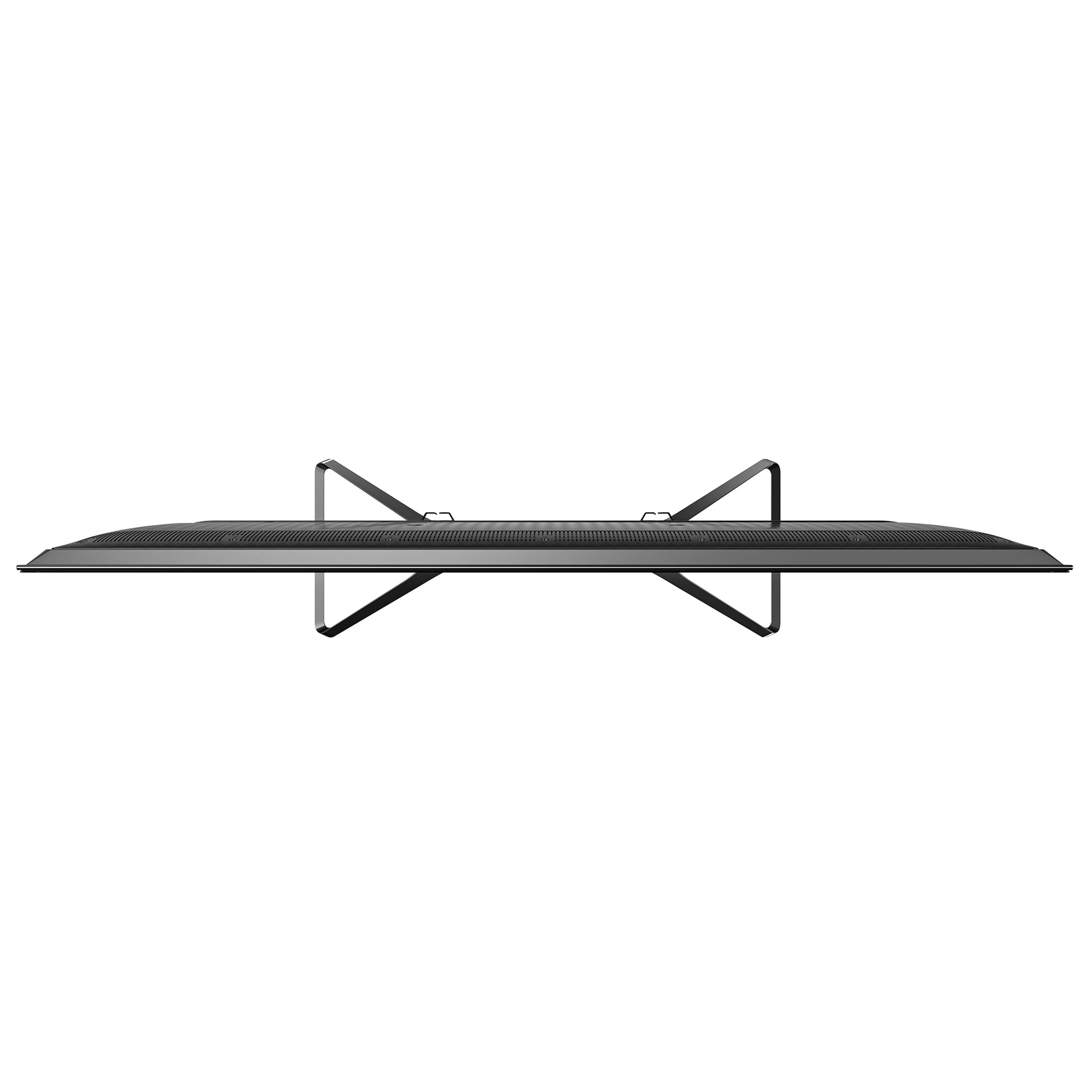
Both TVs offer solid build quality typical of Hisense's standards. The H9G feels more premium with its thicker construction and advanced backlighting system. The QD6 Series has a more basic build but includes newer components and should benefit from improved manufacturing processes in 2025.
Choose the newer QD6 Series if you want modern features, gaming compatibility, and solid value for everyday viewing. Choose the H9G if picture quality is paramount and you primarily watch movies in controlled lighting - its superior contrast and brightness justify the higher cost for serious home theater enthusiasts.
We've done our best to create useful and informative comparisons to help you decide what product to buy. Our research uses advanced automated methods to create this comparison and perfection is not possible - please contact us for corrections or questions. These are the sites we've researched in the creation of this article: pcvarge.com - bestbuy.com - rtings.com - youtube.com - rtings.com - youtube.com - consumerreports.org - leaseville.com - hisense-usa.com - device.report - hisense-usa.com - youtube.com - flatpanelshd.com - displayspecifications.com - retailspecs.com - rtings.com - bestbuy.com - techradar.com - youtube.com - digitaltrends.com - assets.hisense-usa.com - bestbuy.com - youtube.com - bestbuy.com

Privacy Policy
Terms and Conditions - Affiliate Policy
Home Security
© Copyright 2008-2026.
11816 Inwood Rd #1211, Dallas, TX 75244