

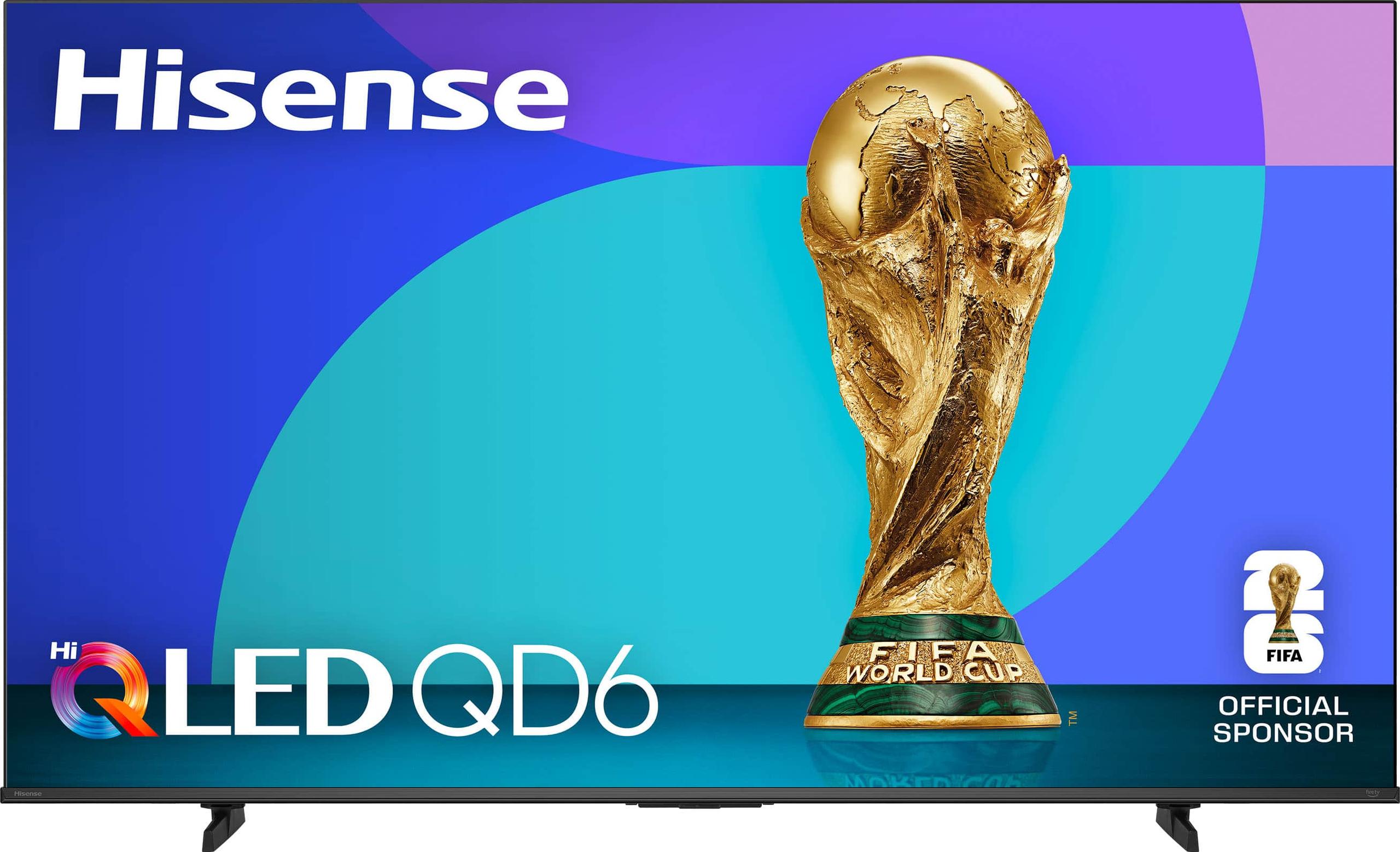
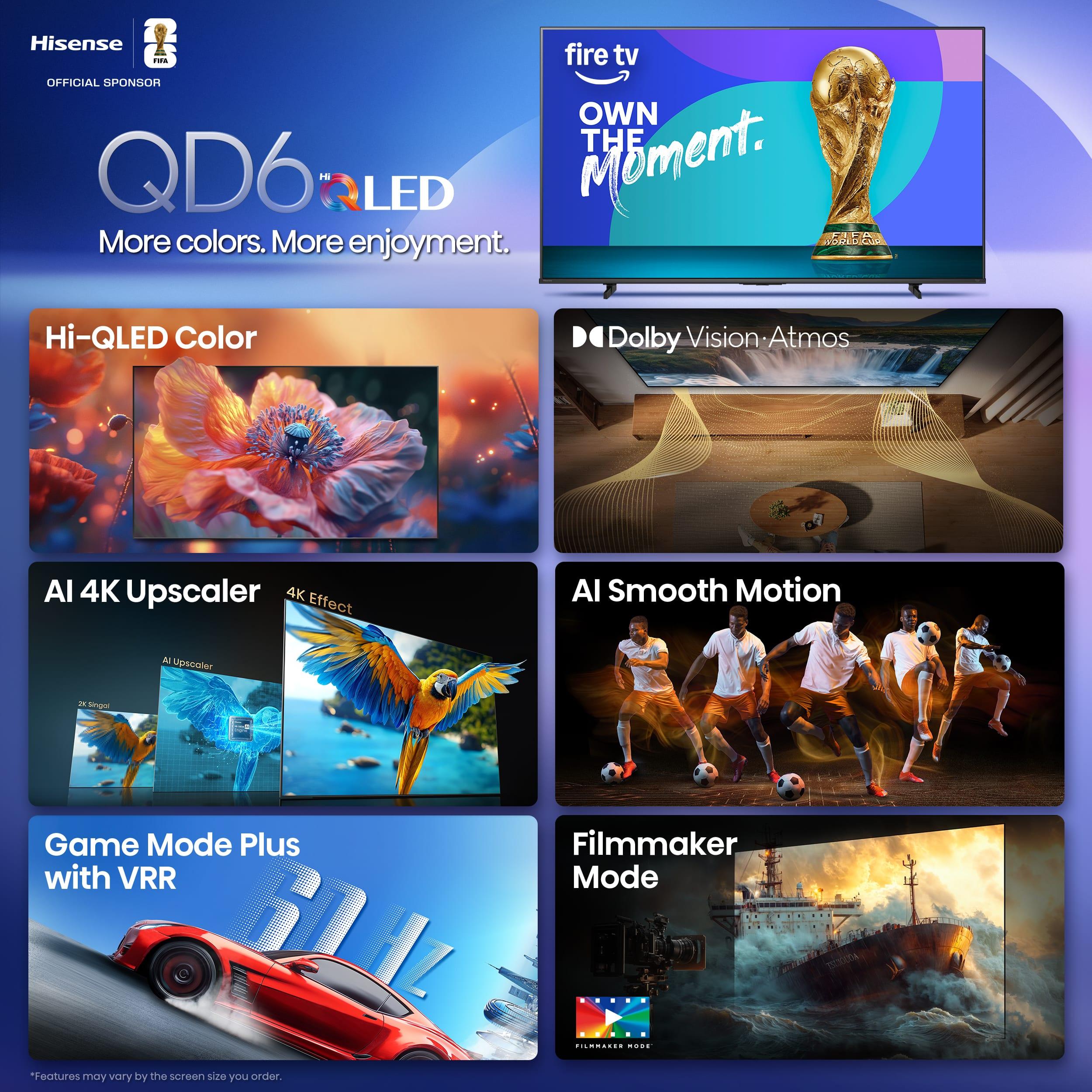
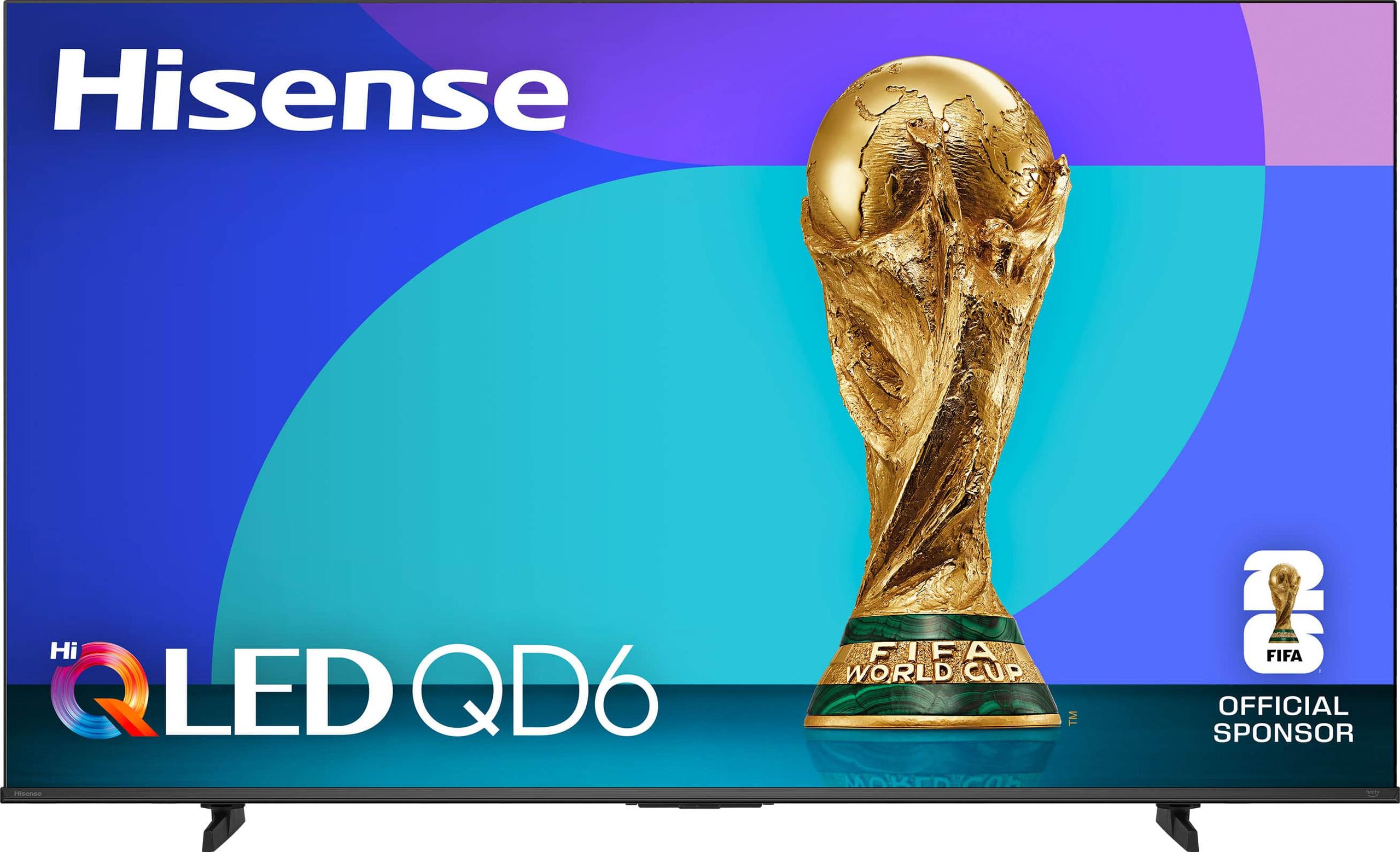
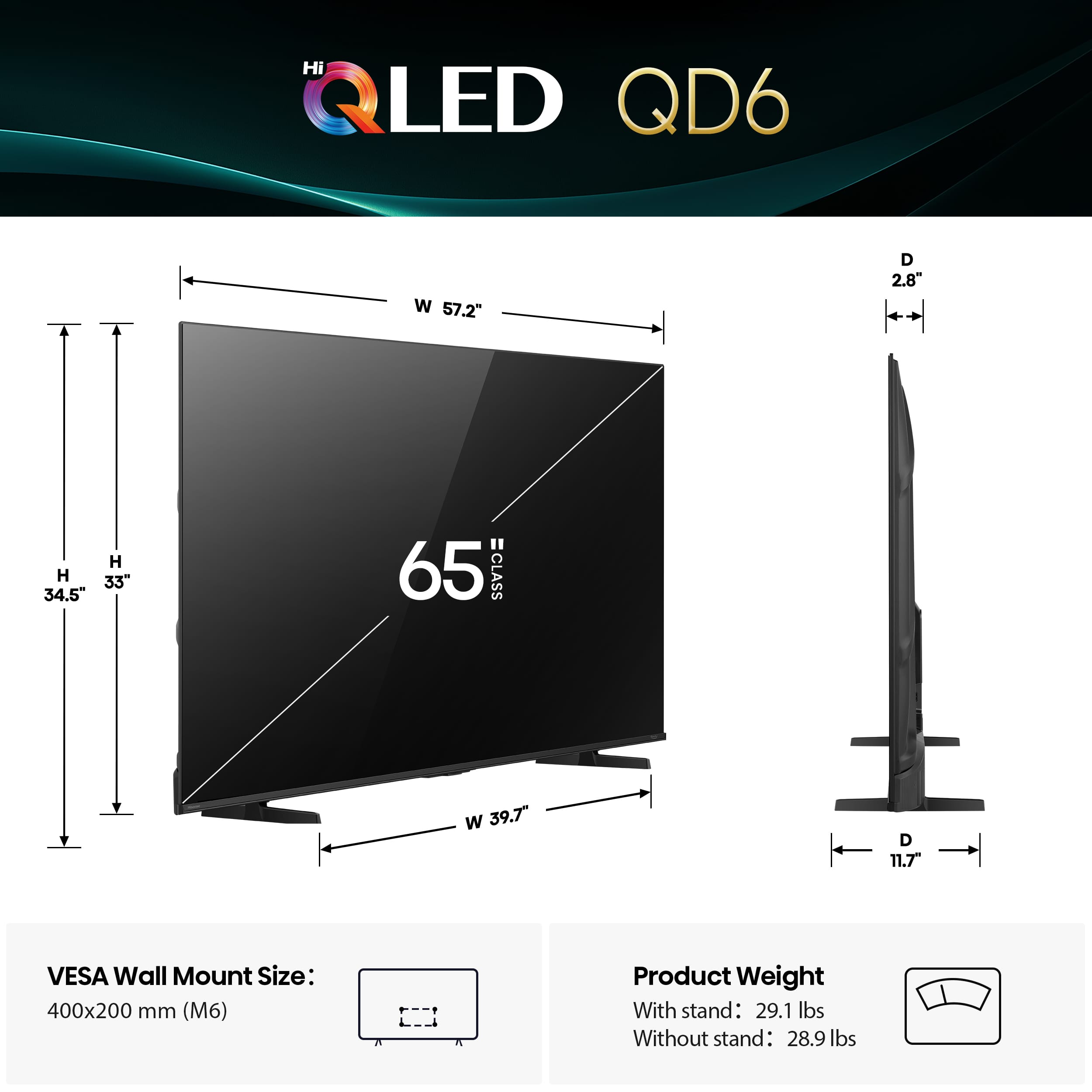

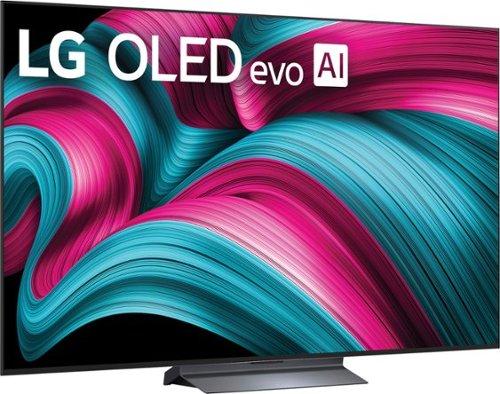
When you're shopping for a new 65-inch TV, you'll quickly discover that not all premium televisions are created equal. Two standout options that represent very different approaches to picture quality are the Hisense QD6 Series Hi-QLED Fire TV and the LG OLED evo C5. Both released in 2025, these TVs showcase the ongoing evolution in display technology, but they achieve their goals through fundamentally different methods.
Understanding the difference between these technologies isn't just about specs on a page—it's about knowing which approach will work best in your living room, with your content, and within your budget. At the time of writing, these TVs represent vastly different price points, with the Hisense QD6 positioned as an affordable entry into premium features, while the LG C5 commands significantly higher pricing for flagship performance.
To understand why these TVs perform so differently, we need to start with how they create the picture you see. The Hisense QD6 uses what's called LED-LCD technology, which has been the backbone of affordable TVs for over a decade. Think of it as a sandwich: there's a backlight (usually LEDs) that shines through liquid crystal panels, which then get filtered through color layers to create the image. The "quantum dot" enhancement adds a special layer that makes colors more vibrant and accurate than standard LED TVs.
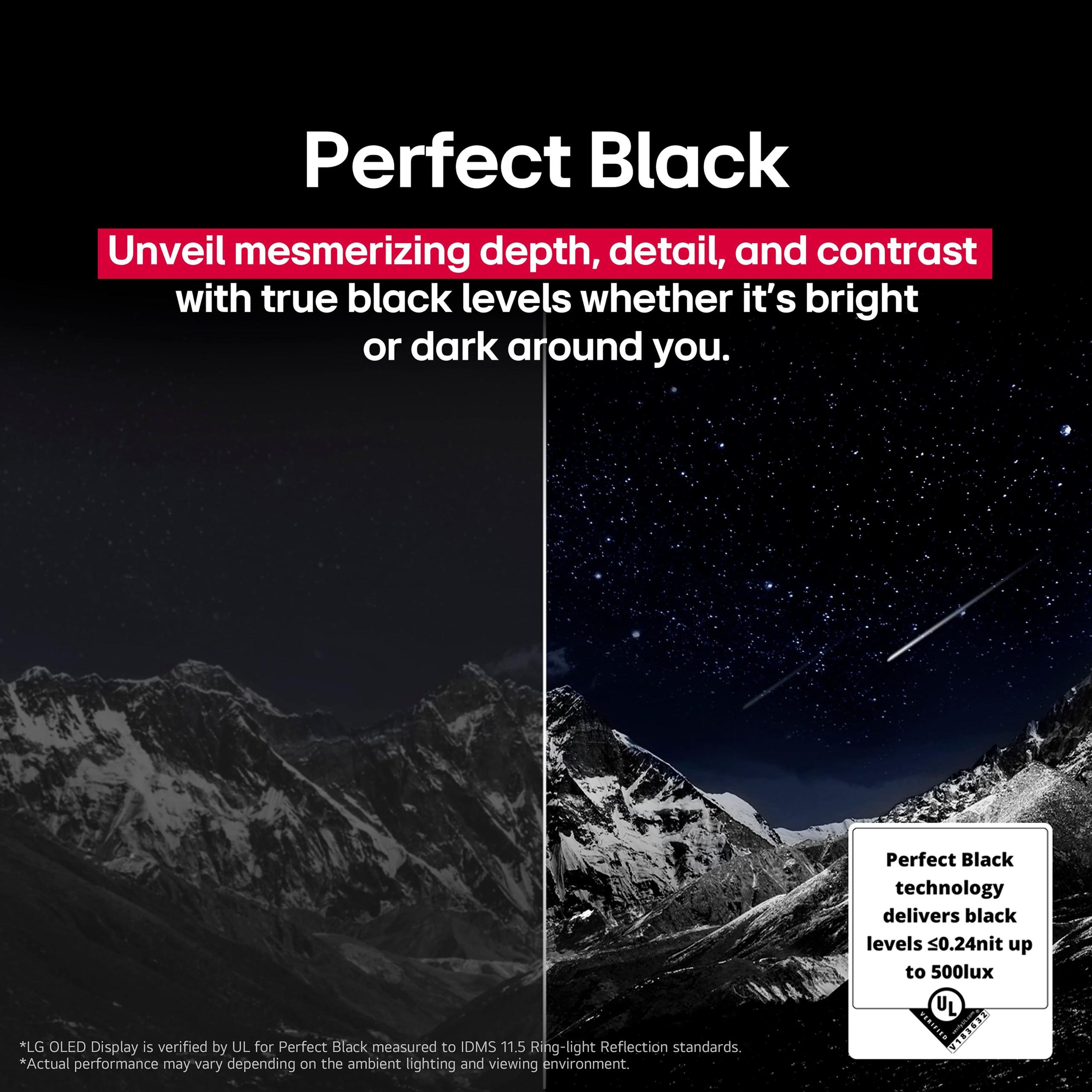
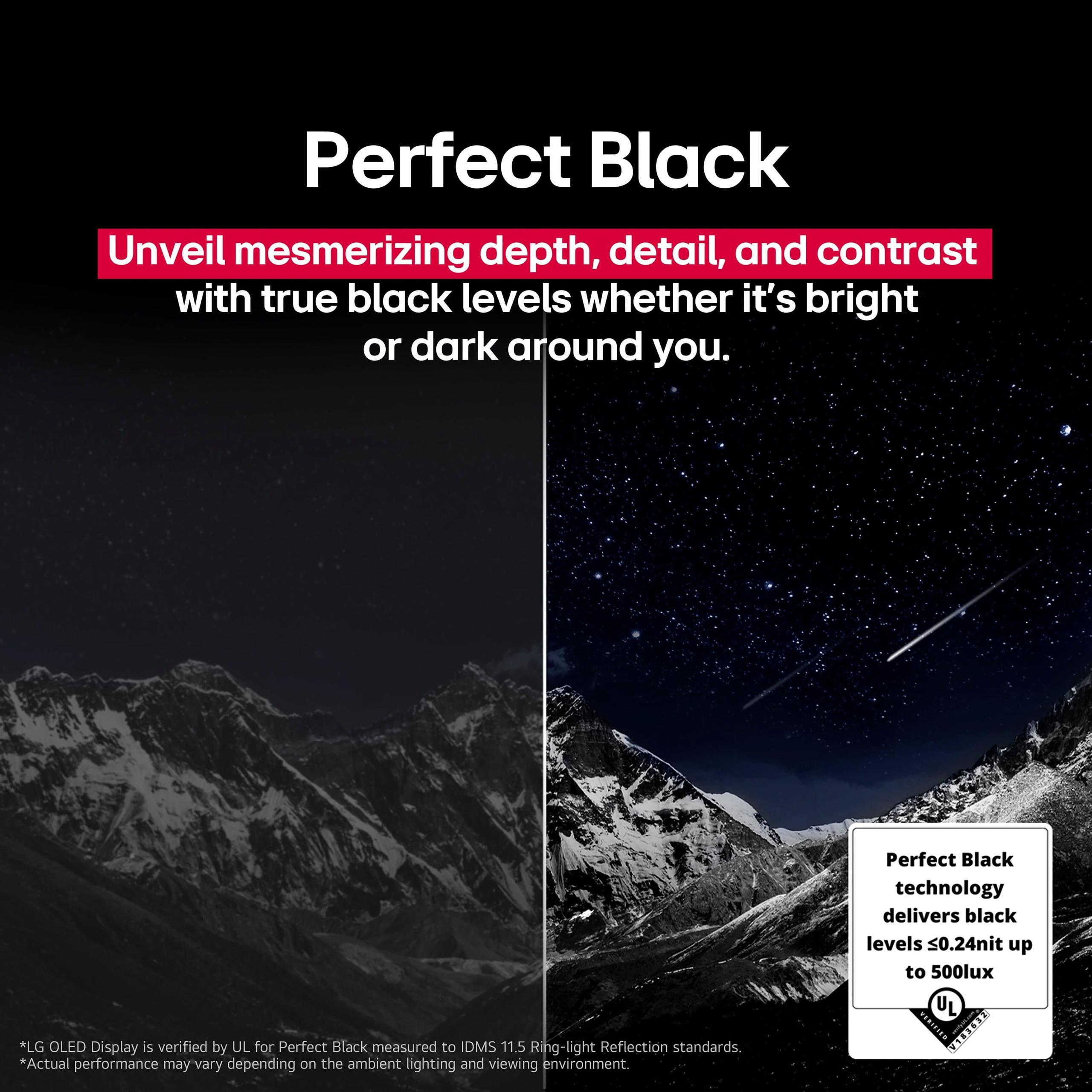
The LG C5, on the other hand, uses OLED (Organic Light Emitting Diode) technology. Instead of needing a backlight, each of the 8.3 million pixels generates its own light. When the TV wants to show black, those pixels simply turn off completely. This fundamental difference creates the most dramatic contrast between these two approaches.
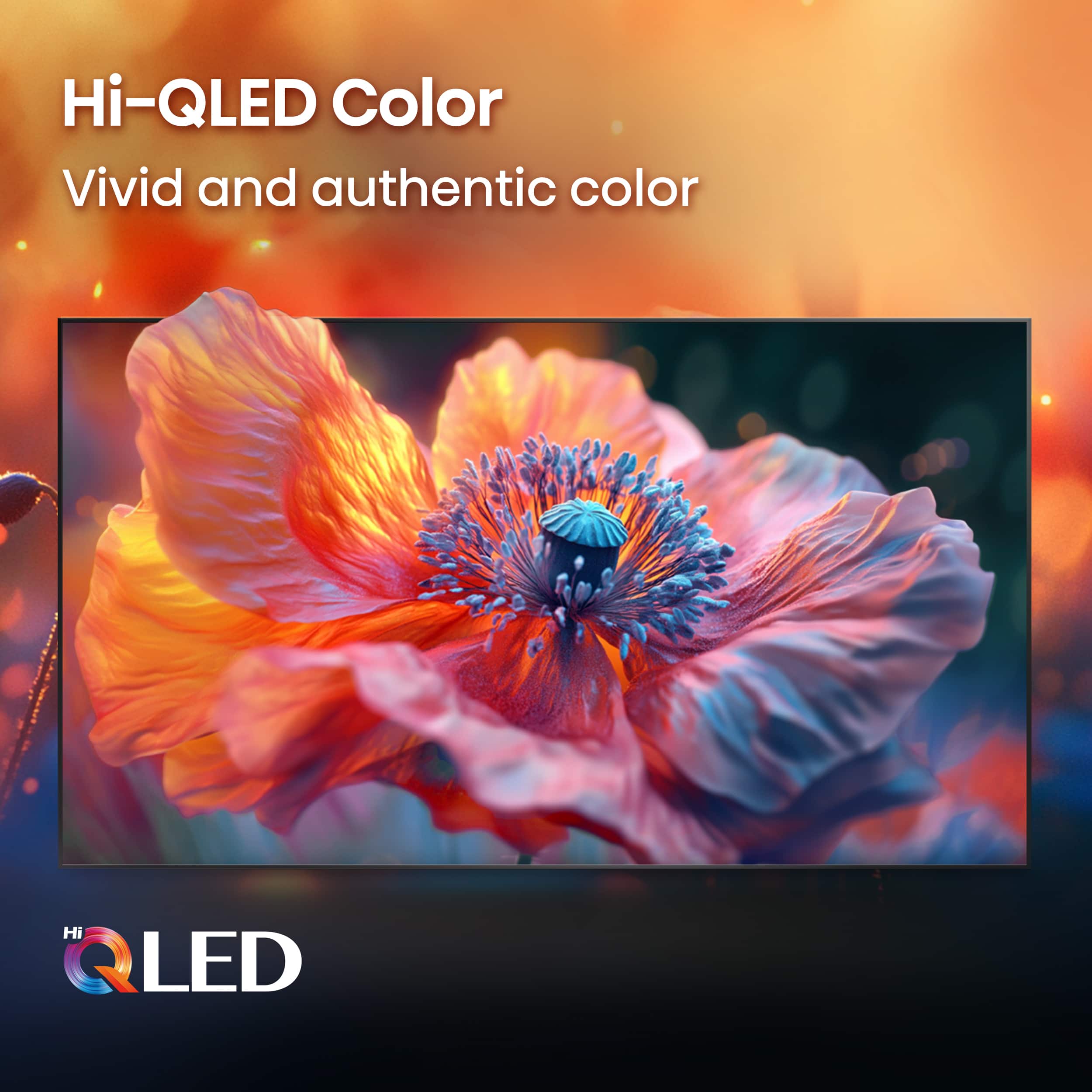
The quantum dot technology in the Hisense QD6 has evolved significantly since its introduction. These microscopic particles convert blue LED light into precise red and green wavelengths, achieving about 90% coverage of the DCI-P3 color space that's used for HDR content. It's an impressive feat for the price point, though it still relies on that underlying LED backlight system.
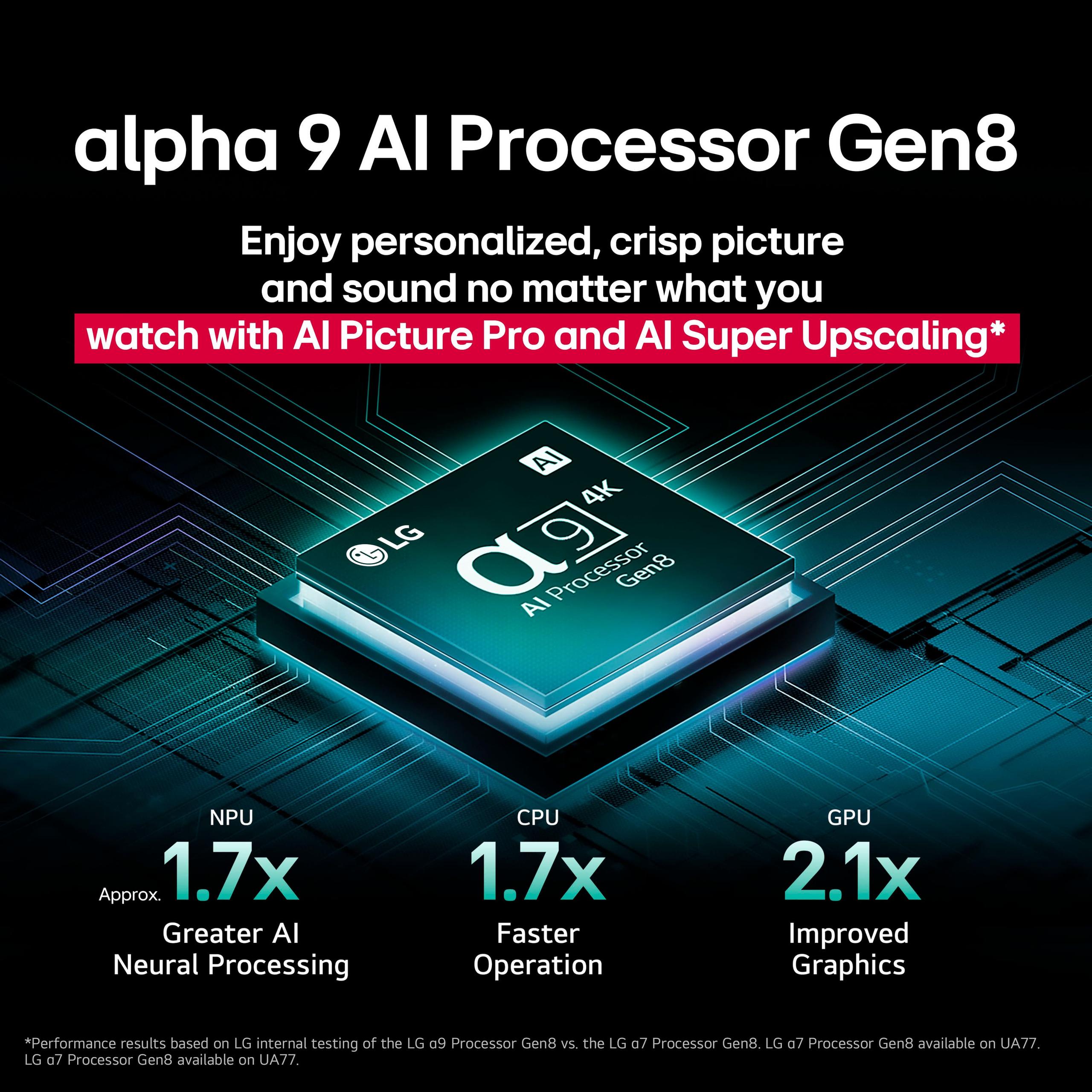
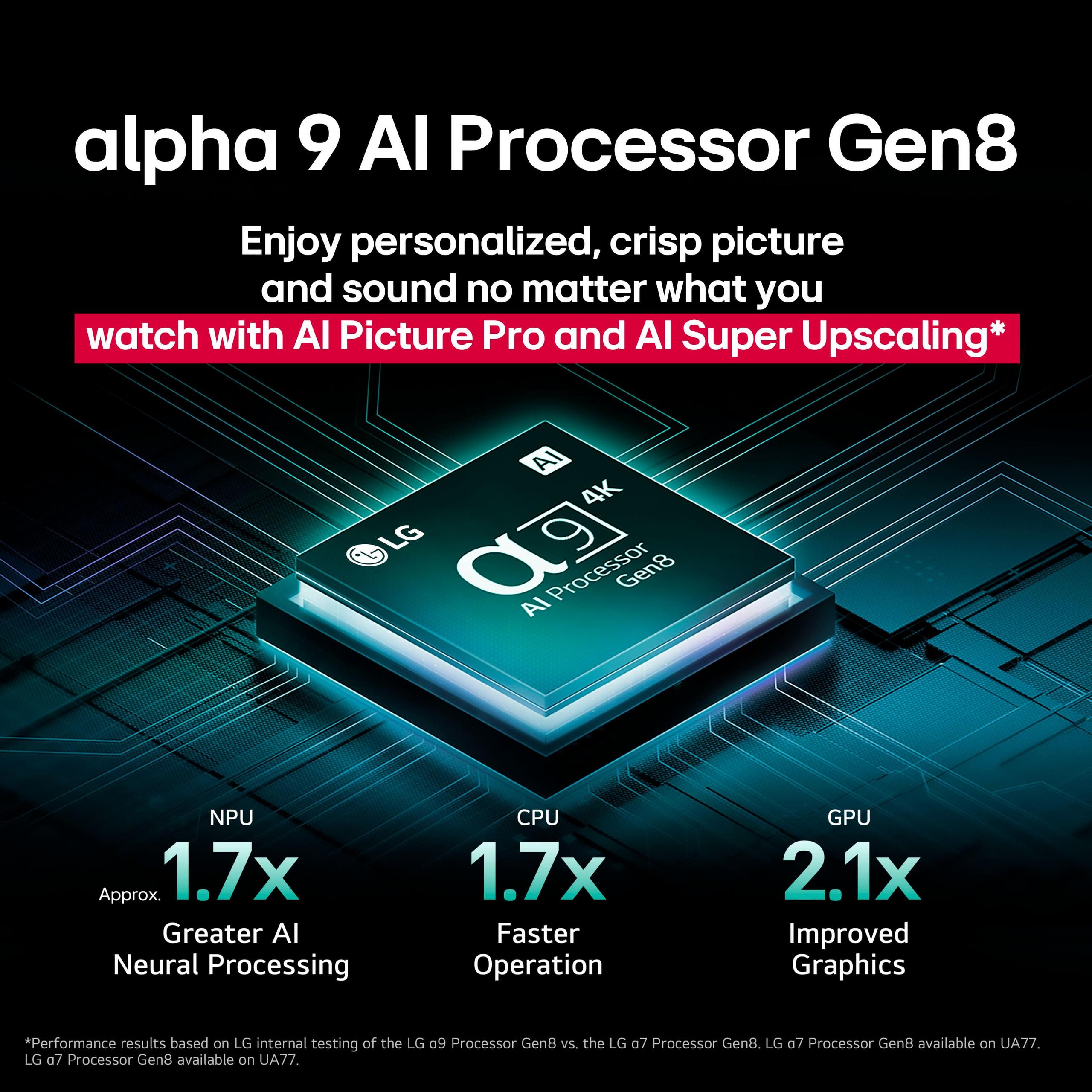
OLED technology has also matured considerably by 2025. The "evo" designation on the LG C5 indicates LG's latest panel improvements, which boost brightness compared to earlier OLED generations while maintaining perfect blacks. The Alpha 9 AI Processor Gen8 represents years of refinement in how the TV analyzes and optimizes content in real-time.
This is where the technology differences become most apparent. The LG C5 achieves what's called "infinite contrast" because its pixels can turn completely off, creating true black alongside bright elements in the same frame. When you're watching a movie with a starfield or a campfire scene, each star or flame will pop against the perfectly black background.
The Hisense QD6 uses a VA (Vertical Alignment) panel, which provides decent native contrast for an LCD TV. However, it lacks local dimming—a feature where sections of the backlight can dim independently. This means when there's a bright element anywhere on screen, the entire backlight stays active, causing black areas to appear grayish. It's the difference between looking at actual night sky versus looking at it through a slightly fogged window.
For home theater enthusiasts, this contrast difference is significant. During dark movie scenes, the LG C5 maintains that dramatic, cinema-like depth, while the Hisense QD6 shows its limitations with lifted blacks that can make dark scenes feel flat.
HDR (High Dynamic Range) is designed to show both the brightest highlights and darkest shadows in the same image, just like your eyes see in real life. The LG C5 achieves peak brightness around 1,200 nits in typical viewing—bright enough to make specular highlights like sun reflections or explosions feel realistic and impactful.
The Hisense QD6 reaches approximately 385 nits peak brightness. While this sounds significantly lower, it's actually competitive for budget TVs and sufficient for viewing in moderately lit rooms. The quantum dot enhancement helps make the most of this brightness, delivering vibrant colors even if it can't match the dramatic HDR punch of OLED.
Here's where it gets interesting: the LG C5 can hit those high brightness peaks, but only in small areas of the screen. During entirely bright scenes—like a snow-covered landscape—OLED TVs automatically reduce overall brightness to protect the panel. The Hisense QD6 maintains its modest brightness more consistently across different content types.
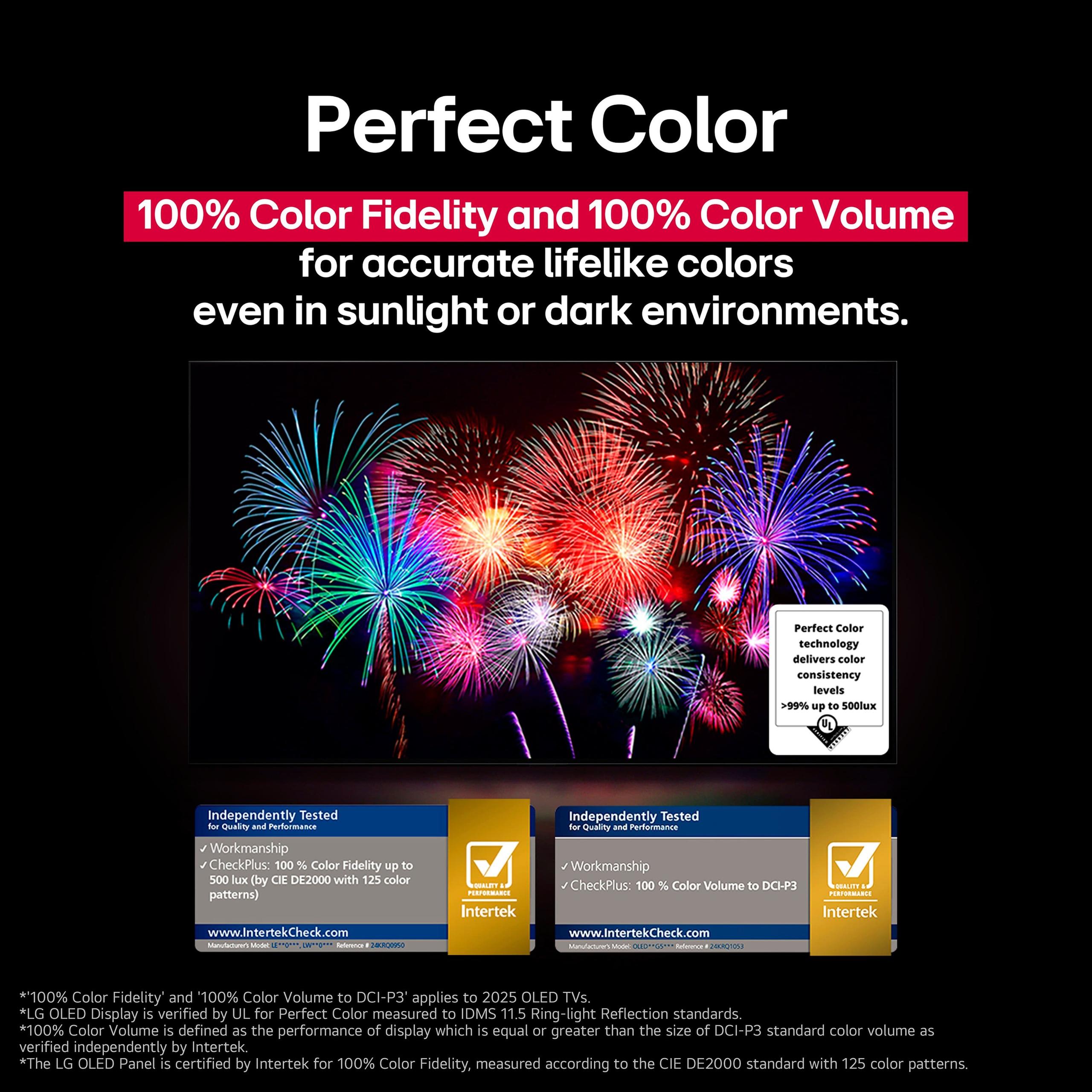
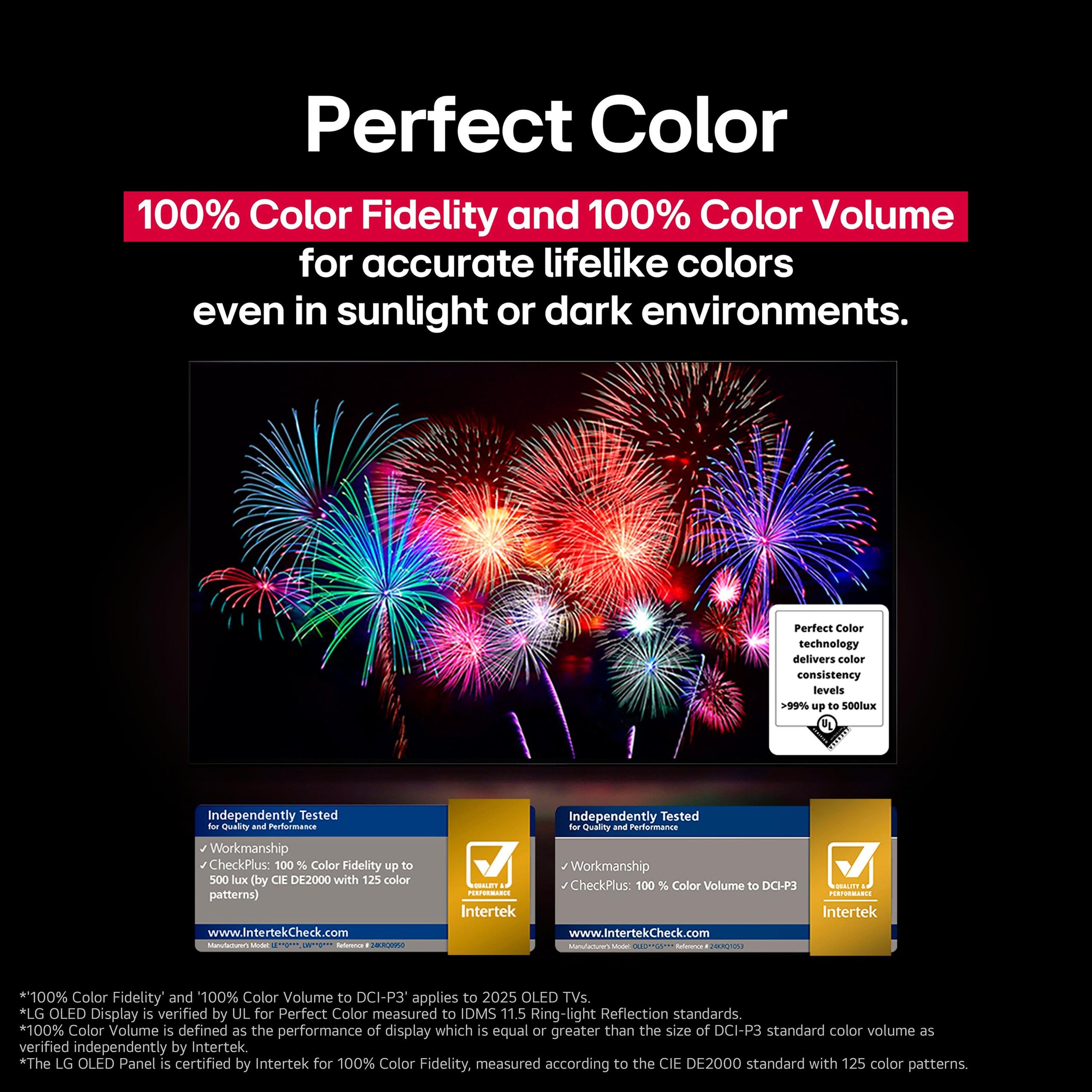
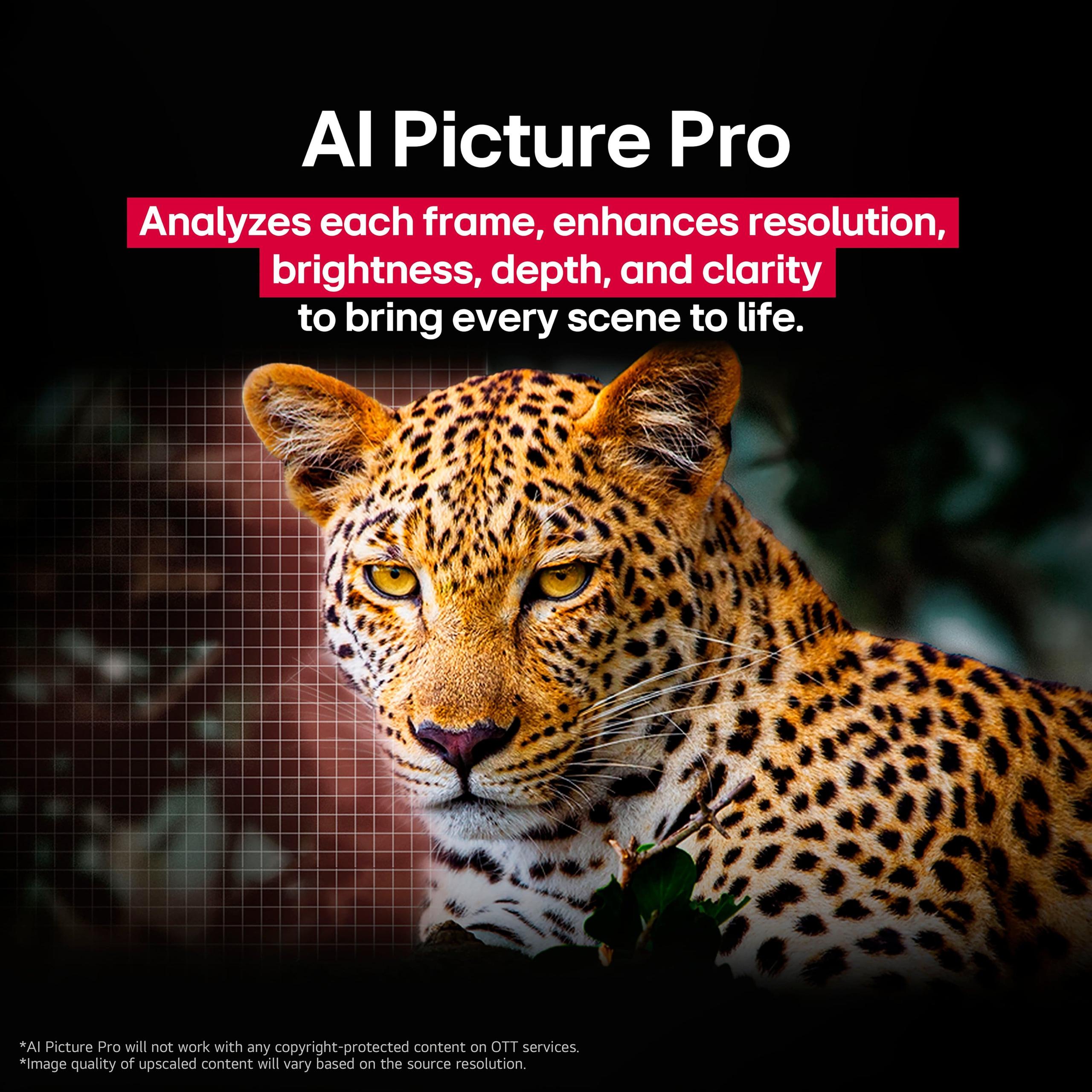
Both TVs handle color well, but with different strengths. The LG C5 demonstrates exceptional out-of-the-box color accuracy that rivals professional monitors. The Alpha 9 processor analyzes each frame and adjusts colors based on the content type and ambient lighting conditions.
The quantum dots in the Hisense QD6 specifically target the color gamut issue that has historically plagued budget TVs. While it doesn't match the LG C5's color volume in HDR content, it delivers satisfying, vibrant colors for most viewing. The main weakness appears in red color reproduction, where budget quantum dot implementations sometimes struggle.
Motion performance separates serious TVs from basic ones. The LG C5 boasts a 0.1ms response time—essentially instantaneous pixel transitions that eliminate blur even during the fastest action sequences. Whether you're watching sports or playing games, motion stays crisp and clear.
The Hisense QD6 shows its budget nature here. While it includes MEMC (Motion Estimation, Motion Compensation) processing to create smoother motion from 60Hz content, the panel itself responds slowly, especially during dark-to-light transitions. This creates visible blur trails behind moving objects, making it less ideal for sports viewing or fast-paced content.
Gaming has become a crucial consideration for TV buyers, especially with the PlayStation 5 and Xbox Series X pushing 4K gaming at high refresh rates. This is where the technology gap becomes most pronounced.
The LG C5 delivers flagship gaming performance with four full-bandwidth HDMI 2.1 ports supporting 4K resolution at up to 144Hz with Variable Refresh Rate (VRR). VRR synchronizes the TV's refresh rate with the gaming console's output, eliminating screen tearing when frame rates fluctuate. Combined with Auto Low Latency Mode (ALLM) that automatically switches to the lowest input lag setting, it provides a competitive gaming experience.
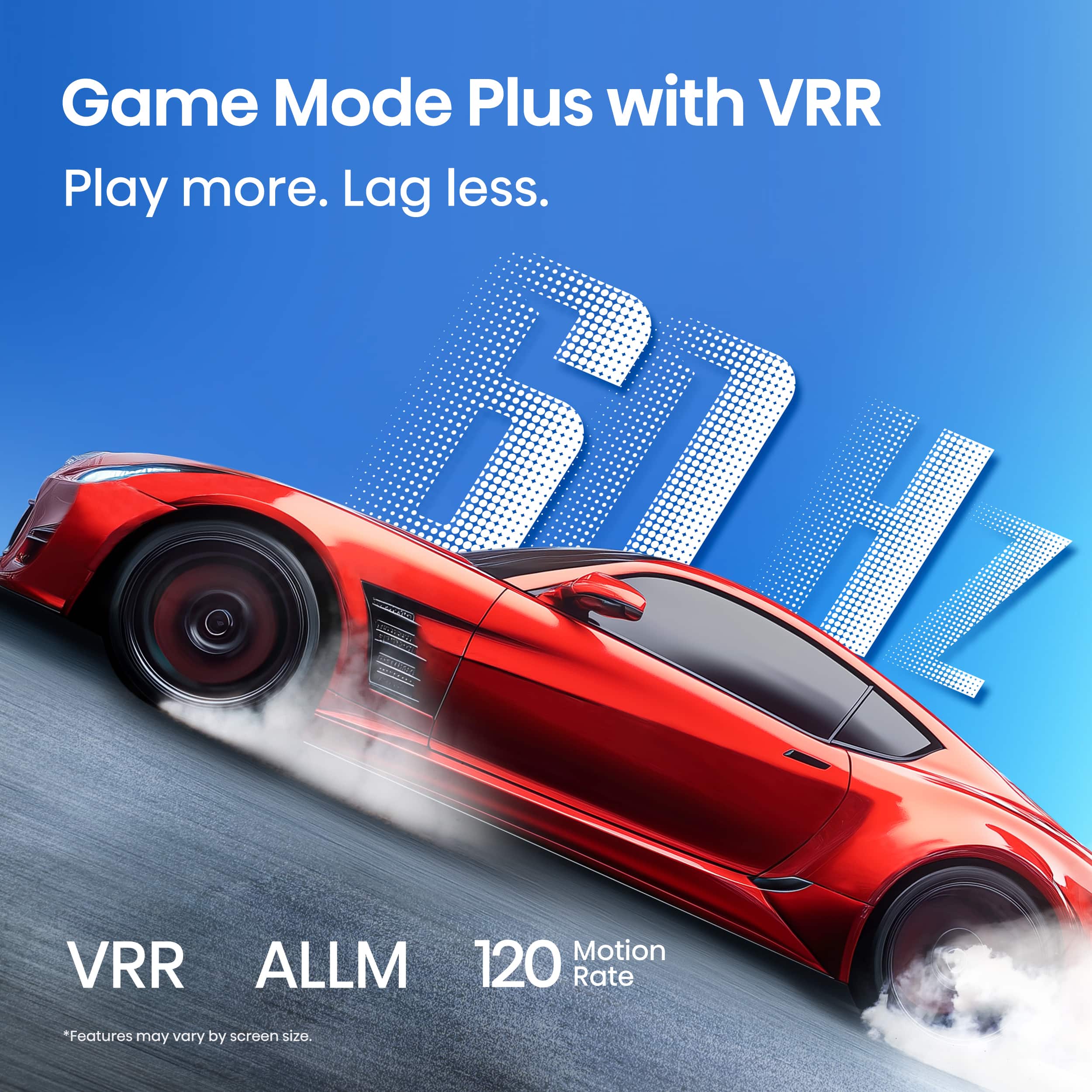
The Hisense QD6 includes VRR and ALLM support, which is impressive for its price point. However, it's limited to HDMI 2.0 ports and 60Hz maximum refresh rate. While this handles current console gaming adequately, it can't take advantage of the higher frame rate modes that newer games offer. The TV also experiences screen tearing when frame rates drop below 60fps, since it can't adjust its refresh rate low enough to match.
For PC gaming, the difference becomes even more significant. The LG C5 can handle high-refresh gaming that enthusiasts demand, while the Hisense QD6 limits you to 60Hz gaming regardless of your graphics card's capabilities.
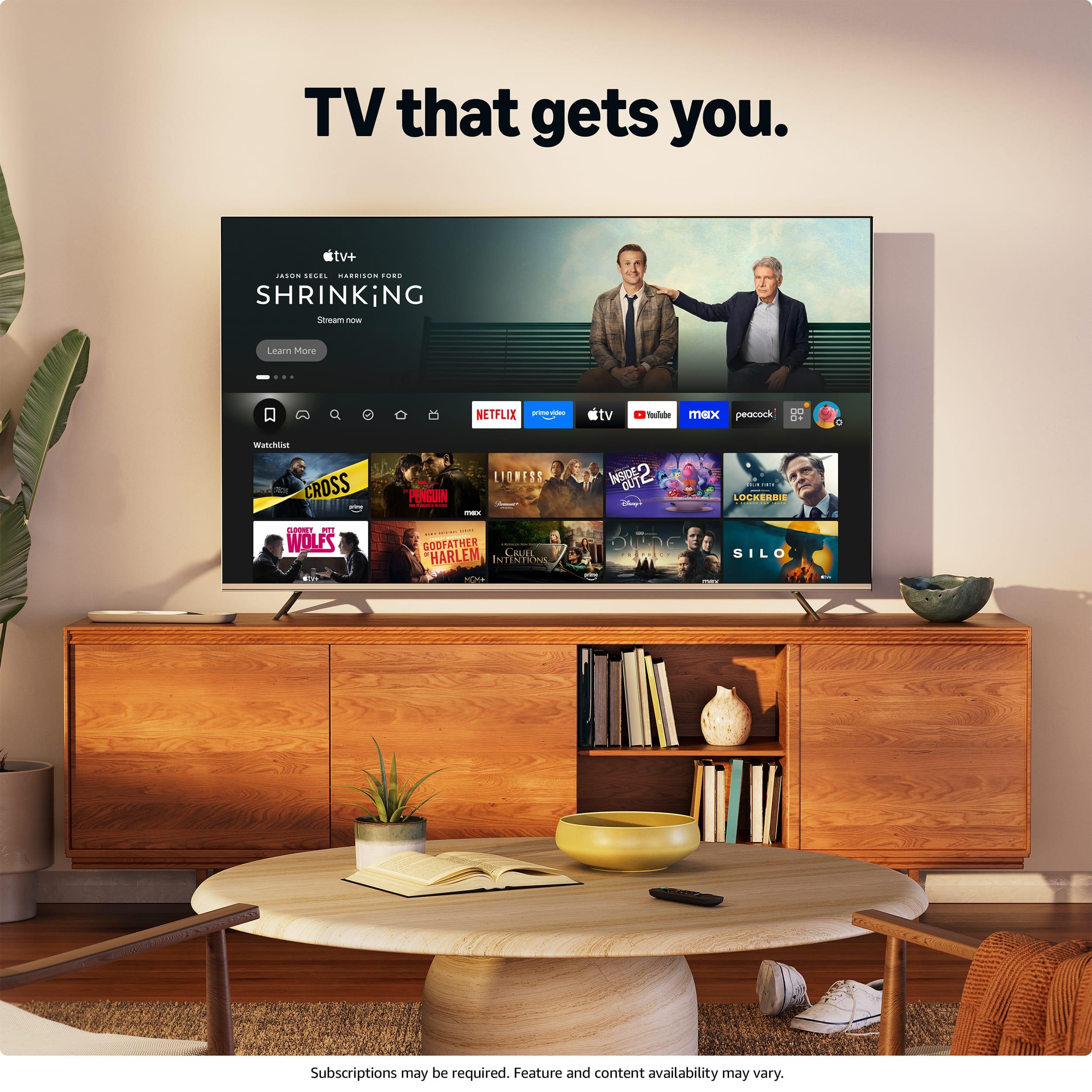
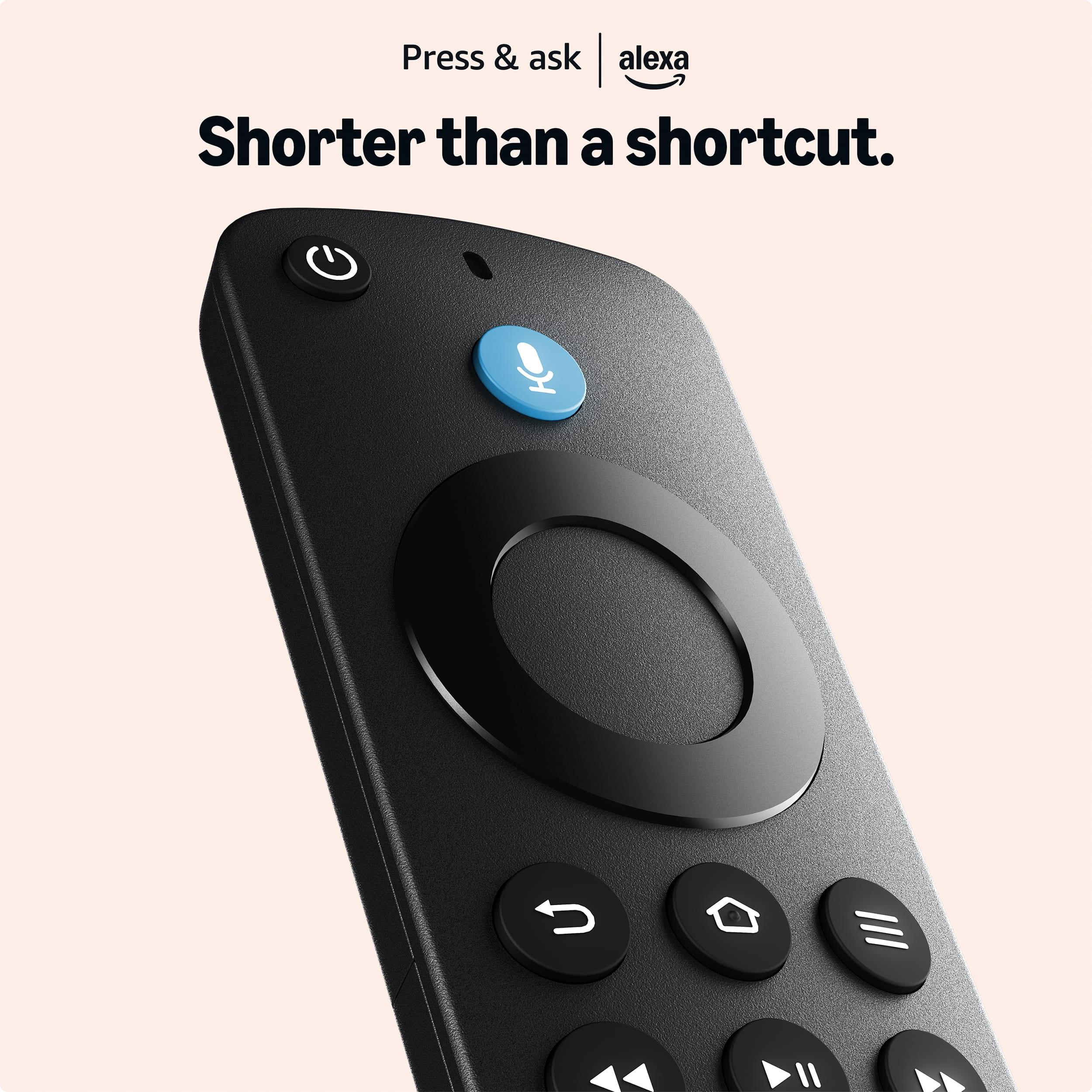
Both TVs offer mature smart platforms, but with different philosophies. The Hisense QD6 runs Amazon's Fire TV platform, which excels at content discovery and integrates seamlessly with Alexa voice commands. The interface prioritizes Amazon's content ecosystem, which can be either a feature or limitation depending on your streaming preferences.
The LG C5 uses webOS 25, LG's proprietary platform that has evolved into one of the most polished TV operating systems available. The Magic Remote allows pointer-style navigation that feels more intuitive than traditional directional controls. The platform remains relatively neutral toward content sources, giving equal prominence to various streaming services.
Both platforms handle app performance well, though some users report occasional lag in the Hisense QD6's Fire TV interface during heavy multitasking. The LG C5 generally provides smoother menu navigation, likely due to more processing power allocated to the smart platform.
Your viewing environment significantly influences which TV will perform better. The Hisense QD6 handles ambient light reasonably well, maintaining decent color saturation even in bright living rooms. However, its glossy screen finish creates mirror-like reflections from direct light sources, which can be distracting.
The LG C5 has improved brightness compared to earlier OLED generations, earning LG's "Bright Room Ready" designation. While it can overcome moderate ambient lighting, it still struggles with direct sunlight or very bright rooms. OLED's strength shines in controlled lighting environments where its perfect blacks create that cinematic experience.
For dedicated home theaters or evening viewing, the LG C5 is transformative. The combination of perfect blacks and precise color creates depth and immersion that LCD TVs simply cannot match. For family rooms with large windows and daytime viewing, the Hisense QD6 might actually provide a more consistent experience.
At the time of writing, these TVs occupy very different market segments. The Hisense QD6 delivers impressive features for its price point—quantum dot color enhancement, HDR support, and gaming-ready features represent excellent value for budget-conscious buyers seeking premium capabilities.
The LG C5 commands significantly higher pricing but justifies it with reference-level picture quality and flagship gaming features. For picture quality enthusiasts and serious gamers, the performance difference often justifies the investment.
The value equation also includes longevity. OLED technology has matured to the point where burn-in concerns have largely disappeared with normal use, and LG's Re:New Program promises five years of software updates. The Hisense QD6 offers standard warranty coverage but may not receive updates as long-term.
Choose the Hisense QD6 if you want to maximize screen size within a tight budget while still getting quantum dot color enhancement and modern smart features. It's ideal for bright family rooms where perfect contrast isn't critical, and you're primarily streaming content rather than gaming competitively. The Fire TV platform works well for households invested in Amazon's ecosystem.
Choose the LG C5 if picture quality is your top priority and budget allows for the investment. It's transformative for movie viewing in controlled lighting, essential for serious gaming, and provides future-proofing with full HDMI 2.1 support. The webOS platform offers broader flexibility, and the overall experience feels more premium.
For home theater applications, the LG C5 is clearly superior. The perfect blacks and infinite contrast create the cinematic experience that movie enthusiasts seek. However, if your priority is getting the largest possible screen for casual viewing in a bright room, the Hisense QD6 delivers solid performance at a fraction of the cost.
The technology improvements in both TVs since their 2025 release demonstrate how competitive the TV market has become. Budget options like the Hisense QD6 now include features that were flagship-exclusive just a few years ago, while premium options like the LG C5 continue pushing the boundaries of what's possible in home entertainment.
Ultimately, both TVs serve their intended audiences well. The key is honestly assessing your priorities, viewing environment, and budget to determine which approach aligns with your needs.
| Hisense 65" QD6 Series Hi-QLED Fire TV | LG OLED evo C5 65" 4K TV |
|---|---|
| Display Technology - Fundamentally different approaches to creating the picture | |
| LED-LCD with quantum dot enhancement and VA panel | OLED with 8.3M self-lit pixels, no backlight needed |
| Peak Brightness - Critical for HDR impact and bright room viewing | |
| ~385 cd/m² (consistent but limited HDR punch) | ~1,200 nits (dramatic highlights, dims in full-screen bright content) |
| Contrast Ratio - Most important spec for cinematic picture quality | |
| Good VA panel contrast, but blacks lift with bright content | Infinite contrast with perfect blacks (pixels turn completely off) |
| Refresh Rate & Gaming - Essential for PS5/Xbox Series X and PC gaming | |
| 60Hz native with VRR, HDMI 2.0 ports limit 4K gaming | 120Hz native, up to 144Hz VRR, four HDMI 2.1 ports |
| Response Time - Critical for motion clarity and gaming | |
| Sluggish dark transitions cause blur trails | 0.1ms response time (essentially instantaneous) |
| Color Performance - Affects vibrancy and accuracy of all content | |
| 90% DCI-P3 with quantum dots, mediocre red reproduction | Exceptional out-of-box accuracy, superior color volume |
| Smart Platform - Daily user experience and app performance | |
| Fire TV with Alexa integration, occasional menu lag | webOS 25 with Magic Remote, smooth navigation |
| Best Viewing Environment - Where each TV truly shines | |
| Bright to moderately lit rooms, handles glare reasonably | Dark to controlled lighting for maximum impact |
| Gaming Capabilities - Future-proofing and competitive readiness | |
| Basic VRR/ALLM at 60Hz, screen tearing below 60fps | Full HDMI 2.1 suite, G-Sync/FreeSync, competitive-ready |
| Target Buyer - Who should choose this TV | |
| Budget-conscious families wanting large quantum dot TV | Picture quality enthusiasts and serious gamers |
| Value Proposition - Performance per dollar considerations | |
| Excellent bang-for-buck in budget premium segment | Premium pricing justified by reference-level performance |
The LG OLED evo C5 delivers superior picture quality for movies due to its perfect black levels and infinite contrast ratio. Each pixel can turn completely off, creating true blacks that make dark movie scenes look cinematic. The Hisense QD6 Series offers good picture quality with quantum dot color enhancement, but its LED backlight causes blacks to appear grayish during dark scenes, reducing the dramatic impact that movies are meant to have.
The LG OLED evo C5 uses OLED technology where each of the 8.3 million pixels generates its own light and can turn completely off for perfect blacks. The Hisense QD6 Series uses QLED (quantum dot LED) technology, which enhances an LED backlight with quantum dots for better colors, but still relies on that backlight shining through the entire screen. OLED provides better contrast, while QLED typically offers higher brightness at lower costs.
The LG OLED evo C5 is significantly better for next-gen gaming, offering 4K at up to 144Hz with Variable Refresh Rate (VRR) across all four HDMI 2.1 ports and a 0.1ms response time. The Hisense QD6 Series supports gaming features like VRR and Auto Low Latency Mode, but is limited to 60Hz maximum due to HDMI 2.0 ports, which can't fully utilize the capabilities of modern gaming consoles.
The Hisense QD6 Series handles bright rooms better due to its higher sustained brightness and LED backlight technology, though its glossy screen can create reflections. The LG OLED evo C5 has improved brightness over earlier OLED models and includes "Bright Room Ready" technology, but still performs best in controlled lighting environments where its perfect blacks can shine.
The Hisense QD6 Series provides excellent value for budget-conscious buyers, offering quantum dot color enhancement, HDR support, and modern smart features at a fraction of the cost. The LG OLED evo C5 commands premium pricing but justifies it with reference-level picture quality, flagship gaming features, and superior long-term performance that enthusiasts appreciate.
The Hisense QD6 Series runs Amazon's Fire TV platform, which excels at content discovery and integrates seamlessly with Alexa voice commands. The LG OLED evo C5 uses LG's webOS 25 with the Magic Remote for pointer-style navigation, offering a more polished interface that remains neutral toward different streaming services.
The LG OLED evo C5 significantly outperforms in motion handling with its 0.1ms response time, eliminating blur during fast sports action. The Hisense QD6 Series struggles with motion due to slower pixel response times, especially during dark-to-light transitions, creating visible blur trails that make it less suitable for sports viewing or fast-paced content.
The LG OLED evo C5 delivers exceptional color accuracy out of the box and superior color volume in HDR content. The Hisense QD6 Series uses quantum dot technology to achieve about 90% DCI-P3 color space coverage, providing vibrant colors that significantly improve over standard LED TVs, though it doesn't match the LG C5's overall color performance, particularly in red reproduction.
The LG OLED evo C5 is ideal for dedicated home theaters due to its perfect blacks, infinite contrast, and cinematic picture quality that truly shines in dark, controlled environments. The Hisense QD6 Series can work in a home theater setting but lacks the dramatic contrast and deep blacks that create the immersive experience serious movie enthusiasts seek.
Both TVs support major HDR formats, with the Hisense QD6 Series offering Dolby Vision, HDR10+, HDR10, and HLG support. The LG OLED evo C5 supports Dolby Vision, HDR10, and HLG, with superior HDR performance due to its higher peak brightness (~1,200 nits vs ~385 nits) and better contrast, making HDR content more impactful and realistic.
The LG OLED evo C5 excels with 0.1ms response time and very low input lag, making it excellent for competitive gaming. The Hisense QD6 Series offers low input lag in game mode but has slower response times that create motion blur, making it adequate for casual gaming but not ideal for competitive or fast-paced gaming scenarios.
Choose the Hisense QD6 Series if you have a bright living room, prioritize value, and want a large quantum dot TV for casual viewing and streaming. Choose the LG OLED evo C5 if picture quality is your top priority, you game seriously, watch movies frequently, or can control lighting in your living room to take advantage of its superior contrast and color performance.
We've done our best to create useful and informative comparisons to help you decide what product to buy. Our research uses advanced automated methods to create this comparison and perfection is not possible - please contact us for corrections or questions. These are the sites we've researched in the creation of this article: pcvarge.com - bestbuy.com - rtings.com - youtube.com - rtings.com - youtube.com - consumerreports.org - leaseville.com - hisense-usa.com - device.report - hisense-usa.com - youtube.com - flatpanelshd.com - displayspecifications.com - retailspecs.com - bestbuy.com - rtings.com - youtube.com - businessinsider.com - youtube.com - bestbuy.com - lg.com - files.bbystatic.com - lg.com - flatpanelshd.com - lg.com - blvdhome.com - bhphotovideo.com - flanners.com - videopro.com.au

Privacy Policy
Terms and Conditions - Affiliate Policy
Home Security
© Copyright 2008-2026.
11816 Inwood Rd #1211, Dallas, TX 75244