

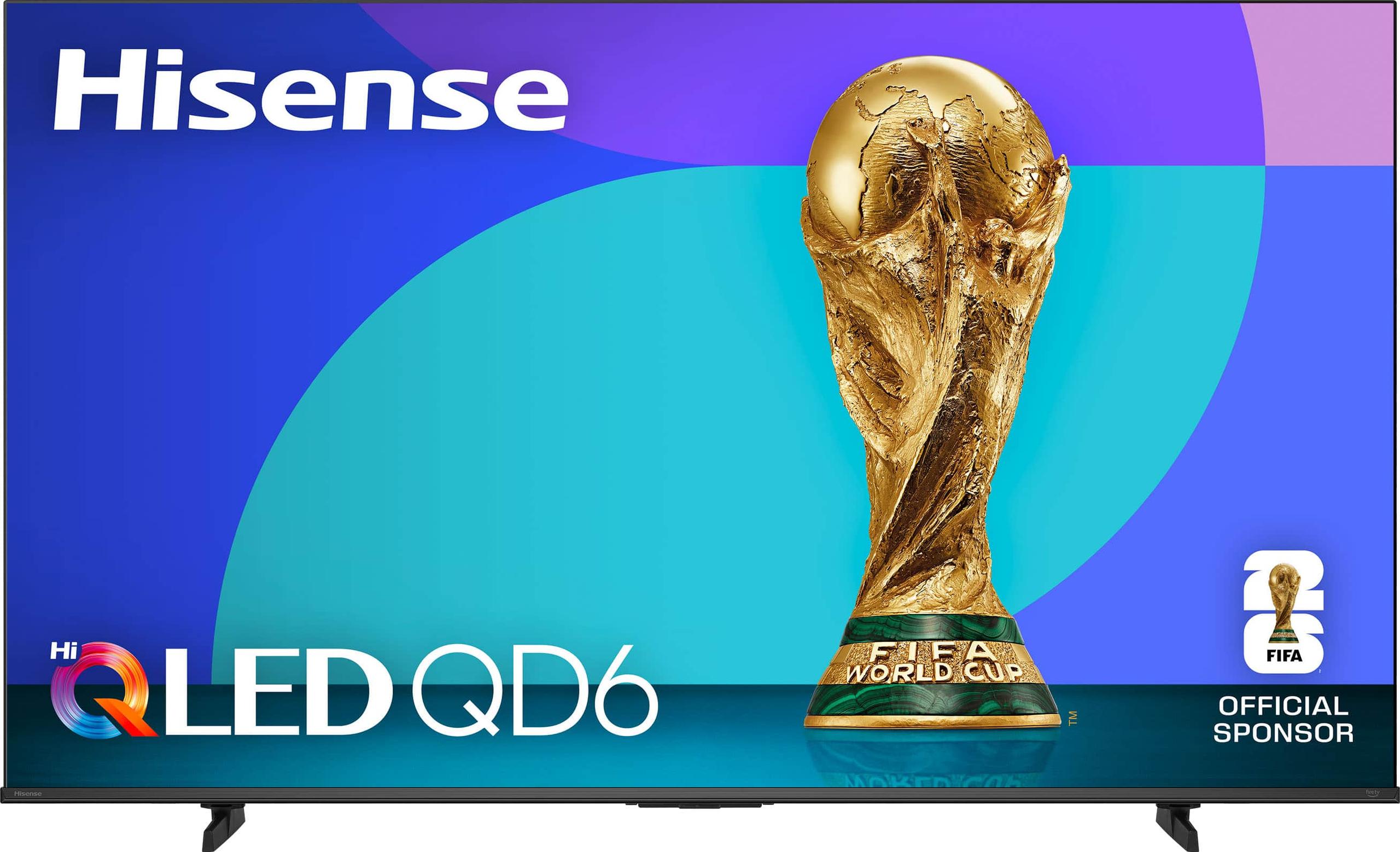
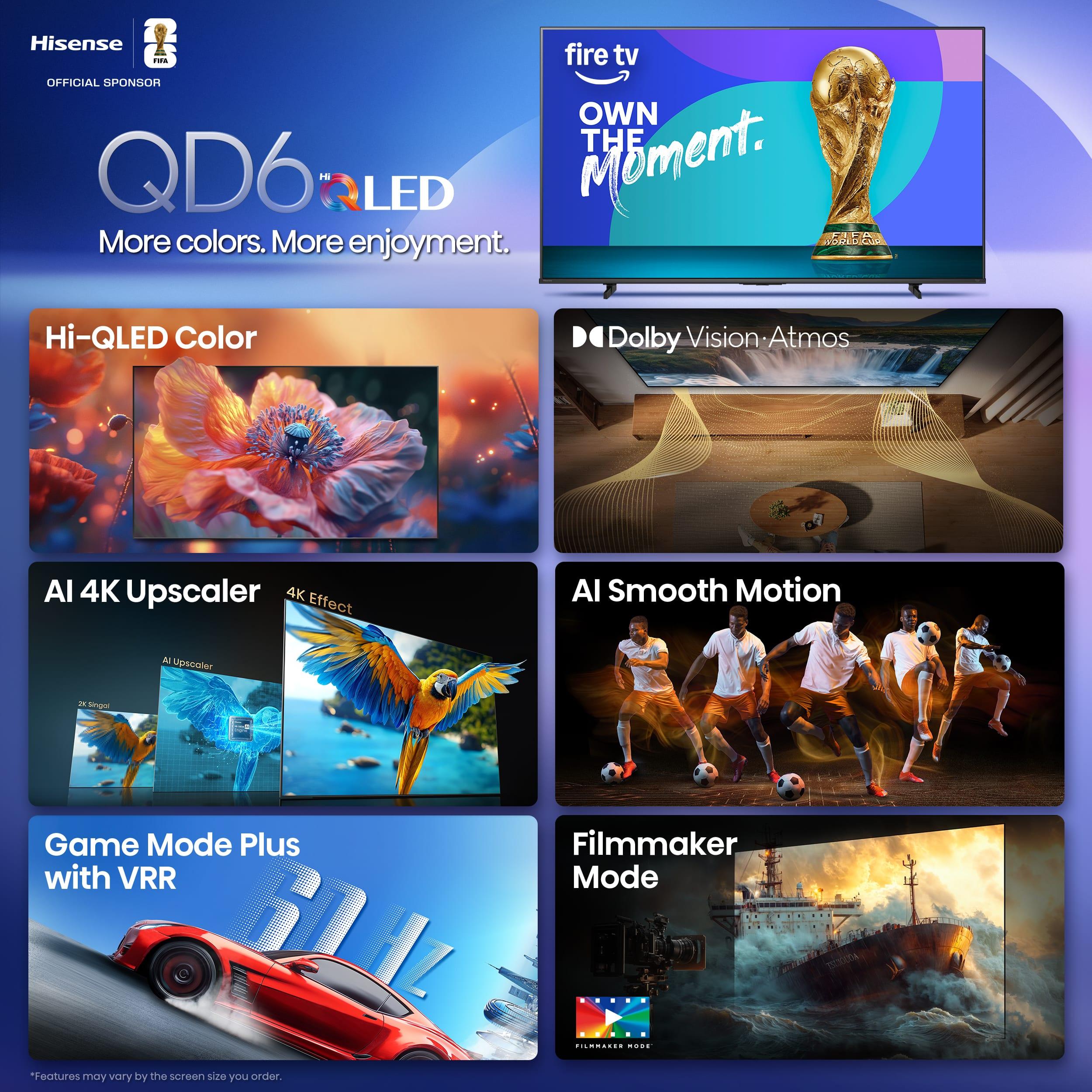
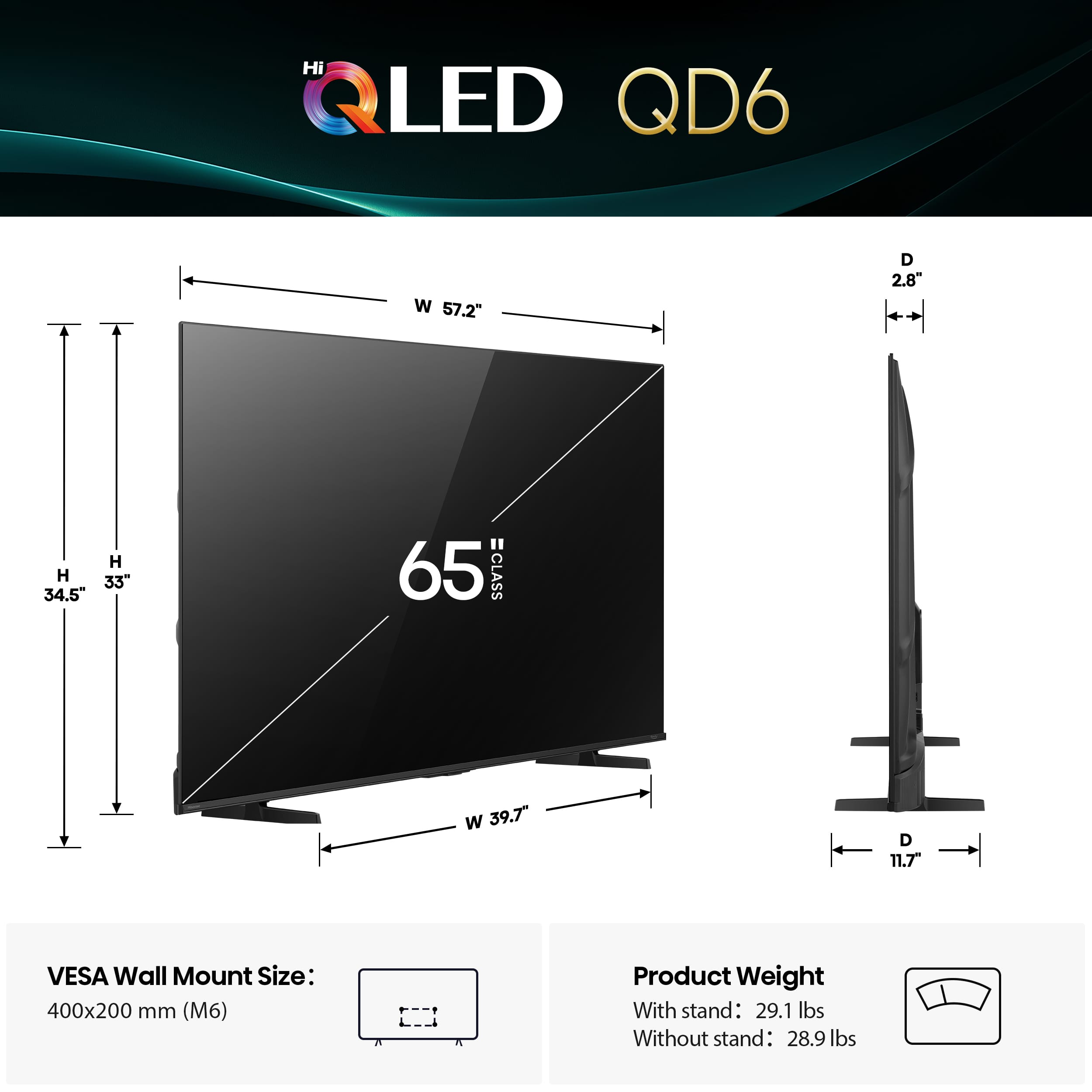
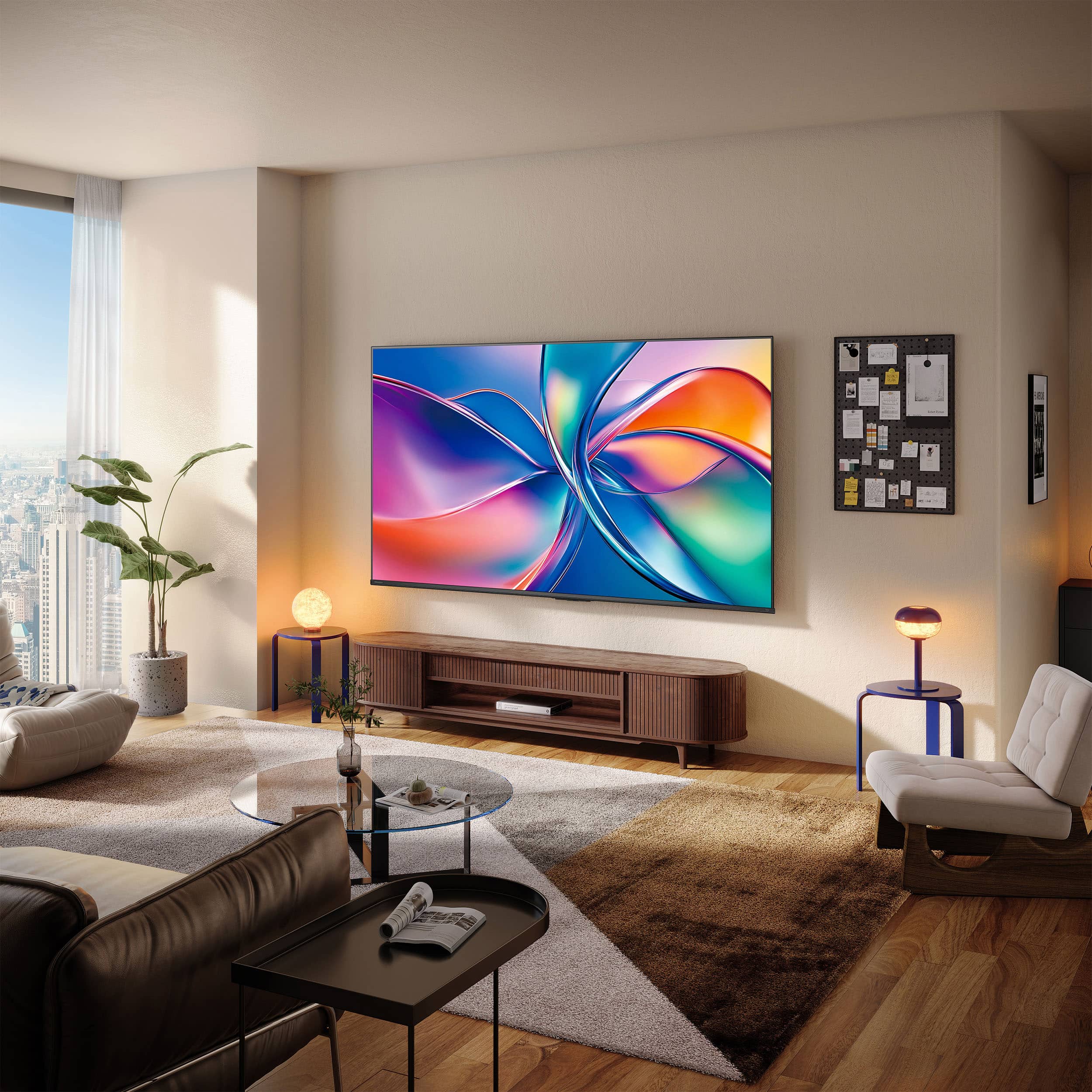
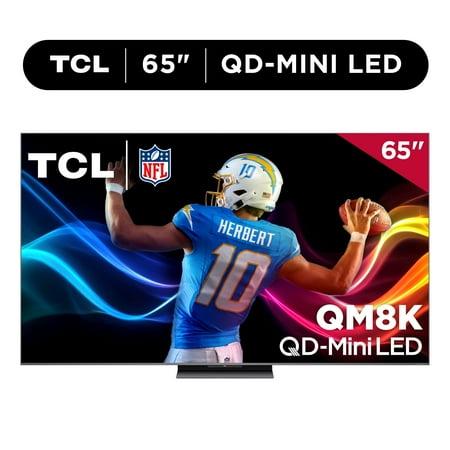


Shopping for a 65-inch TV in 2025 means navigating a landscape filled with quantum dots, Mini LED backlights, and gaming features that didn't exist a few years ago. Two TVs that perfectly illustrate the current market's range are the Hisense QD6 Series) and the TCL QM8K Series). While both carry 65-inch screens and quantum dot technology, they represent fundamentally different approaches to delivering premium entertainment.
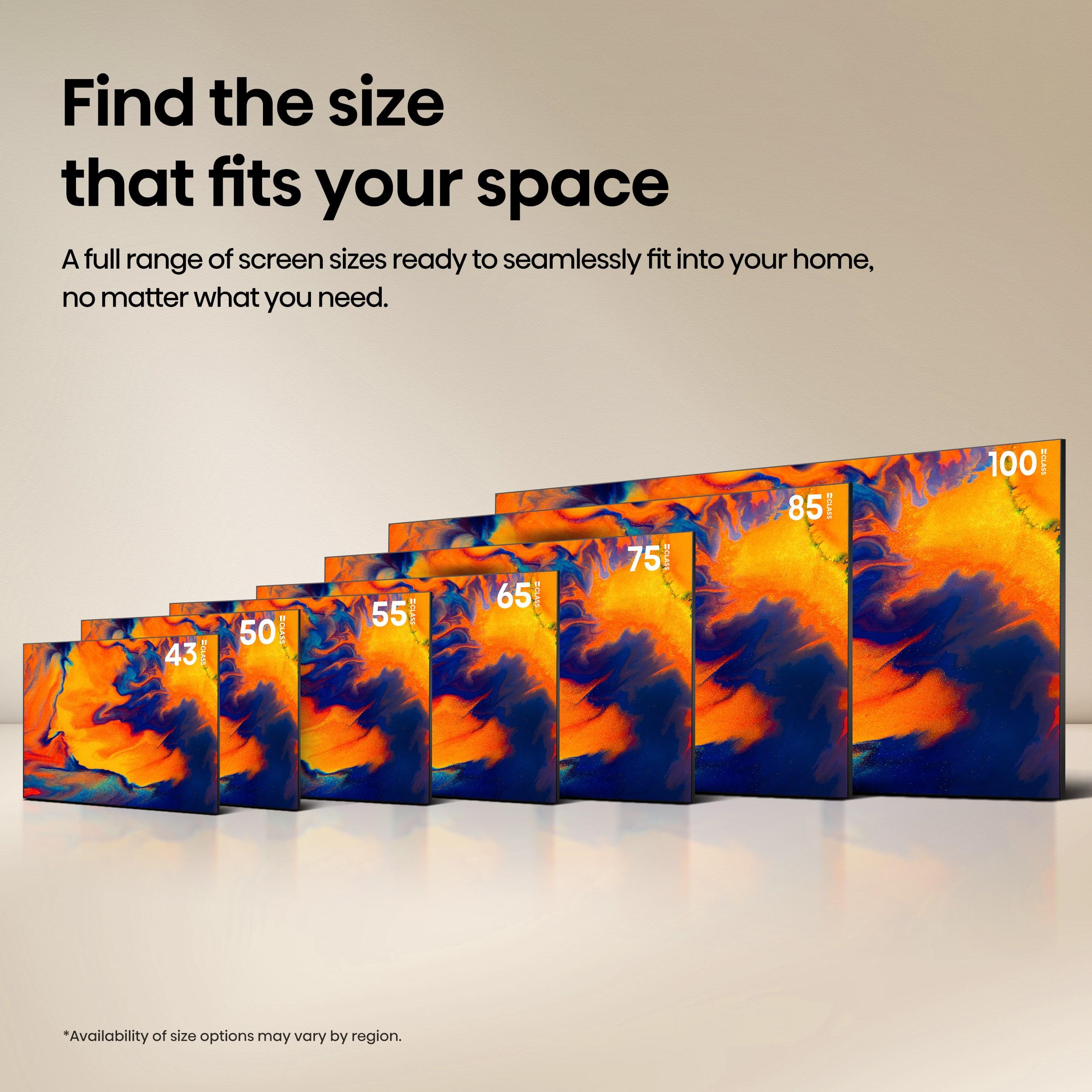
The 65-inch size has become the new standard for living rooms, offering that cinematic scale without overwhelming most spaces. But size alone doesn't determine quality—the technology behind the screen matters just as much.
Display technology sits at the heart of any TV's performance. Peak brightness determines how well HDR (High Dynamic Range) content looks and how the TV handles bright rooms. Local dimming—the ability to darken specific zones of the backlight independently—creates the contrast that makes movies and shows pop. Without it, bright scenes wash out dark areas, creating that flat, washed-out look that cheaper TVs are known for.
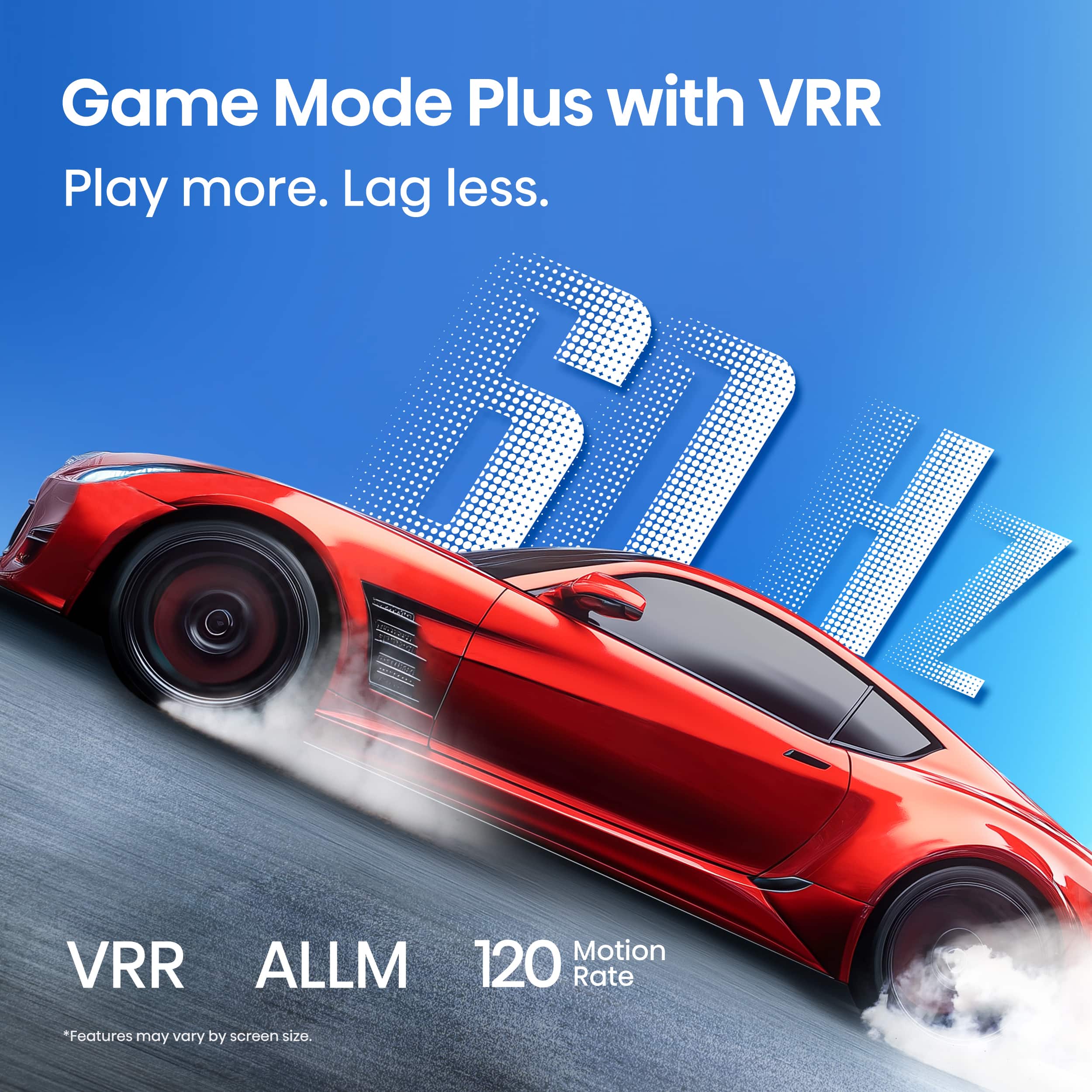
Gaming performance has become crucial as PlayStation 5 and Xbox Series X push 4K gaming at 120 frames per second. Variable Refresh Rate (VRR) eliminates screen tearing when frame rates fluctuate, while Auto Low Latency Mode (ALLM) reduces input delay for competitive gaming. These features were luxury additions just a few years ago—now they're essential for anyone serious about gaming.
Smart platforms determine your daily interaction with the TV. Some are snappy and intuitive, others lag and frustrate. The ecosystem matters too—whether you're invested in Amazon's services, Google's assistant, or prefer a more neutral approach affects which platform serves you best.
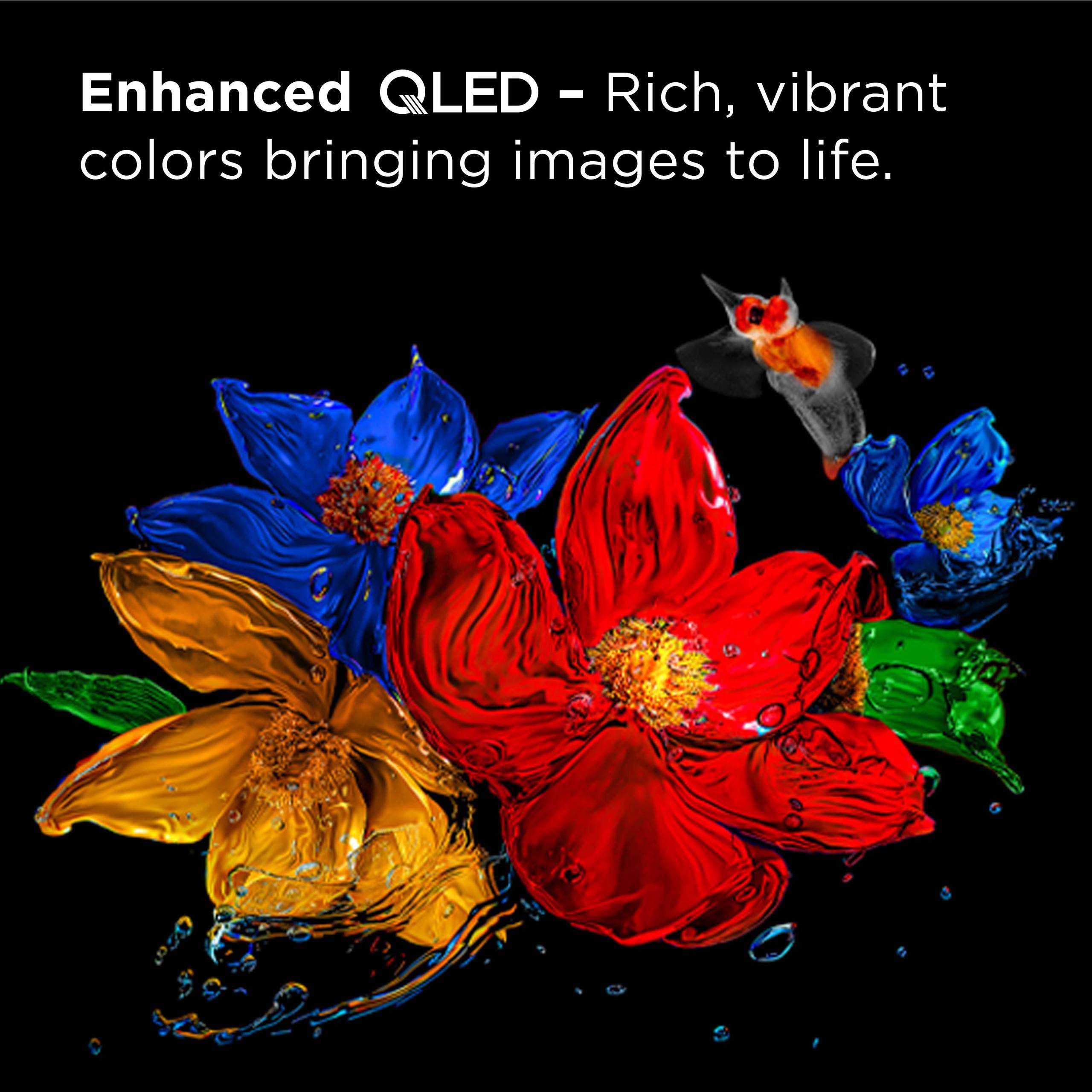
Released in 2025, the Hisense QD6) represents the entry point into quantum dot technology. It's designed for buyers who want enhanced colors without paying flagship prices. The quantum dots—microscopic crystals that emit pure colors when hit by light—boost color saturation beyond what standard LED TVs can achieve, covering about 90% of the DCI-P3 color space that HDR content uses.
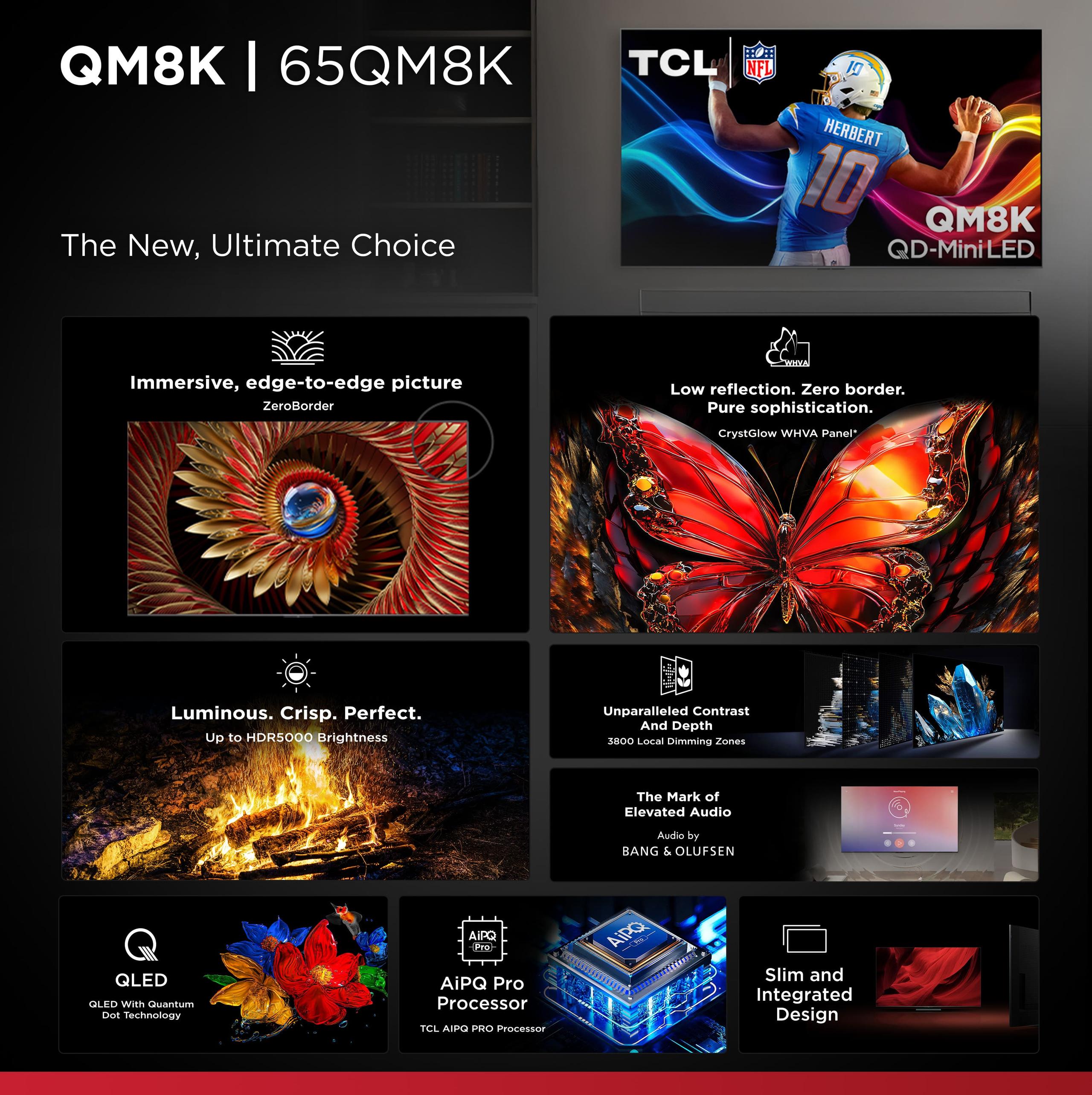
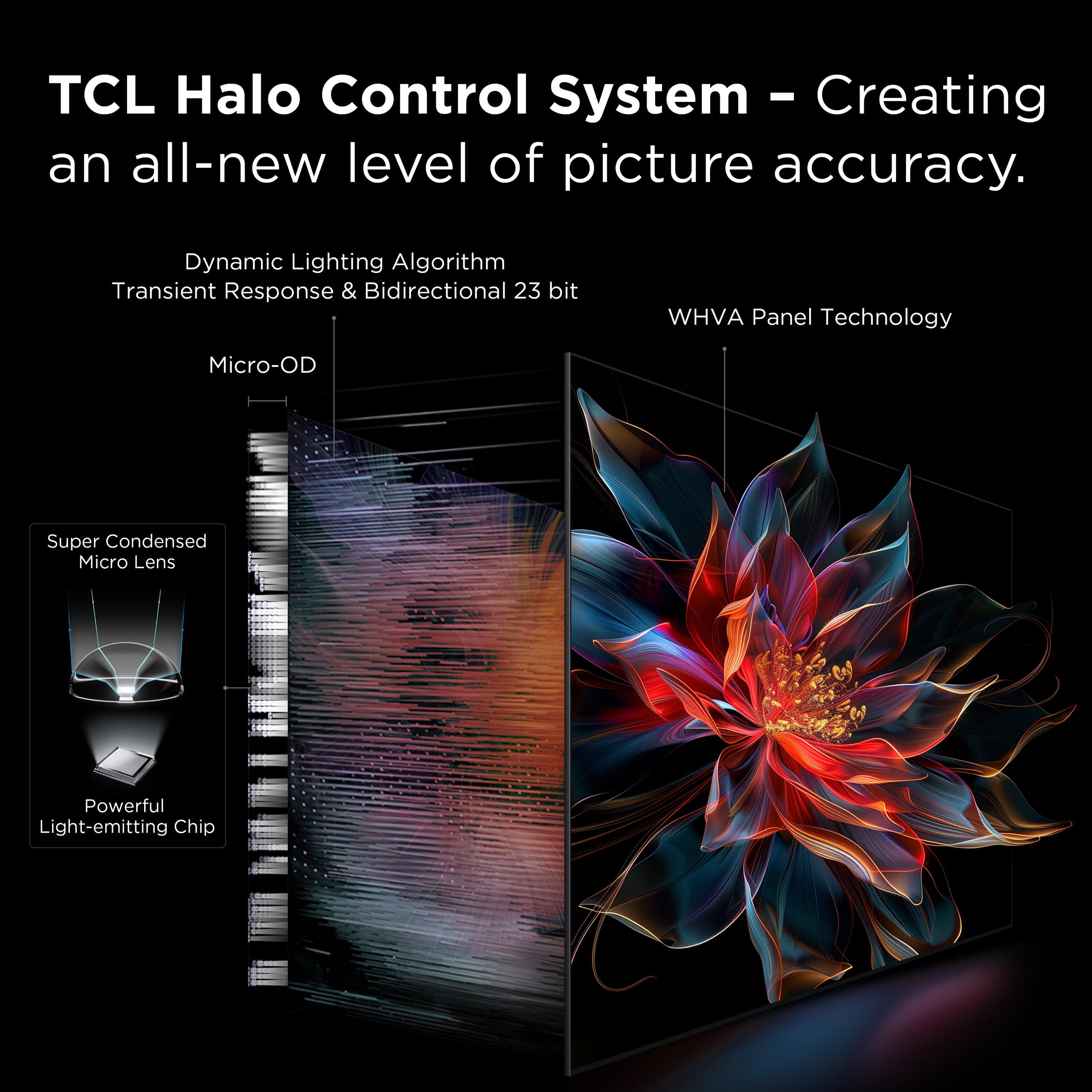
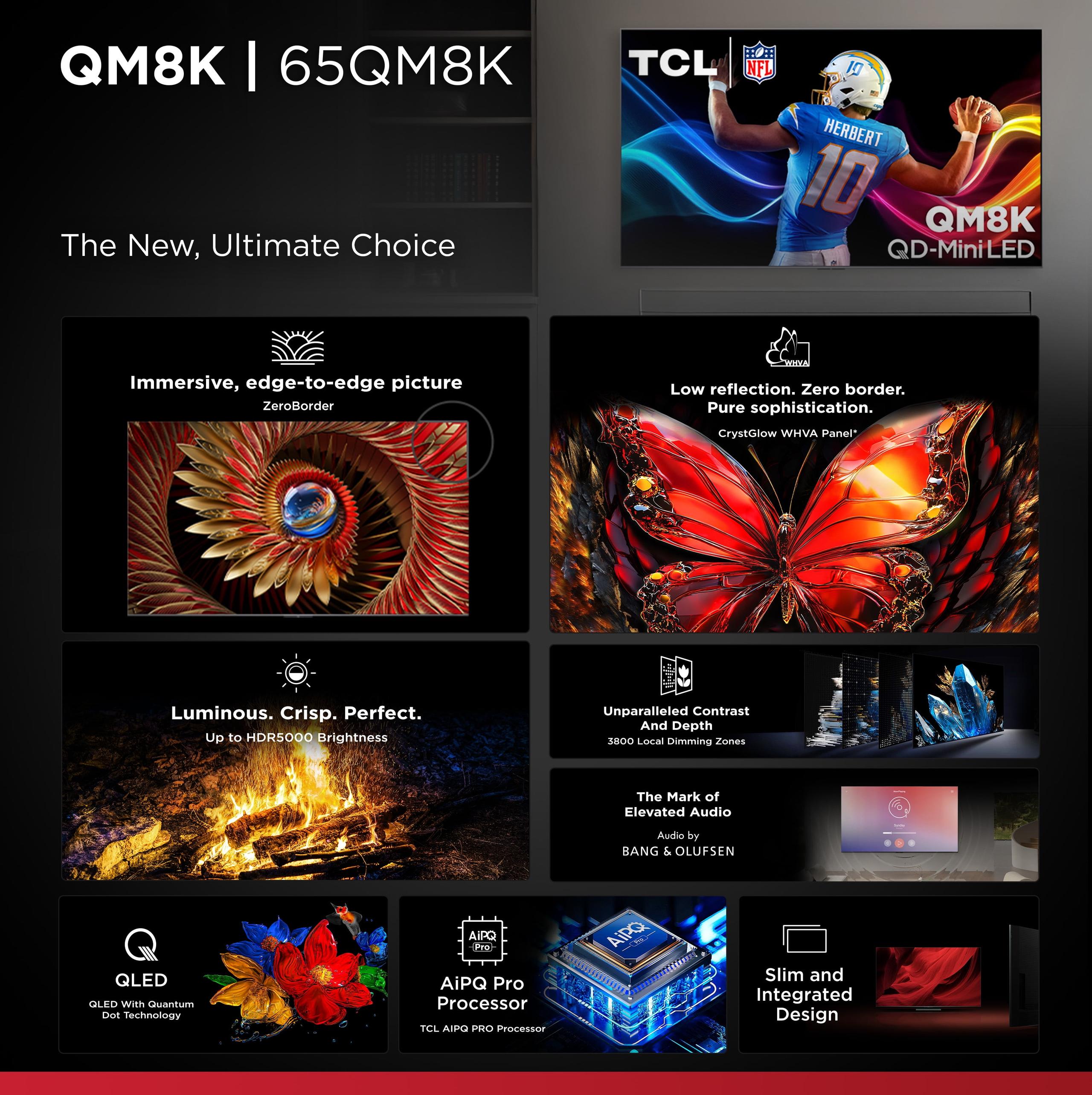
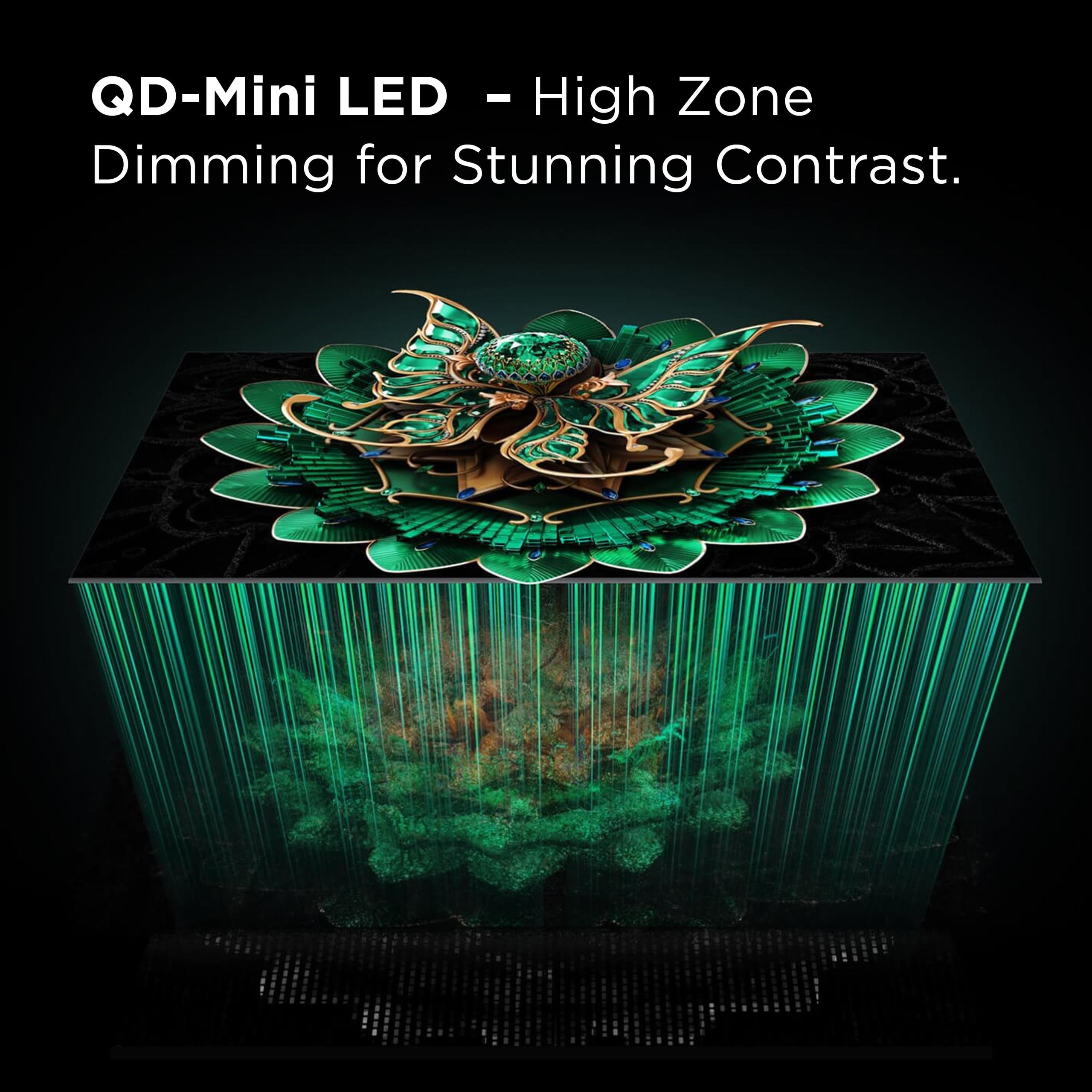
The TCL QM8K), also from 2025, takes a completely different approach. It's TCL's flagship Mini LED offering, packing thousands of tiny LEDs behind the screen with up to LD3800 local dimming zones. This creates what TCL calls their "Halo Control System"—essentially eliminating the bright halos around objects that plague cheaper TVs.
The performance gap between these TVs becomes clear the moment you fire up HDR content. The TCL QM8K) delivers up to 5,000 nits peak brightness—bright enough to match professional reference monitors used in movie studios. This isn't marketing fluff; it directly translates to HDR content that actually looks different from standard TV. Sun glints off water look genuinely bright, explosions have impact, and you can watch comfortably even with windows open during the day.
The Hisense QD6), by comparison, peaks around 385 cd/m². While adequate for moderately lit rooms, HDR content loses its punch. Those same sun glints and explosions appear flat and unremarkable—you're essentially watching standard dynamic range content with slightly enhanced colors.
Local dimming creates the magic that separates premium TVs from budget options. The TCL QM8K's) LD3800 zones can darken specific areas of the screen while keeping others bright, creating a contrast ratio of 30,000,000:1. In practical terms, this means stars against black space actually look like stars against black space, not gray space. The Hisense QD6) lacks local dimming entirely—when bright content appears anywhere on screen, the entire backlight brightens, washing out what should be deep blacks.
Based on professional reviews and user feedback, the blooming control on the TCL QM8K) rivals what you'd expect from OLED TVs. Bright subtitles against dark backgrounds—a torture test for any LED TV—show minimal haloing. The Hisense QD6) struggles with this scenario, creating noticeable light bleed that can distract from movie nights.
Color performance tells a more nuanced story. While the TCL QM8K) covers 97% of the DCI-P3 color space compared to the Hisense's) 90%, both deliver vibrant, saturated colors that look significantly better than standard LED TVs. The difference lies in color volume—the TCL's) ability to maintain those saturated colors even at high brightness levels, while the Hisense) sees colors fade as brightness increases.
Gaming performance reveals perhaps the starkest difference between these TVs. The TCL QM8K) was built for the current gaming generation, featuring a native 144Hz panel that can handle up to 288Hz variable refresh rate through its Game Accelerator technology. This matters for competitive gaming where every millisecond counts, but also for future-proofing as game developers push higher frame rates.
The Hisense QD6's) 60Hz native panel with HDMI 2.0 ports fundamentally limits gaming to last-generation capabilities. While it supports VRR and ALLM, these features only work at 60Hz. For PlayStation 5 or Xbox Series X owners wanting to experience 4K gaming at 120fps, this TV simply can't deliver.
Input lag—the delay between pressing a controller button and seeing the action on screen—favors both TVs for different reasons. The Hisense QD6) achieves a respectable 10.2ms in game mode, perfectly adequate for casual gaming. The TCL QM8K) goes further, optimizing for ultra-low latency that competitive gamers demand.
Motion clarity during fast gaming scenarios depends heavily on panel response time. User reports indicate the TCL QM8K) handles rapid motion without significant blur, while the Hisense QD6) shows trailing behind fast-moving objects, particularly in dark scenes. For single-player adventures, this rarely matters. For competitive multiplayer games, it can mean the difference between seeing an opponent first or becoming their target.
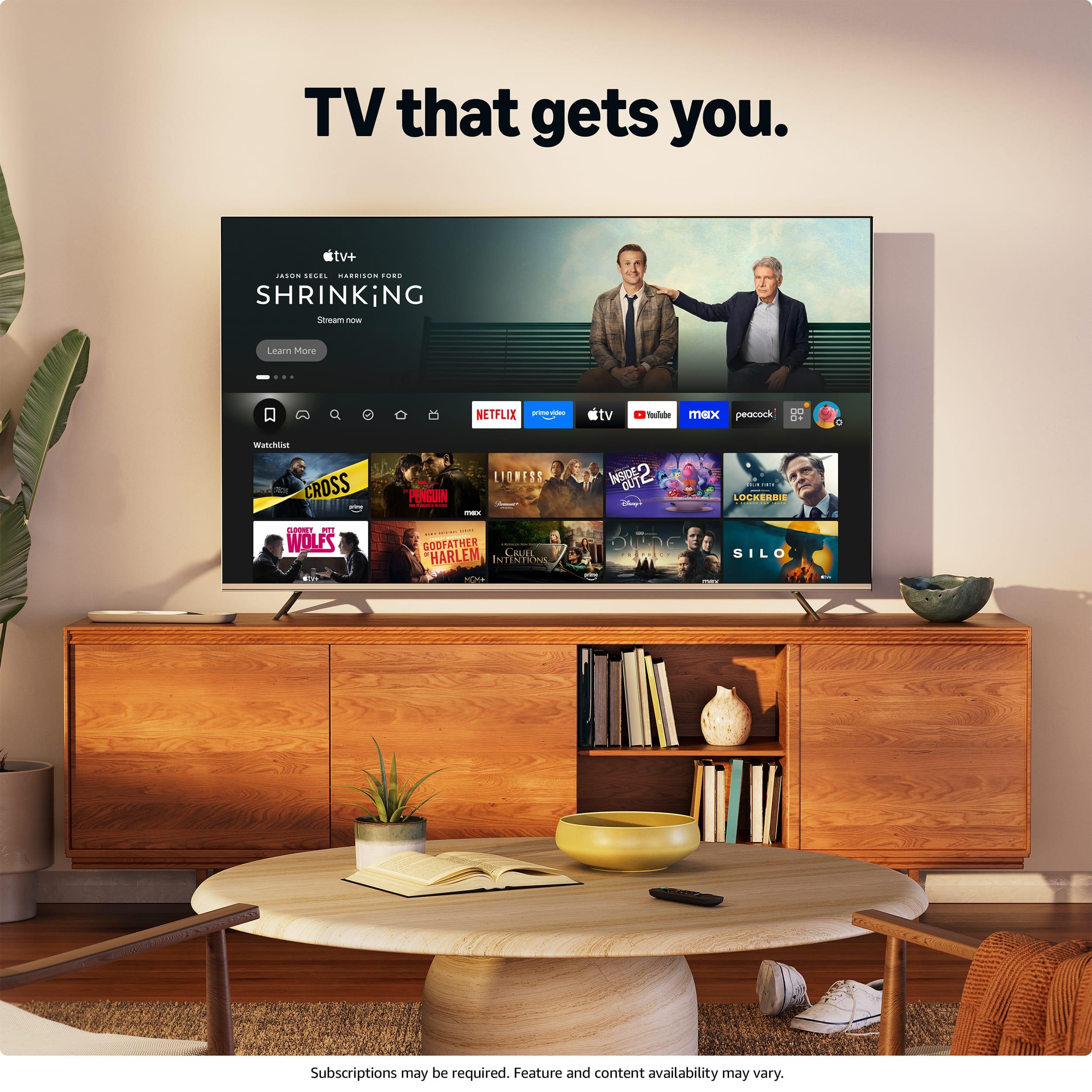
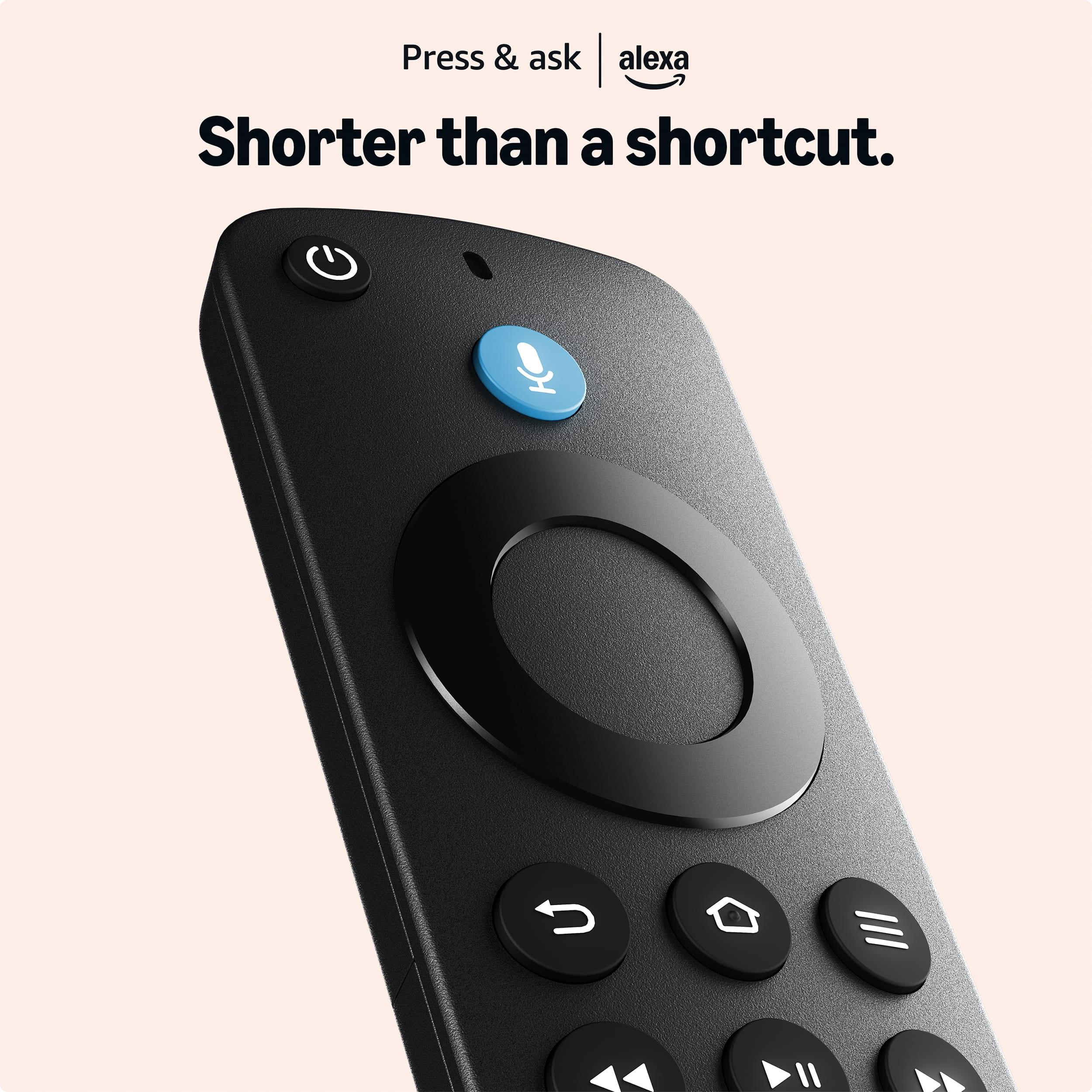
Platform choice often comes down to personal preference and existing smart home setups. The Hisense QD6's) Fire TV platform integrates seamlessly with Amazon services, making it ideal for Prime Video subscribers and Alexa users. The interface prioritizes Amazon content but provides access to all major streaming services.
The TCL QM8K's) Google TV platform offers a more neutral approach, aggregating content from multiple services without favoring any particular provider. Navigation feels snappier based on user reviews, and Google's voice search tends to understand natural language queries better than most competitors.
Both platforms receive regular updates, but Google TV historically maintains longer support cycles for older hardware. This matters for a TV you'll likely keep for 5-10 years.
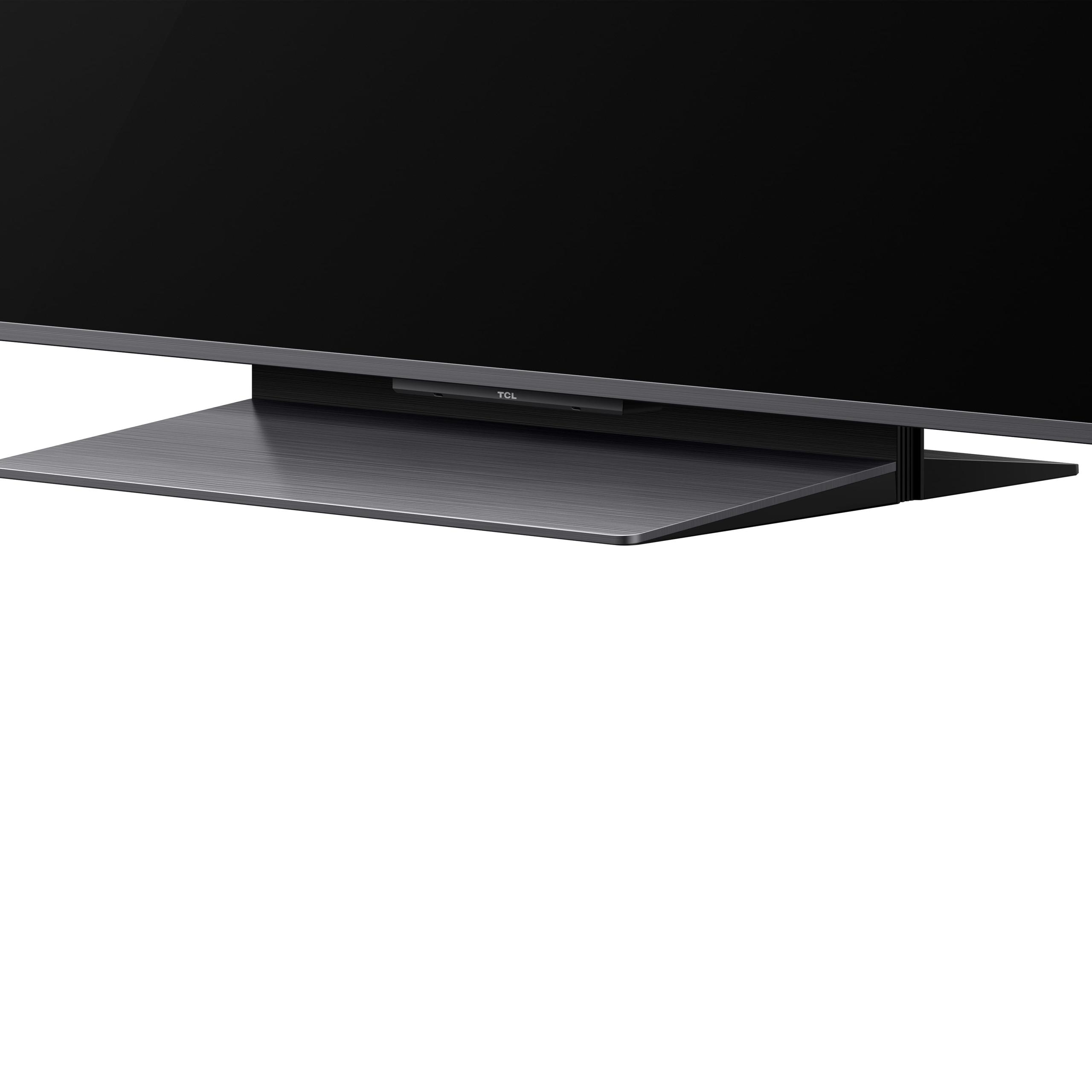
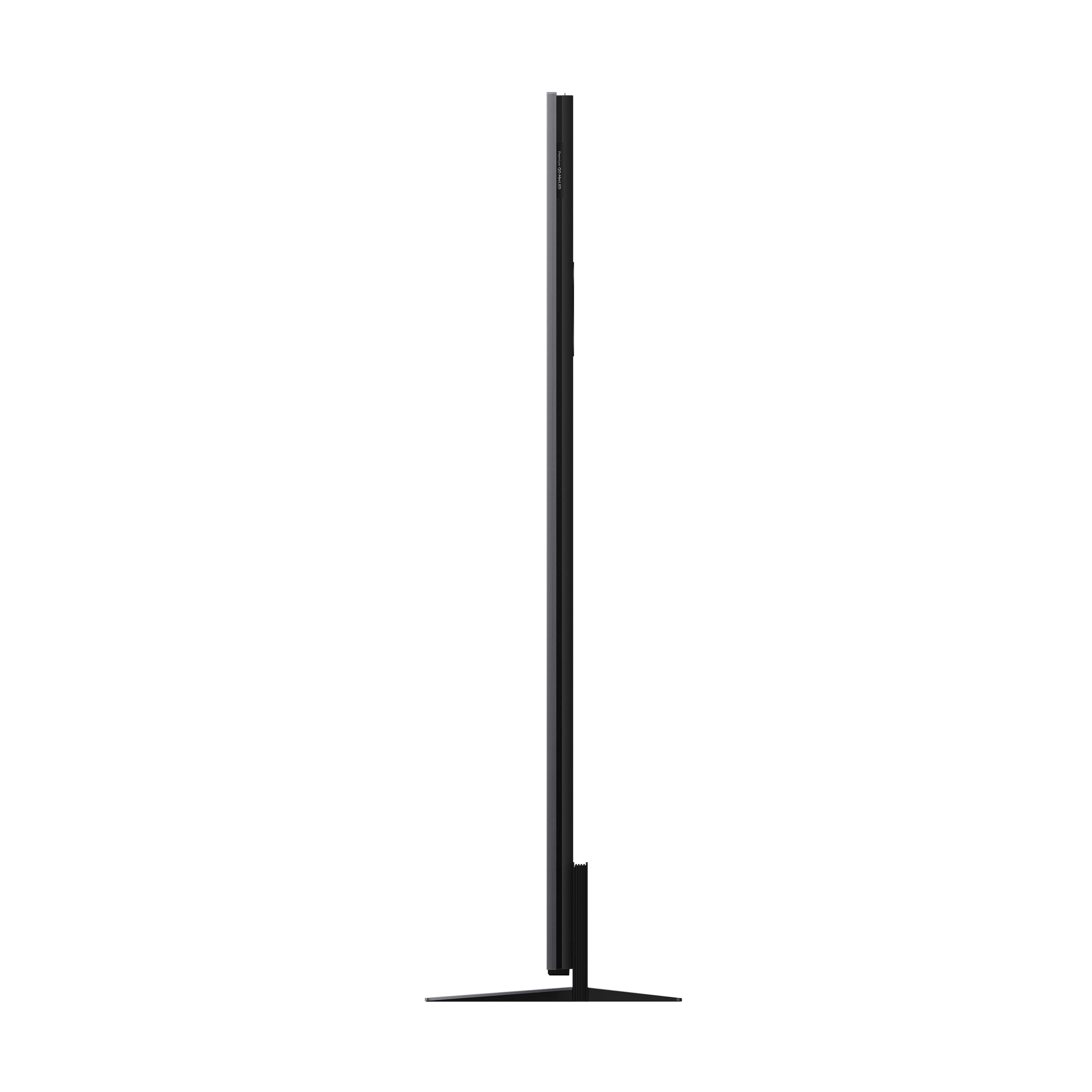
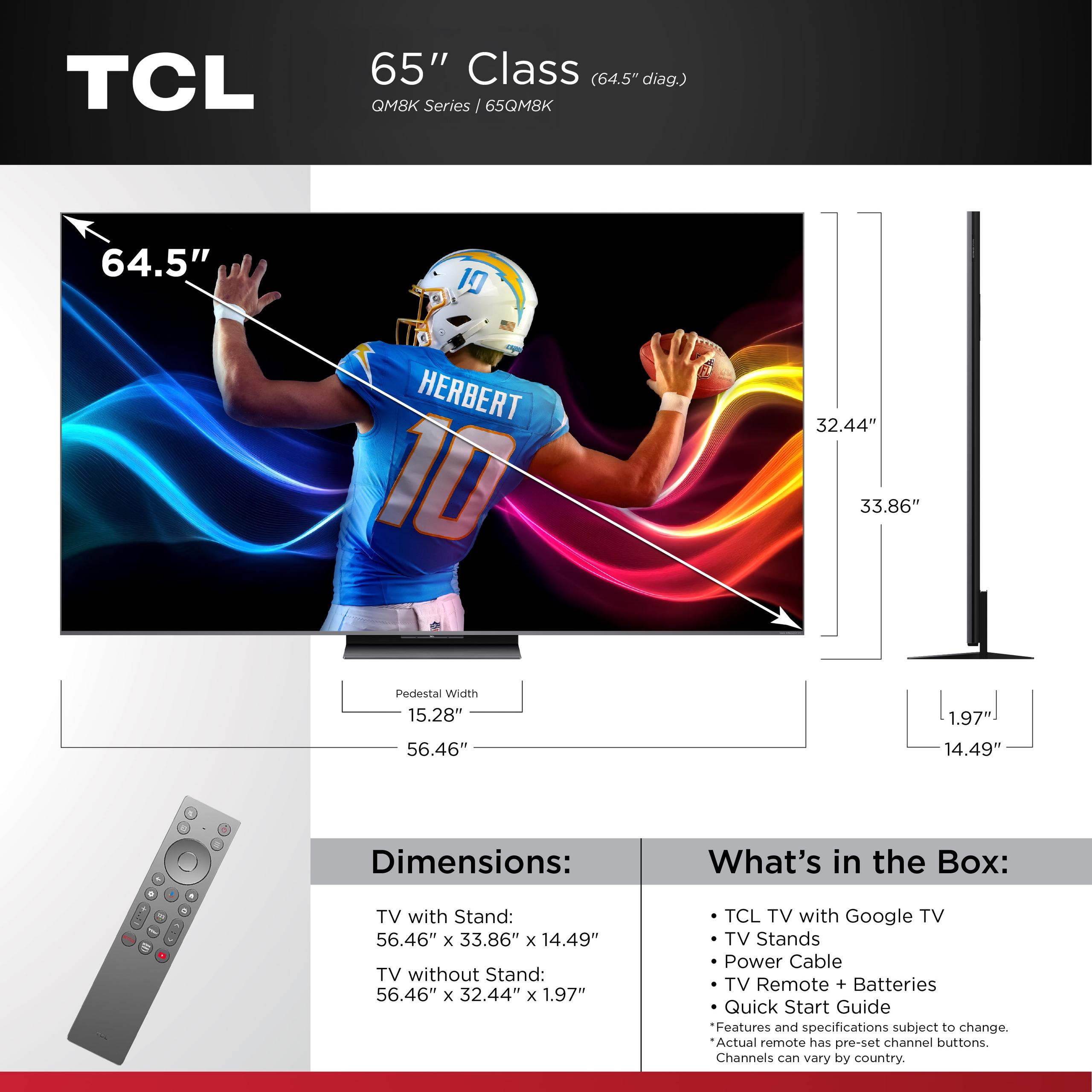
Physical construction reflects each TV's market position. The TCL QM8K) features what TCL calls "ZeroBorder" design—minimal bezels that create an edge-to-edge picture experience. The thinner profile and adjustable pedestal stand suggest premium positioning.
The Hisense QD6) takes a more practical approach with wider bezels and a thicker chassis—typical of budget LED TVs but far from unattractive. The wide-set feet provide excellent stability and don't require a particularly wide TV stand.
Viewing angles matter for family movie nights or sports gatherings. The TCL QM8K's) WHVA panel maintains color accuracy and contrast even when viewed from the side. The Hisense QD6's) VA panel, while offering good contrast when viewed straight-on, shows color shifts and reduced brightness at wider angles.
For dedicated home theater use, these TVs serve different audiences entirely. The TCL QM8K) delivers the brightness and contrast necessary for movie enthusiasts who want to experience content as filmmakers intended. Its Filmmaker Mode preserves original color grading and motion cadence, while the extreme brightness headroom ensures HDR content has real impact.
However, the TCL) lacks built-in streaming support for some premium audio formats that serious home theater enthusiasts prefer. You'll likely pair it with a quality AV receiver anyway, making this less critical.
The Hisense QD6) works better for casual movie nights than serious home theater applications. Without local dimming, dark movie scenes lose their immersive quality—you'll notice gray instead of black in space scenes or dark indoor shots. For brighter content like comedies or animated films, the quantum dot enhancement provides pleasing color saturation.
Both TVs support major HDR formats including Dolby Vision, but only the TCL QM8K) has the brightness to make HDR content look dramatically different from standard dynamic range.
At the time of writing, the pricing gap between these TVs reflects their performance differences. The Hisense QD6) typically costs roughly half what you'd pay for the TCL QM8K), making value calculations straightforward for most buyers.
Choose the Hisense QD6) if you:
Choose the TCL QM8K) if you:
These TVs serve fundamentally different markets despite sharing screen size and quantum dot marketing. The TCL QM8K) operates in flagship territory, delivering professional-grade brightness, gaming capabilities, and contrast that rivals much more expensive options. It's genuinely impressive technology that brings cinema-quality viewing to living rooms.
The Hisense QD6) serves budget-conscious buyers who want quantum dot benefits without flagship costs. While it lacks advanced features, it delivers solid performance for its price point—particularly for viewers who can control their lighting environment.
The performance gap is substantial enough that these TVs rarely compete directly. Most buyers will know which category fits their needs and budget. The TCL QM8K) justifies its premium through tangible performance advantages that you'll notice immediately. The Hisense QD6) provides excellent value for buyers who don't need flagship capabilities.
For most enthusiasts reading detailed TV comparisons, the TCL QM8K) represents better long-term value despite its higher upfront cost. Its gaming capabilities alone future-proof it for the current console generation, while its brightness and contrast deliver the kind of wow factor that makes TV upgrades worthwhile.
However, if budget constraints are real—and they often are—the Hisense QD6) provides a quantum dot upgrade path that beats standard LED TVs at similar prices. Just understand its limitations and plan your viewing environment accordingly.
| Hisense 65" QD6 Series Hi-QLED Fire TV | TCL 65" QM8K Series QD-Mini LED |
|---|---|
| Peak Brightness - Critical for HDR impact and bright room viewing | |
| 385 cd/m² (adequate for moderate lighting) | 5,000 nits (cinema-level brightness for any environment) |
| Local Dimming - Essential for deep blacks and contrast | |
| None (entire backlight brightens together) | LD3800 zones (precise control eliminates blooming) |
| Gaming Refresh Rate - Determines console compatibility | |
| 60Hz native (limits PS5/Xbox to 60fps at 4K) | 144Hz native (supports 120fps+ gaming with headroom) |
| HDMI Ports - Affects gaming and AV equipment connections | |
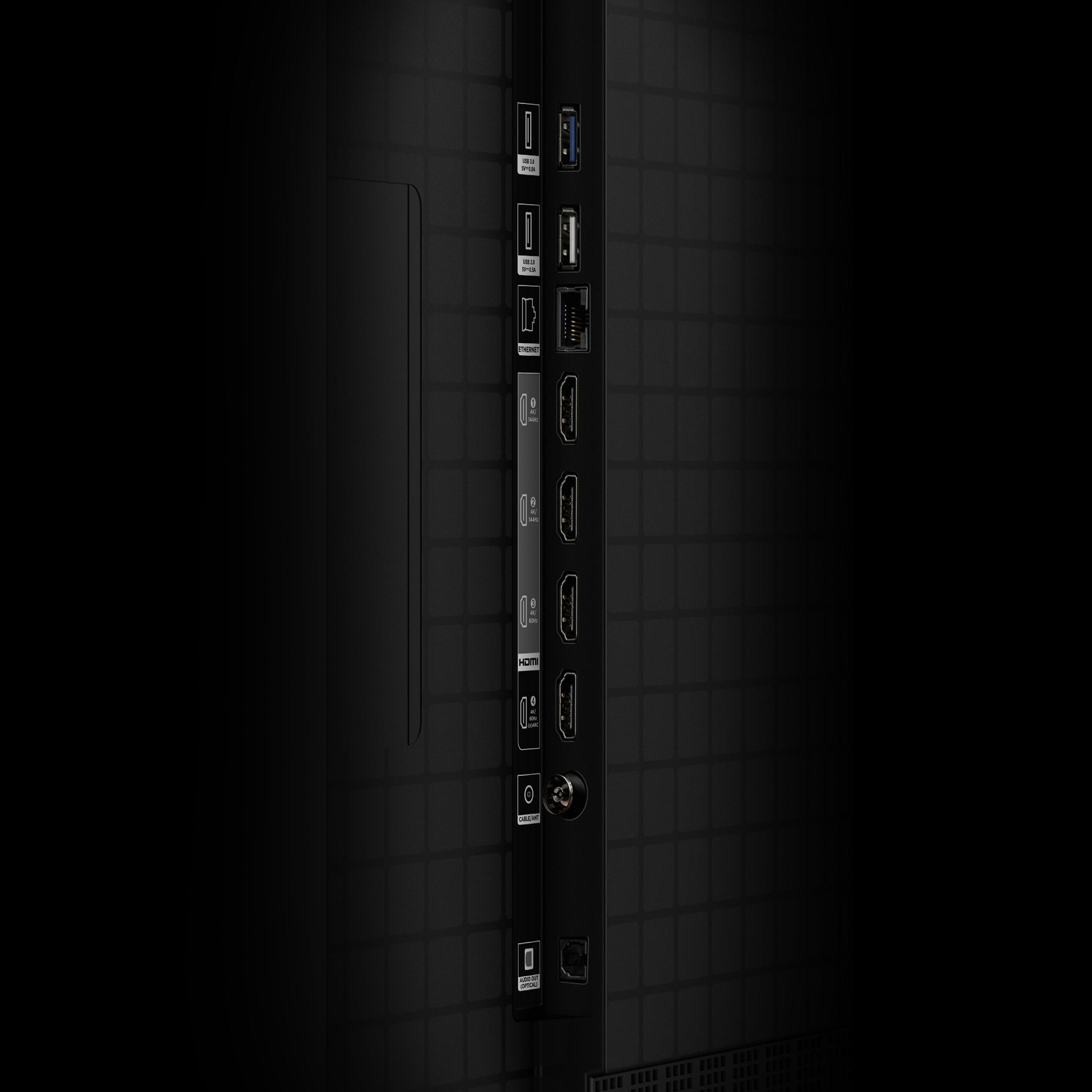
| 4x HDMI 2.0 (60Hz maximum at 4K) | HDMI 2.1 (full 4K 120Hz bandwidth for next-gen consoles) |
| Variable Refresh Rate - Eliminates screen tearing in games | |
| VRR up to 60Hz (basic gaming smoothness) | VRR up to 288Hz (professional gaming performance) |
| Color Gamut Coverage - Determines color richness and accuracy | |
| 90% DCI-P3 (good quantum dot enhancement) | 97% DCI-P3 (exceptional color accuracy and saturation) |
| Contrast Ratio - Creates depth and dimensionality | |
| Good VA panel contrast but no local dimming | 30,000,000:1 dynamic (rival to OLED performance) |
| Smart Platform - Daily user experience and app ecosystem | |
| Fire TV (Amazon-focused with Alexa integration) | Google TV (neutral platform with superior navigation) |
| Motion Handling - Important for sports and action content | |
| Motion Rate 120 with MEMC (adequate for casual viewing) | Motion Rate 480 with 144Hz (exceptional clarity) |
| Build Quality - Aesthetics and viewing angles | |
| Standard LED design with wider bezels | Premium ZeroBorder design with improved viewing angles |
| Target Buyer - Who should consider each TV | |
| Budget-conscious wanting quantum dot colors | Enthusiasts seeking flagship performance at competitive pricing |
The TCL QM8K is significantly better for gaming with its native 144Hz refresh rate, HDMI 2.1 ports, and VRR support up to 288Hz. It can handle PlayStation 5 and Xbox Series X gaming at 4K 120fps. The Hisense QD6 is limited to 60Hz gaming with HDMI 2.0 ports, making it suitable only for casual gaming or older consoles.
The biggest difference is brightness and contrast. The TCL QM8K delivers up to 5,000 nits peak brightness with LD3800 local dimming zones, creating exceptional HDR performance and deep blacks. The Hisense QD6 peaks at only 385 cd/m² with no local dimming, resulting in washed-out HDR content and limited contrast.
The TCL QM8K excels in bright rooms thanks to its exceptional 5,000 nits peak brightness that can overcome glare and ambient light. The Hisense QD6 works best in controlled lighting environments and struggles with bright room viewing due to its limited brightness capabilities.
Yes, both TVs support all major streaming services. The Hisense QD6 runs Fire TV with Amazon integration, while the TCL QM8K uses Google TV for a more neutral platform experience. Both provide access to Netflix, Disney+, HBO Max, and other popular apps.
This depends on your budget and needs. The Hisense QD6 offers excellent value for budget-conscious buyers wanting quantum dot color enhancement. The TCL QM8K provides better long-term value for enthusiasts due to its flagship features, gaming capabilities, and superior picture quality that justify the higher cost.
The Hisense QD6 uses Fire TV, which integrates well with Amazon services and Alexa but can occasionally lag in menus. The TCL QM8K runs Google TV, offering faster navigation, better voice search, and longer software support cycles based on user reviews.
The TCL QM8K is superior for dark room movie watching due to its local dimming technology that creates true blacks and exceptional contrast. The Hisense QD6 lacks local dimming, so bright scenes wash out dark areas, reducing the cinematic experience in dim environments.
Both TVs support major HDR formats including Dolby Vision, HDR10+, and HDR10. However, the TCL QM8K can actually display HDR content with dramatic impact due to its high brightness, while the Hisense QD6 shows HDR content with limited dynamic range due to brightness constraints.
The TCL QM8K offers better viewing angles with its WHVA panel technology, maintaining color accuracy and brightness when viewed from the side. The Hisense QD6 uses a VA panel that shows color shifts and dimming at wider angles, making it less ideal for large group viewing.
The TCL QM8K features Audio by Bang & Olufsen with Dolby Atmos support for more immersive sound. The Hisense QD6 also supports Dolby Atmos but with a more basic speaker system. Both TVs benefit from external soundbars for the best audio experience.
The TCL QM8K is more future-proof with its HDMI 2.1 ports, 144Hz gaming capabilities, and flagship features that will remain relevant longer. The Hisense QD6 covers current needs well but may feel outdated sooner due to its HDMI 2.0 limitation and 60Hz refresh rate.
For serious home theater use, choose the TCL QM8K due to its cinema-level brightness, local dimming for true blacks, and Filmmaker Mode for accurate content reproduction. The Hisense QD6 works for casual movie nights but lacks the contrast and brightness needed for an immersive home theater experience.
We've done our best to create useful and informative comparisons to help you decide what product to buy. Our research uses advanced automated methods to create this comparison and perfection is not possible - please contact us for corrections or questions. These are the sites we've researched in the creation of this article: pcvarge.com - bestbuy.com - rtings.com - youtube.com - rtings.com - youtube.com - consumerreports.org - leaseville.com - hisense-usa.com - device.report - hisense-usa.com - youtube.com - flatpanelshd.com - displayspecifications.com - retailspecs.com - tomsguide.com - youtube.com - businessinsider.com - rtings.com - youtube.com - avsforum.com - avsforum.com - bestbuy.com - tcl.com - tcl.com - tcl.com - flatpanelshd.com - romomattressfurniture.com - brandsmartusa.com - pcrichard.com - tvsbook.com - tcl.com - youtube.com - prnewswire.com - tcl.com - tcl.com

Privacy Policy
Terms and Conditions - Affiliate Policy
Home Security
© Copyright 2008-2026.
11816 Inwood Rd #1211, Dallas, TX 75244