

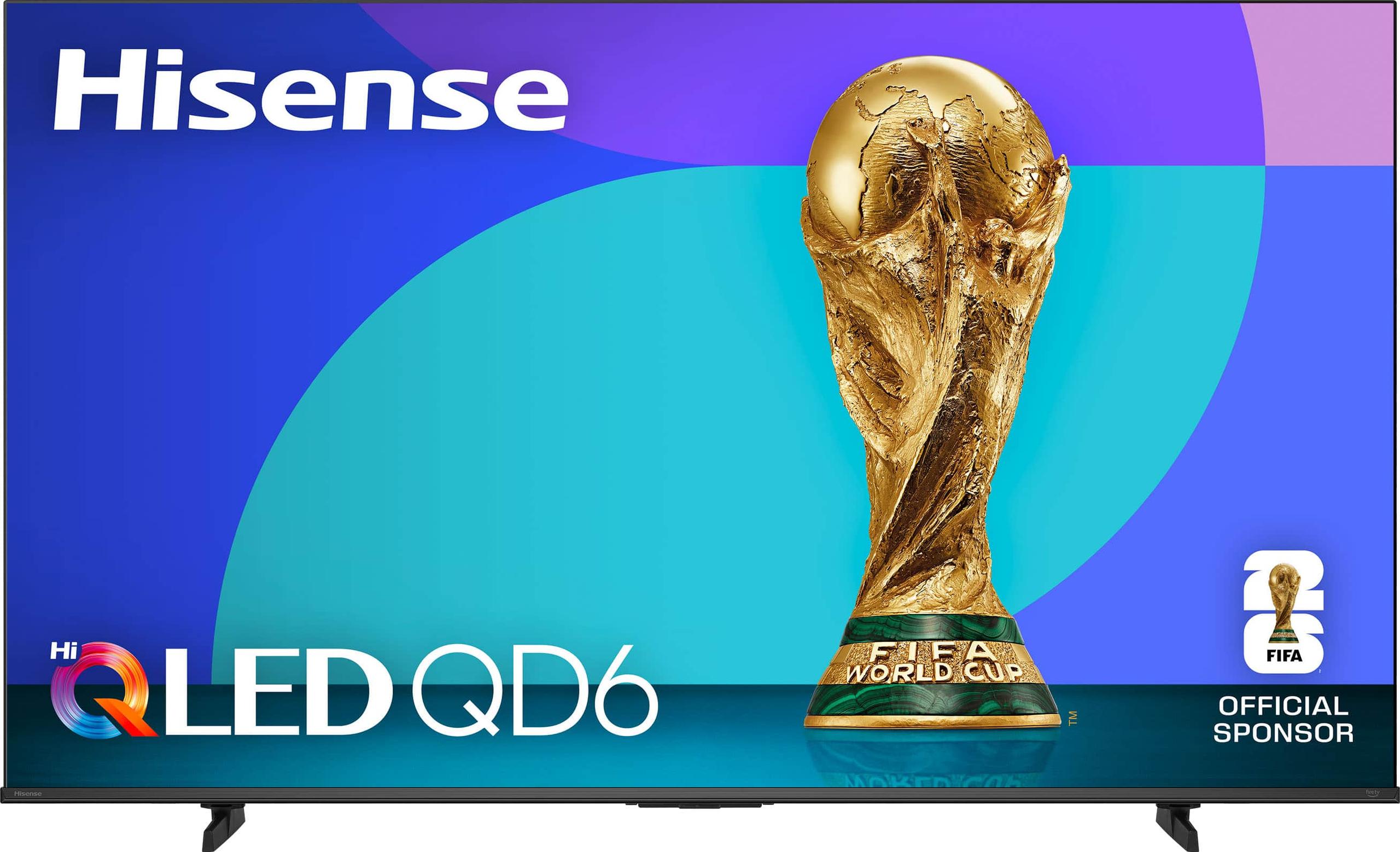

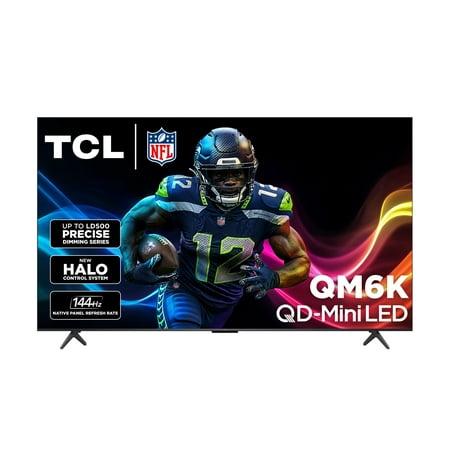
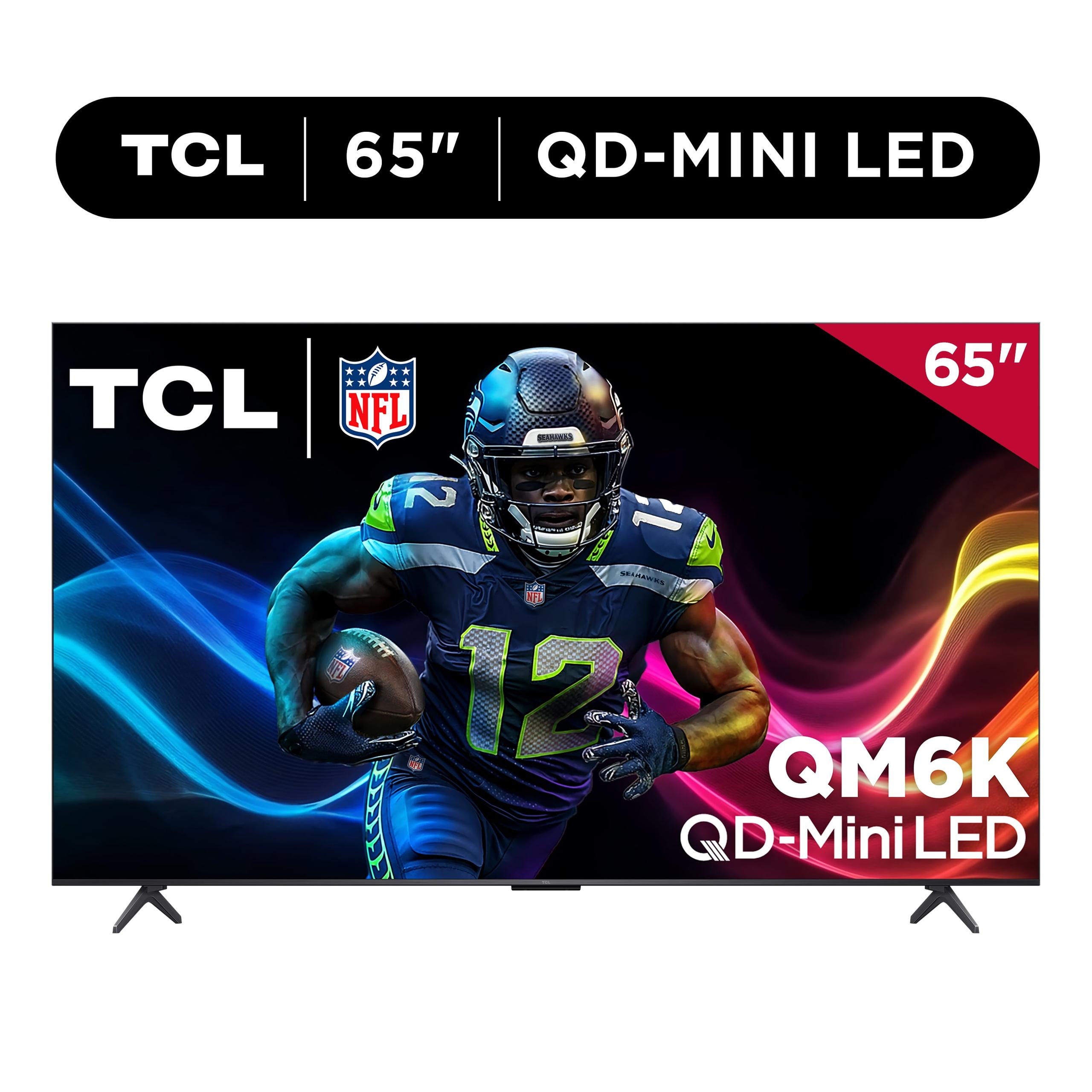
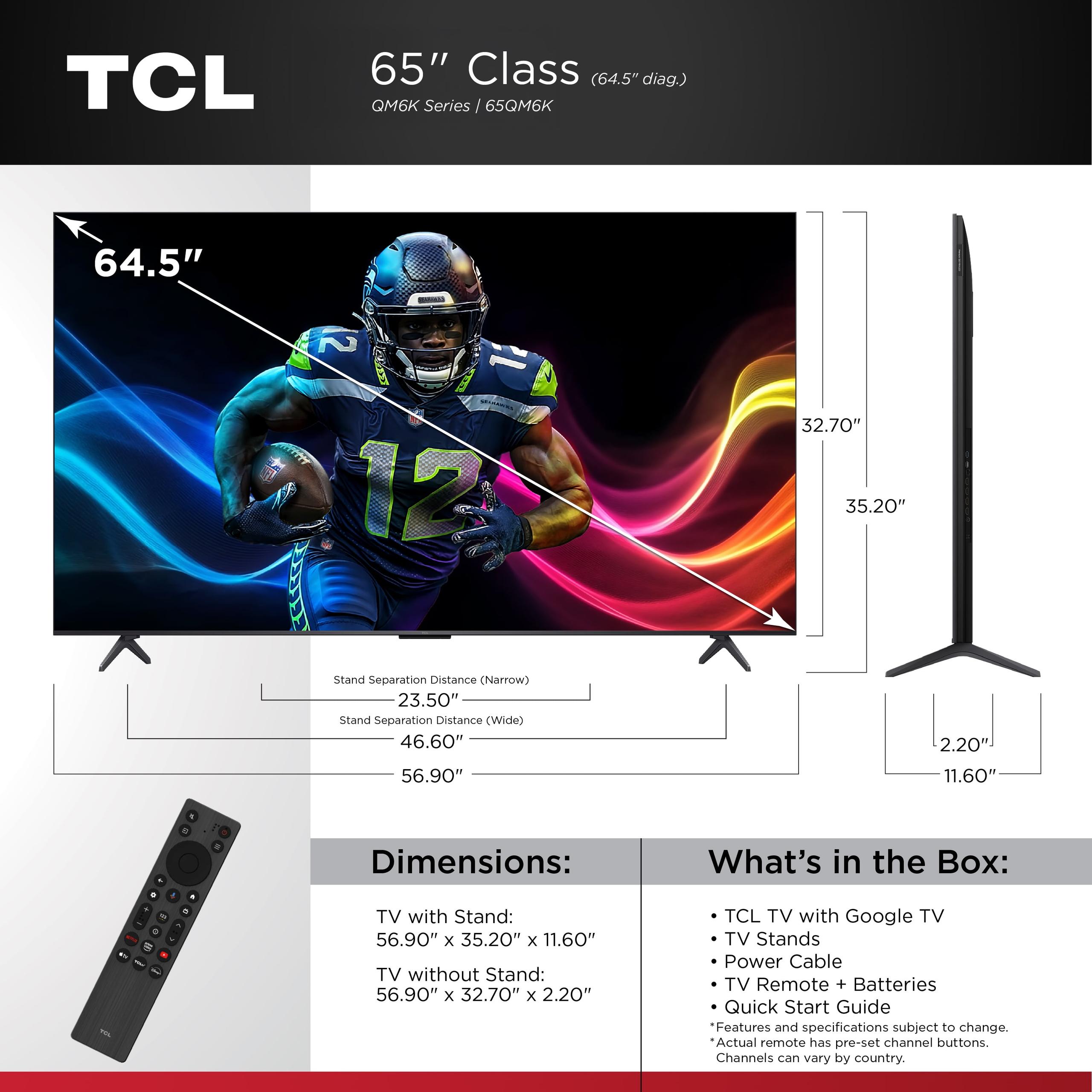
Shopping for a large 4K TV can feel overwhelming, especially when you're trying to balance picture quality with your budget. Two popular 65-inch models from 2025 perfectly illustrate this dilemma: the Hisense QD6 Series and the TCL QM6K. While both deliver 4K resolution on a generous 65-inch screen, they take dramatically different approaches to achieving great picture quality—and their prices reflect that difference.
At the time of writing, these TVs sit in different budget categories, with the Hisense QD6 positioned as an affordable entry into quantum dot technology, while the TCL QM6K costs roughly 50% more but brings mini-LED backlighting and serious gaming capabilities to the table. The question isn't just which TV is better—it's which one makes more sense for your specific needs and budget.
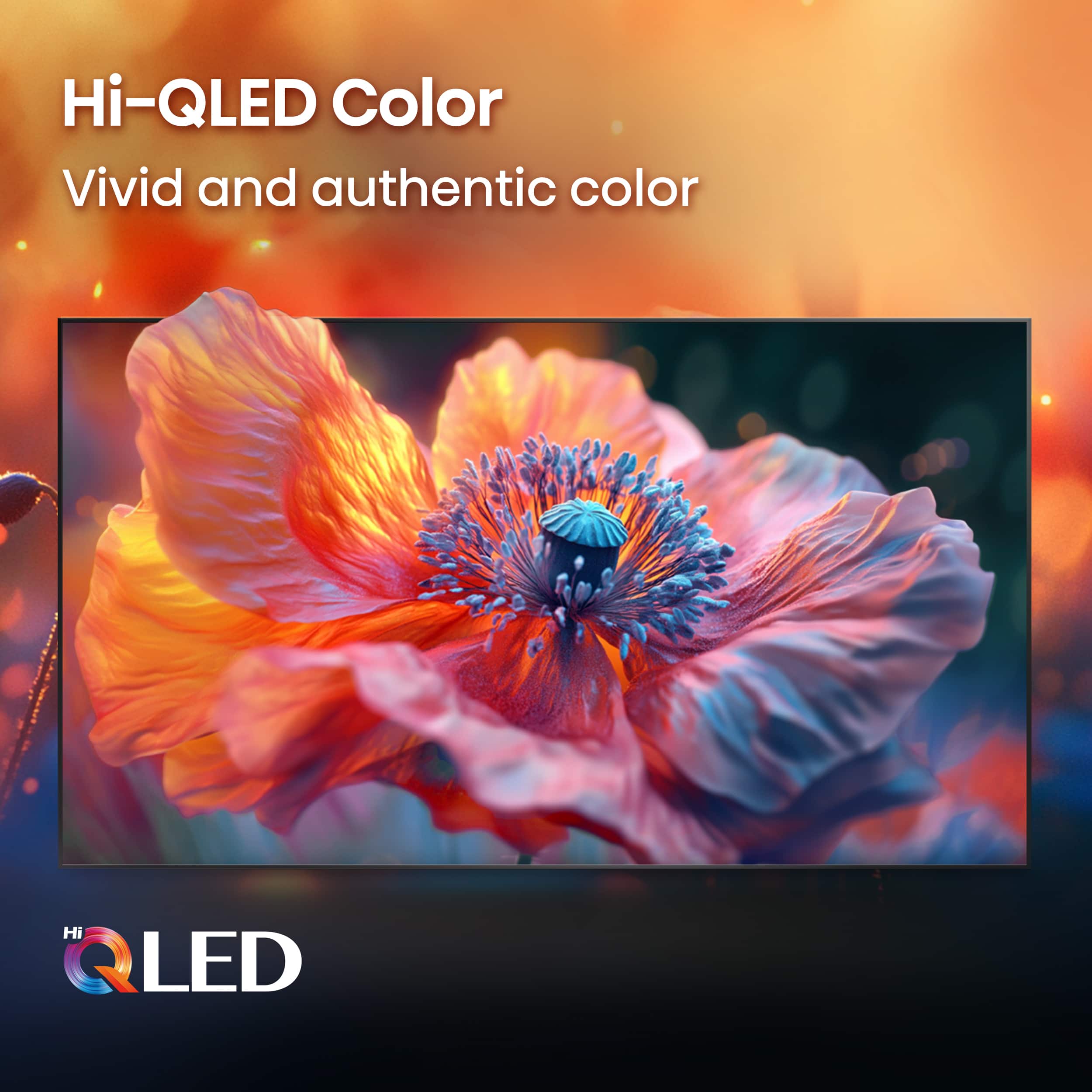
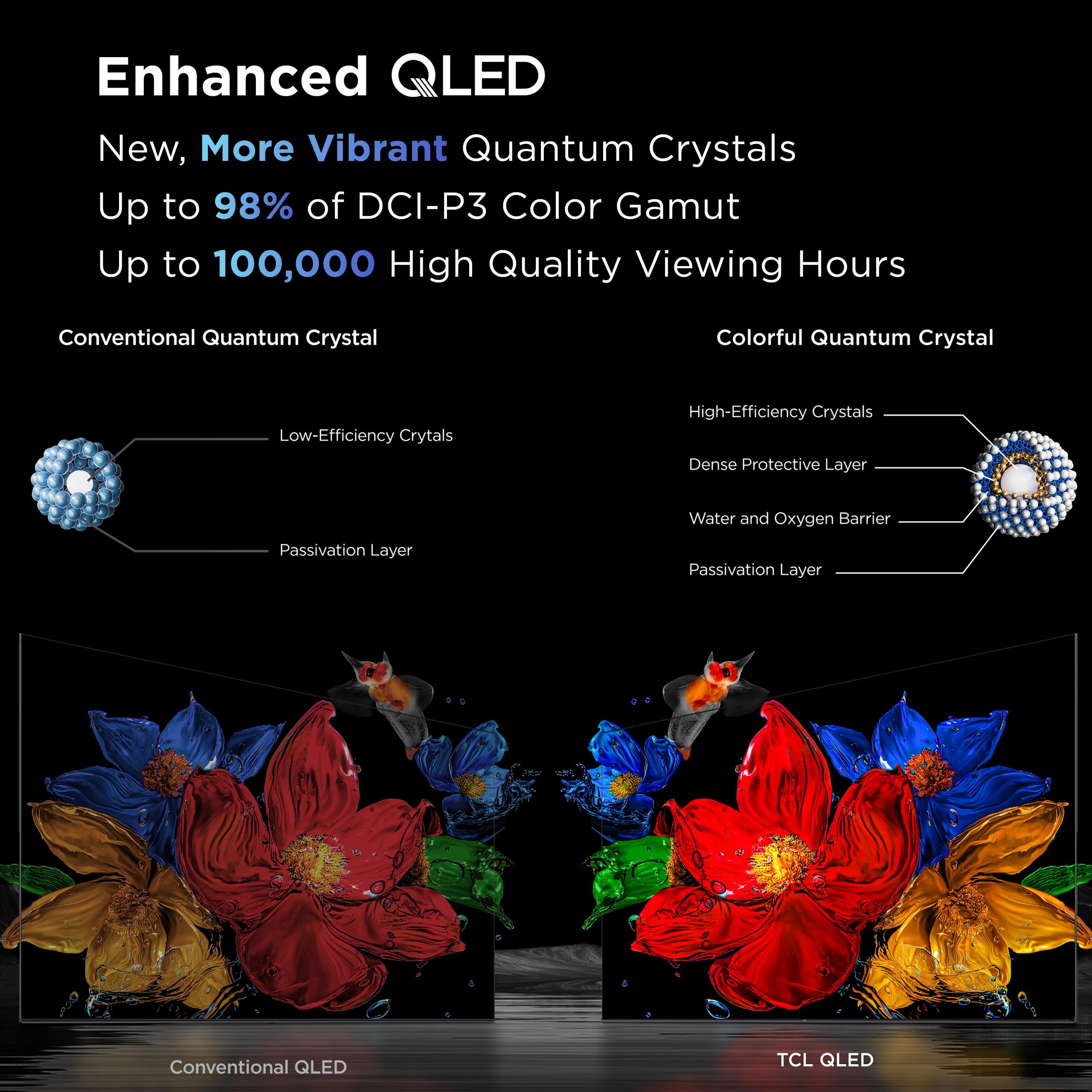
Before diving into specifics, it's worth understanding what we're dealing with here. Both TVs use quantum dots, which are tiny semiconductor particles that enhance color reproduction by converting blue LED light into more precise red and green wavelengths. Think of them as color filters that make your TV's palette more accurate and vibrant.
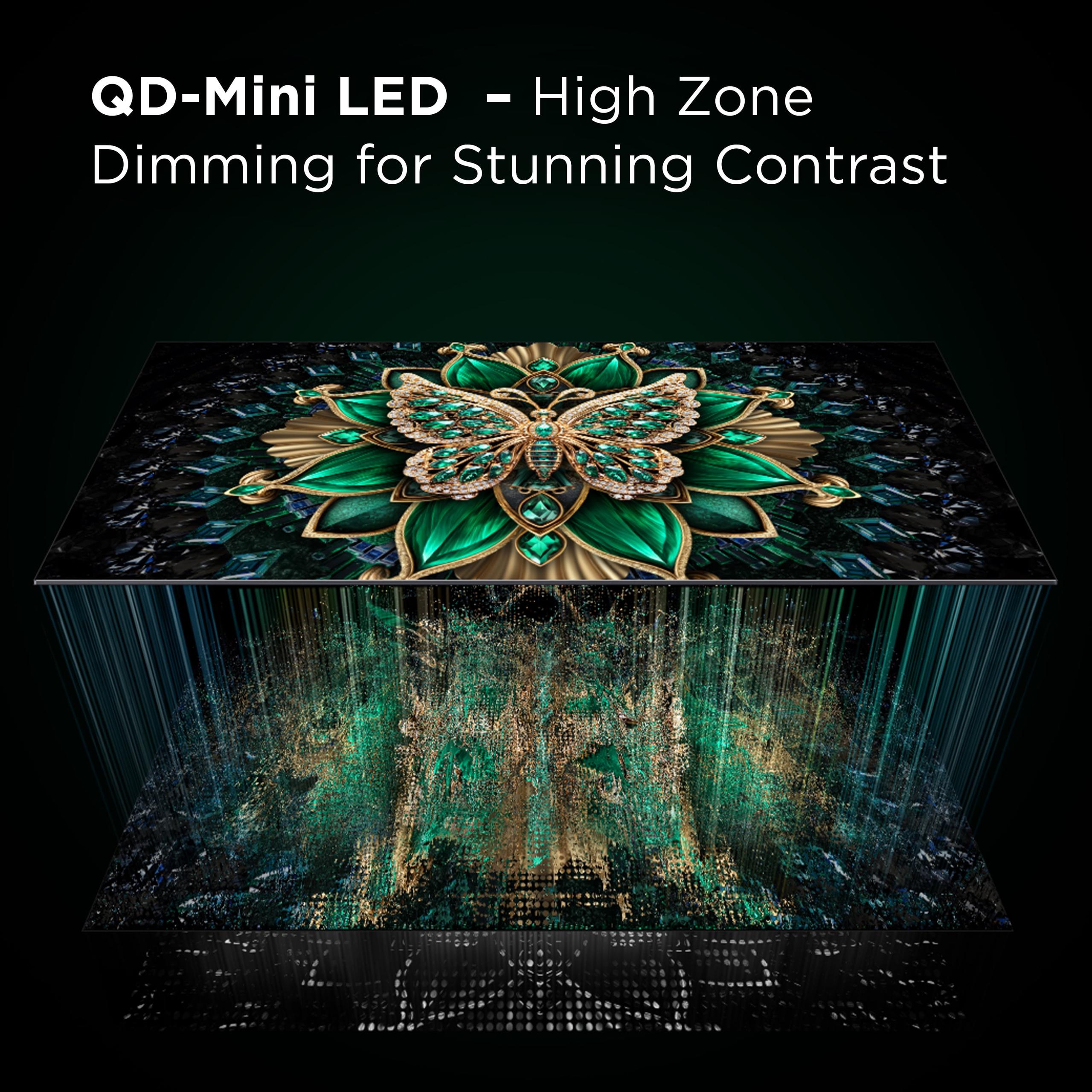
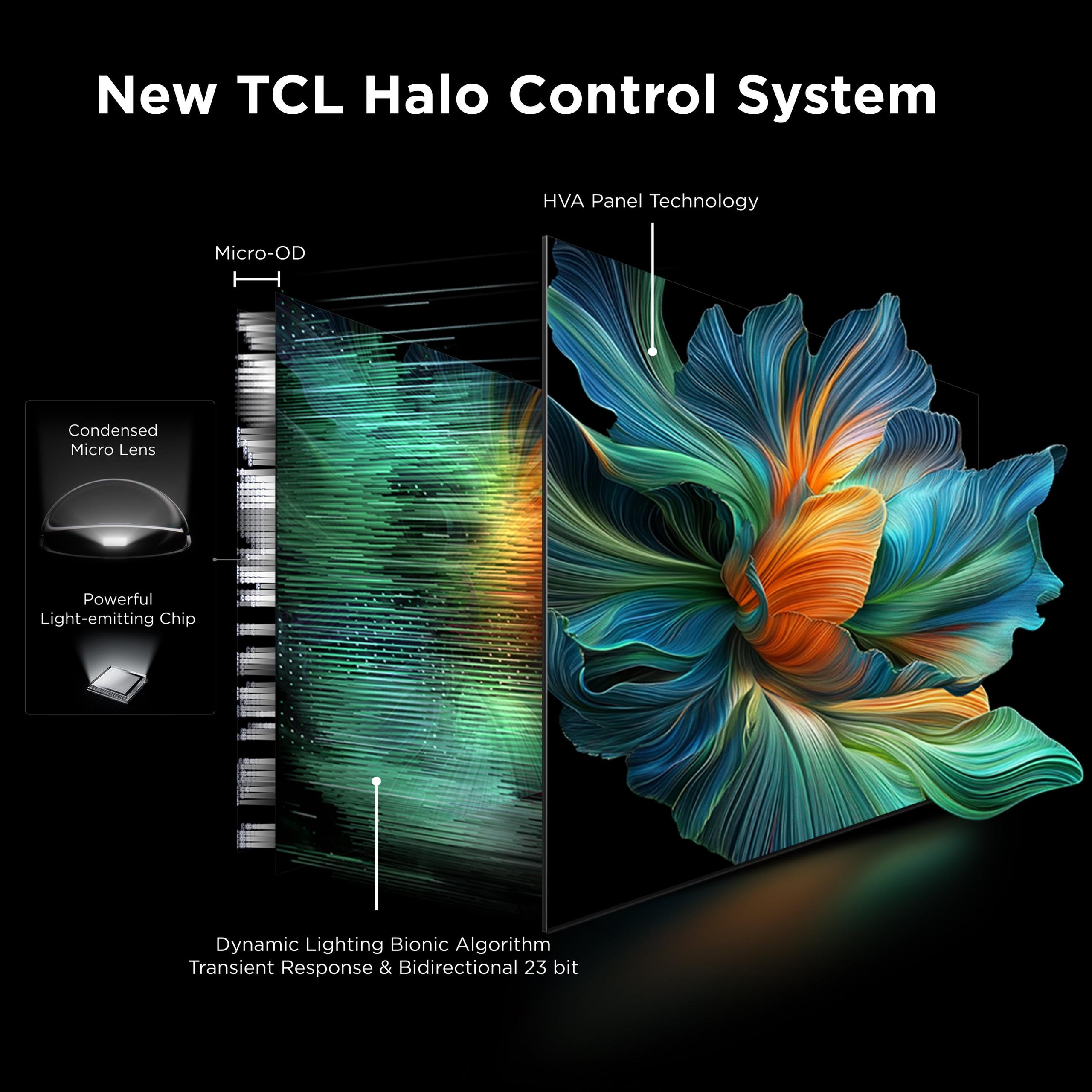
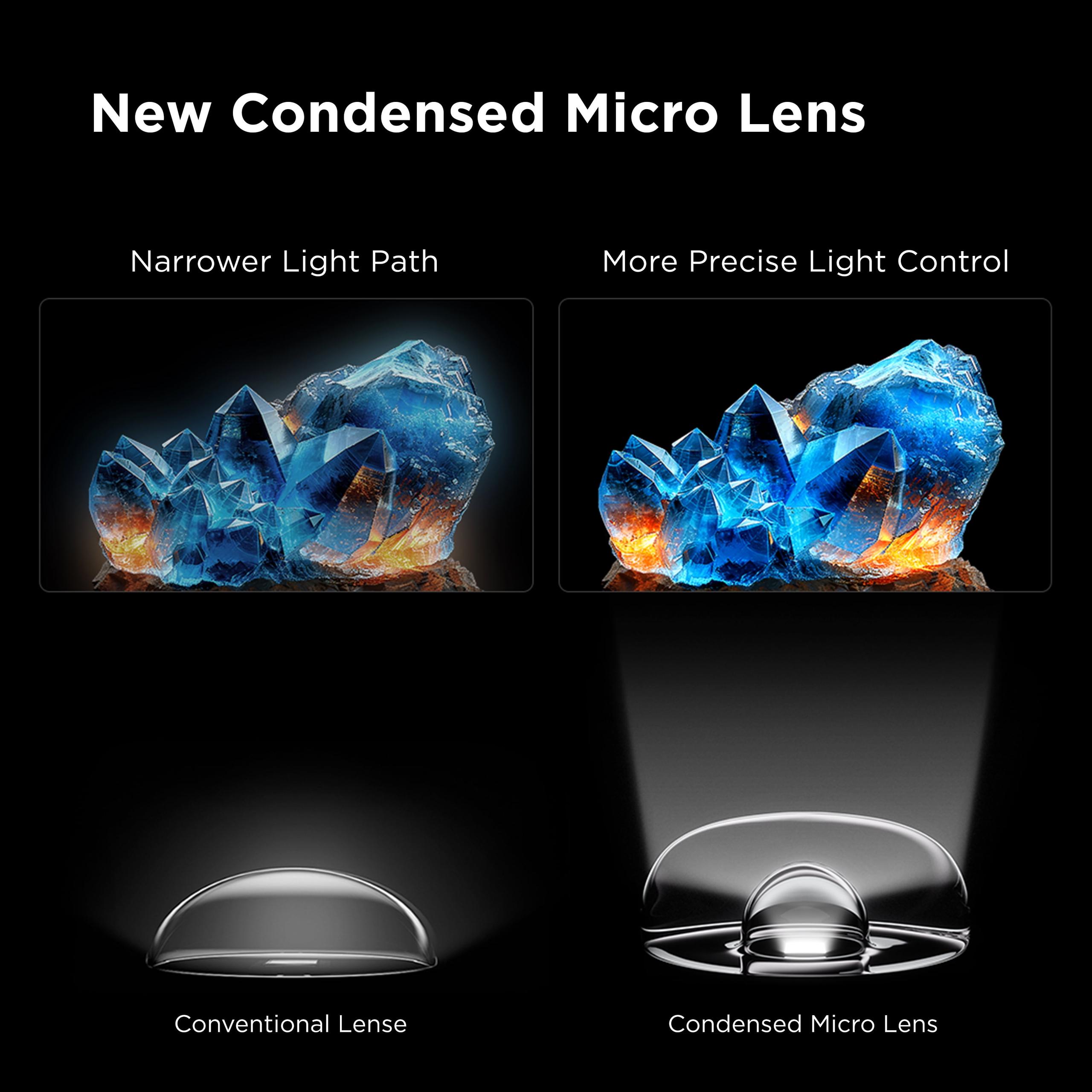
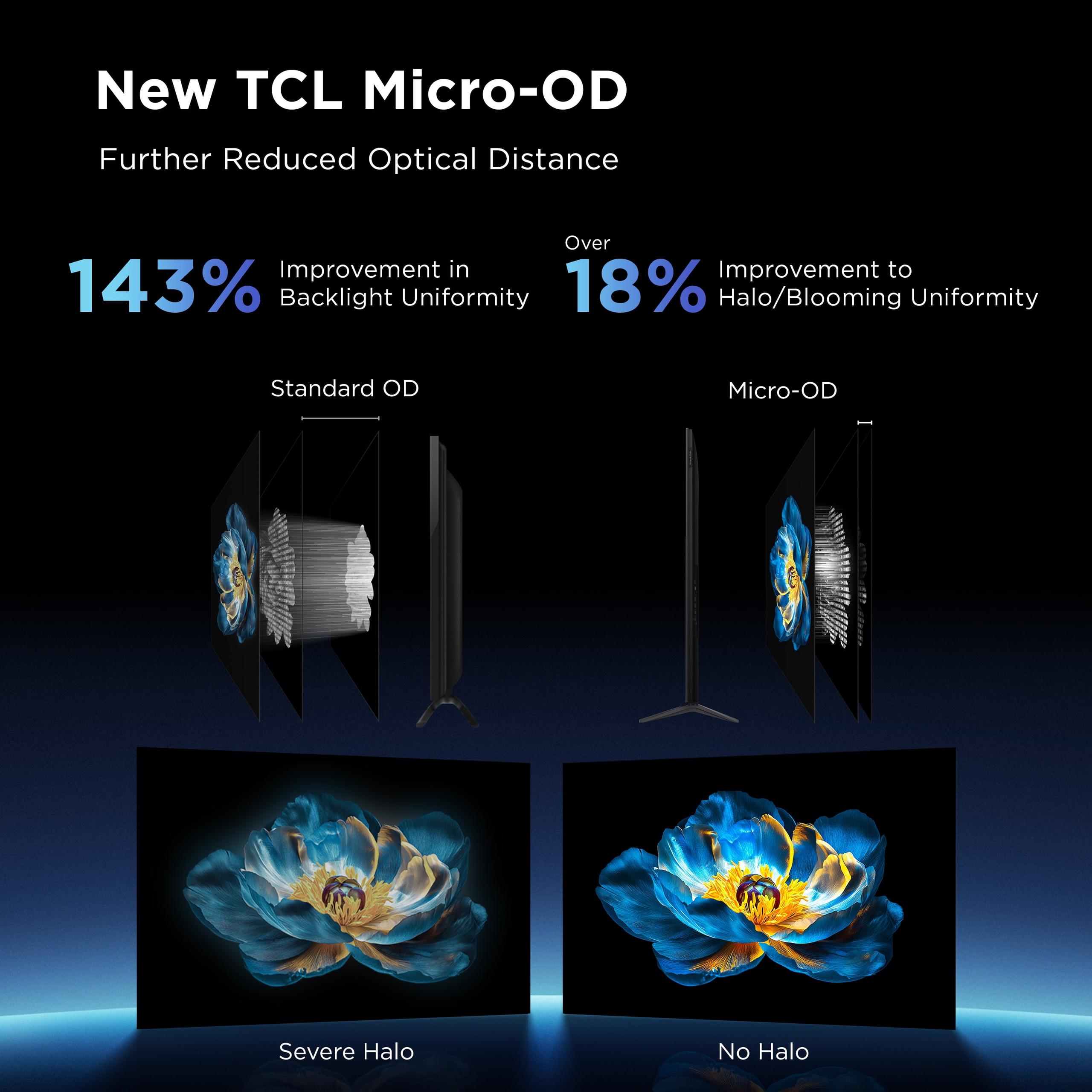
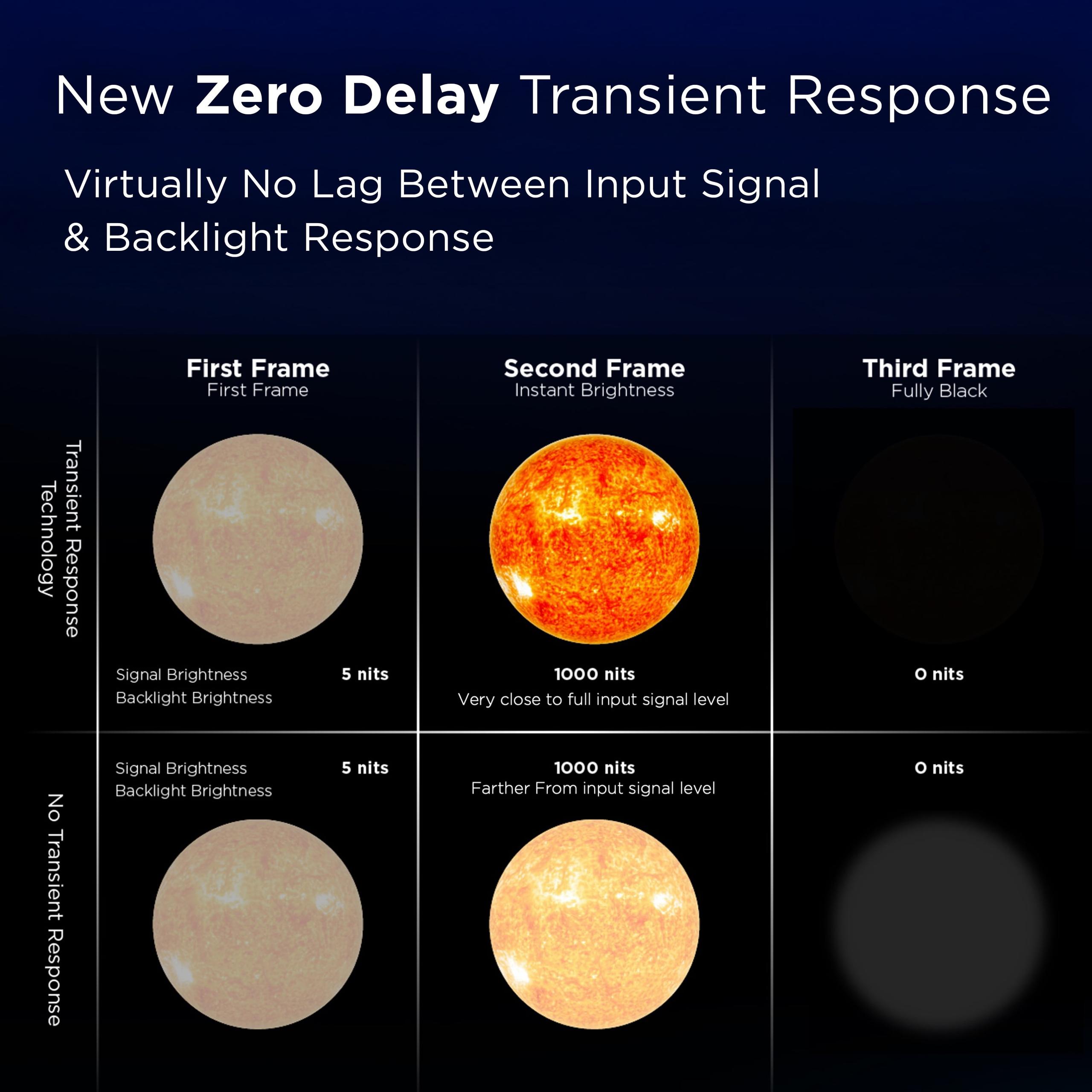
The bigger difference lies in their backlighting systems. The Hisense QD6 uses a traditional full-array LED setup, where LEDs are spread across the back of the screen but work together as one unit. The TCL QM6K, however, employs mini-LED technology—thousands of much smaller LEDs organized into distinct zones that can be controlled independently. This local dimming capability means bright objects can shine while nearby dark areas stay truly dark, creating much better contrast.
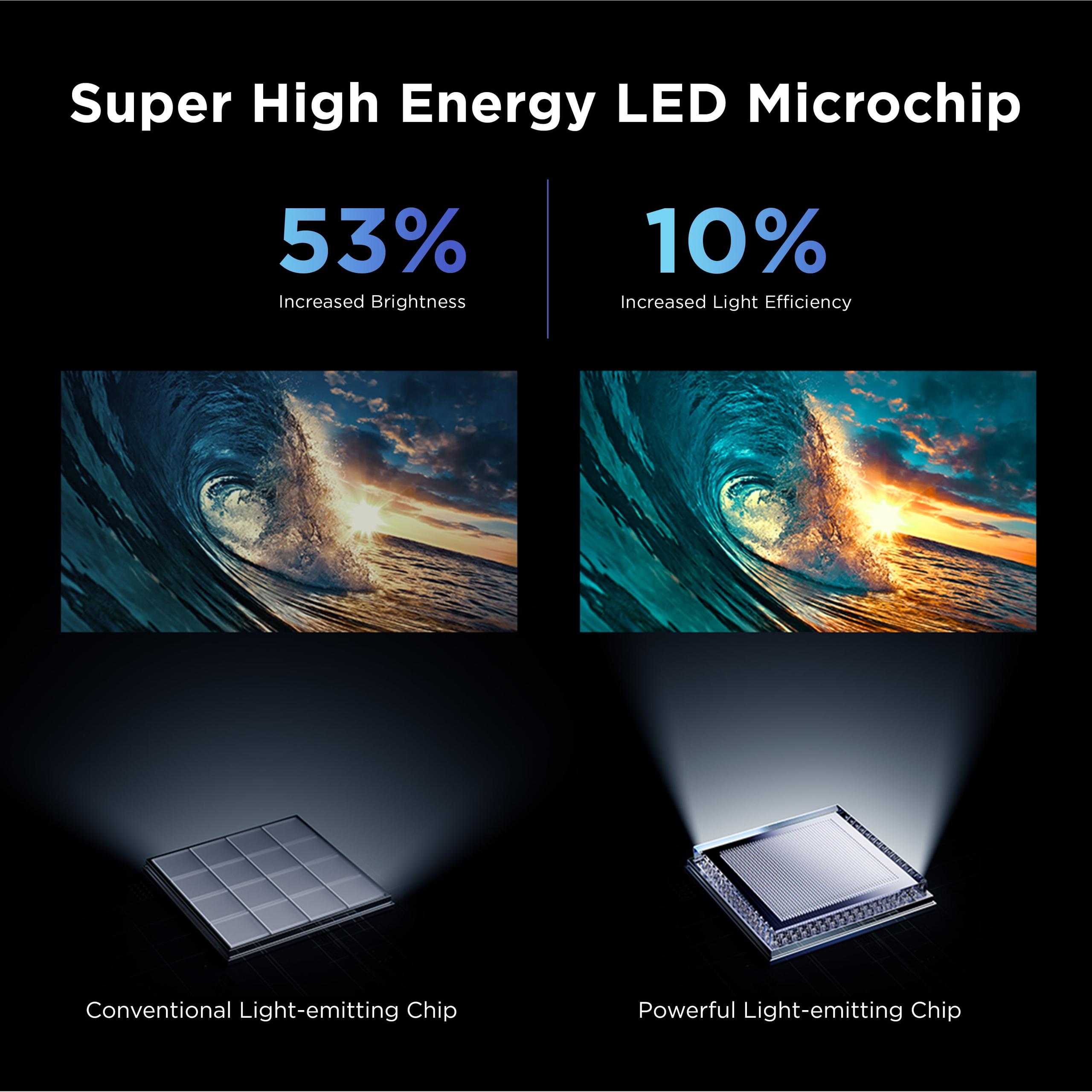
Peak brightness determines how impactful HDR (High Dynamic Range) content looks. HDR is designed to show the full range from the deepest blacks to the brightest whites, mimicking what our eyes see in real life. The Hisense QD6 reaches around 385 nits of peak brightness—adequate for moderate lighting but not enough to make HDR content truly pop in bright rooms.
The TCL QM6K significantly outperforms here with its mini-LED array. While exact numbers vary by size and production, mini-LED TVs typically achieve 600-1000+ nits, making HDR highlights like sunlight reflecting off water or explosions in movies genuinely impressive rather than flat and dull.
This brightness difference matters most when you're watching in well-lit rooms or during daytime viewing. If your TV sits opposite windows or in a bright living room, the TCL QM6K will maintain color saturation and contrast better, while the Hisense QD6 may appear washed out.
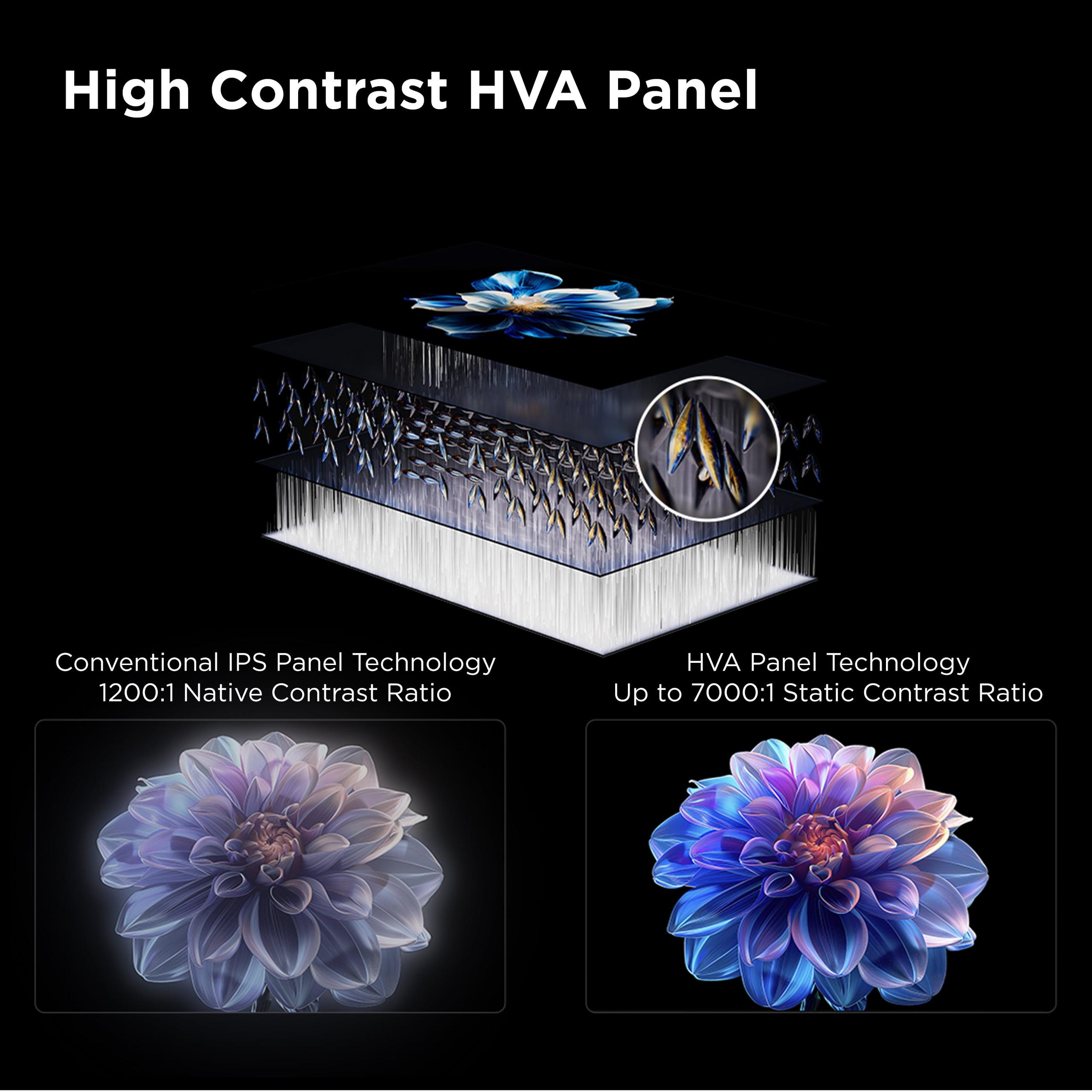
Here's where the local dimming advantage becomes crystal clear. The Hisense QD6 uses a VA panel with good native contrast, but without local dimming, bright scenes cause black levels to "lift" across the entire screen. Imagine watching a movie with bright stars against a dark sky—the sky turns grayish instead of staying deep black.
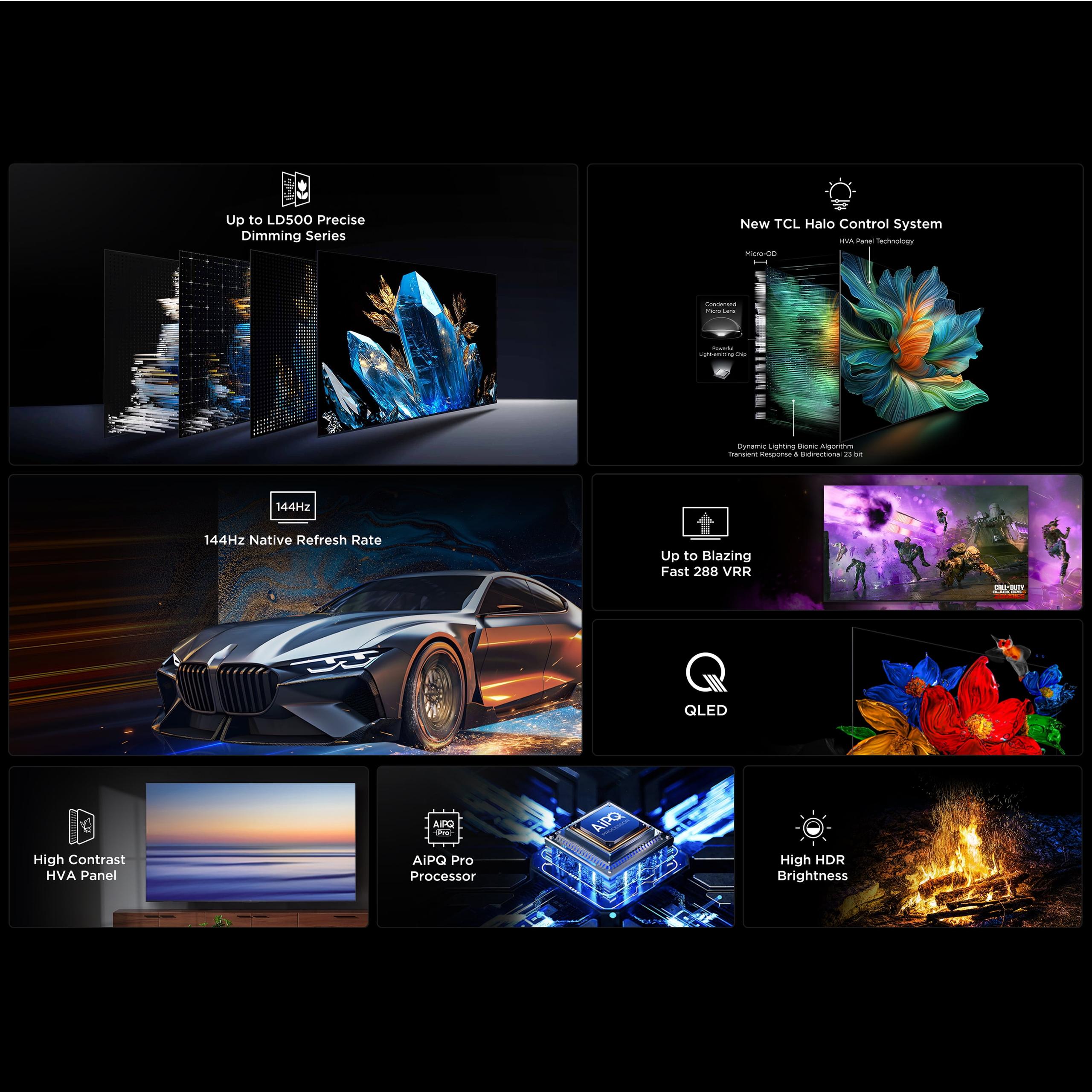
The TCL QM6K's 500 local dimming zones solve this problem elegantly. Each zone can dim independently, so those stars shine brilliantly while the surrounding space remains inky black. This creates the depth and dimensionality that makes movies feel more immersive, especially in dark room viewing.
Both TVs cover about 90% of the DCI-P3 color space (the standard for HDR content), but they handle color differently. The Hisense QD6 delivers excellent out-of-box color accuracy with minimal calibration needed—a real strength for a budget TV. However, its color volume (how well it displays colors at different brightness levels) is limited by its lower peak brightness.
The TCL QM6K combines similar quantum dot enhancement with higher brightness capability, resulting in more saturated colors in bright scenes and better overall color volume. Colors don't fade or shift as dramatically when the screen gets bright, maintaining that "wow factor" throughout your viewing session.
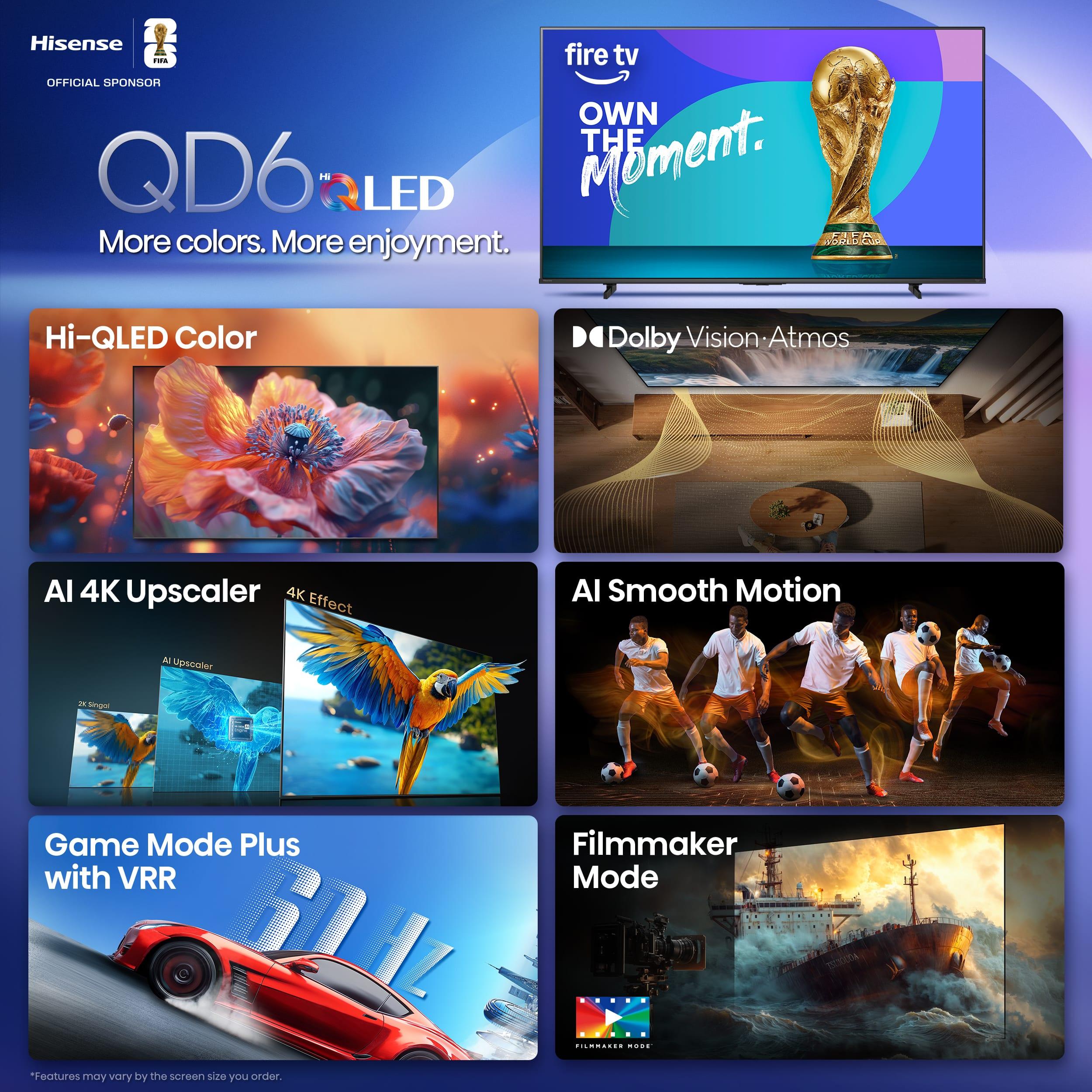
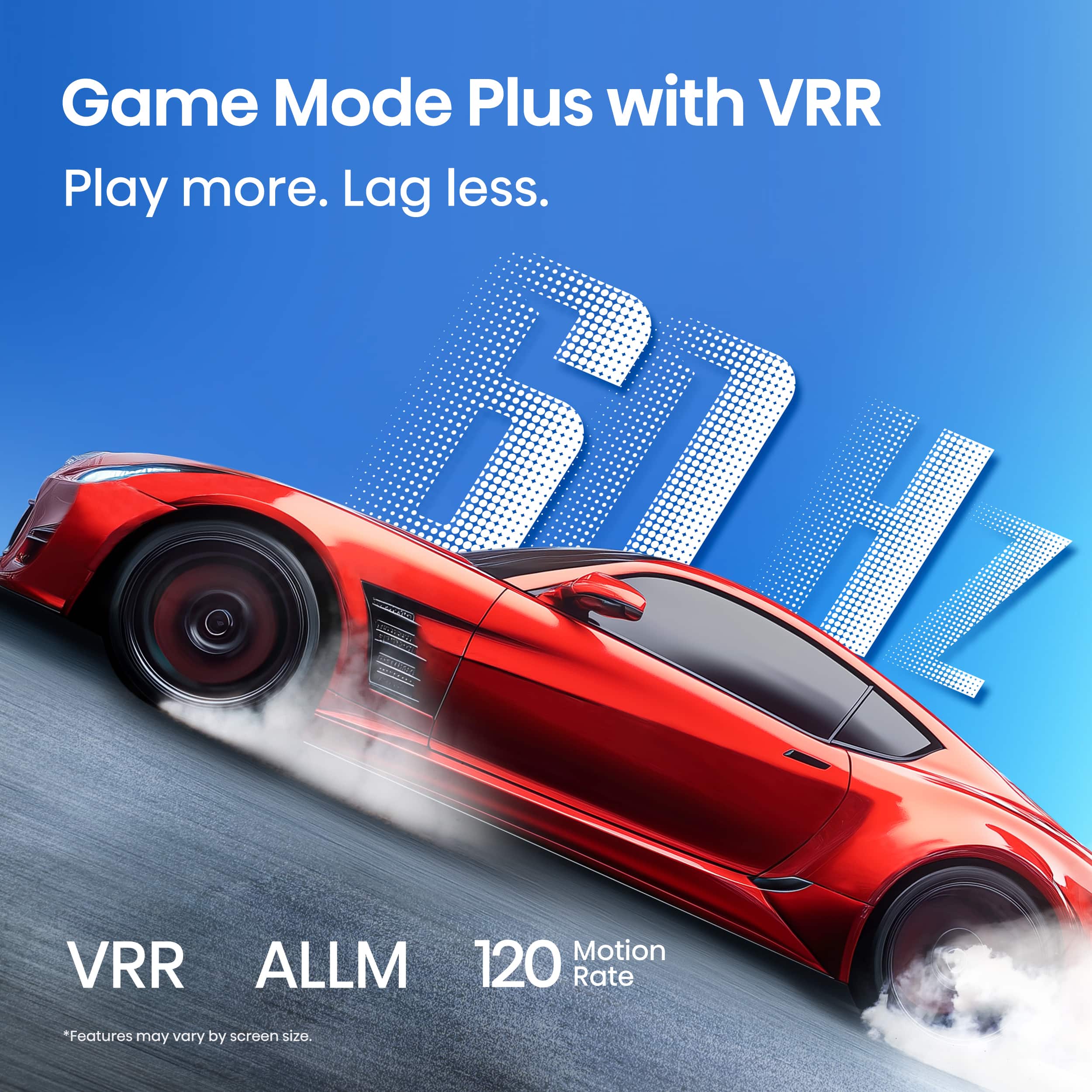
Gaming capabilities reveal the most dramatic difference between these TVs. The Hisense QD6 supports Variable Refresh Rate (VRR) and Auto Low Latency Mode (ALLM)—important features that prevent screen tearing and reduce input lag to around 10ms. However, it's fundamentally limited by its 60Hz refresh rate and HDMI 2.0 ports.
For casual gaming on PlayStation 5 or Xbox Series X, the Hisense QD6 handles 4K gaming at 60fps adequately. But when frame rates drop below 60fps, you'll experience screen tearing since VRR can only work within the panel's native refresh range.
The TCL QM6K transforms gaming entirely with its 144Hz native refresh rate and Game Accelerator 288 technology, which enables variable refresh rates up to 288Hz. This means buttery-smooth gameplay even when frame rates fluctuate, plus future-proofing for games that will support higher frame rates. The HDMI 2.1 bandwidth also enables proper 4K 120Hz gaming from next-gen consoles.
For competitive gaming or if you plan to use a high-end PC, the TCL QM6K isn't just better—it's in a different league entirely. The higher refresh rate reduces motion blur and improves responsiveness in fast-paced games.
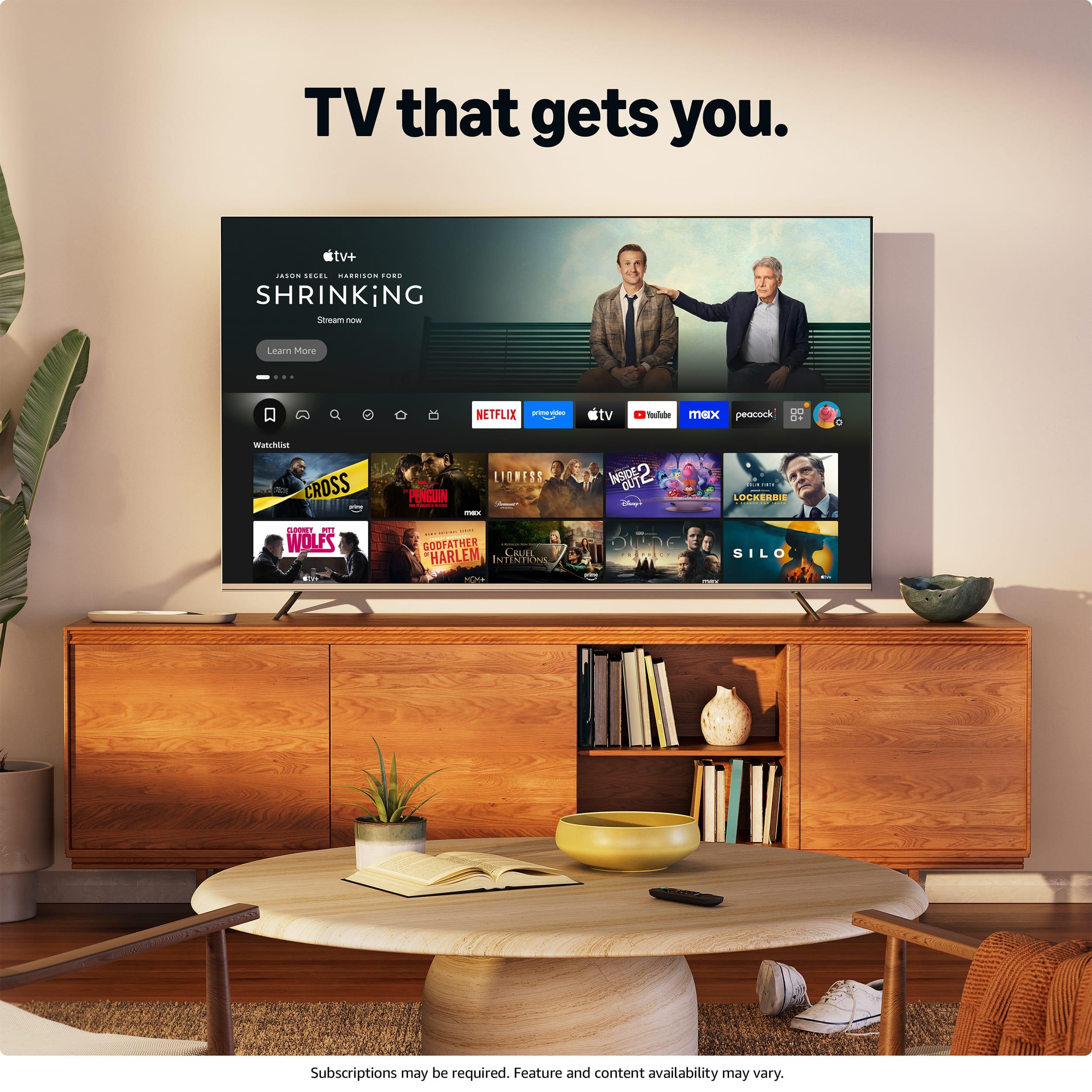
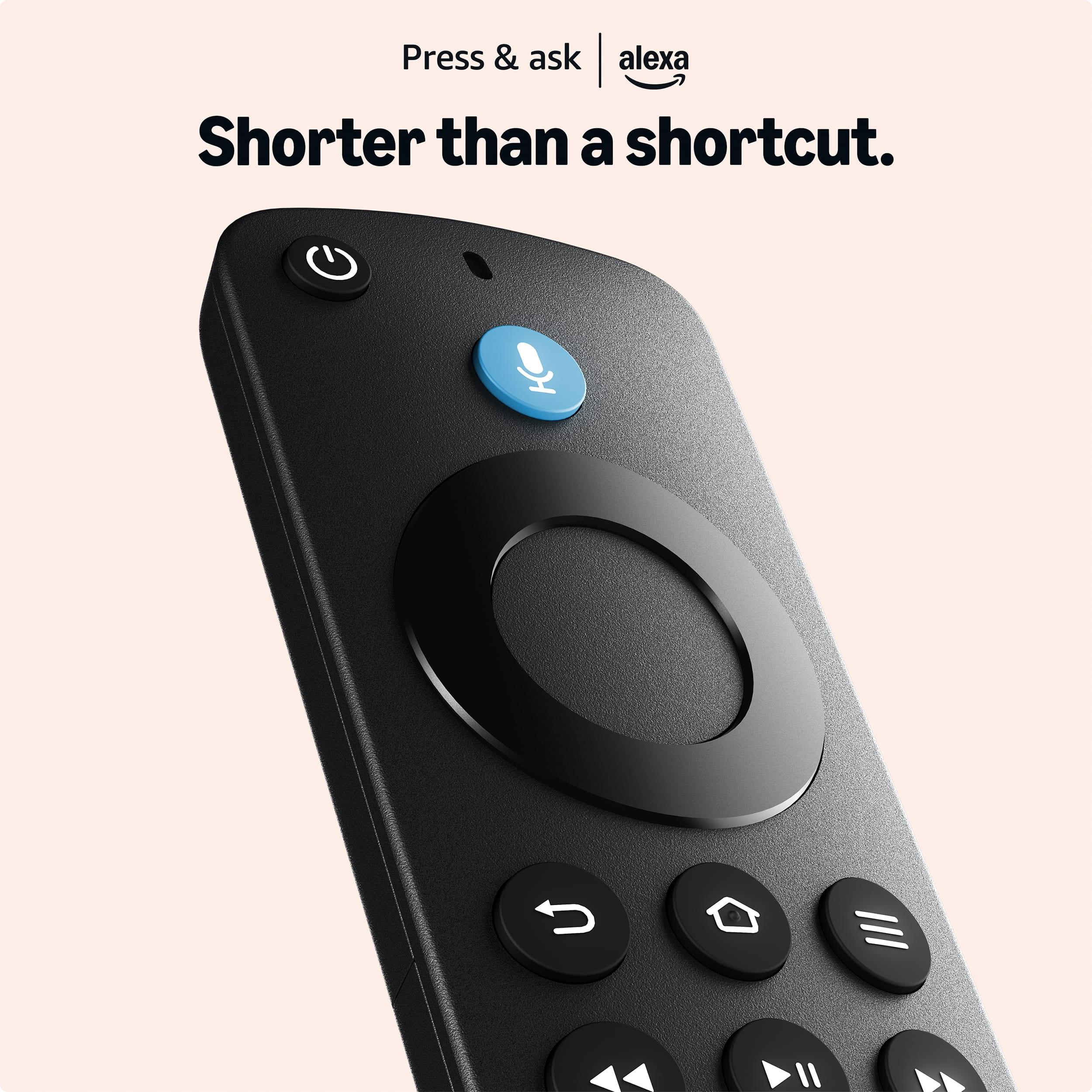
The Hisense QD6 runs Amazon's Fire TV platform, which excels at content discovery and integrates seamlessly with Amazon Prime Video, Alexa smart home devices, and Amazon's ecosystem. The interface feels familiar if you've used Fire TV sticks, and it handles streaming apps smoothly.
The TCL QM6K uses Google TV, which offers superior app selection, better integration with Google services, and more sophisticated recommendation algorithms. Google TV also tends to receive faster updates and new features compared to Fire TV.
Both platforms work well for streaming, but your preference might depend on which ecosystem you're already invested in. Fire TV users often appreciate the direct Amazon integration, while Google TV appeals to Android users and those who prefer Google's approach to content organization.
TV speakers rarely impress, but there are differences worth noting. The Hisense QD6 includes Dolby Atmos processing through standard speakers—adequate for casual viewing but lacking the dynamics for movie nights.
The TCL QM6K features a 2.1 channel Onkyo speaker system with a built-in subwoofer and DTS Virtual:X processing. This creates noticeably better bass response and clearer dialogue. While neither TV replaces a proper sound system, the TCL's audio setup is genuinely more enjoyable for extended viewing sessions.
For dedicated home theater use, both TVs have limitations, but the TCL QM6K comes much closer to delivering a cinematic experience. The local dimming and higher brightness create the contrast ratio necessary for movie viewing, while the 144Hz panel provides smoother motion for action sequences.
The Hisense QD6 struggles in dark room scenarios where its lack of local dimming becomes most apparent. Bright scenes wash out dark details, and the overall experience feels flat compared to what you'd expect from a home theater setup. It's better suited for family room viewing where some ambient light helps mask these limitations.
Both TVs support Filmmaker Mode, which disables artificial processing to preserve the director's intended look—a feature serious movie watchers appreciate. However, only the TCL QM6K has the hardware capability to truly deliver on that cinematic experience.
Sports viewing reveals another performance gap. The Hisense QD6 uses Motion Rate 120 technology (interpolating from its native 60Hz) to smooth out fast action, but this processing can create artifacts around moving objects. The slower response times also cause blur trails during rapid camera movements.
The TCL QM6K's native 144Hz panel handles sports much more naturally. Fast camera pans stay smooth without aggressive processing, and player movements appear crisp rather than blurry. If sports viewing is important to you, this difference is immediately noticeable and worth the price premium.
At the time of writing, the price gap between these TVs represents a classic value versus performance decision. The Hisense QD6 offers impressive features for its price point—quantum dots, 4K upscaling, and smart TV functionality in a large 65-inch package. For buyers prioritizing screen size and basic 4K quality over cutting-edge performance, it's genuinely hard to beat.
The TCL QM6K costs significantly more but delivers meaningful improvements across every performance metric. The mini-LED backlighting alone justifies much of the price difference, while the gaming capabilities and better overall build quality add substantial value for users who will utilize these features.
Choose the Hisense QD6 if you're working with a strict budget but want the largest possible screen with decent picture quality. It's perfect for families who primarily stream content, do casual gaming, and watch TV in moderately lit rooms. The Fire TV platform works well, colors look good, and you get solid 4K performance without breaking the bank.
Go with the TCL QM6K if you can stretch your budget for noticeably better performance. The superior contrast from local dimming, brighter HDR, smooth high-refresh gaming, and overall more premium experience justify the higher price. This TV makes sense for gaming enthusiasts, movie lovers, or anyone who wants their TV to handle whatever content they throw at it excellently rather than just adequately.
The fundamental question is whether the TCL QM6K's improvements matter enough to justify the price increase. For casual viewers who won't push the TV's limits, the Hisense QD6 delivers excellent value. But for users who want their 65-inch TV to excel at gaming, movies, and bright room viewing, the TCL QM6K represents money well spent on genuinely better performance rather than minor incremental improvements.
Both TVs succeed at their intended purposes—the key is honestly assessing which set of capabilities and limitations best matches your viewing habits and budget reality.
| Hisense 65" QD6 Series Hi-QLED Fire TV (2025) | TCL 65" QM6K QD-Mini LED 4K TV |
|---|---|
| Display Technology - Foundation for picture quality and contrast | |
| Standard LED backlight with quantum dots, no local dimming | Mini-LED backlight with up to 500 local dimming zones |
| Peak Brightness - Critical for HDR impact and bright room viewing | |
| ~385 cd/m² (adequate for moderate lighting) | Significantly higher with mini-LED (excellent for bright rooms) |
| Refresh Rate - Essential for gaming and smooth motion | |
| 60Hz native with Motion Rate 120 interpolation | 144Hz native with Game Accelerator 288 |
| Gaming Features - Future-proofing for next-gen consoles | |
| VRR/ALLM at 60Hz, HDMI 2.0 ports, 4K@60Hz max | VRR up to 288Hz, HDMI 2.1 bandwidth, 4K@120Hz capable |
| Smart Platform - Daily user experience and app ecosystem | |
| Amazon Fire TV with Alexa integration | Google TV with Google Assistant |
| Audio System - Built-in sound quality without external speakers | |
| Standard speakers with Dolby Atmos processing | 2.1 Onkyo system with built-in subwoofer, DTS Virtual:X |
| Color Performance - Accuracy and vibrancy of content | |
| 90% DCI-P3, excellent out-of-box accuracy | 90% DCI-P3 with better color volume at high brightness |
| Input Lag - Responsiveness for gaming | |
| Very low (~10.2ms) suitable for casual gaming | Optimized for competitive gaming with HDMI 2.1 features |
| Best Use Cases - Who should consider each TV | |
| Budget-conscious buyers, Fire TV users, casual gaming | Gaming enthusiasts, bright rooms, HDR content lovers |
The TCL 65" QM6K delivers superior picture quality with its mini-LED backlighting and 500 local dimming zones, providing deeper blacks and brighter highlights. The Hisense 65" QD6 Series offers good picture quality for its lower price point, but lacks local dimming which limits contrast performance. If picture quality is your priority and you can stretch your budget, the TCL QM6K provides meaningful improvements.
The TCL 65" QM6K excels for gaming with its 144Hz native refresh rate, up to 288Hz variable refresh rate, and HDMI 2.1 support for 4K@120Hz gaming. The Hisense 65" QD6 Series is limited to 60Hz gaming with basic VRR support through HDMI 2.0 ports. Serious gamers will benefit significantly from the TCL QM6K's advanced gaming features.
The TCL 65" QM6K performs much better in bright rooms thanks to its mini-LED technology that achieves higher peak brightness levels. The Hisense 65" QD6 Series reaches approximately 385 cd/m² which is adequate for moderate lighting but may appear washed out in very bright environments. For rooms with lots of natural light, the TCL QM6K maintains better color saturation and contrast.
The Hisense 65" QD6 Series runs Amazon Fire TV, offering excellent integration with Alexa and Amazon Prime Video. The TCL 65" QM6K uses Google TV, which provides broader app selection and better integration with Google services. Both platforms work well for streaming, but your choice may depend on which ecosystem you prefer.
The Hisense 65" QD6 Series provides exceptional value for budget-conscious buyers, delivering quantum dot technology and 4K performance at an affordable price. The TCL 65" QM6K costs more but offers premium features like mini-LED backlighting and advanced gaming capabilities that justify the price increase for users who will utilize these features.
The TCL 65" QM6K delivers a superior movie experience with local dimming that creates true blacks alongside bright highlights, essential for HDR content impact. The Hisense 65" QD6 Series supports HDR formats but lacks the brightness and contrast needed for truly impressive HDR performance. Movie enthusiasts will notice the difference with the TCL QM6K.
The TCL 65" QM6K features a 2.1 channel Onkyo speaker system with a built-in subwoofer and DTS Virtual:X, providing noticeably better bass and clearer dialogue. The Hisense 65" QD6 Series includes standard speakers with Dolby Atmos processing, adequate for casual viewing but not as dynamic as the TCL QM6K's audio setup.
The TCL 65" QM6K handles sports better with its native 144Hz panel that provides smooth motion without aggressive processing artifacts. The Hisense 65" QD6 Series uses Motion Rate 120 interpolation which can create artifacts around moving objects during fast action scenes. The TCL QM6K delivers cleaner, more natural-looking sports content.
The TCL 65" QM6K is much better suited for home theater use thanks to its local dimming capability that creates the contrast necessary for cinematic viewing in dark rooms. The Hisense 65" QD6 Series struggles in dark room scenarios where the lack of local dimming becomes most apparent, making it better for family room viewing with ambient light.
Both TVs work with PlayStation 5 and Xbox Series X, but the TCL 65" QM6K fully utilizes next-gen console capabilities with 4K@120Hz gaming and advanced VRR support. The Hisense 65" QD6 Series limits consoles to 4K@60Hz gaming, which is fine for casual gaming but doesn't take advantage of higher frame rate capabilities that modern consoles offer.
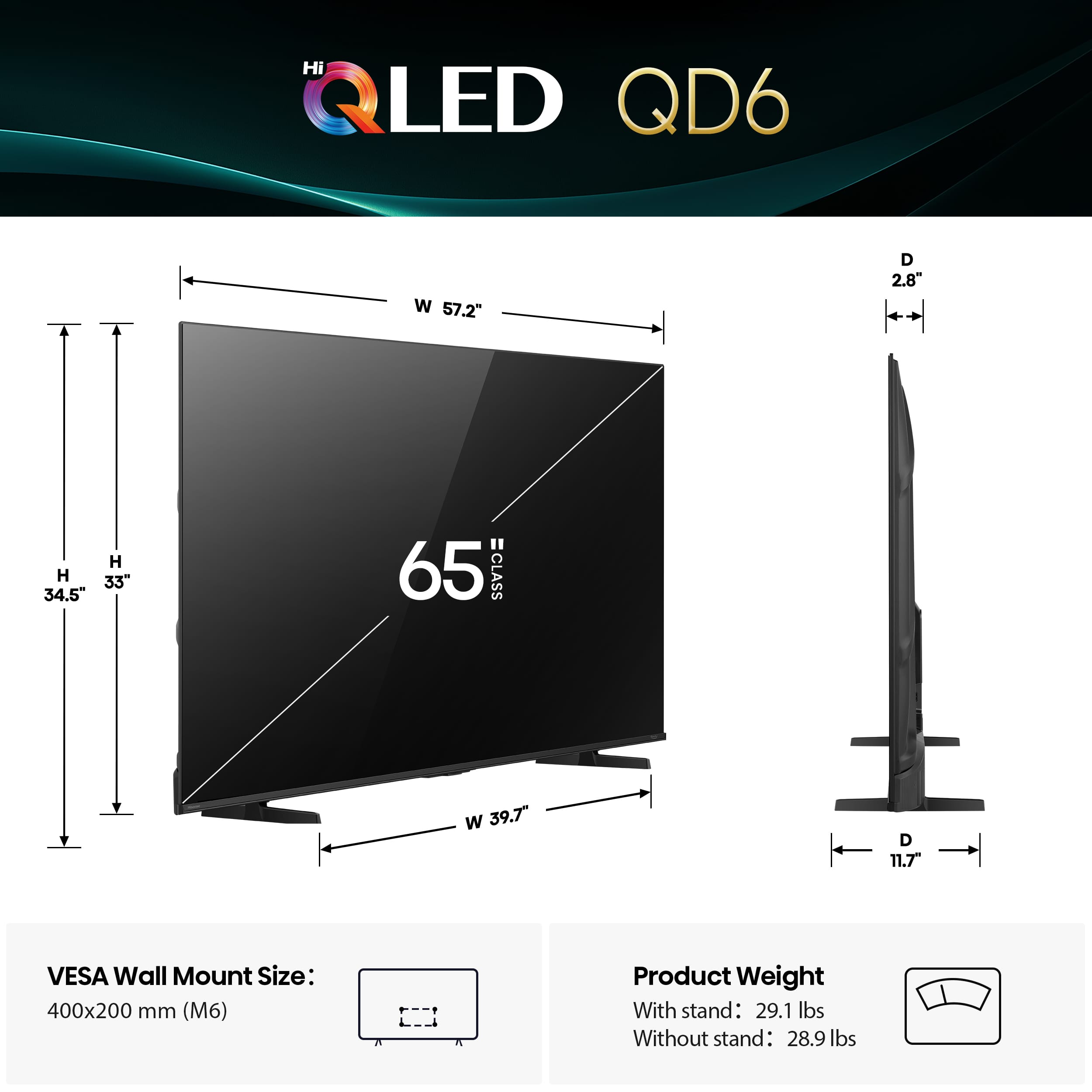
The TCL 65" QM6K generally offers better build quality with its more advanced mini-LED technology and premium feature set, though it's thicker than some competing models. The Hisense 65" QD6 Series has solid build quality for its price point with easy assembly and VESA mounting compatibility. Both TVs offer good design aesthetics for their respective price categories.
Buy the Hisense 65" QD6 Series if you want a large 65-inch quantum dot TV at an affordable price for casual viewing and basic gaming. Choose the TCL 65" QM6K if you're a gaming enthusiast, movie lover, or want superior performance in bright rooms and don't mind paying more for premium features like mini-LED backlighting and high refresh rate gaming.
We've done our best to create useful and informative comparisons to help you decide what product to buy. Our research uses advanced automated methods to create this comparison and perfection is not possible - please contact us for corrections or questions. These are the sites we've researched in the creation of this article: pcvarge.com - bestbuy.com - rtings.com - youtube.com - rtings.com - youtube.com - consumerreports.org - leaseville.com - hisense-usa.com - device.report - hisense-usa.com - youtube.com - flatpanelshd.com - displayspecifications.com - retailspecs.com - youtube.com - tomsguide.com - youtube.com - tcl.com - tomsguide.com - youtube.com - youtube.com - hometechnologyreview.com - rtings.com - bestbuy.com - tcl.com - youtube.com - youtube.com - bestbuy.com - youtube.com - youtube.com - youtube.com - tcl.com - youtube.com - walmart.com - tcl.com - displayspecifications.com - kitele.com - displayspecifications.com - flatpanelshd.com - woodruffappliance.com - displayspecifications.com - prnewswire.com - tcl.com - youtube.com - abt.com - youtube.com - tclkenya.co.ke - budgethomefurn.com

Privacy Policy
Terms and Conditions - Affiliate Policy
Home Security
© Copyright 2008-2026.
11816 Inwood Rd #1211, Dallas, TX 75244