


When you're shopping for a 65-inch TV in 2025, you'll quickly discover that not all 4K displays are created equal. The market spans from surprisingly affordable options that deliver solid performance to premium mid-range models packed with cutting-edge technology. Today, we're comparing two TVs that represent these different philosophies: the Hisense 65" QD6 Series and the LG 65" QNED evo AI QNED85A.
At the time of writing, these TVs sit at opposite ends of the value spectrum, with the Hisense priced as an entry-level option and the LG positioned as a premium mid-range choice. This price difference isn't arbitrary—it reflects fundamental differences in display technology, processing power, and feature sets that significantly impact your viewing experience.
Before diving into specifics, let's establish what matters most in a large-screen TV. Picture quality remains king, determined by factors like brightness (measured in nits or cd/m²), color accuracy (how well the TV reproduces the colors content creators intended), and contrast ratio (the difference between the darkest blacks and brightest whites). Gaming performance has become increasingly important, with features like variable refresh rate (VRR) and low input lag making the difference between victory and defeat. Smart TV functionality, build quality, and long-term software support round out the key considerations.
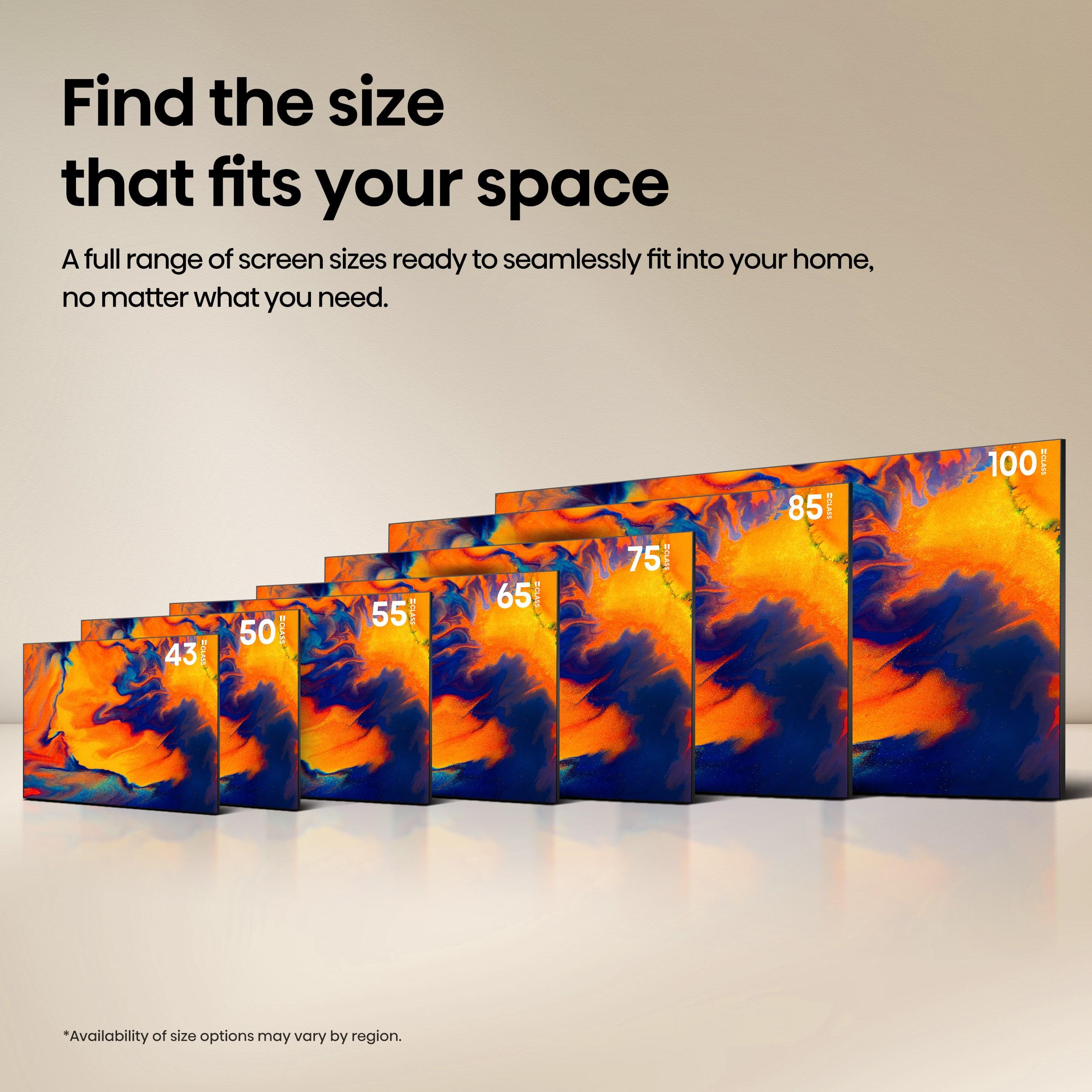
The 65-inch size hits a sweet spot for most homes—large enough to feel cinematic without overwhelming typical living spaces. At proper viewing distances (8-10 feet), you'll appreciate 4K detail while avoiding the pixelation issues that can plague smaller screens when viewed up close.
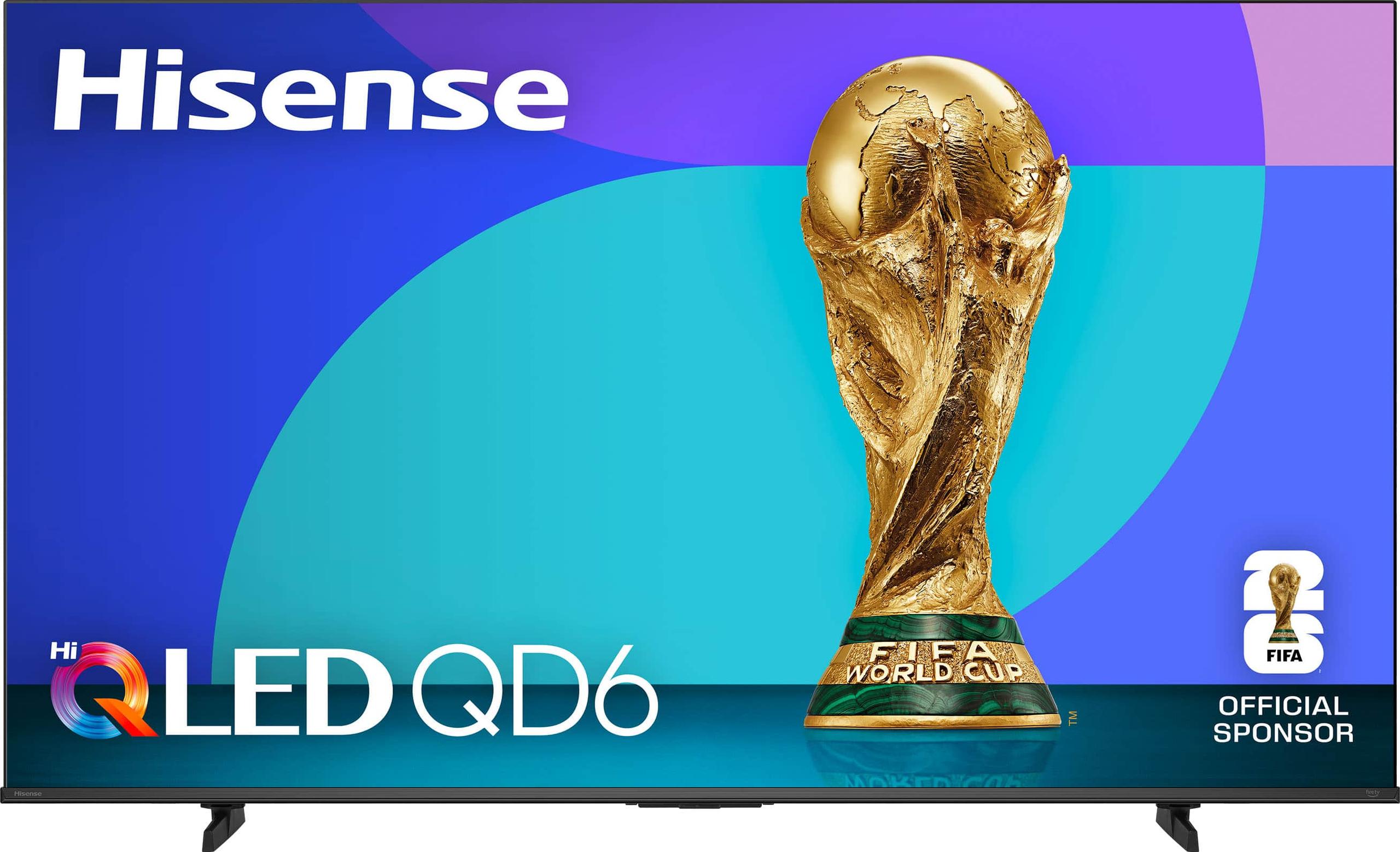
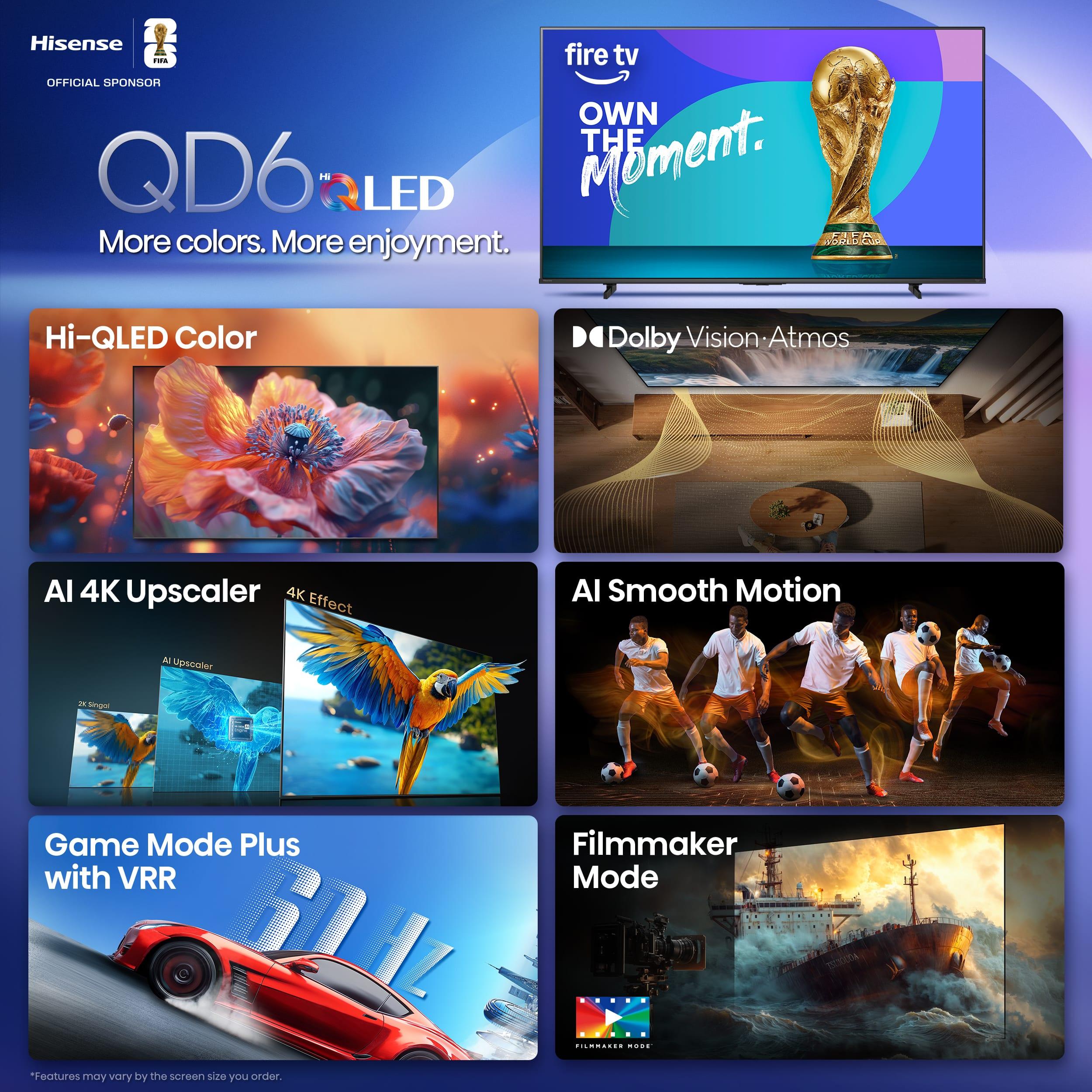
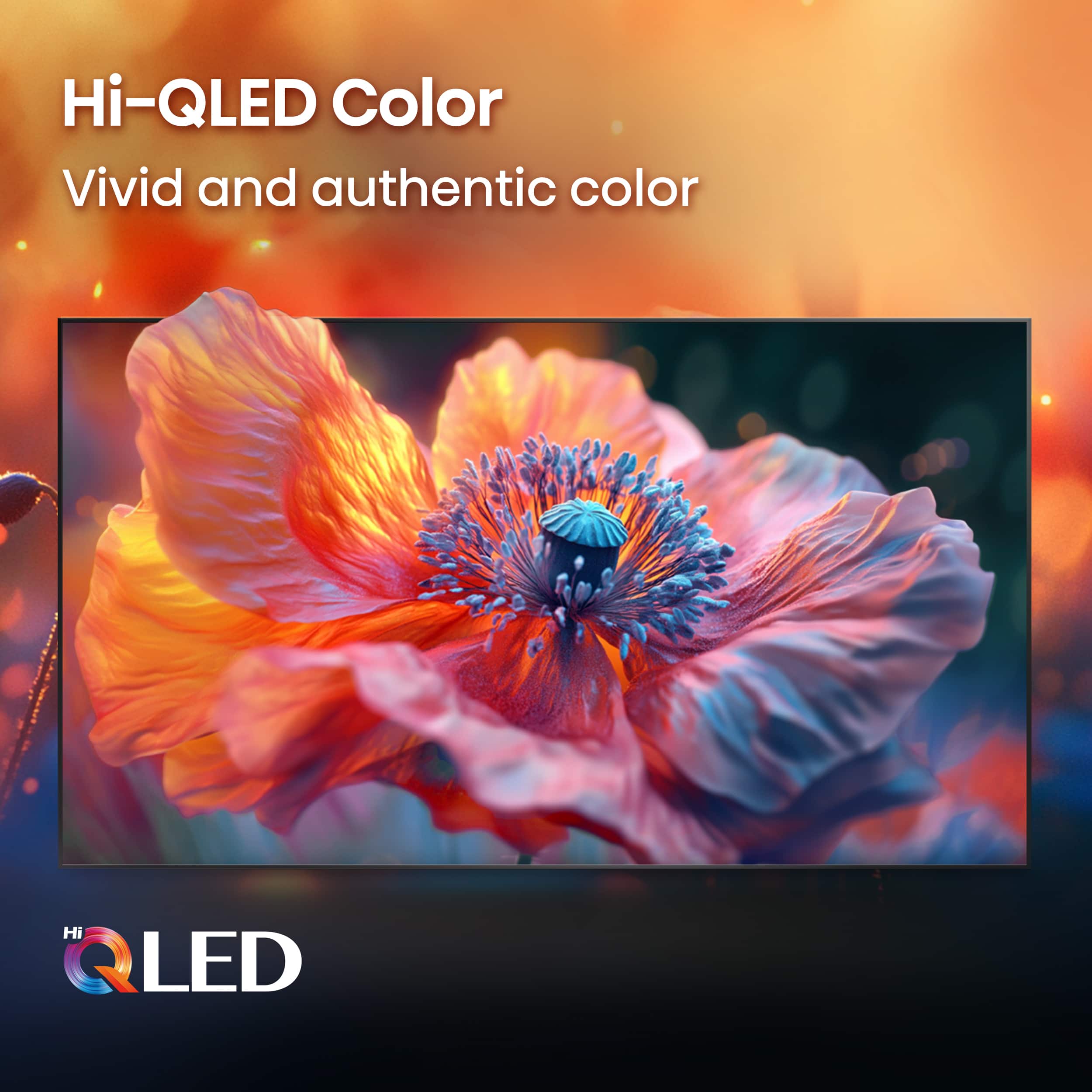
Released in 2025, the Hisense 65" QD6 Series represents Hisense's commitment to making quality 4K accessible. This TV uses what Hisense calls "Hi-QLED" technology—essentially a full-array LED backlight with quantum dots applied to a VA-style panel. Quantum dots are microscopic particles that improve color reproduction by converting blue LED light into precise red and green wavelengths, resulting in more vibrant and accurate colors than traditional LED TVs.
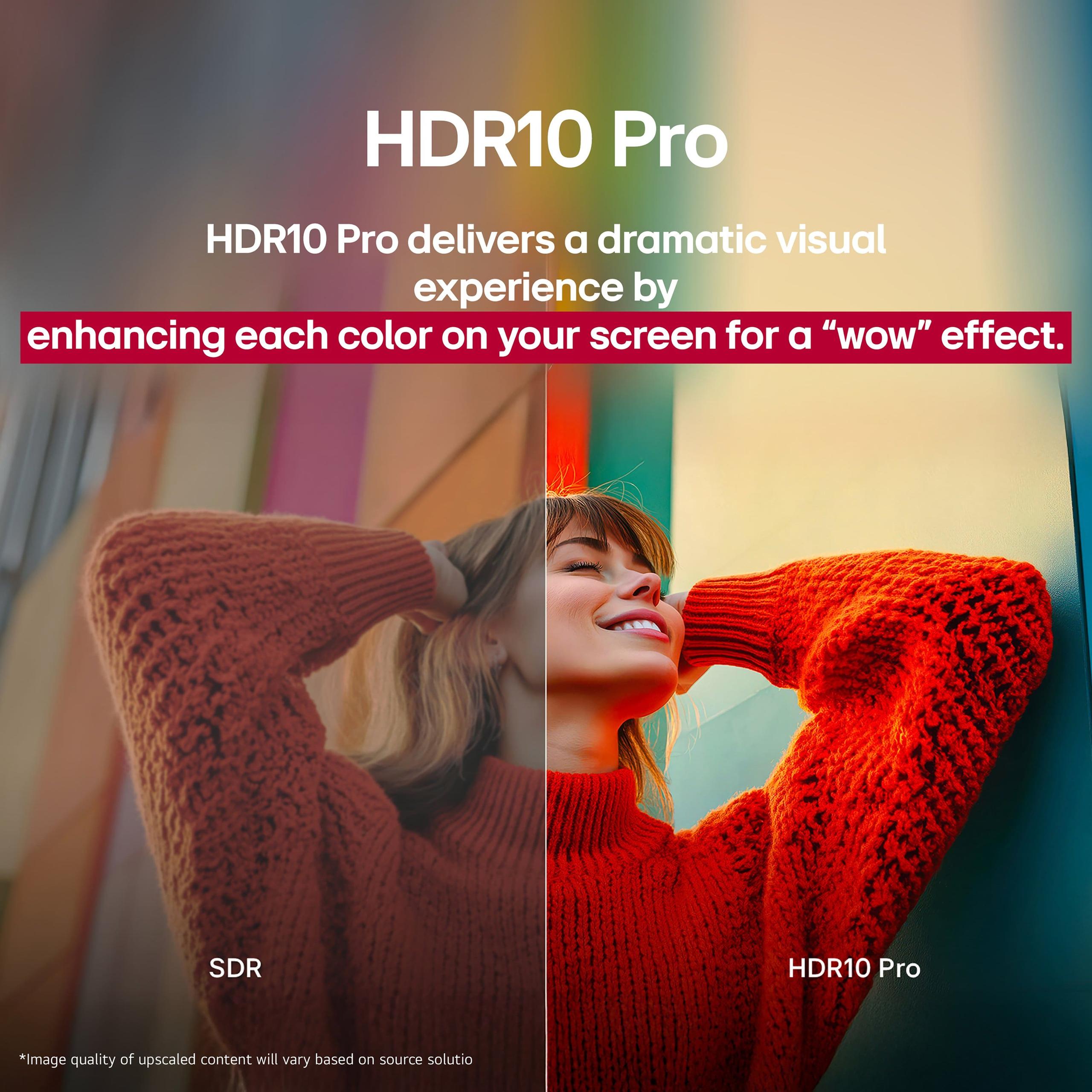
The QD6 achieves about 90% coverage of the DCI-P3 color space (the standard used for most modern content) and peaks at approximately 385 cd/m² brightness. While these numbers might sound technical, they translate to noticeably better colors than budget TVs from just a few years ago, though they fall short of what premium displays can deliver.
What the Hisense QD6 lacks in cutting-edge technology, it makes up for in solid fundamentals. The VA panel provides decent native contrast for deep blacks in dark rooms, while the quantum dot enhancement ensures colors pop during bright scenes. It's a carefully engineered balance that prioritizes bang-for-buck over bleeding-edge performance.
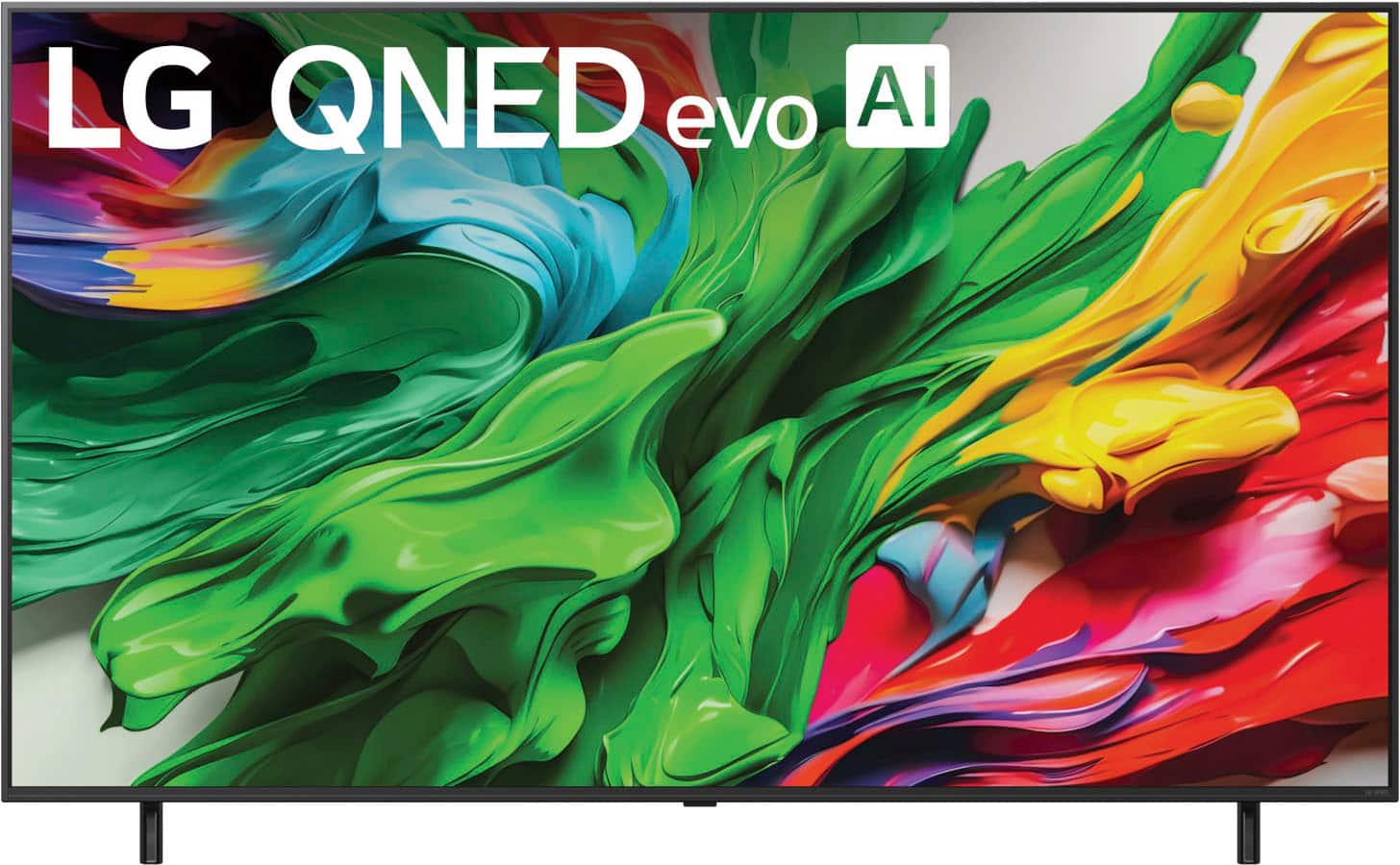
The LG 65" QNED evo AI QNED85A, also released in 2025, represents LG's push toward more sophisticated display technology at accessible pricing. This TV combines several advanced technologies: MiniLED backlighting, QNED color enhancement, and LG's latest AI processing.
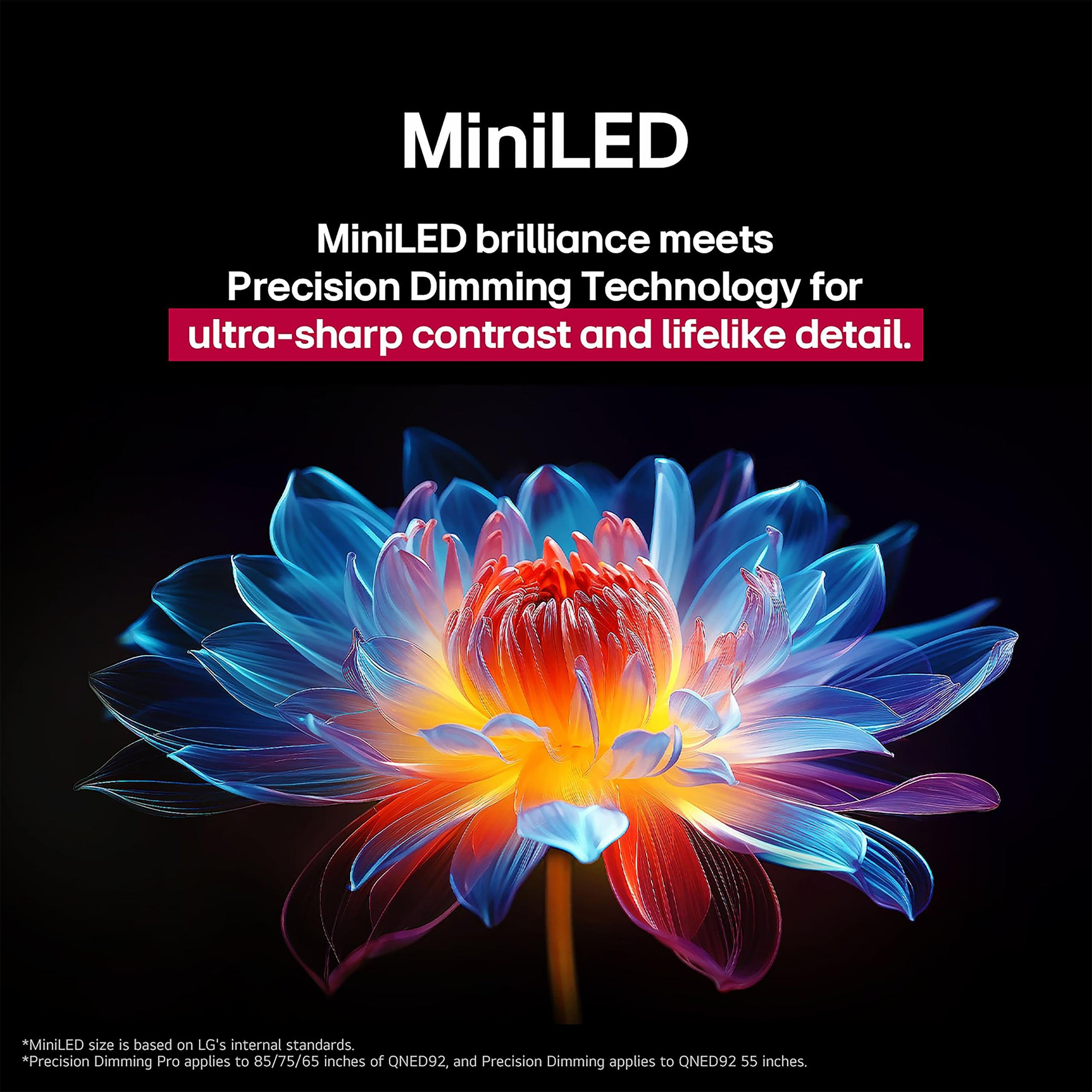
MiniLED backlighting uses thousands of tiny LEDs instead of the larger LEDs found in traditional displays. These smaller lights can be controlled more precisely, creating what's called "local dimming zones." When watching a movie with stars against a black sky, the TV can dim the LEDs behind the black areas while keeping the star regions bright, dramatically improving contrast and reducing the "blooming" effect where bright objects cause nearby dark areas to appear gray.
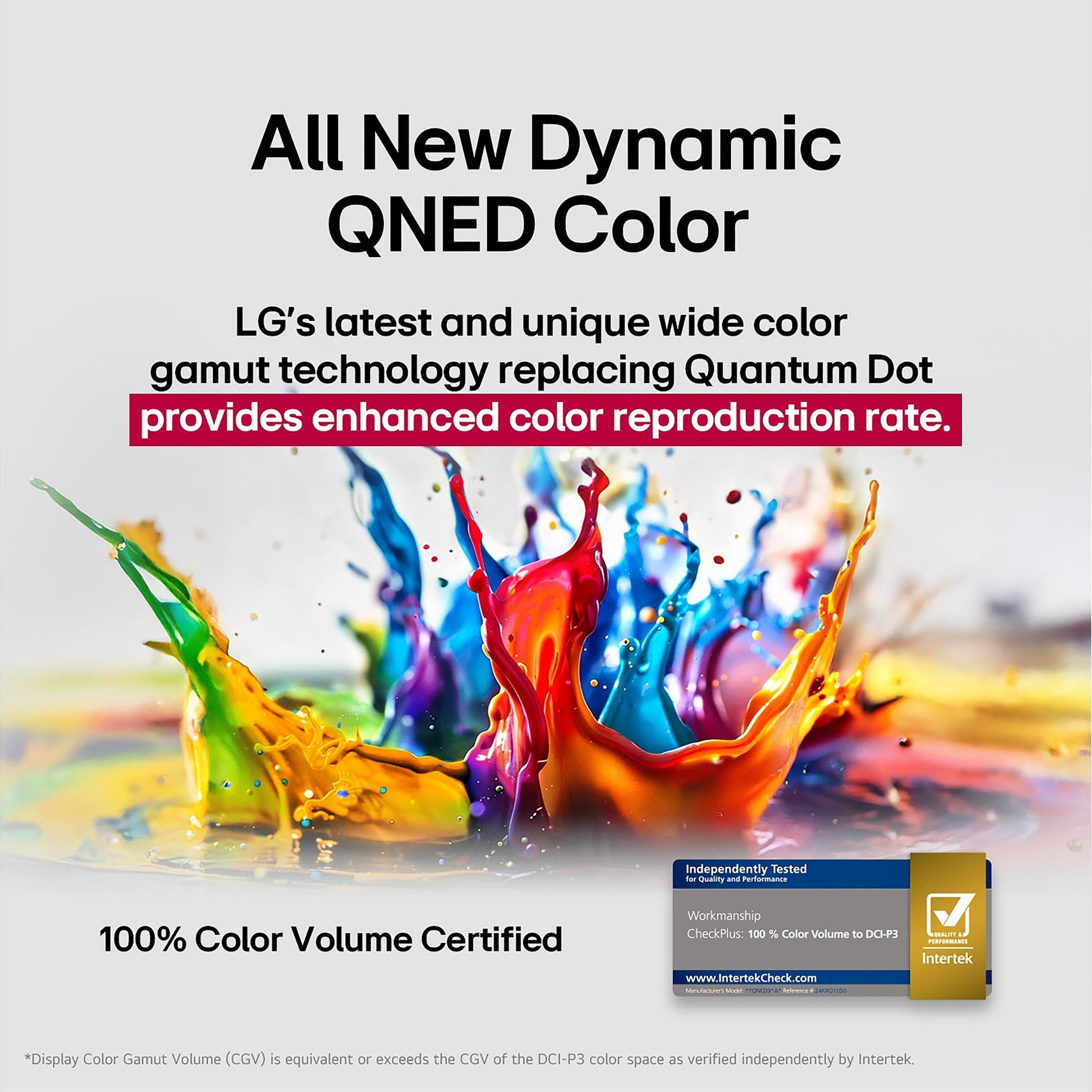
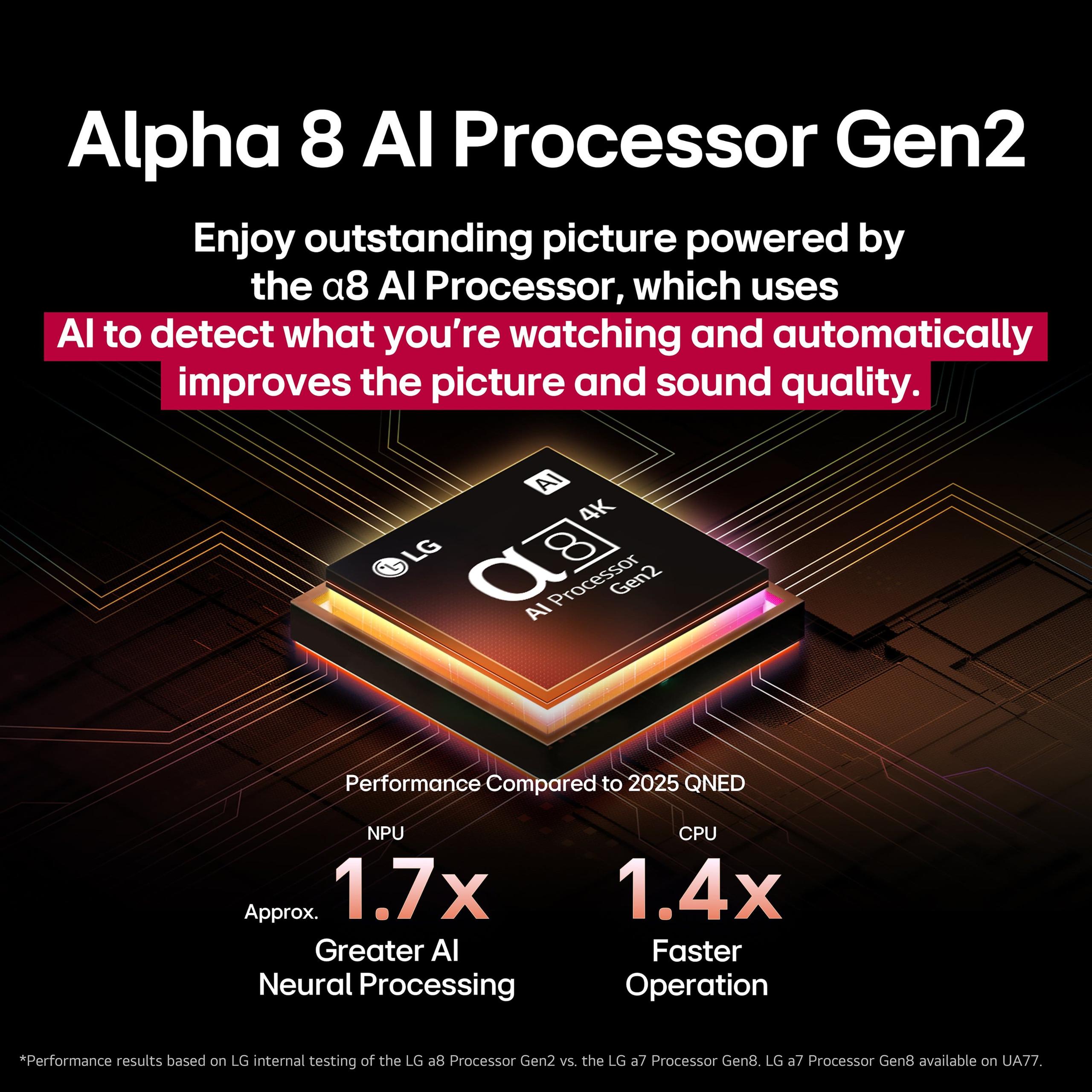
LG's QNED technology combines quantum dots with NanoCell filters to achieve what they claim is 100% color volume—meaning the TV can reproduce the full range of colors at all brightness levels. The α8 Gen 2 AI Processor analyzes content in real-time, optimizing picture settings scene by scene and even object by object within scenes.
In our research across professional reviews and user experiences, the picture quality differences between these TVs are immediately apparent. The Hisense QD6 delivers respectable performance for its price point, with reviewers consistently praising its color accuracy out of the box and solid black levels in dark rooms. However, the lack of local dimming becomes noticeable with HDR content—bright highlights tend to lift the black levels across the entire screen, creating a washed-out appearance during dramatic scenes.
The LG QNED85A addresses these limitations through its MiniLED implementation. Professional reviews highlight significantly better HDR performance, with brighter highlights and deeper blacks creating more impactful viewing experiences. The difference is particularly noticeable with movie content shot for theaters, where the improved contrast makes details visible in both shadow and highlight areas that would be lost on the Hisense.
For color performance, both TVs excel in their respective price ranges, but the LG's advanced processing provides more nuanced color reproduction. While the Hisense QD6 covers 90% of the DCI-P3 color space adequately, the LG QNED85A maintains that color accuracy across all brightness levels—something that becomes apparent when watching varied content throughout the day.
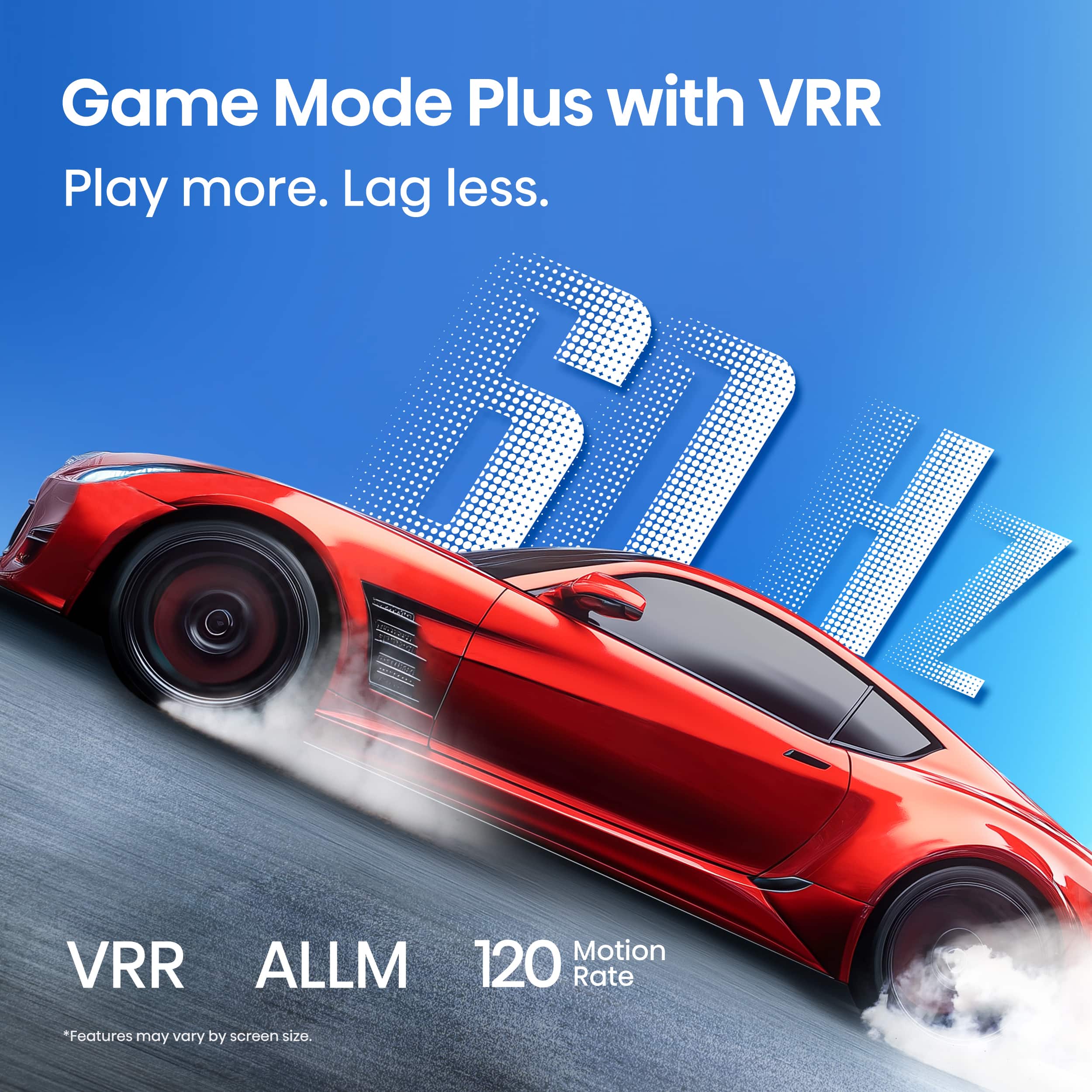
Gaming performance reveals perhaps the starkest difference between these TVs. The Hisense QD6 offers VRR and ALLM (Auto Low Latency Mode) support with impressively low input lag around 10ms, but it's limited to 60Hz refresh rates and HDMI 2.0 connections. For casual gaming or older consoles, this setup works fine, but it can't take full advantage of PlayStation 5 or Xbox Series X capabilities.
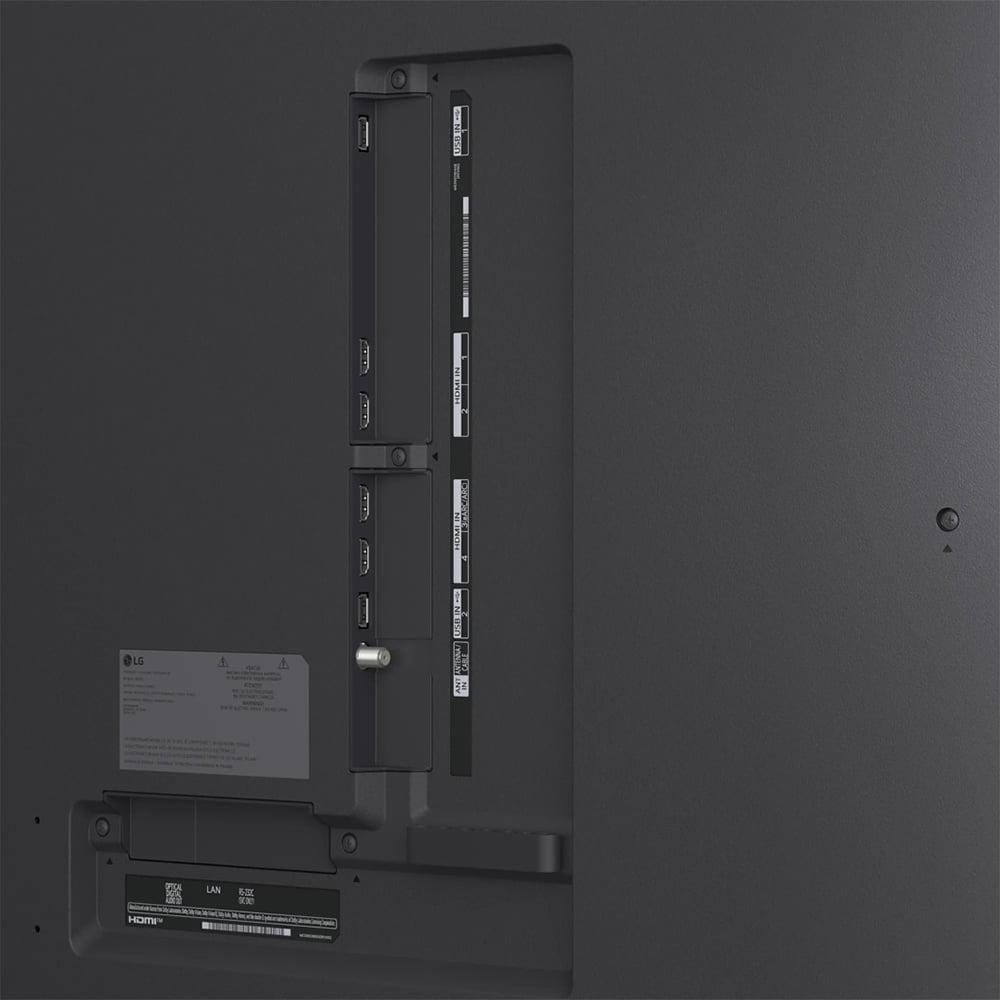
The LG QNED85A provides a dramatically different gaming experience with its native 120Hz panel and four HDMI 2.1 ports. This means 4K gaming at 120fps when supported, plus VRR support up to 144Hz for compatible PC graphics cards. The difference isn't just about frame rates—higher refresh rates reduce motion blur and provide smoother tracking during fast-paced action, giving competitive gamers a genuine advantage.
From a future-proofing perspective, the gaming differences are significant. As more games support 120Hz output and developers optimize for next-generation consoles, the LG QNED85A will handle these advances while the Hisense QD6 reaches its technical limits at 60Hz.
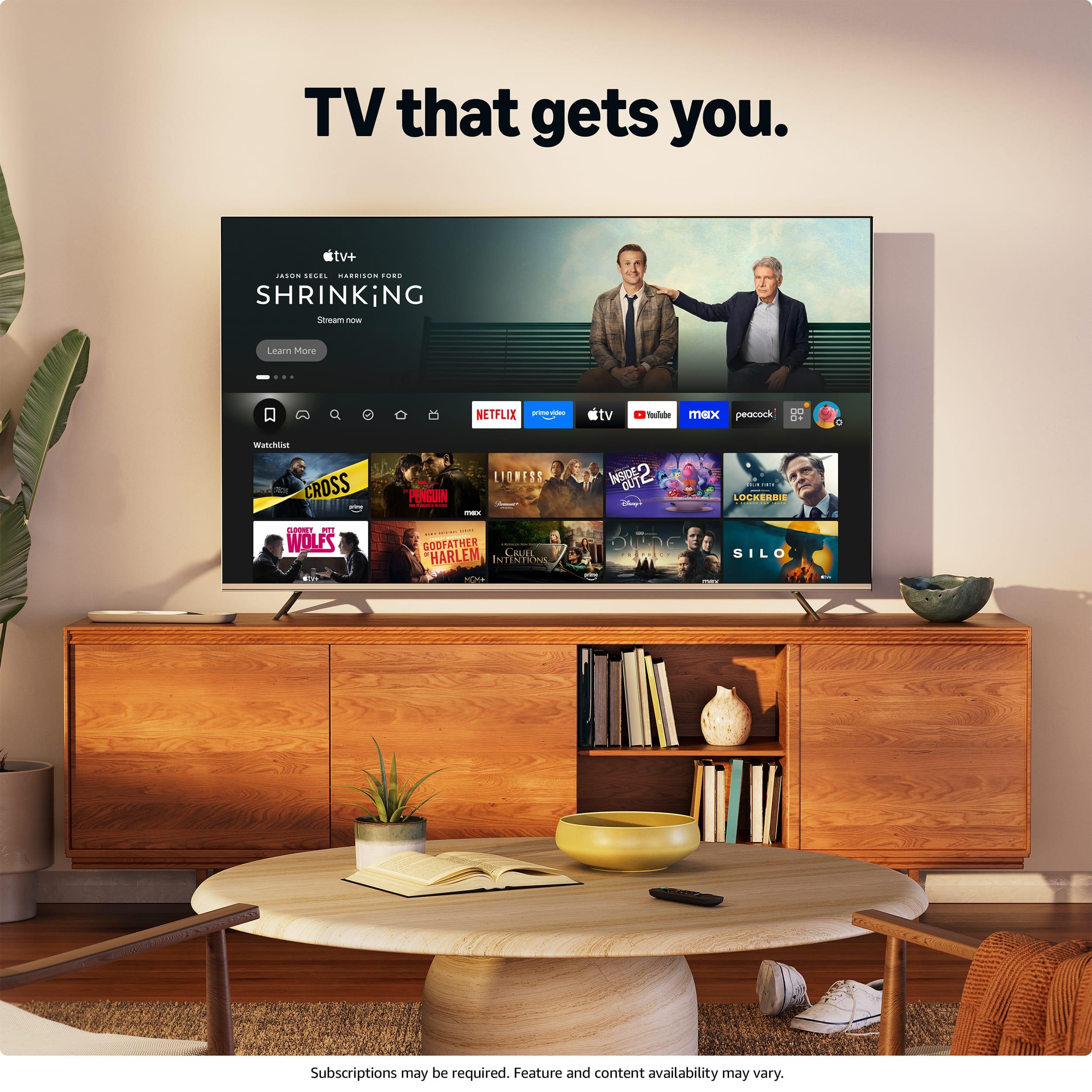
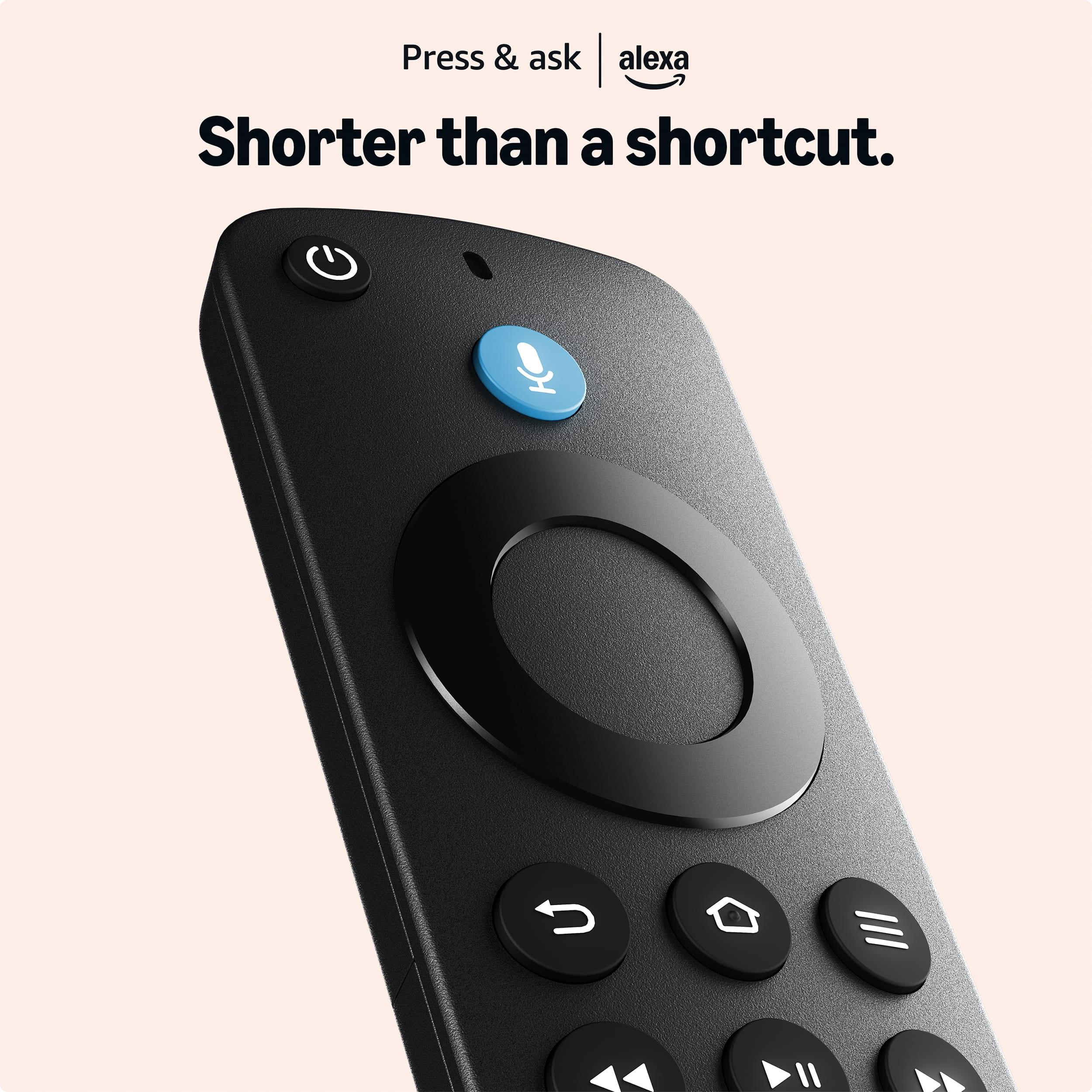
Both TVs offer capable smart platforms, but with different philosophies. The Hisense QD6 runs Amazon's Fire TV, which provides a straightforward, responsive interface focused on Amazon's content ecosystem. It's reliable and familiar to many users, though it lacks some of the advanced features found in more sophisticated platforms.
The LG QNED85A runs webOS 25, which represents a significant evolution in smart TV interfaces. The AI-driven features genuinely improve the user experience—the TV learns your viewing habits and makes increasingly accurate content recommendations. The AI Voice ID feature recognizes different family members and switches to their personalized settings and suggestions automatically.
More importantly for long-term ownership, LG guarantees five years of webOS updates through their Re:New program. This commitment addresses a common frustration with smart TVs: becoming obsolete as streaming services update their apps and security requirements change.
Neither TV will replace a dedicated sound system, but they handle audio differently. The Hisense QD6 includes Dolby Atmos support, though the built-in speakers can't create true spatial audio effects. It's adequate for casual viewing but becomes limiting with immersive content.
The LG QNED85A takes a more sophisticated approach with AI Sound Pro, which analyzes audio content and attempts to create virtual surround sound from the built-in speakers. While still not matching a proper sound system, it provides noticeably better dialogue clarity and spatial effects than basic TV speakers.
For dedicated home theater setups, these TVs serve different purposes. The Hisense QD6 works well as a budget-friendly large screen where you'll rely on external audio equipment and room lighting control to maximize the experience. Its decent black levels in dark environments make it suitable for movie watching, though HDR content won't have the impact that higher-end displays provide.
The LG QNED85A functions more like a proper home theater display. Its MiniLED backlighting provides the contrast needed for dramatic movie scenes, while the brighter peak output handles HDR content effectively even in rooms with some ambient light. The 120Hz support also enables smooth 24fps movie playback without the judder (stuttering motion) that can be distracting during cinematic panning shots.
For home theater enthusiasts, the LG's Filmmaker Mode deserves special mention. This feature disables processing that can interfere with directors' intended presentation, maintaining proper color temperature, aspect ratios, and frame rates as originally mastered.
You're working with a strict budget but still want genuine 4K quality and modern smart features. This TV excels as a primary display for casual viewers who watch streaming content, broadcast television, and occasional movies. It's also excellent for secondary locations like guest bedrooms or family rooms where premium features aren't essential.
The Hisense QD6 particularly suits households with older gaming consoles or those who game casually. Its Fire TV platform appeals to Amazon ecosystem users who appreciate the straightforward interface and integration with Alexa devices.
You prioritize picture quality and want a TV that will remain capable for years to come. This display suits serious movie watchers who appreciate HDR content, gamers with current-generation consoles, and families who want advanced smart features and personalization.
The LG QNED85A makes particular sense for well-lit rooms where its higher brightness provides better visibility, and for users who value the sophisticated AI features that genuinely improve the daily experience of finding and enjoying content.
When choosing between these TVs, consider your primary use cases honestly. If you're replacing an older TV and mainly watch streaming services, news, and occasional movies, the Hisense QD6 provides a significant upgrade at reasonable cost. The quantum dot color enhancement and 4K resolution will feel like a major improvement over older displays.
However, if you've been waiting to upgrade specifically to get better HDR performance, future-proof gaming capabilities, or advanced smart features, the price premium of the LG QNED85A delivers proportional improvements in these areas.
The gaming consideration deserves special emphasis. If you own or plan to purchase a PlayStation 5, Xbox Series X, or high-end gaming PC, the LG QNED85A provides capabilities that the Hisense QD6 simply cannot match. This isn't about minor improvements—it's the difference between utilizing these devices fully versus accepting significant limitations.
From a longevity standpoint, these TVs follow different trajectories. The Hisense QD6 provides solid performance today but offers limited room for growth as content and gaming standards evolve. Its 60Hz limitation and HDMI 2.0 ports represent fixed constraints that won't improve over time.
The LG QNED85A positions you better for future developments. Its HDMI 2.1 ports and 120Hz capability will remain relevant as more content supports these standards. The guaranteed software updates provide security against obsolescence, while the advanced processing continues learning and improving your experience.
At the time of writing, both TVs represent good value in their respective segments. The Hisense QD6 delivers impressive quality for its price point, while the LG QNED85A justifies its premium through genuinely advanced features and future-proof capabilities.
Your choice should align with both your current budget and your expectations for how long you'll keep the TV. For immediate satisfaction at minimal cost, the Hisense excels. For long-term satisfaction and cutting-edge capabilities, the LG provides better value despite its higher upfront cost.
Both represent the current state of TV technology in 2025, where even budget options deliver quality that would have been premium just a few years ago, while mid-range TVs incorporate features that push the boundaries of what large-screen displays can achieve at accessible prices.
| Hisense 65" QD6 Series Hi-QLED Fire TV (2025) | LG 65" QNED evo AI QNED85A 4K MiniLED Smart TV 2025 |
|---|---|
| Display Technology - Determines contrast, brightness, and HDR performance | |
| Full-array LED with quantum dots, VA panel, no local dimming | MiniLED backlighting with Precision Dimming Pro, thousands of dimming zones |
| Peak Brightness - Critical for HDR impact and bright room viewing | |
| ~385 cd/m² (adequate for moderate lighting) | Significantly higher (excellent for well-lit rooms and vibrant HDR) |
| Refresh Rate - Essential for smooth gaming and sports | |
| 60Hz native (limits gaming to 60fps) | 120Hz native (supports 4K@120Hz gaming) |
| Color Performance - Affects vibrancy and accuracy | |
| 90% DCI-P3 coverage with quantum dots | 100% Color Volume with QNED technology |
| Gaming Features - Future-proofing for next-gen consoles | |
| VRR, ALLM, 10.2ms input lag, HDMI 2.0 only | VRR up to 144Hz, ALLM, FreeSync, 4x HDMI 2.1 ports |
| Processor - Powers upscaling and smart features | |
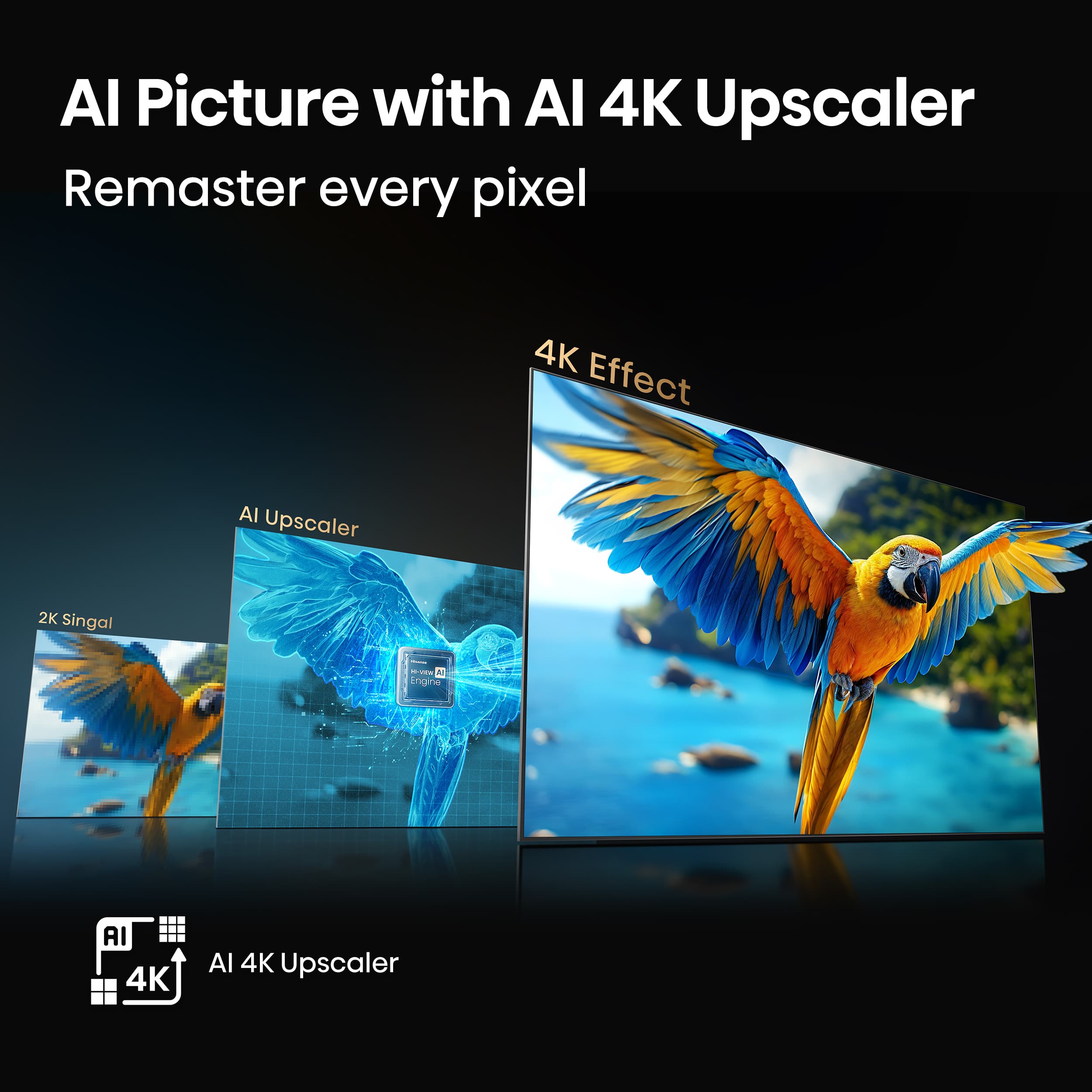
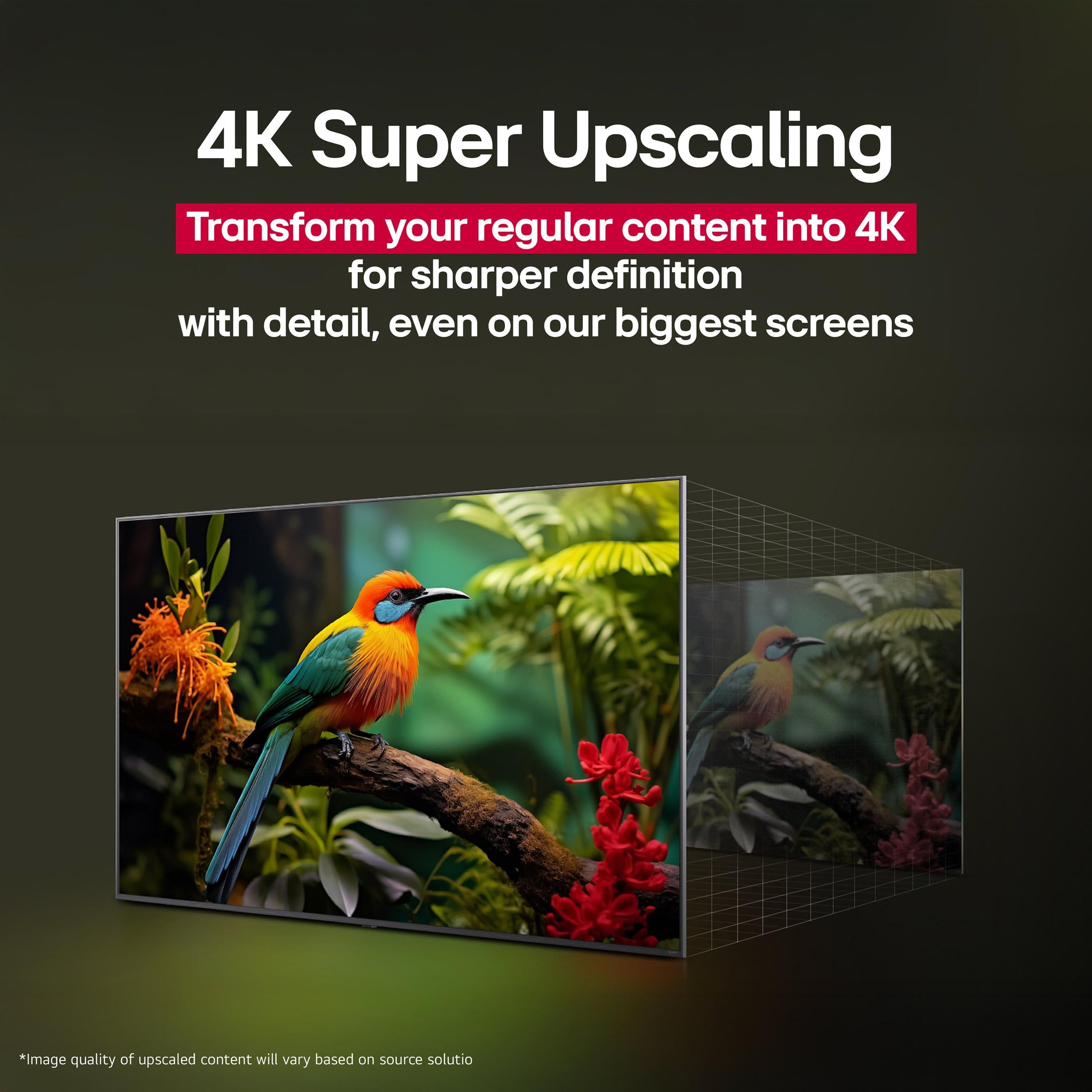
| ARM Cortex-A53 with basic AI upscaling | α8 Gen 2 AI Processor (70% performance boost over previous gen) |
| Smart Platform - Long-term usability and feature updates | |
| Fire TV (stable but basic features) | webOS 25 with 5-year guaranteed updates and advanced AI personalization |
| HDR Support - Determines dynamic range capabilities | |
| Dolby Vision, HDR10+, HDR10, HLG (limited by brightness) | Dolby Vision, HDR10, HLG (full impact with MiniLED brightness) |
| Audio Enhancement - Built-in sound quality | |
| Dolby Atmos support with standard speakers | Virtual 5.1 surround with AI Sound Pro processing |
| Build Quality - Premium feel and design | |
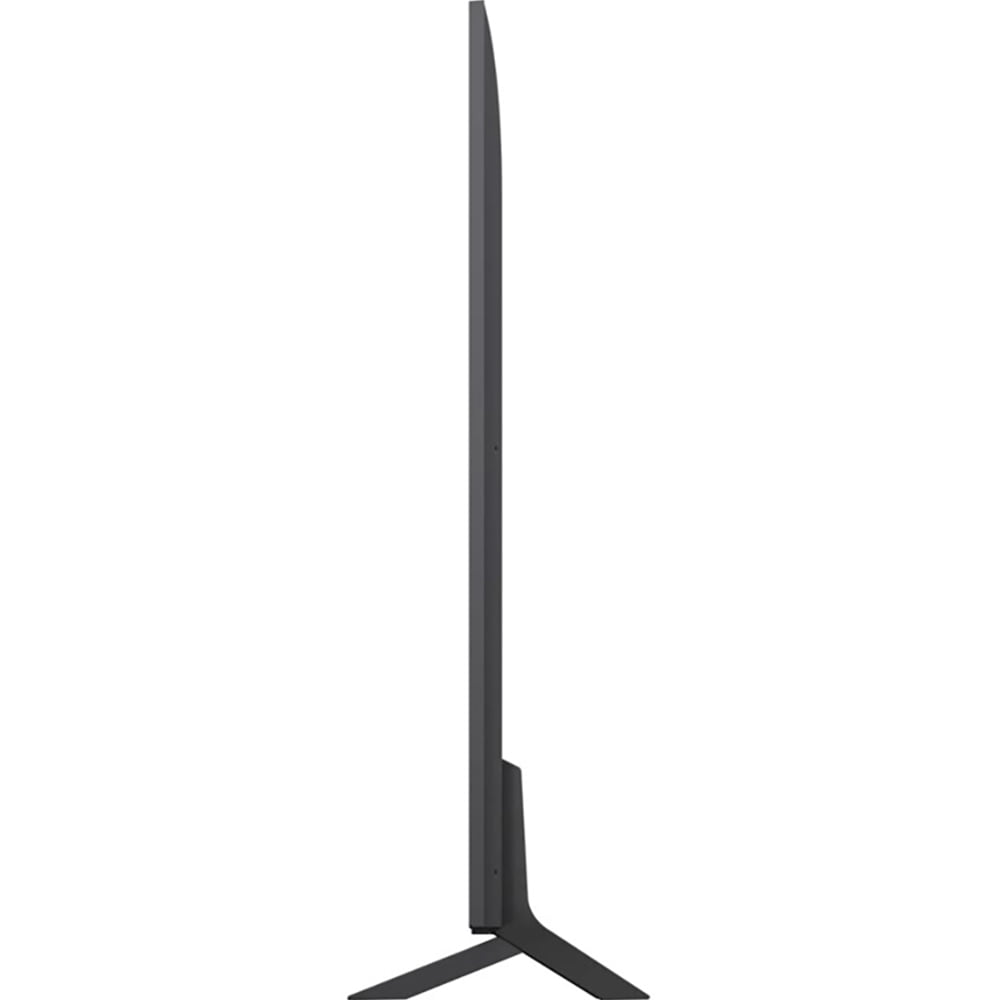
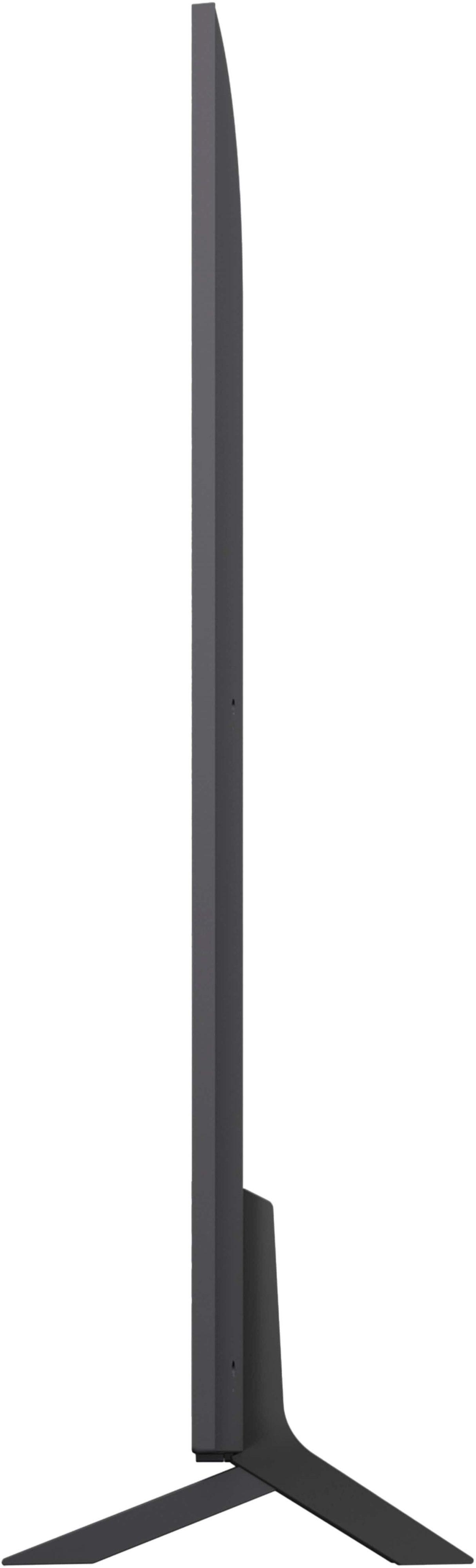
| Standard LED-LCD thickness, plastic construction | Slim 30mm profile, premium materials, wall-mount friendly |
| Target Buyer - Best use cases | |
| Budget-conscious buyers wanting solid 4K basics | Enthusiasts seeking premium features and future-proofing |
The LG 65" QNED evo AI QNED85A delivers significantly better picture quality with its MiniLED backlighting and advanced local dimming, providing deeper blacks and brighter highlights for superior HDR performance. The Hisense 65" QD6 Series offers good picture quality for its budget price point with quantum dot color enhancement, but lacks the contrast and brightness capabilities of the LG model.
Yes, the Hisense 65" QD6 Series is excellent for casual viewing, streaming services, and broadcast TV. It provides solid 4K picture quality with good color accuracy and works well in moderately lit rooms. For basic entertainment needs without premium features, it offers exceptional value.
The LG 65" QNED evo AI QNED85A is significantly better for next-gen gaming with its 120Hz refresh rate, HDMI 2.1 ports, and support for 4K@120Hz gaming. The Hisense QD6 is limited to 60Hz gaming due to its HDMI 2.0 ports, making it suitable only for casual gaming or older consoles.
Hi-QLED in the Hisense QD6 uses quantum dots with traditional LED backlighting for improved colors but no local dimming. MiniLED in the LG QNED85A uses thousands of tiny LEDs that can be individually controlled for precise brightness zones, delivering much better contrast and HDR performance.
The LG QNED85A runs webOS 25 with advanced AI features, personalized recommendations, and guaranteed 5-year updates. The Hisense QD6 uses Fire TV, which is simpler and more straightforward but lacks advanced smart features. LG's platform is more sophisticated for long-term use.
For dedicated home theater setups, the LG 65" QNED evo AI QNED85A is superior with its MiniLED contrast, Filmmaker Mode, and better HDR performance in dark rooms. The Hisense QD6 can work for budget home theaters but requires careful room lighting control and won't deliver the same dramatic impact with movies.
The LG QNED85A achieves significantly higher peak brightness, making it much better for bright living rooms and daytime viewing. The Hisense QD6 peaks at around 385 cd/m², which is adequate for moderate lighting but struggles in very bright environments.
The LG 65" QNED evo AI QNED85A is better for sports with its 120Hz refresh rate providing smoother motion during fast action. The Hisense QD6 can handle sports viewing but may show more motion blur during quick plays due to its 60Hz limitation and slower response time.
The LG QNED85A provides better long-term value despite higher upfront cost, with 5-year software update guarantees, future-proof gaming features, and advanced display technology. The Hisense QD6 offers immediate budget value but has limited upgrade potential as standards evolve.
The refresh rate difference is significant for gaming and smooth motion. The LG QNED85A's 120Hz provides noticeably smoother gaming and sports viewing compared to the Hisense QD6's 60Hz limitation. For casual movie watching, the difference is less critical but still noticeable.
The LG 65" QNED evo AI QNED85A offers superior audio with virtual 5.1 surround sound and AI Sound Pro processing. The Hisense QD6 includes Dolby Atmos support but with more basic speaker implementation. Both benefit from external sound systems for optimal audio.
Choose the Hisense QD6 if budget is your primary concern and you need solid 4K performance for basic viewing. Select the LG QNED85A if you want premium features, better gaming capabilities, and long-term future-proofing, especially if you plan to keep the TV for several years.
We've done our best to create useful and informative comparisons to help you decide what product to buy. Our research uses advanced automated methods to create this comparison and perfection is not possible - please contact us for corrections or questions. These are the sites we've researched in the creation of this article: pcvarge.com - bestbuy.com - rtings.com - youtube.com - rtings.com - youtube.com - consumerreports.org - leaseville.com - hisense-usa.com - device.report - hisense-usa.com - youtube.com - flatpanelshd.com - displayspecifications.com - retailspecs.com - rtings.com - rtings.com - youtube.com - lg.com - smarthomesounds.co.uk - abt.com - abt.com - lg.com - displayspecifications.com - walmart.com - bestbuy.com - lg.com - lg.com - lg.com - files.bbystatic.com - flatpanelshd.com - north-side-appliance.com - lgnewsroom.com - lg.com - youtube.com - youtube.com - hindustantimes.com

Privacy Policy
Terms and Conditions - Affiliate Policy
Home Security
© Copyright 2008-2026.
11816 Inwood Rd #1211, Dallas, TX 75244