

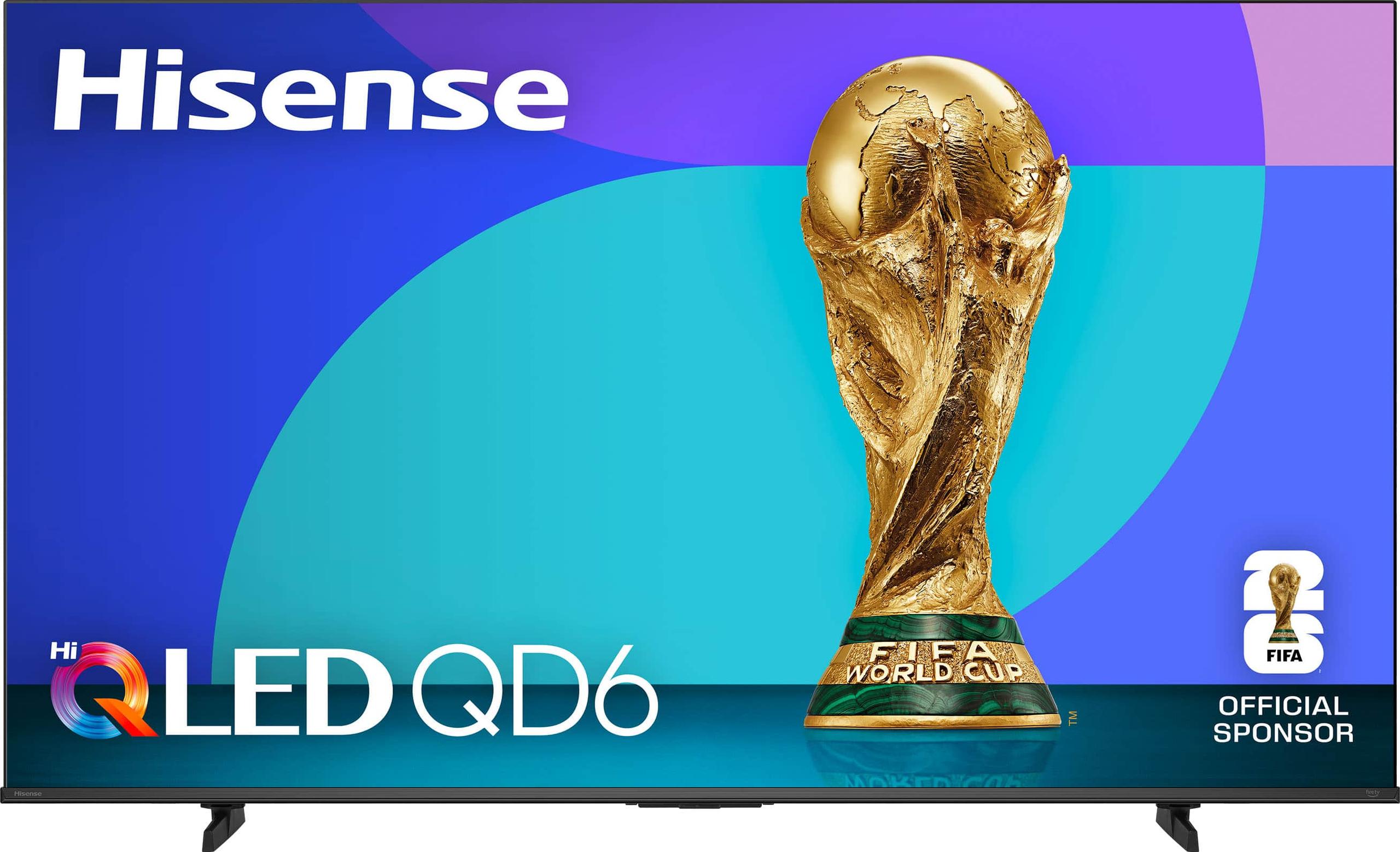
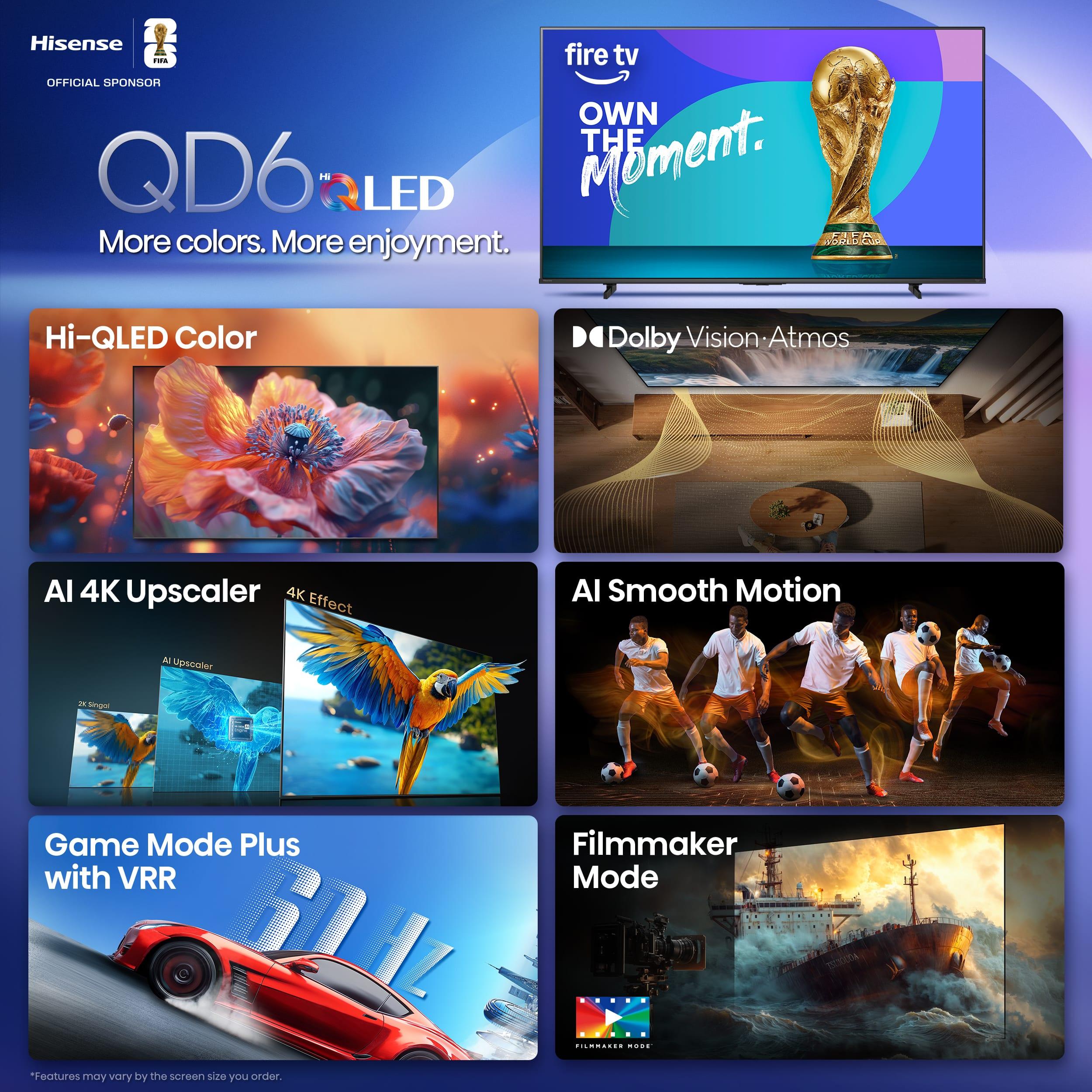
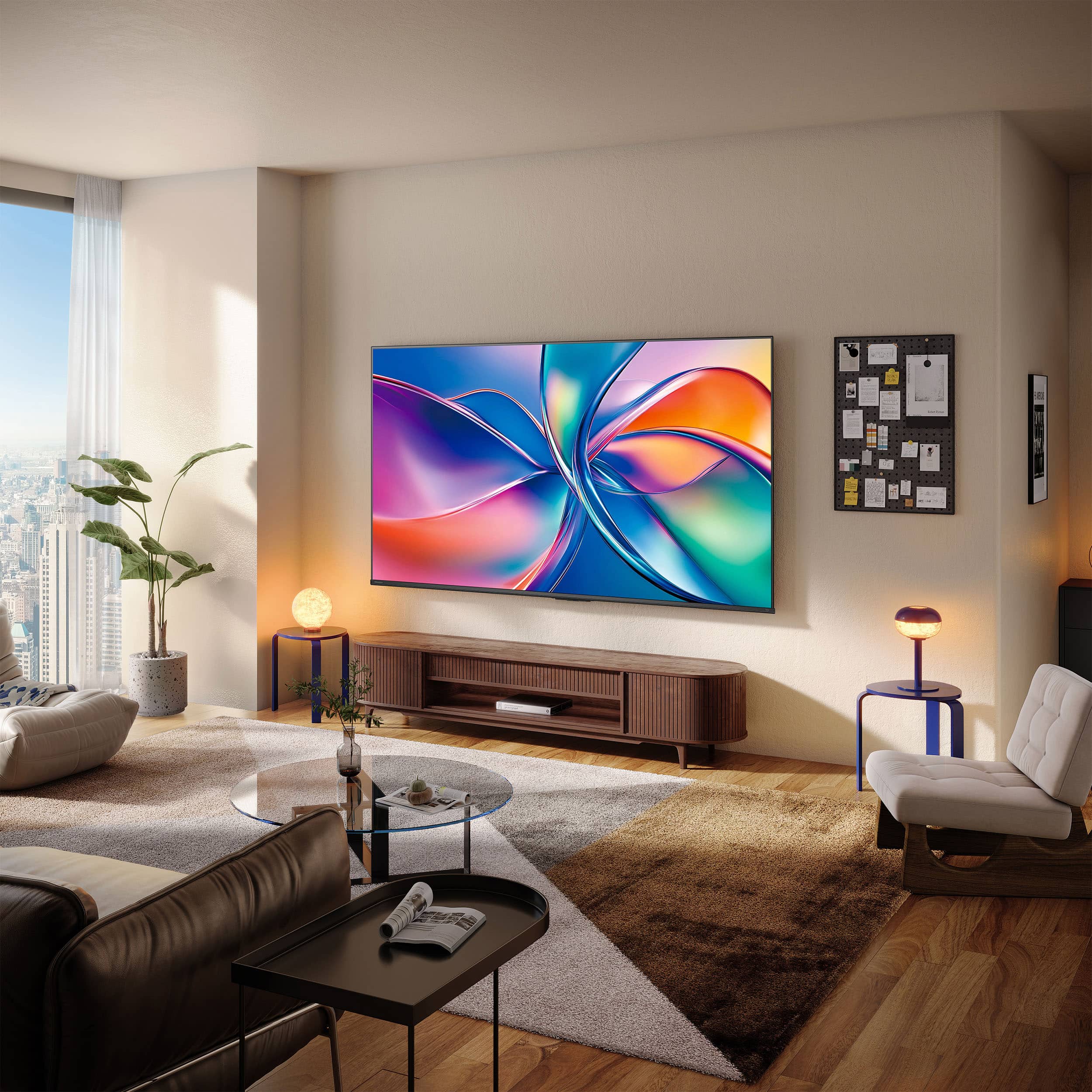
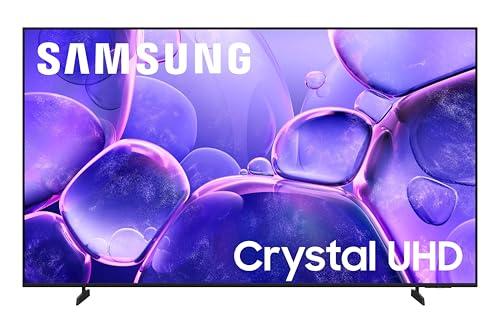
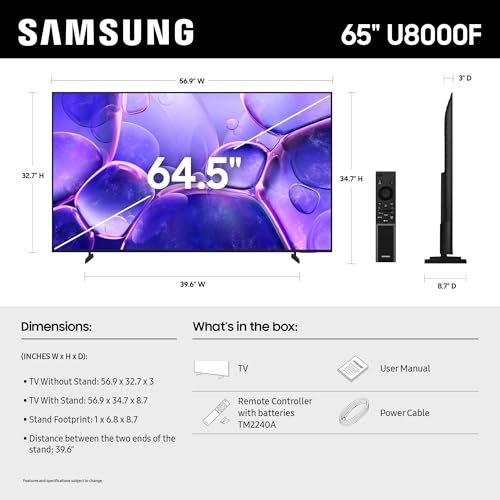
Shopping for a large 4K TV without breaking the bank has never been more challenging—or more rewarding. The 65-inch budget TV market in 2025 offers impressive technology that would have cost thousands just a few years ago. Two standout contenders emerged this year: the Hisense 65" QD6 Series Hi-QLED Fire TV and the Samsung 65-Inch Crystal UHD U8000F. At the time of writing, both models compete directly in the sub-$400 price range, making the choice between them particularly important for value-conscious buyers.
The budget 65-inch TV category has evolved dramatically since 2020, when quantum dot technology and advanced HDR support were premium features. Today's budget models incorporate technologies like quantum dots (microscopic particles that enhance color production), variable refresh rate (VRR, which synchronizes your TV's refresh rate with gaming consoles), and sophisticated upscaling processors that make lower-resolution content look sharper. Understanding these features helps explain why these 2025 models deliver such impressive performance for their price point.
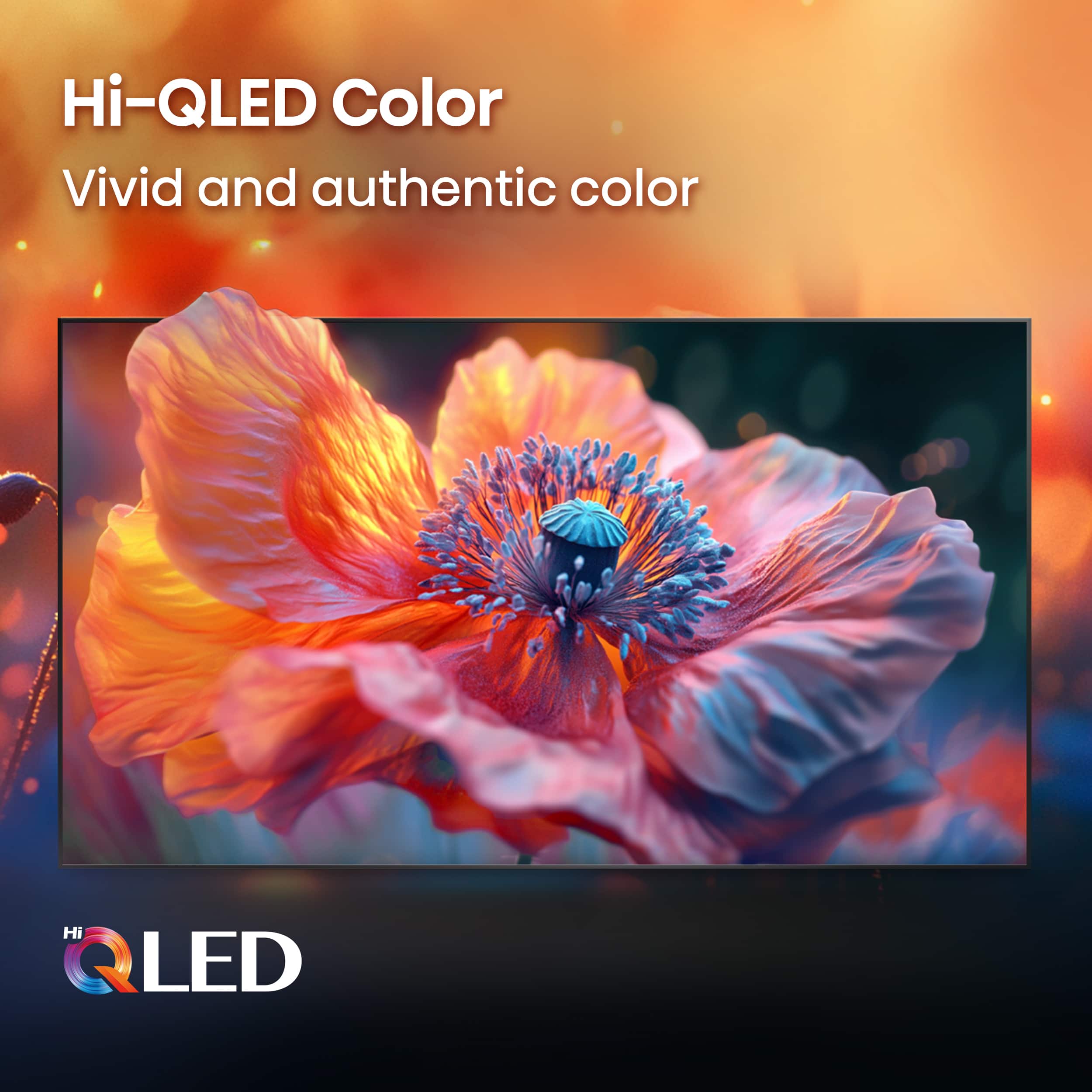
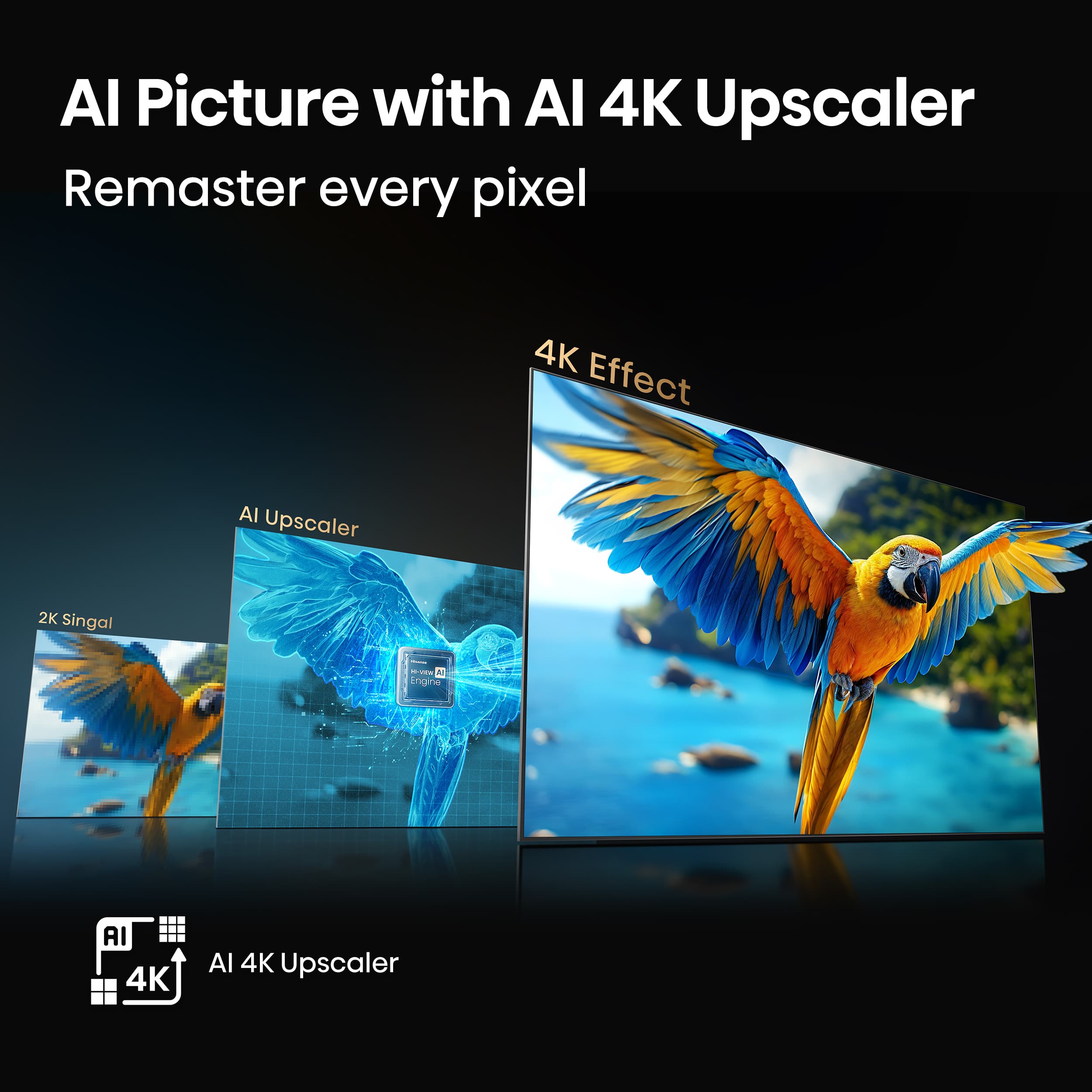
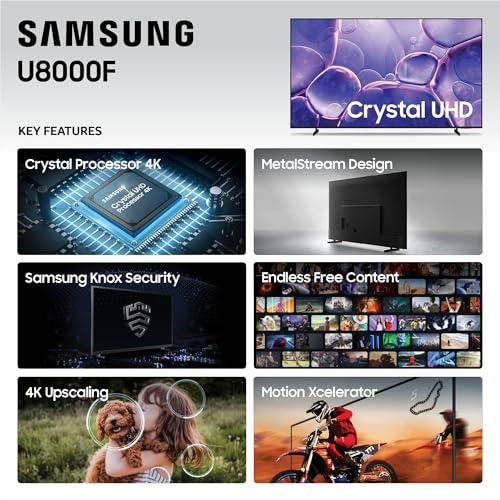
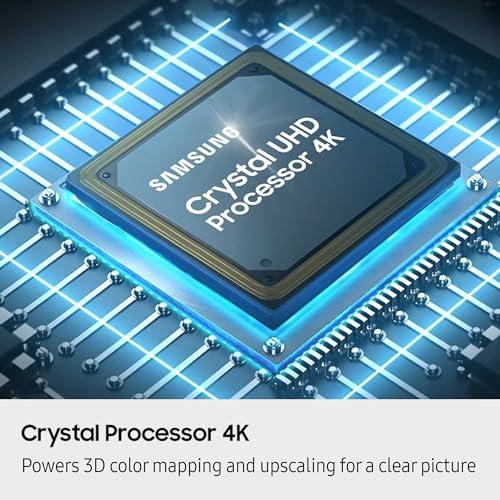
The fundamental difference between the Hisense QD6 and Samsung U8000F lies in their approach to picture enhancement. The Hisense uses quantum-dot QLED technology—tiny nanocrystals that produce purer, more saturated colors when hit by the TV's backlight. Think of it like adding a sophisticated color filter that makes everything more vivid. The Samsung takes a different approach, focusing on advanced image processing through its Crystal Processor 4K, which uses computational power to analyze and enhance every frame in real-time.
These different philosophies create distinct viewing experiences. The Hisense QD6 prioritizes raw color performance and brightness, making it excellent for bright rooms and colorful content. The Samsung U8000F emphasizes refinement and accuracy, excelling at making lower-quality content look better through intelligent processing.
Brightness is arguably the most crucial factor for budget TV performance, especially in today's bright living rooms. Our research into expert reviews reveals that the Hisense QD6 delivers approximately 385 cd/m² (candelas per square meter—a measure of brightness) compared to the Samsung's roughly 300 nits. This 25% advantage isn't just a number on paper; it translates to noticeably better performance in rooms with windows or overhead lighting.
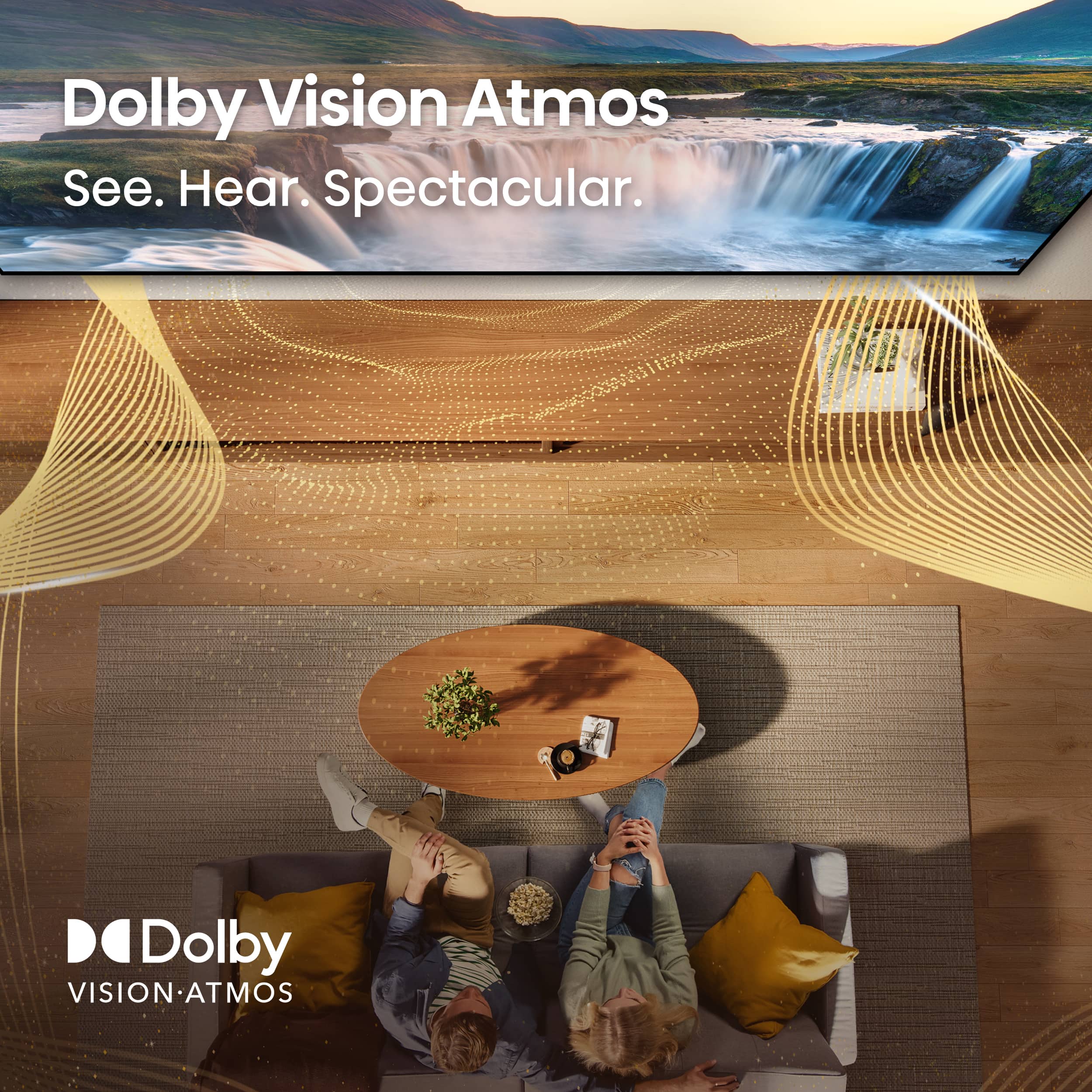
For HDR content (High Dynamic Range, which provides greater contrast between bright and dark areas), this brightness difference becomes even more significant. The Hisense QD6 supports Dolby Vision, HDR10+, HDR10, and HLG—essentially every major HDR format available. Dolby Vision is particularly important because it adjusts brightness and color scene-by-scene, rather than applying the same settings to an entire movie. The Samsung U8000F typically supports HDR10 and HDR10+ but often lacks Dolby Vision support at this price point.
However, neither TV reaches the 1,000+ nits needed for truly impactful HDR highlights like gleaming car chrome or bright sunlight. They're more about improving overall image quality than delivering the "wow factor" of premium HDR displays.
The color performance gap between these models is substantial. The Hisense QD6's quantum-dot technology covers about 90% of the DCI-P3 color space—the standard used for HDR content. This means it can reproduce roughly 90% of the colors that movie directors intended you to see. Standard LED TVs typically manage 70-80% coverage, making the Hisense's advantage significant for vibrant content like animated movies, sports, or nature documentaries.
Based on expert consensus, the Samsung U8000F excels in color accuracy rather than color volume. Colors appear more natural and true-to-life out of the box, requiring minimal calibration. This matters for viewers who want realistic skin tones and natural-looking content without adjusting settings.
The practical difference? The Hisense QD6 makes colors pop in ways that grab your attention—grass appears greener, skies bluer, and reds more vibrant. The Samsung U8000F presents colors as they should look in real life, which some prefer for long viewing sessions.
Both TVs use VA panels (Vertical Alignment, which provides better contrast than IPS panels but narrower viewing angles) without local dimming. Local dimming would allow different screen areas to dim independently, creating deeper blacks, but it's typically absent at this price point. This means both struggle with the same fundamental limitation: when bright objects appear on screen, the entire display brightens slightly, making dark areas appear grayish rather than truly black.
The Hisense QD6's quantum dots provide some advantage here, maintaining color saturation better in mixed lighting scenarios. The Samsung U8000F may offer slightly better uniformity across the screen, meaning fewer visible brightness variations in large, solid-colored areas.
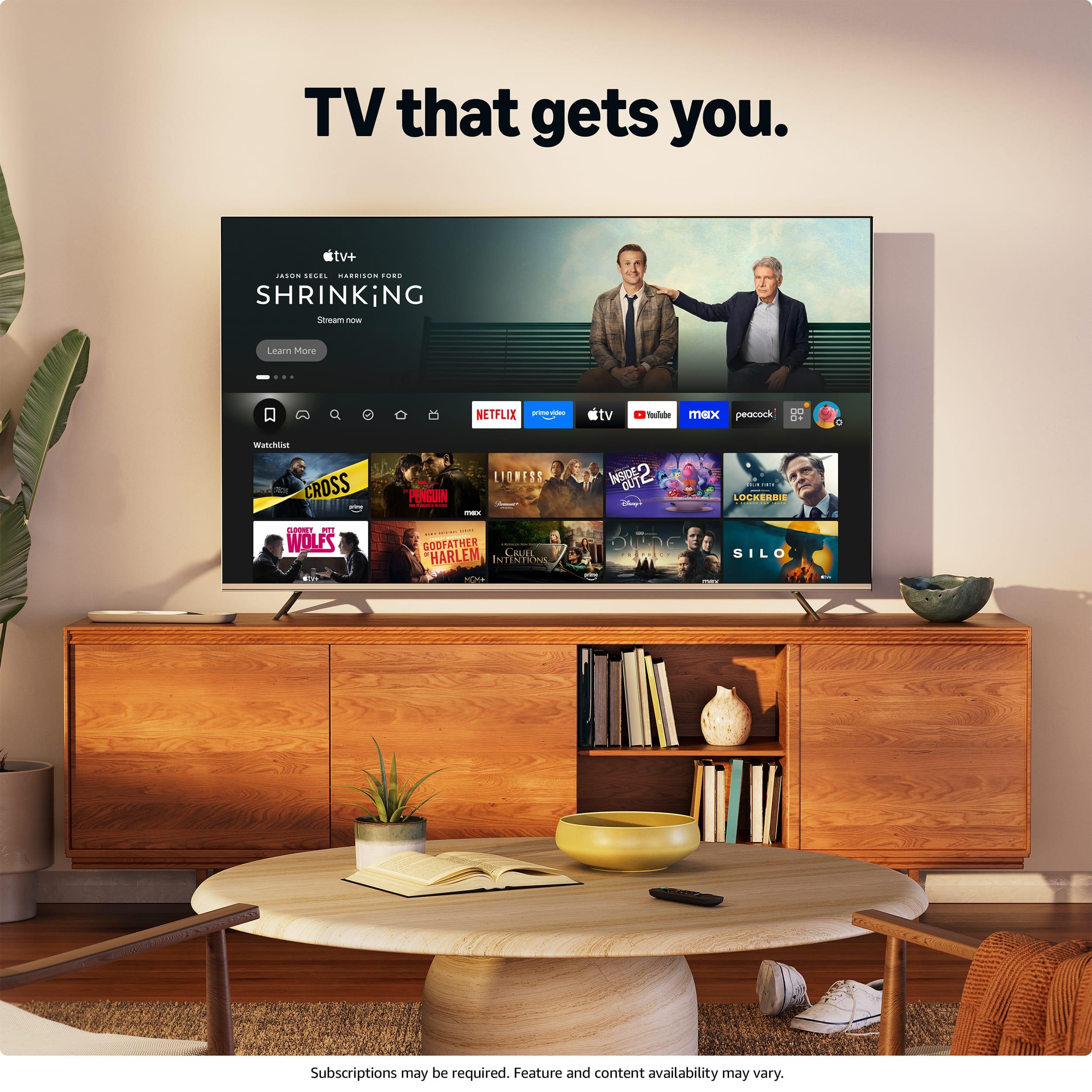
The smart TV experience has become increasingly important as streaming dominates how we watch content. The Hisense QD6 runs Amazon's Fire TV platform, while the Samsung U8000F uses Samsung's Tizen OS.
Fire TV offers extensive app selection and excellent voice control through Alexa integration. The interface prioritizes content discovery, showing you movies and shows across multiple streaming services. It's particularly strong for Amazon Prime Video content and integrates seamlessly with other Amazon devices. However, some users find the interface slightly cluttered with promotional content.
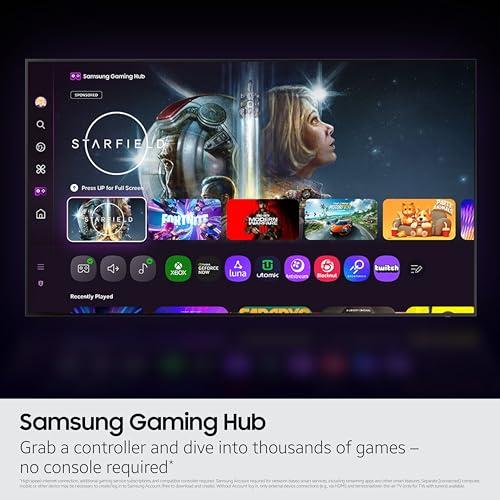
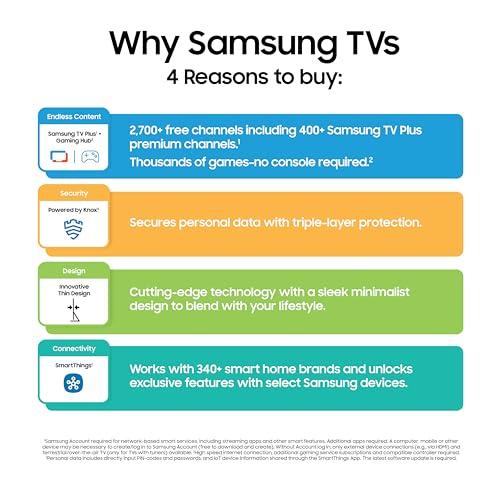
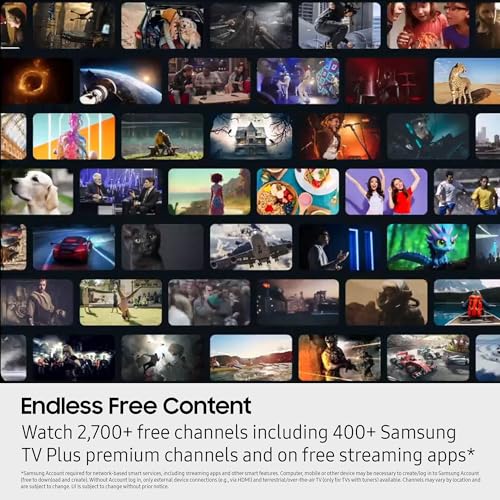
Tizen OS provides faster, more responsive navigation and cleaner visual organization. Samsung TV Plus offers thousands of free streaming channels, which adds significant value. The platform integrates well with Samsung smartphones and smart home devices through SmartThings. Samsung also typically provides longer software support, meaning your TV will receive updates for more years.
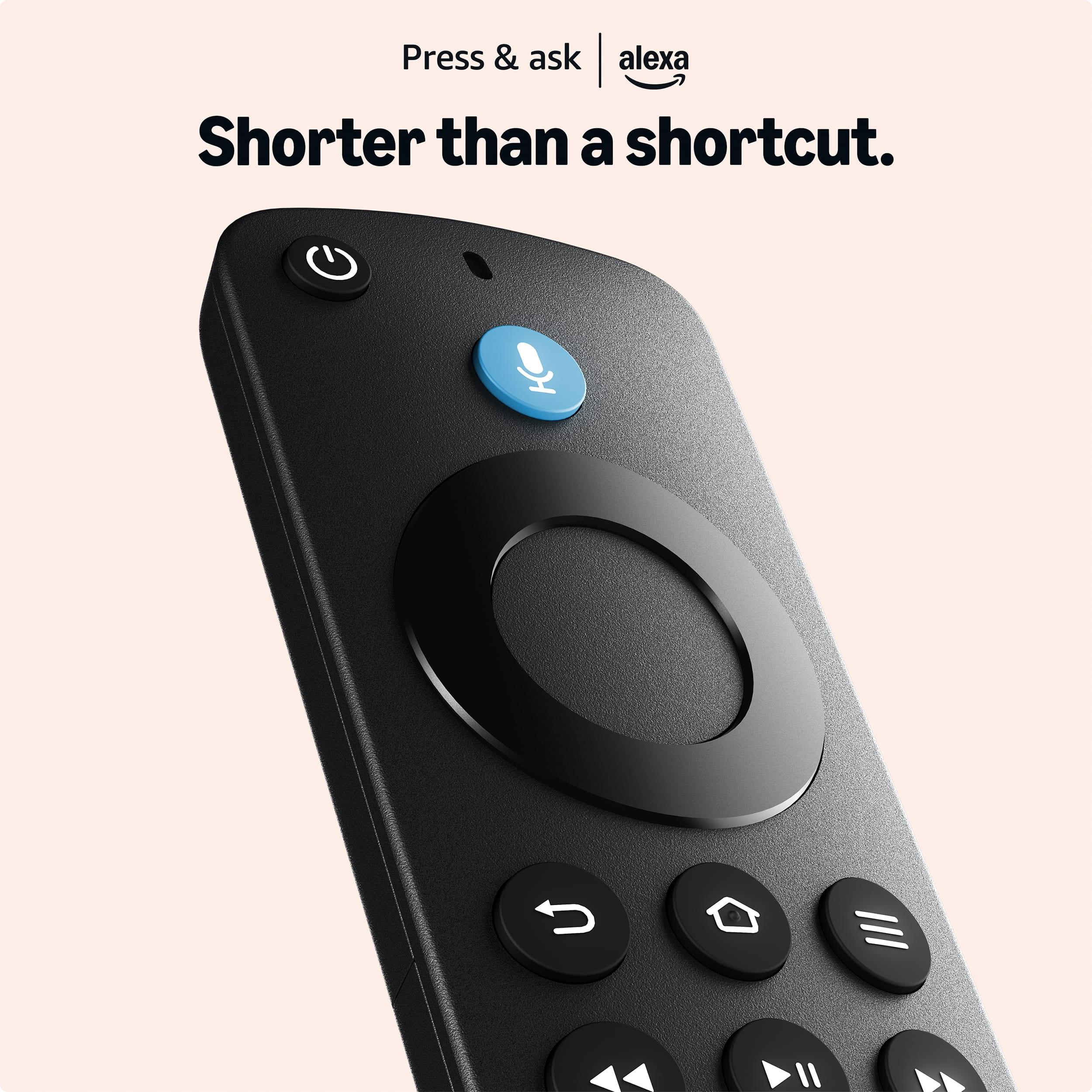
For voice control, Fire TV's Alexa integration is more comprehensive, while Samsung relies on Bixby, which is less developed than Amazon's assistant.
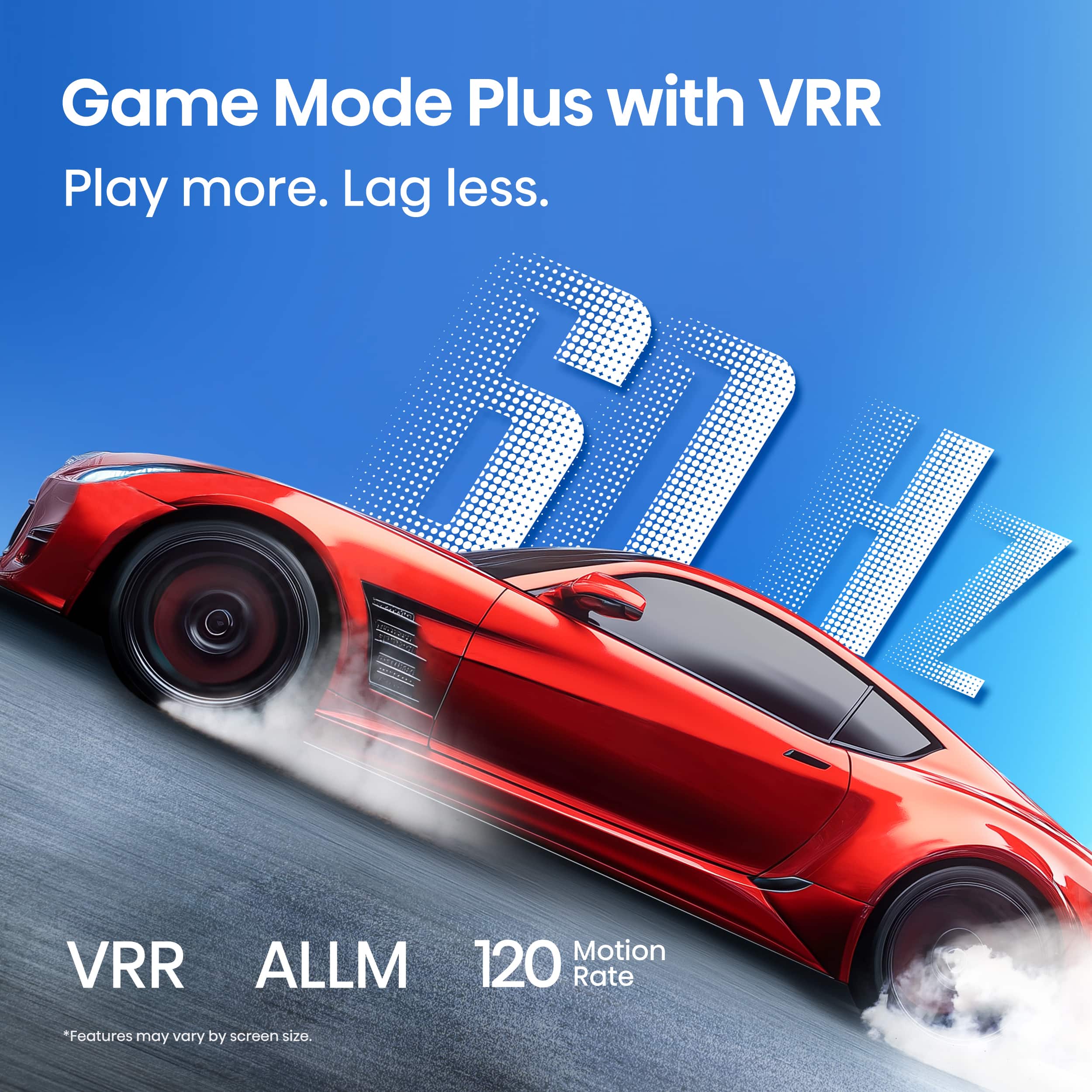
Gaming performance has become crucial as consoles like PlayStation 5 and Xbox Series X push 4K gaming mainstream. Both TVs include VRR (Variable Refresh Rate) and ALLM (Auto Low Latency Mode)—features that reduce screen tearing and input lag for smoother gaming.
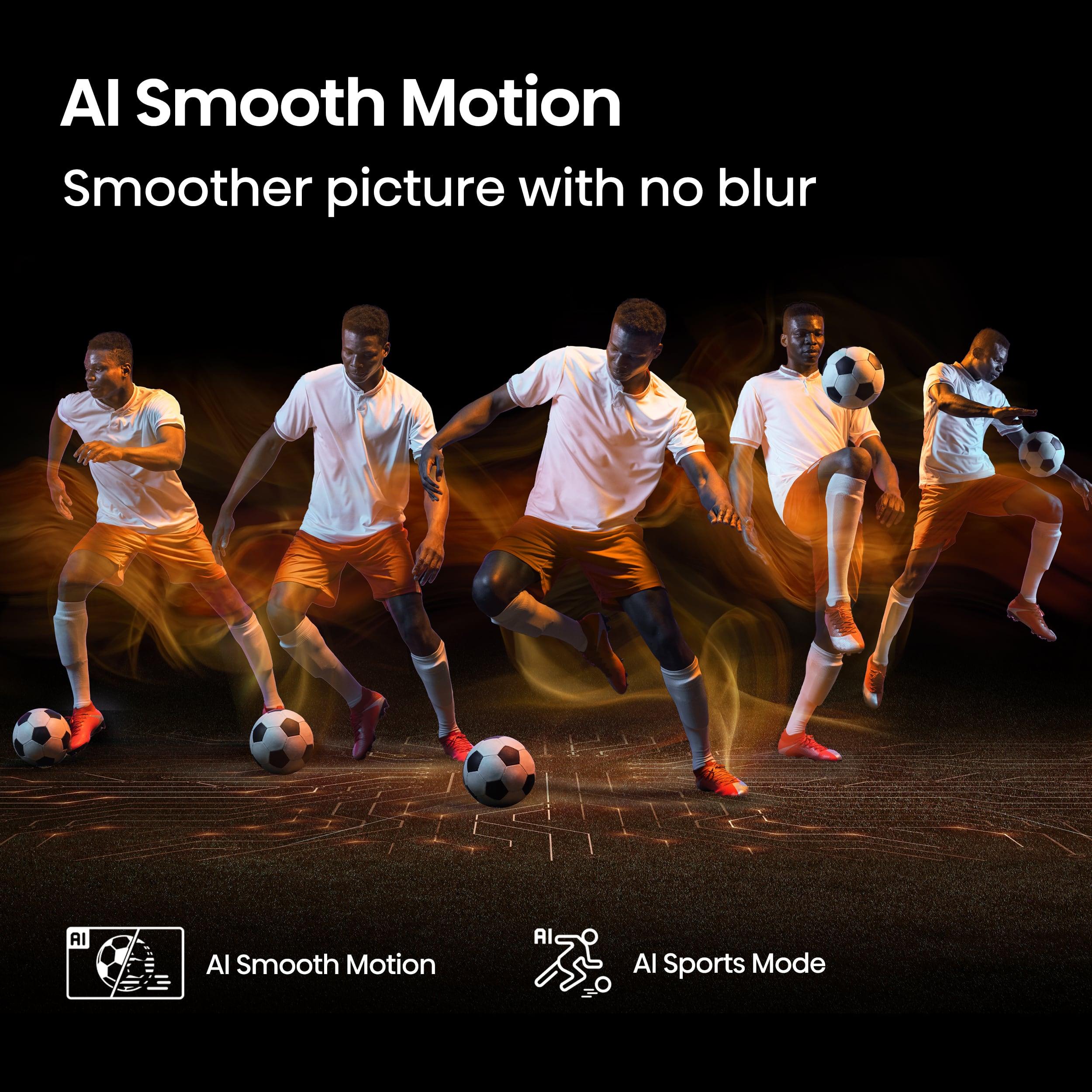
The critical limitation of the Hisense QD6 is its lack of HDMI 2.1 ports, restricting it to 4K resolution at 60Hz maximum. While this handles most current gaming adequately, it lacks future-proofing for games that might support higher refresh rates. The TV's motion handling is also slower than ideal, creating some blur during fast-paced action.
The Samsung U8000F provides marginally better gaming optimization with more effective VRR implementation and typically lower input lag. However, it's also limited to 60Hz refresh rates, so the gaming advantage is modest rather than transformative.
For casual gaming, both perform adequately. For competitive gaming or users planning to keep their TV for many years, neither represents the ideal choice, but the Samsung edges slightly ahead.
Audio performance in budget TVs rarely impresses, but there are meaningful differences here. The Hisense QD6 includes Dolby Atmos processing, which simulates three-dimensional sound placement. While the TV's speakers can't truly reproduce Atmos effects, the processing helps create a more immersive audio experience than standard TV audio.
The Samsung U8000F uses Object Tracking Sound Lite (OTS Lite), which attempts to match audio positioning with on-screen action. Both TVs benefit significantly from external soundbars, but the Hisense's Dolby Atmos support provides better compatibility with premium audio systems.
For home theater use, neither TV excels due to brightness limitations and lack of local dimming. However, the Hisense QD6 offers better HDR color reproduction and Dolby Vision support, making it more suitable for cinematic viewing despite these limitations. The Samsung's superior motion processing helps with fast-action content but doesn't overcome the fundamental contrast limitations.
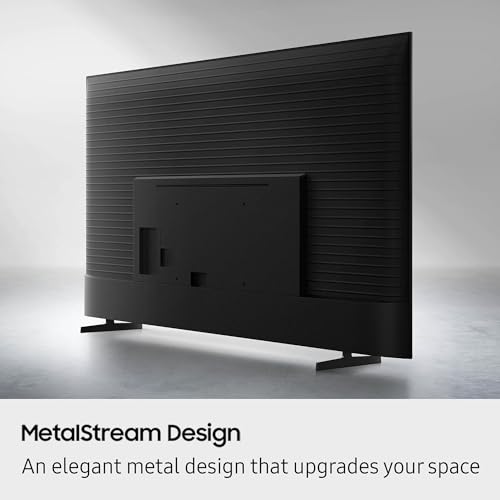
Design preferences vary, but the Samsung U8000F clearly wins in build quality and aesthetics. Its MetalStream Design features aircraft-inspired styling with a three-sided bezel-less display and metal construction. This represents a significant upgrade from Samsung's previous all-plastic budget models and provides a more premium appearance.
The Hisense QD6 uses standard LED TV construction with adequate but unremarkable build quality. It's thicker than the Samsung and uses more plastic materials. While perfectly functional, it lacks the visual refinement of Samsung's design.
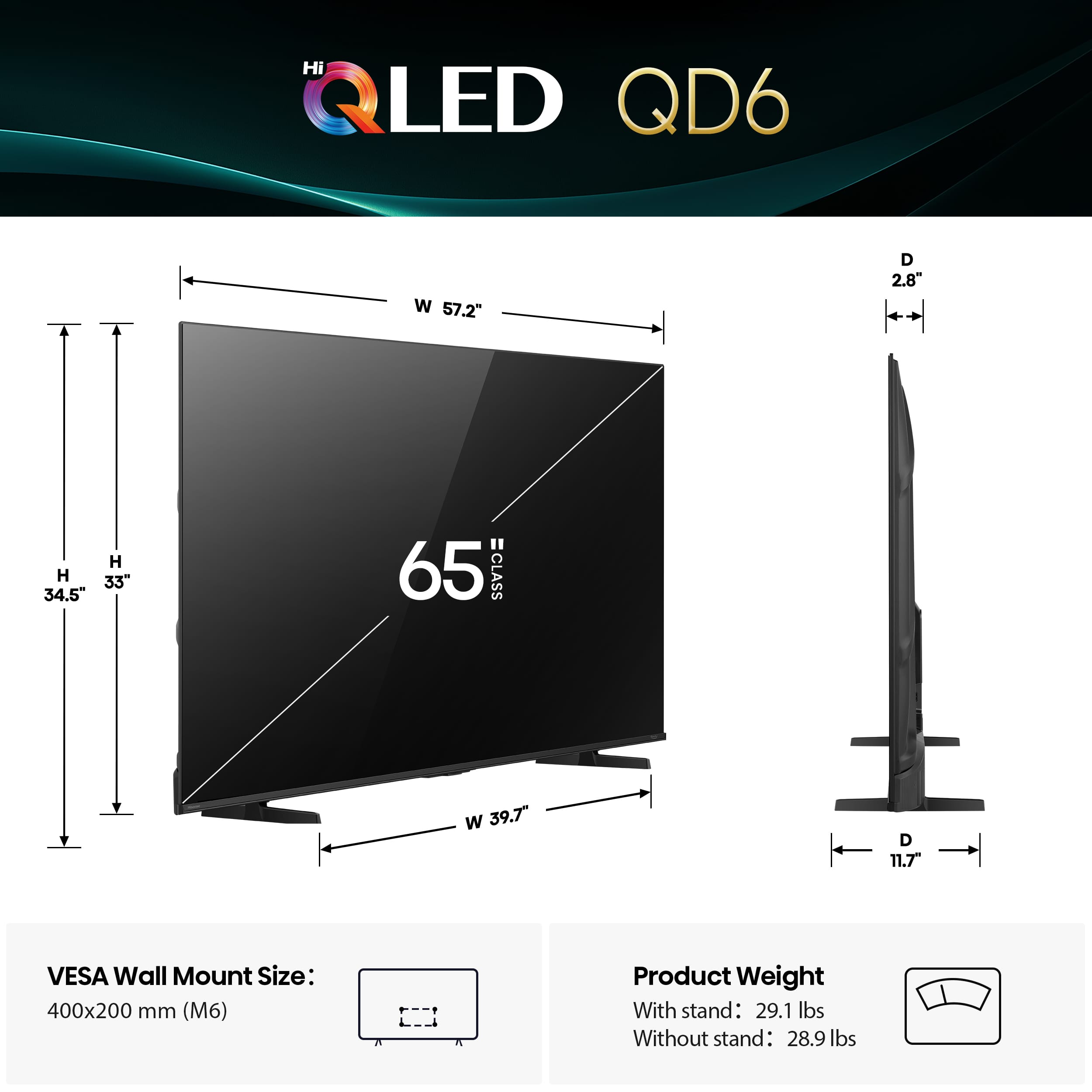
For wall mounting, both support standard VESA mounting, but the Samsung's slimmer profile and premium materials create a more attractive installed appearance.
At the time of writing, both TVs compete in virtually the same price range, making value comparison crucial. The Hisense QD6 delivers superior immediate picture quality through higher brightness and better color reproduction. For the same money, you get noticeably better performance for movies, sports, and bright-room viewing.
The Samsung U8000F provides better long-term value through superior build quality, longer software support cycles, and more refined user experience. Samsung typically supports TVs with updates for 4-6 years, while budget TV brands often provide shorter support windows.
Reliability favors Samsung based on brand track record, though both should provide adequate lifespan for typical use. Samsung's customer service network is generally more extensive, which matters for warranty issues or technical support.
The Hisense QD6 makes the most sense for viewers prioritizing picture quality per dollar. If you primarily watch streaming content, movies, or sports in a bright living room, its superior brightness and color performance provide daily benefits that justify the choice. The Fire TV platform works well for Amazon ecosystem users, and Dolby Vision support future-proofs your HDR viewing.
Choose the Samsung U8000F if you value overall user experience, build quality, and long-term reliability over raw picture performance. It's better for gaming enthusiasts, Samsung ecosystem users, and those who prefer refined software experiences. The premium design also matters for visible installations where aesthetics count.
For home theater enthusiasts, neither TV truly excels due to brightness and contrast limitations, but the Hisense QD6 edges ahead through better HDR support and color reproduction.
The decision ultimately comes down to priorities: immediate picture quality and value (Hisense) versus refined experience and longevity (Samsung). Both represent solid choices in the budget 65-inch category, but understanding these differences ensures you'll be satisfied with your choice for years to come.
At the time of writing, the minimal price difference makes this decision purely about feature preferences rather than budget constraints, which is remarkable for TVs of this size and capability.
| Hisense 65" QD6 Series Hi-QLED Fire TV (2025) | Samsung 65-Inch Crystal UHD U8000F 4K Smart TV 2025 |
|---|---|
| Peak Brightness - Critical for bright room viewing and HDR impact | |
| 385 cd/m² (good for moderately lit rooms) | ~300 nits (adequate for darker rooms only) |
| Color Technology - Determines color vibrancy and accuracy | |
| Quantum-dot QLED, 90% DCI-P3 coverage (vivid, saturated colors) | Crystal UHD processing (natural, accurate colors) |
| HDR Support - Essential for modern streaming content quality | |
| Dolby Vision, HDR10+, HDR10, HLG (comprehensive format support) | HDR10, HDR10+ (missing Dolby Vision) |
| Smart TV Platform - Daily user experience and app availability | |
| Fire TV with Alexa (extensive streaming apps, Amazon integration) | Tizen OS (fast navigation, Samsung TV Plus free channels) |
| Gaming Features - Important for console compatibility | |
| VRR, ALLM, 4K@60Hz max (HDMI 2.0 limitation affects future gaming) | VRR, ALLM, better optimization (still 60Hz but more responsive) |
| Audio Processing - Built-in sound enhancement | |
| Dolby Atmos support (better soundbar compatibility) | Object Tracking Sound Lite (decent spatial audio simulation) |
| Refresh Rate - Affects motion clarity in sports and action | |
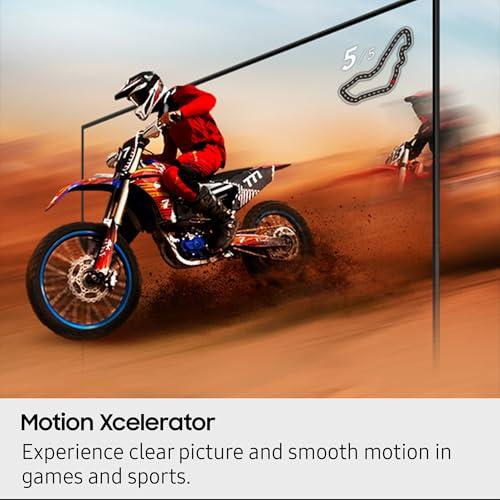
| 60Hz native, Motion Rate 120 (adequate motion handling) | 50/60Hz with Motion Xcelerator (similar performance) |
| Build Quality - Long-term durability and aesthetics | |
| Standard LED TV construction (functional but basic) | MetalStream Design with metal body (premium appearance) |
| Connectivity - Future-proofing and device compatibility | |
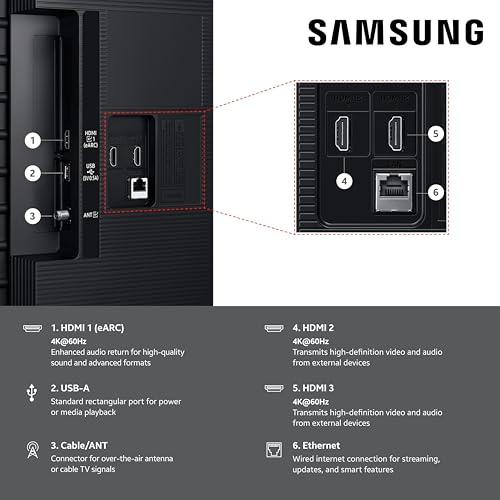
| 4x HDMI 2.0, 2x USB, Wi-Fi 5, eARC (limited by HDMI 2.0) | 3x HDMI 2.0, 1x USB, Wi-Fi 5, eARC (fewer ports but adequate) |
| Software Support - Long-term updates and reliability | |
| Amazon/Hisense update cycle (typically 2-3 years) | Samsung update cycle (typically 4-6 years of support) |
The Hisense 65" QD6 Series Hi-QLED Fire TV offers superior picture quality for the price, delivering 25% higher brightness (385 cd/m² vs ~300 nits) and quantum-dot QLED technology that covers 90% of the DCI-P3 color space. This translates to more vibrant colors and better performance in bright rooms compared to the Samsung 65-Inch Crystal UHD U8000F, which focuses more on color accuracy than color volume.
The Samsung 65-Inch Crystal UHD U8000F is slightly better for gaming, offering more responsive VRR implementation and lower input lag optimization. However, the Hisense 65" QD6 Series Hi-QLED Fire TV lacks HDMI 2.1 ports, limiting it to 4K@60Hz and reducing future gaming compatibility. Both include VRR and ALLM features, but neither excels for competitive gaming.
Both platforms offer excellent usability but serve different preferences. The Hisense 65" QD6 Series Hi-QLED Fire TV runs Fire TV with comprehensive Alexa integration and extensive streaming apps, ideal for Amazon ecosystem users. The Samsung 65-Inch Crystal UHD U8000F uses Tizen OS, which provides faster navigation, cleaner interface design, and Samsung TV Plus free channels.
The Hisense 65" QD6 Series Hi-QLED Fire TV performs significantly better in bright rooms due to its higher peak brightness of 385 cd/m² compared to the Samsung's ~300 nits. The quantum-dot technology also maintains color saturation better under ambient lighting, making it the clear choice for living rooms with windows or overhead lighting.
The Hisense 65" QD6 Series Hi-QLED Fire TV offers superior HDR support with Dolby Vision, HDR10+, HDR10, and HLG compatibility. The Samsung 65-Inch Crystal UHD U8000F typically supports HDR10 and HDR10+ but lacks Dolby Vision at this price point. Dolby Vision provides scene-by-scene optimization for better streaming content quality.
The Samsung 65-Inch Crystal UHD U8000F offers superior build quality with its MetalStream Design featuring metal construction and premium aesthetics. Samsung also provides longer software support cycles (4-6 years vs 2-3 years) and generally better long-term reliability compared to the Hisense 65" QD6 Series Hi-QLED Fire TV.
The Hisense 65" QD6 Series Hi-QLED Fire TV includes Dolby Atmos processing for more immersive audio and better soundbar compatibility. The Samsung 65-Inch Crystal UHD U8000F features Object Tracking Sound Lite for spatial audio simulation. Both benefit from external soundbars, but the Hisense offers better built-in audio processing.
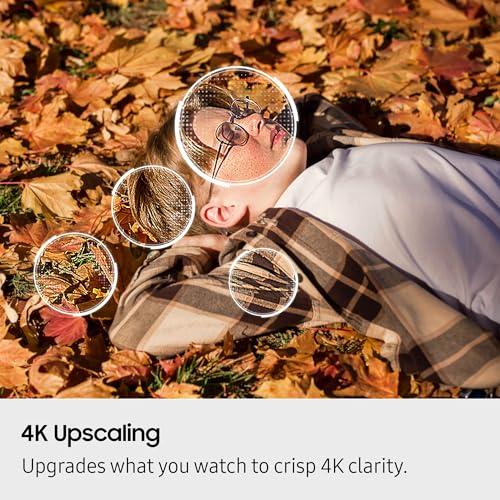
The Hisense 65" QD6 Series Hi-QLED Fire TV excels for streaming content with superior brightness, quantum-dot color enhancement, and comprehensive HDR format support including Dolby Vision. Fire TV also offers excellent content discovery across streaming platforms. The Samsung 65-Inch Crystal UHD U8000F provides better upscaling for lower-quality content but falls short in overall streaming performance.
The Hisense 65" QD6 Series Hi-QLED Fire TV delivers better immediate value with superior picture quality, higher brightness, and comprehensive HDR support at a competitive price point. The Samsung 65-Inch Crystal UHD U8000F offers better long-term value through premium build quality, longer software support, and brand reliability.
The Hisense 65" QD6 Series Hi-QLED Fire TV is better for sports due to its higher brightness and more vibrant colors that make grass appear greener and uniforms more vivid. However, both TVs have similar motion handling limitations with 60Hz refresh rates and slower response times that can cause some blur during fast action sequences.
For home theater use, the Hisense 65" QD6 Series Hi-QLED Fire TV is the better choice despite both TVs' limitations. It offers superior HDR color reproduction, Dolby Vision support, and Dolby Atmos audio processing. The Samsung 65-Inch Crystal UHD U8000F lacks the brightness and contrast needed for optimal cinematic viewing, though both would benefit from controlled lighting environments.
Choose the Hisense 65" QD6 Series Hi-QLED Fire TV if picture quality and streaming performance are your priorities, especially for bright room viewing. Select the Samsung 65-Inch Crystal UHD U8000F if you value premium design, long-term reliability, gaming optimization, and Samsung ecosystem integration over raw picture performance.
We've done our best to create useful and informative comparisons to help you decide what product to buy. Our research uses advanced automated methods to create this comparison and perfection is not possible - please contact us for corrections or questions. These are the sites we've researched in the creation of this article: pcvarge.com - bestbuy.com - rtings.com - youtube.com - rtings.com - youtube.com - consumerreports.org - leaseville.com - hisense-usa.com - device.report - hisense-usa.com - youtube.com - flatpanelshd.com - displayspecifications.com - retailspecs.com - bestbuy.com - youtube.com - youtube.com - rtings.com - youtube.com - samsung.com - hometechnologyreview.com - rtings.com - samsung.com - displayspecifications.com - samsung.com - displayspecifications.com - walmart.com - billsmith.com - dentonstv.com - samsung.com - samsung.com - samsung.com - youtube.com - bestbuy.com - bestbuy.com - youtube.com - samsung.com - donstv.com

Privacy Policy
Terms and Conditions - Affiliate Policy
Home Security
© Copyright 2008-2026.
11816 Inwood Rd #1211, Dallas, TX 75244