

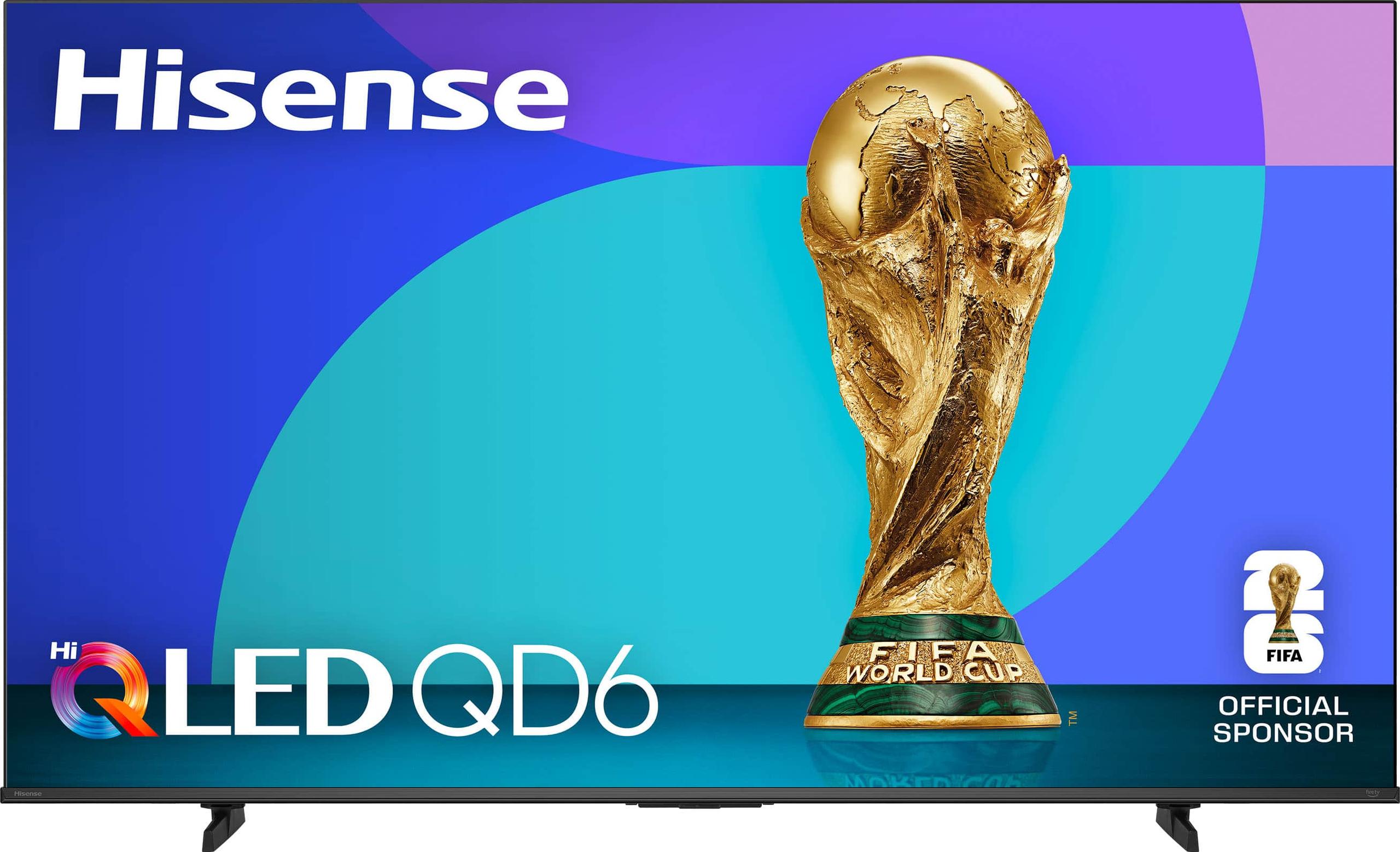
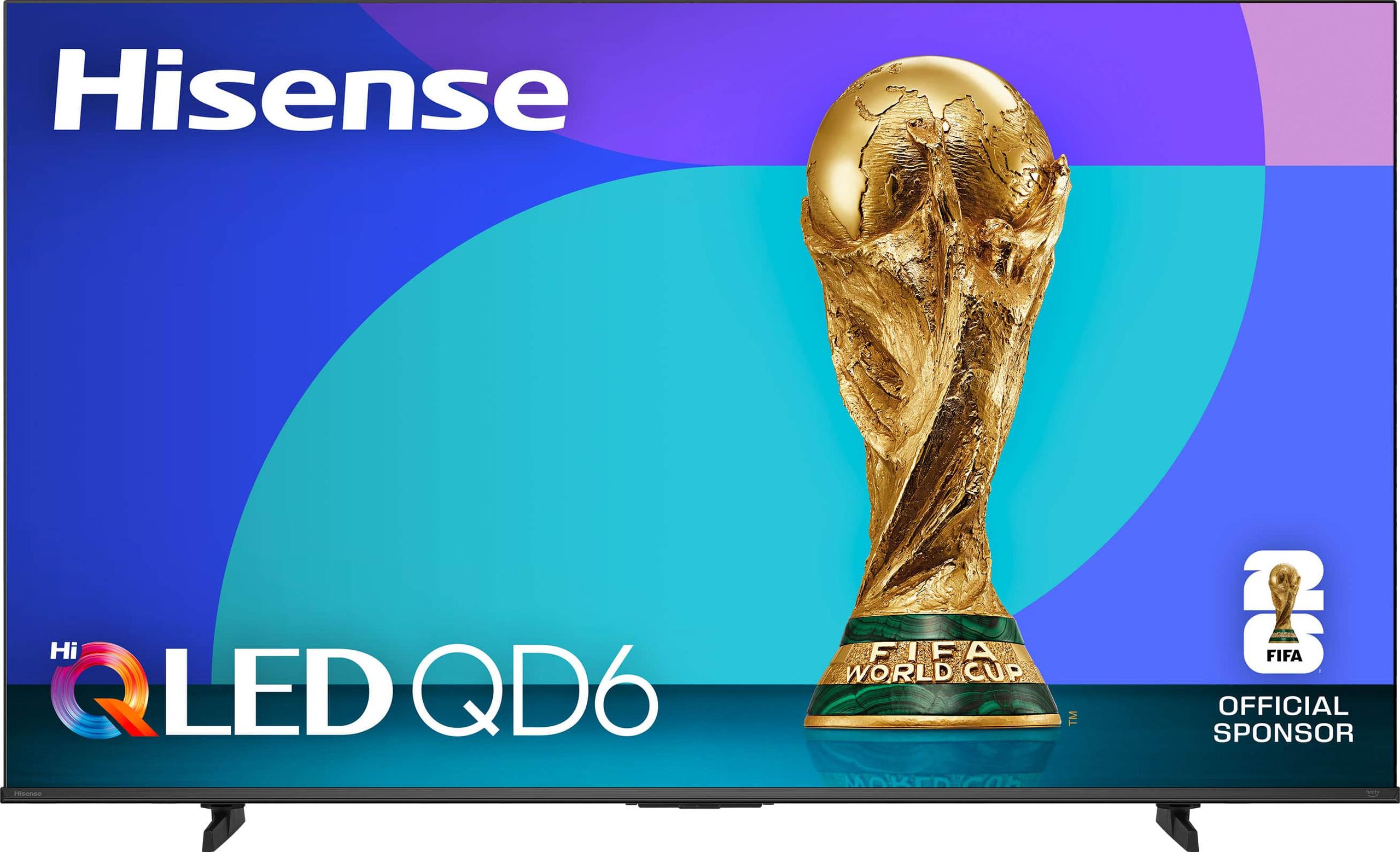

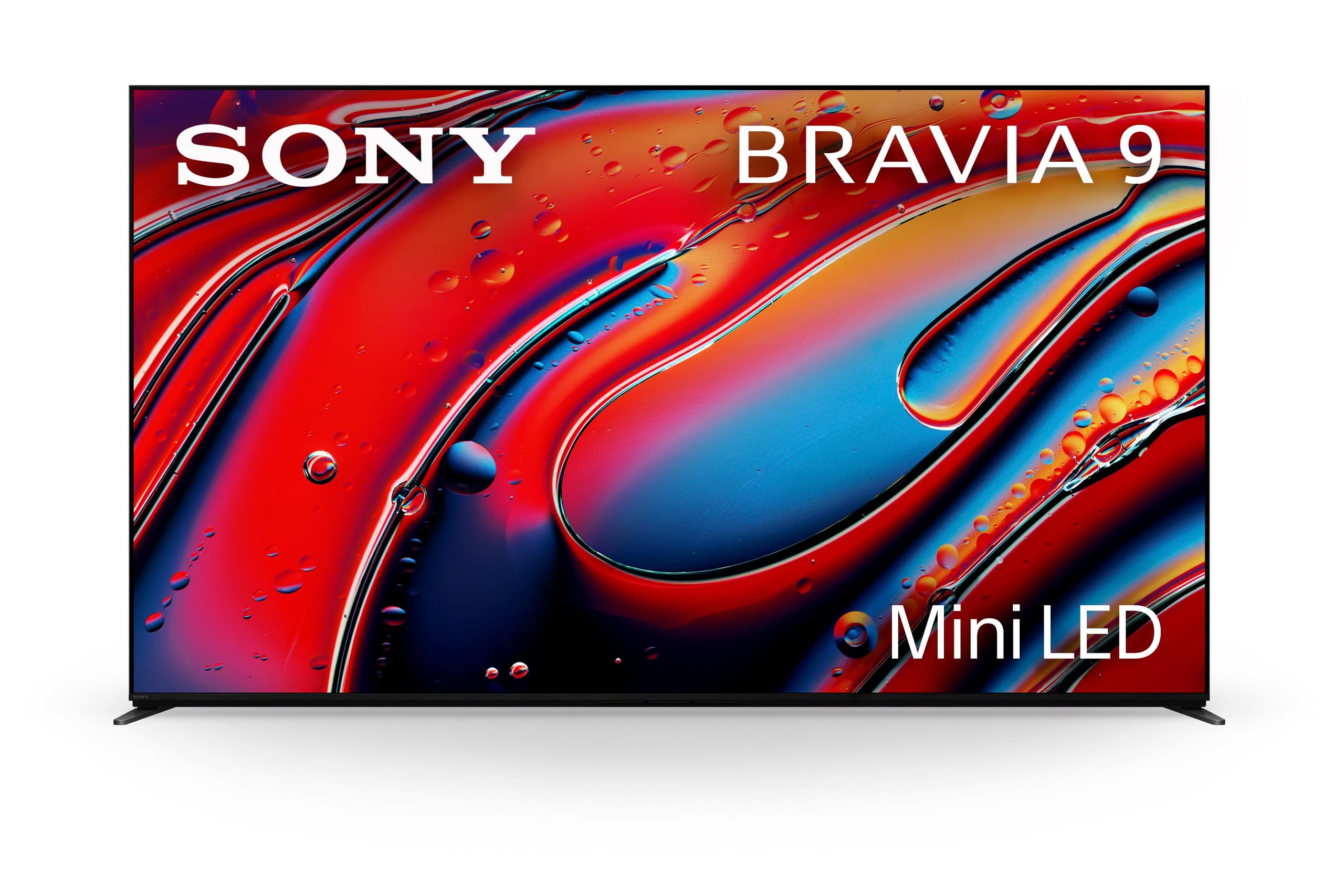
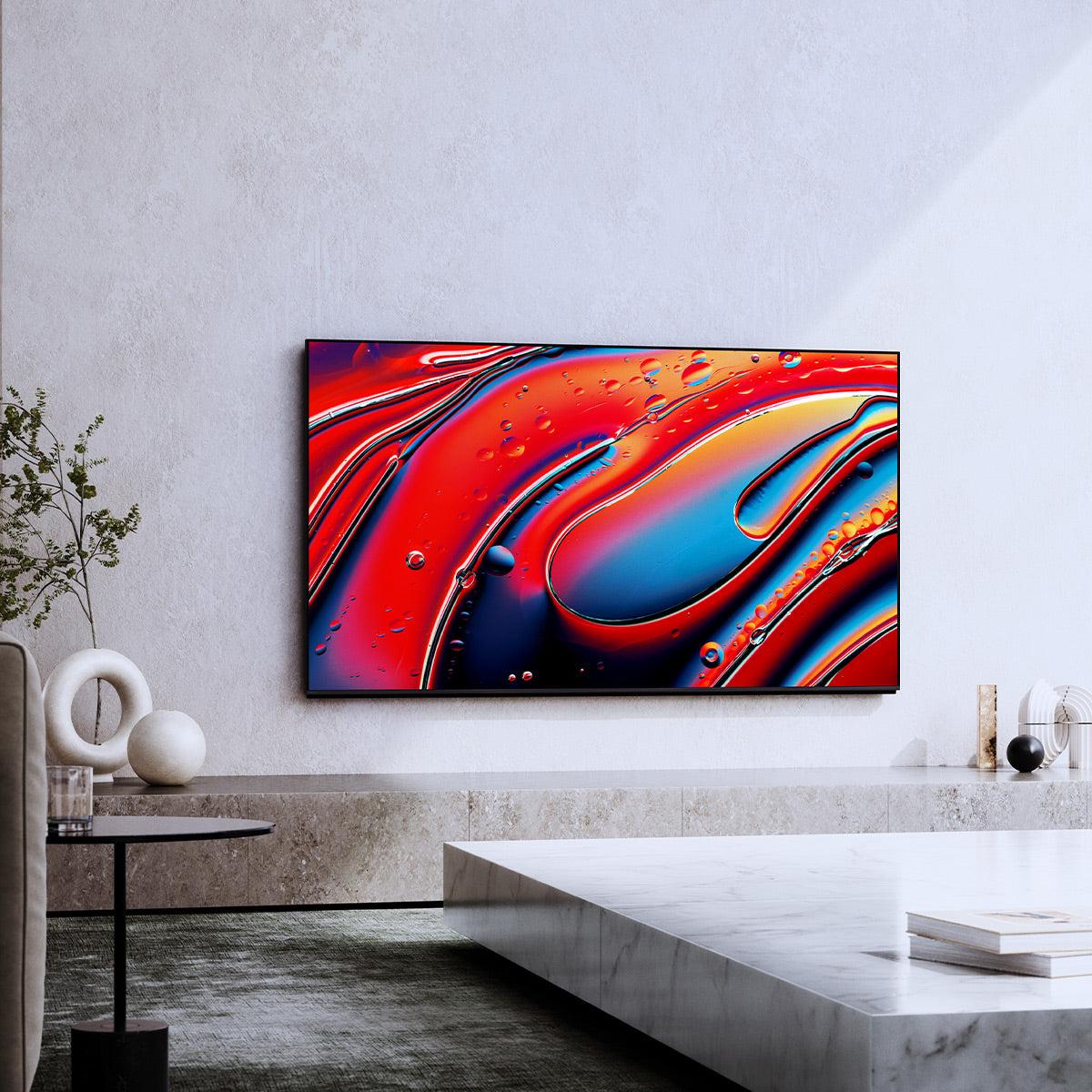
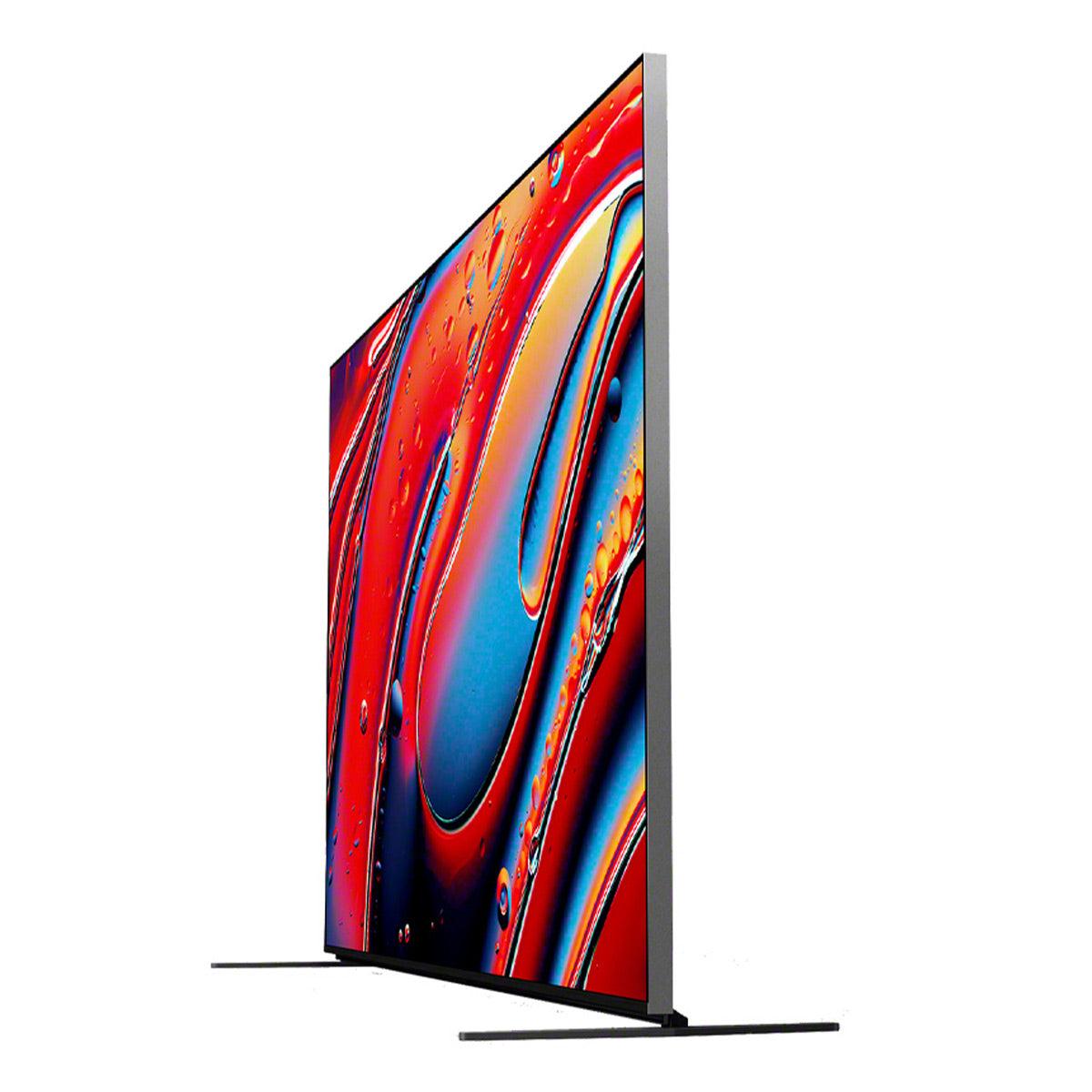
The 65-inch TV market has become incredibly competitive, with manufacturers pushing both ends of the spectrum. On one side, you have budget-friendly options that deliver surprising value, and on the other, premium models packed with cutting-edge technology. The Hisense 65" QD6 Series Hi-QLED Fire TV and Sony BRAVIA 9 65" 4K UHD Mini LED QLED Smart Google TV represent these two philosophies perfectly.
At the time of writing, these TVs sit in completely different price brackets—the Hisense QD6 costs roughly six times less than the Sony BRAVIA 9. But does spending significantly more actually translate to a better viewing experience? Let's dive deep into what each TV offers and help you figure out which approach makes sense for your specific needs.
Large-screen 4K televisions have become the centerpiece of modern home entertainment, and 65-inch models hit that sweet spot where you get an immersive experience without overwhelming most living rooms. The technology has evolved rapidly over the past few years, with both models representing significant improvements over their predecessors.
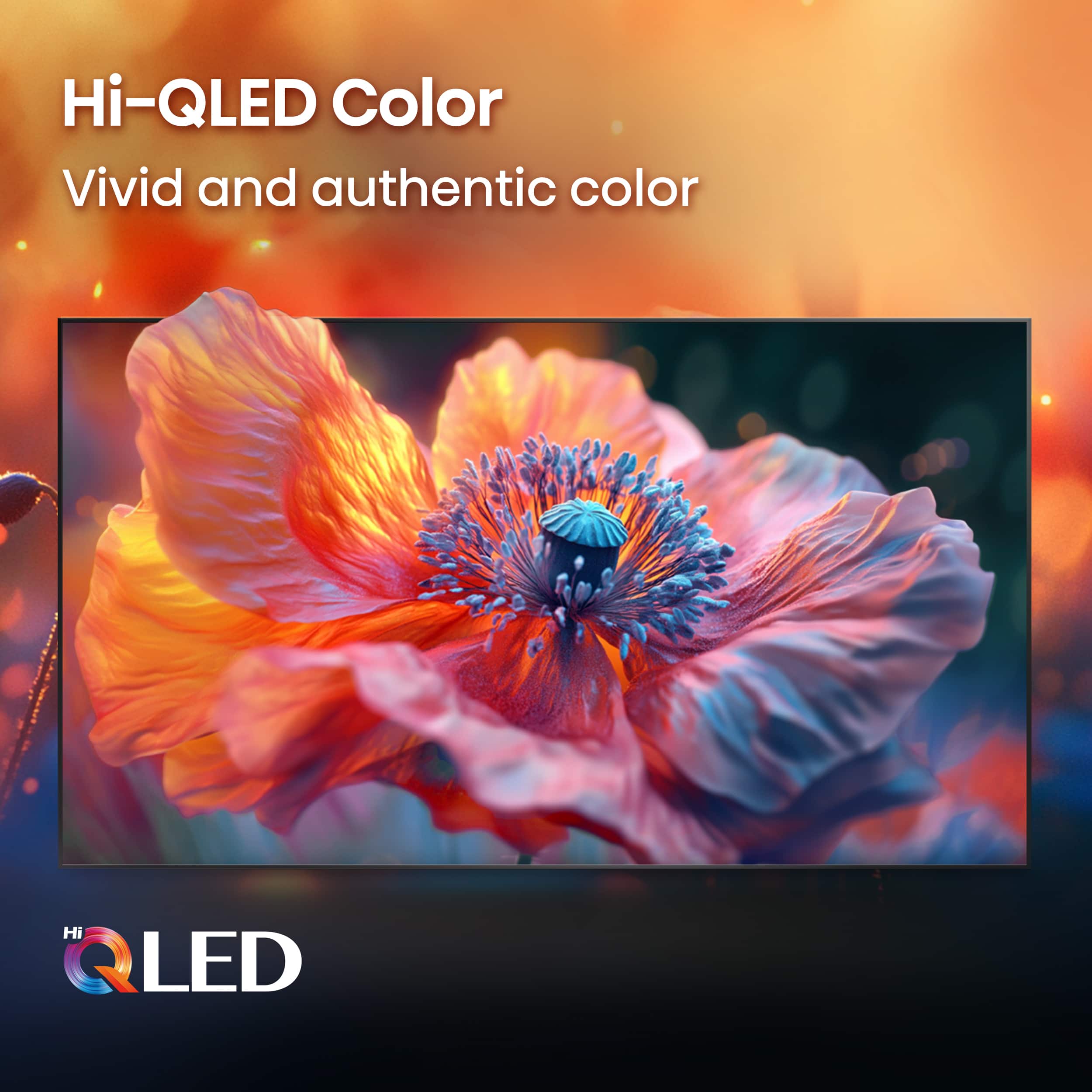
The Hisense QD6 launched in 2025 as part of Hisense's continued push to democratize quantum dot technology. Quantum dots are microscopic semiconductors that enhance color reproduction by converting blue LED light into highly pure red and green light. Think of them as tiny color filters that make your TV's colors more vibrant and accurate.
Meanwhile, the Sony BRAVIA 9 arrived in 2024 as Sony's flagship Mini-LED offering. Mini-LED represents a major leap forward from traditional LED backlighting—instead of using dozens of LEDs behind the screen, Mini-LED uses thousands of tiny LEDs that can be controlled individually. This allows for much more precise brightness control across different areas of the screen.
When choosing between these approaches, you're essentially deciding between proven, affordable technology versus cutting-edge innovation that commands a premium price.
Picture quality remains the most important factor for any TV purchase, and this is where the fundamental differences between these models become crystal clear.
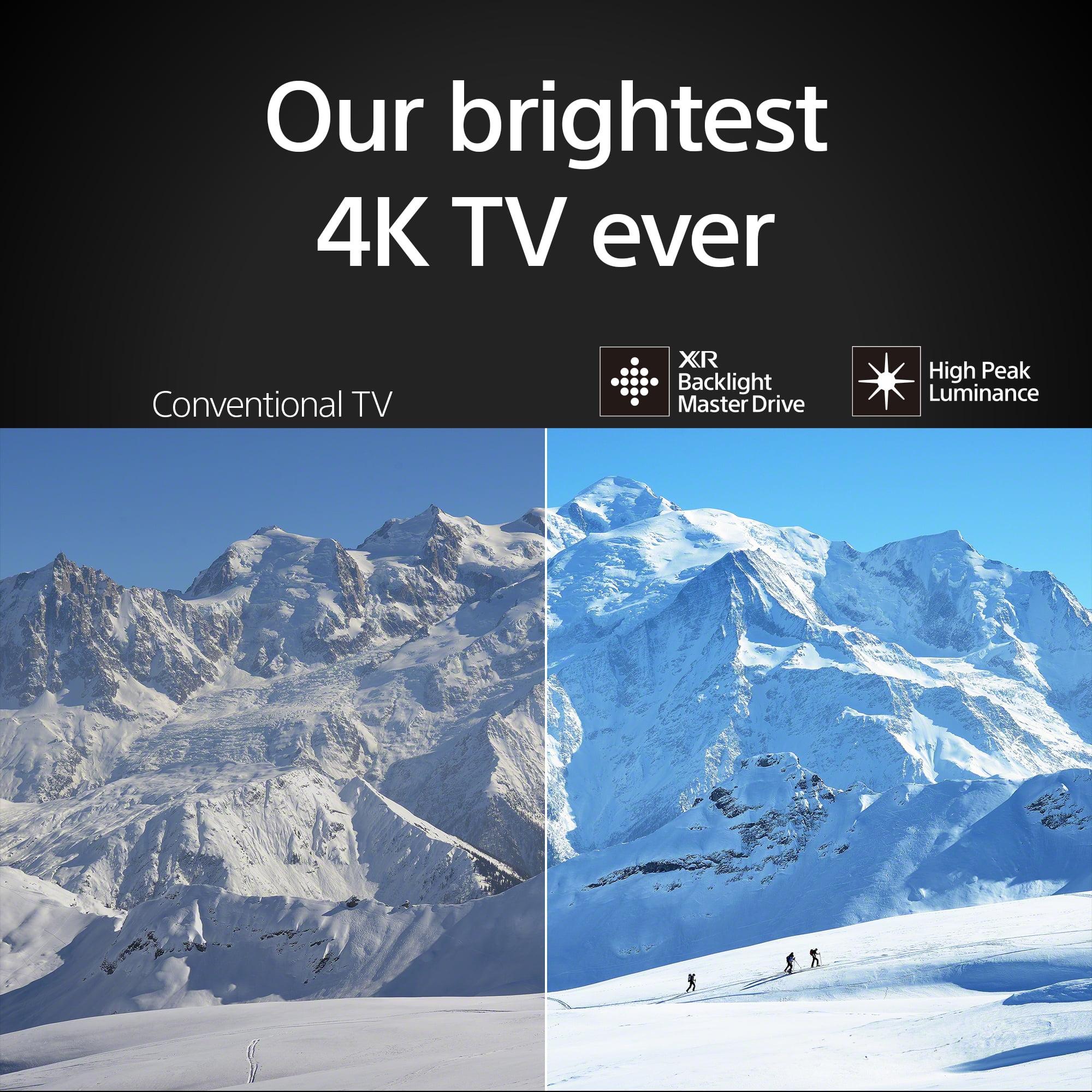
The Sony BRAVIA 9 delivers what Sony calls their "brightest 4K TV ever," utilizing thousands of Mini-LEDs controlled by their XR Backlight Master Drive technology. This isn't just marketing speak—Mini-LED technology can achieve peak brightness levels that make HDR (High Dynamic Range) content truly pop. HDR is essentially a way of encoding video that preserves more detail in both the brightest and darkest parts of an image, but you need a sufficiently bright TV to see the full benefit.
The Hisense QD6, by contrast, achieves around 385 cd/m² peak brightness. To put this in perspective, that's adequate for moderately lit rooms but falls short of what you need for impactful HDR in brighter environments. The difference becomes particularly noticeable when watching movies with dramatic lighting—think of a scene that cuts between a dark cave and bright sunlight. The Sony can make those bright scenes feel genuinely dazzling, while the Hisense will display them competently but without the same visual impact.
Here's where the technical approaches diverge significantly. The Sony BRAVIA 9 uses full array local dimming, which means different zones of the Mini-LED backlight can dim independently. When a scene shows a starry night sky, the TV can make the dark parts of the sky truly black while keeping the stars bright—this is called contrast control.
The Hisense QD6 uses a VA panel with direct LED backlighting but lacks local dimming zones. This means the entire backlight operates as one unit. In that same starry sky scene, the whole backlight has to stay somewhat bright to show the stars, which makes the black areas appear more grayish. This "black lift" effect becomes particularly noticeable in dark room viewing where you're watching movies with mixed bright and dark content.
From our research into user experiences and professional reviews, this contrast difference represents the most significant picture quality gap between these TVs. If you primarily watch content in darker rooms—especially movies—this becomes a critical consideration.
Both TVs use quantum dot enhancement, but they implement it differently. The Hisense QD6 covers about 90% of the DCI-P3 color space, which is the Hollywood standard for digital cinema. This delivers noticeably more vibrant colors than standard LED TVs, particularly in reds and greens.
The Sony BRAVIA 9 takes this further with XR Triluminos Pro technology, which not only expands the color gamut but uses Sony's Cognitive Processor XR to analyze each scene and optimize color reproduction in real-time. The processor essentially tries to mimic how human vision works, emphasizing the colors and details your eye would naturally focus on.
In practical terms, both TVs will show more vibrant colors than older LED models, but the Sony maintains color accuracy even at high brightness levels—something that becomes important for HDR content where colors need to stay saturated even in very bright scenes.
Gaming performance has become increasingly important as PlayStation 5 and Xbox Series X have made 4K gaming at 120Hz more common. This is where the technical specifications create a significant performance gap.
The Sony BRAVIA 9 offers true 120Hz refresh rate support, meaning it can display 120 unique frames per second. This creates smoother motion in fast-paced games and reduces input lag—the delay between pressing a button and seeing the result on screen. For competitive gaming or fast-action games, this responsiveness can make a meaningful difference in your performance.
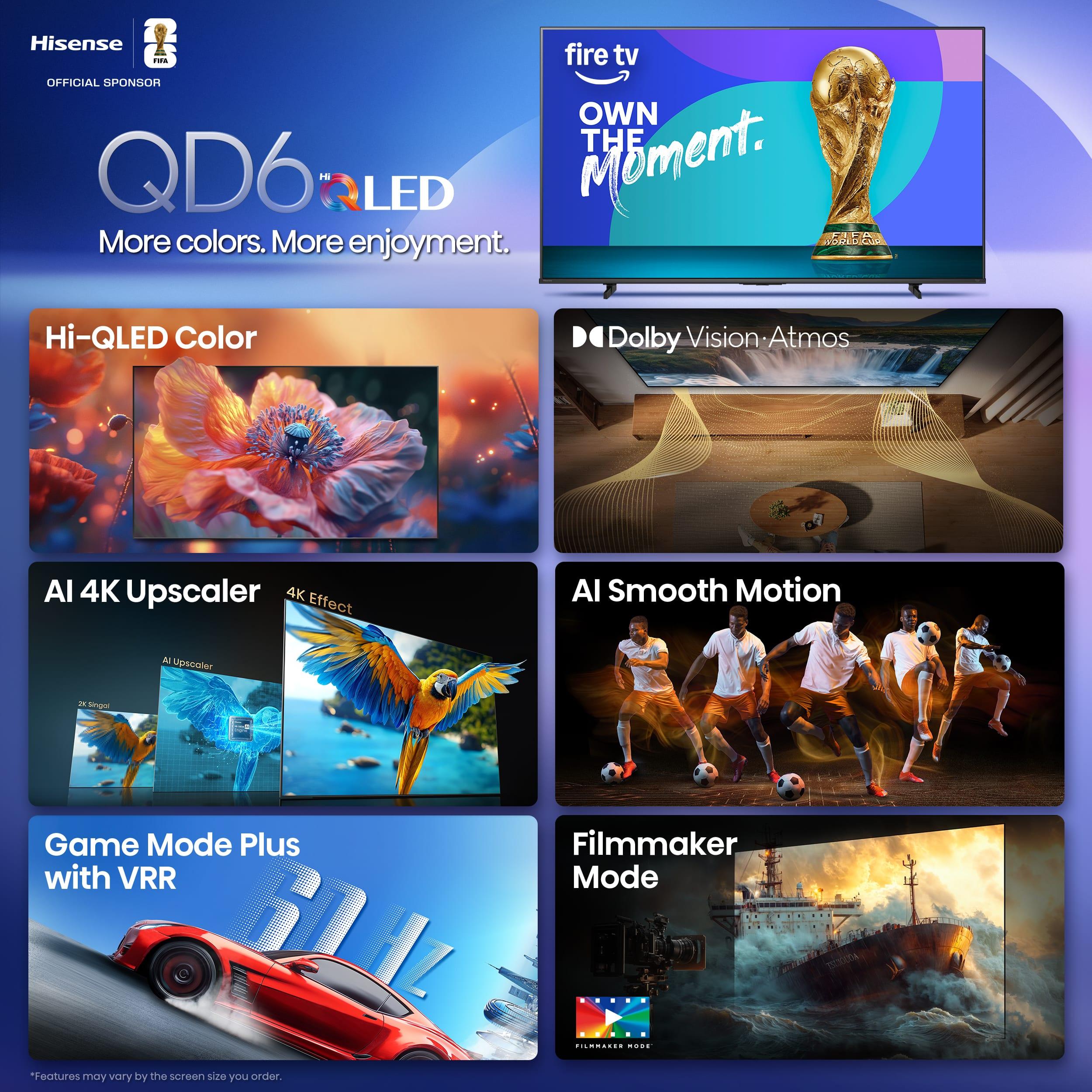
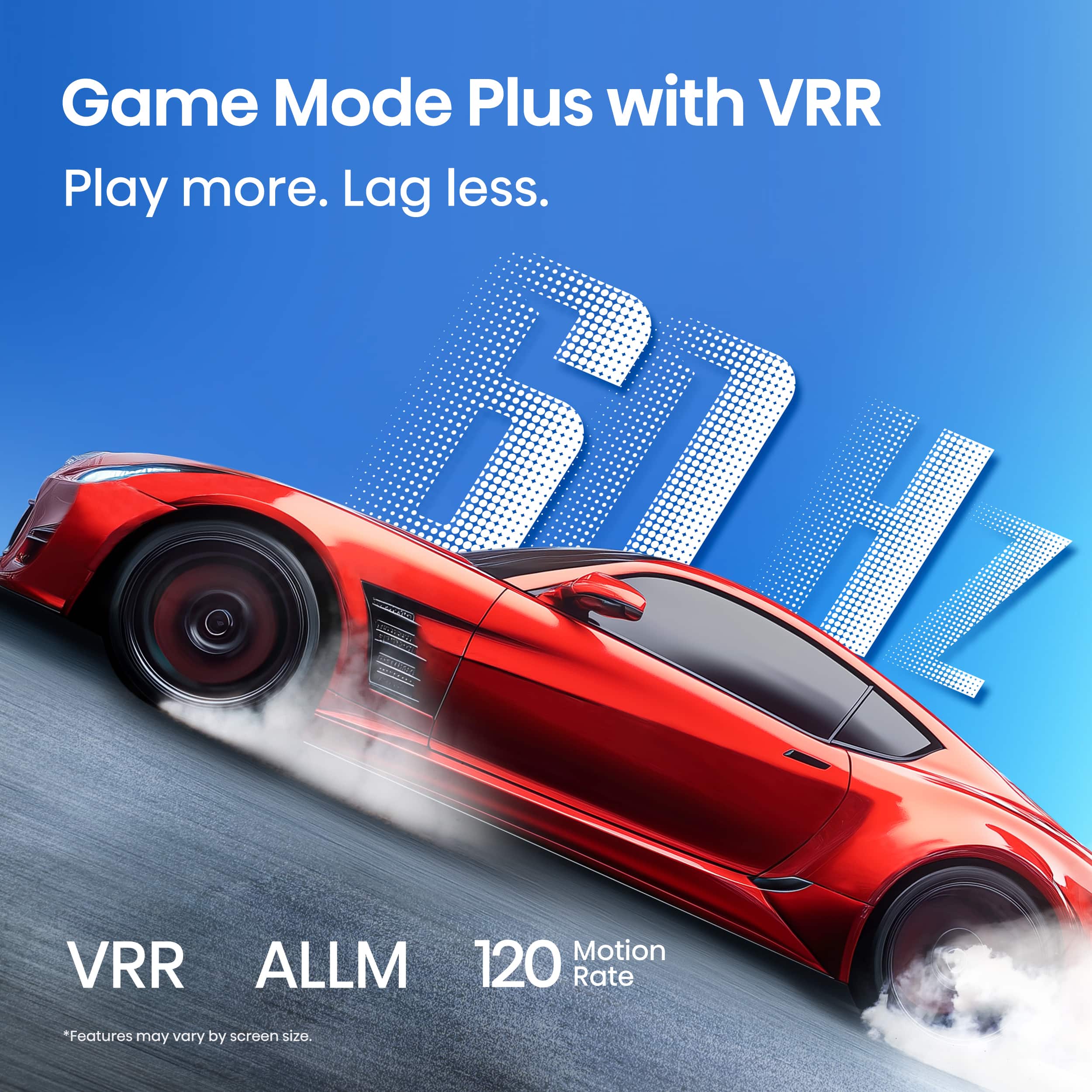
The Hisense QD6 operates at 60Hz natively but uses motion interpolation (called Motion Rate 120) to smooth out motion. Motion interpolation works by creating artificial frames between the real ones, which can help with movie watching but doesn't provide the responsiveness benefits of true 120Hz for gaming. Think of it like this: true 120Hz gives you real-time information, while motion smoothing gives you a prettier version of slightly old information.
This technical difference has real-world implications. The Sony BRAVIA 9 includes HDMI 2.1 ports that can handle the full 4K@120Hz signal from modern gaming consoles. The Hisense QD6 only has HDMI 2.0 ports, which lack the bandwidth for these high-performance gaming features.
If you own a PS5, Xbox Series X, or high-end gaming PC, the Sony can take full advantage of their capabilities. The Hisense will still display games beautifully, but you'll be limited to 4K at 60Hz—still excellent for casual gaming, but not optimal for competitive players or those who want to future-proof their setup.
Both TVs support VRR, which synchronizes the TV's refresh rate with your gaming device to eliminate screen tearing (when the image appears to split horizontally during fast motion). However, the Sony BRAVIA 9's implementation works more effectively due to its higher native refresh rate and better processing power.
For sports enthusiasts, motion handling becomes crucial. The Sony BRAVIA 9 uses XR Motion Clarity, which combines the native 120Hz panel with advanced processing to reduce motion blur without creating artificial-looking effects.
The Hisense QD6 relies on AI Smooth Motion powered by MEMC (Motion Estimation, Motion Compensation) technology. This works by analyzing consecutive frames and creating intermediate frames to smooth motion. While this can help with some content, it can also create artifacts around fast-moving objects—you might notice a slight "halo" effect around players during quick movements.
From our analysis of user feedback, sports viewing represents one of the clearest differentiators between these models. The Sony handles fast action more naturally, while the Hisense can struggle with motion blur, particularly in darker scenes or when there are rapid changes between light and dark areas on screen.
The choice between Fire TV and Google TV represents more than just different interfaces—it affects your entire smart home integration and content discovery experience.
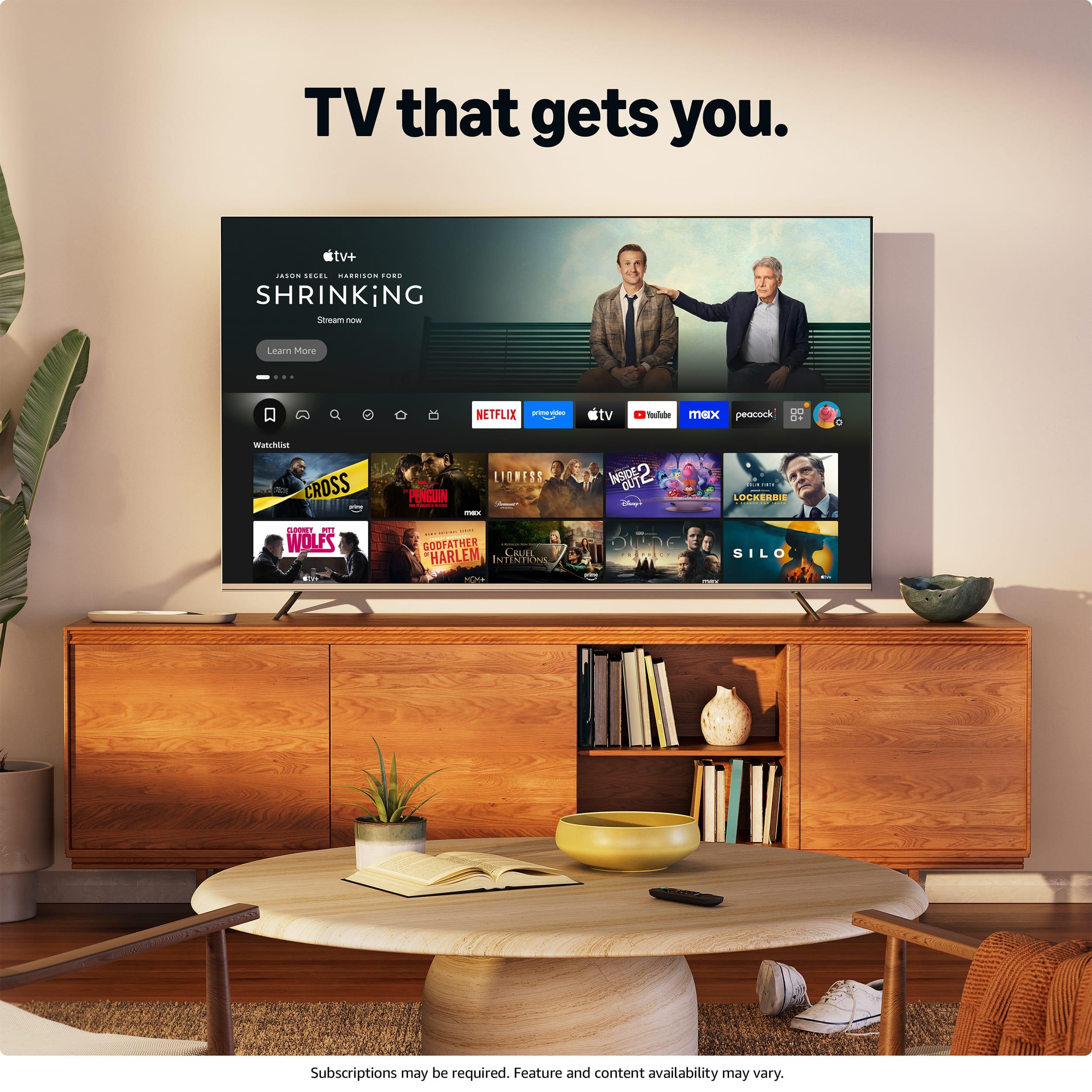
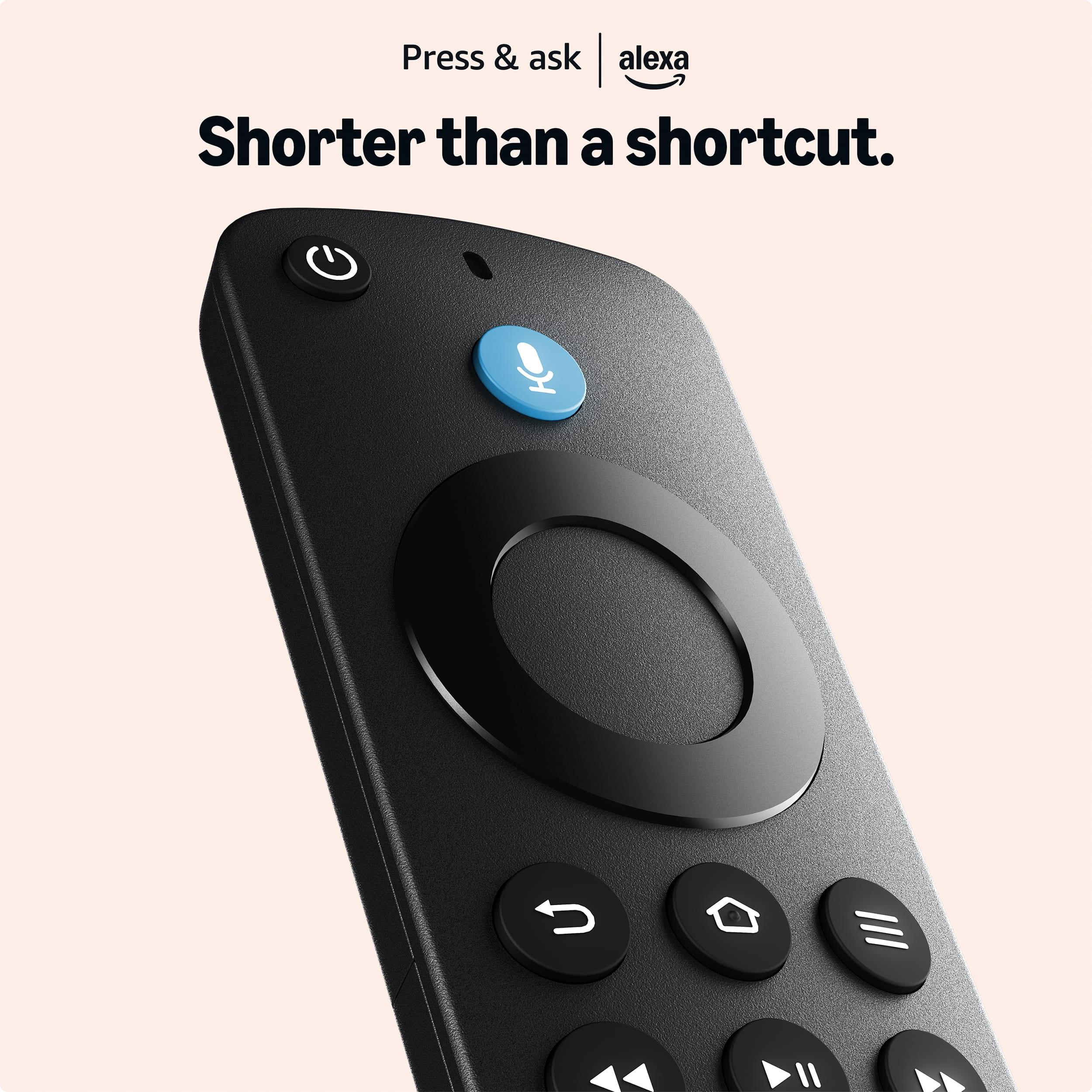
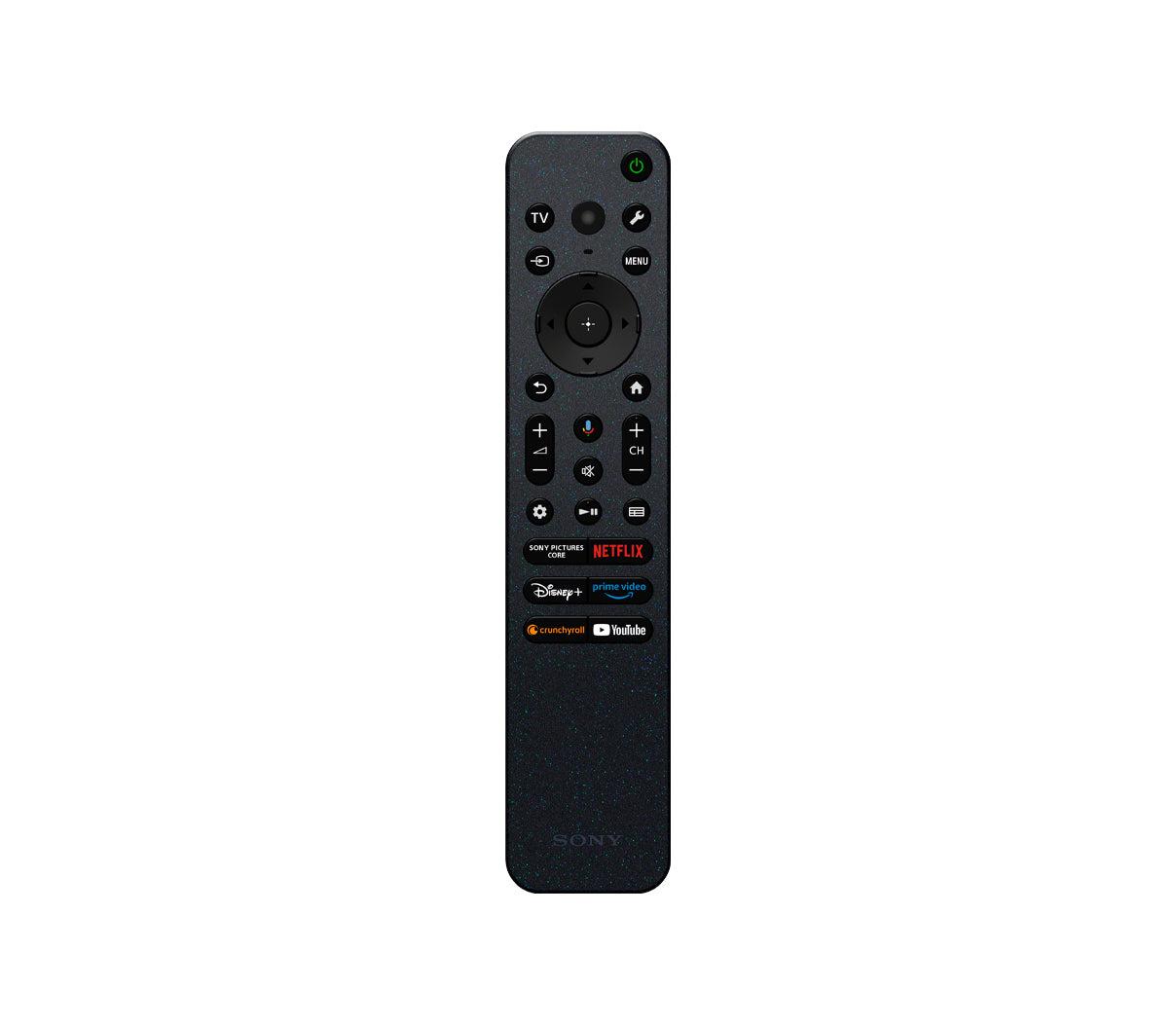
The Hisense QD6 runs Fire TV with Alexa integration, which works particularly well if you're already invested in Amazon's ecosystem. Fire TV excels at content aggregation and tends to have robust app support. The interface prioritizes Amazon's content but provides good access to other streaming services.
The Sony BRAVIA 9 uses Google TV, which offers excellent integration with Google services and Chromecast functionality. Google TV's content recommendations tend to be more platform-agnostic, and the interface feels more refined and responsive, partly due to the more powerful processing hardware.
Both platforms support all major streaming services, but the Sony's more powerful processor provides noticeably smoother navigation and faster app loading times based on user reports we've analyzed.
Built-in TV audio has improved significantly in recent years, and both models offer substantial upgrades over basic TV speakers.
The Sony BRAVIA 9 includes a 70-watt 2.2.2 channel system with up-firing speakers that create height effects for Dolby Atmos content. The Acoustic Multi-Audio+ system actually moves sound across the screen to match visual action—when a car drives from left to right, the audio follows along the screen rather than coming from a fixed point.
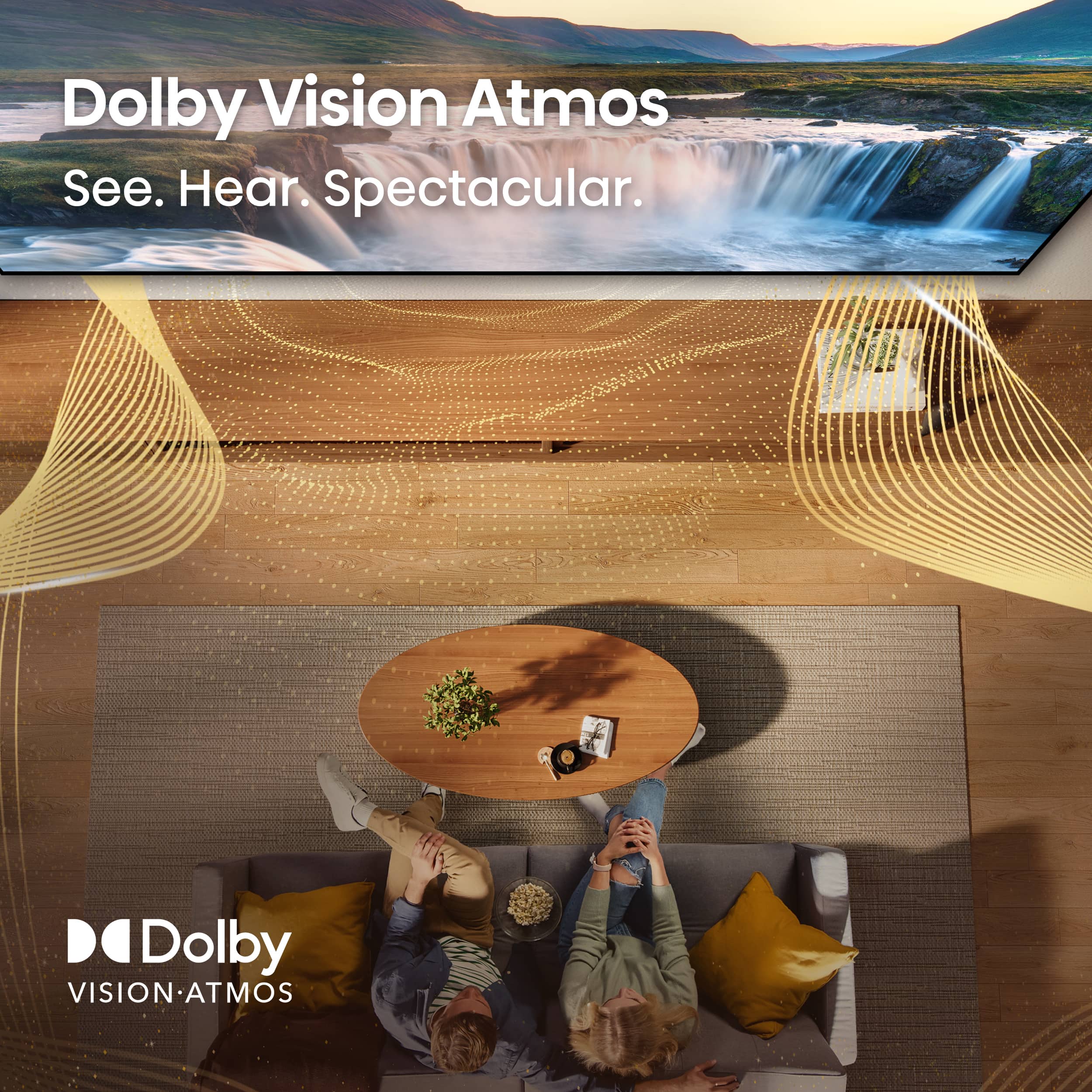
The Hisense QD6 provides standard built-in speakers with Dolby Atmos support, but with significantly less power and fewer channels. While adequate for casual viewing, it lacks the immersive soundstage that the Sony creates.
For home theater setups, the Sony offers a unique feature: it can function as a center channel speaker when paired with compatible Sony soundbars, potentially saving you money on a separate center speaker.
If you're building a dedicated home theater space, several factors become more important. The Sony BRAVIA 9's superior brightness makes it suitable for rooms with some ambient light, while its local dimming capability provides the contrast necessary for cinematic viewing in darker rooms.
The TV's Filmmaker Mode preserves the original creative intent by disabling motion smoothing and other processing that might alter the director's vision. Both TVs support this feature, but the Sony's more sophisticated processing engine ensures better implementation.
For serious home theater enthusiasts, the Sony BRAVIA 9's color accuracy and processing capabilities justify the premium price. The TV can handle the wide color gamuts used in professional content creation, making it suitable for users who care about seeing content exactly as intended.
At the time of writing, the price difference between these models is substantial—the Sony BRAVIA 9 costs roughly six times more than the Hisense QD6. This dramatic price gap means they're really targeting different audiences entirely.
The Hisense QD6 represents exceptional value for budget-conscious buyers who want to maximize screen size while getting quantum dot color enhancement. It's perfect for families who primarily stream content and don't need cutting-edge gaming features. The Fire TV platform provides access to all major streaming services, and the picture quality easily surpasses older LED TVs at this price point.
The Sony BRAVIA 9 justifies its premium pricing through Mini-LED technology, superior processing, and future-proof gaming capabilities. If you own next-generation gaming consoles, watch a lot of HDR content, or have a bright living room that requires high peak brightness, the additional cost delivers measurable benefits.
Choose the Hisense QD6 if you're primarily focused on getting the largest possible screen with decent 4K performance at the lowest price point. It's ideal for casual viewing, streaming services, and households where gaming performance isn't a priority. The quantum dot enhancement provides noticeably better colors than standard budget TVs, making it an excellent value proposition for its market segment.
Choose the Sony BRAVIA 9 if picture quality is your primary concern and you're willing to pay significantly more for cutting-edge technology. It's essential for serious gamers with modern consoles, anyone building a dedicated home theater, or users who want a TV that will remain relevant and impressive for many years to come.
The reality is that both TVs serve their intended audiences well. The Hisense QD6 democratizes good 4K performance with quantum dot color at an accessible price, while the Sony BRAVIA 9 pushes the boundaries of what's possible with current display technology.
Your choice should align with both your budget constraints and performance expectations. If you're upgrading from an older TV and primarily watch streaming content in a moderately lit room, the Hisense will likely exceed your expectations. If you're a technology enthusiast who wants the best possible picture quality and gaming performance, the Sony's premium features justify the investment.
The key is being honest about your viewing habits, room conditions, and long-term needs. Both TVs represent excellent options within their respective market segments—the question is which segment aligns with your priorities and budget.
| Hisense 65" QD6 Series Hi-QLED Fire TV | Sony BRAVIA 9 65" 4K UHD Mini LED QLED Smart TV |
|---|---|
| Display Technology - Fundamentally affects picture quality and price | |
| VA panel with Direct LED backlight + quantum dots | Mini-LED with thousands of individually controlled LEDs |
| Peak Brightness - Critical for HDR impact and bright room viewing | |
| 385 cd/m² (good for moderate lighting) | Sony's "brightest ever 4K TV" with Mini-LED array |
| Local Dimming - Essential for deep blacks and contrast | |
| No local dimming (causes black level washout) | Full array local dimming with precise zone control |
| Refresh Rate - Crucial for gaming and smooth motion | |
| 60Hz native (Motion Rate 120 via interpolation) | True 120Hz native for genuine smooth motion |
| Gaming Connectivity - Determines next-gen console compatibility | |
| HDMI 2.0 only (no 4K@120Hz support) | HDMI 2.1 with full 4K@120Hz and VRR support |
| Color Coverage - Affects vibrancy and accuracy | |
| 90% DCI-P3 with quantum dot enhancement | XR Triluminos Pro with advanced color processing |
| Smart Platform - Shapes your streaming experience | |
| Fire TV with Alexa integration | Google TV with superior processing power |
| Audio System - Important if not using external speakers | |
| Basic speakers with Dolby Atmos support | 70W 2.2.2 system with up-firing beam tweeters |
| HDR Support - Necessary for premium content | |
| Dolby Vision, HDR10+, HDR10, HLG | Dolby Vision, HDR10, HLG with superior brightness |
| Motion Handling - Critical for sports and action content | |
| AI Smooth Motion with MEMC (can create artifacts) | XR Motion Clarity with native 120Hz smoothness |
| Target Audience - Who should consider each model | |
| Budget-conscious buyers wanting large 4K screen | Enthusiasts and gamers wanting premium performance |
| Best Use Cases - Where each TV excels | |
| Casual streaming, controlled lighting, secondary TV | Home theater, bright rooms, PS5/Xbox Series X gaming |
The Sony BRAVIA 9 delivers significantly better picture quality thanks to its Mini-LED technology with thousands of individually controlled LEDs and full array local dimming. This creates deeper blacks, brighter highlights, and better contrast than the Hisense QD6, which uses a simpler direct LED backlight without local dimming zones. The Sony also achieves much higher peak brightness for more impactful HDR content.
The Sony BRAVIA 9 costs significantly more but offers premium Mini-LED technology, true 120Hz gaming, HDMI 2.1 connectivity, and superior processing. It's worth the extra cost if you're a serious gamer, have a bright room, or want cutting-edge display technology. The Hisense QD6 provides excellent value for casual viewing and streaming at a much lower price point.
The Sony BRAVIA 9 is far superior for gaming with its native 120Hz refresh rate, HDMI 2.1 ports supporting 4K@120Hz, and advanced VRR implementation. It's optimized for PS5 and Xbox Series X gaming. The Hisense QD6 only supports 60Hz with HDMI 2.0, making it suitable for casual gaming but not ideal for competitive or next-gen console gaming.
Yes, both the Hisense QD6 and Sony BRAVIA 9 support Dolby Vision, HDR10, and other HDR formats. However, the Sony BRAVIA 9 can display HDR content with much greater impact due to its superior peak brightness and local dimming capabilities, while the Hisense provides decent HDR performance for its price range.
The Hisense QD6 uses Fire TV with excellent Alexa integration and robust app support, ideal for Amazon ecosystem users. The Sony BRAVIA 9 runs Google TV, which offers more refined navigation, better content recommendations, and faster performance due to more powerful processing hardware. Both platforms support all major streaming services.
The Sony BRAVIA 9 features a superior 70-watt 2.2.2 channel system with up-firing speakers for Dolby Atmos height effects and sound that follows on-screen action. The Hisense QD6 has basic built-in speakers with Dolby Atmos support but significantly less power and fewer channels. Both benefit from external sound systems for optimal audio.
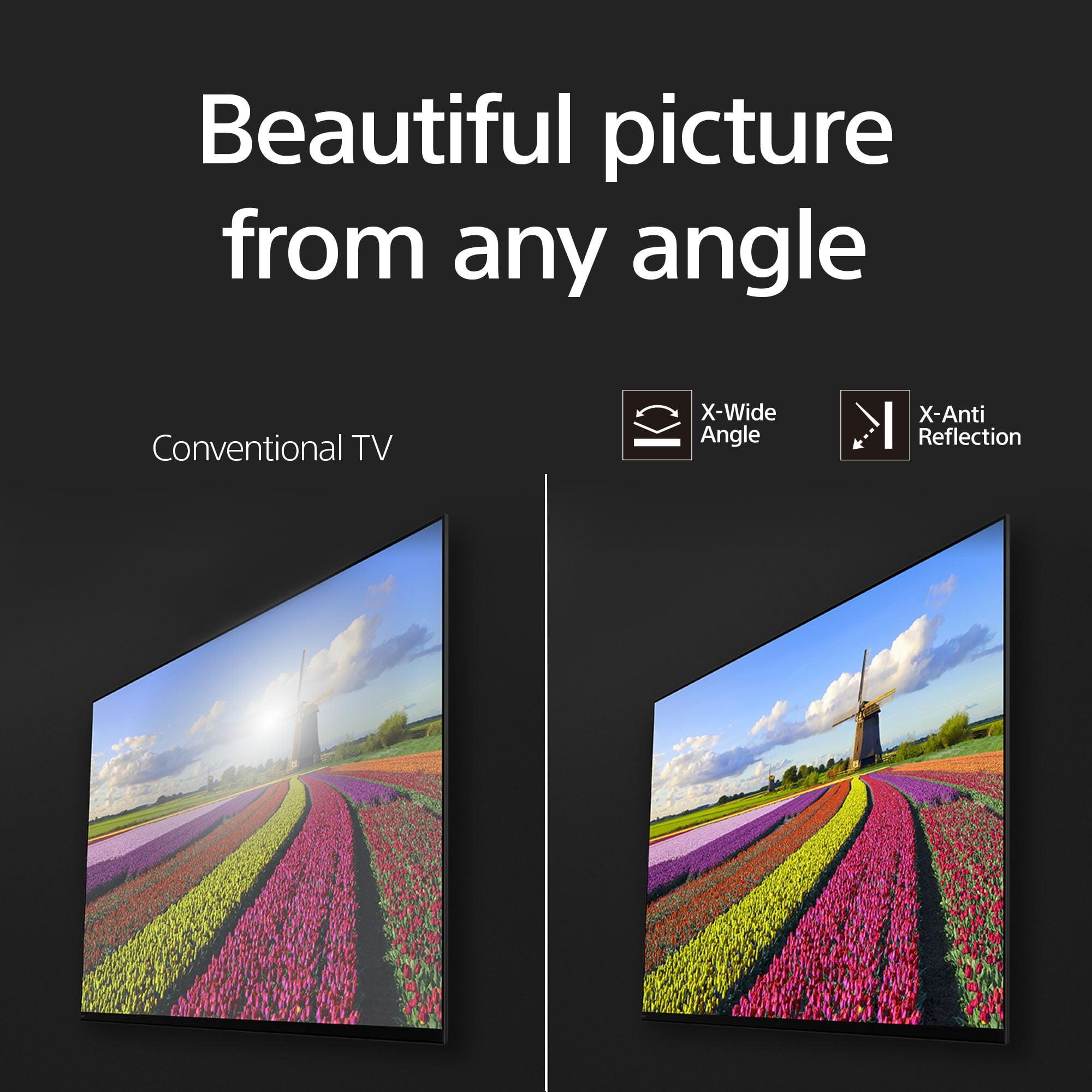
The Sony BRAVIA 9 excels in bright rooms thanks to its Mini-LED technology delivering Sony's "brightest ever 4K TV" performance. It can overcome ambient light better than the Hisense QD6, which has moderate brightness levels (385 cd/m²) suitable for controlled lighting but may struggle with direct sunlight or very bright rooms.
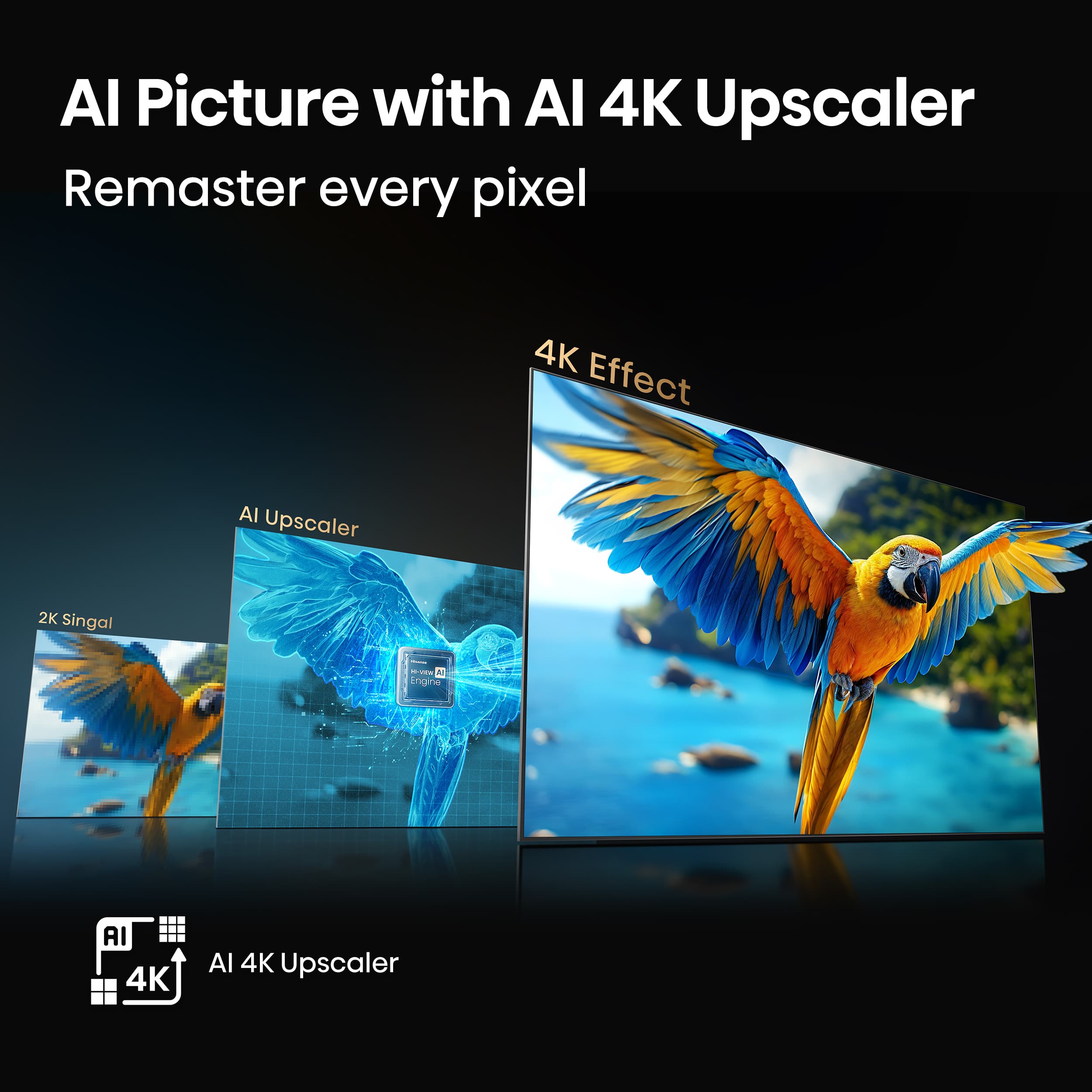
Both the Hisense QD6 and Sony BRAVIA 9 are excellent 4K TVs that handle streaming content beautifully. The Sony BRAVIA 9 offers superior upscaling of lower-resolution content and better processing for streaming platforms, while the Hisense QD6 provides solid 4K streaming performance at a much more affordable price.
The Sony BRAVIA 9 provides superior motion handling with its native 120Hz panel and XR Motion Clarity technology, reducing blur in fast-action sports without artifacts. The Hisense QD6 uses motion interpolation (MEMC) which can help smooth motion but may create artificial-looking effects around fast-moving players.
The Sony BRAVIA 9 is excellent for home theater use with its Mini-LED contrast, high brightness for mixed lighting, and Filmmaker Mode for accurate content presentation. The Hisense QD6 can work for budget home theaters in darker rooms but lacks the contrast control and brightness needed for optimal cinematic viewing in spaces with any ambient light.
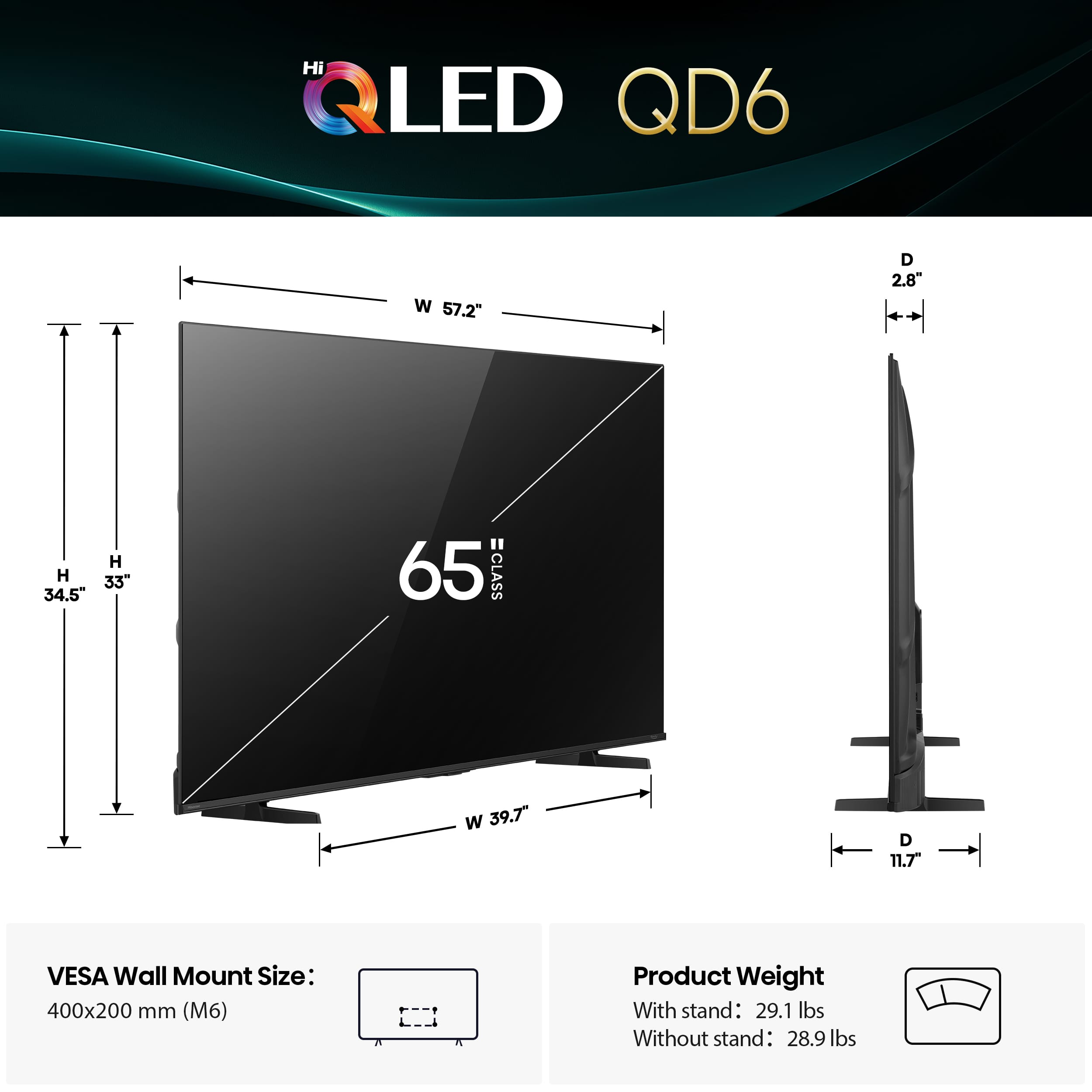
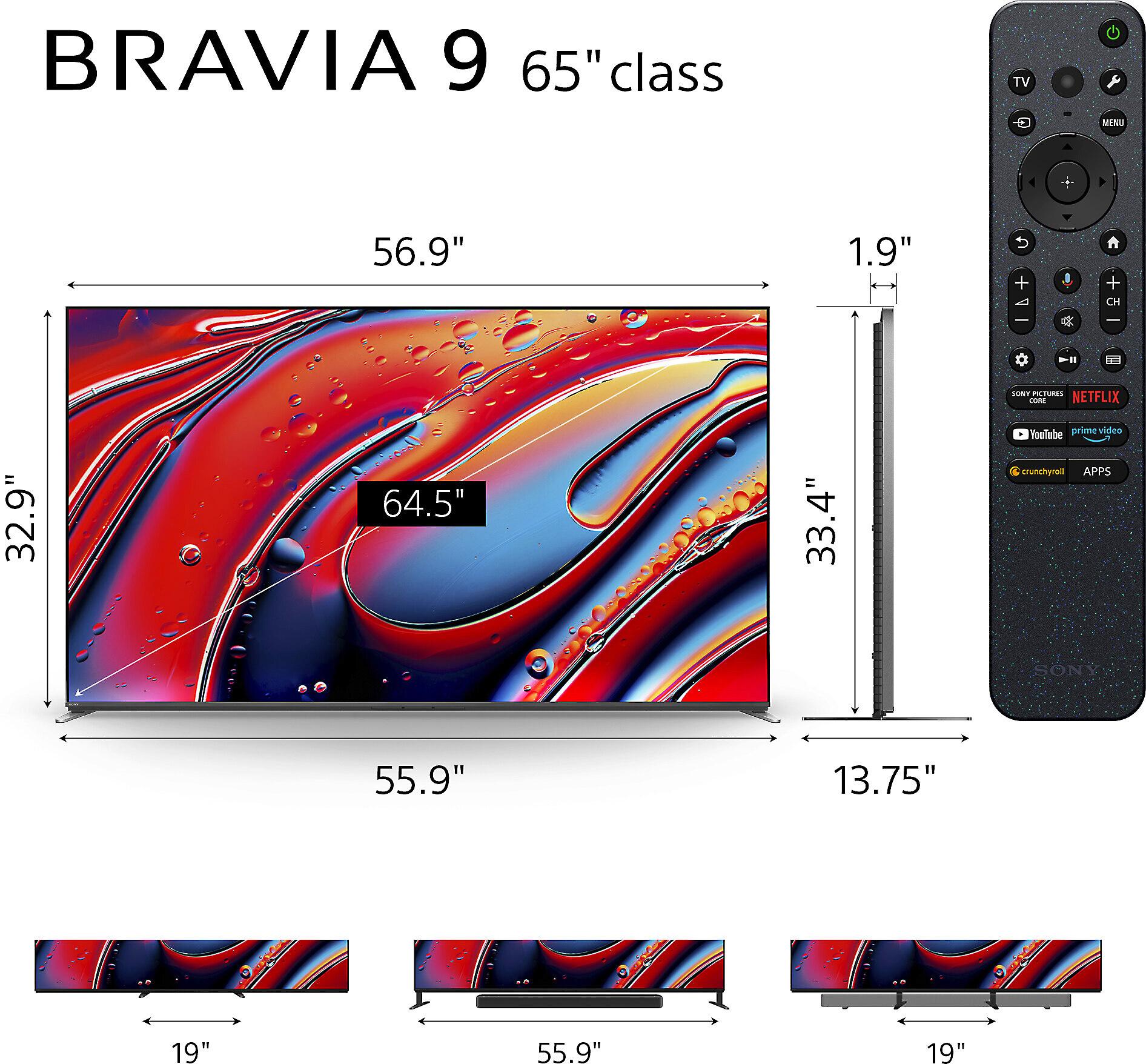
Yes, both the Hisense QD6 and Sony BRAVIA 9 support wall mounting with VESA mounting patterns. The Sony BRAVIA 9 uses a 300mm x 300mm VESA pattern and is relatively thin for wall mounting, while the Hisense QD6 has a thicker profile typical of budget LED TVs but still wall-mountable.
The Sony BRAVIA 9 offers better future-proofing with HDMI 2.1, 120Hz support, and cutting-edge Mini-LED technology that will remain competitive for years. The Hisense QD6 provides solid current performance but may become outdated sooner due to its 60Hz limitation and HDMI 2.0 ports, though it offers excellent immediate value for casual viewing needs.
We've done our best to create useful and informative comparisons to help you decide what product to buy. Our research uses advanced automated methods to create this comparison and perfection is not possible - please contact us for corrections or questions. These are the sites we've researched in the creation of this article: pcvarge.com - bestbuy.com - rtings.com - youtube.com - rtings.com - youtube.com - consumerreports.org - leaseville.com - hisense-usa.com - device.report - hisense-usa.com - youtube.com - flatpanelshd.com - displayspecifications.com - retailspecs.com - bestbuy.com - bestbuy.com - youtube.com - whathifi.com - crutchfield.com - rtings.com - pcrichard.com - merlinstv.com - youtube.com - sony.ca - electronics.sony.com

Privacy Policy
Terms and Conditions - Affiliate Policy
Home Security
© Copyright 2008-2026.
11816 Inwood Rd #1211, Dallas, TX 75244