

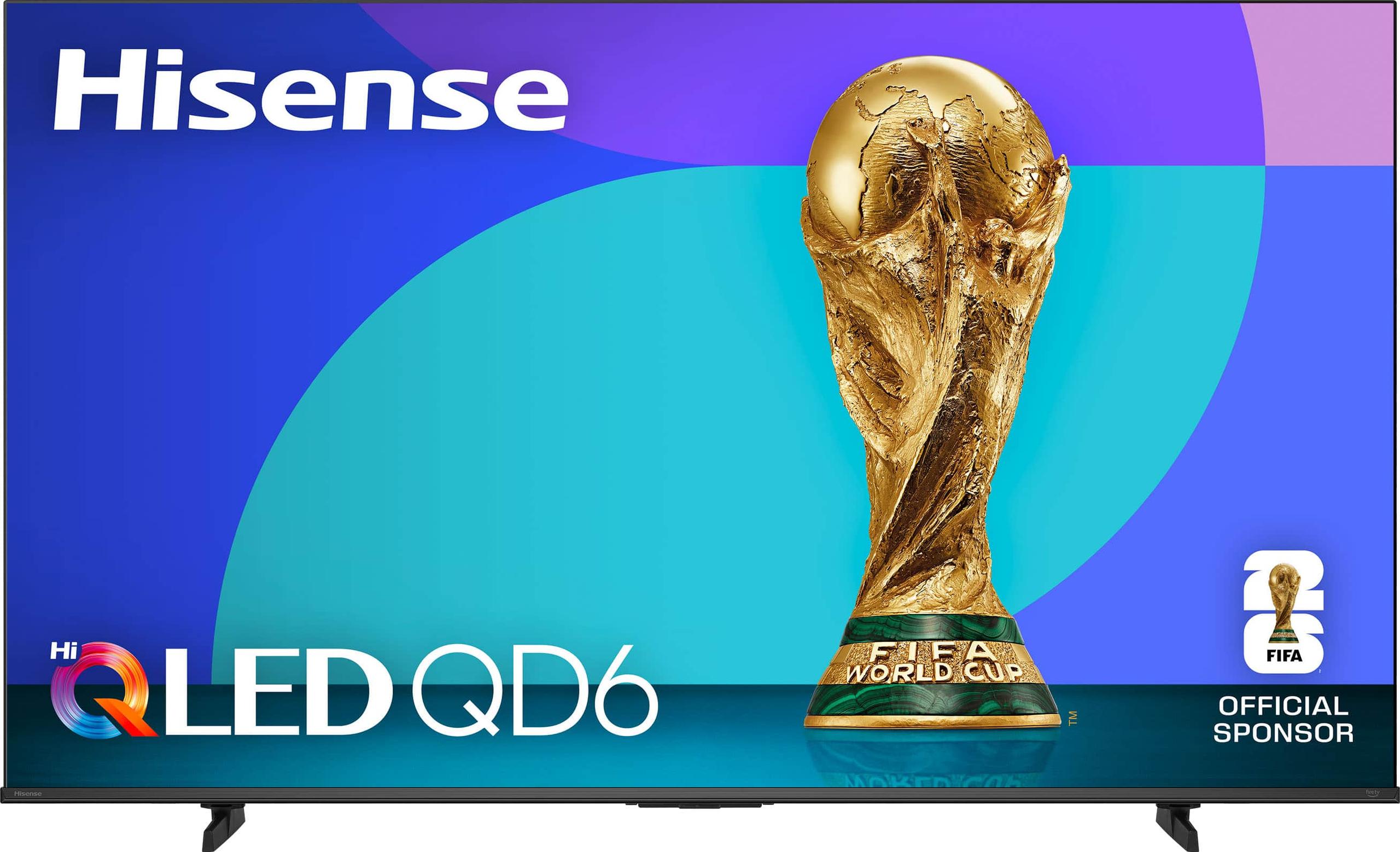
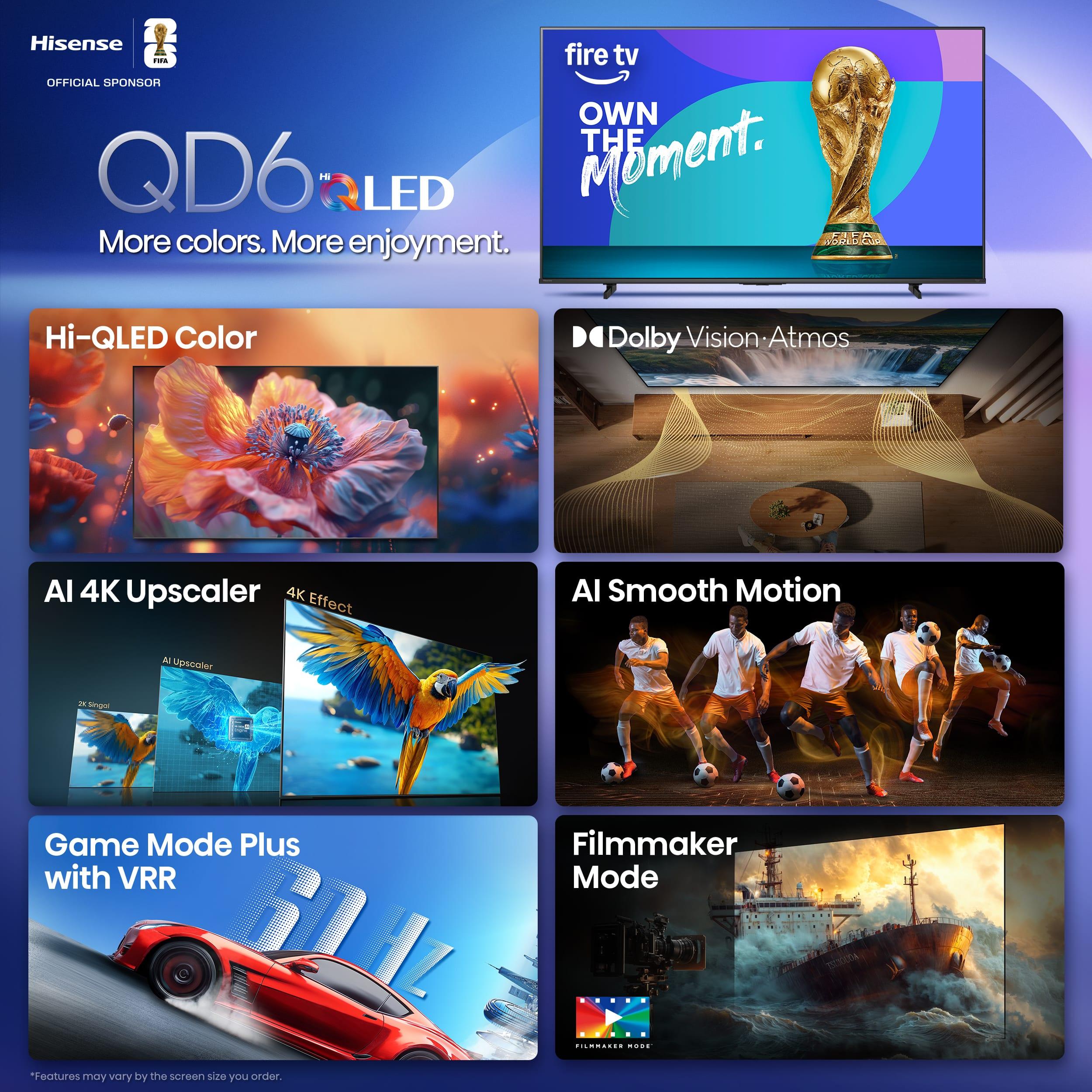
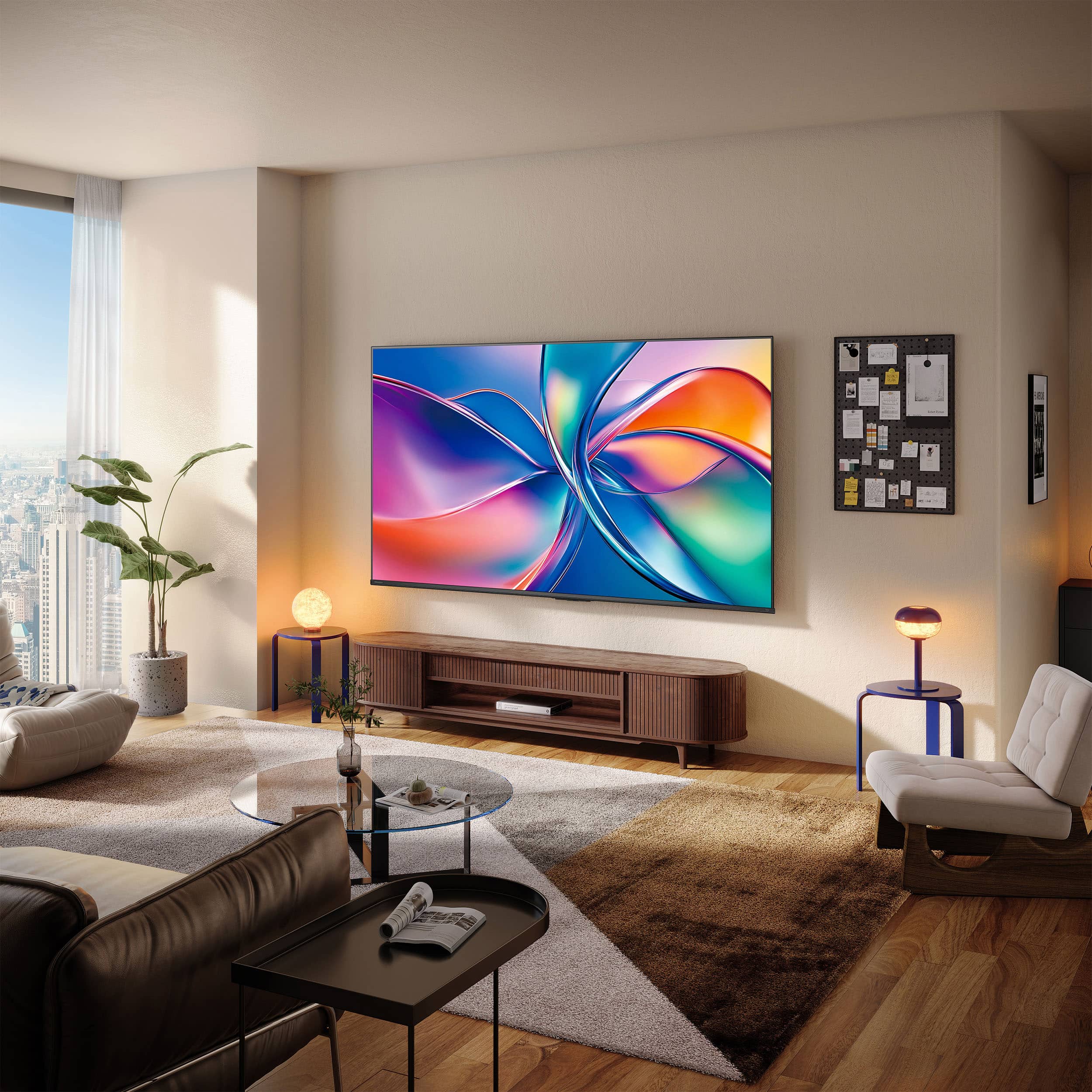
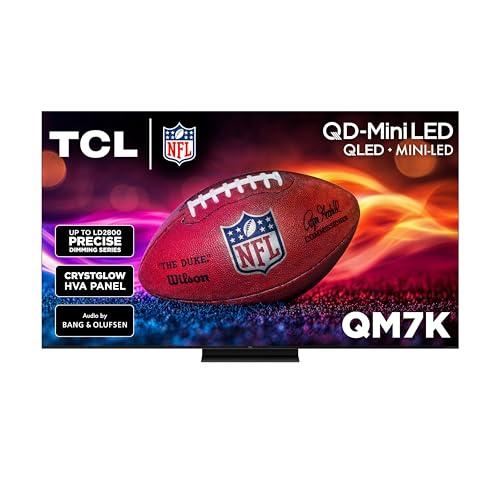
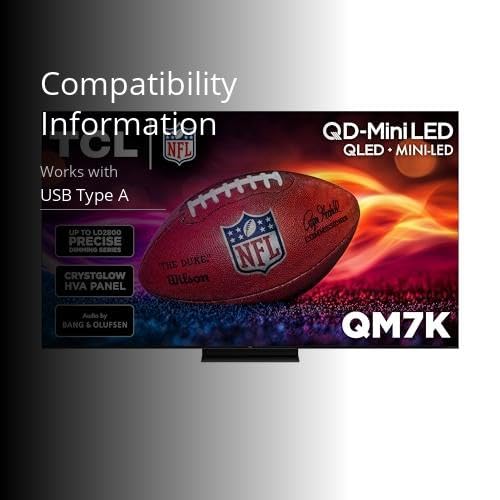
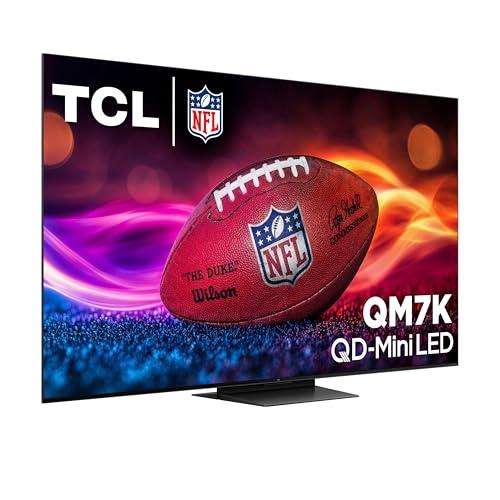
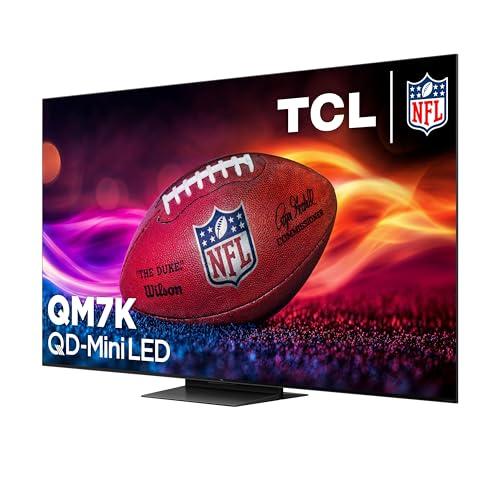
Shopping for a 65-inch TV in 2025 means navigating an impressive array of technologies that didn't exist just a few years ago. Two standout options represent different approaches to delivering excellent picture quality: the budget-friendly Hisense 65" QD6 Series and the feature-packed TCL 65QM7K. Both arrived in early 2025, but they take dramatically different paths to reach your living room.
The TV landscape has evolved rapidly since 2020. Quantum dots—microscopic particles that enhance color purity—have become standard even on budget models. Meanwhile, Mini-LED backlighting, which uses thousands of tiny LEDs for precise brightness control, has moved from flagship TVs into the mainstream. These advances mean you can now get picture quality that would have cost $3,000+ just three years ago for under $1,000.
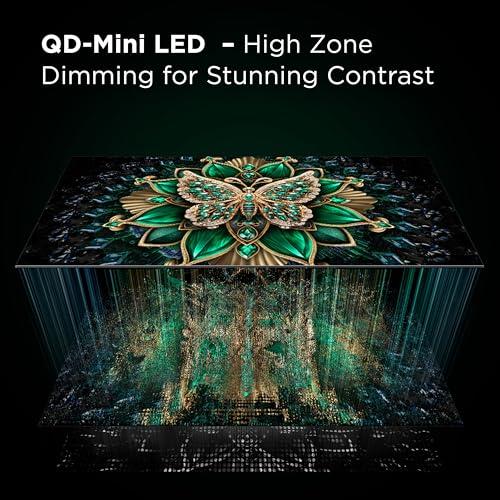
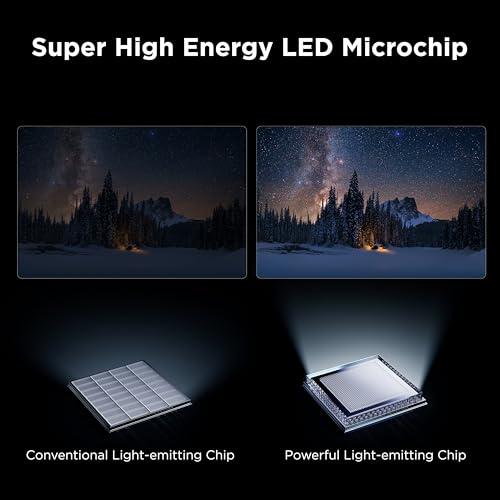
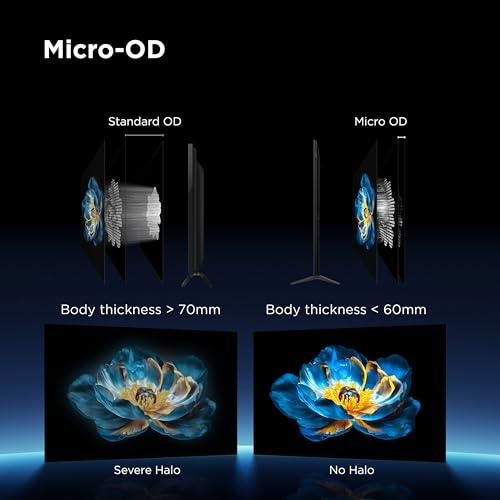
Before diving into specifics, let's clarify what separates these technologies. Traditional LED TVs use a backlight behind the entire screen, which can cause "blooming" where bright objects create halos of light around them. Local dimming divides the backlight into zones that can be independently controlled—more zones mean better contrast. The TCL QM7K uses Mini-LED technology with up to 2,500 dimming zones, while the Hisense QD6 has no local dimming at all.
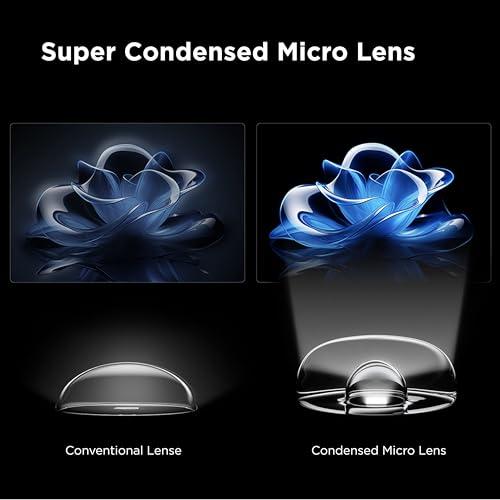
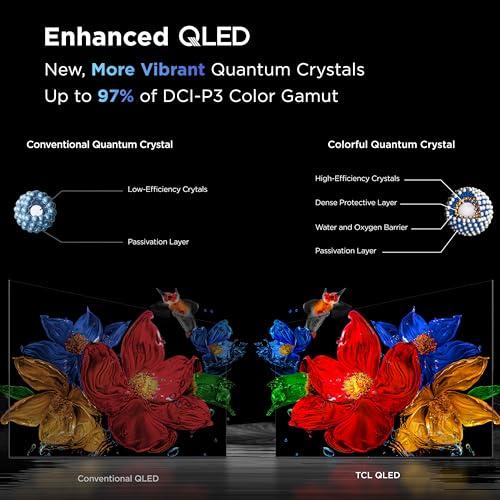
Quantum dots work differently. These nano-crystals convert blue LED light into pure red and green light, creating more vibrant colors than traditional phosphors. Both TVs use quantum dots, but the way they're implemented affects the final picture quality significantly.
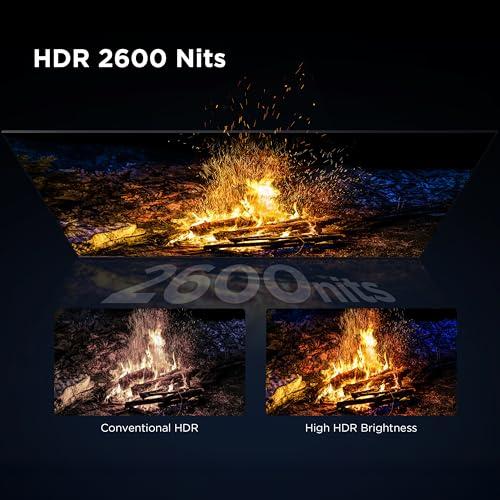
The most dramatic difference between these TVs lies in their brightness capabilities. The TCL QM7K reaches an impressive 3,000 nits peak brightness—that's roughly six times brighter than a typical smartphone screen and bright enough to make HDR (High Dynamic Range) content truly shine. HDR is essentially a wider range of brightness levels that makes highlights sparkle and shadows retain detail, mimicking what your eyes see in real life.
In contrast, the Hisense QD6 peaks around 385 nits, which is adequate for regular TV viewing but falls short of delivering impactful HDR. When watching a sunset scene in a nature documentary, the TCL will make those golden highlights genuinely dazzling, while the Hisense will show them as merely bright. For movies like "Dune" or "Blade Runner 2049" that rely heavily on dramatic lighting, this difference is immediately apparent.
This brightness gap becomes even more important in bright rooms. If your TV faces windows or you watch during the day, the TCL's extra brightness cuts through ambient light effectively. The Hisense works best in controlled lighting conditions—think basement media rooms or evening viewing with the curtains drawn.
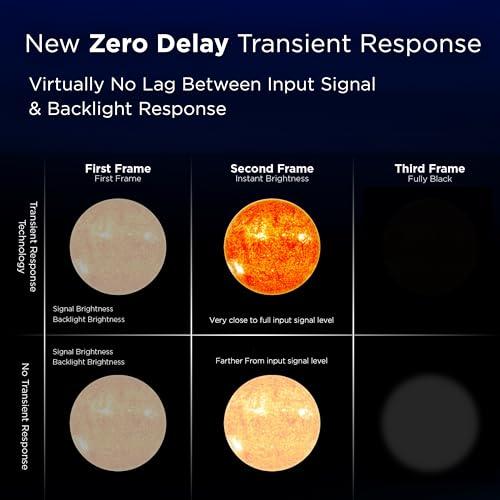
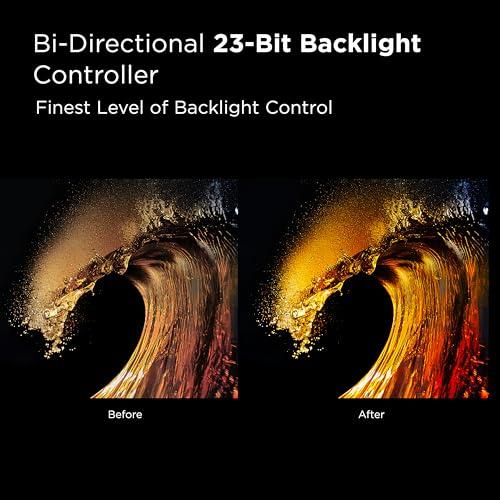
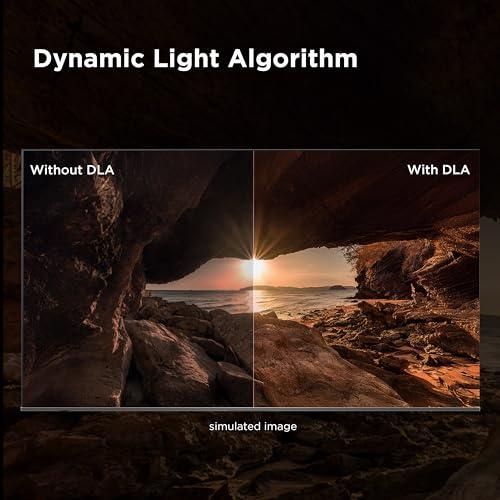
Here's where the TCL QM7K's Mini-LED advantage becomes clear. Those 2,500 local dimming zones can precisely control which parts of the screen are bright and which are dark. When watching a space movie with stars against black backgrounds, each star can shine brightly while the surrounding space remains truly black.
The Hisense QD6 lacks local dimming entirely, meaning its backlight affects the entire screen at once. This causes "black lift"—when bright objects appear on screen, the entire image becomes slightly washed out. It's particularly noticeable in dark movie scenes where a bright explosion or flashlight beam makes the whole screen look grayish rather than maintaining deep blacks.
Based on our research of professional reviews and user experiences, the TCL delivers the kind of contrast that makes you feel like you're looking through a window rather than at a screen. The Hisense provides decent contrast for its price range, but can't match that premium viewing experience.
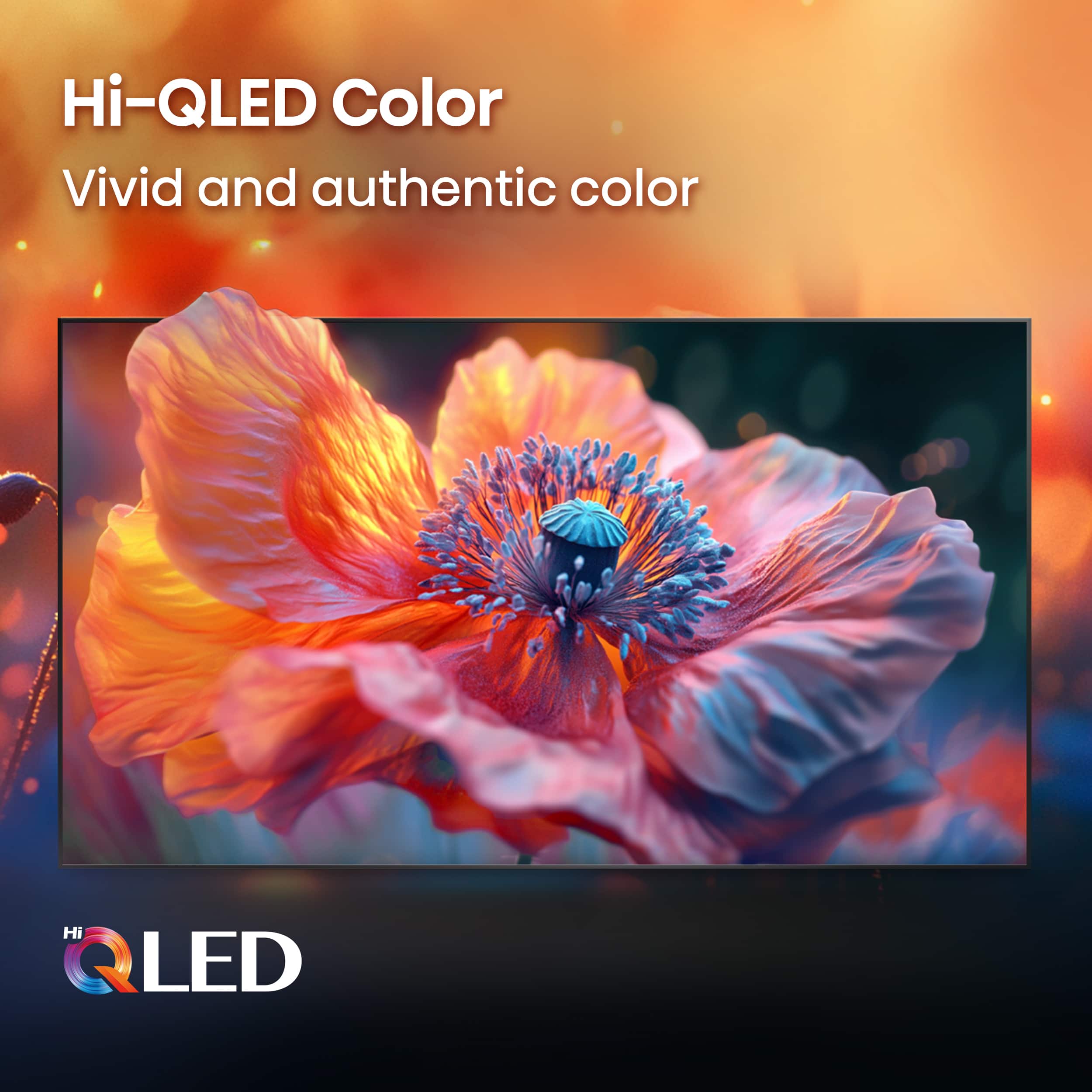
Both TVs use quantum dot enhancement, but the results differ notably. The Hisense QD6 covers about 90% of the DCI-P3 color space (the standard used for digital cinema), which translates to vibrant, punchy colors that pop off the screen. Out of the box, colors are reasonably accurate without needing adjustment.
The TCL QM7K goes further with its quantum dot implementation, delivering over a billion colors with superior color volume—meaning colors stay saturated even at high brightness levels. This matters when watching HDR content, where bright reds and blues can maintain their intensity instead of washing out. The TCL's higher brightness also enables these enhanced colors to really shine.
For most viewers, both TVs will look significantly more colorful than older LED TVs. However, the TCL's combination of quantum dots and high brightness creates a more premium, cinema-like experience that justifies its higher price point.
Gaming capabilities represent perhaps the biggest difference between these TVs. The TCL QM7K targets serious gamers with features that the Hisense QD6 simply cannot match.
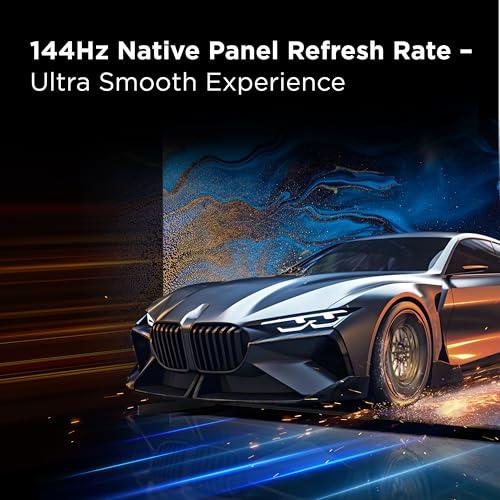
The TCL operates at a native 144Hz refresh rate, meaning it can display 144 unique frames per second. For comparison, most TVs run at 60Hz, and even many "gaming" TVs max out at 120Hz. This higher refresh rate makes fast-paced games like first-person shooters noticeably smoother and more responsive.
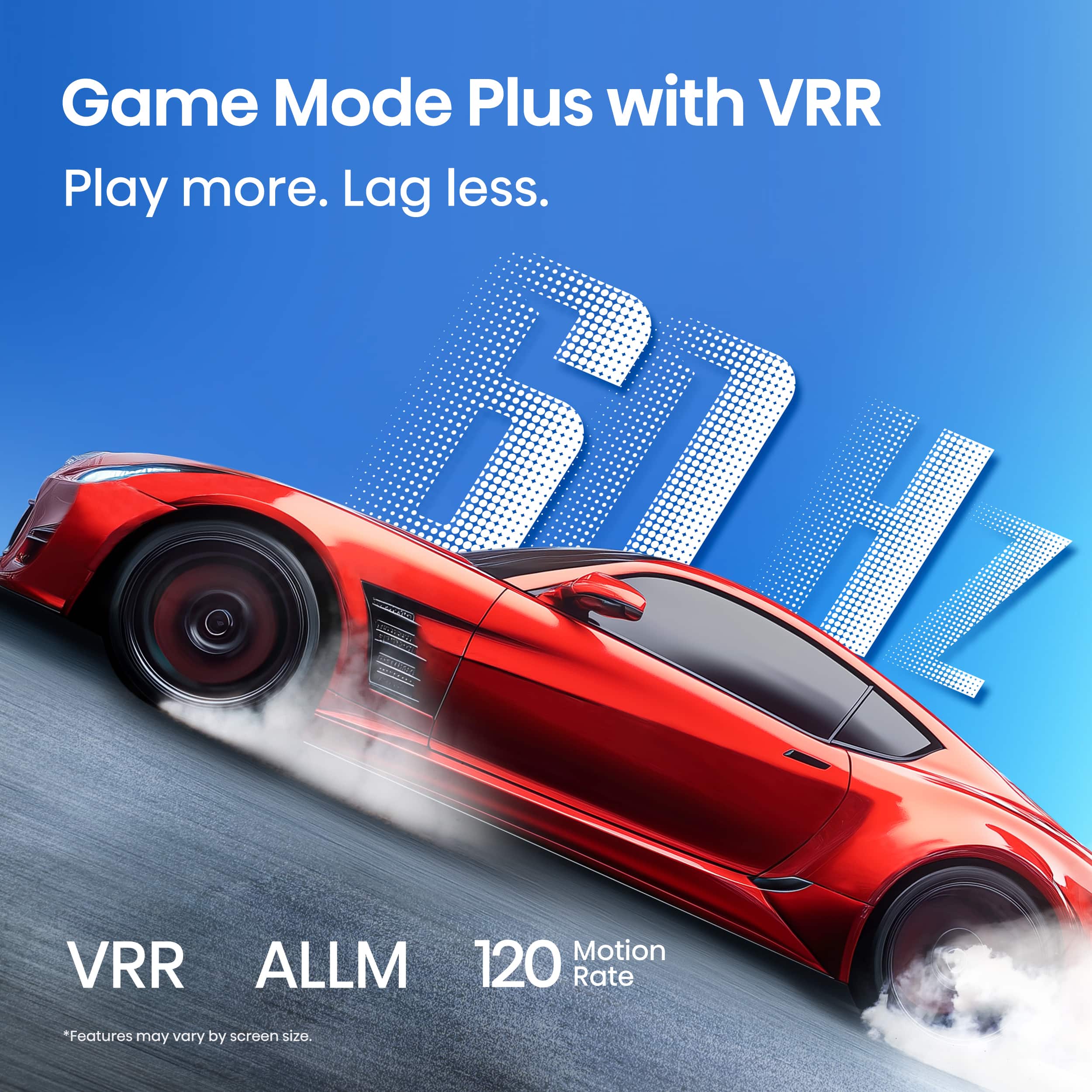
The Hisense QD6 is limited to 60Hz, which is fine for casual gaming but can't compete with modern gaming TVs. When playing competitive games or fast-action sports titles, the difference is immediately apparent—motion looks choppy on the Hisense compared to the fluid gameplay on the TCL.
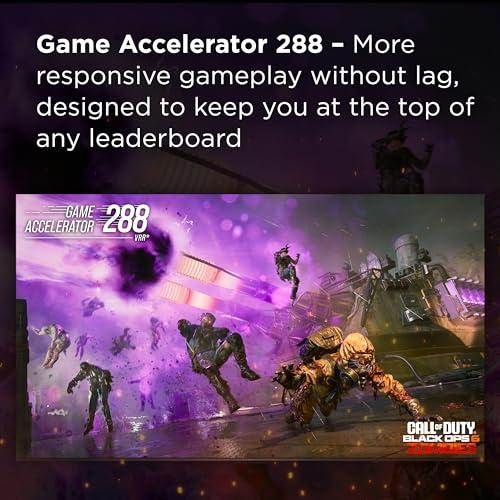
Both TVs support Variable Refresh Rate (VRR), which synchronizes the TV's refresh rate with your gaming console to eliminate screen tearing—those horizontal lines that appear when the TV and console get out of sync. However, the TCL QM7K supports VRR up to 288Hz at 1080p resolution, while the Hisense QD6 tops out at 60Hz.
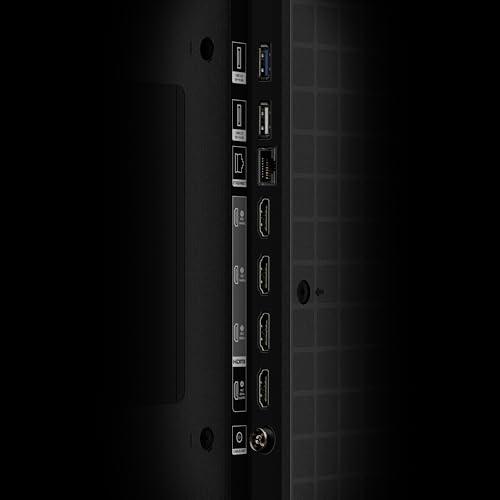
The connectivity story favors the TCL as well. It includes two HDMI 2.1 ports that support 4K at 120Hz and advanced gaming features. The Hisense uses older HDMI 2.0 ports throughout, limiting it to 4K at 60Hz maximum. For PlayStation 5 or Xbox Series X owners, this means the Hisense can't take full advantage of these consoles' capabilities.
Both TVs offer similarly low input lag—the delay between pressing a button and seeing the action on screen. This typically measures around 10 milliseconds in game mode, which is excellent for competitive gaming. However, the TCL's higher refresh rate and better motion handling make it feel more responsive overall.
Based on reviews from gaming-focused publications, the TCL QM7K ranks among the best gaming TVs available at its price point, while the Hisense QD6 provides adequate gaming performance for casual players.
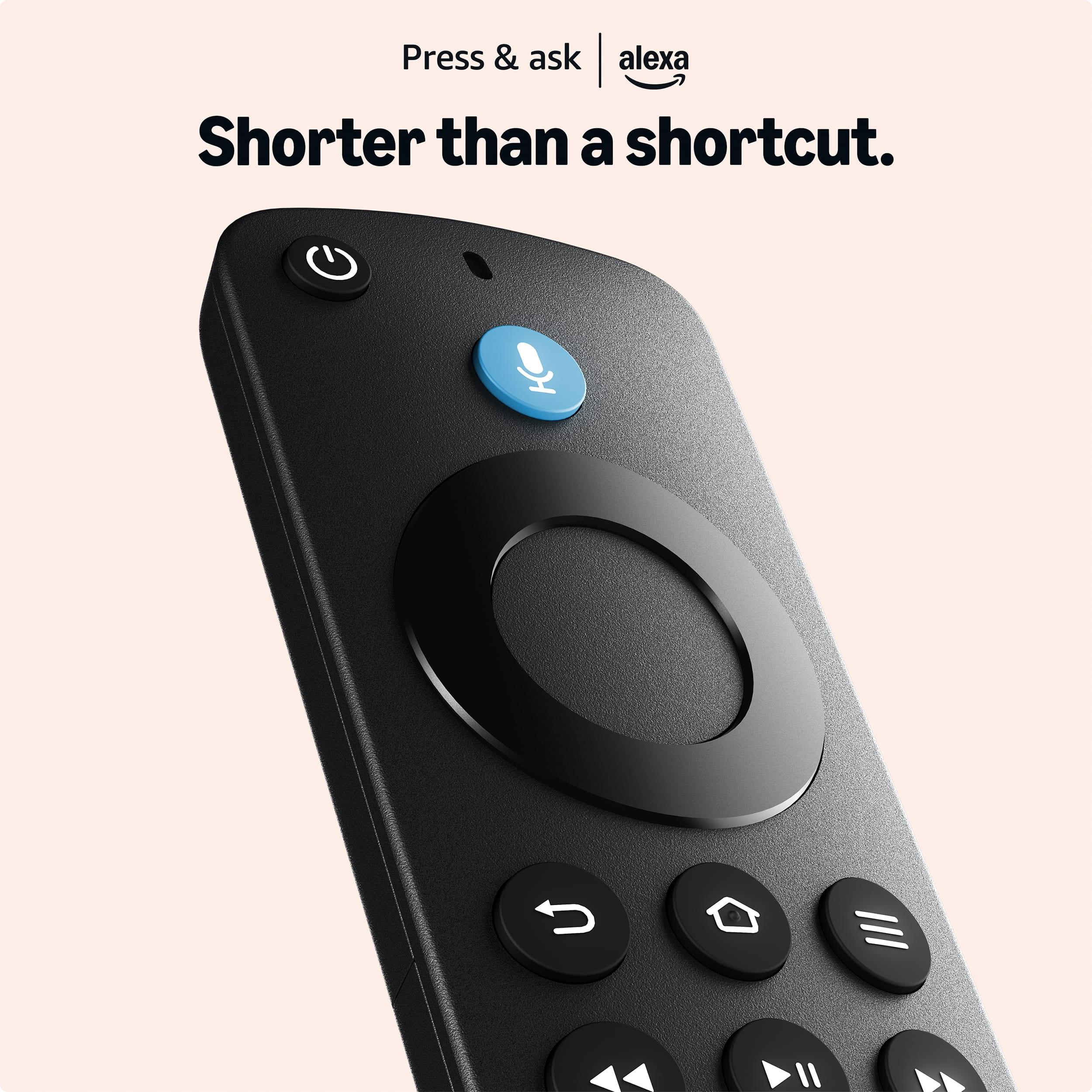
The choice between Fire TV and Google TV often comes down to personal ecosystem preferences. The Hisense QD6 runs Amazon's Fire TV platform, which excels if you're already invested in Amazon's ecosystem. Prime Video integration is seamless, and Alexa voice control works naturally. However, Fire TV can feel somewhat limited compared to other platforms, particularly for non-Amazon content discovery.
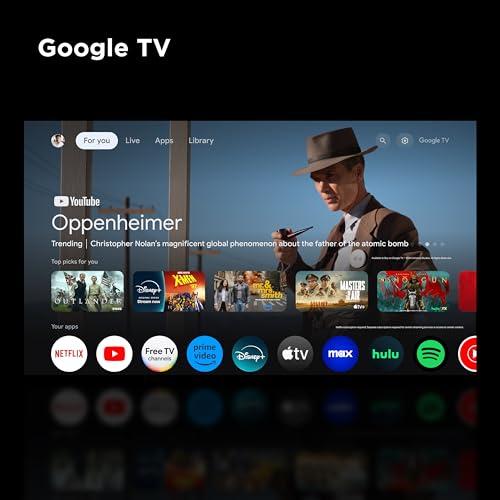
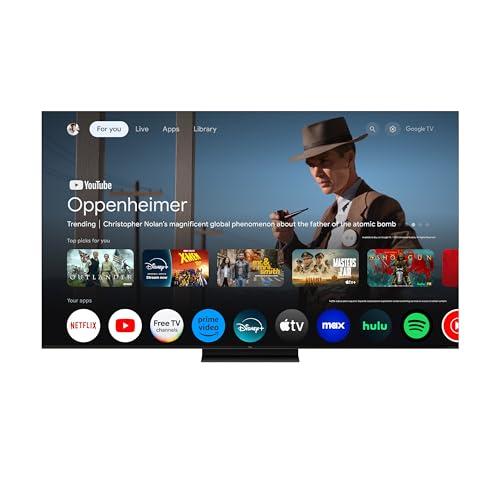
The TCL QM7K uses Google TV, which offers superior app selection and more flexible content recommendations. Built-in Chromecast makes sharing content from phones effortless, and the interface feels more modern and responsive. Google Assistant integration is excellent, and the hands-free voice control means you don't need to find the remote for basic commands.
From our research of user experiences, Google TV generally receives higher satisfaction ratings for its broader app ecosystem and superior search functionality. However, Fire TV users who primarily stream Amazon content often prefer its straightforward, Amazon-focused approach.
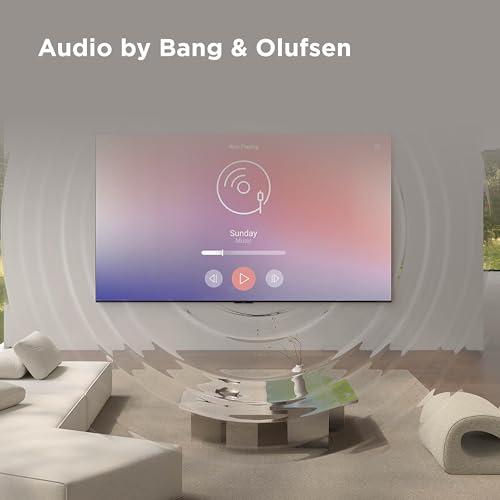
Audio represents an area where the TCL QM7K clearly outperforms the Hisense QD6. The TCL features a Bang & Olufsen-tuned 60W speaker system with Dolby Atmos support, delivering noticeably better sound quality than the Hisense's standard speakers.
That said, built-in TV speakers rarely satisfy serious home theater enthusiasts. Even the TCL's upgraded audio system can't match a dedicated soundbar or surround sound system. If you're planning a proper home theater setup, both TVs will likely be paired with external audio equipment, making this difference less critical.
For dedicated home theater use, the TCL QM7K is the clear choice. Its combination of high brightness, extensive local dimming, and excellent contrast creates a truly cinematic experience. The Mini-LED backlighting minimizes the blooming and light bleed that can distract from movie immersion.
The TCL also includes Filmmaker Mode, which disables artificial processing to display content exactly as directors intended. This matters when watching critically acclaimed films where color accuracy and natural motion are crucial.
The Hisense QD6 works adequately for casual home theater use, particularly if you're upgrading from an older TV. However, its lack of local dimming and lower brightness limit its ability to create that "wow factor" that makes movies feel special.
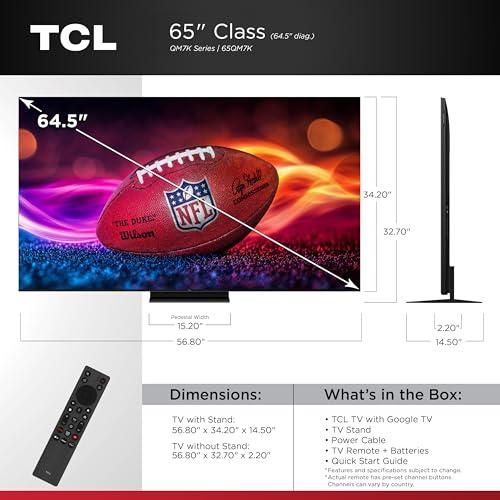
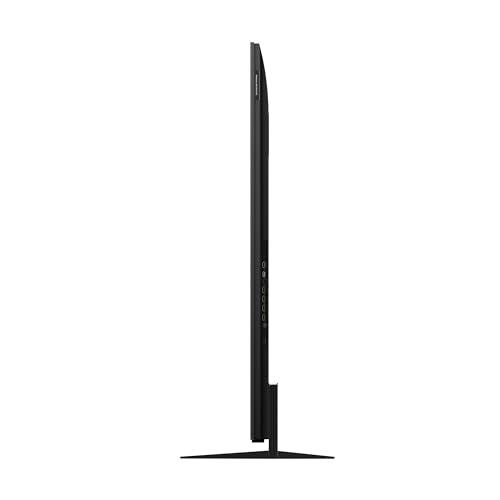
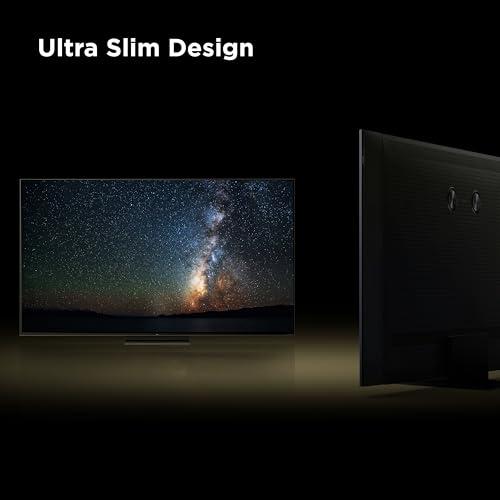
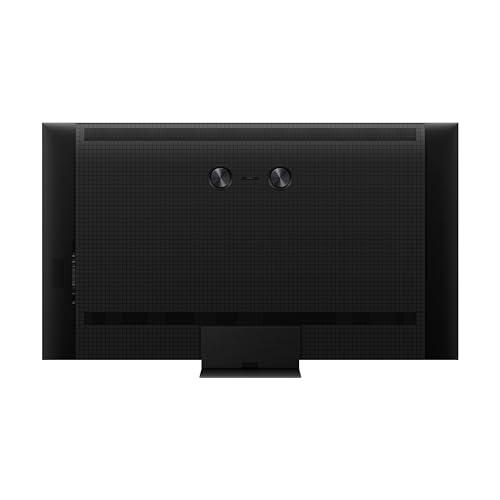
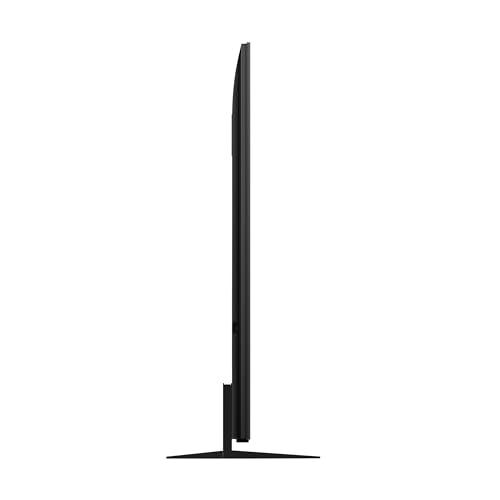
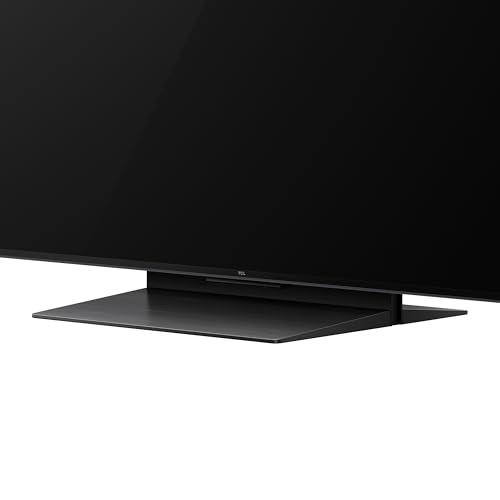
Both TVs feature modern, slim designs that look good in contemporary living spaces. The TCL QM7K has a slightly more premium appearance thanks to its thinner profile—a benefit of Mini-LED technology's more efficient heat management.
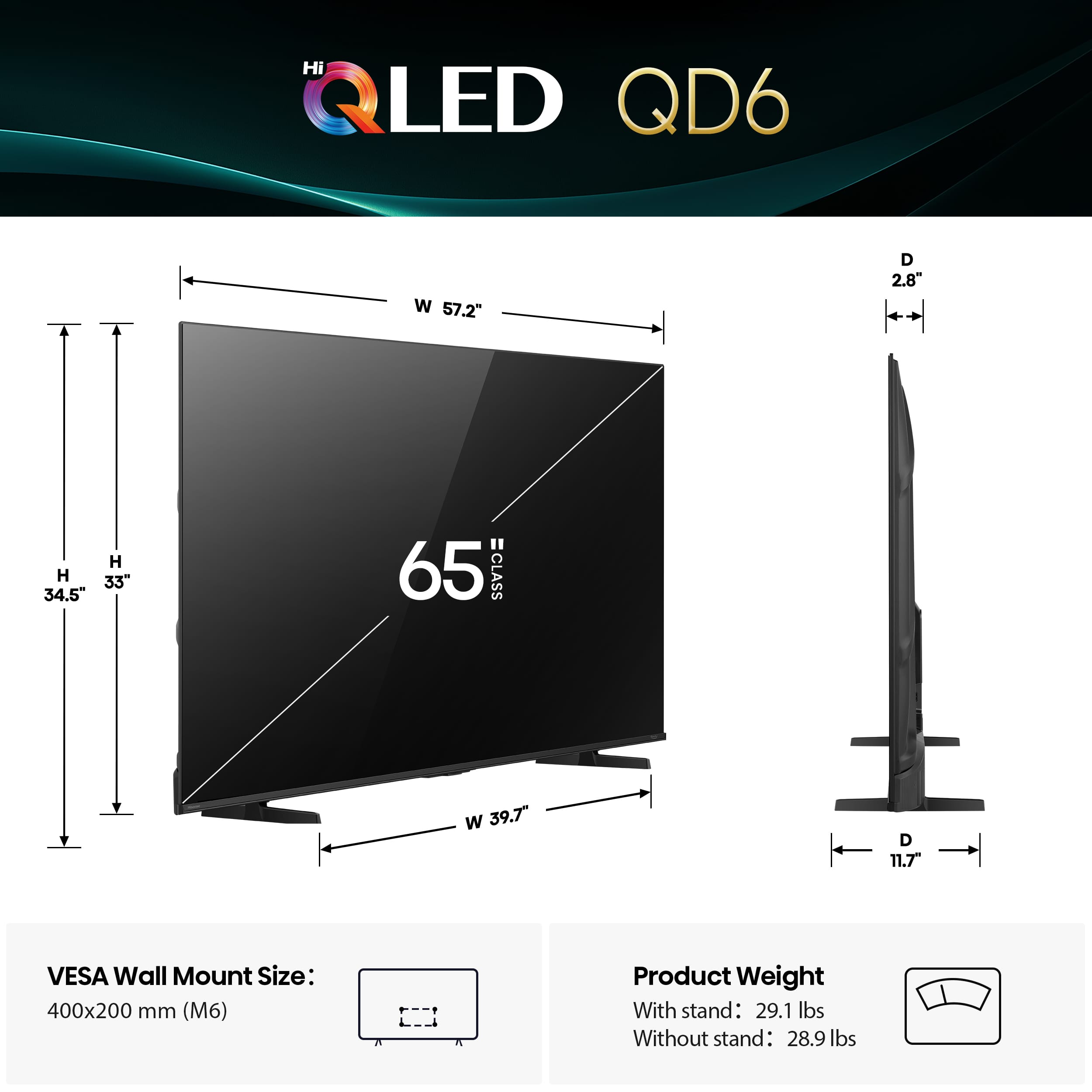
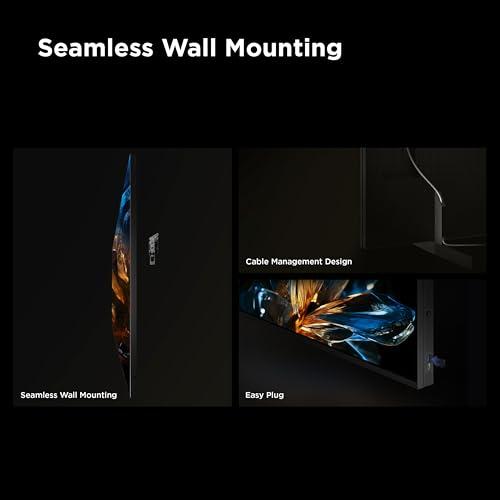
The Hisense QD6 uses a more traditional thick-back design but remains attractive from the front. Both include sturdy stands that support the large screen without wobbling, and both are VESA-compatible for wall mounting.
Build quality feels solid on both models based on user reports, though the TCL's higher price point shows in details like remote control quality and overall fit and finish.
At the time of writing, the Hisense QD6 typically costs roughly half the price of the TCL QM7K, making value calculations complex. The Hisense delivers excellent bang for your buck if you need basic 4K performance with quantum dot color enhancement. It's a smart choice for budget-conscious buyers who want a substantial upgrade from older TVs without paying premium prices.
The TCL QM7K costs significantly more but delivers flagship-level picture quality and gaming features typically found on TVs costing twice as much. When compared to premium brands' equivalent models, the TCL often provides similar performance at a lower price point.
The TCL QM7K represents excellent value in the Mini-LED category, offering picture quality that justifies its higher price through superior brightness, contrast, and gaming capabilities. It's the kind of TV that continues to impress months after purchase, particularly when watching high-quality HDR content or playing demanding games.
The Hisense QD6 serves budget-conscious buyers well, providing solid 4K performance with quantum dot enhancement at an attractive price. However, its limitations become apparent when compared to more advanced displays, particularly in bright rooms or demanding use cases.
For most buyers who can afford the price difference, the TCL provides substantially better long-term value through its superior picture quality, gaming features, and smart platform. The Hisense makes sense for buyers with strict budget constraints or basic viewing needs, but anyone serious about picture quality or gaming will find the TCL worth the investment.
| Hisense 65" QD6 Series Hi-QLED Fire TV | TCL 65QM7K QD-Mini LED 4K Google TV |
|---|---|
| Peak Brightness - Critical for HDR impact and bright room viewing | |
| 385 nits (adequate for dim rooms, limited HDR impact) | 3,000 nits (excellent HDR highlights, works in bright rooms) |
| Local Dimming Zones - Controls contrast and blooming around bright objects | |
| None (causes black lift and washed out darks) | 2,500 zones (precise light control, deep blacks) |
| Refresh Rate - Determines gaming smoothness and motion clarity | |
| 60Hz native (basic gaming, some motion blur) | 144Hz native (ultra-smooth gaming and sports) |
| HDMI Ports - Future-proofing for gaming consoles and devices | |
| 4x HDMI 2.0 (limited to 4K@60Hz) | 2x HDMI 2.1, 2x HDMI 2.0 (supports 4K@120Hz gaming) |
| Variable Refresh Rate - Eliminates screen tearing in games | |
| Up to 60Hz VRR (basic tear reduction) | Up to 288Hz VRR (advanced gaming features) |
| Display Technology - Affects contrast, brightness, and picture quality | |
| QLED with direct LED backlight | QD-Mini LED with quantum dots (premium hybrid tech) |
| Smart Platform - Determines app selection and user experience | |
| Fire TV (Amazon-focused, good for Prime users) | Google TV (broader apps, Chromecast built-in) |
| Color Gamut Coverage - Impacts color vibrancy and accuracy | |
| 90% DCI-P3 (good color reproduction) | Enhanced quantum dot (superior color volume) |
| Audio System - Built-in sound quality before adding soundbar | |
| Standard speakers with Dolby Atmos | Bang & Olufsen 60W with Dolby Atmos |
| HDR Format Support - Compatibility with streaming and disc content | |
| Dolby Vision, HDR10+, HDR10, HLG | Dolby Vision IQ, HDR10+, HDR10, HLG |
| Voice Control - Hands-free operation convenience | |
| Alexa via remote | Far-field mics for hands-free Google Assistant |
| Gaming Features - Console optimization and competitive play | |
| ALLM, basic game mode | Game Master 2.0, AMD FreeSync Premium Pro |
| Viewing Angle - Picture quality when not sitting directly in front | |
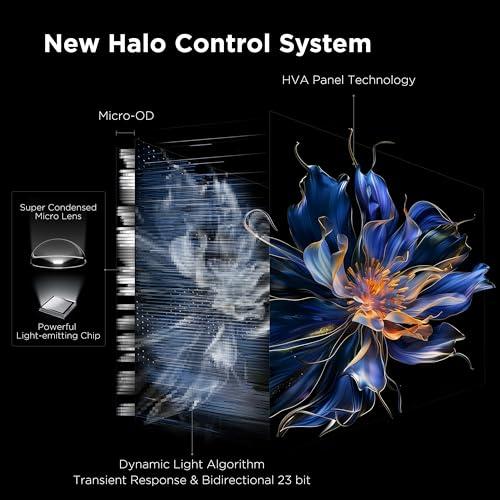
| Narrow (VA panel typical limitation) | Improved with CrystGlow HVA panel technology |
The TCL 65QM7K is significantly better for gaming with its 144Hz native refresh rate, 288Hz VRR support, and two HDMI 2.1 ports that handle 4K@120Hz gaming. The Hisense QD6 is limited to 60Hz with HDMI 2.0 ports, making it suitable only for basic gaming needs.
The Hisense QD6 uses traditional QLED with quantum dots but no local dimming, while the TCL QM7K combines quantum dots with Mini-LED backlighting and 2,500 local dimming zones. This gives the TCL much better contrast, deeper blacks, and brighter highlights for superior picture quality.
The TCL QM7K reaches 3,000 nits peak brightness compared to the Hisense QD6's 385 nits, making it nearly eight times brighter. This makes the TCL excellent for bright rooms and sunny environments, while the Hisense works best in controlled lighting conditions.
Google TV on the TCL QM7K offers broader app selection, better content discovery, and built-in Chromecast functionality. Fire TV on the Hisense QD6 works well if you're heavily invested in Amazon's ecosystem and primarily use Prime Video, but it's more limited overall.
The TCL QM7K delivers dramatically better HDR with its 3,000 nits brightness and local dimming zones that create true contrast between bright highlights and dark shadows. The Hisense QD6 supports HDR formats but lacks the brightness and contrast needed for impactful HDR viewing.
The TCL QM7K features a Bang & Olufsen-tuned 60W speaker system that sounds noticeably better than the Hisense QD6's standard speakers. However, both TVs benefit from adding a dedicated soundbar for the best audio experience.
The TCL QM7K is far superior for home theater use with its Mini-LED technology, 2,500 dimming zones, and cinema-level brightness that creates truly immersive movie experiences. The Hisense QD6 works for casual movie watching but can't match the premium home theater experience.
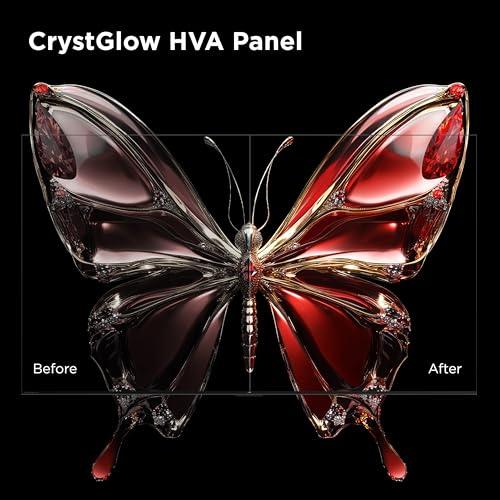
Both TVs use VA-style panels with limited viewing angles, but the TCL QM7K uses CrystGlow HVA technology that provides somewhat better off-angle viewing. Neither is ideal for wide seating arrangements, but the TCL performs slightly better when viewed from the side.
The Hisense QD6 offers excellent value at its lower price point for basic 4K viewing with quantum dot color. The TCL QM7K costs significantly more but delivers flagship-level picture quality and features that justify the premium for serious viewers and gamers.
Yes, but differently. The Hisense QD6 supports Alexa, Google Assistant, and Apple HomeKit through the remote and apps. The TCL QM7K includes hands-free voice control with far-field microphones for Google Assistant, plus support for Alexa and Apple integration.
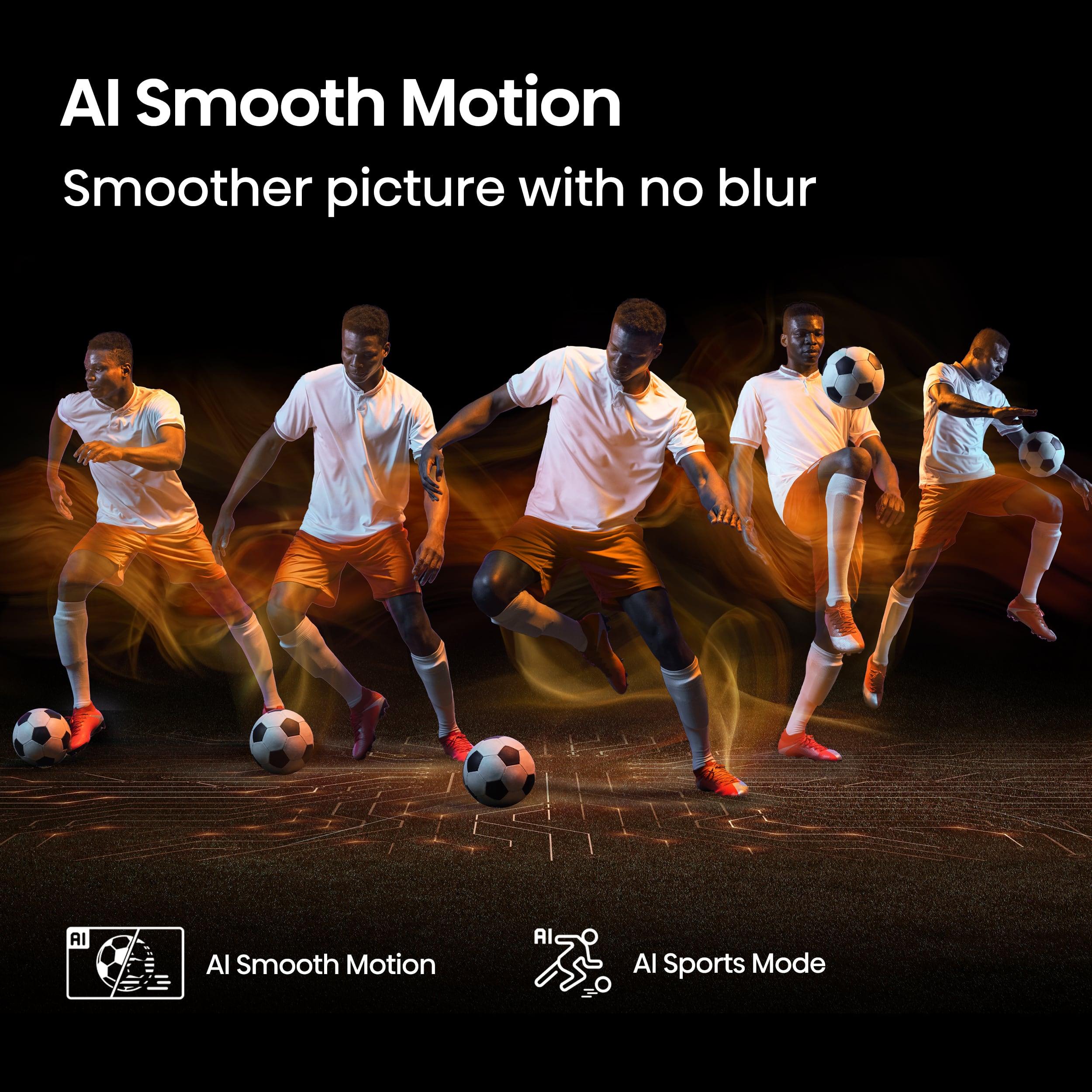
The TCL QM7K handles sports much better with its 144Hz refresh rate, superior motion processing, and brighter picture that cuts through ambient light. The Hisense QD6 can show sports adequately but suffers from motion blur and limited brightness in bright rooms.
The TCL QM7K is much more future-proof with HDMI 2.1 ports supporting 4K@120Hz and advanced gaming features like VRR up to 288Hz. The Hisense QD6 uses older HDMI 2.0 technology that limits it to 4K@60Hz, which may feel outdated as games advance.
We've done our best to create useful and informative comparisons to help you decide what product to buy. Our research uses advanced automated methods to create this comparison and perfection is not possible - please contact us for corrections or questions. These are the sites we've researched in the creation of this article: pcvarge.com - bestbuy.com - rtings.com - youtube.com - rtings.com - youtube.com - consumerreports.org - leaseville.com - hisense-usa.com - device.report - hisense-usa.com - youtube.com - flatpanelshd.com - displayspecifications.com - retailspecs.com - bestbuy.com - businessinsider.com - tomsguide.com - tomsguide.com - rtings.com - tomsguide.com - youtube.com - rtings.com - consumerreports.org - youtube.com - youtube.com - displayspecifications.com - youtube.com - tcl.com - tcl.com - tcl.com - youtube.com - rcwilley.com - bestbuy.com - tclcentral.com - displayspecifications.com - tomsguide.com - tcl.com - brandsmartusa.com - tcl.com - tcl.com - gizmochina.com - nfm.com - dolby.com - alexraytv.com

Privacy Policy
Terms and Conditions - Affiliate Policy
Home Security
© Copyright 2008-2026.
11816 Inwood Rd #1211, Dallas, TX 75244